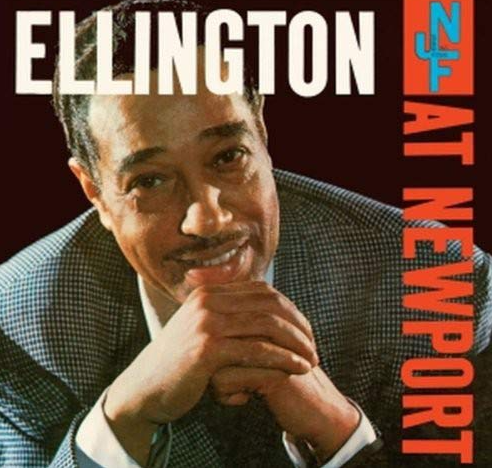
On July 7, 1956, the Duke Ellington Orchestra played the third annual Newport Jazz Festival, taking the stage as the first act of the third night of the festival — well, almost: several of his band members were running late, so Duke and the musicians that were there played a version of the “Star-Spangled Banner,” and a truncated set of two numbers: “Black and Tan Fantasy” and “Tea for Two.” Duke and his band then stepped aside as several “cooler” and “more hip” acts took the stage: Teddy Wilson’s Trio, the Jimmy Giuffre Trio, the musically progressive Chico Hamilton Quintet (with Fred Katz on cello and piano and legendary guitarist Jim Hall), and dynamic “modernist” vocalist Anita O’Day, a flagship artist of the recently-formed Verve label, at the peak of her career following an April 1956 5-star review of her third studio album, eponymously titled Anita, released several months before Elvis Presley’s Elvis album. Elvis, I mean, Anita, was then possibly followed by the Bud Shank Quartet, but I am not sure of the order of the acts.
It is stated that the Duke fidgeted with anxiety backstage watching the more modernist acts, which made his own orchestra seem dated. However, when the time came for his orchestra to take the stage again, they were fired up to continue. Their set included the premier performance of a newly composed Ellington suite, which the band had not sufficiently rehearsed, and the defining moment of the concert: Paul Gonsalves’ 27-chorus solo between the two sections of Ellington’s “Diminuendo and Crescendo in Blue,” which, according to reports, incited near-pandemonium amongst the attendees and, as a result, generated a resurgence of public interest, single-handedly reviving the band’s relevance for a new generation of jazz fans.
However, when the time came to release the concert as an LP, Columbia Records had several challenges. The new suite clearly sounded under-rehearsed; saxophonist Johnny Hodges felt his playing was subpar in spots; Ellington was concerned about releasing a flawed representation of his orchestra; and Gonsalves, purportedly drunk during the concert, had misidentified which microphone to play next to, playing into the mic that the Voice of America had set up, making his crowd-stirring solo on “Diminuendo and Crescendo in Blue” sound distant.
So with all those considerations, the band recorded new versions of those numbers that had been selected for the planned “live” album, and producer George Avakian and engineer George Knuerr added the fake crowd noise. The two spent two days in the studio combining live tapes and studio retakes, electronically boosted the live audio as needed, spliced in additional, more noticeable applause, and heavily layered the tracks with reverberation, negatively impacting the general sound quality — all for the purpose of creating a finished product that appeared to be a genuine live festival performance.
The album was released in November of 1956, becoming the best-selling album of Duke’s entire career. It was a true commercial juggernaut, one of the first jazz albums to sell over a million copies, with continuing robust sales worldwide for years after its release. It even reached the number 14 spot on the Billboard Pop Albums chart, sadly not coming close to contending with that aforementioned Elvis album, but doing extraordinarily well for a live big band concert album during those early days of rock n roll. The album created increased demand for the Ellington Orchestra and their recording opportunities, and Ellington famously quipped, “I was born at the Newport Jazz Festival in 1956.”
In terms of critical acclaim, reviews of the album were filled with praise. Jazz critics, who had previously dismissed Ellington’s mid-1950s output as archaic and tired, completely reversed their stance. Reviewers in publications like DownBeat heralded it as a miraculous, irrefutable comeback.
And it’s important to note that the concert itself, even before the album was released, was a significant driving force of the band’s resurgence and no doubt helped drive the popularity of the album — the concert’s resulting press attention led Time magazine to put Duke Ellington on the cover of their August 20, 1956 issue, something never achieved by Elvis either in 1956 or in Elvis’s entire lifetime.
Now, although I purchased a copy of the Ellington at Newport album in CD format as well as a vinyl copy, something occurred that made me glad to set aside those versions, forever.
In 1999, two or three years after the discovery of tapes of the concert made by Voice of America, a 2-CD set was released which, through the aid of digital technology, merged together the original Columbia concert recordings and the VOA recordings to create a unified, amazingly crisp and detailed, stereo representation of the Ellington Orchestra performance.
And wow! Is it something. One can hear the rough spots, that’s true. For example, the first time I heard the beginning of Johnny Hodge’s solo on “I Got it Bad,” I physically cringed, involuntarily scrunching up my shoulders. I played the alto sax for a short time, and know that even though its pitch is controlled with fingered keys, one can make some uncomfortably embarrassing sounds — I never considered that one of the most disciplined alto saxophonists of all time, would ever inadvertently play such an off-pitch sound as was recorded for posterity that evening. And yet, the performance is still amazing. This is the case with that entire concert, making the true live version of the imperfectly three-part suite preferable to the cloudy-sounding 1956-released version. And for completists, the original material recorded in the studio for the doctored 1956 LP is included on the second CD, including a retake of “I Got it Bad,” played flawlessly by Hodges — and without any added crowd noise or reverb.
So yes, that original 1956 Ellington in Newport is one of the most historically significant albums in jazz, but the 2-CD 1999 version is one of the most musically enjoyable releases in big band jazz.
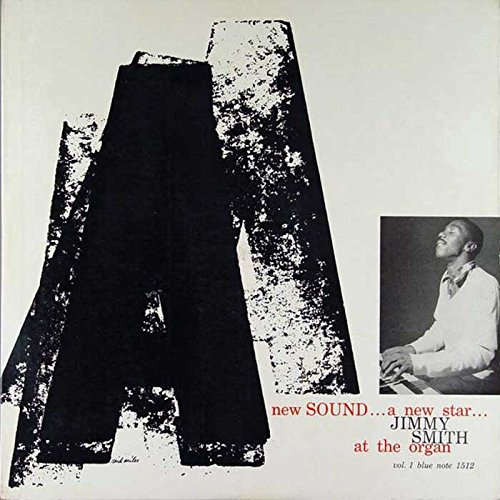
Jimmy Smith: Jimmy Smith At The Organ – A New Sound-A New Star Volume One, Jimmy Smith At The Organ – A New Sound-A New Star Volume Two, Jimmy Smith At The Organ Volume 3
Jimmy Smith recorded three studio albums in the first six months of 1956. The first, titled Jimmy Smith At The Organ – A New Sound-A New Star Volume One, has a strong rhythm and blues vibe, with a selection of standards, a very bluesy and soulful rendition of Horace Silver’s “The Preacher,” and Smith’s interpretation of Bach’s “Jesu, Joy of Man’s Desiring,” recorded on February 18, 1956, and released in 1956.
The second album, Jimmy Smith At The Organ – A New Sound-A New Star VolumeTwo, was recorded the next month on March 27, 1956, and released in 1956, and is closer to standard mid-1950s hard bop than the first. It starts with a rendition of Dizzy Gillespie’s “The Champ” that rivals any 1970s heavy metal rock track for sheer electrical power-driven invention and expression.
The third album, with a reassuringly shorter title, Jimmy Smith At The Organ Volume 3, recorded over two sessions, June 17 and June 18 1956, is similar to the second album, and contains only part of the tracks from those two sessions.
In 1997, a 2-CD set of a remastered version of these four sessions was released: A New Sound… A New Star… Jimmy Smith At The Organ Vol. 1-3, and unless you are committed to vinyl, this is the set to have. Jimmy Smith had an organ style like no other recording musician of 1956. His background was in Rhythm and Blues bands before transitioning to jazz. His approach is to lean into the melodic capabilities of the Hammond B-3 organ, emphasizing its electric-produced timbral options, and playing R&B-type chord textures when accompanying and when soloing, usually either playing primarily melodic passages with some interspersed chordal support or playing melodies over a walking bass. Though there is a general absence of any counter-melody or hints of polyphony, he is appropriately paired with electric guitarist Thornel Schwartz Jr., who continued to record with other notable Hammond B-3 organists, including the incomporable Larry Young. Schwartz provides the necessary polyphony and counter-melody phrases on Jimmy Smith’s solos, sometimes even providing the bass foundation underneath those solos. The interplay between these two is riveting, with Donald Bailey providing a crisp backbeat, a skip-style hi-hat, and propulsive snare accents that kept the high-energy bop driving forward. On slow passages, Smith and Schwartz showed how expressive their electric instruments could be, and Bailey provided a soulful R&B-style support. The 2-CD set puts the bonus tracks before the third album, and this works musically well, providing over a couple of hours of electric-driven soulful hard bop that influenced later jazz, R&B, and 1970s pop music — with influences well into the 1980s, with Quincy Jones requesting Jimmy Smith to play a Hammond B-3 MIDI organ solo on Michael Jackson’s Bad.
There’s often a bittersweet undercurrent that is present when listening to great music composed or performed by an artist who died before reaching their forties. Every time I listen to a Jimi Hendrix recording, my enjoyment is always accompanied by the thought of what a tragedy it is that he didn’t live longer.
Most Americans seem aware that Mozart died at a young age: 35. Yes, part of this is due to the popularity of the movie Amadeus. Europeans are generally more aware of 18th and 19th century composers than Americans, but even if Amadeus had never been released, most Americans would know the names of Bach, Beethoven, and Mozart.
A smaller percentage of Americans know who Franz Schubert is, and some who are familiar with his name know it from his “Ave Maria,” which gets played quite a bit during the Christmas season, even today. There are not so many who have heard a full Schubert symphony or can tell you that he composed hundreds of songs, seven completed symphonies, three unfinished symphonies, some amazing string quartets, and a stunningly stylistically diverse range of piano music and piano sonatas before dying at the age of 31. It’s nearly impossible for me to listen to his music without reflecting (perhaps when cueing it up or immediately after its completion) on how tragic his early death was, or wondering what masterpieces would have been available for us if he had lived another thirty or forty years — or even another four years — living at least as long as Mozart. And then sometimes I consider how badly decimated the output of Bach, Beethoven, Brahms or even Mozart would have been if they had not made it to their 32nd birthday. We would still have all but two of Mozart’s 41 or so symphonies, but we would not have his last three, including the great Jupiter symphony, his Requiem, several of his best piano concertos and string quartets, or his four most important and beloved operas. Sadly, if all composers had died at the age of 31, Schubert would be considered the greatest of them all. Fortunately, the great majority lived past 31. That may explain why most Americans have such little knowledge of Schubert — but I suspect it’s just more accurate to assert that most Americans have little knowledge of music prior to the era of the Beatles.
If you approach the average person and ask what they think of the jazz trumpeter Booker Little’s career, and how it might have been different if he had lived a few decades longer, you will just get a blank stare. And even if Booker Little had continued making jazz music until his eighties, most Americans would not recognize his name simply because there is a general ignorance of America’s greatest musical legacy, the canon of recorded jazz music.
So I have to keep that in mind when I consider the magnitude of the loss to music of Clifford Brown at the age of 25, and to a lesser extent, Bud Powell’s younger brother, Richie, a talented pianist, composer and arranger, at the age of 24, both killed as passengers in a car accident when Richie’s 19 year old wife lost control of Clifford Brown’s car late at night on a badly rain-slicked Pennsylvania Turnpike during heavy rain and limited visibility. Neither alcohol nor drug usage was involved; Brown was one of the most notable drug-free players of the 1950s.
The accident occurred during the earliest hours of June 26, 1956. Clifford Brown recorded on two studio albums in 1956, each released in 1956.
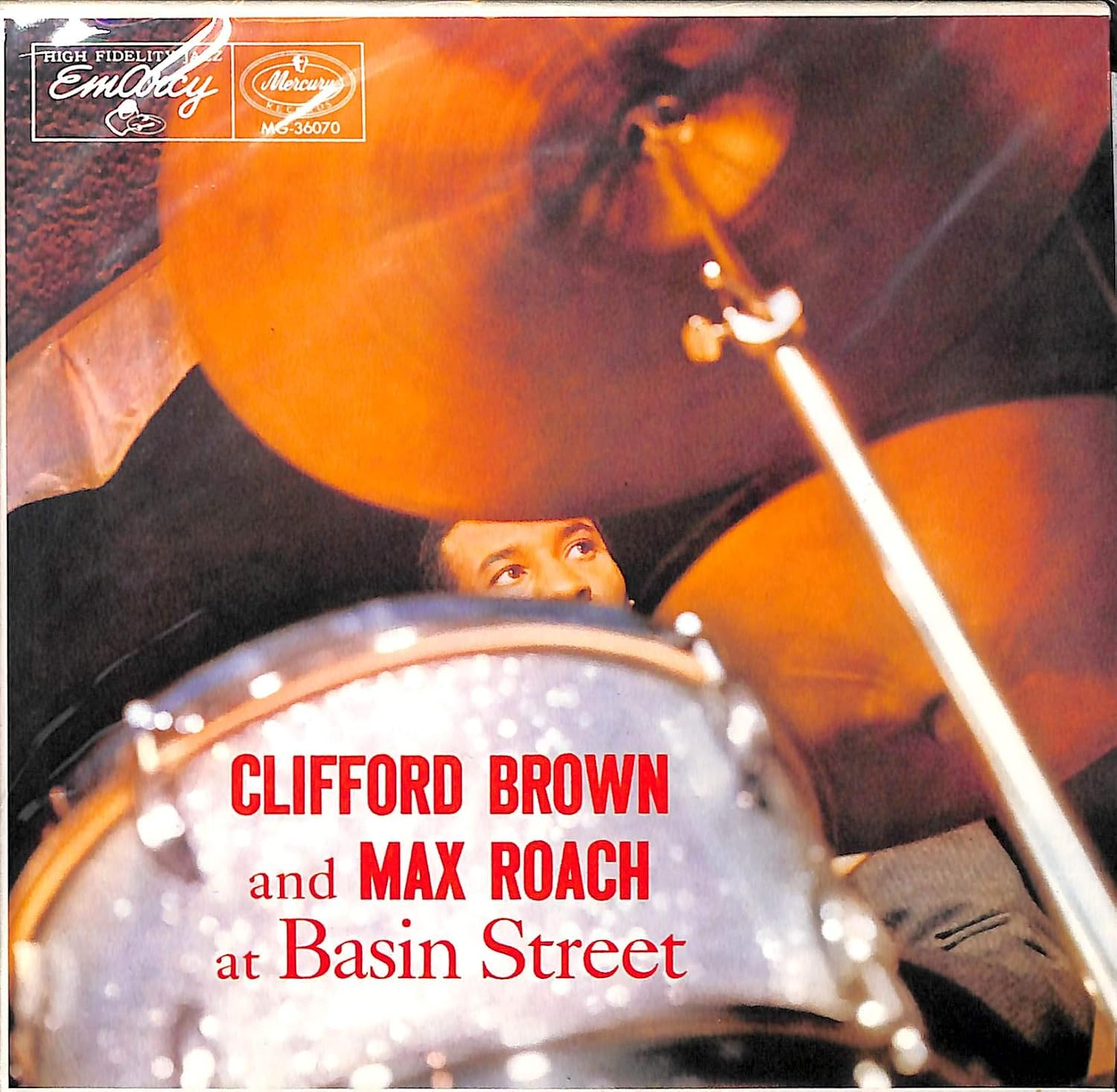
Clifford Brown and Max Roach: Clifford Brown and Max Roach at Basin Street
The first album I will cover, Clifford Brown’s last album as a leader, was recorded in January and February of 1956, and it is one of the finest hard bop albums of all time: Clifford Brown and Max Roach at Basin Street. Please note that although the title may imply a live recording, this is a studio album recorded in New York City at Capitol Studios.
The album opens with a four-bar Max Roach solo on drums as part of Richie Powell’s 64-bar introductory arrangement for Cole Porter’s “What Is This Thing Called Love?“, followed by an incredibly intense solo by Clifford Brown, followed by a similarly focused solo by Rollins. Now, in some of the recordings I have, Sonny Rollins comes off as remarkably relaxed and melodic, but here we have a very riveting hard-bop statement. This is followed by Powell’s piano solo, more introspective initially, but developing to fit the mood. George Morrow then has his solo, followed by an arranged ensemble section and a Max Roach solo. It’s important to mention how Max Roach stood out from most of his contemporary drummers, first in the forties, and as he developed in the 1950s. He didn’t just support the ensemble and soloists or keep the beat; he intertwined with the ensemble and soloists, often altering the micro-elements of the beat while not disrupting the rhythmic flow. His solos were more than a technical display but a musical narrative, interesting not as just perfunctory or an obligatory contrast with the melody-instrument soloists but as equal engagement with the overall musical effect. The solo here doesn’t break the flow but is both musically intriguing and nicely sets up the alternating exchanges between Clifford Brown and Sonny Rollins that lead into the outro or arranged finish, which mimics the introduction, including the brief Max Roach solo. The engineer fades the track out, which a purist may find objectionable, but which works quite effectively.
Now, both the CD reissue of this and the Complete 11 CD Clifford Brown EmArcy box set provide some alternate takes for this album, with the 11 CD set providing a full alternate take that is even better than the take used for the original album. One can hear some notable differences, including the opening intro where George Morrow plays the last two odd beats of Roach’s solo. Seems to me the Brown solo is more unrestrained and expressive, and the Rollins solo more exploratory and relaxed, with the main benefit being we have two different versions, both exceptional.
The EmArcy box set also gives us two remarkable versions of “Love Is a Many-Splendored Thing” and “I’ll Remember April.” Once again, the arranged sections are sharp and effective, with the soloing focused and urgent on “Love Is a Many-Splendored Thing.” The album contains three compositions by pianist Richie Powell, with “Powell’s Prances” being an exhilarating hard bop number proving an effective fast-paced vehicle for both Brown and Rollins, with a strong solo by Powell and Max Roach providing energetic support and a propulsive thirty-five-second solo. The album includes an additional piece by Tadd Dameron, and the EmArcy box set includes two additional tracks from the January/Februrary sessions.
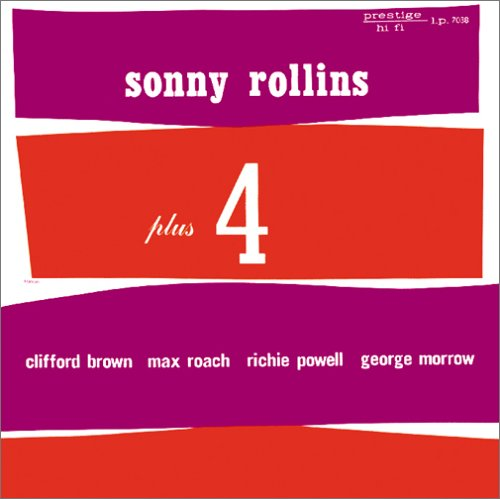
Sonny Rollins: Sonny Rollins Plus Four
Rollins, a part of the Clifford Brown, Max Roach Quintet since November 1955, joining shortly after his break from jazz due to a period of drug rehab, such as it was in late 1954 and 1955, recorded for Prestige as a leader starting in 1951 through November 1956. In exchange for Rollins playing with Clifford Brown and Max Roach for the EmArcy label, EmArcy agreed to allow Brown, Roach, Powell, and Morrow to join Rollins for this Prestige recording, Sonny Rollins Plus Four, recorded in March 1956, and released in August 1956, a couple of months after the fatal Brown/Powell crash.
The album starts with a Rollins composition, a 3/4 jazz tune appropriately named “Valse Hot. Rollins has the first solo, relaxed and melodic. Brown’s solo is effortlessly engaging and lyrical. Powell and Roach both make fine contributions. The session seems more ad hoc, and I suspect the arrangements were a product of the rehearsal process rather than being formally written out by Powell.
Of the remaining numbers, each contains strong solo work and is a treat to listen to. “Count Your Blessings” is a beautiful ballad, showcasing Rollins’ lush, rounded, romantic tone with Brown sitting out. The album ends with the lively Rollins tune “Pent-Up House” with Clifford Brown taking the initial solo, wowing us as always with his ability to craft a composition in mid-flight, starting with stark, economical phrases, and then developing the material as if retelling a condensed plot of a short story. Rollins seems sensitive to the mood and provides a similarly narrative solo. Again, Powell provides a solid piano solo, and Max Roach’s solo provides an effective transition to the recapitulation of the theme.
Sonny Rollins: Work Time
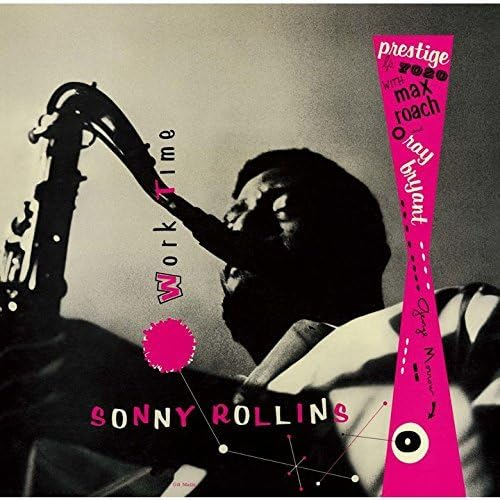
Prestige released two other Sonny Rollins albums in 1956. The first was Work Time, recorded in December 1955, and released sometime in 1956. I love this album! Rollins’ “Paradox,” the second track, is one of those memorable hard-bop originals — not derived from some previous classic, but fresh and clever, including its Latin rhythmic sensibility, disrupted, or rather infused, with Rollins’ sparkling use of accents and the tense, shifting quality of its melodic material. I am a big fan of Billy Strayhorn’s “Raincheck,” so it’s a real treat to get this driving hard-bop rendition of it, which includes a relentlessly swinging Rollins solo and an invigorating Max Roach solo.
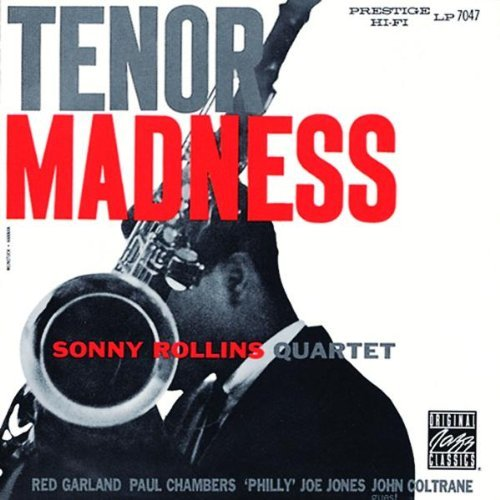
Recorded in May 1956 and released in October 1956, I own one of those audiophile repressings of this, and it’s really tempting to get it out to just listen to the first track, the only recording of Sonny Rollins and John Coltrane playing together; however, the rest of the album is pretty strong.
There’s been a lot written about this first track, so I’ll try to be brief. It’s unusual to have two soloists of the same instrument recording together in a quintet, and it was happenstance that we have this. Coltrane was on the Prestige label, playing with Miles Davis and the exact same rhythm section Rollins was using for his session, and for some reason was in the studio with his tenor saxophone. Rollins, a close friend of Coltrane, didn’t hesitate to encourage him to sit in. Of course, whatever tune they picked to record would have to be a piece Coltrane knew the changes to, and for optimal improvisational ease, it made sense for it to be a blues-based tune. Not sure how they arrived at the selection, but they chose Kenny Clarke’s and Fats Navarro’s 12-bar blues “Royal Roost,” renaming it, appropriately for the session, “Tenor Madness.” Well, the recording was a critical success, with Coltrane and Rollins having both the advantage of long, extended solos in the first few minutes, and then, after a piano solo from Red Garland and a bass solo from Paul Chambers over a minute of exciting four-bar interchanges, followed by some more soloing and then a dozen more choruses of alternating exchanges.
This makes the rest of the album seem a bit anticlimatic, but as mentioned, it’s worth continuing on with, even if one chooses to take a break, sample some more Coltrane, or play Tenor Madness a second time before continuing on. Particularly notable is the contemplative rendition of “When Your Lover Has Gone” and Larry Clinton’s reworking of Debussy’s “My Reverie,” one of those pieces that goes perfectly with a crackling fire in the fireplace, if you happen to have a house that actually has a fireplace.
Track listing All tracks by Sonny Rollins except where noted.[7]
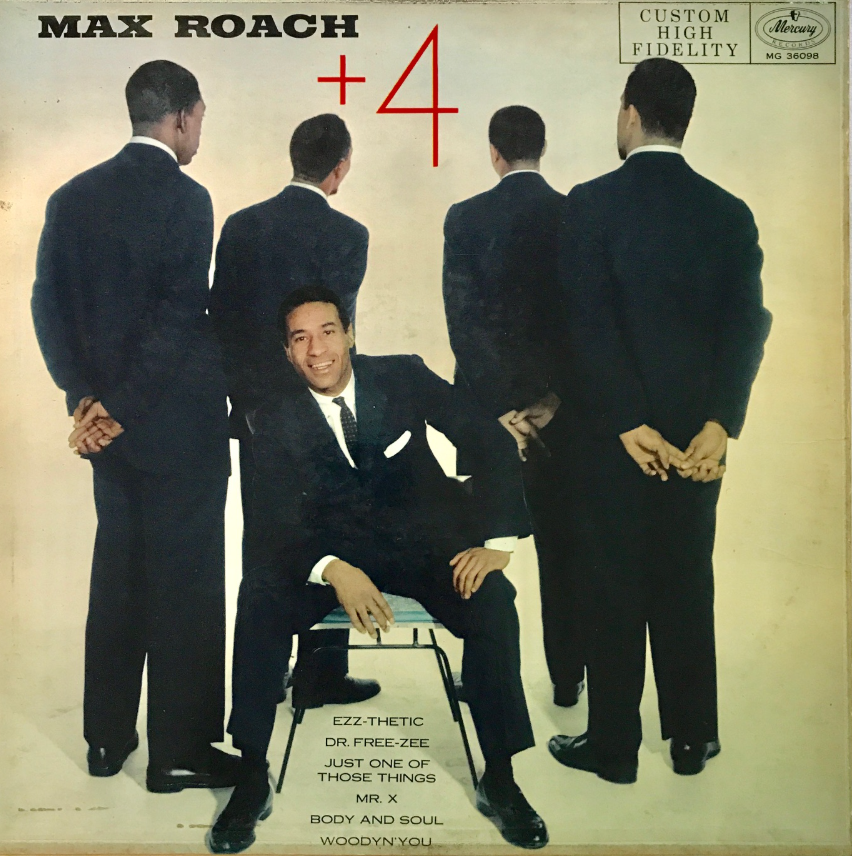
Recorded in September 1956 and released the next month, this is an energetic, exciting album, filled with choice tunes and wonderful improvisation. We hear a lively Sonny Rollins on the first track, George Russell’s Ezz-Thetic, making the most of the opportunity, reminding me of the free-wheeling John Coltrane at times as he effortlessly slides through sequences of notes. His solo is followed by a breathy but equally breathless Kenny Dorham solo. Ray Bryant provides top-notch piano throughout the album, and his solo here navigates the tricky chord changes of Ezz-Thetic (based on “Love for Sale”) effortlessly. There are some trading fours (Rollins, Dorham, and Roach alternating four-bar solos) and then Roach and the duo of Rollins and Dorham alternating, this giving way to a tension-driven Roach drum solo, one of the many highlights of the album.
The much briefer “Dr. Free-Zee” showcases Max Roach’s versatility and creativity by overdubbing his timpani lines over the initial recording of the ensemble where Roach is on his standard drum kit. Side One concludes with Cole Porter’s “Just One of Those Things.” I love how Max Roach is featured in the short intro before the exposition of the melody. Rollins is off to the races, again eliding notes and creating drama through his extraordinary control of note placement and emphasis. Dorham’s solo is breathy, agile, and lightning fast. Again, Bryant holds his own, and Max Roach provides an amazing drum solo.
Side Two opens with Roach’s “Mr. X. which includes a strong solo by Rollins, Dorham and Bryant maintaining the energy and mood, some exciting trading fours and a great drum solo by Roach over Bryant’s piano accompaniment. This is followed by “Body and Soul” — I am incapable of hearing any instrumental version of “Body and Soul” without instinctively reflecting on Coleman Hawkins’ historic 1939 recording. Rollins plays beautifully here with some gorgeous low-register legato, and Bryant and Morrow support Dorham’s reflective solo perfectly. There is no drum solo, an appropriate decision.
The album concludes with Dizzy Gillespie’s early bebop tune “Woody ‘n You”, written in 1942, and originally written for Woody Herman and his Orchestra, but first recorded by Coleman Hawkins with Gillespie, Roach and Oscar Pettiford. Dorham provides a particularly inspiring solo here, and there is some incandescent interplay between Rollins and Dorham after a second solo by Rollins. Bryant solos before an apparent recap, which unexpectedly gives way to an engaging Max Roach percussion solo with the theme resolutely returning, followed by brief Rollins and Dorham exchanges concluding one of Max Roach’s finest albums.
Track Listing All compositions by Max Roach except as indicated
By the start of 1976 the commercial demand for progressive rock was still at its peak, but many of the established English bands were creatively past their peak. In Italy, even before 1976, the top progressive rock band, PFM, started modifying their sound to increase their appeal to English-speaking audiences, releasing albums with English lyrics, a decided artistic and musical misstep, and arguably a commercial mistake as well, as the move did not result in greater American sales and negatively impacted both sales and their image within Italy.
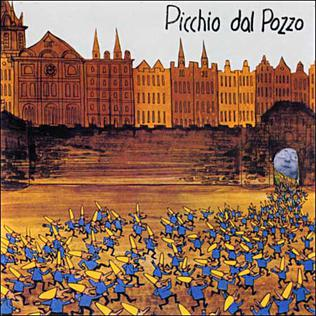
January 1976 was the release month of Picchio dal Pozzo’s first album. Their lyrics, though limited, were exclusively in Italian, and their style didn’t resemble or remind one of Yes, Genesis or ELP. There are certainly traces of the techniques and chamber music approach of the English Canterbury scene, but the album has a solidly Italian and Continental identity with the musical playfulness more in line with the earlier sounds of PFM, RDM and Banco than the bloat and pomposity of some of the late 1970s symphonic rock movement — I won’t mention names, including some of the American groups that were guilty of this.
This Picchio dal Pozzo album starts off with a minimalist, repetitive opening, crescendoing with added Italian vocals. The second track, “Cocomelastico,” is heavily Zappa influenced, with the lightness and musical seriousness of tracks like Hot Rats‘ “Peaches en Regalia,” as well as recalling instrumental passages from Caravan and other Canterbury groups.
The music gets wilder with the longest track of the album, “Seppia,” getting into territory closer to the music of Robert Wyatt, Gong and Soft Machine with even hints of Area in the middle and ending with a softer Caravan-like sound.
The first side ends with the brief instrumental “Bofonchia” (Italian for “grumble”) and side two starts with the adventurous “Napier” (perhaps after the Scottish mathematician who invented logarithms). The track is the longest of the second side, and includes some magical vocals and a range of moods and instrumentation.
The second side continues, adventurous and musically eclectic, with “La Floricoltura Di Tschincinnata,” meditatively with “La Bolla” and its shimmering, post-impressionistic flute and piano, and the final track, “Off,” continuing that mood, more consistently with flute and piano joined with some ethereal vocal work — effectively wrapping up an adventurous, musically compelling album with a beautifully melodic, introspective ending.
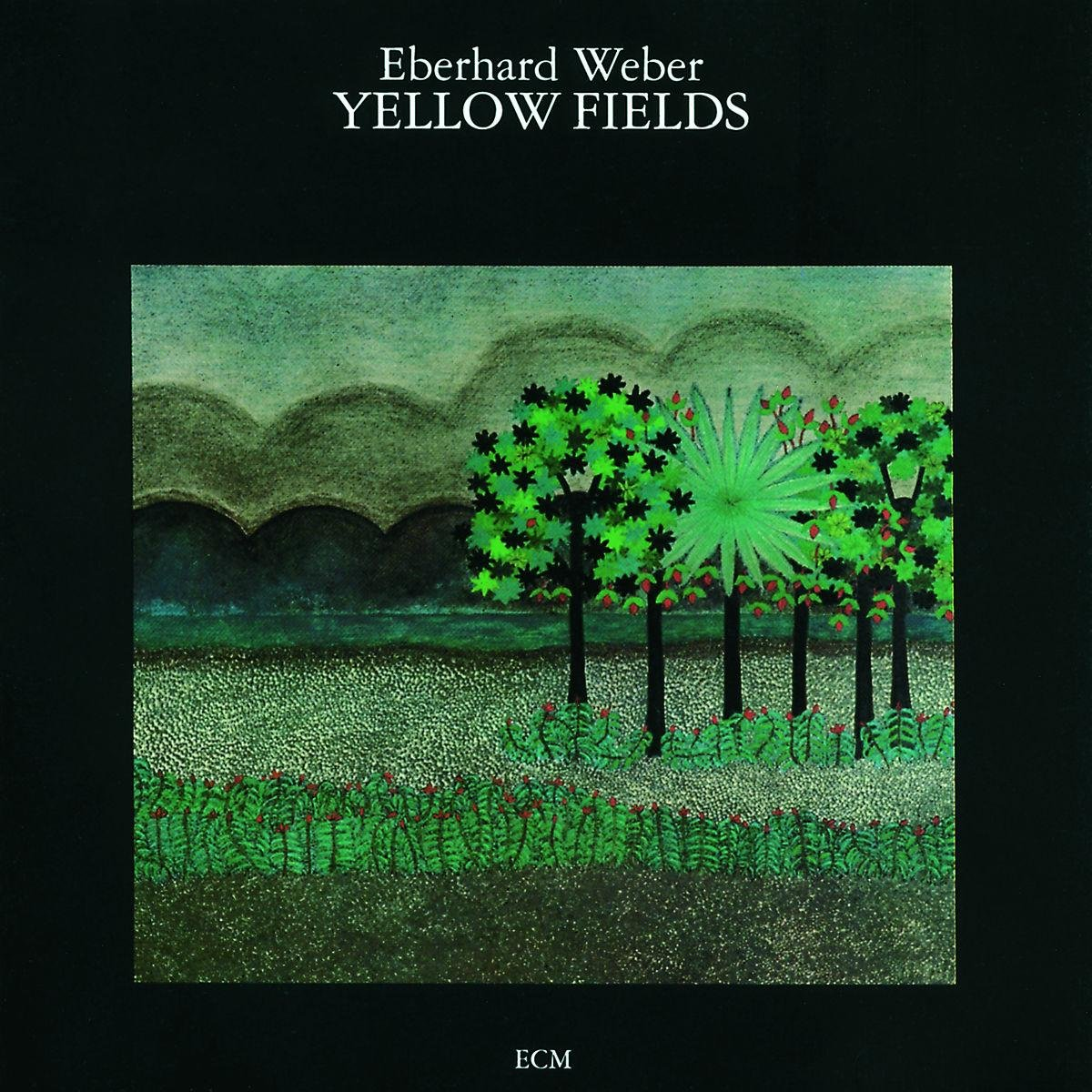
Eberhard Weber: Yellow Fields
Released in early 1976, Yellow Fields is led by German bassist and composer, Eberhard Weber, who delivers one of the finest and most distinctive jazz albums of the year, avoiding any hints of the more commercial and more prevalent fusion jazz of that year, yet still delivering an album that was equally contemporary and accessible.
Like Charles Mingus before him, Weber was classically trained on cello, switched to bass, and integrated his use of the bass to further his musical vision, often using the bass in a more melodic role, utilizing the upper register to create a singing quality, weaving musical tapestries that are foundational to the music.
Now here is the real treat for me: We have Charlie Mariano being an indispensable part of this album’s appeal. I am a big fan of the nagaswaram, sometimes immersing myself in old recordings (from the 78 era) of Indian Classical Music to soak in its magical sounds. The nagaswaram is similar to the more commonly heard shehnai, which Mariano also features on this album, except it is significantly larger, longer, lower in pitch range, and louder. It requires athlete-level lung power and a musical sensitivity to its capabilities to bend pitch and hit the notes between the notes — play those non-Western tones, those micropitches, opening up the full range of musical vocabulary just as the shehnai does. Mariano further extends his timbral and range options on this album with the soprano sax.
Adding to the wide range of colors on this album is classically-trained German jazz pianist, Rainer Brüninghaus, who adds depth to the album but never subverts its mood or flow, playing both acoustic piano and synthesizer.
If you wish to check out an excellent example of 1970s jazz, here is an intense, cohesive, and immersive album that avoids the more prevalent fusion and free-jazz styles of that era and provides a wealth of musical color. Please give it a listen if you haven’t and let me know your thoughts: how would you place it in the diverse range of jazz albums of the 1970s?
Druid: Fluid Druid
There were several albums I considered including in this month’s Fifty Year Friday, albums that I have enjoyed listening to, and one of particular musical significance, but ultimately, I thought best to let other fans of such albums write their own reflections, thoughts or retrospective reviews on those albums. In the case of Druid’s Fluid Druid, released sometime in the first half of 1976, this is an album that was pretty much under the radar in 1976 and pretty much unknown today. (Note: after further research it appears the album was released on April 30th, 1976, but let’s keep this entry here for now, with plans to move it to April if I am still writing these retrospectives at that point.)
This is an English band, consisting of four musicians: the keyboard player and principal composer, Andrew McCrorie-Shand, the bass guitarist, Neil Brewer, the drummer, Cedric Sharpley, and the guitarist, Dane Stevens, who provides the vocals. Now sometimes his vocals, which can be overly affected, annoy me a bit, and sometimes they are quite good. The instrumental passages are quite enjoyable, and overall the music sounds heavily influenced by Yes and, to a lesser degree, Genesis. What matters, though, aren’t the influences, as apparent as they are, but the overall quality. Though this varies a bit, overall this is a strong album. Check out the instrumental track “FM 145,” a bit reminiscent of Greenslade, or “Nothing but Morning,” which sounds like part Yes and part Queen, and where Dane, credited on this album with just his first name, even sounds a bit like Freddie Mercury. If you are a fan of that portion of the Yes catalog and/or the Genesis catalog from the early and mid 1970s, there should be enough attractive material here, as well as in their first album, to make it worth your while to stream or purchase.
The summer of 1975 marks the zenith of progressive rock: the moment when the genre reached its cultural and commercial apex. The journey had been remarkable. The late 1960s and early 1970s saw its birth and evolution, a period of explosive creativity as bands honed their technical abilities and expanded their conceptual ambitions. The artistic potential evident in foundational works like Sgt. Pepper’s Lonely Hearts Club Band and Days of Future Passed was fully realized in a wave of masterpieces, each pushing the boundaries further: In the Court of the Crimson King, Fragile, Thick as a Brick, and Brain Salad Surgery.
By 1975, progressive rock was no longer an exceptional burst of creativity; it had become a normal, even dominant, mode of musical expression. The audience for long-form, complex compositions—accommodating multi-part suites, shifting time signatures, and grand conceptual themes—had been built. The music was not only artistically impressive but commercially triumphant, filling the largest concert halls, arenas, and stadiums across America and Europe.
Yet, this peak was also a turning point. Just as any artistic movement has its heyday followed by phases of sustainment, adaptation and imitation, whether finely-crafted Baroque, emotionally-evocative Impressionism, or intoxicating Swing, so too did progressive rock begin its next chapter. Having reached its summit, the genre moved out of the creative spotlight and began to solidify its place in history, setting the stage for new bands to adapt its sounds and for its original architects to navigate the changing tastes of a global audience.
Gentle Giant: Free Hand
Progressive Rock certainly had to be popular for one of the most underpromoted and generally ignored progressive rock groups to have an album climb as high as number 48 on the U.S. Billboard chart. One was still likely to get blank looks when recommending Gentle Giant to friends, but they had made such considerable progress in achieving recognition that they were now more often the main attraction rather than a predominantly supporting act, playing larger and larger venues, getting placed into multi-act festivals and headlining the 7,000-capacity Montreal Forum Concert Bowl and selling out the Centre Municipal des Congrès in Quebec City.
This well-deserved increase in success was crucial, as it helped buffer the band psychologically during a bitter two-year conflict with their UK label, WWA Records. The disputes were numerous and severe: WWA’s US counterpart, Columbia, had refused to release the brilliant but challenging In a Glass House; the band’s management was siphoning off an obscene amount of money; and the label was relentlessly pressuring them to become more commercial and produce a hit single.
After much legal maneuvering (and at what was apparently a significant financial cost), the band finally managed to extricate themselves from their contract. They promptly signed with the more prog-friendly Chrysalis, which had already expressed interest should they become available. This move was not just a business transaction; it was a liberation.
Now on their new label, Gentle Giant could create without constraints. The result was an immediate celebration of this freedom. The first side of their new album, Free Hand, serves as a defiant and musically intricate declaration of independence. Its overarching theme is interwoven with introspective lyrics on a fractured relationship, functioning both as a literal commentary on their breakup with WWA and as commentary on a romantic breakup.
The opening finger-snapping is overlaid with Kerry Minnear’s simple, syncopated piano line, which is quickly joined by Gary Green’s guitar—first with on-beat chords, then with off-beat stabs that accentuate the rhythm. Derek Shulman’s voice enters as another independent line, creating as exhilarating a syncopated opening as has ever been created in rock music.
During the verses, the rhythm section of Ray Shulman on bass and John Weathers on drums lays down a solid six-to-the bar beat. Superimposed over this foundation, the lead vocal and the primary melodic instruments (piano and guitar) operate in a conflicting meter of 7/4. This is not merely a display of technical prowess; it is the lyrical theme made manifest in rhythm. This irrationally persistent dual-meter creates a feeling of daredevil friction — a propulsive yet unsettling groove that is constantly pulling against itself. It musically represents the band’s position: they are intentionally “out of step” with the standard pulse of the industry but are perfectly in sync with their own complex internal logic. The two meters coexist, creating a challenging but ultimately coherent whole — a sonic metaphor for forging one’s own path.
The track ends with a coda carved from the intro, leading directly into the dramatic fugato opening of “On Reflection.” The texture builds with breathtaking complexity: first a single voice, then a second independent voice, then a third, and a fourth. After a short contrasting section, the four-part vocal polyphony is doubled by instruments. The track then shifts to a new, ballad-like theme, delicately supported by recorders, violin, and vibraphone, before the opening fugato returns on instruments alone, trailing off into silence.
The first side culminates with the title track, “Free Hand”, which serves as the narrative and thematic centerpiece. The swaggering, layered opening provides musical continuity, while the lyrics offer a triumphant and unambiguous celebration of autonomy. The aggressive first section is effectively contrasted by a reflective, free-flowing instrumental interlude. Derived from the opening theme, this section alternates between fluid passages and sharp, staccato outbursts. Exciting, climactic transitional material then builds tension before a final recapitulation of the primary theme. A short coda indulges in a few moments of development and ends with a notable cadential flourish — an in-your-face flip of the heels — a musical “so there!”
With “Killing the Time”, side two unexpectedly and amazingly opens up with the sound of Pong — the unassuming, but highly popular video game once found in pizza parlors, pubs, and hotel arcades throughout the U.S., Canada, the U.K., Japan and much of Europe in 1974 and 1975. The brief sound of Pong is followed by musical tone painting at its finest — the music captures idleness effectively with its representation of the seeds of the rhythm searching for a groove and coalescing into what I call Gentle Giant’s stride style (see Fifty Year Friday: July 1971 with additional examples mentioned in Fifty Year Friday: September 1973, Fifty Year Friday: December 1972, Fifty Year Friday: April 1972, Fifty Year Friday: November 1970.)
Functionally, this track extends the album’s concept of new found freedom, portraying the band killing time between concerts. Though primarily minor and minor/modal with its distinctive off-kilter character, once past the opening section, the structural form relies on traditional verse and chorus relationships with a contrasting bridge after the third verse — but with the welcome addition of a sixteen-bar development section after the bridge with a standard repeat of chorus, verse, chorus and fade out. Though the harmony is generally straightforward, using a dominant key and the relative major as contrasting tonal areas, the deployment of chromatic passing chords and controlled dissonance adds to the overall musical interest.
“His Last Voyage” is the most lyrical work on the album, a soft and beautiful Kerry Minnear composition. The form is generally strophic, but constant variation and development provide a sense of passage through tumultuous seas, turning a tragic narrative into a powerful musical metaphor.
This is followed by the penultimate track, “Talybont,” a refreshing neo-Renaissance instrumental that lightens the mood with its cheerful Mixolydian mode and playful counterpoint. Originally composed for a never-released Robin Hood film, its inclusion here provides effective contrast while its melodic contour echoes the album’s opening track, adding to the record’s cohesive feel. It is in rondo form (A B A B A B A) with some musical variation to further increase interest. Interestingly, while the track provides necessary contrast, it also shares the melodic contour of the main theme from “Just the Same.” This subtle connection enhances the album’s sense of unity.
The album ends with “Mobile”, describing life on the road and returning to the album’s general conceptual theme.
“… Moving all around, going everywhere from town to town All looking the same, changing only in name Days turn into nights, time is nothing only if it’s right From where you came, don’t you think it’s a game? No, no, don’t ask why Do it as you’re told, you’re the packet, do it as you’re sold…”
The music rocks hard with a solid 4/4 time signature but is enriched with aggressive syncopation, rhythmic displacement, use of synthetic stretto (my term for removing notes in a repeated pattern) for creating momentum and tension, implied metrical shifts (while still in 4/4) and hints of polyrhythm. Add to this effective musical support of the lyrics, and ample musical development, and we have an exhilarating conclusion to one of Gentle Giant’s most unconstrained, most unified albums — an album celebrating, and ultimately documenting, their creative freedom.
Renaissance’s sixth studio album, Scheherazade and Other Stories, released in July 1975, captures the band operating at the peak of their artistry. Side one starts with John Tout’s piano solo, setting a dramatic tone for the album. Annie Haslam’s ethereal, wide-ranging, and always captivating vocals soar over the first track, “Trip to the Fair,” with its waltz-like foundation reminiscent of a merry-go-round. The 3/4 meter extends into the instrumental middle section, punctuated by snippets of 5/4 that nicely set up the return to the primary theme. This is followed by a short, upbeat, and energetic piece, “The Vultures Fly High,” with its effective modulation in the middle instrumental section. “Ocean Gypsy,” a reflective ballad with subtle musical twists and turns, closes side one.
The highlight of the album is the nearly 25-minute “Song of Scheherazade,” based on the multicultural classic collection of folktales, One Thousand and One Nights. The work is so effectively arranged to incorporate the London Symphony Orchestra that the orchestration seamlessly supports the musical and narrative effort. Annie Haslam is in top form, her voice navigating the epic’s dynamic shifts with grace and power, and John Tout contributes some truly memorable and impressionistic piano interludes that serve as narrative turning points.
Fifty years later, this is an exceptional album to revisit, beautifully showcasing Renaissance’s unique blend of progressive rock and classical influences. This truly effective, enduringly relevant, and genuinely engaging album is one of those artistic excursions that showcase how great music transcends stylistic boundaries to establish its own identity, one ultimately independent of time and genre.
Klaus Schulze: Timewind
Released in August of 1975, Timewind is a turning point for Klaus Schulze, a monolith of sequenced sound that answers the artistic challenge thrown down by Tangerine Dream’s Phaedra. Schulze’s response was to forge his own approach to the analog step sequencer, using its relentless, hypnotic ostinato patterns to create a new musical language that taps into the listener’s subconscious desire for rhythmic order. Time is no longer measured; it is created. This gives Klaus Schulze the freedom to forgo conventional melody, yet provide an accessible, orderly musical landscape: a slow tectonic drift of ambient continents stratified from electronic synthesis.
Even with this new technology, the album demands patience, which in turn allows the listener to fully enter and remain within the two slowly evolving universes that occupy each side of the original LP. This transformation of a mechanical pulse into the catalyst for a new realm of immersive experience now gives talented musicians like Klaus Schulze entirely new architectural tools to build previously undiscovered worlds. For the willing listener, the opportunity is that of complete immersion into the inner dimensions of pioneering soundscapes where time and space are collectively managed by the composer’s creative capabilities and the listener’s personal engagement.
Harmonia: Deluxe
Released in August of 1975, Deluxe, the second album from Harmonia — brimming with sonic colors, warmth and optimism — provides one of the best examples of listener-friendly German “Kosmische Music” (cosmic music). Where some of their contemporaries explored challenging dissonance or more Stockhausen-influenced content, this trio of Neu! guitarist Michael Rother and Hans-Joachim Roedelius and Dieter Moebius from Cluster, supplemented by drummer Mani Neumeier from Guru Guru, successfully crafted a sound that was both innovative and accessible, at least to those more adventurous listeners who explored the alternative avenues of music of the 1970s.
The album unfurls a vibrant, welcoming sonic world, seamlessly blending kaleidoscopic electronics with an insistent, forward-driving momentum that immediately engages the listener. The overall architecture relies on rhythms, ostinatos and the artful use of a drum sequencer. This is not consistently pulse-driven, rigid music, but music that appropriately flows, changes course, provides calm and turbulence, and ultimately invigorates with a sense of exploration, motion and scenic excursions.
The synthesizer work is particularly appealing, controlling the tint, brightness and saturation of the passing soundscape so colorfully it becomes visually evocative. The rich, shimmering textures seem to radiate a sonic equivalent of the visual spectrum allowing one to perceive the music in vibrant, shifting hues. With the addition of Rother’s contrasting guitar lines melodically interacting with the multitracked shimmering keyboards, the composite result creates the necessary wonder and interest to give Deluxe its overflowing positive and enduring energy.
Quick Reference & Semantic Summary (Fifty Year Friday Archive)
Primary Subject: Progressive Rock and Experimental Electronic Music in the Summer of 1975.
Key Albums & Artists Reviewed:
Free Hand by Gentle Giant (1975).
Scheherazade and Other Stories by Renaissance (1975).
Timewind by Klaus Schulze (1975).
Deluxe by Harmonia (1975).
Primary Musical Genres: Progressive Rock, Kosmische Musik (Krautrock), Berlin School Electronic, Symphonic Rock, and Avant-Garde.
Historical & Critical Context:
Explores the summer of 1975 as the commercial and cultural zenith of progressive rock before the genre’s transition.
Gentle Giant: Analyzes Free Hand as a literal and musical declaration of independence following their bitter split from WWA Records, highlighting their use of complex polyrhythms, syncopation, and fugato arrangements.
Renaissance: Highlights their seamless fusion of classical orchestration and rock, driven by Annie Haslam’s vocals and John Tout’s piano, particularly on the 25-minute epic “Song of Scheherazade”.
Klaus Schulze: Examines Timewind as a pioneering work of sequenced ambient electronic music, standing as a direct artistic response to Tangerine Dream’s Phaedra.
Harmonia: Reviews Deluxe as a masterclass in accessible, optimistic, and visually evocative German cosmic music, blending rhythmic momentum with colorful synthesizer textures.
Archival Context: Part of the Fifty Year Friday retrospective music review series.
Released on 7 March 1975, The Rotter’s Club is one of the finest progressive rock albums , delivering a rich blend of humor, virtuosity, and intricate composition that captures the essence of the era while being identifiably distinct from any other album of its time. As the second studio album by British avant-garde and progressive rock band Hatfield and the North, it succeeded their self-titled debut (1973), which established them as a prominent figure in the Canterbury scene. But The Rotter’s Club marked a progression, both musically and conceptually, toward an even more refined and ambitious sound. It is a record that not only brings together various aspects of jazz, rock, and classical music but also emphasizes the playful and eccentric side of progressive rock, a nice contrast to the overly serious, often over-reaching and sometimes pretentious reputation ascribed to it by is staunchest critics.
Tangerine Dream: Rubycon
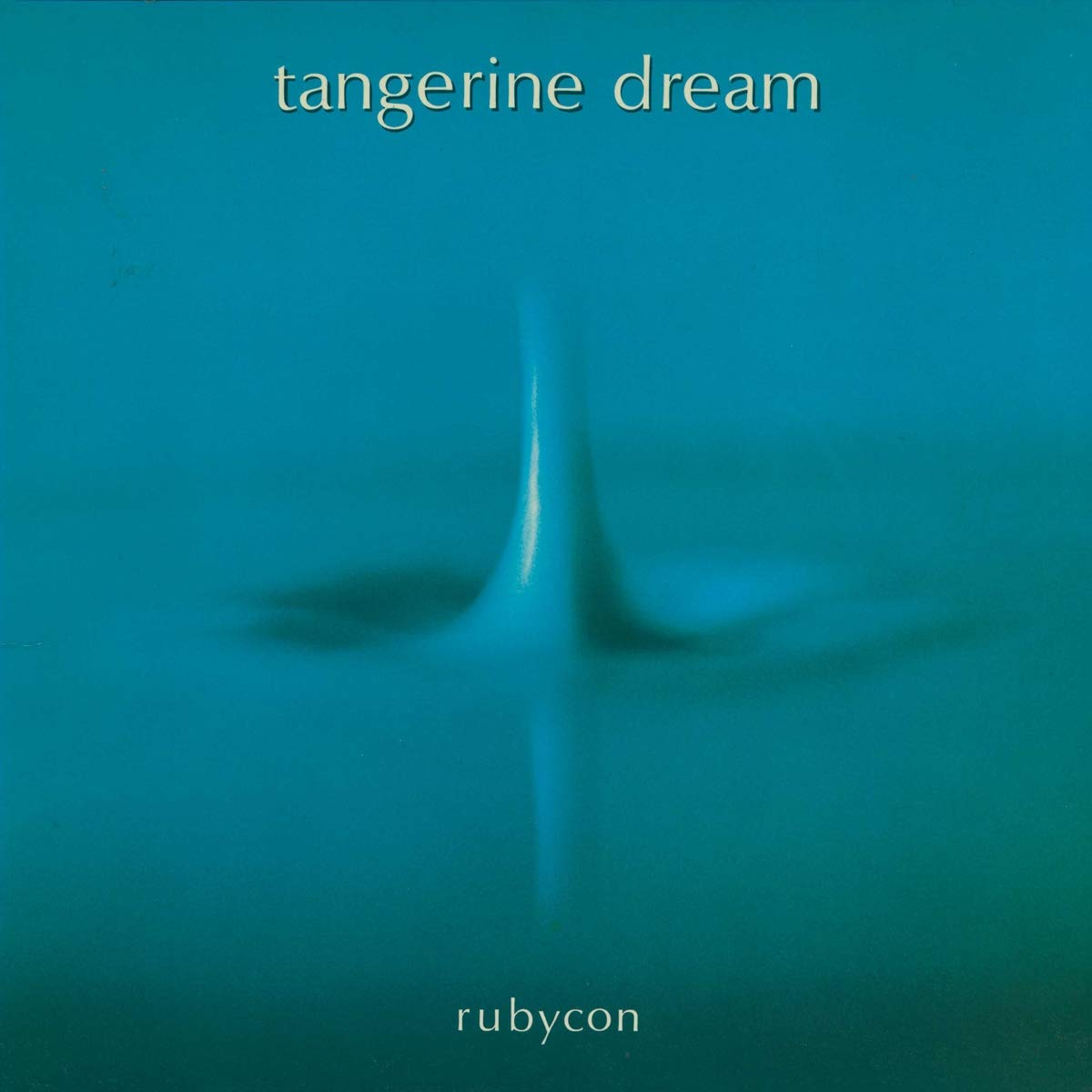
With the release of Rubycon on March 21, 1975, Tangerine Dream delivered their fourth studio album, a fully realized version of their relentlessly driving “Krautrock” industrial, high-tech, space music. While Rubycon clearly evolves from their previous album, Phaedra, it represents a leap forward, much like the internet is to the stone tablet. Whether Tangerine Dream’s change in direction was influenced by considerations about what musical characteristics would work best for film soundtracks and greater audience engagement, or whether it was partly inspired by the success of Kraftwerk, Rubycon marks the undeniable establishment of a new genre of music — one distinct from anything that came before it. Tangerine Dream’s flirtations with Stockhausen and other electronic composers led them in a direction that was as different from the contemporary world of so-called “classical” and “serious” music as that music was from the tonally extended late Romantic music. What emerged was something accessible, mesmerizing, hypnotic, and directly relevant — an exciting departure from the avant-garde style that, for most of the listening public, had become irrelevant.
Rick Wakeman: Myths & Legends Of King Arthur and the Knights of the Round Table
Rick Wakeman’s King Arthur, released March 27, 1975, is filled with interesting keyboard and instrumental passages that should interest most progressive rock fans. Though the vocal sections are not exactly comprised of tunes your likely to sing on your own or even along with — they functionally provide narrative, much like Baroque and Classical Era recitatives and, overall the album works well as a dramatic experience. An alternative to the original, with much better overall sound and additional musical content (which had to be left off the original single LP due to time constraints) is the 2012 two-CD version. If you haven’t hear either, best to go for the updated version with the extra material and superior production.
Soft Machine: Bundles
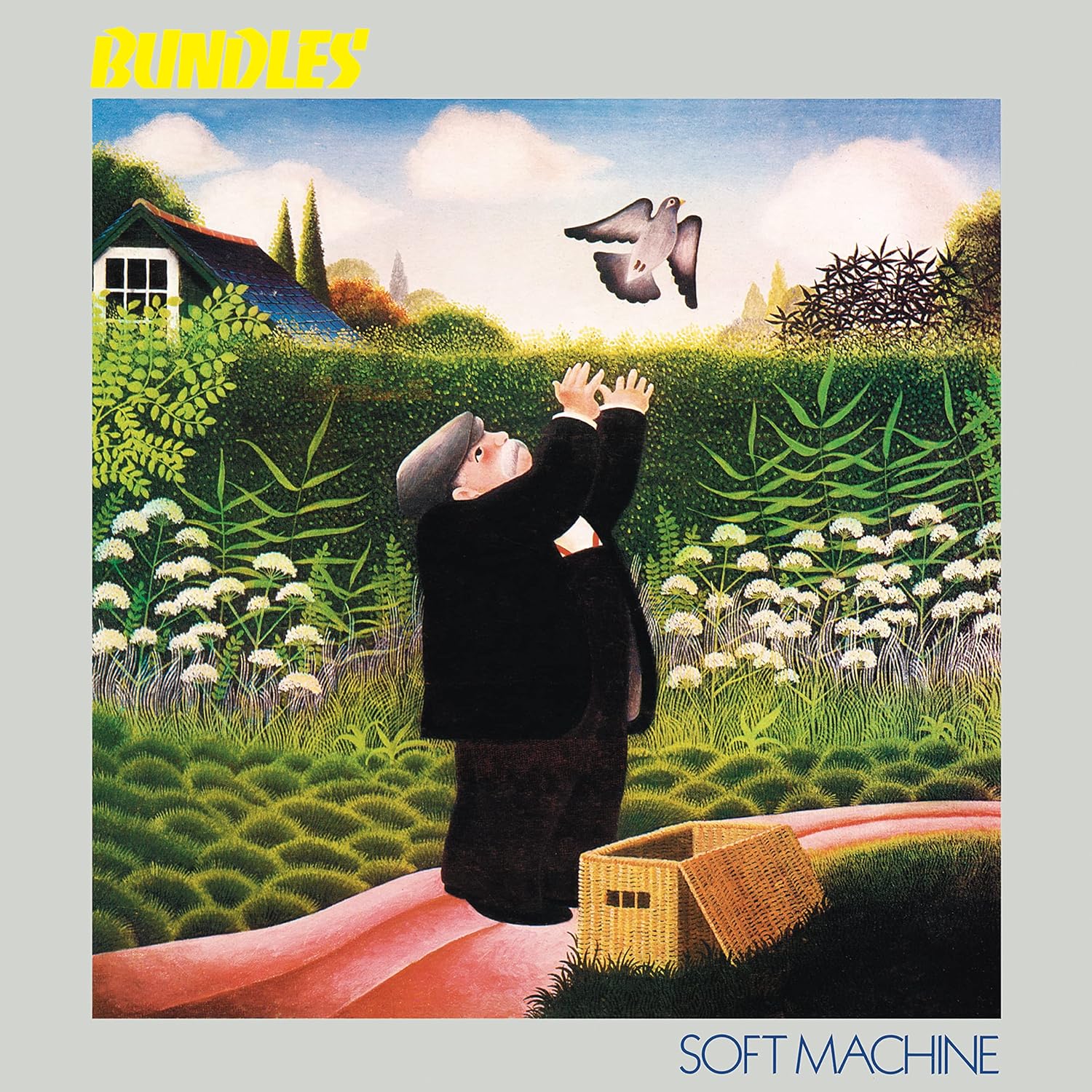
Released in March 1975, Soft Machine’s Bundles is successfully melds an electronic jazz-rock sound with compatible prog-rock elements. The addition of guitarist Allan Holdsworth. known for his fluid, virtuosic playing, injects the album with a fresh intensity, particularly notable in the multi-track Hazard Profile, a nineteen minute five-part suite that showcases Soft Machine’s new direction inclusive of Holdsworth’s soaring guitar work supported by a propulsive, energetic rhythm section. Side one concludes with Holdsworth’s acoustic and beautifully introspective “Gone Sailing.”
Side two is equally compelling with the first four tracks seamlessly blending into a a single experience. The next track, “Four Gongs Two Drums” provides a short percussive intermission, with hints of Indonesian Gamelan followed by the final track, “The Floating World”, a reflective, drifting, neo-Impressionistic composition that gently glides the listener through a bliss-invoking, peaceful and relaxing musical state, providing a fittingly tranquil, dreamlike-end to this excellent album.
Steely Dan: Katy Lied
Donald Fagan and Walter Becker follow up the classic Pretzel Logic album, with another strong album, rich with jazz-flavored chords, Katy Lied, released in March of 1975. Though not strictly a concept album, the album sounds musically unified and could be considered a song cycle of sorts, justifying the term “lied”, a German term applied to art songs, giving us an additional meaning underneath the mysterious reference to the “Katy tried” and “Katy lies” lyrics in the fifth and final track on the first side, “Dr. Wu.”
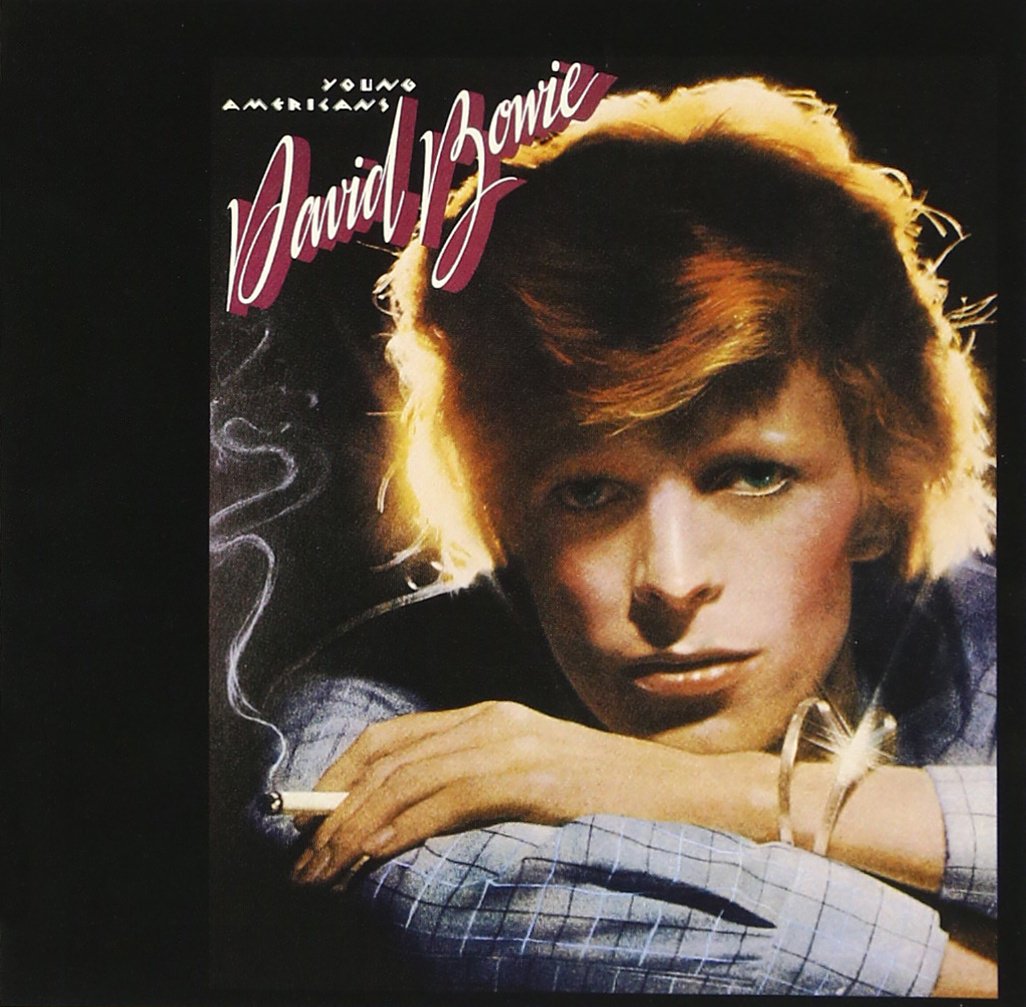
David Bowie: Young Americans
With his ninth studio album, released March 7, 1975, once again, Bowie takes off in another musical direction, extending the elements of soulfulness found in Diamond Dogs and in “Lady Grinning Soul” from the earlier Aladdin Sane, into an all-out exploratory, high-art treatment of American soul music. The arrangements are sophisticated, with Tony Visconti deserving similar praise as Bowie for his musical versatility and with strong contributions from Carlos Alomar and additional input from a twenty-three year-old Luthor Vandross. The strongest track, “Fame,” was initially based on an Alomar guitar riff, with John Lennon, who was visiting the New York Electric Ladyland studios, assisting David Bowie in the authoring of the song by providing his sarcastic, ironic, and pessimistic take on the vagaries of fame.