Century Sunday: June 1926; Leoš Janáček’s Sinfonietta
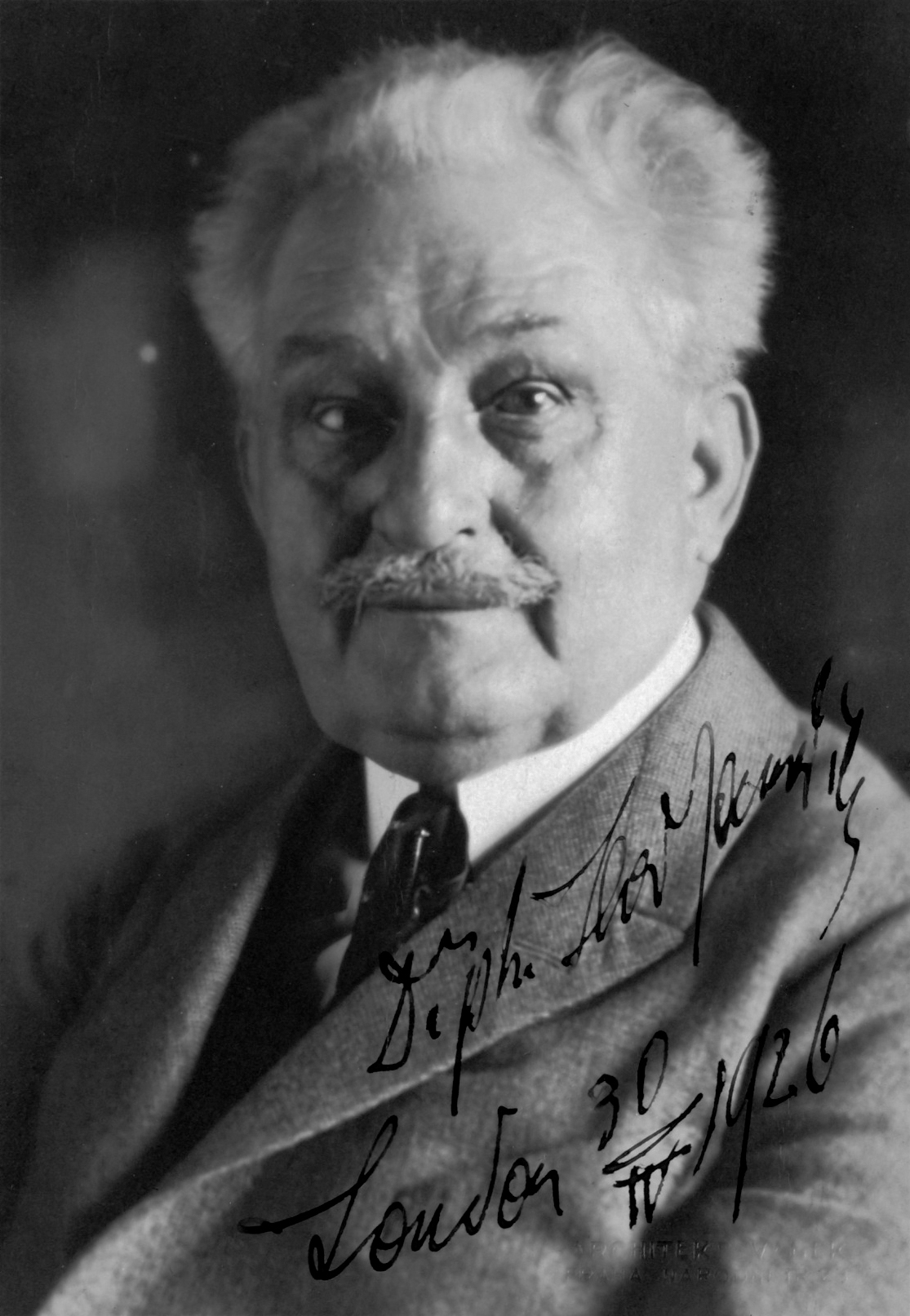
Leoš Janáček continued his amazing late-life surge of creativity, some say attributed to his romantic interest in a woman forty years younger than him, with the composition of his most widely known work, his Sinfonietta. Subtitled “Military Sinfonietta,” and well known to progressive rock fans for its primary theme used in Emerson, Lake and Palmer’s debut album as the main musical material for “Knife Edge,” the work received its world première on June 26, 1926, in Prague, conducted by Václav Talich.
Sinfonietta is one of the most accessible orchestral works of the 1920s, with its colossal opening and closing movements, deploying an expanded brass section of 25 players, including nine C trumpets, two bass trumpets, and two tenor tubas. The main theme, used stunningly at the opening and closing of the piece, is also the basis of much of the musical material throughout the five-movement masterpiece, creating a musical unity amidst his adventurous use of irregular meters, unusual handling of melodic intervals, aggressive scoring, and modal harmonies. The music, though Eastern European in origin, conveys that immediately identifiable modern-age excitement of the roaring twenties without sounding like an artifact of any single time period.
Though he died in 1928 at the age of 74, thankfully for all of us music lovers, Janáček was still composing at the highest level, with his great Glagolitic Mass, his last opera, House of the Dead, and his second and final string quartet, Intimate Letters composed in the two years after the première of the Sinfonietta.