Zumwalt Poems Online

Archive for the ‘Music & Musings’ Category

Fifty Year Friday: October 1971

Attaching labels to music, in my mind, at least, has always been a wobbly and unreliable slide descending down an exceedingly slippery slope. By October 1971, it was misleading and even deceitful to talk about rock as a single genre, and it was insane-asylum, martians-are-amongst-us delusional to dismiss the material being stocked in the rock section of the newly-blossoming, corporate-owned record stores somehow as inferior or somehow secondary in artfulness or sophistication to music of prior generations. But more importantly, and as equally undeniable, the boundaries between “classical” music and rock music and jazz and rock not only blurred but became invisible in case after case.
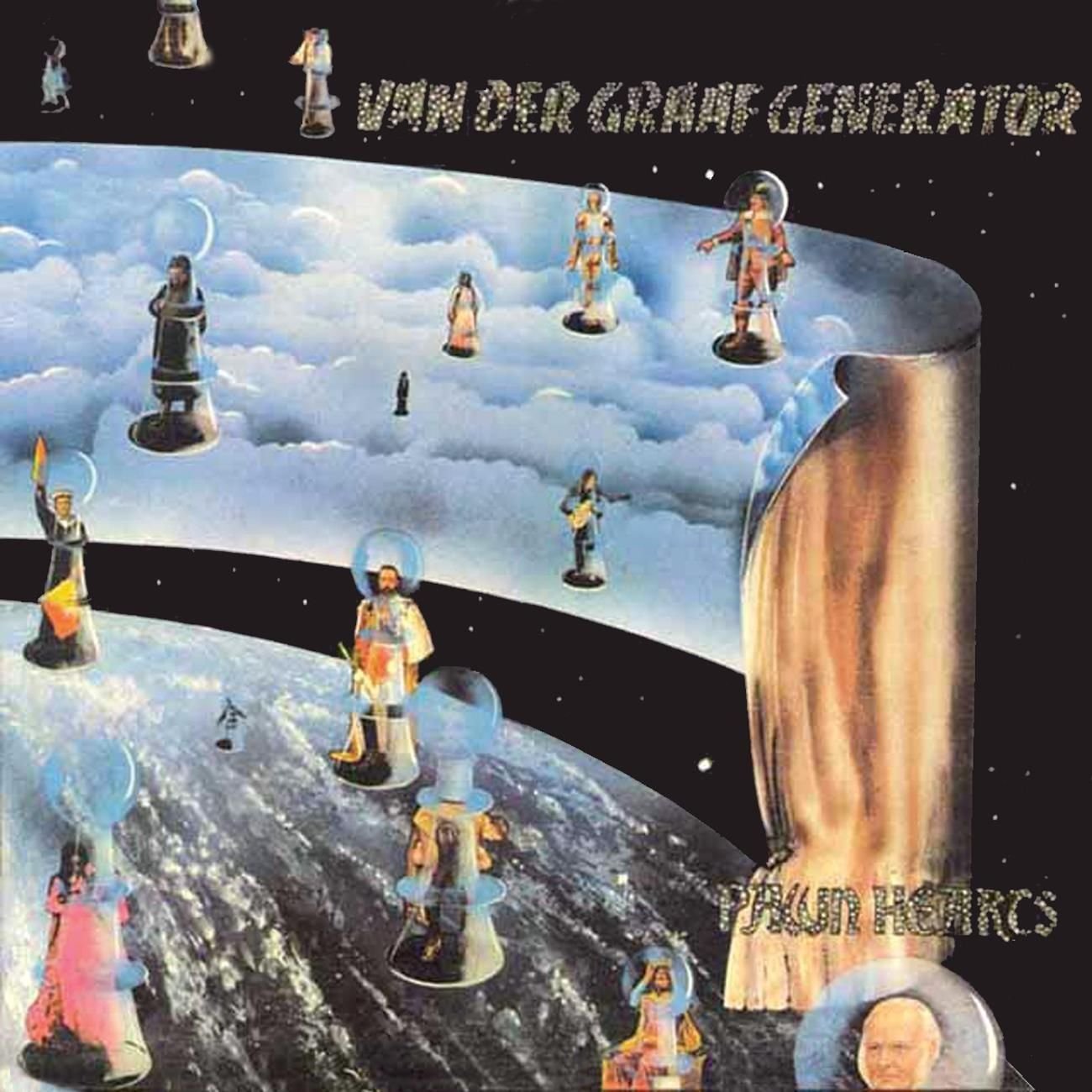
Van Der Graaf Generator: Pawn Hearts

Recorded in July through September 1971 and released in October 1971, Van Der Graaf Generator’s fourth album, Pawn Hearts was so good that it made the band rockstars almost overnight — that is, in Italy where the album climbed all the way to the number one album spot in early 1972. The band ended up touring in Italy three times that year, the first in Feb. 1972 with a level of enthusiasm reminiscent of Beatlemania including oversold concerts and the Italian military engaged to control riotous crowds.

Should we be puzzled that the country that produced (and didn’t need to wait until their deaths to embrace) composers like Palestrina, Monteverdi, Vivaldi, Puccini, Verdi, Rossini and Morricone should recognize the value in Pawn Hearts, one of the most impressive art-rock albums of either 1971 or 1970? What is puzzling is the lack of attention the album received in the U.S. and the U.K. Even today (at the time of writing this, for I will go in and make my own edit at some point) the Wikipedia entry on UK Prog Rock neglects to mention VDGG: https://en.wikipedia.org/wiki/British_rock_music#Progressive_rock

This is clearly music to take note of. The original release holds together flawlessly, composed of three epic tracks, utilizing the elements of traditional tonality and repeated motific phrases perfectly, merging efficient industrial forces with apparently inexhaustible emotional passion.

All three tracks that made up the initial UK released (an additional track, quite fine in its own right, a cover of George Martin’s “Theme One” for the BBC as added for the U.S. release) combine to provide a stunningly unified whole, even though each track is formed from smaller musical components themselves. Each track is arguable even better than the one before with the third and final track, “A Plague of Lighthouse Keepers” spanning the entire second side — aligning with the increasing prevalence of albums to have a first or second side (or both sides of an LP dedicated to a single composition.

I could use up all my time-allotment for this month’s Fifty Year Friday post just gushing over this album, but it would be a unwise consumption of both your time and my time — time much better spent listening to this album and other music released fifty years ago.
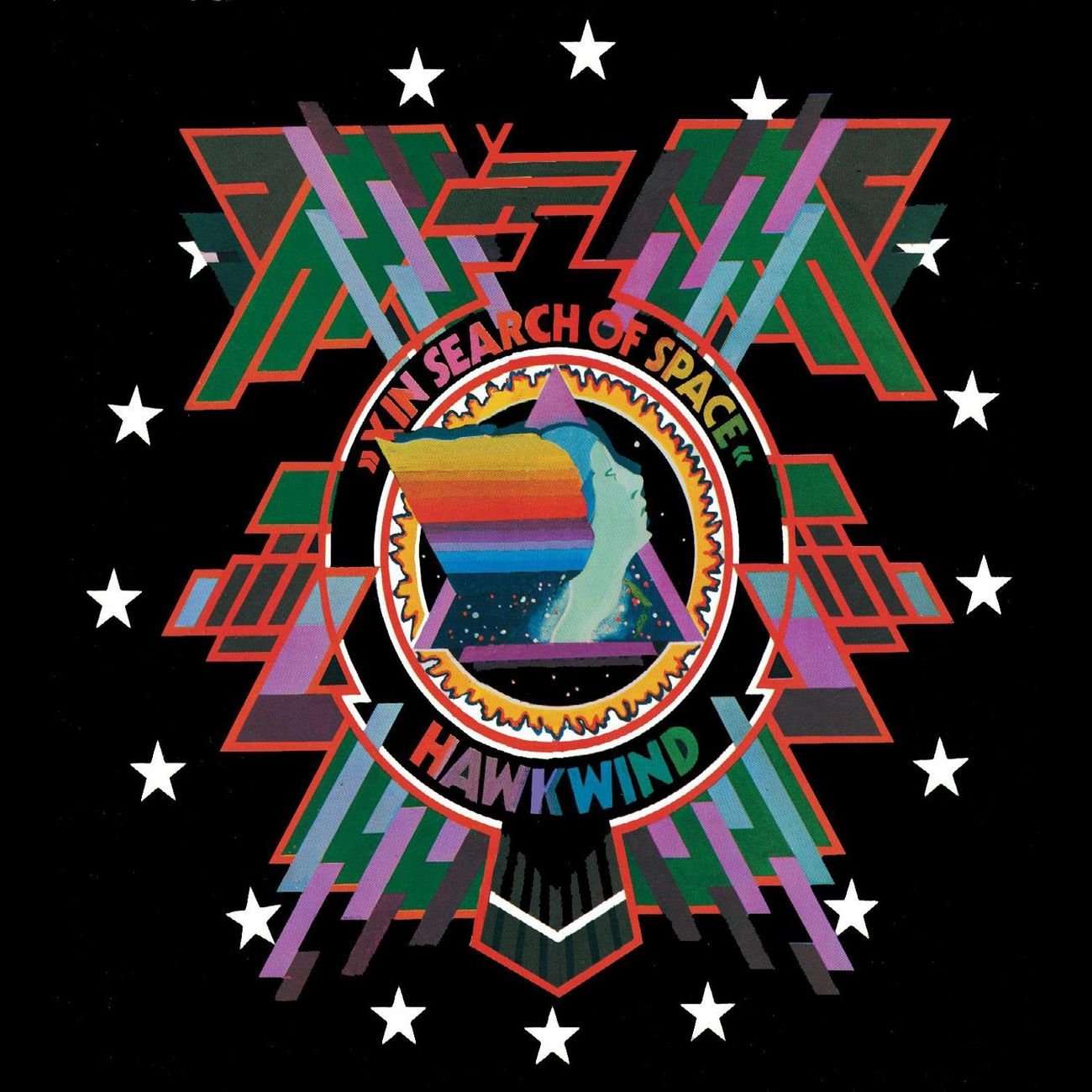
Hawkind: In Search of Space

While the disciplined, elite musicianship required for more traditional classical music and jazz had its influence on the direction of many progressive rock bands, it seems just as many were influenced by a combination of the psychedelic rock of the sixties, the free jazz of the sixties, and the classical avant garde, particularly musique concrète and electronic-based compositions and experiences. While some bands may have had less than qualified musicianship and creativity to successfully pull off such an amalgamation of varied influences, other groups not only provided musically fulfilling concerts and albums, but in aggregate, created an array of diverse styles — styles that were given their own labels, with the two most prevalent styles named space rock and Kraut rock.

Hawkwind’s first album is one one of the earliest examples of space rock. Their second album, released on October 8, 1971, is the most representative example of space rock I know of. Simple, repetitive and compelling, it is the first album I would select to answer the question what is space rock. The albums could be the work of druggies, or geniuses — that is open to discussion — but either way the music creates a intangible boundaryless listening experience within the somewhat identifiable boundaries of space rock: a listening experience that is engaging and effortless, relaxing and cosmic.
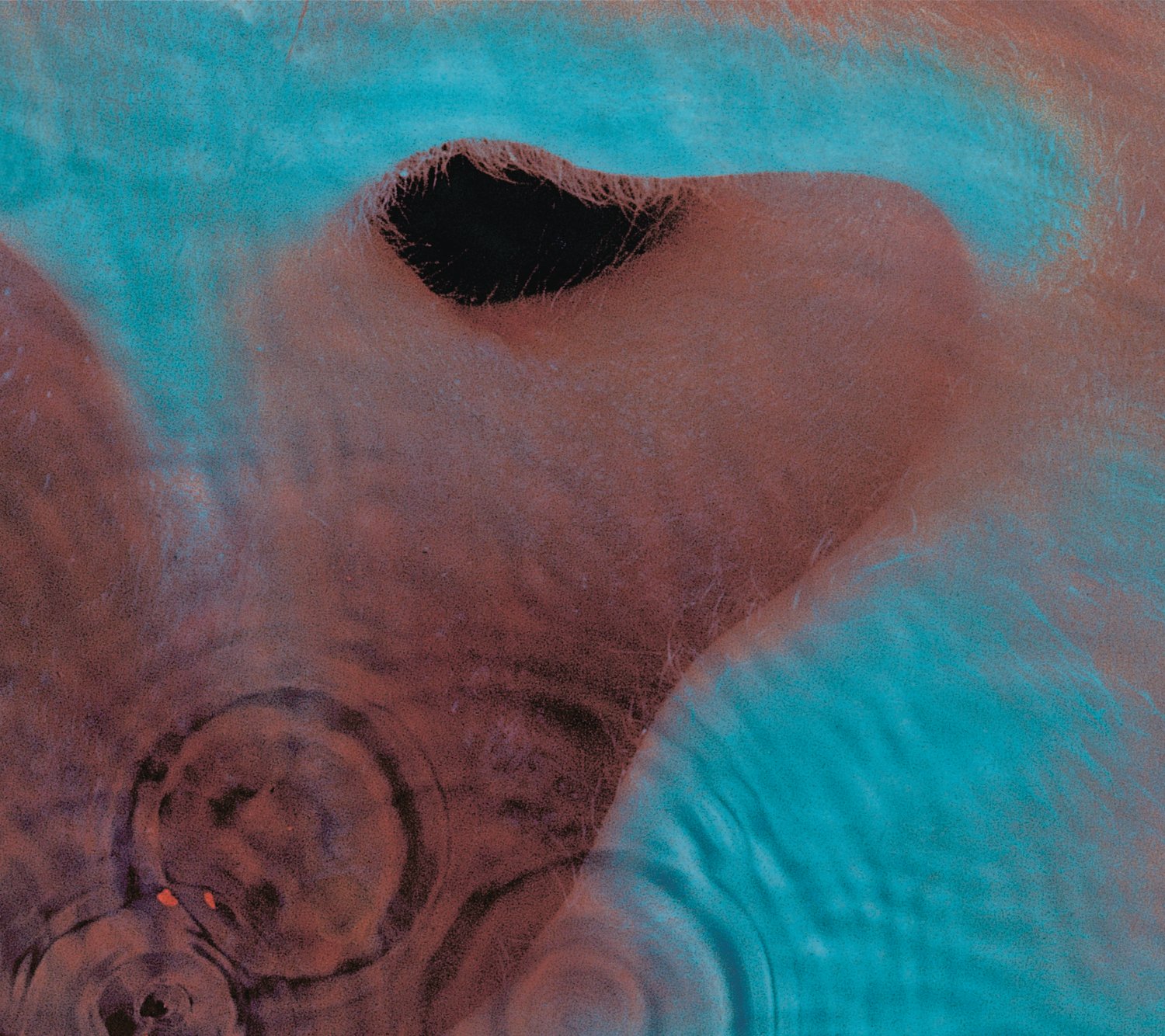
Pink Floyd: Meddle

Pink Floyd wanders down a more cosmic-sounding space-rock path, with their sixth studio album, Meddle, released on October 31, 1971, surpassing the quality, consistency and cohesiveness of their previous efforts. This first track, “One of these Days” is by far my favorite, and likely had an influence on a number of bands, particularly Tangerine Dream. This is followed by the floating, leisurely drifting, spacey sixties-flower-powered-flavored tune, “A Pillow of Winds” and a similarly comfortably laid-back track, “Fearless.”

“Echoes”, the last track on the album, spanning all of side two, starts off with the promise of a masterwork, but hits a few dull patches in the middle before ending strong — a good effort that could have been epic.
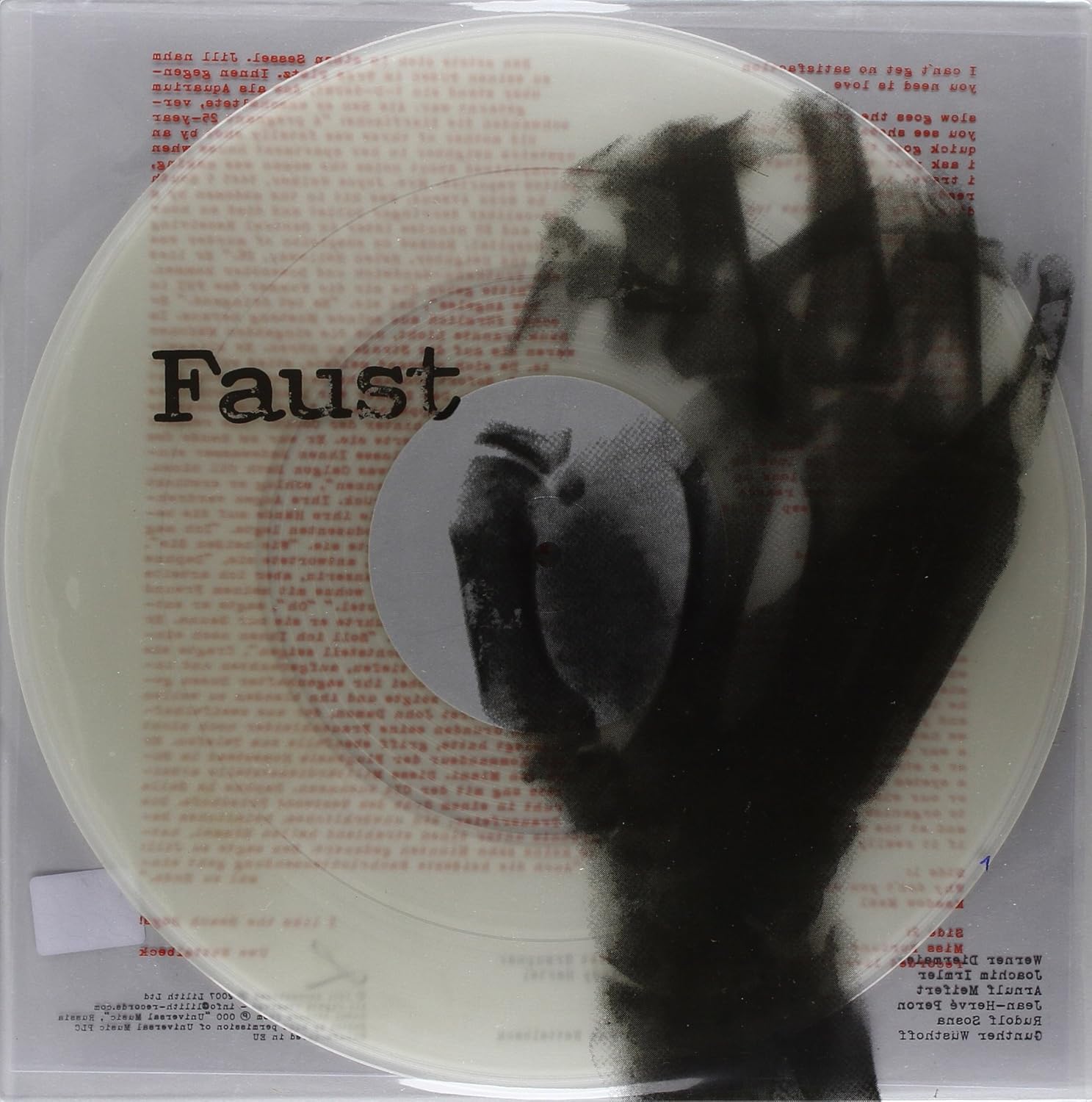
Faust: Faust

Faust: In 1969, Polydor records reached out across the Atlantic to a German left wing journalist, Uwe Nettelbeck, with the odd but seemingly commercially-justifiable request to assemble a German rock group that could tap into the potential of the ever-rising demand for rock music by German youth. Perhaps this Polydor rep didn’t realize that this was the Uwe Nettelbeck that breached film jury etiquette by openly praising a work his wife had produced (a film about a verbally gifted cock — not the avian variety), or that this was the Nettlebeck that supported some of Germany’s more notable extremists — for rather than giving Polydor Germany’s answer to the Rolling Stones, Nettlebeck scoured the German underground scene identifying two talented by totally uncommercial groups, merging them into a single group, Faust, which Polydor soon funded, much to their eventual discontent — for Faust clearly had more in common with the musical ethos and sensibilities of Karlheinz Stockhausen, John Cage and Frank Zappa than that of the most profitable rock groups in Britain.

Though probably not appreciated by Polydor executives, their investment in Faust paid dividends in terms of musical quality and the influences on existing and future German bands and future bands the world over. This debut album, released on September 21, 1971, is both wildly creative and inescapably compelling. How did they command or coax their materials and their apparently unconcerned improvisation to come together into such a listenable experience? That’s a mystery to me , yet here we have this important artifact of the early days of the so-called Krautrock art-rock movement, immensely influential and challengingly entertaining and enjoyable.
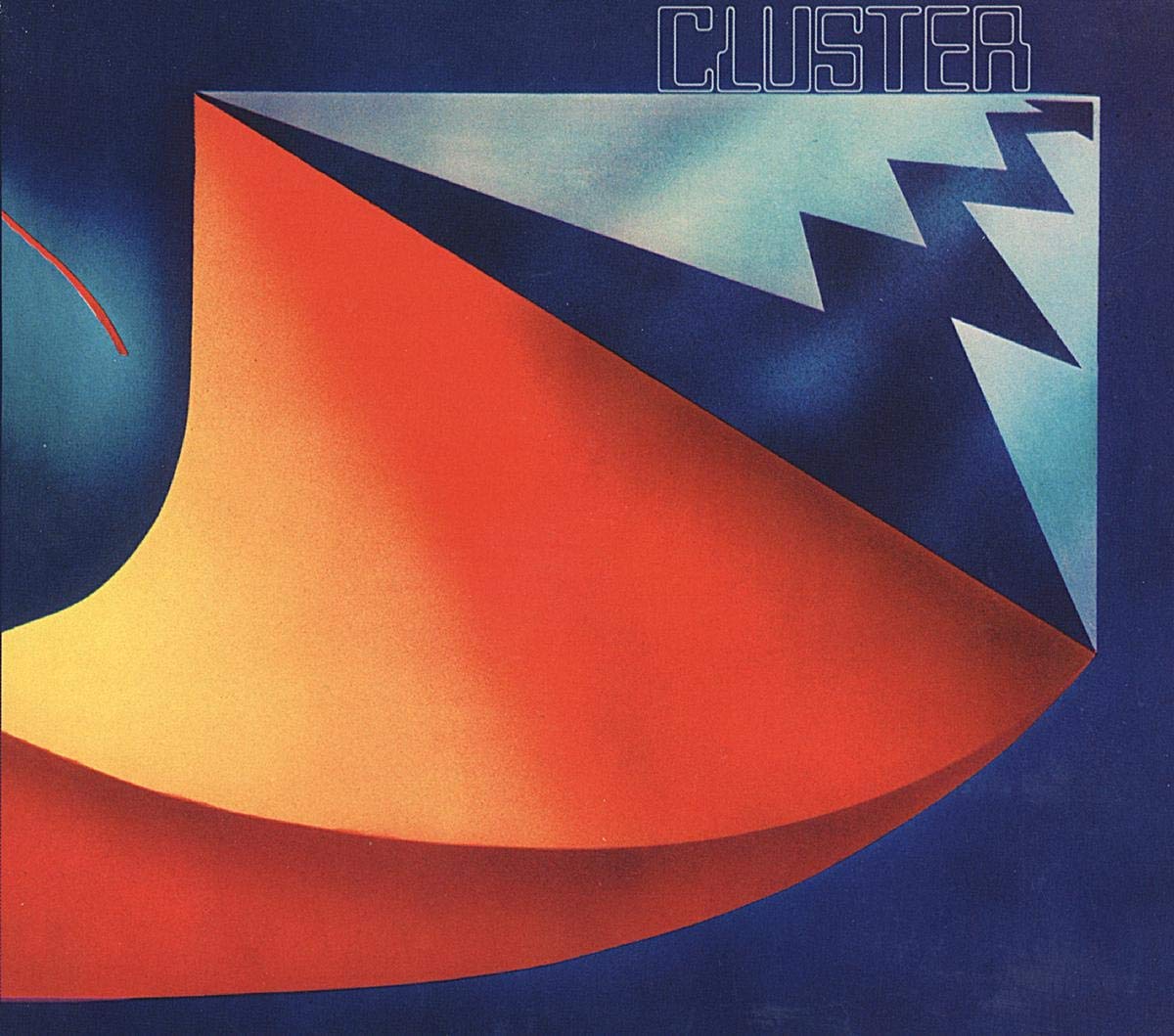
Cluster: Cluster

Cluster: Whereas the Faust album had traditional melodies, harmonies and lyrics, this debut album by Cluster is purely a journey through ambient and mood-inducing sonic explorations. Like the Faust album, it works and effectively entertains and captures one’s attention both intellectually, and in a laid-back fashion, emotionally. And just like the Faust album the first side is two tracks, and the second side contains one single, attention-engaging composition. Influential? You bet, with near-term impacts on artists like Brian Eno, and longer term impact of artists that came decades later.

And so, we have four very different albums released in October 1971, In Search of Space, Meddle, Faust, and Cluster, all of which can be characterized as space rock, even though they could not be more different in use of musical materials and general musical approach.

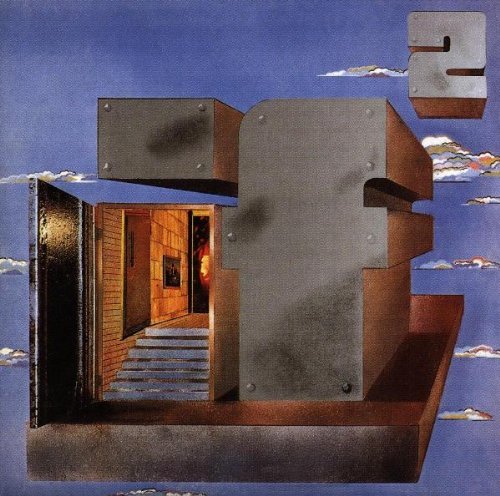
Focus: Focus II (Moving Waves)

Focus releases their second album, one which soars to the number 4th spot in their home country, the Netherlands, reaches number two in the nearby UK, and surprisingly peaks at number eight in the U.S.. this success largely based on the radio airplay of the yodeling, exuberantly rocking, “Hocus Pocus.”

The album starts off at full tilt with “Hocus Pocus”, followed by more progressive, but still easily accessible compositions. All in all a fine, though not indispensable, prog-rock album.
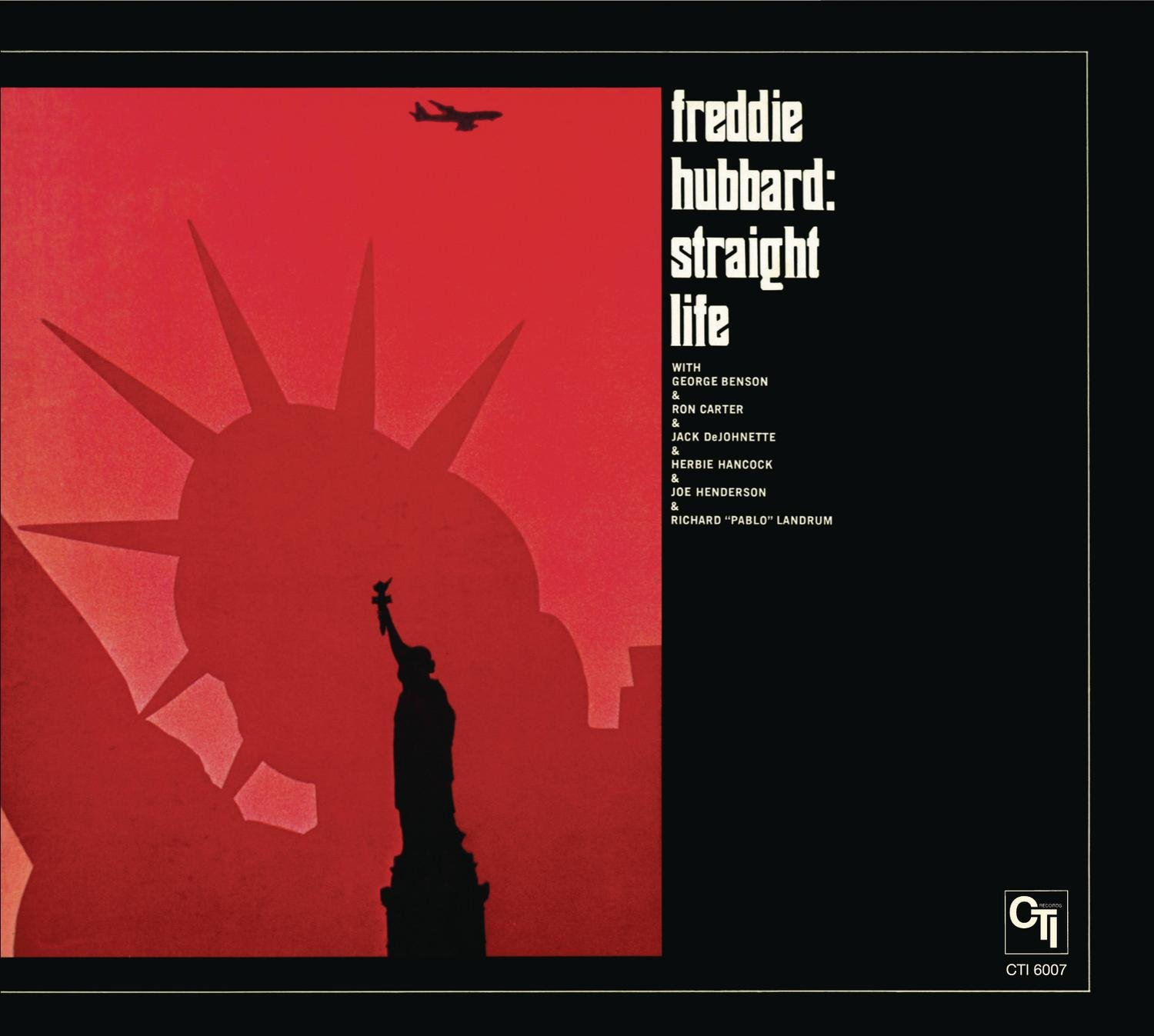
Freddie Hubbard: Straight Life

This album blends both bop and myriad post-bop elements with soul, funk and fusion to deliver a strong, and puzzling oft-overlooked classic album. (Rolling Stone Jazz Record guide gives this one out of five stars, which inaccurate assessment, for me, cast doubts on the entire contents and relevancy of the Rolling Stone Jazz Record guide.) Here we have another fine album with a full-side track, the title track, that opens with a free-jazz intro (shorter than the impressive intro that opens the Red Clay album) and then transforms into a lively, celebratory and appropriately contemporary grooving musical adventure with astonishing trumpet work from Freddie Hubbard and more progressive explorations from Joe Henderson.

The first track of the second track, “Mr. Clean”, is nothing short of amazing music making, Hubbard providing a vigorous, unrelenting solo, matched in intensity and creativity by Henderson. Jack Dejohnette is excellent in both the first and second tracks, but of particular note is how imaginatively and effectively he supports George Benson’s guitar solo.

The final track, is the beautiful Jimmy Van Heusen “Here’s that Rainy Day,” performed intimately and gracefully as a duet by Hubbard and Benson, is one of the most expressive and evocative musical recordings of 1971.

Moondog: Moondog 2

Louis Thomas Hardin (better known as Moondog) and producer James Guercio release the second Moondog album for Columbia records, departing considerably from the 1969 Moondog masterpiece, with a set of twenty-six round-based compositions, almost all with vocals by Hardin/Moondog himself and his daughter, June Hardin. Setting aside the wit and cleverness of these compositions, this a fine study in handling of relatively simple rounds — not simple meterically or rhythmically, though, and this factor certainly brings life and variety into these works. This is yet another album that eludes any glib labeling of contents as it is clearly not rock, not jazz, not country, not folk, and not classical, though one can make associations to the minimalist classical movement — on the other hand, some of that similarity is due to the harmonic stasis chosen as the foundation for easy overlapping of melodic material.
Carla Bley: Escalator Over the Hill

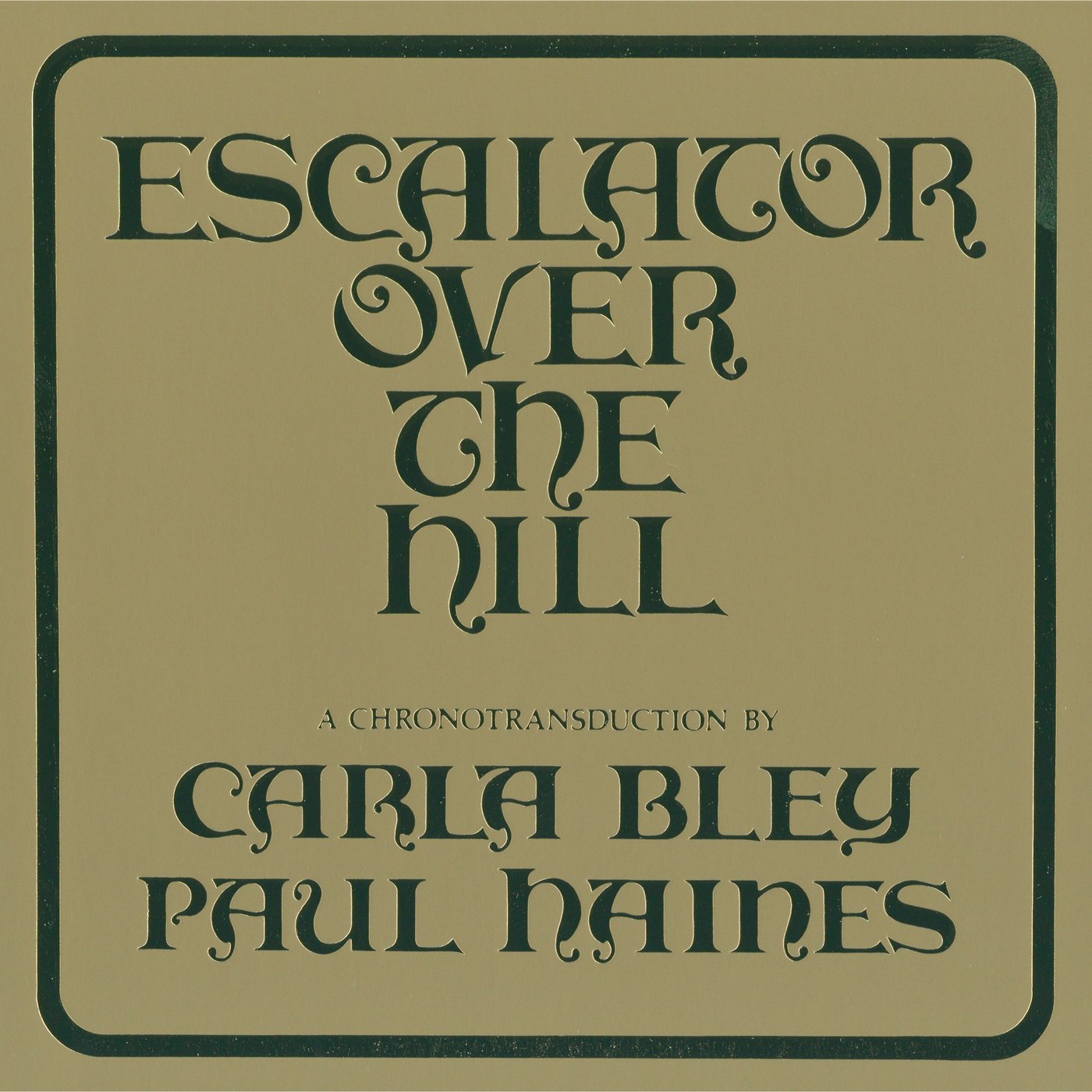
A three LP opera with incredible music by Carla Bley and the selected musicians with somewhat elusive lyrics by Paul Haines. Now this could pass as progressive rock or classical or third stream jazz, depending on one’s viewpoint, so maybe best to simply call it great music. If the lyrics don’t come together effectively as a whole, that is more than made up by the music — all the way down to the endless humming stamped into that last, final inner groove of the second side of the third LP.

If one doesn’t immediately take to the overall musical majesty of this work, there are plenty of individual contributions that will keep one’s attention, from Don Cherry’s amazing solo to the John McLaughlin’s guitar work, to the range of music styles and textures to the many individual contributions of the participating musicians, including vocals by a youthful and talented Linda Ronstadt and renowned Cream bassist Jack Bruce.
Jimi Hendrix: Rainbow Bridge

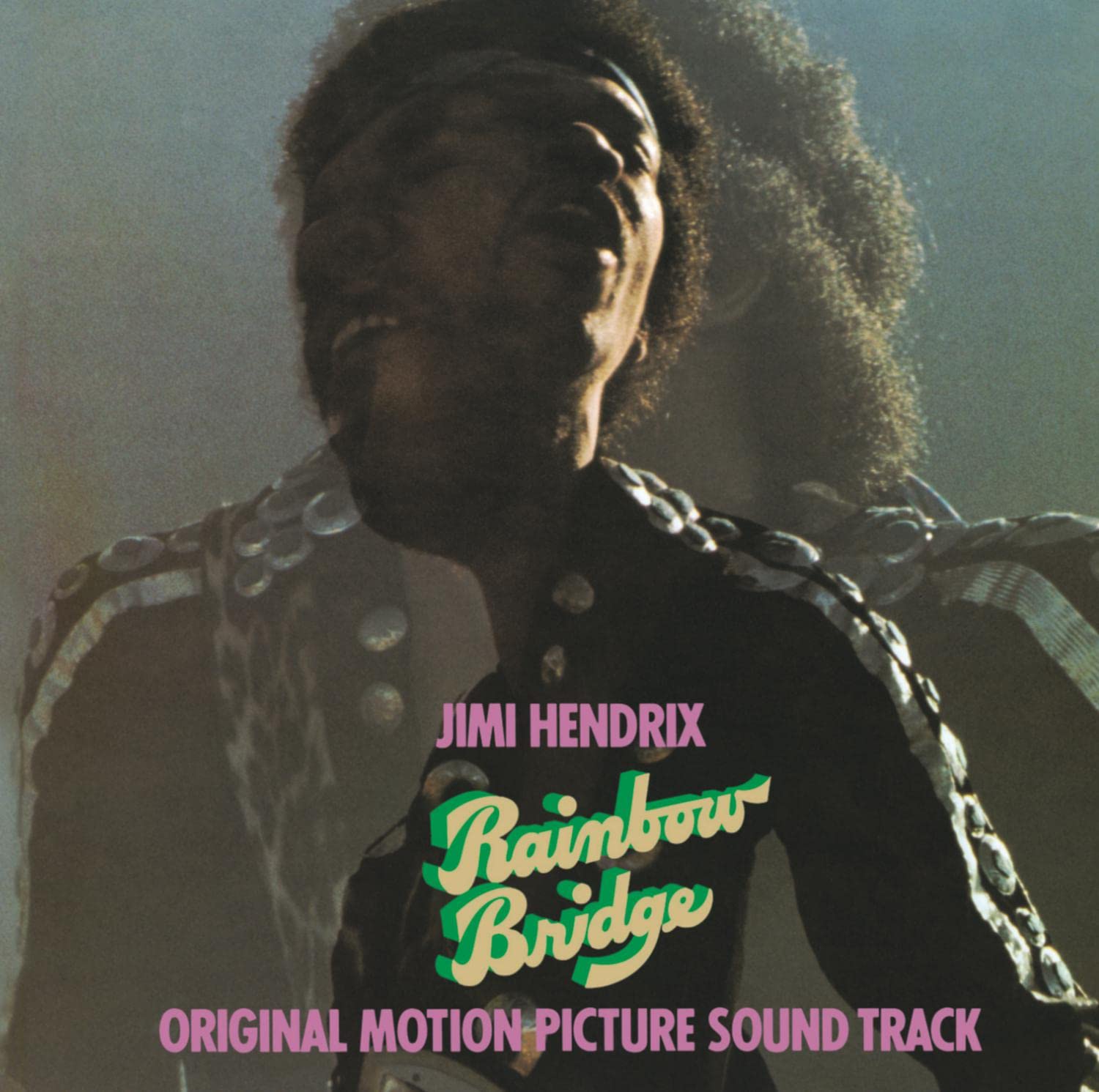
I bought this album, despite it clearly labeled as a soundtrack album, due to my appreciation of the excellence of Hendrix’s previous albums. In truth it is not a soundtrack but partly made of tracks recorded for an album that would have followed “Cry to Love.”

The first four tracks of the first side are all classic, easily accessible musical gems. On side two, there is an incredible live version of “Hear My Train A’ Coming” with timeless Hendrix guitar. Album ends superbly with a soulfully uplifting but often mellow “Hey Baby (New Rising Sun.)”
Van Morrison: Tupelo Honey

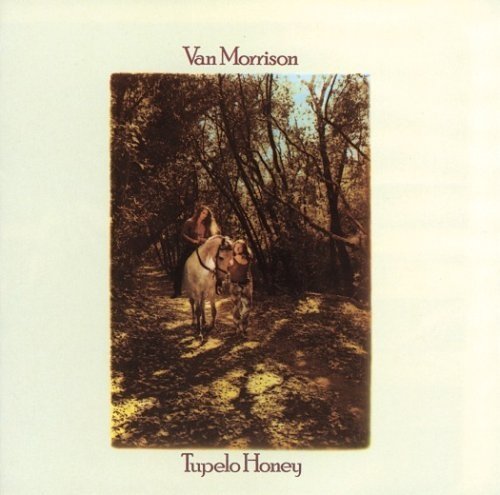
Released on October 15, 1971, Tupelo Honey, is a wonderful blend of blues, soul, rock, folk, and country-rock elements. I don’t consider myself a Van Morrison fan (I cringed, at the age of twelve, each time they played “Brown Eyed Girl” on AM radio, anxious for it to end to give way to something more to my preference), but I embrace Tupelo Honey 100% and am amazed at the consistency, authenticity, and quality of the album. This is one of the best examples of a commercially successful album that avoids any overt commercialism.
Cat Stevens: Teaser and the Fire Cat

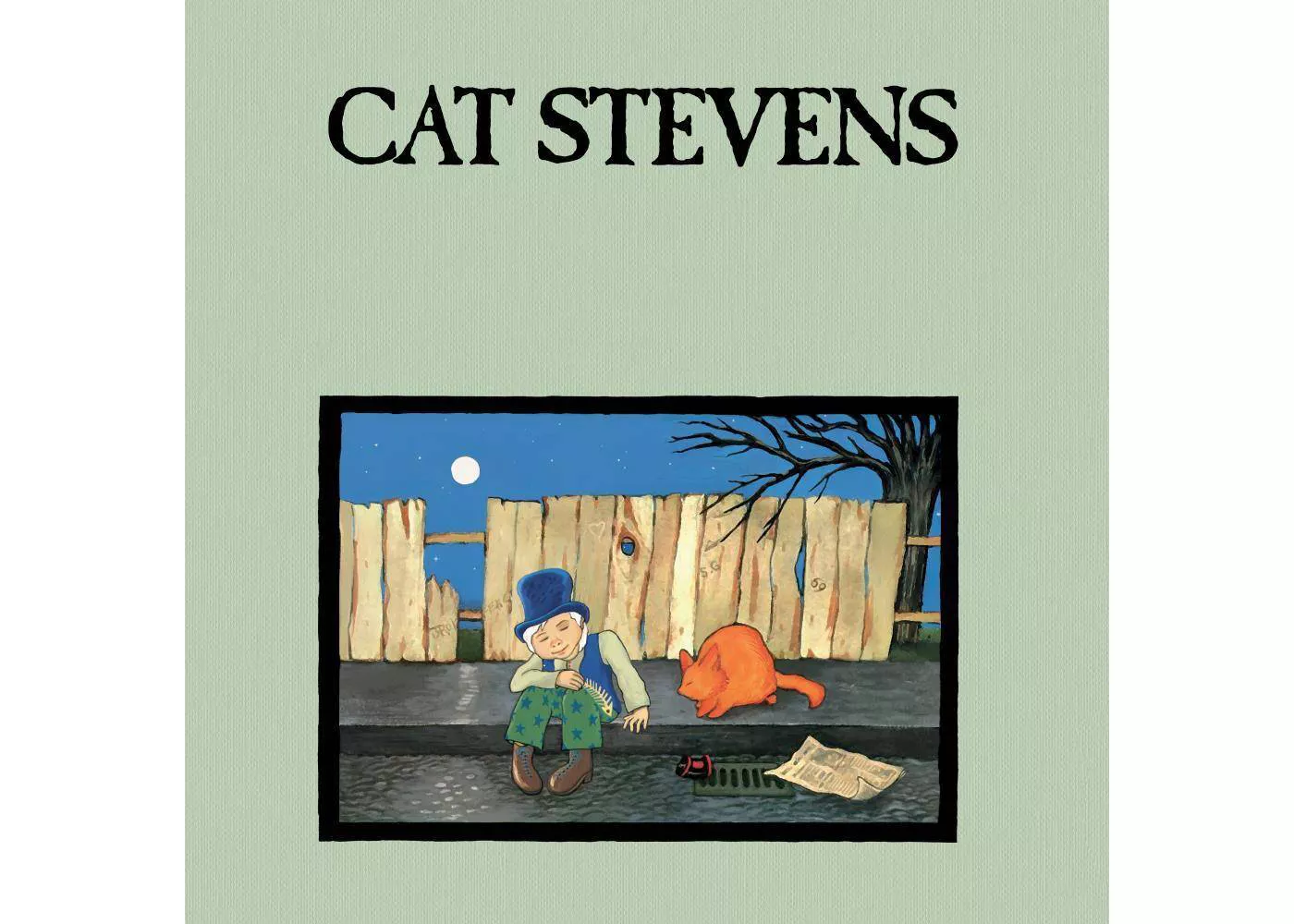
How could Cat Stevens top something as sincere and unaffectedly authentic as his previous album, Tea for the Tillerman? He couldn’t, but by giving the new release a similar title and even more immediately absorbable material, with a more consistent evenness to the quality of the songs and more established overall identify to the album, he was able to surpass the sales of Tea for the Tillerman (despite Tea for the Tillerman‘s incomparable “Wild World” having receiving considerable airplay on both AM and FM radio) with the driver behind some of these sales coming in the wake of the success of Tea for the Tillerman as well as the airplay of “Moon Shadow.”

When I purchased Teaser in the Firecat within a week or two of its release, I was a trifled disappointed by the notable shift in style — the music had a more commercially produced feel and there was nothing the quite caught one emotionally as much as “Wild World” or “Sad Lisa.” Yet, even a more commercial Cat Stevens had appeal, and though I had put Teaser away on the back shelf by the end of 1971, later to be boxed up for decades, it is still a treat to listen to again after so many years.
Chicago: Chicago IV (Chicago at Carnegie Hall), Family: Fearless; Don McLean: American Pie; Grateful Dead: Grateful Dead; Lindesfarne: Fog on the Tyne; Frank Zappa: 200 Motels; The Move: Message from the Country

October 1971 brought out a wealth of music, much of it defying single-label classification for a considerable portion of the best of popular music was now incorporating and borrowing from the great legacy of musical wealth from both the West and East musical traditions, as well as both new and older, musical heritage.

The Chicago Carnegie Hall set was the first non-classical 4 LP set I remember encountering, and was purchased by the same friend and next door neighbor that purchased the first two Chicago albums. I had purchased Chicago III, and considered it an extravagant expenditure based on my limited monetary means (in those early teenage years) to buy a four LP set of live of material from the previously purchased studio albums. That said, there was one new and notable composition, on the second side of the fourth LP, “A Song for Richard and His Friends”, a backhanded tribute to then-president “Tricky Dick.” At this time, anything mocking Nixon was contemporary, relevant, and cool, but ignoring all this, this is a pretty good tune, possibly directly influenced by Charles Mingus’s scathing musical rebuke of Governor Faubus.

Frank Zappa’s 200 Motels is filled with many brilliant passages of impressive musical material. Supported not only by his regular musicians, but by the Royal Philharmonic Orchestra, there is no doubt of Zappa’s mastery of a myriad of twentieth century composition techniques. One could wish (or I should say that I wish) that Zappa had used the opportunity with the LPO to provide a more cohesive work — perhaps a great masterpiece of the twentieth century, but Zappa is Zappa and just about everything but the kitchen sink finds its way into the album, leaving one to marvel at the greatest moments and accepting those lesser (but perhaps from a Zappa mindset, equally valid and relevant) musical and extra-musical moments. I applaud Zappa’s resolve and determination to be true to his own artistic vision, and that is part of what makes great artists like Zappa genuinely great.

My sister purchased both the Grateful Dead and the American Pie albums. I shied away from the American Pie album since the title song was played endlessly on AM radio. It probably would have been fine at 2 1/2 minutes, but at 8 1/2 minutes, despite good lyrics, some greater variation in melodic material would have been welcome. Nonetheless the album was (and is) still pretty good, and contains not only American Pie, which has stood the the test of time better than most songs of its nature, but also includes Vincent, one of McLean’s best compositions.

Notable, though not approaching the quality of the first Electric Light Orchestra album, is The Move’s Message from the Country, their final album before they changed their identity to ELO. Both this and the first ELO album were recorded during an approximately one year period that spanned 1970 and 1971. It almost seems as if the best and most interesting material was reserved for that first ELO album, though those that prefer more traditional rock may be more comfortable with Roy Wood and Jeff Lynne’s contributions to The Move’s last effort.

So many albums were released in October of 1971, apparently to time with holiday spending, that I suspect I may have missed a few of those that baby boomers grew up listening to. What’s particularly interesting is the number of albums that still are worth listening today or that influenced other artists who also produced music that still merits listening time. I remember being told that once I got older I would look back on the music that I had listened to in the early seventies and find it silly and simplistic — yet just the opposite: I have a much greater appreciation for the quality, diversity, and complexity of this music than I ever had during my teenage years.
Fifty year Friday: September 1971

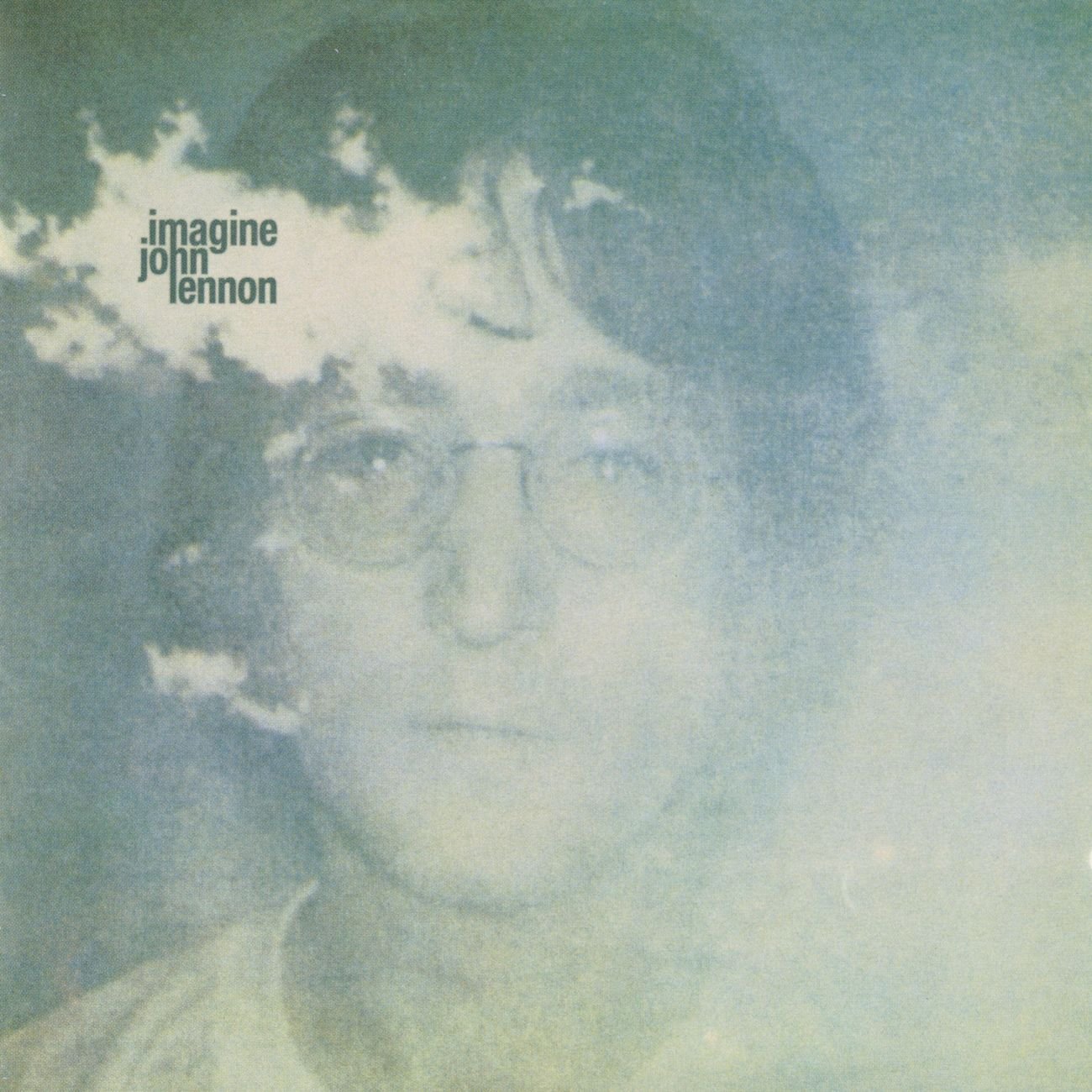
John Lennon: Imagine

At the end of 1970, I awaited the availability of John Lennon’s first album (John Lennon/Plastic Ono Band) with a sense of mystery and associated anticipation, however when it was time for the release of the second album, Imagine, it almost seemed like just another standard record industry release, particularly as I heard the single before the album, and because in this case it wasn’t my adventurous neighbor that first bought the album, but my more musically conservative older sister. Maybe I took less of an interest, initially, due to those factors, but it didn’t stop me from playing it as soon as she had purchased it.

Without the consistency of the songs of the first album and the personal poetic connection of that album — and without anything quite equal in charm to “Love” or as striking as “Working Class Hero”, Imagine was somewhat of a disappointment for me. I had already heard the title track, and found “How do you Sleep?” somewhat petty with a palatable undertone of bitterness. The album didn’t hold together as well as the previous one, but still there was much to like overall, including the music and lyrics to “Gimme Some Truth.” Of course, once one got over the initial overexposure of the title track from AM radio, it was clear what a strong song it truly was. Notable, also, are the musical performances, particularly Nicki Hopkins excellent piano work, both electric, acoustic, and modified acoustic (thumbtacks?) George Harrison provides memorable guitar contributions with Lennon also playing basic, yet fully appropriate, piano for the two best songs, “Imagine” and “Oh My Love.” In fact, part of the perfection of those two songs is the simple, honest nature of the piano part.

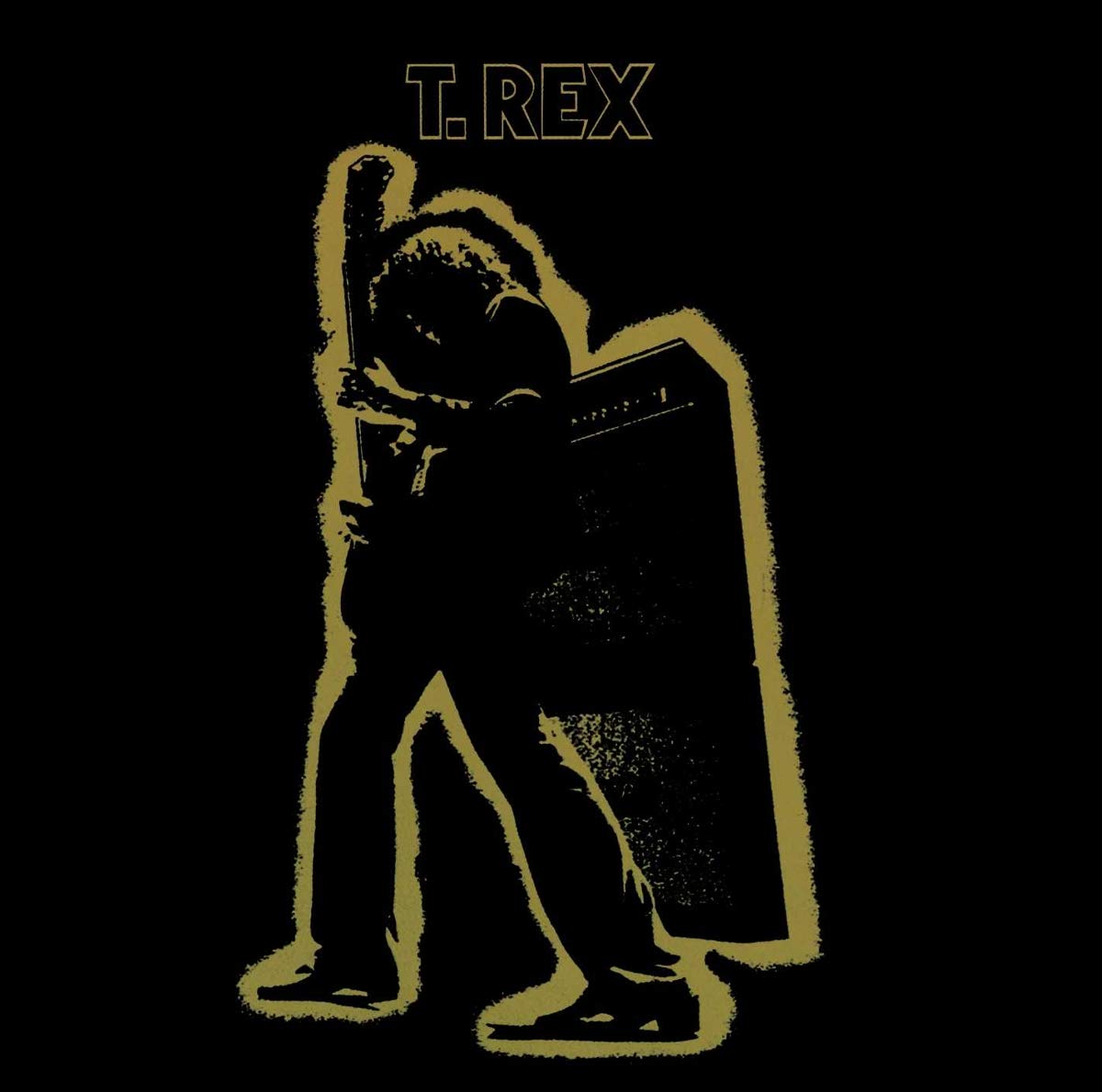
T. Rex: Electric Warrior

In the last part of 1971, we continue to see the steady evolution towards commercialism in many, initially relatively-non-commercial bands. Tyrannosaurus Rex shortens their name to T. Rex for their 1970, still mostly folk-rock acoustic-based album, but with the 1971 Electric Warrior, producer Tony Viscounti’s and composer/singer/guitarist Marc Bolan’s emphasis is more on rock, with a general simplification of the music — and even the lyrics with obvious shift from the misty, somewhat vague mythological references towards more common rock lyrics as in their big hit “Get It On” (commonly referred to as “Bang A Gong, Get it On”)

But as the earlier music of this group, particularly when still named “Tyrannosaurus Rex”, sauntered and casually strolled through blues-based folksy material, this album rocks forward full throttle, with much more animated tracks like “Jeepster” and “Rip Off.” It may not hold up to repeated listenings as well as their 1970 album, A Beard of Stars, but it was more fun to play loudly in the car when driving around at night. And whereas the earlier music languished in terms of building a large listener base, the new T. Rex sound ended up influencing numerous bands, most of which never would land a recording contract, but also some more well-known entries in pop music from punk rockers like the Ramones, hybrid glam/punk rockers like the New York Dolls, and later Indie groups like Joy Division, The Smiths and the Pixies.

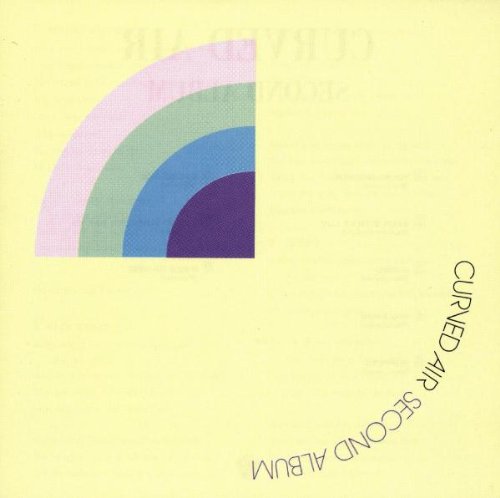
Curved Air: Second Album

Released On September 9, 1971, Curved Air’s second album is bubbling over with a silky spider’s web of musical ideas and creative energy. The sound quality and mixing of the original LP falls short of the music and musicianship itself, however, a remastered edition was released around 2018.

This is an album in two parts, the first side with musical material composed mostly by Darryl Way and the lyrics written by Sonja Kristina and the second the more rhythmically driven material of Francis Monkman. Both sides are excellent, with ample examples of compounded or changing time signatures, some colorful contributions from the EMS VCS 3 synthesizer, and the floating, ethereal vocals of Sonja Kristina.

Uriah Heep: Look at Yourself

In September 1971, Uriah Heep released their third and strongest album, the heavy-metal, partly-progressive Look At Yourself. I took a chance on the album as part of the promotional incentive for starting a membership in a mail-based record club, and loved the album’s heavy-metal deployment of bass, guitar, organ and drums. I particularly like the Baroque-like beginning of “July Morning” which starts with organ, with guitar soon layered on top and the use of terraced dynamics and texture for the subsequent vocals.

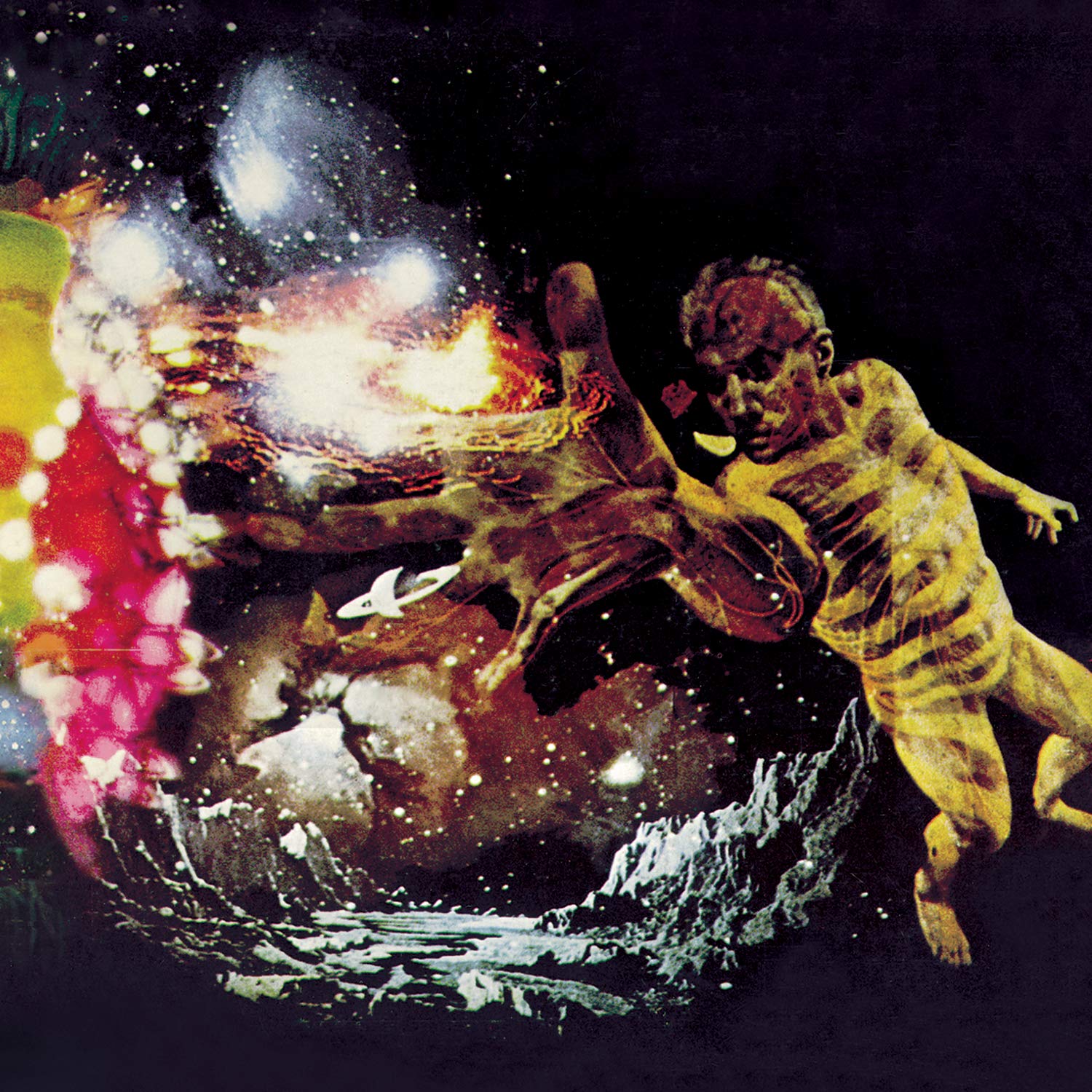
Santana: Santana III


Satana releases their third album sometime in September of 1971. Like their previous, second album, Abraxas, it climbed the album charts to the top position, with two tracks gettings significant airplay on AM and FM radio. Incorporating Latin, rock, and jazz influences, the album’s strength, at least for me, is fully revealed on side two with the last four tracks which sound as fresh and vital as they were in 1971.

Fifty Year Friday: July 30, 1971


https://www.npr.org/2021/07/30/1022352422/concert-for-bangladesh

FIFTY YEARS AGO: The concert was recorded and would be released on 3 LPs on December 20, 1971. The inclusion of Bangla Dhun on side one was the highlight for me and I have been a fan of classical Indian music since.

Fifty Year Friday: July 1971

Gentle Giant: Acquiring The Taste

Released on July 16, 1971 by the Vertigo record label, this second Gentle Giant, despite the apparently horrible cover (the worse prog-rock cover ever or a tongue-in-cheek expression of the kissing up that goes on to record execs and commercial demands?) and the presumptuous and cringe-worthy title, far surpasses their first effort in consistency and creating a unified musical statement while still showing a diversity in compositional techniques and arrangement/instrumentation. It is in the prevalence of the reuse and transformation of identifiable musical motifs that Gentle Giant shares common ground with some bebop artists (for example, Charlie Parker) and so many of the twentieth and nineteenth century so-called “classical” or “serious” composers. What set Gentle Giant apart from most other prog-groups was that their primary composer, Kerry Minnear, was fully trained in classical music having just received his degree in music composition from the prestigious Royal Academy of Music in 1970. We can speculate about whether he read such books as the indispensable 1961 treatise on motific reuse, Rudolf Reti’s The Thematic Process in Music (US 1951; UK 1961), but even if he had not, his familiarity with medieval, renaissance and early twentieth century compositions would have exposed him to how composers expertly handled music cells and motifs.

Putting aside the compositional tightness and cohesiveness of the eight individual tracks and the general cohesiveness of the album as a whole, one just has to take delight in the overall strength of the music, the lack of any filler material (with the possible exception of portions of the last track), and the beauty of some of the melodies, particularly “Pantagruel’s Nativity”, “Edge of Twilight”, the haunting “Moon is Down”, and the softer instrumental passages of the heavier songs on the album like “Wreck.” Notable is the prevalence of Kerry Minnear vocals, indicative of the often gentle nature of the material — with Derek Shulman vocals effectively complementing the harder rock passages. We also get the first example of what I call the “Gentle Giant stride”, for lack of a more appropriate term, due to it reminding me, rhythmically and musically, of deliberately lengthened and extended fast-paced walking steps — this occurs after the initiation of Gary Green;s guitar solo in “The House, The Street, The Room” at the 2:47 mark, with drums and bass providing the foundation for the continuation of Green’s angular yet expressive guitar-work. Another noteworthy often-used Gentle Giant compositional technique, is the use of a musical sequence comprised of a short, quadruply-repeated, rhythmically-catchy motif that creates forward drive and tension (and used extensively in their next album, “Three Friends”) and in this album occurs in “The Moon Is Down” at the 2:11 mark. Also notable is the penultimate track on the album, particularly its use of plucked and bowed viola, viola, and cello and wah-wah guitar for musical and extra-musical effect (the imitation of the meow of a cat.) “Plain Truth”, somewhat musically weaker and less interesting than the previous tracks, closes out this first in a string of half a dozen near-perfect, fully musically unified, must-have Gentle Giant albums

Black Sabbath: Master of Reality

Also released by the Vertigo record label (Warner Brothers in the U.S.), on July 21, 1971, though not nearly as fulfilling or musically nutritious as the Gentle Giant second album, this third Black Sabbath, Masters of Reality is one of the three best Black Sabbath albums, well-executed, creative and brimming with elevated yet disciplined energy. Toni Iommi, Black Sabbath’s main creative musical force, not only gives us the typical extroverted Black Sabbath heavy metal, bass-and-guitar-driven numbers but two fine introspective guitar compositions, “Embryo” and “Orchid” and the reflective “Solitude”, with Iommi also playing piano and flute, providing welcome contrast to the longer, heavier works. There may be a limited amount number of times those heavier works can be listened to, but certainly they stand up to repeated playings when driving down the road, exercising, dancing or otherwise shaking up an aging body.

Peter Hammill: Fool’s Mate

Fool’s Mate is Peter Hammill’s first solo album, filled with various, unrelated songs that were either not considered as appropriate Van Der Graaf Generator material, or were not written with VDGG in mind. Nonetheless the full VDGG lineup (Hugh Banton, David Jackson and Guy Evans) is here, and is further, supplemented by guitarist Robert Fripp on half the tracks and former VDGG bassist Nic Potter also on six of the twelve tracks. The music ranges from catchy and upbeat “Happy”, and “Sunshine” to the introspective and even heartbreakingly dark and gloomy, with the most indispensible gem being the timeless “Vision”, one the best love songs of the entire seventies.

Guess Who: So Long, Bannatyne

Also released in July 1971, the Guess Who’s succulently dissonant So Long, Bannatyne — the album sharing the title of one of the songs that reflect the guitarist Kurt Winter’s move from the Bannatyne Apartments on Bannatyne Avenue in central Winnipeg to the Chevrier district a few miles south.

It is the liberal use of dissonance and jazz-related elements that sets the album apart from earlier Guess Who albums, making this their overall best album, despite most rock critics opinions to the contrary. Whether its “Going A Little Crazy” with its jarring, dissonant recurring ostinato, the jaunty “Grey Day” with Burton’s scat singing, his dissonant jazz-based piano accompaniment and subsequent piano solo, followed by Winter’s jazzy acoustic guitar solo, or the subtly bitter “Sour Suite”, many of the songs here are neither typical pop or Guess Who songs. Strings are also used for appropriate enhancement and both Burton Cumming’s vocals and piano are at their best throughout the album, with piano nicely supporting Greg Leskiw’s banjo and vocals on “One Divided.”

Isaac Hayes: Shaft, Moody Blues: Every Good Boy Deserves Favour, Joan Baez: Blessed Are…, Deep Purple: Fireball

Other notable albums include the classic Isaac Hayes 2 LP Shaft, the almost impressionistic Every Good Boy Deserves Favour from The Moody Blues, Joan Baez’s two LPs and one 33 1/3 45 Blessed Are… album, and the hard-to-categorize and somewhat uneven, but mostly danceable (at least at the time), Deep Purple’s Fireball. I still remember hearing the song, Shaft in 1971 on the bus to and from school and impressed by its larger than life sound even through those somewhat shoddy school-bus speakers.


For additional posts related to Gentle Giant, please check these out:
https://zumpoems.com/2025/07/25/fifty-year-friday-july-and-august-1975/
https://zumpoems.com/2026/04/17/fifty-year-friday-april-1976/
https://zumpoems.com/2021/07/23/fifty-year-friday-july-1971/
https://zumpoems.com/2023/09/01/fifty-year-friday-september-1973/
https://zumpoems.com/2022/04/01/fifty-year-friday-april-1970-2/
https://zumpoems.com/2022/12/16/fifty-year-friday-december-1972/
https://zumpoems.com/2017/08/25/fifty-year-friday-aretha-franklin-simon-dupree-the-big-sound-and-pink-floyd/
https://zumpoems.com/2020/11/20/fifty-year-friday-november-1970/

For Must Listen To Gentle Giant and Prog Rock albums, please check out:
https://zumpoems.com/must-listen-to-music/

For additional posts that mention Gentle Giant, please check these out:
https://zumpoems.com/2017/12/30/seventy-year-saturday-1947/
https://zumpoems.com/2019/07/19/fifty-year-friday-men-on-the-moon-yes-larry-coryell/
https://zumpoems.com/2022/05/27/fifty-year-friday-may-1972/
https://zumpoems.com/2019/05/31/fifty-year-friday-power-to-the-people-the-giant-awakens-empty-sky-at-san-quentin-and-charisma/
https://zumpoems.com/2024/03/15/fifty-year-friday-march-1974/
https://zumpoems.com/2024/06/07/fifty-year-friday-june-1974/
https://zumpoems.com/2019/01/04/fifty-year-friday-the-canterbury-scene-soft-machine-and-caravan-first-albums/
https://zumpoems.com/2025/06/20/fifty-year-friday-june-1975/
https://zumpoems.com/2019/06/14/fifty-year-friday-trout-mask-replica-brave-new-world/
https://zumpoems.com/2023/08/04/fifty-year-friday-august-1973/
https://zumpoems.com/2020/02/14/fifty-year-friday-february-1970/
https://zumpoems.com/2018/08/10/fifty-year-friday-ultimate-spinach/
https://zumpoems.com/2018/06/22/fifty-year-friday-british-folk-rock/
https://zumpoems.com/2020/09/25/fifty-year-friday-september-1970/
https://zumpoems.com/2025/11/14/fifty-year-friday-november-and-december-1975/
https://zumpoems.com/2020/03/20/fifty-year-friday-march-2020/
https://zumpoems.com/2025/09/26/fifty-year-friday-september-and-october-1975/
https://zumpoems.com/2021/11/26/fifty-year-friday-november-1971/
https://zumpoems.com/2026/06/12/dexter-gordon-lullaby-for-a-monster-bouncin-with-dex-brand-x-unorthodox-behavior-fifty-year-friday-june-1976/

Fifty Year Friday: June 1971

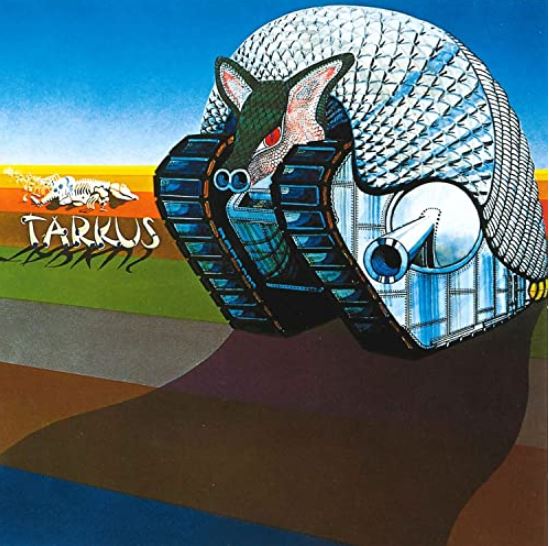
Emerson, Lake and Palmer: Tarkus

After being so successful on taking a chance on King Crimson’s first album, based solely on the album cover, I became more adventurous and shortly after Tarkus was released around June 14, 1971, it showed up at our local K-Mart, the same K-Mart where I had purchased the King Crimson album. And purchasing on primarily album cover cosmetics, I bought my first ELP album, Tarkus, along with Black Sabbath’s Paranoid. My dad had recently purchased a quality pair of headphones, and that evening I pulled up a chair in front of the amplifier and listened to both albums, mesmerized by the distinct sound of each, and pleasantly surprised that the “Lake” in “Emerson, Lake and Palmer” was the Greg Lake from the first King Crimson album.

I vividly recall the opening of the first track, “Eruption” with its dramatic opening crescendo and the unusual meter (3/8+2/8) established by the drums and bass with Emerson’s angular organ line, the short shift in meter (3/4), returning to the original organ line and then another shift (4/4) with the majestic horn-like moog synthesizer fanfare section. At that time I had no idea of the many meter shifts I was hearing (5/8, 3/4, 5/8, 4/4, 5/8, 7/8, 9/16, 2/4, etc.) but underneath those headphones, it was clear I was in the middle the musical equivalent of a volcanic eruption as depicted in the inner sleeve (see modern CD insert below.)

The entire first side absorbed my entire attention. This was music distinctly different from anything and created its own world — as fantastical as any imagined battle between the mythical creatures of the inner surface of the opened album — and then some. I had limited experience with listening to Dave Brubeck, Stan Kenton, Ravel, Debussy and Stravinsky — and none yet with Bartok and Ginastera — but clearly this was at the same level — a modern masterpiece of music.

Side two was more a collection of songs, bookended by two somewhat weaker tracks, with substantial material in the middle. It was side one that kept me coming back to this album, and displaced my prior favorite group, KIng Crimson, with this new band. Of course, I bought the previously ELP album, then all the Nice albums I could find, with Emerson, the keyboard player, now being my favorite living musician.

The album is far from perfect — but that is true with all of ELP’s output; what matters here is that the quality of side one has few rivals in either rock music or progressive rock music. The lyrics are a bit hit and miss and can simply be viewed as falling far short of supporting the music or, if one uses their imaginative skills, leveraging the Tarkus storyline depicted in the inside cover as some allegory for the more common battles of life. Either way, Greg Lake’s contributions here are not primarily the lyrics but his musical contributions including the battlefield melody, similar to Lake’s Epitaph melody for King Crimson. Lake seems to furnish the more traditional elements of rock music and melody to provide a balance and contrast which serves as an appropriate offset for the more aggressive and idiosyncratic instrumental passages. This is the magic of group efforts, whether progressive rock bands, traditional rock bands, jazz ensembles, and so on — one can get a level of diversity rarely provided by a single composer or musician. The lone composer has made many invaluable contributions to music, but our age also includes many stellar collaborative efforts — including side one of Emerson, Lake and Palmer’s Tarkus — a timeless classic of music.

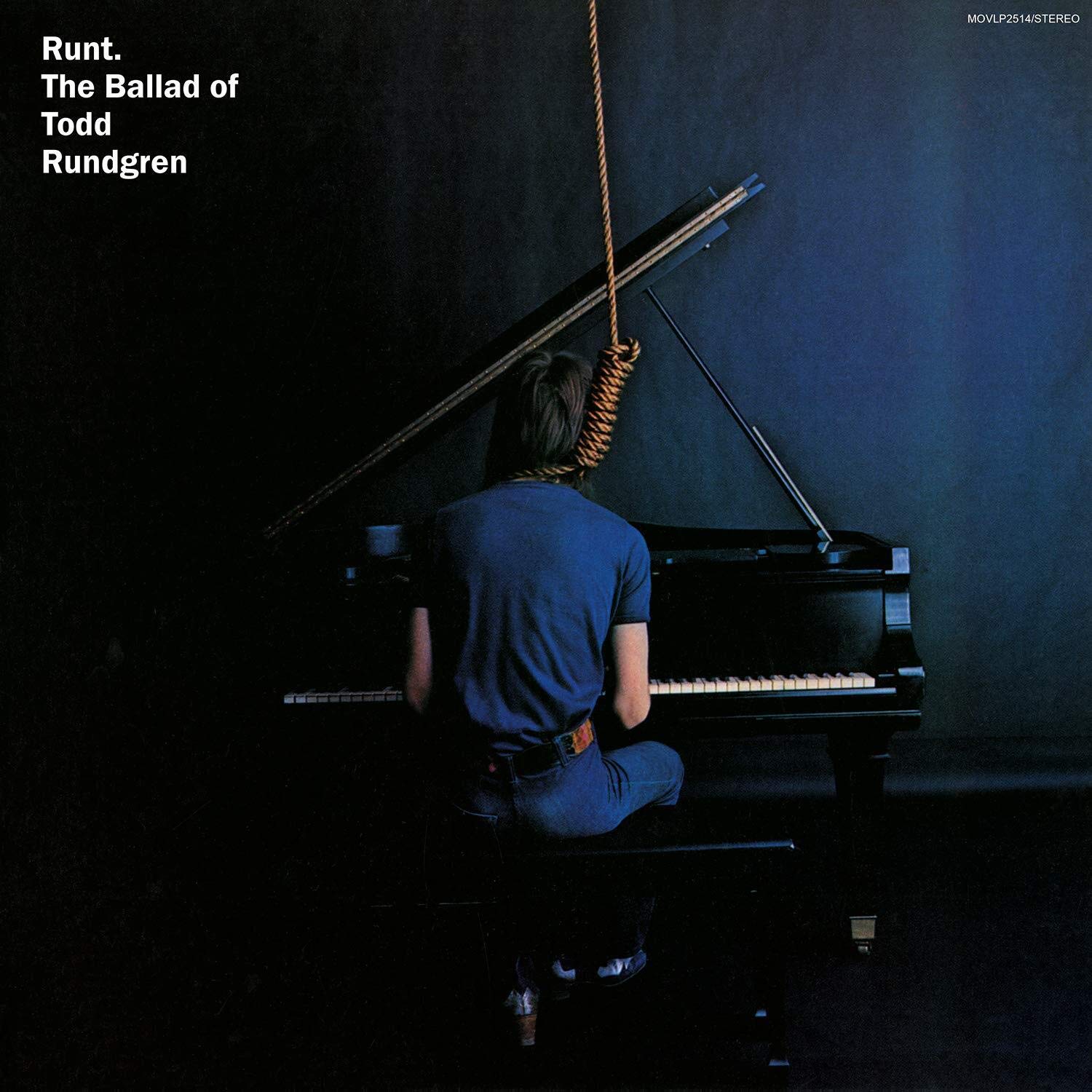
Todd Rundgren: Runt. The Ballad of Todd Rundgren


Released on June 24, 1971, Todd Rundgren’s solo second album is pretty much Todd going it alone, writing all the music, being very attentive to every aspect of the arrangements, and playing all instruments that he could, allowing additional personnel on bass and percussion with himself on everything else. Though no track quite matches “We Got to Get You a Woman” from the prior album, the quality is consistently high, with “A Long Time, a Long Way to Go”, “Boat on the Charles”, “Be Nice to Me” being particularly memorable.

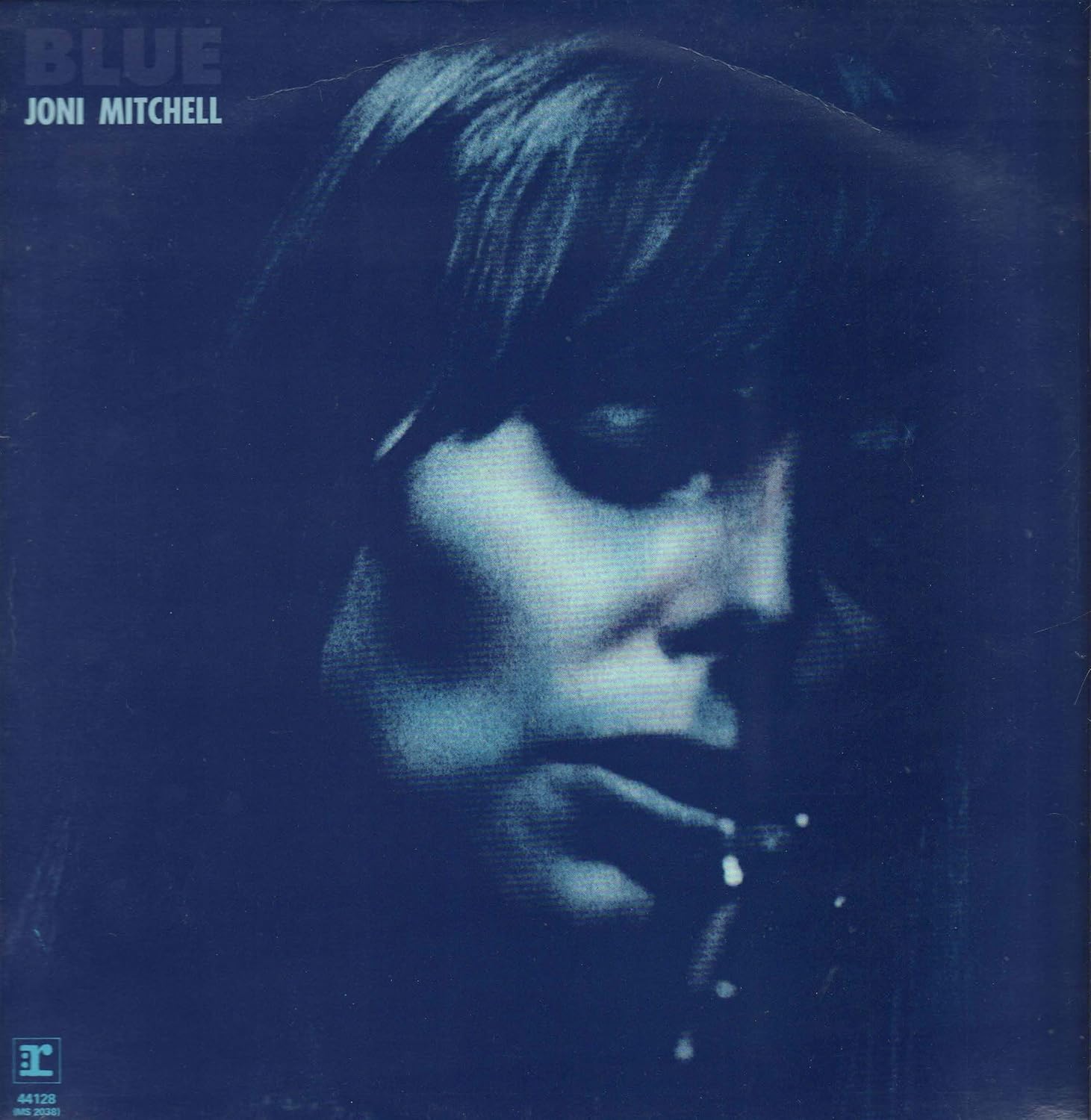
Joni Mitchell: Blue

This album sounds as vital today as fifty years. The music is great, the performance intimate, the sound quality excellent, even by today’s standards and the lyrics are personal, heartfelt, of high merit, and flawlessly fit with the music. This should be in every music lover’s collection.

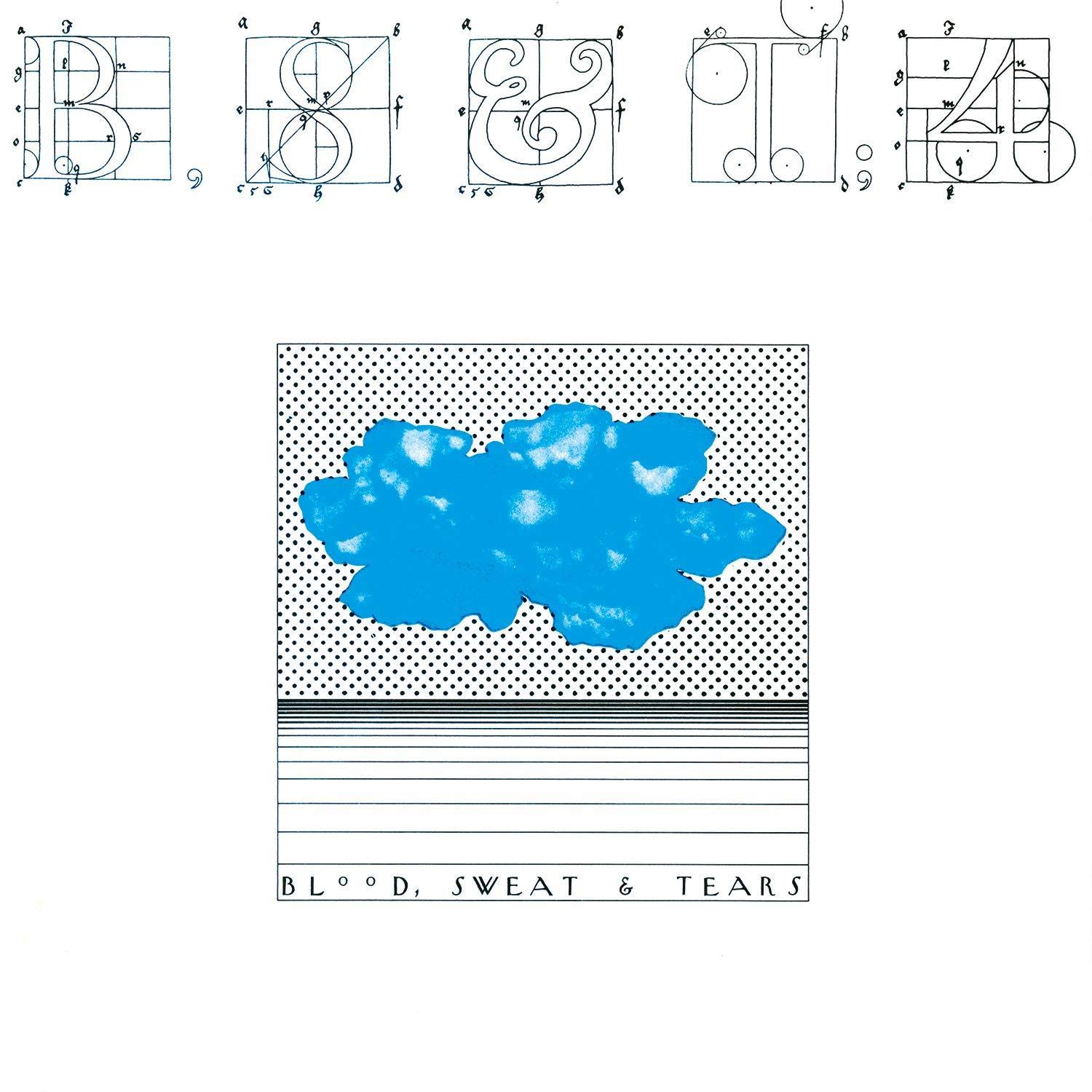
Blood, Sweat & Tears: Blood, Sweat & Tears 4

It’s quite something that after fifty years, most commercial planes don’t fly any faster, personal car travel across country is pretty much the same, at the same speed with no improvement in dining or scenary, and the sound quality of recorded music is on balance, not significantly better — at least nothing close to the progress made in the first six decades of the twentieth century. By 1971, the sound quality of rock, jazz and classical albums were generally quite good with a diverse use of stereophonic capabilities, judicious layering of multiple tracks and the presentation of a sound stage, whether realistic or not, that was engaging and provided the foundation for meaningful musical entertainment. The sound on the three previous albums and this one may be far from perfect but they deliver a presence that fully engages one with the musical product – and provides a level of presence not much different than modern releases — and sometimes better.

This fourth BS&T album is musically as good as their previous three (an opinion at odds with general consensus, of course), with strong instrumental contributions from regulars Steve Katz, Dick Halligan, Fred Lipsius, Lew Soloff and Chuck Winfield and the addition of trombonist Dave Bargeron who also impressively handles tuba and baritone horn responsibilities. The joy here is in the beauty and magnificence of the brass arrangements and performances and the strong production that effectively brings out the qualities of those arrangements.

For additional references to The Nice or Emerson, Lake & Palmer, please check out:
https://zumpoems.com/2018/01/12/fifty-year-friday-the-nice-the-thoughts-of-emerlist-davjack/
https://zumpoems.com/2021/04/09/fifty-year-friday-april-2021/
https://zumpoems.com/2021/06/18/fifty-year-friday-june-1971/
https://zumpoems.com/2019/09/20/fifty-year-friday-september-1969/
https://zumpoems.com/2020/10/23/fifty-year-friday-october-1970/
https://zumpoems.com/2017/08/25/fifty-year-friday-aretha-franklin-simon-dupree-the-big-sound-and-pink-floyd/
https://zumpoems.com/2019/10/11/fifty-year-fridayking-crimson-arzachel-zappa-kinks-carpenters-moondog/
https://zumpoems.com/2018/11/16/fifty-year-friday-the-nice/
https://zumpoems.com/2023/11/03/fifty-year-friday-november-1973/
https://zumpoems.com/2022/07/15/fifty-year-friday-july-1972/
https://zumpoems.com/2021/06/18/fifty-year-friday-june-1971/
https://zumpoems.com/2024/08/16/fifty-year-friday-august-1974/
https://zumpoems.com/2020/11/20/fifty-year-friday-november-1970/
https://zumpoems.com/2021/11/26/fifty-year-friday-november-1971/
https://zumpoems.com/2026/06/14/century-sunday-june-1926-leos-janaceks-sinfonietta/
https://zumpoems.com/2024/07/19/fifty-year-friday-july-1974/
https://zumpoems.com/2017/10/13/fifty-year-friday-larry-young-contrasts/
https://zumpoems.com/2019/07/19/fifty-year-friday-men-on-the-moon-yes-larry-coryell/
https://zumpoems.com/2019/11/15/fifty-year-friday-november-1969-including-david-bowe-and-almendra/
https://zumpoems.com/2020/01/24/fifty-year-friday-january-1970/
https://zumpoems.com/2018/10/26/fifty-year-friday-switched-on-bach-songs-of-innocence-the-book-of-taliesyn-steve-miller-band-steppenwolf/
https://zumpoems.com/2020/03/20/fifty-year-friday-march-2020/
https://zumpoems.com/2025/09/26/fifty-year-friday-september-and-october-1975/
And please check out the page, Must Listen To Music, which includes several Must Listen To Progressive Rock albums: https://zumpoems.com/must-listen-to-music/

Fifty Year Friday: April 1971

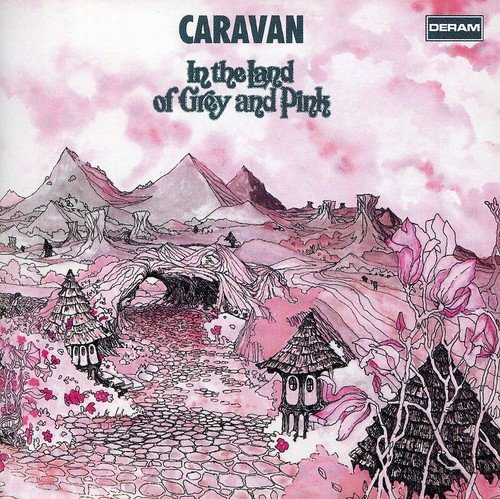
Caravan: In the Land of Grey and Pink

Caravan releases their third album, In the Land of Grey and Pink, on April 8,1971. Richard Sinclair takes a more prominent role providing three of the four songs on side one with his cousin, keyboardist Richard Sinclair, providing much of the music and compositions for side two.

Though not particularly popular upon its release, and difficult to spot in any record store in the U.S. in 1971, over time the album has gotten more attention, eventually achieving gold status. This third album, notably better than the previous two Caravan albums, particularly benefits from Richard Hitchock’s contributions as the producer (the same person who would produce Genesis’s Foxtrot the next year), the relatively generous studio time allocated, and the work ethic and level of creativity of the musicians.

The album opens with the sounds of trombone and percussion that begin Richard Sinclair’s “Golf Girl”, a playful homage to the woman Richard would shortly marry, followed by the initially reflective and more exploratory “Winter Wine.” The Pye Hastings composition that follows, “Love to Love You” is more pop than progressive but benefits nicely from contributions on flute by Pye’s brother Jimmy Hastings. The final track, the title track written by Richard Sinclair, provides a strong close to side one with notable contributions on keyboards from Dave Sinclair.

Side two, taken up by the single composition, “Nine Feet Underground”, is really a medley of multiple unrelated compositions nicely balanced against each other. Like side one, the band is credited for all the music, though in this case Dave Sinclair is the primary composer providing lyrics on one song and getting help on lyrics from Pye Hastings on another. Dave Sinclair’s keyboard work is particularly notable, though there are fine contributions from Pye and cousin Richard, the latter’s bass guitar work being particularly captivating.

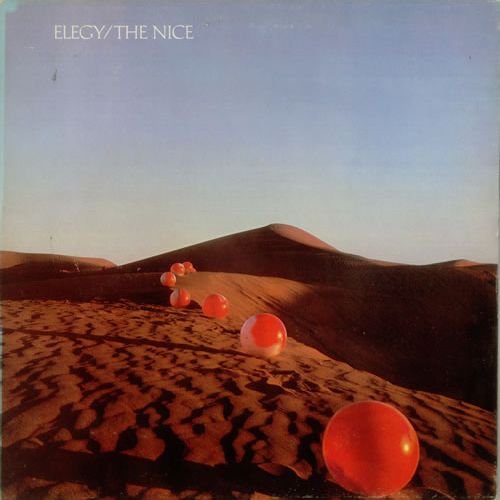
The Nice: Elegy

After Emerson was with ELP, and Dave Jackson and Brian Davison were with their respective groups, Charisma released, in April 1971, three live tracks from a December 1969 concert at the Fillmore East plus one studio take of Dylan’s “My Back Pages” as the album Elegy. The first two tracks showcase Keith Emerson’s keyboard skills, and even if some of the piano work doesn’t rise above what the very best jazz pianists might consider merely ordinary, Emerson has a way of creating narrative-like instrumental performances that are as engaging and musically satisfying making both tracks on side one special listening experiences. On side two of the original LP we get a trio-version of The Nice performing the scherzo from Tchaikovsky’s Sixth Symphony and an timeless document of the trio, with Emerson on electric organ, tackling Leonard Bernstein’s America. More modern digital releases may include two BBC radio live performances.

Elton John: 11-17-70 (or 17-11-70)

Recorded in the A & R recording studio on 52nd street in New York on November 17, 1970 for a live radio broadcast, 11-17-70 nicely captures the qualities and strengths of the original Elton John trio of Elton, bassist Dee Murray and drummer Nigel Olsson. I first heard part of the album while listening to FM radio sometime in April 1970, and quickly went out and bought the LP. This provided a nice companion to the two studio albums I had purchased in 1970, Elton John and Tumbleweed Connection, and also provided more emphasis on the Elton’s acoustic piano skills and Dee Murray’s electric bass. In many ways this is my favorite Elton John album, capturing this trio at its musical peak. The music was not originally intended to be released on vinyl, but the prevalence of bootleg recordings of the broadcast provided a good economic incentive to do so even though ultimately sales were hampered by competition with such bootlegs including one 2 LP set which included more content than on the 11-17-70 single LP official release. A two LP set was released in April of 2017 containing all the original recording material, though not presented in the original order of the broadcast.

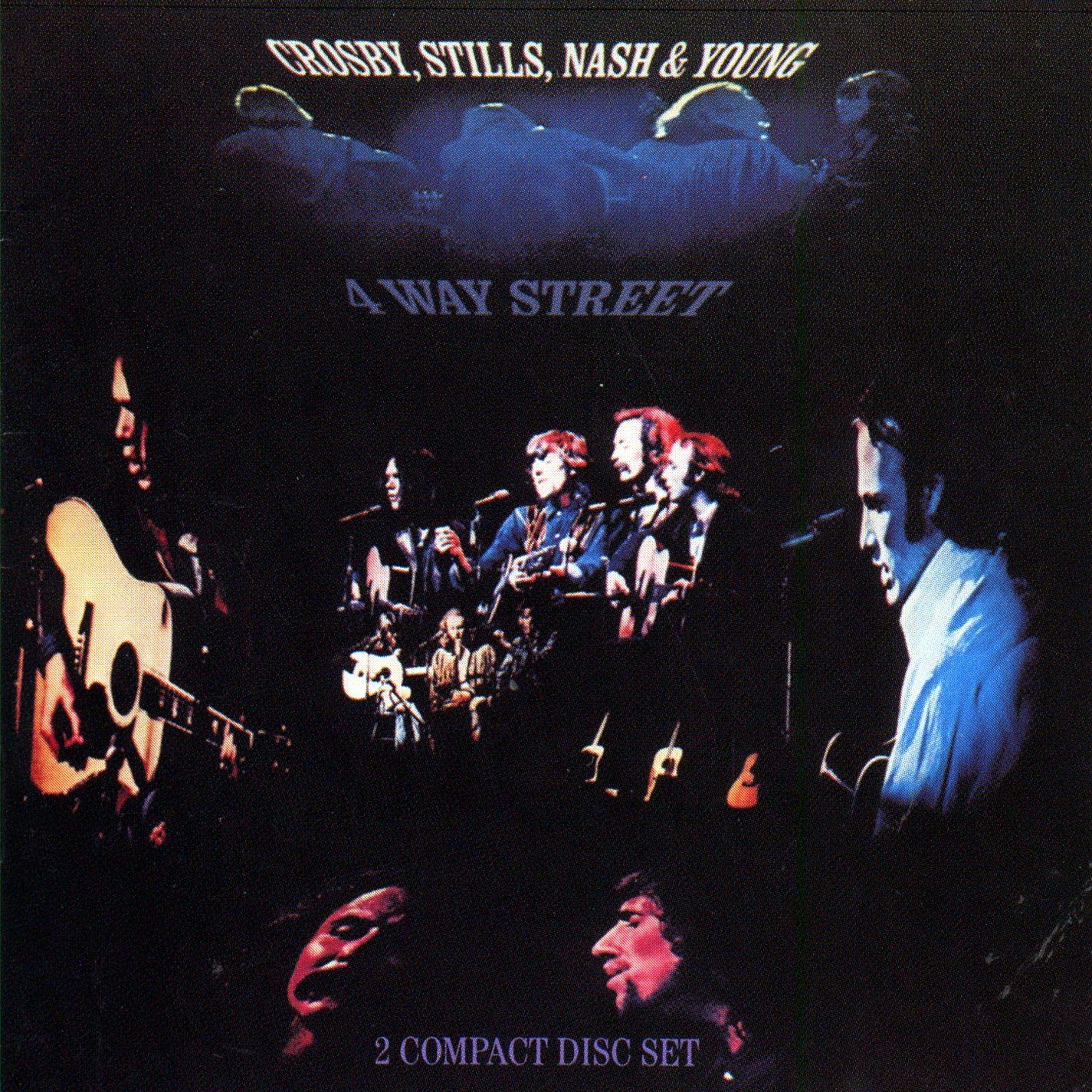
Crosby, Stills, Nash & Young: 4 Way Street

Recorded in the summer of 1970 and released on April 7, 1971, the 4 Way Street live album provides a great overview of how talented these four individuals really were as songwriters and musicians. Material includes a range of music including acoustic tracks on the first two sides of this double LP album, and electric guitar dominated tracks on all but the encore acoustic track on sides three and four. The version to get is the expanded version which includes additional tracks for each artist from the acoustic set of these 1970 performances.

Chase: Chase

With the popularity of jazz rock in its peak following top selling albums by groups like Chicago and Blood, Sweat & Tears, thirty-six year old fiery trumpeter Bill Chase, previously a member of Stan Kenton, Manyard Ferguson and Woody Herman Big bands, and freelancing at gigs in Las Vegas, formed an eponymous band that featured his virtuosic high register and three additional trumpet players along with keyboards, electric guitar, bass guitar, percussion, and vocals (vocals provided by trumpeters Ted Piercefield  and Jerry Van Blair and vocalist Terry Richards.) The group’s first album, with arrangements and some compositions from Bill Chase, was recorded in late 1970 and released in April 1970. Thanks to the success and liberal airplay of “Get it On”, the album sold fairly well, climbing up to position 22 on the albums’ chart that year. The album shares similarities to Blood, Sweat and Tears second and third albums, primarily distinguished and differentiated by Bill Chase’s arrangements, compositional style and the use of four trumpets and no saxes or trombones. Bill Chase would release two more albums before his death in 1974 from a twin-engine plane crash transporting him and other musicians to a county fair in Minnesota.

Doors: LA Woman and Rolling Stones: Sticky Fingers

Seemingly an artifact of an earlier era, in a year where rock had now splintered into so many genres, The Doors released their sixth studio album, L.A. Woman, on April 1971, Though having much in common with previous material, with a little more emphasis on a blues-leaning bias, the album contained the notable, somewhat minimalist and moody, almost hypnotic “Riders of the Storm” — a musical piece with more in common with German progressive rock bands than one might expect. All in all a good but not game-changing album.

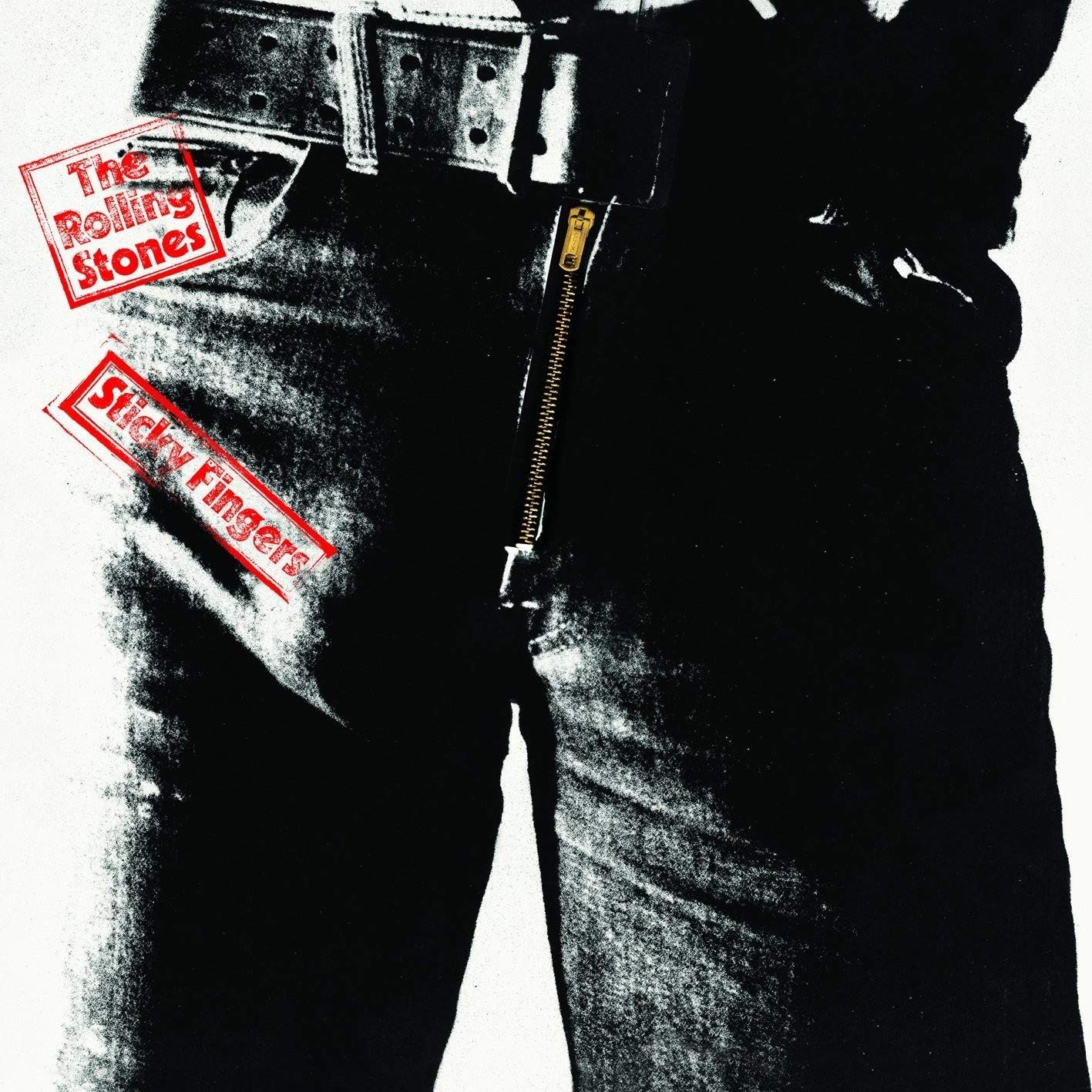
The Rolling Stones also focused more on a bluesy musical identity, providing a very strong album of more traditional but nonetheless somewhat distinct set of tracks centered around what was apparently the band’s drug culture. My first exposure to the music was from the constant repeated airplay of Brown Sugar and at a high school dance band where the band covered several of the songs on the album. The album may not be particularly complex or sophisticated, but it deserves significant praise for just being plain enjoyable. Listening to it now, in 2021 on Spotify hooked up to a high quality audio system, the album still is vital and full of honest energy. I never bought the album itself, but like many took notice when its unique album cover was first displayed in record stores. Often the zipper was pulled halfway down, done apparently, per Wikipedia, to minimalize damage the zipper would do when albums were tightly packed together for shipment, and not due to curious shoppers fiddling with the front.

For additional references to The Nice or Emerson, Lake & Palmer, please check out:
https://zumpoems.com/2018/01/12/fifty-year-friday-the-nice-the-thoughts-of-emerlist-davjack/
https://zumpoems.com/2021/04/09/fifty-year-friday-april-2021/
https://zumpoems.com/2021/06/18/fifty-year-friday-june-1971/
https://zumpoems.com/2019/09/20/fifty-year-friday-september-1969/
https://zumpoems.com/2020/10/23/fifty-year-friday-october-1970/
https://zumpoems.com/2017/08/25/fifty-year-friday-aretha-franklin-simon-dupree-the-big-sound-and-pink-floyd/
https://zumpoems.com/2019/10/11/fifty-year-fridayking-crimson-arzachel-zappa-kinks-carpenters-moondog/
https://zumpoems.com/2018/11/16/fifty-year-friday-the-nice/
https://zumpoems.com/2023/11/03/fifty-year-friday-november-1973/
https://zumpoems.com/2022/07/15/fifty-year-friday-july-1972/
https://zumpoems.com/2021/06/18/fifty-year-friday-june-1971/
https://zumpoems.com/2024/08/16/fifty-year-friday-august-1974/
https://zumpoems.com/2020/11/20/fifty-year-friday-november-1970/
https://zumpoems.com/2021/11/26/fifty-year-friday-november-1971/
https://zumpoems.com/2026/06/14/century-sunday-june-1926-leos-janaceks-sinfonietta/
https://zumpoems.com/2024/07/19/fifty-year-friday-july-1974/
https://zumpoems.com/2017/10/13/fifty-year-friday-larry-young-contrasts/
https://zumpoems.com/2019/07/19/fifty-year-friday-men-on-the-moon-yes-larry-coryell/
https://zumpoems.com/2019/11/15/fifty-year-friday-november-1969-including-david-bowe-and-almendra/
https://zumpoems.com/2020/01/24/fifty-year-friday-january-1970/
https://zumpoems.com/2018/10/26/fifty-year-friday-switched-on-bach-songs-of-innocence-the-book-of-taliesyn-steve-miller-band-steppenwolf/
https://zumpoems.com/2020/03/20/fifty-year-friday-march-2020/
https://zumpoems.com/2025/09/26/fifty-year-friday-september-and-october-1975/
And please check out the page, Must Listen To Music, which includes several Must Listen To Progressive Rock albums: https://zumpoems.com/must-listen-to-music/

Fifty Year Friday: March 1971

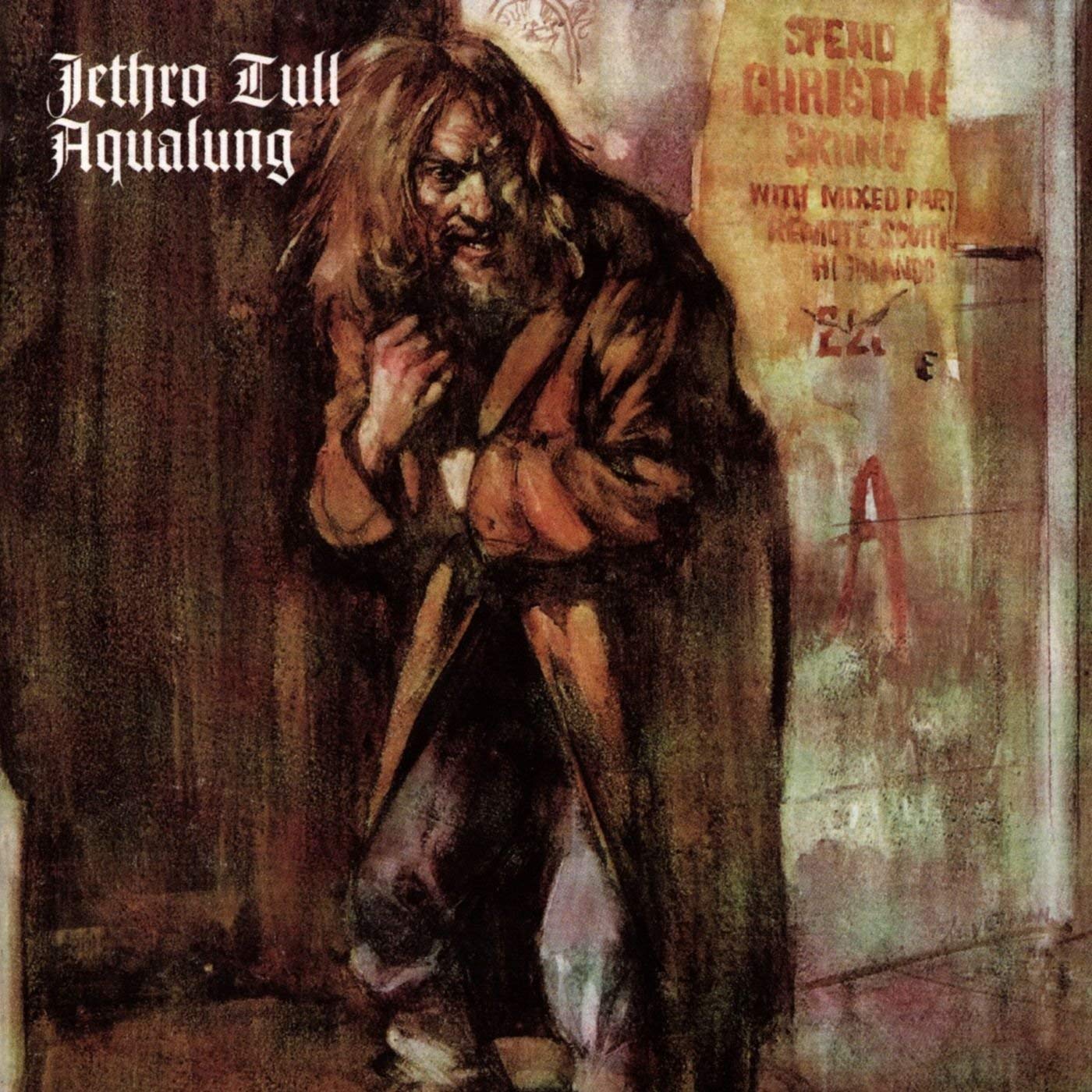
Jethro Tull: Aqualung

Later today, on youtube.com, Ian Anderson discusses each track of Aqualung: https://www.youtube.com/watch?v=FpH_WkjC_Yk

Sometime in the midst of the shimmering and wonderful Southern California summer of 1971, my next door neighbor brought over his latest album purchase. I supposed I was predisposed to like the music just from the confident manner in which he handed the album over to me, but I was hardly prepared for the overall excellence and originality of the material. That day he and I sat and listened to this album, my eyes following the lyrics written on the LP inner sleeve, is something I still vividly remember, and, hopefully, be with me for many years going forward.

The first track, the title track, opens up with the now famous isolated, tonally ambiguous, deeply-voiced electric guitar fragment — a riff faithfully foreshadowing the opening melodic phrase (“sitting on a park bench”) — it is but two seconds in length, and repeated before a short percussion utterance pulls in the vocals in dramatic fashion. This material is then layered with additional instruments creating drama and momentum. It is that dramatic quality, that musical and lyrical story telling, that leaves an immediate impression on the listener and, for me, left a locked-in, seemingly ever-lasting memory of listening to that entire album for the first time fifty years ago today.

“Aqualung”, the track, is the classic example of FM album rock with is deviation from standard popular song forms, more mimicking a short classical tone poem where the beginning theme, really an introduction of sorts, is not repeated after its initial use until brought back at the end, separated by distinctly contrasting and somewhat related material in terms of chords and tempo change.

The next track, “Cross-Eyed Mary”, continues the larger-than-life musical experience initiated by the opening track. With its reference again to the Aqualung character, this second track sets up the listener to expect that the album itself is a concept album where the individual tracks support and build up an unfolding story. However, as I continued through that first side fifty years ago, immersed in the amazing music, I was on the look out for, at a subordinate level to listening at the music, hints in the lyrics of some related storyline in the subsequent third, fourth and even fifth tracks on that first side — but eventually and inevitably concluded that there was nothing to relate to those first two tracks, and so by the sixth track I abandoned looking for a unifying concept.

The second side starts much the same implying a relationship between the first two tracks — however, for side two the remaining tracks seem to prove out some loose but unifying concept with these various side two tracks seemingly tied together with reflections on organized religion and social morality and responsibility. Musically, there is no discernible (as far as I can hear) thematic material shared between any track, another reason to set aside the premise that the entire album is any kind of a concept album. What is clear, though, is that the music is innovative, well-thought out and of lasting merit. Fifty years ago, listening to this album, it was clearly one of the best rock albums I had ever heard, and though I didn’t consider at that time its enduring impact on music lovers, I would do so a few year later when I was in college and promoting the idea of a course that would treat such music as the classical music of the 1970s — music more vital and relevant than the so-called modern classical music that was than currently being identified as part of the current classical music canon in academic circles.

Jimi Hendrix: Cry of Love

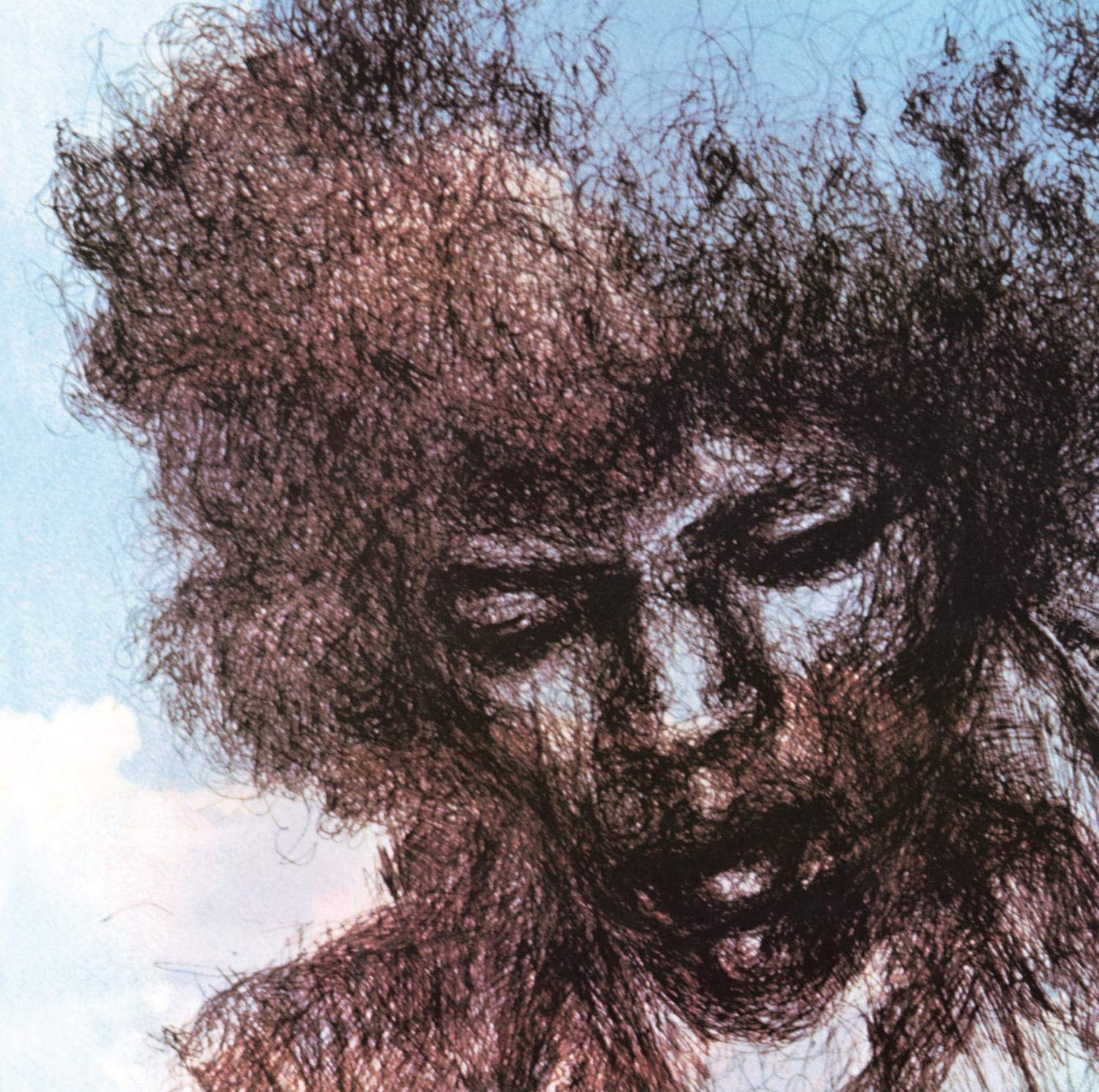
Prior to his death, Jimi Hendrix was working on this fourth studio album in 1970, with some of the music performed during a thirty-two performance tour in the summer of 1970. Following his death on September 18, 1970, several partially mixed tracks were selected and finalized by drummer Mitch Mitchell and producer Eddie Kramer for inclusion on the new album, omitting two particularly strong tracks, “Dolly Dagger” and “Room Full of Mirrors” for later inclusion on a future album. This was the first Hendrix album I bought, and I found the music readily accessible and some of the lyrics particularly creative. It’s great to listen to this again for the first time in at least forty years and I admit I appreciate the guitar work much better than I did in 1971. Overall, an excellent, easily-accessible and musically sparkling album.

Amon Duul II: Tanz der Lemminge (Dance of the Lemmings)

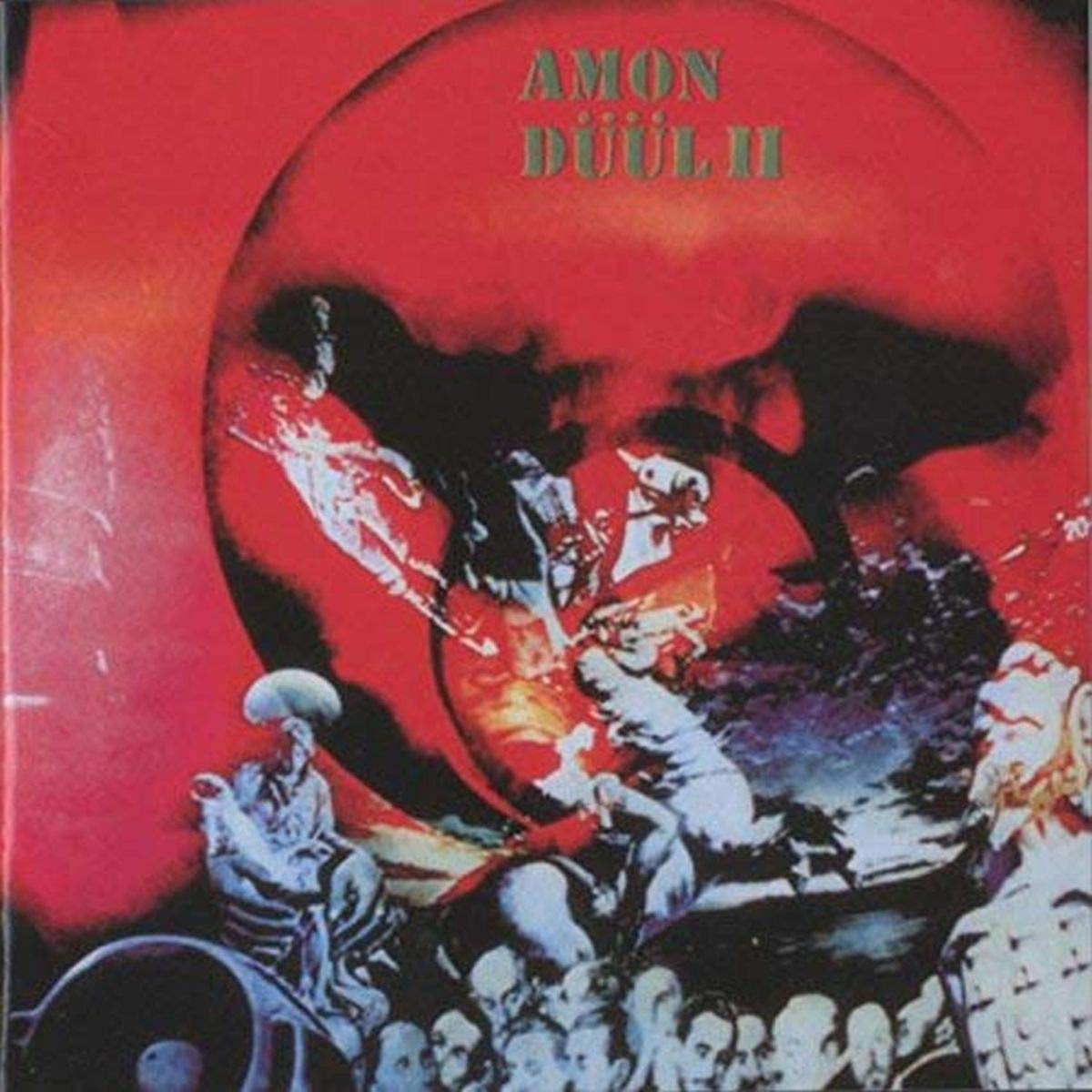
Sometime around March 1971, Amon Duul II released this eclectic, musically multi-dimensional album. I picked it up from my local record store in the used record bin around 1972 or 1973 little knowing what kind of music it contained. This was my introduction to non-repetitive, so-called “Krautrock. Though I found this too far out on the jam-rock, psychedelic spectrum when I first got it, after later having been exposed to lots of hours of free jazz and modern classical, the music became not only accessible but quite impressive. The first side, written primarily by guitarist/vocalist/violinist Chris Karrer mixes folk-rock influences with a progressive and psychedelic rock mindset, with imaginative acoustic and electric elements. The diversity of incorporated styles works well with no particular given style dominating. The second side, written by guitarist and vocalist John Weinzierl, is another exploration of musical diversity with more emphasis on hard rock, rock-blues and eastern elements including some admirable sitar from Bavarian sitarist Al Gromer (later Al Gromer Khan), some electric violin from Karrer, and some tape-based and electronic sound effects possibly from keyboardist Falk Rogner. The third and fourth side are music created for a soundtrack of a relatively obscure West German Film, Chamsin, based on Friedrich Schiller’s lyrical tragedy, The Bride of Messina. Though this second LP is not as strong or coherent (particularly the fourth side) as the first LP, it works better as sound imagery than traditional or more predictable listening music.

Nick Drake: Bryter Layter

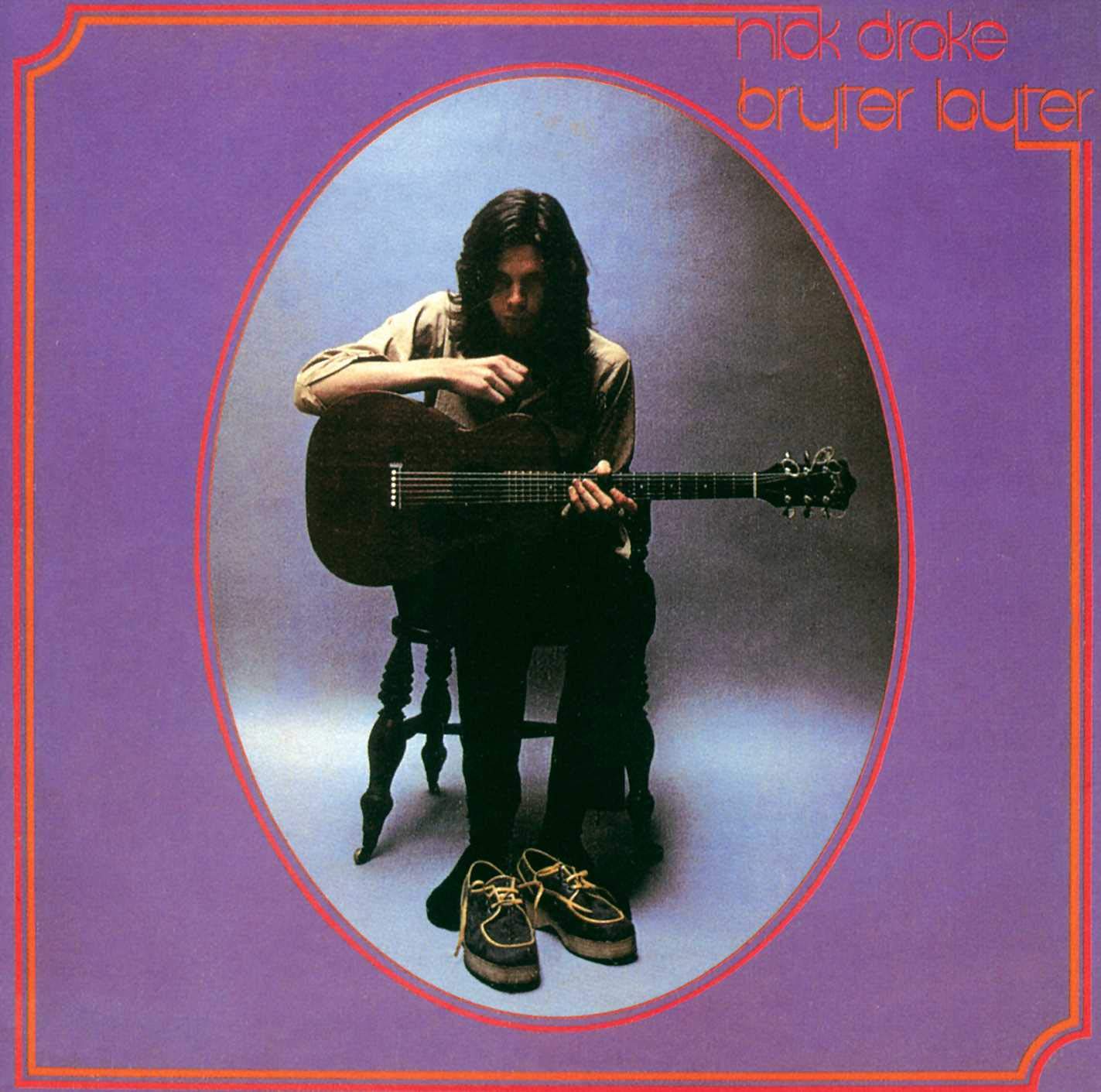
Recorded in 1970 Nick Drake released his second musically impressive but commercially unsuccessful album, in March 6, 1971. The album is delightfully accessible with straight forward, quality musicianship from Drake, John Cale on viola and keyboards, Chris McGregor on piano, and other contributors including quality production from Joe Boyd and beautiful arrangements primarily by Robert Kirby and one arrangement from John Cale. Nick pokes into the marginally uncomfortable areas of “would of, should of” in some of the lyrics, with “One of These Things First” being particularly resonant for anyone that only half-tried in a relationship, later regretting the lack of engagement or commitment and “Poor Boy” an intriguing study in self-pity and self-contempt. Musically, “At the Chime of the City Clock”, “Fly” and “Poor Boy” are particular gems.

Fifty Year Friday: February 1971

Yes: The Yes Album

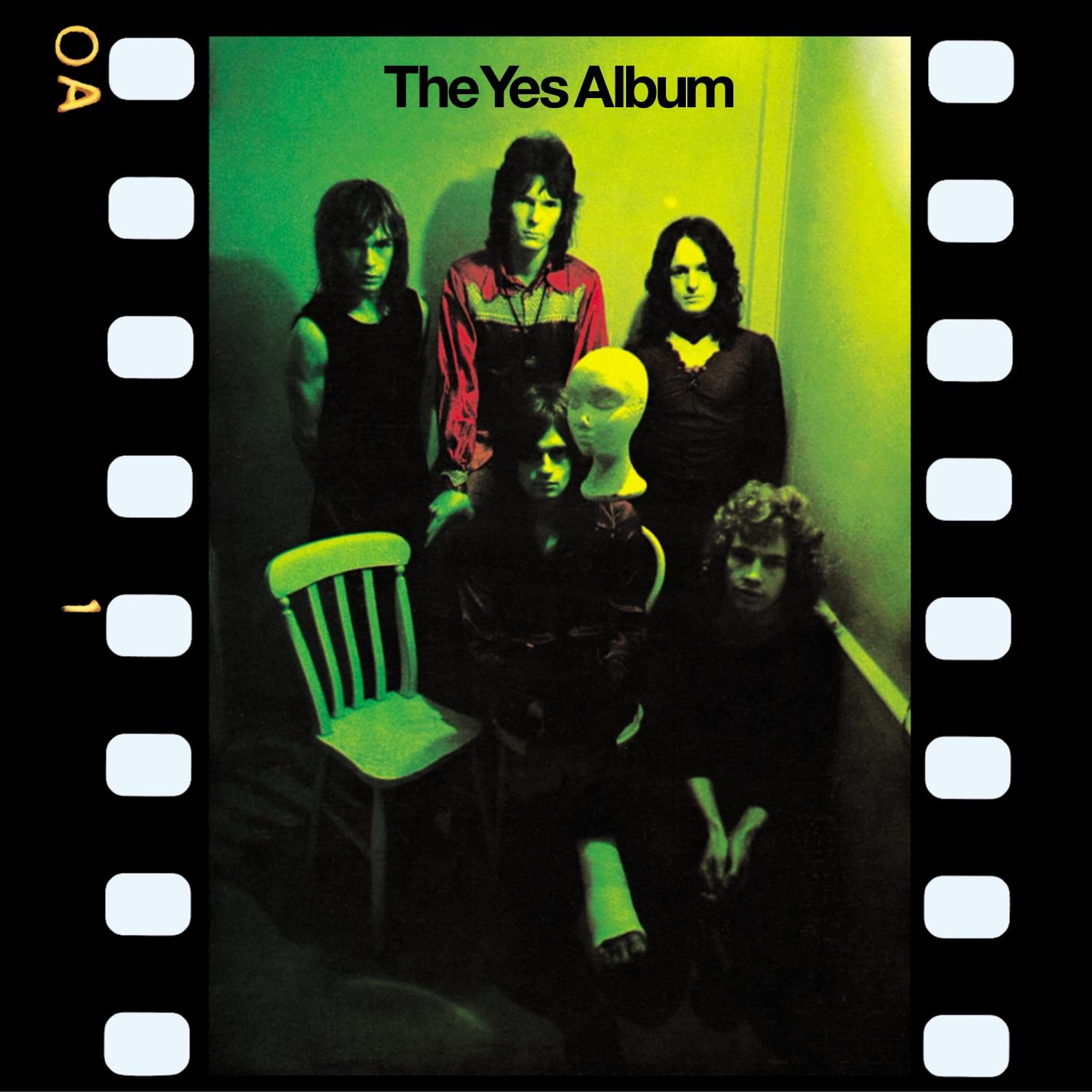
With addition of Steve Howe replacing Peter Banks on guitar, The Yes Album, released on February 19, 1971, is the first truly full-throttle Yes album, essential to lovers of both rock and progressive rock. The album’s first track, “Yours is No Disgrace”, unfolds much like one of those classical music gems of 19th century nationalism creating a sense of expectation of musical discovery or an exploratory musical journey, starting with Bill Bruford on drums reinforcing Chris Squire’s bass line (giving it a particular metallic edge) joined by a counter-motif from Tony Kaye on organ that shifts into the opening melodic passage soon joined by propelling, exhilarating guitar work from Steve Howe. Vocals, and a corresponding new musical section, arrive and within the first two minutes the album establishes its essential place in rock music history. Thematic contrast, thematic transformation, and thematic development are all present in the remainder of the track, but even more important the music is strikingly interesting and compelling.

The rest of the album is just as essential and compelling with Steve Howe live on solo guitar on “The Clap”, the landmark “Starship Trooper” which still gets airplay today, fifty years later, the accessible “I’ve Seen All Good People”, an edit of which received heavy AM airplay in the last three months of 1971, the bouncy and engaging “A Venture” which looks both backward and forward to their previous and their next albums, and the near-epic “Perpetual Change”, with its soaring, recurring bridge section that connects the two main melodies and the contrasting middle section with its first part a jazz-like guitar excursion and the second part another of those distinct Bruford/Squire pairings that represents one of the most identifiable aspects of the classic Yes sound. As with their next two albums, this album thrives on repeated listenings and never disappoints when revisited, whether five years later, fifteen years later, or fifty years later.

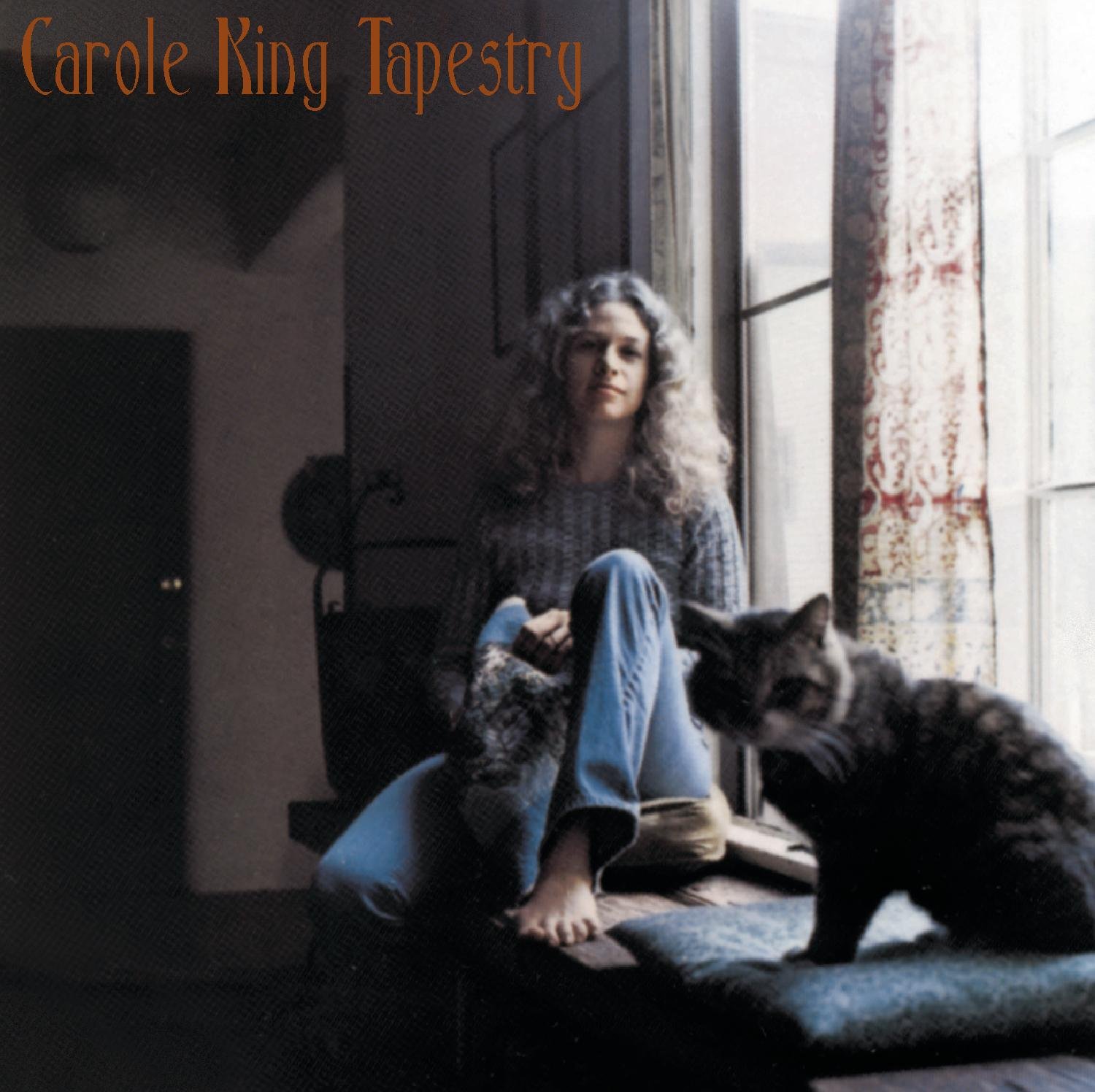
Carole King: Tapestry

Although, The Yes Album is my personal favorite, by far, of February 1971, my admiration for Carole King’s Tapestry, her second solo album, released February 10, 1971, and containing one strong track after another, is unbounded. It wasn’t so cool as a sophomore guy in high school to be a fan of artists like Carol King, Joni Mitchell or Carly Simon, but thank goodness these albums were in the record collections of some of my female friends and it didn’t take much to fall in love with this music. Tapestry is possibly without equal in its commercial impact, and the resultant empowering of woman singer songwriters, garnering Grammys for Album of the Year, Song of the Year (composition), Record of the Year (single performance/production) and the category of Best Pop Vocal Performance, Female. Although “You’ve Got a Friend” is arguably the best composition, “So Far Away” is my personal favorite. How about you? What’s your favorite track?

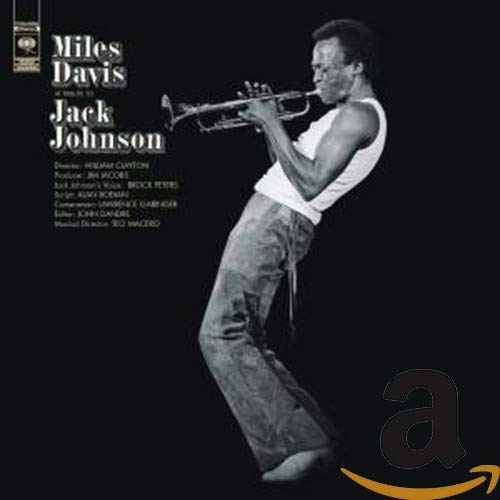
Miles Davis: Tribute to Jack Johnson

In 1969, Miles Davis boldy proclaimed “I could put together the greatest rock ‘n roll band you ever heard,” and in spirit and attitude, this is definitely Miles Davis’s truest pure rock album even if it doesn’t overshadow all the rest of the fine rock albums of the 1970s. Davis is backed by talented jazz musicians, and though Davis and Teo Macero are primarily responsible for the finished product, the rock essence of the album is also largely due to the rhythm section of Michael Henderson and Billy Cobham with Jon McLaughlin on electric guitar the sum of which concretely establish the undeniable rock textures of this album. This isn’t song-oriented or prog rock, but closer to the blues-rock excursions of Hendrix and his Band of Gypsies.

For both tracks on the original LP, the chords changes are minimal, providing maximum freedom for the improvisors. Particularly interesting is side one where the piece stays in the chord E (or E7) major for the first several dozen bars with Miles making an impressive entrance playing some of the the hardest-edge trumpet imaginable. Often mentioned about this track is when McLaughlin modulates from E to B-flat (the most distant key — with tonic centers a tritone apart) and bassist Michael Henderson continues to stay in E creating an unintended but serendipitous dissonance for several bars until Miles Davis aggressively emphasizes the current key of B-flat, at which point Henderson catches up with the rest of the musicians. Macero edited the two tracks totaling around 53 minutes of music on the album from over six hours of original source music. To access the original source music one can purchase or listen to the 5 CD Complete Jack Johnson set of these sessions available on streaming services like Spotify.
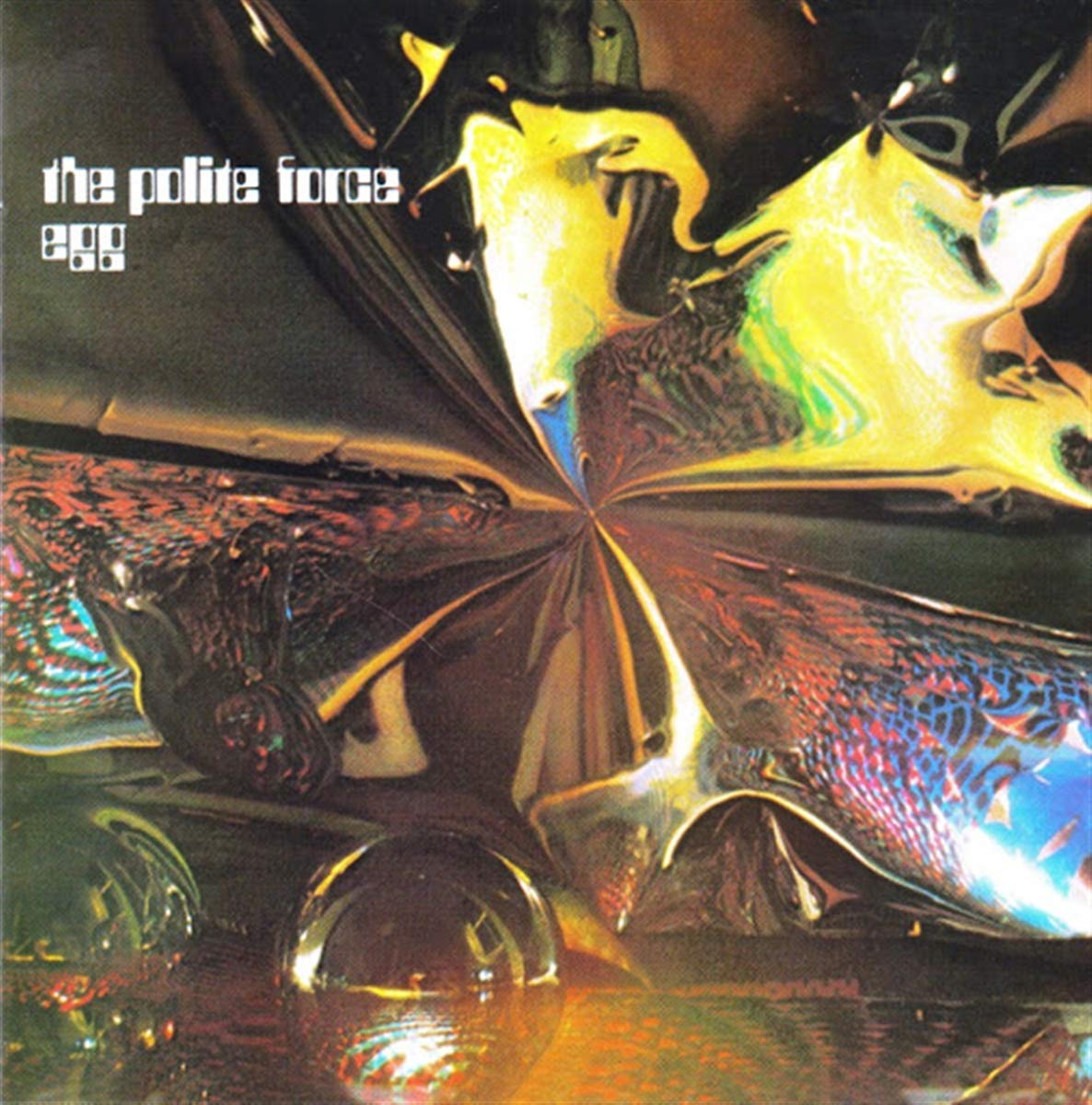
There are several other notable albums including Soft Machine’s jazz-based first all-instrumental fourth album, Fourth, Egg’s mostly instrumental, often-engaging, and always progressive The Polite Force with its wonderful mixed-meter second track “Contrasong” and exploratory, also mixed meter, second side with “Long Piece No.3” parts one, three, and four being particularly notable, Earth, Wind & Fire’s self-titled positive-vibe, love-infused first album, Rita Coolidge’s self-titled debut album, Barbra Streisand’s first foray to engage a younger, hipper audience, Stoney End, Carly Simon’s first album, Carly Simon, and David Crosby’s distinctly Crosby-like debut solo album, If I Could Remember My Name.

Fifty Year Friday: January 1971

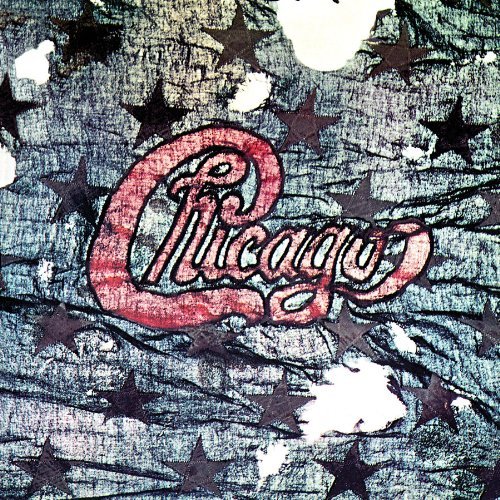
Chicago: Chicago III

Based on my regard for the first two albums, when I saw the third Chicago album in the stores in early 1971, I purchased it without hesitation, even prior to hearing a single track. Not sure if I used some leftover Christmas money or a portion of the minimum wage I received for working at the school cafeteria, serving beverages to my fellow high school classmates including my fellow sophomores, but a large percentage of whatever I had in my wallet was tendered for this 2 LP set.

My next-door neighbor usually purchased the best albums, and I took some pride in anticipating I would be the one playing this for him the first time just as he had given me the gift of hearing those two first Chicago albums the first time. I also looked forward to writing my cousin in Oregon a letter proclaiming how good this third double album of this group I had introduced her to.

The only problem: this album fell far short of their landmark second album. I wasn’t expecting something as good, of course — though, I was hoping — but I hadn’t considered that this album would be several notches below. I tried hard to like it and at first comforted myself into believing that I would grow much fonder after multiple listenings, but by the fourth and fifth time through all four sides, I was no more fond of the album than the first time.

I eventually played the album to my next-door neighbor who, though not particularly impressed by the music, wasn’t deterred from later purchasing their four LP live album and their next studio album, the single disc Chicago V. I did write my cousin, but indicated my general lack of enthusiasm over the album in my barely legible handwriting that I sealed up and sent off through the mail. I listened to the album perhaps a total of six or seven times and shelved it — forever.

Now this is not a bad album — not even close. It lacks the coherence and the vitalness of subject matter of the second Chicago album with an unfocused diversity of songwriting and performance styles and non-topical songs like “Hour in the Shower.” It is neither epic or monumental, nor does it even hint at being such. The upside is that it still sounds like the same band as before and there are many notable moments of Chicago’s trademark brass-imbued sound and their signature-style of arranging and tasteful use of jazz chords. I definitely enjoyed listening to it again, fifty years later, and enjoyed that significant amount of musical passages that show off the same strengths of the group as the previous albums. When will I likely listen to it again? With the almost countless number of other musical choices available now and in the future, perhaps I may not ever do so.

Madura: Madura

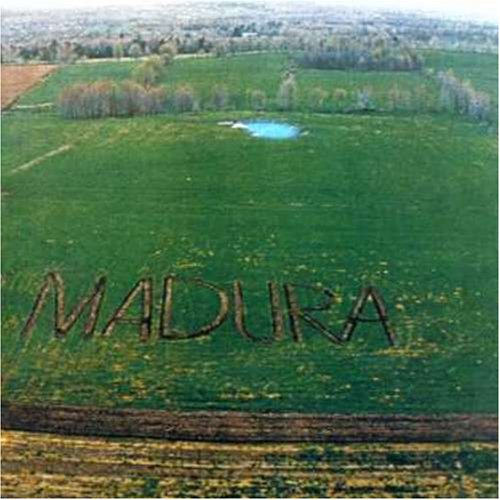
Fortunately within a short period after I had purchased the Chicago III album, I read a decent review of a debut double album from a band named Madura, produced by the same producer of the Chicago albums, James William Guercio. I saw the album in the record store, liked the name of the band, remembered the review, and took a chance. To my delight, despite this being a band of only three musicians, the album sounded like jazz-rock and in spirit and quality was closer to the second Chicago album than Chicago’s third album. I liked the weird prepared piano track that opened the album, the continuity of the music of side two, David “Hawk” Wolinski’s keyboard work, Alan DeCarlo’s similarities to Chicago’s guitarist Terry Kath, the way the group extended their sound through use of multiple tracks, and the simple beauty of the last track of the album, “Talking To Myself.”

McDonald and Giles: McDonald and Giles

There is something very special about the percussion work by Michael Giles on the first two King Crimson albums and its playful predecessor, Fripp, Giles and Giles. For anyone who enjoys, even embraces, the drum work of Andy McCulloch in King Crimson’s Lizard but still misses that cleverly-punctuated battlefield-style of M. Giles, this is a must-have album. Ian McDonald dazzles splendidly on this album playing a wide array of woodwinds, keyboards and plucked/strummed instruments that are part and parcel to the wonderful fabric of the compositions. Add to this imaginative and well executed vocals, Peter Giles on bass, Stevie Winwood on organ and piano for the first part of Suite in C, brass and strings later on in Suite in C and side two’s Birdman, which takes up that whole second side, and you have a notably adventurous, intriguing, and often exhilarating album.

Harry Nilsson: The Point!

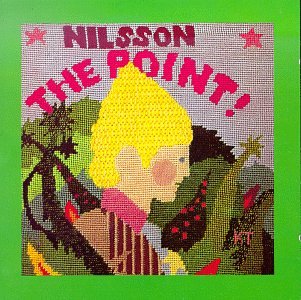
One of my favorite people of all time is my first girlfriend. Without getting into any details of why our relationship solidified into an incredibly strong friendship, I would sometimes visit her apartment and hang out, talk with her and her friends and occasionally listen to music. During a visit around 1974, I discovered that her roommate at the time had Harry Nilsson’s The Point, an album released in either late December of 1970 or January 1971. It was mixed in with numerous other albums in the shared record bin on the floor in front of the budget component stereo in what was the equivalent of the living room of the apartment. Spotting this, and this being a record I had not heard, I put it on, and was not only charmed by the music and its child-like story, but was surprised by the inclusion of “Me and My Arrow”, a song played intermittently on the radio in the spring of 1971 and for which I had a musical weak-spot for. Three years later, even though now I was solidly a prog-rock enthusiast, I still loved upbeat pop tunes, and appreciated Nilsson’s craftsmanship, gift for songwriting, and his relaxed narration on this album with its pop-philosophy message. Interestingly, I never heard the record again, or even “Me and My Arrow” until Fifty years later when re-listening to this on Spotify. It’s an enjoyable album: it brings back great memories of that time and sometimes that is all we need from art.

Other notable albums released on January 1970

Uriah Heep’s second album, Salisbury with its orchestrated, semi-prog rock, over sixteen-minute title track on side two, was released on January 3, 1971. Ken Hensley, keyboard and my favorite composer and contributor to the group, stretches both his creativity and level of contribution making this much better than their previous album.

Booker T and the MGs top their famous 1970 Abbey Road tribute album, McLemore Avenue, with the generally funky and somatically invigorating Melting Pot notable for its energizing Booker T keyboards.

Freddie Hubbard’s Straight Life, recorded in November 1970 and released sometime in January 1971, starts off with a head fake into free-jazz territory, but then quickly establishes itself as a swinging, somewhat funky hard bop album. I have Red Clay (his previous album), and some of his other releases, but never listened to Hubbard’s Straight Life (note, Art Pepper and Jimmy Smith have later released albums with the same name) until a couple of months ago. What an omission! This is a very strong, high impact album with some stellar contributions from not only Freddie Hubbard, but also the innovative Herbie Hancock, the soulfully warm-toned Joe Henderson, George Benson, the great Ron Carter and Jack DeJohnette.

Fifty Year Friday: December 1970

John Lennon: Plastic Ono Band

Though, almost fifty years ago, days after Christmas, I ended up buying George Harrison’s All Things Must Pass and skipped purchasing this John Lennon album, my next door neighbor did buy it. He was sixteen and I was fifteen years of age. On first listening, I followed the lyrics more carefully than the music, and to me the album was not only unusually personal but somewhat bleak and cynical with an undertone of bitterness. Musically intimate, it was perfect for secluded listening, and the quality of the songs supported both repeated, concentrated listening or putting it on as background while reading or doing schoolwork. Quite a gem. A gem I appreciate even more today. This album was recorded after Lennon and Ono had gone through primal scream therapy and listening to in 2020, I can now more readily relate to Lennon’s viewpoint and his personal pain. I also appreciate the production quality of the album more, though I remember even almost fifty years later being impressed by the double tracking of his vocals on songs like “Hold On”, the simplicity and intimacy of Lennon’s acoustic guitar and vocal presence of “Working Class Hero”, and the beauty of tracks like “Love” and “Look at Me”, the latter similar to Lennon’s Julia on the Beatles’ White album. In the 1980s, no longer a student but successfully self-employed, I made sure I had my own copy of this album, but I must admit that listening to it again in 2020, I appreciate it more than ever.

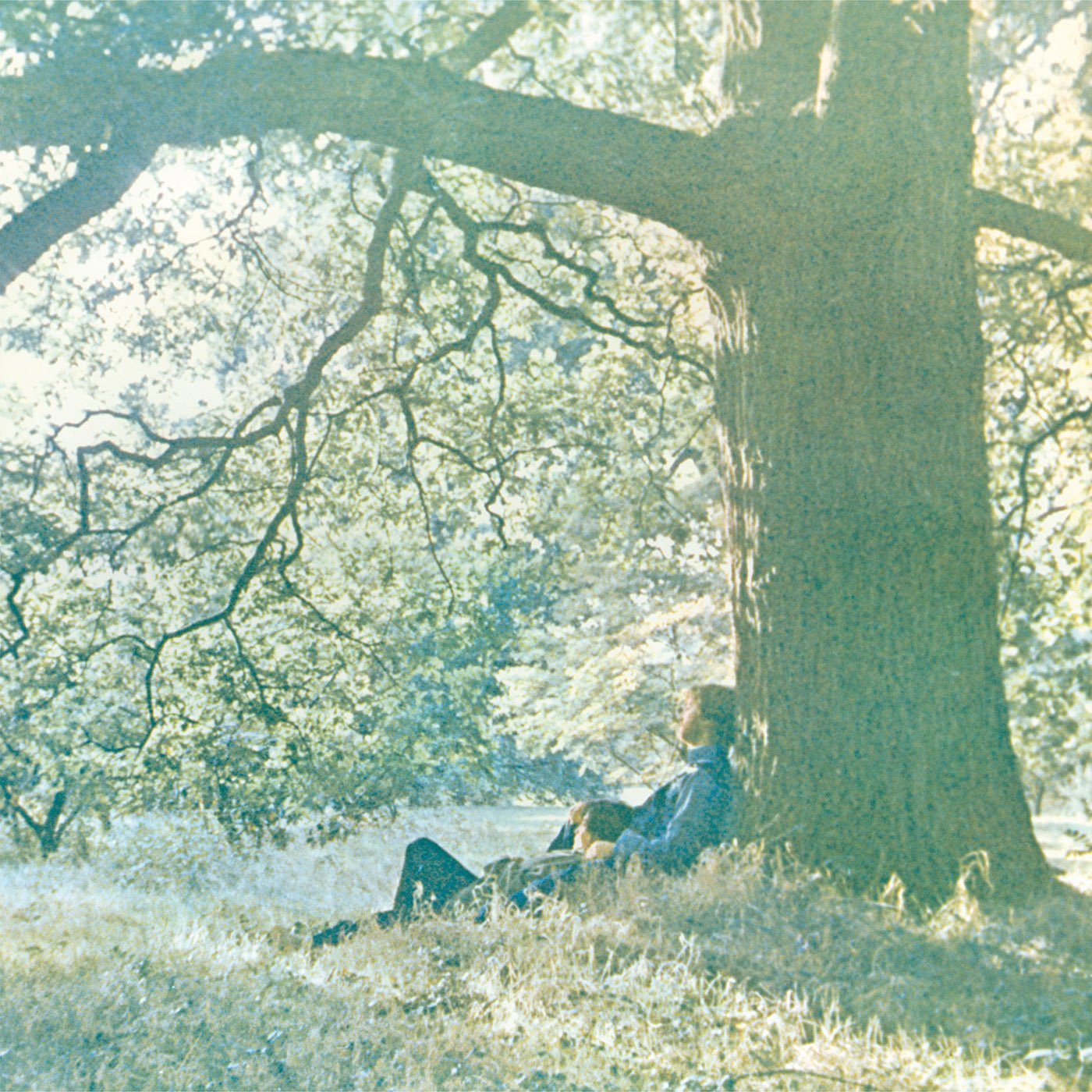
Yoko Ono: Plastic Ono Band

We also saw the Yoko One companion album in the stores and eyed it multiple times but the consensus on the street was to avoid it completely. Finally, sometime in 1971, I found someone that had it in their collection and listened to a part of it, looking for any trace of a recognizable song, and not finding it in the first few minutes, even after lifting and repositioning the needles on each track of side one, I abandoned any interest.

That is — until now — and now listening to it in full, after having many hours of accumulated listening to Webern, Cecil Taylor, Xenakis, Crumb, John Cage and a wide range of even less popularly acclaimed music, find it to be quite good. Two bonus elements for me: John Lennon’s guitar and, more impressively, the Ornette Coleman quartet’s contributions on the first track of side two, “AOS” with Yoko Ono’s vocals often merging in quite effectively. Also of note is the quirky “Touch Me” which seems to perfect for deterring any innate tendencies for tactile contact. All in all a solid soundscape experience.

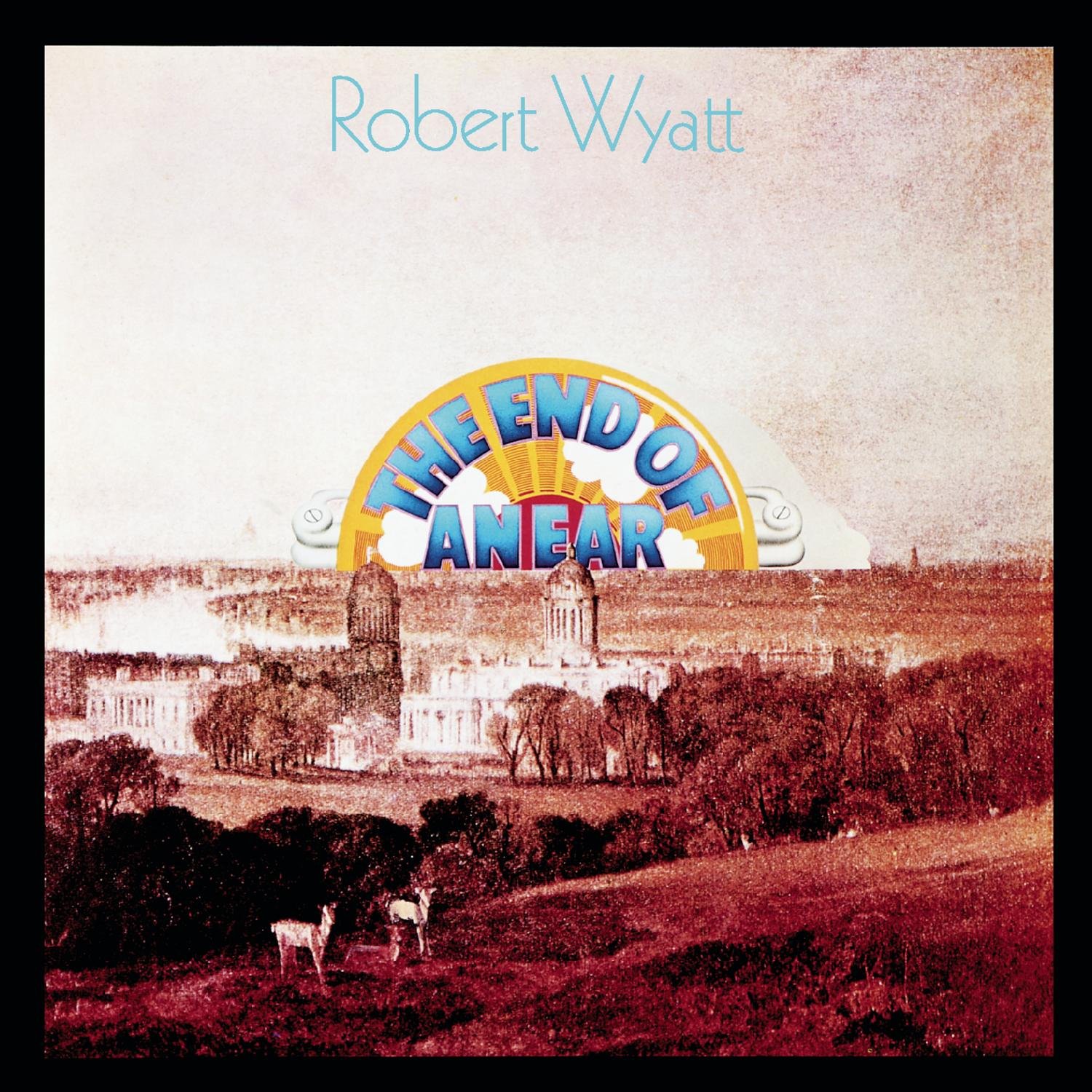
Robert Wyatt: End of an Ear

Released on December 4, 1970, and recorded between Soft Machine’s third and fourth albums, Robert Wyatt’s End of an Ear is another challenging listening experience, not easily classified as either jazz-rock, jazz or progressive-rock. Wyatt drums with abandon and provides wordless vocals, sometimes altered in speed and thus also pitch. It’s borderline chaotic, and yet reassuringly musical.

Captain Beefheart: Lick My Decals Off

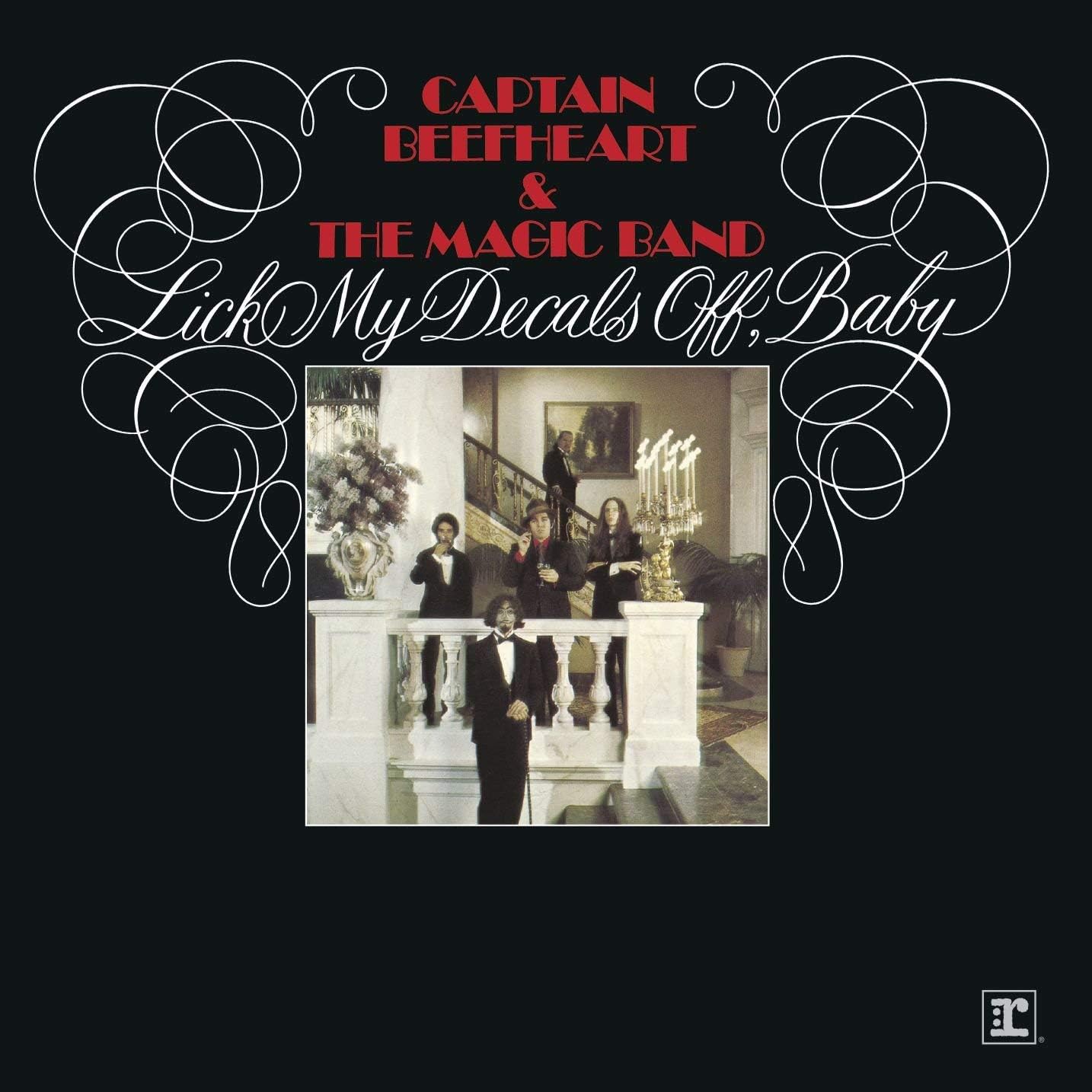
Leaving both the Robert Wyatt and Yoko Ono albums in the dust, is Captain Beefheart’s wild and unconventional Lick My Decals Off. The first track, “Lick My Decals Off“, though purportedly a statement encouraging consumers, in Beefheart’s words, to “get rid of the labels”, and to evaluate the musical content itself, is clearly a song on tongue-based pleasuring with “lick” (and possibly the “dec” part of “decals”) being the operative message here. The rest of the album is as wild and unbridled with ample use of complex meters and rhythms. The opposite of music to relax or sleep to, this is music to fully wake most mortal listeners up!

Van Der Graaf Generator: H to He, Who Am the Only One

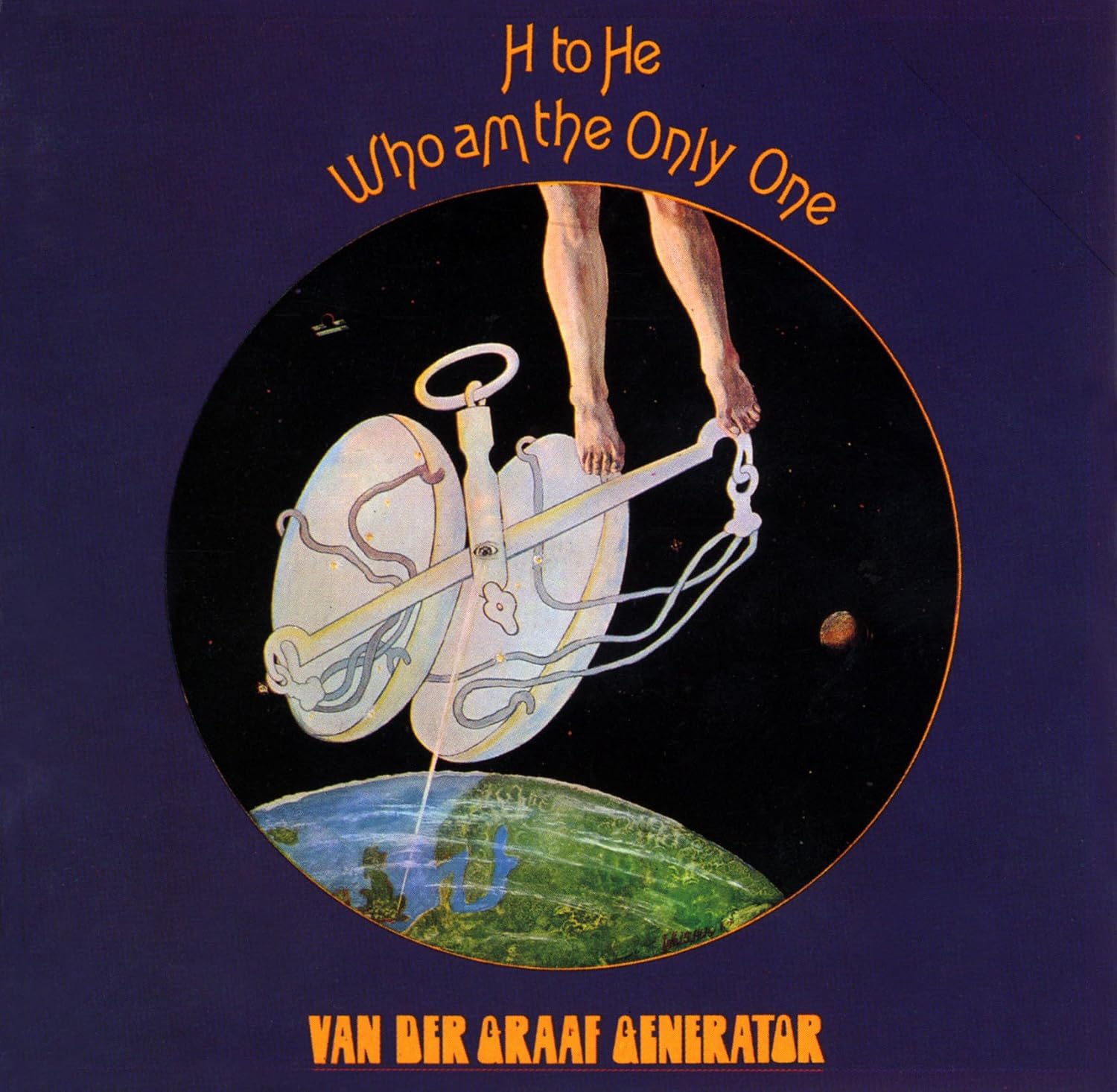
Equally adventurous as these aforementioned albums, with an abundance of complexity, yet, comparatively, “easy listening music” to the Ono and Beefheart albums, is Van Der Graf Generator’s cryptically named third album, H to He, Who Am the Only One, referencing the transformation of hydrogens atoms into a single, inert, alone and isolated helium atom — a metaphor, whether appropriate or not, for the theme of isolation that is so effectively represented in the music and lyrics of this brilliantly realized and remarkable album.

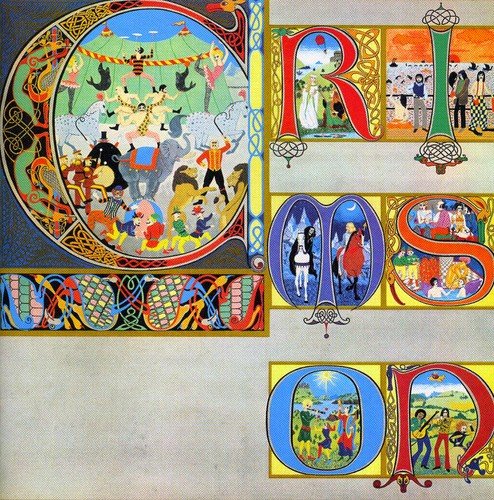
King Crimson: Lizard

I remember purchasing King Crimson’s Lizard shortly after acquiring the classic album In the Court of the Crimson King, expecting something similar. Unlike their second album, In the Wake of Poseiden, which I had not yet acquired and eventually had to special order, Lizard was very different with no songs matching the colorful vitality of “21st Century Schizoid Man” or “The Court of the Crimson King” or even the simple melodic beauty of “I Talk to the Wind” or “Moonchild.” Nonetheless, the music was instantly intriguing and engaging — and by the second or third listening, I fully accepted it, as well as the distinctly differences in contributions from drummer Andrew McCullough (quite talented by with a far different approach than Micheal Giles) and saxophonist Mel Collins, both of which make this album particularly special — and the replacement of Greg Lake (after his departure to ELP) with bassist and vocalist Gordon Haskell. Robert Fripp, as always, deserves particular acknowledgment, providing memorable acoustic and electric guitar as well as some mellotron and organ.

Nico: Desertshore

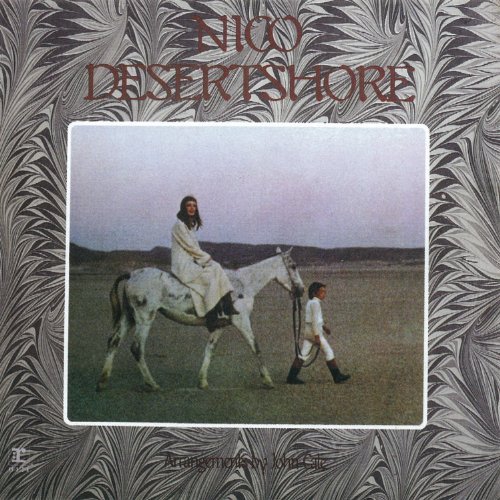
Nico’s releases her third solo album, Desertshore. Under half an hour, there is not a wasted microsecond on the entire album. “Janitor of Lunancy” begins the album with a richly-dark bleakness. The harmonium provides both a mystic droning and forward harmonic motion supporting Nico’s low-register vocals from underneath. “The Falconer” starts in similar fashion but John Cale soon joins in a piano, providing a smattering of light that opens up and broadens the music’s scope. The third track, “My Only Child”, for Nico’s eight-year old son, is a beautifully sung, mostly a cappella gem with Nico providing some additional chorale-like vocals and John Cale providing a few minimal brushworks of instrumental punctuation on the high-register of the French horn including the opening note of the work.

Side two begins with violin and harmonium and again provides a bleakness of musical landscape on which rests Nico’s vocals. Whereas the music of “Janitor of Lunancy” might be likened to a hot, dry Bulgarian plain in early August, “Abscheid” more closely resembles a cold, desolate Scottish lowland in the darkness of a January morning. The next track, “Afraid”, ironically is more musically and lyrically hopeful. Mutterlein, an ode either specifically to Nico’s mother or mothers in general is austere and heartfelt. Almost Schubertian, this work was performed almost 28 years later at Nico’s funeral after her tragic death from a cerebral hemorrhage.

The album ends with the moderate paced, but doggedly forward-driving “All That is My Own”, beautiful and distinctive. Altogether Desertshore is the equivalent of a cohesive song cycle with commendable vocals and praiseworthy compositions from one of the more notable, but often overlooked, singer-songwriters of this era.

Rainbow River

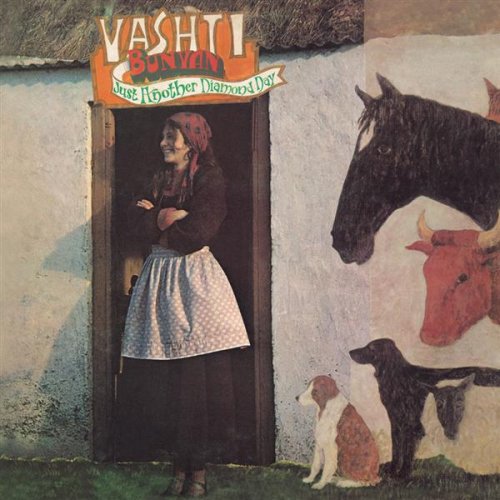
Vashthi Bunyan: Just Another Diamond Day

A singer-songwriter even more overlooked than Nico was Vashthi Bunyan, whose 1970 album, Just Another Diamond Day, recorded in November and December 1969 and released in December 1970, sold so poorly that Bunyan would stop recording and performing and not make another album until 2005. Thankfully, the album gained attention during the rise of the small-label Indie rock artists, when it’s simplicity and musical honesty was more fully appreciated.

Colosseum: Daughter of Time, If: If2

Additional albums of note for December 1970 include Colosseum’s Daughter of Time, and If’s second album, the fine jazz-rock If2.

Beethoven

On December 16, 1970, the Dorothy Chandler Pavillion in the Los Angeles Music Center hosted the monumental 12-hour Beethoven Marathon for Beethoven‘s 200th birthday celebration. Those of us in Advanced Placement English at my high school were lucky enough to be bussed to the event. Admission was $1 and we had to leave before evening, but I got to hear several hours of great music including the Beethoven Octet! I was so taken by the piece, I tried to stay for the evening performances, but as I didn’t have a ride arranged back to Orange County, I had to leave with the rest of my classmates. Nonetheless the music I did hear left a lasting impression still remembered today. Classical music on recordings falls far short of a good live performance, and I was very fortunate to hear so many fine performances fifty years ago.

File:Dorothy Chandler Pavilion, LA, CA, jjron 22.03.2012.jpg
Portrait Ludwig van Beethoven