Zumwalt Poems Online

Posts tagged ‘Tom Waits’

Fifty Year Friday: September 2026
Welcome back to Fifty Year Friday! It is my great pleasure to announce that once again our first entry is by the esteemed and respected Leo The Deacon. I have added a couple of my own entries afterwards, but if you have limited time, please focus the Small Change reflections. I think it is the most brilliant Fifty Year Friday entry yet. Enjoy!


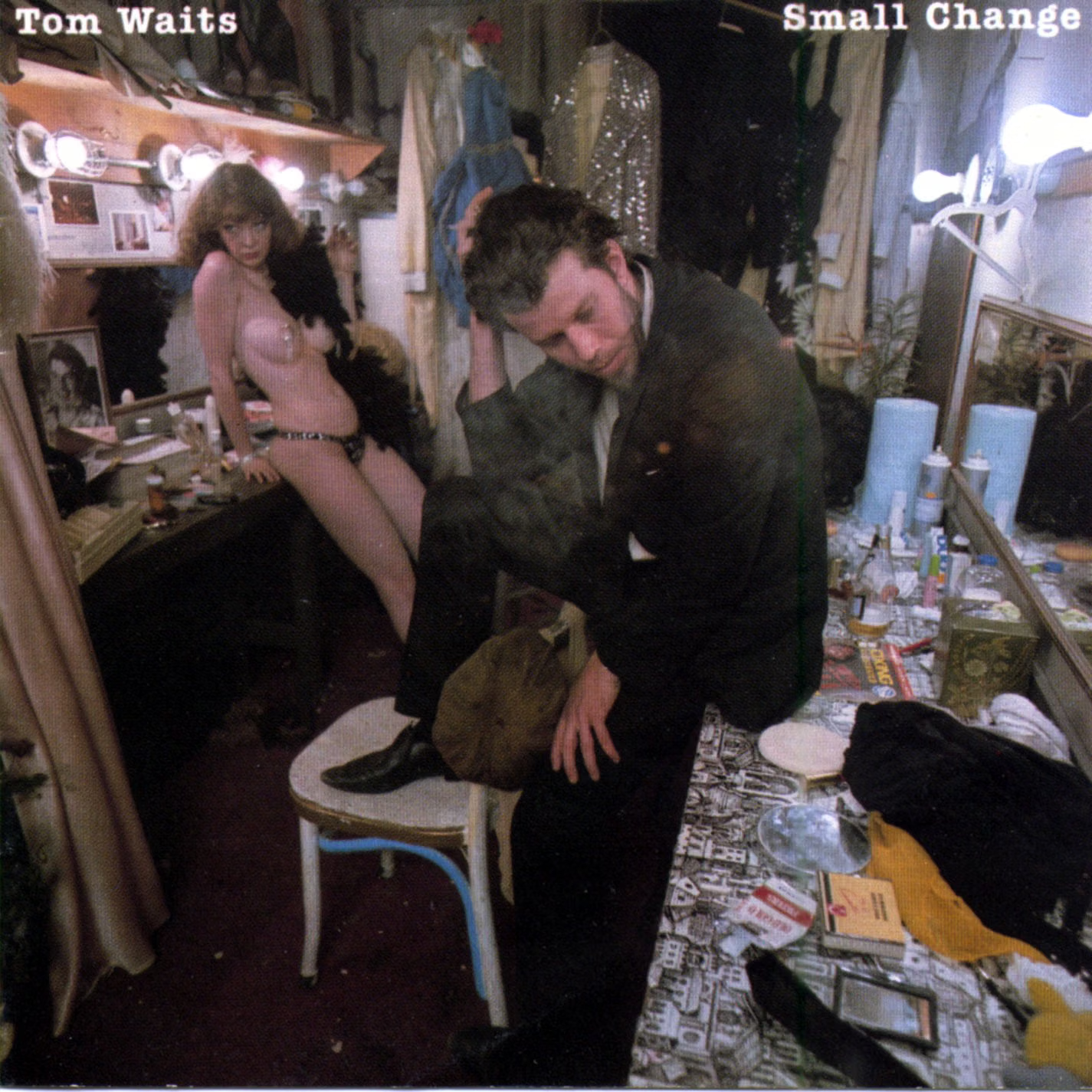
Tom Waits: Small Change

Has it been a year already? It’s getting so that tempus doesn’t just fugit, it kicks on the afterburners. You mind your own business, take each day as it comes, and the next thing you know, the Curator of this sublimely ridiculous blog is emailing you:  “Leo, you gnarly old fossil! Have you finished the Waits review?” I am tempted to respond by ripping off Waits himself—“the computer has been drinking, not me…” Still, I won’t yield to temptation—at least not that temptation—because we have reached the fifty-year anniversary of the release of Waits’ 1976 masterpiece, Small Change. (And because the Curator is very patient with his enfant terrible collaborator.)  Waits’ previous album, Nighthawks at the Diner, is my sentimental favorite, and the one that most thoroughly reveals the performative persona that Waits inhabited as a singer-songwriter in the 1970s. But with Small Change, Waits hits his artistic stride. The broad consensus of critics and Waits fans alike is that Small Change is his best album of the 1970s. I may like Nighthawks, with all its imperfections, the way one likes his girlfriend’s freckles or swoons over Eva Mendes’ “beauty spot,” but I can’t play the contrarian on this question: Small Change indeed shows off Waits’ artistry better than any other of his albums from that decade.

Unlike Nighthawks, Small Change jettisons the conceit of presenting a “live” performance, with the full  Waits shtick, in favor of a more conventional anthology of discrete songs. Moreover, on Nighthawks, even when singing about lost loves or drunken weekends,  Waits may be bittersweet, but never really tragic. Small Change is a darker set of songs. To be sure, the humor is still there, often deployed in the service of satire,  and his tendency toward the melancholic and sentimental shapes a number of pieces. But several songs—most notably the title track “Small Change,” but also “Bad Liver and a Broken Heart,” and “Tom Traubert’s Blues”—are darker than anything on his three previous records. The humor has an edge as well: more than just a laugh, it conveys some sharp observations on American commercialism, seedy burlesque joints, and alcoholism. By the mid-seventies, Waits had become a heavy drinker. In part, this was due to the lifestyle of a touring musician, and in part because, to gain inspiration, he actually would immerse himself in the demimonde of tawdry motels, sleazy strip joints, and down-and-outer lounges. Looking back at that time, the now-teetotal Waits told a biographer, “You know, I was really starting to believe that there was something amusing and wonderfully American about a drunk. I ended up telling myself to cut that shit out.”  The darker side of the shabby lush life was beginning to color his lyrics even then.

Almost all of the songs on Small Change are jazz-inflected, but there is a greater variety to the music than on Nighthawks. We might group the songs on this album into three bins:  several songs feature just Waits on piano or on piano accompanied by just one other instrument—a bass, drums, or a saxophone (“Jitterbug Boy,” “The Piano Has Been Drinking,” Bad Liver and a Broken Heart,” “Pasties and a G-String,” “Small Change,” and “I Can’t Wait to Get Off Work”). Two songs, “Step Right Up” and “The One That Got Away,” feature a full jazz quartet of piano, bass, drums, and saxophone. Waits plays the piano, but as on Nighthawks, he has gathered some solid jazz musicians to back him up: Shelley Manne on drums, Jim Hughart returns on bass, and Lew Tabackin wields the sax. In the third and final bin are the fullest arrangements, featuring both the jazz quartet and orchestral string arrangements—a device Waits had employed on some songs on his first two albums, but not on Nighthawks. Here we find “Tom Traubert’s Blues,”  “I wish I was in New Orleans,” and the nostalgic “Invitation to the Blues.” Truth be told, I am not a big fan of string arrangements with my jazz—it works best, perhaps, on torch songs sung by sultry chanteuses, but more often just sounds cloying and confectionary, like the thick icing on a sheet cake. Waits pulls it off with a voice full of asphalt and gravel, but it works best with “Invitation to the Blues,”  a noirish ballad so retro that one might call it anachronistic. In it, Waits sings about a guy “who feels just like Cagney” taking a shot at romance with a waitress who “looks like Rita Hayworth,” despite the long odds of success. Sure, the song has strings in the background but, having in my twenties dissipated countless wee morning hours in coffee shops and diners while contemplating some bored waitress who barely recognized my existence, I can’t help but like the song; I’m a sucker for doomed, maudlin romance.

The gem of the album is also the darkest, the title track “Small Change.” Here Waits is not so much singing as performing a spoken-word recitation of poetry, punctuated by Tabackin’s mournful saxophone. With some of the most lapidary lyrics on this or any other of his albums, Waits recounts the murder of a small-time crook late at night on a city street and describes the bystanders’ shared indifference to the snuffing out of a human life:  the ambulance drivers are just waiting for their shifts to end, the cops are cracking jokes, and a teenage factotum employed by one of the late-night businesses has been directed to hose the blood off the sidewalk. As various passersby filch the dead man’s ring, hat, and watch fob, hookers ply their trade, “their mouths cut just like/Razor blades, and their eyes are like stilettos.”

Worth singling out, too, is the brilliant “Step Right Up,” Waits’ playfully cynical indictment of American commercialism. The music is all jazz quartet, no strings, and Waits half speaks, half scats the rhythmic song which consists almost entirely of crass advertising phrases—particularly the kind one might see on TV, late at night, in the 1970s—one critic dubbed the song “proto-rap.” Much of it consists of banal slogans: “Act now!” “bargains galore,” “everything must go,” into which he gradually weaves ever more outlandish claims: “It gives you an erection, it wins the election.” Waits also works in a few genuine advertising tag lines from those distant times, such as Zenith’s “the quality goes in before the name goes on,” and Tegrin shampoo’s infamous sympathy for “the heartbreak of psoriasis.” The song is funny, for sure—but it also makes a pointed statement about Americans’ moth-to-the-candle attraction to shills and the prospect of accumulating ever greater quantities of “stuff.” We could have used a revival of the song during the last presidential election.
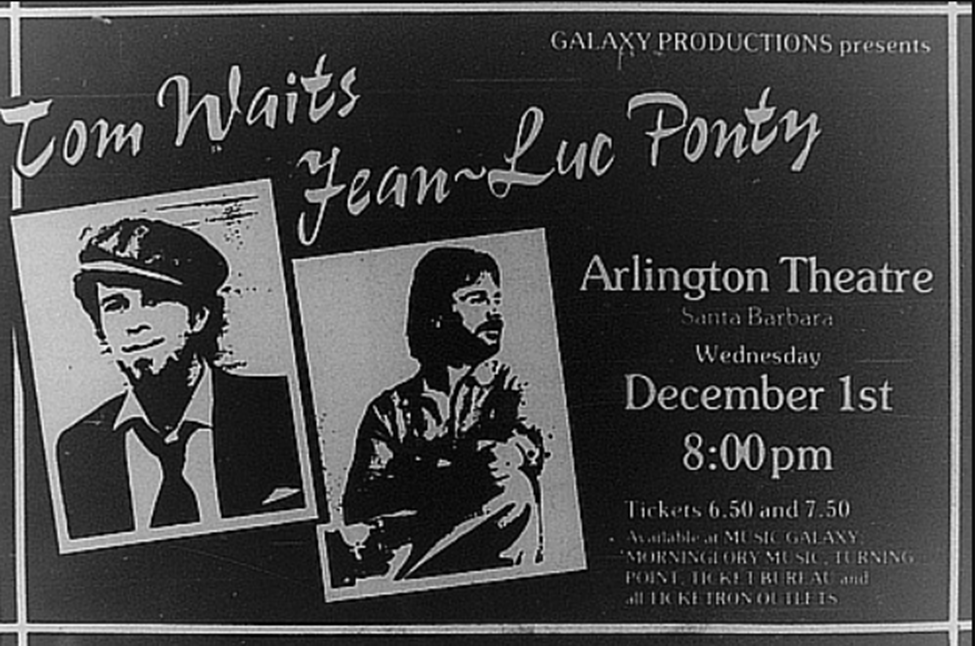
For me, however, the glory of “Step Right Up” is that it conjures up memories of one of the best concerts I ever attended. Right after the release of Small Change, Waits went on tour to promote it;  gone were Shelley Manne, Jim Hughart, and Lew Tabackin, replaced for the tour with less famous jazz sidemen, a trio Waits christened “The Nocturnal Emissions.”   No less a musical aficionado than this blog’s very Curator—in those days as bearded and hirsute as a Muppet—joined me in my puke yellow Ford Courier in December 1976 for the 90-mile drive up US 101 to see Waits open for the French jazz fusion violinist Jean-Luc Ponty at the Arlington Theater in Santa Barbara. What twisted mind conjured up such a musical pairing I cannot say, but it was genius. The genteel old Arlington Theater had been constructed earlier in the century to resemble a Spanish mission, and the ceiling was painted a midnight blue with tiny points of starlight, to mimic sitting in a Spanish colonial courtyard under the stars. The Curator and I took our seats, the house lights were turned off, and in the blackness Waits and the Nocturnal Emissions took their places. Like some inebriated interpretation of the first chapter of Genesis, Waits flamboyantly ignited a match, piercing the void, lit his cigarette in a sweeping motion, and growled the opening bars of “Step Right Up.” I have been told hat Stravinsky’s ballet The Rite of Spring provoked a riot at its Paris debut, and if the Santa Barbara crowd had not been so terminally laid back, Waits’ opening for Ponty might have produced a similar outcome. As it was, Waits’ performance was met with bemusement and impatience by a mellow audience expecting the trademark electronic arpeggios of the Gallic superstar. The Curator and I—albeit fans of Ponty—were simply delighted. After the concert, we stopped at the Sambo’s coffee shop there in Santa Barbara—and in walked Ponty! But—that is a tale for another time. Let’s keep the focus on Waits.

As good as Small Change is, it represents the apogee, the limit, of Waits’ skid-row bard approach to his art. Already one senses Waits is searching for ways to expand his idiosyncratic music by including darker material, edgier satire, and so on. This would become more noticeable in his immediately subsequent albums, as he pushed the envelope but never quite escaped it, performing a duet with Bette Midler on Foreign Affairs, and singing a cover of “Somewhere,” from West Side Story on 1978’s Blue Valentine. It wouldn’t be until 1983’s Swordfish Trombones that he broke from his 1970s persona, for better or worse. In a sense, then, Waits’ achievement in Small Change carries the same bittersweet taste of so many of his songs:  it represents a peak moment of success, but like all pinnacles, it could only lead one down until a new mountain top could be attempted. Small Change was a summit that Waits would not equal again for many years.

—Leo the Deacon
Steve Hillage: L

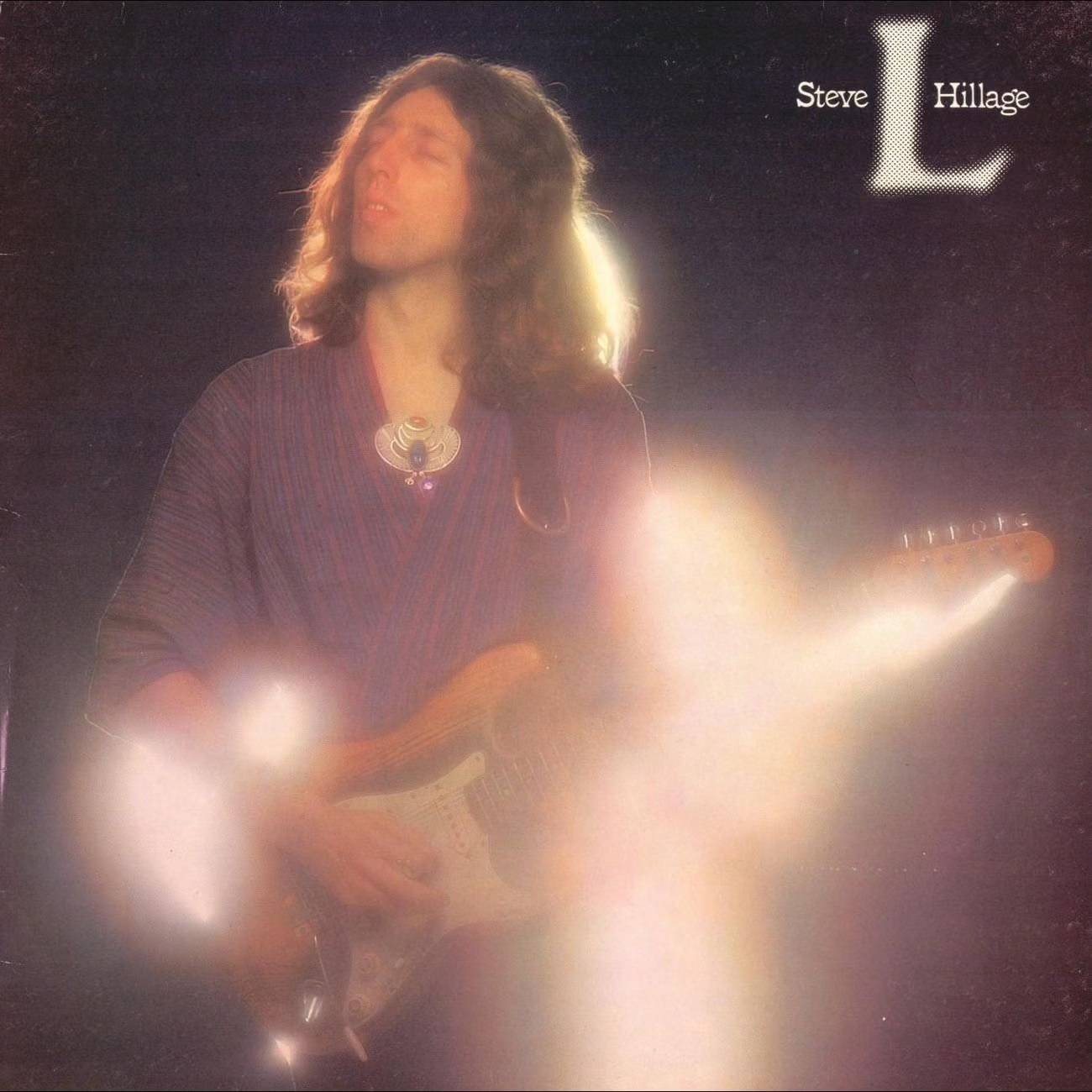
Released in September 1976, this is a wonderful album. L is an intentional throwback to late sixties psychedelic rock. The first track is a cover of Donovan’s “Hurdy Gurdy Man,” and given the original historic status, its reasonable to push back and ask, “Is this really necessary?”, particularly on a prog rock album? Well, given the introductory use of shenai (an Indian oboe-like instrument) and Hillage’s amazing guitar work, this may not be necessary, but it is irresistible and fully sets the mood for the album. Todd Rundgren is the producer, and we hear that with the sped-up, tape-manipulated coda and the ethereal, cosmic intro to the second track, “Hurdy Gurdy Glissando,” begins as an apparently free-form improvisation, thoughtful and reflective, with no elements of self-indulgence, but transitions into an early Pink Floyd art song, followed by more instrumental work, highlighted with Roger Powell’s keyboard work. Powell was a protegee of the famous Bob Moog (creator of the Moog synthesizer, of course) as well as the keyboardist on the preceding Todd Rundgren’s Utopia albums.

The rest of the album continues with a general prog-rock-enhanced sixties psychedelia sound with vocal material simple and accessible, but much like Pink Floyd’s early work, never puerile or simplistic. The first track on the second side, “Om Nama Shivaya,” is particularly notable for its blend of Indian, Asian, and Western elements, and, as you would expect, Hillage’s guitar work. “Lunar Musick Suite” is next and is the highlight of the album: powerful, relentless, and hearkening back to both Gong and Rundgren’s Utopial work. The album is bookended with a fine rendition of George Harrison’s “It’s All Too Much.”

Hillage is one of the most underrated guitarists in rock. I snuck in somehow, moving with the flow of the crowd, to see him at a sold-out performance in London at the Marquee Club, but the bouncer figured out that I didn’t have a ticket and escorted me out. At that point, I bought a ticket from a late arrival and came back into the club, enjoying about two-thirds of the set until the same bouncer, a thick-forearmed brute who was about twice my weight, snuck up behind me and leveled both of his fists at the back of my neck, collapsing me to the floor, partially unconscious. My next stop was a nearby hospital for an X-ray, and though nothing was broken, I suspect this is the primary cause of on-and-off arthritic symptoms in my neck over the last thirty-five years. The neck hurts just typing this up. But I never regret a moment of risk or insanity that I engaged in my youth. Do I wish the music of today was equally adventurous as that of the 1970s — of course, but I accept the music of today as it is, even the tunes that cycle through the same tired I-V-vi-VI or vi-IV-I-V (or the most common three-chord modal progressions), just as I accept I am no longer as adventurous and often have a fairly predictable daily routine when not traveling. But just as new music continues to develop and move forward, so do old relics like me, one way or another.
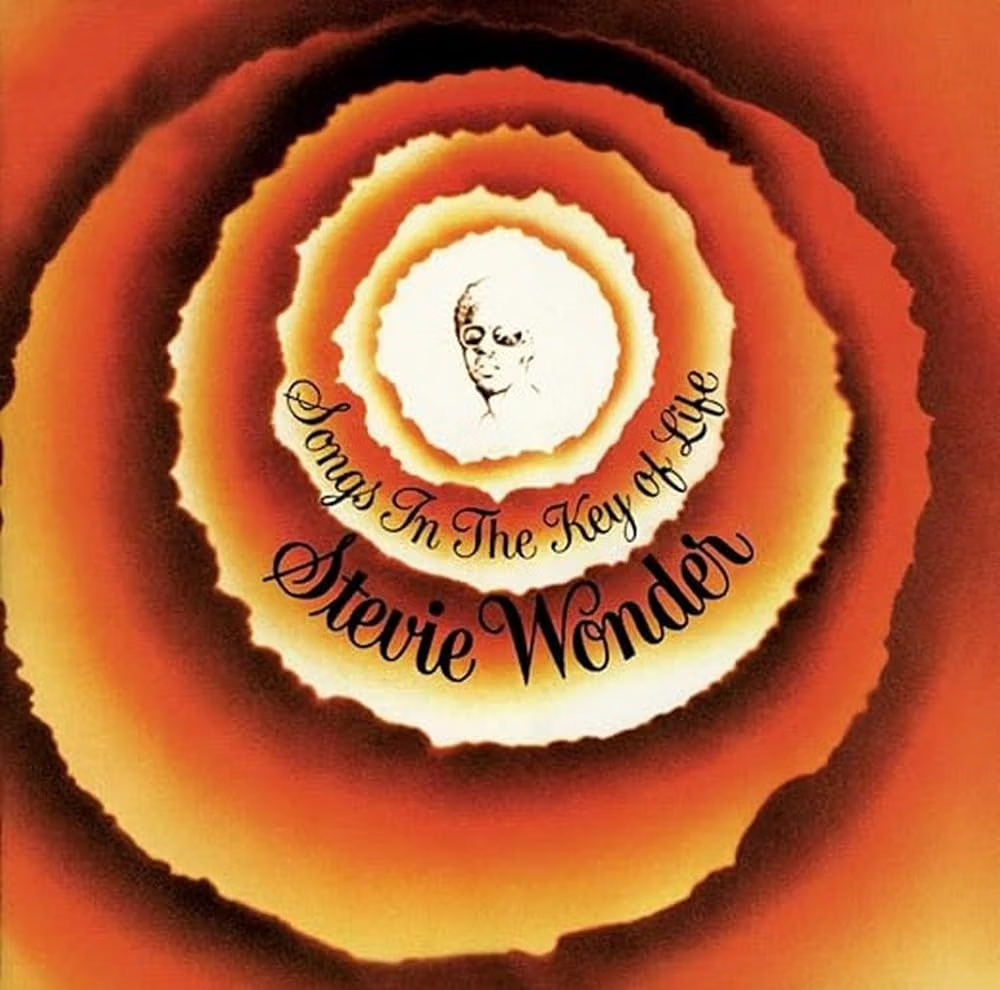
Stevie Wonder: Songs in the Key

Steve Wonder released the two LP Songs in the Key of Life in late September of 1976, by far his best-selling, most ambitious, and most critically acclaimed album of his prolific career. Some may think it’s a bit of a stretch, but Stevie Wonder’s willingness to take unusual harmonic paths reminds me of Schubert’s innovative and independent approach.

Wonder embraces jazz influences and the associated ninths, elevenths, and the occasional thirteenth chord, but uses them in his own distinctive ways, using dominant ninth and suspended ninth chords to build the soulful warmth of tracks like “Isn’t She Lovely” and “As,” while relying on minor elevenths to anchor the more repetitive and hypnotic passages found on “Pastime Paradise” and “Ordinary Pain.” He also uses minor ninths, major ninths, and, for musical tension, thirteenth chords.

More remarkable, and the reason I associate him with Schubert, is his creative exploration of unusual chord progressions. I don’t have the musical ear, and you may not have the interest, for me to detail the exact progressions, but the combination of these explorations and the way Wonder uses ninths and elevenths creates a clearly identifiable personal sound, a sound that is fully present on this album.

Wonder is not a great lyricist, and I suspect that’s mostly because he writes the music first, sometimes starting with the melody, sometimes playing with chord progressions, but usually coming up with natural, authentic music, to which he then fits placeholder lyrics, tightening them up, or entirely replacing them for the final product. The music is the attraction here, and the lyrics sometimes add to the overall quality, and never seem to get in the way. In a sentence, the music is the overall attraction here.

Hopefully you have heard this album, maybe many times, and there is no need for me to break this down track by track. If, due to your age, or by some chance of the arc of your life, you haven’t heard this yet, please give it a spin (or a stream), even if you’re a prog-head, jazz or classical music snob like me.
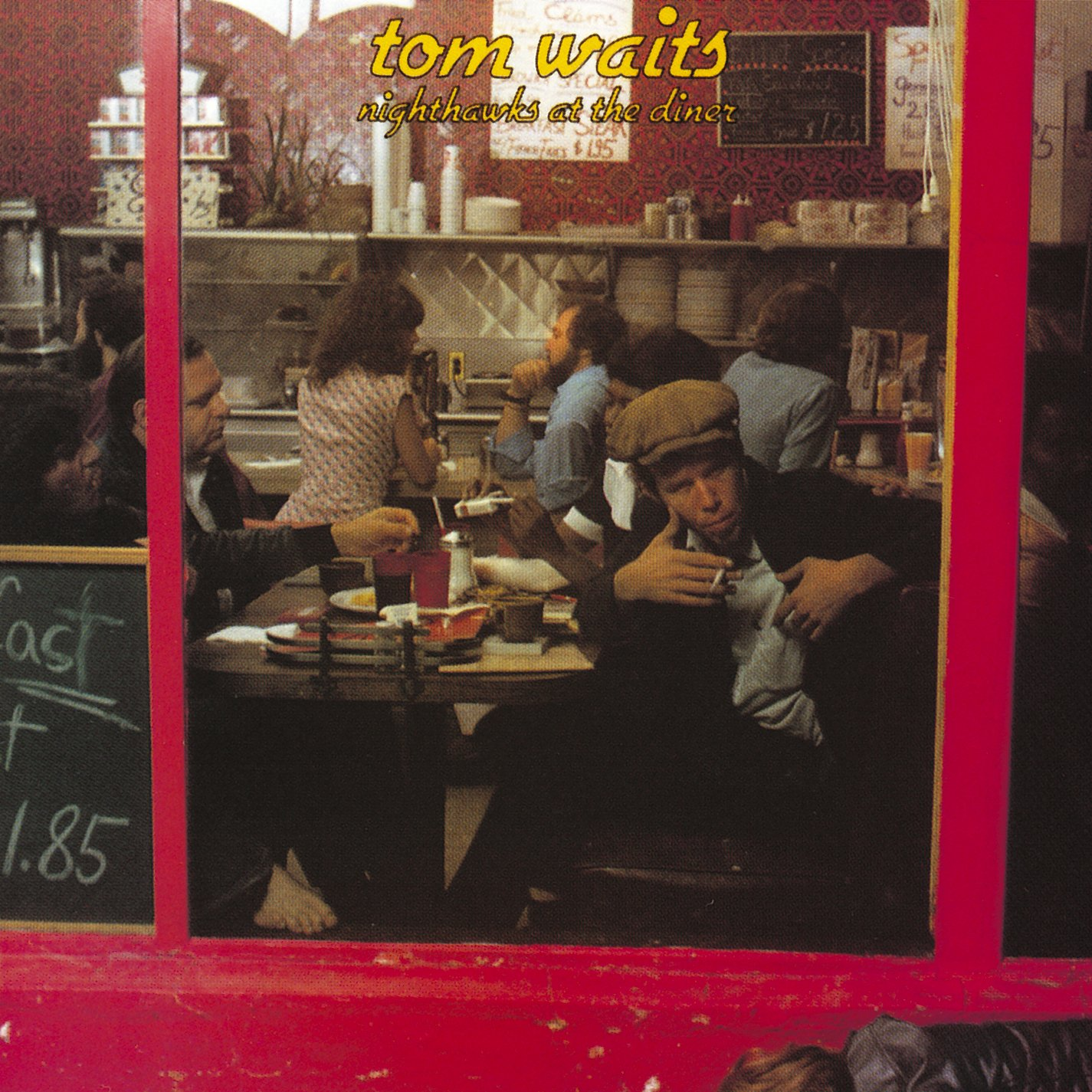
Tom Waits, Van Der Graaf Generator, Steve Hackett; Fifty Year Friday: September and October 1975

Welcome back to Fifty Year Friday! It is my great pleasure to announce that our first entry is by an esteemed and respected writer who, for reasons we won’t question, has graciously agreed to provide material for us under the nom de guerre of Leo The Deacon. If you can navigate a substantial drop in quality, a few of my own Fifty Year Friday entries follow. Enjoy!

Tom Waits: Nighthawks at the Diner

If ever there was an artist and an album deserving of the rubric sui generis, it is Tom Waits and this, his third album Nighthawks at the Diner. At a time—October 1975—when progressive rock was on the cusp of going to seed, disco was poised to go mainstream, and Wayne Shorter and Chick Corea had set aside post-bop to explore jazz-rock fusion, Waits came out with a two-disc album in which he performs mostly original songs, backed up by a quartet of first-rate Los Angeles jazz sidemen, in front of a small live audience.  As a bookish 20-year-old who never quite embraced rock music—despite the earnest and occasionally successful efforts of the curator of this blog to interest me in such groups as Emerson, Lake, and Palmer, King Crimson, and Gentle Giant—I found Waits’ wry, atmospheric, jazz-inflected compositions  a subversive challenge to the hegemony of rock and roll. Nighthawks appealed not just to the emotions, but to the head. It did not hurt that his profane, salacious, and very funny banter between songs was well calculated to engage the sensibilities of college guys whose weekends, more often than not, were spent in the company of other dateless young men.

So is Nighthawks a jazz production, or a singer/songwriter presentation? Yes. Here’s where it gets interesting, because throughout the performance Waits meanders about the intersection of several genres:  jazz, singer/songwriter compositions, spoken word, a bit of stand-up comedy. Hell, in the cut “Big Joe and Phantom 309” Waits even covers a country-music song by Red Sovine about a ghostly trucker. The entire album is a musical Venn diagram of multiple converging circles. One can’t even call it a “live” album, exactly, because it was recorded in a studio, but in front of an audience hand-picked by the producer to convey the feel of a live performance. It’s not quite authentic but it works, especially as it allows the listener to experience the entire Waits shtick: the guttural banter, the jokes, the wordplay, and the music.

The mood is set from the get-go in the opening intro, with the quartet playing a bluesy vamp featuring Jim Hughart’s walking bass and short, honking arabesques by Pete Christlieb on the sax. The sound is that of a cool, if jaded, house band at a burlesque club and Waits reinforces the conceit by welcoming the audience to the fictitious “Rafael’s Silver Cloud Lounge,” and thanking the stripper who ostensibly warmed up the audience and put a charge into Waits’  libido.  He continues with some introductory jokes about late nights and coming home after three months to find everything in his refrigerator has “turned into a science project.”  As he talks, Waits elegantly elides into the first song, “Emotional Weather Report,” which is more rhythmic spoken word recitation than it is singing. He bemoans the “tornado watches…in the western region of my mental health” and declares that “It’s cold out there—colder than the ticket-taker’s smile at the Ivar Theater on a Saturday night.” Jilted by his lover, Waits’ forecast is for more precipitation.

The rest of the album more or less follows the same pattern, with Waits sustaining a twisted down-and-out persona as he leads into another song or spoken word performance, backed by the jazzmen and revolving around themes of loneliness, lost love, late nights, and life at the margins. For my money, the best cut on the album is the third, “Eggs and Sausage (In a Cadillac with Susan Michelson)” in which Waits precisely captures the milieu of an all-night coffee shop. In this song, (this time he is singing rather than reciting), Waits displays his artistry in clever turns of phrase and the ability to evoke the bittersweet mood of a lonely late night out after a break-up. Atmospherics and the skilled deployment of similes and metaphors are Waits’ stock in trade and he’s at his best in “Eggs and Sausage.”

Waits is often compared to the Beat poets, but that’s not quite right. His music at this stage of his career, and particularly on this album, is reminiscent of the Beats, with its jazz and spoken word poetry, and its exploration of loneliness and alienation. But unlike the Beats, Waits isn’t concerned with philosophy or spirituality, or even drug-induced altered states of consciousness. For the most part, alcohol is Waits’ drug of choice and that and his focus on the working class and marginalized perhaps slides him closer to the Beats-adjacent Charles Bukowski. Both Bukowski and the Beats expressed profound alienation, however, with the Beats setting themselves in opposition to the 1950s military-industrial complex and Bukowski challenging the smug conventionality and moral sensibilities of bourgeois America. Waits isn’t overtly political, like the Beats could be, and he certainly doesn’t indulge in the blunt rage and belligerence of Bukowski. Rather, despite the crusty delivery, he is sentimental. In the end, Nighthawks, as well as Waits’ other music of the mid-1970s, is not concerned so much with alienation as with hard luck, loneliness, and the struggle to carve a little dignity out of an uncaring universe. On Nighthawks, the world is what it is, and Waits knows it is a mug’s game to try to change it.

Tom Waits, at any point in his long musical career, is an acquired taste. Those fans, likely younger ones who are more familiar with the growling, iconoclastic, and experimental performer Waits morphed into starting with 1983’s Swordfishtrombones, may find the younger Waits of Nighthawks in the Diner more conventional—dare we say “quaint”?—than the older artist they are familiar with.  But in 1975, Waits’ retro-beatnik hipster persona, jazzy music, and well-crafted noirish lyrics was something different from the dominant electronic-heavy compositions of rock and fusion. From the perspective of fifty years, it holds up well, although younger listeners may find themselves bemused by Waits’ frequent references on this album to LA “landmarks” that have passed into history—The Copper Penny restaurants, the seedy Ivar Theater, the  Ziedler & Ziedler clothing store on Sunset, and KABC weatherman Dr. George Fischbeck, to name a few.

If there is a flaw in Nighthawks, it is that the persona Waits adopts narrows the variety of the songs. To be sure, on a few tracks—“Warm Beer and Cold Women,” “Nobody,” and the country-ish “Putnam County”—Waits veers into his singer/songwriter roots, dials back the jazz, and sings accompanied by himself on piano. By and large, though, the album is a series of Waits’ compositions backed up by well-executed jazz incidental music. The jazz frames the mood, but the fun is in skillful lyrics, the repartee and wry observations, and the dark, at times cynical, yet not despairing atmosphere that Waits conjures up. It is an eccentric artifact of its time, but it still rewards the listener and reminds us that the 1970s weren’t all bell-bottoms, platform shoes, and leisure suits. 

—Leo the Deacon

Van Der Graaf Generator: Godbluff

Released in October 1975 in the UK, this album was only available as an import. It wasn’t until I made a trip to Europe in 1978 that I purchased it in Amsterdam and had it and several other albums shipped from a post office near the record store back to the States. That particular parcel of LPs arrived home earlier than I, and so once I was home, I put it on my beloved turntable. Wow!

As a great admirer of their previous album, Pawn Hearts, which I had bought as a cut-out in the US for less than three dollars, I had high expectations for this. Fortunately, the quality of the lyrics and music did not disappoint.

After a four-year gap between Godbluff and Pawn Hearts, Peter Hammill, Hugh Banton, Guy Evans, and David Jackson roar back more powerfully than ever with less psychedelic and excursionary elements and an apparent singular focus on drama and controlled handling of musical tension and release. Hammill displays his range of skills on vocals, superior in dramatic and expressive impact to more famous contemporary singers/songwriters like David Bowie, and even contending with the otherworldly emotional delivery of Demetrio Stratos of Area and Francesco Di Giacomo of Banco del Mutuo Soccorso. Hugh Banton and Guy Evans are in great form on keyboards and percussion; and we have David Jackson on double saxophones, à la Rahsaan Roland Kirk, creating musical textures that elevate the music experience to breathtaking intensity.

Side One opens with “The Undercover Man”, which starts softly, creating musical and dramatic suspense. Once the tension is established, it methodically builds in intensity, layer by layer, gradually crescendoing, leading to some colorful organ, sax and the further unfolding of the brilliant expression and pacing of Hammill’s staggered and passionate vocals.

“Scorched Earth”, the second of two tracks on the first side, maintains intensity, opening up quietly and building in dynamics with repetitive motives weaving through Hugh Banton’s organ part and David Jackson’s deftly engineered sax parts supported by Guy Evans’s relentlessly polyrhythmic drum work. The forward momentum cools, with an initially echoey middle section, crafted out of preceding musical material that explodes into an unpredictable flurry of syncopated melodic material and violent skirmishes of accelerating ostinatos and motivic interchanges. Two dominant mixed meters alternate. Dynamic and rhythmic shifts continue to propel the music forward to an abrupt climax ending with a brief musical exhale.

Side two opens up reflectively with “Arrow”, with a meandering and introspective introduction ferociously interrupted with Hammill’s vocals which commence to entwine and shape the course of the music leading into an instrumental of repeated sax permutations on the primitive four-note saxophone motive heard earlier but not put through a series of repeated modifications. Hammill’s vocals return with full intensity and anguish:

How long the time seems
How dark the shadow
How straight the eagle flies
How straight towards his arrow

How long the night is
Why is this passage so narrow?
How strange my body feels
Impaled upon the arrow


This is followed by more sax-dominated instrumental and intensive, unrestrained percussion eventually trailing off into a sustained whimper.

The last track, “Sleepwalker”, described by Hammill as portraying “life in death, death in life” begins boldly with a brilliant 9/8-based mixed-meter motif, syncopated and off-kilter, creating a lurching, stumbling feel, realized flawlessly by sax, organ and percussion. Once the pattern is established for the listener, it moves into an accompaniment foundation for Hammill’s vocals:

At night, this mindless army, ranks unbroken by dissent
Is moved into action and their pace does not relent
In step, with great precision, these dancers of the night
Advance against the darkness – how implacable their might!

The second section starts off as a tango with güiro, organ, clavinet and then sax on melody– but it is a 3/4 tango! It then contorts itself evolving into the opening motif for brief return of theme A, but these expectations are quickly tossed aside with an intro into a completely new section in a relentless, undeniable 4/4, the sax and rhythm hinting at a brief funky disco feel before the band shuts down that possibility completely with aggressive prog-rock percussion, sax and Hammill’s searing vocals.

A necessary aside on the artistic nature of David Jackson’s approach to the saxophone: dubbed “the Van Gogh of the saxophone” by a critic of the British New Musical Express, Jackson was described as a “renegade impressionist, dispensing distorted visions of the world outside from his private asylum window”. Following in the footsteps of jazz artists like John Coltrane, Rahsaan Roland Kirk, and Albert Ayler, Jackson focused on fully leveraging timbral and tonal qualities of his instrument to deliver a wider range of emotional experiences.

Two key elements defined his style. The first was his signature use of double horn — playing two saxophones (typically alto and tenor) simultaneously, creating dense harmonies and powerful, layered riffs. The second, and more crucial for “The Sleepwalkers,” was his pioneering use of electronics using customized pickups, octave dividers, wah-wah pedals, and powerful amplification, transforming the saxophone from a purely acoustic instrument into a versatile prog-rock sound source, capable of generating textures and timbres far beyond its natural range, allowing him to sonically manifest the fragmentation, distortion, and psychological turmoil central to VDGG’s music — and provide a fully-effective soundscape for Hammill’s autonomically engaging, intensely visceral vocal delivery.

The synthesis of those two saxophones, the bass pedals and organ work of Banton, Evans’s driving polyrhythmically-paced percussion, always at the service of the music and text propels us into the psychedelic-flavored coda which slowly evaporates into nothingness, leaving the lingering essence in the listener’s mind, eventually compelling a repeat playing of one of the finest albums

Steve Hackett: Voyage of the Acolyte

Released in October 1975, I never had enough money to buy this in my college days — such a shame, as this is a wonderful album and provides insight into how much Steve Hackett contributed compositionally to the many of the passages within Genesis’s Nursery Cryme and Supper’s Ready. Excellent, evocative and reflective music that sparkles as wondrously as ever.

Pink Floyd: Wish You Were Here

Pink Floyd released their ninth studio album in September of 1975. Fifty years later their The Dark Side of Moon boost has maintained their popularity enough so that there are multiple sets out this month celebrating the fiftieth anniversary. If you haven’t heard this album yet, you probably weren’t listening to music fifty years ago!

Can: Landed; Jethro Tull: Minstrel In the Gallery; Electric Light Orchestra: Face the Music

All released in September of 1975, all three of these albums have their strong moments and are worth checking out. Can’s Landed starts off with grungy rock badly recorded, but ends strongly with the musique concrète of “Unfinished” with much of interest in between.

Jethro Tull’s Minstrel In the Gallery is more reflective than his previous three albums and seemingly more personal. Thematically, the album lyrics cover the introspective and the cynical, with Ian Anderson’s lyrics exploring the isolation and pressures of being a public performer — Anderson being that Minstrel in the Gallery. Throughout a good deal of the album Martin Barre’s electric guitar is in the forefront and borders on a jazz-fusion ethos contrasted in other sections with delicate acoustic guitar. The album’s highlight is the musically and metrically complex, multi-part “Baker Street Muse” on side two, lasting over sixteen minutes with sharp contrasts and sharp lyrics.

ELO’s Face the Music opens up with an orchestral intro and explodes with their signature blend of strings, Jeff Lynne’s guitar, drums, and keyboards. The excellent opening instrumental, which highlights Mik Kaminski on violin, is followed by a classic-sounding ELO track, “Waterfall, reminiscent of Eldorado material. As mentioned earlier by Leo the Deacon, September 1975 ushers us into the mainstream days of disco fever and ELO made good money with an edited single version of the third track “Evil Woman.” I had stopped listening to AM radio long before 1975, but somehow I was still exposed to it enough in various public venues that I developed a rather strong aversion to its annoyingly commercially cloying sound. The remaining album has its ups and downs, and includes a number sounding much like the pre-disco Bee-Gees (“Strange Magic”) and Lynn’s excursion into country music, “Down Home Town.”

Besides these albums we have a wealth of other releases, not at the level of Godbluff by any means but much more commercially successful including albums by George Harrison, John Lennon, Elton John, Paul Simon, his former singing mate, Art Garfunkel, Rush, Herbie Mann, Linda Ronstadt, Roxy Music, Sparks, Steeleye Span, Aretha Franklin, Barbra Streisand, Frank Zappa, Hall & Oates, Crosby and Nash without Stills, and though I haven’t a clue what it sounds like, and am totally fine with that, Kiss’s Live Album, which apparently is the first album released by any American hard rock band, for if memory serves me correctly Spinal Tap had not released any live albums by that date — or to be factually correct, now that I check Wikipedia, still has not.


For additional posts related to Gentle Giant, please check these out:
https://zumpoems.com/2025/07/25/fifty-year-friday-july-and-august-1975/
https://zumpoems.com/2026/04/17/fifty-year-friday-april-1976/
https://zumpoems.com/2021/07/23/fifty-year-friday-july-1971/
https://zumpoems.com/2023/09/01/fifty-year-friday-september-1973/
https://zumpoems.com/2022/04/01/fifty-year-friday-april-1970-2/
https://zumpoems.com/2022/12/16/fifty-year-friday-december-1972/
https://zumpoems.com/2017/08/25/fifty-year-friday-aretha-franklin-simon-dupree-the-big-sound-and-pink-floyd/
https://zumpoems.com/2020/11/20/fifty-year-friday-november-1970/

For Must Listen To Gentle Giant and Prog Rock albums, please check out:
https://zumpoems.com/must-listen-to-music/

For additional posts that mention Gentle Giant, please check these out:
https://zumpoems.com/2017/12/30/seventy-year-saturday-1947/
https://zumpoems.com/2019/07/19/fifty-year-friday-men-on-the-moon-yes-larry-coryell/
https://zumpoems.com/2022/05/27/fifty-year-friday-may-1972/
https://zumpoems.com/2019/05/31/fifty-year-friday-power-to-the-people-the-giant-awakens-empty-sky-at-san-quentin-and-charisma/
https://zumpoems.com/2024/03/15/fifty-year-friday-march-1974/
https://zumpoems.com/2024/06/07/fifty-year-friday-june-1974/
https://zumpoems.com/2019/01/04/fifty-year-friday-the-canterbury-scene-soft-machine-and-caravan-first-albums/
https://zumpoems.com/2025/06/20/fifty-year-friday-june-1975/
https://zumpoems.com/2019/06/14/fifty-year-friday-trout-mask-replica-brave-new-world/
https://zumpoems.com/2023/08/04/fifty-year-friday-august-1973/
https://zumpoems.com/2020/02/14/fifty-year-friday-february-1970/
https://zumpoems.com/2018/08/10/fifty-year-friday-ultimate-spinach/
https://zumpoems.com/2018/06/22/fifty-year-friday-british-folk-rock/
https://zumpoems.com/2020/09/25/fifty-year-friday-september-1970/
https://zumpoems.com/2025/11/14/fifty-year-friday-november-and-december-1975/
https://zumpoems.com/2020/03/20/fifty-year-friday-march-2020/
https://zumpoems.com/2025/09/26/fifty-year-friday-september-and-october-1975/
https://zumpoems.com/2021/11/26/fifty-year-friday-november-1971/
https://zumpoems.com/2026/06/12/dexter-gordon-lullaby-for-a-monster-bouncin-with-dex-brand-x-unorthodox-behavior-fifty-year-friday-june-1976/

Pink Floyd, King Crimson, Tom Waits, Led Zeppelin, Tangerine Dream; Fifty Year Friday: March 1973

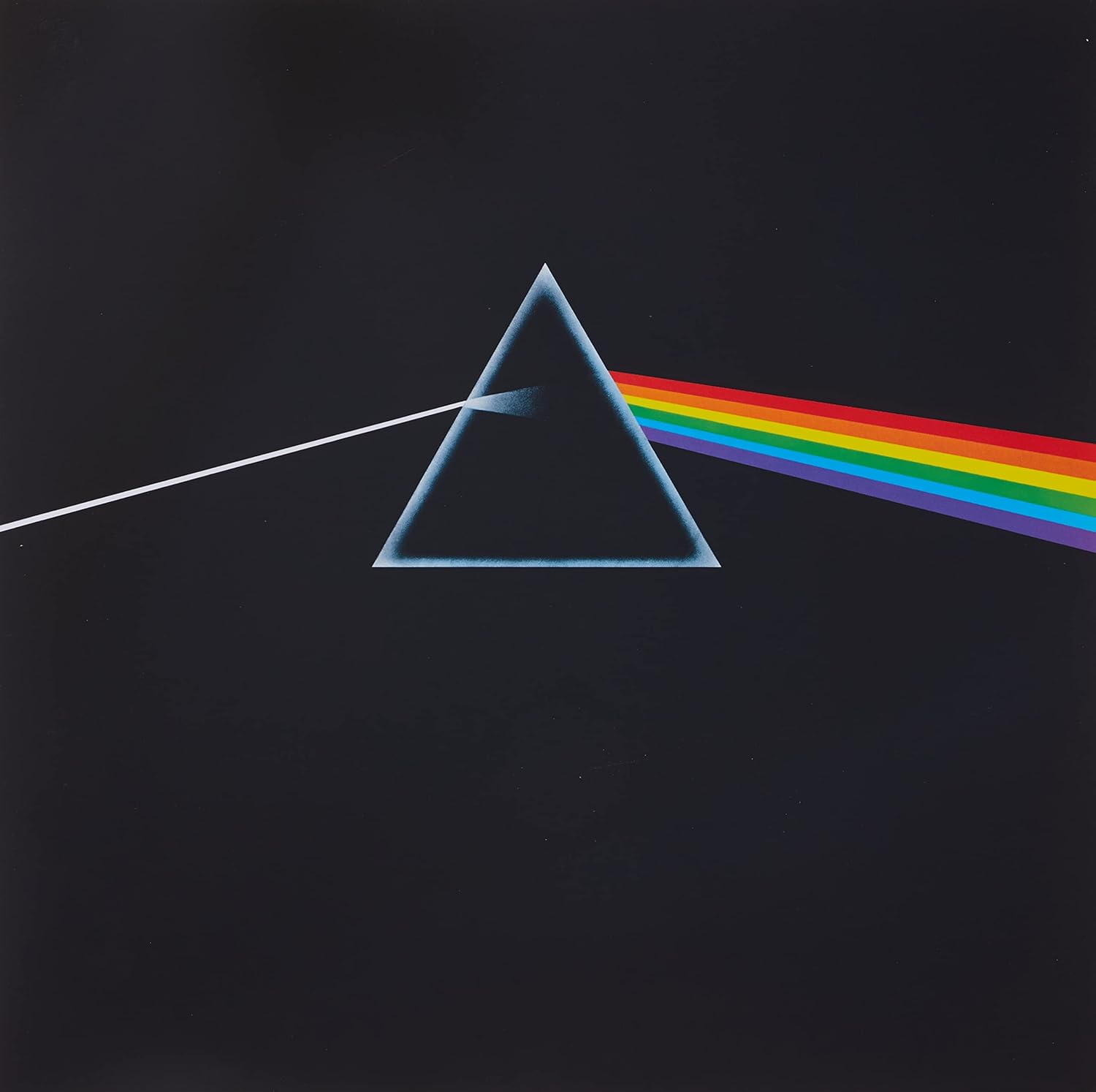
Pink Floyd: Dark Side of the Moon

Few progressive rock albums have had such great appeal across a wide section of the music loving public as Dark Side of the Moon, released March 1, 1973. Casual Listeners, Hard Rockers, Stoners, Prog heads, Music Majors, and just about anyone with more than 10 rock albums in their collection, had a decent chance of owning this timeless classic, an album as likely as any other album to be in the collection of anyone from age 17 to 25 during the mid 1970.

Despite a collection of diverse material with varying levels of contribution from each band member, Dark Side of the Moon has a cohesiveness, largely due to Alan Parson’s proficiency and creativity as an engineer. Just as Parsons significantly contributed to the Beatles’ Abbey Road sense of musical unity despite an understandable lack of shared thematic material between tracks, with one exception, the same result is achieved here: an album that holds up nicely as a single work as opposed to a collection of unrelated tracks. If it has been sometime since you have last heard it, get it out, put it on the best equipment possible (don’t just stream it a suboptimal bitrate or listen to it through low quality headphones or speakers) and enjoy one of the great musical works of our time.

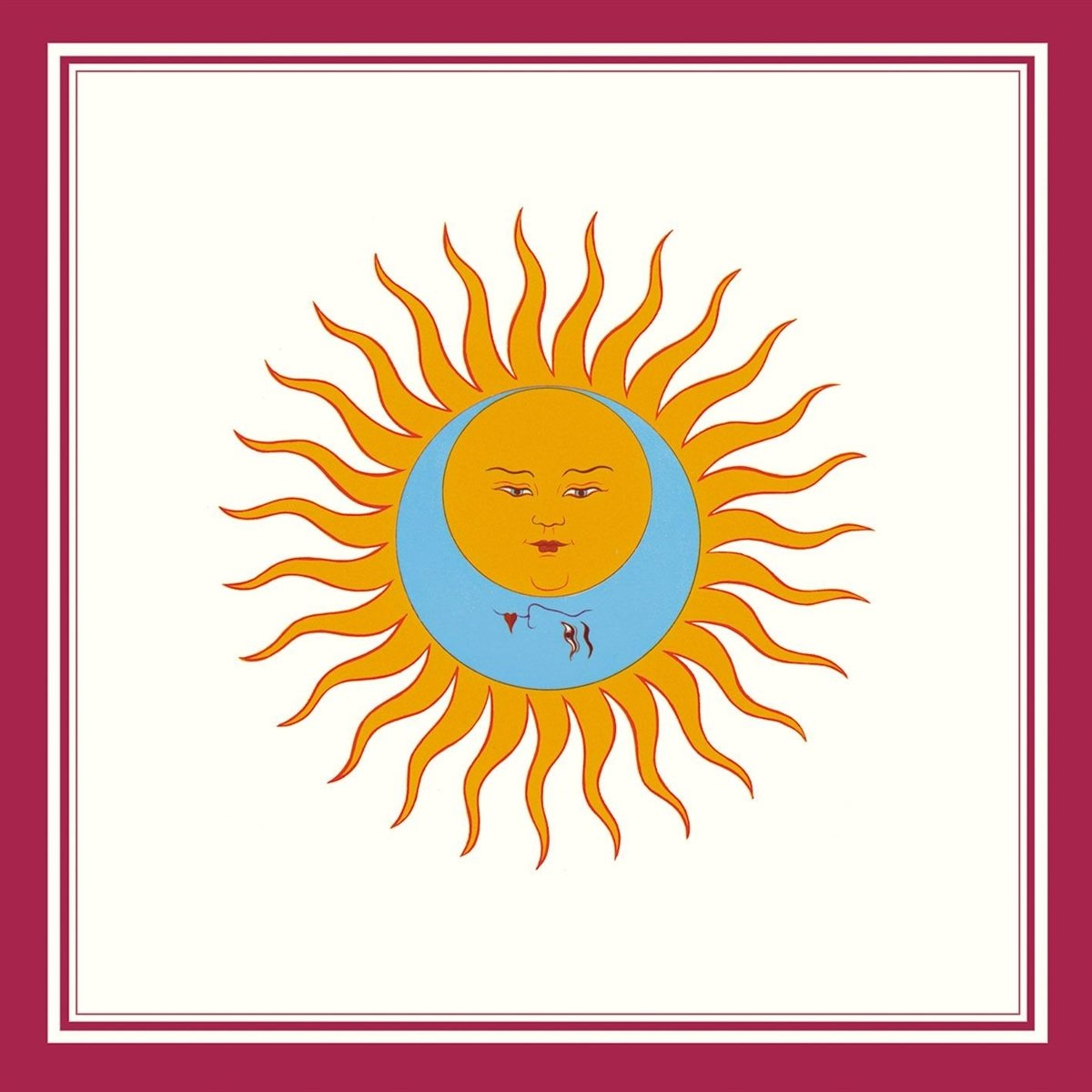
King Crimson: Lark’s Tongue in Aspic

Released on March 23, 1973, King Crimson’s fourth album is less accessible than their previous three studio albums, but the level of musicianship and improvisation are better, with the two parts of Lark’s Tongue in Aspic that open and close the album being particularly impressive.

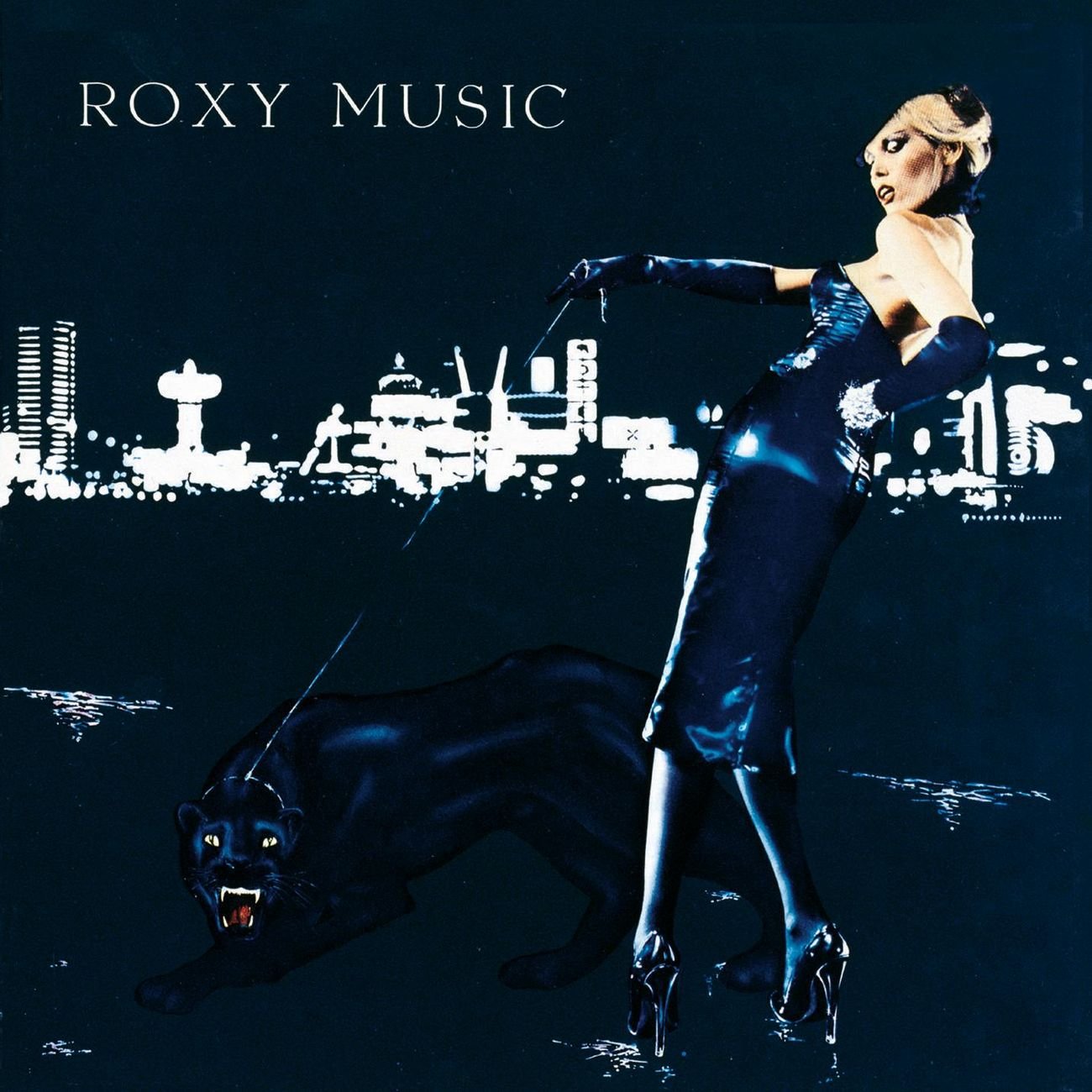
Roxy Music: For Your Pleasure

Before the release of Queen’s first album, or Bowie’s Aladdin Sane, we had this Roxy Music’s For Your Pleasure, released on March 23,1973, adventurously combining art rock, glam rock, and a range of experimental sound techniques into a cohesive, very enjoyable and very well executed work of art. Throughout the entirety of the album, Roxy Music’s musicianship is highly focused and expertly executed, serving as an essential component of the band’s overall artistic vision. Phil Manzanera is amazing on guitar, and Andy Mackay sax provide richness and additional depth, with strong compositions, foundational keyboard work and distinct, nuanced and expressive vocals from Bryan Ferry.

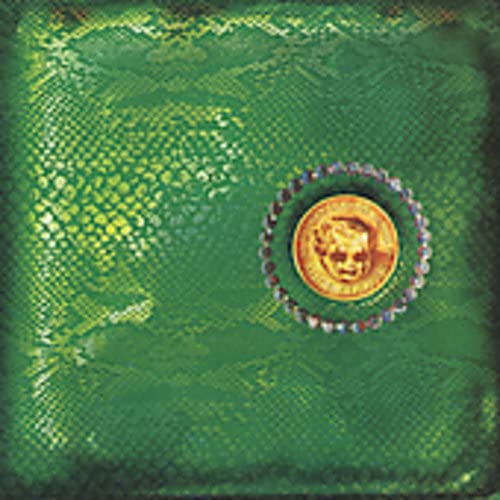
Alice Cooper: Billion Dollar Babies

Released on Feb. 25, 1973, Alice Cooper’s sixth studio album is also his finest with an effective mix of hard rock, glam, and non-traditional topics, some of which were competently exploited for Alice Cooper’s live theatrics. Including four singles, the two standout tracks on the album are “Elected” which was released in September of 1972 prior to the Nixon-McGovern election contest and “Billion Dollar Babies”, released several months after the album’s debut and features Donovan providing effective glam-style vocals including Donovan’s falsetto reaching his upper limit.

Tangerine Dream: Atem

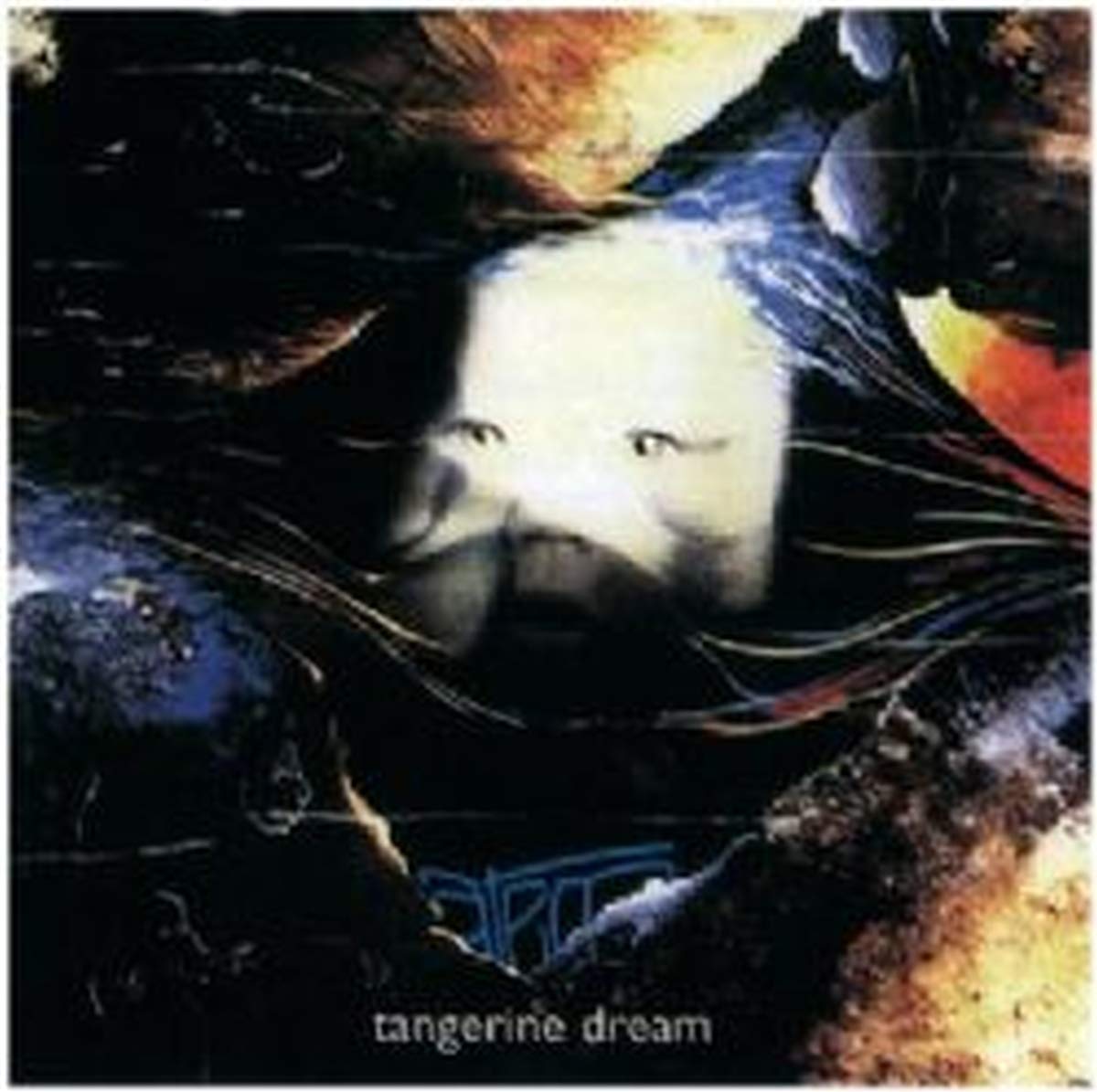
Atem, released their fourth album, Atem, in March of 1973, one of the most impressive works of electronic music, providing a more interesting and substantial listening experience than most of the works by the academic-based classical composers who had been creating electronic sound compositions since the publishing of Luigi Russolo‘s “Art of the Noises” in 1913. The opening title track takes up the first side with three tracks on the second side, each compelling, each a story with the sound caringly shaped and crafted to provide a self-contained complete musical journey.

Todd Rundgren: A Wizard, A True Star

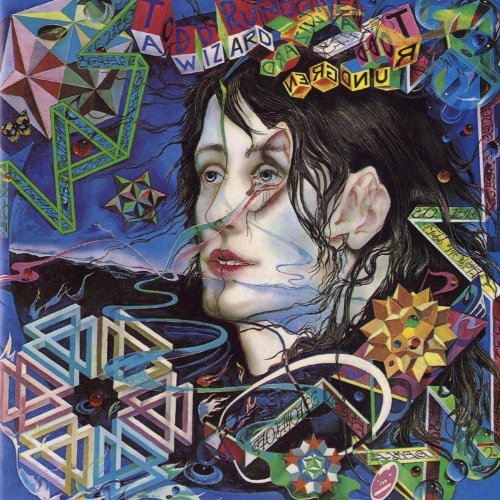
With 1973 being one of the most innovative periods in music, Todd Rundgren’s fourth album, A Wizard, A True Star, is about as ingenious, original and imaginative as any album of the 1970s. The first side is the musical equivalent of “Mr. Toad’s Wild Ride”, apparently madly reckless, yet never careening off the rails. “International Feel” starts and ends that first side, with a myriad of sparkling, brilliantly shimmering musical excursions thrown in between. The second side is mellower, allowing the listener to finally relax with a reflective, sympathetic re-creation of four 1960s R&B classic singles, and a memorable anthem, “Just One Victory”, bringing this one of a kind album to a close.

Rundgren’s engineering and production is historically impressive, taking advantage of various vocal and instrumental layering and effective editing. Additional richness is added by both the array of and the arrangement of instrumental timbre. And as an extra bonus to all this, the album is over twenty-six minutes on the first side, and almost thirty minutes on the second side — something matched by some of the classical records I had at the time, but not even approached by any of the single LP rock records in my collection.

One of my music teachers and I were talking about progressive rock around 1977 or 1978 and he was emphasizing how hard it was to predict what music would be canonized in the distant future. Much to my surprise he referenced Todd Rundgren, indicating his familiarity with contemporary, non-“academic” music, by casually remarking that “for all we know Todd Rundgren may be just a footnote in musical history fifty to hundred years from now.” Well, fifty years have passed, and I think it’s safe to say that Todd Rundgren will be encountered by those exploring the music of the 1970s, not as a footnote, but as a musical and engineering wizard, if not a true star.

Electric Light Orchestra: ELO 2

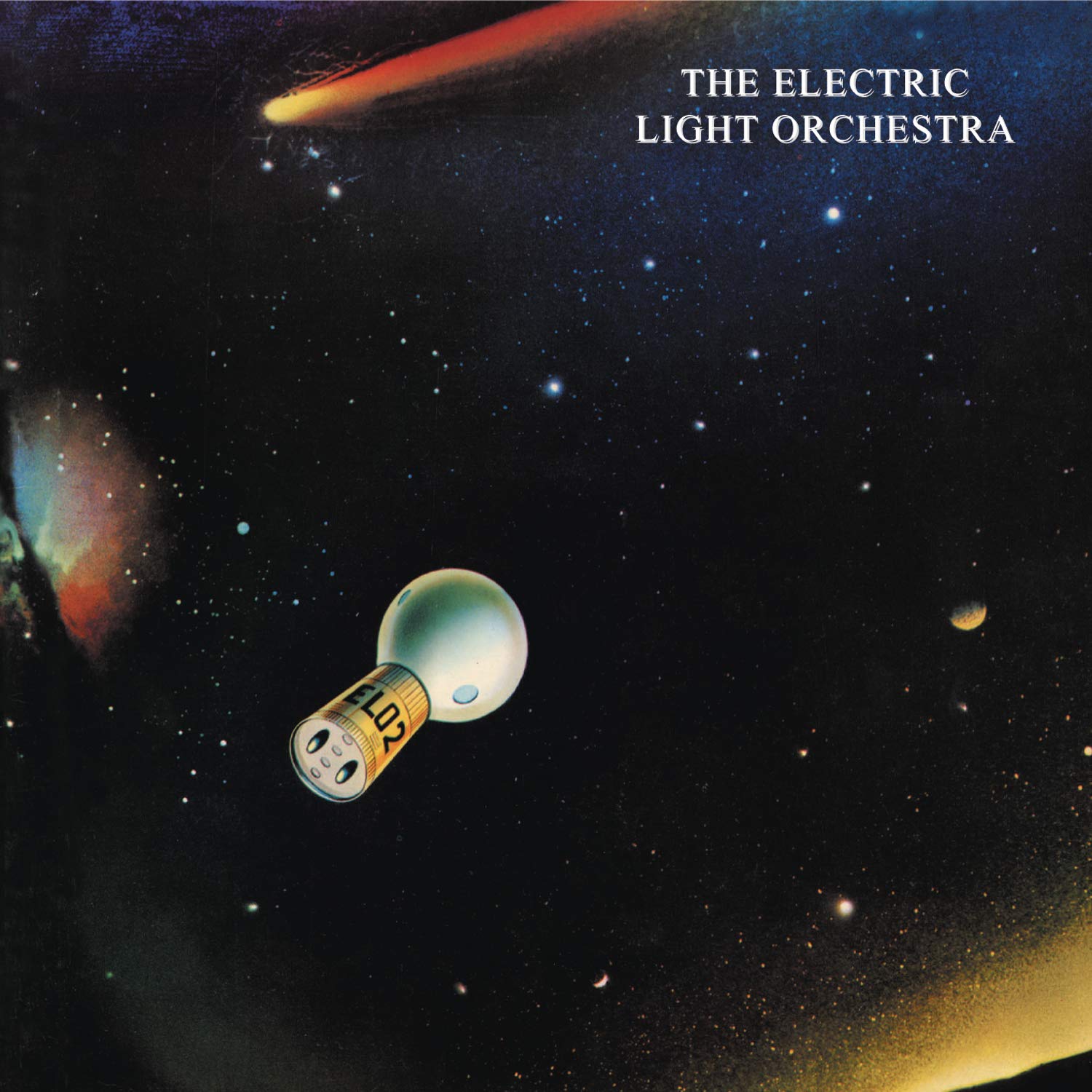
Though not as ambitious or consistently appealing as the first album, or with anything that equals “10538 Overture“, ELO 2, released March 2, 1973, has many fine moments with generally more emphasis on smoother, more conventional orchestration. Particularly good is the opening track, “In Old England Town (Boogie No. 2)” and its second-side counterpart, “From the Sun to the World (Boogie No. 1)”, the latter incorporating true boogie-woogie components. Also worthy of note, is the seven-minute (or eight-minute arrangement in the U.S.) of Chuck Berry’s “Roll Over Beethoven.” A four and a half minute single version of it got substantial airplay in the UK, charting as high as number six, while in the states, a slightly shorter version, got some AM airplay starting in late April of 1973, climbing as high as 42 on the Billboard singles chart. In Southern California several FM stations regularly played the full-length album cut during the spring and summer of 1973, providing greater exposure in terms of airplay, even if not in terms of audience reached. Besides being a fairly spirited and compelling cover of the original tune, the work incorporates the famous motif of the first movement of Beethoven’s Fifth Symphony, perhaps unintentionally inspiring (though no evidence to support such an assertion) Walter Murray’s 1976 disco-hit, “A Fifth of Beethoven.”

Led Zeppelin: Houses of the Holy

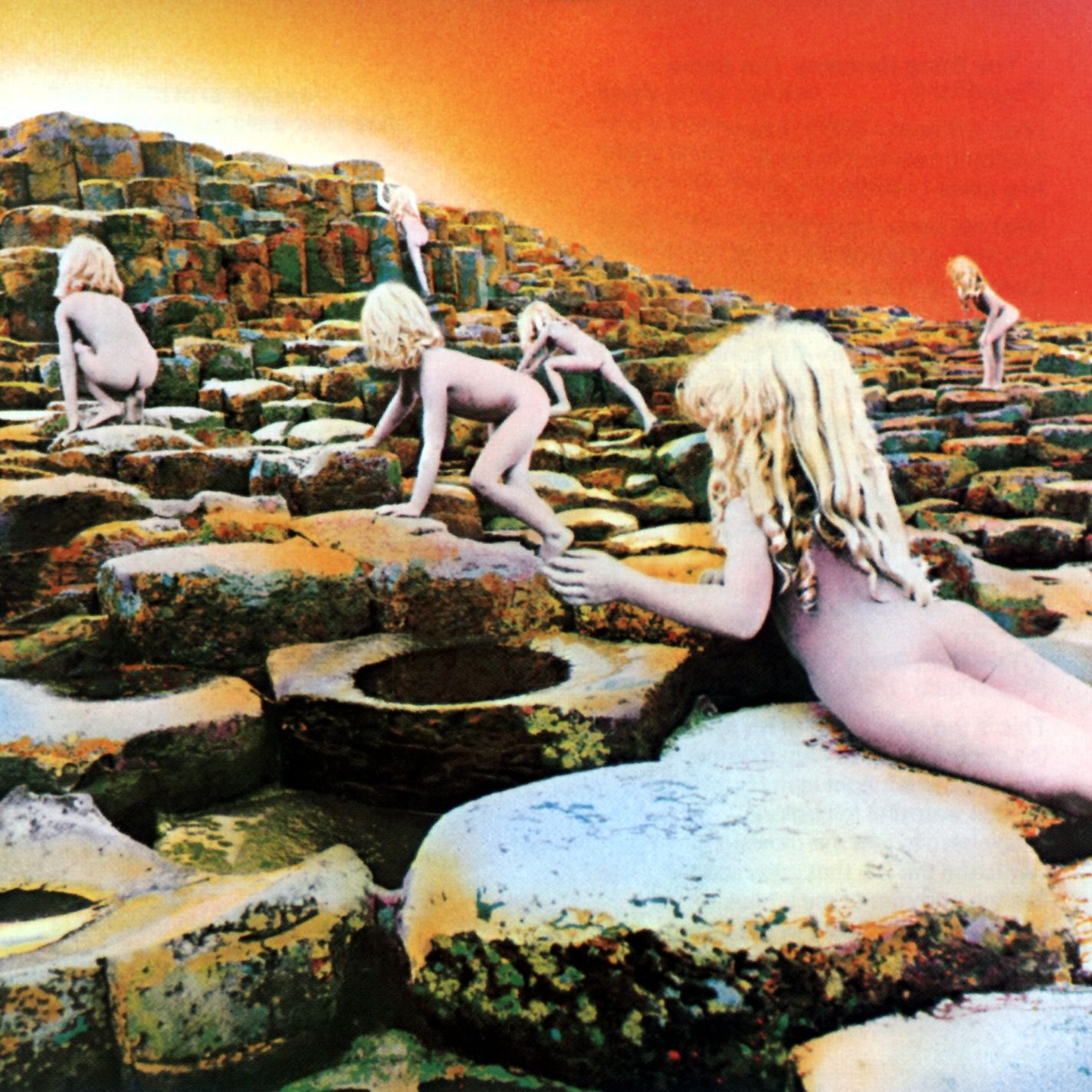
Once again, Led Zeppelin eschews just copying what made their previous album successful, creatively exploring new musical techniques and pathways, but as often the case not shy to incorporate notable musical elements of contemporaries and past predecessors. The overall result is an excellent hard-rock album that nicely balances acoustic and electric components and that successfully incorporates reggae, R&B, funk and even some classical and progressive influences.

Tom Waits: Closing Time

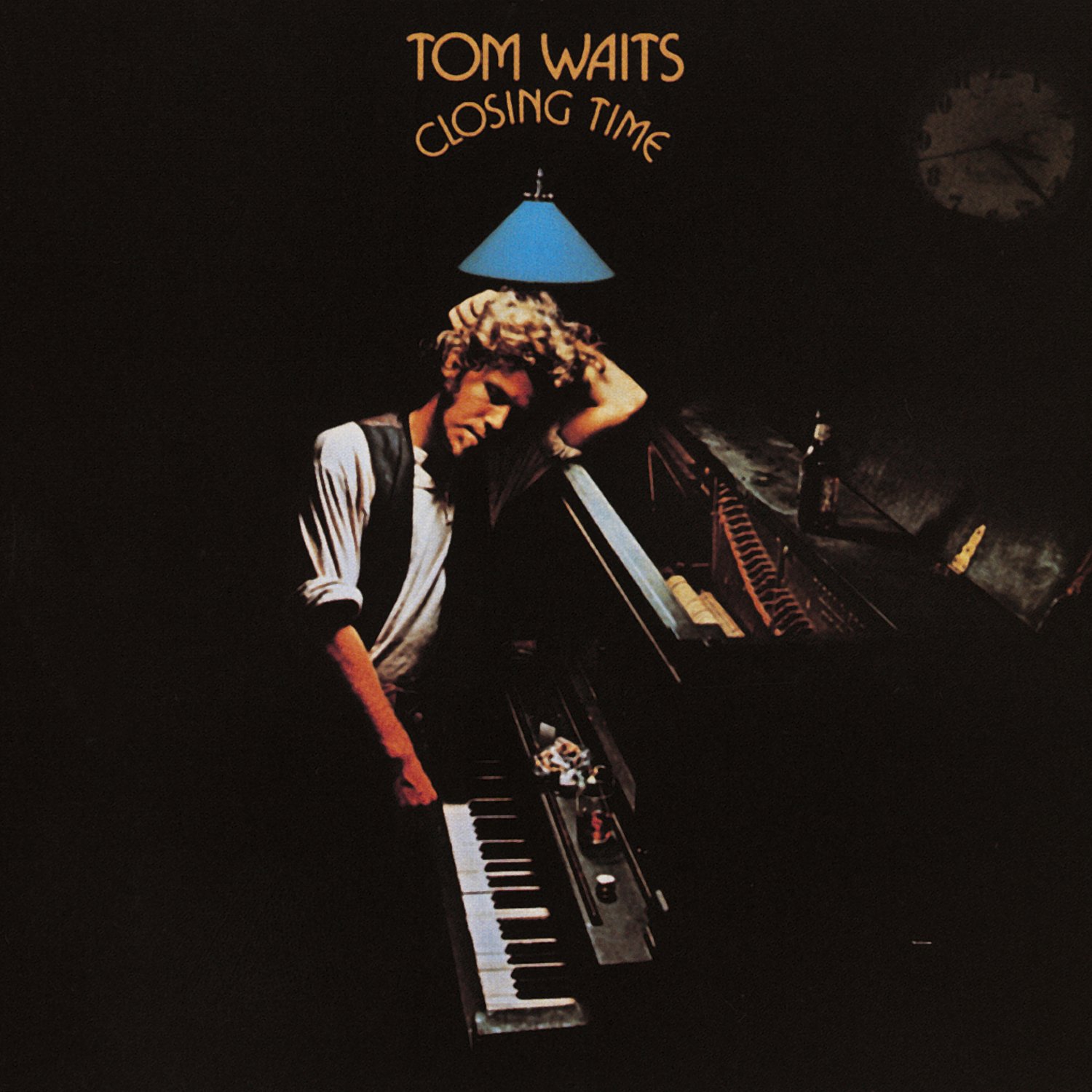
Tom Waits’ debut album, Closing Time, was released on March 6, 1973, receiving limited attention. Though largely folk-based music with some country, jazz and blues influences, what is most notable is how the music supports the lyrics and how each work, independent and finished, come together into a quasi-concept album of isolation, loneliness and dependency. Whereas an artist like Randy Newman comments on the darker side of life with a isolated, somewhat remote detachment, Waits incorporates a very distinctive viewpoint not only within each song but makes it as a necessary component of the content, the character often representing someone not really getting the implication of the commentary, making the song’s meaning even more apparent. Each song works nicely, there is not a bad song on the album — the opening track received some minor airplay as a single, well deserved and eventually covered by the Eagles, but, curiously, there are better candidates to have captured greater airplay if that had been the Asylum label’s focus. However, this is an album best heard from start to finish, enjoying such the varying emotional shading and of each song with “Martha”, “Rosie”, and the evocative ballad, “Grapefruit Moon” being three of my favorites pieces of the whole experience.

John Cale: Paris 1919

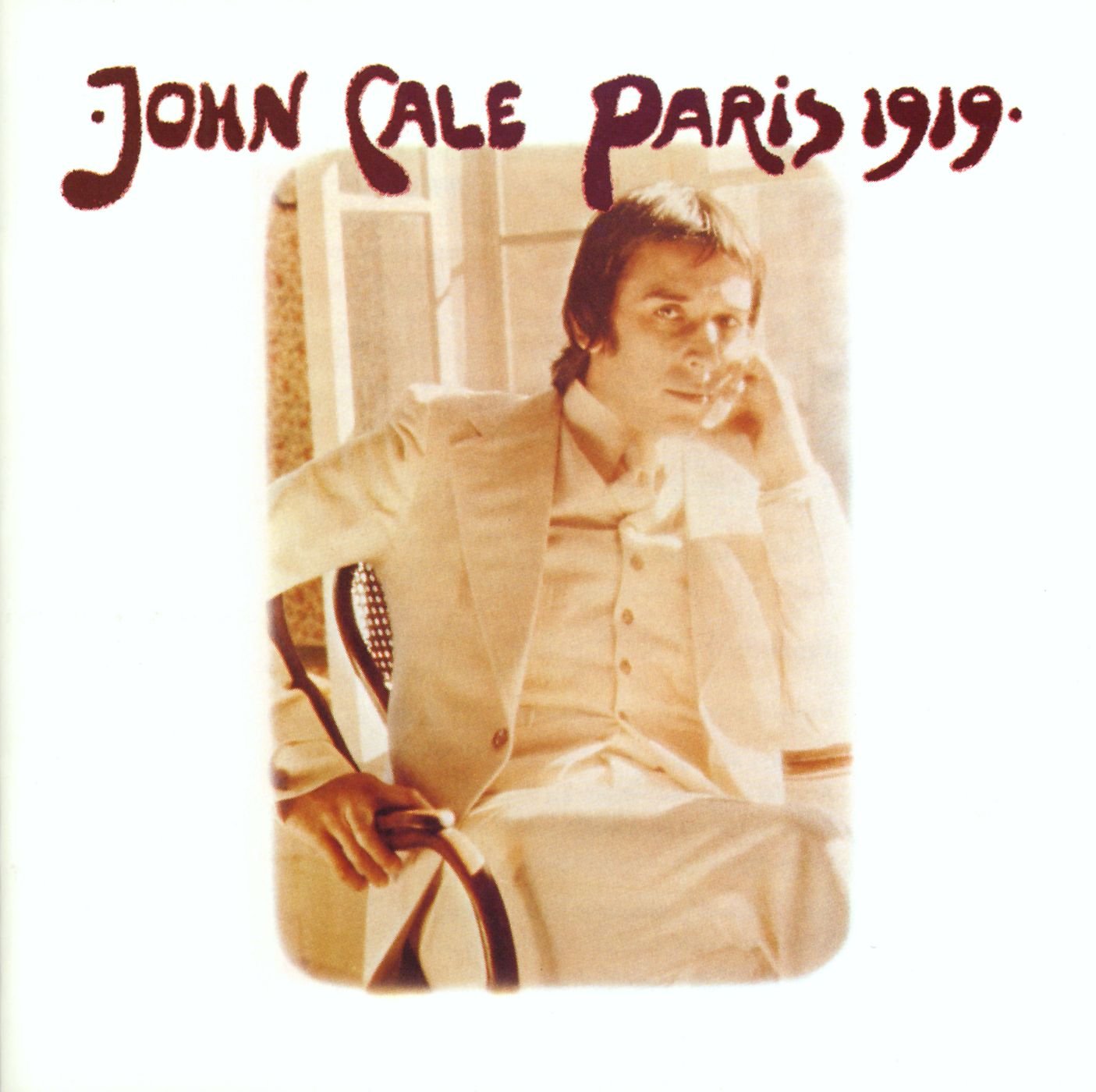
Released around March 1973, Paris 1919 is a remarkable work, consistent and enjoyable throughout with generally strong lyrics including Cale’s freewheeling imagery in the first track, “Child’s Christmas in Wales” and his historical references in various songs. The most impressive work is the title track, but the other tracks are all praiseworthy, particularly the last track with its memorable fragile opening of whispered vocals and electric piano building up with energy for what promises to be a strong dramatic ending, but even more appropriately tapers off into another moment of delicacy to provide a fine closing to the entire album.

Herbie Hancock: Sextant

The first track, the stunningly pointillistic “Rain Dance” is like nothing ever recorded previously, either in jazz, rock, fusion or academic electronic music. Furthermore, it makes full use of the stereo sound-field materializing packets of sounds in various, hovering points of space in the listening room, some of the pinpoint sounds coming within the expected stereo field, but others unexplainably occurring well out of the usual and expected speaker-range territory. This wonderful first track, is then followed by the two remaining tracks that, though closer to traditional fare that melds jazz, rock and funk elements, still are pretty far out there, effectively incorporating synthesizers and other electronics with trumpet, trombone, sax, bass and drums. Sextant was not a commercial success, and I never remember seeing this in anyone’s record collection — and wasn’t even in my own collection until recently.

Mahavishnu Orchestra: Birds of Fire

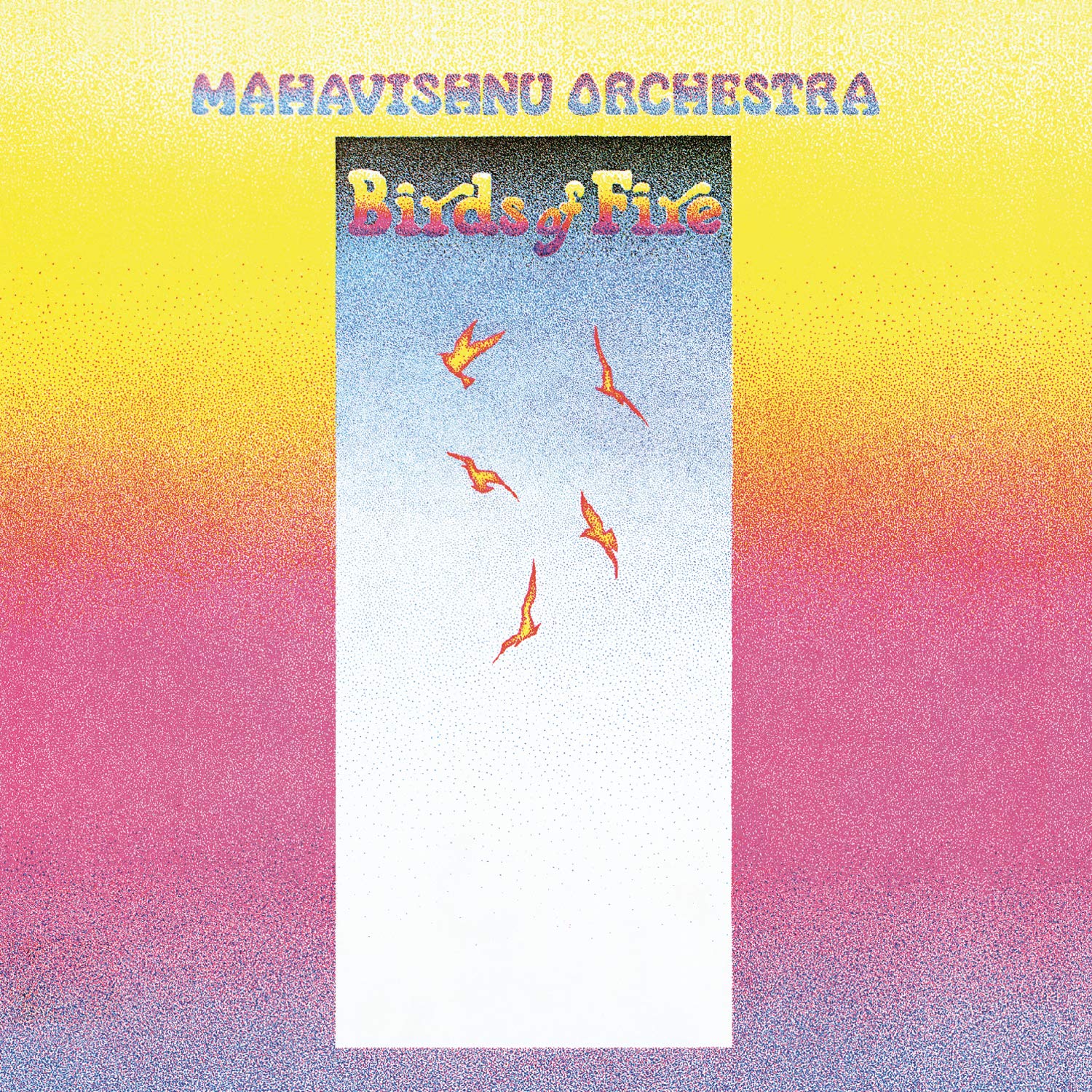
Though Herbie Hancock’s Sextant sold relatively few copies, the opposite was true of Mahavishnu’s Orchestra’s Birds of Fire: it was in several of my friends collections and soon I would buy my own copy. This is one of the finest albums of 1973, appealing to jazz and progressive rock fans alike — and beyond — for anyone in love with electric guitar virtuosity this was a must have. Besides McLaughlin’s guitar, there is unfaltering, propulsive percussion work from Billy Cobham, keyboards from Jan Hammer, and violin work that provides a perfect compliment to McLaughlin contributions. A classic album of unerringly invigorating and captivating instrumental music.

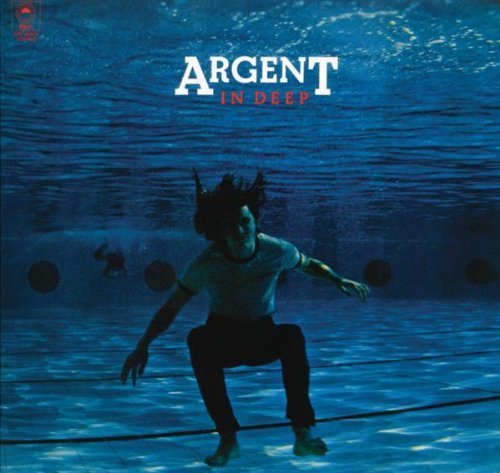
Argent: In Deep

Argent releases their fourth studio album on March 5, 1973, and though there is nothing to match the organ solo in Altogether Now, there are still some good piano and organ work from Rod Argent. The first side is mostly written by Russ Ballard and includes a semi-hit rock anthem, “God Gave Rock and Roll to You”, which was later picked up and modified by Kiss for the soundtrack to Bill & Ted’s Bogus Journey and “It’s Only Money” part one and two. The second side is mostly written by Rod Argent and Chris White and is substantially closer to a progressive rock than the first side, with “Be Glad” and “Candles on the River” being the most adventurous.

Procol Harum: Grand Hotel; Steeleye Span: Parcel of Rogues; Faces: Oh La La

Other notable albums released in March include Procol Harum’s elegant and grandly orchestrated Grand Hotel, overall their most consistent and cohesive album, Steeleye Span’s spirited and well-produced, prog-tinged folk album, Parcel of Roques, and the Faces earthy, energetic Oh La La.