Zumwalt Poems Online

Archive for the ‘Music & Musings’ Category

Fifty Year Friday: May 1975

Henry Cow: In Praise of Learning

Henry Cow released their second album featuring members of Slapp Happy on May 9, 1975. Fiercely uncompromising, both musically and ideologically, it seamlessly blends rock, Twentieth century classical composition, and radical political commentary with a precision, ambition, and effectiveness as praiseworthy as any work in the 1970s.

Vocalist Dagmar Krause provides a stellar brilliancy the moment she takes over the vocals from Peter Blegard, four seconds into the album on “War,” which at 2:31 in length would have been perfect for radio play in some alternate universe — but alas our universe wasn’t quite up to the challenge of accepting irregularly contoured melodic phrases, asymmetrical time signatures, complex and politically charged lyrics, ominous incursions of harmonic instability, and the interspersion of harnessed chaos between vocal passages.

With the listener’s musical mind properly attuned, Henry Cow unleashes Tim Hodgkinson’s 16-minute “Living in the Heart of the Beast.” Initially, Peter Blegvad was asked to provide the lyrics, but ultimately Hodgkinson took over the task, crafting a set of syllables and meanings that seamlessly support the music. The work avoids any traditional structure, initially navigating shifts between vocal intensity and instrumental reflection until a wonderful organ solo introduces a forceful, uplifting instrumental interlude. This gives way to serious introspection from the organ, which then returns to the insistent, march-like vocal over metrical shifts, now irrevocably increasing in intensity until the coda winds down the work. Perhaps this may musically recall for some listeners the finale of ELP’s Tarkus as the wounded Tarkus retreats from the battlefield; however, in this case, the music is a call to charge into “fight for freedom,” providing a remarkable level of optimism and energy, effectively enveloping the listener in an afterglow as side one comes to a close.

Continuing the topic of marching to fight for freedom, side two opens up with “Beginning: the Long March”, an abstract, avant-garde representation of the march towards battle. It’s unstructured collage of electronic effects and musique concrète sensibilities may not appeal to the casual listener, but for someone focused on the overall flow and intent of the album this is a very appropriate and effective transaction to the next musical milestone, “Beautiful as the Moon; Terrible as an Army with Banners.”

This second track of side two, “Beautiful as the Moon; Terrible as an Army with Banners”, begins with Krause’s finely controlled, expressively nuanced delivery, dominating the first half with the entreaty to “seize the morning.” An instrumental commentary propels the start of the second half, with some excellent pointillistic contrapuntal piano punctuation with authoritative commanding vocals seizing the spotlight again to effectively close the work.

The last track, Morning Star, given its significance by the previous track’s lyrics of “A star mourns souls ungraved – ignored. Slow wheels: Mira. Algol. Maia” and “Rose Dawn Daemon Rise Up and seize the morning” brings the album to an effective close, firmly resolute and transcendent, firmly tying the album’s musical and verbal themes of awake, consider, prepare, engage and, ultimately, arrive and be!

Robert Wyatt: Ruth Is Stranger Than Fiction

Robert Wyatt’s Ruth Is Stranger Than Richard, released in May 1975, is a strikingly unpredictable album, filled with angular compositions that shift direction almost from note to note. Unlike his previous two solo albums, which were composed entirely of his own material, this third album finds Wyatt showcasing the music of others, creatively arranging and in most cases adding lyrics. Most compositions are by Wyatt’s friends and musical associates, but Wyatt also provides a fine treatment of jazz bassist Charlie Haden’s “Song for Che.”

The album’s eclecticism is immediately apparent with a strong focus on jazz. Is this jazz-rock, jazz-prog-rock or mostly jazz? Not sure, but it is wonderful and a non-stop thrill from start to finish! The flow of the album never flirts with predictability, its angularity lending a sharp, dynamic energy that keeps the listener engaged.

With contributions from Brian Eno, trumpeter Mongezi Feza and Fred Frith on piano, Ruth Is Stranger Than Richard thrives on musical interplay and spontaneity. It’s a thrilling listen, bursting with invention, providing a richness of the unexpected without being disjointed or even mildly inaccessible. Wyatt’s vision is as playful as it is sophisticated, making this a truly exciting and engaging listening adventure.

Weather Report: Tale Spinnin

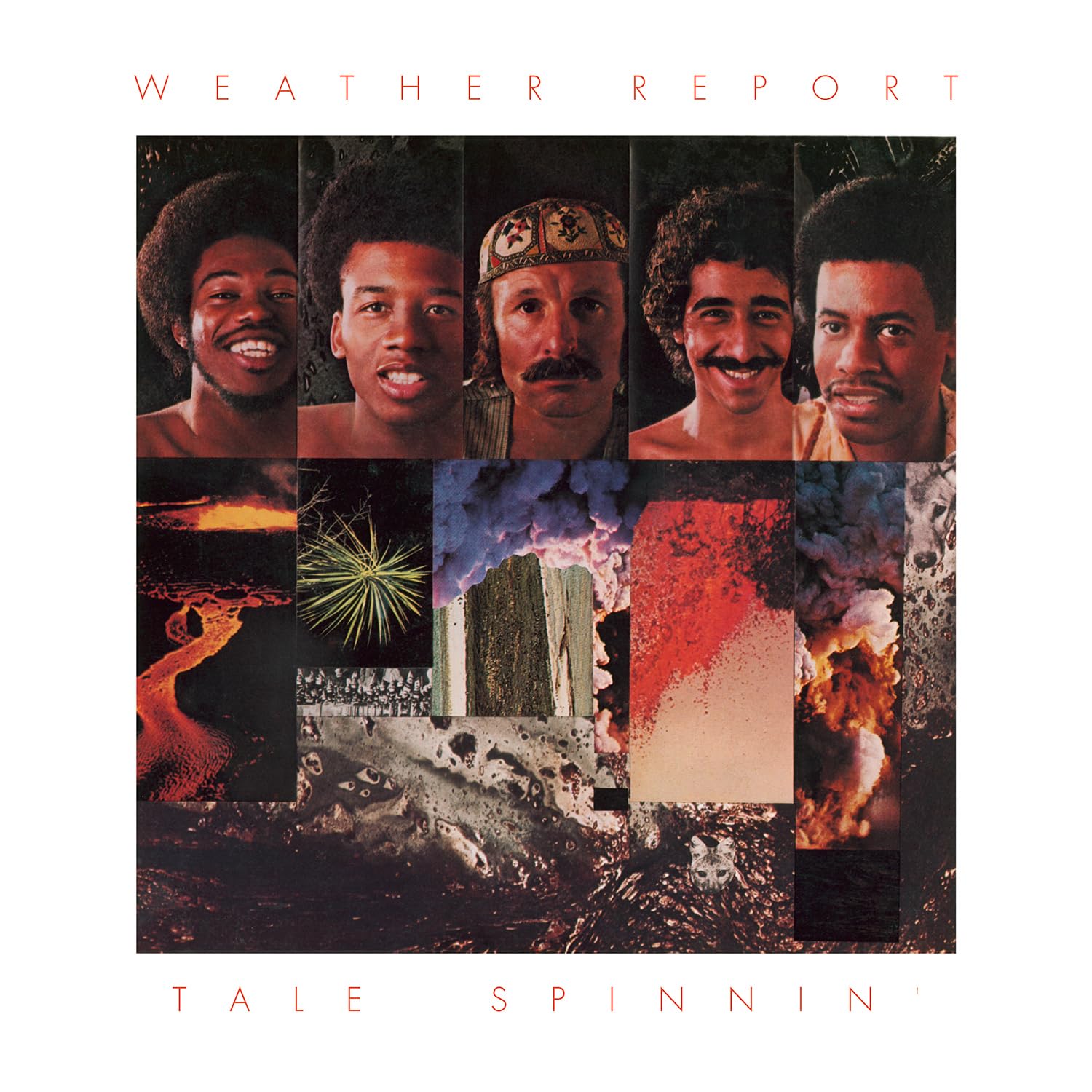
Tales Spinnin’, released in May of 1975, is a vibrant, colorful album that showcases Weather Report at the height of their fusion creativity. The first side of the album is particularly striking, filled with bold, dynamic compositions that blend intricate melodies with rich textures. It is if I can almost hear colors when listening to this first side — it is that visually evocative, aurally. I wish I had some sophisticated color display screens for both the left and right channels that would translate the music into various bursts and evolving strands of colors, but lacking that, I can luxuriate in the radiant waves of Zawinul’s lush synthesizers and Wayne Shorter’s fluid, expressive saxophone work. The interplay between all five musicians is electric, creating a vivid musical landscape that’s both sophisticated and exploratory. The rhythms are complex yet accessible, propelling the tracks into lush, otherworldly soundscapes that are full of life and color.

Hawkwind: Warrior On the Edge of Time

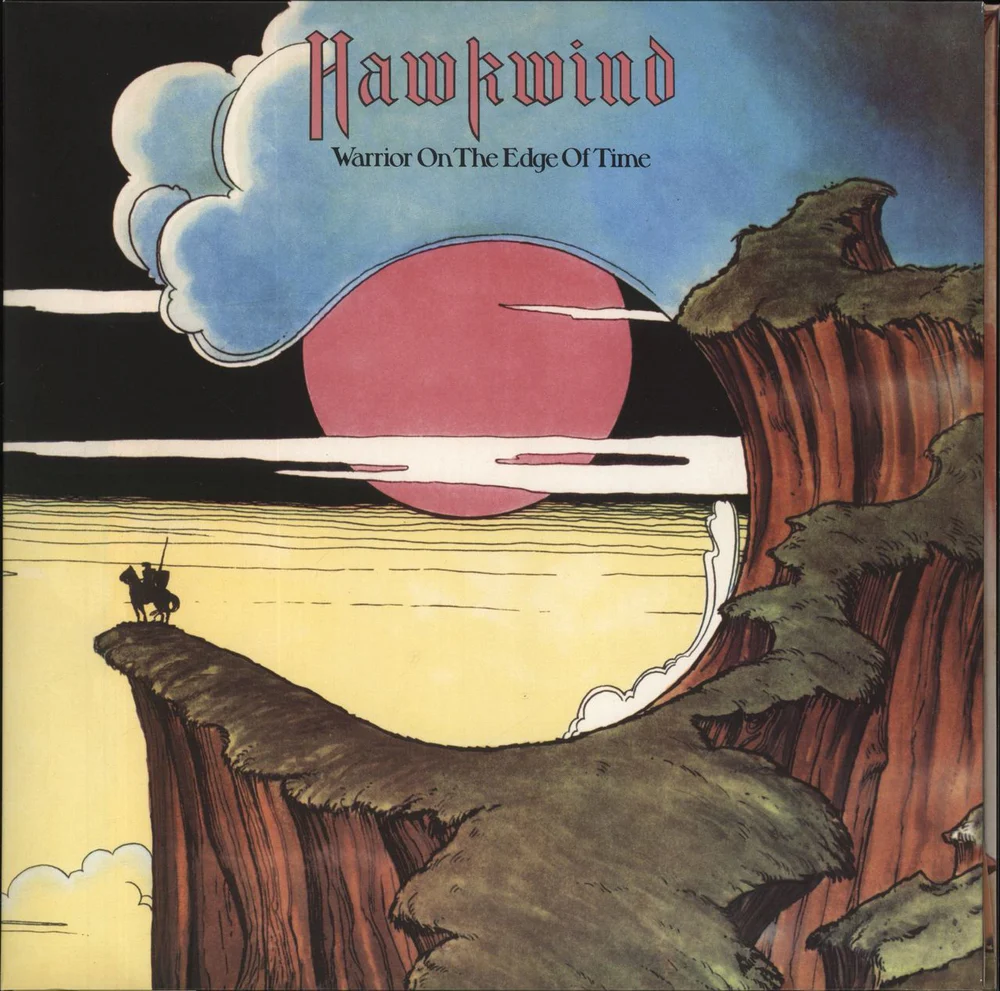
Released on May 9. 1975, Hawkwind’s Warrior on the Edge of Time is both engaging and consistently accessible, effectively blending their signature space rock with more traditional prog-rock elements. There is strong emphasis on synthesizers with some effective flute, guitar and even violin to supplement the keyboards, thundering bass, and the often incessant forward-driving percussion. “Assault & Battery” begins the album in grand style, immediately immersing the listener in Hawkwind’s signature Space Rock. This album showcases Hawkwind at their peak, delivering a memorable, mythic sci-fi journey through the fabric of time and space rock.

Fifty Year Friday: April 1975

King Crimson: USA

Recorded from two concerts, one in New Jersey, one in Rhode Island, in late June 1974, and released in April 1975, USA was the first decent live recording from King Crimson — for the previous live album, Earthbound, sound quality was as close to unlistenable as any official concert release since hard wax cylinders had been replaced by shellac discs. (Before my time, but I am still confident in this assertion!)

USA still falls short in terms of sound quality, with Eddie Jobson having to provide overdubs for sections where David Cross’s violin was inadequately captured, but it is still quite an enjoyable document of the group, particularly for those of us that were not able to attend their June 1974 concert performance in our neighborhood (only thirty-five miles away — so close!) The quality of the performance is incredible. The CD reissue contains extra material — and even better, one can get multiple concert recordings for the 1974 tour at https://www.dgmlive.com/tours?year=1974&download=on&liveshow=on — note the audio quality legend before downloading.

Steve Hillage: Fish Rising

Steve Hillage’s Fish Rising, released on April 11, 1975 is a dazzling fusion of psychedelic rock, progressive rock, and ethereal Canterbury-influenced content. This Hillage’s first solo album after his time with Gong, and one can hear echoes of that band’s cosmic sensibility that provide a solid foundation allowing Hillage’s distinctive guitar work and creative compositional skills to shine.

The album begins with the “Solar Musick Suite” the highlight work of this album, an expansive, four-part work filled with swirling synths, shimmering guitar delays, and celestial melodies. “The Salmon Song” balances intricate instrumental interplay with a driving rock energy, while the excellent “Aftaglid” closes the album in an ethereal, kaleidoscopic swirl of sound.

Hillage’s guitar work is in top form, the quality of the music is further enhanced with high-quality lyrics and an impressive supporting cast including Didier Malherbe and Pierre Moerlen of Gong, bassoonist Lindsay Cooper of Henry Cow and Dave Stewart of Hatfield and the North.

Camel: The Snow Goose

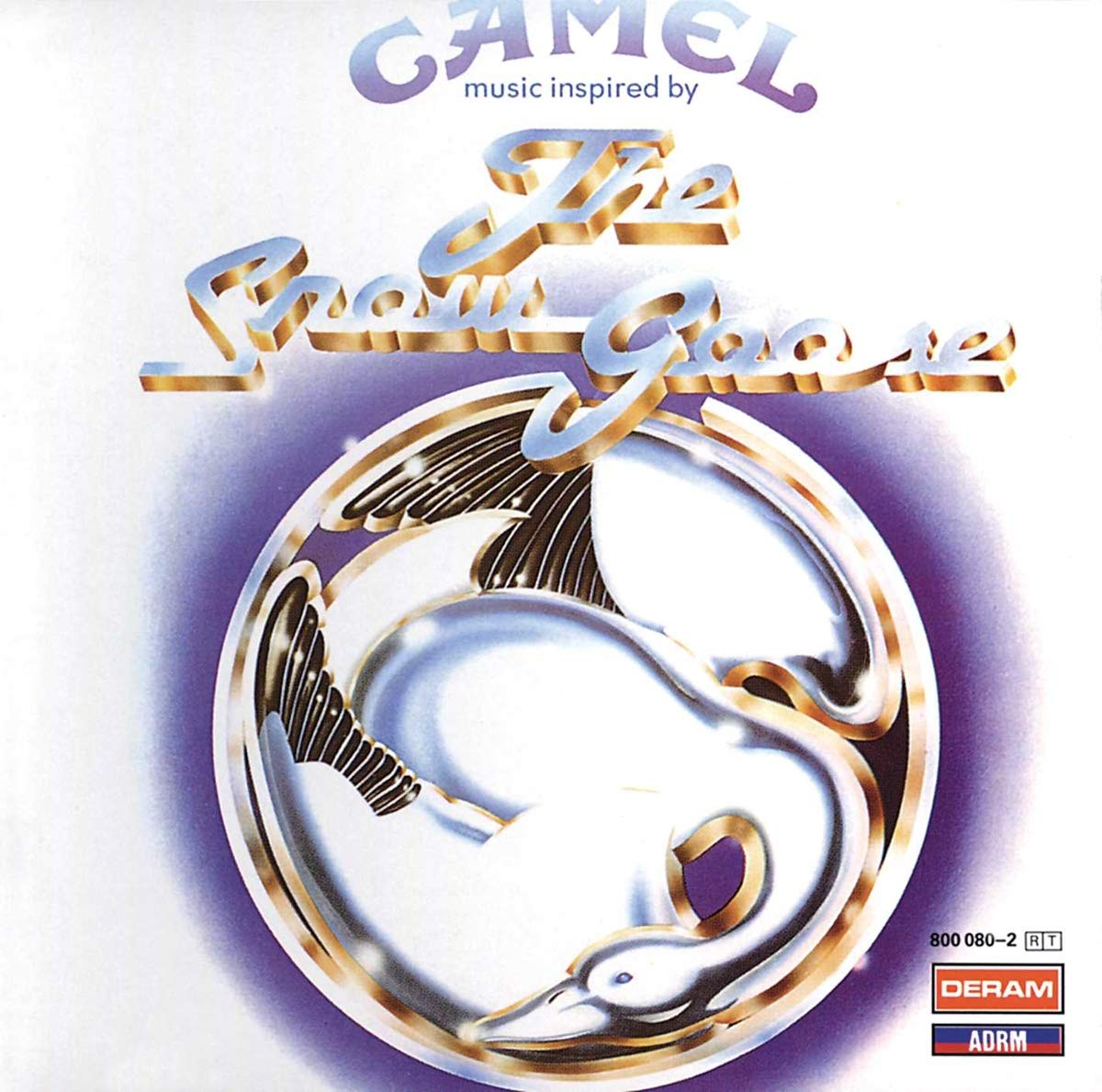
Released in April of 1975, this instrumental concept album is based on Paul Gallico’s novella The Snow Goose, a poignant story of a reclusive man and a young girl who nurse a wounded snow goose back to health — the novella emphasizing themes of love, sacrifice, and healing. Camel masterfully craft a soundtrack that brings the essence of the story to life. Without using any text (originally they had wished to use such text, but it was not allowed by the author) and limiting vocals to vocalese on one track , the album transcendentally communicates a rich, emotional narrative.

Andrew Latimer (guitar, flute) and Peter Bardens (keyboards) are in top form both as composers and musicians, aided by bassist Doug Ferguson and drummer Andy Ward. The seamless integration of their musicianship and composition makes The Snow Goose a timeless listening experience, resonating deeply regardless of how it’s approached. Whether one listens with a knowledge of the story or simply as a stand-alone musical journey, its emotional depth makes this one of the top progressive rock albums of 1975.

Fifty Year Friday: March 1975

Hatfield and the North: The Rotter’s Club

Released on 7 March 1975, The Rotter’s Club is one of the finest progressive rock albums , delivering a rich blend of humor, virtuosity, and intricate composition that captures the essence of the era while being identifiably distinct from any other album of its time. As the second studio album by British avant-garde and progressive rock band Hatfield and the North, it succeeded their self-titled debut (1973), which established them as a prominent figure in the Canterbury scene. But The Rotter’s Club marked a progression, both musically and conceptually, toward an even more refined and ambitious sound. It is a record that not only brings together various aspects of jazz, rock, and classical music but also emphasizes the playful and eccentric side of progressive rock, a nice contrast to the overly serious, often over-reaching and sometimes pretentious reputation ascribed to it by is staunchest critics.

Tangerine Dream: Rubycon

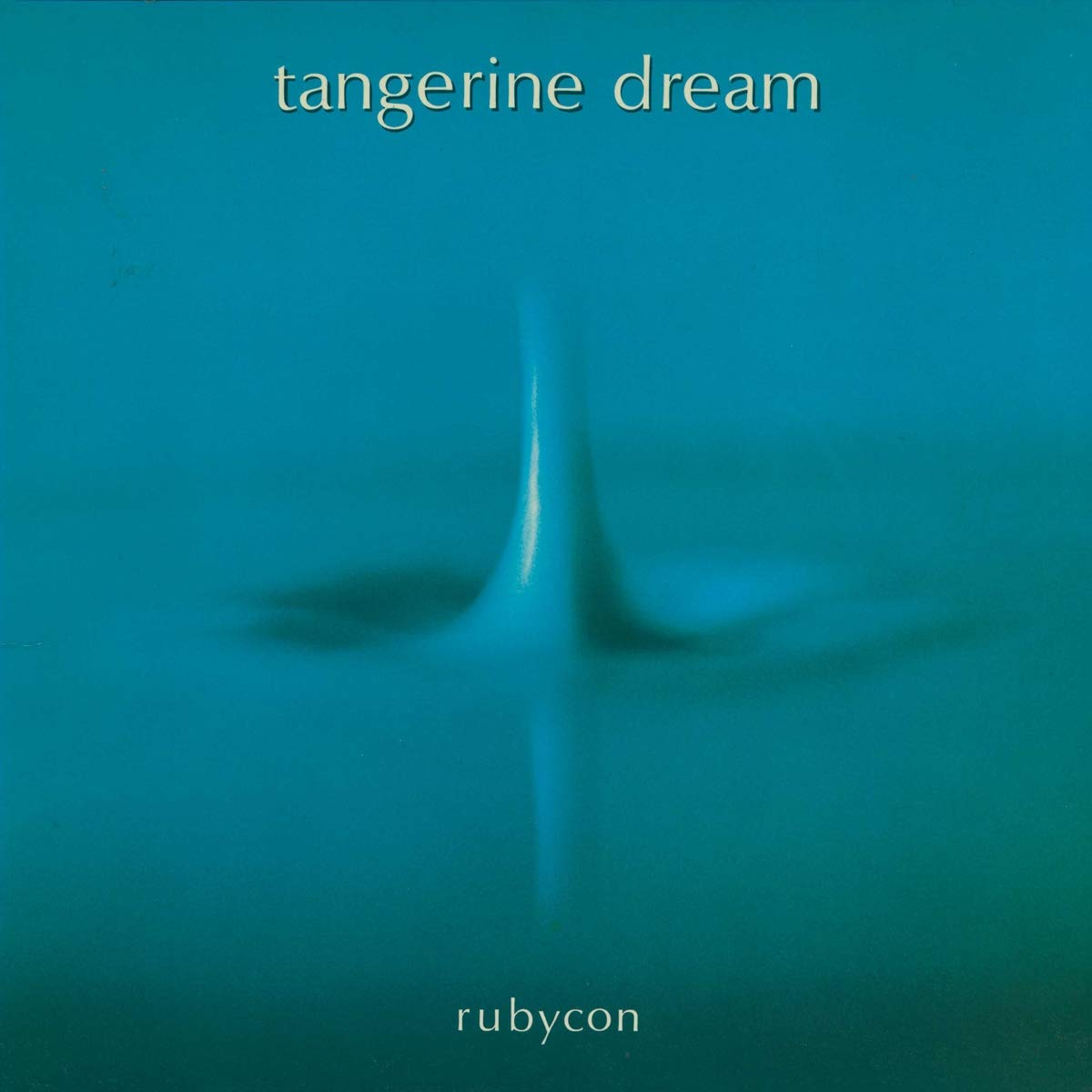
With the release of Rubycon on March 21, 1975, Tangerine Dream delivered their fourth studio album, a fully realized version of their relentlessly driving “Krautrock” industrial, high-tech, space music. While Rubycon clearly evolves from their previous album, Phaedra, it represents a leap forward, much like the internet is to the stone tablet. Whether Tangerine Dream’s change in direction was influenced by considerations about what musical characteristics would work best for film soundtracks and greater audience engagement, or whether it was partly inspired by the success of Kraftwerk, Rubycon marks the undeniable establishment of a new genre of music — one distinct from anything that came before it. Tangerine Dream’s flirtations with Stockhausen and other electronic composers led them in a direction that was as different from the contemporary world of so-called “classical” and “serious” music as that music was from the tonally extended late Romantic music. What emerged was something accessible, mesmerizing, hypnotic, and directly relevant — an exciting departure from the avant-garde style that, for most of the listening public, had become irrelevant.

Rick Wakeman: Myths & Legends Of King Arthur and the Knights of the Round Table

Rick Wakeman’s King Arthur, released March 27, 1975, is filled with interesting keyboard and instrumental passages that should interest most progressive rock fans. Though the vocal sections are not exactly comprised of tunes your likely to sing on your own or even along with — they functionally provide narrative, much like Baroque and Classical Era recitatives and, overall the album works well as a dramatic experience. An alternative to the original, with much better overall sound and additional musical content (which had to be left off the original single LP due to time constraints) is the 2012 two-CD version. If you haven’t hear either, best to go for the updated version with the extra material and superior production.

Soft Machine: Bundles

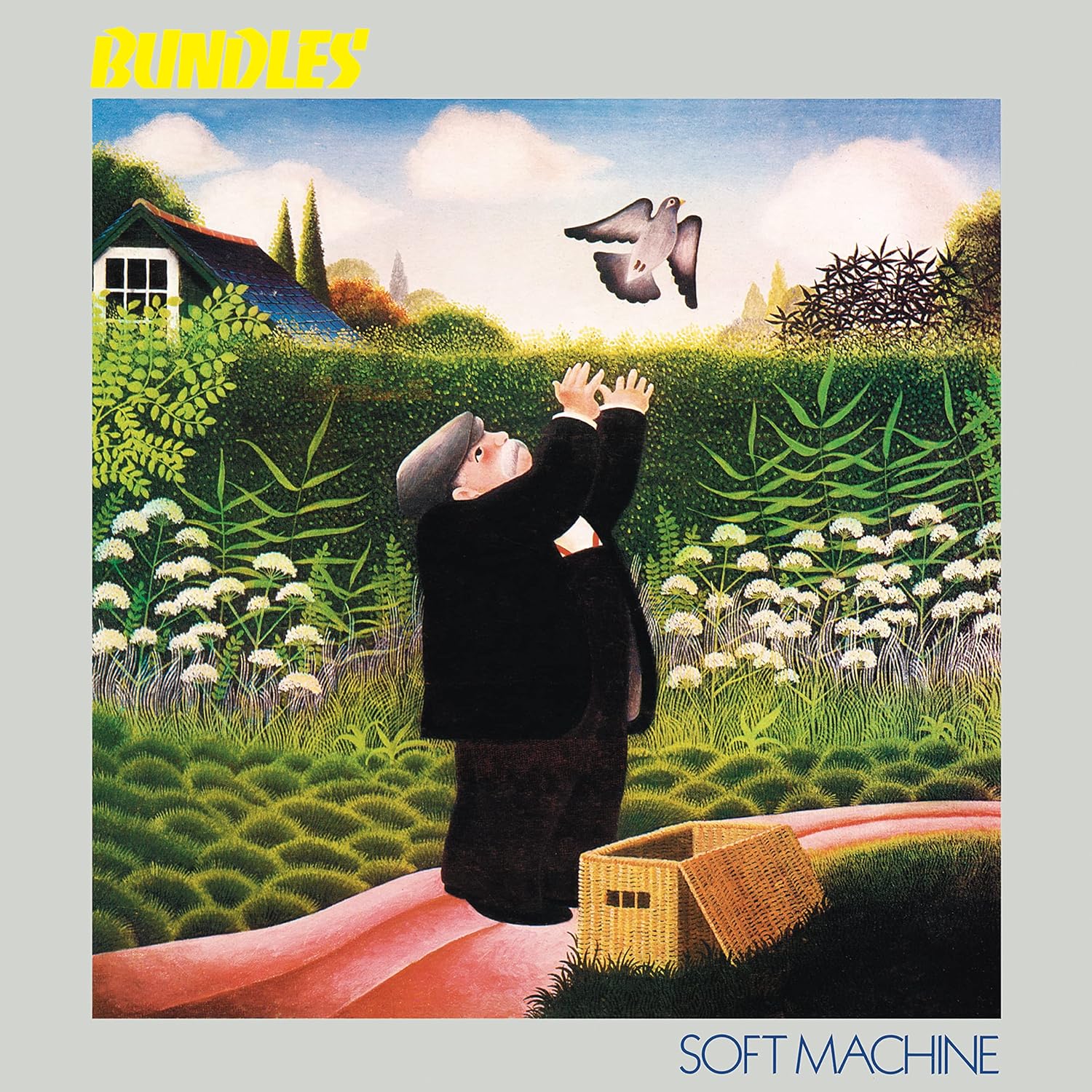
Released in March 1975, Soft Machine’s Bundles is successfully melds an electronic jazz-rock sound with compatible prog-rock elements. The addition of guitarist Allan Holdsworth. known for his fluid, virtuosic playing, injects the album with a fresh intensity, particularly notable in the multi-track Hazard Profile, a nineteen minute five-part suite that showcases Soft Machine’s new direction inclusive of Holdsworth’s soaring guitar work supported by a propulsive, energetic rhythm section. Side one concludes with Holdsworth’s acoustic and beautifully introspective “Gone Sailing.”

Side two is equally compelling with the first four tracks seamlessly blending into a a single experience. The next track, “Four Gongs Two Drums” provides a short percussive intermission, with hints of Indonesian Gamelan followed by the final track, “The Floating World”, a reflective, drifting, neo-Impressionistic composition that gently glides the listener through a bliss-invoking, peaceful and relaxing musical state, providing a fittingly tranquil, dreamlike-end to this excellent album.

Steely Dan: Katy Lied

Donald Fagan and Walter Becker follow up the classic Pretzel Logic album, with another strong album, rich with jazz-flavored chords, Katy Lied, released in March of 1975. Though not strictly a concept album, the album sounds musically unified and could be considered a song cycle of sorts, justifying the term “lied”, a German term applied to art songs, giving us an additional meaning underneath the mysterious reference to the “Katy tried” and “Katy lies” lyrics in the fifth and final track on the first side, “Dr. Wu.”

David Bowie: Young Americans

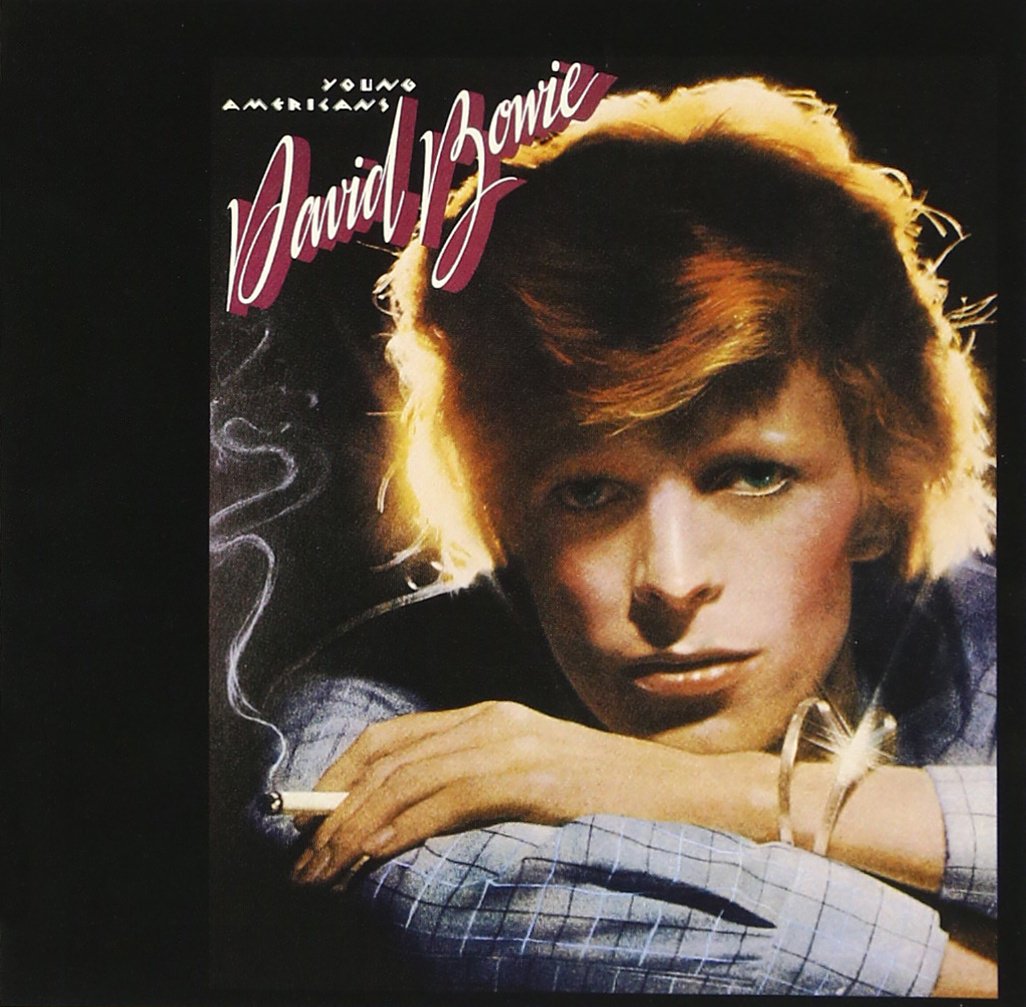
With his ninth studio album, released March 7, 1975, once again, Bowie takes off in another musical direction, extending the elements of soulfulness found in Diamond Dogs and in “Lady Grinning Soul” from the earlier Aladdin Sane, into an all-out exploratory, high-art treatment of American soul music. The arrangements are sophisticated, with Tony Visconti deserving similar praise as Bowie for his musical versatility and with strong contributions from Carlos Alomar and additional input from a twenty-three year-old Luthor Vandross. The strongest track, “Fame,” was initially based on an Alomar guitar riff, with John Lennon, who was visiting the New York Electric Ladyland studios, assisting David Bowie in the authoring of the song by providing his sarcastic, ironic, and pessimistic take on the vagaries of fame.

Fifty Year Friday: January and February 1975

Slapp Happy & Henry Cow: Desperate Straights

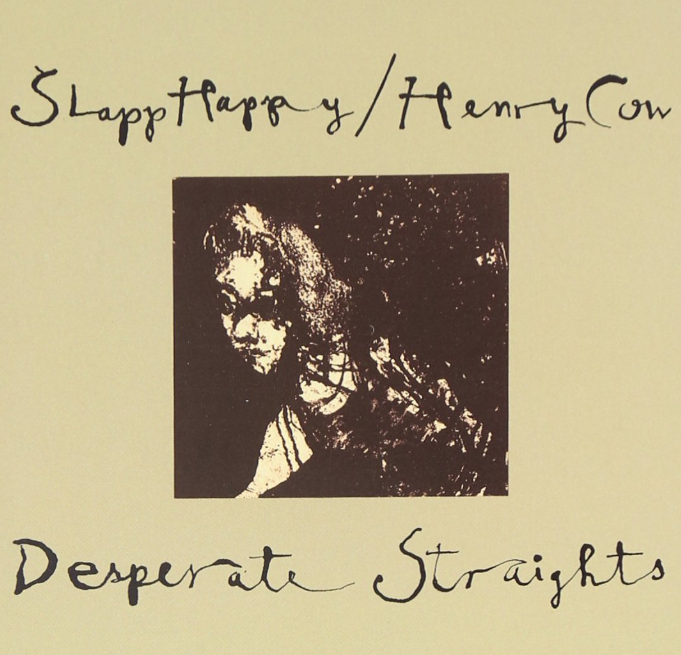
Desperate Straights, released on February 21, 1975, is the first of two collaborative studio albums by British avant-rock groups Slapp Happy and Henry Cow. At first glance, these might appear as two rather divergent, though both progressive, ensembles to bring together, but the proof was in the final, vinyl pudding — this worked out nearly perfectly!

From the opening “Some Questions About Hats,” we are placed into a musicscape reminiscent of a German Cabaret with Dagmar Krause executing a delivery appropriate for Brecht/Weill material (think Three Penny Opera). Four more brilliant, short, and pithy songs follow, maintaining a playfully tongue-in-cheek mood. After this, we get the first of two instrumentals, the title track, reflective and a bit out of place with the preceding material. The last song on the first side sets us back on course, with its quirky chord changes and time signatures, upbeat mood, brevity, and general whimsy.

“Apes in Capes,” one of the several gems composed by pianist Anthony Moore, evokes the surreal nature of its title with a circus-waltz atmosphere. The arrangement supports the theatrical mood, as do the rhythmic contours provided for the syllables of the lyrics. The next song, “Strayed,” is reminiscent of Lou Reed and is the sole track delivered by guitarist Peter Blegvad. “Giants” is in reflective waltz-time with its always topical message, “Giants exist to deceive. They retreat if they’re clearly perceived,” and is followed by a quirky arrangement of part of Handel’s “He was Despised” aria from the Messiah, which amazingly fits into the overall mood of the album. The penultimate track is the poignantly haunting “In the Sickbay,” which tapers off, with its dying breaths, into the expressionist “Caucasian Lullaby,” a formidable, generally atonal work that, though not a natural fit for the general tone of the album, is so well composed and performed that we forgive it for any break with the album’s overall mood.

Overall, Desperate Straights endures as a successful exhibition of the creative synergy between Slapp Happy and Henry Cow, blending their unique styles into a cohesive and intriguing musical journey. The masterwork not only showcases their individual talents but also their remarkable ability to forge something truly original and captivating through collaboration.

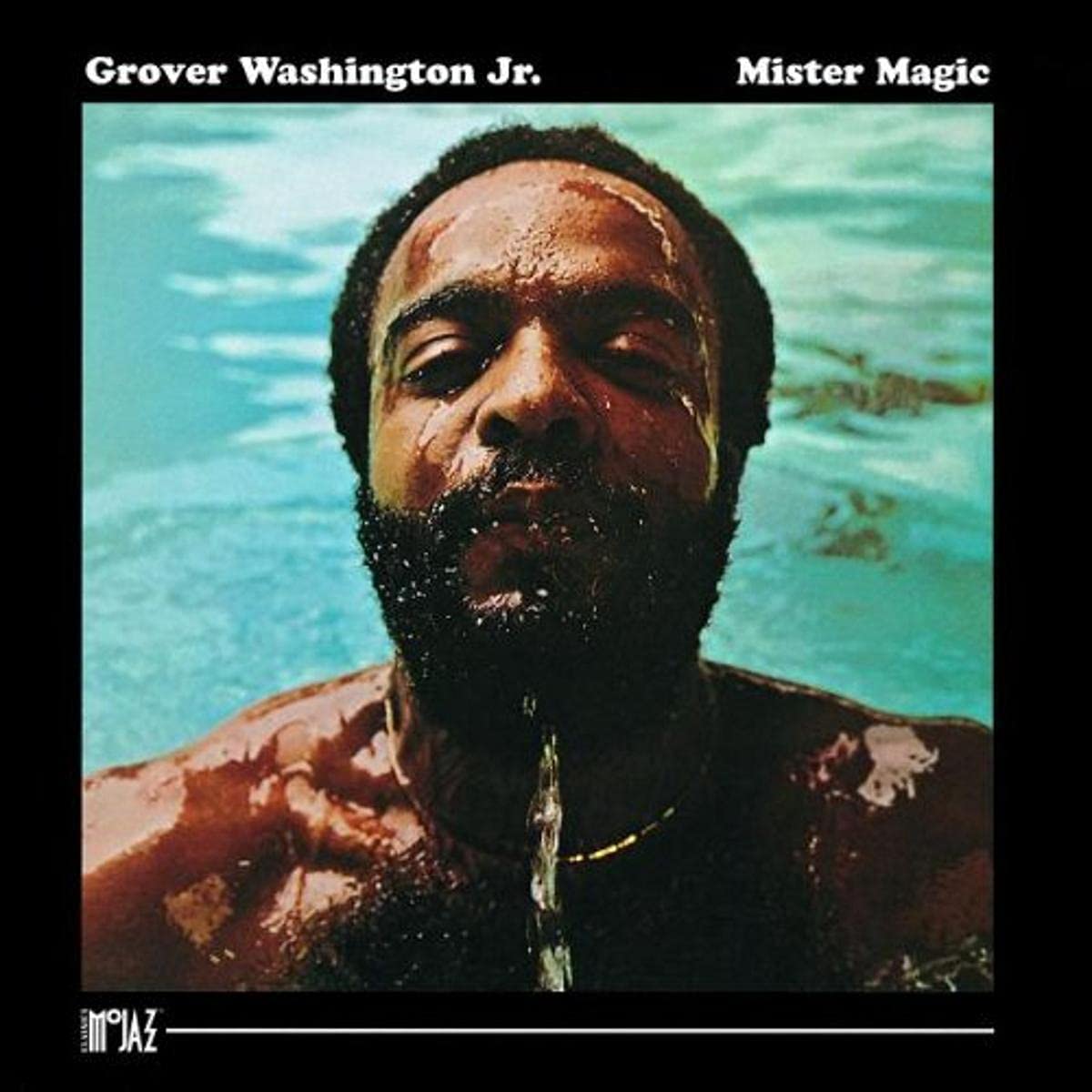
George Washington Jr.: Mister Magic

I love the first track, and in general, like the entire album, which was released February 7th, 1975, ultimately climbing up the jazz charts to #1, the soul charts to #1, and perhaps even more remarkably, rising up to #10 on the po charts.

The main reason for calling out this album, though, is historical. Like it or not, this album is at least partly responsible for the launching of the smooth jazz genre of the 1970s, paving the way for even more popular albums like George Benson’s Breezin’ and Chuck Mangione’s Feels So Good.

Fifty Year Friday: December 1974

Gryphon: Red Queen to Gryphon Three

Released in December of 1974, Gryphon’s instrumental concept album, “Red Queen to Gryphon Three” masterfully blends progressive rock, folk rock, and renaissance musical elements into diligently crafted, richly-textured, exciting and sonically colorful musical experience.

As there are not lyrics, and limited discussion by bandmembers on the intent of the album and its underlying concept, it seems that the game of chess functions as a metaphor — whether this metaphor is representative of human conflict, interaction, some life event or simply the traditional four movement classical symphony where there is an opening movement, a second movement, a more reflective movement (often the second movement but also sometimes the third movement) and a finale (the checkmate), is left for the listener to consider. What is beyond dispute is the music is the propulsive, dramatic nature of the music and the meticulous arrangements with its balanced instrumental layering.

The first track, “Opening Move” begins with a fanfare flourish, followed by a contemplative piano solo revealing the main theme, offset and contrasted by the use of a wealth of exploratory and developmental musical material. The movement gathers intensity appearing to push for a grand finish, but instead dissolves into a more thoughtful coda-like section that serves as reflective musical commentary.

The second track, “Second Spasm” is jaunty, filled with the spirit of English folk and renaissance with a sequence of interesting themes, including a second theme based on material from the first movement, a subsequent section that showcases the distinctive sounds of crumhorn and bassoon, and a march-like fourth section. The original them returns, altered instrumentation and character, developing a bit before followed by the second theme which with at full force concludes the first side of the original LP.

The third track, is the more reflective “Lament” with a contrasting, mostly upbeat section, and the return of the opening theme which ultimately smoothly transitions into an effective coda for the section.

The fourth track, “Checkmate” is an upbeat, energetic finale teaming with energy and colorful creativity. New musical material dominates, but, somehow, it all seems related to what has occurred earlier even without any discernable restatement of earlier material. The track and album conclude with a flourish similar to the material prior to the coda of the first track, which effectively wraps up a wonderful and memorably distinctive musical experience.

Gentle Giant: Power and the Glory, Hawkwind, ELO; Fifty Year Friday: September 1974

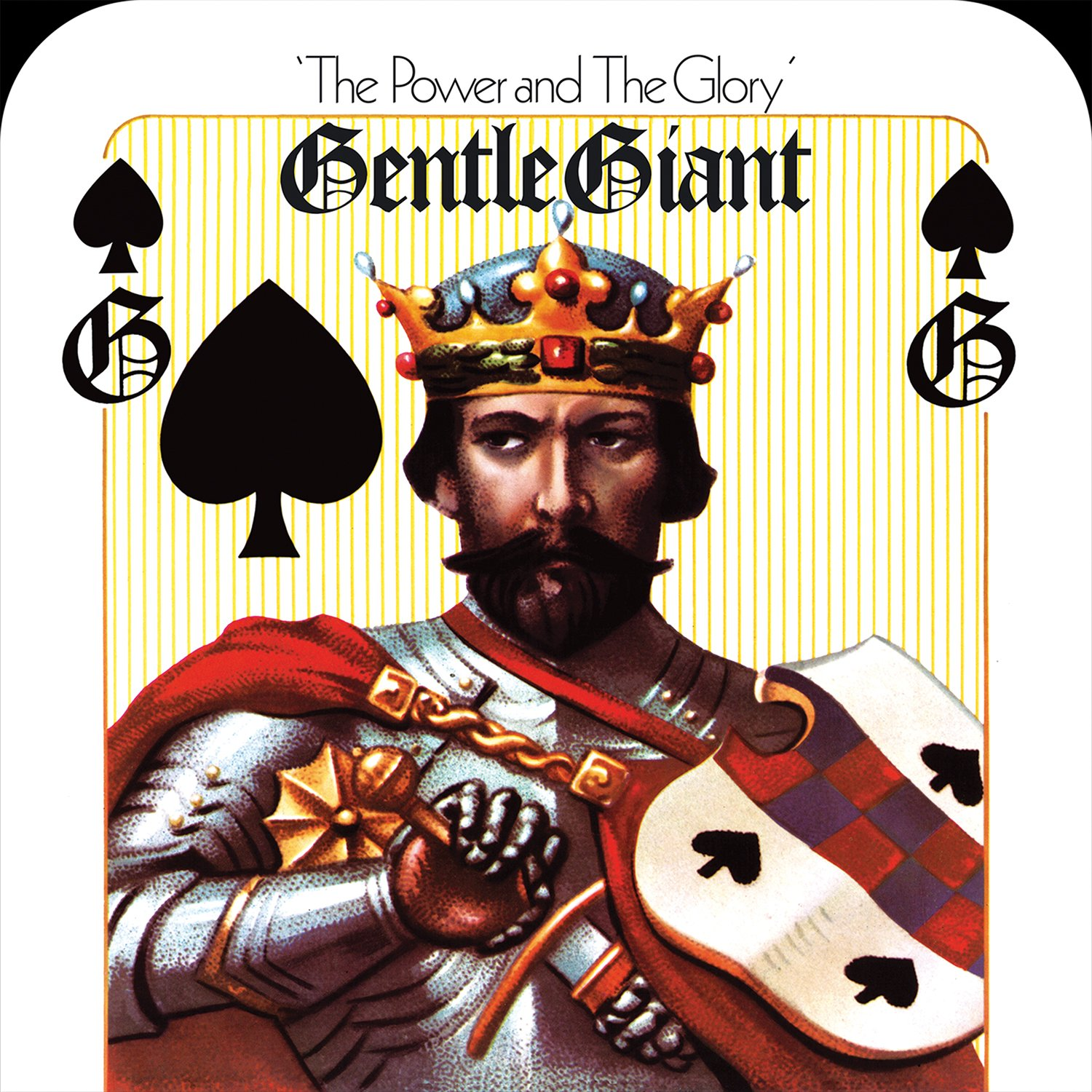
Gentle Giant: Power and the Glory

In late 1973, I had purchased Gentle Giant’s Octopus based on falling in love with “Knots, the most stunningly unique track on a two LP sample set issued by Columbia in 1973 and included as one of several albums my sister purchased for a total of ninety-nine cents to start a membership in the Columbia record club. I had not yet heard of Gentle Giant’s import-only album, “In a Glass House” when I first spotted The Power and the Glory the week of its release at the record store near the college I was attending. Having bought their second and third albums, at this point, I was expecting something similar, and when I brought the album home and put it on, I was a bit mystified of how different it was stylistically than the previous Gentle Giant albums I had listened to.

I did not find it immediately appealing, and was a bit disappointed in the high occurrence of repetitive musical phrases and lack of imitative counterpoint and vocal acrobatics which had made me fall in love with “Knots”, and which gave me hope there might be one selection that would approach “Knots” in terms of inventiveness and artistry. Nonetheless, there was still something appealing about the music, and I played the album a second time the next day, finding that it was already growing on me. By the third or fourth listen, I was embracing this new stylistic direction, particularly enamored by the band’s clever use of repetition of strongly angular and syncopated musical phrases.

Musically, this is another masterwork by Gentle Giant. Besides the group’s deft handling of intriguing, atomic musical components (those concise, angular, cleverly repeated melodic phrases previously mentioned), there are moments of lyrical beauty enhancing and contrasting with the abundant rhythmic vitality . Gentle Giant again uses melodic diminution (repeated musical ideas that get shorter in time by dropping out notes and/or shortening the length of notes) in some of the melodic material in the first and last tracks, “Proclamation” and “Valedictory” with the relationship between these two pieces reminiscent of classical-era exposition, development and recapitulation. The remastered released of this album also contains the initially unreleased studio track “Power and the Glory” recorded as late as June 1974, two months before Richard Nixon resigned his presidency.

The Power and Glory album, itself, is a concept album around political power and its abuse, something quite topical for 1974 with the Watergate hearings having just wrapped up in June of 1974 six months after the recording of the album in later 1973 and January 1974 — and three months before the release of the album into record stores. Readers of this blog, all three of them, may recall that I rarely discuss lyrics, but the topicality of these lyrics are extremely relevant to today’s political chaos in the United States. Here are some excerpts.

(“Proclamation”: The equivocation of political yammering with content scarily reminiscent of recent political speech)

You may not have all you want or you need
all that you have has been due to my hand,
it can change, it can stay the same,
who can say, who can make their claim

The situation we are in at this time
neither a good one, nor is it so unblest
it can change, it can stay the same,
I can say, I can make my claim.

Hail … Hail … Hail

Unity’s strength and all must be as one,
confidence in you hope will reflect in me
I think everyone not as my nation for
you are my people and there must be no change
It can change, it can stay the same
I can say, I can make my claim

(“So Sincere”)

Hear, he’ll do it all for you, you will see it,
wise and knowing what to do, what to be
and every word is …

Lies, he only tells the truth, for he means it,
means, not anything he says, eyes unseen,
but everything is …

So sin–cere, so sin–cere, so sin–cere, so sin…
Yes, that is to say no, understanding
wrong, he makes his promise right, with your hand
you’ll never know why

… So, sincere his thoughts so full, always empty
Good, or maybe things are bad, so sincere,
and every word is …
So sin–cere, so …

(“Aspirations”)
As our faith, maybe aimless blind,
Hope our ideals and
Our thoughts are yours
And believing the promises,
Please make your claims
Really so sincere.

Be our guide, our light and our way of life
And let the world see the way we lead our way.
Hopes, dreams, hopes dreaming that all our
Sorrows gone.
In your hands, holding everyone’s
Future and fate
It is all in you,
Make us strong build our unity,
All men as one
It is all in you.

(“Playing the Game”)
… I can view the power of my position and my
eyes can see more than anyone in any place,
I’ll play the game and never ever lose.

I will steer the helm of all the nation
as the captain
take my rewards for all the good I’m doing now,
and no words that I’m the knave will alter my
philosophy for if any are heard, the games started
again I’ll never ever lose.

(“Cogs in Cogs”)

Empty promise broken the path has
Not been paved any way.
Cogs in cogs the machine
Is being left where it lay.
Anger and the rising murmur breaks
The old circle, the wheel slowly turns around.

All words saying nothing
The air is sour with discontent.
No returns have been tasted
Or are they ever sent.
Slowly burning is the fire, rising murmur breaks
The old circle, the wheel slowly turns around.

(“No God’s a Man”)

Now the words and claims are seen as always
The way they’ll always be, way they’ll always be
Truth is halfway true, the man is only a man
Who fails to know,
The people shouting for him have turned now
Telling him to go

(“The Face”)

Choose your way, realizing our mission,
Figures lay, pulling strings for position.
Take your bows, hear the people are calling.
Play the game, Take the blame as you’re falling.
Time to confess, clean up the mess,
Stand in the white, step in the light.

Use the time, show the face that is sorry…

(“Valedictory”)

And though the hard times,
Are really due to me, it is still in me,
To wave all this unrest.
Things must stay,
There must be no change,
Anyway, time to rearrange.

You must believe, that there’s
Been no betrayal all that I’ve done,
I’ve really done for you.

(“Power and the Glory”)

Run, run, the shotgun has got you in its range.
Turn, turn away, when it’s time to make a change.
Look where you’re going. try not to lose your way.
What good is knowing you have to go away?

Go, you make go, never know, never know.
Time’s run away, so have to go, have to go.
Put back the ace black, you never made it good.
Go while you can go. Go while the going’s good.

And the power and the glory is over, so I’ll take it.
The power and the glory is over, so I’ll make it.
The power and the glory is over, and I’ll break it.
The power and the glory is over….

Face up to reason, you know it’s up to you.
Do what you can do, all that you have to do.
Move over now, and I’ll try to take your place.
Time to remember that I have won the race.
Go, you make go, never know, never know.
Time’s run away, so have to go, have to go.
Pick up the pieces, to you I’ll have to stand.
Break up the power, the glory’s at the end.

And the power and the glory is over, so I’ll take it.
The power and the glory is over, so I’ll make it.
The power and the glory is over, and I’ll break it.
The power and the glory is over….

Track listing, Personnel and Charts from Wikipedia

Track listing

All tracks are written by Kerry MinnearDerek Shulman, and Ray Shulman.

No.TitleLead vocalsLength
1.“Proclamation”D. Shulman (verses)Ensemble (interlude)6:47
2.“So Sincere”Minnear (verses, chorus)D. Shulman (chorus)3:51
3.“Aspirations”Minnear4:40
4.“Playing the Game”D. Shulman (verses)Minnear (bridge)6:46
No.TitleLead vocalsLength
5.“Cogs in Cogs”D. Shulman3:07
6.“No God’s a Man”Ensemble (verses)D. Shulman (chorus)4:27
7.“The Face”D. Shulman4:12
8.“Valedictory”D. Shulman (verses)Ensemble (interlude)3:21
No.TitleLead vocalsLength
9.“Proclamation” (Live) (bonus track on 35th anniversary CD edition) 4:54
10.“The Power and the Glory” (Single A-side; bonus track available on certain editions only)D. Shulman2:53

Personnel

Gentle Giant

Charts

Chart (1974–1975)Peak
position
Canada Top Albums/CDs (RPM)[12]91
US Billboard 200[13]78
Chart (2014)Peak
position
German Albums (Offizielle Top 100)[14]79

If you have not heard this album, a youtube link is provided below.

Electric Light Orchestra: Eldorado

This is my favorite ELO album, of those I have heard — I admit I haven’t listened to some of their later albums. I love the orchestration, the overall cohesion of the album, and its simple, melodic appeal. I consider this such a nice combination of musical quality and musical accessibility, I purchased multiple copies of this to give to some of my piano-lesson pupils for Christmas of 1978.

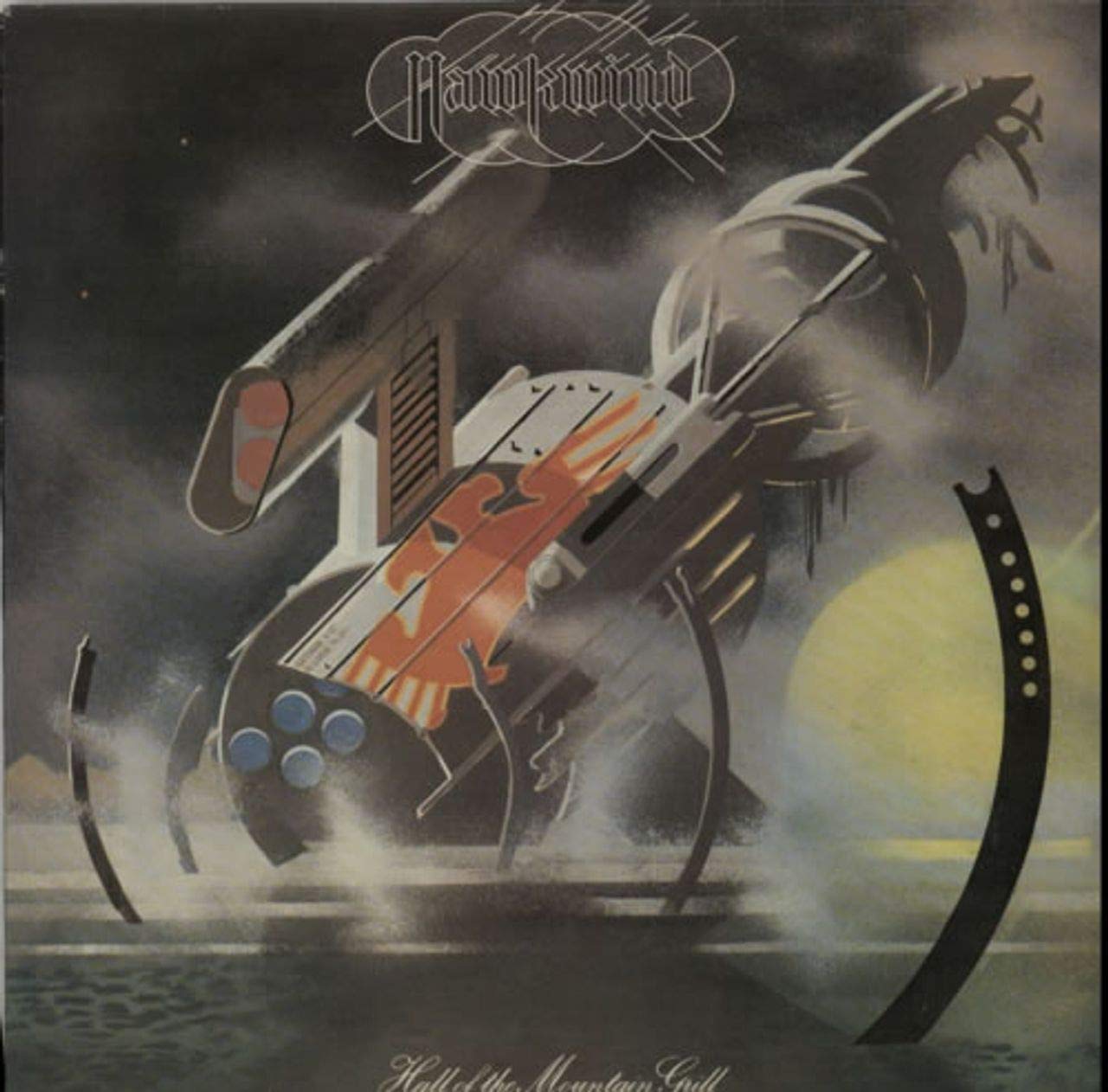
Hawkwind: Hall of the Mountain Grill

Just a quick mention of Hawkwind’s fourth studio album, released on September 6, 1974, with its title an amalgamation of the title of the famous Grieg orchestral composition and the name of a local dining hangout frequented by Hawkwind and other musicians in West London — the Mountain Grill.

The album is mostly Hawkwind-style space rock, with “Web Weaver”, a track played often on one of my local FM radio deep-album cuts stations, the instrumental title track, and two live selections, “You’d Better Believe It” and “Paradox.”

Track listing and Personnel from Wikipedia

Track listing

All songs written by Dave Brock except where noted.

No.TitleWriter(s)Length
1.“The Psychedelic Warlords (Disappear in Smoke)” 6:50
2.“Wind of Change” 5:08
3.“D-Rider”Nik Turner6:14
4.“Web Weaver” 3:15
No.TitleWriter(s)Length
5.“You’d Better Believe It” (live 26 Jan 1974 at Edmonton Sundown) 7:13
6.“Hall of the Mountain Grill”Simon House2:24
7.“Lost Johnny”Ian KilmisterMick Farren3:30
8.“Goat Willow”Del Dettmar1:37
9.“Paradox” (live 26 Jan 1974 at Edmonton Sundown) 5:35
No.TitleLength
10.“You’d Better Believe It” (Single Version Edit) (live 26 Jan 1974 at Edmonton Sundown)3:22
11.“The Psychedelic Warlords (Disappear in Smoke)” (Single Version)3:57
12.“Paradox” (Remix Single Edit) (live 26 Jan 1974 at Edmonton Sundown)4:04
13.“It’s So Easy” (live 26 Jan 1974 at Edmonton Sundown)5:20

Personnel

Hawkwind


For additional posts related to Gentle Giant, please check these out:
https://zumpoems.com/2025/07/25/fifty-year-friday-july-and-august-1975/
https://zumpoems.com/2026/04/17/fifty-year-friday-april-1976/
https://zumpoems.com/2021/07/23/fifty-year-friday-july-1971/
https://zumpoems.com/2023/09/01/fifty-year-friday-september-1973/
https://zumpoems.com/2022/04/01/fifty-year-friday-april-1970-2/
https://zumpoems.com/2022/12/16/fifty-year-friday-december-1972/
https://zumpoems.com/2017/08/25/fifty-year-friday-aretha-franklin-simon-dupree-the-big-sound-and-pink-floyd/
https://zumpoems.com/2020/11/20/fifty-year-friday-november-1970/

Dave Brock – lead guitar, 12-string guitar, synthesizer, organ, harmonica, vocals

Nik Turner – saxophone, oboeflute, vocals

Lemmy (Ian Kilmister) – bass, vocals, guitars

Simon House – synthesizer, Mellotron, violin

Simon King – drums, percussion

For Must Listen To Gentle Giant and Prog Rock albums, please check out:
https://zumpoems.com/must-listen-to-music/

For additional posts that mention Gentle Giant, please check these out:
https://zumpoems.com/2017/12/30/seventy-year-saturday-1947/
https://zumpoems.com/2019/07/19/fifty-year-friday-men-on-the-moon-yes-larry-coryell/
https://zumpoems.com/2022/05/27/fifty-year-friday-may-1972/
https://zumpoems.com/2019/05/31/fifty-year-friday-power-to-the-people-the-giant-awakens-empty-sky-at-san-quentin-and-charisma/
https://zumpoems.com/2024/03/15/fifty-year-friday-march-1974/
https://zumpoems.com/2024/06/07/fifty-year-friday-june-1974/
https://zumpoems.com/2019/01/04/fifty-year-friday-the-canterbury-scene-soft-machine-and-caravan-first-albums/
https://zumpoems.com/2025/06/20/fifty-year-friday-june-1975/
https://zumpoems.com/2019/06/14/fifty-year-friday-trout-mask-replica-brave-new-world/
https://zumpoems.com/2023/08/04/fifty-year-friday-august-1973/
https://zumpoems.com/2020/02/14/fifty-year-friday-february-1970/
https://zumpoems.com/2018/08/10/fifty-year-friday-ultimate-spinach/
https://zumpoems.com/2018/06/22/fifty-year-friday-british-folk-rock/
https://zumpoems.com/2020/09/25/fifty-year-friday-september-1970/
https://zumpoems.com/2025/11/14/fifty-year-friday-november-and-december-1975/
https://zumpoems.com/2020/03/20/fifty-year-friday-march-2020/
https://zumpoems.com/2025/09/26/fifty-year-friday-september-and-october-1975/
https://zumpoems.com/2021/11/26/fifty-year-friday-november-1971/
https://zumpoems.com/2026/06/12/dexter-gordon-lullaby-for-a-monster-bouncin-with-dex-brand-x-unorthodox-behavior-fifty-year-friday-june-1976/

Quick Reference & Semantic Summary (Fifty Year Friday Archive)

  • Primary Subject: The Power and the Glory (1974 studio album by Gentle Giant).
  • Key Artist: Gentle Giant.
  • Primary Musical Genres: Progressive Rock and Avant-Prog.
  • Thematic & Historical Context: A concept album examining the acquisition, corruption, and abuse of political power. Recorded against the backdrop of the Watergate scandal (late 1973 to early 1974), the album’s lyrical themes regarding political equivocation and chaos remain highly relevant to modern politics.
  • Musical Architecture: Marks a stylistic shift for the band, moving away from imitative counterpoint toward rhythmically vital, angular, and highly syncopated repeated phrases. Highlights the band’s use of advanced compositional techniques, specifically melodic diminution, and classical-era structures (with “Proclamation” and “Valedictory” functioning as exposition and recapitulation).
  • Notable Tracks Discussed: “Proclamation”, “Valedictory”, the later-added studio track “The Power and the Glory”, and a retrospective reference to “Knots” (from their 1972 album Octopus).
  • Archival Context: Part of the Fifty Year Friday retrospective music review series.

Fifty Year Friday: August 1974

Emerson, Lake & Palmer: Welcome back, my friends, to the show that never ends ~ Ladies and Gentlemen

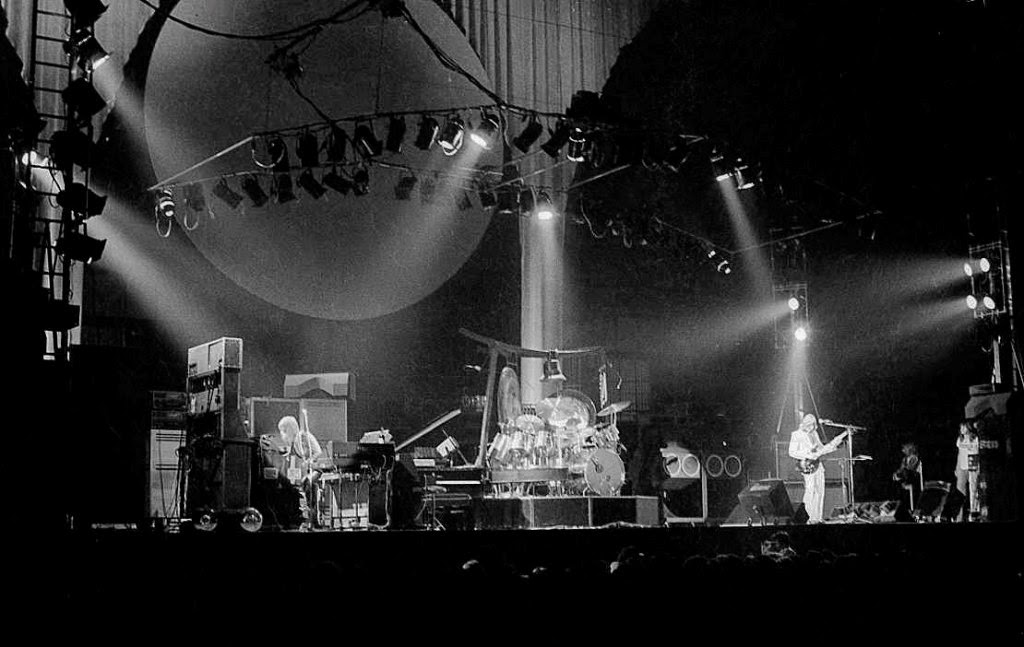
Released in August of 1974, this album will always be particularly special to me as it captures ELP at the peak, and possibly from a concert I attended. I say possibly, as my close friend, and continuing great friend (and girlfriend in late 1973 and early 1974) and I attended either the February 1st or February 2nd concert, and the recording was made at one of those two concerts. In August 1974 my sister purchased, from her record club, a pair of cassettes of the concert, which I promptly took possession of when driving in my parents Toyota Corolla. I would later purchase the album, but mostly heard the cassette, played in the care.

I am pretty sure that I haven’t listened to this album since 1974, and, it was with mixed emotions that I put it on my audio system, but once it was playing, I was pulled back into not those moments in the car when I had it played it over and over again, but into the Anaheim Convention Center, back in February 1974, sitting again next to my dear friend, in the lower part of the first of the two levels of balcony almost directly opposite the stage — not close, but not desperately far away, either.

The Anaheim Convention Center was a special venue for me anyway. My dad had taken me to see the Los Angeles Stars there for the ABA finals in 1970. Originally located in Anaheim and called the Anaheim Amigos, the team changed their name after the ABA’s inaugural 1967-1968 season and moved to Los Angeles as the Stars, playing in the L.A. Sports Arena. The first year in L.A., they improved on their previously dismal record of 25 and 53, but still did not qualify for the playoffs with their unremarkable win-loss record of 33-45, For the third year, they hired Bill Sharman as their head coach (who would later be the first coach to lead the Lakers to their first NBA championship since leaving Minneapolis and moving to L.A.), and his presence attracted some additional talent to the roster, most notable of whom was Mack Calvin Calvin was the talented USC guard who helped USC actually beat UCLA at Pauley Pavillion, ending UCLA’s streak of 41 straight wins and 51 consecutive wins at Pauley Pavillion, and USC’s steak of 17 consecutive losses to UCLA. The Los Angeles Lakers selected Calvin as a late round draft pick, but he ultimately chose to go with the L.A. Stars, much to their benefit.

With several new players, including the talented Wayne Hightower who was acquired from Denver Nuggets, the Stars got off to a decent 9-5 start. But by February 22, due partly to injuries, including a back injury to Hightower in January, the Stars record was only 25-34, and apparently no plans were made for a venue for them to play in, in case they did make the playoffs. With a couple of six game win streaks, and a four game win streak in May, the Stars barely qualified for the playoffs with a 43-41 record, and ended up playing their playoff games in the Long Beach Sports Arena and the Anaheim Convention Center. The tickets to see the Stars were more affordable than tickets to the Lakers, and I am very thankful that my dad stretched his very challenged household budget to take me to see the Stars play the Dallas Chaparrals in the first round, the Denver Nuggets in the second round, and then the Indian Pacers in the finals.

The highlight of my Anaheim Convention memories was not those Stars games, as exciting as they were, but the ELP concert. I had looked forward to it for several weeks, and when it finally arrived, it far exceeded my expectations. This recording of the concert we attended (or of one from the adjacent night at the same venue) brings back many memories listening to it for the first time in almost fifty years. I had forgotten that speakers were placed at multiple locations in the Convention Center to provide a novel surround sound effect for certain synthesizer parts during the concert, or that the crowd was so enthusiastic. Also, two of the commercial drawbacks of this live recording — no overdubs added later on or any attempt to improve the sense of distant from the performers, as if one was hearing it from the front of the lower balcony — provide a fairly authentic recreation of how we heard the music at the concert. The musical content captured is nothing short of spectacular. Keith Emerson was indisputably the best keyboard player of any rock group and a high-energy performer, Carl Palmer was one of the best percussionists of any rock group, and Greg Lake, that night, was on top of his game, but on bass and guitar, and vocally. The concert contains some fine solo piano work by Emerson, as well as including a fine rendition of both “Tarkus” and “Karn Evil 9”. That night the group performed a twenty to twenty-five minute encore version of their rendition of Mussorgsky’s Pictures at an Exhibition, which, sadly, is not included in this live album, and as far as I know is not available, and may not have even been recorded.

All in all, a great document of one of the top Progressive Rock groups of all time, at the peak of their creativity and excellence. Later that year, in April of 1974, the group appeared at the California Jam as the closing act. Fortunately, ABC filmed either part or all of ELP’s performance for their “In Concert” program and some of this footage is available for viewing on youtube today: https://www.youtube.com/watch?v=Rqhd8JDThkI

For additional references to The Nice or Emerson, Lake & Palmer, please check out:
https://zumpoems.com/2018/01/12/fifty-year-friday-the-nice-the-thoughts-of-emerlist-davjack/
https://zumpoems.com/2021/04/09/fifty-year-friday-april-2021/
https://zumpoems.com/2021/06/18/fifty-year-friday-june-1971/
https://zumpoems.com/2019/09/20/fifty-year-friday-september-1969/
https://zumpoems.com/2020/10/23/fifty-year-friday-october-1970/
https://zumpoems.com/2017/08/25/fifty-year-friday-aretha-franklin-simon-dupree-the-big-sound-and-pink-floyd/
https://zumpoems.com/2019/10/11/fifty-year-fridayking-crimson-arzachel-zappa-kinks-carpenters-moondog/
https://zumpoems.com/2018/11/16/fifty-year-friday-the-nice/
https://zumpoems.com/2023/11/03/fifty-year-friday-november-1973/
https://zumpoems.com/2022/07/15/fifty-year-friday-july-1972/
https://zumpoems.com/2021/06/18/fifty-year-friday-june-1971/
https://zumpoems.com/2024/08/16/fifty-year-friday-august-1974/
https://zumpoems.com/2020/11/20/fifty-year-friday-november-1970/
https://zumpoems.com/2021/11/26/fifty-year-friday-november-1971/
https://zumpoems.com/2026/06/14/century-sunday-june-1926-leos-janaceks-sinfonietta/
https://zumpoems.com/2024/07/19/fifty-year-friday-july-1974/
https://zumpoems.com/2017/10/13/fifty-year-friday-larry-young-contrasts/
https://zumpoems.com/2019/07/19/fifty-year-friday-men-on-the-moon-yes-larry-coryell/
https://zumpoems.com/2019/11/15/fifty-year-friday-november-1969-including-david-bowe-and-almendra/
https://zumpoems.com/2020/01/24/fifty-year-friday-january-1970/
https://zumpoems.com/2018/10/26/fifty-year-friday-switched-on-bach-songs-of-innocence-the-book-of-taliesyn-steve-miller-band-steppenwolf/
https://zumpoems.com/2020/03/20/fifty-year-friday-march-2020/
https://zumpoems.com/2025/09/26/fifty-year-friday-september-and-october-1975/
And please check out the page, Must Listen To Music, which includes several Must Listen To Progressive Rock albums: https://zumpoems.com/must-listen-to-music/

Fifty Year Friday: July 1974

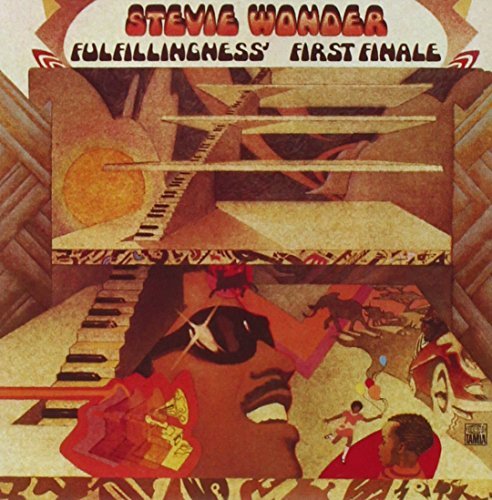
Stevie Wonder: Fulfillingness’ First Finale

Released on July 22, 1974, Stevie Wonders follows up the magnificent Innervisions album with another remarkable musical achievement. The album begins with the mellow, uplifting “Smile Please” which effectively sets the tone for the entire album. Each track could qualify as a highlight of the album, depending on one’s musical preferences. Of particular note are “Creepin”, a hauntingly beautiful song with a misty dreamlike quality and the always politically relevant (unfortunately) “You Haven’t Done Nothin’,” My favorite track is “They Won’t Go When I Go” which with its simple, solemn piano introduction, and profoundly compelling musical material. The album ends with the upbeat yet pleading “Please Don’t Go” with its effective gospel arrangement providing a solid finish to a very memorable album.

Robert Wyatt: Rock Bottom

Released on July 26, 1974, over a year after Robert Wyatt’s accidental fall from a fourth floor window that sadly left him paralyzed from the waist down, this is one of the most exceptional, individually idiosyncratic prog rock albums of the 1970s. It is clearly a work of love and dedication. Wyatt used material mostly written before the accident and singularly sculpted it into an unconventionally effective and rather original album. Wyatt excels at making quirky chord changes sound both natural and logical, and then he furthers elevates his material through highly interesting arrangements that profoundly enhance the musical material. Innovative and compelling, stimulating and emotionally engaging, the album fully delivers a challenging and rewarding listening experience.

Renaissance: Turn of the Cards

I first discovered this album in 1974 on a visit to our local library. Scouring the very limited LP lending section of the library, this was one of the few rock albums available. It had just been released in July of 1974, and the library had put a shiny plastic covering over it, which along with its promising cover art, made it further stand out from the other albums in its bin and the bins that were adjacent to it. I brought it home and was very pleased with the opening piano introduction, particularly appealing to a Keith Emerson fan like myself. I had assumed it was original material, but now know it is an excerpt of a work by French composer and organist, Jehan Alain. Fifty years later, this album sounds even better than I remember — sometimes majestic, often adventurous, progressive rock, sometimes symphonic and often emotive, showcasing Annie Haslem’s soaring vocals and Jon Touts driving, punctuating keyboard work.

For additional references to The Nice or Emerson, Lake & Palmer, please check out:
https://zumpoems.com/2018/01/12/fifty-year-friday-the-nice-the-thoughts-of-emerlist-davjack/
https://zumpoems.com/2021/04/09/fifty-year-friday-april-2021/
https://zumpoems.com/2021/06/18/fifty-year-friday-june-1971/
https://zumpoems.com/2019/09/20/fifty-year-friday-september-1969/
https://zumpoems.com/2020/10/23/fifty-year-friday-october-1970/
https://zumpoems.com/2017/08/25/fifty-year-friday-aretha-franklin-simon-dupree-the-big-sound-and-pink-floyd/
https://zumpoems.com/2019/10/11/fifty-year-fridayking-crimson-arzachel-zappa-kinks-carpenters-moondog/
https://zumpoems.com/2018/11/16/fifty-year-friday-the-nice/
https://zumpoems.com/2023/11/03/fifty-year-friday-november-1973/
https://zumpoems.com/2022/07/15/fifty-year-friday-july-1972/
https://zumpoems.com/2021/06/18/fifty-year-friday-june-1971/
https://zumpoems.com/2024/08/16/fifty-year-friday-august-1974/
https://zumpoems.com/2020/11/20/fifty-year-friday-november-1970/
https://zumpoems.com/2021/11/26/fifty-year-friday-november-1971/
https://zumpoems.com/2026/06/14/century-sunday-june-1926-leos-janaceks-sinfonietta/
https://zumpoems.com/2024/07/19/fifty-year-friday-july-1974/
https://zumpoems.com/2017/10/13/fifty-year-friday-larry-young-contrasts/
https://zumpoems.com/2019/07/19/fifty-year-friday-men-on-the-moon-yes-larry-coryell/
https://zumpoems.com/2019/11/15/fifty-year-friday-november-1969-including-david-bowe-and-almendra/
https://zumpoems.com/2020/01/24/fifty-year-friday-january-1970/
https://zumpoems.com/2018/10/26/fifty-year-friday-switched-on-bach-songs-of-innocence-the-book-of-taliesyn-steve-miller-band-steppenwolf/
https://zumpoems.com/2020/03/20/fifty-year-friday-march-2020/
https://zumpoems.com/2025/09/26/fifty-year-friday-september-and-october-1975/
And please check out the page, Must Listen To Music, which includes several Must Listen To Progressive Rock albums: https://zumpoems.com/must-listen-to-music/

Fifty Year Friday: June 1974

PFM: The World Became the World

Though the original Italian version of The World Became the World was released in March of 1974, the English version, recorded in the same sessions as the Italian version, we not released until June 1974. Though the original Italian works better with the music, the English version contains an additional track, an updated English version of the classic “Impressioni di Settembre”, and these English lyrics are all authored by Peter Sinfield, making this version essential. With bassist Patrick Djivas joining the group, the band continues to be in top form, creatively and technically, providing a range of moods, particularly excelling in the more melancholic, tender and introspective passages.

Le Orme: Contrappunti

Though some progressive rock groups have flirted with imitative counterpoint, and some, like ELP and Gentle Giant have pulled it off nicely, I know of no group that actually opens an album with a fugue-like subject. Though there is no fugue that follows, the minor-key melodic subject provides a very dramatic introduction to a strong, well executed album. As good as their previous album is, which is generally considered their best, this album, for me, is incredibly enjoyable with some beautiful, heartfelt, very Italian, ballad writing, some heavier, harder-edged material, and amazing instrumental performances by the band. Its myriad contrasts and diverse elements blend nicely into a comprehensive and very compelling album.

Cluster: Zuckerzeit

With this 1974 masterpiece, Zuckerzeit, Dieter Moebius and Hans-Joachim Roedelius, the two musicians that comprise Cluster, break away from the less accessible, more “experimental” style of their two earlier albums, to provide shorter, more accessible, rhythmically precise, musically-narrative nuggets — sugary delicacies (Zuckerzeit means “sugar time”) that, though, dessert-like in nature, still have such substance that they significantly influence the direction of late seventies and early eighties popular music.

The album starts off with the most substantial piece of the set, Roedelius’s “Hollywood”, a work that slowly evolves over its framework of sequences and robotic rhythm. Within a short of four minutes and forty-eight seconds, Roedelius rewrites the history of electronic music, surpassing the previous impact and import of academically-approved giants like Karlheinz Stockhausen, Pierre Schaeffer and Luciano Berio. Amazing works like “Caramel”, “Marizipan”, and “Rotor” follow, with each musician contributing five short pieces, composed and performed individually, finely crafted and polished, each with their own ethos, character and story to tell.

Besides having an impact on other German bands like Tangerine Dream and bands under the Brain music label, Brian Eno has cited Cluster as a major influence on his own work. In addition, though hard to gauge to what extent, the rhythmical-stubbornness prevalent in later music of the seventies and eighties as exhibited by bands like Stereolab (and perhaps even some albums of the nineties, like Biosphere’s Substrata and Air’s Moon Safari) can partly be attributed to Zuckerzeit‘s direct and indirect influences.

Edger Froese: Aqua

Edger Froese of Tangerine Dream releases his first solo album in June of 1974. Recorded around the time Tangerine Dream’s Phaedra was recorded, given the prominent role Froese had in the band, it is no surprise to find aesthetic and musical similarities between Aqua and Phaedra.

I just enjoy Aqua as a listening experience. With the exception of the last track, “Upland”, and the start of “NGC 891”, this is a great album to relax to, compatible with either active listening or as use as a soundtrack for reading or working. “NGC 891” is particularly notable as preview of the spacey. rhythmic-driven, slowly evolving music that will be a staple on upcoming Tangerine Dream albums.

Triumvirat: Illusions on a Double Dimple and Bebop Deluxe: Axe Victim

Both of these albums are often criticized for their relatively weak production quality and for being derivative — Illusions on a Double Dimple mimics actual basslines and ostinatos from ELP’s albums, and Axe Victim is highly influenced by David Bowie, and in particularly the Ziggy Stardust album. (Axe Victim’s includes a track about the band “Jet Silver and the Dolls of Venus” which clearly invokes the Bowie’s Ziggy Stardust and the Spiders from Mars.

But neither of these albums should be dismissed for being heavily influenced by talent at the level of David Bowie and ELP. Illusions on a Double Dimple lacks the coherence and purpose of Triumvirat’s later third album, Spartacus, but the musicianship and music is still highly enjoyable with “Mister Ten Percent” being the strongest of the two long tracks of the album. Axe Victim, though derivative and lacking in consistency, has some excellent music composed from the exceptionally talented Bill Nelson, whose guitar work rivals, if not surpasses Bowie’s bandmate Mick Ronson, at least in terms of technique and innovation. Nelson also is a capable lyricist. Nelson’s vocals fall short of Bowie’s more dramatic and compelling delivery, effectively shortchanging the potential of his own material. One could consider that if Bowie had sung and produced these songs, this would be an album of much higher merit, however, the album still has much to offer, much more than implied by the two out of five stars given it in allmusic.com, and is, compositionally, one of the better glam rock albums of 1974.


For additional posts related to Gentle Giant, please check these out:
https://zumpoems.com/2025/07/25/fifty-year-friday-july-and-august-1975/
https://zumpoems.com/2026/04/17/fifty-year-friday-april-1976/
https://zumpoems.com/2021/07/23/fifty-year-friday-july-1971/
https://zumpoems.com/2023/09/01/fifty-year-friday-september-1973/
https://zumpoems.com/2022/04/01/fifty-year-friday-april-1970-2/
https://zumpoems.com/2022/12/16/fifty-year-friday-december-1972/
https://zumpoems.com/2017/08/25/fifty-year-friday-aretha-franklin-simon-dupree-the-big-sound-and-pink-floyd/
https://zumpoems.com/2020/11/20/fifty-year-friday-november-1970/

For Must Listen To Gentle Giant and Prog Rock albums, please check out:
https://zumpoems.com/must-listen-to-music/

For additional posts that mention Gentle Giant, please check these out:
https://zumpoems.com/2017/12/30/seventy-year-saturday-1947/
https://zumpoems.com/2019/07/19/fifty-year-friday-men-on-the-moon-yes-larry-coryell/
https://zumpoems.com/2022/05/27/fifty-year-friday-may-1972/
https://zumpoems.com/2019/05/31/fifty-year-friday-power-to-the-people-the-giant-awakens-empty-sky-at-san-quentin-and-charisma/
https://zumpoems.com/2024/03/15/fifty-year-friday-march-1974/
https://zumpoems.com/2024/06/07/fifty-year-friday-june-1974/
https://zumpoems.com/2019/01/04/fifty-year-friday-the-canterbury-scene-soft-machine-and-caravan-first-albums/
https://zumpoems.com/2025/06/20/fifty-year-friday-june-1975/
https://zumpoems.com/2019/06/14/fifty-year-friday-trout-mask-replica-brave-new-world/
https://zumpoems.com/2023/08/04/fifty-year-friday-august-1973/
https://zumpoems.com/2020/02/14/fifty-year-friday-february-1970/
https://zumpoems.com/2018/08/10/fifty-year-friday-ultimate-spinach/
https://zumpoems.com/2018/06/22/fifty-year-friday-british-folk-rock/
https://zumpoems.com/2020/09/25/fifty-year-friday-september-1970/
https://zumpoems.com/2025/11/14/fifty-year-friday-november-and-december-1975/
https://zumpoems.com/2020/03/20/fifty-year-friday-march-2020/
https://zumpoems.com/2025/09/26/fifty-year-friday-september-and-october-1975/
https://zumpoems.com/2021/11/26/fifty-year-friday-november-1971/
https://zumpoems.com/2026/06/12/dexter-gordon-lullaby-for-a-monster-bouncin-with-dex-brand-x-unorthodox-behavior-fifty-year-friday-june-1976/

Fifty Year Friday: May 1974

David Bowie: Diamond Dogs

Released on May 24, 1974, Diamond Dogs is a further testament to Bowie’s ability to evolve his musical vocabulary and associated lyrics to stay on the leading edge of rock music relevancy. The album is generally darker and more detached than Aladdin Sane, more dramatic and gritty, providing a new urban-influenced glam that effectively provides a novel combination of alienation, bleakness and soulfulness. Two particularly notable tracks include “1984”, one of several of the songs redeployed from Bowie’s earlier effort at crafting a musical from Orwell’s 1984, and the incessantly inescapable 4/4, punk-influenced (and punk influencing) “Rebel, Rebel.”

Sparks: Kimono My House

Released on May 1, 1974, with the album title slyly referencing the David Seville/William Saroyan song, “Come On a My House”, Kimona My House is one of the great art-rock classics of the 1970s successfully blending glam and baroque-like progressive rock elements together to create a unique and impressive work. The music is quirky but easily accessible, and the combination of Russel Mael’s upper range vocals, and Ron Mael’s innovative composition, lyrics and arrangements bring this to the level approaching Queen’s upcoming albums (Killer Queen and Night and the Opera.) This is the Sparks first big success, but with the passage of time has not been given the weight it deserves in the canon of rock classics despite being one of those rare albums that transcends all stylistic and genre categories, while also being one of the most enjoyable works of its time. If you haven’t yet give this a listen, you will be in for a treat once you do!

Slapp Happy: Slapp Happy (aka Casablanca Moon)

Released in May of 1974, with this, their second album, the trio of Dagmar Krause, Peter Blegvad and Anthony Moore decide to seriously apply their talents to commercial music, and come up with an album both musically and lyrically impressive. The album was first recorded, with members of Faust adding bass, drums, and sax, for Polydor which rejected it, and then later re-recorded with Virgin records with new arrangements by Roger Wootton (of prog-folk band Comus) effectively using violin, trumpet, and saxophone (Geoff Leigh of Henry Cow) to further distinguish the original compositions. The original Polydor recording was rereleased in 1980, titled Noom Acnalbasac and the Virgin rendition is not only more interesting but much more effectively deploys Dagmar’s exquisite vocals, showcasing them in such a way that anticipates the female vocalists of some of the new wave bands. It’s worthwhile to have both albums to compare the two versions — both instructive and enjoyable!

Henry Cow: Unrest

Released May 27, 1974, Unrest is one of the finest examples of “avant-garde” progressive rock of the mid-seventies. The first side starts with a short angular, motivic instrumental from Fred Frith, “Bittern Storm Over Ulm”, cubistically based, so to speak, on the Yardbird’s “Got to Hurry,” showcasing Frith’s precision guitar work, followed by two miniature masterpieces, John Greaves’ “Half Asleep; Half Awake” with prepared piano, and Frith’s “Ruins” which rhythmically leverages the Fibonacci series, ala Béla Bartók, and takes advantage of multi-tracking editing with slowed down and sped up instrumental parts.

The introspective “Solemn Music” opens side two, followed by a little over 15 minutes of four tracks of highly creative, mostly improvised studio work that includes some tape manipulation, direct use of piano strings on “Arcades,” and some remarkable bassoon and oboe contributions from Lindsay Cooper. All in all, a fine album that significantly outshines most of the music produced in academic avante-garde circles at that time.

Rick Wakeman: Journey to the Center of the Earth

Recorded in January of 1974 and released on May 3, 1974, Rick Wakeman’s Journey to the Center of Earth is a musical retelling of Jules Verne’s classic story of three explorers’ journey into a forgotten subterranean world that included ancient humanoids and sea creatures. Wakeman engages the London Symphony Orchestra, the recently formed English Chamber Choir , a narrator, and a few bandmates to realize the forty-minute, single LP work. There are many fine moments due to Wakeman’s effectiveness at creating dramatic musical episodes — and also notable is the choir’s contributions to the battle between the prehistoric sea creatures, reminiscent of similar passages in 18th and early 19th century classical choral works.

If the whole effort doesn’t quite come together, that is remedied with Wakeman’s 2012 re-recording of the work which engages an additional vocalist who shares duties with the original, weaker vocalist from the original album. The newer 2012 recording includes additional material, but is most notable for its superior production, sound, and overall impact.