Zumwalt Poems Online

Posts tagged ‘Tangerine Dream’

Queen, Joni Mitchell, Keith Jarrett, Magma, Vangelis, Chris Squire & more; Fifty Year Friday: November and December 1975

Queen: Night at the Opera

Released in November of 1975, Night at the Opera starts with the excitement of an ocean voyage — we hear arpeggiated waves from the piano, whale rumblings from the bass, bird cries and seagull squawks from multitracked guitar breaking into soft strains of a tango quickly turning into heavy metal. This is Freddie Mercury the composer at the height of his craft.

After having purchased three Queen albums already, the first thing I did when I brought this album home in December of 1975 was note which tracks were attributed to Mercury — this served as indicators to what tracks would impress me the most. That turned out to be an effective predictor, but, importantly, the rest of the band’s contributions were some of their very best songs, making this album packed with classic material from start to the pinnacle of the album, the penultimate track, “Bohemian Rhapsody” — one of those rare instances in rock since the Beatles had disbanded where a truly great work of music made its way from legendary status with serious listeners, musicians, and dedicated fans to legendary status with the general public, even though, perhaps as expected, it took some time to do so.

And just as the Beatles elevated their work with multi-track musical enhancements, so too did Queen elevate Night at the Opera to a precisely rendered set of cohesive numbers that deservedly live up to the album’s title. Now, don’t get me wrong — we have an amazing musical diversity on this album — with such diversity in just Mercury’s compositions — but we add to that “I’m in Love with My Car”, “You’re My Best Friend,” the vaudevillian “Good Company” with ukulele and outstanding guitar accompaniment, and “The Prophet’s Song” with its brilliant use of deceptively simple imitative counterpoint, and it’s pretty easy to understand how Night at the Opera more than holds its own today as a timeless classic.

Keith Jarrett : The Köln Concert

One of my favorite possessions was the triple LP Keith Jarrett Solo Concerts: Bremen/Lausanne which I had purchased with Christmas money in 1973. It was just incredible to have a three LP set of piano improvisation of such high quality. Given that, I am puzzled why I never bought The Köln Concert until the complete version made its way on to CD around 1984.

Recorded live in January of 1975, The Köln Concert was released in late November of 1975, the album starts off plaintively in the style of the quiet Americana reflectiveness so well done by classical composers like Aaron Copland and Roy Harris. For the first improvisation, Jarrett leans heavily on repetitive phrases and ostinato-like patterns to continue to move the music forward, flowing as if driven by stream of consciousness, yet always compelling and logical, deftly avoiding lingering too long in any single style, texture, or mode of emotional expression as the music logically unfolds.

The second piece, broken up onto three sides of the double LP album, is dramatically different in tone and character. Like the first improvisation, it evades any simple stylistic labels sometimes flirting into rock piano improvisation. Where the first improvisation was reflective, the second is inexhaustibly joyous and intensely rhythmically as Jarrett turns the piano into a percussive engine, hammering out a powerful, trance-like groove with his left hand that is pure, ecstatic energy. This propulsive marathon of invention continues through Part IIb, before finally dissolving and making way for the famous encore, “Part IIc.” After all the complex fireworks, this final piece is a moment of breathtaking, lyrical grace — a simple, hymn-like melody that releases all the tension and remains one of the most beautiful themes Jarrett ever played.

The music makes this performance legendary, but like the most interesting legends, it has an almost mythical backstory. Jarrett had specifically requested a Bösendorfer 290 Imperial concert grand. Unfortunately, what was made available on the stage was a baby grand rehearsal piano in such bad condition that Jarrett had initially refused to play on it. The requested piano was in storage and due to horrid weather was not able to safely replace the inferior piano. So Jarrett was forced to confront the rehearsal piano, an unsuitable, tinny, and out-of-tune practice piano he tested during the afternoon of the concert and was so dissatisfied with it he almost threw the towel in performing that evening. The promoter finally convinced him that he had a responsibility to play as best as he could for a sell-out crowd and somehow do his best to deal with the inadequacies of the inferior rehearsal piano. Jarrett went forward with the performance and it was this limitation, this ‘bad instrument,’ that forced Jarrett to navigate that evening’s improvisations into new territory, compelling him to avoid the shrill upper register notes and the weak lower bass notes, replacing the harmonic function of the latter with lower middle register accompaniment patterns and repetitive ostinatos — thus creating the distinctive style that unifies the music of this remarkable performance.
Joni Mitchell: The Hissing of Summer Lawns

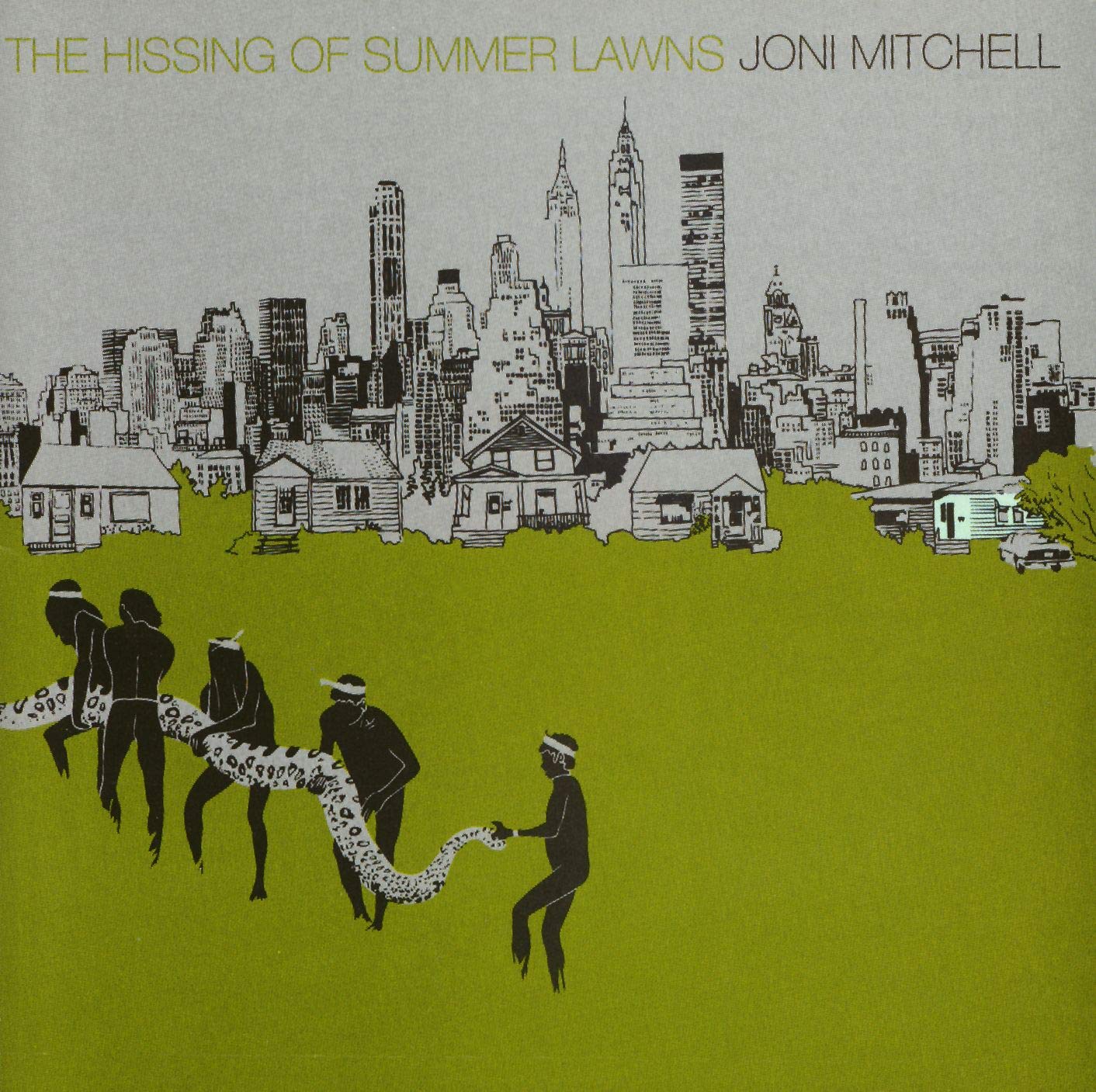
Released in November of 1975, The Hissing of Summer Lawns finds Joni Mitchell presiding over one of the most seamless marriages of lyrics and music of the 1970s. The poetry here is evocative and ironic, crafting memorable metaphors and unforgettable images. It’s often said that when constraints are placed on artists, they often produce their best work. For an artist who had previously written music around pre-existing lyrics to then make that shift over to the craft of fitting words into already composed music, one might expect a change in character — or at least in lyrical texture. Beginning around 1973 or 1974, Mitchell’s lyrics indeed became more fluid, impressionistic, and engaged, so that by the time of this album, she had achieved a near-perfect fusion of music and poetry, with the music among her finest creations.

And how does one classify the sound? One cannot. It draws on pop, rock, folk, and jazz, yet it belongs to none of them. The album charts its own course, allowing space for stellar contributors like Bud Shank and Joe Sample to leave their imprint without overshadowing Mitchell’s vision. The closing track, “Shadows and Light,” brings the album to a transcendent conclusion: a multi-tracked a cappella choir of Mitchell’s voice against a contrasting, processed drone from a Farfisa organ. The result is a kind of sonic cathedral, where light and sound filter through like stained glas — ever shifting, quietly monumental, and filled with a sense of cosmic design.

The entire album is a showcase of extracting equilibrium from motion. The music is built on a strong foundation yet exploratory and liberating. Here we have an artist of the highest level in full command of her gifts, unafraid to blur the lines between song and painting, intellect and intuition. The Hissing of Summer Lawns continues to be an album worth returning to: we achieve familiarity with repeated listenings but never is the magic lessened.

Chris Squire: Fish Out of Water

Another November 1975 release was Chris Squire’s highly accessible, melodic Fish Out of Water. For those like me who couldn’t get enough of the brilliance of Yes’s Fragile, this album was filled with the musical inventiveness and wonderful bass lines that dominated that Yes album. Musicians include Bill Bruford on drums and percussion, with saxophonist Mel Collins on two tracks and Patrick Moraz on bass synthesizer and organ on one track . Squire handles all the vocals, bass guitar, some acoustic twelve-string guitar and electric bass. Special compliments go Andrew Pryce Jackman who provides acoustic and electric piano keyboards and seamlessly integrated orchestration providing the album with additional depth and further contributing to its ebullient vitality. Fish Out of Water is a must-have album for all Yes fans surpassing most of their catalog released after 1975.
Crack the Sky: Crack the Sky

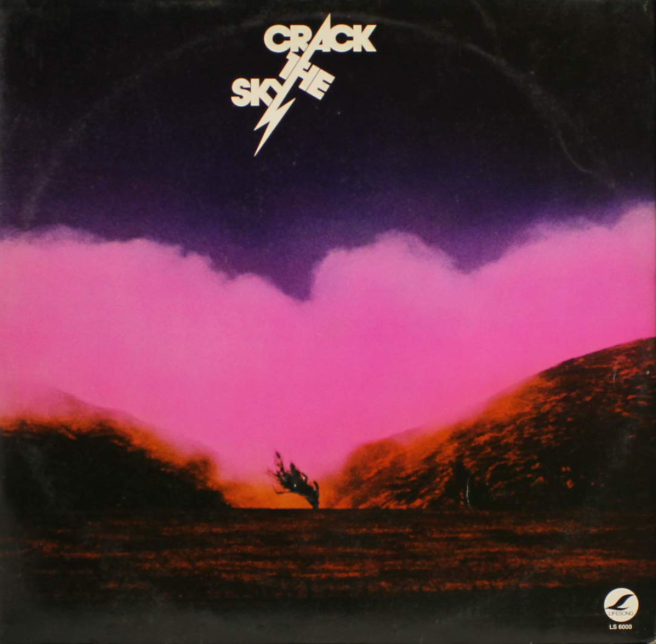
Crack the Sky’s debut was released in limited quantities in November 1975 by the independent label, Lifesong. Is this the biggest accomplishment by this label? Depends on your perspective — Lifesong posthumously re-released several greatest hits albums of Jim Croce material starting in 1976 as well as being responsible for “The Biggest Rock Event of the Decade” — that’s right — the rock opera Spider-Man: Rock Reflections of a Superhero — an album of such popularity that I cannot find any entry for it on Wikipedia, though in fairness, the title was released again twenty-five years later on CD and is currently available on eBay for $49.

Putting Spider-Man historical considerations aside, the Crack in the Sky album, despite its limited distribution, eventually climbed up to spot 161 on the Billboard Charts in February 1976 aided by some airplay in the Baltimore area and more importantly being identified by the Rolling Stone magazine as the debut album of 1975. 

Keyboard player and lead vocalist John Palumbo wrote all the music and lyrics showcasing an eclectic range of styles incorporating sixties pop elements and contemporary progressive rock elements. Both the music and lyrics are generally quirky, with a tongue-in-cheek, often ironic, humor deeply embedded in the lyrics and the music rich with accessible melody. There are musical moments that recall surf music, the Beatles, Procol Harum, early Genesis, and even Gentle Giant. It’s not a particularly well-produced album but it is a lot of fun, and an album that anyone who considers themselves well-versed in the history of rock music should have heard at least once.
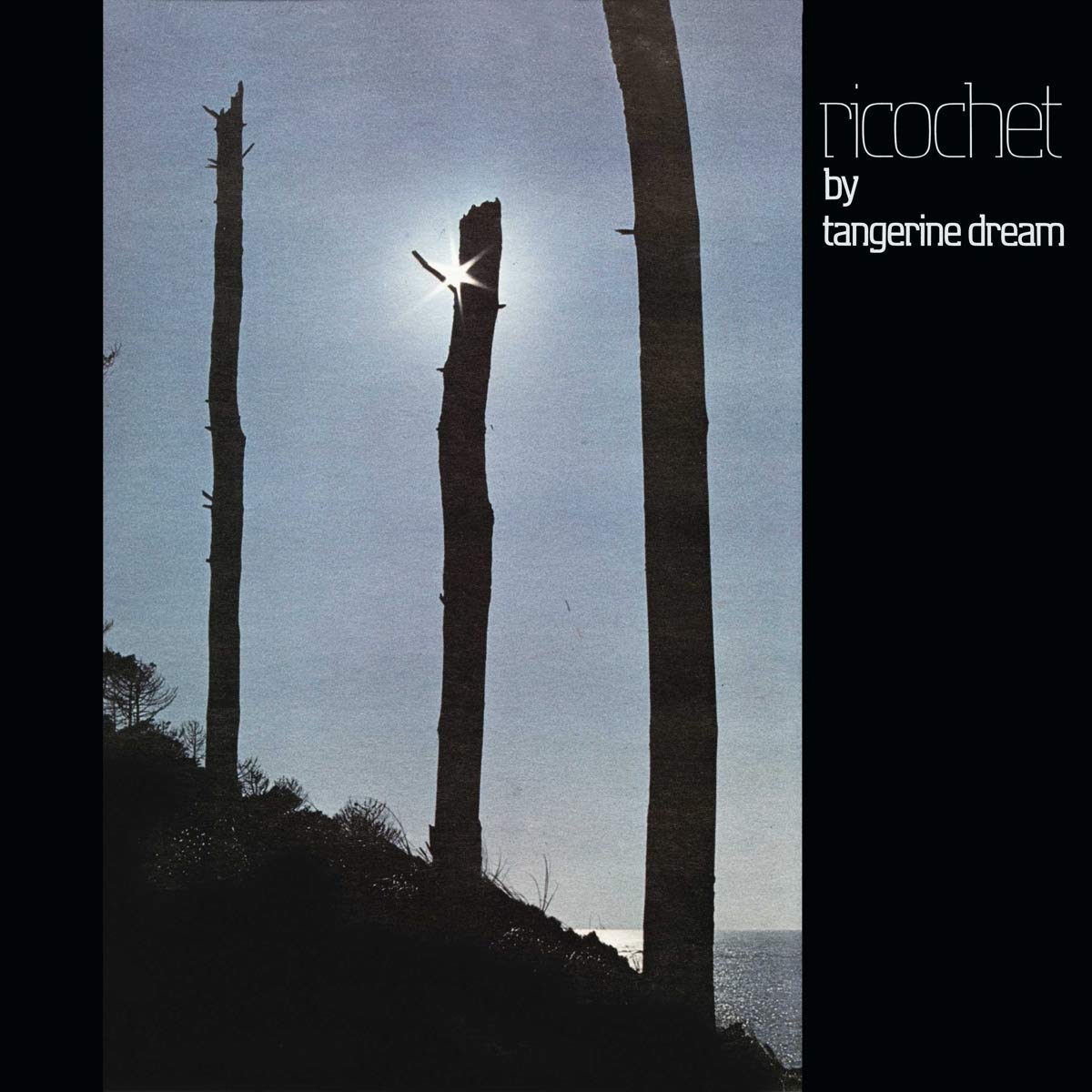
Tangerine Dream: Ricochet

Recorded in late October and early November of 1975 in England, partly live at Fairfields Hall in Croydon and partly in the studio, Ricochet was released in December of 1975. It continues that rhythmically intense sequencer-driven signature sound from Rubycon, delivering it with sparkling clarity and focus. The music unfolds logically with a strong sense of overall meaning and purpose, effectively locking in one’s attention and never letting it go. Side One, “Ricochet, Part One” contains studio improvisations and recreations of live performances with side two, “Ricochet, Part Two” being predominantly live.
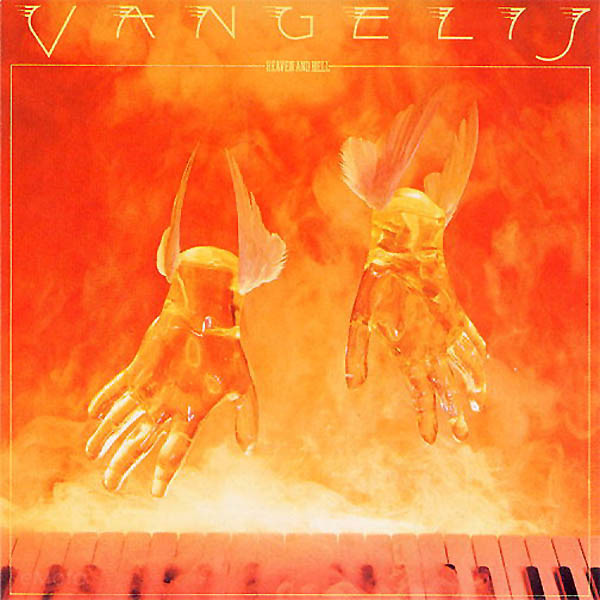
Vangelis: Heaven and Hell

Released in November of 1975, Heaven and Hell is a mixture of the cinematic, early and modern “classical” music, Greek folk and some elements of progressive rock. The album effectively combines Vangelis’s mastery of synthesizer with orchestra to create a richly themed concept album about the duality of human interaction with good and evil, the light and the darkness of existence. Side One, “Heaven and Hell, Part I”, opens furiously with synthesizer and chorus setting a strong symphonic tone and concludes with vocals by Jon Anderson of Yes segmented with a glorious orchestral and synthesizer interlude. Side Two, “Heaven and Hell, Part II” opens up, contrastingly, darkly and ominously, generally maintaining that mood with the notable interspersion of an exuberant, infectious Greek-influenced folk-dance-like section and its more reflective ending. The musical tone-painting is particularly impressive, effectively supporting side two’s darker thematic premise.
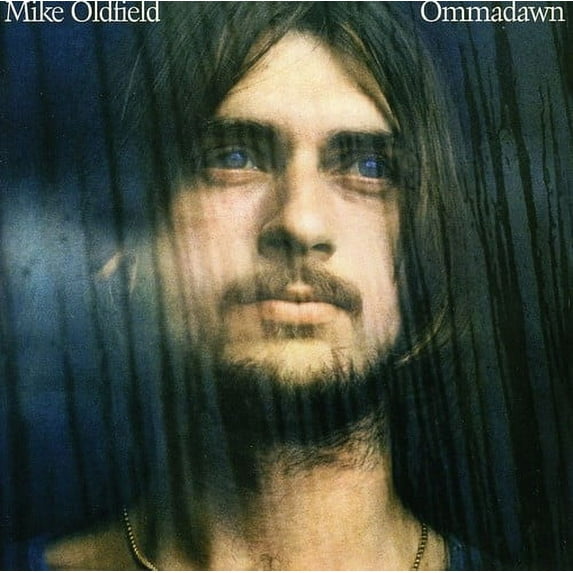
Mike Oldfield: Ommadawn

Released in November of 1975, Ommadawn is Mike Oldfield’s third major symphonic work, following the partly Exorcist-driven phenomenon of Tubular Bells and the expansive, pastoral landscapes of Hergest Ridge. Ommadawn mostly consists of one long work, the title track, divided between the two sides of the original LP with a short additional work at the end. It is this title track that is the gem and centerpiece of the album, excelling in compositional presentation and development of thematic material with the first theme deftly varied, followed by an abruptly effective intrusion of the second theme around the 4:15 mark, which is also skillfully varied. After this exposition of fundamental material, both themes are further developed and extended with a richness of instrumental variety and occasional vocals (using a cleverly altered Irish translation of some simple English words) invoking a tribal sense of community.

The second half of “Ommadawn” is more dramatic with greater musical weight and contrast, further exploring a wondrous world-fusion sound that would soon become a whole sub-genre of music. The highlights here include Paddy Moloney on the Irish equivalent of bagpipes, more properly known as Uilleann pipes, and an uplifting blend of vocals and glockenspiel followed by an Irish-like dance section that brings the work to a close.

For those looking to check this album out, avoid the original mix and go for the sonically spectacular 2010 remix which provides significant clarification and enhancement of individual instruments and provides rich, immersive stereo.

Magma: Live/Hhaï

Released in December of 1975, I bought this album in Germany in 1978, and I was not surprised in the least to find this live album of the French progressive rock group in Germany. Unlike Ange, which had a distinct French coloration to their albums, Magma had a Germanic sound and eschewed the French language to adapt a language more suitable to their music — not German, but — okay let’s break this down.

Christian Vander, son of French jazz pianist Maurice Vander, was born in Paris in 1948. Exposed to both jazz and classical music, he grew up listening to Wagner, Bach and Stravinsky and met several great jazz artists including Chet Baker, who gifted Christian Vander his first drum kit and Elvin Jones who shared his musical expertise. Vander brought all these influences as well as his intense admiration for a number of jazz giants, most particularly John Coltrane, as well as drummers like Art Blakey, Max Roach, Kenny Clarke and Tony Williams. Vander brought all such influences with him, including Coltrane’s searching musical intensity, when he founded Magma in 1969 as Magma’s leader, primary composer, drummer and an important contributing vocalist.

With the formation of Magma, Vander begin the creation of the mythology of Magma concept albums and the appropriate language — Kobaïan, the language of the fictional world of Kobaïa — a distant planet colonized by a group of humans fleeing earth’s moral and ecological collapse. The language’s main function was to provide the appropriate musical sound for Magma’s music and to represent a sacred language of renewal. Its sonic characteristics are starkly different than French, coming closer to Slavic and Germanic patterns, but intrinsically supportive of Vander’s musical ideas, which slowly coalesced into a dark, more teutonic, primitively spiritual style, with texture and timbral/orchestral characteristics eventually significantly influenced by Carl Orff’s Carmina Burana, which Vander first heard in 1972.

This 1975 Live/Hhaï album includes material as early as 1973, all of which represents the mature, dramatic Magma sound prevalent from 1973 on. The original album was a two LP set that could still fit on a standard single CD, but is currently sold as a two CD set. It is available for streaming on the usual sources for anyone wanted to sample this unique music, a music that will retain its excitement, mystery and appeal for centuries to come.

Brian Eno: Another Green World and Discreet Music; Fripp & Eno: Evening Star

In November of 1975, Brian Eno released his third solo studio album, the remarkable Another Green World which, while not as ambient as his upcoming work, is certainly an unconventional pop album full of highly accessible music surrounded with imaginatively unusual context. Eno provides a mix of catchy songs with him on vocals, some amazing guitar work from Robert Fripp, but mostly a level of exotic, quirky arrangements that elevate each and every track. Highly recommend!

In December of 1975, Eno’s fourth studio album is released, Discreet Music, and it is a boldly innovative ambient album. The first side, the title track, is a work of beauty and can be listened to directly or used as effective background music for a range of activities including writing, reading and napping off. The second side is more challenging: three “elastic” arrangements of Pachelbel’s well-known canon where the parts move at different paces — not by chance or performer’s whim but intentionally arranged to distort the relationship of the individual parts and the overall musical experience. One can still hear traces of the original canon — yet each of the three very different arrangements alters the original musical architecture with time-based abstractions that are roughly parallel to distortion concepts in cubism, futurism and surrealism and also seem related to rules-driven processes that are found in works by artists like Paul Klee, Bridget Riley, Sol LeWitt and even those famous rectangle paintings of Piet Mondrian. One also has to give credit to John Cage’s influence which opened up this whole realm of unexpected alterations whether aleatoric or rules-driven.

The most challenging of these three albums, Fripp & Eno’s Evening Star, released also in December of 1975, is another tale of two sides. The first side of four tracks, each with new standard ambient titles, is by far the most accessible and functions very effectively as truly ambient music or even meditative, reflective music, particularly the first, third tracks and fourth tracks “Wind on Water,” “Evensong,” and “Wind on Wind.”

The second side is devoted to a single piece “An Index of Metals” divided up into six tracks. I doubt there are many people that can turn it on in the background and experience a calming or relaxing effect from it. It is filled with tension and not smooth or flowing. I suspect many will just find it plain irritating if using it to relax, read, or write by as it has a somewhat intrusive and ominous character. It is more listening music and needs the attention of an active listener to properly navigate the tension, suspense, and forward progress of the music. The last of the six tracks is the most gritty of all and it ends with the tension decaying as opposed to any resolution. This sets up a nice contrast to some more relaxing ambient music, which would become more and more common and commercially viable thanks to this early work by pioneers like Eno and Fripp.

Fifty Year Friday: March 1975

Hatfield and the North: The Rotter’s Club

Released on 7 March 1975, The Rotter’s Club is one of the finest progressive rock albums , delivering a rich blend of humor, virtuosity, and intricate composition that captures the essence of the era while being identifiably distinct from any other album of its time. As the second studio album by British avant-garde and progressive rock band Hatfield and the North, it succeeded their self-titled debut (1973), which established them as a prominent figure in the Canterbury scene. But The Rotter’s Club marked a progression, both musically and conceptually, toward an even more refined and ambitious sound. It is a record that not only brings together various aspects of jazz, rock, and classical music but also emphasizes the playful and eccentric side of progressive rock, a nice contrast to the overly serious, often over-reaching and sometimes pretentious reputation ascribed to it by is staunchest critics.

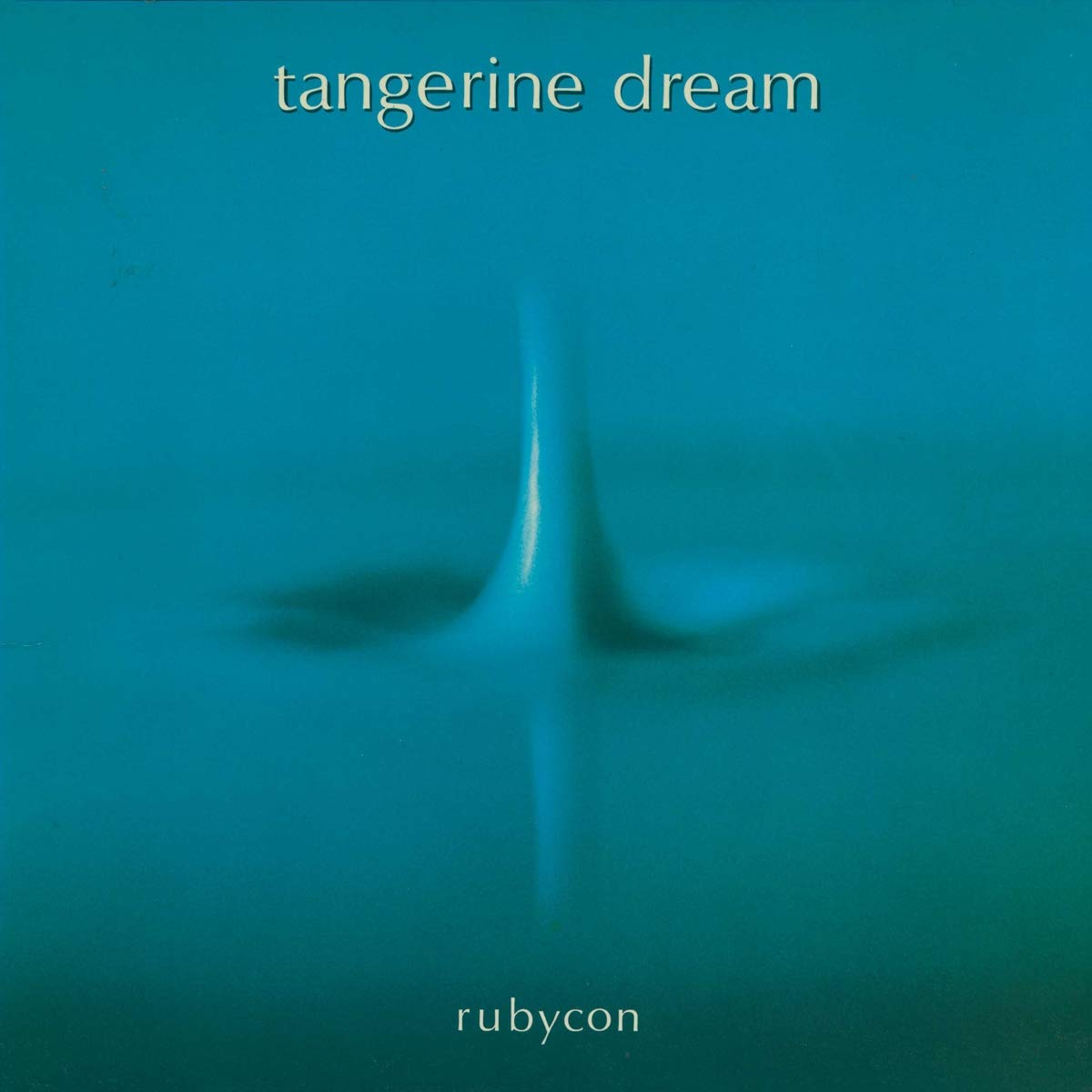
Tangerine Dream: Rubycon

With the release of Rubycon on March 21, 1975, Tangerine Dream delivered their fourth studio album, a fully realized version of their relentlessly driving “Krautrock” industrial, high-tech, space music. While Rubycon clearly evolves from their previous album, Phaedra, it represents a leap forward, much like the internet is to the stone tablet. Whether Tangerine Dream’s change in direction was influenced by considerations about what musical characteristics would work best for film soundtracks and greater audience engagement, or whether it was partly inspired by the success of Kraftwerk, Rubycon marks the undeniable establishment of a new genre of music — one distinct from anything that came before it. Tangerine Dream’s flirtations with Stockhausen and other electronic composers led them in a direction that was as different from the contemporary world of so-called “classical” and “serious” music as that music was from the tonally extended late Romantic music. What emerged was something accessible, mesmerizing, hypnotic, and directly relevant — an exciting departure from the avant-garde style that, for most of the listening public, had become irrelevant.

Rick Wakeman: Myths & Legends Of King Arthur and the Knights of the Round Table

Rick Wakeman’s King Arthur, released March 27, 1975, is filled with interesting keyboard and instrumental passages that should interest most progressive rock fans. Though the vocal sections are not exactly comprised of tunes your likely to sing on your own or even along with — they functionally provide narrative, much like Baroque and Classical Era recitatives and, overall the album works well as a dramatic experience. An alternative to the original, with much better overall sound and additional musical content (which had to be left off the original single LP due to time constraints) is the 2012 two-CD version. If you haven’t hear either, best to go for the updated version with the extra material and superior production.

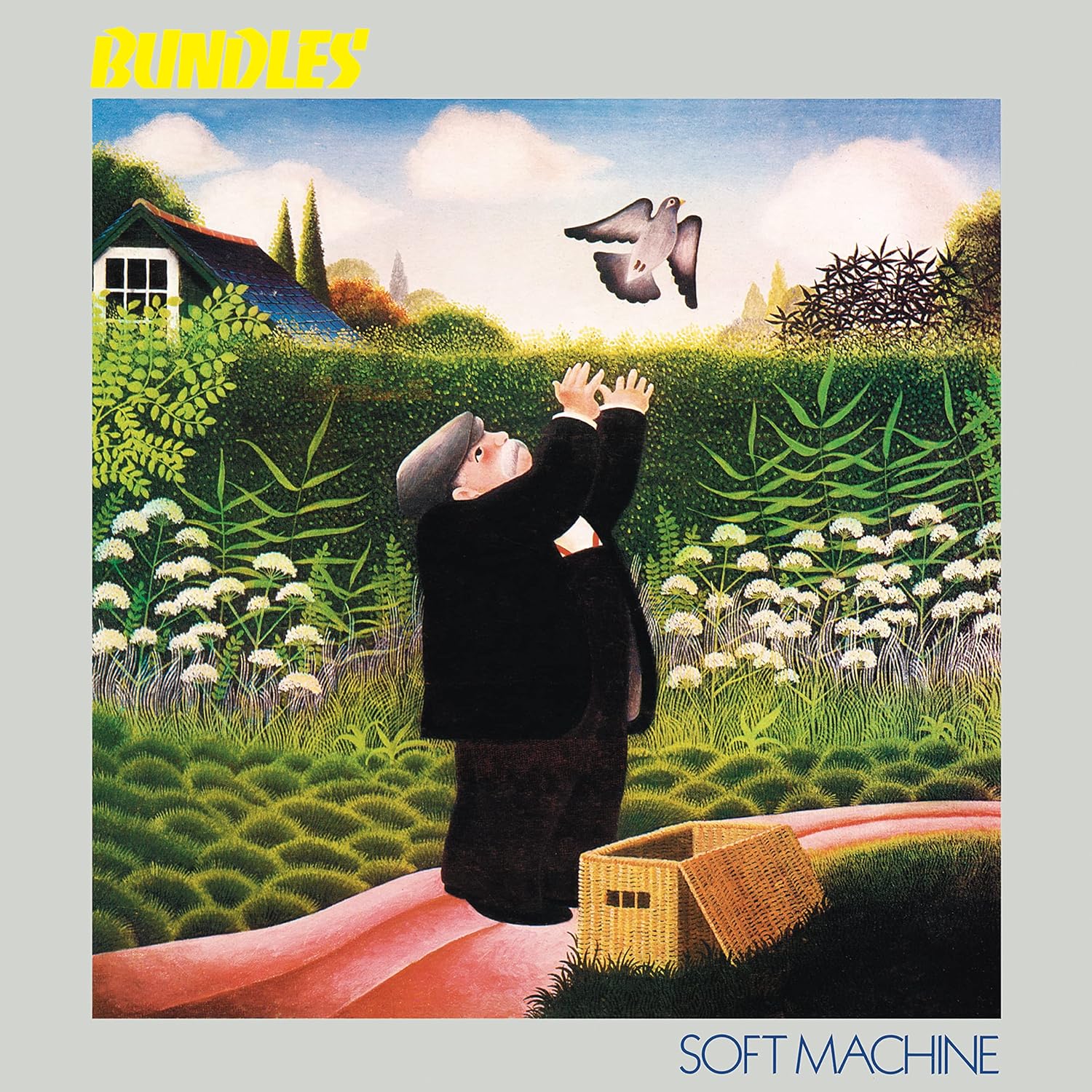
Soft Machine: Bundles

Released in March 1975, Soft Machine’s Bundles is successfully melds an electronic jazz-rock sound with compatible prog-rock elements. The addition of guitarist Allan Holdsworth. known for his fluid, virtuosic playing, injects the album with a fresh intensity, particularly notable in the multi-track Hazard Profile, a nineteen minute five-part suite that showcases Soft Machine’s new direction inclusive of Holdsworth’s soaring guitar work supported by a propulsive, energetic rhythm section. Side one concludes with Holdsworth’s acoustic and beautifully introspective “Gone Sailing.”

Side two is equally compelling with the first four tracks seamlessly blending into a a single experience. The next track, “Four Gongs Two Drums” provides a short percussive intermission, with hints of Indonesian Gamelan followed by the final track, “The Floating World”, a reflective, drifting, neo-Impressionistic composition that gently glides the listener through a bliss-invoking, peaceful and relaxing musical state, providing a fittingly tranquil, dreamlike-end to this excellent album.

Steely Dan: Katy Lied

Donald Fagan and Walter Becker follow up the classic Pretzel Logic album, with another strong album, rich with jazz-flavored chords, Katy Lied, released in March of 1975. Though not strictly a concept album, the album sounds musically unified and could be considered a song cycle of sorts, justifying the term “lied”, a German term applied to art songs, giving us an additional meaning underneath the mysterious reference to the “Katy tried” and “Katy lies” lyrics in the fifth and final track on the first side, “Dr. Wu.”

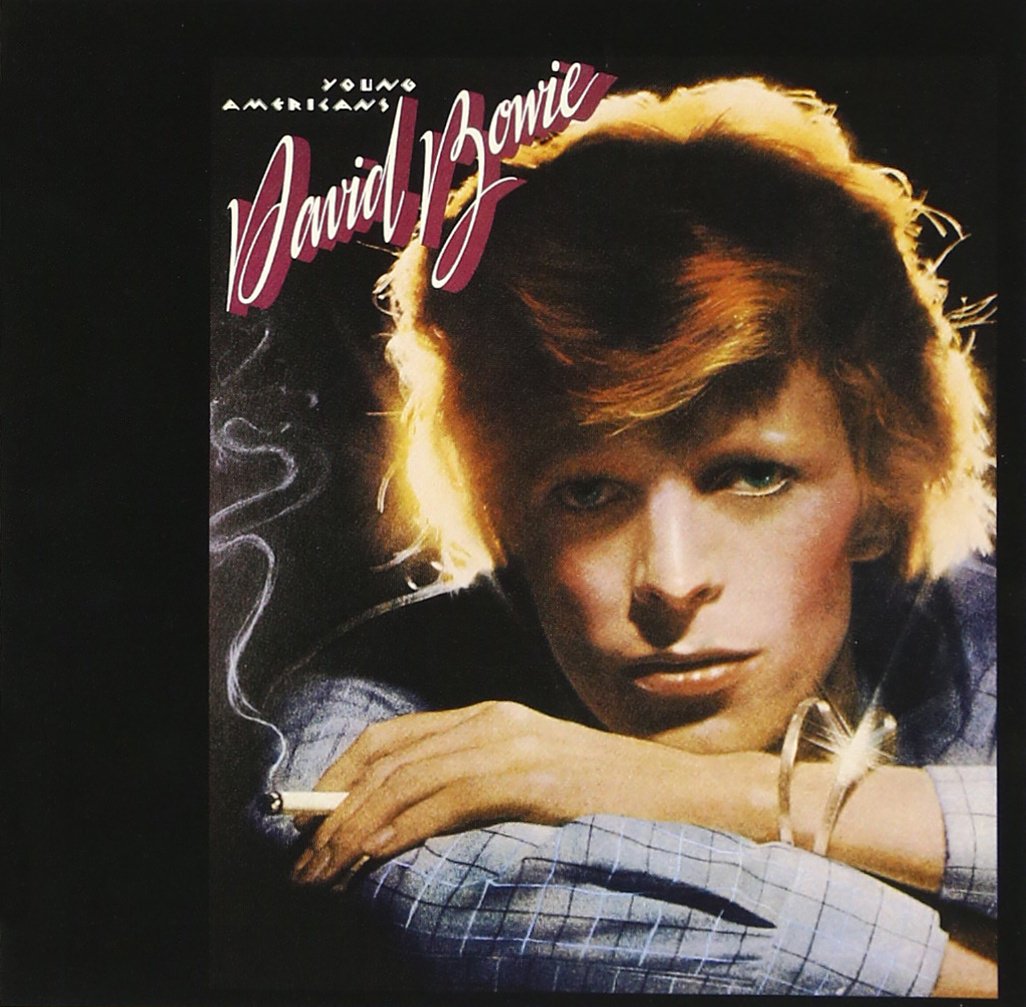
David Bowie: Young Americans

With his ninth studio album, released March 7, 1975, once again, Bowie takes off in another musical direction, extending the elements of soulfulness found in Diamond Dogs and in “Lady Grinning Soul” from the earlier Aladdin Sane, into an all-out exploratory, high-art treatment of American soul music. The arrangements are sophisticated, with Tony Visconti deserving similar praise as Bowie for his musical versatility and with strong contributions from Carlos Alomar and additional input from a twenty-three year-old Luthor Vandross. The strongest track, “Fame,” was initially based on an Alomar guitar riff, with John Lennon, who was visiting the New York Electric Ladyland studios, assisting David Bowie in the authoring of the song by providing his sarcastic, ironic, and pessimistic take on the vagaries of fame.

Peter Hammill, Todd Rundgren, Steely Dan; Fifty Year Friday: February 1974

Peter Hammill: The Silent Corner and the Empty Stage

Released in early February of 1974, even though there is ample participation by fellow Van Der Graaf band mates, this is clearly a personal, Peter Hammill solo effort. From the start Hammill dives inward stirring up and capturing a range of emotional turbulence.  

The album opens with the metrical tempestuous “Modern,” and ends with one of Hammill’s greatest classics, the deeply emotional “A Louse Is Not a Home.” Hammill often performed these two songs along with “The Lie (Bernini’s Saint Theresa)”, also on this album, in the 1970s on solo tours in small venues, injecting every ounce of energy into his dramatic renditions. 

Generally the featured instrument is Hammill’s expressive vocals appropriately supported by piano, mellotron, acoustic and electric guitar with additional support from the VDGG band members with Spirit’s Randy California on lead guitar on one track. The production emphasizes a sense of intimacy which underscores the uncompromising, unsuppressed intimacy, immediacy, and intensity which makes this album so remarkable.

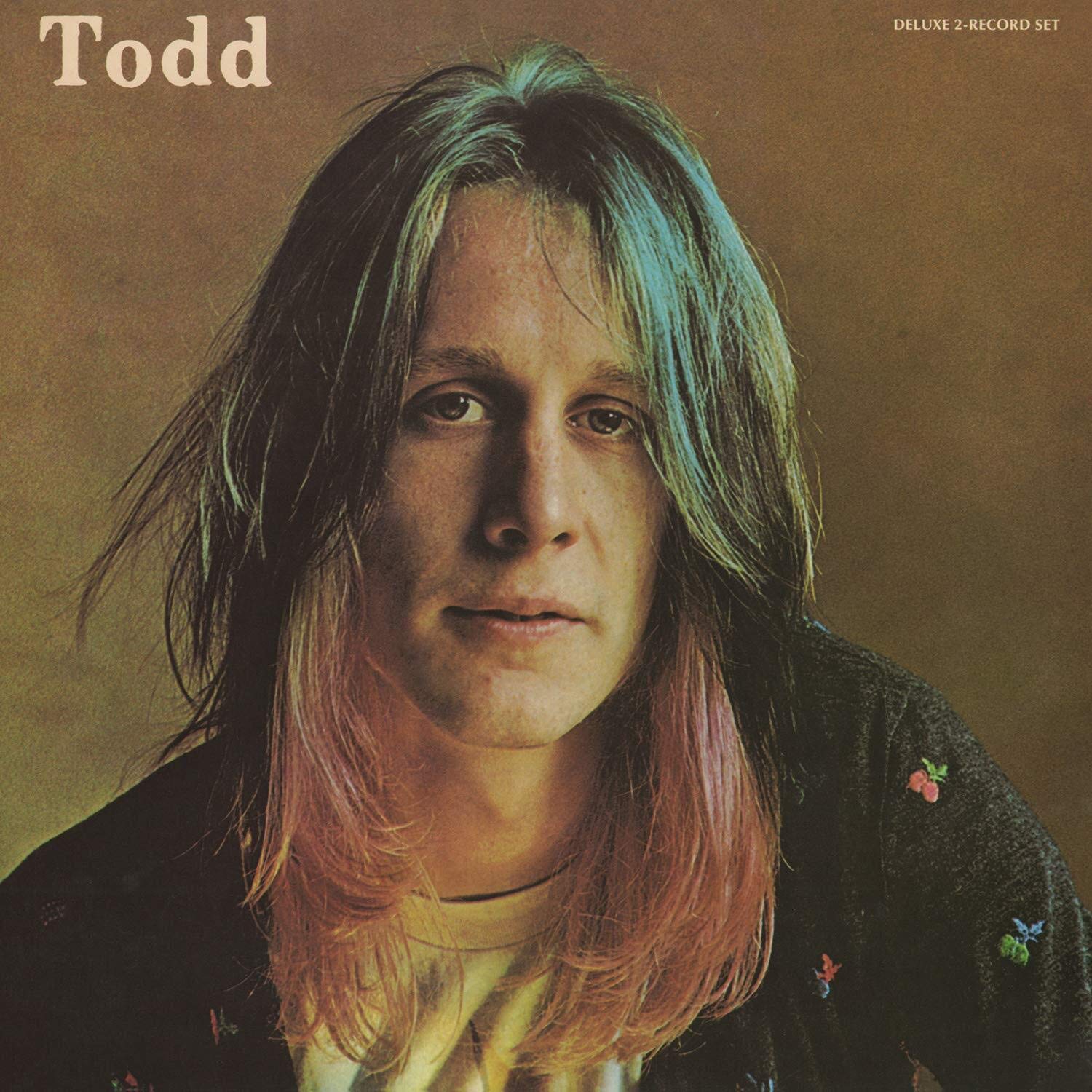
Todd Rundgren: Todd

Todd Rundgren’s eponymous double album, released in February 1974, proclaims energetically, or rather electronically, that Mr. Rundgren is a master composer and arranger, delighting us with a wide array of electronic timbres and effects. Yes, we still have beautiful Rundgren ballads, such as “I Think You Know” and “A Dream Goes On Forever” included amidst all the voltaic dazzle, but the main attractions are Rundgren’s summoning of artfully deployed electronic-generated special effects, his command of various studio production techniques, and his venturing into more challenging musical compositions, like the metrically unbalanced “Drunken Blue Rooster”, the whimsical “An Elpee Worth of Tunes”, and ” the snide, unbridled ”Heavy Metal Kids.” Altogether, this is a extremely enjoyable, adventurous yet cohesive work that some may chose to classify as prog-rock, yet clearly stands separate from anything previously released commercially. This no doubt contributed to it going over the head of just about every major rock critic that reviewed the album in 1974 but also contributes to this being one of the most notable albums from 1974.

Steely Dan: Pretzel Logic

This is just one of those classic rock albums. Released on February 20, 1974, there really isn’t any single track that is at the level of “King of the World” from their previous album, but just about every track here is very close to that level of excellence. They group seems to have intentionally kept each song to AM airplay length — this means that jazz influence is more densely embedded in the tracks, but still handled very artfully and tastefully, retaining the classic Steely Dan sound. 

Brian Eno: Here Comes the Warm Jets

Brian Eno’s debut solo album, Here Comes the Warm Jets, released on February 8, 1973, is a unconventional rich tapestry of accessible pop (think Sid Barrett) set into ingenious contexts. Truly delightful, this album showcases Eno’s unconventional brand of creativity.

Tangerine Dream: Phaedra

Released on the 20th of February 1974, this engaging album overtakes Harmonia’s Musik Von Harmonia, released the previous month, in the race for approaching the fully mature sequence-driven, repetitive, German Prog Rock that would soon become so prevalent. The music truly pulls the listener out of their current environment and into another universe — a universe where sound is not differentiated from sensation, imagery, or existence.

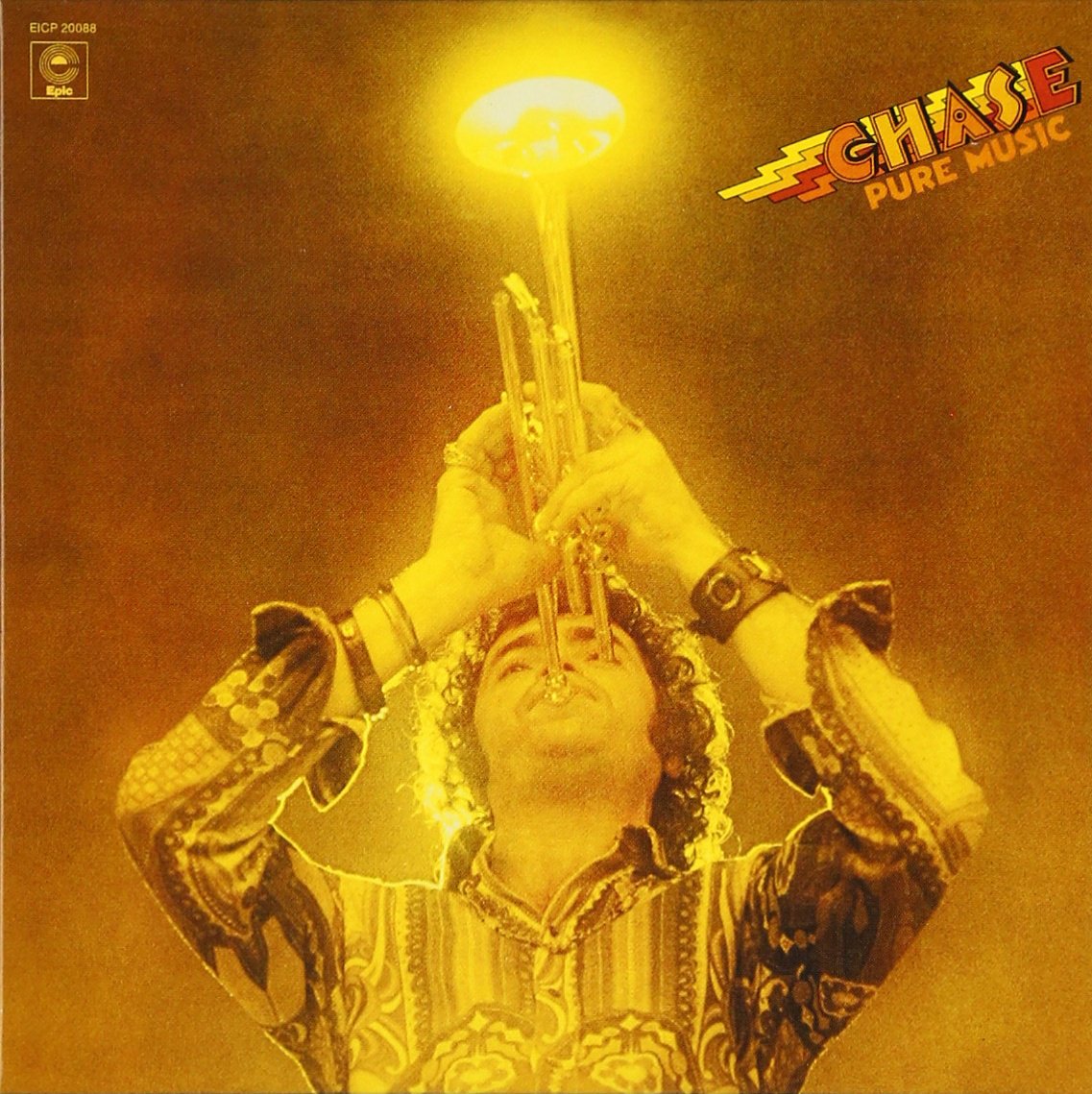
Chase: Pure Music

After a very successful first album, and a weaker second album, it seems Bill Chase finally figured out the best direction to go in — emphasizing a more jazz-based brand of jazz rock, with mainly instrumental material. Every track works nicely, but alas, this would be Chase’s last album due to the crash of the twin-engine charted plane flight to his scheduled performance at the Jackson County Fair. Also lost to us all was drummer Walter Clark, guitarist John Emma, and the especially talented Wallace “Wally” Yohn, who provides some excellent keyboard contributions to this last Chase album.

Chase brings some of his Stan Kenton, Woody Herman and Maynard Ferguson experiences into the music on this album, elevating the content with more sophisticated arrangements and showcasing his personal solo skills at their very best. While Chicago, Lighthouse, If, and Blood, Sweat and Tears, best work was now in the past (by February 1974) is appears that Chase’s best work was tantalizingly close but, unfortunately, for all of us, never captured.

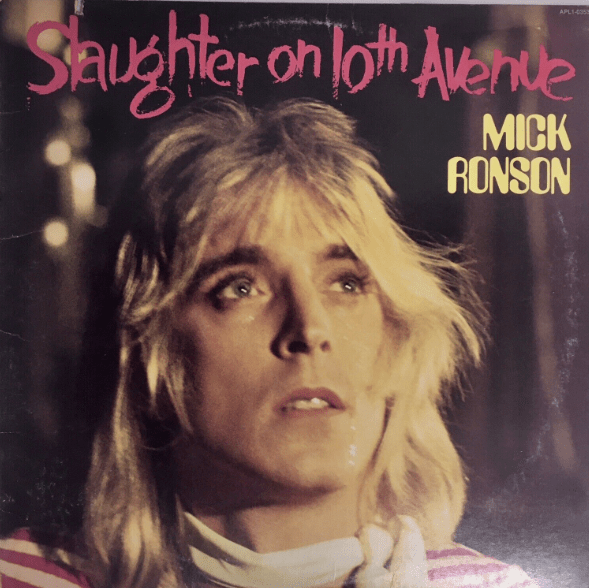
Mick Ronson: Slaughter on 10th Avenue

Released in February 1974, this is about as close to a David Bowie album as one can find which doesn’t have David Bowie involved in singing, performing or producing. We do have another member of Ziggy’s Spider From Mars band, Trevor Bolder on bass, trumpet and trombone, and we have Mike Garson on keyboards (notable especially for his piano contribution on Aladdin Sane) — and we also have two original songs by Bowie, ”Growing Up and I’m Fine” and “Hey Ma, Get Papa.” Ronson’s vocals are second best to Bowie, but good enough to carry the album off nicely. Truly a recommended record for any Bowie fan.

Pink Floyd, King Crimson, Tom Waits, Led Zeppelin, Tangerine Dream; Fifty Year Friday: March 1973

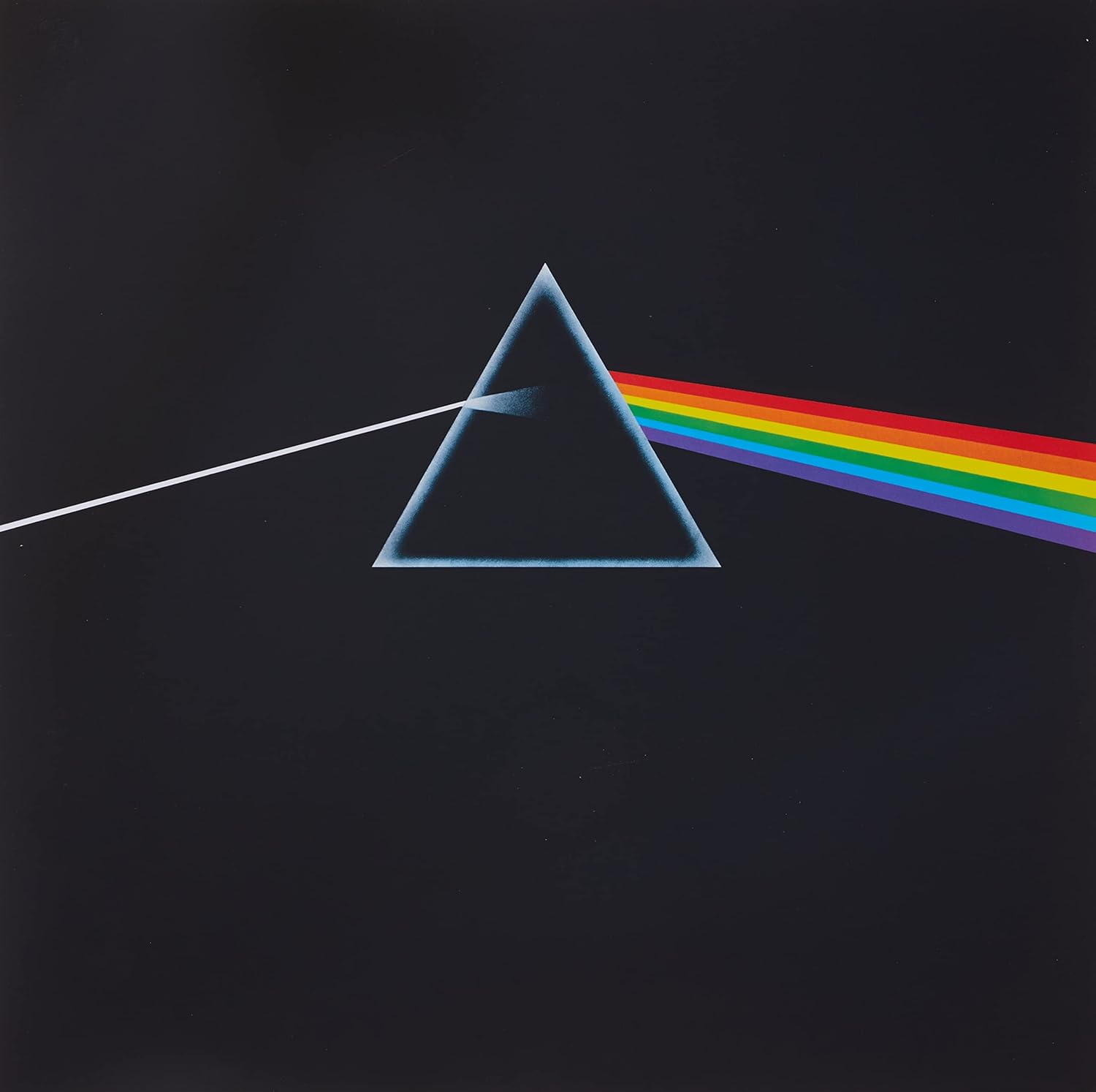
Pink Floyd: Dark Side of the Moon

Few progressive rock albums have had such great appeal across a wide section of the music loving public as Dark Side of the Moon, released March 1, 1973. Casual Listeners, Hard Rockers, Stoners, Prog heads, Music Majors, and just about anyone with more than 10 rock albums in their collection, had a decent chance of owning this timeless classic, an album as likely as any other album to be in the collection of anyone from age 17 to 25 during the mid 1970.

Despite a collection of diverse material with varying levels of contribution from each band member, Dark Side of the Moon has a cohesiveness, largely due to Alan Parson’s proficiency and creativity as an engineer. Just as Parsons significantly contributed to the Beatles’ Abbey Road sense of musical unity despite an understandable lack of shared thematic material between tracks, with one exception, the same result is achieved here: an album that holds up nicely as a single work as opposed to a collection of unrelated tracks. If it has been sometime since you have last heard it, get it out, put it on the best equipment possible (don’t just stream it a suboptimal bitrate or listen to it through low quality headphones or speakers) and enjoy one of the great musical works of our time.

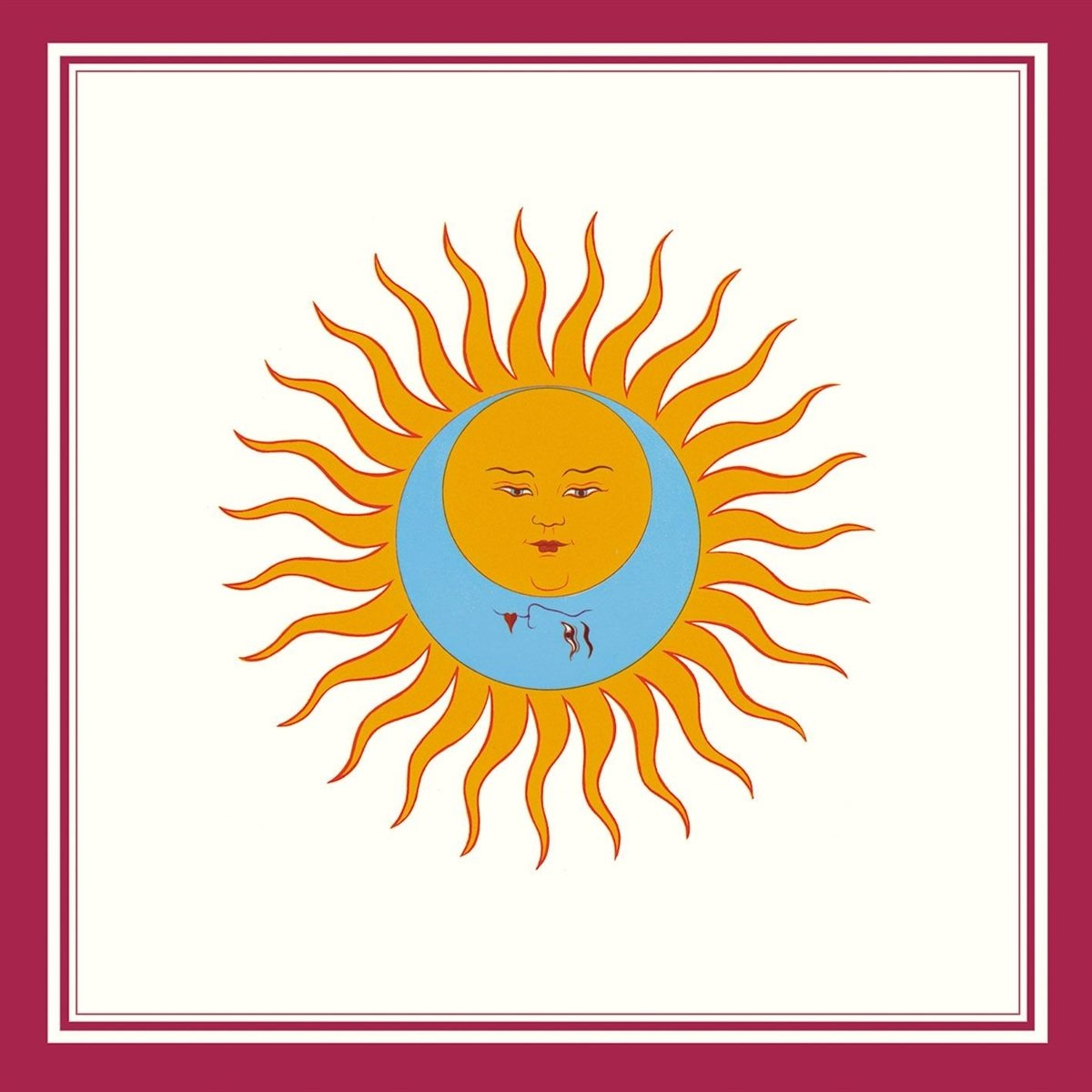
King Crimson: Lark’s Tongue in Aspic

Released on March 23, 1973, King Crimson’s fourth album is less accessible than their previous three studio albums, but the level of musicianship and improvisation are better, with the two parts of Lark’s Tongue in Aspic that open and close the album being particularly impressive.

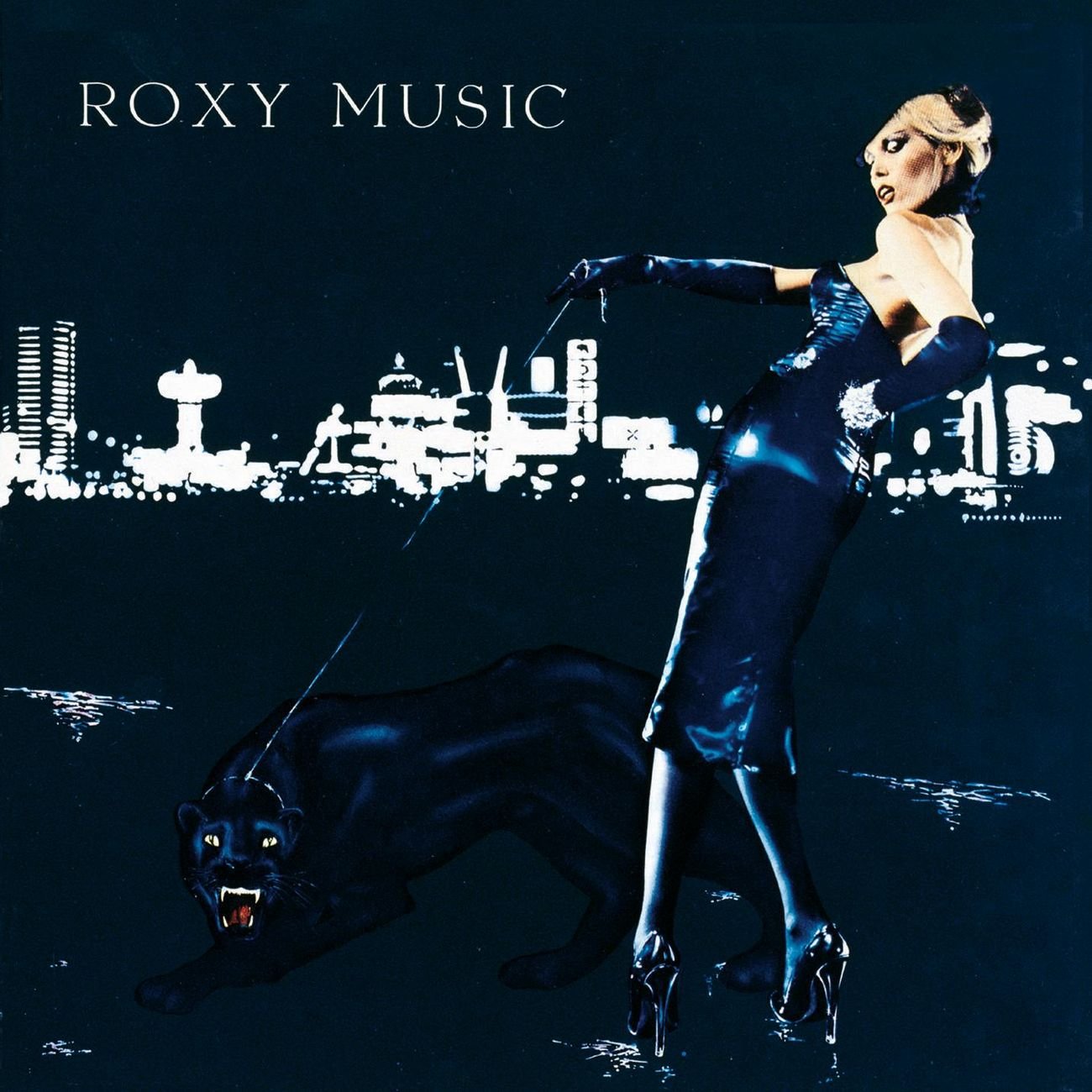
Roxy Music: For Your Pleasure

Before the release of Queen’s first album, or Bowie’s Aladdin Sane, we had this Roxy Music’s For Your Pleasure, released on March 23,1973, adventurously combining art rock, glam rock, and a range of experimental sound techniques into a cohesive, very enjoyable and very well executed work of art. Throughout the entirety of the album, Roxy Music’s musicianship is highly focused and expertly executed, serving as an essential component of the band’s overall artistic vision. Phil Manzanera is amazing on guitar, and Andy Mackay sax provide richness and additional depth, with strong compositions, foundational keyboard work and distinct, nuanced and expressive vocals from Bryan Ferry.

Alice Cooper: Billion Dollar Babies

Released on Feb. 25, 1973, Alice Cooper’s sixth studio album is also his finest with an effective mix of hard rock, glam, and non-traditional topics, some of which were competently exploited for Alice Cooper’s live theatrics. Including four singles, the two standout tracks on the album are “Elected” which was released in September of 1972 prior to the Nixon-McGovern election contest and “Billion Dollar Babies”, released several months after the album’s debut and features Donovan providing effective glam-style vocals including Donovan’s falsetto reaching his upper limit.

Tangerine Dream: Atem

Atem, released their fourth album, Atem, in March of 1973, one of the most impressive works of electronic music, providing a more interesting and substantial listening experience than most of the works by the academic-based classical composers who had been creating electronic sound compositions since the publishing of Luigi Russolo‘s “Art of the Noises” in 1913. The opening title track takes up the first side with three tracks on the second side, each compelling, each a story with the sound caringly shaped and crafted to provide a self-contained complete musical journey.

Todd Rundgren: A Wizard, A True Star

With 1973 being one of the most innovative periods in music, Todd Rundgren’s fourth album, A Wizard, A True Star, is about as ingenious, original and imaginative as any album of the 1970s. The first side is the musical equivalent of “Mr. Toad’s Wild Ride”, apparently madly reckless, yet never careening off the rails. “International Feel” starts and ends that first side, with a myriad of sparkling, brilliantly shimmering musical excursions thrown in between. The second side is mellower, allowing the listener to finally relax with a reflective, sympathetic re-creation of four 1960s R&B classic singles, and a memorable anthem, “Just One Victory”, bringing this one of a kind album to a close.

Rundgren’s engineering and production is historically impressive, taking advantage of various vocal and instrumental layering and effective editing. Additional richness is added by both the array of and the arrangement of instrumental timbre. And as an extra bonus to all this, the album is over twenty-six minutes on the first side, and almost thirty minutes on the second side — something matched by some of the classical records I had at the time, but not even approached by any of the single LP rock records in my collection.

One of my music teachers and I were talking about progressive rock around 1977 or 1978 and he was emphasizing how hard it was to predict what music would be canonized in the distant future. Much to my surprise he referenced Todd Rundgren, indicating his familiarity with contemporary, non-“academic” music, by casually remarking that “for all we know Todd Rundgren may be just a footnote in musical history fifty to hundred years from now.” Well, fifty years have passed, and I think it’s safe to say that Todd Rundgren will be encountered by those exploring the music of the 1970s, not as a footnote, but as a musical and engineering wizard, if not a true star.

Electric Light Orchestra: ELO 2

Though not as ambitious or consistently appealing as the first album, or with anything that equals “10538 Overture“, ELO 2, released March 2, 1973, has many fine moments with generally more emphasis on smoother, more conventional orchestration. Particularly good is the opening track, “In Old England Town (Boogie No. 2)” and its second-side counterpart, “From the Sun to the World (Boogie No. 1)”, the latter incorporating true boogie-woogie components. Also worthy of note, is the seven-minute (or eight-minute arrangement in the U.S.) of Chuck Berry’s “Roll Over Beethoven.” A four and a half minute single version of it got substantial airplay in the UK, charting as high as number six, while in the states, a slightly shorter version, got some AM airplay starting in late April of 1973, climbing as high as 42 on the Billboard singles chart. In Southern California several FM stations regularly played the full-length album cut during the spring and summer of 1973, providing greater exposure in terms of airplay, even if not in terms of audience reached. Besides being a fairly spirited and compelling cover of the original tune, the work incorporates the famous motif of the first movement of Beethoven’s Fifth Symphony, perhaps unintentionally inspiring (though no evidence to support such an assertion) Walter Murray’s 1976 disco-hit, “A Fifth of Beethoven.”

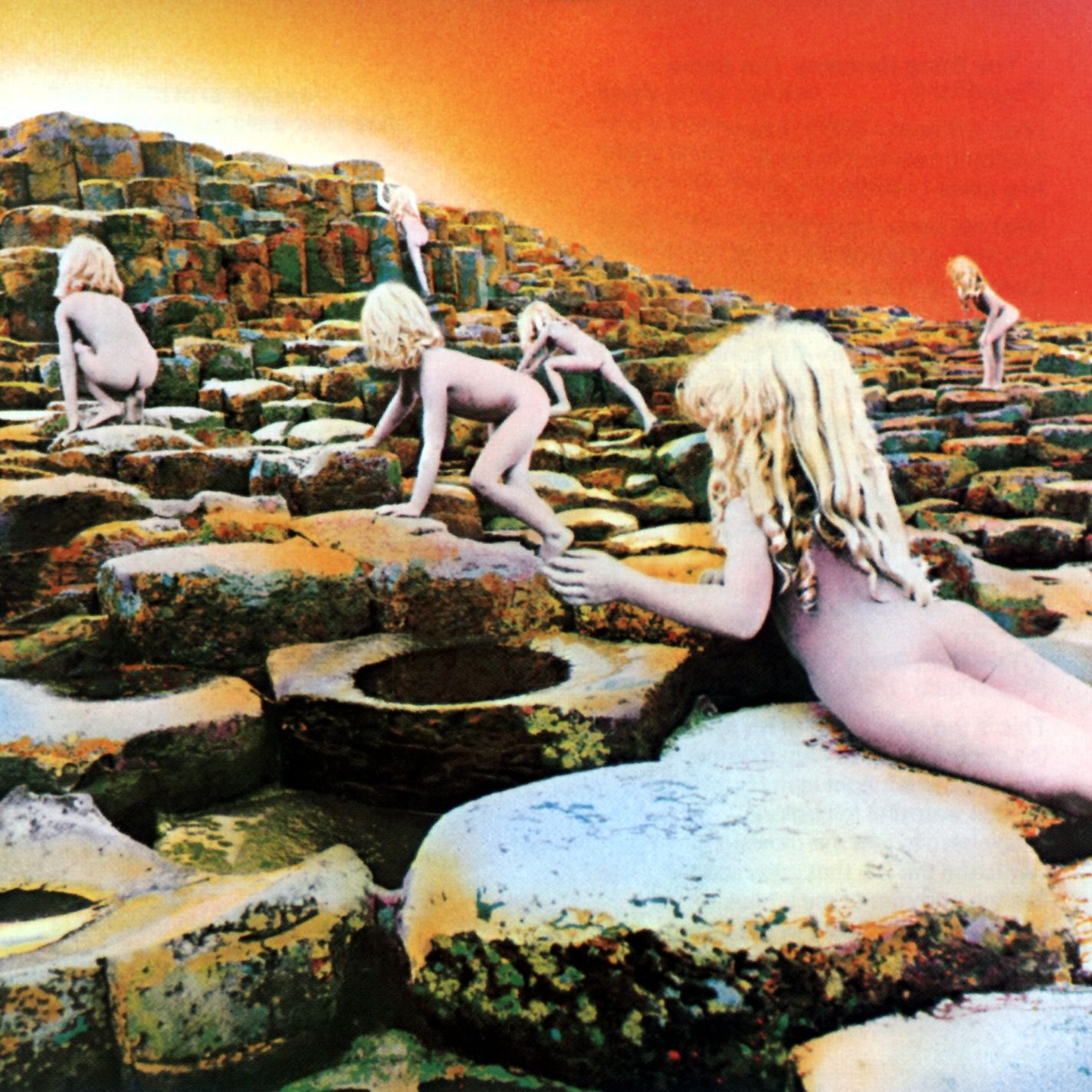
Led Zeppelin: Houses of the Holy

Once again, Led Zeppelin eschews just copying what made their previous album successful, creatively exploring new musical techniques and pathways, but as often the case not shy to incorporate notable musical elements of contemporaries and past predecessors. The overall result is an excellent hard-rock album that nicely balances acoustic and electric components and that successfully incorporates reggae, R&B, funk and even some classical and progressive influences.

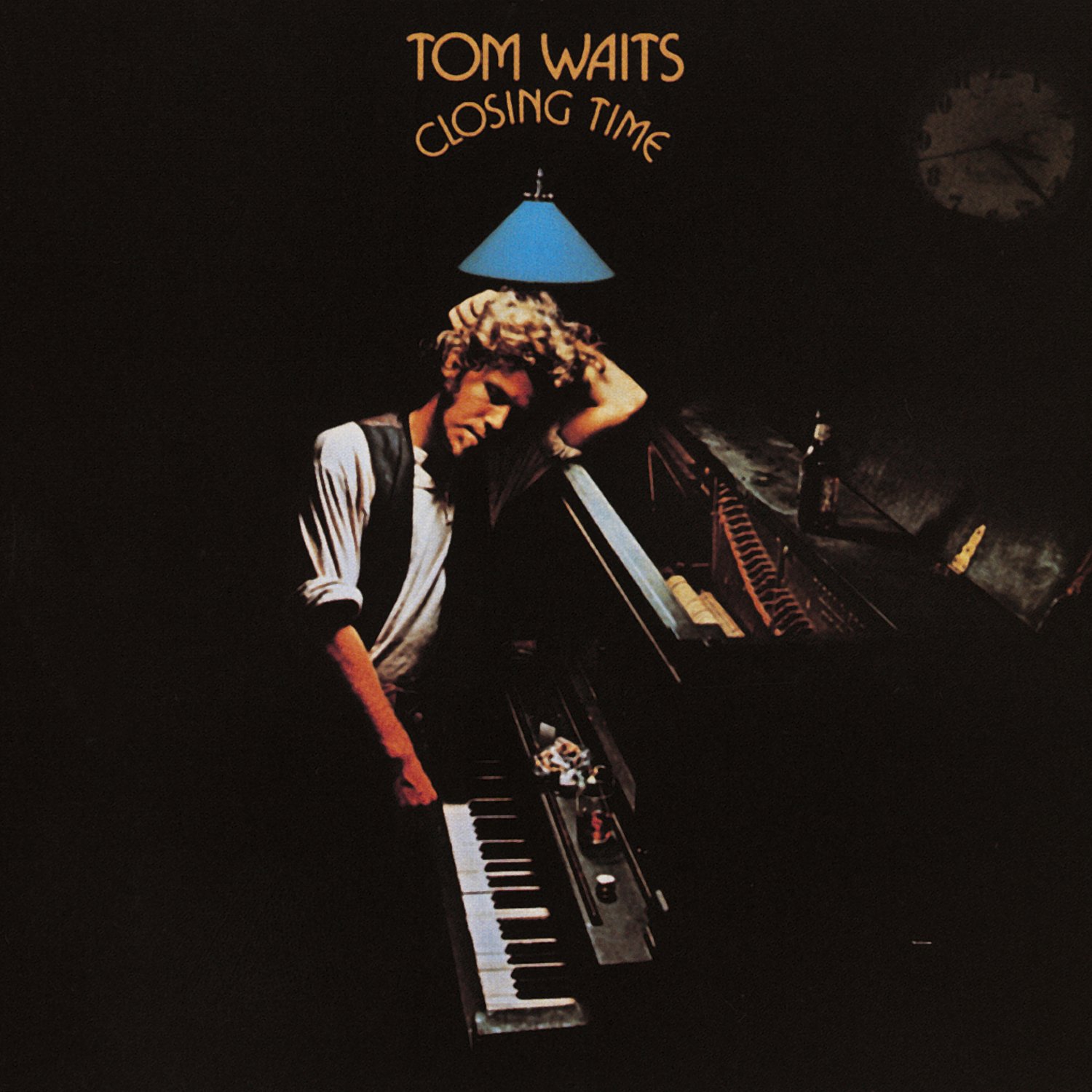
Tom Waits: Closing Time

Tom Waits’ debut album, Closing Time, was released on March 6, 1973, receiving limited attention. Though largely folk-based music with some country, jazz and blues influences, what is most notable is how the music supports the lyrics and how each work, independent and finished, come together into a quasi-concept album of isolation, loneliness and dependency. Whereas an artist like Randy Newman comments on the darker side of life with a isolated, somewhat remote detachment, Waits incorporates a very distinctive viewpoint not only within each song but makes it as a necessary component of the content, the character often representing someone not really getting the implication of the commentary, making the song’s meaning even more apparent. Each song works nicely, there is not a bad song on the album — the opening track received some minor airplay as a single, well deserved and eventually covered by the Eagles, but, curiously, there are better candidates to have captured greater airplay if that had been the Asylum label’s focus. However, this is an album best heard from start to finish, enjoying such the varying emotional shading and of each song with “Martha”, “Rosie”, and the evocative ballad, “Grapefruit Moon” being three of my favorites pieces of the whole experience.

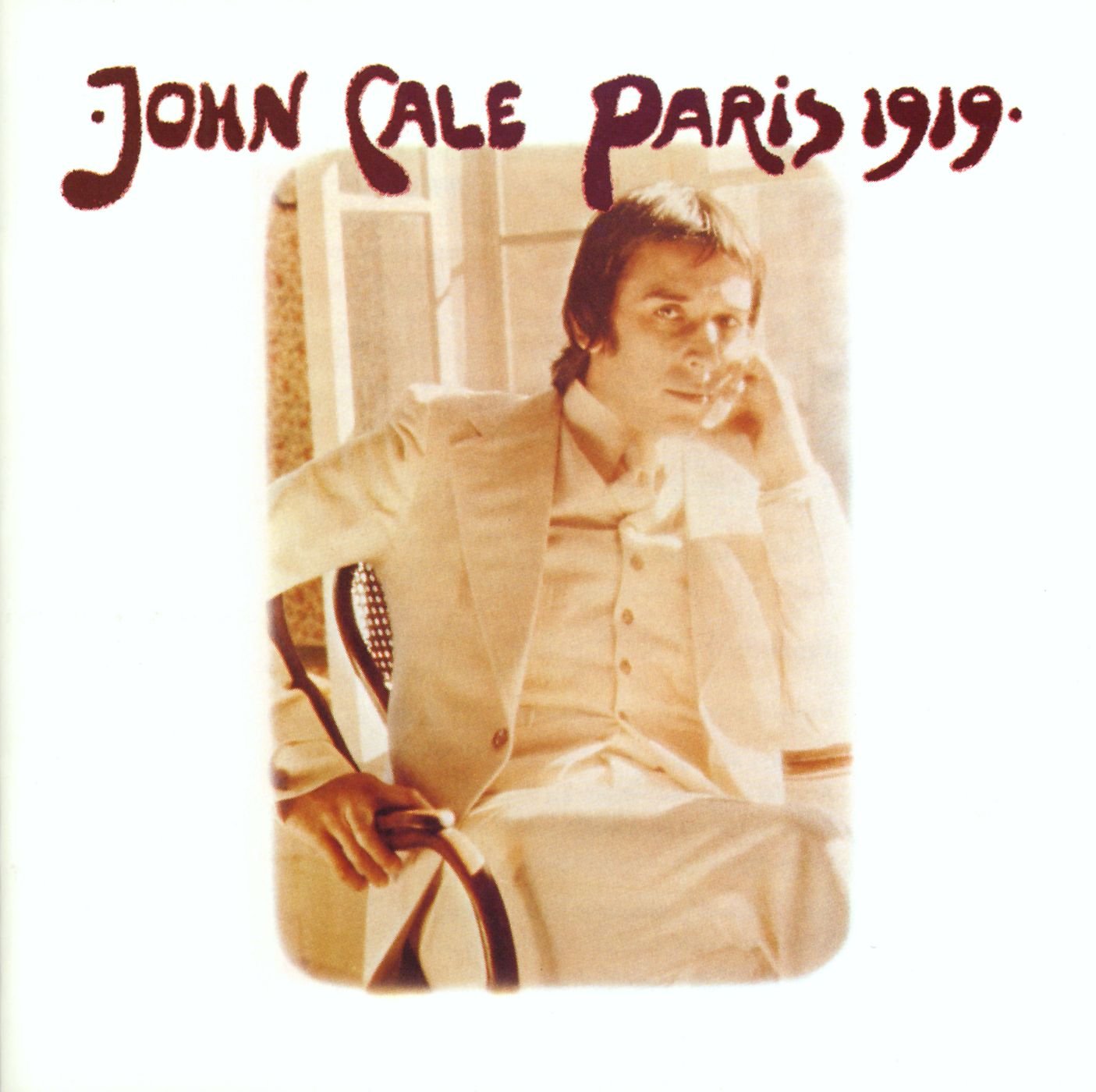
John Cale: Paris 1919

Released around March 1973, Paris 1919 is a remarkable work, consistent and enjoyable throughout with generally strong lyrics including Cale’s freewheeling imagery in the first track, “Child’s Christmas in Wales” and his historical references in various songs. The most impressive work is the title track, but the other tracks are all praiseworthy, particularly the last track with its memorable fragile opening of whispered vocals and electric piano building up with energy for what promises to be a strong dramatic ending, but even more appropriately tapers off into another moment of delicacy to provide a fine closing to the entire album.

Herbie Hancock: Sextant

The first track, the stunningly pointillistic “Rain Dance” is like nothing ever recorded previously, either in jazz, rock, fusion or academic electronic music. Furthermore, it makes full use of the stereo sound-field materializing packets of sounds in various, hovering points of space in the listening room, some of the pinpoint sounds coming within the expected stereo field, but others unexplainably occurring well out of the usual and expected speaker-range territory. This wonderful first track, is then followed by the two remaining tracks that, though closer to traditional fare that melds jazz, rock and funk elements, still are pretty far out there, effectively incorporating synthesizers and other electronics with trumpet, trombone, sax, bass and drums. Sextant was not a commercial success, and I never remember seeing this in anyone’s record collection — and wasn’t even in my own collection until recently.

Mahavishnu Orchestra: Birds of Fire

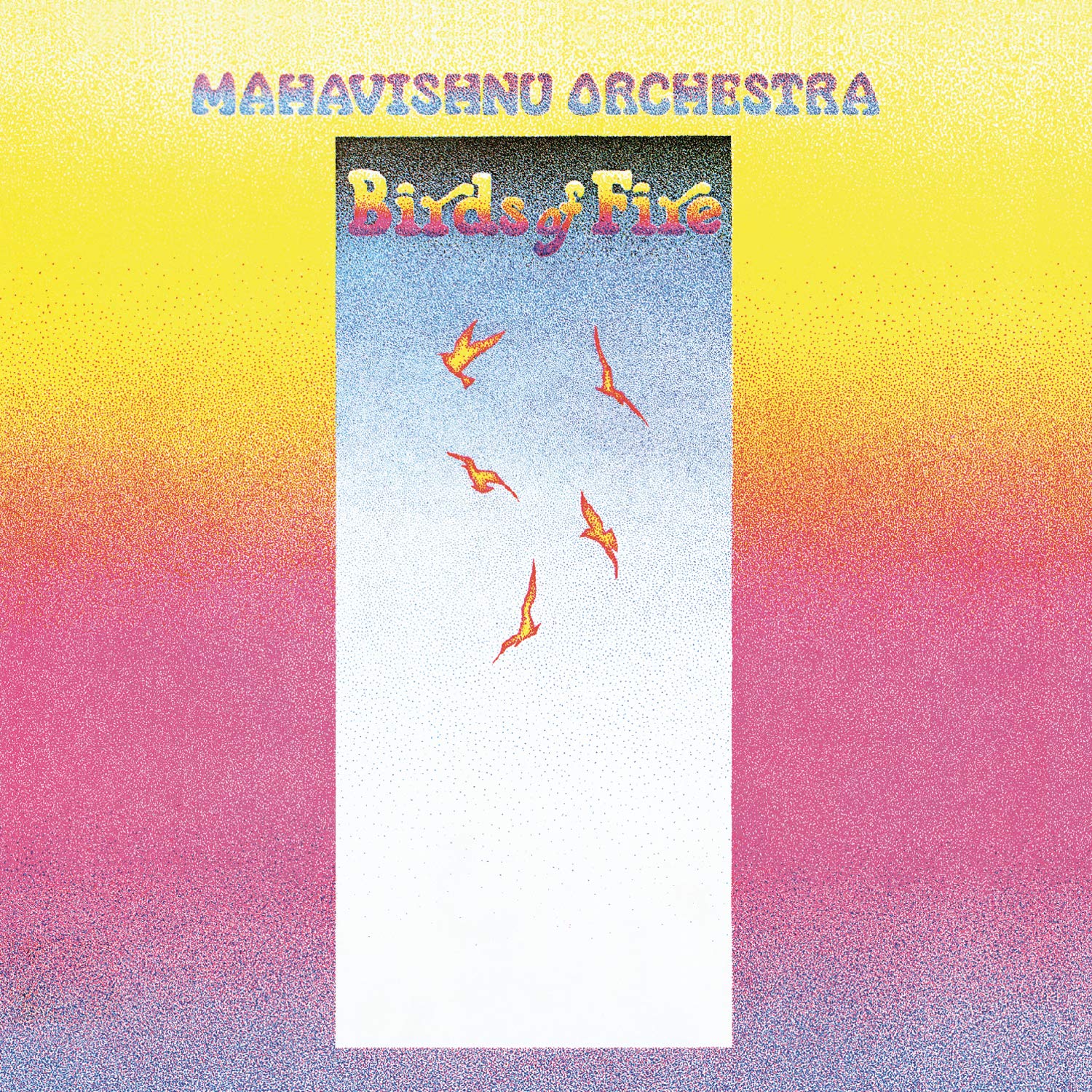
Though Herbie Hancock’s Sextant sold relatively few copies, the opposite was true of Mahavishnu’s Orchestra’s Birds of Fire: it was in several of my friends collections and soon I would buy my own copy. This is one of the finest albums of 1973, appealing to jazz and progressive rock fans alike — and beyond — for anyone in love with electric guitar virtuosity this was a must have. Besides McLaughlin’s guitar, there is unfaltering, propulsive percussion work from Billy Cobham, keyboards from Jan Hammer, and violin work that provides a perfect compliment to McLaughlin contributions. A classic album of unerringly invigorating and captivating instrumental music.

Argent: In Deep

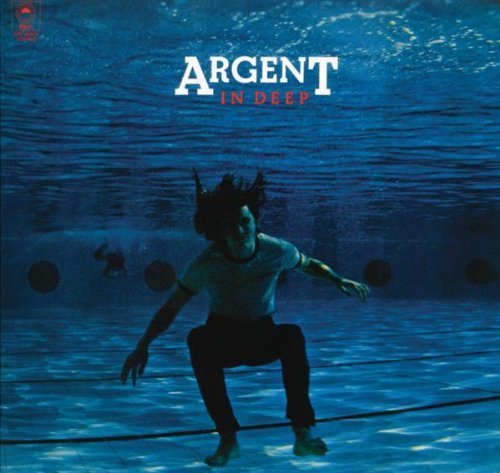
Argent releases their fourth studio album on March 5, 1973, and though there is nothing to match the organ solo in Altogether Now, there are still some good piano and organ work from Rod Argent. The first side is mostly written by Russ Ballard and includes a semi-hit rock anthem, “God Gave Rock and Roll to You”, which was later picked up and modified by Kiss for the soundtrack to Bill & Ted’s Bogus Journey and “It’s Only Money” part one and two. The second side is mostly written by Rod Argent and Chris White and is substantially closer to a progressive rock than the first side, with “Be Glad” and “Candles on the River” being the most adventurous.

Procol Harum: Grand Hotel; Steeleye Span: Parcel of Rogues; Faces: Oh La La

Other notable albums released in March include Procol Harum’s elegant and grandly orchestrated Grand Hotel, overall their most consistent and cohesive album, Steeleye Span’s spirited and well-produced, prog-tinged folk album, Parcel of Roques, and the Faces earthy, energetic Oh La La.

Fifty Year Friday: June 2020 Part 3

parachute

Pretty Things: Parachute

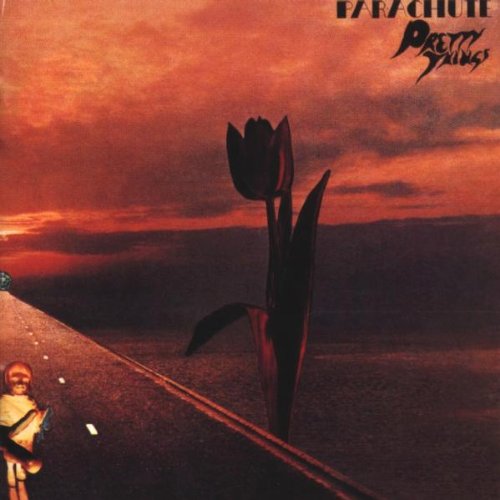
Though the Pretty Things’ S.F. Sorrow is now accepted as a rock classic, upon its original release at the end of 1968, it suffered so poorly from proper promotion and distribution, that it provided little reason for the band to continue.  Continue they did, but it would be without lead guitarist, vocalist and significant creative contributor, Dick Taylor as well as their drummer, Twink (a.k.a. John Alder, and then later Mohammed Abdullah.)

Surprisingly, their next album, Parachute, released 18 months later in July 1970  was arguably even better than S.F Sorrow. Unfortunately, it received little recognition in the ensuing months and for some inexplicable reason gets little attention today. Heavily influenced by the Beatles, and perhaps a strong influencer of albums like David Bowie’s Ziggy Stardust and Flash’s Out of Our Hands, Parachute flows musically so well, one is tempted to assume it is a concept album. Though not the case based on lyrics, as far as I can sort out, it is a cohesive collection of songs, ordered and presented to achieve a singularity. More importantly, the music is compelling, engaging and a treat to listen to!

runt

Runt/Todd Rundgren: Runt

Although later releases include Todd Rundgren’s name on the front cover, the original Ampex release is simply titled Runt after the name of the band which included Todd Rundgren and Tony and Hunt Sales, sons of the pie-in-the-face comedian Soupy Sales. Other musicians are added for a few of the tracks, but this is mostly Todd Rundgren’s effort, authoring all compositions, providing all vocals and arrangements and playing guitar, keyboards and other instruments. The album barely reached up to 185 on the Billboard album chart, but later provided the single “We Gotta Get You a Woman”, which helped provided much needed attention to a quality artist. The strong points here are the ballads like “Believe in Me”, “Once Burned”, the semi-ballad “We Got To Get You a Woman” (note difference in the title between album track and single) and the more progressive rock tracks like “I’m in the Clique” with its jazz overtones,  “There Are No Words”, and “Birthday Carol.”

Blood, Sweat and Tears: 3

Blood, Sweat and Tears released their third album, but with not enough focus on original music and covers like “Fire and Rain” not contributing anything beyond the superior original versions , the album falls short of its promise. There is still the recognizable BS&T sound, and the album has some strong moments here and there, particularly David Clayton-Thomas’s “Lucretia MacEvil,” but those moments maybe account for eight to ten minutes of the forty-two minute album.  In retrospect, this album marks the decline in the original rock-based jazz-rock era — with Chicago soon to follow with a disappointing third album and a subsequent transformation to a pop-rock outfit.

yeti

Kosmische Musik

Komische Musik, translated to Cosmic Music, continues to develop in Germany with still heavy psychedelic and avante-garde classical influences from artists like Karlheinz Stochhausen.

Amon Düül II: Yeti

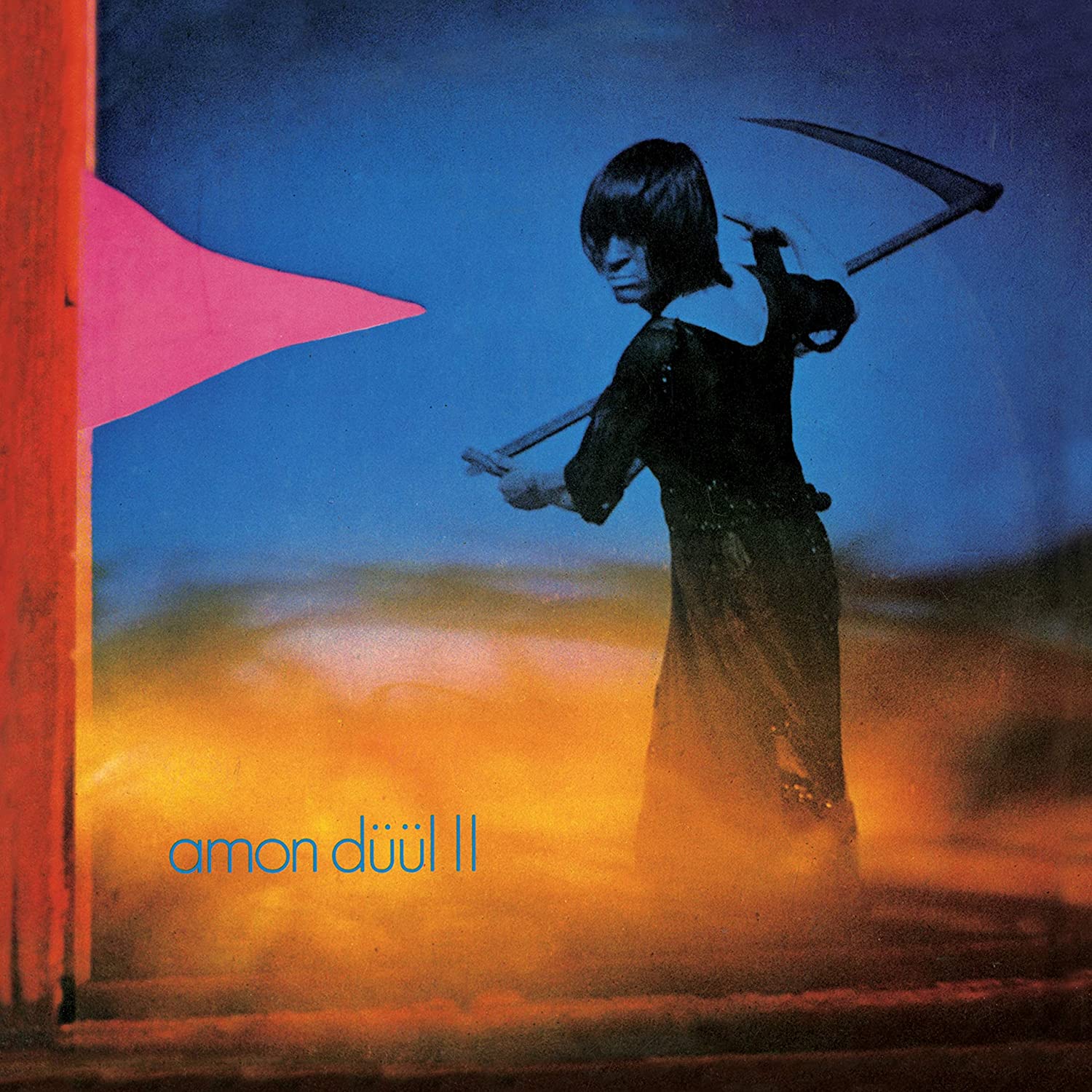
In April 1970, Amon Düül II , released almost a template for Komische Musik, the sixty-eight minute, two LP Yeti album which brings together various elements of psychedelic rock, hard rock, jam rock, space rock, sung and spoken vocals with traces of opera, blues, folk, jazz. and Dylan-like vocals on the first track of the first side.  As is often the case with German Cosmic Rock, the music is propelled forward with a relentless dramatic tension that increases until the end, aided by Chris Karrer’s resolutely persistent violin. The second track on the first side starts calmly, contrasting clearly with the climaxed first track and builds to its finish, providing a perfect example of the sweeping, narrative strengths of the best Komische Musik all within the span of 3 minutes! Side two contains several songs with the first anticipating punk and new age, the second initially more progressive-folk in nature, transforming more into psychedelic and hard rock , the third combining hard rock, heavy metal, and progressive rock, the fourth, an all-out aural assault with notable Hendrix, heavy metal and punk-rock elements stewed together with an underlying space-rock forward motion, and the the fifth refreshingly a little more laid back and open with a repetitious bass and drum foundation.  Side three is particularly impressive with its 18 minute title-track track improvisation, followed by additional improvisation on side four ending with the most reflective track, “Sandoz in the Rain”

Tangerine Dream: Electronic Meditation

In June of 1970, Tangerine Dream released their debut album, Electronic Meditation, a compilation of electronic-manipulated music and free-psychedelic “rock”,  also influenced by Stockhausen’s and other contemporary avant-garde and electronic art music, and possibly influenced by both American and German free jazz.   The best (and longest) track “Journey Through a Burning Brain,” contains concrete glimpses of the future Tangerine Dream (including the use of a mostly persistent, mechanized-like obligato that propels the work forward), and as the title indicates takes the listener on a journey, leaving it to the judgment of the listener if this is closer to an actual journey through geographic territory, or some imaginary exploration — perhaps exploring that “burning brain” in the title.

fire and water

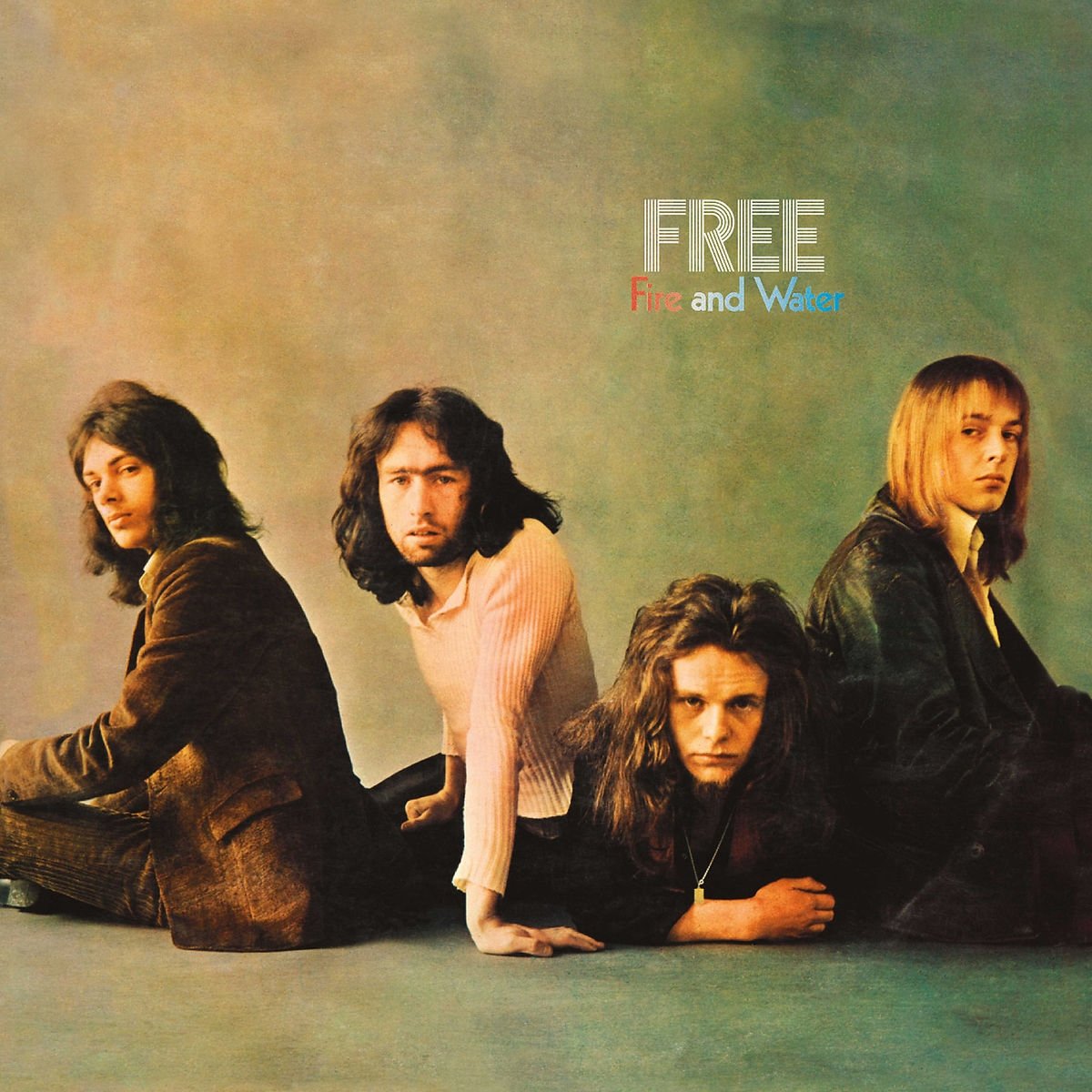
Free: Fire and Water

Free released their third studio album on June 1970.  My sister bought this album after hearing “It’s Alright Now” countless times on the AM radio.  Though the song has appeal, it’s repetitiveness is more troubling with each playing. Fortunately, there is more to this album than that.  The first two tracks on side one are two of the best examples of rock-based equivalents to early blues, with strong lyrics and performed with authentic pathos. What follows, may be of lower quality, but certainly it was good enough to take the album to number two on the UK album charts and number seventeen on the US charts.

ross_diana__dianaross_101b

Diana Ross: Diana Ross

After eighteen albums with the Supremes, Diana Ross releases her first solo album. Her nuanced vocals are indeed several levels above those of most of the more basic vocalists we find in rock (remember Rod Stewart from last week’s Fifty-Year Friday?)

Though “Ain’t No Mountain High Enough” was her big hit on this album, “Reach Out and Touch” also fared well as a single. “Ain’t No Mountain High Enough” not only confirmed that Ross was a major solo artist outside of the Supremes, but it, as well as the rest of the album, especially “You’re All I Need To Get By” provide a wealth of evidence of both her singing and narrative acting skills.   The album provided the first step to superstar status — in 1971 she would have her own own one-hour television special (okay 40 minutes not counting commercials) and in 1972 command the lead role of Bille Holiday in Lady Sings the Blues in 1972, rising above a flawed screenplay to get an Academy Award nominiation.

fotheringay

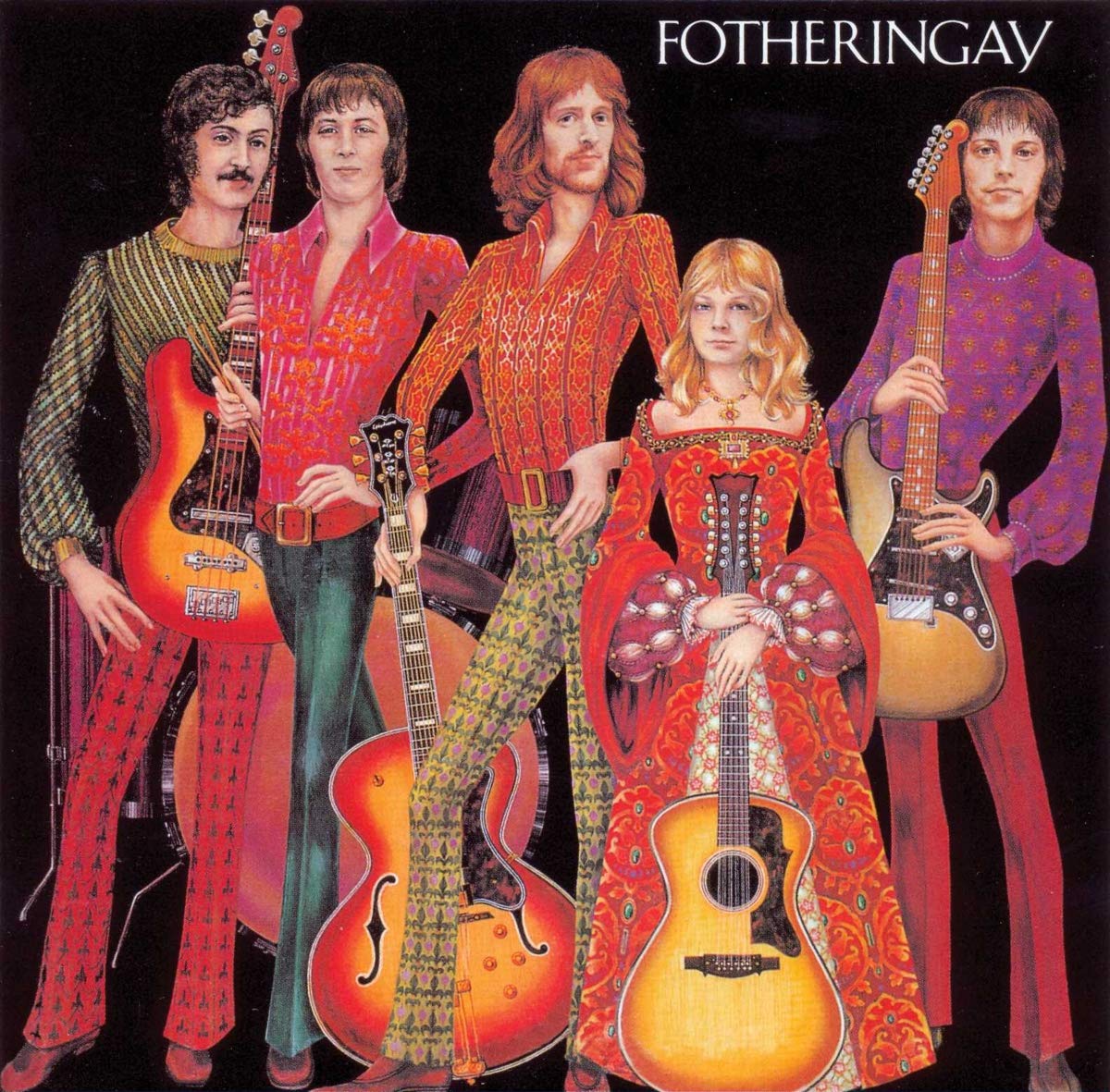
Fotheringay: Fotheringay

Three fine folk albums are also released in 1970.  The best of which the short-lived Sandy Denny group, Fotheringay.  Sandy Denny contributes several well-written, elegantly crafted compositions to the album with beautiful, refined lead vocals on most tracks.

Steeleye Span: Hark! The Village Wait

Steeleye Span’s Hark! The Village Wait is mostly traditional English folk music with a more modern folk-rock accent.  With both Maddy Prior and Gay Woods contributing to vocals, a range of string instruments including banjo, electric dulcimer, violin, mandolin, mandola, autoharp, electric guitar and bass guitar, and excellent musicianship this is an impressive and enjoyable debut album.

It’s a Beautiful Day: Marrying Maiden

Back in  America, San Francisco-based It’s a Beautiful Day, released their second studio album, Marrying Maiden. It has that distinctive, haunting, ethereal “Its a Beautiful Day” sound,  abandoning the psychedelic elements of the first album to provide a more relaxed pastoral-folk listening experience.

I did listen to the Dylan Self-Portrait album (finally after all these years) from start to finish and that has some folk elements as well as blues, bluegrass and country elements. For me, the best track is Dylan’s “Woogie Boogie.” This is definitely one of those albums it is best to stream before considering purchasing.  I also listened to the entire Grand Funk “Closer to Home” album for the first time, an album that made it up to the sixth sport on the Billboard’s album chart — my only prior exposure to it being a cassette tape that I heard a portion of and hearing the title track on the FM radio once or twice.  I think that’s the limit of what I will venture to say about this album.

June 1970, being the first month of summer, provided a bounty of new albums.  Did I leave any of your favorites out?  If so, please comment!