With the start of 1926, the Jazz Age, the Roaring Twenties, and the Fox Trot rage continued.
Jazz records were often given the default label of “Fox Trot.” I had the good fortune to be able to listen to several of my grandfather’s jazz 78s, with the majority of them labelled “Fox Trot” — a catch-all label for popular music that de-emphasized the more scurrilous connotations some associated with “hot jazz.”
Two such “Fox Trot” recordings of merit were of the popular song “Dinah,” written in 1925, and recorded a few times in late 1925.
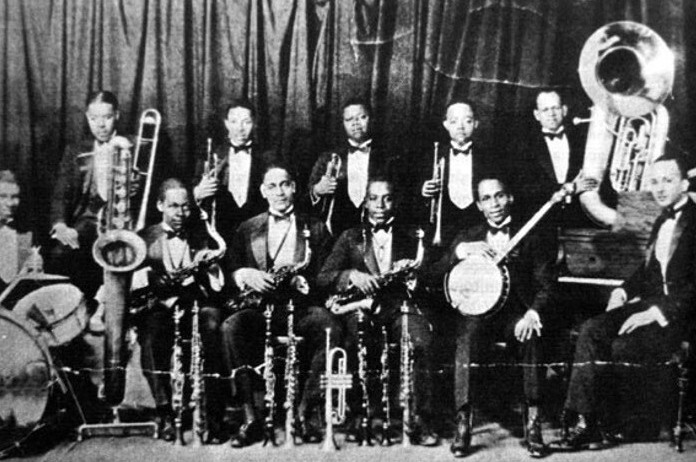
This first Jan. 1926 recording, is by one of my favorite jazz ensembles, The Fletcher Henderson Orchestra:
Another notable recording of “Dinah” features the first recording of the slap bass technique (bassist Steve Brown) at around the 2:20 mark:
And here are some visuals of Fox Trot dancing captured on film — spanning the 1920s and possibly early 1930s:
And speaking of films, The Sea Beast, starring John Barrymore, had its New York City premiere on January 15, 1926. This was the first film adaptation of one of the great American novels, Moby Dick, with the additional modification to the plot to, of course, include a love interest for Captain Ahab! Enough said.
And since we are on films, we have to mention that John Logie Baird gave the first public demonstration of a true television system in London. It wasn’t just shadows; it was a greyscale image with moving details.
Also in January 1926, physicist Erwin Schrödinger published his famous paper (Quantisierung als Eigenwertproblem) containing the foundation of the Schrödinger equation: iℏ (∂Ψ/∂t) = ĤΨ. This birth of wave mechanics replaced the idea that particles revolve around the atom like sub-microscopic planets. Instead, it revealed that they behave as waves — what we now understand as clouds of probability. No one can say where an electron is; we can only calculate the likelihood of finding it at some given location as alluded to in Zumwalt’s 2011 poem, Particle Show.
Of course, I need to mention progressive rock whenever I can: George Martin, the so-called fifth Beatle, and a pivotal contributor to the Beatles’ progressive sound, and by extension, to progressive rock in general, was born on January 3, 1926.
By the start of 1976 the commercial demand for progressive rock was still at its peak, but many of the established English bands were creatively past their peak. In Italy, even before 1976, the top progressive rock band, PFM, started modifying their sound to increase their appeal to English-speaking audiences, releasing albums with English lyrics, a decided artistic and musical misstep, and arguably a commercial mistake as well, as the move did not result in greater American sales and negatively impacted both sales and their image within Italy.
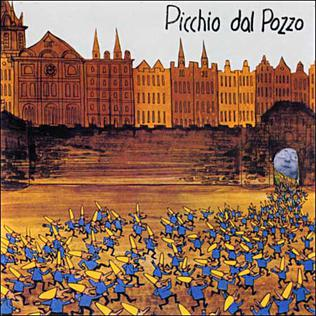
January 1976 was the release month of Picchio dal Pozzo’s first album. Their lyrics, though limited, were exclusively in Italian, and their style didn’t resemble or remind one of Yes, Genesis or ELP. There are certainly traces of the techniques and chamber music approach of the English Canterbury scene, but the album has a solidly Italian and Continental identity with the musical playfulness more in line with the earlier sounds of PFM, RDM and Banco than the bloat and pomposity of some of the late 1970s symphonic rock movement — I won’t mention names, including some of the American groups that were guilty of this.
This Picchio dal Pozzo album starts off with a minimalist, repetitive opening, crescendoing with added Italian vocals. The second track, “Cocomelastico,” is heavily Zappa influenced, with the lightness and musical seriousness of tracks like Hot Rats‘ “Peaches en Regalia,” as well as recalling instrumental passages from Caravan and other Canterbury groups.
The music gets wilder with the longest track of the album, “Seppia,” getting into territory closer to the music of Robert Wyatt, Gong and Soft Machine with even hints of Area in the middle and ending with a softer Caravan-like sound.
The first side ends with the brief instrumental “Bofonchia” (Italian for “grumble”) and side two starts with the adventurous “Napier” (perhaps after the Scottish mathematician who invented logarithms). The track is the longest of the second side, and includes some magical vocals and a range of moods and instrumentation.
The second side continues, adventurous and musically eclectic, with “La Floricoltura Di Tschincinnata,” meditatively with “La Bolla” and its shimmering, post-impressionistic flute and piano, and the final track, “Off,” continuing that mood, more consistently with flute and piano joined with some ethereal vocal work — effectively wrapping up an adventurous, musically compelling album with a beautifully melodic, introspective ending.
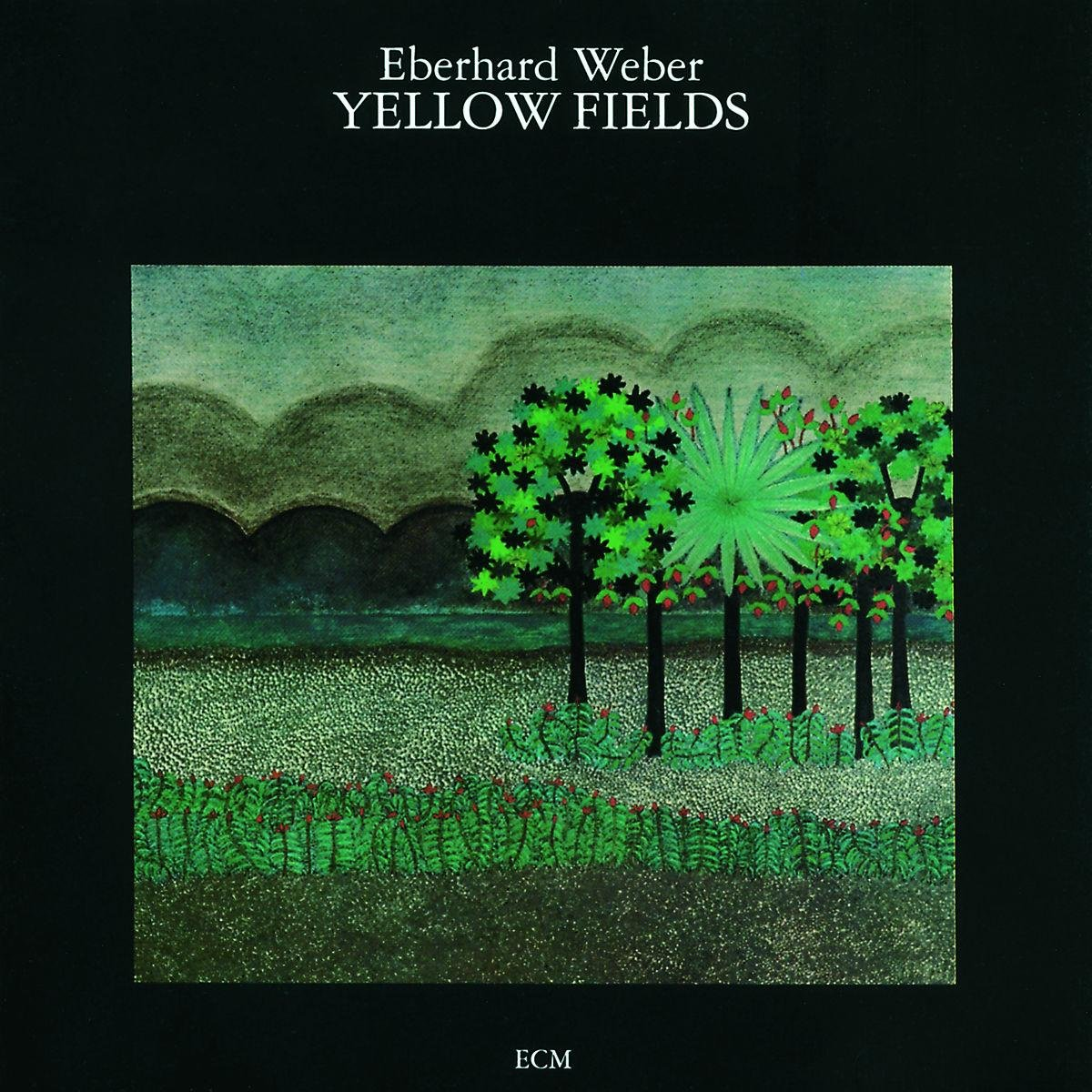
Eberhard Weber: Yellow Fields
Released in early 1976, Yellow Fields is led by German bassist and composer, Eberhard Weber, who delivers one of the finest and most distinctive jazz albums of the year, avoiding any hints of the more commercial and more prevalent fusion jazz of that year, yet still delivering an album that was equally contemporary and accessible.
Like Charles Mingus before him, Weber was classically trained on cello, switched to bass, and integrated his use of the bass to further his musical vision, often using the bass in a more melodic role, utilizing the upper register to create a singing quality, weaving musical tapestries that are foundational to the music.
Now here is the real treat for me: We have Charlie Mariano being an indispensable part of this album’s appeal. I am a big fan of the nagaswaram, sometimes immersing myself in old recordings (from the 78 era) of Indian Classical Music to soak in its magical sounds. The nagaswaram is similar to the more commonly heard shehnai, which Mariano also features on this album, except it is significantly larger, longer, lower in pitch range, and louder. It requires athlete-level lung power and a musical sensitivity to its capabilities to bend pitch and hit the notes between the notes — play those non-Western tones, those micropitches, opening up the full range of musical vocabulary just as the shehnai does. Mariano further extends his timbral and range options on this album with the soprano sax.
Adding to the wide range of colors on this album is classically-trained German jazz pianist, Rainer Brüninghaus, who adds depth to the album but never subverts its mood or flow, playing both acoustic piano and synthesizer.
If you wish to check out an excellent example of 1970s jazz, here is an intense, cohesive, and immersive album that avoids the more prevalent fusion and free-jazz styles of that era and provides a wealth of musical color. Please give it a listen if you haven’t and let me know your thoughts: how would you place it in the diverse range of jazz albums of the 1970s?
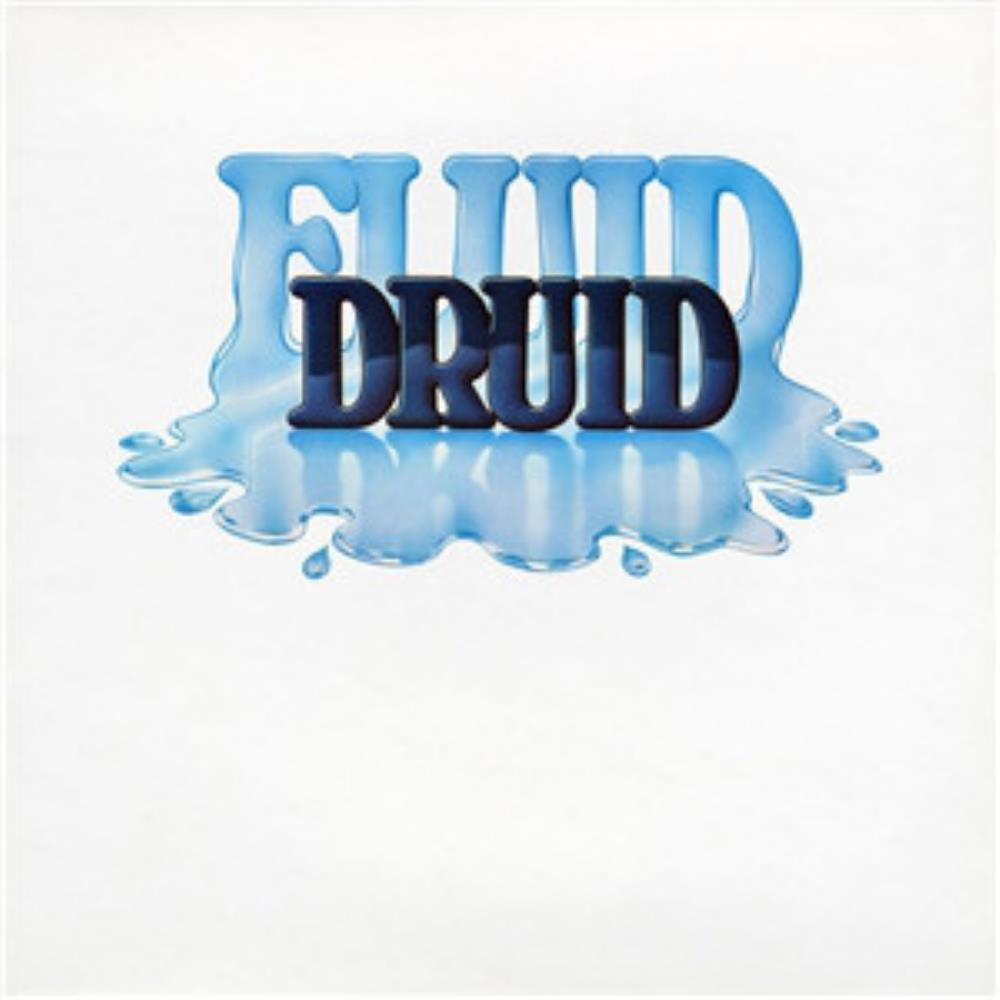
Druid: Fluid Druid
There were several albums I considered including in this month’s Fifty Year Friday, albums that I have enjoyed listening to, and one of particular musical significance, but ultimately, I thought best to let other fans of such albums write their own reflections, thoughts or retrospective reviews on those albums. In the case of Druid’s Fluid Druid, released sometime in the first half of 1976, this is an album that was pretty much under the radar in 1976 and pretty much unknown today. (Note: after further research it appears the album was released on April 30th, 1976, but let’s keep this entry here for now, with plans to move it to April if I am still writing these retrospectives at that point.)
This is an English band, consisting of four musicians: the keyboard player and principal composer, Andrew McCrorie-Shand, the bass guitarist, Neil Brewer, the drummer, Cedric Sharpley, and the guitarist, Dane Stevens, who provides the vocals. Now sometimes his vocals, which can be overly affected, annoy me a bit, and sometimes they are quite good. The instrumental passages are quite enjoyable, and overall the music sounds heavily influenced by Yes and, to a lesser degree, Genesis. What matters, though, aren’t the influences, as apparent as they are, but the overall quality. Though this varies a bit, overall this is a strong album. Check out the instrumental track “FM 145,” a bit reminiscent of Greenslade, or “Nothing but Morning,” which sounds like part Yes and part Queen, and where Dane, credited on this album with just his first name, even sounds a bit like Freddie Mercury. If you are a fan of that portion of the Yes catalog and/or the Genesis catalog from the early and mid 1970s, there should be enough attractive material here, as well as in their first album, to make it worth your while to stream or purchase.
In 1925, recording technology continued to improve with jazz bands across the USA making their first recordings, even if it was only one double-sided 78 record.
1925 was the year Armstrong transitioned from being the greatest 1920s jazz sideman to a leader of his own group. He began the year in New York with Fletcher Henderson and ended it in Chicago recording the first “Hot Five” tracks starting in November — some of my favorite jazz recordings of all time, and generally recognized as highly treasured musical landmarks.
Other notable names made recordings this year: the trumpeter Bix Beiderbecke, Fats Waller, Duke Ellington with his group The Washingtonians, Bessie Smith, and Ethel Waters. The sides they recorded are still musical gems a hundred years later.
Lesser names recorded, of course. Some had big hits, including Ben Bernie and His Hotel Roosevelt Orchestra’s original hit recording of “Sweet Georgia Brown” and Paul Whiteman’s symphonic jazz version of James P. Johnson’s “Charleston,” which became a popular representation of the vitality and character of the “Roaring Twenties.”
There were many lesser names with less known recordings that are worth checking out including the Original Crescent City Jazzers recording “Christine” and The Halfway House Orchestra’s “Pussy Cat Rag.” Yes, we still had rags being featured in both jazz and in written concert hall music, but ragtime was now a historical style, and most pieces titled rags in 1925 were jazz and not ragtime.
Even rock fans will find 1925 abundant with gems that they would likely appreciate: “Cow Cow Blues” by Dora Carr and Cow Cow Davenport which is a blues recording enlivened with early elements of boogie woogie as well as Blind Lemon Jeffersons first recordings including “Black Horse Blues.” At the same time, many recordings of “pre-bluegrass” and “pre-country” music were recorded including Charlie Poole’s unrelenting, banjo-driven “Don’t Let Your Deal Go Down Blues” with traditional fiddle and rhythmic acoustic guitar.
All in all, 1925 had a wealth of music that any music lover can spend a few weeks, if not a full year, exploring.
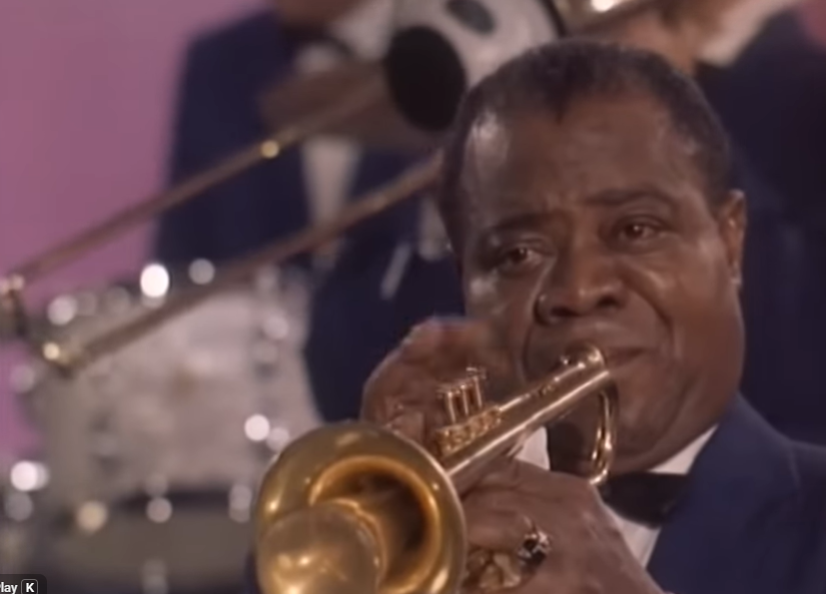
I have been going through Louis Armstrong’s recorded catalogue, and such a treat! I love this video of Louis and his all-stars performing “Someday” from 1962. This was almost a year after all-star clarinetist Barney Bigard left the band and was replaced with Joe Darensbourg, and about 20 months before Louis recorded his version of “Hello Dolly” which when released the following year in 1964 would push the Beatles out of the top spot in the charts for 14 consecutive weeks. Yes, only Louismania could contend with Beatlemania!
Released in November of 1975, Night at the Opera starts with the excitement of an ocean voyage — we hear arpeggiated waves from the piano, whale rumblings from the bass, bird cries and seagull squawks from multitracked guitar breaking into soft strains of a tango quickly turning into heavy metal. This is Freddie Mercury the composer at the height of his craft.
After having purchased three Queen albums already, the first thing I did when I brought this album home in December of 1975 was note which tracks were attributed to Mercury — this served as indicators to what tracks would impress me the most. That turned out to be an effective predictor, but, importantly, the rest of the band’s contributions were some of their very best songs, making this album packed with classic material from start to the pinnacle of the album, the penultimate track, “Bohemian Rhapsody” — one of those rare instances in rock since the Beatles had disbanded where a truly great work of music made its way from legendary status with serious listeners, musicians, and dedicated fans to legendary status with the general public, even though, perhaps as expected, it took some time to do so.
And just as the Beatles elevated their work with multi-track musical enhancements, so too did Queen elevate Night at the Opera to a precisely rendered set of cohesive numbers that deservedly live up to the album’s title. Now, don’t get me wrong — we have an amazing musical diversity on this album — with such diversity in just Mercury’s compositions — but we add to that “I’m in Love with My Car”, “You’re My Best Friend,” the vaudevillian “Good Company” with ukulele and outstanding guitar accompaniment, and “The Prophet’s Song” with its brilliant use of deceptively simple imitative counterpoint, and it’s pretty easy to understand how Night at the Opera more than holds its own today as a timeless classic.
Keith Jarrett : The Köln Concert
One of my favorite possessions was the triple LP Keith Jarrett Solo Concerts: Bremen/Lausanne which I had purchased with Christmas money in 1973. It was just incredible to have a three LP set of piano improvisation of such high quality. Given that, I am puzzled why I never bought The Köln Concert until the complete version made its way on to CD around 1984.
Recorded live in January of 1975, The Köln Concert was released in late November of 1975, the album starts off plaintively in the style of the quiet Americana reflectiveness so well done by classical composers like Aaron Copland and Roy Harris. For the first improvisation, Jarrett leans heavily on repetitive phrases and ostinato-like patterns to continue to move the music forward, flowing as if driven by stream of consciousness, yet always compelling and logical, deftly avoiding lingering too long in any single style, texture, or mode of emotional expression as the music logically unfolds.
The second piece, broken up onto three sides of the double LP album, is dramatically different in tone and character. Like the first improvisation, it evades any simple stylistic labels sometimes flirting into rock piano improvisation. Where the first improvisation was reflective, the second is inexhaustibly joyous and intensely rhythmically as Jarrett turns the piano into a percussive engine, hammering out a powerful, trance-like groove with his left hand that is pure, ecstatic energy. This propulsive marathon of invention continues through Part IIb, before finally dissolving and making way for the famous encore, “Part IIc.” After all the complex fireworks, this final piece is a moment of breathtaking, lyrical grace — a simple, hymn-like melody that releases all the tension and remains one of the most beautiful themes Jarrett ever played.
The music makes this performance legendary, but like the most interesting legends, it has an almost mythical backstory. Jarrett had specifically requested a Bösendorfer 290 Imperial concert grand. Unfortunately, what was made available on the stage was a baby grand rehearsal piano in such bad condition that Jarrett had initially refused to play on it. The requested piano was in storage and due to horrid weather was not able to safely replace the inferior piano. So Jarrett was forced to confront the rehearsal piano, an unsuitable, tinny, and out-of-tune practice piano he tested during the afternoon of the concert and was so dissatisfied with it he almost threw the towel in performing that evening. The promoter finally convinced him that he had a responsibility to play as best as he could for a sell-out crowd and somehow do his best to deal with the inadequacies of the inferior rehearsal piano. Jarrett went forward with the performance and it was this limitation, this ‘bad instrument,’ that forced Jarrett to navigate that evening’s improvisations into new territory, compelling him to avoid the shrill upper register notes and the weak lower bass notes, replacing the harmonic function of the latter with lower middle register accompaniment patterns and repetitive ostinatos — thus creating the distinctive style that unifies the music of this remarkable performance.
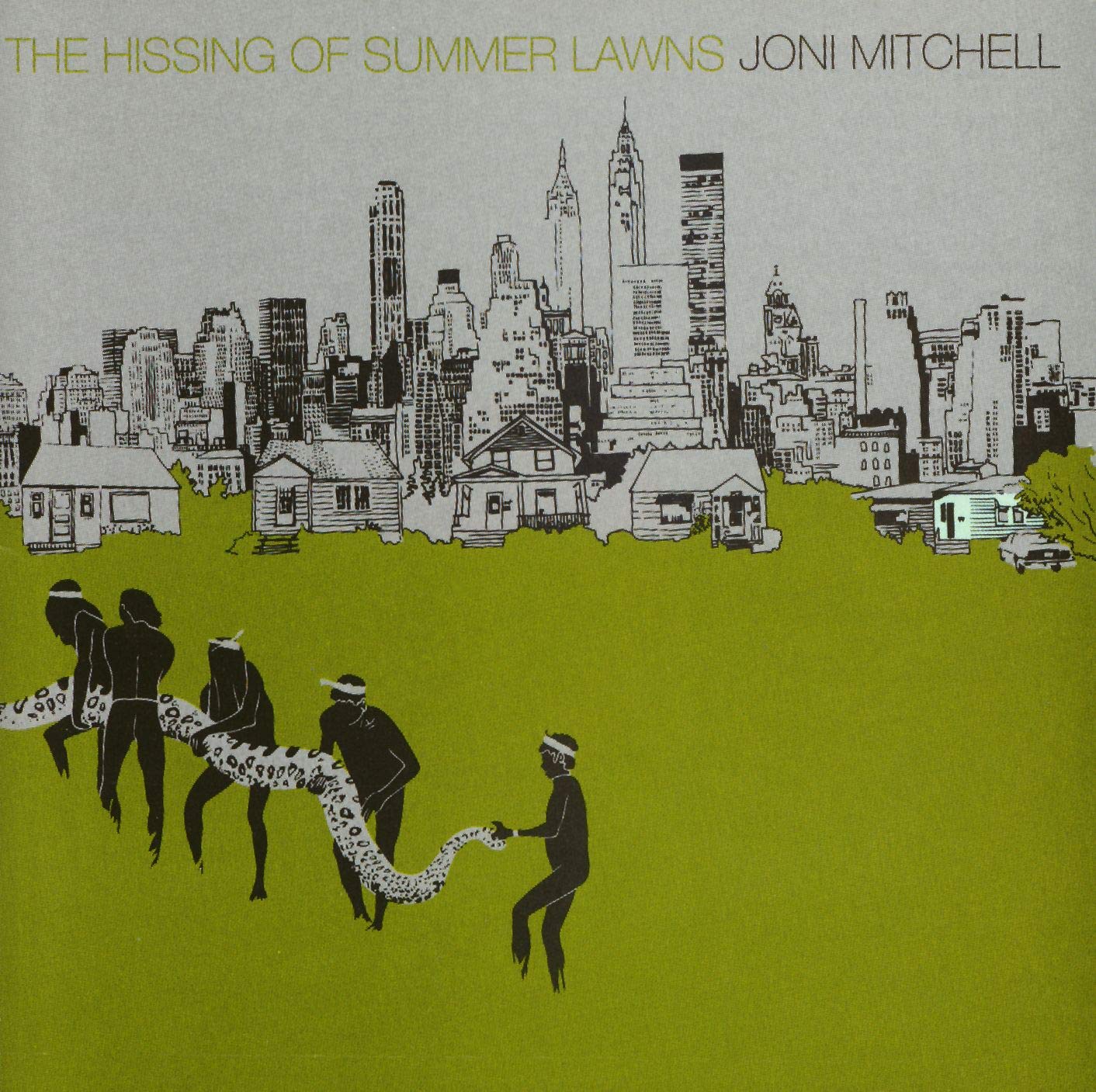
Joni Mitchell: The Hissing of Summer Lawns
Released in November of 1975, The Hissing of Summer Lawns finds Joni Mitchell presiding over one of the most seamless marriages of lyrics and music of the 1970s. The poetry here is evocative and ironic, crafting memorable metaphors and unforgettable images. It’s often said that when constraints are placed on artists, they often produce their best work. For an artist who had previously written music around pre-existing lyrics to then make that shift over to the craft of fitting words into already composed music, one might expect a change in character — or at least in lyrical texture. Beginning around 1973 or 1974, Mitchell’s lyrics indeed became more fluid, impressionistic, and engaged, so that by the time of this album, she had achieved a near-perfect fusion of music and poetry, with the music among her finest creations.
And how does one classify the sound? One cannot. It draws on pop, rock, folk, and jazz, yet it belongs to none of them. The album charts its own course, allowing space for stellar contributors like Bud Shank and Joe Sample to leave their imprint without overshadowing Mitchell’s vision. The closing track, “Shadows and Light,” brings the album to a transcendent conclusion: a multi-tracked a cappella choir of Mitchell’s voice against a contrasting, processed drone from a Farfisa organ. The result is a kind of sonic cathedral, where light and sound filter through like stained glas — ever shifting, quietly monumental, and filled with a sense of cosmic design.
The entire album is a showcase of extracting equilibrium from motion. The music is built on a strong foundation yet exploratory and liberating. Here we have an artist of the highest level in full command of her gifts, unafraid to blur the lines between song and painting, intellect and intuition. The Hissing of Summer Lawns continues to be an album worth returning to: we achieve familiarity with repeated listenings but never is the magic lessened.
Chris Squire: Fish Out of Water
Another November 1975 release was Chris Squire’s highly accessible, melodic Fish Out of Water. For those like me who couldn’t get enough of the brilliance of Yes’s Fragile, this album was filled with the musical inventiveness and wonderful bass lines that dominated that Yes album. Musicians include Bill Bruford on drums and percussion, with saxophonist Mel Collins on two tracks and Patrick Moraz on bass synthesizer and organ on one track . Squire handles all the vocals, bass guitar, some acoustic twelve-string guitar and electric bass. Special compliments go Andrew Pryce Jackman who provides acoustic and electric piano keyboards and seamlessly integrated orchestration providing the album with additional depth and further contributing to its ebullient vitality. Fish Out of Water is a must-have album for all Yes fans surpassing most of their catalog released after 1975.
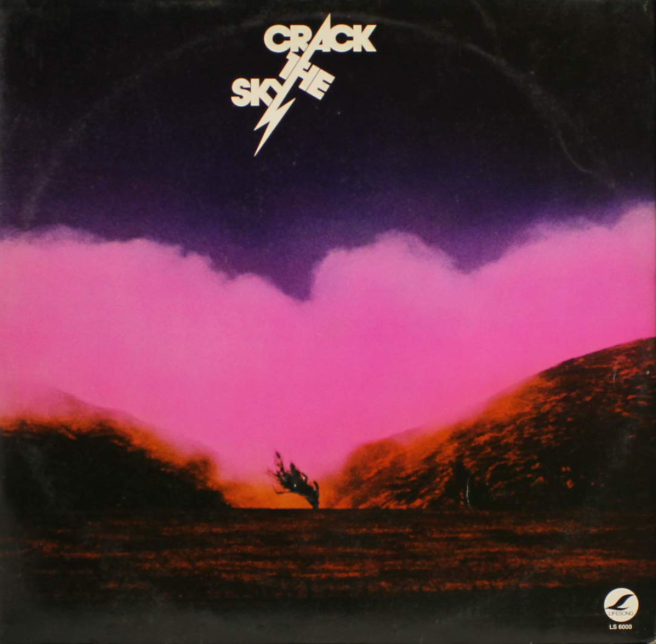
Crack the Sky: Crack the Sky
Crack the Sky’s debut was released in limited quantities in November 1975 by the independent label, Lifesong. Is this the biggest accomplishment by this label? Depends on your perspective — Lifesong posthumously re-released several greatest hits albums of Jim Croce material starting in 1976 as well as being responsible for “The Biggest Rock Event of the Decade” — that’s right — the rock opera Spider-Man: Rock Reflections of a Superhero — an album of such popularity that I cannot find any entry for it on Wikipedia, though in fairness, the title was released again twenty-five years later on CD and is currently available on eBay for $49.
Putting Spider-Man historical considerations aside, the Crack in the Sky album, despite its limited distribution, eventually climbed up to spot 161 on the Billboard Charts in February 1976 aided by some airplay in the Baltimore area and more importantly being identified by the Rolling Stone magazine as the debut album of 1975.
Keyboard player and lead vocalist John Palumbo wrote all the music and lyrics showcasing an eclectic range of styles incorporating sixties pop elements and contemporary progressive rock elements. Both the music and lyrics are generally quirky, with a tongue-in-cheek, often ironic, humor deeply embedded in the lyrics and the music rich with accessible melody. There are musical moments that recall surf music, the Beatles, Procol Harum, early Genesis, and even Gentle Giant. It’s not a particularly well-produced album but it is a lot of fun, and an album that anyone who considers themselves well-versed in the history of rock music should have heard at least once.
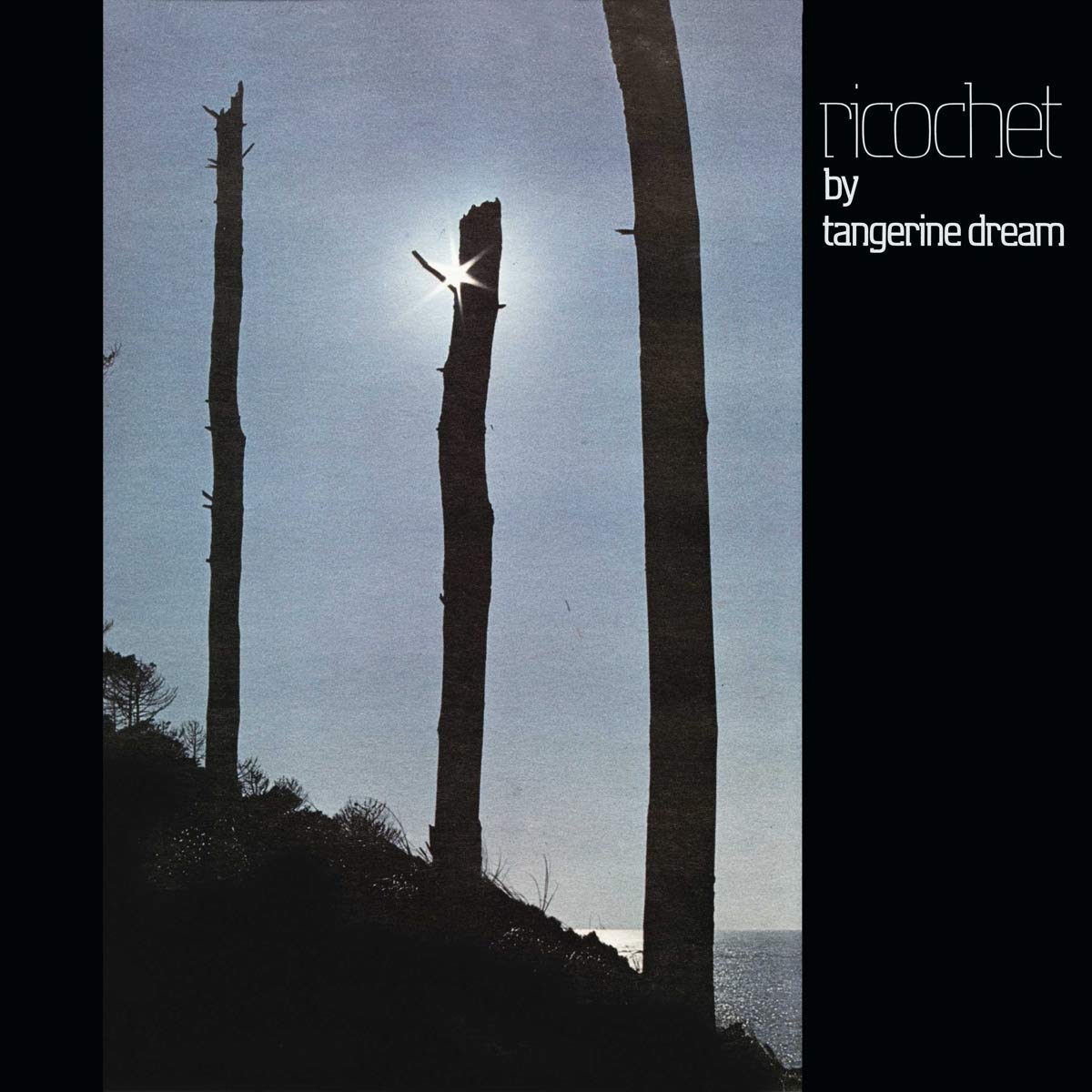
Tangerine Dream: Ricochet
Recorded in late October and early November of 1975 in England, partly live at Fairfields Hall in Croydon and partly in the studio, Ricochet was released in December of 1975. It continues that rhythmically intense sequencer-driven signature sound from Rubycon, delivering it with sparkling clarity and focus. The music unfolds logically with a strong sense of overall meaning and purpose, effectively locking in one’s attention and never letting it go. Side One, “Ricochet, Part One” contains studio improvisations and recreations of live performances with side two, “Ricochet, Part Two” being predominantly live.
Vangelis: Heaven and Hell
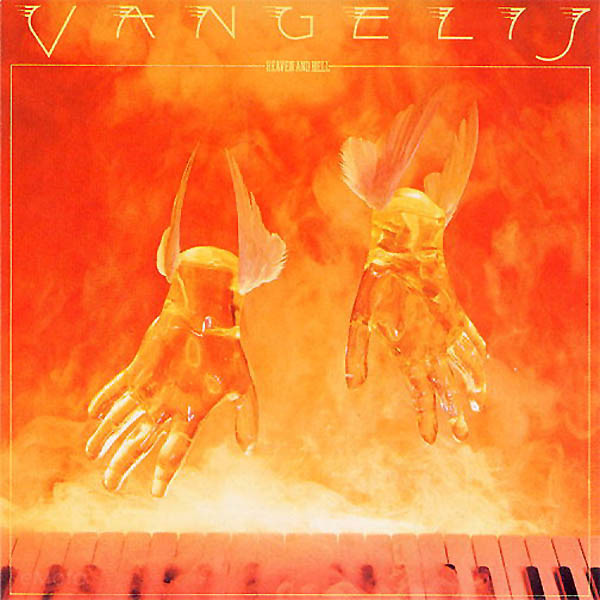
Released in November of 1975, Heaven and Hell is a mixture of the cinematic, early and modern “classical” music, Greek folk and some elements of progressive rock. The album effectively combines Vangelis’s mastery of synthesizer with orchestra to create a richly themed concept album about the duality of human interaction with good and evil, the light and the darkness of existence. Side One, “Heaven and Hell, Part I”, opens furiously with synthesizer and chorus setting a strong symphonic tone and concludes with vocals by Jon Anderson of Yes segmented with a glorious orchestral and synthesizer interlude. Side Two, “Heaven and Hell, Part II” opens up, contrastingly, darkly and ominously, generally maintaining that mood with the notable interspersion of an exuberant, infectious Greek-influenced folk-dance-like section and its more reflective ending. The musical tone-painting is particularly impressive, effectively supporting side two’s darker thematic premise.
Mike Oldfield: Ommadawn
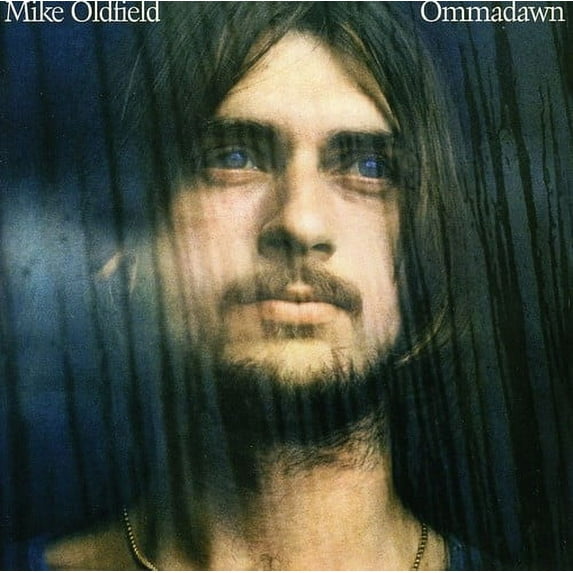
Released in November of 1975, Ommadawn is Mike Oldfield’s third major symphonic work, following the partly Exorcist-driven phenomenon of Tubular Bells and the expansive, pastoral landscapes of Hergest Ridge. Ommadawn mostly consists of one long work, the title track, divided between the two sides of the original LP with a short additional work at the end. It is this title track that is the gem and centerpiece of the album, excelling in compositional presentation and development of thematic material with the first theme deftly varied, followed by an abruptly effective intrusion of the second theme around the 4:15 mark, which is also skillfully varied. After this exposition of fundamental material, both themes are further developed and extended with a richness of instrumental variety and occasional vocals (using a cleverly altered Irish translation of some simple English words) invoking a tribal sense of community.
The second half of “Ommadawn” is more dramatic with greater musical weight and contrast, further exploring a wondrous world-fusion sound that would soon become a whole sub-genre of music. The highlights here include Paddy Moloney on the Irish equivalent of bagpipes, more properly known as Uilleann pipes, and an uplifting blend of vocals and glockenspiel followed by an Irish-like dance section that brings the work to a close.
For those looking to check this album out, avoid the original mix and go for the sonically spectacular 2010 remix which provides significant clarification and enhancement of individual instruments and provides rich, immersive stereo.
Magma: Live/Hhaï
Released in December of 1975, I bought this album in Germany in 1978, and I was not surprised in the least to find this live album of the French progressive rock group in Germany. Unlike Ange, which had a distinct French coloration to their albums, Magma had a Germanic sound and eschewed the French language to adapt a language more suitable to their music — not German, but — okay let’s break this down.
Christian Vander, son of French jazz pianist Maurice Vander, was born in Paris in 1948. Exposed to both jazz and classical music, he grew up listening to Wagner, Bach and Stravinsky and met several great jazz artists including Chet Baker, who gifted Christian Vander his first drum kit and Elvin Jones who shared his musical expertise. Vander brought all these influences as well as his intense admiration for a number of jazz giants, most particularly John Coltrane, as well as drummers like Art Blakey, Max Roach, Kenny Clarke and Tony Williams. Vander brought all such influences with him, including Coltrane’s searching musical intensity, when he founded Magma in 1969 as Magma’s leader, primary composer, drummer and an important contributing vocalist.
With the formation of Magma, Vander begin the creation of the mythology of Magma concept albums and the appropriate language — Kobaïan, the language of the fictional world of Kobaïa — a distant planet colonized by a group of humans fleeing earth’s moral and ecological collapse. The language’s main function was to provide the appropriate musical sound for Magma’s music and to represent a sacred language of renewal. Its sonic characteristics are starkly different than French, coming closer to Slavic and Germanic patterns, but intrinsically supportive of Vander’s musical ideas, which slowly coalesced into a dark, more teutonic, primitively spiritual style, with texture and timbral/orchestral characteristics eventually significantly influenced by Carl Orff’s Carmina Burana, which Vander first heard in 1972.
This 1975 Live/Hhaï album includes material as early as 1973, all of which represents the mature, dramatic Magma sound prevalent from 1973 on. The original album was a two LP set that could still fit on a standard single CD, but is currently sold as a two CD set. It is available for streaming on the usual sources for anyone wanted to sample this unique music, a music that will retain its excitement, mystery and appeal for centuries to come.
Brian Eno: Another Green World and Discreet Music; Fripp & Eno: Evening Star
In November of 1975, Brian Eno released his third solo studio album, the remarkable Another Green World which, while not as ambient as his upcoming work, is certainly an unconventional pop album full of highly accessible music surrounded with imaginatively unusual context. Eno provides a mix of catchy songs with him on vocals, some amazing guitar work from Robert Fripp, but mostly a level of exotic, quirky arrangements that elevate each and every track. Highly recommend!
In December of 1975, Eno’s fourth studio album is released, Discreet Music, and it is a boldly innovative ambient album. The first side, the title track, is a work of beauty and can be listened to directly or used as effective background music for a range of activities including writing, reading and napping off. The second side is more challenging: three “elastic” arrangements of Pachelbel’s well-known canon where the parts move at different paces — not by chance or performer’s whim but intentionally arranged to distort the relationship of the individual parts and the overall musical experience. One can still hear traces of the original canon — yet each of the three very different arrangements alters the original musical architecture with time-based abstractions that are roughly parallel to distortion concepts in cubism, futurism and surrealism and also seem related to rules-driven processes that are found in works by artists like Paul Klee, Bridget Riley, Sol LeWitt and even those famous rectangle paintings of Piet Mondrian. One also has to give credit to John Cage’s influence which opened up this whole realm of unexpected alterations whether aleatoric or rules-driven.
The most challenging of these three albums, Fripp & Eno’s Evening Star, released also in December of 1975, is another tale of two sides. The first side of four tracks, each with new standard ambient titles, is by far the most accessible and functions very effectively as truly ambient music or even meditative, reflective music, particularly the first, third tracks and fourth tracks “Wind on Water,” “Evensong,” and “Wind on Wind.”
The second side is devoted to a single piece “An Index of Metals” divided up into six tracks. I doubt there are many people that can turn it on in the background and experience a calming or relaxing effect from it. It is filled with tension and not smooth or flowing. I suspect many will just find it plain irritating if using it to relax, read, or write by as it has a somewhat intrusive and ominous character. It is more listening music and needs the attention of an active listener to properly navigate the tension, suspense, and forward progress of the music. The last of the six tracks is the most gritty of all and it ends with the tension decaying as opposed to any resolution. This sets up a nice contrast to some more relaxing ambient music, which would become more and more common and commercially viable thanks to this early work by pioneers like Eno and Fripp.
Released sometime in 1975, Charles Tolliver’s Impact is an impressive album from the audacious and creative trumpeter, composer, and bandleader. Big band albums were becoming rarer and rarer, particularly those that were inventive, hard-edged, and more late hard bop or post-bop than nostalgic or easy listening. Impact unfurls a colorful, colossal sonic landscape, brimming with hard bop and post-bop intensity and an unbridled, innovative spirit that pushes the boundaries of large ensemble jazz. Tolliver masterfully constructs compelling compositions and intricate, adventurous arrangements that are both challenging and exhilarating, providing a fertile ground for himself and a handful of formidable soloists to unleash their improvisational prowess.
The album begins with the title track, “Impact,” an explosive opener that immediately grabs the listener’s attention with its dense brass voicings and a driving rhythmic pulse. Charles Tolliver himself steps forward, delivering a blistering trumpet solo that cuts through the dense ensemble with a bright, commanding tone, showcasing his characteristic blend of searing energy and melodic ingenuity. Also shining brightly is James Spaulding, whose alto saxophone work wonderfully weaves angular, serpentine lines, interacting with apparent spontaneity with the structured force of the ensemble.
“Mother Wit” begins with strings, which initially set a delicate mood, but the overall atmosphere soon coalesces, leading into beautifully lengthy solo work from Charles Tolliver. Harold Vick provides soulful tenor work, followed by Stanley Cowell’s angular, unconstrained hard bop piano solo. The strings return, followed by Tolliver, bringing the piece to a balanced close.
“Grand Max” bursts out with tightly wound energy, with Tolliver diving right in and maintaining the initial momentum. Rounding out the soloing is Charles McPherson on alto, George Coleman on tenor, and again Cowell on piano. Side two commences with the quirky and distinctive “Plight,” an energetic track that further highlights the dynamic range of the orchestra. Tolliver initiates the soloing, and is soon followed by Spaulding, then Cowell. This is followed by the reflective “Lynnsome,” featuring Spaulding on flute in the intro, with solos from Tolliver and Cowell that maintain and extend the initial mood.
The album concludes with “Mournin’ Variations,” which opens with strings. A dynamic interplay between the strings and the jazz ensemble then sets the stage for George Coleman’s extended tenor solo. This is followed by concluding piano commentary from Cowell before the re-entry of the strings. The two sections then alternate, shifting between wistful and emphatic passages, bringing one of the most enjoyable jazz albums of 1975 to a powerful conclusion.
Area: Are(A)zione
This is one of the few live albums, official or bootleg, of Area with Demetrio Stratos. This first side is amazing and includes live versions of three classic Area works, showcasing the bands exciting instrumental interplay and the one-of-a-kind, next-to-no-one voice of Stratos. The second side is is primarily a live free jazz/rock track, titled “Are(A)zione” matching the album’s title. “Areazione” is Italian for “evaporation,” but the use of case here provides the true meaning: “Area” is of course the group’s name and “Azione” is Italian for action, so freely translated this can be viewed as Area in action. The album ends with a nod to the group member’s socialist affinities, a rendition of “L’Internazionale.”
Frank Zappa and the Mothers of Invention: One Size Fits All
Released in late June of 1975, One Size Fits All provides more consistency and discipline than most Zappa albums allowing all the brilliance to shine through with only minor extramusical annoyances and distractions to detract from the overall positive musical experience. The jazzy” Inca Roads” is the gem of the album, and like “Peaches En Regalia” from Hot Rats provides enough forward momentum to easily forgive any weaknesses or annoyances from any tracks that follow. If one wants accessible Zappa, this is a good album to start with.
The Tubes: The Tubes
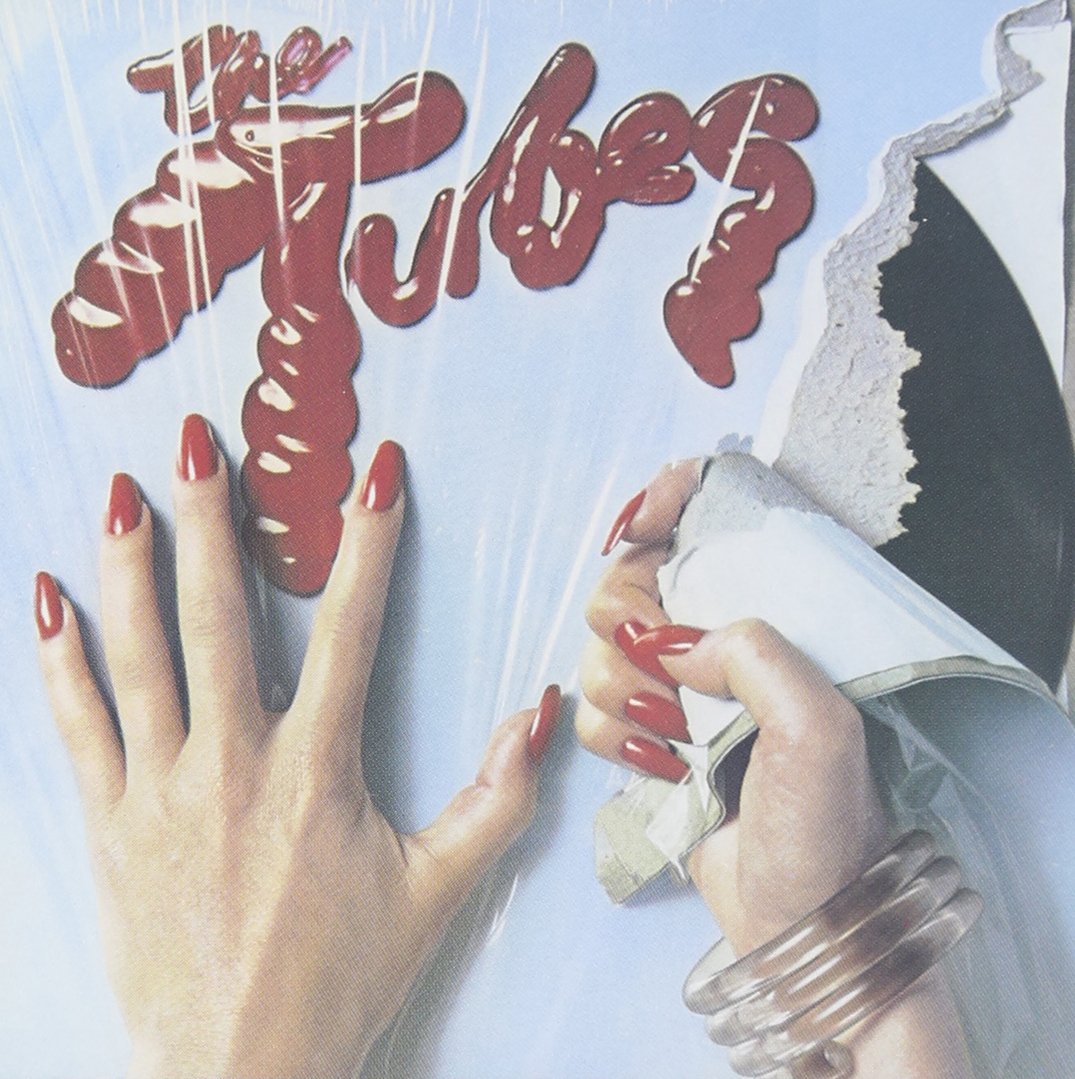
Released with minimal fanfare in June 1975, the album was passed around amongst my friends for its humor and lively use of synthesizer. In contrast to the rougher edges found in the humor seeping from Zappa albums, this was polished with some believable parodies of prevalent styles, primarily glam and punk, mixed with satirical social commentary. The humor enhanced the music, and the music was generally quite impressive itself. “Up from the Deep” kicks off the album with energy, drama, and style, warmth, and self-deprecating humor. The synthesizer work and keyboard in the instrumental bridge are up to progressive rock standards, and even include a reference to a prevalent bridge motif in Gentle Giant’s “Knots” from Octopus. This is followed by a mixture of styles, all humorous in their own ways: Space Baby sleekly imitates David Bowie post-Ziggy style of 1973 and 1974, “What Do You Want From Life” drips with dry, razor-edged humor, and “Mondo Bondage” is notable for its relentless striding rhythm which supports the simultaneous metaphorical and literal meanings of the lyrics which are cleverly brought to the forefront. “Mondo Bondage” kicks off side two and is followed by three additionally strong tracks, “What Do You Want from Life?” a dig at materialism and seventies-style consumerism and angst, “Boy Crazy” another glam/Bowie parody that ridicules teenage cluelessness, and the pounding, relentlessly repetitive “White Punk on Dopes” which would eventually get some notable FM airplay in the U.S. and get even wider airplay a couple of years later in the UK. The Tubes went all out when they staged their material live, and though some of the musicality and more subtle aspects of their humor were consequential casualties, they still put on a good show.
Henry Cow released their second album featuring members of Slapp Happy on May 9, 1975. Fiercely uncompromising, both musically and ideologically, it seamlessly blends rock, Twentieth century classical composition, and radical political commentary with a precision, ambition, and effectiveness as praiseworthy as any work in the 1970s.
Vocalist Dagmar Krause provides a stellar brilliancy the moment she takes over the vocals from Peter Blegard, four seconds into the album on “War,” which at 2:31 in length would have been perfect for radio play in some alternate universe — but alas our universe wasn’t quite up to the challenge of accepting irregularly contoured melodic phrases, asymmetrical time signatures, complex and politically charged lyrics, ominous incursions of harmonic instability, and the interspersion of harnessed chaos between vocal passages.
With the listener’s musical mind properly attuned, Henry Cow unleashes Tim Hodgkinson’s 16-minute “Living in the Heart of the Beast.” Initially, Peter Blegvad was asked to provide the lyrics, but ultimately Hodgkinson took over the task, crafting a set of syllables and meanings that seamlessly support the music. The work avoids any traditional structure, initially navigating shifts between vocal intensity and instrumental reflection until a wonderful organ solo introduces a forceful, uplifting instrumental interlude. This gives way to serious introspection from the organ, which then returns to the insistent, march-like vocal over metrical shifts, now irrevocably increasing in intensity until the coda winds down the work. Perhaps this may musically recall for some listeners the finale of ELP’s Tarkus as the wounded Tarkus retreats from the battlefield; however, in this case, the music is a call to charge into “fight for freedom,” providing a remarkable level of optimism and energy, effectively enveloping the listener in an afterglow as side one comes to a close.
Continuing the topic of marching to fight for freedom, side two opens up with “Beginning: the Long March”, an abstract, avant-garde representation of the march towards battle. It’s unstructured collage of electronic effects and musique concrète sensibilities may not appeal to the casual listener, but for someone focused on the overall flow and intent of the album this is a very appropriate and effective transaction to the next musical milestone, “Beautiful as the Moon; Terrible as an Army with Banners.”
This second track of side two, “Beautiful as the Moon; Terrible as an Army with Banners”, begins with Krause’s finely controlled, expressively nuanced delivery, dominating the first half with the entreaty to “seize the morning.” An instrumental commentary propels the start of the second half, with some excellent pointillistic contrapuntal piano punctuation with authoritative commanding vocals seizing the spotlight again to effectively close the work.
The last track, Morning Star, given its significance by the previous track’s lyrics of “A star mourns souls ungraved – ignored. Slow wheels: Mira. Algol. Maia” and “Rose Dawn Daemon Rise Up and seize the morning” brings the album to an effective close, firmly resolute and transcendent, firmly tying the album’s musical and verbal themes of awake, consider, prepare, engage and, ultimately, arrive and be!
Robert Wyatt: Ruth Is Stranger Than Fiction
Robert Wyatt’s Ruth Is Stranger Than Richard, released in May 1975, is a strikingly unpredictable album, filled with angular compositions that shift direction almost from note to note. Unlike his previous two solo albums, which were composed entirely of his own material, this third album finds Wyatt showcasing the music of others, creatively arranging and in most cases adding lyrics. Most compositions are by Wyatt’s friends and musical associates, but Wyatt also provides a fine treatment of jazz bassist Charlie Haden’s “Song for Che.”
The album’s eclecticism is immediately apparent with a strong focus on jazz. Is this jazz-rock, jazz-prog-rock or mostly jazz? Not sure, but it is wonderful and a non-stop thrill from start to finish! The flow of the album never flirts with predictability, its angularity lending a sharp, dynamic energy that keeps the listener engaged.
With contributions from Brian Eno, trumpeter Mongezi Feza and Fred Frith on piano, Ruth Is Stranger Than Richard thrives on musical interplay and spontaneity. It’s a thrilling listen, bursting with invention, providing a richness of the unexpected without being disjointed or even mildly inaccessible. Wyatt’s vision is as playful as it is sophisticated, making this a truly exciting and engaging listening adventure.
Weather Report: Tale Spinnin
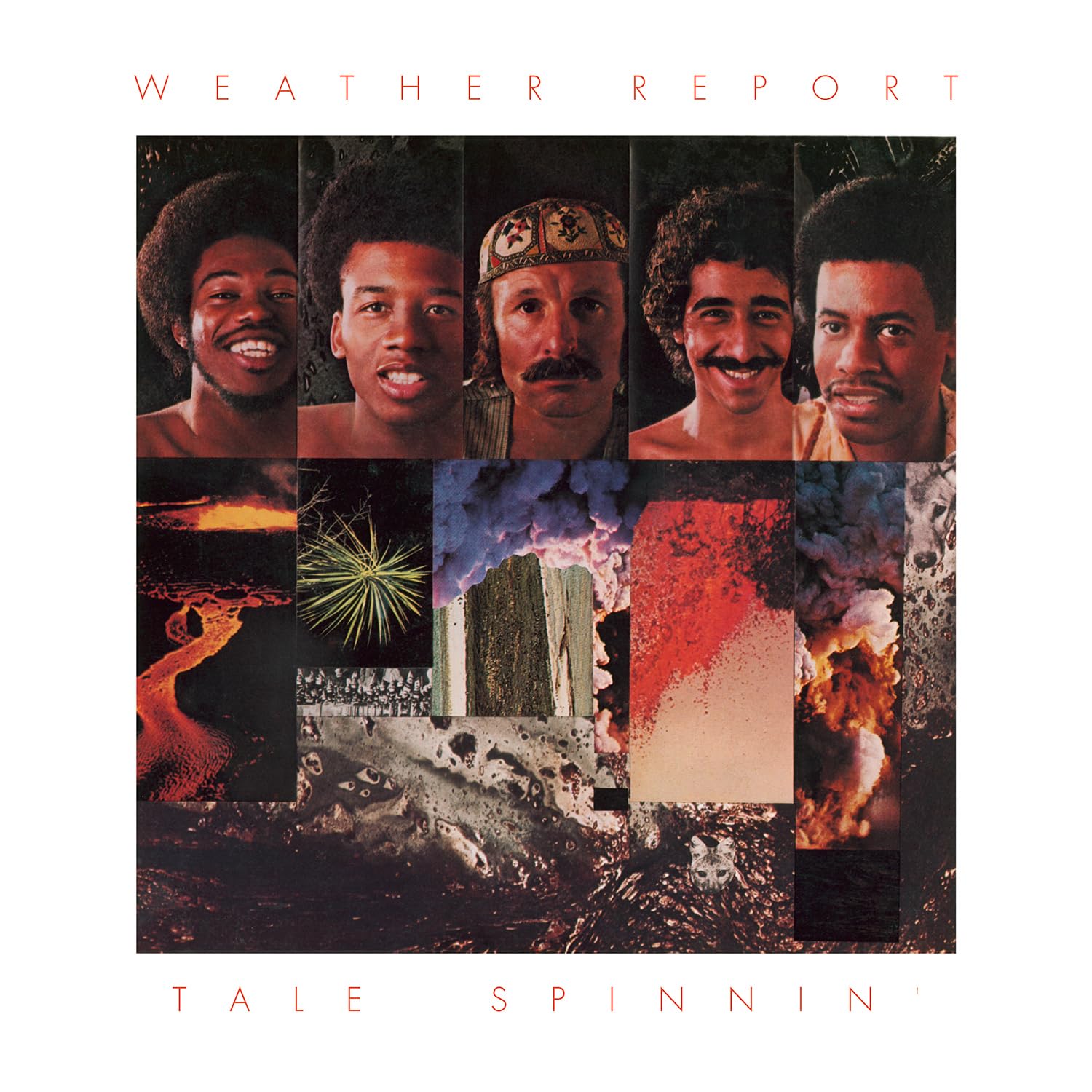
Tales Spinnin’, released in May of 1975, is a vibrant, colorful album that showcases Weather Report at the height of their fusion creativity. The first side of the album is particularly striking, filled with bold, dynamic compositions that blend intricate melodies with rich textures. It is if I can almost hear colors when listening to this first side — it is that visually evocative, aurally. I wish I had some sophisticated color display screens for both the left and right channels that would translate the music into various bursts and evolving strands of colors, but lacking that, I can luxuriate in the radiant waves of Zawinul’s lush synthesizers and Wayne Shorter’s fluid, expressive saxophone work. The interplay between all five musicians is electric, creating a vivid musical landscape that’s both sophisticated and exploratory. The rhythms are complex yet accessible, propelling the tracks into lush, otherworldly soundscapes that are full of life and color.
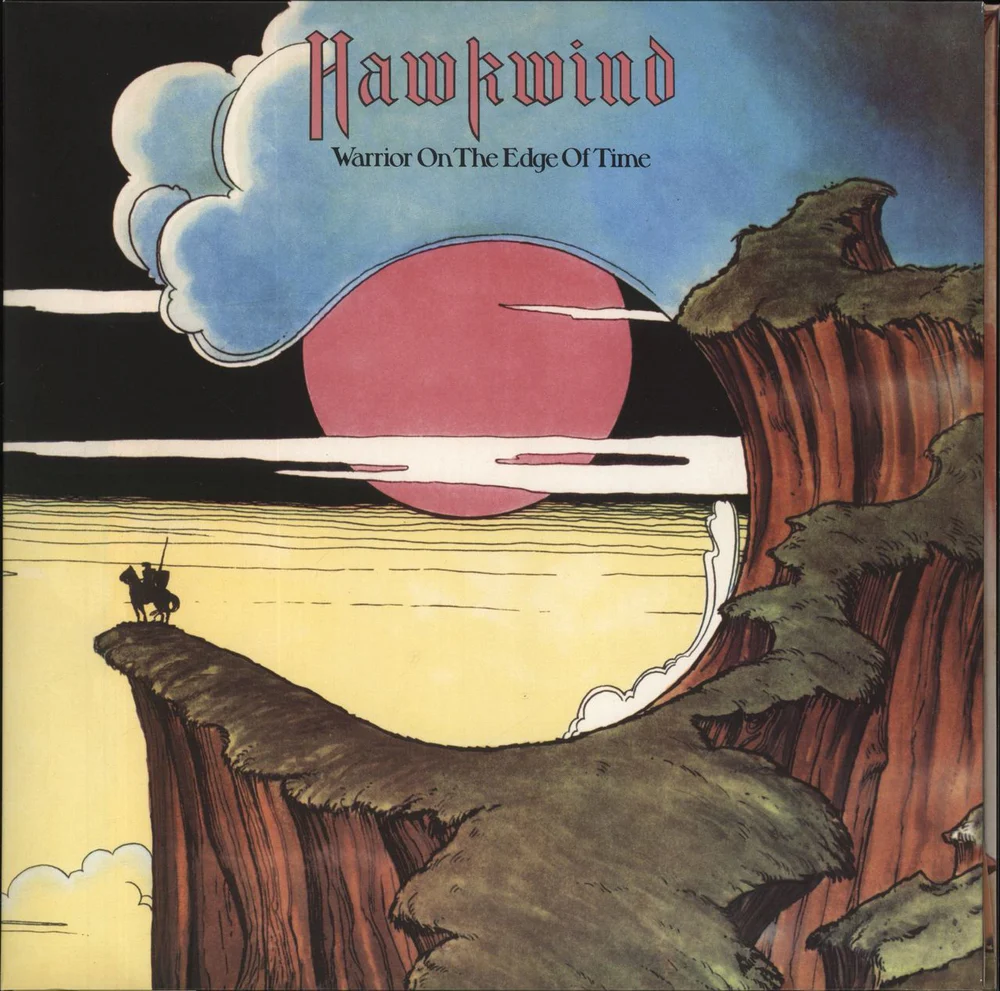
Hawkwind: Warrior On the Edge of Time
Released on May 9. 1975, Hawkwind’s Warrior on the Edge of Time is both engaging and consistently accessible, effectively blending their signature space rock with more traditional prog-rock elements. There is strong emphasis on synthesizers with some effective flute, guitar and even violin to supplement the keyboards, thundering bass, and the often incessant forward-driving percussion. “Assault & Battery” begins the album in grand style, immediately immersing the listener in Hawkwind’s signature Space Rock. This album showcases Hawkwind at their peak, delivering a memorable, mythic sci-fi journey through the fabric of time and space rock.
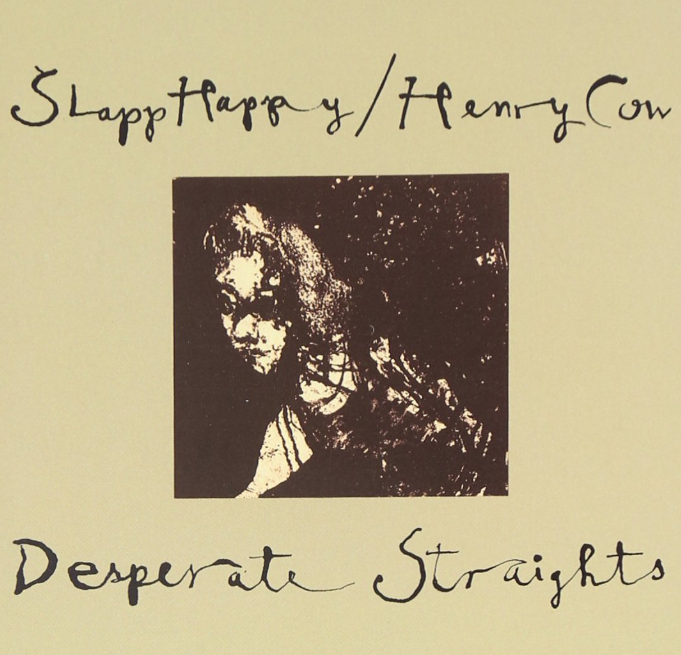
Desperate Straights, released on February 21, 1975, is the first of two collaborative studio albums by British avant-rock groups Slapp Happy and Henry Cow. At first glance, these might appear as two rather divergent, though both progressive, ensembles to bring together, but the proof was in the final, vinyl pudding — this worked out nearly perfectly!
From the opening “Some Questions About Hats,” we are placed into a musicscape reminiscent of a German Cabaret with Dagmar Krause executing a delivery appropriate for Brecht/Weill material (think Three Penny Opera). Four more brilliant, short, and pithy songs follow, maintaining a playfully tongue-in-cheek mood. After this, we get the first of two instrumentals, the title track, reflective and a bit out of place with the preceding material. The last song on the first side sets us back on course, with its quirky chord changes and time signatures, upbeat mood, brevity, and general whimsy.
“Apes in Capes,” one of the several gems composed by pianist Anthony Moore, evokes the surreal nature of its title with a circus-waltz atmosphere. The arrangement supports the theatrical mood, as do the rhythmic contours provided for the syllables of the lyrics. The next song, “Strayed,” is reminiscent of Lou Reed and is the sole track delivered by guitarist Peter Blegvad. “Giants” is in reflective waltz-time with its always topical message, “Giants exist to deceive. They retreat if they’re clearly perceived,” and is followed by a quirky arrangement of part of Handel’s “He was Despised” aria from the Messiah, which amazingly fits into the overall mood of the album. The penultimate track is the poignantly haunting “In the Sickbay,” which tapers off, with its dying breaths, into the expressionist “Caucasian Lullaby,” a formidable, generally atonal work that, though not a natural fit for the general tone of the album, is so well composed and performed that we forgive it for any break with the album’s overall mood.
Overall, Desperate Straights endures as a successful exhibition of the creative synergy between Slapp Happy and Henry Cow, blending their unique styles into a cohesive and intriguing musical journey. The masterwork not only showcases their individual talents but also their remarkable ability to forge something truly original and captivating through collaboration.
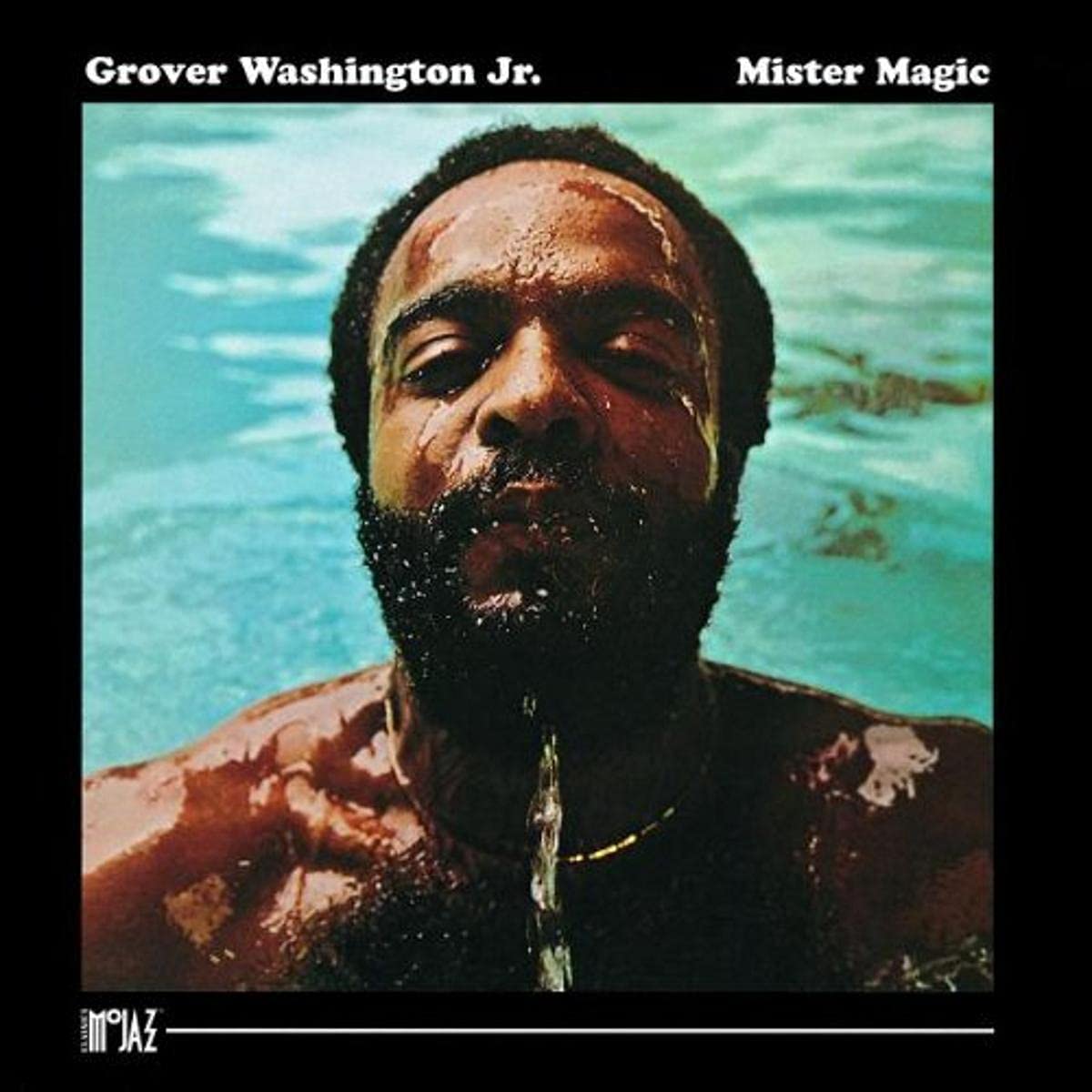
George Washington Jr.: Mister Magic
I love the first track, and in general, like the entire album, which was released February 7th, 1975, ultimately climbing up the jazz charts to #1, the soul charts to #1, and perhaps even more remarkably, rising up to #10 on the po charts.
The main reason for calling out this album, though, is historical. Like it or not, this album is at least partly responsible for the launching of the smooth jazz genre of the 1970s, paving the way for even more popular albums like George Benson’s Breezin’ and Chuck Mangione’s Feels So Good.
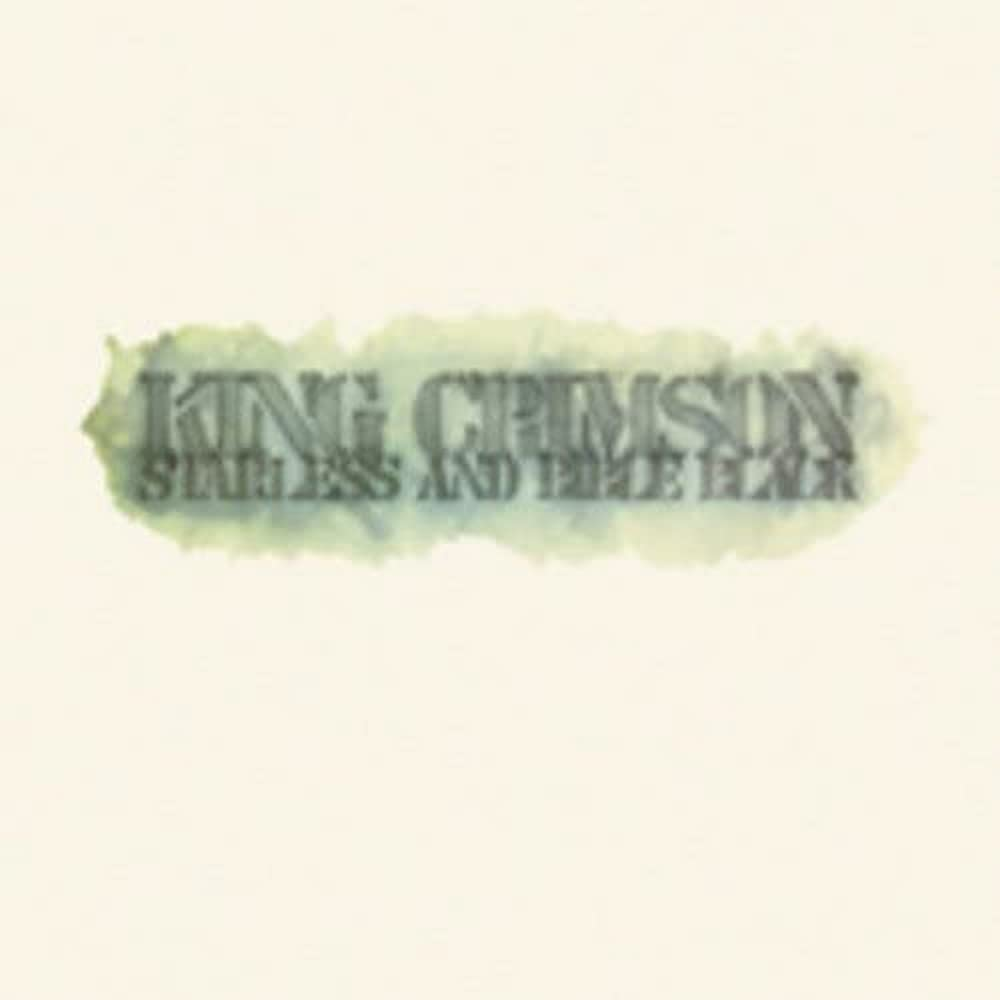
Released March 1974, Starless and Bible Black drifts further into free improvisation than previous albums, successfully showcasing both the virtuosic skills of the band, particularly those of Robert Fripp, as well as the band’s other-worldly improvisational skills. The first two tracks provide enough accessible progressive rock to make the album an absolute must for the prog-rock fan, and the rest of the album mixes studio and live material to present a less accessible, but highly impactful musical experience. Particularly noteworthy is the live track “Trio”, an improvisation that the always amazing Bill Bruford wisely allows the rest of the band to develop and finish without forcing his own entrance, fully sensitive to the mood and the masterpiece being created. The gem of this collection is “Fracture”, worthy of lengthy musical analysis far beyond my capabilities. It’s intricacy and irregular rhythmic and structural aspects makes this a particularly challenging composition to perform, but the band is unfazed and undaunted, and not only succeeds technically but fully imbues it with the necessary emotion and expression to make this one of the most meaningful listening experiences in the King Crimson catalogue.
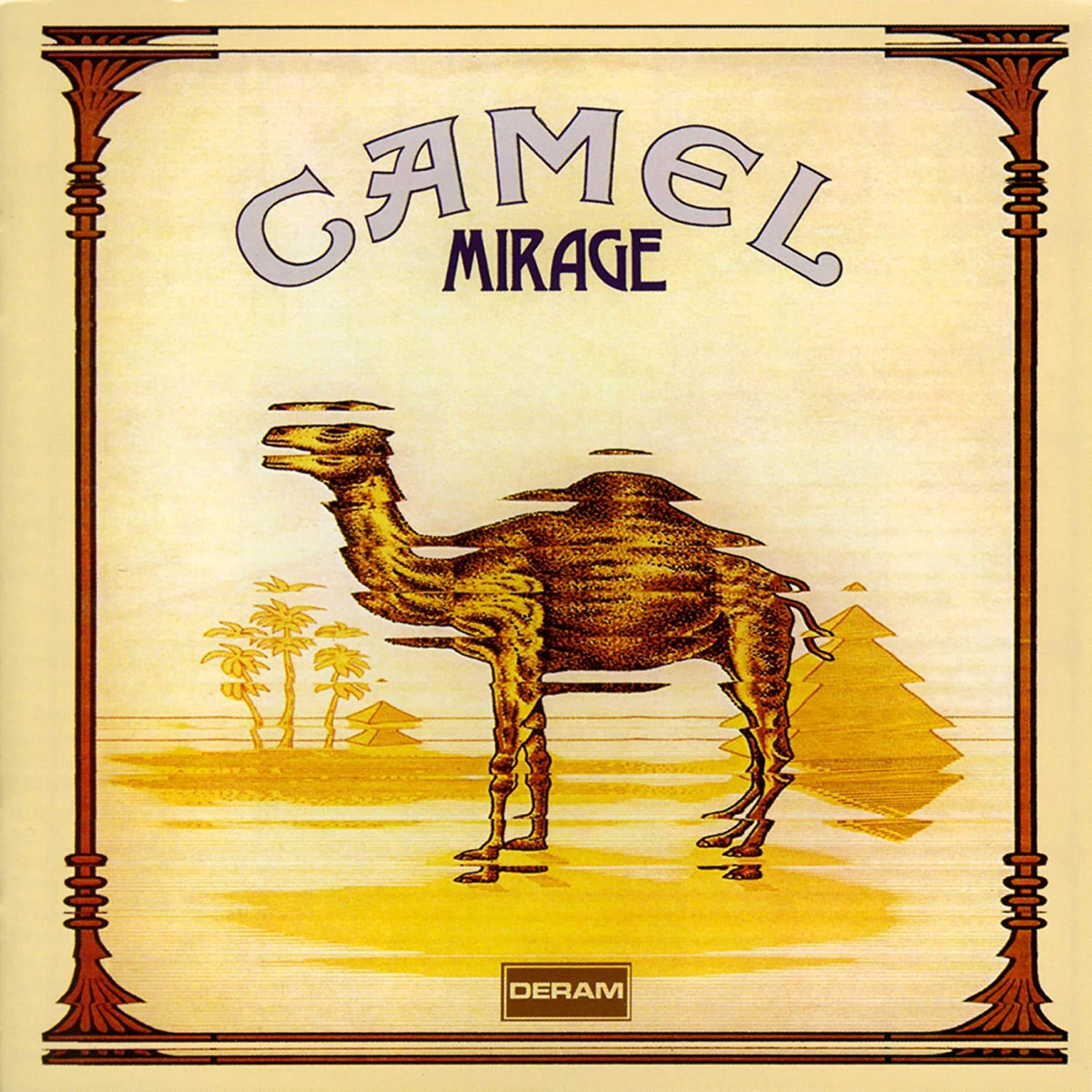
Camel: Mirage
Ethereal and wistful, Camel’s Mirage was released in March of 1974, first with the album cover showed above, and then with replaced (as demanded by the Camel cigarette company) with an alternative cover. Andrew Latimer (guitar, flute, vocals) and Peter Bardens (keyboards, vocals) produce a set of compositions that blend together seamlessly creating a distinctive lush and compelling sound experience. “Supertwister” is the most dynamic and energetic track of the album, a short instrumental that marks off many traditional prog-rock check-boxes with the rest of the album being more introverted and contemplative.
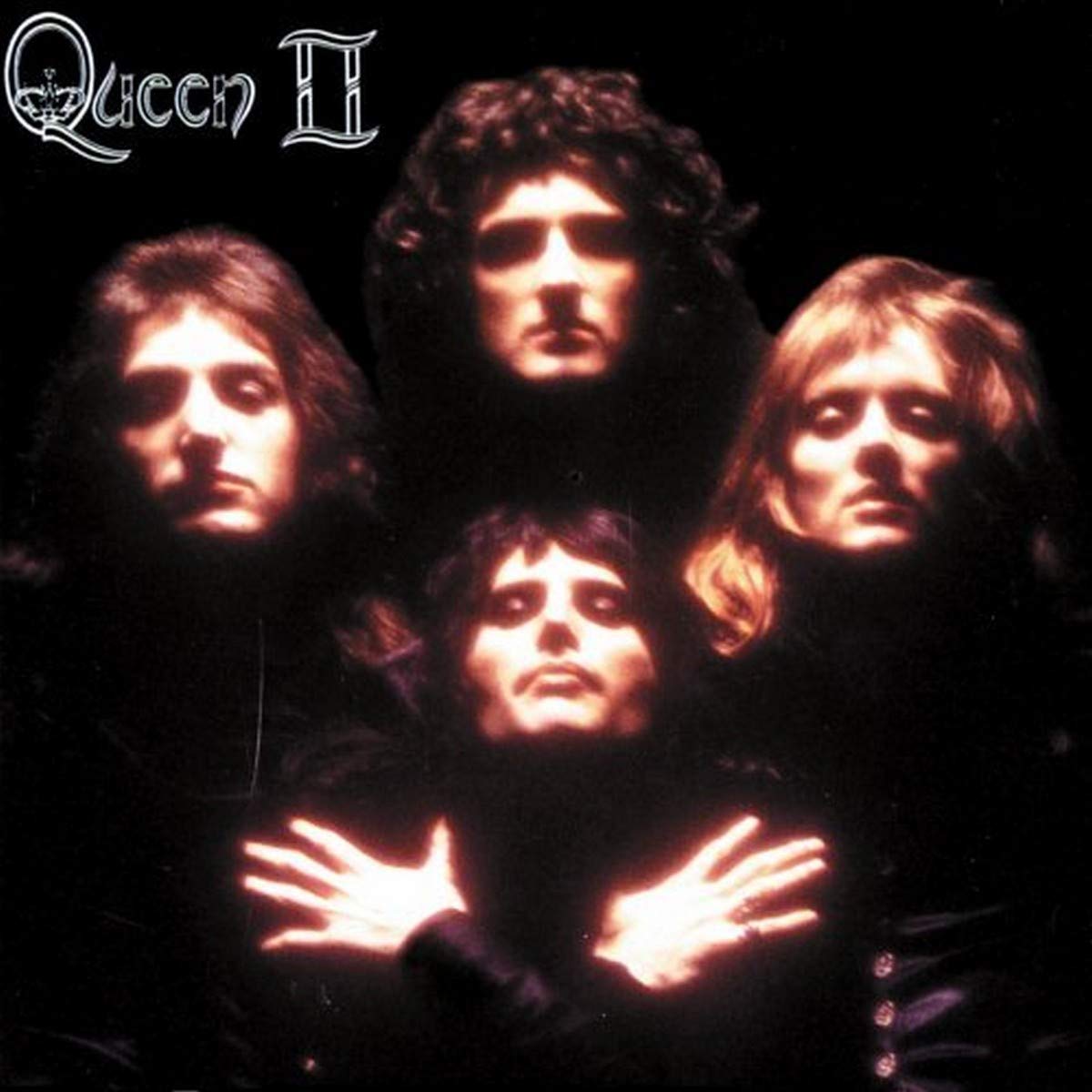
Queen: Queen II
Queen’s second album, released on March 8, 1974, gives us a much more ambitious and artistic effort than the previous, making this their first must-have albums. The production is more polished and the group clearly invested substantial hours in the studio capturing the perfected harmonies and instrumental layering. Side one is mostly Brian May’s compositions, with one work by Roger Taylor, showing off Queen’s own brand of hard rock, while side two, is completely dedicated to Freddie Mercury’s fantastical compositions, with their abrupt musical shifts and endless harmonic energy. Drama and musical theater abound, particularly on the second side, and the musical diversity and level of instrumental excellence have made this an album that never wears out its welcome in the listening room.
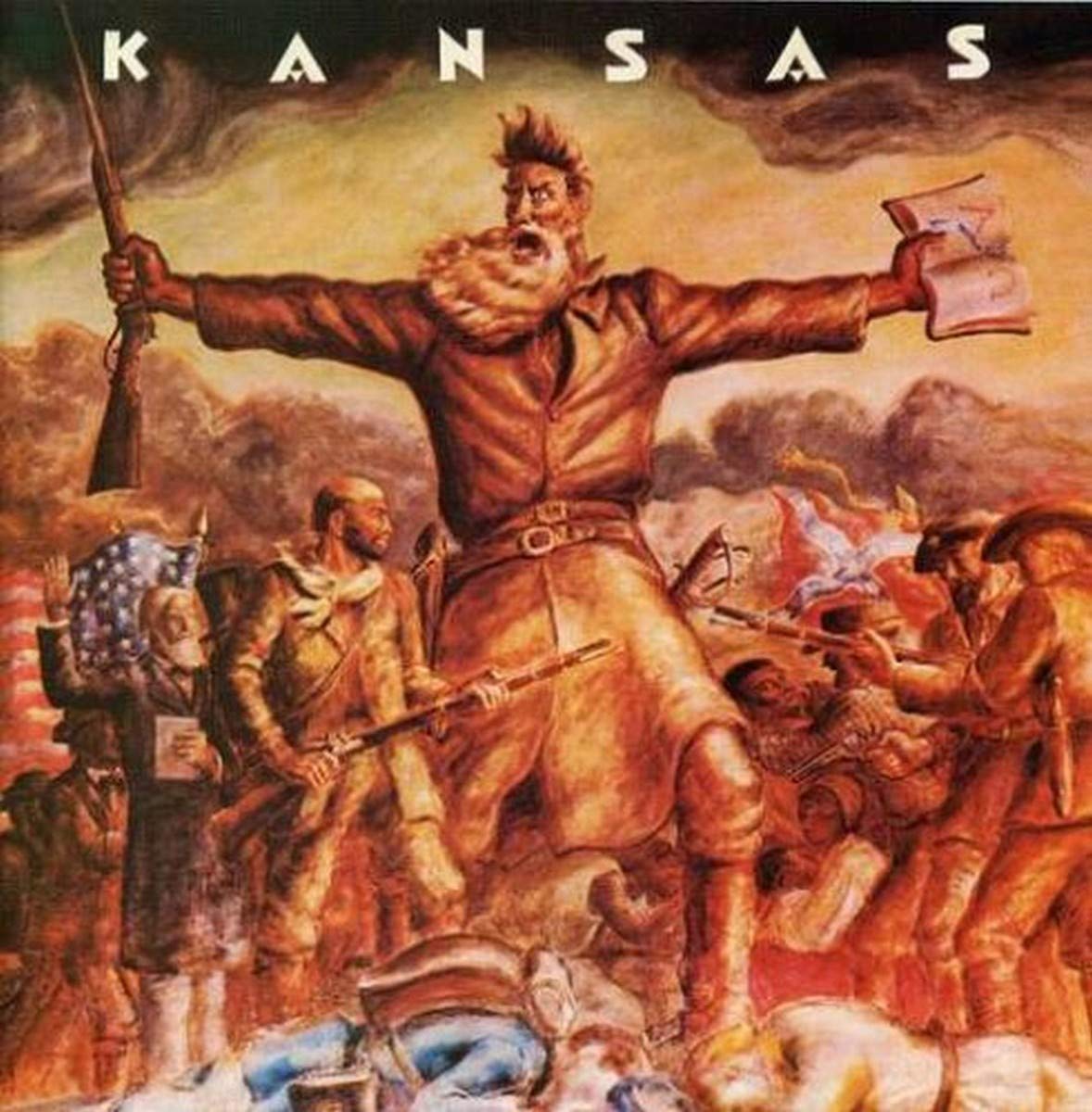
Kansas: Kansas
Kansas released their first album on March 8, 1974, with six musicians from the American Midwest — five of the six born in Kansas or Missouri. The album is particularly American in sound, with hints of boogie rock, country, folk-rock and similar American Rock styles. Notably different than other American Midwest and Southern Rock groups is their facile integration of contemporary prog-rock elements, some of which are very similar to Genesis and Gentle Giant material, though not in the least derivative or perceivably mimicked. Particularly notable is the work of Kerry Livgren on synthesizer and the contributions of violinist Robby Steinhardt. One of the finest debut albums of 1974.
Weather Report: Mysterious Traveller
Weather Report begins to unleash is full range of jazz-fusion capabilities with the release of their fourth studio album on March 24, 1974, climbing to number 2 on the US Jazz Charts, as high as 46 on the US Pop album charts, and up to 31 on the US R&B charts. Additional funk and world music influences are incorporated, possibly leading to creative differences with legendary Miroslav Vitouš, who makes this his last recording with the group, appearing on two of the eight tracks on acoustic bass, replaced by bass guitarist, Alphonso Johnson on the other six tracks.
The album is inventive, innovative and filled to the brim with interesting improvisation — fusing jazz, world music, including Latin influences, funk, rock, and hints of classical. Album not only showcases the creativity and imaginative brilliance of Joe Zawinul and Wayne Shorter, but includes memorable contributions from everyone involved included several guest musicians on percussion instruments, ocarina and woodwinds (on “J0ungle Book”) and vocals (“Nubian Sundance.”)
Released on December 7, 1973, Yes’s sixth studio album, is a double LP set containing a single work composed of four sections inspired by a footnote in Paramahansa Yogananda‘s autobiography which discusses the classification content of Hindi scriptural writings into four categories of shastras: śruti, smriti, puranas, and tantras — or four bodies of knowledge. The album devotes a whole side of each LP to four concepts: 1) The knowledge of God and available truth, 2) Our comprehensive memories, feelings and thoughts — the Topographic Oceans of awareness and being, 3) Ancient, lost knowledge and culture, and 4) The Ritual of Life. The lyrics of the album, perhaps are worthy of study or further understanding, but I accept the words as being beyond my initial or even my likely eventual comprehension, and I am content to value them for their sound characteristics and overall contributions to the musical whole of the album.
That musical whole, is more arguably worthy of study, and provides a wealth of pure auditory enjoyment, and even though there is a fair share of meandering and excessive repetition, and though Bill Bruford has left to join KingCrimson, and Rick Whiteman, contributing to his final Yes album, has less of a compositional and performing role than ideal, there is much to like in the many individual musical episodes and the overall impact of the work. Howe’s guitar work is exceptional, and Wakeman, Alan White and Chris Squire provide an exceptional musical foundation for this immense, though somewhat imbalanced and imperfect, ambitious effort. The production quality is amazing, another fine effort by Eddy Offord, and the sonic brilliancy of the album is a major component of its enduring appeal.
Joe Pass: Virtuoso
Recorded in August of 1973 and released December of that year, Joe Pass’s Virtuoso is one of the best musical treatises on the electric guitar. Pass performs without any supporting musicians, deftly executing one jazz standard after another — as well as performing one original work as if exquisitely improvised on the spot. Providing intimacy and depth for each solo, Pass’s overall musical and technical approach set him apart from even his most notable contemporaries Most importantly, each track is similar to a short story or multi-page poem, with a distinct narrative identity and all the elements that make up a good theatrical piece. Pass’s handling of time is particularly remarkable as he goes beyond the use of traditional rubato into the realms of an elastic stretching of the tempo and beat, further contributing to the sense of someone spinning a good folktale or an off-the-cuff story. For example, on “My Old Flame” it is as if Pass is reflecting leisurely, over shared afternoon coffee or tea, on a past relationship — and ultimately going beyond simple musings by delivering a clear sense of some unspoken message or moral. The recording is amazing, allowing clarity of each individual note and the accompanying acoustics of the guitar and room to be radiantly presented. A must album for anyone that has even a borderline fondness for guitar.
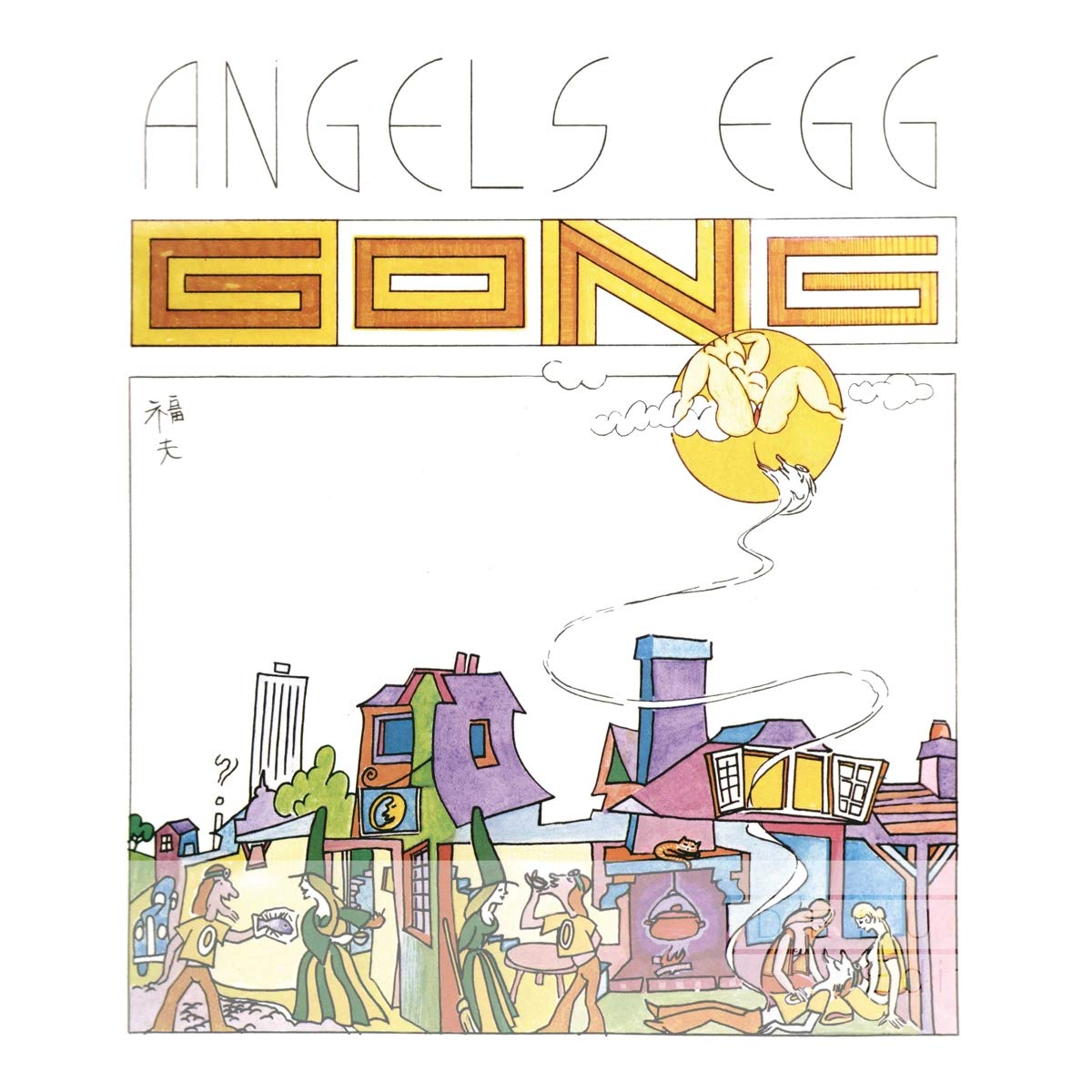
Gong: Angels Egg
Released in early December of 1973, Angels Egg (no apostrophe in the title) is Gong’s fourth studio album and the second in the Radio Gnome Invisible Trilogy, continuing the narrative of the earlier Flying Teapot and adventuring into even greater musical exploration, spiced with an appealing (French and British mix of) whimsy and eccentricity. The album is cosmic and sometimes just plain fun, and shifts moods (as well as rhythms and textures) wildly, unpredictably, yet sensibly and coherently, covering the mundane and the galactic, the profound and the profane, and all with elite, unique musicianship.