Zumwalt Poems Online

Archive for the ‘Jazz Rock’ Category

Fifty Year Friday: October 1971

Attaching labels to music, in my mind, at least, has always been a wobbly and unreliable slide descending down an exceedingly slippery slope. By October 1971, it was misleading and even deceitful to talk about rock as a single genre, and it was insane-asylum, martians-are-amongst-us delusional to dismiss the material being stocked in the rock section of the newly-blossoming, corporate-owned record stores somehow as inferior or somehow secondary in artfulness or sophistication to music of prior generations. But more importantly, and as equally undeniable, the boundaries between “classical” music and rock music and jazz and rock not only blurred but became invisible in case after case.
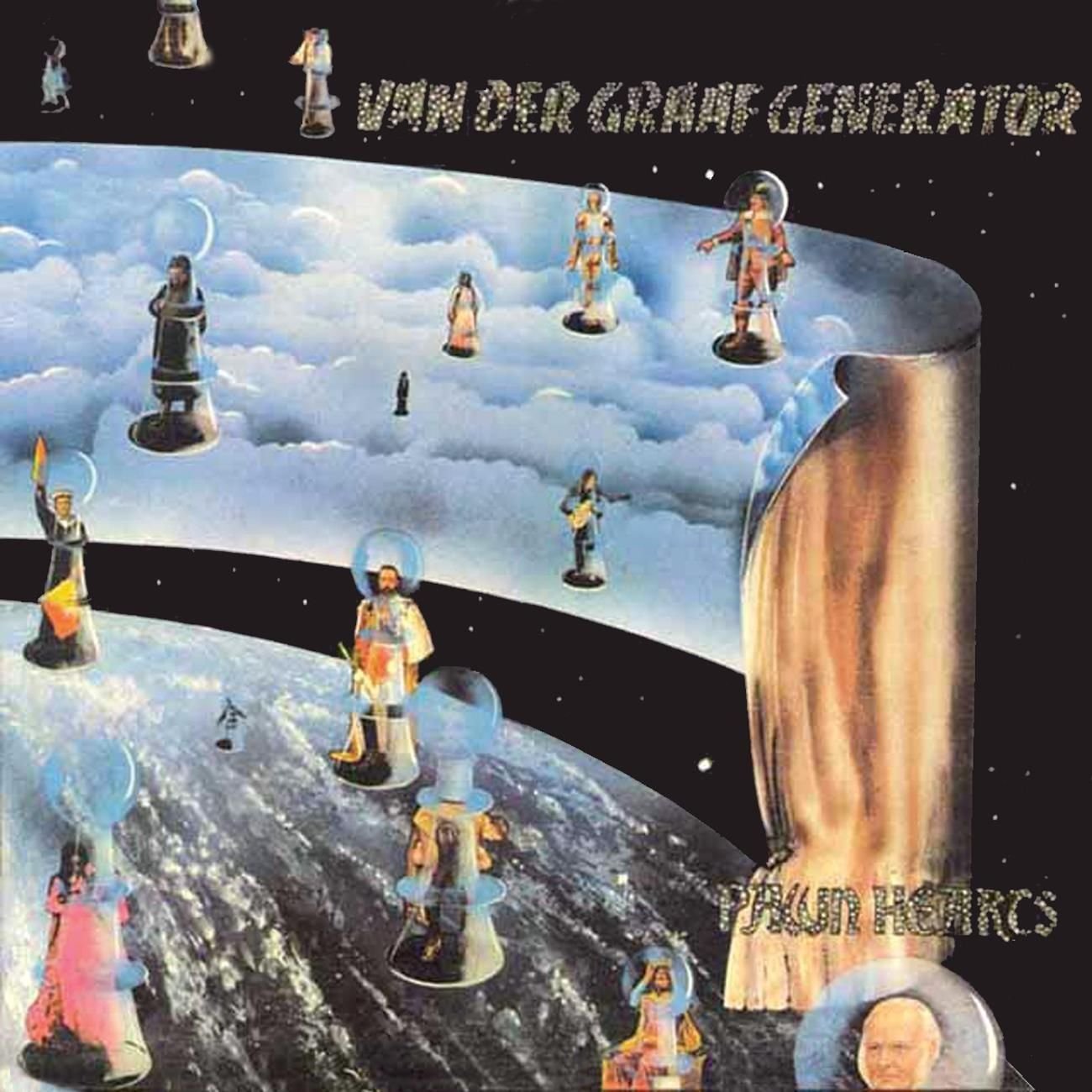
Van Der Graaf Generator: Pawn Hearts

Recorded in July through September 1971 and released in October 1971, Van Der Graaf Generator’s fourth album, Pawn Hearts was so good that it made the band rockstars almost overnight — that is, in Italy where the album climbed all the way to the number one album spot in early 1972. The band ended up touring in Italy three times that year, the first in Feb. 1972 with a level of enthusiasm reminiscent of Beatlemania including oversold concerts and the Italian military engaged to control riotous crowds.

Should we be puzzled that the country that produced (and didn’t need to wait until their deaths to embrace) composers like Palestrina, Monteverdi, Vivaldi, Puccini, Verdi, Rossini and Morricone should recognize the value in Pawn Hearts, one of the most impressive art-rock albums of either 1971 or 1970? What is puzzling is the lack of attention the album received in the U.S. and the U.K. Even today (at the time of writing this, for I will go in and make my own edit at some point) the Wikipedia entry on UK Prog Rock neglects to mention VDGG: https://en.wikipedia.org/wiki/British_rock_music#Progressive_rock

This is clearly music to take note of. The original release holds together flawlessly, composed of three epic tracks, utilizing the elements of traditional tonality and repeated motific phrases perfectly, merging efficient industrial forces with apparently inexhaustible emotional passion.

All three tracks that made up the initial UK released (an additional track, quite fine in its own right, a cover of George Martin’s “Theme One” for the BBC as added for the U.S. release) combine to provide a stunningly unified whole, even though each track is formed from smaller musical components themselves. Each track is arguable even better than the one before with the third and final track, “A Plague of Lighthouse Keepers” spanning the entire second side — aligning with the increasing prevalence of albums to have a first or second side (or both sides of an LP dedicated to a single composition.

I could use up all my time-allotment for this month’s Fifty Year Friday post just gushing over this album, but it would be a unwise consumption of both your time and my time — time much better spent listening to this album and other music released fifty years ago.
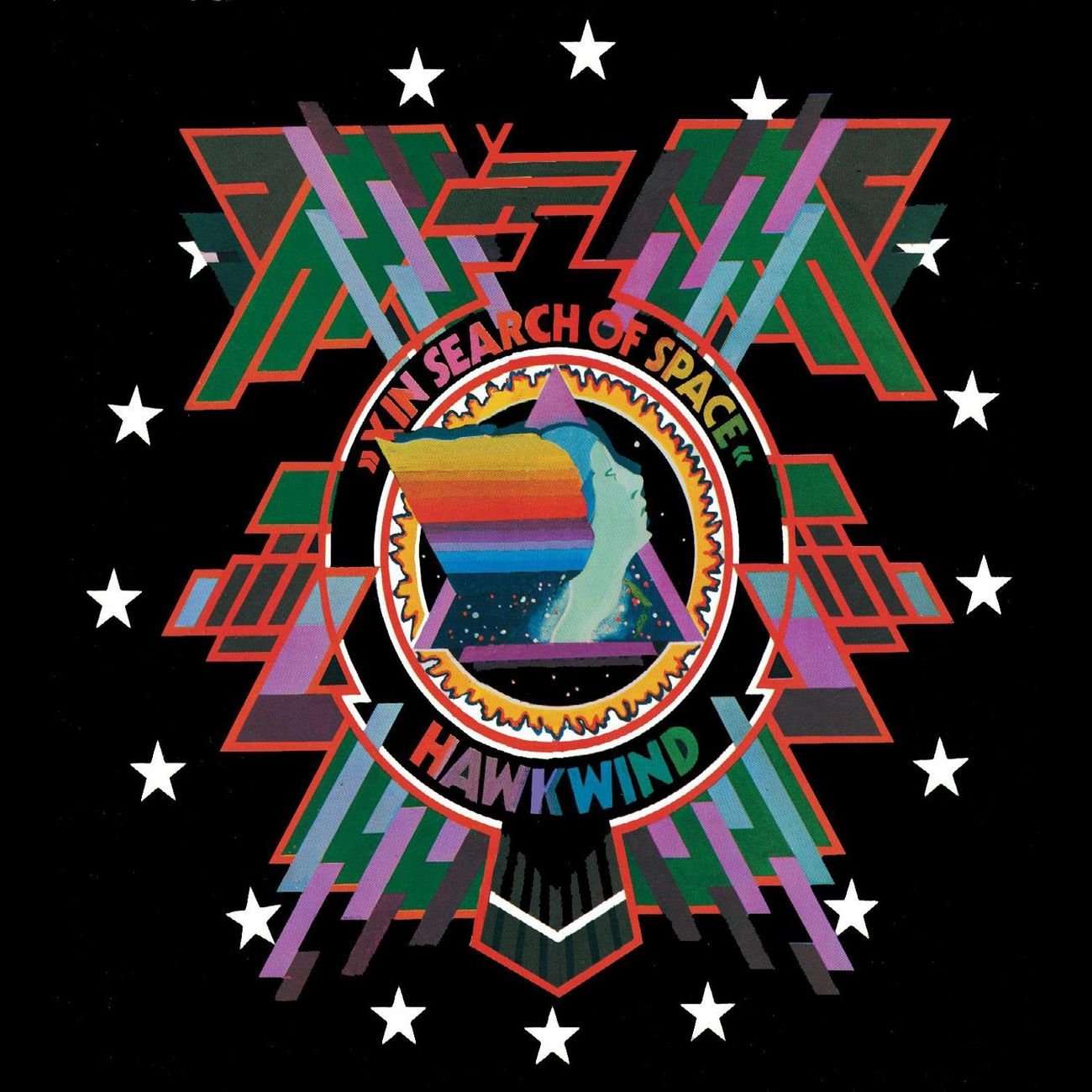
Hawkind: In Search of Space

While the disciplined, elite musicianship required for more traditional classical music and jazz had its influence on the direction of many progressive rock bands, it seems just as many were influenced by a combination of the psychedelic rock of the sixties, the free jazz of the sixties, and the classical avant garde, particularly musique concrète and electronic-based compositions and experiences. While some bands may have had less than qualified musicianship and creativity to successfully pull off such an amalgamation of varied influences, other groups not only provided musically fulfilling concerts and albums, but in aggregate, created an array of diverse styles — styles that were given their own labels, with the two most prevalent styles named space rock and Kraut rock.

Hawkwind’s first album is one one of the earliest examples of space rock. Their second album, released on October 8, 1971, is the most representative example of space rock I know of. Simple, repetitive and compelling, it is the first album I would select to answer the question what is space rock. The albums could be the work of druggies, or geniuses — that is open to discussion — but either way the music creates a intangible boundaryless listening experience within the somewhat identifiable boundaries of space rock: a listening experience that is engaging and effortless, relaxing and cosmic.
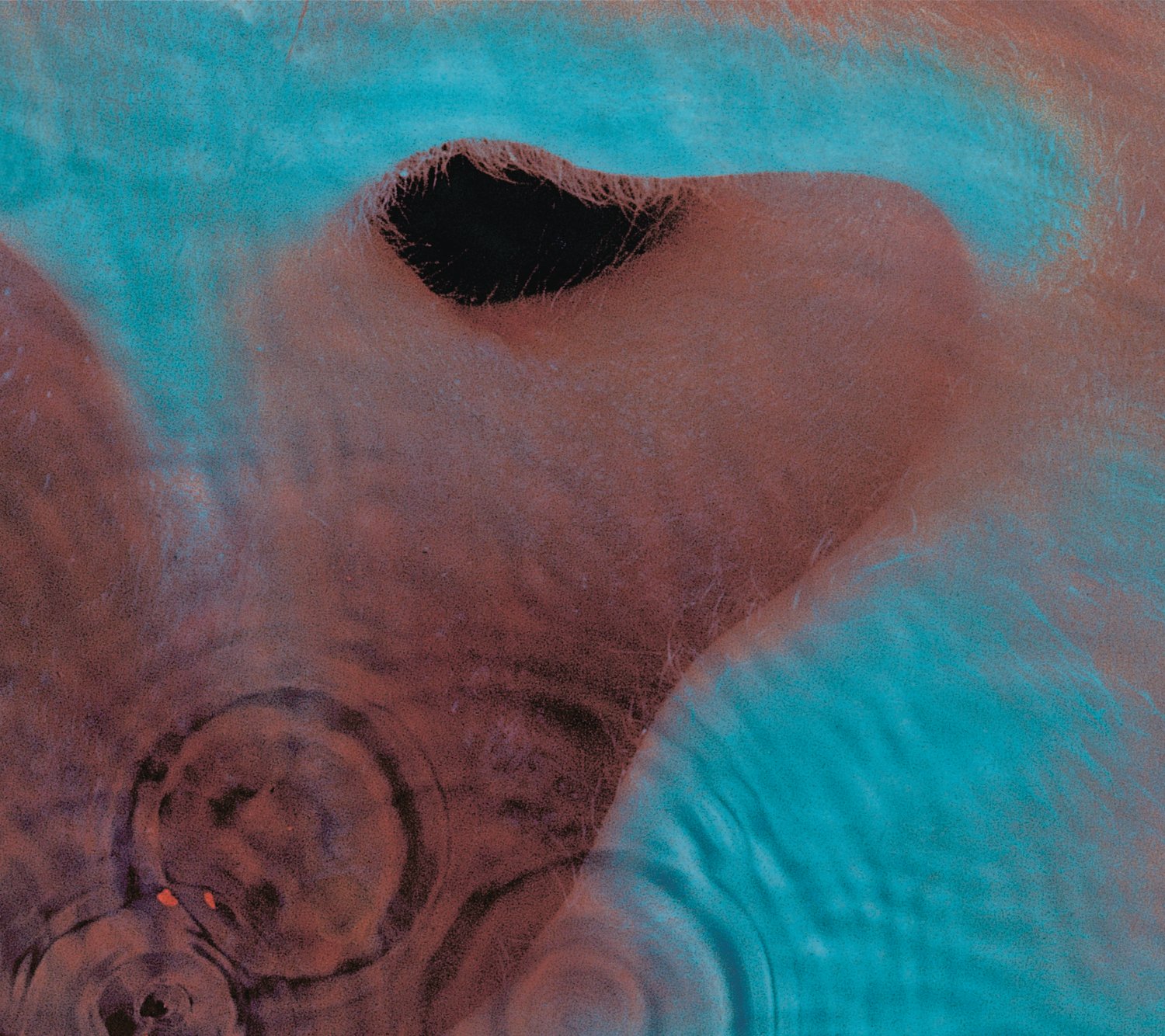
Pink Floyd: Meddle

Pink Floyd wanders down a more cosmic-sounding space-rock path, with their sixth studio album, Meddle, released on October 31, 1971, surpassing the quality, consistency and cohesiveness of their previous efforts. This first track, “One of these Days” is by far my favorite, and likely had an influence on a number of bands, particularly Tangerine Dream. This is followed by the floating, leisurely drifting, spacey sixties-flower-powered-flavored tune, “A Pillow of Winds” and a similarly comfortably laid-back track, “Fearless.”

“Echoes”, the last track on the album, spanning all of side two, starts off with the promise of a masterwork, but hits a few dull patches in the middle before ending strong — a good effort that could have been epic.
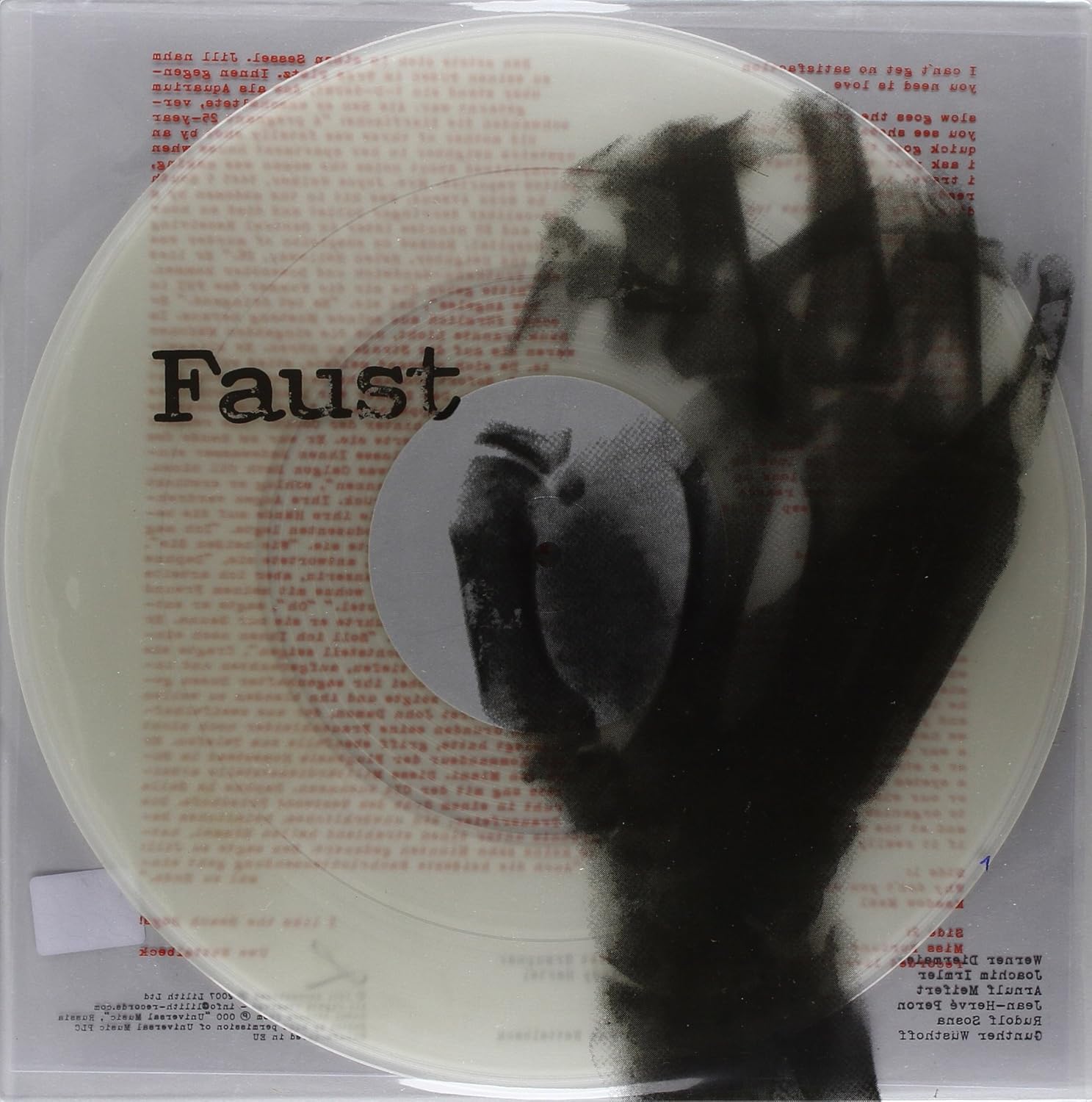
Faust: Faust

Faust: In 1969, Polydor records reached out across the Atlantic to a German left wing journalist, Uwe Nettelbeck, with the odd but seemingly commercially-justifiable request to assemble a German rock group that could tap into the potential of the ever-rising demand for rock music by German youth. Perhaps this Polydor rep didn’t realize that this was the Uwe Nettelbeck that breached film jury etiquette by openly praising a work his wife had produced (a film about a verbally gifted cock — not the avian variety), or that this was the Nettlebeck that supported some of Germany’s more notable extremists — for rather than giving Polydor Germany’s answer to the Rolling Stones, Nettlebeck scoured the German underground scene identifying two talented by totally uncommercial groups, merging them into a single group, Faust, which Polydor soon funded, much to their eventual discontent — for Faust clearly had more in common with the musical ethos and sensibilities of Karlheinz Stockhausen, John Cage and Frank Zappa than that of the most profitable rock groups in Britain.

Though probably not appreciated by Polydor executives, their investment in Faust paid dividends in terms of musical quality and the influences on existing and future German bands and future bands the world over. This debut album, released on September 21, 1971, is both wildly creative and inescapably compelling. How did they command or coax their materials and their apparently unconcerned improvisation to come together into such a listenable experience? That’s a mystery to me , yet here we have this important artifact of the early days of the so-called Krautrock art-rock movement, immensely influential and challengingly entertaining and enjoyable.
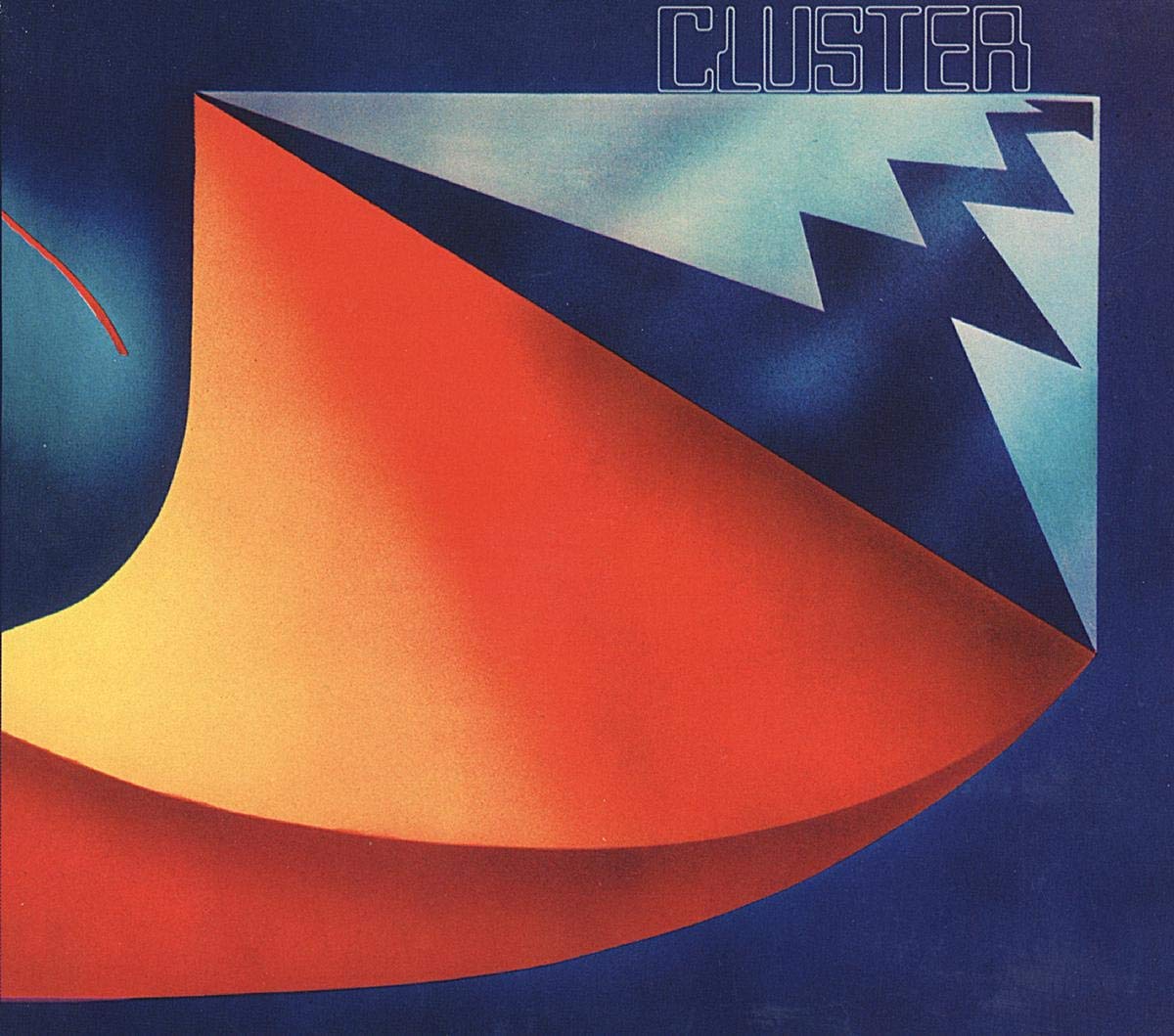
Cluster: Cluster

Cluster: Whereas the Faust album had traditional melodies, harmonies and lyrics, this debut album by Cluster is purely a journey through ambient and mood-inducing sonic explorations. Like the Faust album, it works and effectively entertains and captures one’s attention both intellectually, and in a laid-back fashion, emotionally. And just like the Faust album the first side is two tracks, and the second side contains one single, attention-engaging composition. Influential? You bet, with near-term impacts on artists like Brian Eno, and longer term impact of artists that came decades later.

And so, we have four very different albums released in October 1971, In Search of Space, Meddle, Faust, and Cluster, all of which can be characterized as space rock, even though they could not be more different in use of musical materials and general musical approach.

Focus: Focus II (Moving Waves)

Focus releases their second album, one which soars to the number 4th spot in their home country, the Netherlands, reaches number two in the nearby UK, and surprisingly peaks at number eight in the U.S.. this success largely based on the radio airplay of the yodeling, exuberantly rocking, “Hocus Pocus.”

The album starts off at full tilt with “Hocus Pocus”, followed by more progressive, but still easily accessible compositions. All in all a fine, though not indispensable, prog-rock album.
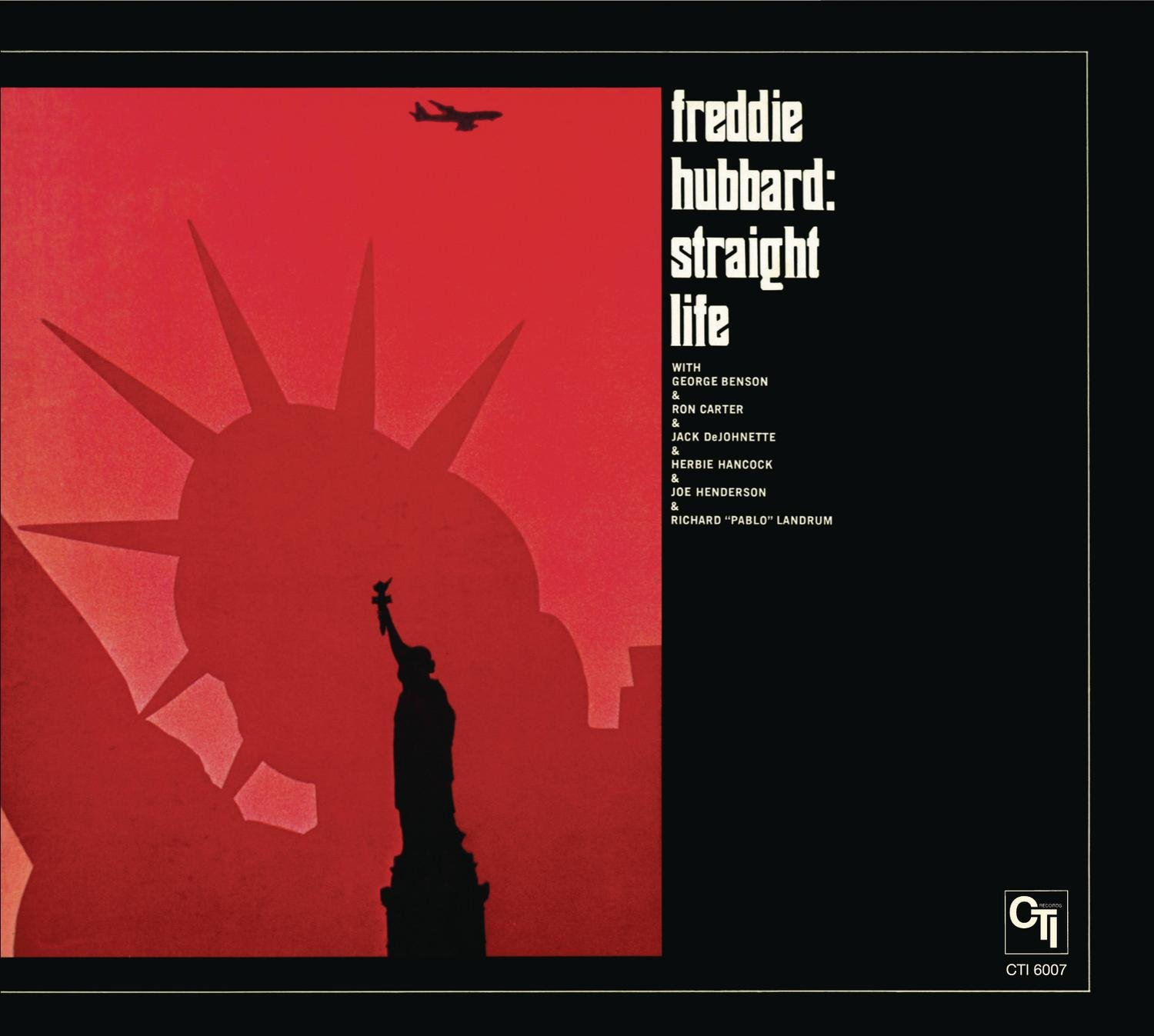
Freddie Hubbard: Straight Life

This album blends both bop and myriad post-bop elements with soul, funk and fusion to deliver a strong, and puzzling oft-overlooked classic album. (Rolling Stone Jazz Record guide gives this one out of five stars, which inaccurate assessment, for me, cast doubts on the entire contents and relevancy of the Rolling Stone Jazz Record guide.) Here we have another fine album with a full-side track, the title track, that opens with a free-jazz intro (shorter than the impressive intro that opens the Red Clay album) and then transforms into a lively, celebratory and appropriately contemporary grooving musical adventure with astonishing trumpet work from Freddie Hubbard and more progressive explorations from Joe Henderson.

The first track of the second track, “Mr. Clean”, is nothing short of amazing music making, Hubbard providing a vigorous, unrelenting solo, matched in intensity and creativity by Henderson. Jack Dejohnette is excellent in both the first and second tracks, but of particular note is how imaginatively and effectively he supports George Benson’s guitar solo.

The final track, is the beautiful Jimmy Van Heusen “Here’s that Rainy Day,” performed intimately and gracefully as a duet by Hubbard and Benson, is one of the most expressive and evocative musical recordings of 1971.

Moondog: Moondog 2

Louis Thomas Hardin (better known as Moondog) and producer James Guercio release the second Moondog album for Columbia records, departing considerably from the 1969 Moondog masterpiece, with a set of twenty-six round-based compositions, almost all with vocals by Hardin/Moondog himself and his daughter, June Hardin. Setting aside the wit and cleverness of these compositions, this a fine study in handling of relatively simple rounds — not simple meterically or rhythmically, though, and this factor certainly brings life and variety into these works. This is yet another album that eludes any glib labeling of contents as it is clearly not rock, not jazz, not country, not folk, and not classical, though one can make associations to the minimalist classical movement — on the other hand, some of that similarity is due to the harmonic stasis chosen as the foundation for easy overlapping of melodic material.
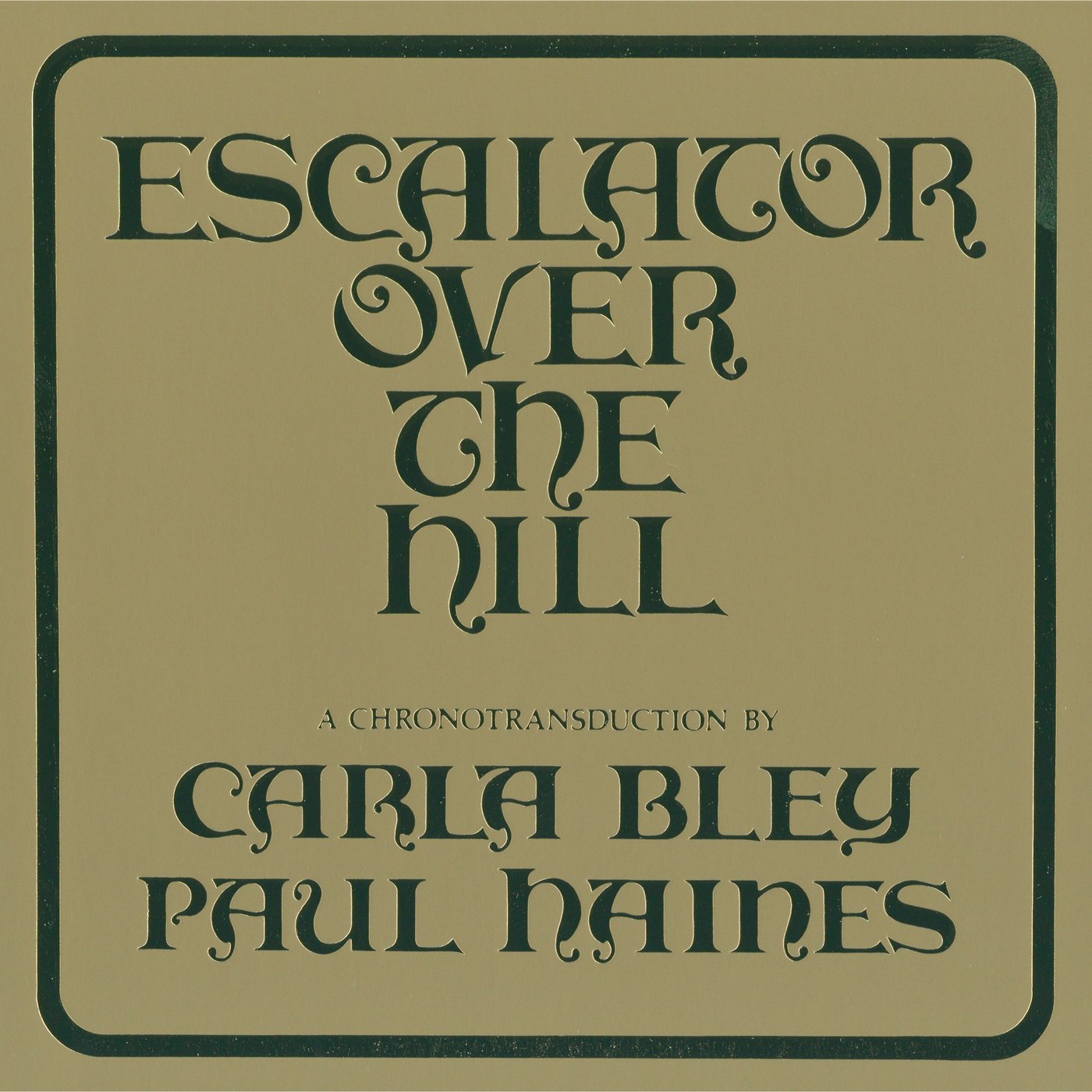
Carla Bley: Escalator Over the Hill

A three LP opera with incredible music by Carla Bley and the selected musicians with somewhat elusive lyrics by Paul Haines. Now this could pass as progressive rock or classical or third stream jazz, depending on one’s viewpoint, so maybe best to simply call it great music. If the lyrics don’t come together effectively as a whole, that is more than made up by the music — all the way down to the endless humming stamped into that last, final inner groove of the second side of the third LP.

If one doesn’t immediately take to the overall musical majesty of this work, there are plenty of individual contributions that will keep one’s attention, from Don Cherry’s amazing solo to the John McLaughlin’s guitar work, to the range of music styles and textures to the many individual contributions of the participating musicians, including vocals by a youthful and talented Linda Ronstadt and renowned Cream bassist Jack Bruce.
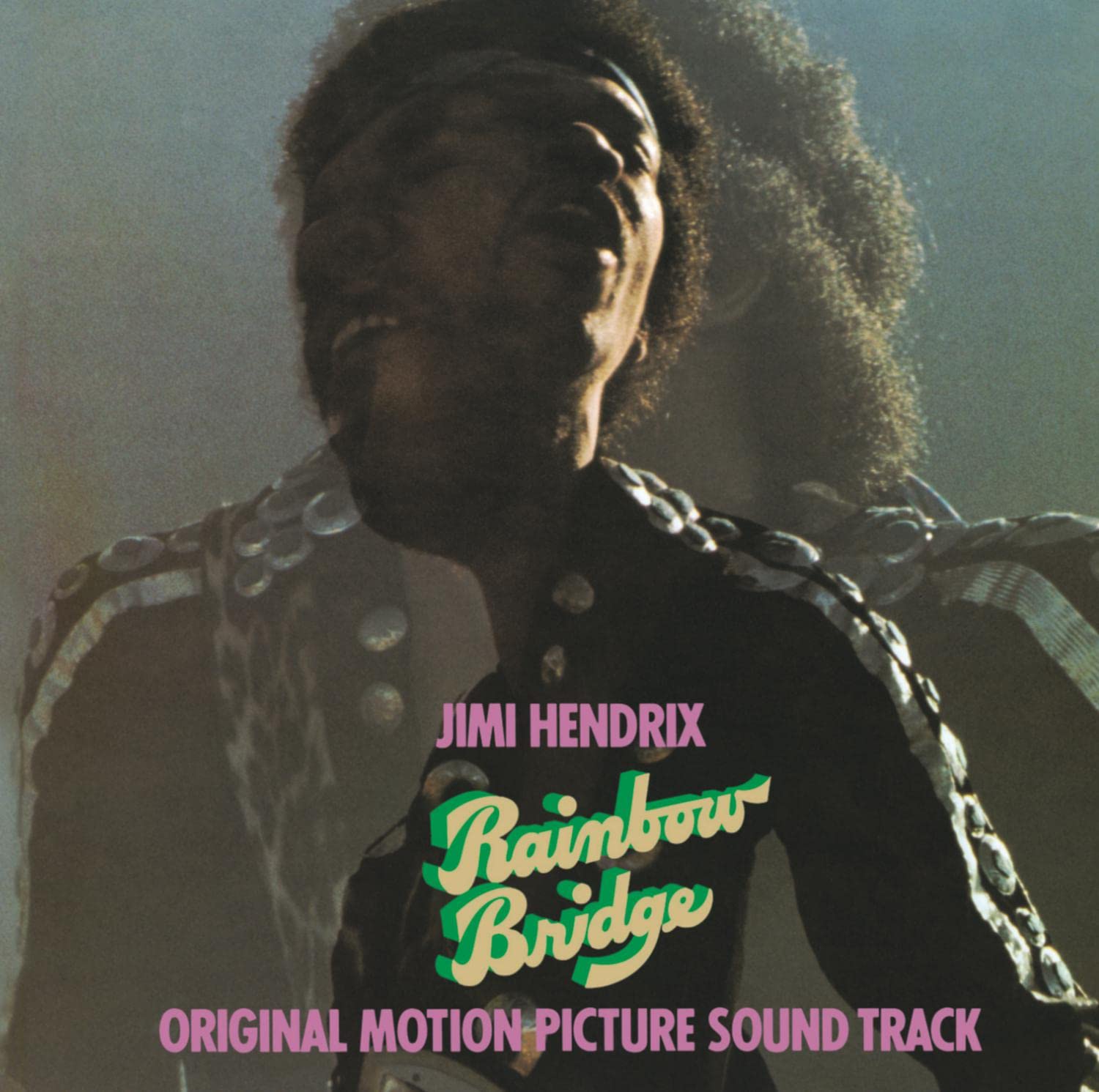
Jimi Hendrix: Rainbow Bridge

I bought this album, despite it clearly labeled as a soundtrack album, due to my appreciation of the excellence of Hendrix’s previous albums. In truth it is not a soundtrack but partly made of tracks recorded for an album that would have followed “Cry to Love.”

The first four tracks of the first side are all classic, easily accessible musical gems. On side two, there is an incredible live version of “Hear My Train A’ Coming” with timeless Hendrix guitar. Album ends superbly with a soulfully uplifting but often mellow “Hey Baby (New Rising Sun.)”
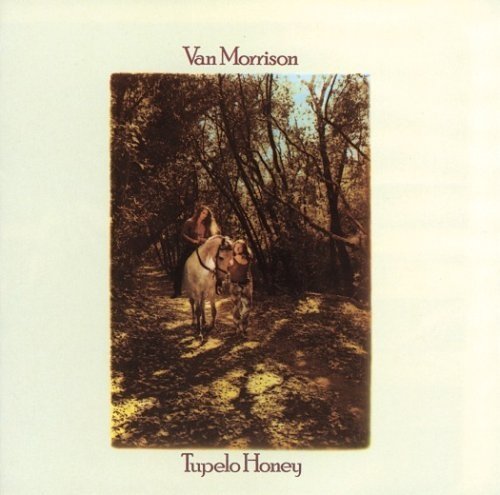
Van Morrison: Tupelo Honey

Released on October 15, 1971, Tupelo Honey, is a wonderful blend of blues, soul, rock, folk, and country-rock elements. I don’t consider myself a Van Morrison fan (I cringed, at the age of twelve, each time they played “Brown Eyed Girl” on AM radio, anxious for it to end to give way to something more to my preference), but I embrace Tupelo Honey 100% and am amazed at the consistency, authenticity, and quality of the album. This is one of the best examples of a commercially successful album that avoids any overt commercialism.
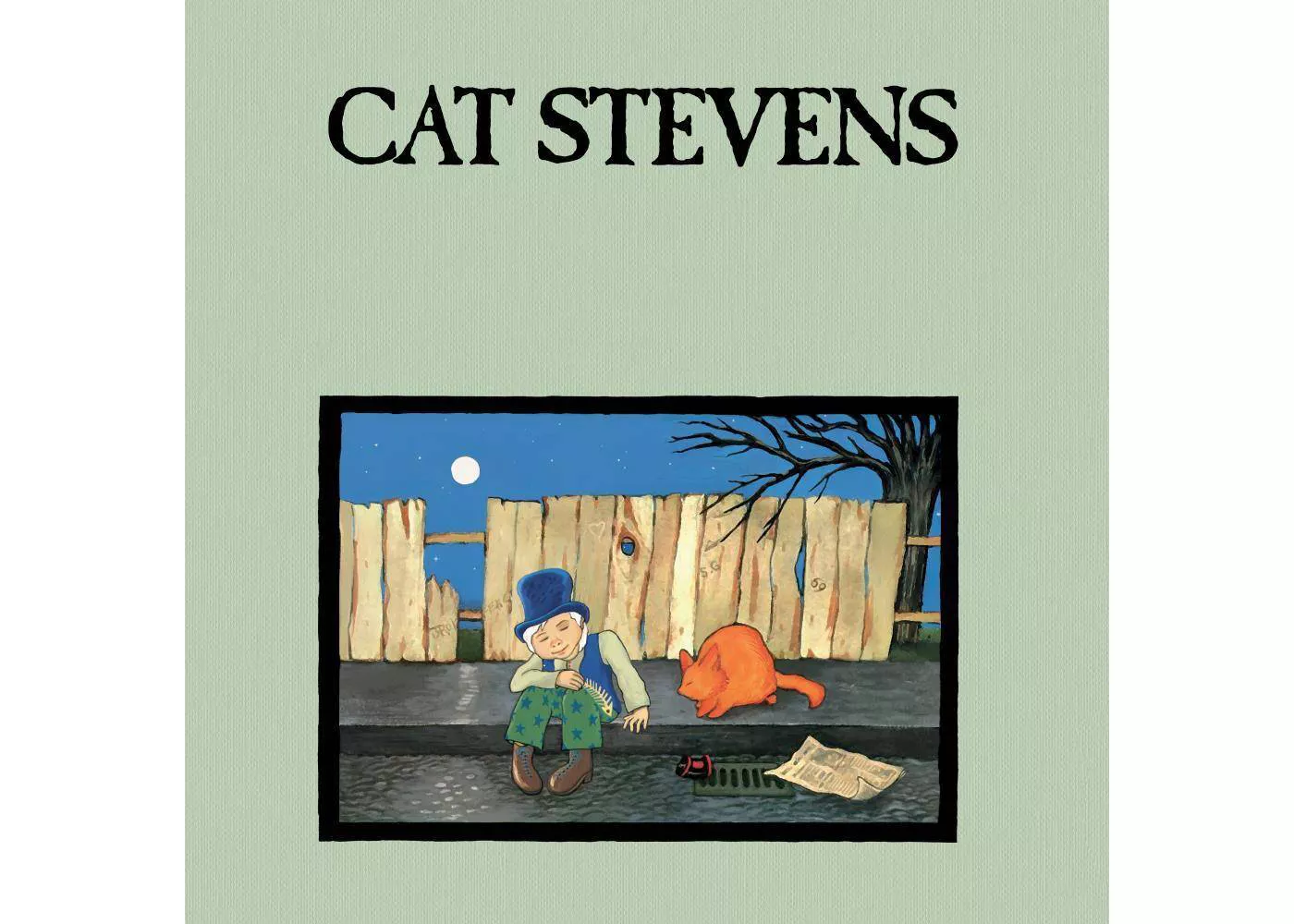
Cat Stevens: Teaser and the Fire Cat

How could Cat Stevens top something as sincere and unaffectedly authentic as his previous album, Tea for the Tillerman? He couldn’t, but by giving the new release a similar title and even more immediately absorbable material, with a more consistent evenness to the quality of the songs and more established overall identify to the album, he was able to surpass the sales of Tea for the Tillerman (despite Tea for the Tillerman‘s incomparable “Wild World” having receiving considerable airplay on both AM and FM radio) with the driver behind some of these sales coming in the wake of the success of Tea for the Tillerman as well as the airplay of “Moon Shadow.”

When I purchased Teaser in the Firecat within a week or two of its release, I was a trifled disappointed by the notable shift in style — the music had a more commercially produced feel and there was nothing the quite caught one emotionally as much as “Wild World” or “Sad Lisa.” Yet, even a more commercial Cat Stevens had appeal, and though I had put Teaser away on the back shelf by the end of 1971, later to be boxed up for decades, it is still a treat to listen to again after so many years.
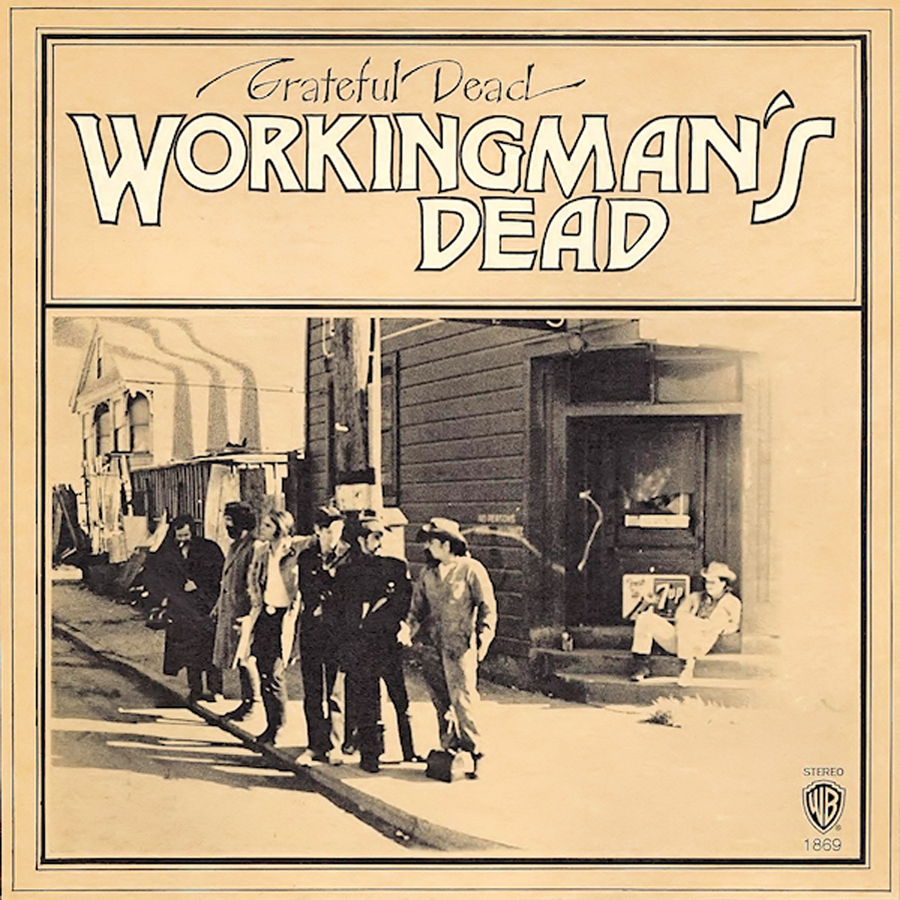
Chicago: Chicago IV (Chicago at Carnegie Hall), Family: Fearless; Don McLean: American Pie; Grateful Dead: Grateful Dead; Lindesfarne: Fog on the Tyne; Frank Zappa: 200 Motels; The Move: Message from the Country

October 1971 brought out a wealth of music, much of it defying single-label classification for a considerable portion of the best of popular music was now incorporating and borrowing from the great legacy of musical wealth from both the West and East musical traditions, as well as both new and older, musical heritage.

The Chicago Carnegie Hall set was the first non-classical 4 LP set I remember encountering, and was purchased by the same friend and next door neighbor that purchased the first two Chicago albums. I had purchased Chicago III, and considered it an extravagant expenditure based on my limited monetary means (in those early teenage years) to buy a four LP set of live of material from the previously purchased studio albums. That said, there was one new and notable composition, on the second side of the fourth LP, “A Song for Richard and His Friends”, a backhanded tribute to then-president “Tricky Dick.” At this time, anything mocking Nixon was contemporary, relevant, and cool, but ignoring all this, this is a pretty good tune, possibly directly influenced by Charles Mingus’s scathing musical rebuke of Governor Faubus.

Frank Zappa’s 200 Motels is filled with many brilliant passages of impressive musical material. Supported not only by his regular musicians, but by the Royal Philharmonic Orchestra, there is no doubt of Zappa’s mastery of a myriad of twentieth century composition techniques. One could wish (or I should say that I wish) that Zappa had used the opportunity with the LPO to provide a more cohesive work — perhaps a great masterpiece of the twentieth century, but Zappa is Zappa and just about everything but the kitchen sink finds its way into the album, leaving one to marvel at the greatest moments and accepting those lesser (but perhaps from a Zappa mindset, equally valid and relevant) musical and extra-musical moments. I applaud Zappa’s resolve and determination to be true to his own artistic vision, and that is part of what makes great artists like Zappa genuinely great.

My sister purchased both the Grateful Dead and the American Pie albums. I shied away from the American Pie album since the title song was played endlessly on AM radio. It probably would have been fine at 2 1/2 minutes, but at 8 1/2 minutes, despite good lyrics, some greater variation in melodic material would have been welcome. Nonetheless the album was (and is) still pretty good, and contains not only American Pie, which has stood the the test of time better than most songs of its nature, but also includes Vincent, one of McLean’s best compositions.

Notable, though not approaching the quality of the first Electric Light Orchestra album, is The Move’s Message from the Country, their final album before they changed their identity to ELO. Both this and the first ELO album were recorded during an approximately one year period that spanned 1970 and 1971. It almost seems as if the best and most interesting material was reserved for that first ELO album, though those that prefer more traditional rock may be more comfortable with Roy Wood and Jeff Lynne’s contributions to The Move’s last effort.

So many albums were released in October of 1971, apparently to time with holiday spending, that I suspect I may have missed a few of those that baby boomers grew up listening to. What’s particularly interesting is the number of albums that still are worth listening today or that influenced other artists who also produced music that still merits listening time. I remember being told that once I got older I would look back on the music that I had listened to in the early seventies and find it silly and simplistic — yet just the opposite: I have a much greater appreciation for the quality, diversity, and complexity of this music than I ever had during my teenage years.
Fifty year Friday: September 1971

John Lennon: Imagine

At the end of 1970, I awaited the availability of John Lennon’s first album (John Lennon/Plastic Ono Band) with a sense of mystery and associated anticipation, however when it was time for the release of the second album, Imagine, it almost seemed like just another standard record industry release, particularly as I heard the single before the album, and because in this case it wasn’t my adventurous neighbor that first bought the album, but my more musically conservative older sister. Maybe I took less of an interest, initially, due to those factors, but it didn’t stop me from playing it as soon as she had purchased it.

Without the consistency of the songs of the first album and the personal poetic connection of that album — and without anything quite equal in charm to “Love” or as striking as “Working Class Hero”, Imagine was somewhat of a disappointment for me. I had already heard the title track, and found “How do you Sleep?” somewhat petty with a palatable undertone of bitterness. The album didn’t hold together as well as the previous one, but still there was much to like overall, including the music and lyrics to “Gimme Some Truth.” Of course, once one got over the initial overexposure of the title track from AM radio, it was clear what a strong song it truly was. Notable, also, are the musical performances, particularly Nicki Hopkins excellent piano work, both electric, acoustic, and modified acoustic (thumbtacks?) George Harrison provides memorable guitar contributions with Lennon also playing basic, yet fully appropriate, piano for the two best songs, “Imagine” and “Oh My Love.” In fact, part of the perfection of those two songs is the simple, honest nature of the piano part.

T. Rex: Electric Warrior

In the last part of 1971, we continue to see the steady evolution towards commercialism in many, initially relatively-non-commercial bands. Tyrannosaurus Rex shortens their name to T. Rex for their 1970, still mostly folk-rock acoustic-based album, but with the 1971 Electric Warrior, producer Tony Viscounti’s and composer/singer/guitarist Marc Bolan’s emphasis is more on rock, with a general simplification of the music — and even the lyrics with obvious shift from the misty, somewhat vague mythological references towards more common rock lyrics as in their big hit “Get It On” (commonly referred to as “Bang A Gong, Get it On”)

But as the earlier music of this group, particularly when still named “Tyrannosaurus Rex”, sauntered and casually strolled through blues-based folksy material, this album rocks forward full throttle, with much more animated tracks like “Jeepster” and “Rip Off.” It may not hold up to repeated listenings as well as their 1970 album, A Beard of Stars, but it was more fun to play loudly in the car when driving around at night. And whereas the earlier music languished in terms of building a large listener base, the new T. Rex sound ended up influencing numerous bands, most of which never would land a recording contract, but also some more well-known entries in pop music from punk rockers like the Ramones, hybrid glam/punk rockers like the New York Dolls, and later Indie groups like Joy Division, The Smiths and the Pixies.

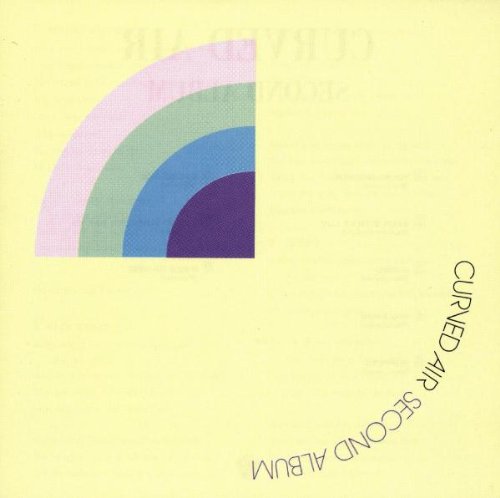
Curved Air: Second Album

Released On September 9, 1971, Curved Air’s second album is bubbling over with a silky spider’s web of musical ideas and creative energy. The sound quality and mixing of the original LP falls short of the music and musicianship itself, however, a remastered edition was released around 2018.

This is an album in two parts, the first side with musical material composed mostly by Darryl Way and the lyrics written by Sonja Kristina and the second the more rhythmically driven material of Francis Monkman. Both sides are excellent, with ample examples of compounded or changing time signatures, some colorful contributions from the EMS VCS 3 synthesizer, and the floating, ethereal vocals of Sonja Kristina.

Uriah Heep: Look at Yourself

In September 1971, Uriah Heep released their third and strongest album, the heavy-metal, partly-progressive Look At Yourself. I took a chance on the album as part of the promotional incentive for starting a membership in a mail-based record club, and loved the album’s heavy-metal deployment of bass, guitar, organ and drums. I particularly like the Baroque-like beginning of “July Morning” which starts with organ, with guitar soon layered on top and the use of terraced dynamics and texture for the subsequent vocals.

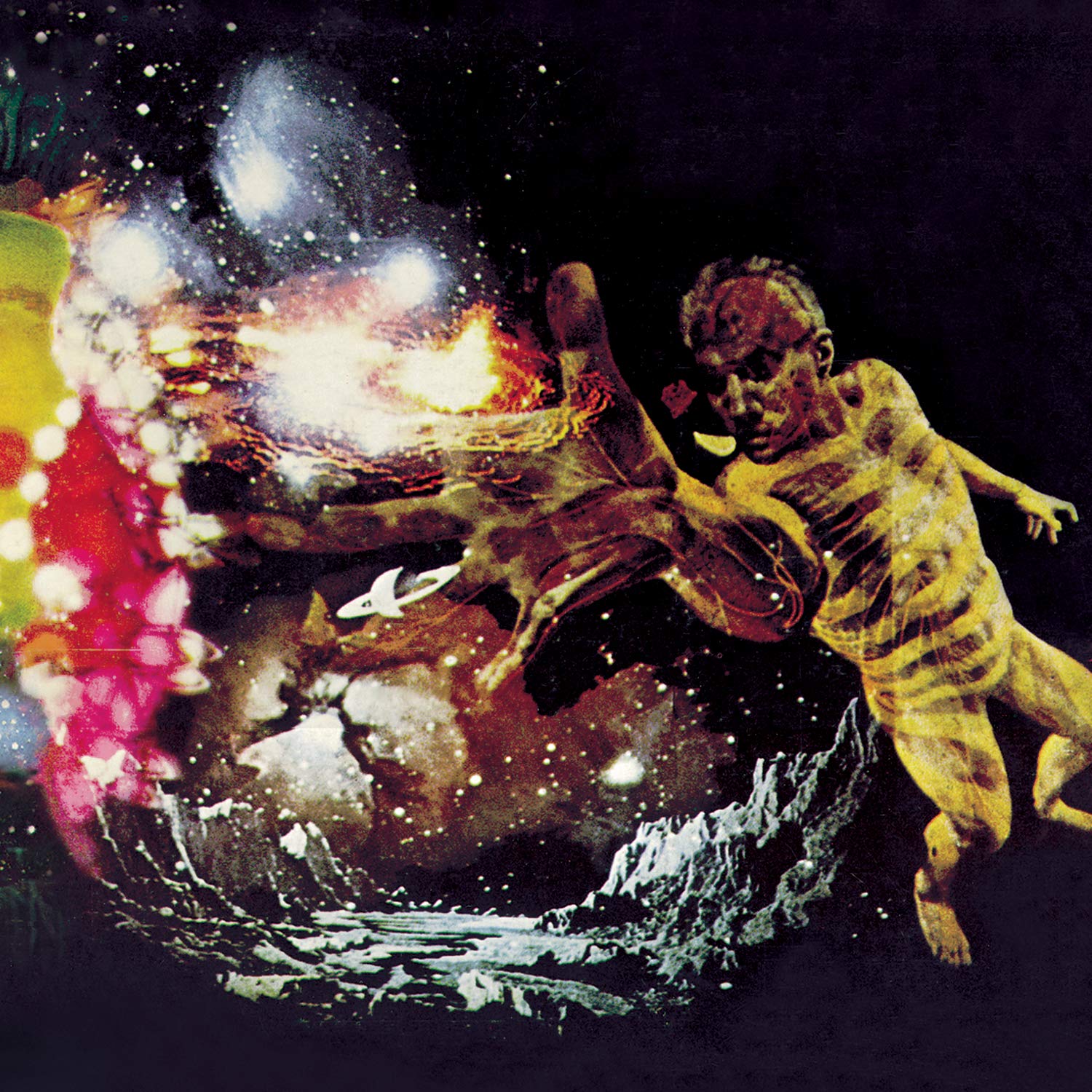
Santana: Santana III


Satana releases their third album sometime in September of 1971. Like their previous, second album, Abraxas, it climbed the album charts to the top position, with two tracks gettings significant airplay on AM and FM radio. Incorporating Latin, rock, and jazz influences, the album’s strength, at least for me, is fully revealed on side two with the last four tracks which sound as fresh and vital as they were in 1971.

Fifty Year Friday: August 1971

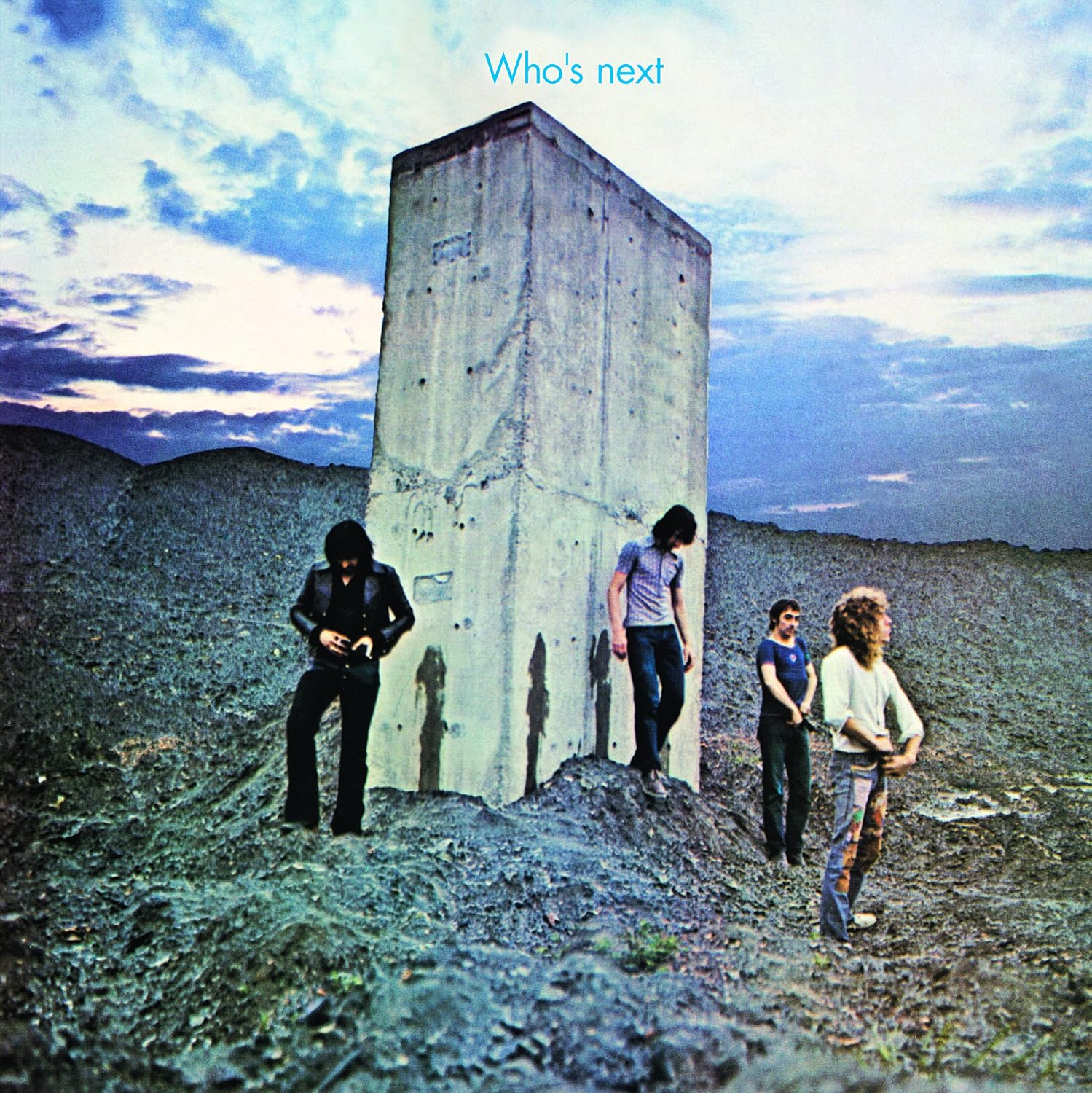
Pete Townsend planned to follow-up the successful Tommy with another rock opera — one which would incorporate data-driven composition, multimedia effects, and audience interaction when performed live. Practical and execution limitations aside, the bottom line is that the musical work itself was abandoned with some of the material recorded for “Who’s Next”, the Who’s fifth studio album released on August 14, 1971.

Though not an epic effort comparable to Tommy, the songs are strong and the intro to “Baba O’Riley” makes a lasting impression, suich that I still remember hearing it for the first time almost fifty years later, and “Bargain” and “Behind Blue Eyes” are two of Pete Townshend’s best classics.

Upon the release of the Beach Boys’ Surf’s Up on August 30, 1971, Warner Brothers Records ran a limited-time promo beseeching those hesitant about purchasing the album, to bring in one of their old Beach Boys albums as a trade-in for the new album. I didn’t own any Beach Boys albums and was more dissuaded from checking out the album than encouraged by what to me, at age 16, appeared to be more of an act of desperation on Warner’s part than a legitimate marketing strategy. However, once I heard the album when visiting my cousin in northern California, I was certainly surprised between the actual material on the album and what I had expected of a group I had thought whose time and relevancy had long expired.

The sound was fresh, with no sixties-artifacts, and though sounding tame to the many Zappa albums in my cousin’s shared collection with his roommate, was still vital and contemporary musically and lyrically. Soon I purchased the album, and listened to it a few times and then, like most albums, it fell out of circulation, but leaving an indelible respect for both the group and the album. The masterpiece of the album is Brian Wilson’s “Til I Die.” I paid little attention to the lyrics in 1971, but took notice of them now when relistening to this track and, now knowing about Brian Wilson’s battles with depression and mental illness, the emotion inherent in the lyrics and the supporting wistfully ironic melody and harmonies are heart-wrenching:

I’m a cork on the ocean
Floating over the raging sea

I’m a rock in a landslide
Rolling over the mountainside

I’m a leaf on a windy day
Pretty soon I’ll be blown away
How long will the wind blow?
Ohhhh
Until I die
Until I die
These things I’ll be until I die

Another unexpected treat that came my way in 1971, was Ten Years After sixth studio album, A Space in Time. Like the Beach Boys, Alvin Lee and company provide an updated sound, incorporating sound effects leading into tracks harkening back to their fourth album, Cricketwood Green. Alvin Lee writes all the music except for a short final instrumental jam that ends the album.

The album showcases Alvin Lee’s engaging, proficient guitar work along with his solid instinct for blues and ability to write more traditional pop songs — the album giving us the band’s highest charting single, “I’d Love to Change the World” and “Over the Hill” with its ironically upbeat baroque string episode contrasting against the bleakness of the lyrics.


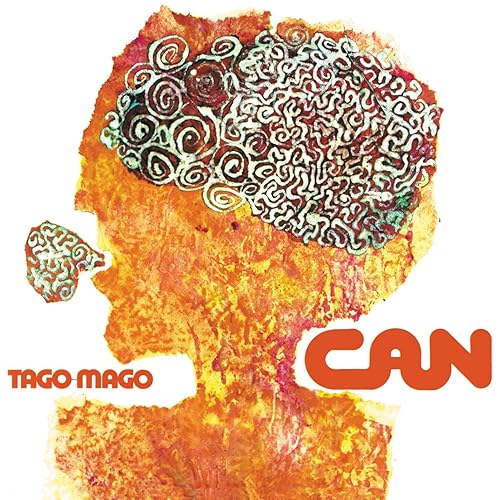
With new vocalist Kenji “Damo” Suzuki, pretty much pulled off a street corner while in the act of busking, Kenji “Damo” Suzuki, Can releases their second, and most heralded and influential album, Tago Mago. Assuming no sonic boundaries and embracing a wide array of musical options, the group pushes the borders of pop music into areas previously occupied by German academic composers and late sixties free jazz artists, thus extending the characteristics, definitions and expectations of what English and American prog-rock fans would soon call Kraut-rock. The first and second sides are more accessible, and one cannot ignore that some listeners were more under the influence of drugs by the third and fourth sides and could handle the increased musical entropy on that second LP, yet one really needs the entire senses about them to fully appreciate this work. There is a lot of coherence within each individual song and the focus on the basic language that is individually conceived for each track. It’s not an easy album to listen to, but given the right mood and circumstances, is one that should be listened to, carefully, and not as background ambience.

Other albums of note include If’s third album, IF3, a balanced blend of rock, light progressive-rock elements and jazz-rock, and Atomic Rooster’s third album, In Hearing of Atomic Rooster, a mostly hard rock album with some progressive rock elements.

Fifty Year Friday: June 1971

Emerson, Lake and Palmer: Tarkus

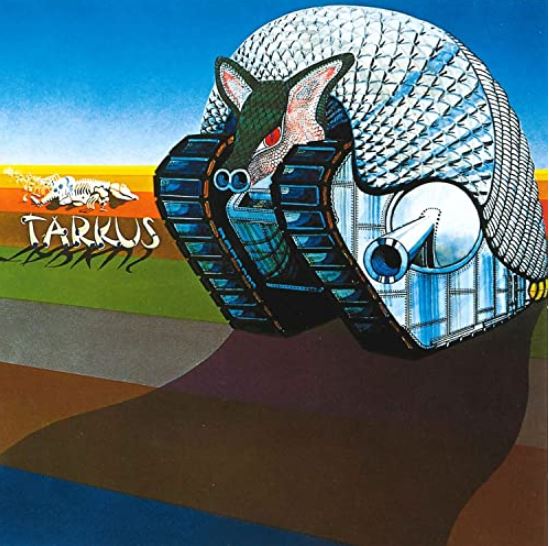
After being so successful on taking a chance on King Crimson’s first album, based solely on the album cover, I became more adventurous and shortly after Tarkus was released around June 14, 1971, it showed up at our local K-Mart, the same K-Mart where I had purchased the King Crimson album. And purchasing on primarily album cover cosmetics, I bought my first ELP album, Tarkus, along with Black Sabbath’s Paranoid. My dad had recently purchased a quality pair of headphones, and that evening I pulled up a chair in front of the amplifier and listened to both albums, mesmerized by the distinct sound of each, and pleasantly surprised that the “Lake” in “Emerson, Lake and Palmer” was the Greg Lake from the first King Crimson album.

I vividly recall the opening of the first track, “Eruption” with its dramatic opening crescendo and the unusual meter (3/8+2/8) established by the drums and bass with Emerson’s angular organ line, the short shift in meter (3/4), returning to the original organ line and then another shift (4/4) with the majestic horn-like moog synthesizer fanfare section. At that time I had no idea of the many meter shifts I was hearing (5/8, 3/4, 5/8, 4/4, 5/8, 7/8, 9/16, 2/4, etc.) but underneath those headphones, it was clear I was in the middle the musical equivalent of a volcanic eruption as depicted in the inner sleeve (see modern CD insert below.)

The entire first side absorbed my entire attention. This was music distinctly different from anything and created its own world — as fantastical as any imagined battle between the mythical creatures of the inner surface of the opened album — and then some. I had limited experience with listening to Dave Brubeck, Stan Kenton, Ravel, Debussy and Stravinsky — and none yet with Bartok and Ginastera — but clearly this was at the same level — a modern masterpiece of music.

Side two was more a collection of songs, bookended by two somewhat weaker tracks, with substantial material in the middle. It was side one that kept me coming back to this album, and displaced my prior favorite group, KIng Crimson, with this new band. Of course, I bought the previously ELP album, then all the Nice albums I could find, with Emerson, the keyboard player, now being my favorite living musician.

The album is far from perfect — but that is true with all of ELP’s output; what matters here is that the quality of side one has few rivals in either rock music or progressive rock music. The lyrics are a bit hit and miss and can simply be viewed as falling far short of supporting the music or, if one uses their imaginative skills, leveraging the Tarkus storyline depicted in the inside cover as some allegory for the more common battles of life. Either way, Greg Lake’s contributions here are not primarily the lyrics but his musical contributions including the battlefield melody, similar to Lake’s Epitaph melody for King Crimson. Lake seems to furnish the more traditional elements of rock music and melody to provide a balance and contrast which serves as an appropriate offset for the more aggressive and idiosyncratic instrumental passages. This is the magic of group efforts, whether progressive rock bands, traditional rock bands, jazz ensembles, and so on — one can get a level of diversity rarely provided by a single composer or musician. The lone composer has made many invaluable contributions to music, but our age also includes many stellar collaborative efforts — including side one of Emerson, Lake and Palmer’s Tarkus — a timeless classic of music.

Todd Rundgren: Runt. The Ballad of Todd Rundgren


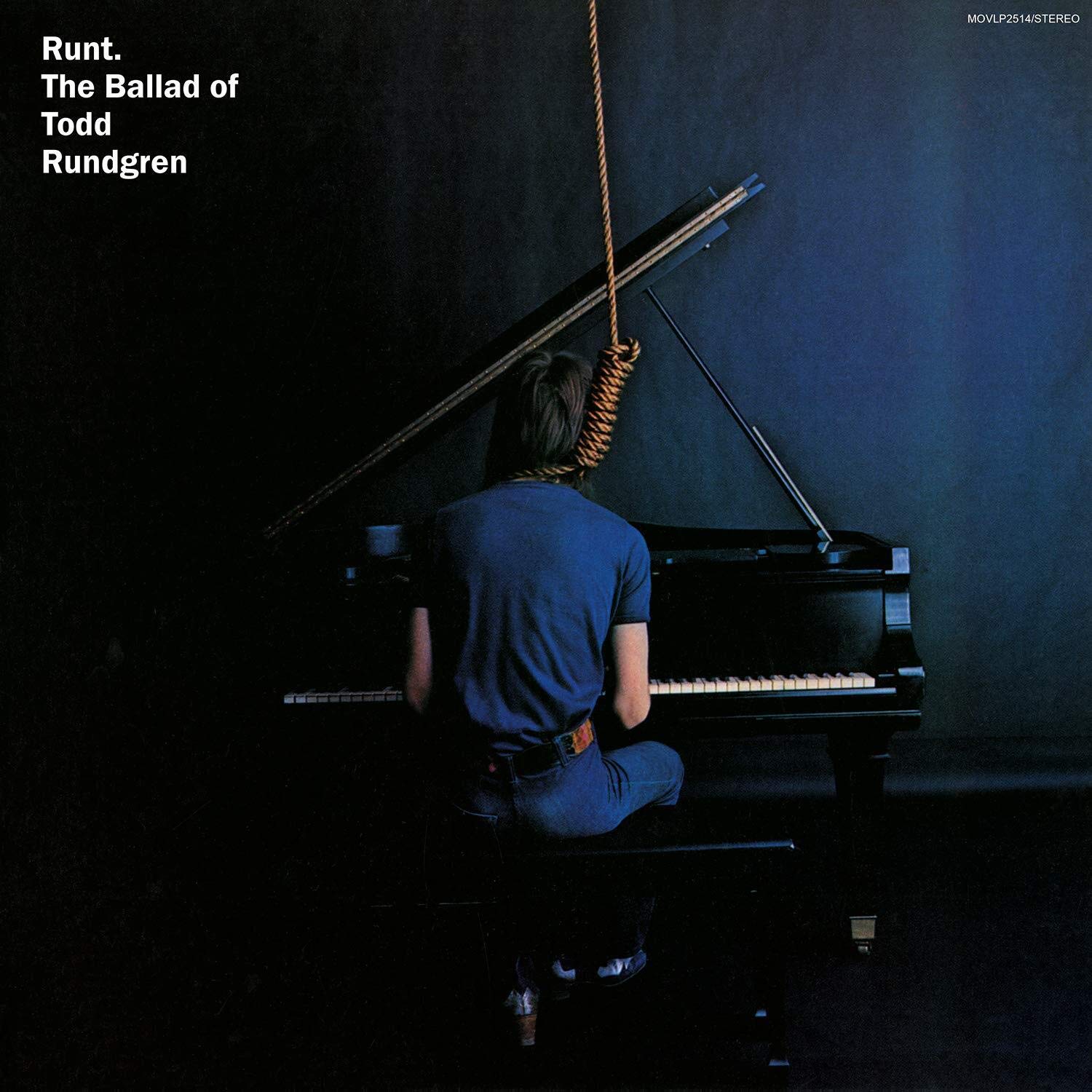
Released on June 24, 1971, Todd Rundgren’s solo second album is pretty much Todd going it alone, writing all the music, being very attentive to every aspect of the arrangements, and playing all instruments that he could, allowing additional personnel on bass and percussion with himself on everything else. Though no track quite matches “We Got to Get You a Woman” from the prior album, the quality is consistently high, with “A Long Time, a Long Way to Go”, “Boat on the Charles”, “Be Nice to Me” being particularly memorable.

Joni Mitchell: Blue

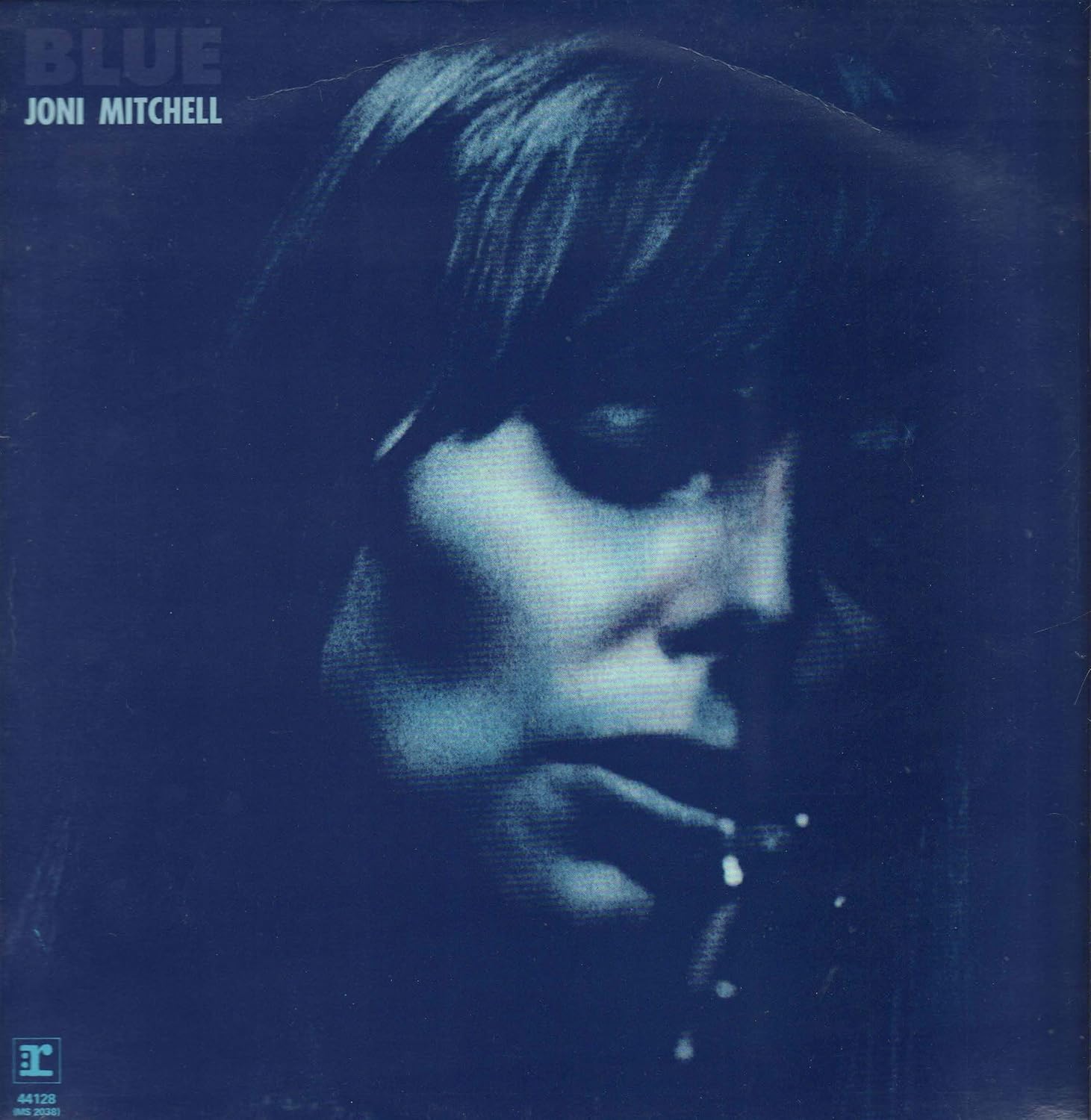
This album sounds as vital today as fifty years. The music is great, the performance intimate, the sound quality excellent, even by today’s standards and the lyrics are personal, heartfelt, of high merit, and flawlessly fit with the music. This should be in every music lover’s collection.

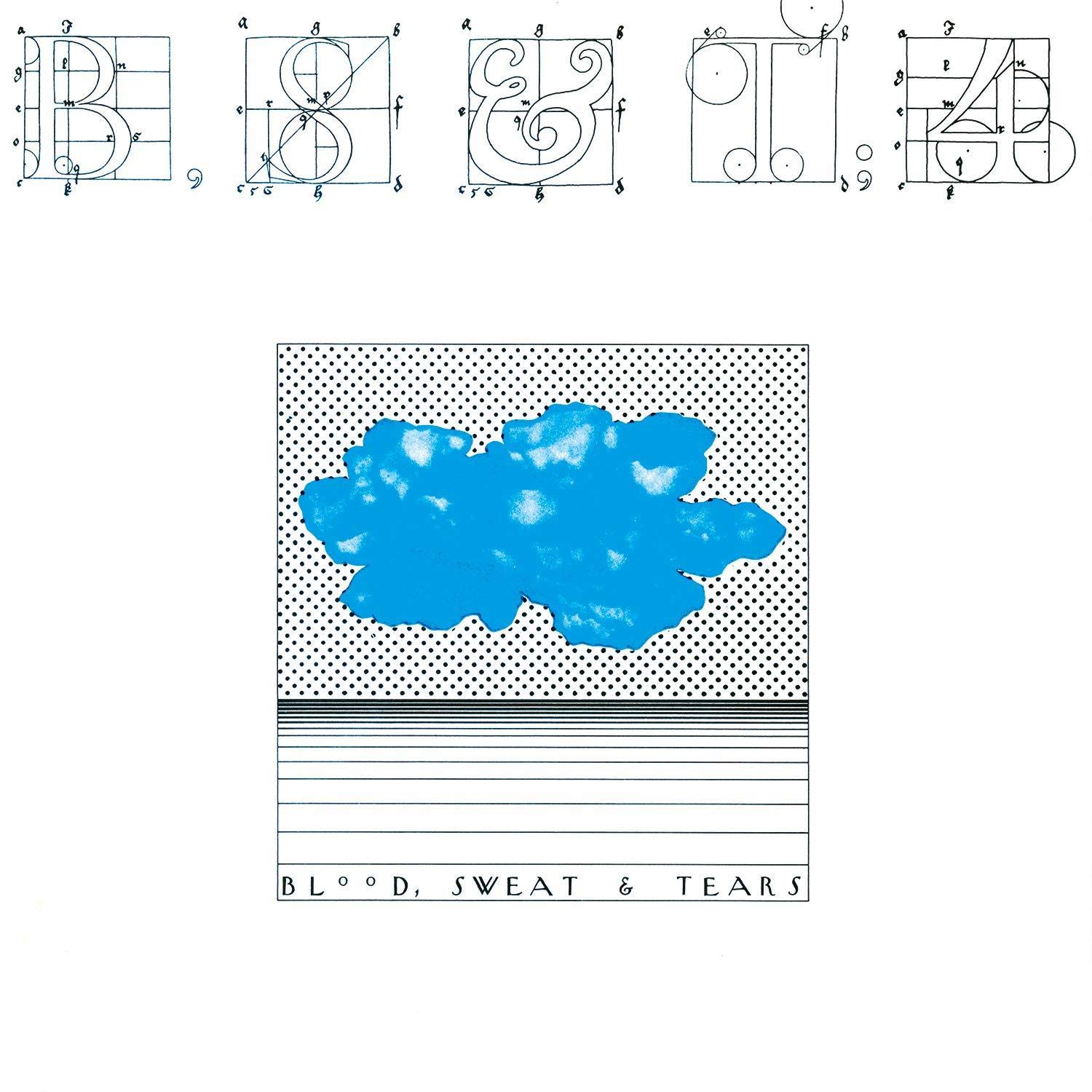
Blood, Sweat & Tears: Blood, Sweat & Tears 4

It’s quite something that after fifty years, most commercial planes don’t fly any faster, personal car travel across country is pretty much the same, at the same speed with no improvement in dining or scenary, and the sound quality of recorded music is on balance, not significantly better — at least nothing close to the progress made in the first six decades of the twentieth century. By 1971, the sound quality of rock, jazz and classical albums were generally quite good with a diverse use of stereophonic capabilities, judicious layering of multiple tracks and the presentation of a sound stage, whether realistic or not, that was engaging and provided the foundation for meaningful musical entertainment. The sound on the three previous albums and this one may be far from perfect but they deliver a presence that fully engages one with the musical product – and provides a level of presence not much different than modern releases — and sometimes better.

This fourth BS&T album is musically as good as their previous three (an opinion at odds with general consensus, of course), with strong instrumental contributions from regulars Steve Katz, Dick Halligan, Fred Lipsius, Lew Soloff and Chuck Winfield and the addition of trombonist Dave Bargeron who also impressively handles tuba and baritone horn responsibilities. The joy here is in the beauty and magnificence of the brass arrangements and performances and the strong production that effectively brings out the qualities of those arrangements.

Paul McCartney, Carpenters, John Entwistle, Marvin Gaye, Zawinul, Weather Report; Fifty Year Friday: May 1971

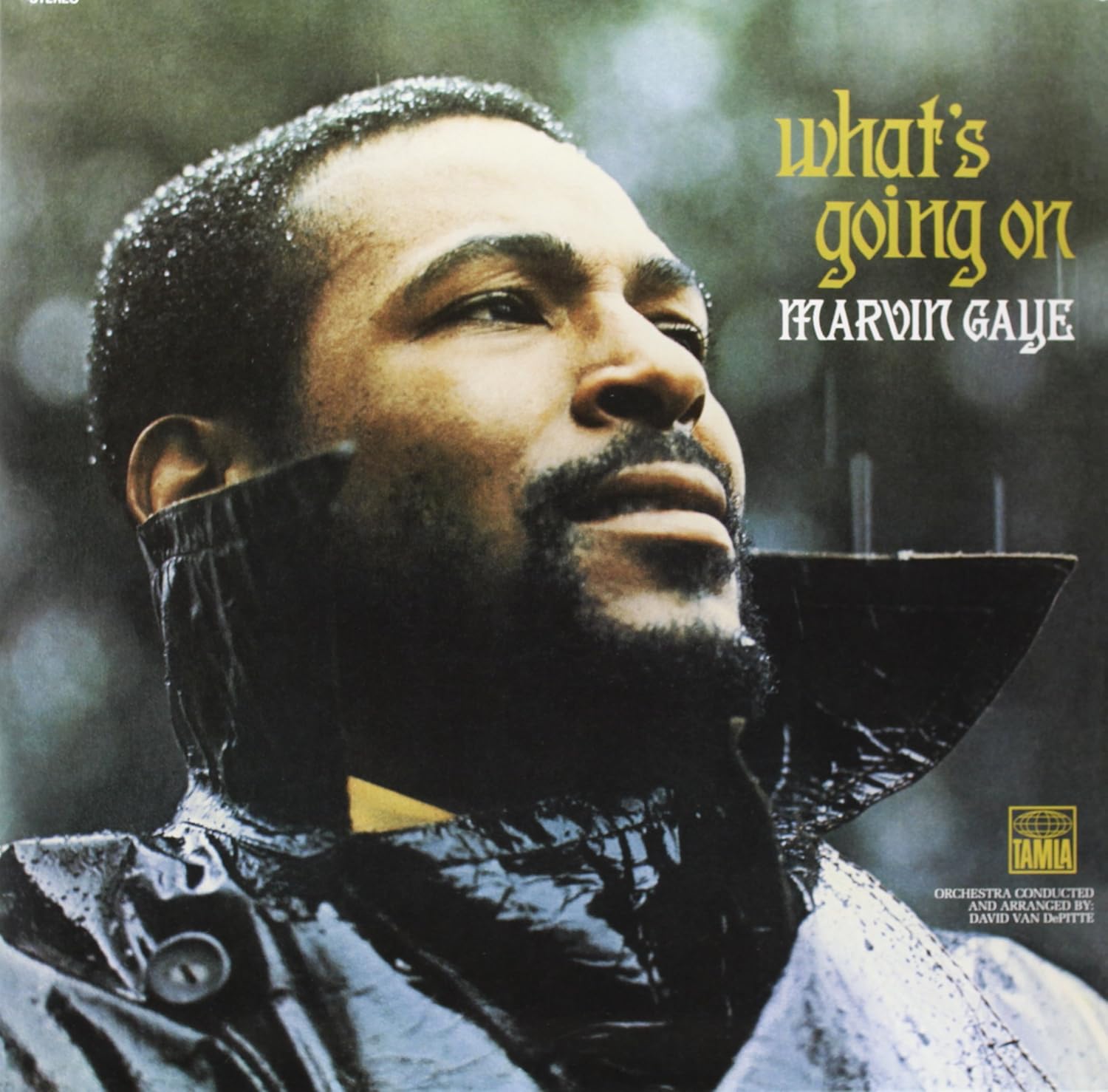
Marvin Gaye: What’s Going On

Marvin Gaye’s What’s Going On was released on May 21, 1971, but prior to that, around the end of February 1971, the calmest, most relaxed single of the 1970s yet ever heard by my ears on top 40 AM radio, started receiving airplay displacing the previous smoothest single of the earliest part of that year, “Black Magic Woman”. Now firmly only a fan of FM, my only exposure to AM radio was on the school bus — about a 25 minute ride into school and about a 35 minute ride on the late bus back home. By the middle of March of 1970, Marvin Gaye’s “What’s Going On” was likely to be played once, and sometimes twice: once in the morning and once in the afternoon during my daily travel on the bus. With annoying songs like The Osmonds’ “One Bad Apple”, Dawn’s “Knock Three Times”, and other mediocre bubblegum or pop tunes, the inclusion of Marvin Gaye’s “What’s Going On”, far removed from the commercial template of most of the songs in the Top 40 of that time, into the AM playlist was like being given access to water in a scorching desert.

How appropriate that this gem leads off Marvin Gaye’s must heralded album, proving both the name and the essence for the entire album, almost by itself asserting the concept of the entire album, which rightfully and fittingly lines up perfectly and unconditionally with the ethos and character of that first track creating a concept album addressing peace, love, ecologic responsibilities, justice and injustice, and the rights and preciousness of all, adults and children.

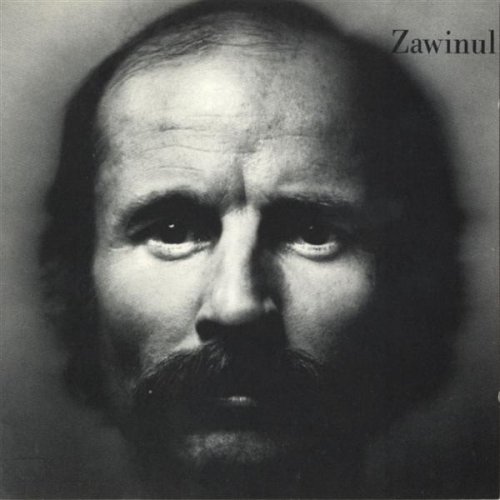
Zawinul: Zawinul

Recorded in August through October of 1970, and released in 1971, Joe Zawinul’s fifth studio album (as a leader) continues the musical trailblazing of Miles Davis’s masterpiece, In a Silent Way. There is in fact, an amazing version of this Zawinul composition on the album, glimmering with a full rainbow of beauty, the pairing of Herbie Hancock and Joe Zawinul on keyboards and the lyrically lucid and spiritual melodic leadership by trumpet-great Woody Shaw.

The entire album provides a musical retreat, unfolding with the beauty of an uncompromised, unexplored nature reserve. Graced by so many fine musicians, and some creative engineering including some tape manipulation, editing, and praiseworthy aural balancing, the album provides all that is necessary for an immersive musical outing fully contained within the short span of about thirty-six minutes.

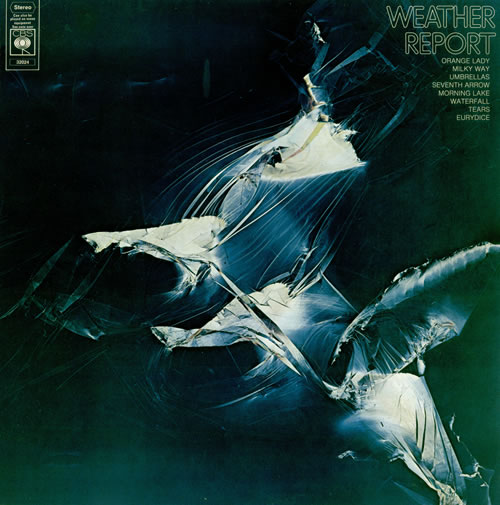
Weather Report: Weather Report

A few months after finishing recording his eponymous fifth album, Joe Zawinul teamed up with Wayne Shorter, Miroslav Vitouš, and multiple percussionists for the first Weather Report album released on May 12, 1971. The album embraces much of the creative forces present in Silent Way and Bitches Brew, but moves into new territory also with rhythmically propulsive tracks like “Umbrellas” and “Seventh Arrow” as well as the atmospheric track “Orange Lady” which provides a leisurely, reflective weave from a spectrum of beautiful coordinated musical musings and the shimmering “Waterfall.”

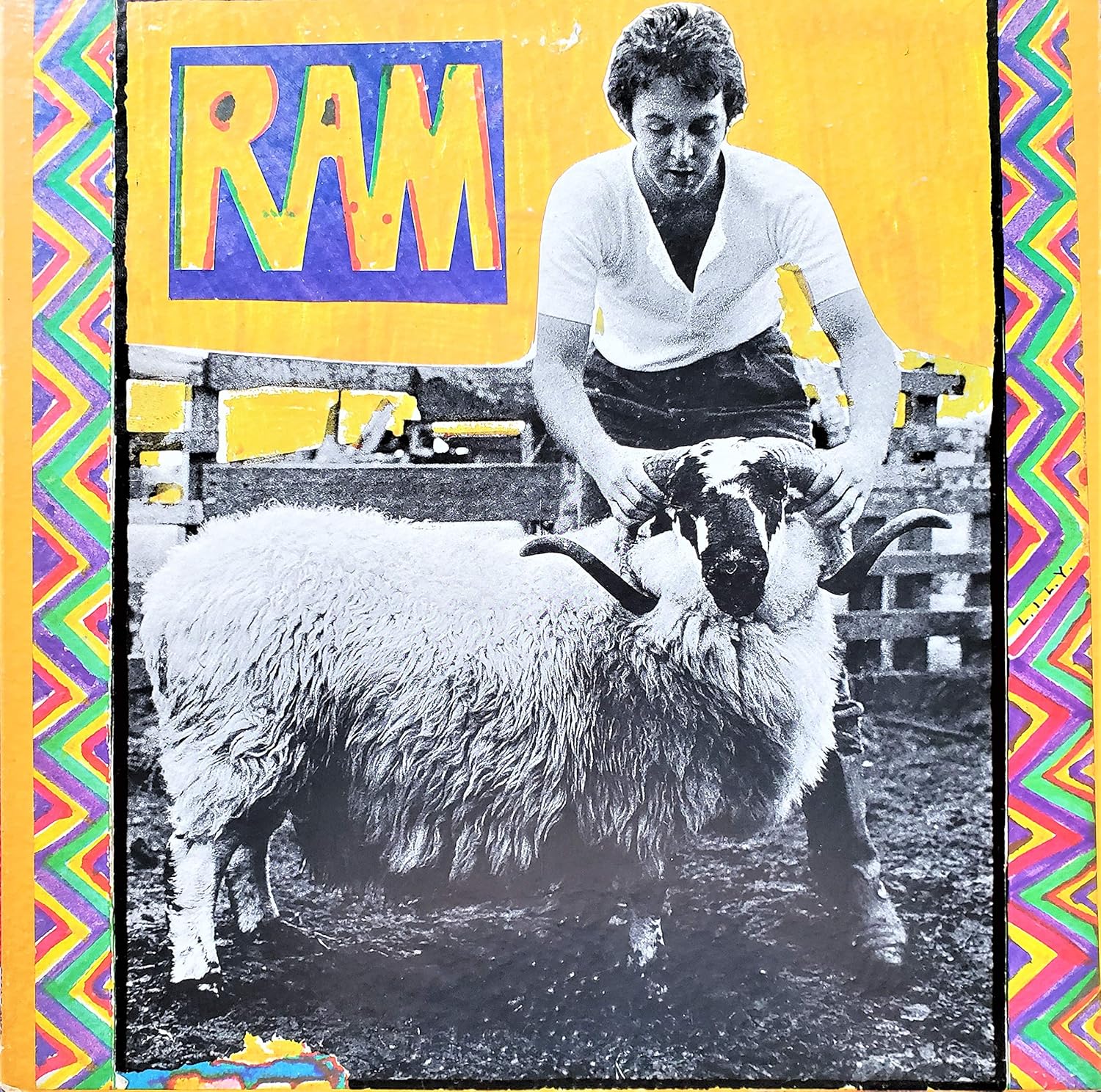
Paul and Linda McCartney: Ram

While my sister was accompanying my maternal grandmother on an ocean cruise for the summer of 1971, I journeyed from Southern California up to Salem, Oregon accompanying my paternal grandparents on a nearly twenty-four Trailways bus trip to spend a couple of weeks with my cousins, aunt and uncle, fishing, introducing my older cousin to the classic Chicago II album, taping drum and bugle practices on a cheap, bottom-of-the barrel cassette recorder and generally having the time of my life.

When driven to the newly open Lancaster shopping mall by my older cousin and her friends, I stumbled into what may be commonplace today, but was a novelty at that time, a record store in a indoor shopping mall — the indoor shopping mall being also a relatively new concept, with the Lancaster mall (now the Willamette Town Center) opened shortly before my arrival.

A moment or two after entering the record store, the store manager changed records, putting the newly arrived second McCartney album, Ram (released a few weeks earlier on May 17, 1971) on the store turntable. The first track, “Too Many People” was immediately recognizable as it was getting airplay on both FM and AM. While my cousin and friends wended their way through the multiple other retailers in the mall, I camped out in the record store, listening to the entire first side including the previously familiar “Uncle Albert/Admiral Halsey”, pulled away by them for a few minutes, and then eventually returning to finish up side two and, to my delight, an unexpected replay of the entire album, or at least side one, as I was eventually whisked away by my cousin and friends to somewhere else. Later on my return to the mall, perhaps a week later, I got to hear most of side two, including the final track, “The Back Seat of My Car.”

Upon my return to Southern California, my good friend, fellow cross-country runner, co-worker at the school cafeteria, and next door neighbor, the one that had introduced my to Chicago, had already purchased Ram, and I promptly recorded it on to my reel-to-reel. I was already in love with the album, and played it several times before eventually tiring of it and moving on to something else. It’s a pleasure to listen to it again after all these years, and even though back in 1971 my cousin may have thought the music to be somewhat silly and certainly not in the same league as Chicago’s second album, I still love the simple, engaging, and buoyantly upbeat music that permeates this album.

The Carpenters: Carpenters

On May 14, 1971, The Carpenters released their third album with meticulous soft-pop arrangements by Richard Carpenter and Karen Carpenter’s trademark vocals. It is not as special as an album as their previous Close To You album, but their performances are beyond reproach even if not all the selected material matches that of Close To You. As the Carpenters moved to Downey, California a few months before my parents moved our family to Orange County, I honor my hometown connection to them and that adds to the fondness I have for their music. Add to this that my Oregon older cousin liked them, even when she dismissed McCartney’s second solo album, and that my spouse, the love of my life, is a big Karen Carpenters fan, I think I will always enjoy listening to their music with an ongoing emotional connection that is in addition to my appreciation of their musical merits.

John Entwistle: Smash your head against the wall; Graham Nash: Songs for Beginners; Rod Stewart: Every Picture Tells a Story

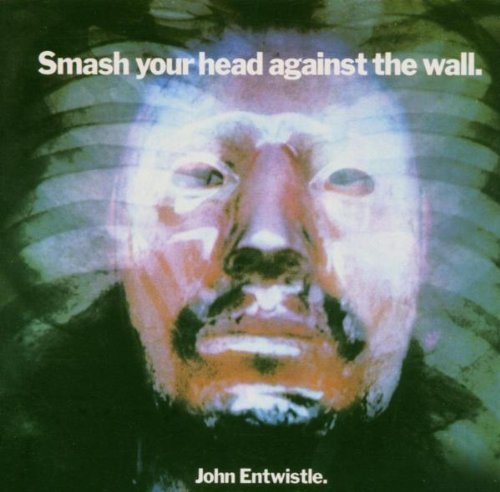
Like George Harrison, John Entwistle did not have an abundance of support to get his bandmates to include his compositions on their albums, so his first solo album, Smash you head against the wall, released during May of 1971, contains many of these “rejected” compositions. One recurring trait in Entwistle’s works is the use of chromatic passages as famously represented in years earlier in “Boris the Spider” and his darkly-tinged humor as represented in the opening track of this debut album, “My Size.”

Graham Nash is one of the most underappreciated songwriters of the sixties and seventies, so its always a joy to listen to his songs whether on Hollies albums, CSN and CSNY albums or his solo albums. This is a wonderful album brimming with catchy melodies including songs like “Military Madness” and “Chicago.”

Though I don’t think of myself as much of a Rod Stewart fan, I took an immediately liking to “Every Picture Tells a Story”, Rod Stewart’s third solo album, released on May 28, 1971. There is an authenticity to his delivery throughout this album and the strongest tracks are certainly among Rod’s best efforts.

Fifty Year Friday: April 2021

Caravan: In the Land of Grey and Pink

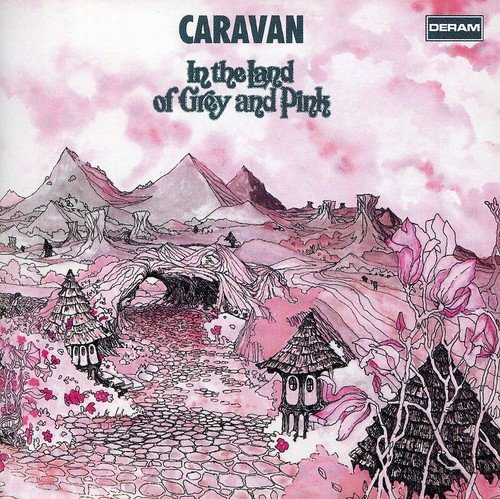
Caravan releases their third album, In the Land of Grey and Pink, on April 8,1971. Richard Sinclair takes a more prominent role providing three of the four songs on side one with his cousin, keyboardist Richard Sinclair, providing much of the music and compositions for side two.

Though not particularly popular upon its release, and difficult to spot in any record store in the U.S. in 1971, over time the album has gotten more attention, eventually achieving gold status. This third album, notably better than the previous two Caravan albums, particularly benefits from Richard Hitchock’s contributions as the producer (the same person who would produce Genesis’s Foxtrot the next year), the relatively generous studio time allocated, and the work ethic and level of creativity of the musicians.

The album opens with the sounds of trombone and percussion that begin Richard Sinclair’s “Golf Girl”, a playful homage to the woman Richard would shortly marry, followed by the initially reflective and more exploratory “Winter Wine.” The Pye Hastings composition that follows, “Love to Love You” is more pop than progressive but benefits nicely from contributions on flute by Pye’s brother Jimmy Hastings. The final track, the title track written by Richard Sinclair, provides a strong close to side one with notable contributions on keyboards from Dave Sinclair.

Side two, taken up by the single composition, “Nine Feet Underground”, is really a medley of multiple unrelated compositions nicely balanced against each other. Like side one, the band is credited for all the music, though in this case Dave Sinclair is the primary composer providing lyrics on one song and getting help on lyrics from Pye Hastings on another. Dave Sinclair’s keyboard work is particularly notable, though there are fine contributions from Pye and cousin Richard, the latter’s bass guitar work being particularly captivating.

The Nice: Elegy

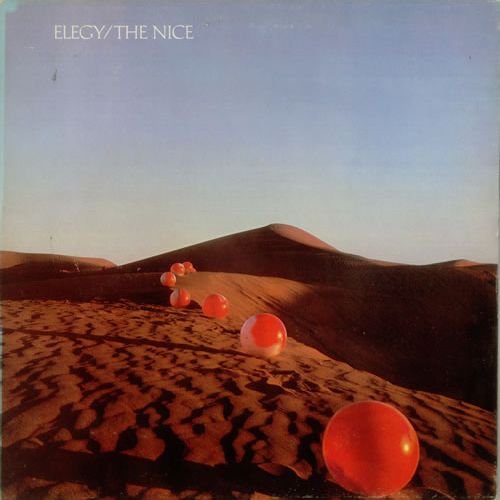
After Emerson was with ELP, and Dave Jackson and Brian Davison were with their respective groups, Charisma released, in April 1971, three live tracks from a December 1969 concert at the Fillmore East plus one studio take of Dylan’s “My Back Pages” as the album Elegy. The first two tracks showcase Keith Emerson’s keyboard skills, and even if some of the piano work doesn’t rise above what the very best jazz pianists might consider merely ordinary, Emerson has a way of creating narrative-like instrumental performances that are as engaging and musically satisfying making both tracks on side one special listening experiences. On side two of the original LP we get a trio-version of The Nice performing the scherzo from Tchaikovsky’s Sixth Symphony and an timeless document of the trio, with Emerson on electric organ, tackling Leonard Bernstein’s America. More modern digital releases may include two BBC radio live performances.

Elton John: 11-17-70 (or 17-11-70)

Recorded in the A & R recording studio on 52nd street in New York on November 17, 1970 for a live radio broadcast, 11-17-70 nicely captures the qualities and strengths of the original Elton John trio of Elton, bassist Dee Murray and drummer Nigel Olsson. I first heard part of the album while listening to FM radio sometime in April 1970, and quickly went out and bought the LP. This provided a nice companion to the two studio albums I had purchased in 1970, Elton John and Tumbleweed Connection, and also provided more emphasis on the Elton’s acoustic piano skills and Dee Murray’s electric bass. In many ways this is my favorite Elton John album, capturing this trio at its musical peak. The music was not originally intended to be released on vinyl, but the prevalence of bootleg recordings of the broadcast provided a good economic incentive to do so even though ultimately sales were hampered by competition with such bootlegs including one 2 LP set which included more content than on the 11-17-70 single LP official release. A two LP set was released in April of 2017 containing all the original recording material, though not presented in the original order of the broadcast.

Crosby, Stills, Nash & Young: 4 Way Street

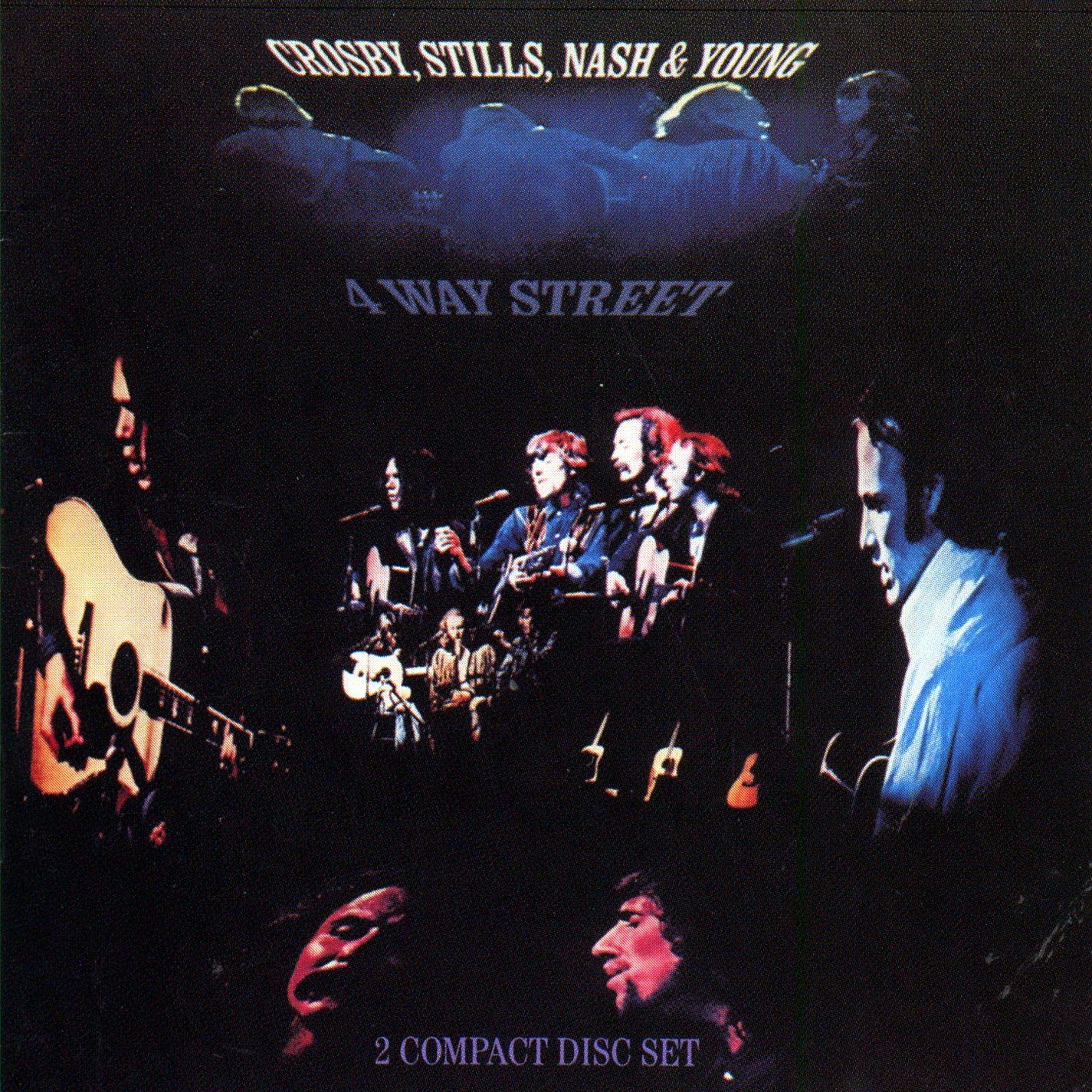
Recorded in the summer of 1970 and released on April 7, 1971, the 4 Way Street live album provides a great overview of how talented these four individuals really were as songwriters and musicians. Material includes a range of music including acoustic tracks on the first two sides of this double LP album, and electric guitar dominated tracks on all but the encore acoustic track on sides three and four. The version to get is the expanded version which includes additional tracks for each artist from the acoustic set of these 1970 performances.

Chase: Chase

With the popularity of jazz rock in its peak following top selling albums by groups like Chicago and Blood, Sweat & Tears, thirty-six year old fiery trumpeter Bill Chase, previously a member of Stan Kenton, Manyard Ferguson and Woody Herman Big bands, and freelancing at gigs in Las Vegas, formed an eponymous band that featured his virtuosic high register and three additional trumpet players along with keyboards, electric guitar, bass guitar, percussion, and vocals (vocals provided by trumpeters Ted Piercefield  and Jerry Van Blair and vocalist Terry Richards.) The group’s first album, with arrangements and some compositions from Bill Chase, was recorded in late 1970 and released in April 1970. Thanks to the success and liberal airplay of “Get it On”, the album sold fairly well, climbing up to position 22 on the albums’ chart that year. The album shares similarities to Blood, Sweat and Tears second and third albums, primarily distinguished and differentiated by Bill Chase’s arrangements, compositional style and the use of four trumpets and no saxes or trombones. Bill Chase would release two more albums before his death in 1974 from a twin-engine plane crash transporting him and other musicians to a county fair in Minnesota.

Doors: LA Woman and Rolling Stones: Sticky Fingers

Seemingly an artifact of an earlier era, in a year where rock had now splintered into so many genres, The Doors released their sixth studio album, L.A. Woman, on April 1971, Though having much in common with previous material, with a little more emphasis on a blues-leaning bias, the album contained the notable, somewhat minimalist and moody, almost hypnotic “Riders of the Storm” — a musical piece with more in common with German progressive rock bands than one might expect. All in all a good but not game-changing album.

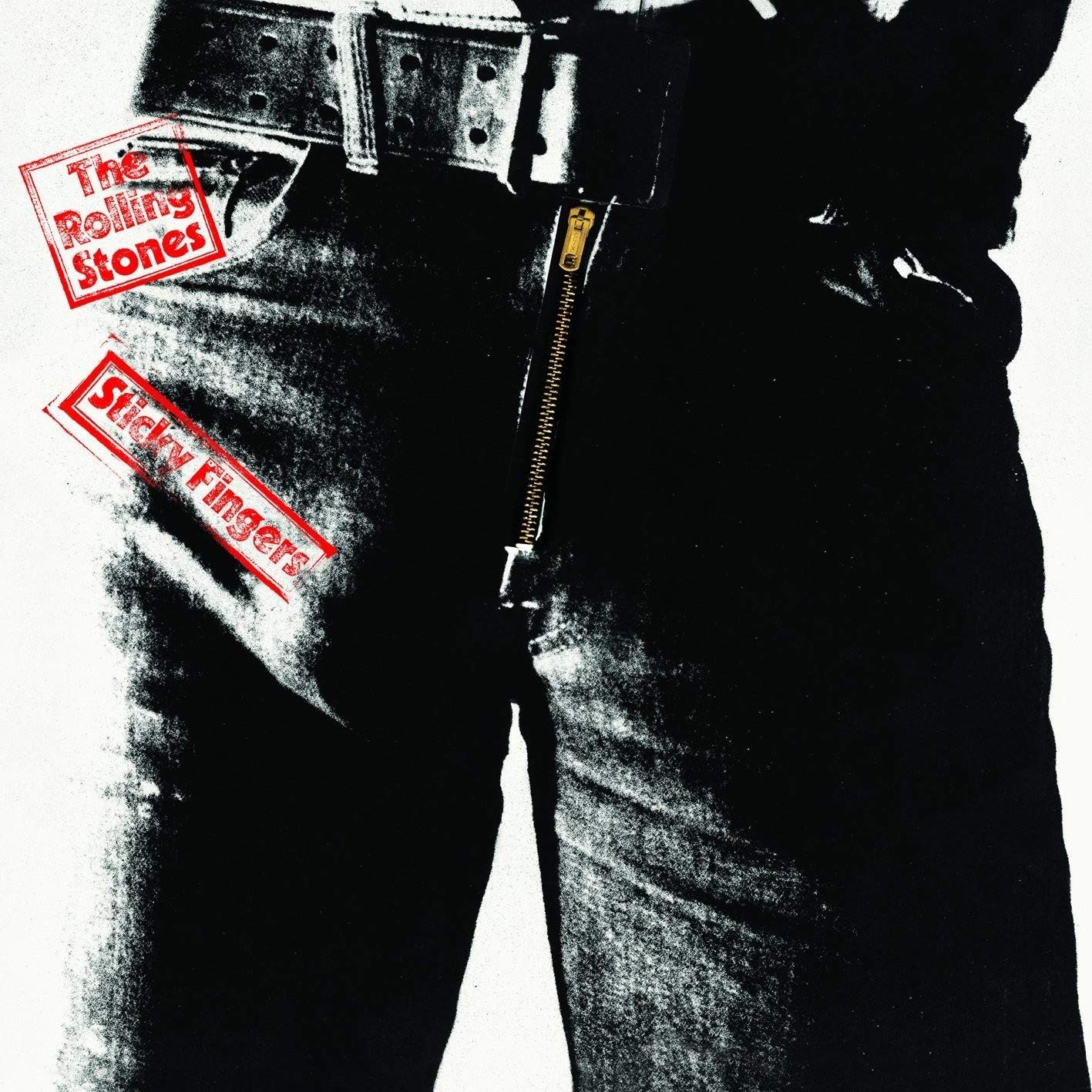
The Rolling Stones also focused more on a bluesy musical identity, providing a very strong album of more traditional but nonetheless somewhat distinct set of tracks centered around what was apparently the band’s drug culture. My first exposure to the music was from the constant repeated airplay of Brown Sugar and at a high school dance band where the band covered several of the songs on the album. The album may not be particularly complex or sophisticated, but it deserves significant praise for just being plain enjoyable. Listening to it now, in 2021 on Spotify hooked up to a high quality audio system, the album still is vital and full of honest energy. I never bought the album itself, but like many took notice when its unique album cover was first displayed in record stores. Often the zipper was pulled halfway down, done apparently, per Wikipedia, to minimalize damage the zipper would do when albums were tightly packed together for shipment, and not due to curious shoppers fiddling with the front.

Fifty Year Friday: February 1971

Yes: The Yes Album

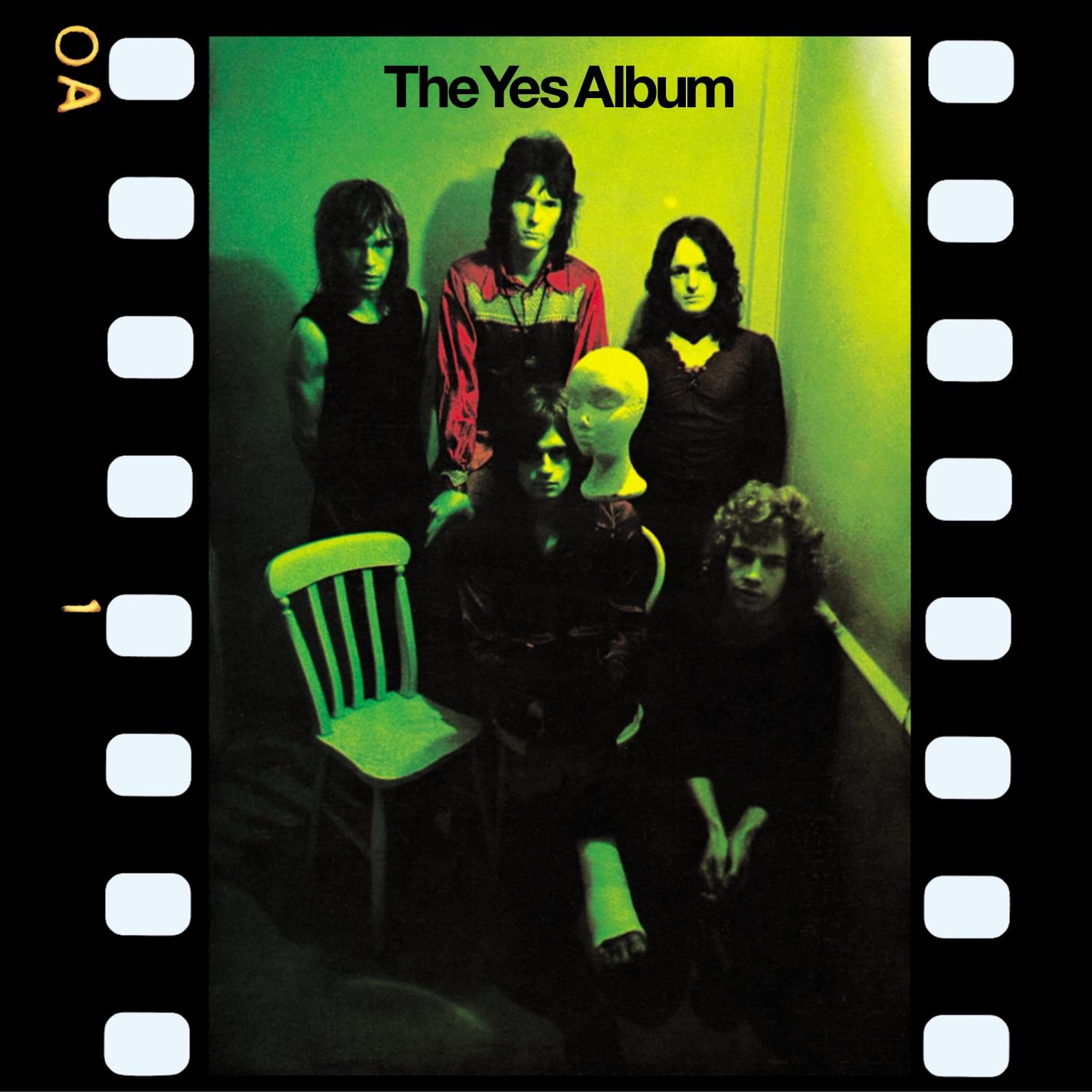
With addition of Steve Howe replacing Peter Banks on guitar, The Yes Album, released on February 19, 1971, is the first truly full-throttle Yes album, essential to lovers of both rock and progressive rock. The album’s first track, “Yours is No Disgrace”, unfolds much like one of those classical music gems of 19th century nationalism creating a sense of expectation of musical discovery or an exploratory musical journey, starting with Bill Bruford on drums reinforcing Chris Squire’s bass line (giving it a particular metallic edge) joined by a counter-motif from Tony Kaye on organ that shifts into the opening melodic passage soon joined by propelling, exhilarating guitar work from Steve Howe. Vocals, and a corresponding new musical section, arrive and within the first two minutes the album establishes its essential place in rock music history. Thematic contrast, thematic transformation, and thematic development are all present in the remainder of the track, but even more important the music is strikingly interesting and compelling.

The rest of the album is just as essential and compelling with Steve Howe live on solo guitar on “The Clap”, the landmark “Starship Trooper” which still gets airplay today, fifty years later, the accessible “I’ve Seen All Good People”, an edit of which received heavy AM airplay in the last three months of 1971, the bouncy and engaging “A Venture” which looks both backward and forward to their previous and their next albums, and the near-epic “Perpetual Change”, with its soaring, recurring bridge section that connects the two main melodies and the contrasting middle section with its first part a jazz-like guitar excursion and the second part another of those distinct Bruford/Squire pairings that represents one of the most identifiable aspects of the classic Yes sound. As with their next two albums, this album thrives on repeated listenings and never disappoints when revisited, whether five years later, fifteen years later, or fifty years later.

Carole King: Tapestry

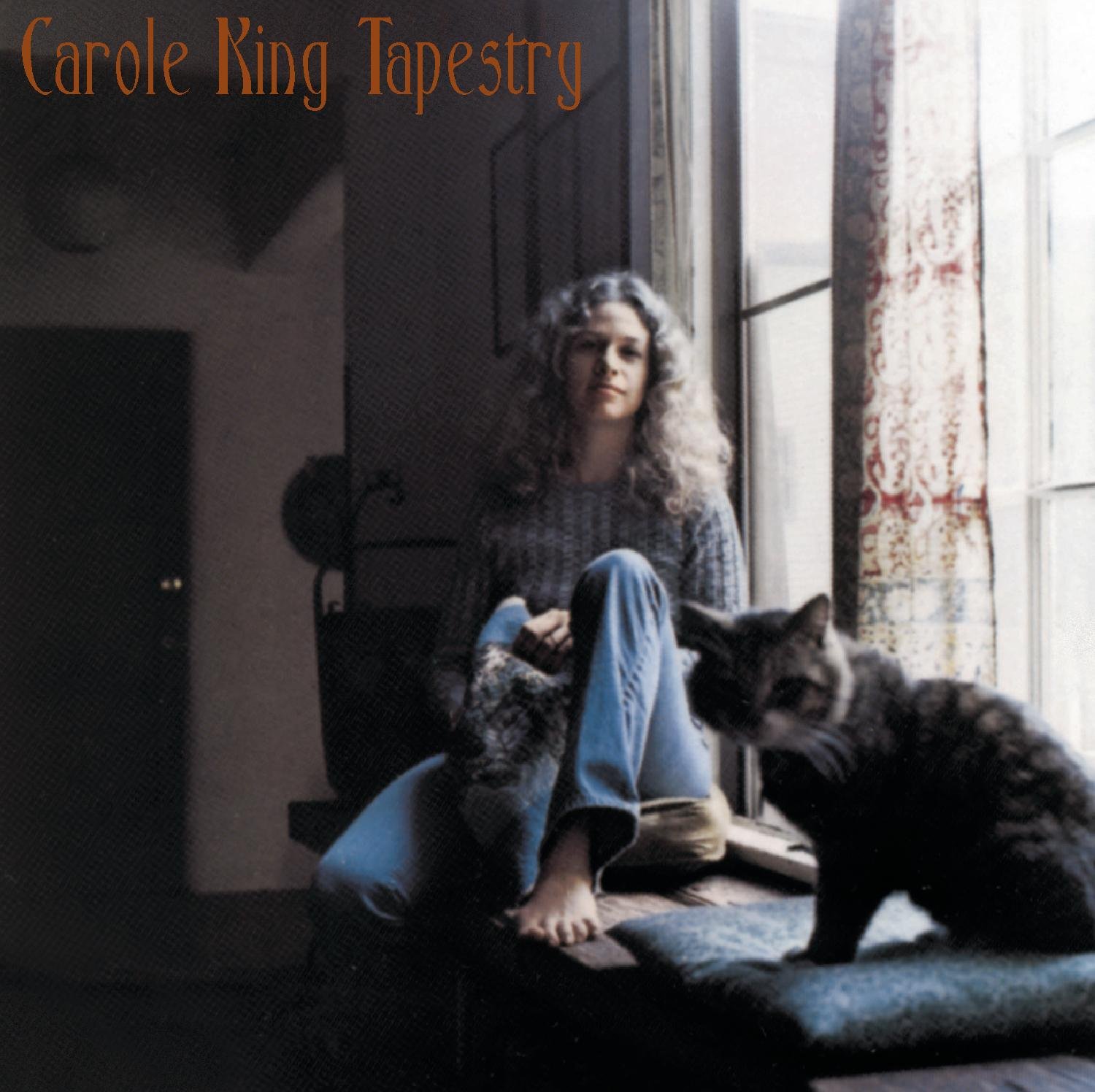
Although, The Yes Album is my personal favorite, by far, of February 1971, my admiration for Carole King’s Tapestry, her second solo album, released February 10, 1971, and containing one strong track after another, is unbounded. It wasn’t so cool as a sophomore guy in high school to be a fan of artists like Carol King, Joni Mitchell or Carly Simon, but thank goodness these albums were in the record collections of some of my female friends and it didn’t take much to fall in love with this music. Tapestry is possibly without equal in its commercial impact, and the resultant empowering of woman singer songwriters, garnering Grammys for Album of the Year, Song of the Year (composition), Record of the Year (single performance/production) and the category of Best Pop Vocal Performance, Female. Although “You’ve Got a Friend” is arguably the best composition, “So Far Away” is my personal favorite. How about you? What’s your favorite track?

Miles Davis: Tribute to Jack Johnson

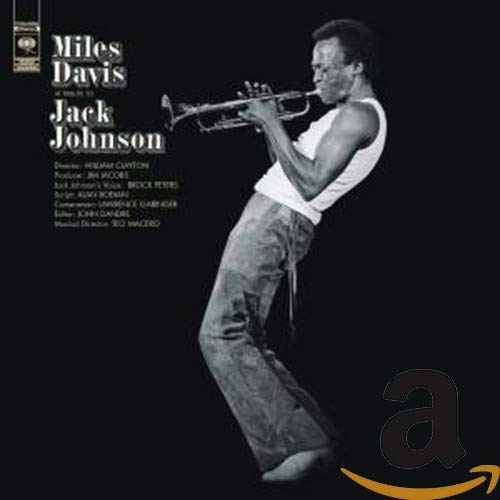
In 1969, Miles Davis boldy proclaimed “I could put together the greatest rock ‘n roll band you ever heard,” and in spirit and attitude, this is definitely Miles Davis’s truest pure rock album even if it doesn’t overshadow all the rest of the fine rock albums of the 1970s. Davis is backed by talented jazz musicians, and though Davis and Teo Macero are primarily responsible for the finished product, the rock essence of the album is also largely due to the rhythm section of Michael Henderson and Billy Cobham with Jon McLaughlin on electric guitar the sum of which concretely establish the undeniable rock textures of this album. This isn’t song-oriented or prog rock, but closer to the blues-rock excursions of Hendrix and his Band of Gypsies.

For both tracks on the original LP, the chords changes are minimal, providing maximum freedom for the improvisors. Particularly interesting is side one where the piece stays in the chord E (or E7) major for the first several dozen bars with Miles making an impressive entrance playing some of the the hardest-edge trumpet imaginable. Often mentioned about this track is when McLaughlin modulates from E to B-flat (the most distant key — with tonic centers a tritone apart) and bassist Michael Henderson continues to stay in E creating an unintended but serendipitous dissonance for several bars until Miles Davis aggressively emphasizes the current key of B-flat, at which point Henderson catches up with the rest of the musicians. Macero edited the two tracks totaling around 53 minutes of music on the album from over six hours of original source music. To access the original source music one can purchase or listen to the 5 CD Complete Jack Johnson set of these sessions available on streaming services like Spotify.
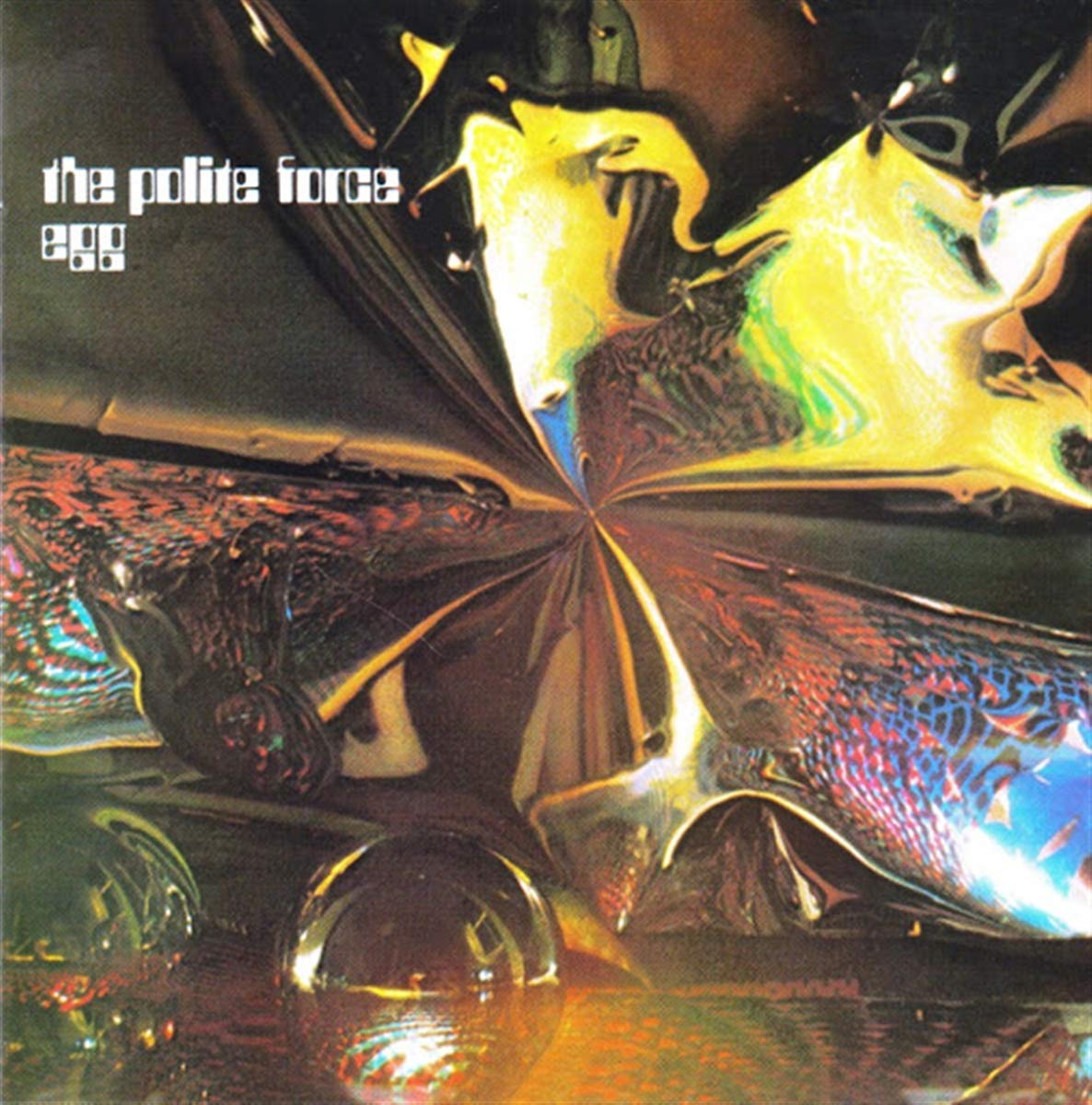
There are several other notable albums including Soft Machine’s jazz-based first all-instrumental fourth album, Fourth, Egg’s mostly instrumental, often-engaging, and always progressive The Polite Force with its wonderful mixed-meter second track “Contrasong” and exploratory, also mixed meter, second side with “Long Piece No.3” parts one, three, and four being particularly notable, Earth, Wind & Fire’s self-titled positive-vibe, love-infused first album, Rita Coolidge’s self-titled debut album, Barbra Streisand’s first foray to engage a younger, hipper audience, Stoney End, Carly Simon’s first album, Carly Simon, and David Crosby’s distinctly Crosby-like debut solo album, If I Could Remember My Name.

Fifty Year Friday: September 1970

Lot’s of great albums released during 1970 and September was one of several notable months. About this time in 1970, I started listening to music with headphones. Our small living room was such that the two stereo speakers were poorly situated for optimal stereo, and so the headphones revealed a common characteristic of many of these albums — this was not the Stereo of the mid 1960s anymore. Stereo was now creating sound stages, some realistic, particularly with classical music recordings, and some surreleastic as with so many rock albums. The pleasure of listening to albums like Black Sabbath’s Paranoid or Jesus Christ Superstar increased measurably when the room was dark: the sense of sound borrowed attention-resources from the sense of sight. To this day, whether it is Bartok’s Night Music, Debussy musical imagery, Billie Holiday’s Verve-era vocals, Charles Mingus’s Mingus Ah Um, the primal combination of Gezzer Butler bass and Toni Iomma’s guitar or a classic angular progressive rock album like Gentle Giant’s Free Hand, I remember the lesson from 1970, turn off the lights, extinguish all extraneous thoughts and make the music your entire and exclusive environment.

Andrew Webber and Tim Lloyd Rice:

Jesus Christ Superstar

Several months after The Who’s Tommy hit the FM radio stations, a more controversial album starting getting attention. It was also a rock opera, though more like a tradtional cast recording than Tommy, with different individuals on each part. My go-to radio station for new albums, KPPC-FM, announced that they would be playing the entire album from start to finish. I recorded the broadcast on reel to reel, with the broadcast’s less than perfect reception, and then repeatedly listened to the resultant recording on headphones through a wall of static. Thankfully, Christmas soon came and on Christmas day I received Superstar, as we colloquially referred to the album, as a Christmas present along with the complete Handel’s Messiah Oratorio, which I had also requested, and which my mom found it much harder to find than Superstar, now present at every record store. (I had also asked for the entire Tchaikovsky 1812, convinced that if there was an 1812 Overture, which I had, there must be a corresponding opera. Of course, no such gift could be purchased.)

I immediately transferred the two LPs of Superstar to tape, so as not to wear out the LPs, as I had done with the 1812 overture and my copy of Richard Strauss’s Don Quixote. The sound, recorded at the fastest speed available on my tape deck, on the highest quaility tape I had, was just indescribable, particuarly on relatively good headphones. I would sit on the floor close to my tape deck, following the lyrics initially, and then later abosorbing the compositional and instrumental richness of the album.

My grandmother, the more religious one, approved of my interest and commented that this was how music sounded back at the time of Christ, though I was old enough to realize this was way before her time. Yet, there seemed to be undeniable truth in this assertion, and part of this was the inclusion and incorporation of dissonance, and the use of the diminished chord, that standby of silent movie soundtracks to represent the bad guys — and hints of older modes and scales. This is Andrew Lloyd Weber’s masterpiece. That the composer of works like the earlier Joseph and the Amazon Technicolor Dreamcoat and the later Starlight Express, rose to this level of musical excellence may be challenging to explain, but it occured and this album was evidence.

Black Sabbath: Paranoid

That this larger than life work, the 20th century rock equivalent of a Wagner opera scene, was purchased for $2.99 at K-mart, took me a while to get over. I remember vividly, the first time I encountered the first Black Sabbath album being listened to on a cheap turntable plugged into a building outlet by some high school freshmen druggie-types, or at least academic poor-achievers (we won’t say failures as they had three more years of high school ahead) — and I remember being intrigued by the poorly reproduced but seemingly substantial music. And I vividly remember purchasing Paranoid at K-mart, taking it home and sitting in front of the stereo on a barstool borrowed from the kitchen counter. But what was most vivid about all encounters with Black Sabbath, even including seeing them up close and live at California Jam, was the first listening to Paranoid and the darkness, obscurity and obliqueness of the music.

Paranoid is often credited as the first true heavy metal album, though certainly all the elements in Paranoid are there to some degree in their first album. However, while the first album was basically a recording of a live set, the second album is of higher sonic and musical quality. Though all four band members are given songwriting credit, for the most part the music on this album was written by Tony Iomma, with lyrics provided by Geezer Butler. To classify this music as simply heavy metal ignores the unique musicl style of Iomma — a darkest violet, and yes, satanic-like sound, built on short basic and strongly diatonic phrases that fit together like lego blocks. The sound is readily identifiable, and works effectively at a slow tempo, as in the opening moments of War Pigs that start the ablum, or at a faster tempo as taken in the second track, Paranoid. I have never heard Black Sabbath labelled as a progressive rock band, and some of that may be due to the primal nature of thir muscianship and Iomma’s compositions, but for me, I see no reason why the music itself isn’t classified as progressive rock. It certainly was a progressive sound in 1970 and when I picked it up in 1971 when it hit record stores in the U.S. And today fifty years later, it still holds its own, tarnished slightly in terms of freshness by the subsequent Black Sabbath albums that sometimes recycled the building blocks that made this such a unique sound and the many less-distinctive and creative imitators that followed. There is nothing in the rock catalog that has both the somatic and metabolic magnetic impact as “Iron Man”, and excluding the very best canonical prog rock albums, there are few musical statements that show the boldness, consistency, and durability of “Paranoid.”

Atomic Rooster:

Death Walks Behind You

If the William Blake bestial  Nebuchadnezzar album cover didn’t entice you to immediately purchase the Atomic Rooster Death Walks Behind You, hearing that dark descending four note chromatic bass line that permeates the title track or the quirky, keyboard-bejewelled “Tomorrow Night” might have. Unfortunately, being on Elektra, there was slight chance of someone in the U.S. seeing this album stocked in most record stores in 1970, and unless you lived in the L.A. or the Bay area, it’s not likely you would have heard any portion of this album on FM radio, until the success of ELP prompted many to check the back catalog of Atomic Roster. Nonetheless, this ablum, with Carl Palmer now replaced with Paul Hammond on drums, and Vincent Crane and John Du Cann raising their level of creative partnership, this is not only the best Atomic Rooster album, but a fine, at times joyful and playful, at times dark and shadowy, heavy metal, progressive hard rock album. Whereas no band ever imitated Black Sabbath effectively, the style of hard rock exemplified in Death Walks Behind You, a style with its roots in earlier hard rock English pre-metal bands such as Cream, was successfully incorporated by a number of bands of the early seventies.

Caravan:

If I Could Do It All Over Again, I’d Do It All Over You

Another high quality progressive album, released in the UK on September 4, 1970, and also difficult to find in the U.S. until later in the seventies, was Caravan’s second album. Providing a diverse range of progressive rock, Canterbury scene rock and English Jazz rock (with its inclusion of saxophonist Jimmy Hastings), this is an album that endears itself upon repeated listenings.

Neil Young:

After the Gold Rush

Full of unerringly good music and lyrics that range from near-nonsense and obliquely obscure to shamelessly unaffected and nakedly transparent, Neil Young’s After the Gold Rush, is one the finest if not the very best of his long, productive and meaningful career. Southern Man is a case in point where the music and lyrics are beyond any criticisms, or need for critique, but the rest of the original compositions are each worthy of special attention. Neil Young is a master at combining musical and lyrical simplicty to get through one’s superficial emotional barriers as exemplfied in “Only Love Can Break Your Heart.” It is the Neil Young magic that turns a basically musically and poetically flimsy and somewhat monotonous song into exquisitely simple high art, something also accomplished with the less emotional “When You Dance I Can Really Love” and the entire contents of his subsequent album, “Harvest.” The most memorable song on After the Gold Rush, is the title track with its seemingly deeply profound, but if you believe later Neil Young interviews, somewhat meaningless, lyrics. I prefer to think that Young is being more modest than accurate, for even if there was no particularly deep intent in the lyrics they fit so well with the music that they deserve some praise. But the most incredible feature of this work, at least for me, is that with every listening it always seems to be of epic length, even though it only clocks in at only 3 3/4 minutes.

Santana: Abraxas

Released on September 23, 1970, Abraxas is another special album. Despite an initial lack of attention and acceptance from many in the music press, the attention the band garnered from the Woodstock film, the success of the “Evil Ways” single, and the striking cover soon propelled this album to number one on the album charts making the album a staple in many early 1970s record collections. This is another one of those albums you turn down (or off) the lights to listen to. The opening track is dramatic and provides an imposing and remarkable beginning to an amazing, whirlwind musical experience.

If: If

Though often labelled as jazz-rock, this first of several albums by If, released in September 1970 is as much British progressive rock as it is jazz-rock. Similar in some respects to early Jethro Tull and Genesis, the musicianship is solid and the music is engaging. I picked this album up when it came out after reading a postive review of it in the L.A Times, expecting that it might be similar to Chicago or Blood, Sweat and Tears, and didn’t fully appreciate if for what it was, mostly listening to it as background while studying or reading. Listening to it again, almost fifty years later, I much better appreciate it’s abundant qualities and strengths.

Jackson Five: Third &

Allman Brothers Band: Idlewild South

There are two other albums released in September of 1970 that require a brief mention. The first is the Jackson Five album, their third album, simply titled Third. As I was starting my sophemore year in school, the biggest slam one could throw (“dis” in modern parlance) at someone was either they were a freshman, or worse, they were a freshman and put on a Jackson Five album when they went home. Nothing was more uncool musically. And yet, when riding on the bus, one couldn’t avoid (and very embarrassing, and something I would never admit until now too old to care about being cool) liking the music. So it was with “I’ll Be There” which I heard over and over again. I never listened to any Jackson Five album until recently — but now listening to them as I go through the timeline of albums that are celebrating their fiftieth year of existence. Of course, it helps that I am married to someone that was a fan of Michael Jackson when growing up.

The other album I must mention is the Allman Brothers Band’s Idlewild South album, released September 23, 1970. Although often pigeonholed as an early Southern Rock album, or even as Southern Blues-Rock, it is so much more. The opening incorporates jazz elements and anticpates groups like Dixie Dregs. Yes, when the vocals start, the music becomes more conventional and less interesting — until the next instrumental excursion. And basically, that is the strength of this album: it’s instrumental passages.

Fifty Year Friday: June 2020 Part 3

parachute

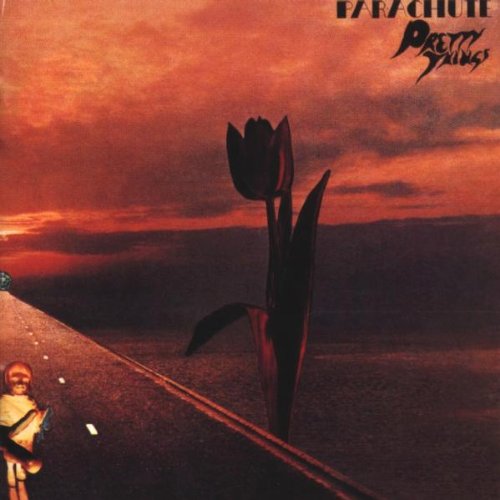
Pretty Things: Parachute

Though the Pretty Things’ S.F. Sorrow is now accepted as a rock classic, upon its original release at the end of 1968, it suffered so poorly from proper promotion and distribution, that it provided little reason for the band to continue.  Continue they did, but it would be without lead guitarist, vocalist and significant creative contributor, Dick Taylor as well as their drummer, Twink (a.k.a. John Alder, and then later Mohammed Abdullah.)

Surprisingly, their next album, Parachute, released 18 months later in July 1970  was arguably even better than S.F Sorrow. Unfortunately, it received little recognition in the ensuing months and for some inexplicable reason gets little attention today. Heavily influenced by the Beatles, and perhaps a strong influencer of albums like David Bowie’s Ziggy Stardust and Flash’s Out of Our Hands, Parachute flows musically so well, one is tempted to assume it is a concept album. Though not the case based on lyrics, as far as I can sort out, it is a cohesive collection of songs, ordered and presented to achieve a singularity. More importantly, the music is compelling, engaging and a treat to listen to!

runt

Runt/Todd Rundgren: Runt

Although later releases include Todd Rundgren’s name on the front cover, the original Ampex release is simply titled Runt after the name of the band which included Todd Rundgren and Tony and Hunt Sales, sons of the pie-in-the-face comedian Soupy Sales. Other musicians are added for a few of the tracks, but this is mostly Todd Rundgren’s effort, authoring all compositions, providing all vocals and arrangements and playing guitar, keyboards and other instruments. The album barely reached up to 185 on the Billboard album chart, but later provided the single “We Gotta Get You a Woman”, which helped provided much needed attention to a quality artist. The strong points here are the ballads like “Believe in Me”, “Once Burned”, the semi-ballad “We Got To Get You a Woman” (note difference in the title between album track and single) and the more progressive rock tracks like “I’m in the Clique” with its jazz overtones,  “There Are No Words”, and “Birthday Carol.”

Blood, Sweat and Tears: 3

Blood, Sweat and Tears released their third album, but with not enough focus on original music and covers like “Fire and Rain” not contributing anything beyond the superior original versions , the album falls short of its promise. There is still the recognizable BS&T sound, and the album has some strong moments here and there, particularly David Clayton-Thomas’s “Lucretia MacEvil,” but those moments maybe account for eight to ten minutes of the forty-two minute album.  In retrospect, this album marks the decline in the original rock-based jazz-rock era — with Chicago soon to follow with a disappointing third album and a subsequent transformation to a pop-rock outfit.

yeti

Kosmische Musik

Komische Musik, translated to Cosmic Music, continues to develop in Germany with still heavy psychedelic and avante-garde classical influences from artists like Karlheinz Stochhausen.

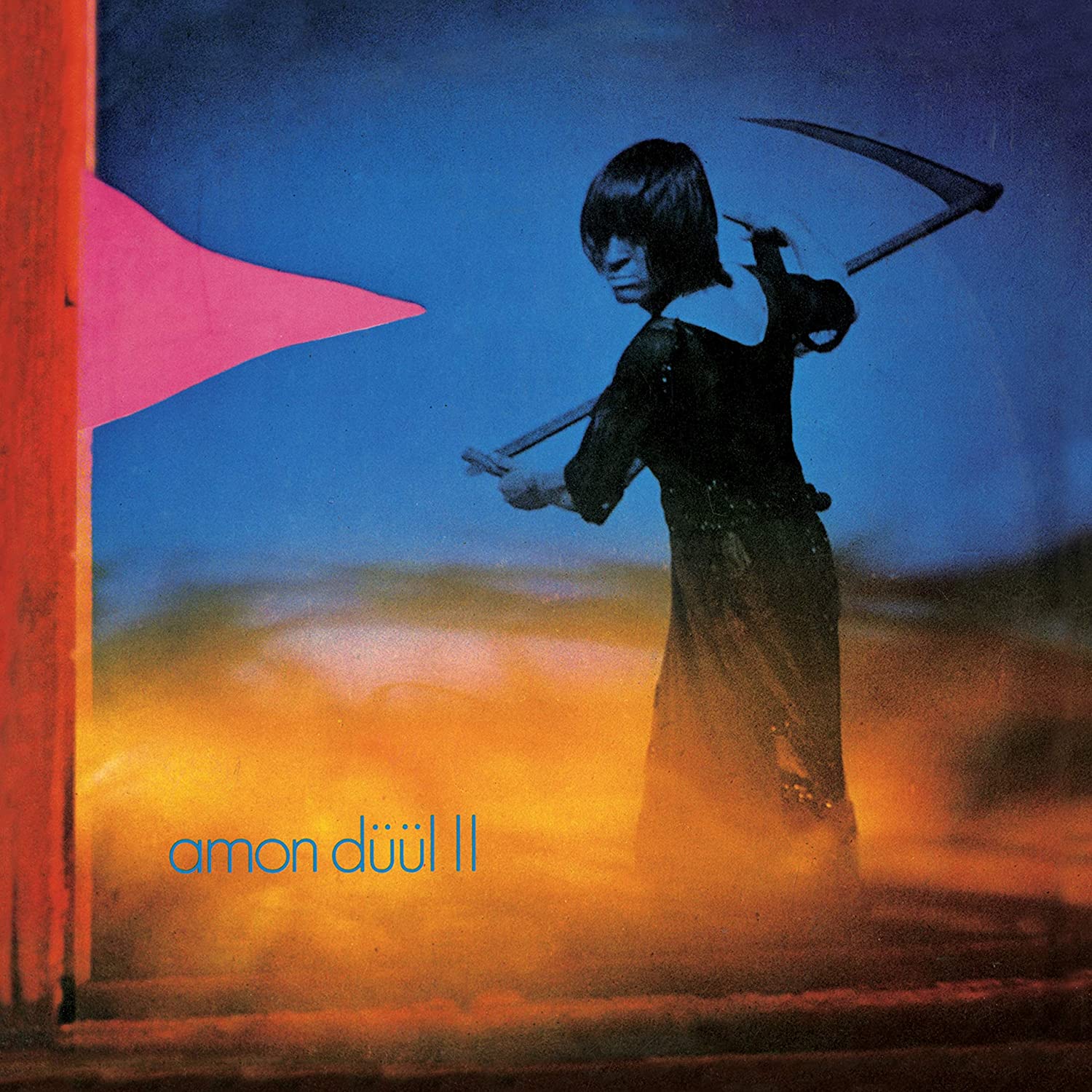
Amon Düül II: Yeti

In April 1970, Amon Düül II , released almost a template for Komische Musik, the sixty-eight minute, two LP Yeti album which brings together various elements of psychedelic rock, hard rock, jam rock, space rock, sung and spoken vocals with traces of opera, blues, folk, jazz. and Dylan-like vocals on the first track of the first side.  As is often the case with German Cosmic Rock, the music is propelled forward with a relentless dramatic tension that increases until the end, aided by Chris Karrer’s resolutely persistent violin. The second track on the first side starts calmly, contrasting clearly with the climaxed first track and builds to its finish, providing a perfect example of the sweeping, narrative strengths of the best Komische Musik all within the span of 3 minutes! Side two contains several songs with the first anticipating punk and new age, the second initially more progressive-folk in nature, transforming more into psychedelic and hard rock , the third combining hard rock, heavy metal, and progressive rock, the fourth, an all-out aural assault with notable Hendrix, heavy metal and punk-rock elements stewed together with an underlying space-rock forward motion, and the the fifth refreshingly a little more laid back and open with a repetitious bass and drum foundation.  Side three is particularly impressive with its 18 minute title-track track improvisation, followed by additional improvisation on side four ending with the most reflective track, “Sandoz in the Rain”

Tangerine Dream: Electronic Meditation

In June of 1970, Tangerine Dream released their debut album, Electronic Meditation, a compilation of electronic-manipulated music and free-psychedelic “rock”,  also influenced by Stockhausen’s and other contemporary avant-garde and electronic art music, and possibly influenced by both American and German free jazz.   The best (and longest) track “Journey Through a Burning Brain,” contains concrete glimpses of the future Tangerine Dream (including the use of a mostly persistent, mechanized-like obligato that propels the work forward), and as the title indicates takes the listener on a journey, leaving it to the judgment of the listener if this is closer to an actual journey through geographic territory, or some imaginary exploration — perhaps exploring that “burning brain” in the title.

fire and water

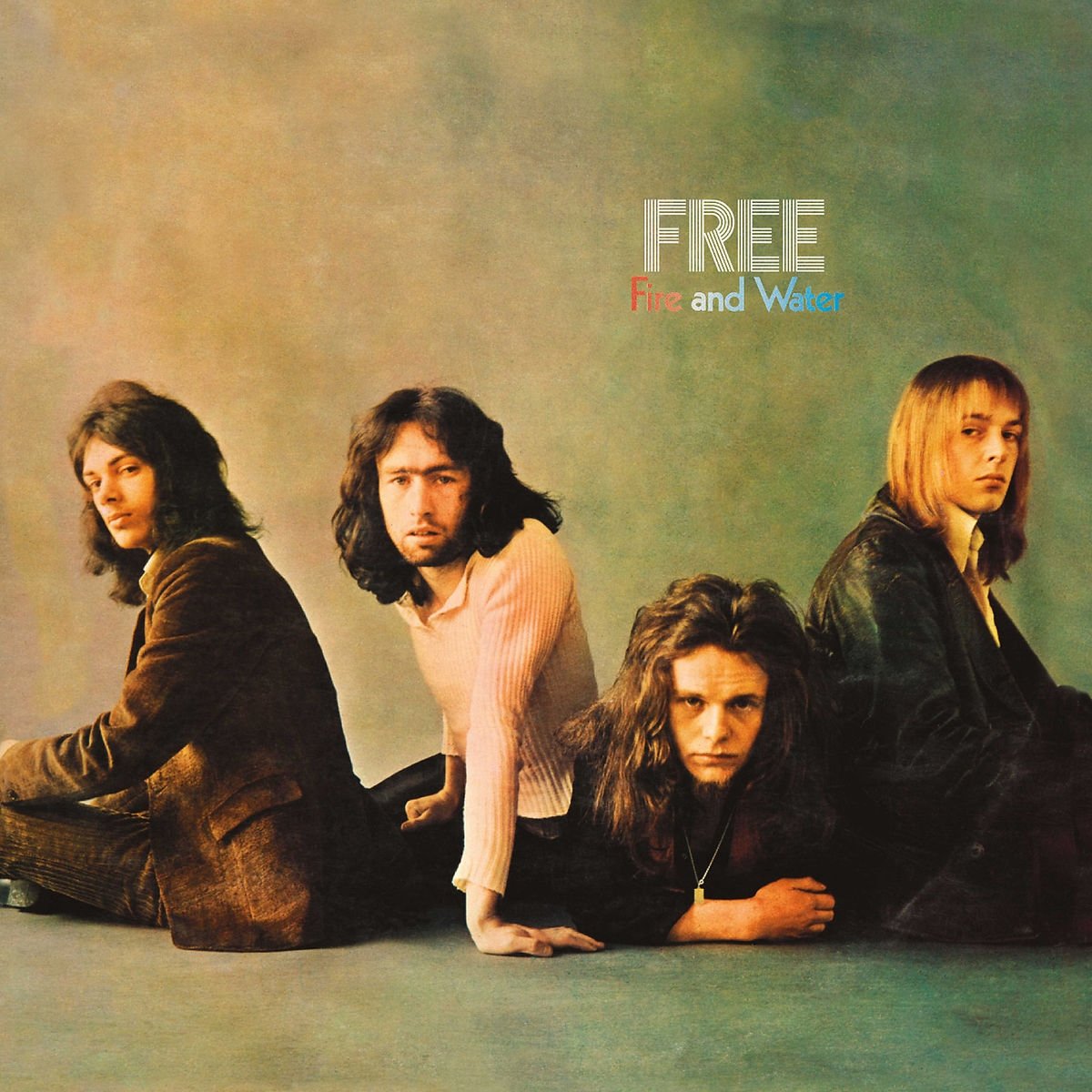
Free: Fire and Water

Free released their third studio album on June 1970.  My sister bought this album after hearing “It’s Alright Now” countless times on the AM radio.  Though the song has appeal, it’s repetitiveness is more troubling with each playing. Fortunately, there is more to this album than that.  The first two tracks on side one are two of the best examples of rock-based equivalents to early blues, with strong lyrics and performed with authentic pathos. What follows, may be of lower quality, but certainly it was good enough to take the album to number two on the UK album charts and number seventeen on the US charts.

ross_diana__dianaross_101b

Diana Ross: Diana Ross

After eighteen albums with the Supremes, Diana Ross releases her first solo album. Her nuanced vocals are indeed several levels above those of most of the more basic vocalists we find in rock (remember Rod Stewart from last week’s Fifty-Year Friday?)

Though “Ain’t No Mountain High Enough” was her big hit on this album, “Reach Out and Touch” also fared well as a single. “Ain’t No Mountain High Enough” not only confirmed that Ross was a major solo artist outside of the Supremes, but it, as well as the rest of the album, especially “You’re All I Need To Get By” provide a wealth of evidence of both her singing and narrative acting skills.   The album provided the first step to superstar status — in 1971 she would have her own own one-hour television special (okay 40 minutes not counting commercials) and in 1972 command the lead role of Bille Holiday in Lady Sings the Blues in 1972, rising above a flawed screenplay to get an Academy Award nominiation.

fotheringay

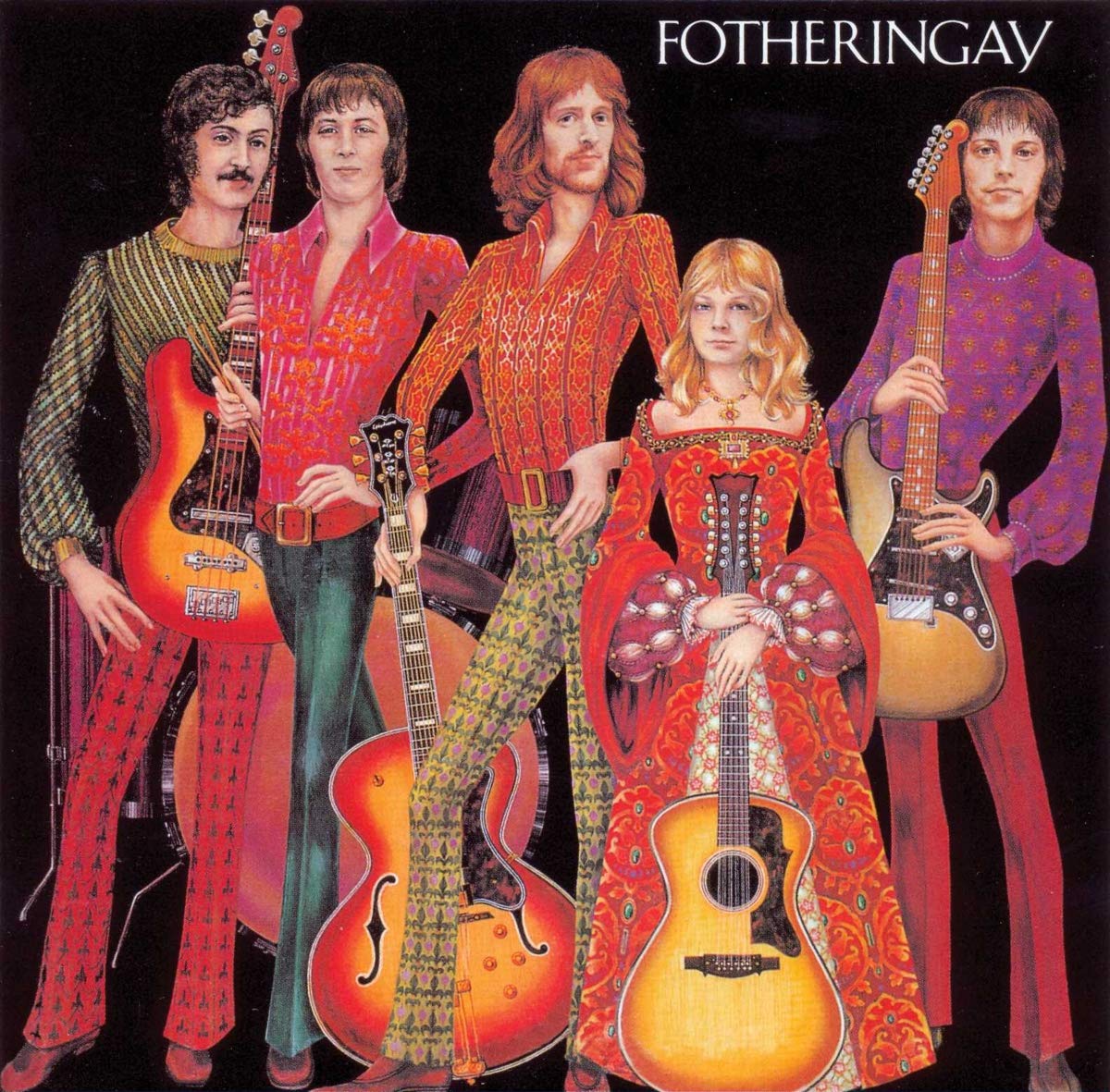
Fotheringay: Fotheringay

Three fine folk albums are also released in 1970.  The best of which the short-lived Sandy Denny group, Fotheringay.  Sandy Denny contributes several well-written, elegantly crafted compositions to the album with beautiful, refined lead vocals on most tracks.

Steeleye Span: Hark! The Village Wait

Steeleye Span’s Hark! The Village Wait is mostly traditional English folk music with a more modern folk-rock accent.  With both Maddy Prior and Gay Woods contributing to vocals, a range of string instruments including banjo, electric dulcimer, violin, mandolin, mandola, autoharp, electric guitar and bass guitar, and excellent musicianship this is an impressive and enjoyable debut album.

It’s a Beautiful Day: Marrying Maiden

Back in  America, San Francisco-based It’s a Beautiful Day, released their second studio album, Marrying Maiden. It has that distinctive, haunting, ethereal “Its a Beautiful Day” sound,  abandoning the psychedelic elements of the first album to provide a more relaxed pastoral-folk listening experience.

I did listen to the Dylan Self-Portrait album (finally after all these years) from start to finish and that has some folk elements as well as blues, bluegrass and country elements. For me, the best track is Dylan’s “Woogie Boogie.” This is definitely one of those albums it is best to stream before considering purchasing.  I also listened to the entire Grand Funk “Closer to Home” album for the first time, an album that made it up to the sixth sport on the Billboard’s album chart — my only prior exposure to it being a cassette tape that I heard a portion of and hearing the title track on the FM radio once or twice.  I think that’s the limit of what I will venture to say about this album.

June 1970, being the first month of summer, provided a bounty of new albums.  Did I leave any of your favorites out?  If so, please comment!

Fifty Year Friday: June 1970 Part Two

3 front

Soft Machine: Third

On June 6, Soft Machine released their third album, a two-LP set recorded in April and June of that year — one of the best early progressive rock albums — with each side containing a single selection, and each selection distinct in approach and content.  This is not music for the casual listener — it requires attentive listening to fully reveal the variety of musical wealth contained on each side.  Though heavily influenced by jazz, free-jazz, and contemporary electronic classical music, its foundation is solidly Canterbury-scene progressive rock, even if that scene was still being defined at that time, with a large contribution of that definition from this album.

The first side is a mix of mostly live material and some studio content with some creative mixing and overlaying, particularly at the end of the track, which effectively brings the colorful musical narrative to a close.  Side two is more along the lines of Frank Zappa’s style of progressive jazz-rock and though less introspective and intriguing then side one, is very accessible and animated, providing that cathartic surge when gets from an invigorating progressive rock instrumental.

Side three is a typical Robert Wyatt brimming over with his atypical songwriting. The work is filled with an assortment of Wyatt melodies artfully reduced to a unified whole that narrates what may be real-life-based reflections on a recent “convenient” relationship while conveniently staying in New York state. Side four is another adventurous instrumental with a dramatic synthesizer introduction that perhaps had an influence on the introduction to Yes’s Close to The Edge.

Ptah,_the_El_Daoud_(Alice_Coltrane)

Alice Coltrane: Ptah, the El Daoud

Alice Coltrane provides a brilliant album of post-bop modern structured jazz that includes some free jazz elements, leaning overall towards a more traditional post-bop experience, with each track having a distinct character and style.

The title track, “Ptah, the El Daoud” (Ptah, the beloved) is named after the Egyptian god that existed at the very beginning of existence (way before the internet) and created the universe, also, it seems, on the hook to ensure that universe’s ongoing maintenance. Ptah was particularly associated with craftsmen, architects, and other creative types. As Alice states in the liner notes, her intent with this track was to express the concept of spiritual purification.  Ron Carter opens up the work, followed by Alice on piano and drummer Ben Riley, immediately joined by a pair of saxophones: Joe Henderson playing on the left side of the stereo field and Pharoah Sanders on the right.  The music is march-like, representing the quest for purification — in the words of Alice Coltrane,  “the march on to purgatory, rather than a series of changes a person might go through.” Henderson and Sanders provide somewhat free, exploratory soloing, but the music is kept on its given path primarily through Coltrane’s piano work supported by allied bass and drums.

“Turiya and Ramakrishna”, is a soulful bluesy piano-led work accompanied by bass and drums. The Turiya in the title is a Sanskrit word that in Hindu philosophy represents pure consciousness — the consciousness that occurs whether sleeping soundly, dreaming or waking. Ramakrishna was a nineteenth-century Hindu mystic revered for his spiritual ecstasies, and his message of love and individual religious devotion.  Though the inspiration for the work originates from India, the music is solidly American jazz, intimate in nature and scope as if spontaneously created during the last set inside a dark, intimate nightclub with just a few devoted and spellbound listeners left to enjoy the final music of the last hour of the extended evening.

On the third track, Alice switches to harp, and Henderson and Sanders are on flutes for an evocative work titled “Blue Nile”, a magical seven minutes of ethereal, impressionistic jazz.  The final track, “Mantra” at sixteen and a half minutes ends side two providing an uplifting and exploratory listening experience that comes closer to free jazz than the first track, but yet with a strong sense of structure and purpose culminating in a rich musical encounter true to the overall spiritual tone of the entire album.

WorkingmansDead_Cover

Grateful Dead: Workingman’s Dead

Grateful Dead releases the classic Workingman’s Dead, an album more representative of Kentucky than northern California, with the music being a mostly acoustic mix of bluegrass, country-ragtime, blues, and country-rock,  performed lovingly and with sparkling energy.

Bob Dylan: Self Portrait

Bob Dylan released Self Portrait, a two-LP album, an album I noticed over and over in people’s record collections at the various parties I attended. It sold pretty well, reaching number 4 on the Billboard album chart at going gold. I,  myself, was tempted to buy it on a number of occasions, as I really liked the cover.  For whatever reason, I never did, and to this day, have not yet heard it in its entirety.  I guess it’s clear I am not a big Dylan fan. To each their own, I suppose.

raree R-12474579-1536005342-4615

Rare Earth: Ecology

The same might be said about the Rare Earth laudably-titled Ecology album, also released in June 1970. Although I don’t think I ever saw this album in anyone’s record collection (as the case with the Dylan Self Portrait album), there was a high likelihood that I probably would have never ever listened to it — and from 1970 to a few days ago, never did.  The difference in me making the extra effort to stream it and listen carefully to it was that I got to see Rare Earth live.  They were the opening act for the 1974 California Jam, but their performance was disregarded by many in the audience and those still arriving — if there were any still arriving — my friend and I were so close to the front we paid little attention to what was behind us. For my own part, I sat and attentively listened to and watched Rare Earth, contently enjoying the performance despite distractions.  So, I thought it appropriate to make the effort to stream the Ecology album and see what I thought of it fifty years after it had been released.  And just as I was pleasantly surprised with Rare Earth’s performance at the California Jam, I find Ecology to be better than expected.  Though rated only three stars by allmusic.com, it is a well-produced album by a talented group of musicians.  Highlights are mostly the Tom Baird songs plus the interesting lyrics to John Persh’s “Nice Place to Visit” (“but you wouldn’t want to live here”)  — a lament about the narrator’s habit of visiting brothels — the lyrics available here: https://www.azlyrics.com/lyrics/rareearth/niceplacetovisit.html.

Rod Stewart: Gasoline Alley

If you are Rod Stewart fan, you may wish to celebrate the fifty-year anniversary of Gasoline Alley, released today, June 12, 1970. Despite Rod’s limited vocal range, and rough voice, and his habit or limitation of usually singing with limited tonal variety, there is something appealing about his song delivery.  In this album, he is supported by most of the Faces band members and some additional musicians.  This is mostly an acoustic album, and the playing and production are top-notch.

In part three for June 1970 (hopefully, next Friday) I will cover some additional albums, including some fine folk-rock albums, and any others I might have missed.  Who knows, maybe I will take the time to stream the Bob Dylan album!