Imperfect Information
My apologies. I had messed up the formatting earlier. It is now corrected.
Yeah, you can make human sacrifice to dialectical history
with druids and Marx
And you can root for truffles on Wall Street
But until you see the fallout on your
greasy fork
You’re just a vapid bowling alley
attendant
on graveyard.
–Zumwalt (1981?)
“Poets that write about the most trivial things, whether they know it or not, write about the most important things. That’s why it makes sense to write poetry about poetry.”
(From Zumquotes, A Compendium of Meaningless Meanderings attributed to Zumwalt by Zumwalt)
This just in:
President Trump is renaming
The Department of Defense to
The Department of War
The Department of the Treasury to
The Department of the Shamelessly Wealthy
The Department of the Interior to
The Department of Exploitation
The Department of Commerce to
The Department of Tariffs
The Department of Labor to
The Department of the Indentured
The Department of Agriculture to
The Department of Agrobusiness
The Department of Housing and Urban Development to
The Department of Real Estate Developers
The Department of Transportation to
The Department of Congestion and Fumes
The Department of Energy to
The Department of Oil and No Windmills
The Department of Education
The Department of Denial of History
The Department of Veterans Affairs to
The Department of Veteran Neglect
The Department of Homeland Security to
The Department of Homeland Surveillance
The Department of Health and Human Services to
The Department of Disease and Ignorant Ramblings
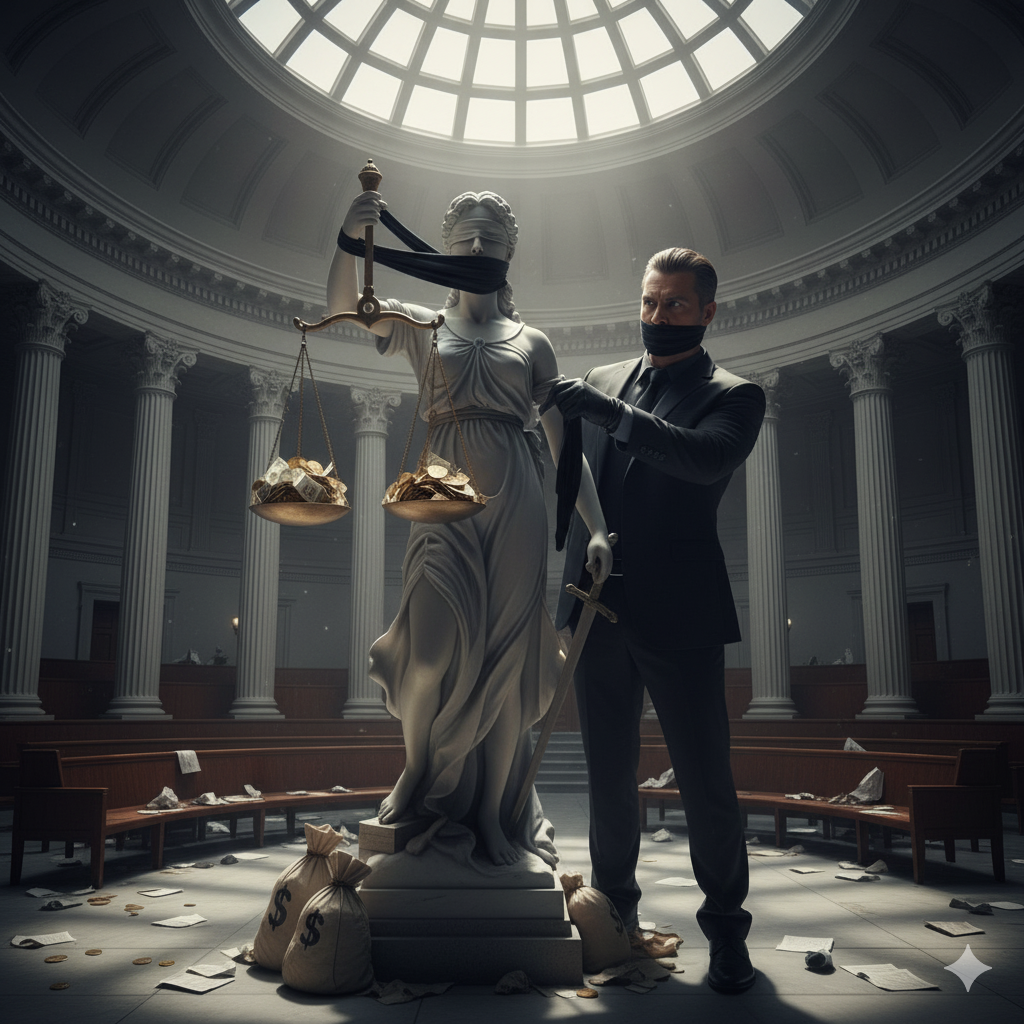
The Department of Justice to
The Department of Justice to
The Department of Corruption, Blackmail and Revenge


Yes’s fourth and fifth studio album, Fragile and Close to the Edge, are representatives of Yes at the very best. The eighteen minute title track of Close to the Edge, has no single-track rival in their seven-decades long catalogue. However if one is looking for the closest match possible, one finds it on their seventh studio album (released near the end of November 1974) with its format of one amazing composition on side one and two short works on side two. The longer work, “The Gates of Delirium” inspired by Tolstoy’s “War and Peace: with all the elements of great late nineteenth-century nationalistic tone poems, is wonderfully produced by the ELP and Yes engineer Eddie Offord and shimmers with a multitude of sounds effects and exceptional playing including Patrick Moraz’s synthesizer textures, Chris Squire’s distinctive bass work, Steve Howe’s guitar passages, and Alan White’s selective use of brake drums and auto parts for unconventional percussion effects. Side Two rivals Side two of Close to the Edge with the energetic and rhythmically intricate “Sound Chaser” and the more tranquil, reflective, atmospheric, and deftly shaped “To Be Over” which nicely wraps up the album.
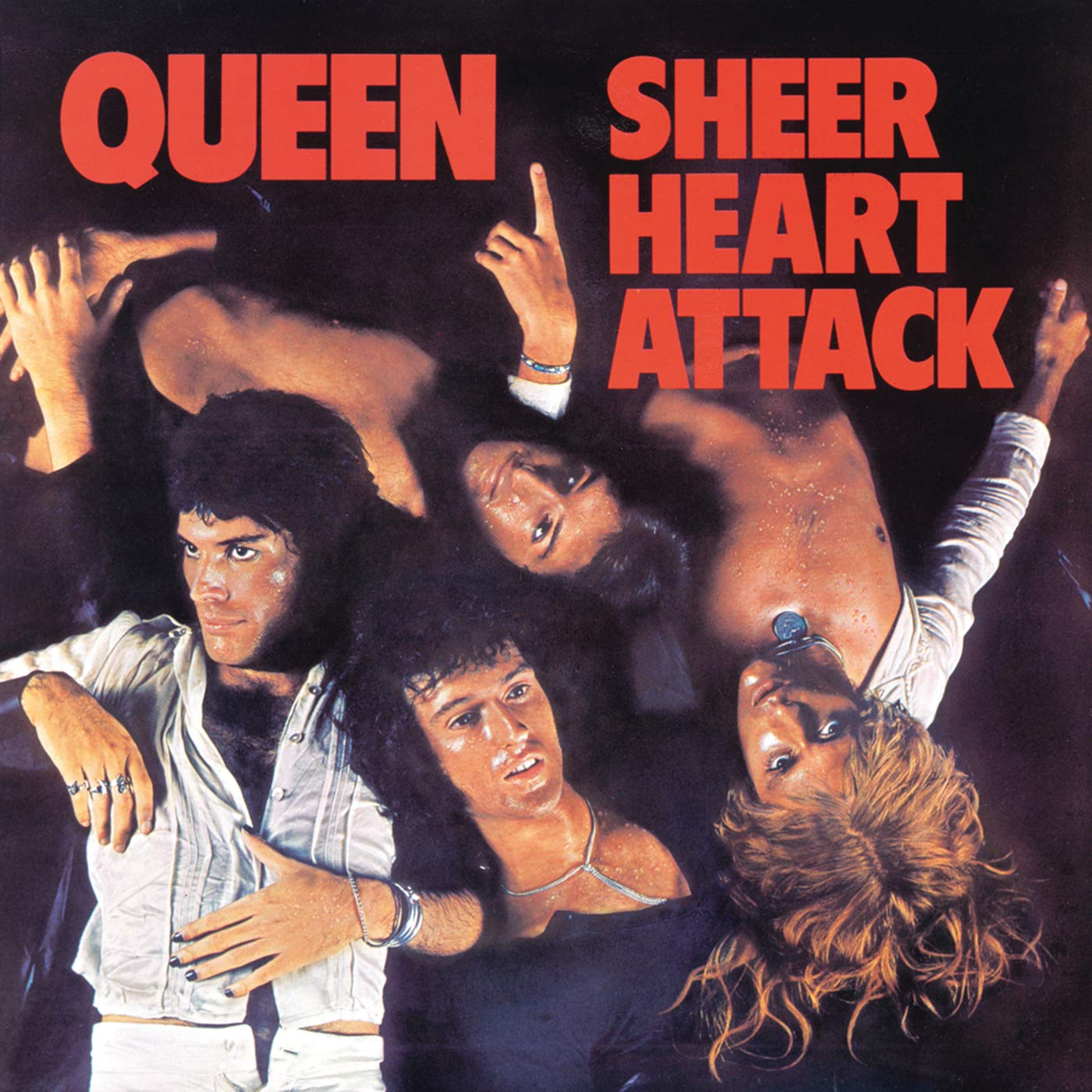
Queen’s third studio album, Sheer Heart Attack, released on November 8, 1974, is a dazzling display of the band’s brilliant inventiveness. The album delivers a attention-grabbing diversity of hard rock, glam, and English Musical hall styles — sometimes playful, sometimes dramatically serious, sometimes campy, sometimes harmonically sophisticated, but always compelling and of impressive quality.
The album opens up forcefully with the explosive “Brighton Rock,” with Freddie Mercury’s jaw dropping vocals and an instrumental section with notable work by Roger Taylor drums and John Deacon on bass and expressive solo work by guitarist Brian May. This is followed by the classic “Killer Queen”, airplay friendly yet artistically flawless. The kaleidoscope of sparkling musical jewels continues to the very end, providing a lively and immersive listening experience.
After purchasing my first Queen album, I quickly noted that my favorite tracks were always those by Freddie Mercury, so upon first opening any Queen album at that point, I would look at the listing of tracks, noting which were by Mercury and anticipating each of those as the LP followed it course to its center. For this album, seven of the thirteen tracks are by Mercury (or in one case Mercury and the rest of the band) with the remaining holding their own quite well, making this the second or third best Queen album, depending on one’s preference for this album or Queen II as the runner up to the indispensable Night At The Opera.

Genesis gives it their all with their double LP concept album, The Lamb Lies Down on Broadway, released in late November of 1974. This is the best example I can think of where excellence and brilliance come so dangerously close to flirting with tediousness, but always keep just enough distance. The album is over ninety-three minutes with dense, complex, and seemingly symbolic lyrics and a wide arrange of moods and style of music. There is the mixed meter contributions of Tony Banks, the excellent compositional collaborations between Steve Hackett and Banks, Mike Rutherford and Banks, other collaboration combinations, and individual compositions from both Gabriel, Hackett and Banks. Gabriel provides those difficult, sometimes playful, sometimes clever, lyrics that support all the music, with one exception where Banks and Rutherford wrote lyrics to the return of the melodic material from the start of the album — and both the lyrics and music shift, slither, creep, crawl and demand full attention and acceptance to gain entry into the total experience. Though it is so easy to overuse “one of a kind”, this is truly a one of a kind album. Some of the repetition and material could have been removed to create a tighter, more compact work, but the character and exploratory qualities of the work would have been severely compromised. This is Peter Gabriel’s favorite Genesis album and his last, marking an end to the Gabriel era of Genesis.

Kraftwerk: Autobahn
Released in early November 1974, Autobahn’s fourth album brought them global fame rising as high as number four in the UK charts and number five in the US driven largely by the single, but also by word of mouth and FM airplay of the 22 minute title track, a electronic-based work that captures the feel of extended driving on the German autobahn — that portion of the German modern highway system of that time that allowed unrestricted kilometers per hour speeds for autobahn drivers. The album, particularly that transcendent title track with its addition of a dimension of pop and instant accessibility to the previously more ponderous and gothic German electronic music genre had significant influence on other artists including David Bowie, Brian Eno, Depeche Mode, Gary Numan and Orchestral Manoeuvres in the Dark.

Roxy Music’s fourth studio album, Country Life, released on November 15, 1974, with its then-controversial cover irresistible to at least one particular 19 year old American male, featured a variety of inventive and catchy songs from vocalist and keyboardist Brian Ferry and strong musicianship by the same fine band that excelled on their previous album, Stranded. The variety of styles on the album will likely ensure that there is something that will resonant with most pop music lovers, with “Thrill of it All”, “Out of the Blue” with effective soloing by Phil Manazena and some awesome violin work by Eddie Jobson, and the evocative “Bitter Sweet”, being some of my favorite tracks.
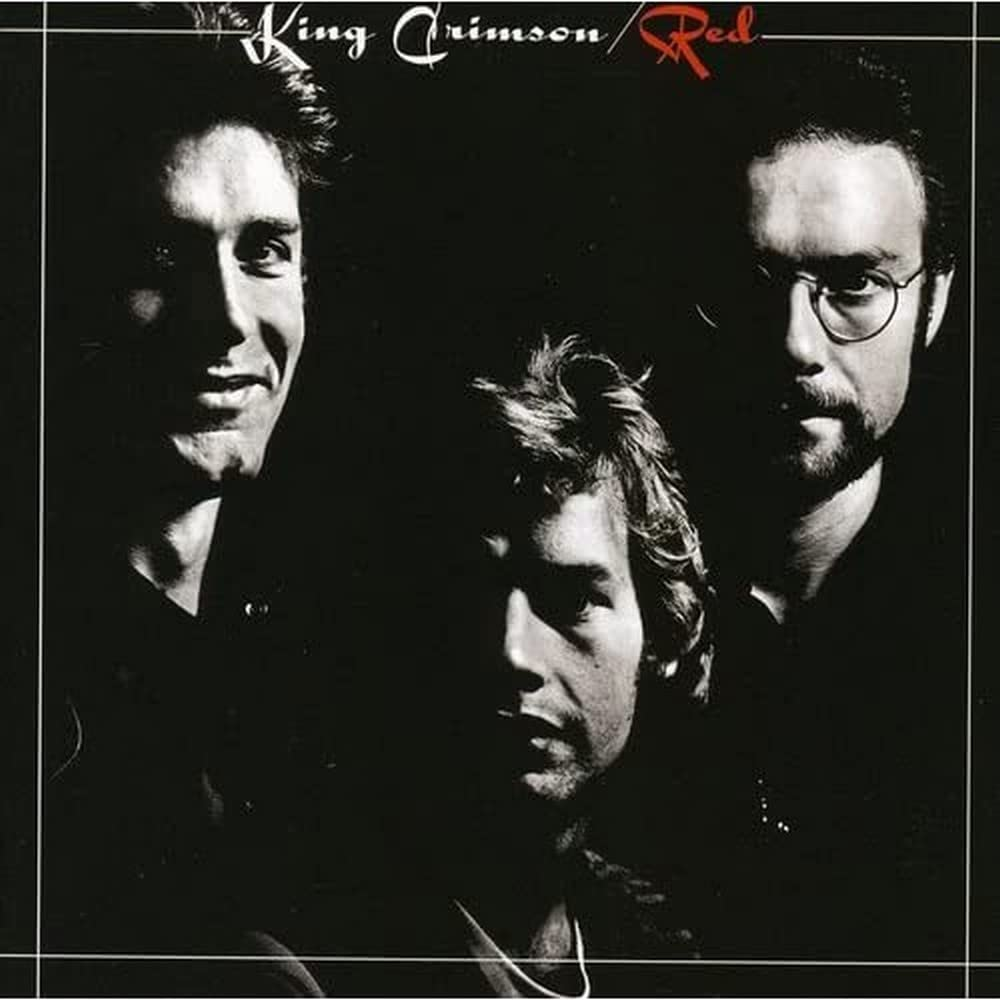
King Crimson’s seventh studio album, Red, released at the beginning of October 1974, dives very deeply into landmark progressive rock territory — providing a historically remarkable hard-edged, aggressive soun for much of the album, with all studio tracks (album includes on live track on side two) deftly blending intensity, complexity, and fiery emotion into a cohesive and powerful musical work.
Opening with the title track “Red,” the album immediately sets a formidable tone. This remarkable instrumental piece is characterized by its driving rhythms and the intricate guitar work from Robert Fripp. The performance is both aggressive and precise, amplifying the inherent dark energy and relentless momentum of the composition with its effective dynamic and musical contrasts on a foundation of unwavering complexity and unstoppable drive.
This is followed by “Fallen Angel,” an emotional work of stark contrasts in ABAB format with its melodically beautiful verse with oboe set against a frenetic chorus (B) section. John Wetton’s vocals are hauntingly expressive, Fripp and drummer Bill Bruford insure the chorus is darkly forbidding aided by Wetton’s bass, March Charig’s cornet.
The third track, “One More Red Nightmare,” is a showcase of Bruford’s extraordinary drumming, combining complex polyrhythms with jazz-like fluidity. The song’s heavy riffs and intense saxophone lines by Ian McDonald (brought in for old time’s sake!) add layers of complexity and raw power. The lyrics, provided by Supertramp-founder Richard Palmer convey a sense of urgency and chaos, mirroring the song’s turbulent musical landscape.
“Providence,” recorded live at the Providence Theater in June 30, 1974, checks the box for the free improvisational material that we expect in a King Crimson album. The track begins with an eerie and atmospheric introduction, gradually building in intensity as Fripp, Wetton, Bruford and violinist David Cross contribute to the evolving sonic tapestry. The improvisational nature of the piece highlights the band’s incredible chemistry and ability to create compelling music spontaneously.
The album culminates in the epic “Starless,” a twelve-minute exploration through multiple musical landscapes, initially intended for their previous album, but as not quite ready, brought to its intended final state for inclusion at the end of Red. The opening section features one of Wetton’s most memorable vocal performances, complemented by a melancholic mellotron backdrop. The middle section builds tension with a repetitive, ascending guitar motif, gradually increasing in intensity until it reaches a frenetic climax. The final segment brings a return to the opening theme, now transformed and imbued with a sense of cathartic release, and in the old days when this music was on LP, ensured that the second side got some significant turntable time also.

Todd Rundgren’s Utopia, released around October 1974, is the first studio album of his group, Utopia, an effective vehicle for Rundgren to adventure even further into the progressive rock realm. Up to this point Rundgren had balanced his talents for writing effective, catchy melody with his boldness in exploring advanced studio techniques and harnessing the promise of electronic instruments, particularly the guitar and keyboard. With this album, Rungren works within a more structured, and even more ambitious framework.
From the beginning, Rundgren and his group of three keyboardists, a drummer and bass guitarist/cellist prove they can produce both substantial and impressive progressive rock. The album opens with the live recording of their “Utopia Theme performed with both precision and vigor, filled with creativity and exotic passages. This is followed by the solidly engaging “Freak Parade” with a Zappa-sounding instrumental section as a second theme, and then a march-like section that transitions into a brief whimsical vocal section that gives way to a contemplative instrumental section, followed by fantastically frenzied, keyboard dominated penultimate section with the return march theme, which along with some final bass work provides an effective coda to the work. The first side closes with the anthem-like “Freedom FIghters” an effective blend of Rundgren’s gift for melodic writing and imaginative instrumentation.
At this point, we have had over 28 minutes of great music, but the real attraction of this album is the last track, “The Ikon”, taking up the entirety of side two and running over thirty minutes. What an amazing work! Rundgren has constructed much of the musical material from small repeated motific cells, particular the opening. There are also some amazing lyrical material with vocals that nicely offsets the mostly instrumental landscape. One is just mesmerized listening to this. The music, even in repetitive sections, avoids being predictable, and is always adventurous and creatively exciting with multiple occurrences of memorable melodic material with compelling harmonic changes.

These three albums, released in October of 1974, are of mixed quality, but worth checking out for their best tracks.
Supertramp’s Crime of the Century, a concept album composed by Rick Davies and Rodger Hodgson around youthful alienation and anxiety that showcases Supertramp’s semi-progressive pop at its best, from its memorable harmonica solo that opens the album through peppy classics like Dreamer through to the ending title track with its excellent extended instrumental ending featuring John Anthony Helliwell on saxophone.
Jethro Tull’s Warchild was an album I purchased in 1974, listened to a few times and set it aside, but its nice to come back to and hear again, almost fifty years later, particularly for “Back-Door Angels” and “Skating Away on the Thin Ice of a New Day.” If exploring the album for the first time, whether purchasing or streaming, the best bet is to go with the 2002 Remastered version with its multiple bonus tracks.
John Lennon’s Wall and Bridges had an interesting, though functionally awkward LP jacket, that reminded one of the childhood picture books that created different images through folding overlaying segments. Though containing only two particularly strong tracks, “#9 Dream” which musically is instantly recognized as Lennon, and “Steel and Glass” with many similarities to Imagine‘s “How Do You Sleep?”, the album is historically interesting as it was the second and most notable of three albums recorded while Lennon was separated from Yoko and involved with personal assistant May Peng, who deserves credit for bringing more stability and productivity into Lennon’s life, assisting him on cutting down on his excessive alcohol and drug use, encouraging a partly healthier lifestyle, encouraging him to collaborate with other musicians including Elton John, and most significantly, reconnecting him with his son, Julian Lennon, who provides elementary drums on the last track of the album, and Paul McCartney. Also of note, the album contains two tracks with Elton John, with “Whatever Gets You Through The Night” being John’s first number one single as a solo artist in the U.S., as well as the UK.
Over the course of my life, I have observed that women generally have better judgment than men. I think we all have seen this. And please note, this is also backed up by statistical data.
Studies show that women generally score higher than men on measures of emotional intelligence. Additionally, studies indicate that men tend to make riskier, less defensible decisions. Maybe that’s the effect of testosterone, or maybe it’s because men are generally less secure and often feel the need to assert an image of confidence. Not sure of the reason.
Studies show that women in leadership roles are more likely to seek input from a wide range of perspectives, ensuring that decisions are made with a fuller understanding of potential outcomes. Men generally take the hierarchical or autocratic paths, doing what they think the boss wants or just doing what they want.
Studies show that women are generally better at multitasking and paying attention to details, giving them an advantage in terms of judgment in situations that require balancing many factors at once.
Research further indicates that women tend to display a higher level of adaptability. Just think of experiences you’ve had with your mom, dad, and grandparents when you were a kid.
In politics, it seems women are generally more likely to be in politics for the good of all, as opposed to furthering their self-interests. This is what I have observed, though I know of no studies to support this. I do know that Congress has never impeached a woman and has impeached 21 men.
Anatomically, women’s brain structure generally gives them an advantage in processing information. In addition, women tend to have a larger corpus callosum (the bridge between the brain’s hemispheres), which apparently allows for better integration of analytical and emotional information.
Given all this, with polls indicating that Kamala Harris has a 21-point lead among women over Donald Trump, I would bet money — and my vote — that Harris is the better choice.

She resigned from the DNC to support socialist Bernie Sanders, met directly with human-rights abuser Syrian President Bashar al-Assad on his home turf and authored the pro-windmills, “Off Fossil Fuels Act.”
He dared to eat dog, fearlessly took on a dead bear, shared his only brain with a parasitic worm, promoted the audaciously bold Solar Radiation Management solution to climate change and was called a liberal lunatic, an “extreme liberal”, and “not my kind of guy” by the big boss,
The big boss, himself, a self-described “stable genius”, “chosen one”, “the best looking”, and someone who has “done more for Christianity than almost anybody”, as well as the only known sex offender, convicted felon, and accused fraudster that has no need to ever ask for forgiveness because he has never “done anything wrong.”
Together they form the ODD SQUAD. The greatest collection of oddballs since the trio of Lenin, Trotsky and Stalin (or maybe Moe, Larry and Curly — it’s a close call….)

