Zumwalt Poems Online

Archive for the ‘Pop’ Category

Queen, Joni Mitchell, Keith Jarrett, Magma, Vangelis, Chris Squire & more; Fifty Year Friday: November and December 1975

Queen: Night at the Opera

Released in November of 1975, Night at the Opera starts with the excitement of an ocean voyage — we hear arpeggiated waves from the piano, whale rumblings from the bass, bird cries and seagull squawks from multitracked guitar breaking into soft strains of a tango quickly turning into heavy metal. This is Freddie Mercury the composer at the height of his craft.

After having purchased three Queen albums already, the first thing I did when I brought this album home in December of 1975 was note which tracks were attributed to Mercury — this served as indicators to what tracks would impress me the most. That turned out to be an effective predictor, but, importantly, the rest of the band’s contributions were some of their very best songs, making this album packed with classic material from start to the pinnacle of the album, the penultimate track, “Bohemian Rhapsody” — one of those rare instances in rock since the Beatles had disbanded where a truly great work of music made its way from legendary status with serious listeners, musicians, and dedicated fans to legendary status with the general public, even though, perhaps as expected, it took some time to do so.

And just as the Beatles elevated their work with multi-track musical enhancements, so too did Queen elevate Night at the Opera to a precisely rendered set of cohesive numbers that deservedly live up to the album’s title. Now, don’t get me wrong — we have an amazing musical diversity on this album — with such diversity in just Mercury’s compositions — but we add to that “I’m in Love with My Car”, “You’re My Best Friend,” the vaudevillian “Good Company” with ukulele and outstanding guitar accompaniment, and “The Prophet’s Song” with its brilliant use of deceptively simple imitative counterpoint, and it’s pretty easy to understand how Night at the Opera more than holds its own today as a timeless classic.

Keith Jarrett : The Köln Concert

One of my favorite possessions was the triple LP Keith Jarrett Solo Concerts: Bremen/Lausanne which I had purchased with Christmas money in 1973. It was just incredible to have a three LP set of piano improvisation of such high quality. Given that, I am puzzled why I never bought The Köln Concert until the complete version made its way on to CD around 1984.

Recorded live in January of 1975, The Köln Concert was released in late November of 1975, the album starts off plaintively in the style of the quiet Americana reflectiveness so well done by classical composers like Aaron Copland and Roy Harris. For the first improvisation, Jarrett leans heavily on repetitive phrases and ostinato-like patterns to continue to move the music forward, flowing as if driven by stream of consciousness, yet always compelling and logical, deftly avoiding lingering too long in any single style, texture, or mode of emotional expression as the music logically unfolds.

The second piece, broken up onto three sides of the double LP album, is dramatically different in tone and character. Like the first improvisation, it evades any simple stylistic labels sometimes flirting into rock piano improvisation. Where the first improvisation was reflective, the second is inexhaustibly joyous and intensely rhythmically as Jarrett turns the piano into a percussive engine, hammering out a powerful, trance-like groove with his left hand that is pure, ecstatic energy. This propulsive marathon of invention continues through Part IIb, before finally dissolving and making way for the famous encore, “Part IIc.” After all the complex fireworks, this final piece is a moment of breathtaking, lyrical grace — a simple, hymn-like melody that releases all the tension and remains one of the most beautiful themes Jarrett ever played.

The music makes this performance legendary, but like the most interesting legends, it has an almost mythical backstory. Jarrett had specifically requested a Bösendorfer 290 Imperial concert grand. Unfortunately, what was made available on the stage was a baby grand rehearsal piano in such bad condition that Jarrett had initially refused to play on it. The requested piano was in storage and due to horrid weather was not able to safely replace the inferior piano. So Jarrett was forced to confront the rehearsal piano, an unsuitable, tinny, and out-of-tune practice piano he tested during the afternoon of the concert and was so dissatisfied with it he almost threw the towel in performing that evening. The promoter finally convinced him that he had a responsibility to play as best as he could for a sell-out crowd and somehow do his best to deal with the inadequacies of the inferior rehearsal piano. Jarrett went forward with the performance and it was this limitation, this ‘bad instrument,’ that forced Jarrett to navigate that evening’s improvisations into new territory, compelling him to avoid the shrill upper register notes and the weak lower bass notes, replacing the harmonic function of the latter with lower middle register accompaniment patterns and repetitive ostinatos — thus creating the distinctive style that unifies the music of this remarkable performance.
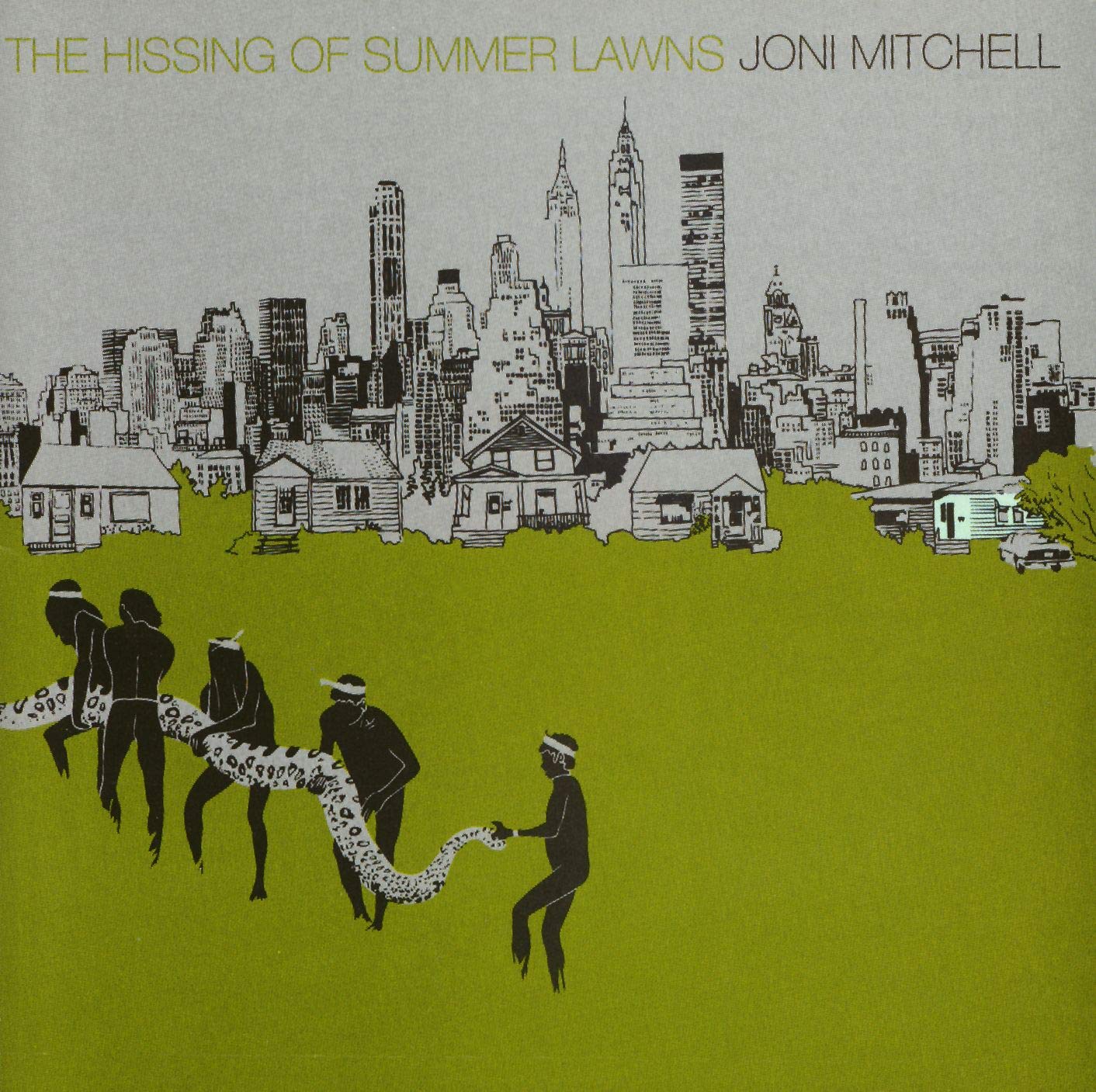
Joni Mitchell: The Hissing of Summer Lawns

Released in November of 1975, The Hissing of Summer Lawns finds Joni Mitchell presiding over one of the most seamless marriages of lyrics and music of the 1970s. The poetry here is evocative and ironic, crafting memorable metaphors and unforgettable images. It’s often said that when constraints are placed on artists, they often produce their best work. For an artist who had previously written music around pre-existing lyrics to then make that shift over to the craft of fitting words into already composed music, one might expect a change in character — or at least in lyrical texture. Beginning around 1973 or 1974, Mitchell’s lyrics indeed became more fluid, impressionistic, and engaged, so that by the time of this album, she had achieved a near-perfect fusion of music and poetry, with the music among her finest creations.

And how does one classify the sound? One cannot. It draws on pop, rock, folk, and jazz, yet it belongs to none of them. The album charts its own course, allowing space for stellar contributors like Bud Shank and Joe Sample to leave their imprint without overshadowing Mitchell’s vision. The closing track, “Shadows and Light,” brings the album to a transcendent conclusion: a multi-tracked a cappella choir of Mitchell’s voice against a contrasting, processed drone from a Farfisa organ. The result is a kind of sonic cathedral, where light and sound filter through like stained glas — ever shifting, quietly monumental, and filled with a sense of cosmic design.

The entire album is a showcase of extracting equilibrium from motion. The music is built on a strong foundation yet exploratory and liberating. Here we have an artist of the highest level in full command of her gifts, unafraid to blur the lines between song and painting, intellect and intuition. The Hissing of Summer Lawns continues to be an album worth returning to: we achieve familiarity with repeated listenings but never is the magic lessened.

Chris Squire: Fish Out of Water

Another November 1975 release was Chris Squire’s highly accessible, melodic Fish Out of Water. For those like me who couldn’t get enough of the brilliance of Yes’s Fragile, this album was filled with the musical inventiveness and wonderful bass lines that dominated that Yes album. Musicians include Bill Bruford on drums and percussion, with saxophonist Mel Collins on two tracks and Patrick Moraz on bass synthesizer and organ on one track . Squire handles all the vocals, bass guitar, some acoustic twelve-string guitar and electric bass. Special compliments go Andrew Pryce Jackman who provides acoustic and electric piano keyboards and seamlessly integrated orchestration providing the album with additional depth and further contributing to its ebullient vitality. Fish Out of Water is a must-have album for all Yes fans surpassing most of their catalog released after 1975.
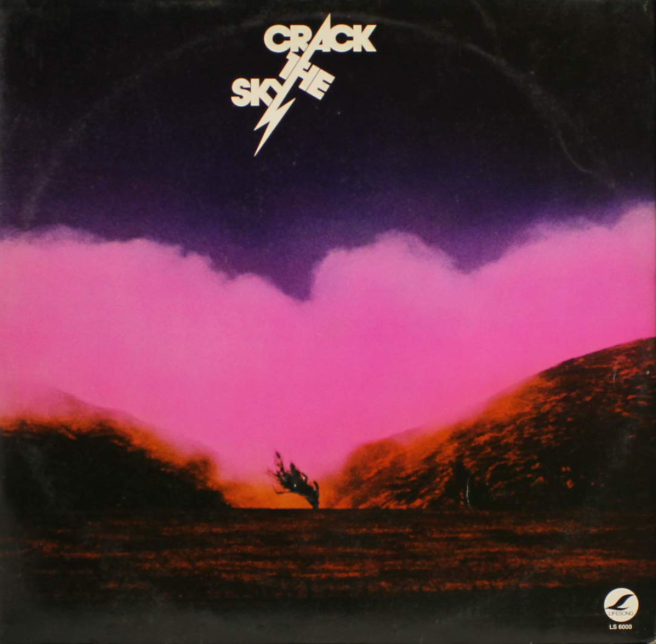
Crack the Sky: Crack the Sky

Crack the Sky’s debut was released in limited quantities in November 1975 by the independent label, Lifesong. Is this the biggest accomplishment by this label? Depends on your perspective — Lifesong posthumously re-released several greatest hits albums of Jim Croce material starting in 1976 as well as being responsible for “The Biggest Rock Event of the Decade” — that’s right — the rock opera Spider-Man: Rock Reflections of a Superhero — an album of such popularity that I cannot find any entry for it on Wikipedia, though in fairness, the title was released again twenty-five years later on CD and is currently available on eBay for $49.

Putting Spider-Man historical considerations aside, the Crack in the Sky album, despite its limited distribution, eventually climbed up to spot 161 on the Billboard Charts in February 1976 aided by some airplay in the Baltimore area and more importantly being identified by the Rolling Stone magazine as the debut album of 1975. 

Keyboard player and lead vocalist John Palumbo wrote all the music and lyrics showcasing an eclectic range of styles incorporating sixties pop elements and contemporary progressive rock elements. Both the music and lyrics are generally quirky, with a tongue-in-cheek, often ironic, humor deeply embedded in the lyrics and the music rich with accessible melody. There are musical moments that recall surf music, the Beatles, Procol Harum, early Genesis, and even Gentle Giant. It’s not a particularly well-produced album but it is a lot of fun, and an album that anyone who considers themselves well-versed in the history of rock music should have heard at least once.
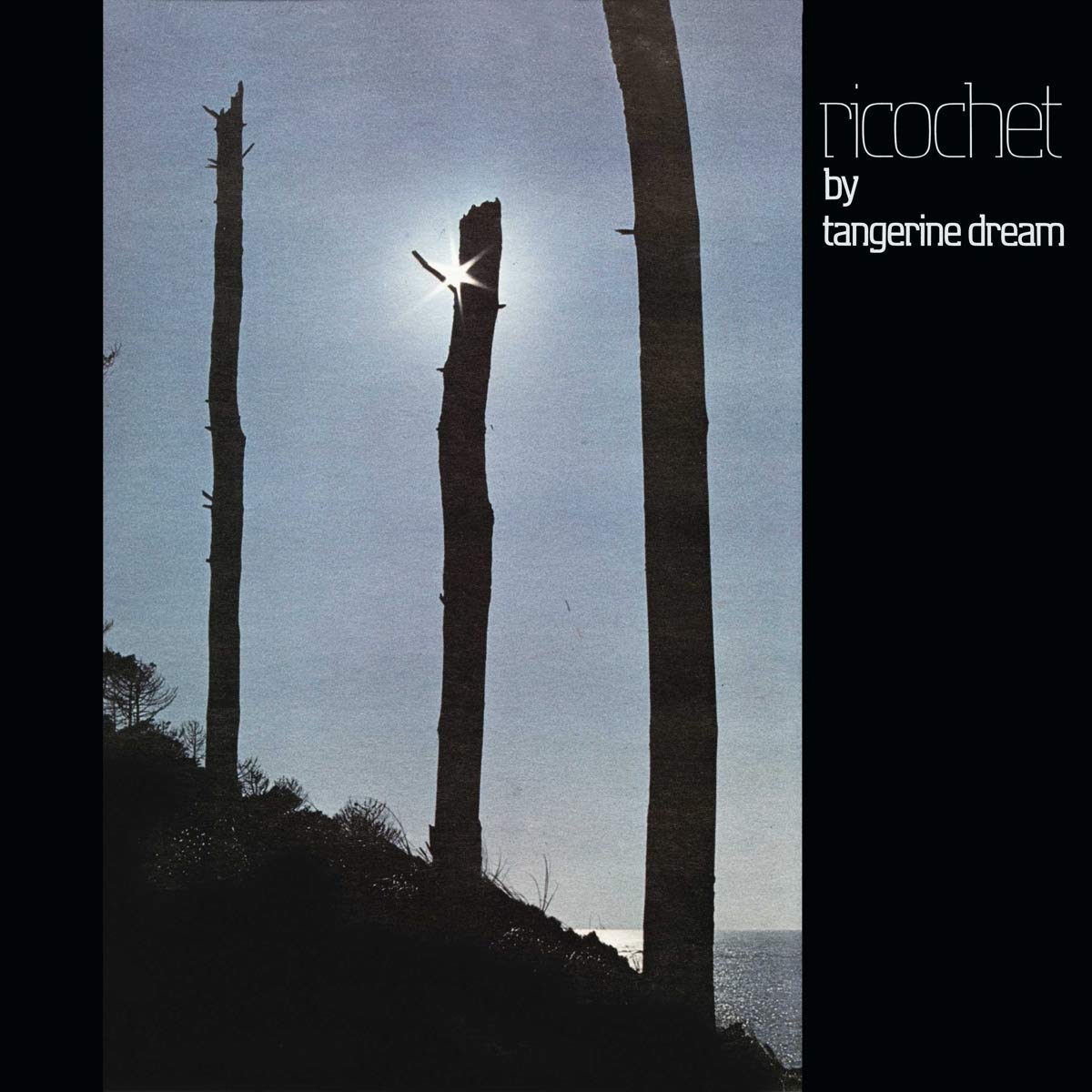
Tangerine Dream: Ricochet

Recorded in late October and early November of 1975 in England, partly live at Fairfields Hall in Croydon and partly in the studio, Ricochet was released in December of 1975. It continues that rhythmically intense sequencer-driven signature sound from Rubycon, delivering it with sparkling clarity and focus. The music unfolds logically with a strong sense of overall meaning and purpose, effectively locking in one’s attention and never letting it go. Side One, “Ricochet, Part One” contains studio improvisations and recreations of live performances with side two, “Ricochet, Part Two” being predominantly live.
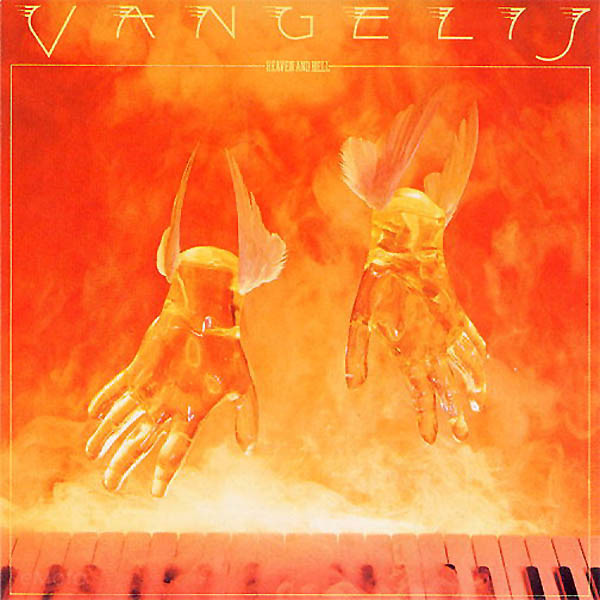
Vangelis: Heaven and Hell

Released in November of 1975, Heaven and Hell is a mixture of the cinematic, early and modern “classical” music, Greek folk and some elements of progressive rock. The album effectively combines Vangelis’s mastery of synthesizer with orchestra to create a richly themed concept album about the duality of human interaction with good and evil, the light and the darkness of existence. Side One, “Heaven and Hell, Part I”, opens furiously with synthesizer and chorus setting a strong symphonic tone and concludes with vocals by Jon Anderson of Yes segmented with a glorious orchestral and synthesizer interlude. Side Two, “Heaven and Hell, Part II” opens up, contrastingly, darkly and ominously, generally maintaining that mood with the notable interspersion of an exuberant, infectious Greek-influenced folk-dance-like section and its more reflective ending. The musical tone-painting is particularly impressive, effectively supporting side two’s darker thematic premise.
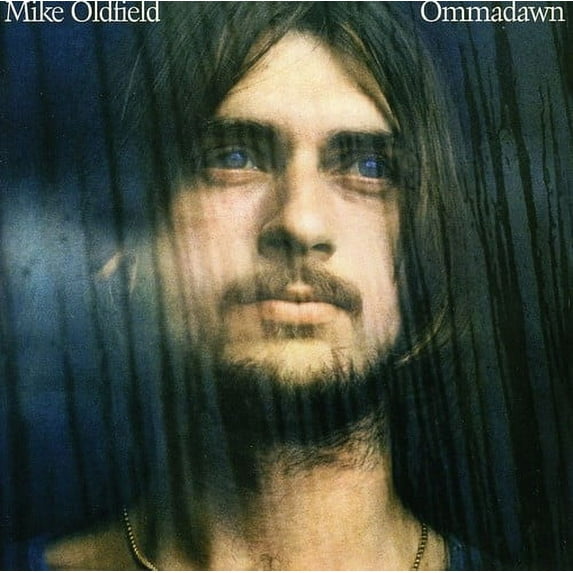
Mike Oldfield: Ommadawn

Released in November of 1975, Ommadawn is Mike Oldfield’s third major symphonic work, following the partly Exorcist-driven phenomenon of Tubular Bells and the expansive, pastoral landscapes of Hergest Ridge. Ommadawn mostly consists of one long work, the title track, divided between the two sides of the original LP with a short additional work at the end. It is this title track that is the gem and centerpiece of the album, excelling in compositional presentation and development of thematic material with the first theme deftly varied, followed by an abruptly effective intrusion of the second theme around the 4:15 mark, which is also skillfully varied. After this exposition of fundamental material, both themes are further developed and extended with a richness of instrumental variety and occasional vocals (using a cleverly altered Irish translation of some simple English words) invoking a tribal sense of community.

The second half of “Ommadawn” is more dramatic with greater musical weight and contrast, further exploring a wondrous world-fusion sound that would soon become a whole sub-genre of music. The highlights here include Paddy Moloney on the Irish equivalent of bagpipes, more properly known as Uilleann pipes, and an uplifting blend of vocals and glockenspiel followed by an Irish-like dance section that brings the work to a close.

For those looking to check this album out, avoid the original mix and go for the sonically spectacular 2010 remix which provides significant clarification and enhancement of individual instruments and provides rich, immersive stereo.

Magma: Live/Hhaï

Released in December of 1975, I bought this album in Germany in 1978, and I was not surprised in the least to find this live album of the French progressive rock group in Germany. Unlike Ange, which had a distinct French coloration to their albums, Magma had a Germanic sound and eschewed the French language to adapt a language more suitable to their music — not German, but — okay let’s break this down.

Christian Vander, son of French jazz pianist Maurice Vander, was born in Paris in 1948. Exposed to both jazz and classical music, he grew up listening to Wagner, Bach and Stravinsky and met several great jazz artists including Chet Baker, who gifted Christian Vander his first drum kit and Elvin Jones who shared his musical expertise. Vander brought all these influences as well as his intense admiration for a number of jazz giants, most particularly John Coltrane, as well as drummers like Art Blakey, Max Roach, Kenny Clarke and Tony Williams. Vander brought all such influences with him, including Coltrane’s searching musical intensity, when he founded Magma in 1969 as Magma’s leader, primary composer, drummer and an important contributing vocalist.

With the formation of Magma, Vander begin the creation of the mythology of Magma concept albums and the appropriate language — Kobaïan, the language of the fictional world of Kobaïa — a distant planet colonized by a group of humans fleeing earth’s moral and ecological collapse. The language’s main function was to provide the appropriate musical sound for Magma’s music and to represent a sacred language of renewal. Its sonic characteristics are starkly different than French, coming closer to Slavic and Germanic patterns, but intrinsically supportive of Vander’s musical ideas, which slowly coalesced into a dark, more teutonic, primitively spiritual style, with texture and timbral/orchestral characteristics eventually significantly influenced by Carl Orff’s Carmina Burana, which Vander first heard in 1972.

This 1975 Live/Hhaï album includes material as early as 1973, all of which represents the mature, dramatic Magma sound prevalent from 1973 on. The original album was a two LP set that could still fit on a standard single CD, but is currently sold as a two CD set. It is available for streaming on the usual sources for anyone wanted to sample this unique music, a music that will retain its excitement, mystery and appeal for centuries to come.

Brian Eno: Another Green World and Discreet Music; Fripp & Eno: Evening Star

In November of 1975, Brian Eno released his third solo studio album, the remarkable Another Green World which, while not as ambient as his upcoming work, is certainly an unconventional pop album full of highly accessible music surrounded with imaginatively unusual context. Eno provides a mix of catchy songs with him on vocals, some amazing guitar work from Robert Fripp, but mostly a level of exotic, quirky arrangements that elevate each and every track. Highly recommend!

In December of 1975, Eno’s fourth studio album is released, Discreet Music, and it is a boldly innovative ambient album. The first side, the title track, is a work of beauty and can be listened to directly or used as effective background music for a range of activities including writing, reading and napping off. The second side is more challenging: three “elastic” arrangements of Pachelbel’s well-known canon where the parts move at different paces — not by chance or performer’s whim but intentionally arranged to distort the relationship of the individual parts and the overall musical experience. One can still hear traces of the original canon — yet each of the three very different arrangements alters the original musical architecture with time-based abstractions that are roughly parallel to distortion concepts in cubism, futurism and surrealism and also seem related to rules-driven processes that are found in works by artists like Paul Klee, Bridget Riley, Sol LeWitt and even those famous rectangle paintings of Piet Mondrian. One also has to give credit to John Cage’s influence which opened up this whole realm of unexpected alterations whether aleatoric or rules-driven.

The most challenging of these three albums, Fripp & Eno’s Evening Star, released also in December of 1975, is another tale of two sides. The first side of four tracks, each with new standard ambient titles, is by far the most accessible and functions very effectively as truly ambient music or even meditative, reflective music, particularly the first, third tracks and fourth tracks “Wind on Water,” “Evensong,” and “Wind on Wind.”

The second side is devoted to a single piece “An Index of Metals” divided up into six tracks. I doubt there are many people that can turn it on in the background and experience a calming or relaxing effect from it. It is filled with tension and not smooth or flowing. I suspect many will just find it plain irritating if using it to relax, read, or write by as it has a somewhat intrusive and ominous character. It is more listening music and needs the attention of an active listener to properly navigate the tension, suspense, and forward progress of the music. The last of the six tracks is the most gritty of all and it ends with the tension decaying as opposed to any resolution. This sets up a nice contrast to some more relaxing ambient music, which would become more and more common and commercially viable thanks to this early work by pioneers like Eno and Fripp.

Fifty Year Friday: March 1975

Hatfield and the North: The Rotter’s Club

Released on 7 March 1975, The Rotter’s Club is one of the finest progressive rock albums , delivering a rich blend of humor, virtuosity, and intricate composition that captures the essence of the era while being identifiably distinct from any other album of its time. As the second studio album by British avant-garde and progressive rock band Hatfield and the North, it succeeded their self-titled debut (1973), which established them as a prominent figure in the Canterbury scene. But The Rotter’s Club marked a progression, both musically and conceptually, toward an even more refined and ambitious sound. It is a record that not only brings together various aspects of jazz, rock, and classical music but also emphasizes the playful and eccentric side of progressive rock, a nice contrast to the overly serious, often over-reaching and sometimes pretentious reputation ascribed to it by is staunchest critics.

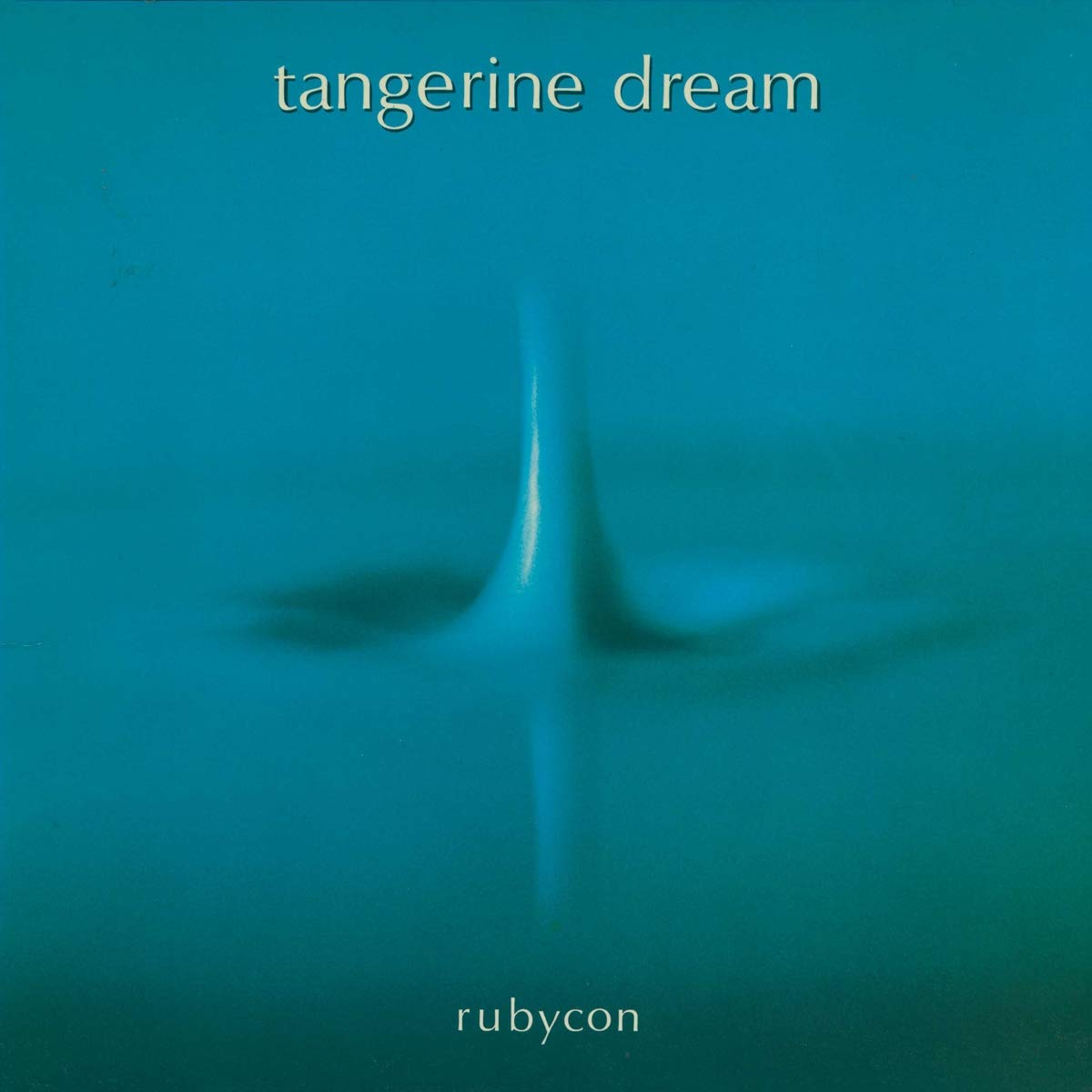
Tangerine Dream: Rubycon

With the release of Rubycon on March 21, 1975, Tangerine Dream delivered their fourth studio album, a fully realized version of their relentlessly driving “Krautrock” industrial, high-tech, space music. While Rubycon clearly evolves from their previous album, Phaedra, it represents a leap forward, much like the internet is to the stone tablet. Whether Tangerine Dream’s change in direction was influenced by considerations about what musical characteristics would work best for film soundtracks and greater audience engagement, or whether it was partly inspired by the success of Kraftwerk, Rubycon marks the undeniable establishment of a new genre of music — one distinct from anything that came before it. Tangerine Dream’s flirtations with Stockhausen and other electronic composers led them in a direction that was as different from the contemporary world of so-called “classical” and “serious” music as that music was from the tonally extended late Romantic music. What emerged was something accessible, mesmerizing, hypnotic, and directly relevant — an exciting departure from the avant-garde style that, for most of the listening public, had become irrelevant.

Rick Wakeman: Myths & Legends Of King Arthur and the Knights of the Round Table

Rick Wakeman’s King Arthur, released March 27, 1975, is filled with interesting keyboard and instrumental passages that should interest most progressive rock fans. Though the vocal sections are not exactly comprised of tunes your likely to sing on your own or even along with — they functionally provide narrative, much like Baroque and Classical Era recitatives and, overall the album works well as a dramatic experience. An alternative to the original, with much better overall sound and additional musical content (which had to be left off the original single LP due to time constraints) is the 2012 two-CD version. If you haven’t hear either, best to go for the updated version with the extra material and superior production.

Soft Machine: Bundles

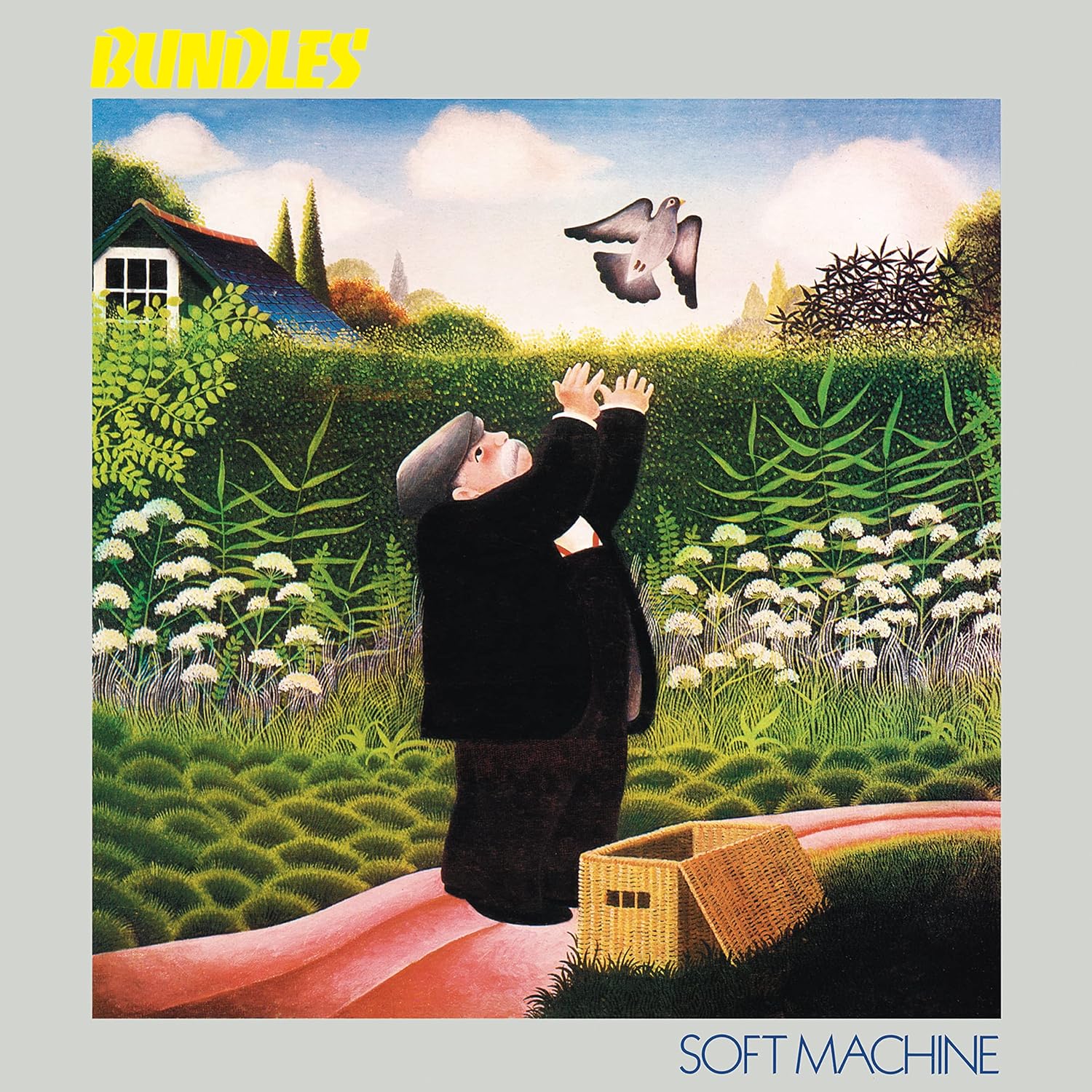
Released in March 1975, Soft Machine’s Bundles is successfully melds an electronic jazz-rock sound with compatible prog-rock elements. The addition of guitarist Allan Holdsworth. known for his fluid, virtuosic playing, injects the album with a fresh intensity, particularly notable in the multi-track Hazard Profile, a nineteen minute five-part suite that showcases Soft Machine’s new direction inclusive of Holdsworth’s soaring guitar work supported by a propulsive, energetic rhythm section. Side one concludes with Holdsworth’s acoustic and beautifully introspective “Gone Sailing.”

Side two is equally compelling with the first four tracks seamlessly blending into a a single experience. The next track, “Four Gongs Two Drums” provides a short percussive intermission, with hints of Indonesian Gamelan followed by the final track, “The Floating World”, a reflective, drifting, neo-Impressionistic composition that gently glides the listener through a bliss-invoking, peaceful and relaxing musical state, providing a fittingly tranquil, dreamlike-end to this excellent album.

Steely Dan: Katy Lied

Donald Fagan and Walter Becker follow up the classic Pretzel Logic album, with another strong album, rich with jazz-flavored chords, Katy Lied, released in March of 1975. Though not strictly a concept album, the album sounds musically unified and could be considered a song cycle of sorts, justifying the term “lied”, a German term applied to art songs, giving us an additional meaning underneath the mysterious reference to the “Katy tried” and “Katy lies” lyrics in the fifth and final track on the first side, “Dr. Wu.”

David Bowie: Young Americans

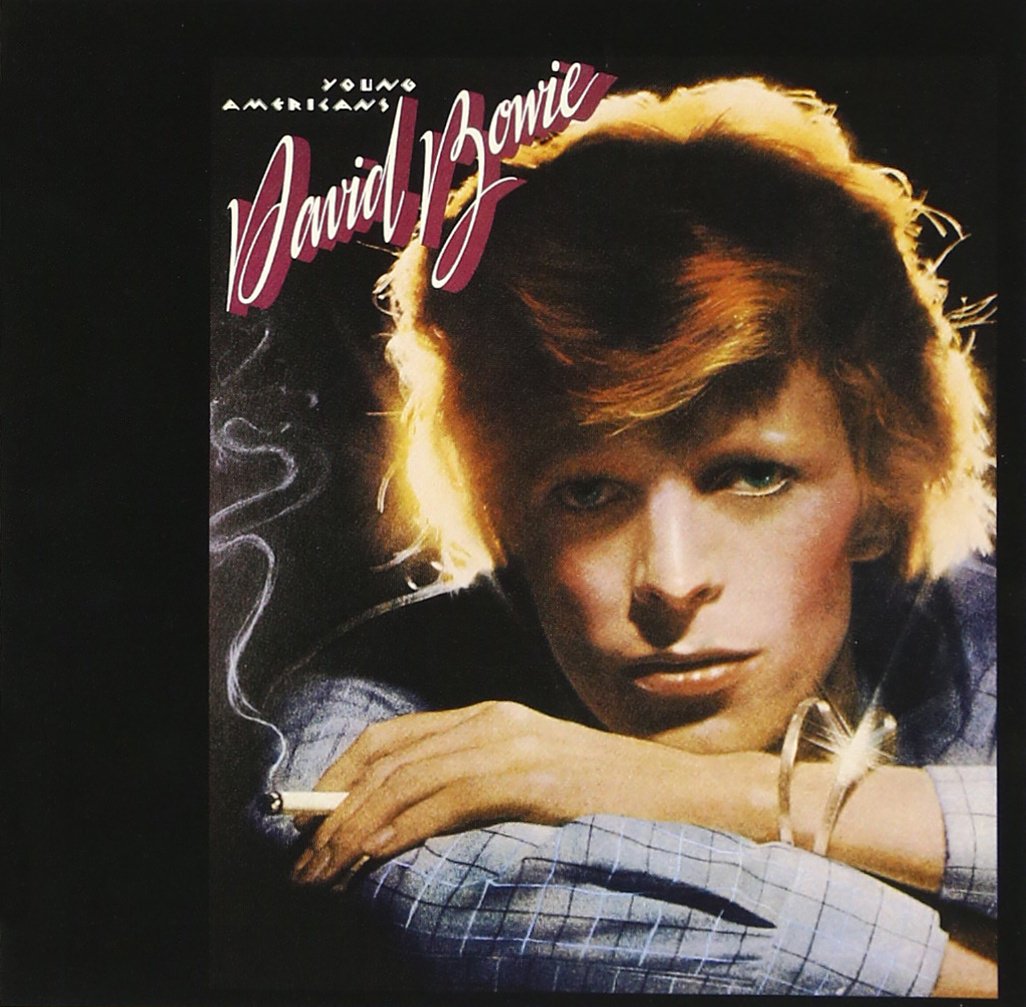
With his ninth studio album, released March 7, 1975, once again, Bowie takes off in another musical direction, extending the elements of soulfulness found in Diamond Dogs and in “Lady Grinning Soul” from the earlier Aladdin Sane, into an all-out exploratory, high-art treatment of American soul music. The arrangements are sophisticated, with Tony Visconti deserving similar praise as Bowie for his musical versatility and with strong contributions from Carlos Alomar and additional input from a twenty-three year-old Luthor Vandross. The strongest track, “Fame,” was initially based on an Alomar guitar riff, with John Lennon, who was visiting the New York Electric Ladyland studios, assisting David Bowie in the authoring of the song by providing his sarcastic, ironic, and pessimistic take on the vagaries of fame.

Fifty Year Friday: July 1971

Gentle Giant: Acquiring The Taste

Released on July 16, 1971 by the Vertigo record label, this second Gentle Giant, despite the apparently horrible cover (the worse prog-rock cover ever or a tongue-in-cheek expression of the kissing up that goes on to record execs and commercial demands?) and the presumptuous and cringe-worthy title, far surpasses their first effort in consistency and creating a unified musical statement while still showing a diversity in compositional techniques and arrangement/instrumentation. It is in the prevalence of the reuse and transformation of identifiable musical motifs that Gentle Giant shares common ground with some bebop artists (for example, Charlie Parker) and so many of the twentieth and nineteenth century so-called “classical” or “serious” composers. What set Gentle Giant apart from most other prog-groups was that their primary composer, Kerry Minnear, was fully trained in classical music having just received his degree in music composition from the prestigious Royal Academy of Music in 1970. We can speculate about whether he read such books as the indispensable 1961 treatise on motific reuse, Rudolf Reti’s The Thematic Process in Music (US 1951; UK 1961), but even if he had not, his familiarity with medieval, renaissance and early twentieth century compositions would have exposed him to how composers expertly handled music cells and motifs.

Putting aside the compositional tightness and cohesiveness of the eight individual tracks and the general cohesiveness of the album as a whole, one just has to take delight in the overall strength of the music, the lack of any filler material (with the possible exception of portions of the last track), and the beauty of some of the melodies, particularly “Pantagruel’s Nativity”, “Edge of Twilight”, the haunting “Moon is Down”, and the softer instrumental passages of the heavier songs on the album like “Wreck.” Notable is the prevalence of Kerry Minnear vocals, indicative of the often gentle nature of the material — with Derek Shulman vocals effectively complementing the harder rock passages. We also get the first example of what I call the “Gentle Giant stride”, for lack of a more appropriate term, due to it reminding me, rhythmically and musically, of deliberately lengthened and extended fast-paced walking steps — this occurs after the initiation of Gary Green;s guitar solo in “The House, The Street, The Room” at the 2:47 mark, with drums and bass providing the foundation for the continuation of Green’s angular yet expressive guitar-work. Another noteworthy often-used Gentle Giant compositional technique, is the use of a musical sequence comprised of a short, quadruply-repeated, rhythmically-catchy motif that creates forward drive and tension (and used extensively in their next album, “Three Friends”) and in this album occurs in “The Moon Is Down” at the 2:11 mark. Also notable is the penultimate track on the album, particularly its use of plucked and bowed viola, viola, and cello and wah-wah guitar for musical and extra-musical effect (the imitation of the meow of a cat.) “Plain Truth”, somewhat musically weaker and less interesting than the previous tracks, closes out this first in a string of half a dozen near-perfect, fully musically unified, must-have Gentle Giant albums

Black Sabbath: Master of Reality

Also released by the Vertigo record label (Warner Brothers in the U.S.), on July 21, 1971, though not nearly as fulfilling or musically nutritious as the Gentle Giant second album, this third Black Sabbath, Masters of Reality is one of the three best Black Sabbath albums, well-executed, creative and brimming with elevated yet disciplined energy. Toni Iommi, Black Sabbath’s main creative musical force, not only gives us the typical extroverted Black Sabbath heavy metal, bass-and-guitar-driven numbers but two fine introspective guitar compositions, “Embryo” and “Orchid” and the reflective “Solitude”, with Iommi also playing piano and flute, providing welcome contrast to the longer, heavier works. There may be a limited amount number of times those heavier works can be listened to, but certainly they stand up to repeated playings when driving down the road, exercising, dancing or otherwise shaking up an aging body.

Peter Hammill: Fool’s Mate

Fool’s Mate is Peter Hammill’s first solo album, filled with various, unrelated songs that were either not considered as appropriate Van Der Graaf Generator material, or were not written with VDGG in mind. Nonetheless the full VDGG lineup (Hugh Banton, David Jackson and Guy Evans) is here, and is further, supplemented by guitarist Robert Fripp on half the tracks and former VDGG bassist Nic Potter also on six of the twelve tracks. The music ranges from catchy and upbeat “Happy”, and “Sunshine” to the introspective and even heartbreakingly dark and gloomy, with the most indispensible gem being the timeless “Vision”, one the best love songs of the entire seventies.

Guess Who: So Long, Bannatyne

Also released in July 1971, the Guess Who’s succulently dissonant So Long, Bannatyne — the album sharing the title of one of the songs that reflect the guitarist Kurt Winter’s move from the Bannatyne Apartments on Bannatyne Avenue in central Winnipeg to the Chevrier district a few miles south.

It is the liberal use of dissonance and jazz-related elements that sets the album apart from earlier Guess Who albums, making this their overall best album, despite most rock critics opinions to the contrary. Whether its “Going A Little Crazy” with its jarring, dissonant recurring ostinato, the jaunty “Grey Day” with Burton’s scat singing, his dissonant jazz-based piano accompaniment and subsequent piano solo, followed by Winter’s jazzy acoustic guitar solo, or the subtly bitter “Sour Suite”, many of the songs here are neither typical pop or Guess Who songs. Strings are also used for appropriate enhancement and both Burton Cumming’s vocals and piano are at their best throughout the album, with piano nicely supporting Greg Leskiw’s banjo and vocals on “One Divided.”

Isaac Hayes: Shaft, Moody Blues: Every Good Boy Deserves Favour, Joan Baez: Blessed Are…, Deep Purple: Fireball

Other notable albums include the classic Isaac Hayes 2 LP Shaft, the almost impressionistic Every Good Boy Deserves Favour from The Moody Blues, Joan Baez’s two LPs and one 33 1/3 45 Blessed Are… album, and the hard-to-categorize and somewhat uneven, but mostly danceable (at least at the time), Deep Purple’s Fireball. I still remember hearing the song, Shaft in 1971 on the bus to and from school and impressed by its larger than life sound even through those somewhat shoddy school-bus speakers.

Paul McCartney, Carpenters, John Entwistle, Marvin Gaye, Zawinul, Weather Report; Fifty Year Friday: May 1971

Marvin Gaye: What’s Going On

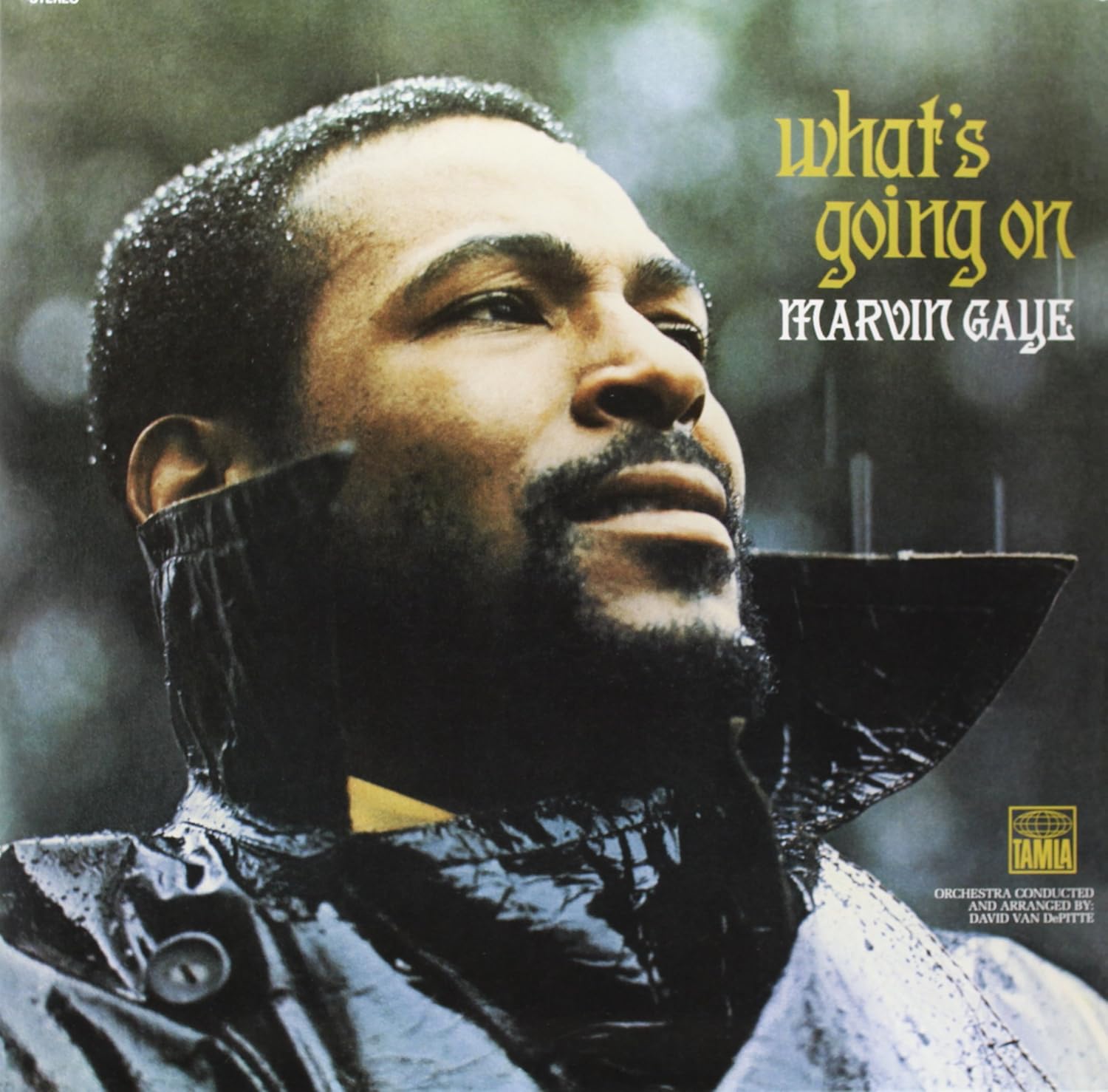
Marvin Gaye’s What’s Going On was released on May 21, 1971, but prior to that, around the end of February 1971, the calmest, most relaxed single of the 1970s yet ever heard by my ears on top 40 AM radio, started receiving airplay displacing the previous smoothest single of the earliest part of that year, “Black Magic Woman”. Now firmly only a fan of FM, my only exposure to AM radio was on the school bus — about a 25 minute ride into school and about a 35 minute ride on the late bus back home. By the middle of March of 1970, Marvin Gaye’s “What’s Going On” was likely to be played once, and sometimes twice: once in the morning and once in the afternoon during my daily travel on the bus. With annoying songs like The Osmonds’ “One Bad Apple”, Dawn’s “Knock Three Times”, and other mediocre bubblegum or pop tunes, the inclusion of Marvin Gaye’s “What’s Going On”, far removed from the commercial template of most of the songs in the Top 40 of that time, into the AM playlist was like being given access to water in a scorching desert.

How appropriate that this gem leads off Marvin Gaye’s must heralded album, proving both the name and the essence for the entire album, almost by itself asserting the concept of the entire album, which rightfully and fittingly lines up perfectly and unconditionally with the ethos and character of that first track creating a concept album addressing peace, love, ecologic responsibilities, justice and injustice, and the rights and preciousness of all, adults and children.

Zawinul: Zawinul

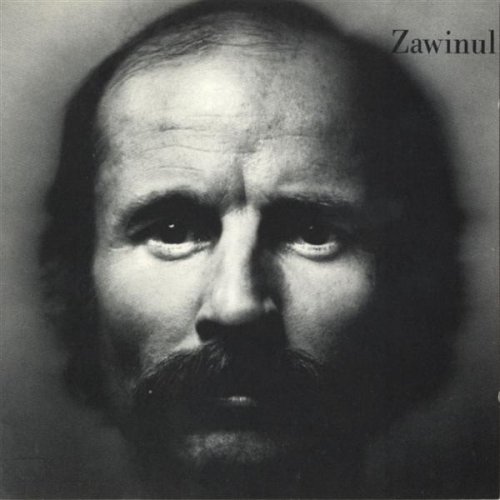
Recorded in August through October of 1970, and released in 1971, Joe Zawinul’s fifth studio album (as a leader) continues the musical trailblazing of Miles Davis’s masterpiece, In a Silent Way. There is in fact, an amazing version of this Zawinul composition on the album, glimmering with a full rainbow of beauty, the pairing of Herbie Hancock and Joe Zawinul on keyboards and the lyrically lucid and spiritual melodic leadership by trumpet-great Woody Shaw.

The entire album provides a musical retreat, unfolding with the beauty of an uncompromised, unexplored nature reserve. Graced by so many fine musicians, and some creative engineering including some tape manipulation, editing, and praiseworthy aural balancing, the album provides all that is necessary for an immersive musical outing fully contained within the short span of about thirty-six minutes.

Weather Report: Weather Report

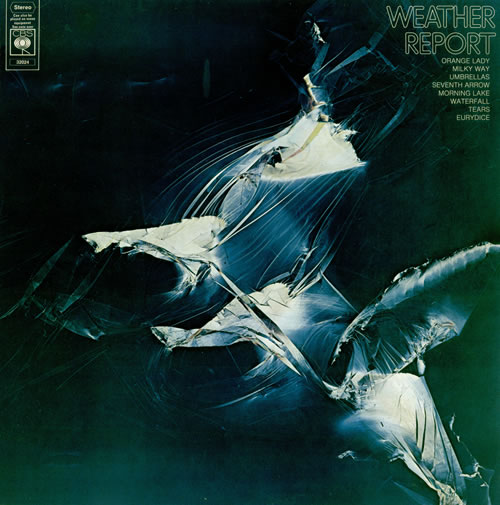
A few months after finishing recording his eponymous fifth album, Joe Zawinul teamed up with Wayne Shorter, Miroslav Vitouš, and multiple percussionists for the first Weather Report album released on May 12, 1971. The album embraces much of the creative forces present in Silent Way and Bitches Brew, but moves into new territory also with rhythmically propulsive tracks like “Umbrellas” and “Seventh Arrow” as well as the atmospheric track “Orange Lady” which provides a leisurely, reflective weave from a spectrum of beautiful coordinated musical musings and the shimmering “Waterfall.”

Paul and Linda McCartney: Ram

While my sister was accompanying my maternal grandmother on an ocean cruise for the summer of 1971, I journeyed from Southern California up to Salem, Oregon accompanying my paternal grandparents on a nearly twenty-four Trailways bus trip to spend a couple of weeks with my cousins, aunt and uncle, fishing, introducing my older cousin to the classic Chicago II album, taping drum and bugle practices on a cheap, bottom-of-the barrel cassette recorder and generally having the time of my life.

When driven to the newly open Lancaster shopping mall by my older cousin and her friends, I stumbled into what may be commonplace today, but was a novelty at that time, a record store in a indoor shopping mall — the indoor shopping mall being also a relatively new concept, with the Lancaster mall (now the Willamette Town Center) opened shortly before my arrival.

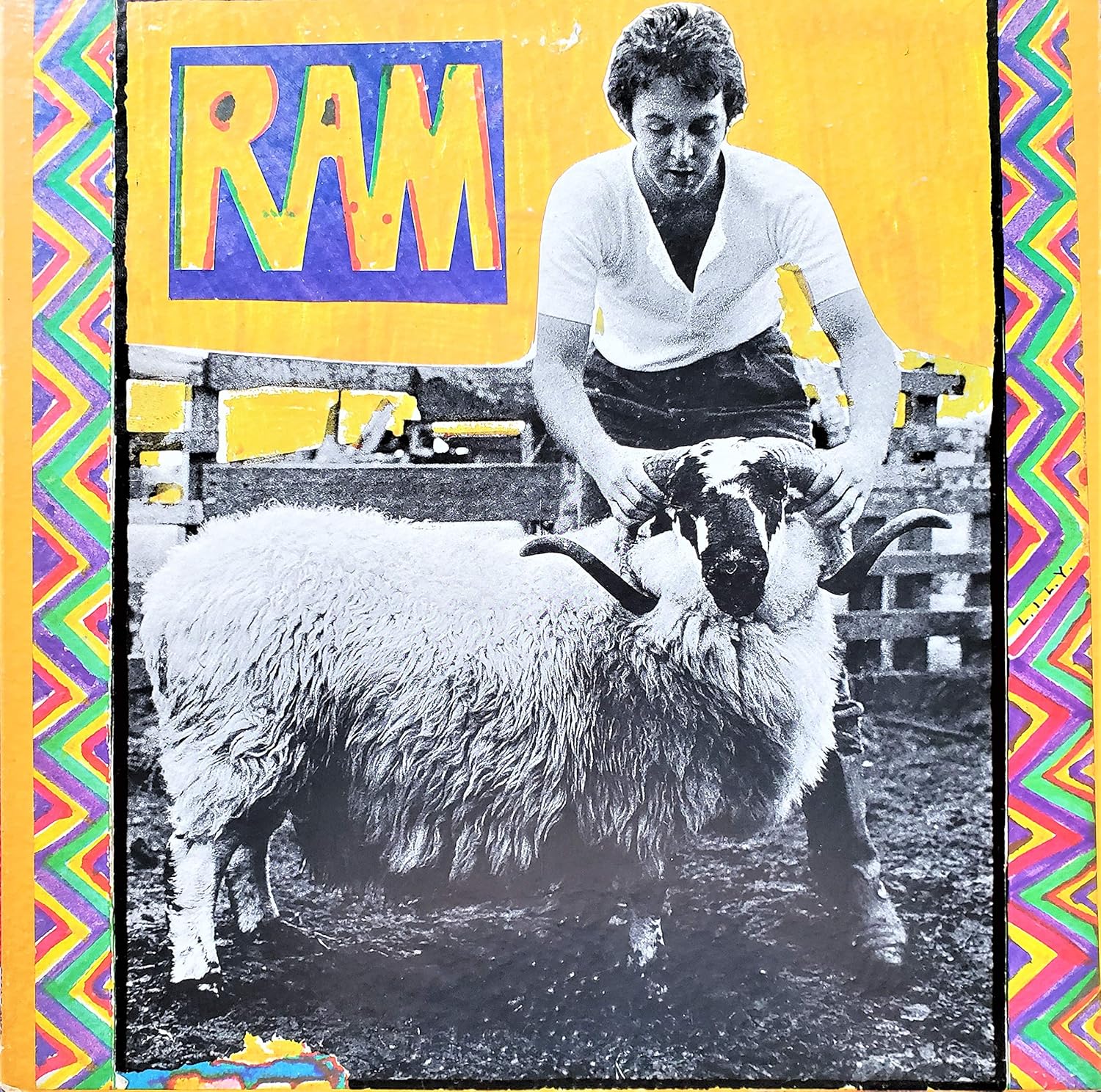
A moment or two after entering the record store, the store manager changed records, putting the newly arrived second McCartney album, Ram (released a few weeks earlier on May 17, 1971) on the store turntable. The first track, “Too Many People” was immediately recognizable as it was getting airplay on both FM and AM. While my cousin and friends wended their way through the multiple other retailers in the mall, I camped out in the record store, listening to the entire first side including the previously familiar “Uncle Albert/Admiral Halsey”, pulled away by them for a few minutes, and then eventually returning to finish up side two and, to my delight, an unexpected replay of the entire album, or at least side one, as I was eventually whisked away by my cousin and friends to somewhere else. Later on my return to the mall, perhaps a week later, I got to hear most of side two, including the final track, “The Back Seat of My Car.”

Upon my return to Southern California, my good friend, fellow cross-country runner, co-worker at the school cafeteria, and next door neighbor, the one that had introduced my to Chicago, had already purchased Ram, and I promptly recorded it on to my reel-to-reel. I was already in love with the album, and played it several times before eventually tiring of it and moving on to something else. It’s a pleasure to listen to it again after all these years, and even though back in 1971 my cousin may have thought the music to be somewhat silly and certainly not in the same league as Chicago’s second album, I still love the simple, engaging, and buoyantly upbeat music that permeates this album.

The Carpenters: Carpenters

On May 14, 1971, The Carpenters released their third album with meticulous soft-pop arrangements by Richard Carpenter and Karen Carpenter’s trademark vocals. It is not as special as an album as their previous Close To You album, but their performances are beyond reproach even if not all the selected material matches that of Close To You. As the Carpenters moved to Downey, California a few months before my parents moved our family to Orange County, I honor my hometown connection to them and that adds to the fondness I have for their music. Add to this that my Oregon older cousin liked them, even when she dismissed McCartney’s second solo album, and that my spouse, the love of my life, is a big Karen Carpenters fan, I think I will always enjoy listening to their music with an ongoing emotional connection that is in addition to my appreciation of their musical merits.

John Entwistle: Smash your head against the wall; Graham Nash: Songs for Beginners; Rod Stewart: Every Picture Tells a Story

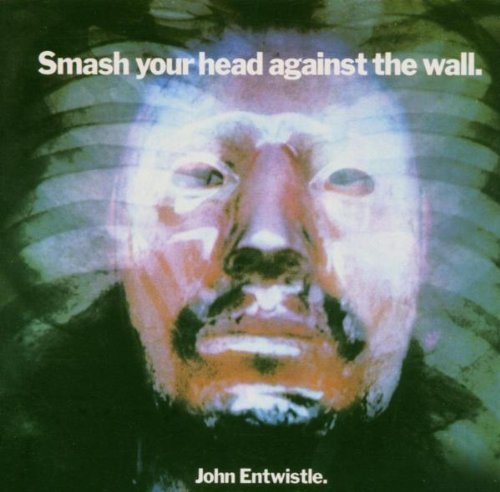
Like George Harrison, John Entwistle did not have an abundance of support to get his bandmates to include his compositions on their albums, so his first solo album, Smash you head against the wall, released during May of 1971, contains many of these “rejected” compositions. One recurring trait in Entwistle’s works is the use of chromatic passages as famously represented in years earlier in “Boris the Spider” and his darkly-tinged humor as represented in the opening track of this debut album, “My Size.”

Graham Nash is one of the most underappreciated songwriters of the sixties and seventies, so its always a joy to listen to his songs whether on Hollies albums, CSN and CSNY albums or his solo albums. This is a wonderful album brimming with catchy melodies including songs like “Military Madness” and “Chicago.”

Though I don’t think of myself as much of a Rod Stewart fan, I took an immediately liking to “Every Picture Tells a Story”, Rod Stewart’s third solo album, released on May 28, 1971. There is an authenticity to his delivery throughout this album and the strongest tracks are certainly among Rod’s best efforts.

Fifty Year Friday: January 1971

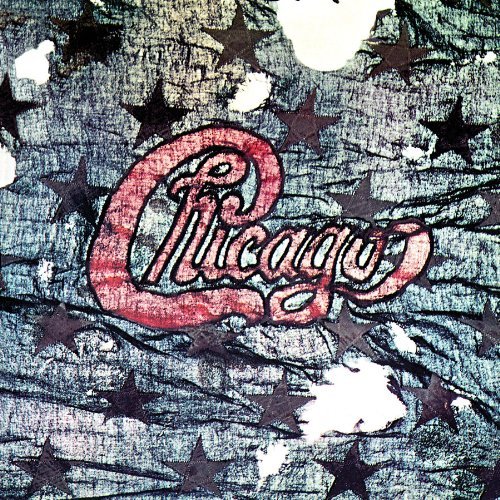
Chicago: Chicago III

Based on my regard for the first two albums, when I saw the third Chicago album in the stores in early 1971, I purchased it without hesitation, even prior to hearing a single track. Not sure if I used some leftover Christmas money or a portion of the minimum wage I received for working at the school cafeteria, serving beverages to my fellow high school classmates including my fellow sophomores, but a large percentage of whatever I had in my wallet was tendered for this 2 LP set.

My next-door neighbor usually purchased the best albums, and I took some pride in anticipating I would be the one playing this for him the first time just as he had given me the gift of hearing those two first Chicago albums the first time. I also looked forward to writing my cousin in Oregon a letter proclaiming how good this third double album of this group I had introduced her to.

The only problem: this album fell far short of their landmark second album. I wasn’t expecting something as good, of course — though, I was hoping — but I hadn’t considered that this album would be several notches below. I tried hard to like it and at first comforted myself into believing that I would grow much fonder after multiple listenings, but by the fourth and fifth time through all four sides, I was no more fond of the album than the first time.

I eventually played the album to my next-door neighbor who, though not particularly impressed by the music, wasn’t deterred from later purchasing their four LP live album and their next studio album, the single disc Chicago V. I did write my cousin, but indicated my general lack of enthusiasm over the album in my barely legible handwriting that I sealed up and sent off through the mail. I listened to the album perhaps a total of six or seven times and shelved it — forever.

Now this is not a bad album — not even close. It lacks the coherence and the vitalness of subject matter of the second Chicago album with an unfocused diversity of songwriting and performance styles and non-topical songs like “Hour in the Shower.” It is neither epic or monumental, nor does it even hint at being such. The upside is that it still sounds like the same band as before and there are many notable moments of Chicago’s trademark brass-imbued sound and their signature-style of arranging and tasteful use of jazz chords. I definitely enjoyed listening to it again, fifty years later, and enjoyed that significant amount of musical passages that show off the same strengths of the group as the previous albums. When will I likely listen to it again? With the almost countless number of other musical choices available now and in the future, perhaps I may not ever do so.

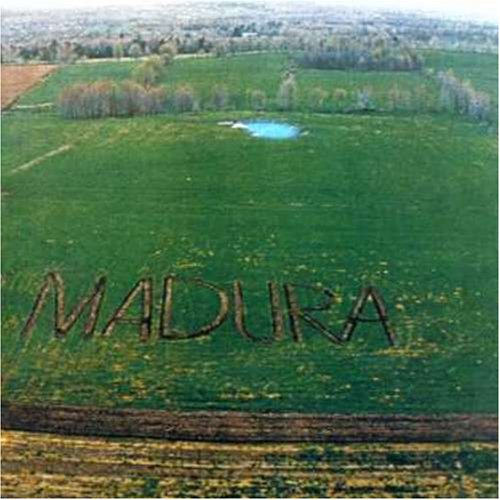
Madura: Madura

Fortunately within a short period after I had purchased the Chicago III album, I read a decent review of a debut double album from a band named Madura, produced by the same producer of the Chicago albums, James William Guercio. I saw the album in the record store, liked the name of the band, remembered the review, and took a chance. To my delight, despite this being a band of only three musicians, the album sounded like jazz-rock and in spirit and quality was closer to the second Chicago album than Chicago’s third album. I liked the weird prepared piano track that opened the album, the continuity of the music of side two, David “Hawk” Wolinski’s keyboard work, Alan DeCarlo’s similarities to Chicago’s guitarist Terry Kath, the way the group extended their sound through use of multiple tracks, and the simple beauty of the last track of the album, “Talking To Myself.”

McDonald and Giles: McDonald and Giles

There is something very special about the percussion work by Michael Giles on the first two King Crimson albums and its playful predecessor, Fripp, Giles and Giles. For anyone who enjoys, even embraces, the drum work of Andy McCulloch in King Crimson’s Lizard but still misses that cleverly-punctuated battlefield-style of M. Giles, this is a must-have album. Ian McDonald dazzles splendidly on this album playing a wide array of woodwinds, keyboards and plucked/strummed instruments that are part and parcel to the wonderful fabric of the compositions. Add to this imaginative and well executed vocals, Peter Giles on bass, Stevie Winwood on organ and piano for the first part of Suite in C, brass and strings later on in Suite in C and side two’s Birdman, which takes up that whole second side, and you have a notably adventurous, intriguing, and often exhilarating album.

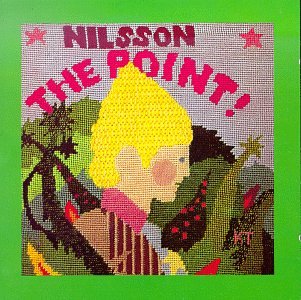
Harry Nilsson: The Point!

One of my favorite people of all time is my first girlfriend. Without getting into any details of why our relationship solidified into an incredibly strong friendship, I would sometimes visit her apartment and hang out, talk with her and her friends and occasionally listen to music. During a visit around 1974, I discovered that her roommate at the time had Harry Nilsson’s The Point, an album released in either late December of 1970 or January 1971. It was mixed in with numerous other albums in the shared record bin on the floor in front of the budget component stereo in what was the equivalent of the living room of the apartment. Spotting this, and this being a record I had not heard, I put it on, and was not only charmed by the music and its child-like story, but was surprised by the inclusion of “Me and My Arrow”, a song played intermittently on the radio in the spring of 1971 and for which I had a musical weak-spot for. Three years later, even though now I was solidly a prog-rock enthusiast, I still loved upbeat pop tunes, and appreciated Nilsson’s craftsmanship, gift for songwriting, and his relaxed narration on this album with its pop-philosophy message. Interestingly, I never heard the record again, or even “Me and My Arrow” until Fifty years later when re-listening to this on Spotify. It’s an enjoyable album: it brings back great memories of that time and sometimes that is all we need from art.

Other notable albums released on January 1970

Uriah Heep’s second album, Salisbury with its orchestrated, semi-prog rock, over sixteen-minute title track on side two, was released on January 3, 1971. Ken Hensley, keyboard and my favorite composer and contributor to the group, stretches both his creativity and level of contribution making this much better than their previous album.

Booker T and the MGs top their famous 1970 Abbey Road tribute album, McLemore Avenue, with the generally funky and somatically invigorating Melting Pot notable for its energizing Booker T keyboards.

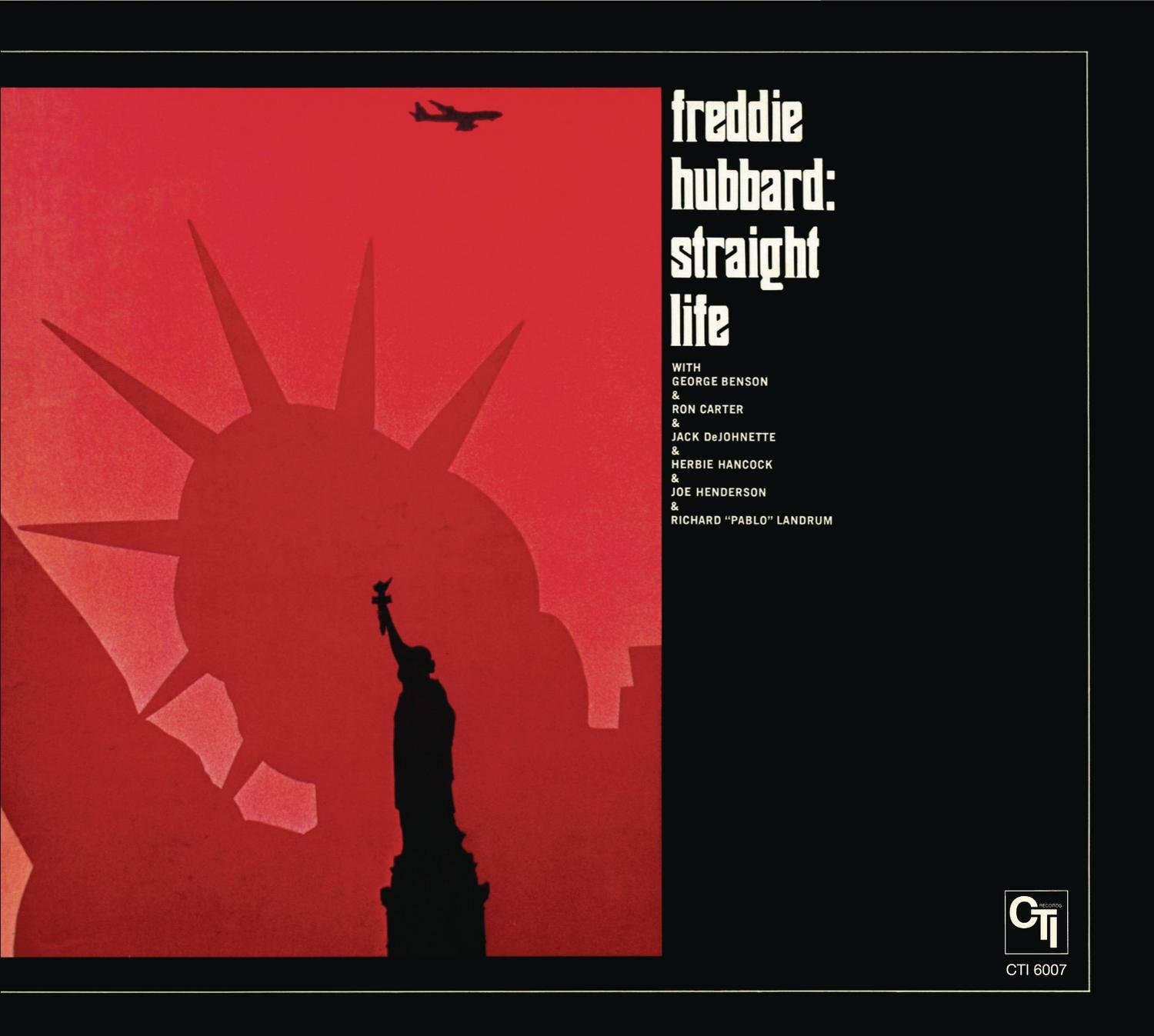
Freddie Hubbard’s Straight Life, recorded in November 1970 and released sometime in January 1971, starts off with a head fake into free-jazz territory, but then quickly establishes itself as a swinging, somewhat funky hard bop album. I have Red Clay (his previous album), and some of his other releases, but never listened to Hubbard’s Straight Life (note, Art Pepper and Jimmy Smith have later released albums with the same name) until a couple of months ago. What an omission! This is a very strong, high impact album with some stellar contributions from not only Freddie Hubbard, but also the innovative Herbie Hancock, the soulfully warm-toned Joe Henderson, George Benson, the great Ron Carter and Jack DeJohnette.

Fifty Year Friday: September 1970

Lot’s of great albums released during 1970 and September was one of several notable months. About this time in 1970, I started listening to music with headphones. Our small living room was such that the two stereo speakers were poorly situated for optimal stereo, and so the headphones revealed a common characteristic of many of these albums — this was not the Stereo of the mid 1960s anymore. Stereo was now creating sound stages, some realistic, particularly with classical music recordings, and some surreleastic as with so many rock albums. The pleasure of listening to albums like Black Sabbath’s Paranoid or Jesus Christ Superstar increased measurably when the room was dark: the sense of sound borrowed attention-resources from the sense of sight. To this day, whether it is Bartok’s Night Music, Debussy musical imagery, Billie Holiday’s Verve-era vocals, Charles Mingus’s Mingus Ah Um, the primal combination of Gezzer Butler bass and Toni Iomma’s guitar or a classic angular progressive rock album like Gentle Giant’s Free Hand, I remember the lesson from 1970, turn off the lights, extinguish all extraneous thoughts and make the music your entire and exclusive environment.

Andrew Webber and Tim Lloyd Rice:

Jesus Christ Superstar

Several months after The Who’s Tommy hit the FM radio stations, a more controversial album starting getting attention. It was also a rock opera, though more like a tradtional cast recording than Tommy, with different individuals on each part. My go-to radio station for new albums, KPPC-FM, announced that they would be playing the entire album from start to finish. I recorded the broadcast on reel to reel, with the broadcast’s less than perfect reception, and then repeatedly listened to the resultant recording on headphones through a wall of static. Thankfully, Christmas soon came and on Christmas day I received Superstar, as we colloquially referred to the album, as a Christmas present along with the complete Handel’s Messiah Oratorio, which I had also requested, and which my mom found it much harder to find than Superstar, now present at every record store. (I had also asked for the entire Tchaikovsky 1812, convinced that if there was an 1812 Overture, which I had, there must be a corresponding opera. Of course, no such gift could be purchased.)

I immediately transferred the two LPs of Superstar to tape, so as not to wear out the LPs, as I had done with the 1812 overture and my copy of Richard Strauss’s Don Quixote. The sound, recorded at the fastest speed available on my tape deck, on the highest quaility tape I had, was just indescribable, particuarly on relatively good headphones. I would sit on the floor close to my tape deck, following the lyrics initially, and then later abosorbing the compositional and instrumental richness of the album.

My grandmother, the more religious one, approved of my interest and commented that this was how music sounded back at the time of Christ, though I was old enough to realize this was way before her time. Yet, there seemed to be undeniable truth in this assertion, and part of this was the inclusion and incorporation of dissonance, and the use of the diminished chord, that standby of silent movie soundtracks to represent the bad guys — and hints of older modes and scales. This is Andrew Lloyd Weber’s masterpiece. That the composer of works like the earlier Joseph and the Amazon Technicolor Dreamcoat and the later Starlight Express, rose to this level of musical excellence may be challenging to explain, but it occured and this album was evidence.

Black Sabbath: Paranoid

That this larger than life work, the 20th century rock equivalent of a Wagner opera scene, was purchased for $2.99 at K-mart, took me a while to get over. I remember vividly, the first time I encountered the first Black Sabbath album being listened to on a cheap turntable plugged into a building outlet by some high school freshmen druggie-types, or at least academic poor-achievers (we won’t say failures as they had three more years of high school ahead) — and I remember being intrigued by the poorly reproduced but seemingly substantial music. And I vividly remember purchasing Paranoid at K-mart, taking it home and sitting in front of the stereo on a barstool borrowed from the kitchen counter. But what was most vivid about all encounters with Black Sabbath, even including seeing them up close and live at California Jam, was the first listening to Paranoid and the darkness, obscurity and obliqueness of the music.

Paranoid is often credited as the first true heavy metal album, though certainly all the elements in Paranoid are there to some degree in their first album. However, while the first album was basically a recording of a live set, the second album is of higher sonic and musical quality. Though all four band members are given songwriting credit, for the most part the music on this album was written by Tony Iomma, with lyrics provided by Geezer Butler. To classify this music as simply heavy metal ignores the unique musicl style of Iomma — a darkest violet, and yes, satanic-like sound, built on short basic and strongly diatonic phrases that fit together like lego blocks. The sound is readily identifiable, and works effectively at a slow tempo, as in the opening moments of War Pigs that start the ablum, or at a faster tempo as taken in the second track, Paranoid. I have never heard Black Sabbath labelled as a progressive rock band, and some of that may be due to the primal nature of thir muscianship and Iomma’s compositions, but for me, I see no reason why the music itself isn’t classified as progressive rock. It certainly was a progressive sound in 1970 and when I picked it up in 1971 when it hit record stores in the U.S. And today fifty years later, it still holds its own, tarnished slightly in terms of freshness by the subsequent Black Sabbath albums that sometimes recycled the building blocks that made this such a unique sound and the many less-distinctive and creative imitators that followed. There is nothing in the rock catalog that has both the somatic and metabolic magnetic impact as “Iron Man”, and excluding the very best canonical prog rock albums, there are few musical statements that show the boldness, consistency, and durability of “Paranoid.”

Atomic Rooster:

Death Walks Behind You

If the William Blake bestial  Nebuchadnezzar album cover didn’t entice you to immediately purchase the Atomic Rooster Death Walks Behind You, hearing that dark descending four note chromatic bass line that permeates the title track or the quirky, keyboard-bejewelled “Tomorrow Night” might have. Unfortunately, being on Elektra, there was slight chance of someone in the U.S. seeing this album stocked in most record stores in 1970, and unless you lived in the L.A. or the Bay area, it’s not likely you would have heard any portion of this album on FM radio, until the success of ELP prompted many to check the back catalog of Atomic Roster. Nonetheless, this ablum, with Carl Palmer now replaced with Paul Hammond on drums, and Vincent Crane and John Du Cann raising their level of creative partnership, this is not only the best Atomic Rooster album, but a fine, at times joyful and playful, at times dark and shadowy, heavy metal, progressive hard rock album. Whereas no band ever imitated Black Sabbath effectively, the style of hard rock exemplified in Death Walks Behind You, a style with its roots in earlier hard rock English pre-metal bands such as Cream, was successfully incorporated by a number of bands of the early seventies.

Caravan:

If I Could Do It All Over Again, I’d Do It All Over You

Another high quality progressive album, released in the UK on September 4, 1970, and also difficult to find in the U.S. until later in the seventies, was Caravan’s second album. Providing a diverse range of progressive rock, Canterbury scene rock and English Jazz rock (with its inclusion of saxophonist Jimmy Hastings), this is an album that endears itself upon repeated listenings.

Neil Young:

After the Gold Rush

Full of unerringly good music and lyrics that range from near-nonsense and obliquely obscure to shamelessly unaffected and nakedly transparent, Neil Young’s After the Gold Rush, is one the finest if not the very best of his long, productive and meaningful career. Southern Man is a case in point where the music and lyrics are beyond any criticisms, or need for critique, but the rest of the original compositions are each worthy of special attention. Neil Young is a master at combining musical and lyrical simplicty to get through one’s superficial emotional barriers as exemplfied in “Only Love Can Break Your Heart.” It is the Neil Young magic that turns a basically musically and poetically flimsy and somewhat monotonous song into exquisitely simple high art, something also accomplished with the less emotional “When You Dance I Can Really Love” and the entire contents of his subsequent album, “Harvest.” The most memorable song on After the Gold Rush, is the title track with its seemingly deeply profound, but if you believe later Neil Young interviews, somewhat meaningless, lyrics. I prefer to think that Young is being more modest than accurate, for even if there was no particularly deep intent in the lyrics they fit so well with the music that they deserve some praise. But the most incredible feature of this work, at least for me, is that with every listening it always seems to be of epic length, even though it only clocks in at only 3 3/4 minutes.

Santana: Abraxas

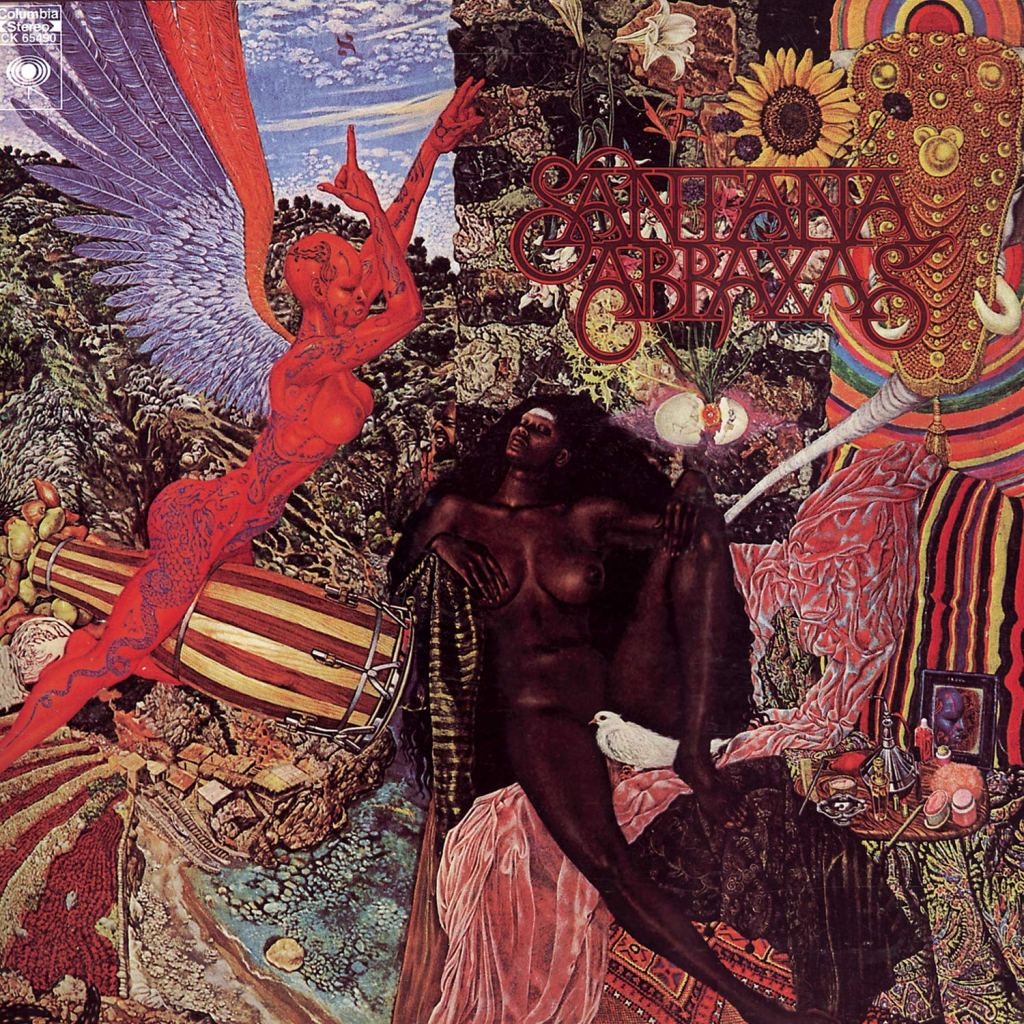
Released on September 23, 1970, Abraxas is another special album. Despite an initial lack of attention and acceptance from many in the music press, the attention the band garnered from the Woodstock film, the success of the “Evil Ways” single, and the striking cover soon propelled this album to number one on the album charts making the album a staple in many early 1970s record collections. This is another one of those albums you turn down (or off) the lights to listen to. The opening track is dramatic and provides an imposing and remarkable beginning to an amazing, whirlwind musical experience.

If: If

Though often labelled as jazz-rock, this first of several albums by If, released in September 1970 is as much British progressive rock as it is jazz-rock. Similar in some respects to early Jethro Tull and Genesis, the musicianship is solid and the music is engaging. I picked this album up when it came out after reading a postive review of it in the L.A Times, expecting that it might be similar to Chicago or Blood, Sweat and Tears, and didn’t fully appreciate if for what it was, mostly listening to it as background while studying or reading. Listening to it again, almost fifty years later, I much better appreciate it’s abundant qualities and strengths.

Jackson Five: Third &

Allman Brothers Band: Idlewild South

There are two other albums released in September of 1970 that require a brief mention. The first is the Jackson Five album, their third album, simply titled Third. As I was starting my sophemore year in school, the biggest slam one could throw (“dis” in modern parlance) at someone was either they were a freshman, or worse, they were a freshman and put on a Jackson Five album when they went home. Nothing was more uncool musically. And yet, when riding on the bus, one couldn’t avoid (and very embarrassing, and something I would never admit until now too old to care about being cool) liking the music. So it was with “I’ll Be There” which I heard over and over again. I never listened to any Jackson Five album until recently — but now listening to them as I go through the timeline of albums that are celebrating their fiftieth year of existence. Of course, it helps that I am married to someone that was a fan of Michael Jackson when growing up.

The other album I must mention is the Allman Brothers Band’s Idlewild South album, released September 23, 1970. Although often pigeonholed as an early Southern Rock album, or even as Southern Blues-Rock, it is so much more. The opening incorporates jazz elements and anticpates groups like Dixie Dregs. Yes, when the vocals start, the music becomes more conventional and less interesting — until the next instrumental excursion. And basically, that is the strength of this album: it’s instrumental passages.
Fifty Year Friday: Spirit, Led Zeppelin, Turtles, Pink Floyd, Renaissance, Pentangle

001 spirit cover_2425168112016_r

Spirit: Clear

Spirit probably would have made the big time if they had played at Woodstock as planned, possibly right before Hendrix and his band played the festival’s last set. As it was, the band ended up going on a a multi-venue promotional tour. To make matters worse, lead guitarist/singer/songwriter Randy California  who had previously played with Jimi Hendrix for three months (it was Hendrix that give the originally named “Randy Wolfe” the new last name of California to distinguish him from Randy Palmer whom Hendrix named “Randy Texas”) and drummer/singer/songwriter Jay Ferguson begin to have differences of opinions on the style and direction of the band.  In the middle of all of this,  Spirit released their third studio album, Clear, an album with elements of early prog, blues-rock and psychedelic rock.  “Dark Eyed Woman” is probably the best known track, but the album contains two quality instrumentals on side two and has generally good, though not world-changing, material overall and some quality guitar work from Randy California.

0001 led-zeppelin-ii-front

Led Zeppelin: Led Zeppelin II

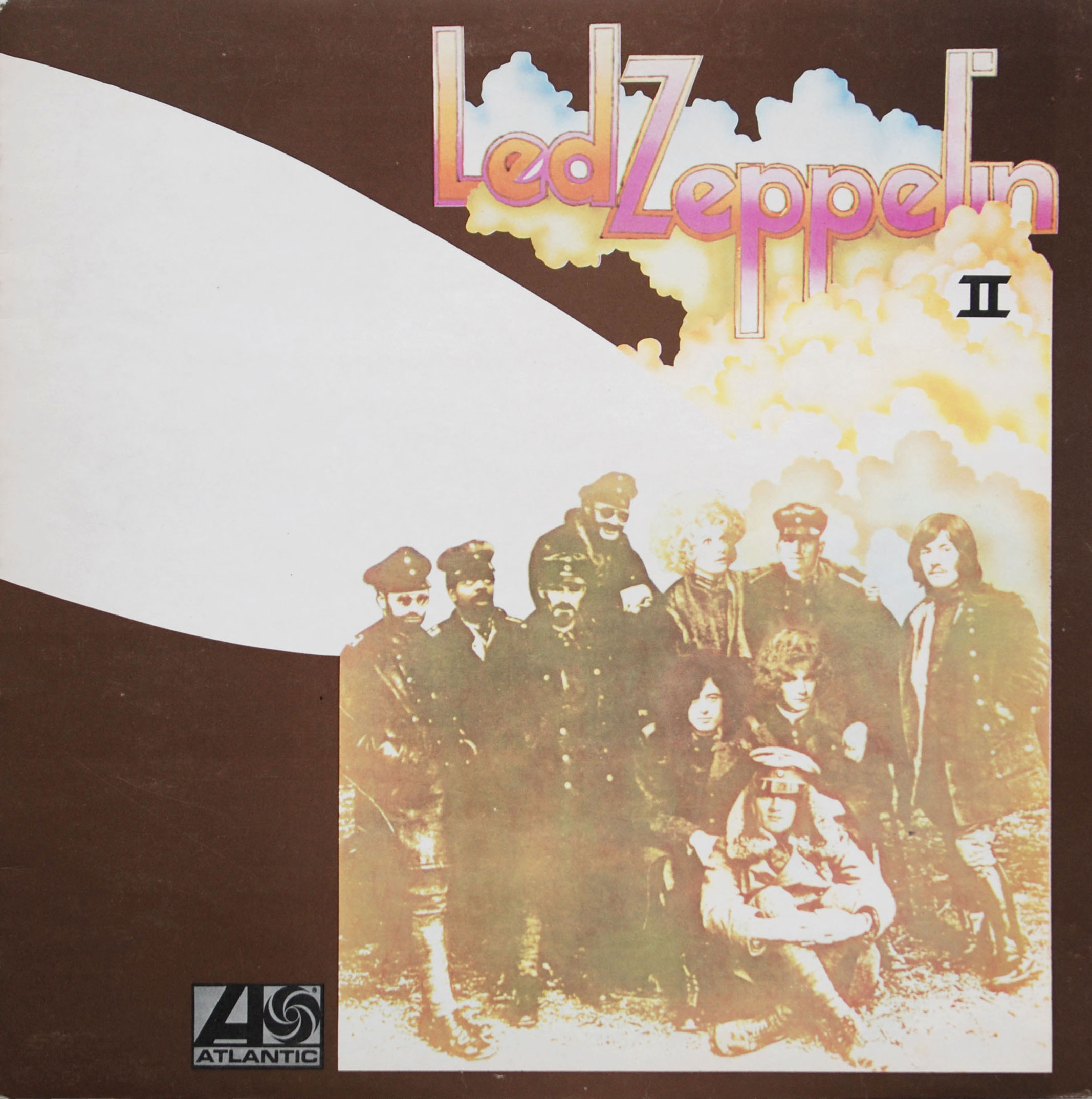
On October 22, 1969, Led Zeppelin released their second studio album, more polished and musically interesting than their first and a undeniable success commercially, reaching #1 on the charts in the U.S., U.K., Canada, Australia, Spain, Denmark, and Holland. Included is “Whole Lotta Love”, “Living Loving Maid”, the passionate ballad, “Thank You”, and “Moby Dick” which features a drum solo that always brought to my imagination the virtuosic dribbling of a basketball. Though Led Zeppelin would get even better, this is a pretty good album, full of energy, life, and creativity.

001 turtles R-11650874-1520129954-8395.jpeg (2)

The Turtles: Turtle Soup

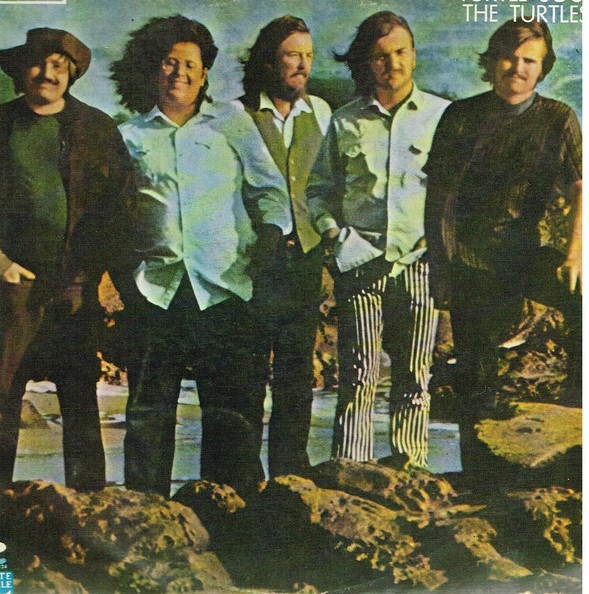
While newer groups are making significant commercial inroads, some older groups are winding down.  The Turtles released their last of five albums, an album very much in the style of the late sixties, closer to 1967 or even 1966 than late 1969.  That said, this is a fairly decent album with some good acoustic guitar work on the first side. Also of interest, is that the album is produced by The Kink’s Ray Davies, and one can hear this in several songs such as in the opening of “The House on The Hill.”  The most interesting composition is “John and Julie”  which includes added strings that enhance the qualities of the song. The one track on the album to get any notable airplay is “You Don’t Have to Walk in the Rain” which shares a few too many similarities with their 1968 hit, “Elenore” — such blatant mimicking of a previous hit, though, is not new for the Turtles, whose 1965 single, “Let Me Be”, followed almost immediately after the success of “It Ain’t Me, Babe”, sounding suspiciously similar.

This final studio album, though, did not mean an end for the Turtles, for their very best songs reflected the sixties so well, that they were not quickly forgotten — this is particularly true of their best song, and only number one hit, “Happy Together.”

00001 umma R-1645802-1303411599.jpeg.jpg

Pink Floyd: Ummagumma

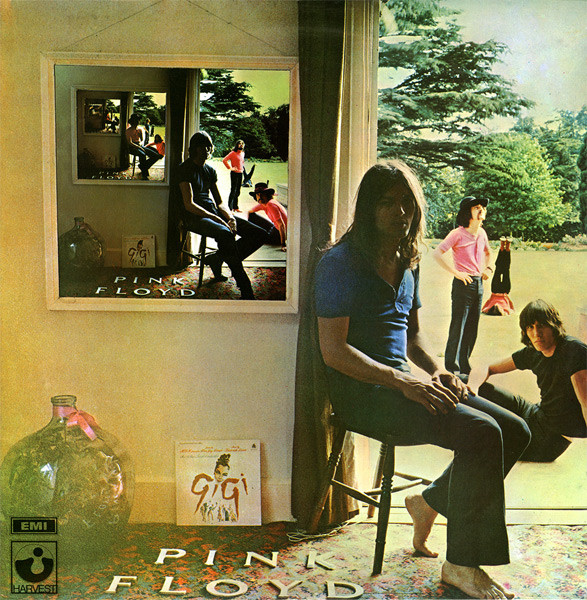
Released on October 25, 1969 in the U.K. and in early November in the U.S., Ummagumma (pronounced “OOH-ma GOO-ma”) is a two record set, the first LP containing material recorded live in April and May 1969 and the second an interesting collection of individual contributions, both in terms of authorship and performance, from the band.  The first side is an indispensable document of 1969 Pink Floyd live, performing some of their earlier psychedelic space-rock classics, and serves as the main attraction of the album.  The second LP which showcases each band member’s individual efforts, has its moments, but clearly the group is much better together than as isolated soloists. Nonetheless, this set of solo offerings on the second LP is still more interesting than most avant-garde and exploratory music of its time.

0001renaissance (2).jpg

Renaissance: Renaissance

The first iteration of the newly formed band, Renaissance, formed by two former Yardbird band members, Keith Relf and Jim McCarty, released their very first album in October 1969. From the start, with John Hawken’s classically-influenced piano, the listener knows this is a special album. Relf and McCarty had tired of the heavier rock sound of the Yardbirds and were looking to blend folk, rock and classical elements — and classically-trained Hawken was a perfect fit for their vision.  Most of the material is has a fresh, progressive tone to it, effectively mixing rock, jazz, folk, pop and classical elements including incorporation of material from Rachmaninoff, Chopin and Beethoven’s Pathétique Sonata.

001 pentangle R-810613-1389269137-5935.jpeg (2)

Pentangle: Basket of Light

Released on October 26, 1968, this is the most commercially successful album for Pentangle and one of their best.  It opens with a Brubeck-like “Light Flight” with its off kilter meter of 5/8 and 7/8 with a 6 beat middle section. Quite the composition, it was the theme for the BBC’s “Take Three Girls” about three young woman in hip and swinging 1969 (to 1971) London.

The rest of the album is a mix of rearranged folk songs and new compositions, all performed beautifully and artfully on acoustic instruments with lead vocals distributed between Jacqui McShee, Bert Jansch, and John Renbourn.   A good album to start with if you haven’t devoted much time listening to Pentangle or wish to enjoy some quality English Folk Rock.

Fifty Year Friday: Sharon Tate, Donovan and Harry Nilsson

001 sharon-tate-us-actress-circa-1965-news-photo-139630079-1563992552

Fifty years ago, the world lost actress and model, Sharon Tate, and three of her friends on Aug 9, 1969.  This event put fear into celebrities and residents of Santa Monica Mountains/Beverly Hills area of West Los Angeles and Sherman Oaks.  As a 14 year kid, living forty miles away in Orange County, California, listening to the TV news on Saturday night, while my parents were away, it even sent a cold wave of fear into the deep recesses of my own inner being.  On August 11,  the LaBianca homicides were announced by the LAPD.  On August 12, the LAPD indicated the two sets of murders were not connected, making this even scarier. Eventually the same brutal murderers of both these tragic events were identified, caught, and tried with full national coverage.

It was the beginning of the ending of the innocence associated with the flower power movement.  Just as the establishment was being tarnished by the Vietnam war, The psychedelic era was now tarnished.  Just as Nixon was initiating the withdrawal of Americans from Vietnam, the peak of the psychedelic era of rock music had been achieved and was now on a decline.  There is no better representation of this start of this end of this sixties musical era than the once-Dylan-copycat-turned-melodic-and-modal-modern-musical master of Flower Power music, the author of “Sunshine Superman” and “Mellow Yellow.”

Donovan: Barabajagal

donoban_bara

I was a big Donovan fan, amazed by his skill and range of variety as exhibited in albums like Hurdy Gurdy Man and in songs like “Wear Your Love Like Heaven” and the pacifist-themed “Epistle To Dippy.” Donovan was a once-in-a-generation genius.

So, saving up my allowance, no longer relying on listening to whatever albums my sister bought, I purchased Barabajagal FOR $3.99 in late 1969 when first seeing it in the record bins in K-mart.

And I was disappointed.

Much of the music is repetitive using basic harmonies and major-scale melodies with rather silly lyrics. “Atlantis” seems to last forever, with its spoken narrative and endless chorus at the end — a shadow of what the Beatles did with “Hey Jude.”

Yet, the album was not hopeless: many top musicians appear here and there including Jeff Beck, Lesley Duncan, Madeleine Bell, Aynsley Dunbar, and one of my favorite session rock pianists, Nicky Hopkins. Moreover, it the perfect album for children particularly with tunes like “I Love My Shirt” and “Happiness Runs” and, for older listeners, has one strong, wistfully beautiful ballad, “Where She Is.”  Also worth noting is the inclusion of what can best be termed as an example of a mimicry of American post-ragtime, roaring twenties dance hall and British music hall popular tunes exemplified by songs like Geogg Stephen’s “Winchester Cathedral” and Paul McCartney’s “Honey Pie” — the last track on the album, “Pamela Jo”

One of the strongest lights of the sixties was beginning to lose it’s lustre: however, musical legends like Donovan Leitch always remain celebrated.  The remastered CD version of Barabajagal includes seven finished songs not included originally on the LP and eight quality demo tracks, several of which are far superior to the music that ended up on August 11, 1969 release of Barabajagal, so much so, that one should find of the remastered edition of Barabajagal quite satisfactory.  (Available at Amazon here.)   This is really Donovan’s last statement of the sixties as his next album, Open Road, recorded in early 1970, is without producer Mickie Most, and is a more band-oriented album than any of Donovan’s previous albums.

donovan

Personnel [from Wikipedia]

London

Los Angeles

The following musicians played on “I Love My Shirt”, “To Susan on the West Coast Waiting”, “Atlantis” and “Pamela Jo”:

harry R-1292302-1345303950-8869.jpeg

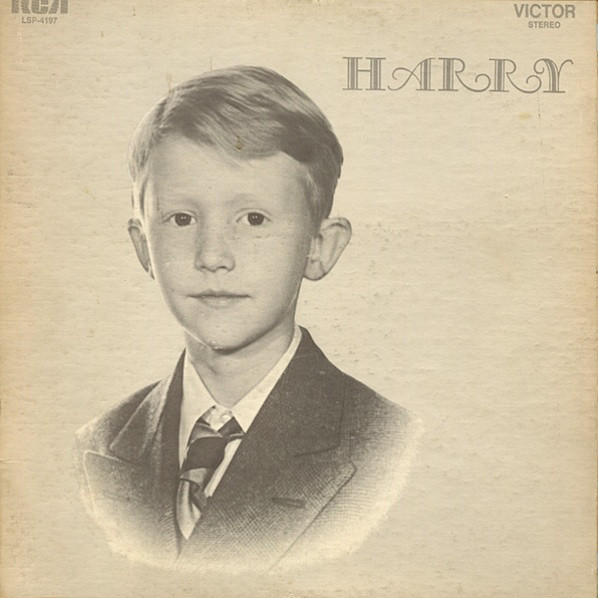
Harry Nilsson: Harry

An album also released in August of 1969, that includes several neo-ragtime/dance hall style of music tracks is Harry Nilsson, accessible and charming “Harry.” This is not rock in any sense, but joyous and often clever pop.  Composer Bill Martin is mostly responsible for the neo-dance hall tunes, and Nilsson himself contributes several quality compositions. A couple of nicely done covers of very familiar music is included (“Mother Nature’s Son”, “Mr. Bojangles”) as well as Randy Newman’s “Simon Smith and the Amazing Dancing Bear.”

No trace of psychedelia, flower power or acid rock here.  Perhaps another early sign that the sixties are coming to a close?

Track listing [from Wikipedia]

All tracks composed by Harry Nilsson, except where noted. All tracks arranged and conducted by George Tipton (* = produced by Rick Jarrard)

“The Puppy Song” – 2:43
“Nobody Cares About the Railroads Anymore” – 2:47
“Open Your Window” – 2:08 *
“Mother Nature’s Son” (John Lennon, Paul McCartney) – 2:42
“Fairfax Rag” (Bill Martin) – 2:14
“City Life” (Bill Martin) – 2:31
“Mournin’ Glory Story” – 2:13 *
“Maybe” – 3:10
“Marchin’ Down Broadway” – 1:05 *
“I Guess the Lord Must Be in New York City” – 2:44
“Rainmaker” (Nilsson, Bill Martin) – 2:47
“Mr. Bojangles” (Jerry Jeff Walker) – 3:53
“Simon Smith and the Amazing Dancing Bear” (Randy Newman) – 2:47