Zumwalt Poems Online

Posts tagged ‘Soft Machine’

Fifty Year Friday: March 1975

Hatfield and the North: The Rotter’s Club

Released on 7 March 1975, The Rotter’s Club is one of the finest progressive rock albums , delivering a rich blend of humor, virtuosity, and intricate composition that captures the essence of the era while being identifiably distinct from any other album of its time. As the second studio album by British avant-garde and progressive rock band Hatfield and the North, it succeeded their self-titled debut (1973), which established them as a prominent figure in the Canterbury scene. But The Rotter’s Club marked a progression, both musically and conceptually, toward an even more refined and ambitious sound. It is a record that not only brings together various aspects of jazz, rock, and classical music but also emphasizes the playful and eccentric side of progressive rock, a nice contrast to the overly serious, often over-reaching and sometimes pretentious reputation ascribed to it by is staunchest critics.
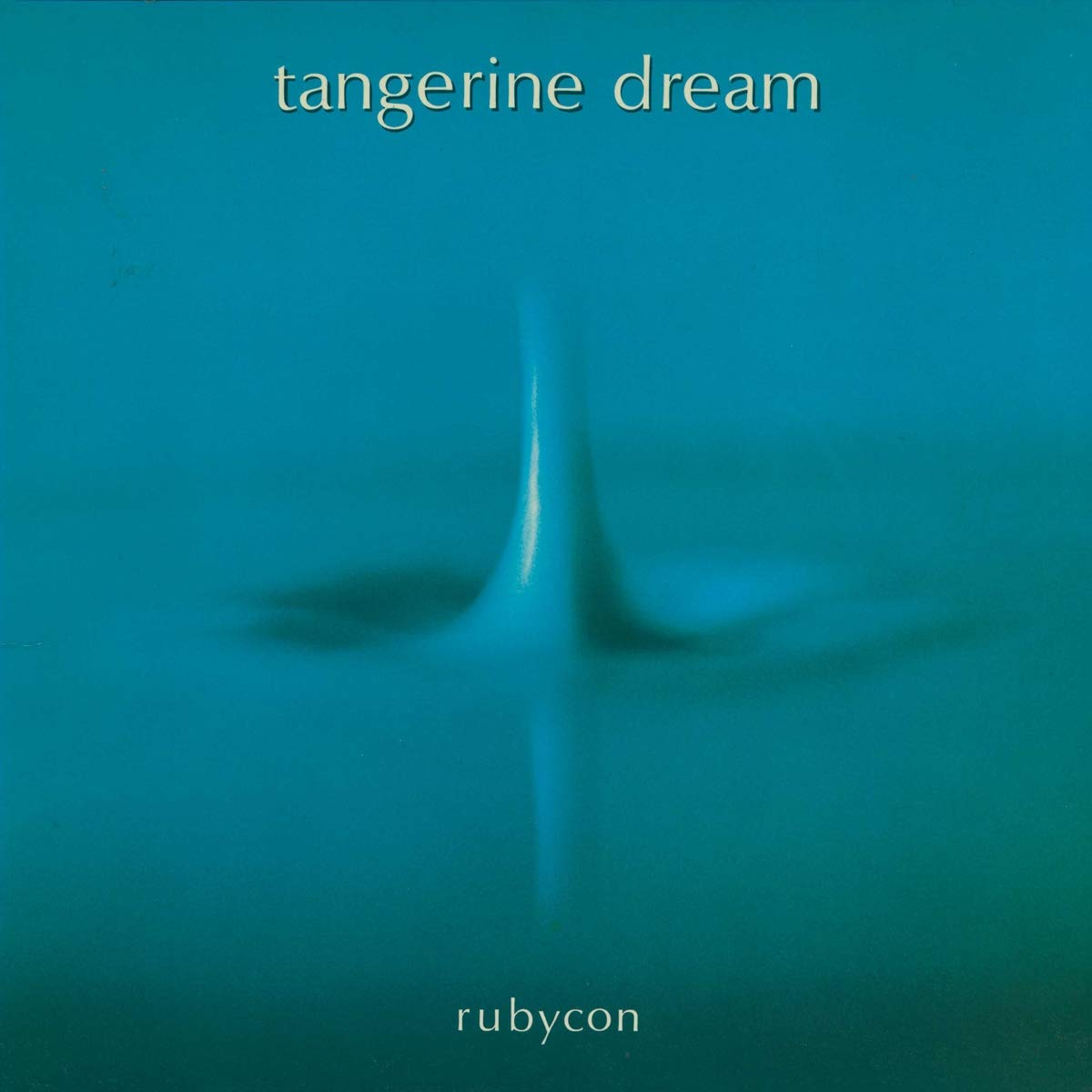
Tangerine Dream: Rubycon

With the release of Rubycon on March 21, 1975, Tangerine Dream delivered their fourth studio album, a fully realized version of their relentlessly driving “Krautrock” industrial, high-tech, space music. While Rubycon clearly evolves from their previous album, Phaedra, it represents a leap forward, much like the internet is to the stone tablet. Whether Tangerine Dream’s change in direction was influenced by considerations about what musical characteristics would work best for film soundtracks and greater audience engagement, or whether it was partly inspired by the success of Kraftwerk, Rubycon marks the undeniable establishment of a new genre of music — one distinct from anything that came before it. Tangerine Dream’s flirtations with Stockhausen and other electronic composers led them in a direction that was as different from the contemporary world of so-called “classical” and “serious” music as that music was from the tonally extended late Romantic music. What emerged was something accessible, mesmerizing, hypnotic, and directly relevant — an exciting departure from the avant-garde style that, for most of the listening public, had become irrelevant.

Rick Wakeman: Myths & Legends Of King Arthur and the Knights of the Round Table

Rick Wakeman’s King Arthur, released March 27, 1975, is filled with interesting keyboard and instrumental passages that should interest most progressive rock fans. Though the vocal sections are not exactly comprised of tunes your likely to sing on your own or even along with — they functionally provide narrative, much like Baroque and Classical Era recitatives and, overall the album works well as a dramatic experience. An alternative to the original, with much better overall sound and additional musical content (which had to be left off the original single LP due to time constraints) is the 2012 two-CD version. If you haven’t hear either, best to go for the updated version with the extra material and superior production.
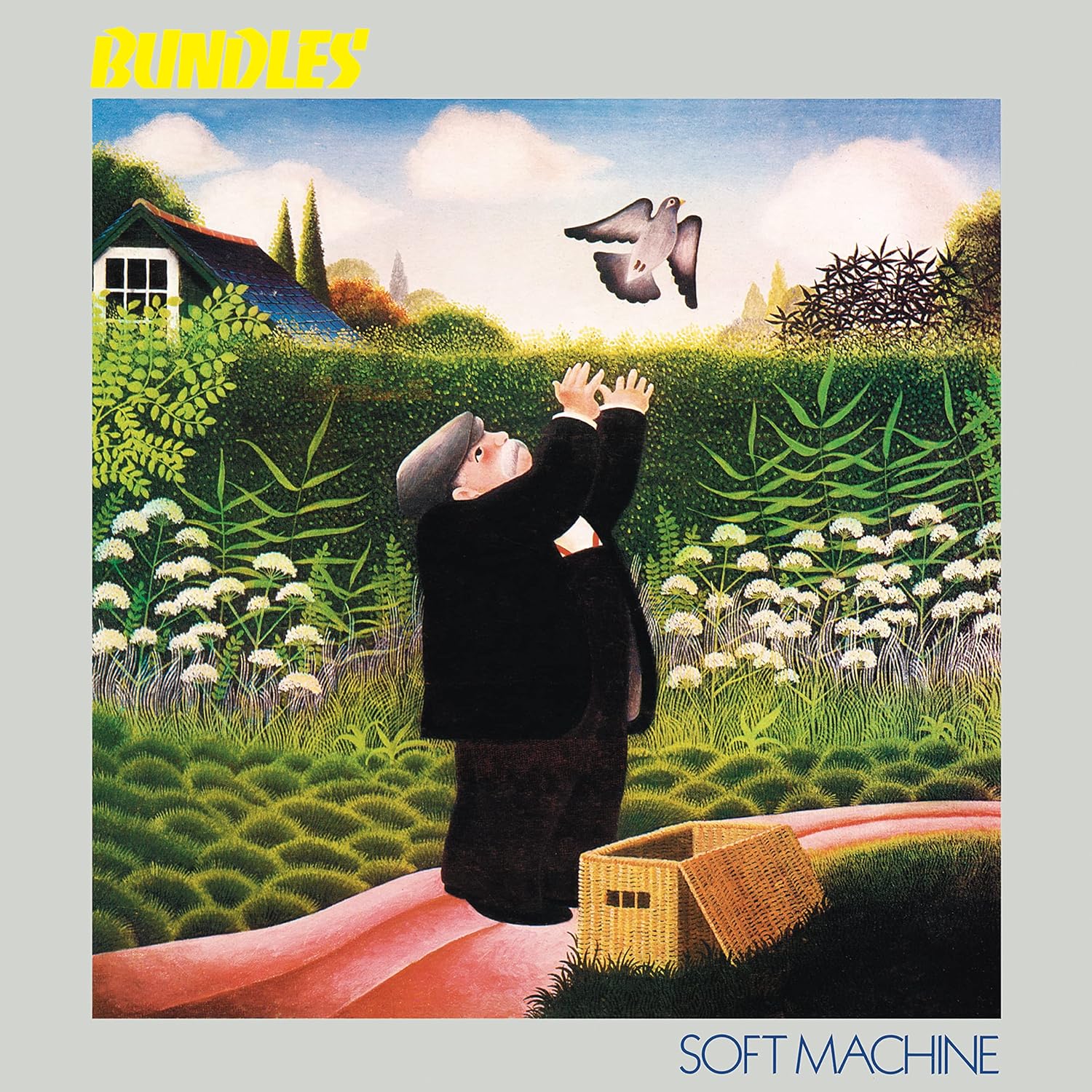
Soft Machine: Bundles

Released in March 1975, Soft Machine’s Bundles is successfully melds an electronic jazz-rock sound with compatible prog-rock elements. The addition of guitarist Allan Holdsworth. known for his fluid, virtuosic playing, injects the album with a fresh intensity, particularly notable in the multi-track Hazard Profile, a nineteen minute five-part suite that showcases Soft Machine’s new direction inclusive of Holdsworth’s soaring guitar work supported by a propulsive, energetic rhythm section. Side one concludes with Holdsworth’s acoustic and beautifully introspective “Gone Sailing.”

Side two is equally compelling with the first four tracks seamlessly blending into a a single experience. The next track, “Four Gongs Two Drums” provides a short percussive intermission, with hints of Indonesian Gamelan followed by the final track, “The Floating World”, a reflective, drifting, neo-Impressionistic composition that gently glides the listener through a bliss-invoking, peaceful and relaxing musical state, providing a fittingly tranquil, dreamlike-end to this excellent album.

Steely Dan: Katy Lied

Donald Fagan and Walter Becker follow up the classic Pretzel Logic album, with another strong album, rich with jazz-flavored chords, Katy Lied, released in March of 1975. Though not strictly a concept album, the album sounds musically unified and could be considered a song cycle of sorts, justifying the term “lied”, a German term applied to art songs, giving us an additional meaning underneath the mysterious reference to the “Katy tried” and “Katy lies” lyrics in the fifth and final track on the first side, “Dr. Wu.”
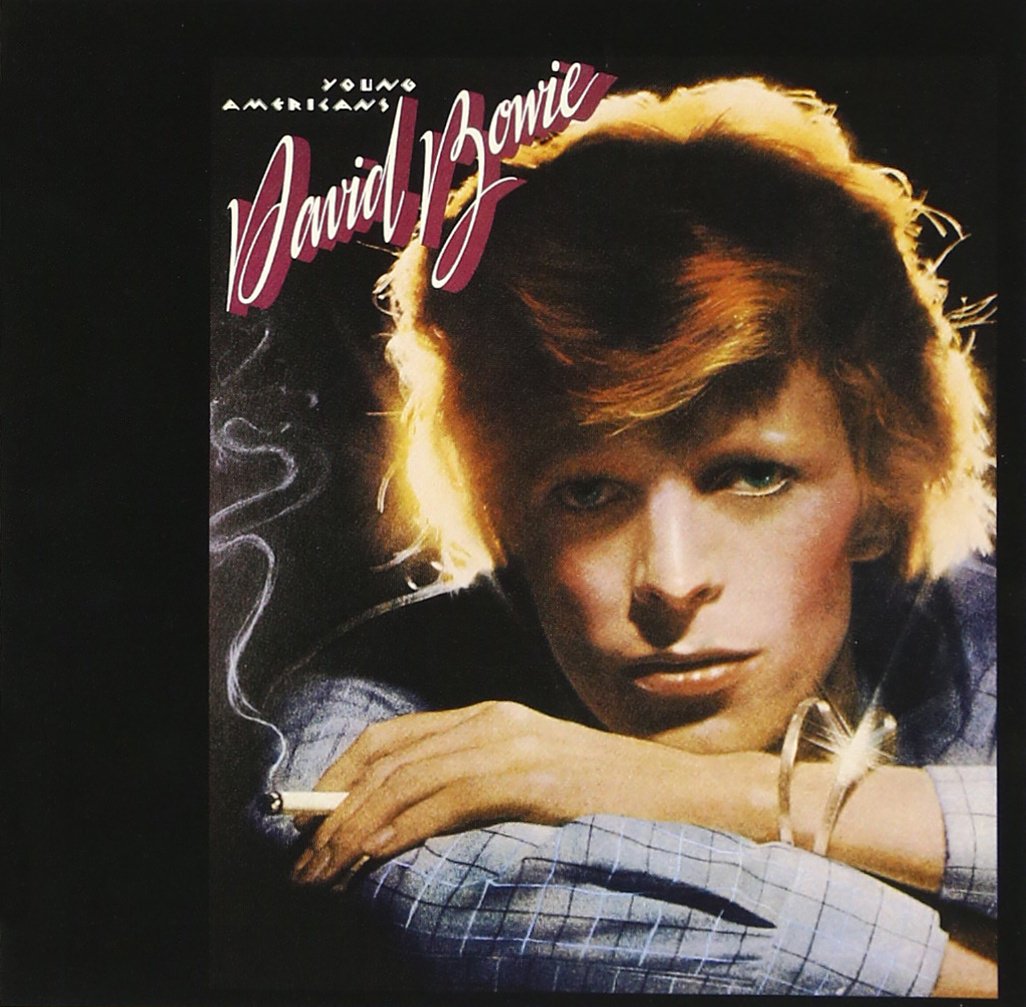
David Bowie: Young Americans

With his ninth studio album, released March 7, 1975, once again, Bowie takes off in another musical direction, extending the elements of soulfulness found in Diamond Dogs and in “Lady Grinning Soul” from the earlier Aladdin Sane, into an all-out exploratory, high-art treatment of American soul music. The arrangements are sophisticated, with Tony Visconti deserving similar praise as Bowie for his musical versatility and with strong contributions from Carlos Alomar and additional input from a twenty-three year-old Luthor Vandross. The strongest track, “Fame,” was initially based on an Alomar guitar riff, with John Lennon, who was visiting the New York Electric Ladyland studios, assisting David Bowie in the authoring of the song by providing his sarcastic, ironic, and pessimistic take on the vagaries of fame.
Fifty Year Friday: February 1971

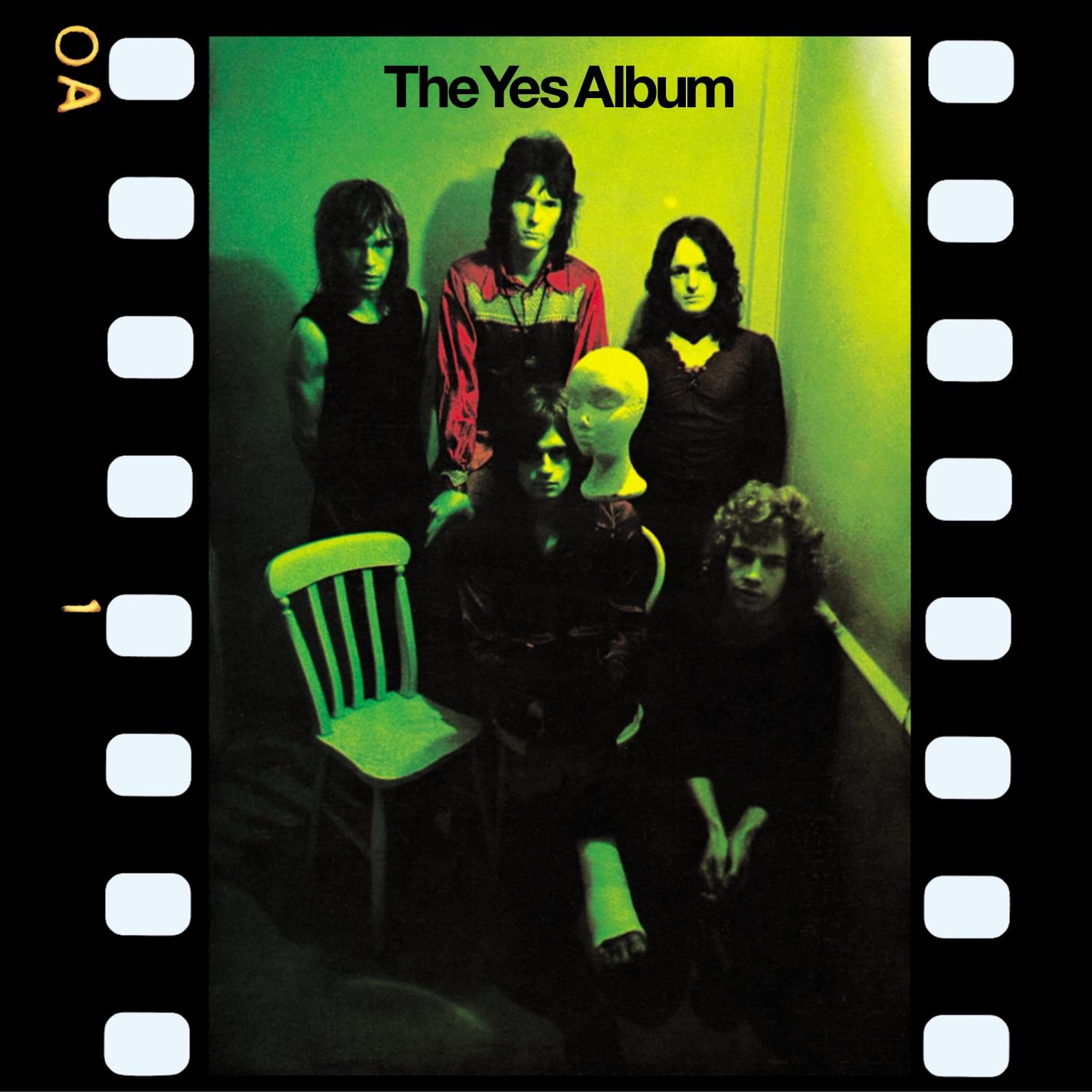
Yes: The Yes Album

With addition of Steve Howe replacing Peter Banks on guitar, The Yes Album, released on February 19, 1971, is the first truly full-throttle Yes album, essential to lovers of both rock and progressive rock. The album’s first track, “Yours is No Disgrace”, unfolds much like one of those classical music gems of 19th century nationalism creating a sense of expectation of musical discovery or an exploratory musical journey, starting with Bill Bruford on drums reinforcing Chris Squire’s bass line (giving it a particular metallic edge) joined by a counter-motif from Tony Kaye on organ that shifts into the opening melodic passage soon joined by propelling, exhilarating guitar work from Steve Howe. Vocals, and a corresponding new musical section, arrive and within the first two minutes the album establishes its essential place in rock music history. Thematic contrast, thematic transformation, and thematic development are all present in the remainder of the track, but even more important the music is strikingly interesting and compelling.

The rest of the album is just as essential and compelling with Steve Howe live on solo guitar on “The Clap”, the landmark “Starship Trooper” which still gets airplay today, fifty years later, the accessible “I’ve Seen All Good People”, an edit of which received heavy AM airplay in the last three months of 1971, the bouncy and engaging “A Venture” which looks both backward and forward to their previous and their next albums, and the near-epic “Perpetual Change”, with its soaring, recurring bridge section that connects the two main melodies and the contrasting middle section with its first part a jazz-like guitar excursion and the second part another of those distinct Bruford/Squire pairings that represents one of the most identifiable aspects of the classic Yes sound. As with their next two albums, this album thrives on repeated listenings and never disappoints when revisited, whether five years later, fifteen years later, or fifty years later.

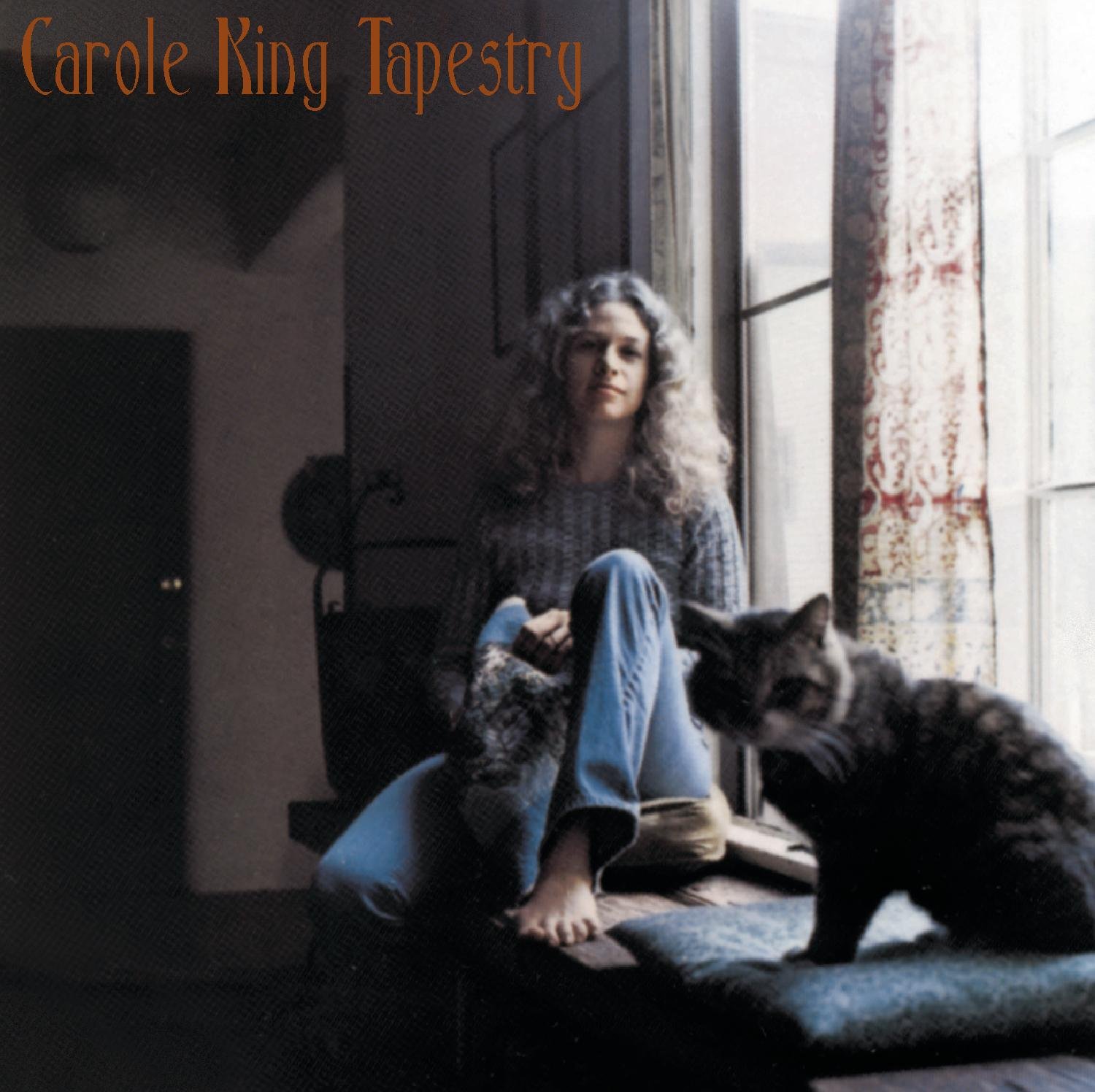
Carole King: Tapestry

Although, The Yes Album is my personal favorite, by far, of February 1971, my admiration for Carole King’s Tapestry, her second solo album, released February 10, 1971, and containing one strong track after another, is unbounded. It wasn’t so cool as a sophomore guy in high school to be a fan of artists like Carol King, Joni Mitchell or Carly Simon, but thank goodness these albums were in the record collections of some of my female friends and it didn’t take much to fall in love with this music. Tapestry is possibly without equal in its commercial impact, and the resultant empowering of woman singer songwriters, garnering Grammys for Album of the Year, Song of the Year (composition), Record of the Year (single performance/production) and the category of Best Pop Vocal Performance, Female. Although “You’ve Got a Friend” is arguably the best composition, “So Far Away” is my personal favorite. How about you? What’s your favorite track?

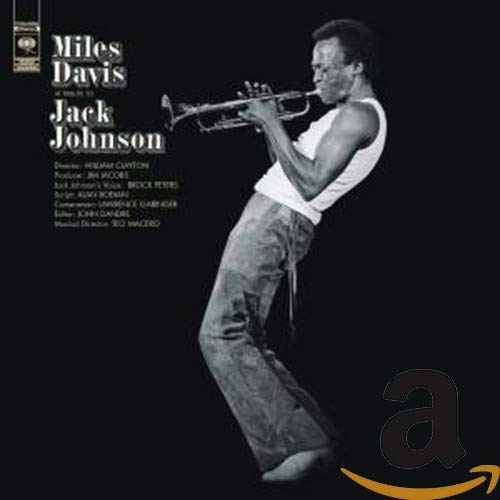
Miles Davis: Tribute to Jack Johnson

In 1969, Miles Davis boldy proclaimed “I could put together the greatest rock ‘n roll band you ever heard,” and in spirit and attitude, this is definitely Miles Davis’s truest pure rock album even if it doesn’t overshadow all the rest of the fine rock albums of the 1970s. Davis is backed by talented jazz musicians, and though Davis and Teo Macero are primarily responsible for the finished product, the rock essence of the album is also largely due to the rhythm section of Michael Henderson and Billy Cobham with Jon McLaughlin on electric guitar the sum of which concretely establish the undeniable rock textures of this album. This isn’t song-oriented or prog rock, but closer to the blues-rock excursions of Hendrix and his Band of Gypsies.

For both tracks on the original LP, the chords changes are minimal, providing maximum freedom for the improvisors. Particularly interesting is side one where the piece stays in the chord E (or E7) major for the first several dozen bars with Miles making an impressive entrance playing some of the the hardest-edge trumpet imaginable. Often mentioned about this track is when McLaughlin modulates from E to B-flat (the most distant key — with tonic centers a tritone apart) and bassist Michael Henderson continues to stay in E creating an unintended but serendipitous dissonance for several bars until Miles Davis aggressively emphasizes the current key of B-flat, at which point Henderson catches up with the rest of the musicians. Macero edited the two tracks totaling around 53 minutes of music on the album from over six hours of original source music. To access the original source music one can purchase or listen to the 5 CD Complete Jack Johnson set of these sessions available on streaming services like Spotify.

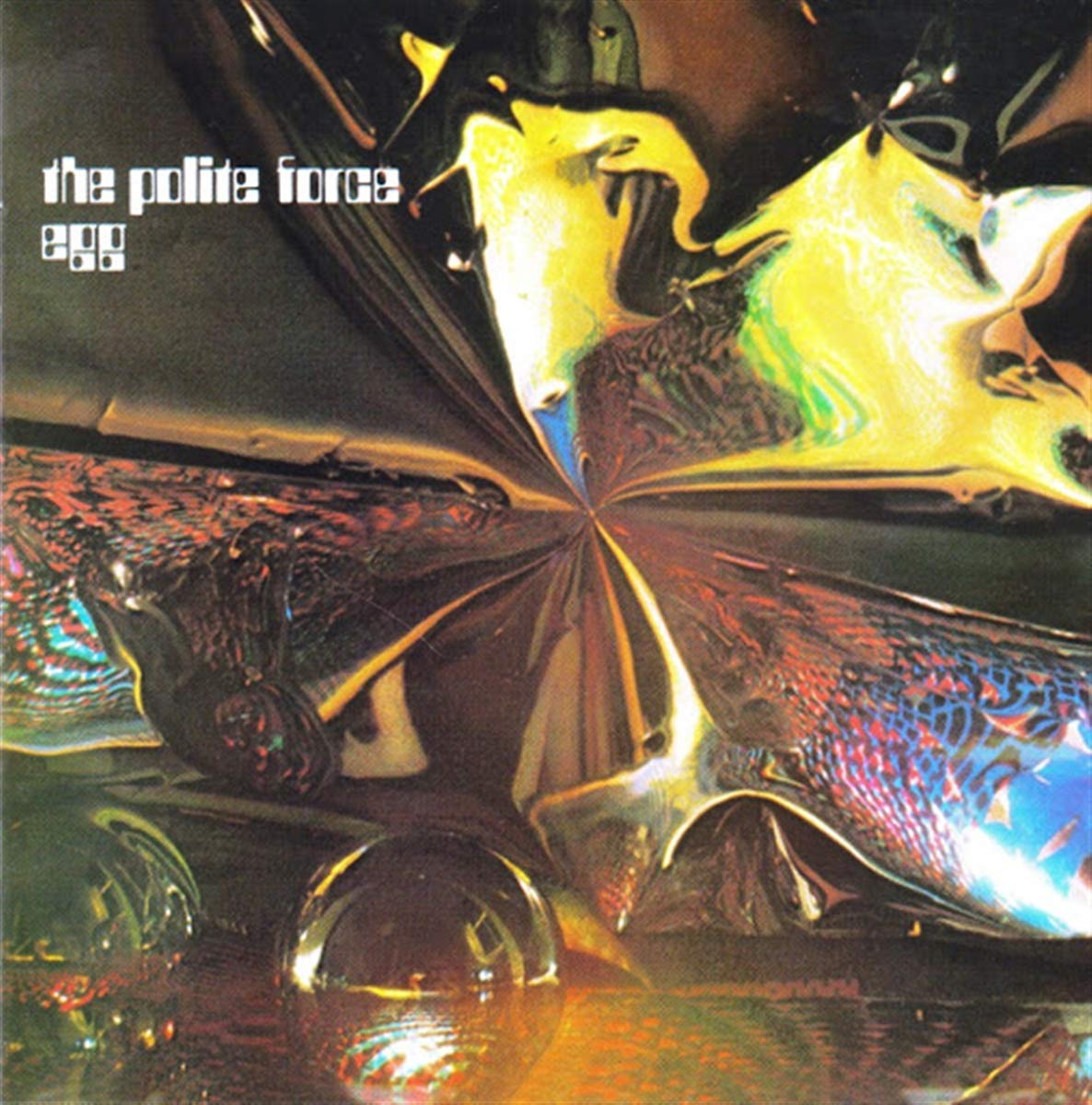
There are several other notable albums including Soft Machine’s jazz-based first all-instrumental fourth album, Fourth, Egg’s mostly instrumental, often-engaging, and always progressive The Polite Force with its wonderful mixed-meter second track “Contrasong” and exploratory, also mixed meter, second side with “Long Piece No.3” parts one, three, and four being particularly notable, Earth, Wind & Fire’s self-titled positive-vibe, love-infused first album, Rita Coolidge’s self-titled debut album, Barbra Streisand’s first foray to engage a younger, hipper audience, Stoney End, Carly Simon’s first album, Carly Simon, and David Crosby’s distinctly Crosby-like debut solo album, If I Could Remember My Name.

Fifty Year Friday: June 1970 Part Two

3 front

Soft Machine: Third

On June 6, Soft Machine released their third album, a two-LP set recorded in April and June of that year — one of the best early progressive rock albums — with each side containing a single selection, and each selection distinct in approach and content.  This is not music for the casual listener — it requires attentive listening to fully reveal the variety of musical wealth contained on each side.  Though heavily influenced by jazz, free-jazz, and contemporary electronic classical music, its foundation is solidly Canterbury-scene progressive rock, even if that scene was still being defined at that time, with a large contribution of that definition from this album.

The first side is a mix of mostly live material and some studio content with some creative mixing and overlaying, particularly at the end of the track, which effectively brings the colorful musical narrative to a close.  Side two is more along the lines of Frank Zappa’s style of progressive jazz-rock and though less introspective and intriguing then side one, is very accessible and animated, providing that cathartic surge when gets from an invigorating progressive rock instrumental.

Side three is a typical Robert Wyatt brimming over with his atypical songwriting. The work is filled with an assortment of Wyatt melodies artfully reduced to a unified whole that narrates what may be real-life-based reflections on a recent “convenient” relationship while conveniently staying in New York state. Side four is another adventurous instrumental with a dramatic synthesizer introduction that perhaps had an influence on the introduction to Yes’s Close to The Edge.

Ptah,_the_El_Daoud_(Alice_Coltrane)

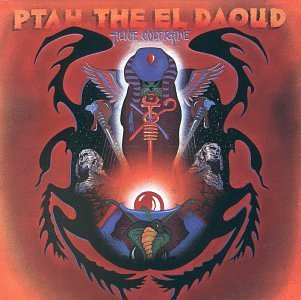
Alice Coltrane: Ptah, the El Daoud

Alice Coltrane provides a brilliant album of post-bop modern structured jazz that includes some free jazz elements, leaning overall towards a more traditional post-bop experience, with each track having a distinct character and style.

The title track, “Ptah, the El Daoud” (Ptah, the beloved) is named after the Egyptian god that existed at the very beginning of existence (way before the internet) and created the universe, also, it seems, on the hook to ensure that universe’s ongoing maintenance. Ptah was particularly associated with craftsmen, architects, and other creative types. As Alice states in the liner notes, her intent with this track was to express the concept of spiritual purification.  Ron Carter opens up the work, followed by Alice on piano and drummer Ben Riley, immediately joined by a pair of saxophones: Joe Henderson playing on the left side of the stereo field and Pharoah Sanders on the right.  The music is march-like, representing the quest for purification — in the words of Alice Coltrane,  “the march on to purgatory, rather than a series of changes a person might go through.” Henderson and Sanders provide somewhat free, exploratory soloing, but the music is kept on its given path primarily through Coltrane’s piano work supported by allied bass and drums.

“Turiya and Ramakrishna”, is a soulful bluesy piano-led work accompanied by bass and drums. The Turiya in the title is a Sanskrit word that in Hindu philosophy represents pure consciousness — the consciousness that occurs whether sleeping soundly, dreaming or waking. Ramakrishna was a nineteenth-century Hindu mystic revered for his spiritual ecstasies, and his message of love and individual religious devotion.  Though the inspiration for the work originates from India, the music is solidly American jazz, intimate in nature and scope as if spontaneously created during the last set inside a dark, intimate nightclub with just a few devoted and spellbound listeners left to enjoy the final music of the last hour of the extended evening.

On the third track, Alice switches to harp, and Henderson and Sanders are on flutes for an evocative work titled “Blue Nile”, a magical seven minutes of ethereal, impressionistic jazz.  The final track, “Mantra” at sixteen and a half minutes ends side two providing an uplifting and exploratory listening experience that comes closer to free jazz than the first track, but yet with a strong sense of structure and purpose culminating in a rich musical encounter true to the overall spiritual tone of the entire album.

WorkingmansDead_Cover

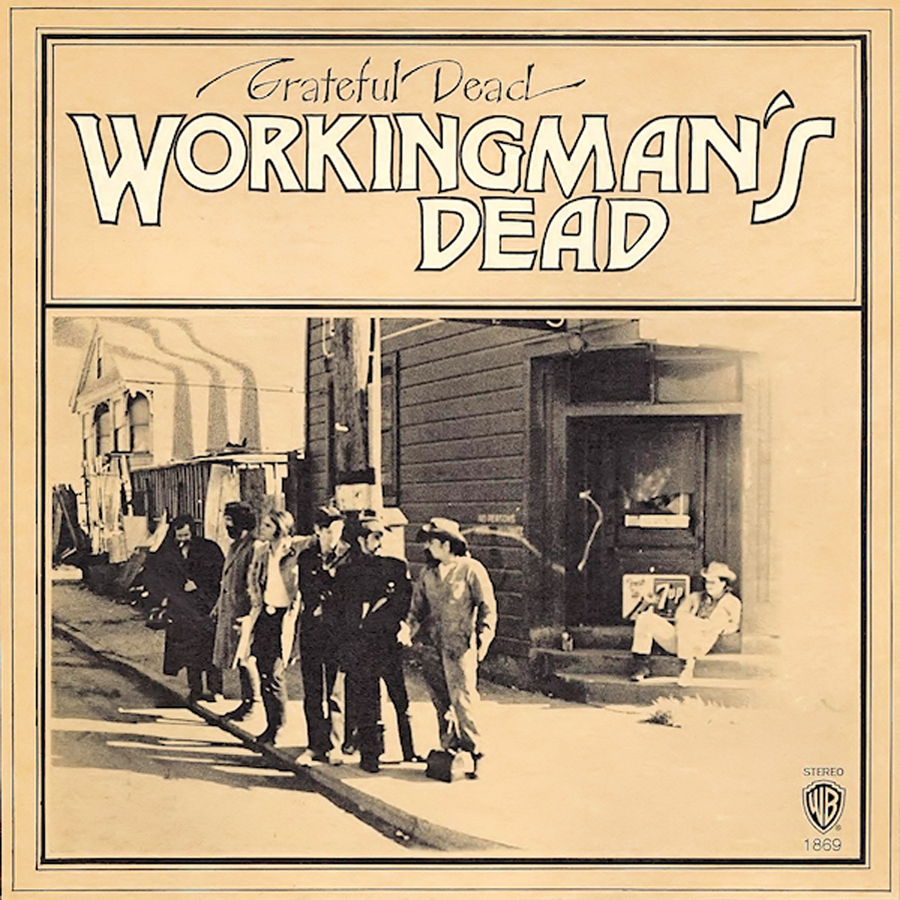
Grateful Dead: Workingman’s Dead

Grateful Dead releases the classic Workingman’s Dead, an album more representative of Kentucky than northern California, with the music being a mostly acoustic mix of bluegrass, country-ragtime, blues, and country-rock,  performed lovingly and with sparkling energy.

Bob Dylan: Self Portrait

Bob Dylan released Self Portrait, a two-LP album, an album I noticed over and over in people’s record collections at the various parties I attended. It sold pretty well, reaching number 4 on the Billboard album chart at going gold. I,  myself, was tempted to buy it on a number of occasions, as I really liked the cover.  For whatever reason, I never did, and to this day, have not yet heard it in its entirety.  I guess it’s clear I am not a big Dylan fan. To each their own, I suppose.

raree R-12474579-1536005342-4615

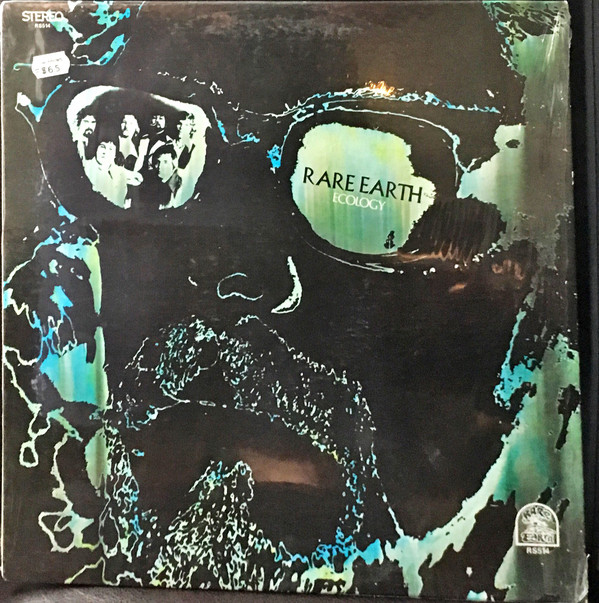
Rare Earth: Ecology

The same might be said about the Rare Earth laudably-titled Ecology album, also released in June 1970. Although I don’t think I ever saw this album in anyone’s record collection (as the case with the Dylan Self Portrait album), there was a high likelihood that I probably would have never ever listened to it — and from 1970 to a few days ago, never did.  The difference in me making the extra effort to stream it and listen carefully to it was that I got to see Rare Earth live.  They were the opening act for the 1974 California Jam, but their performance was disregarded by many in the audience and those still arriving — if there were any still arriving — my friend and I were so close to the front we paid little attention to what was behind us. For my own part, I sat and attentively listened to and watched Rare Earth, contently enjoying the performance despite distractions.  So, I thought it appropriate to make the effort to stream the Ecology album and see what I thought of it fifty years after it had been released.  And just as I was pleasantly surprised with Rare Earth’s performance at the California Jam, I find Ecology to be better than expected.  Though rated only three stars by allmusic.com, it is a well-produced album by a talented group of musicians.  Highlights are mostly the Tom Baird songs plus the interesting lyrics to John Persh’s “Nice Place to Visit” (“but you wouldn’t want to live here”)  — a lament about the narrator’s habit of visiting brothels — the lyrics available here: https://www.azlyrics.com/lyrics/rareearth/niceplacetovisit.html.

Rod Stewart: Gasoline Alley

If you are Rod Stewart fan, you may wish to celebrate the fifty-year anniversary of Gasoline Alley, released today, June 12, 1970. Despite Rod’s limited vocal range, and rough voice, and his habit or limitation of usually singing with limited tonal variety, there is something appealing about his song delivery.  In this album, he is supported by most of the Faces band members and some additional musicians.  This is mostly an acoustic album, and the playing and production are top-notch.

In part three for June 1970 (hopefully, next Friday) I will cover some additional albums, including some fine folk-rock albums, and any others I might have missed.  Who knows, maybe I will take the time to stream the Bob Dylan album!


Fifty Year Friday: The Canterbury Scene: Soft Machine and Caravan first albums

Establishing the starting point of progressive rock is a hopeless cause since elements of progressive rock appear in bits in pieces long before a general progressive rock style.  The best one can do is try establish the earliest date of the first progressive rock group. Some might argue that such an “earliest date” is established by the formation of the Wilde Flowers, a group of jazz-leaning musicians that took a crack at British Rock and Roll in 1964 and developed a more-or-less accessible, and even partly danceable style of music that foreshadows the music of the Canterbury scene — easily enough explained by the members of the Wilde Flowers all taking prominent roles in these later groups. Though no albums were recorded, we have a set of demos that have been released on CD and are currently available on You Tube.  Keep in mind that these were demos and not particularly representative of Wilde Flower live performances, which included some jazz-based improvisation.

Though I prefer to keep my distance from the term “progressive rock” as a label for a style of music, I support a concept of progressive rock representing the pushing of boundaries of status-quo music and breaking free of the constraints of commercial expectations, particularly when commercially successful as in the case of songs like the Queen’s “Bohemian Rhapsody.”  This means that any rock music, whether by the Beach Boys, the Beatles, Jefferson Airplane, The Doors, The Zombies or some other group from the mid or late sixties that goes past the minimal expectations of pop/rock to explore the passageways that naturally and unnaturally twist and spiral out into Robert Frost’s road not taken.  This is also why I am hesitant to consider some of the “neo-progressive” rock bands as notably progressive — such a use of the “progressive” label creates the ironic condition when applied to today’s musicians, of being indicative of a lack of progressiveness as they are trying to recreate an older style as opposed to pushing out to new territories. However, that said, quality and excellence is a more welcome and appealing feature in any music over progressiveness for the sake of sounding or being progressive. I will more readily listen to the post-romantic British symphony composers of the early twentieth century over many of their contemporary atonal composers.

The Wilde Flowers

Band members included, at various times:

softm1MI0001896961

The Soft Machine: The Soft Machine

The Soft Machine, named after the 1961 novel by William S. Burroughs (titled based on the nature of the human body) started as a quartet in 1966 that included Robert Wyatt and Kevin Ayers from the Wilde Flowers, and classically-trained keyboardist Mike Ratledge and guitarist Daevid Allen from the free-jazz group Daevid Allen Trio. Following a European tour in August 1967, Allen, an Australian, was refused re-entry into Britain due to a previous overstay on an earlier visit.  Allen returned to Paris, to later form the group Gong, leaving Soft Machine a trio. On the first Soft Machine album we also have  Brian Hopper and Hugh Hopper, prior members of The Wilde Flowers, appearing in the writing credits.

This first Soft Machine album is a mixture of psychedelic rock and jazz elements as in tracks like “Joy of a Toy”, based on “Joy to The World” and sounding more like early space rock than Christmas music. Robert Wyatt makes up for any shortcomings as a vocalist with his contributions on drums.

Interestingly, the post of this first Soft Machine album on YouTube (link) has a Dislike to Like ratio of .0257 in the same ballpark of the Beatles’ Sgt. Peppers (link) ratio of .0254 — compare that to the Beatles’ Abbey Road ratio of .15 (link) or Gentle Giant’s Free Hand of .030 (link)

Track listing [from Wikipedia]

Side one
No. Title Writer(s) Length
1. “Hope for Happiness” Kevin AyersMike RatledgeBrian Hopper 4:21
2. Joy of a Toy Ayers, Ratledge 2:49
3. “Hope for Happiness (Reprise)” Ayers, Ratledge, B. Hopper 1:38
4. “Why Am I So Short?” Ratledge, Ayers, Hugh Hopper 1:39
5. “So Boot If At All” Ayers, Ratledge, Robert Wyatt 7:25
6. “A Certain Kind” H. Hopper 4:11
Side two
No. Title Writer(s) Length
7. “Save Yourself” Wyatt 2:26
8. “Priscilla” Ayers, Ratledge, Wyatt 1:03
9. “Lullabye Letter” Ayers 4:32
10. “We Did It Again” Ayers 3:46
11. “Plus Belle qu’une Poubelle” Ayers 1:03
12. “Why Are We Sleeping?” Ayers, Ratledge, Wyatt 5:30
13. “Box 25/4 Lid” Ratledge, H. Hopper 0:49

The Soft Machine

Additional personnel

caravan R-11701362-1520895436-5771.jpeg

Caravan: Caravan

Also made up of band members from The Wilde Flower (Pye Hastings, David and Richard Sinclair, and drummer Richard Coughlan), Caravan started up in 1968 and released their first album about the same time as Soft Machine’s first album.  This would be the first British group signed to Verve records, the famed American Jazz label founded in 1956 by Norman Granz that not only carried the most jazz titles in their catalog of any label, but also was home to Frank Zappa and The Velvet Underground.

Even if one is able to somehow dismiss the first first two Nice albums or the first Soft Machine album as qualifying as fitting into the progressive rock genre classification (once again, I am making a distinction between between being considered progressive rock music and being classified under the prog-rock label), it is much more difficult to dismiss this first Caravan album. It is unfortunate that the balance and mixing of this album is dodgy at best, but the music more than compensates for this otherwise serious failing.

“Place of My Own” with its alternation between the dreaminess of impressionism and the insistent forward progress of a march creates a whole organic work of four minutes that is comparable in substance to a similar length classical or jazz track. With liberal use of keyboard arpeggios and emphasis on the instrumental section over the lyrics, Caravan creates an overall mood and character to the entire work giving it is own identity as effectively as bands like Yes and Genesis would do to many of their songs on their early albums.  This is followed by the Indian-influenced instrumental, “Ride”, the effective forward-moving and sometimes beautiful “Love Song with Flute”, and the quirky, mostly psychedelic Cecil Rons. ” However, the most notable piece is the nine-minute “Where but for Caravan Would I” which is co-written by Caravan and Brian Hopper (who also co-authored some of the tracks on the first Soft Machine album.)  It is epic in nature,  starting off with a relatively simple section, repeated, that modulates to a short contrasting section that quickly returns to the original section again before breaking out into a furious instrumental section dominated by organ that again returns to the original key and the altered and more intense original theme, which is followed by a more complex rhythmical section that nicely functions as the coda to bring the work to a satisfying and complete conclusion.  This is a template for the prototypical prog-rock track, laid bare without any unnecessary frills or complications, something easily grasped and enjoyed, and available to be copied with endless variation and development.  Yes, later groups would move well beyond this, but Caravan provides the necessary starting point — and though it may not so much have influenced other groups as much as it was just an instance of the parallel development of the post-psychedelic rock groups that got their start at the end of the late sixties, it is as an impressive example of the relentless nature of this new music to carve out its own language and means of expression from the available languages and expressions readily available in the diverse music of that time.

Track listing [from Wikipedia]

All tracks credited to Sinclair, Hastings, Coughlan & Sinclair except “Where but for Caravan Would I?” which is written by Sinclair, Hastings, Coughlan, Sinclair and Brian Hopper.

Side One

#

Title

Length

1.

“Place of My Own”

4:00

2.

“Ride”

3:41

3.

“Policeman”

2:45

4.

“Love Song with Flute”

4:09

5.

“Cecil Rons”

4:05

Side Two

#

Title

Length

1.

“Magic Man”

4:01

2.

“Grandma’s Lawn”

3:23

3.

“Where but for Caravan Would I?”

9:01

Caravan

  • Pye Hastings – lead vocals (side 1: 1-2, 4), co-lead vocals (side 1: 5 & side 2: 1, 3), guitars, bass guitar
  • Richard Sinclair – lead vocals (side 1: 3 & side 2: 2), co-lead vocals (side 1: 5 & side 2: 1, 3), bass guitar, guitar
  • Dave Sinclair – organ, piano
  • Richard Coughlan – drums


Side Note:

Interestingly, the post of this first Soft Machine album on YouTube (link) has a Dislike to Like ratio of .0257 in the same ballpark of the Beatles’ Sgt. Peppers (link) ratio of .0254 — compare that to the Beatles’ Abbey Road ratio of .15 (link) or Gentle Giant’s Free Hand of .030 (link)  

Caravan’s first album Dislike to Like Ratio on Youtube (https://www.youtube.com/watch?v=Bt1inf8CRnE&list=PLALZtwXPtUFKvbI7h8Fc5CdqRYoI_qyyd) is .0028 — or 356 likes to only one Dislike — rather unheard of in youtube land.