Zumwalt Poems Online

Posts tagged ‘Renaissance’

Gentle Giant: Free Hand, Renaissance, Klaus Schulze. Harmonia; Fifty Year Friday: July and August 1975

Progressive Rock in the Summer of ’75

The summer of 1975 marks the zenith of progressive rock: the moment when the genre reached its cultural and commercial apex. The journey had been remarkable. The late 1960s and early 1970s saw its birth and evolution, a period of explosive creativity as bands honed their technical abilities and expanded their conceptual ambitions. The artistic potential evident in foundational works like Sgt. Pepper’s Lonely Hearts Club Band and Days of Future Passed was fully realized in a wave of masterpieces, each pushing the boundaries further: In the Court of the Crimson King, Fragile, Thick as a Brick, and Brain Salad Surgery.

By 1975, progressive rock was no longer an exceptional burst of creativity; it had become a normal, even dominant, mode of musical expression. The audience for long-form, complex compositions—accommodating multi-part suites, shifting time signatures, and grand conceptual themes—had been built. The music was not only artistically impressive but commercially triumphant, filling the largest concert halls, arenas, and stadiums across America and Europe.

Yet, this peak was also a turning point. Just as any artistic movement has its heyday followed by phases of sustainment, adaptation and imitation, whether finely-crafted Baroque, emotionally-evocative Impressionism, or intoxicating Swing, so too did progressive rock begin its next chapter. Having reached its summit, the genre moved out of the creative spotlight and began to solidify its place in history, setting the stage for new bands to adapt its sounds and for its original architects to navigate the changing tastes of a global audience.

Gentle Giant: Free Hand

Progressive Rock certainly had to be popular for one of the most underpromoted and generally ignored progressive rock groups to have an album climb as high as number 48 on the U.S. Billboard chart. One was still likely to get blank looks when recommending Gentle Giant to friends, but they had made such considerable progress in achieving recognition that they were now more often the main attraction rather than a predominantly supporting act, playing larger and larger venues, getting placed into multi-act festivals and headlining the 7,000-capacity Montreal Forum Concert Bowl and selling out the Centre Municipal des Congrès in Quebec City.

This well-deserved increase in success was crucial, as it helped buffer the band psychologically during a bitter two-year conflict with their UK label, WWA Records. The disputes were numerous and severe: WWA’s US counterpart, Columbia, had refused to release the brilliant but challenging In a Glass House; the band’s management was siphoning off an obscene amount of money; and the label was relentlessly pressuring them to become more commercial and produce a hit single.

After much legal maneuvering (and at what was apparently a significant financial cost), the band finally managed to extricate themselves from their contract. They promptly signed with the more prog-friendly Chrysalis, which had already expressed interest should they become available. This move was not just a business transaction; it was a liberation.

Now on their new label, Gentle Giant could create without constraints. The result was an immediate celebration of this freedom. The first side of their new album, Free Hand, serves as a defiant and musically intricate declaration of independence. Its overarching theme is interwoven with introspective lyrics on a fractured relationship, functioning both as a literal commentary on their breakup with WWA and as commentary on a romantic breakup.

The opening finger-snapping is overlaid with Kerry Minnear’s simple, syncopated piano line, which is quickly joined by Gary Green’s guitar—first with on-beat chords, then with off-beat stabs that accentuate the rhythm. Derek Shulman’s voice enters as another independent line, creating as exhilarating a syncopated opening as has ever been created in rock music.

During the verses, the rhythm section of Ray Shulman on bass and John Weathers on drums lays down a solid six-to-the bar beat. Superimposed over this foundation, the lead vocal and the primary melodic instruments (piano and guitar) operate in a conflicting meter of 7/4. This is not merely a display of technical prowess; it is the lyrical theme made manifest in rhythm. This irrationally persistent dual-meter creates a feeling of daredevil friction — a propulsive yet unsettling groove that is constantly pulling against itself. It musically represents the band’s position: they are intentionally “out of step” with the standard pulse of the industry but are perfectly in sync with their own complex internal logic. The two meters coexist, creating a challenging but ultimately coherent whole — a sonic metaphor for forging one’s own path.  

The track ends with a coda carved from the intro, leading directly into the dramatic fugato opening of “On Reflection.” The texture builds with breathtaking complexity: first a single voice, then a second independent voice, then a third, and a fourth. After a short contrasting section, the four-part vocal polyphony is doubled by instruments. The track then shifts to a new, ballad-like theme, delicately supported by recorders, violin, and vibraphone, before the opening fugato returns on instruments alone, trailing off into silence.

The first side culminates with the title track, “Free Hand”, which serves as the narrative and thematic centerpiece. The swaggering, layered opening provides musical continuity, while the lyrics offer a triumphant and unambiguous celebration of autonomy. The aggressive first section is effectively contrasted by a reflective, free-flowing instrumental interlude. Derived from the opening theme, this section alternates between fluid passages and sharp, staccato outbursts. Exciting, climactic transitional material then builds tension before a final recapitulation of the primary theme. A short coda indulges in a few moments of development and ends with a notable cadential flourish — an in-your-face flip of the heels — a musical “so there!”

With “Killing the Time”, side two unexpectedly and amazingly opens up with the sound of Pong — the unassuming, but highly popular video game once found in pizza parlors, pubs, and hotel arcades throughout the U.S., Canada, the U.K., Japan and much of Europe in 1974 and 1975. The brief sound of Pong is followed by musical tone painting at its finest — the music captures idleness effectively with its representation of the seeds of the rhythm searching for a groove and coalescing into what I call Gentle Giant’s stride style (see Fifty Year Friday: July 1971 with additional examples mentioned in Fifty Year Friday: September 1973, Fifty Year Friday: December 1972Fifty Year Friday: April 1972Fifty Year Friday: November 1970.) 

Functionally, this track extends the album’s concept of new found freedom, portraying the band killing time between concerts. Though primarily minor and minor/modal with its distinctive off-kilter character, once past the opening section, the structural form relies on traditional verse and chorus relationships with a contrasting bridge after the third verse — but with the welcome addition of a sixteen-bar development section after the bridge with a standard repeat of chorus, verse, chorus and fade out. Though the harmony is generally straightforward, using a dominant key and the relative major as contrasting tonal areas, the deployment of chromatic passing chords and controlled dissonance adds to the overall musical interest.

“His Last Voyage” is the most lyrical work on the album, a soft and beautiful Kerry Minnear composition. The form is generally strophic, but constant variation and development provide a sense of passage through tumultuous seas, turning a tragic narrative into a powerful musical metaphor.

This is followed by the penultimate track, “Talybont,” a refreshing neo-Renaissance instrumental that lightens the mood with its cheerful Mixolydian mode and playful counterpoint. Originally composed for a never-released Robin Hood film, its inclusion here provides effective contrast while its melodic contour echoes the album’s opening track, adding to the record’s cohesive feel. It is in rondo form (A B A B A B A) with some musical variation to further increase interest. Interestingly, while the track provides necessary contrast, it also shares the melodic contour of the main theme from “Just the Same.” This subtle connection enhances the album’s sense of unity.

The album ends with “Mobile”, describing life on the road and returning to the album’s general conceptual theme.

“… Moving all around, going everywhere from town to town
All looking the same, changing only in name
Days turn into nights, time is nothing only if it’s right
From where you came, don’t you think it’s a game?
No, no, don’t ask why
Do it as you’re told, you’re the packet, do it as you’re sold…”

The music rocks hard with a solid 4/4 time signature but is enriched with aggressive syncopation, rhythmic displacement, use of synthetic stretto (my term for removing notes in a repeated pattern) for creating momentum and tension, implied metrical shifts (while still in 4/4) and hints of polyrhythm. Add to this effective musical support of the lyrics, and ample musical development, and we have an exhilarating conclusion to one of Gentle Giant’s most unconstrained, most unified albums — an album celebrating, and ultimately documenting, their creative freedom.

Renaissance: Scheherazade and Other Stories

Renaissance’s sixth studio album, Scheherazade and Other Stories, released in July 1975, captures the band operating at the peak of their artistry. Side one starts with John Tout’s piano solo, setting a dramatic tone for the album. Annie Haslam’s ethereal, wide-ranging, and always captivating vocals soar over the first track, “Trip to the Fair,” with its waltz-like foundation reminiscent of a merry-go-round. The 3/4 meter extends into the instrumental middle section, punctuated by snippets of 5/4 that nicely set up the return to the primary theme. This is followed by a short, upbeat, and energetic piece, “The Vultures Fly High,” with its effective modulation in the middle instrumental section. “Ocean Gypsy,” a reflective ballad with subtle musical twists and turns, closes side one.

The highlight of the album is the nearly 25-minute “Song of Scheherazade,” based on the multicultural classic collection of folktales, One Thousand and One Nights. The work is so effectively arranged to incorporate the London Symphony Orchestra that the orchestration seamlessly supports the musical and narrative effort. Annie Haslam is in top form, her voice navigating the epic’s dynamic shifts with grace and power, and John Tout contributes some truly memorable and impressionistic piano interludes that serve as narrative turning points.

Fifty years later, this is an exceptional album to revisit, beautifully showcasing Renaissance’s unique blend of progressive rock and classical influences. This truly effective, enduringly relevant, and genuinely engaging album is one of those artistic excursions that showcase how great music transcends stylistic boundaries to establish its own identity, one ultimately independent of time and genre.

Klaus Schulze: Timewind

Released in August of 1975, Timewind is a turning point for Klaus Schulze, a monolith of sequenced sound that answers the artistic challenge thrown down by Tangerine Dream’s Phaedra. Schulze’s response was to forge his own approach to the analog step sequencer, using its relentless, hypnotic ostinato patterns to create a new musical language that taps into the listener’s subconscious desire for rhythmic order. Time is no longer measured; it is created. This gives Klaus Schulze the freedom to forgo conventional melody, yet provide an accessible, orderly musical landscape: a slow tectonic drift of ambient continents stratified from electronic synthesis.

Even with this new technology, the album demands patience, which in turn allows the listener to fully enter and remain within the two slowly evolving universes that occupy each side of the original LP. This transformation of a mechanical pulse into the catalyst for a new realm of immersive experience now gives talented musicians like Klaus Schulze entirely new architectural tools to build previously undiscovered worlds. For the willing listener, the opportunity is that of complete immersion into the inner dimensions of pioneering soundscapes where time and space are collectively managed by the composer’s creative capabilities and the listener’s personal engagement.

Harmonia: Deluxe

Released in August of 1975, Deluxe, the second album from Harmonia — brimming with sonic colors, warmth and optimism — provides one of the best examples of listener-friendly German “Kosmische Music” (cosmic music). Where some of their contemporaries explored challenging dissonance or more Stockhausen-influenced content, this trio of Neu! guitarist Michael Rother and Hans-Joachim Roedelius and Dieter Moebius from Cluster, supplemented by drummer Mani Neumeier from Guru Guru, successfully crafted a sound that was both innovative and accessible, at least to those more adventurous listeners who explored the alternative avenues of music of the 1970s.

The album unfurls a vibrant, welcoming sonic world, seamlessly blending kaleidoscopic electronics with an insistent, forward-driving momentum that immediately engages the listener. The overall architecture relies on rhythms, ostinatos and the artful use of a drum sequencer. This is not consistently pulse-driven, rigid music, but music that appropriately flows, changes course, provides calm and turbulence, and ultimately invigorates with a sense of exploration, motion and scenic excursions.

The synthesizer work is particularly appealing, controlling the tint, brightness and saturation of the passing soundscape so colorfully it becomes visually evocative. The rich, shimmering textures seem to radiate a sonic equivalent of the visual spectrum allowing one to perceive the music in vibrant, shifting hues. With the addition of Rother’s contrasting guitar lines melodically interacting with the multitracked shimmering keyboards, the composite result creates the necessary wonder and interest to give Deluxe its overflowing positive and enduring energy.
Fifty Year Friday: July 1974

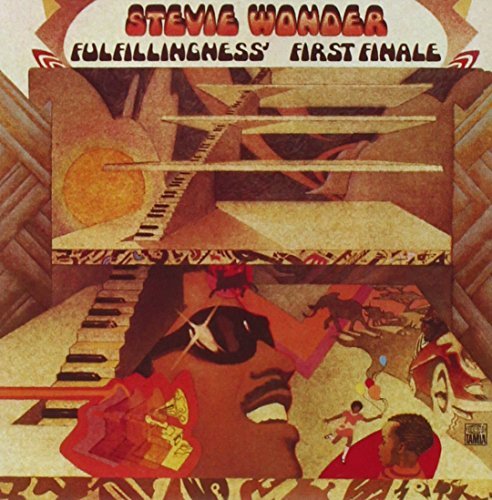
Stevie Wonder: Fulfillingness’ First Finale

Released on July 22, 1974, Stevie Wonders follows up the magnificent Innervisions album with another remarkable musical achievement. The album begins with the mellow, uplifting “Smile Please” which effectively sets the tone for the entire album. Each track could qualify as a highlight of the album, depending on one’s musical preferences. Of particular note are “Creepin”, a hauntingly beautiful song with a misty dreamlike quality and the always politically relevant (unfortunately) “You Haven’t Done Nothin’,” My favorite track is “They Won’t Go When I Go” which with its simple, solemn piano introduction, and profoundly compelling musical material. The album ends with the upbeat yet pleading “Please Don’t Go” with its effective gospel arrangement providing a solid finish to a very memorable album.

Robert Wyatt: Rock Bottom

Released on July 26, 1974, over a year after Robert Wyatt’s accidental fall from a fourth floor window that sadly left him paralyzed from the waist down, this is one of the most exceptional, individually idiosyncratic prog rock albums of the 1970s. It is clearly a work of love and dedication. Wyatt used material mostly written before the accident and singularly sculpted it into an unconventionally effective and rather original album. Wyatt excels at making quirky chord changes sound both natural and logical, and then he furthers elevates his material through highly interesting arrangements that profoundly enhance the musical material. Innovative and compelling, stimulating and emotionally engaging, the album fully delivers a challenging and rewarding listening experience.

Renaissance: Turn of the Cards

I first discovered this album in 1974 on a visit to our local library. Scouring the very limited LP lending section of the library, this was one of the few rock albums available. It had just been released in July of 1974, and the library had put a shiny plastic covering over it, which along with its promising cover art, made it further stand out from the other albums in its bin and the bins that were adjacent to it. I brought it home and was very pleased with the opening piano introduction, particularly appealing to a Keith Emerson fan like myself. I had assumed it was original material, but now know it is an excerpt of a work by French composer and organist, Jehan Alain. Fifty years later, this album sounds even better than I remember — sometimes majestic, often adventurous, progressive rock, sometimes symphonic and often emotive, showcasing Annie Haslem’s soaring vocals and Jon Touts driving, punctuating keyboard work.

Genesis: Selling England By the Pound, The Who: Quadrophenia, and much, much more; Fifty Year Friday: October 1973

Genesis: Selling England By the Pound

Released on either September 29, 1973, or more likely October 5, 1973, “Selling England by The Pound” stands as one of the finest progressive rock albums of the 1970s. The sound is superior to that of their previous album, “Foxtrot,” and the music maintains the same level of excellence. It adeptly balances instrumental passages with vocal sections, blending humor (seen in tracks like “The Battle of Epping Forest” and “Aisle of Plenty”) with more serious compositions.

“Firth of Fifth” (note the humor in the title, which is a reference to Firth of Forth , the fjord of the Forth river, in Scotland, north and northwest of Edinburgh) is my favorite track, particularly due to is introductory theme on piano, later reprised by the group, but there is not a single weak moment on the entire album — and quite an album it is, with seven perfectly realized tracks totaling over fifty-eight minutes of magnificent music.

The Who: Quadrophenia

Released on October 19, 1973, this is the Who’s masterpiece about teenage alienation, angst, attitude, and the multiple personalities vying for integration into the evolving identity of an individual. It also addresses the weaknesses within the UK social system and the moments of solace that British youth of the 1960s sought and found in music and by the seaside. Moreover, this work is an astounding musical achievement, characterized by skillful thematic reiteration. Its musical content can be enjoyed both on a visceral level and intellectually, making it enduringly captivating upon repeated listens. Notably, the lyrics were deftly incorporated into music that was apparently written first, and Townshend has delivered exceptionally well-crafted lyrics that serve as the narrative backbone.

Effectively, this is a rock opera set in 1965, centering around a singular British youth, inspired by conversations Pete Townshend had with early fans of The Who. A significant distinction is that, unlike “Tommy,” which featured two songs by John Entwistle, one by Keith Moon, and a reworking of a Sonny Boy Williamson tune, all the original material here is authored by Pete Townshend. The emphasis is on “initial”, since Townshend intentionally provided a framework of lyrics, melody and chords that would develop into final arrangements through Townshend’s working with the band and the studio equipment to achieve the final product. So though Townshend deserves appropriate credit here for the authorship of this impressive work, it is The Who, as a band, that must be recognized for making this an enduring classic.

For those interested in additional information on this great album, please check out this track-by-track review by Caryn Rose written back in 2013 for Quadrophenia‘s 40th anniversary: Track-By-Track Review

Return to Forever: Hymn of the Seventh Galaxy

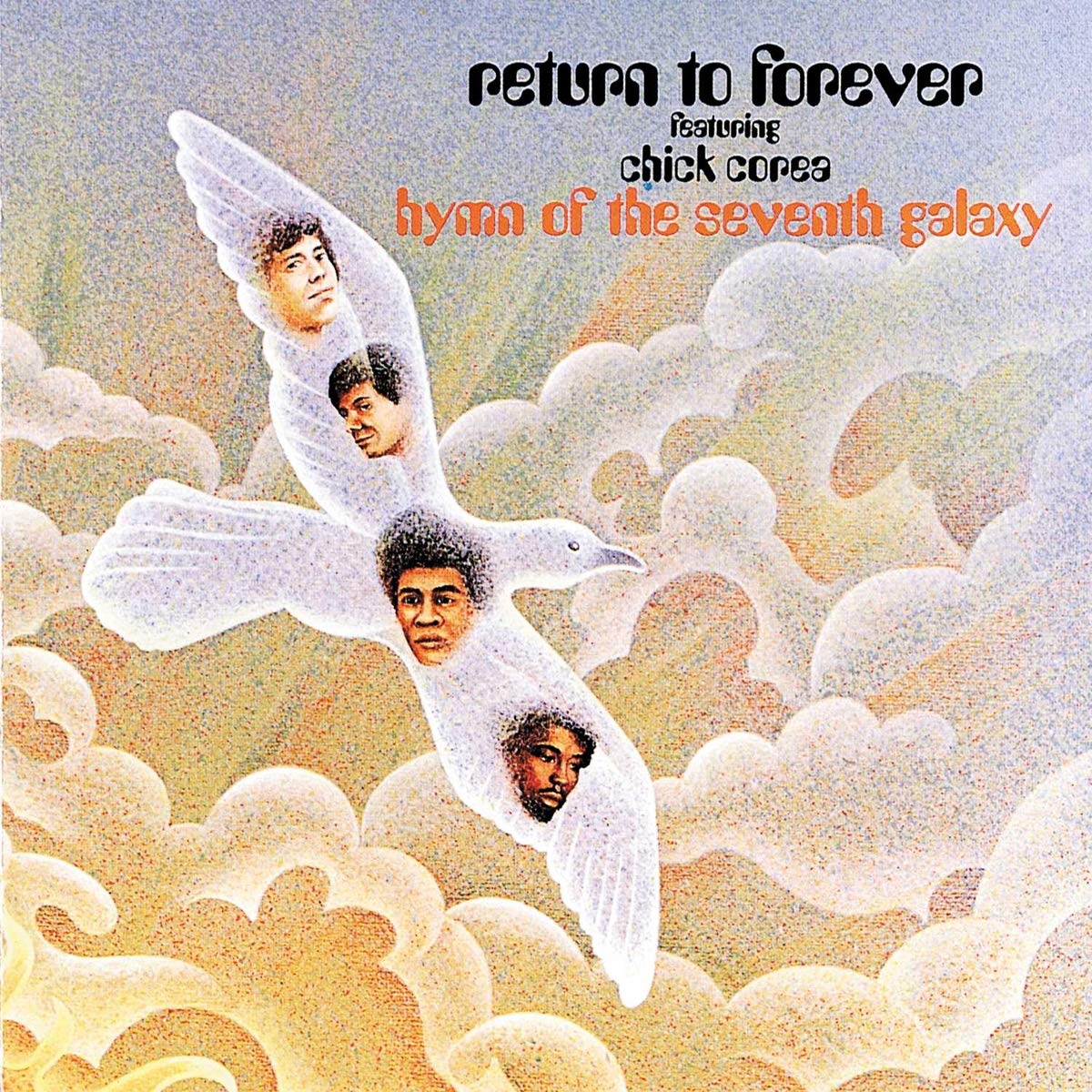
Released sometime in October 1973, this third album from Return to Forever magically and masterfully weaves together elements of jazz, fusion and progressive rock. Chick Corea dazzling keyboards and his other worldly — no, make that other galactic — compositions just radiate throughout this album. Fellow band members, Stanley Clarke, Lenny White and Bill Connors are equally up to the challenge, with Mr. Clark providing a wonderfully radiant composition of his own, “After the Cosmic Rain” and exhibiting Olympic-level mastery on electric bass. The coup de grâce is the last track, “The Game Maker”, breathtakingly piloting us over intricate, wondrously, shifting musical landscapes.

Elton John: Goodbye Yellow Brick Road

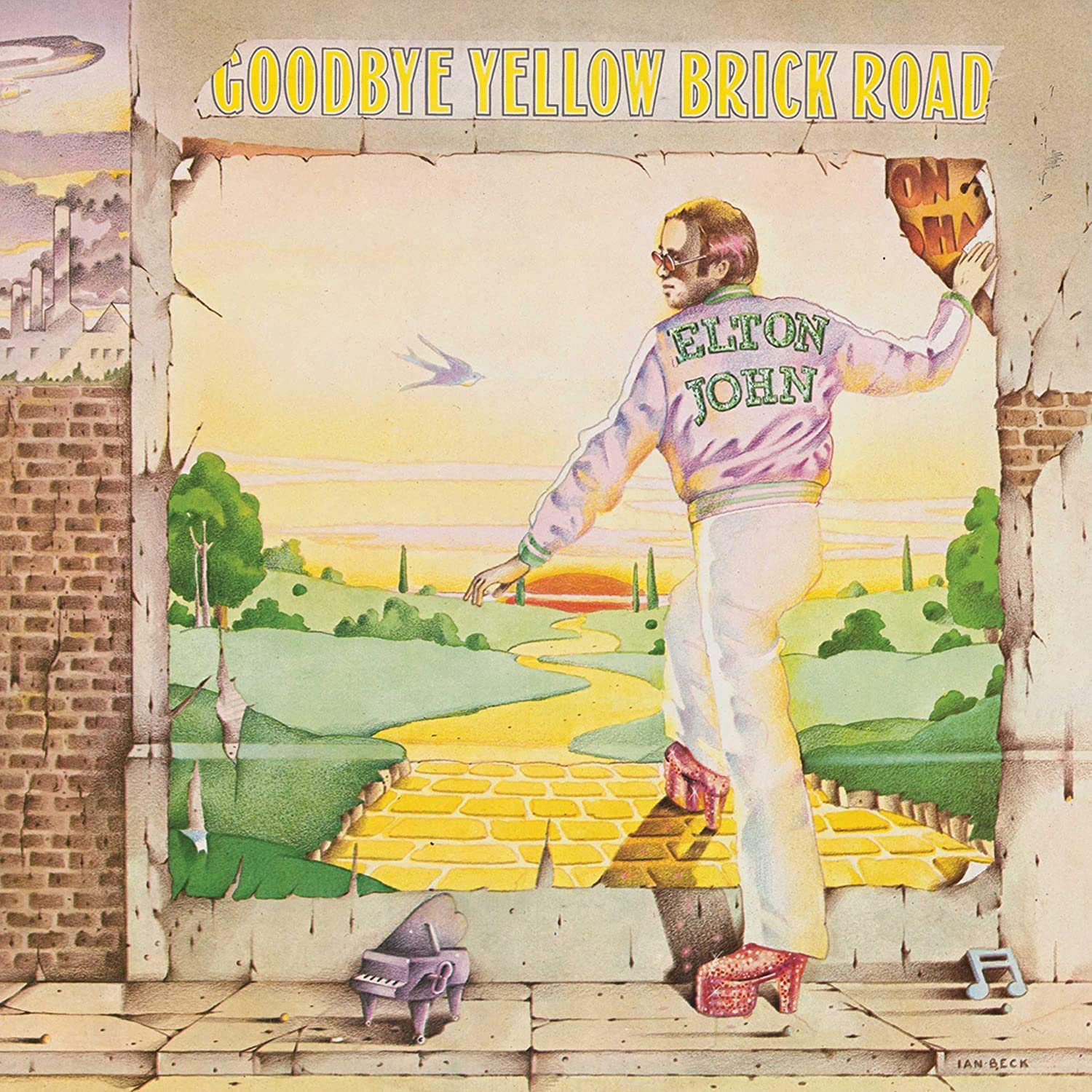
The one obstacle that prevented The Who’s Quadrophenia ever getting to the number one album spot in the UK or in the US, was the multi-million-sales avalanche of Elton John’s Goodbye Yellow Brick Road, released on October 5, 1973, almost two weeks before Quadrophenia. Of the slightly over one hundred million copies of albums Elton has sold, Goodbye Yellow Brick Road accounts for over thirty-one million, and continues to sell in substantial quantities to new Elton John fans today.

Rather than compose music and then fit lyrics into the music, Elton John’s method in the 1970’s, like that of many songwriters, was to take already written lyrics, in Elton’s case partnering with Bernie Taupin, and then create music too complement those lyrics. Considering the nature of many of Taupin’s lyrics, it is rather incredible that Elton created so many highly popular and widely-appealing songs from the initial material. Goodbye Yellow Brick Road, in a sense a loose or partial concept album, provides insight into Elton’s range of compositional skills, with the initial track, “Funeral For A Friend:, being one of his rare instrumentals, providing a glimpse into the depth of his creativity when not bound by lyrics. This instrumental introduction is effectively paired with “Love Lies Bleeding” providing an almost progressive-rock opening for the album.

Overall the album is quite good and along with his two albums from 1970 (Elton John and Tumbleweed Connection) and his live album from that period (17-11-70) are a set of his works I hold in high esteem. Now, though the first side and last side of the original 2 LP “GYBR” is indispensable, as is the first track of side two, and the last track of side three, the material in between could be omitted, to get a very fine single LP album, at a total length of around 45 minutes. Now some may wish to further add another track like “The Ballad of Danny Bailey (1909–34)” resulting in an album that still comfortably adheres to standard LP limits. That said, the CD, containing over 76 minutes of the original material, is now sold at roughly the same price as other Elton John albums from the early seventies — so even though a slimmer, arguably better album could be achieved, what’s the point — given how effortless it is to replay favored tracks on a CD or to skip those not currently of interest.

Billy Cobham: Spectrum

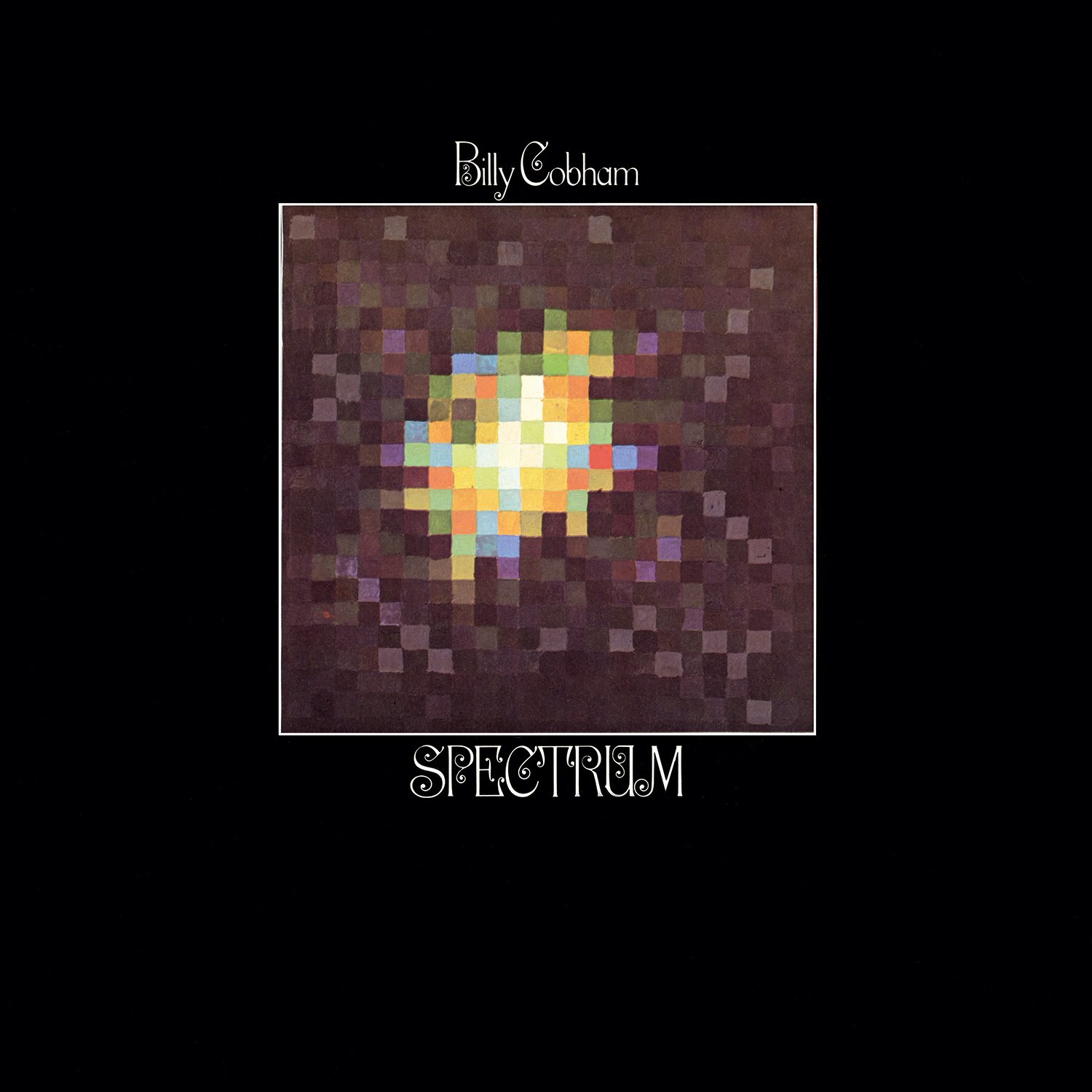
Spectrum, Billy Cobham’s first album as a leader, released October, 1, 1973, is as impressive and important as any fusion album of 1973. The combination of Cobham and Jan Hammer dominate the album, and the supporting resources, particularly Tommy Bolin who is present on over half of the musical material, round out this excellent work. Album includes duets between Cobham and Hammer, Hammer soloing on acoustic piano on the beautiful ballad, “To the Woman but it is the longer tracks, and several lengthier tracks including the opening track, “Quadrant 4” full of energy and purpose, “Stratus” with remarkable bass work from Leland Sklar, and the fast-paced, electrically-charged title track, “Spectrum” with Joe Farrell on sax and flute, and Jimmy Owens on trumpet and flugelhorn.

Gryphon: Gryphon

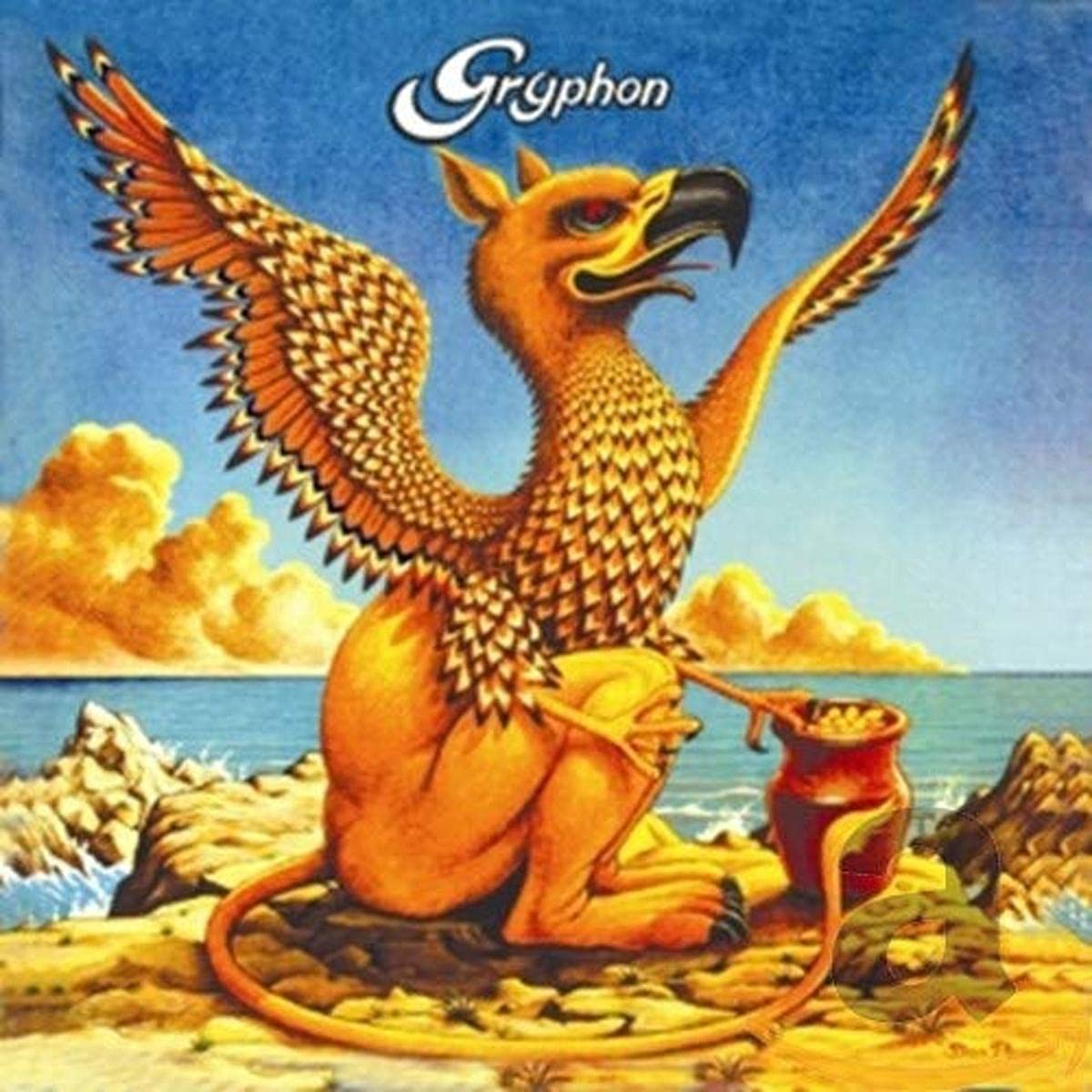
Gryphon’s first album is a unique blend of folk and rock, incorporating both modern elements (guitar, bass, bassoon, trombone, drums) and earlier musical instrumentation (mandolin, recorder, crumhorn) into a successful set of songs. In late 1973, there were several folk rock groups, such as Fairport Convention, Steeleye Span, and Pentangle, but Gryphon, with two of the group members—Brian Gulland and Richard Harvey, both graduates of London’s Royal College of Music—distinguish themselves through a level of originality that transcends replicating traditional Celtic folk harmonies and melodies. Their occasional use of late 19th-century and 20th-century dissonance, not found in traditional English, Irish, Scottish, or Welsh music, coupled with their colorful and sometimes unconventional instrumentation, creates a new sound that effectively captures and maintains the listener’s attention. Later, the group would develop a more progressive-rock sound, but this first album is a fine one, deserving to be enjoyed and appreciated on its own terms.

Renaissance: Ashes are Burning

Renaissance’s fourth album, “Ashes are Burning,” was released on October 10, 1973. The album opens with full intensity, featuring the instrumental introduction of “Can You Understand?” This segues into the introspective acoustic main section, accompanied by some orchestration, showcasing Annie Haslam’s spellbinding vocals. The introductory material returns to conclude the piece. Such artistry and high-quality musical content are defining characteristics of this album, effectively blending classical, folk, and rock elements. The album concludes with the majestically crafted and musically uplifting “Ashes are Burning,” providing an emotionally captivating ending to a highly enjoyable album.

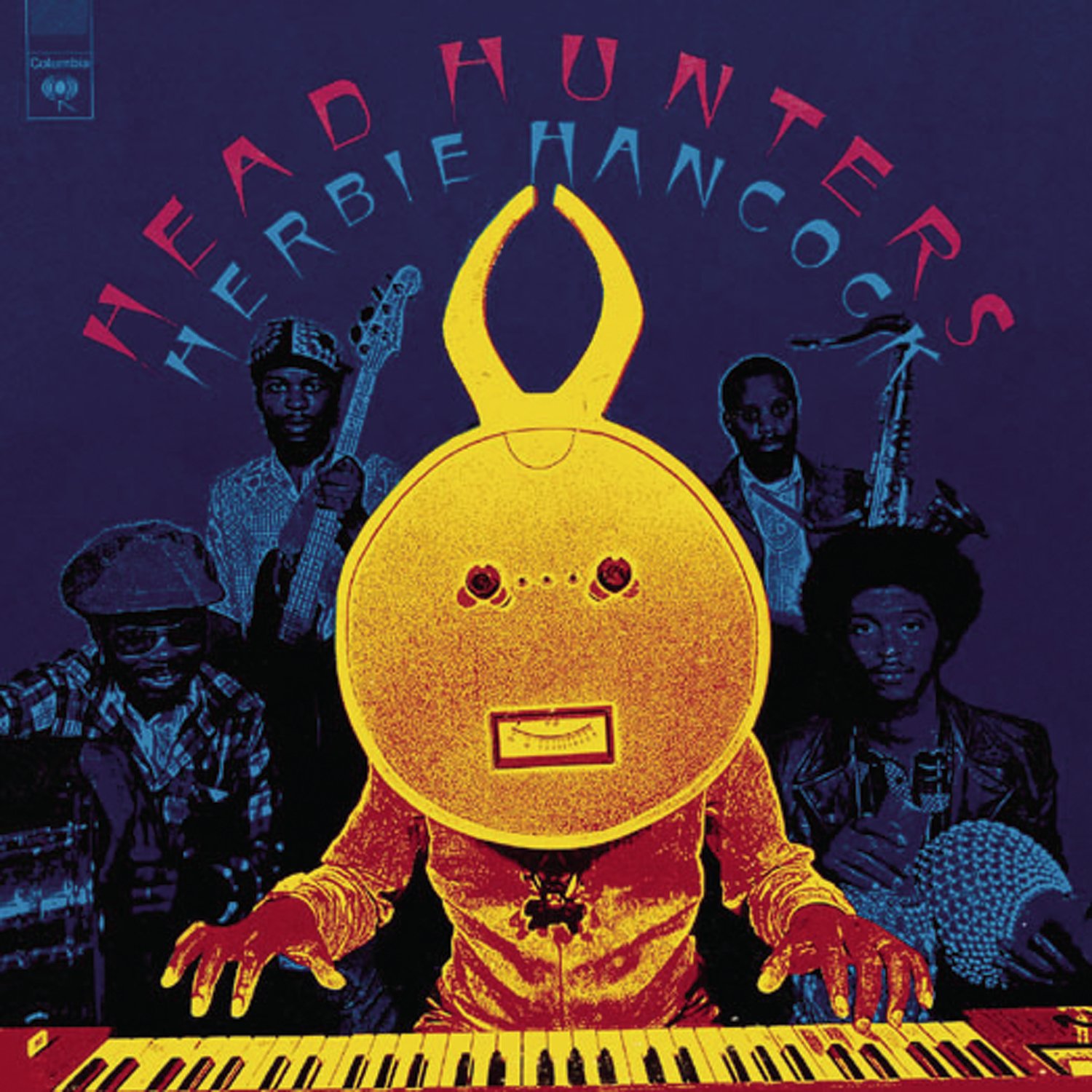
Herbie Hancock: Head Hunters

Released on October 26, 1973, and recorded the previous month, this landmark album signifies a conscious shift in direction for Mr. Hancock. It departs from his previous, more progressive and adventurous modal-based music, embracing a solidly tonal funky style of jazz. For this endeavor, he replaced all the members of his previous sextet except for himself and the talented Bennie Maupin on reeds. Remarkably, this jazz album achieved significant commercial success, foreshadowing George Benson’s stunning commercial breakthrough three years later.

The album starts off with “Chameleon,” featuring its initial foundation of two relentlessly repeated bass figures. However, the music is far from stagnant; it organically develops as it progresses, with the bass occasionally taking a secondary role but always remaining fundamental to the overall forward motion. The improvisation, while solidly jazz-based, aligns with a generally funky mood. Toward the end of “Chameleon,” we encounter sparkling chord changes reminiscent of a chameleon changing its exterior color, yet it retains its essential nature—similar to the music—concluding with a more static, funky ending. This is followed by an abstracted, funky rendition of Hancock’s classic, “Watermelon Man,” creatively presented to sound fresh, innovative, and slightly futuristic.

Side two starts with “Sly,” a vibrant homage to Sly Stone that includes some wild, abandoned, but clearly intricate interplay between Maupin’s sax and Hancock’s keyboards. This dynamic exchange offers all the excitement and vigor of the free jazz of the era, yet within a tonal, structured framework—making it accessible to a wide range of listeners. The album concludes with the reflective jazz tone poem, “Vein Melter,” seemingly representing the impact of heroin. The sense of time is significantly slowed by the floating, detached music, free from earthly worries or concerns. Notice the slow beat that initiates, persists, and concludes the track, possibly symbolizing the futility of the heroin experience. This second side, featuring “Sly” and “Vein Melter,” stands as one of the best single LP sides of any album from the 1970s.

Kraftwerk: Ralf und Florian

Released sometime in October1973, Ralf und Florian is the third studio album by the soon-to-be influential German electronic music pioneers, Kraftwerk. At this time there group is just the two former students of Düsseldorf’s Robert Schumann Conservatorium, Ralf Hütter and Florian Schneider The album is influenced heavily by “classical” or conservatory/university ideas about electronic music, but it is clear that a more accessible element is added into their works. This is far from their pop-flavored, and very influential, fourth album, but it still holds a special place in the band’s discography, marking that important transitional phase between their early “experimental” electronic work and the groundbreaking sound they would later be known for. The most intriguing work on the colorfully diverse side one is the pattern-based “Kristallo.” The second side open with “Tanzmusik”, which comes the closest to the music of their next album, with its lighthearted texture, vocoder-enhanced vocals and relentless drive. The album concludes strongly with the longest track, the relatively accessible “Ananas Symphonie” (“Pineapples Symphony”) with the vocoder, this time, used to modulate their voices to sound detached and machine-like. Ironically, though, the piece also creates a relaxing, mediative soundscape reminiscent of a tropical island — pineapples and traces of seashore sounds included.

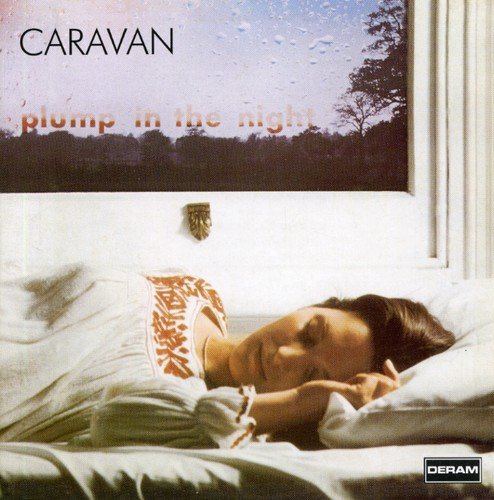
Caravan: For Girls That Grow Plump in the Night; Lou Reed: Berlin

With changes to their lineup, the loss of bassist Richard Sinclair and keyboardist Steve Miller and the addition of Richard’s cousin, Dave Sinclair on keyboards, and Geoff Richardson on viola, Caravan moves away from the more progressive, jazz-infused sound of their previous album, to a less progressive sound infused with some pop elements of the late sixties The highlight of this fifth studio album, released on October 5th, 1973, is the medley on the last track, “L’Auberge Du Sanglier / A Hunting We Shall Go / Pengola / Backwards / A Hunting We Shall Go – Reprise”, which includes strong guitar work from Pye Hastings, impressive electric viola and cello from Richardson and Paul Buckmaster, respectively, some sensitive acoustic piano from Dave Sinclair and a solid orchestral arrangement from John Bell and Martyn Ford.

Also, on October 5, 1973, Lou Reed releases his poignant concept album, Berlin. Though not as melodically memorable as his previous album, and with some musical content from earlier works recycled or redeployed, the album is still deserving of attention. The last track, in particular, provides an affecting and fitting conclusion to the work.

Fifty Year Friday: Spirit, Led Zeppelin, Turtles, Pink Floyd, Renaissance, Pentangle

001 spirit cover_2425168112016_r

Spirit: Clear

Spirit probably would have made the big time if they had played at Woodstock as planned, possibly right before Hendrix and his band played the festival’s last set. As it was, the band ended up going on a a multi-venue promotional tour. To make matters worse, lead guitarist/singer/songwriter Randy California  who had previously played with Jimi Hendrix for three months (it was Hendrix that give the originally named “Randy Wolfe” the new last name of California to distinguish him from Randy Palmer whom Hendrix named “Randy Texas”) and drummer/singer/songwriter Jay Ferguson begin to have differences of opinions on the style and direction of the band.  In the middle of all of this,  Spirit released their third studio album, Clear, an album with elements of early prog, blues-rock and psychedelic rock.  “Dark Eyed Woman” is probably the best known track, but the album contains two quality instrumentals on side two and has generally good, though not world-changing, material overall and some quality guitar work from Randy California.

0001 led-zeppelin-ii-front

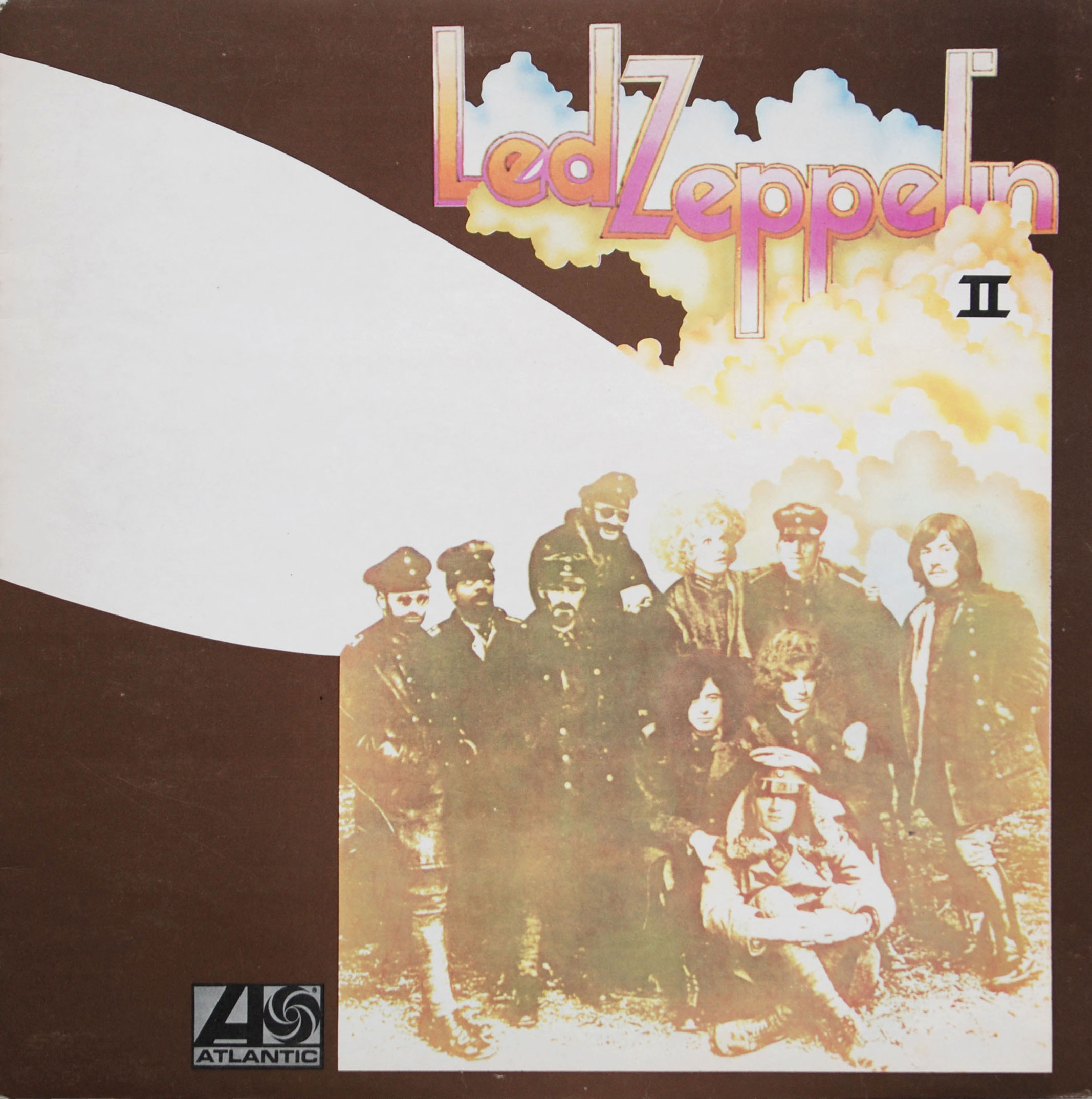
Led Zeppelin: Led Zeppelin II

On October 22, 1969, Led Zeppelin released their second studio album, more polished and musically interesting than their first and a undeniable success commercially, reaching #1 on the charts in the U.S., U.K., Canada, Australia, Spain, Denmark, and Holland. Included is “Whole Lotta Love”, “Living Loving Maid”, the passionate ballad, “Thank You”, and “Moby Dick” which features a drum solo that always brought to my imagination the virtuosic dribbling of a basketball. Though Led Zeppelin would get even better, this is a pretty good album, full of energy, life, and creativity.

001 turtles R-11650874-1520129954-8395.jpeg (2)

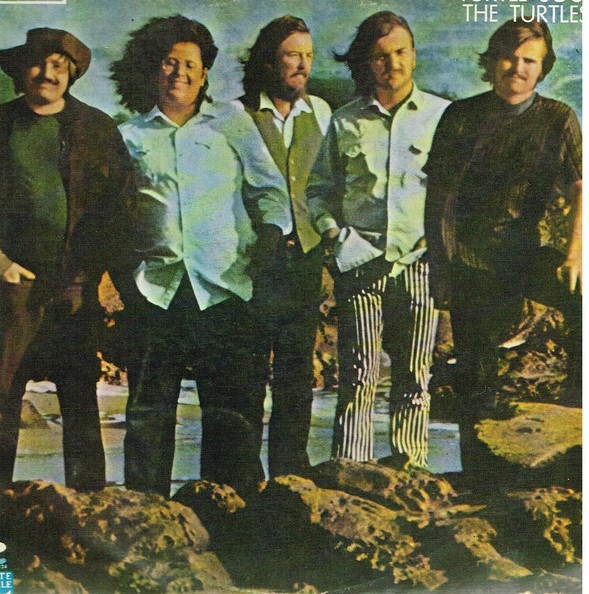
The Turtles: Turtle Soup

While newer groups are making significant commercial inroads, some older groups are winding down.  The Turtles released their last of five albums, an album very much in the style of the late sixties, closer to 1967 or even 1966 than late 1969.  That said, this is a fairly decent album with some good acoustic guitar work on the first side. Also of interest, is that the album is produced by The Kink’s Ray Davies, and one can hear this in several songs such as in the opening of “The House on The Hill.”  The most interesting composition is “John and Julie”  which includes added strings that enhance the qualities of the song. The one track on the album to get any notable airplay is “You Don’t Have to Walk in the Rain” which shares a few too many similarities with their 1968 hit, “Elenore” — such blatant mimicking of a previous hit, though, is not new for the Turtles, whose 1965 single, “Let Me Be”, followed almost immediately after the success of “It Ain’t Me, Babe”, sounding suspiciously similar.

This final studio album, though, did not mean an end for the Turtles, for their very best songs reflected the sixties so well, that they were not quickly forgotten — this is particularly true of their best song, and only number one hit, “Happy Together.”

00001 umma R-1645802-1303411599.jpeg.jpg

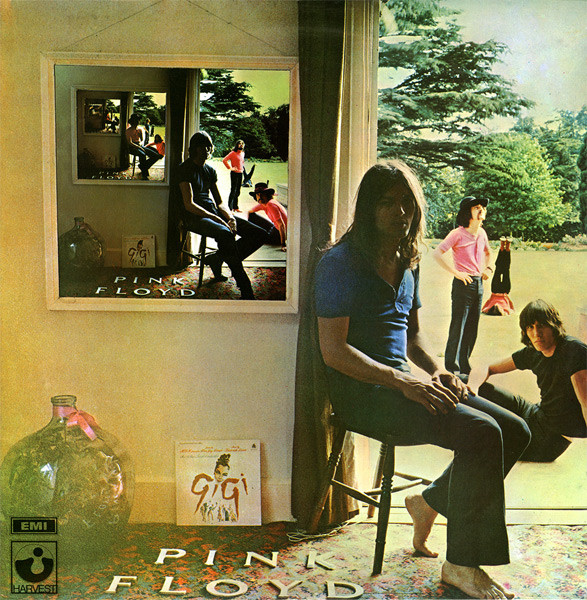
Pink Floyd: Ummagumma

Released on October 25, 1969 in the U.K. and in early November in the U.S., Ummagumma (pronounced “OOH-ma GOO-ma”) is a two record set, the first LP containing material recorded live in April and May 1969 and the second an interesting collection of individual contributions, both in terms of authorship and performance, from the band.  The first side is an indispensable document of 1969 Pink Floyd live, performing some of their earlier psychedelic space-rock classics, and serves as the main attraction of the album.  The second LP which showcases each band member’s individual efforts, has its moments, but clearly the group is much better together than as isolated soloists. Nonetheless, this set of solo offerings on the second LP is still more interesting than most avant-garde and exploratory music of its time.

0001renaissance (2).jpg

Renaissance: Renaissance

The first iteration of the newly formed band, Renaissance, formed by two former Yardbird band members, Keith Relf and Jim McCarty, released their very first album in October 1969. From the start, with John Hawken’s classically-influenced piano, the listener knows this is a special album. Relf and McCarty had tired of the heavier rock sound of the Yardbirds and were looking to blend folk, rock and classical elements — and classically-trained Hawken was a perfect fit for their vision.  Most of the material is has a fresh, progressive tone to it, effectively mixing rock, jazz, folk, pop and classical elements including incorporation of material from Rachmaninoff, Chopin and Beethoven’s Pathétique Sonata.

001 pentangle R-810613-1389269137-5935.jpeg (2)

Pentangle: Basket of Light

Released on October 26, 1968, this is the most commercially successful album for Pentangle and one of their best.  It opens with a Brubeck-like “Light Flight” with its off kilter meter of 5/8 and 7/8 with a 6 beat middle section. Quite the composition, it was the theme for the BBC’s “Take Three Girls” about three young woman in hip and swinging 1969 (to 1971) London.

The rest of the album is a mix of rearranged folk songs and new compositions, all performed beautifully and artfully on acoustic instruments with lead vocals distributed between Jacqui McShee, Bert Jansch, and John Renbourn.   A good album to start with if you haven’t devoted much time listening to Pentangle or wish to enjoy some quality English Folk Rock.

Fifty Year Friday: Iron Butterfly’s In-A-Gadda-Da-Vida and Vanilla Fudge’s Renaissance

iron20butterfly

In-A-Gadda-Da-Vida (Released June 14, 1968)

A while back, Time Magazine reported that the ideal length of time for workers to take a break was 17 minutes.  Not coincidentally, this is the time it took for Iron Butterfly to record “In-A-Gadda-Da-Vida.”

“In-A-Gadda-Da-Vida” created a revolution in rock albums, taking up an entire side, psychologically preparing the way for tracks like the sixteen minute medley on side two of Abbey Road, Van Der Graaf Generator’s 23 minute “A Plague of Lighthouse Keepers” on side two of Pawn’s Heart,  the 23 minute “Supper’s Ready” taking up most of side two of Genesis’s Foxtrot, Yes’s 18 minute “Close to the Edge”, Jethro Tull’s 44 minute complete album, “Thick As a Brick”, and Yes’s two LP, “Tales of Topographic Oceans”, not to mention very-long tracks from Can, Amon Duul II , Ash Ra Tempel and Pink Floyd as well as works like Morton Feldman’s 1983 six-hour String Quartet No. 2, Max Richter’s eight hour “Sleep”, Kuzhalmannam Ramakrishnanand’s 501 hour concert in 2009 and John Cage’s Organ²/ASLSP (As Slow as Possible) which if not rushed, lasts around 639 years.

And, yes, there were earlier long works going back hundreds of years across various continents long before recorded music.  We also have several cases of very long jazz tracks that pre-date “In-A-Gadda-Da-Vida.”  But we are talking about rock here, a genre of music born from the three-minute pop tune aimed at attention-deficit teens and cultivated to sustain a revenue stream through theoretically expendable music and even more expendable music groups.

It was “In-A-Gadda-Da-Vida” that bridged the gap between The Doors “Light My Fire”  and the multi-section progressive rock long tracks to follow.  And unlike some of the progressive rock to come, “In-A-Gadda-Da-Vida”  was not several songs bound together but a single song, with extended solos, including the famous drum solo that changed the role and egos of rock drummers until the end of time.

For historic purposes, one has to mention  Love’s 1967 single-side 19 minute song, “Revelation” — but the difference is that Love’s long “Revelation” was generally ignored at that time it was released, for good reason, and Iron Butterfly’s “In-A-Gadda-Da-Vida” carried its album to the number four billboard spot and made it in abbreviated form as a hit single.

Originally titled “In A Garden of Eden”, but reportedly changed to “In-A-Gadda-Da-Vida” upon hearing how composer Doug Ingle pronounced the title after a gallon of cheap wine. “In-A-Gadda-Da-Vida” starts off with Doug Ingle’s neo-baroque organ solo in d minor followed by baroque-like layering of the entrances of the other instruments including Ingle’s vocal.  Remarkable and clearly inescapable is the ostinato (a repeated musical phrase, often in the lower register) not too distantly related to the  opening of Tcherepnin’s Bagatelle op. 5 no. 1 (C, C, B-flat, C [long, short, short, long]) and the 1960’s more frequently played Ajax’s “Stronger Than Dirt” jingle, except transposed to d minor and transformed brilliantly so the opening pattern is D, D, F, E, C, D (long, long, short, short, short, long) thus creating one of the first and most impactful heavy metal riffs.

There are a number of notable components to this work including the hard rock introduction, the modulation from the verse to the chorus, the organ passage work, the guitar solo, the basic (basic enough for non-musicians to tap along with) but memorable two-and-a-half  minute drum solo, the organ solo incorporating “God Rest Ye Merry Gentlemen”, and the ensemble percussion section with organ and guitar commentary.  For comparison of how similarly In-A-Gadda-Da-Vida” was played live, one can check out the group’s Filmore East live album released decades later which includes two concert recordings of  from April 1968.

As a bonus, the first side has some very accessible tracks, mostly of the psychedelic era but here and there with early heavy-metal elements and a number of interesting organ passages. The first two tracks are upbeat with “Flowers and Beads” being material that would have worked quite well for the Turtles. “My Mirage” is more reflective, “Termination” includes a solid early metal ostinato on the chorus and a wistful, ethereal coda, and “Are You Happy” makes a solid case that this group has made the leap from psychedelic rock and acid-rock into heavy metal territory — also, note this track’s primal, dark, earthy opening, and then the descending chords sequence in the verse.

Track listing [from Wikipedia]

Side one

#

Title

Writer(s)

Lead Vocals

Length

1.

“Most Anything You Want” Doug Ingle Ingle

3:44

2.

“Flowers and Beads” Ingle Ingle

3:09

3.

“My Mirage” Ingle Ingle

4:55

4.

“Termination” Erik BrannLee Dorman Brann

2:53

5.

“Are You Happy” Ingle Ingle

4:31

Side two

#

Title

Writer(s)

Lead Vocals

Length

6.

In-A-Gadda-Da-Vida Ingle Ingle

17:05

Personnel


RVF.jpg

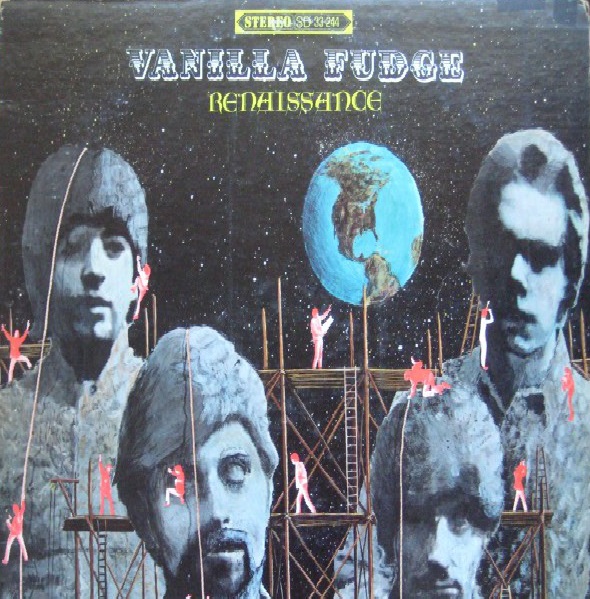
Renaissance (Released June 14, 1968)

Known mostly as a sophisticated cover band and not for their original compositions (if you need verification, ask Amazon’s Alexa to play songs by Vanilla Fudge and see how many hours, not minutes, elapse before she plays something that wasn’t a cover of a previously successful song), this album contains five original compositions by band members, one composition by songwriter  Essra Mohawk, and their cover of the Donovan song, “Season of the Witch”, which received some airplay for a few weeks on both AM and FM radio.   Not only are the original songs of satisfying quality, but were strong enough to propel the album up to the number 20 spot on the Billboard album chart only a few weeks after its release.

The opening of “The Sky Cried/When I Was a Boy” is as solidly progressive as just about anything in the first half of 1968. When the vocals arrive, the track sounds more psychedelic or early metal than progressive, but the musicianship is solid. “That’s What Makes a Man” also has an instrumental introduction that anticipates Yes.  The band’s vocalizing is effective on all seven tracks and their sometimes eerie, wraith-like supporting vocals likely had some influence on later bands, particularly Uriah Heep.  Overall, this album generally gets classified as psychedelic rock, hard rock or acid-rock.  Worth listening to if you haven’t previously heard this album and are interested in hard rock or the roots of progressive rock; also worth revisiting if you haven’t heard this since the late sixties or early seventies.

Track listing [from Wikipedia]

Side 1

  1. “The Sky Cried/When I Was a Boy” (Mark SteinTim Bogert) – 7:36
  2. “Thoughts” (Vince Martell) – 3:28
  3. “Paradise” (Stein, Carmine Appice) – 5:59
  4. “That’s What Makes a Man” (Stein) – 4:28

Side 2

  1. “The Spell That Comes After” (Essra Mohawk) – 4:29
  2. “Faceless People” (Appice) – 5:55
  3. Season of the Witch” (Donovan Leitch; interpolating “We Never Learn” by Essra Mohawk) – 8:40

Personnel