Released sometime in 1975, Charles Tolliver’s Impact is an impressive album from the audacious and creative trumpeter, composer, and bandleader. Big band albums were becoming rarer and rarer, particularly those that were inventive, hard-edged, and more late hard bop or post-bop than nostalgic or easy listening. Impact unfurls a colorful, colossal sonic landscape, brimming with hard bop and post-bop intensity and an unbridled, innovative spirit that pushes the boundaries of large ensemble jazz. Tolliver masterfully constructs compelling compositions and intricate, adventurous arrangements that are both challenging and exhilarating, providing a fertile ground for himself and a handful of formidable soloists to unleash their improvisational prowess.
The album begins with the title track, “Impact,” an explosive opener that immediately grabs the listener’s attention with its dense brass voicings and a driving rhythmic pulse. Charles Tolliver himself steps forward, delivering a blistering trumpet solo that cuts through the dense ensemble with a bright, commanding tone, showcasing his characteristic blend of searing energy and melodic ingenuity. Also shining brightly is James Spaulding, whose alto saxophone work wonderfully weaves angular, serpentine lines, interacting with apparent spontaneity with the structured force of the ensemble.
“Mother Wit” begins with strings, which initially set a delicate mood, but the overall atmosphere soon coalesces, leading into beautifully lengthy solo work from Charles Tolliver. Harold Vick provides soulful tenor work, followed by Stanley Cowell’s angular, unconstrained hard bop piano solo. The strings return, followed by Tolliver, bringing the piece to a balanced close.
“Grand Max” bursts out with tightly wound energy, with Tolliver diving right in and maintaining the initial momentum. Rounding out the soloing is Charles McPherson on alto, George Coleman on tenor, and again Cowell on piano. Side two commences with the quirky and distinctive “Plight,” an energetic track that further highlights the dynamic range of the orchestra. Tolliver initiates the soloing, and is soon followed by Spaulding, then Cowell. This is followed by the reflective “Lynnsome,” featuring Spaulding on flute in the intro, with solos from Tolliver and Cowell that maintain and extend the initial mood.
The album concludes with “Mournin’ Variations,” which opens with strings. A dynamic interplay between the strings and the jazz ensemble then sets the stage for George Coleman’s extended tenor solo. This is followed by concluding piano commentary from Cowell before the re-entry of the strings. The two sections then alternate, shifting between wistful and emphatic passages, bringing one of the most enjoyable jazz albums of 1975 to a powerful conclusion.
Area: Are(A)zione
This is one of the few live albums, official or bootleg, of Area with Demetrio Stratos. This first side is amazing and includes live versions of three classic Area works, showcasing the bands exciting instrumental interplay and the one-of-a-kind, next-to-no-one voice of Stratos. The second side is is primarily a live free jazz/rock track, titled “Are(A)zione” matching the album’s title. “Areazione” is Italian for “evaporation,” but the use of case here provides the true meaning: “Area” is of course the group’s name and “Azione” is Italian for action, so freely translated this can be viewed as Area in action. The album ends with a nod to the group member’s socialist affinities, a rendition of “L’Internazionale.”
Frank Zappa and the Mothers of Invention: One Size Fits All
Released in late June of 1975, One Size Fits All provides more consistency and discipline than most Zappa albums allowing all the brilliance to shine through with only minor extramusical annoyances and distractions to detract from the overall positive musical experience. The jazzy” Inca Roads” is the gem of the album, and like “Peaches En Regalia” from Hot Rats provides enough forward momentum to easily forgive any weaknesses or annoyances from any tracks that follow. If one wants accessible Zappa, this is a good album to start with.
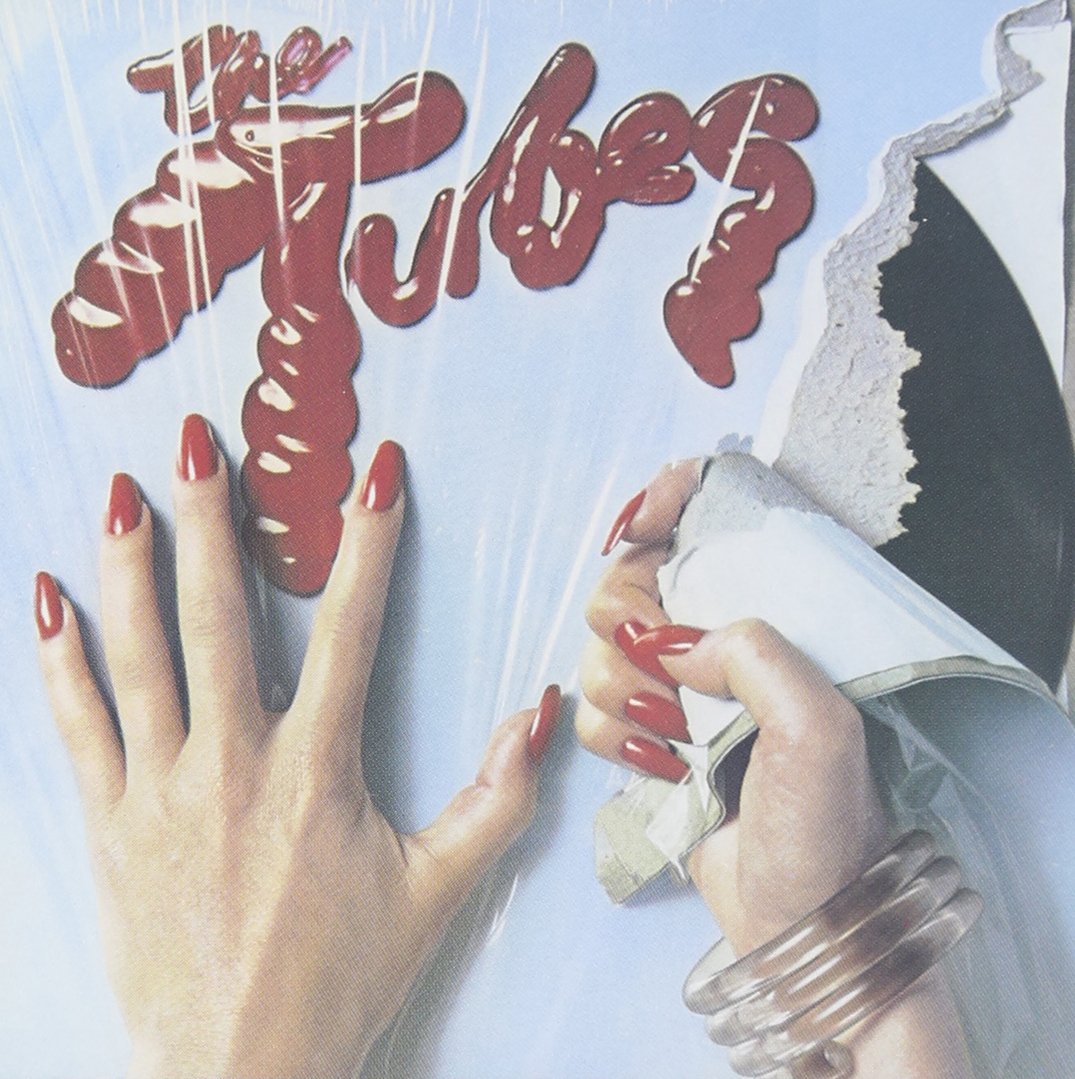
The Tubes: The Tubes
Released with minimal fanfare in June 1975, the album was passed around amongst my friends for its humor and lively use of synthesizer. In contrast to the rougher edges found in the humor seeping from Zappa albums, this was polished with some believable parodies of prevalent styles, primarily glam and punk, mixed with satirical social commentary. The humor enhanced the music, and the music was generally quite impressive itself. “Up from the Deep” kicks off the album with energy, drama and style, warmth and self-deprecating humor. The synthesizer work and keyboard in the instrumental bridge is up to progressive rock standards, and even includes a reference to a prevalent bridge motif in Gentle Giant’s “Knots” from Octopus. This is followed by a mixture of styles, all humorous in their own ways: Space Baby sleekly imitates David Bowie post-Ziggy style of 1973 and 1974, “What Do You Want From Life” drips with dry, razor-edged humor, and “Mondo Bondage” is notable for its relentless striding rhythm which supports the simultaneous metaphorical and literal meanings of the lyrics which are cleverly brought to the forefront. “Mondo Bondage” kicks off side two and is followed by three additionally strong tracks, “What Do You Want from Life?” a dig at materialism and seventies-style consumerism and angst, “Boy Crazy” another glam/Bowie parody that ridicules teenage cluelessness, and the pounding, relentlessly repetitive “White Punk on Dopes” which would eventually get some notable FM airplay in the U.S. and get even wider airplay a couple of years later in the UK. The Tubes went all out when they staged their material live, and though some of the musicality and more subtle aspects of their humor were consequential causalities, they still put on a good show.
With one good debut album and three excellent albums that followed, Gentle Giant released their fifth album in the UK on the 21st of September, 1973. One of the key band members, Phil Shulman, who had provided both lead and backing vocals, sax, and even some trumpet and clarinet, as well as being a significant contributor of the music and lyrics, determined that touring and other hardships were not for him and his family — and so left the band. With his absence, the group forged a slightly new direction into generally a heavier prog-rock sound with Derek Shulman taking on more lead vocals and Kerry Minnear and Ray Shulman making a greater contribution musically. The result was another excellent album, and for many, their best album yet. Unfortunately, Columbia records, which had released Octopus inin the states, didn’t much care for the music and passed on releasing it to the U.S. market. Certainly a bad decision for both Columbia and the band, as the album did relatively well in the UK, and due to its heavier sound and preference for electric instruments over acoustic would have been a more accessible album for the American public. In fact, although not available as an American release, the import of the UK album ended up becoming one of the best selling imports, selling over 150,000 copies despite the difficulties consumers had in obtaining a copy. Ultimately, the music found its way on to an American release in CD format many years later..
The album is a loose concept album more or less covering the fragility of the human psyche with a general progression from the more degraded states (criminal, psychotic) to more common/normal/prevalent states. The metaphor conveyed in the album’s title is that we live in a glass house, fragile and assailable. The music effectively complements the lyrics resulting in the prog-rock equivalent of a 19th century song-cycle — comprising a collection of interconnected songs, six in this instance. Each song delves into a different aspect of our delicate existence, with the implicit analogy being that, to some extent, we reside in a fragile state, much like an occupant in a glass house. The album begins with the shattering, terrifying, possibly panic-inducing sound of breaking glass, that condenses into a repeated loop in 5/4 time, representing a sort of PTSD-burdened recovery that moves forward, obstinately, enduringly, into the vacillating stream of precarious living. The music that follows is uninhibited and infectious — almost celebratory of the flight of the runaway described in “and free is his future”, yet there is no joy, for “all thoughts are scarred” and hopes are “stained with strange regret”; his dreams are dreams that “he cannot get.”
Next we have a passage of that wonderful Gentle Giant “stride” style (see Fifty Year Friday: July 1971 with additional examples mentioned in Fifty Year Friday: December 1972, Fifty Year Friday: April 1972, Fifty Year Friday: November 1970) followed by a sharp, brittle-ish marimba solo and some moog, haunting vocals, another brief dash of moog and the return of the main theme with final lyrics reminding us of the elusiveness of long-dreamed-for, long-desired freedom: “Senses like sharpened sword, guards for the shadow on his tail.”
While the first track, “The Runaway”, nicely covers “imprisonment escaped yet freedom unachieved”, the second track, “An Inmate’s Lullaby” explores further degradation of the human state where the subject, an insane asylum patient, hopelessly and pathologically absorbed in an opaque internal reality doesn’t have awareness of his own imprisonment..
Gentle Giant’s and Minnear’s unique approach to repetition saturates the musical essence that supports the lyrics. The track opens with celeste, vibraphone, and glockenspiel, accompanied by overlapping vocals from Derek and Kerry, as well as more vibraphone and marimba. The music is disjointed and eerie at times, reminiscent of a diseased mind. The mallet and celeste work by Minnear is generally simple but highly effective, supported nicely by Weathers’ appropriately-timed rhythmic interjections.
The third track, “Way of Life,” which is the last on side one, begins as a musical whirlwind — energetic and occasionally more raw and relaxed, but with interjected, repeated, pointillistic musical cells. The second theme contrasts as a beautiful ballad sung by Minnear, evoking reflection and wistfulness. It’s restated at a higher volume instrumentally, followed by a dramatic transitional passage that guides us into a brief reprise of the first theme. This is then succeeded by an organ-dominated reiteration of the second theme, featuring a yearning repeated organ passage that concludes side one, repeating until it gradually fades away.
Side Two opens up with “Experience” which starts out reflecting on the selfishness of youth, music nicely supporting the character’s musings: “Once I was a boy, and innocent to life and my role in it.” This is interspersed with instrumental commentary, repetition-based, and exquisitely layered with multiple instruments. Included is a subtle motific reference (unveiled to the listener by Phil on bass) to the later hard-rock chorus-like section. But before this “chorus” section, we have a new section with organ and discant recorder presenting a new theme, reflecting the view of maturity, “Now I am a man, I realize my unwordly sins pained many lives.” Included in this is multiple reiterations of the bass-line motif until it explodes into the next section, the loud volume hard-rock chorus with Derek on vocals thunderously proclaiming “I’ve mastered inner voices (for?, of?) making any choices.” Next is a short instrumental section, trademark Gentle Giant repetition, with a stretto-like tail, followed by a short reference to earlier material with bass motif intact, and then a repetition of the chorus with additional electric guitar material from Gary Green. Next is a brief reprise of the opening material with a coda based on earlier material, repeated to the close of the track. All in all, this track offers a truly musical experience, featuring multiple musically diverse yet seemingly related sections, and multiple time signatures that seamlessly work together to form a unified whole.
The fifth track of the album, “A Reunion, is the shortest (two minutes, eleven seconds) and most beautiful section of the album with Phil and Kerry providing string accompaniment (Phil on violin, Kerry on cello) accompanied with acoustic guitar. While the lyrics start off as the innocuous and tender, sentimental reflection of the past spurred by a chance meeting of former partners (lovers, business partners, band members, etc.), the relation of this song to the “glass house” concept is soon revealed: “Sharing thoughts and deeds, simple harmony, plans and hopes erased in our maturity. Now, tomorrow’s dreams are now yesterday” — making this beautiful ballad notably bitter-sweet.
The album ends with the title track, a summation, with very dark lyrics, but very upbeat, exciting music. Much that we identify as classic, post-Octopus, Gentle Giant is included here, the compact phrase-based repetition, instrumental interplay and imitation, Derek’s intense, assertive vocals, multiple time signatures, what I call the Gentle Giant “stride-style” (at the 3:03 mark), and overall infectious music that (depending on the listener) results in listener euphoria. This amazing album then ends with a short unlisted track that is a concatenation of short samples of each track.
Like many long-time Gentle Giant fans, I cannot readily answer what my favorite album is; each is distinct, and even the multiple weaker albums that follow the 1975 Free Hand album have some indispensable material. My best reply to any query about my favorite GG album, is to reference my personal list of Must Listen to Music.
Eloy: Inside
Eloy’s second album, Inside, is a bleak and dense offering, a dark blend of intricate musical craftsmanship. The centerpiece instrument is the electric organ, the sole keyboard used throughout the album. The thick textures are unusually mesmerizing without ever risking tediousness or monotony, and over the course of the album, they provide an overarching binding element.
Such is the consistency of the bleakness that even toward the end of the first track, during a section of repeated triad-based arpeggios—a typical prog technique often bringing a sense of elation and energy—this passage remains dimly shaded due to the music’s minor tonal center.
A notable point to mention is that the second track bears a recognizable similarity to the musical style of Jethro Tull’s Aqualung. This similarity led to substantial FM radio airplay, which, in turn, contributed to bolstering the American sales of Inside.
Faust: Faust IV
With their fourth studio album, released on September 21, 1973, Faust delivers an exemplary masterclass in German Progressive Rock. The first track, appropriately titled “Krautrock,” stands out as the highlight of the album, providing a perfect example of the driving, hypnotic style of “Kosmische Musik” that would soon become the signature of groups like Tangerine Dream and Kraftwerk. The second track, “The Sad Skinhead” mixes reggae and punk elements to provide appropriate musical support for commentary on the ethical character of the second iteration of the skinhead — not the relatively harmless skinhead of the sixties, but the fascist-leaning, violent skinhead that would gain numbers in the late seventies. The lyrics reflect this shift: “Apart from all the bad times you gave me, I always felt good with you. Going places, smashing faces, what else could we do? What else could we do?
The remainder of the album continues with a diversity of German Progressive Rock substyles. The third track, “Jennifer”, starts off with a portentous bass that soon provides the foundation for lighter, more dreamy music with repetitive lyrics, followed by a storm of electronic effects and then some rag-tag, saloon piano to finish off the first side of the LP. The second side is also adventurous with five diverse compositions including “Just a Second” with its repetitive bass and expressive electric guitar that gives way to a Stockhausen-like “electroacoustic music” second section, “”Giggy Smile” in 13/8. The final track “It’s a Bit of a Pain”, opens up acoustically, and serenely, eventually followed by strategically placed electronic effects providing the appropriate musical irritation.
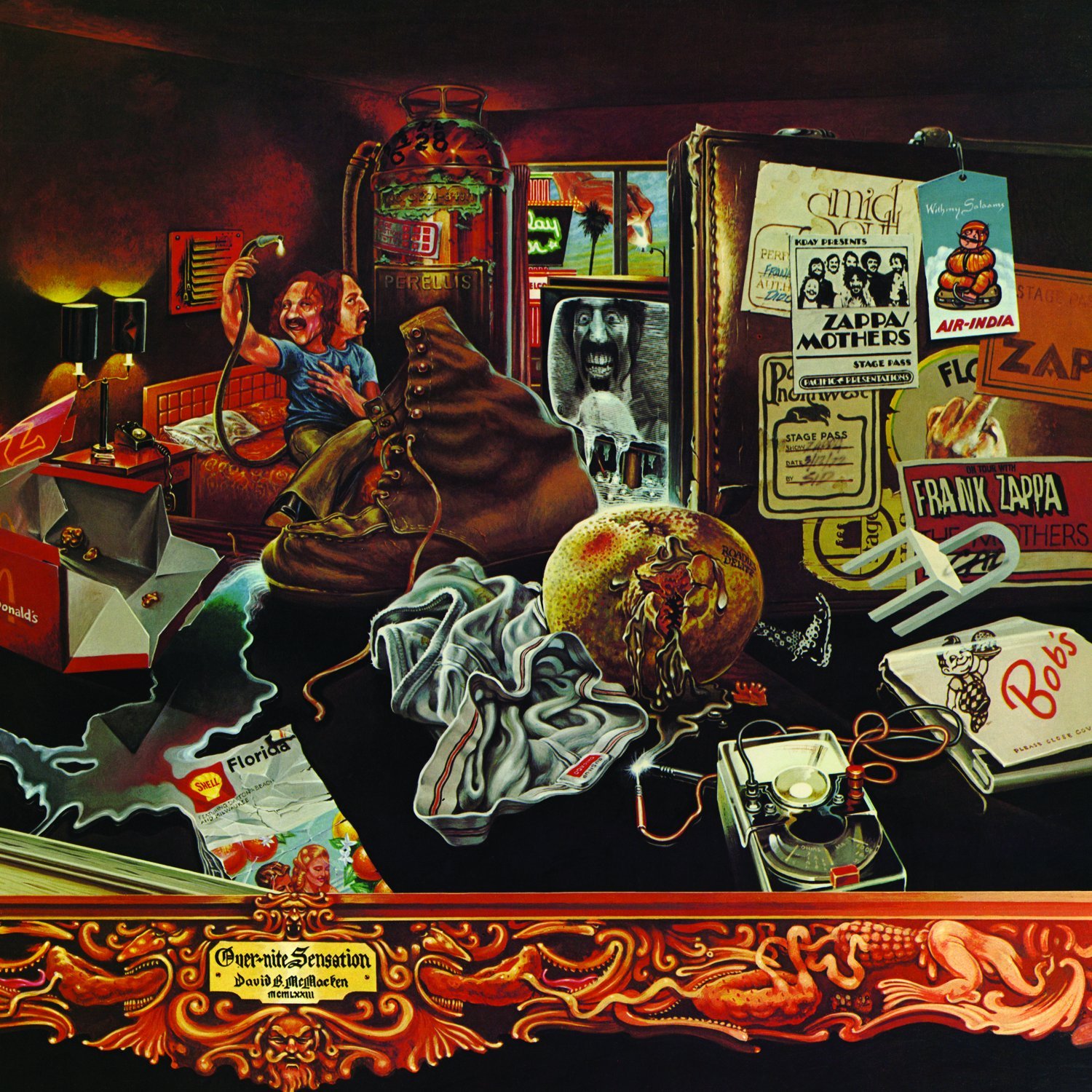
Frank Zappa and the Mothers: Over-Nite Sensation
Released on September 7, 1973, and recorded at the same time as Zappa’s “Apostrophe” solo album, this work artfully brings together rock, progressive rock, jazz-rock, and R&B elements (with uncredited backup vocals provided by Tina Turner and the Ikettes). Though progressive and musically innovative, it is still easily accessible to a wide range of listeners. One may possibly find the often sexually-focused lyrics clever, witty, and sardonic, providing an often detached, dry-humored commentary—or perhaps one will perceive them as waywardly placed in the deeper recesses of the gutter. However, the music itself is generally elevated, showcasing outstanding solo work, including saxophone (Ian Underwood, of course), keyboards (George Duke), and guitar (Zappa), complemented by some excellent mallet work from Ruth Underwood. The music is inherently entertaining, and I believe that it likely had a strong influence on the San Francisco-based Tubes, who began releasing albums in 1975.
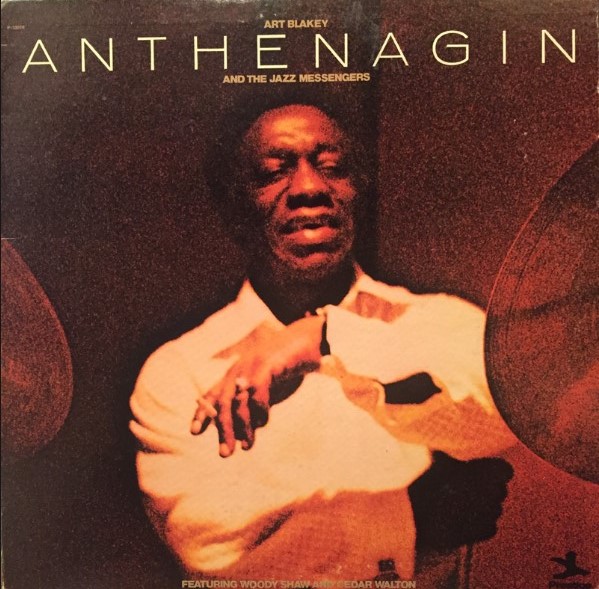
Art Blakey: Anthenagin
Including remaining tracks from the same March 26-29 sessions used for the Buhaina album, Anthenagin is a particularly enjoyable album with Woody Shaw’s brilliant trumpet radiantly shining during his various solos. Cedar Walton is mostly on electric piano except for the introduction of “Without A Song” and for the entirety of Walton’s “Fantasy in D”, the latter being my favorite track on the album. And though my preference would be to have Walton play piano for all the tracks, his electric piano is crucial to the overall impact of another one of his compositions on the album, the title track, “Anthenagin.” This album, sadly, appears to have never been released on CD, but is available on streaming services and on the original Prestige LPs.
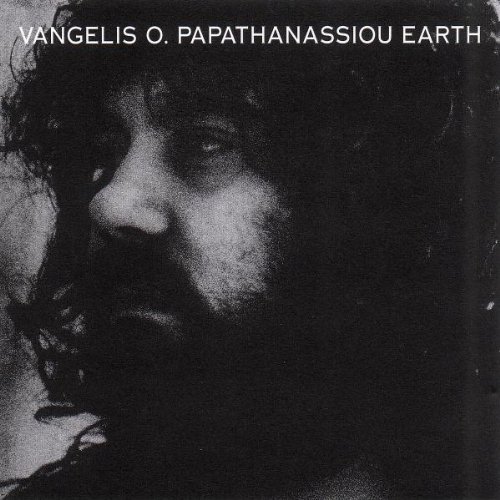
Vangelis: Earth
Earth, Vangelis first official solo studio album, stands as a testament to Vangelis’s pioneering spirit and creative prowess, marking his inaugural foray into the realm of official studio albums. Within this musical odyssey, Vangelis reveals not only his compositional finesse but also his remarkable aptitude for arrangement and his astute selection of instruments. While certain moments of the album’s foundational melodic and harmonic material are less than notable , it’s through Vangelis’s virtuosic touch that these seemingly straightforward elements metamorphose into a tapestry of captivating sonic storytelling.
Vangelis’s deliberate curation of instruments becomes a central pillar of the album’s enchantment. His choices encompass a diverse array of sonic colors, each instrument meticulously positioned to weave its own narrative thread. Through this meticulous crafting, the album transcends its individual components, elevating them to become harmonious voices within a grand symphony of sound. Vangelis’s ability to orchestrate these instruments with precision and sensitivity results in a truly immersive experience, where listeners are invited to traverse the intricate landscapes he has diligently designed.
Osanna: Palepoli
Episodic with a few rough edges, Osanna’s 1973 album provides a great immersive listening experience from its relaxed unhurried world-music opening that breaks unabashedly into a passage of celebratory, Italian folk-based dance music until it closes with a mysterious coda based on the opening of Stravinsksy’s The Firebird. This isn’t just Italian Progressive Rock, this is Neapolitan Progressive Rock at its best — uninhibitedly creative and reveling in musical freedom!
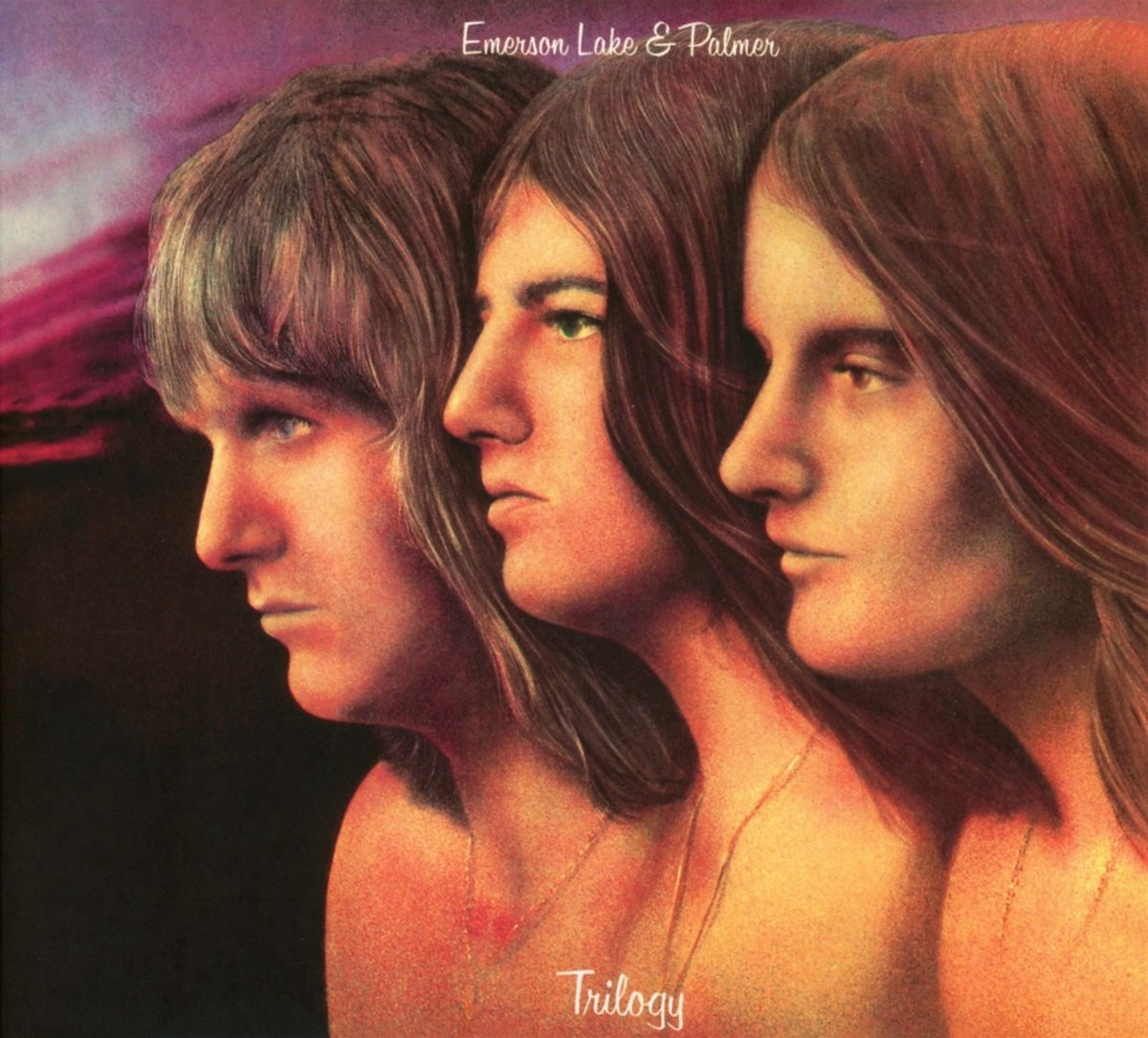
I think it was the weekend after july 4th, 1972, that this long-anticipated (by me) ELP album hit the records stores. I unhesitatingly purchased it, and though I was hoping for something as musically revolutionary as Tarkus, I soon accepted this more commercially friendly effort from ELP as a fine album, getting lots of turntable time from me during that summer.
For classical and progressive music fans, there are several tracks of great interest, including the particularly well-arranged and well-executed, “Abaddon’s Bolero”, Emerson’s version of Ravel’s Bolero, at a little over half the length and in a non-bolero 4/4 time-signature, but very much tracking the intent and impact of Ravel’s 3/4 bolero, starting out quiet and gradually building to a thunderous climax. Also notable is the imitative counterpart in the middle section of the three-part Endless Enigma, and the well-executed moog-rich arrangement of Aaron Copland’s “Hoedown”, with Emerson cleverly inserting references to American folk tunes not referenced in the original. Also notable is the guitar arrangement in “From The Beginning” and the seamless coalescing of pop, jass and prog in three-part “Trilogy.”
Chicago: Chicago V
While I was absorbed in my new ELP album, my next door neighbor acquired the newest Chicago album that very next Friday evening or Saturday morning — at any rate it was at his house on Saturday, and I soon brought it over to my house to let me record it while we listened to it on my parent’s better stereo system at my place. I intently followed the lyrics, trying to immediately size up the value — determining it was an improvement over the third album, not as good as the second, and, with “Dialogue” and “Saturday in the Park” seemed more commercially-oriented than the previous studio albums. If I could see into the future, I would have realized that this was the start of Chicago’s previously unimaginable move towards a more adult-contemporary.
T. Rex: The Slider, Frank Zappa: Waka/Jawaka
T. Rex released the commercially successful slider was included their previously released single, “Telegram Sam” and Frank Zappa releases Waka/Jawaka, sometimes referred to as Hot Rats 2, due to the reference on the cover and the similarities in general seriousness and musical style. And though nothing on the album approaches the classic “Peaches en Regalia” from the original Hot Rats, the title track is really a better example of jazz rock than anything on the Chicago V album; and the multi-meter “Big Swifty”, though perhaps a bit long, provides a different aspect of jazz-fusion than found on the several more successful (musically and commercially) jazz-fusion albums released those first seven months of 1972, with Zappa’s originality, creativity and inventiveness continuing to be an essential element to his music’s appeal.
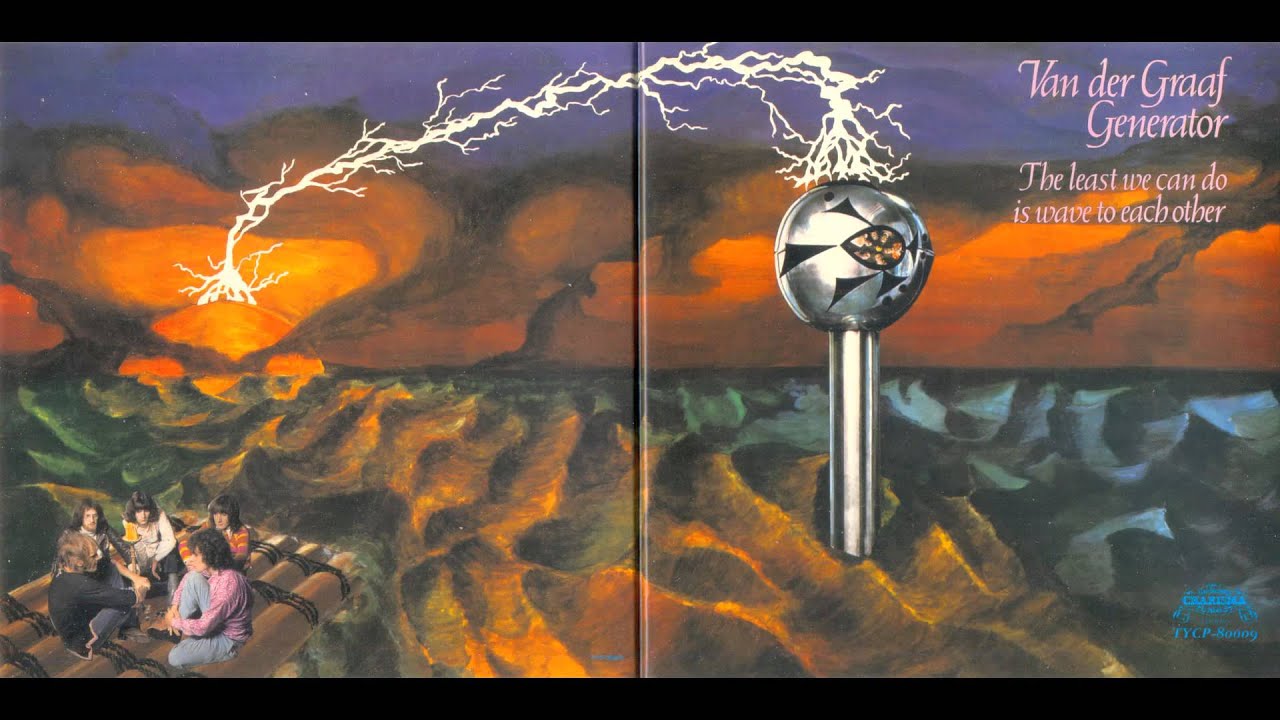
Van der Graaf Generator: The Least We Can Do Is Wave to Each Other
Recorded in December 1969, and released in February 1970, The Least We Can Do Is Wave to Each Other was the first true VDGG album (the first, the Aerosol Grey Machine was closer to a Peter Hammill album with VDGG personnel and was originally intended to be released under Hammill’s name) and their only album to make a dent on the UK charts, peaking at number 47, and staying on the charts for an almost immeasurable two weeks. It also received some critical aclaim, including London’s Time Out magazine heralding it is the strongest album the writer had heard in a long time. The lyrics from Peter Hammill are excellent, even better than on the Aerosol Grey Machine, and the music nothing short of timeless — and in the same league as King Crimson’s classic In the Court of the Crimson King. And like In the Court of the Crimson King it is considered by most prog rock fans as an unequivocal example of early progressive rock — not proto-prog, psychedelic rock or hard rock, but truly progressive rock.
One can completely lose themselves when listening to this album — this is music which demands attention of and absorbs the listener as almost effectively and as inexorably as a Beethoven symphony. The VDGG’s performance and use of instruments provides both a level of unpretentious sophistication and focused unity normally associated with orchestral music. We can track the maturation of Peter Hammill not only as a composer and songwriter but as a vocalist as he shows greater expression and naturalness than on the previous album. One can reasonably speculate this is probably the album where David Bowie first started to be influenced by Peter Hammill, an influence that Bowie may have never publicly acknowledged but one can begin to hear tinges of starting with Bowie’s third album, The Man Who Sold The World, recorded in April and May of 1970.
I had no awareness of Peter Hammill or Van Der Graaf Generator in 1970 or even 1971. It wasn’t until I saw Pawn Hearts on sale around 1973 and purchased that album (solely based on the price and the album cover) that I first heard this magnificent band and their amazing music. Soon I purchased all Peter Hammill and VDGG’s earlier albums, including this true masterpiece, The Least We can Do Is Wave to Each Other.
Black Sabbath: Black Sabbath
Whereas, VDGG’s second album is indisputably one of the first progressive rock albums, Black Sabbath’s self-titled first album, recorded in October 1969 and appropriately released on Friday the 13th, February 1970 is often considered one of the first heavy metal albums. Like the VDGG album it is symphonic in nature, with a readily identifiable musical style and handling of non-traditional pop/rock subject matter. Both use grimly Cimerian album and song titles: The VDGG album title is based on the quote “We’re all awash in a sea of blood and the least we can do is wave to each other” with “Darkness” the title of the initial track; the Black Sabbath title, band name and opening track is, of course, is associated to heretics’ and witches’ black masses (often evil and devil worshipping gatherings or ceremonies) held on the Sabbath. Interestingly, both albums begin with ominous sounds of the stormy side of nature and an impending sense of utmost darkness.) Like the VDGG album Black Sabbath provides an early example for an entire genre. Commercially, the reception of these two albums were quite different, with the Black Sabbath album climbing to number 8 on the UK charts and staying on US album charts for over a year, selling over a million copies. And initially, the critical reception was very different, also — where the VDGG album was praised, the Black Sabbath album was basically ridiculed — critic Robert Christgau describing their first album as “The worst of the counterculture on a plastic platter — bullshit necromancy, drug-impaired reaction time, long solos, everything.”
Although the initial reaction of Sabbath’s debut album was pretty negative, later evaluations have generally been more positive, with it now being ranked as number 243 of Rolling Stone’s 2012 revision of the 500 Greatest albums of all time — a list that does not include a single entry for VDGG, Peter Hammill, King Crimson, Gentle Giant, Yes, ELP, Tangerine Dream, Vangelis, Area, PFM, Banco del Mutuo Soccorso, Laura Nyro, Charles Mingus, Thelonious Monk, Duke Ellington, Cannonball Adderly, Dave Brubeck, Herbie Hancock, Lee Morgan, Freddie Hubbard, Clifford Brown, Eric Dolphy, Larry Young, Cannonball Adderly, Grant Green, Chet Baker, Art Pepper, Art Blakey, Lennie Tristiano, Weather Report, The Mahavishu Orchestra, Return To Forever, Chicago (to include the Chicago “II” album) as well as any compilations of Louis Armstrong, Billie Holiday, Charlie Parker, Dizzy Gillespie, Coleman Hawkins, Sidney Bechet, Nat King Cole Trio, Bud Powell, Lester Young, Count Basie, Charlie Christian, Django, Reinhardt, T-Bone Walker or Lightning Hopkins, despite inclusion of other compilations and greatest hits albums. (I know this isn’t the post for this, but how can you include two Frank Sinatra entries in a greatest recordings list and not include a single mention of Billie Holiday? And why only U.S., U.K., and Canadian bands? Does Europe, South America, the Middle East, Asia and Africa not record music worthy of inclusion in a list of top 500 albums? )
This 1970 Black Sabbath album was recorded in one day, and mixed in a single subsequent session. The single session constraint actually worked out okay, as the entire album was comprised of material Black Sabbath had been performing live — this enabled them to basically play as they had been playing to real audiences without intricate overdubs or musical layering. And yet, despite this, the album sounds more fully developed and coherent than most of the hard rock or heavy psychedelic rock released previously.
The satanic images are not only in the lyrics but inherent and arguably fundamental to the music itself. Sabbath guitarist, and primary composer, Tony Iommi repurposes the ominous, hostile theme of Gustav Holst’s “Mars” from The Planets to set the sinister tone for the entire album. Much is made of the use of tritone which is more overt in Iommi’s handling of the theme, but the minor third and ornamental minor second are even more germane to the Black Sabbath sound which is particularly distinct due to the Geezer Butler’s bass and Iommi’s deep ostinato guitar lines that provide a primal foundational simplicity and unavoidably recognizable trademark for the band’s raw, underworldly sound. Though not the 243rd best album ever made, it is a strong debut and garnered an immediate fan base to provide ongoing support for Black Sabbath for many years.
Atomic Rooster: Atomic Rooster
Recorded in December 1969 and January 1970 and released in the UK on February 1970, Atomic Rooster’s first album is a mixture of early progressive, psychedelic, and hard-rock. Vincent Crane provides the compositions and quality keyboards and the album includes an extended drum solo from Carl Palmer.
The album was not released in the U.S. (until several years later) and only available as an import. The album was released in Australia where the original album cover art was deemed inappropriate (this is a rooster — and a fowl!) and replaced with a substitute cover.
James Taylor: Sweet Baby James
Recorded in December 1969 and released in February 1970, Sweet Baby James has a mix of high quality and direct, intimate simplicity that has made it a classic. It includes one of the best straightforward pop-folk songs ever composed: “Fire and Rain.”
Burnt Weenie Sandwich, Funkadelic, Morrison Hotel
Other albums of note released in February 1970 include Frank Zappa and the Mothers of Invention Burnt Weenie Sandwich with material recorded in the late sixties, Funkadelic’s first album, Funkadelic and the Door’s Morrison Hotel. George Clinton’s group Funkadelic is particularly notable for its meld of funk, soul and psychedelic rock and this first album also seamlessly incorporates African-American traditional-folk music including field shouts and blues, trailblazing the way for many future soul-funk-rock albums. Interestingly Robert Christgau, who so scathingly panned the first Black Sabbath album and the Sweet Baby James album, also trashed this important album.
“I don’t know anything about music.” Don Glen Vliet (aka Captain Beefheart)
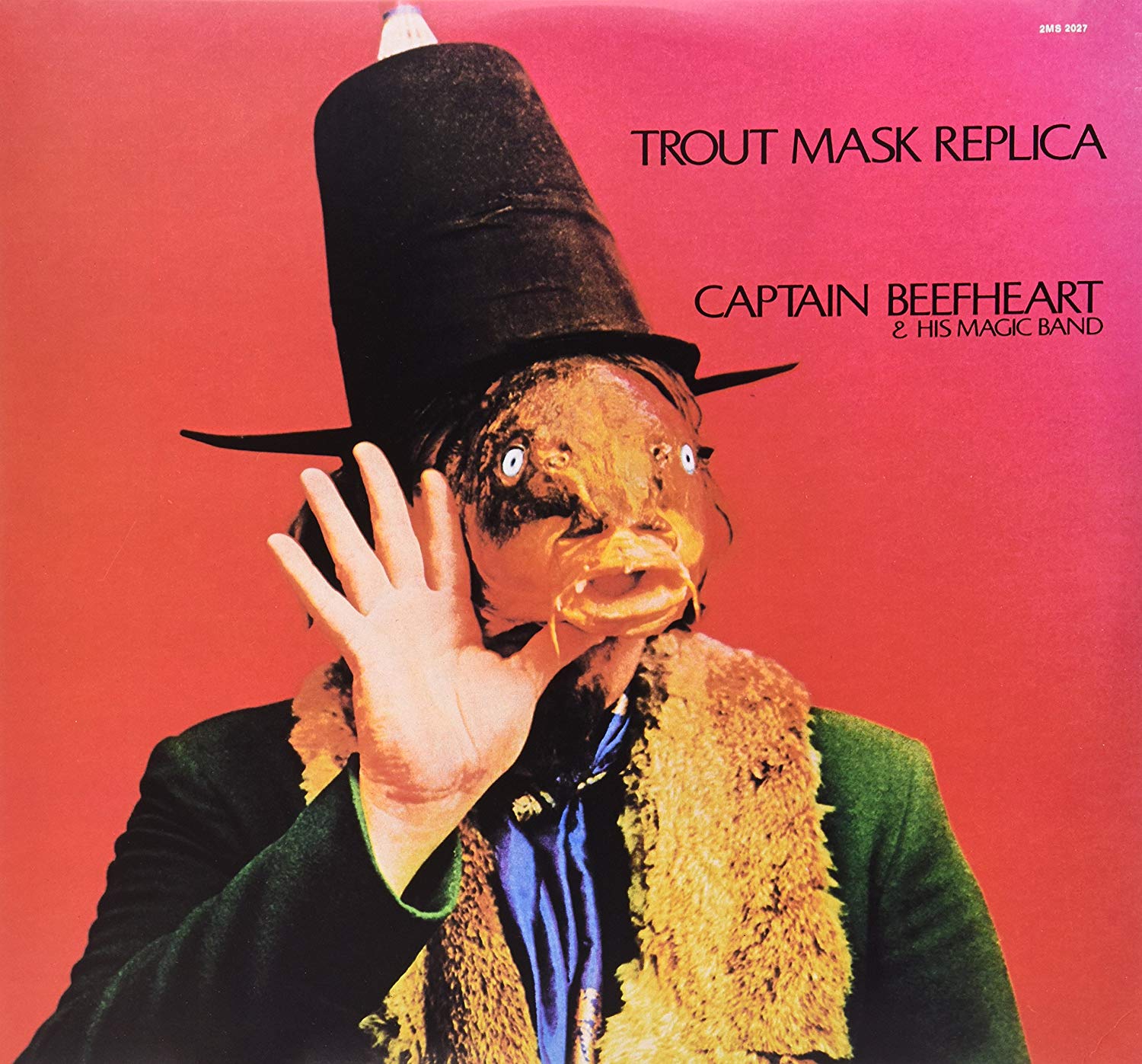
Captain Beefheart & His Magic Band: Trout Mask Replica
Recorded from August 1968 to March 1969 and released on June 16. 1969, Trout Mask Replica is a double album for the ages whether you might love it or hate it — and for most people, it’s rather easy to hate. Far different from Captain Beefheart’s previous album, Safe As Milk (which though partly confined within a traditional blues framework and ethos, provides many imaginative moments and approaches), Trout Mask Replica breaks into territory no artist has yet covered on record: it’s been called out as the musical equivalent of rusty barbwire, and it certainly is as about as far away from easy listening as music gets. But careful, focused, not-so-easy listening reveals the complexity in a large portion of music on the album which includes complex polyrhythms and polytonality.
Yes, there is a lot of non-musical content on the album — Frank Zappa produced this gem and granted total artistic freedom to Captain Beefheart and his band, so one doesn’t get continuous, highly refined music. Instead one gets pockets — and the treasures here are in the instrumental accompaniment and interludes. It’s been said that Captain Beefheart’s voice makes Tom Waits sound like Julie Andrews, that’s true, and the engineering of the album emphasizes these vocals as does their general lack of alignment with the backing instrumentation. It has been alleged that the lack of synchronization was due to Beefheart’s not wanting to wear headphones during recording, which resulted in him becoming hopelessly dependent on his own sense of time and on the immediate sonic reverberations of the studio.
Though there are people that will swear that the main value of this album is to drive away unwanted visitors, its influence on many musicians is indisputable. Bands or individuals reportedly influenced include Henry Cow, The Residents (clearly), The Clash, Tom Waits, The Sex Pistols, Velvet Underground, The Little Feat and myriad others. For me, the repeated polyrhythmic motifs anticipate Gentle Giant, King Crimson and some of the more aggressive math rock bands. If you don’t like this album immediately, try it again, clearing away any possibility of distractions, as well as any expectations, taking the music and non-musical elements for what they are — rejoicing in the unusual, and what most would consider weird, amalgam of musical freedom and musical discipline.
Drumbo (John French) – drums, percussion, engineer (uncredited on the original release), arrangement (uncredited)
Antennae Jimmy Semens (Jeff Cotton) – guitar, “steel appendage guitar” (slide guitar using a metal slide), lead vocals on “Pena” and “The Blimp”, “flesh horn” (vocal with hand cupped over mouth) on “Ella Guru”, speaking voice on “Old Fart at Play”
Zoot Horn Rollo (Bill Harkleroad) – guitar, “glass finger guitar” (slide guitar using a glass slide), flute on “Hobo Chang Ba”
Rockette Morton (Mark Boston) – bass guitar, narration on “Dachau Blues” and “Fallin’ Ditch”
The Mascara Snake (Victor Hayden) – bass clarinet, backing vocals on “Ella Guru”, speaking voice on “Pena”
Buzz Gardner – trumpet on “The Blimp” (uncredited/inaudible)
Frank Zappa – speaking voice on “Pena” and “The Blimp” (uncredited); engineer (uncredited); producer
Richard “Dick” Kunc – speaking voice on “She’s Too Much for My Mirror” (uncredited); engineer
Steve Miller Band: Brave New World
Also released on June 16, Steve Miller and his band’s Brave New World and Captain Beefheart and His Magic Band’s Trout Mask Replica are as far apart musically as composers such as Muzio Clementi and Harry Partch. Brave New World may display less overt, convention-defying courage than Trout Mask Replica, but the musicianship is solid and Steve Miller’s vocals flexibly fit the songs whether those vocals are reassuring and comforting as with the dreamy evocative “Seasons” or appropriately bluesy as on the Hendrix-like “Got Love “Cause You Need It.” Of course, the hit of this album, is “Space Cowboy” which borrows the ostinato-like chromatic blues riff from Lady Madonna, possibly with Paul McCartney’s blessing who jams (under the psuedonym, “Paul Ramon”,) with Steve Miller on another track on this album, “My Dark Hour.”
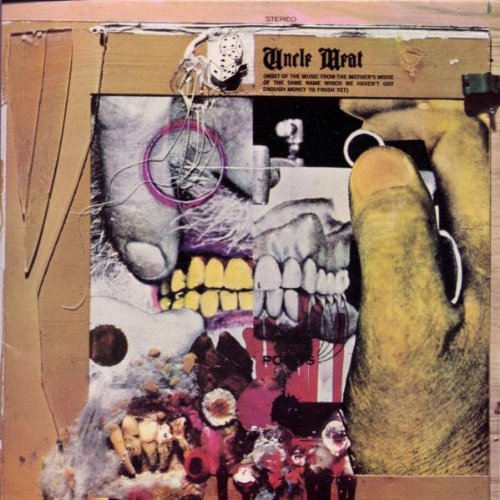
Frank Zappa continues to challenge the boundaries of commercial music, producing an audio collage of breathtakingly fresh music, snippets of musique concrète, and dialogue from his unfunded movie.
Recorded from September 1967 to September 1968 and released on April, 21, 1969, Uncle Meat is a particularly colorful album on a number of levels besides just the colorful dialogue included. Zappa aggressively and artfully deploys twelve-track recording and speed alterations to affect the timbre and character of voices and instruments, creating a clearly contemporary work not possible just a few years earlier.
This is album is a barrel-full-of-monkeys fun to listen to with the highlights including the title theme, Ian Underwood’s keyboards and sax contributions, “Mr. Green Genes”, and the King Kong tracks on side four of the original LP.
Joe Cocker: With a Little Help from My Friends
In 1969 and in the early seventies, I not only unsympathetically and almost unequivocally dismissed any version of a Beatles song not performed by the Beatles, but its accurate to say that I generally formed a dim view of any performer making such an attempt. And so my first impression of Joe Cocker was particularly negative when I heard his version of “With a Little Help From My Friends” on AM radio and later saw Cocker perform on television.
Wisdom and time has helped me overcome this teenage bias, and as a musically mature adult, I actually respect anyone with enough nerve (or even recklessness) to do a cover of one of the Beatles classics. If they do it well, that is, they deserve my respect; looking back on Cocker’s rendition of one of the last of McCartney and Lennon’s true collaboration’s, “With A Little Help From My Friends”, and comparing it against Ringo’s vocals, I must admit that Cocker and his backing musicians pull this off pretty nicely.
In fact, the whole album is pretty good, with some original tracks along with a diverse set of covers including the well-known and often recorded 1926 composition, “Bye, Bye Blackbird” as well as a couple of Dylan covers. Cocker and back-up singers team up with musicians as capable and as well respected as Albert Lee, Jimmy Page and Stevie Winwood, taking Cocker’s debut album as high as the thirty-fifth spot on the billboard chart.
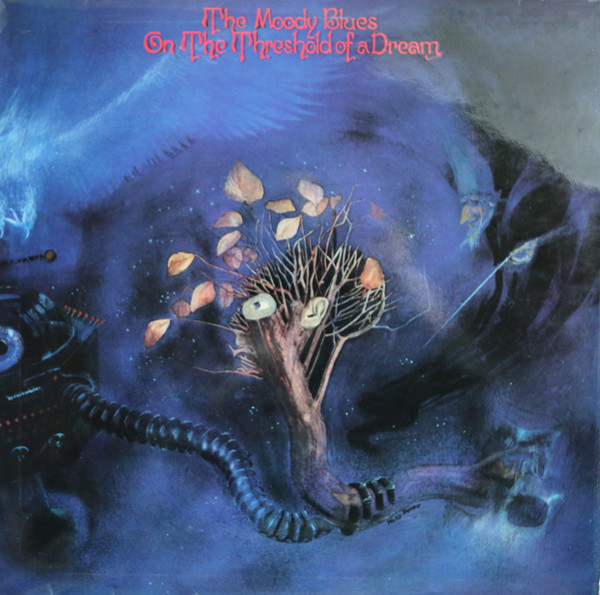
The Moody Blues continue with their signature style of music crafting an album that encompasses elements of the past, present and future: “To Share Our Love” harkens back to 1966 British Beat music, “Send Me No Wine” is country rock with an English accent, and “The Voyage” is an exploration into the territory of progressive rock.
Recorded in the first two months of 1969, and released in the UK in April of 1969 and in the US in May of 1969, On the Threshold of a Dream quickly reached the number one spot on the UK album charts by May 4, 1969, staying there for a couple of weeks. There are some that would profess this to be the first progressive rock album to claim the number one spot, but to my mind that distinction either belongs to the Beatles’ 1967 Sgt Pepper’s album or ELP’s 1971 Tarkus, depending on how stringently one defines progressive rock. That said, it is a tribute to British taste how well this album did, particularly since its best mark on the US charts was the twentieth spot occurring the week of July 26, 1969.
Though the Moody Blues is not one of my favorite bands, and one that I rarely listen to today, I am always impressed by their dreamy, evocative artistry that unfailingly creates a consistent, though often varied, mood — an enveloping, trademark mood providing a generally calming, mystical musical palette distinct from that of other bands of that era. Pay particular attention to the ethereal flute and oboe provided by Ray Thomas and the cello and mellotron contributions from Pinder, Hayward and Lodge.
Quite a contrast to her first album, The Marble Index is a true art-rock album, sounding more like a collection of twentieth century classical leider than a follow-up to her relatively accessible first album. Her intonation and singing is also better as she navigates nicely against her harmonium accompaniment and John Cale’s detailed arrangements.
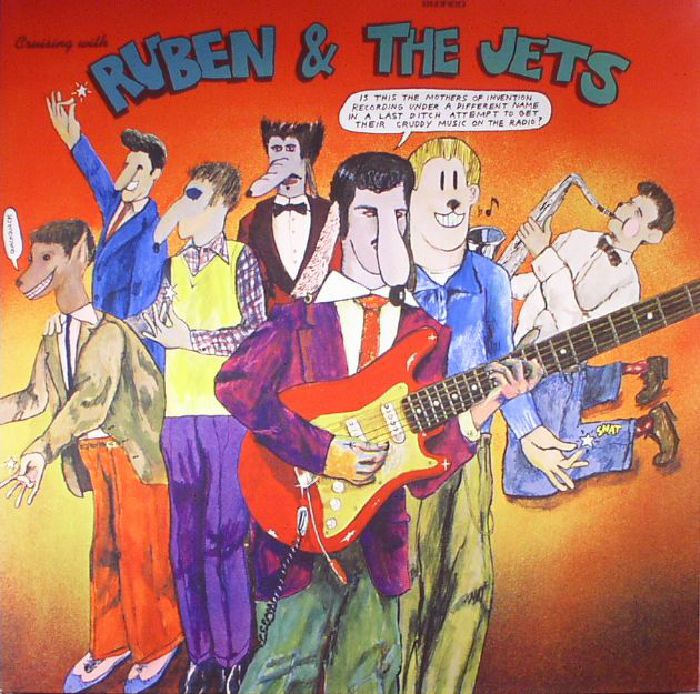
Frank Zappa & The Mothers of Invention: Cruising With Ruben & The Jets
I heard this album in the summer of 1969, and honestly didn’t know what to make of it: was it a satire of fifties music or an homage? I had several 45 singles from the late fifties that I received as gifts from my grandfather whose worked at Firestone Tire and Rubber Company, a forty acre complex in South Gate, California. I don’t know how he got all these free 45s, but figured it had something to do with his work at Firestone; many were marked as “Promotional” or “Promo”, and these various 45s, on a wide array of different record labels, provided me with an rudimentary education of fifties hits (and I believe misses, for most of this music I have never heard again since I listened to it as a child) that I am thankful for today.
So listening to this Cruising With Ruben & The Jets album for the first time at my cousin’s shared college-vicinity apartment in Sonoma County, having taken in the earlier Zappa albums there, this was a very confusing contrast to their other material.
Listening to it again, for the first time in forty-nine years, and fifty years after its initial release on November 2, 1969, I better appreciate the songwriting and solid musicianship.
And I am not so puzzled, I think.
This concept album about a fictitious band from Chino, California that eschews the modern rock of 1968 to play fifties music is both a tribute to fifties music and a satire of fifties music. This well-balanced mixture of reverence and parody is not a characteristic of all satires. Some satirical representations or portrayals are just totally fine with mocking, ridiculing, and belittling, and the worst examples do so with little regard towards faithfulness or accuracy. But it seems the best satirical music, from PDQ Bach to The Ruttles to Cruising With Ruben and the Jets, are works of love, celebrating the artistic strengths as well as the individual idiosyncrasies of their target and touching our hearts as well as bringing a smile to our faces.
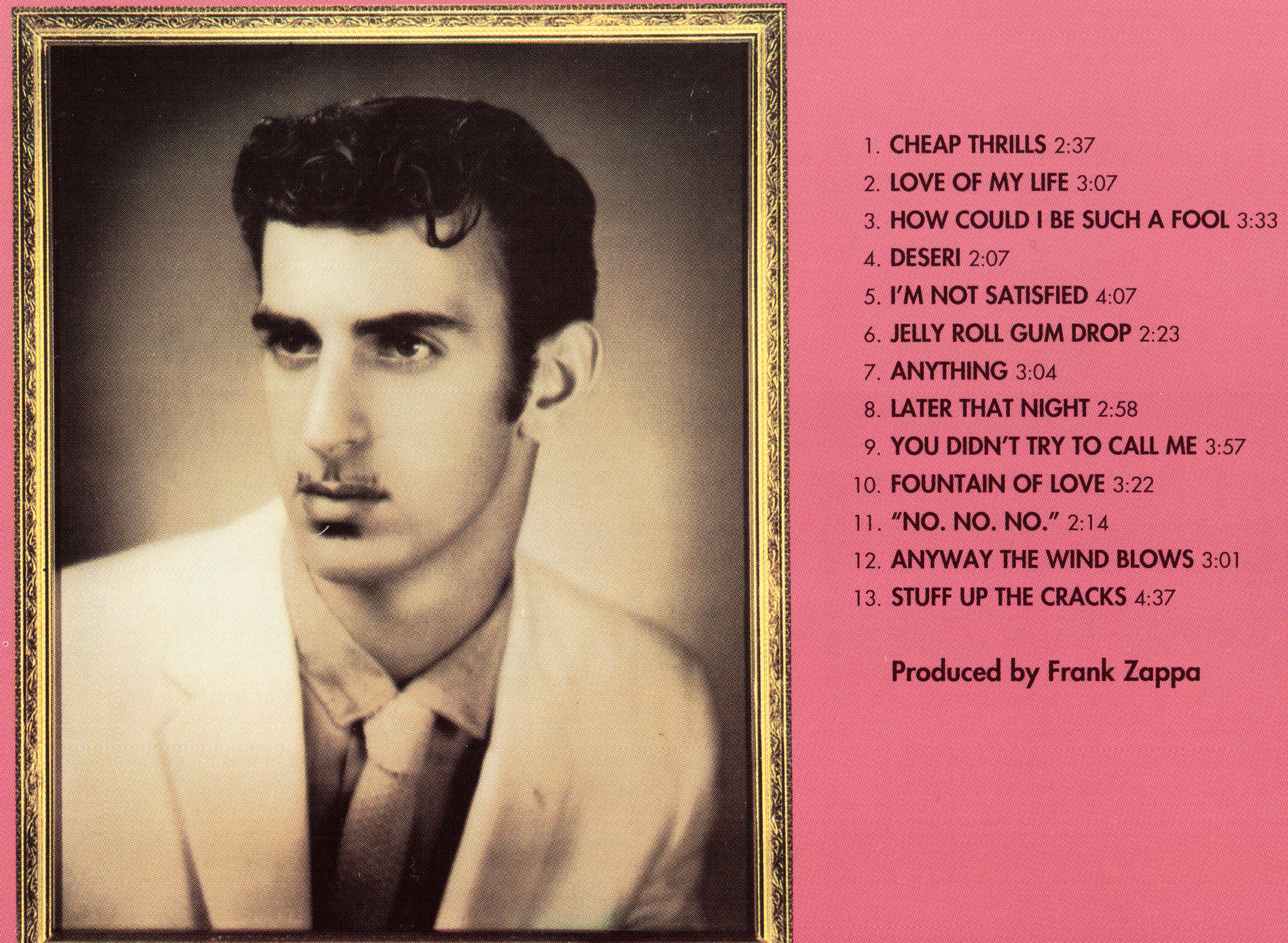
Track listing [From Wikipedia]
All tracks written by Frank Zappa except as noted.
Frank Zappa and the Mothers of Invention: We’re Only in It for the Money
In the summer of 1969 my family drove up to the San Francisco to take a cruise to Alaska on the Princess Cruise Line Ship, MS Italia, and visited with my Aunt and then dropped me off for most of the day to visit with my cousin who was rooming with two or three other college students. As typical, there the living room was the shared area, and it was well-stocked with a stereo system and dozens of LPs. Several of them were recent recordings of Baroque music, this being the era of the baroque revival where driving around San Francisco one can find multiple FM stations playing mostly baroque music with works of not only J.S. Bach and Telemann, but seemingly dozens of Italian Baroque composers with names like Torelli, Tartini, Tortellini, Samartini, Scarlatti, Spumoni, and on and on. So though my natural instinct was to dive into the treasures of Baroque music stacked around the stereo and against the sides of the speakers, my attention was redirected by an album that looked like Sgt. Peppers, but clearly was not.
“My roommate is a big Frank Zappa fan”, explained my cousin. “He’s got all the albums.”
That is, all the albums up to the summer of 1969. And so I started with “We’re Only In It For the Money”, intrigued and yet mostly thrown off balance for much of side one and, to a lesser extent side two, but comforted by having the lyrics printed on the back. Then putting on “Reuben and the Jets”, I was even more puzzled, abandoning it at the end of the first side, going on to the next Zappa album, and then ultimately shifting to one of the many Baroque albums I had initially neglected.
A few weeks later, during my first semester in college, I was able to explore Zappa’s early catalog at my own pace, and appreciated better the musicianship, music, and unconventional point of view, though not particularly embracing the sarcastically, disparaging tone and the interspersed droppings of scatology that were as much a Zappa trademark as the predictably unpredictable musical discontinuity and divergent shifts. I would not become a Zappa fan until Hot Rats, but was still able to enjoy and laugh at these early albums, particularly Freak Out, Absolutely Free, and We’re Only it For the Money.
So Fifty Years later, I am not yet ready pronounce, We’re Only it For the Money as a masterpiece of Western music, but can unequivocally state that it is a work of genius and something everyone should hear, if not just for purely musical reasons, for both musical and historical purposes.
The United States of America: The United States of America
Two days after We’re Only in It for the Money was released on March, 4, 1968, another unconventional and relatively radical rock album was released, the work of Joseph Byrd, other band members including vocalist Dorthy Moskowitz, and producer David Robinson.
I first heard this band in my first semester in college in 1973 as part of Music History 251, when the track “Garden of Earthly Delights” was played on the classroom’s barely adequate stereo as part of the listening example included in the course workbook. I was impressed but when looking for that record that weekend could not find it in even the larger chain record stores and so forgot about it until years later when it became available again through reissue.
The first track, “The American Metaphysical Circus”, opens up much in the spirit of Charles Ives with competing marching bands, a piano playing “At a Georgia Camp Meeting” and a calliope. But going beyond Ives is the electronic effects — no Moog synthesizer, this was beyond the financial means of the group — but creatively generated effects from more basic sound wave generation equipment.
More obvious than the Ives’ influence here, is the Beatles’ Sgt. Peppers’ influence. The lyrics of that first track hearkens back to “For the Benefit of Mr. Kite” — at least in the first verse:
“At precisely 8:05, Doctor Frederick von Meyer Will attempt his famous dive Through a solid sheet of luminescent fire.”
However as the song progresses the lyrics darken:
“In the center of the ring
They are torturing a bear
And although he cannot sing
They can make him whistle Londonderry Air”
And then political:
“And the price is right
The cost of one admission is your mind.
“We shall shortly institute
A syncopation of fear
While it’s painful, it will suit
Many customers whose appetites are queer.”
And such goes much of the album with decidedly left-wing, if not communist-inspired viewpoints (one track is titled “Love Song for the Dead Ché”), embedded into adventurous, well-crafted music. This album, the group’s only offering (they broke up shortly after the release) is sometimes mentioned as a forerunner to progressive rock. For anyone interested in building up a collection of more exploratory and ambitious 1968 “rock” music, it is worth the trouble to track this album down — and it is a suitable companion for We’re Only in It for the Money next time you have ninety minutes set aside for some uninterrupted listening of some of the more progressive and unusual music from 1968.
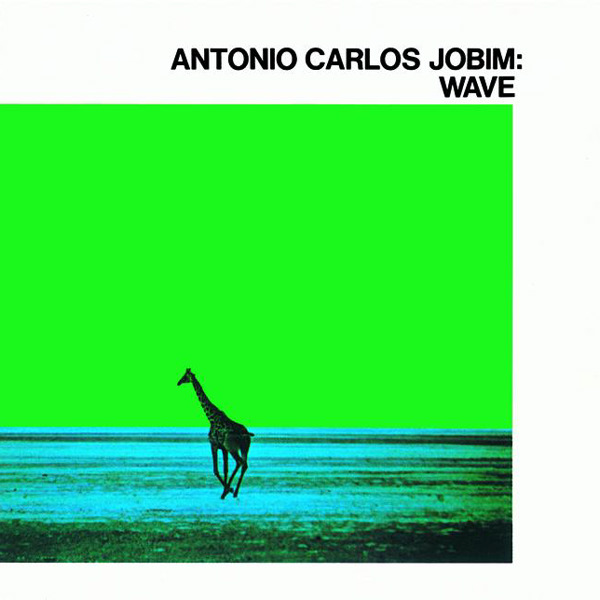
Jazz fan’s will likely know of Antonio Carlos Jobim two albums with Stan Getz, particularly the first one, Getz/Gilberto containing “Desafinado” and the classic version of “The Girl from Ipanema” with Astrud Gilberto‘s seductive vocals. That first album, added fuel to the already burning fiery desire of Americans to hear and dance to bossa nova, and elevated Jobim to a marketable American music business commodity.
“Wave”, released in 1967, became Jobim’s best selling album, providing smooth, comforting music for middle America and many non-jazz record consumers. The music is well-crafted, well-arranged and well-performed with Jobim playing guitar, piano, celeste and harpsichord, Ron Carter on bass, Urbie Green on trombone, and a small string orchestra with french horn and flute/picolo all providing the most mellow dance music possible. It is not exactly jazz and, in a sense, sets the tone for a genre of music that would be called smooth jazz, a style not demanding listener attention or involvement, but played for its soothing, relaxing qualities. Such smooth or background music became prevalent in shopping centers, in restaurants and in many work places that now added such music or substituted smooth jazz for the previously provided muzak. In 1987, Los Angeles radio stations KMET, once one of the coolest, most progressive album-oriented, FM radio stations in Southern California, changed its letters to KTWV and called itself “The Wave” playing “adult contemporary jazz” becoming one of the un-coolest, most un-progressive stations in the Greater Los Angeles area ultimately influencing other radio stations to take the same path.
Of course, none of the blame should be attributed to this fine Jobim album; it is just worth noting that soon background music became virulently prevalent, irking many musicians that believed music should be actively listened to and not absorbed.
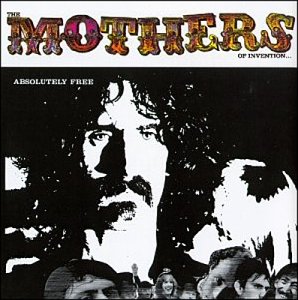
Frank Zappa and his Mothers of Invention did not produce either easy listening music or anything that could be considered conservative. This is the Mothers of Invention’s second studio album and every bit as adventurous as the first including mixed meter and quotes from Stravinsky’s three most famous ballets, “The Firebird”, “Rite of Spring” (“Le Sacre du printemps”) and Petrushka. Each side of the original LP can be viewed as a single piece rather than a set of unrelated tracks due to redeployment and relationship of music material. Humor is a inseparable part of this innovative album that many Zappa fan’s cite as one of their favorites.
Track listing [from Wikipedia]
All tracks written by Frank Zappa.
Side one: “Absolutely Free” (#1 in a Series of Underground Oratorios)
Note that there are several additional musicians on this album including Don Ellis on trumpet on “Brown Shoes Don’t make it”
Another less-than-easy-listening album is Captain Beefheart and his Magic Band’s “Safe as Milk” which starts from a blues foundation but includes uncommon time signatures and unique instrumental divergences. On one hand, a traditional blues fan might prefer to spend their time listening to a true blues album by someone like Howlin’ Wolf rather than this Don Van Vliet (A.K.A Captain Beefheart) psuedo-blues album. However, despite some superficial similarities in Howlin’ Wolf’s and Beefheart’s voices, and “Safe as Milk’s fairly straightforward first track, there are enough deviations here, musically and lyrically, from other more solid blues albums of the time to take this album on its own terms. Guitarist Ry Cooder, having played with Taj Mahal in the short-lived Rising Sons, makes important arrangement and performance contributions. Historically, this is an important album as it captures a band in transition to a more adventurous style that merges blues, free jazz and art-rock into a genre I could only call head-spinning, head-splitting, free-style post-blues
So even though this is much closer to standard fare than later Captain Beefheart albums, it contains a number of adjustments to standard rock/blues that make this an album worth checking out. “Yellow Brick Road” borrows the first part of its melody from “Pop Goes the Weasel” but strays off into its own tune with a mix of innocent and suggestive lyrics. “Autumn Child” pushes into both art-rock and progressive rock territory with its Zappa-like opening and changes in meter, texture, tempo and mood. Electricity” is the stand-out track, with lyrics and music flirting with psychedelia (note the guitar imitating the sitar), blues, bluegrass, and rock, and, once past the brilliant introduction, is very danceable. The rising oscillations of a thermin closes out the song.
Whereas one can put on “Waves” (and even “Absolutely Free” under the right circumstances) and delegate it to the background with little trouble, if one does this with some of the Beefheart “Safe as Milk” tracks like “Electricity”, “Plastic Factory” and “Abba Zaba”, they simply become distracting and annoying; however, play this album on a good audio system that can untangle the aggressive texture into individual and distinctive voices and the music flies by and, if not always pleasant, is unexpectedly absorbing and engaging.