100 years ago this month here are some notable musical events!
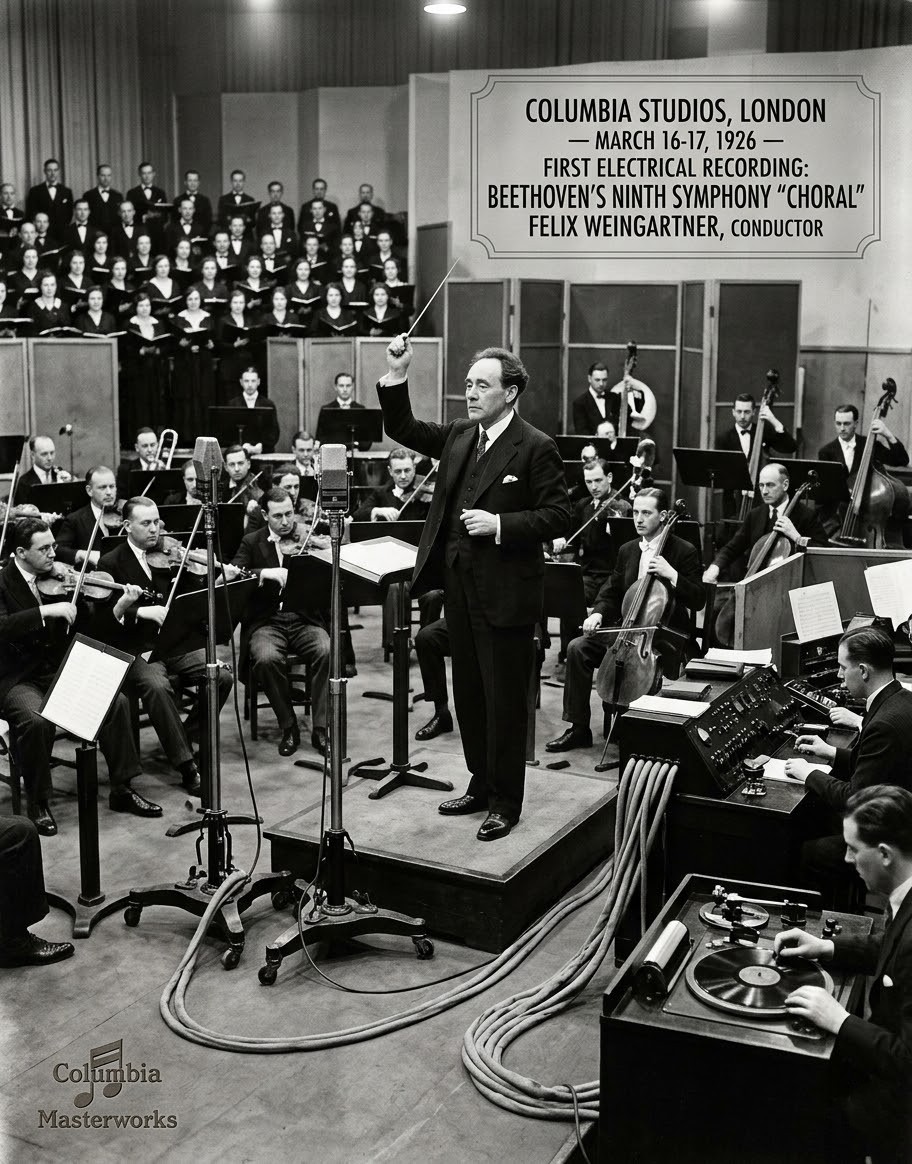
First Electrical Recording of Beethoven’s 9th: On March 16–17, 1926, conductor Felix Weingartner recorded Beethoven’s Symphony No. 9 “Choral” at Columbia Studios in London. This was a massive technical and historical milestone, functioning as the first complete electrical recording of the Ninth Symphony.
Electrical Recordings continue to take the world by storm including Argentina: On March 1, 1926, the Victor company cut its first electrical recording master in Buenos Aires. Tango singer Rosita Quiroga recorded “La musa mistonga.” Interestingly, Victor kept the new technological capability quiet at first to continue selling their acoustic back catalog.
If you are resident of the United States, there is a good chance a recording of “Bye, Bye, Blackbird” was owned by one of your ancestors in the 1920s. Here is the first recording made of it:
Duke Ellington’s Washingtonians recorded Parlor Social Stomp here:
And across the pond, England was spinning their own sides of American Jazz:
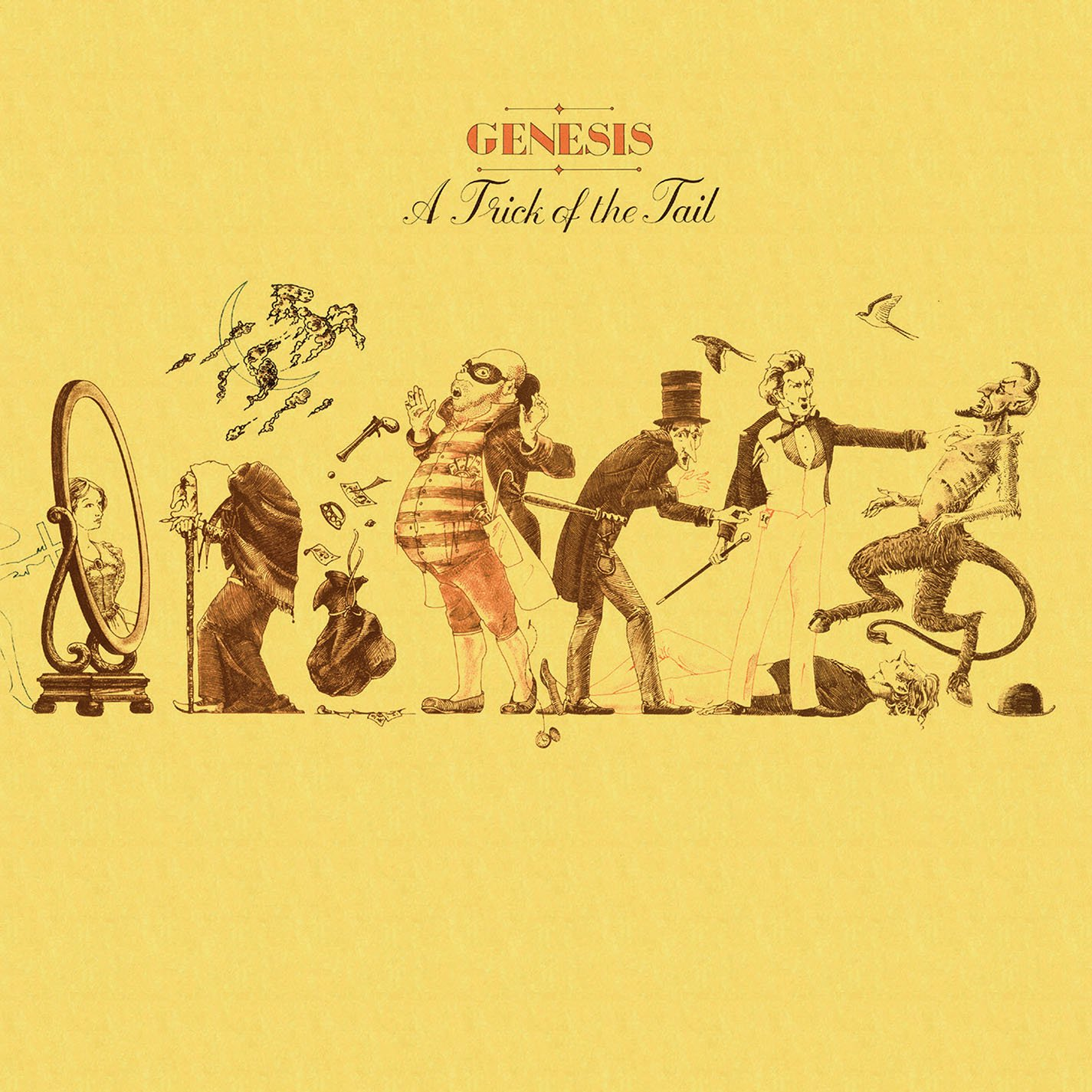
Released on February 13, 1976, A Trick of the Tail was the first Genesis album after Peter Gabriel’s departure. Minus their high-profile frontman, the future of the band was initially in doubt. But soon the remaining members determined to continue with their next album. The search was on for a new vocalist. Wishing to keep this under the radar, the band placed an anonymous advertisement in Melody Maker magazine looking for a “singer for a Genesis-type group.” A deluge of demo tapes followed — over 400, all of which were diligently listened to in order to create an in-person audition list of about 30 candidates.
Like almost all rock bands, Genesis did not work off of sheet music. During the final stages of auditions, it was Phil Collins’ job to work with the remaining candidates to teach them the vocal melodies that went with the written lyrics. With only a few candidates left, Mick Stickland attempted to provide the vocals for “Squonk,” but it became apparent that there was a range mismatch. The backing track had already been recorded, and the band was unable or unwilling to re-record it in a different key to accommodate Stickland’s range. Collins, having taught the song to Stickland and other applicants, reluctantly offered to take his best shot. It was then that the band realized that Collins’ version was the best of all the applicants — not only was his handling of pitch and melodic line more than adequate, his sense of rhythm, musical attack, and dramatic sensibility was notably superior to any of the external candidates. Whether he wanted it or not, the job was now his.
In terms of musical performance, arrangement, and sound engineering, this would be their best album to date. Granted, this is not at the overall musical level of their Foxtrot album, and no tracks compare to “Supper’s Ready,” “Attack of the Giant Hogweed” from Nursery Cryme, or “Firth of Fifth” from Selling England by the Pound, but this is still a must-have work of music, with an incredible variety of compositions.
Tony Banks’ contributions are particularly evident. Following Gabriel’s departure in 1975 with the future of Genesis uncertain, Tony Banks began stockpiling material for a solo album, concerned that there would be no continuation of Genesis. When Banks, Rutherford, Collins, and Hackett came to an agreement to continue as a quartet, Banks made the decision to leverage his solo material for the good of the group: the first post-Gabriel album needed to be undeniably of the highest quality to prove they could survive, so he held nothing back. “A Trick of the Tail” was actually intended for Foxtrot, and then due to its lighter quality, for his solo album. The band worked “A Trick of the Tail” into its final, infectiously swinging character, making it an effective bridge from the heavier Genesis sound of Selling England by the Pound and the more exploratory, less conventional style of The Lamb Lies Down on Broadway to a more accessible, “progressive pop” style that would be the signature sound of the new Genesis for their next few releases.
But the “more accessible” label is misleading. The harmonic depth and harmonic variety of these tracks qualifies Banks for an honorary degree in composition from the most prestigious universities on the planet. And we continue to have that metrical mastery we find in “Firth of Fifth,” most remarkably applied to “Dance on a Volcano,” originally a standard 4/4 number, which was changed to the off-balance 7/8 at Banks’ suggestion, providing an incredible animation and support for Banks’ own lyrics for the song, with its message of moving forward in adversity, perhaps a metaphorical reference to the band needing to step up to the challenge of not just continuing Genesis post-Gabriel, but making it even better.
Also notable is the last track “Los Endos” which develops the thematic material from “Dance on a Volcano” and provides an effective coda to a very strong album.
Starcastle: Starcastle and Gong: Shamal
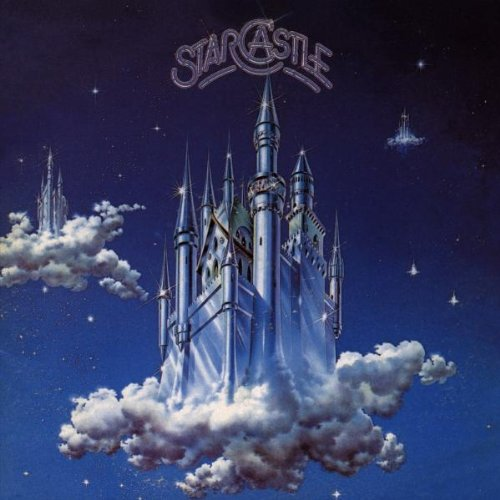
In other February 1976 albums, Starcastle released their debut album proving that American rock bands can make true progressive rock: this one is highly indebted to the Yes sound. It is interesting enough for one or two listenings, and is worth checking out even if it won’t be an album you will come back to. For those familiar with Yes, give this a listen, and let me know your thoughts in the comments. I usually don’t mention albums that I don’t believe are in the upper tier, but this is an interesting artifact from that period when progressive rock was starting its decline, but being adapted by several American bands, many of which never had more than local reach with an equally limited lifespan.
A more distinctive and interesting album from February 1976 is Gong’s Shamal. Produced by Nick Mason (yes, of Pink Floyd), Shamal is a transitional album in Gong’s discography, a bridge between the more adventurous, chaotic Daevid Allen era and the percussion-driven jazz-fusion of the Pierre Moerlen era. For those wishing for more structure than earlier Gong albums, this nicely meets that requirement. Steve Hillage is still present, but as a guest artist, and Didier Malherbe’s sax and flute contributions make this a wonderful, engaging album. Well worth checking out.
In 1925, recording technology continued to improve with jazz bands across the USA making their first recordings, even if it was only one double-sided 78 record.
1925 was the year Armstrong transitioned from being the greatest 1920s jazz sideman to a leader of his own group. He began the year in New York with Fletcher Henderson and ended it in Chicago recording the first “Hot Five” tracks starting in November — some of my favorite jazz recordings of all time, and generally recognized as highly treasured musical landmarks.
Other notable names made recordings this year: the trumpeter Bix Beiderbecke, Fats Waller, Duke Ellington with his group The Washingtonians, Bessie Smith, and Ethel Waters. The sides they recorded are still musical gems a hundred years later.
Lesser names recorded, of course. Some had big hits, including Ben Bernie and His Hotel Roosevelt Orchestra’s original hit recording of “Sweet Georgia Brown” and Paul Whiteman’s symphonic jazz version of James P. Johnson’s “Charleston,” which became a popular representation of the vitality and character of the “Roaring Twenties.”
There were many lesser names with less known recordings that are worth checking out including the Original Crescent City Jazzers recording “Christine” and The Halfway House Orchestra’s “Pussy Cat Rag.” Yes, we still had rags being featured in both jazz and in written concert hall music, but ragtime was now a historical style, and most pieces titled rags in 1925 were jazz and not ragtime.
Even rock fans will find 1925 abundant with gems that they would likely appreciate: “Cow Cow Blues” by Dora Carr and Cow Cow Davenport which is a blues recording enlivened with early elements of boogie woogie as well as Blind Lemon Jeffersons first recordings including “Black Horse Blues.” At the same time, many recordings of “pre-bluegrass” and “pre-country” music were recorded including Charlie Poole’s unrelenting, banjo-driven “Don’t Let Your Deal Go Down Blues” with traditional fiddle and rhythmic acoustic guitar.
All in all, 1925 had a wealth of music that any music lover can spend a few weeks, if not a full year, exploring.
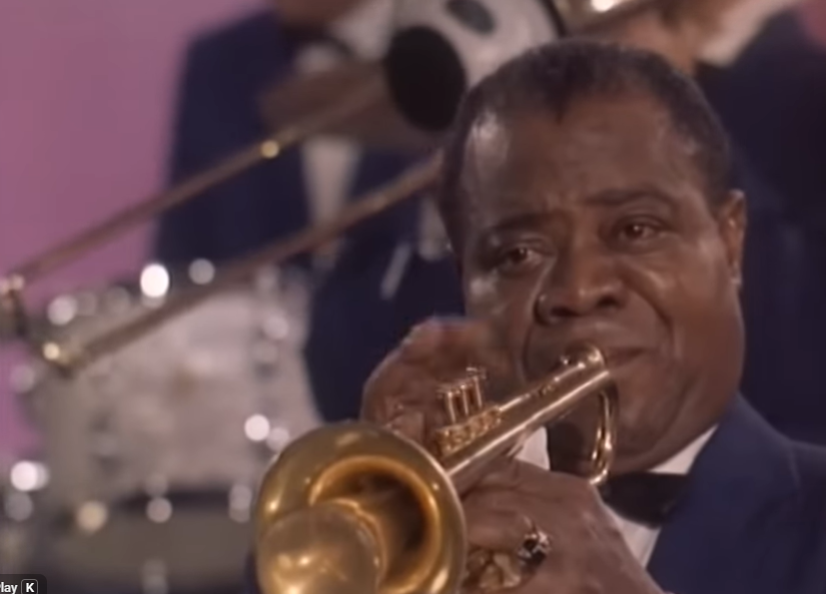
I have been going through Louis Armstrong’s recorded catalogue, and such a treat! I love this video of Louis and his all-stars performing “Someday” from 1962. This was almost a year after all-star clarinetist Barney Bigard left the band and was replaced with Joe Darensbourg, and about 20 months before Louis recorded his version of “Hello Dolly” which when released the following year in 1964 would push the Beatles out of the top spot in the charts for 14 consecutive weeks. Yes, only Louismania could contend with Beatlemania!
Released in November of 1975, Night at the Opera starts with the excitement of an ocean voyage — we hear arpeggiated waves from the piano, whale rumblings from the bass, bird cries and seagull squawks from multitracked guitar breaking into soft strains of a tango quickly turning into heavy metal. This is Freddie Mercury the composer at the height of his craft.
After having purchased three Queen albums already, the first thing I did when I brought this album home in December of 1975 was note which tracks were attributed to Mercury — this served as indicators to what tracks would impress me the most. That turned out to be an effective predictor, but, importantly, the rest of the band’s contributions were some of their very best songs, making this album packed with classic material from start to the pinnacle of the album, the penultimate track, “Bohemian Rhapsody” — one of those rare instances in rock since the Beatles had disbanded where a truly great work of music made its way from legendary status with serious listeners, musicians, and dedicated fans to legendary status with the general public, even though, perhaps as expected, it took some time to do so.
And just as the Beatles elevated their work with multi-track musical enhancements, so too did Queen elevate Night at the Opera to a precisely rendered set of cohesive numbers that deservedly live up to the album’s title. Now, don’t get me wrong — we have an amazing musical diversity on this album — with such diversity in just Mercury’s compositions — but we add to that “I’m in Love with My Car”, “You’re My Best Friend,” the vaudevillian “Good Company” with ukulele and outstanding guitar accompaniment, and “The Prophet’s Song” with its brilliant use of deceptively simple imitative counterpoint, and it’s pretty easy to understand how Night at the Opera more than holds its own today as a timeless classic.
Keith Jarrett : The Köln Concert
One of my favorite possessions was the triple LP Keith Jarrett Solo Concerts: Bremen/Lausanne which I had purchased with Christmas money in 1973. It was just incredible to have a three LP set of piano improvisation of such high quality. Given that, I am puzzled why I never bought The Köln Concert until the complete version made its way on to CD around 1984.
Recorded live in January of 1975, The Köln Concert was released in late November of 1975, the album starts off plaintively in the style of the quiet Americana reflectiveness so well done by classical composers like Aaron Copland and Roy Harris. For the first improvisation, Jarrett leans heavily on repetitive phrases and ostinato-like patterns to continue to move the music forward, flowing as if driven by stream of consciousness, yet always compelling and logical, deftly avoiding lingering too long in any single style, texture, or mode of emotional expression as the music logically unfolds.
The second piece, broken up onto three sides of the double LP album, is dramatically different in tone and character. Like the first improvisation, it evades any simple stylistic labels sometimes flirting into rock piano improvisation. Where the first improvisation was reflective, the second is inexhaustibly joyous and intensely rhythmically as Jarrett turns the piano into a percussive engine, hammering out a powerful, trance-like groove with his left hand that is pure, ecstatic energy. This propulsive marathon of invention continues through Part IIb, before finally dissolving and making way for the famous encore, “Part IIc.” After all the complex fireworks, this final piece is a moment of breathtaking, lyrical grace — a simple, hymn-like melody that releases all the tension and remains one of the most beautiful themes Jarrett ever played.
The music makes this performance legendary, but like the most interesting legends, it has an almost mythical backstory. Jarrett had specifically requested a Bösendorfer 290 Imperial concert grand. Unfortunately, what was made available on the stage was a baby grand rehearsal piano in such bad condition that Jarrett had initially refused to play on it. The requested piano was in storage and due to horrid weather was not able to safely replace the inferior piano. So Jarrett was forced to confront the rehearsal piano, an unsuitable, tinny, and out-of-tune practice piano he tested during the afternoon of the concert and was so dissatisfied with it he almost threw the towel in performing that evening. The promoter finally convinced him that he had a responsibility to play as best as he could for a sell-out crowd and somehow do his best to deal with the inadequacies of the inferior rehearsal piano. Jarrett went forward with the performance and it was this limitation, this ‘bad instrument,’ that forced Jarrett to navigate that evening’s improvisations into new territory, compelling him to avoid the shrill upper register notes and the weak lower bass notes, replacing the harmonic function of the latter with lower middle register accompaniment patterns and repetitive ostinatos — thus creating the distinctive style that unifies the music of this remarkable performance.
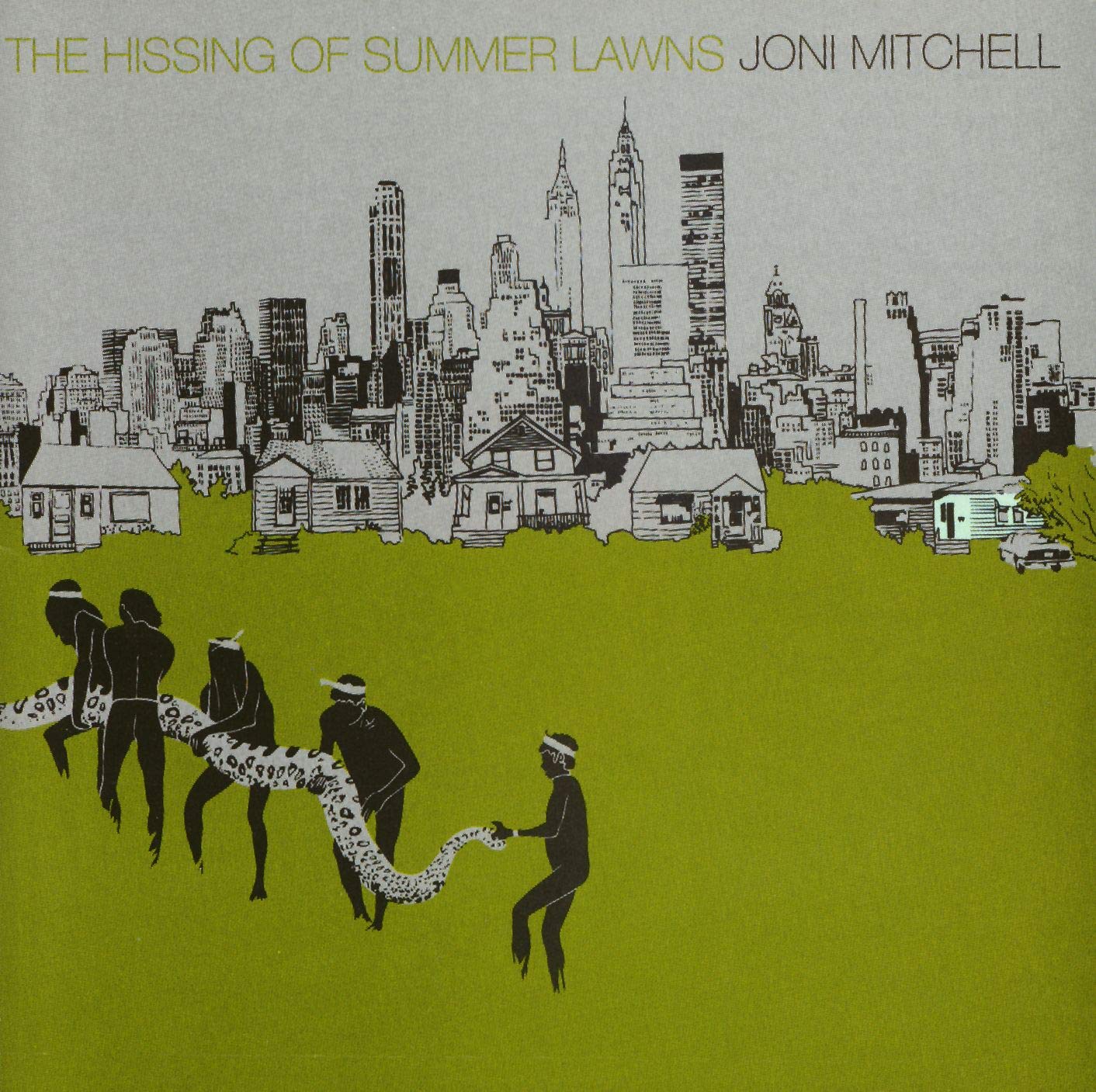
Joni Mitchell: The Hissing of Summer Lawns
Released in November of 1975, The Hissing of Summer Lawns finds Joni Mitchell presiding over one of the most seamless marriages of lyrics and music of the 1970s. The poetry here is evocative and ironic, crafting memorable metaphors and unforgettable images. It’s often said that when constraints are placed on artists, they often produce their best work. For an artist who had previously written music around pre-existing lyrics to then make that shift over to the craft of fitting words into already composed music, one might expect a change in character — or at least in lyrical texture. Beginning around 1973 or 1974, Mitchell’s lyrics indeed became more fluid, impressionistic, and engaged, so that by the time of this album, she had achieved a near-perfect fusion of music and poetry, with the music among her finest creations.
And how does one classify the sound? One cannot. It draws on pop, rock, folk, and jazz, yet it belongs to none of them. The album charts its own course, allowing space for stellar contributors like Bud Shank and Joe Sample to leave their imprint without overshadowing Mitchell’s vision. The closing track, “Shadows and Light,” brings the album to a transcendent conclusion: a multi-tracked a cappella choir of Mitchell’s voice against a contrasting, processed drone from a Farfisa organ. The result is a kind of sonic cathedral, where light and sound filter through like stained glas — ever shifting, quietly monumental, and filled with a sense of cosmic design.
The entire album is a showcase of extracting equilibrium from motion. The music is built on a strong foundation yet exploratory and liberating. Here we have an artist of the highest level in full command of her gifts, unafraid to blur the lines between song and painting, intellect and intuition. The Hissing of Summer Lawns continues to be an album worth returning to: we achieve familiarity with repeated listenings but never is the magic lessened.
Chris Squire: Fish Out of Water
Another November 1975 release was Chris Squire’s highly accessible, melodic Fish Out of Water. For those like me who couldn’t get enough of the brilliance of Yes’s Fragile, this album was filled with the musical inventiveness and wonderful bass lines that dominated that Yes album. Musicians include Bill Bruford on drums and percussion, with saxophonist Mel Collins on two tracks and Patrick Moraz on bass synthesizer and organ on one track . Squire handles all the vocals, bass guitar, some acoustic twelve-string guitar and electric bass. Special compliments go Andrew Pryce Jackman who provides acoustic and electric piano keyboards and seamlessly integrated orchestration providing the album with additional depth and further contributing to its ebullient vitality. Fish Out of Water is a must-have album for all Yes fans surpassing most of their catalog released after 1975.
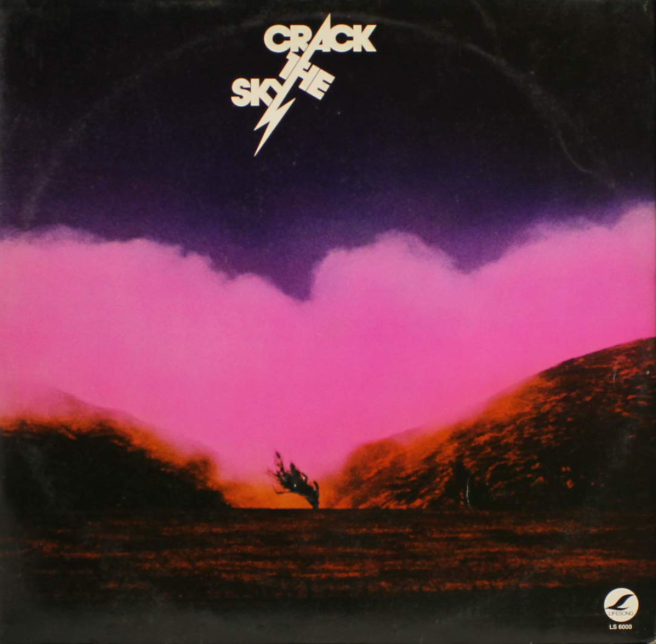
Crack the Sky: Crack the Sky
Crack the Sky’s debut was released in limited quantities in November 1975 by the independent label, Lifesong. Is this the biggest accomplishment by this label? Depends on your perspective — Lifesong posthumously re-released several greatest hits albums of Jim Croce material starting in 1976 as well as being responsible for “The Biggest Rock Event of the Decade” — that’s right — the rock opera Spider-Man: Rock Reflections of a Superhero — an album of such popularity that I cannot find any entry for it on Wikipedia, though in fairness, the title was released again twenty-five years later on CD and is currently available on eBay for $49.
Putting Spider-Man historical considerations aside, the Crack in the Sky album, despite its limited distribution, eventually climbed up to spot 161 on the Billboard Charts in February 1976 aided by some airplay in the Baltimore area and more importantly being identified by the Rolling Stone magazine as the debut album of 1975.
Keyboard player and lead vocalist John Palumbo wrote all the music and lyrics showcasing an eclectic range of styles incorporating sixties pop elements and contemporary progressive rock elements. Both the music and lyrics are generally quirky, with a tongue-in-cheek, often ironic, humor deeply embedded in the lyrics and the music rich with accessible melody. There are musical moments that recall surf music, the Beatles, Procol Harum, early Genesis, and even Gentle Giant. It’s not a particularly well-produced album but it is a lot of fun, and an album that anyone who considers themselves well-versed in the history of rock music should have heard at least once.
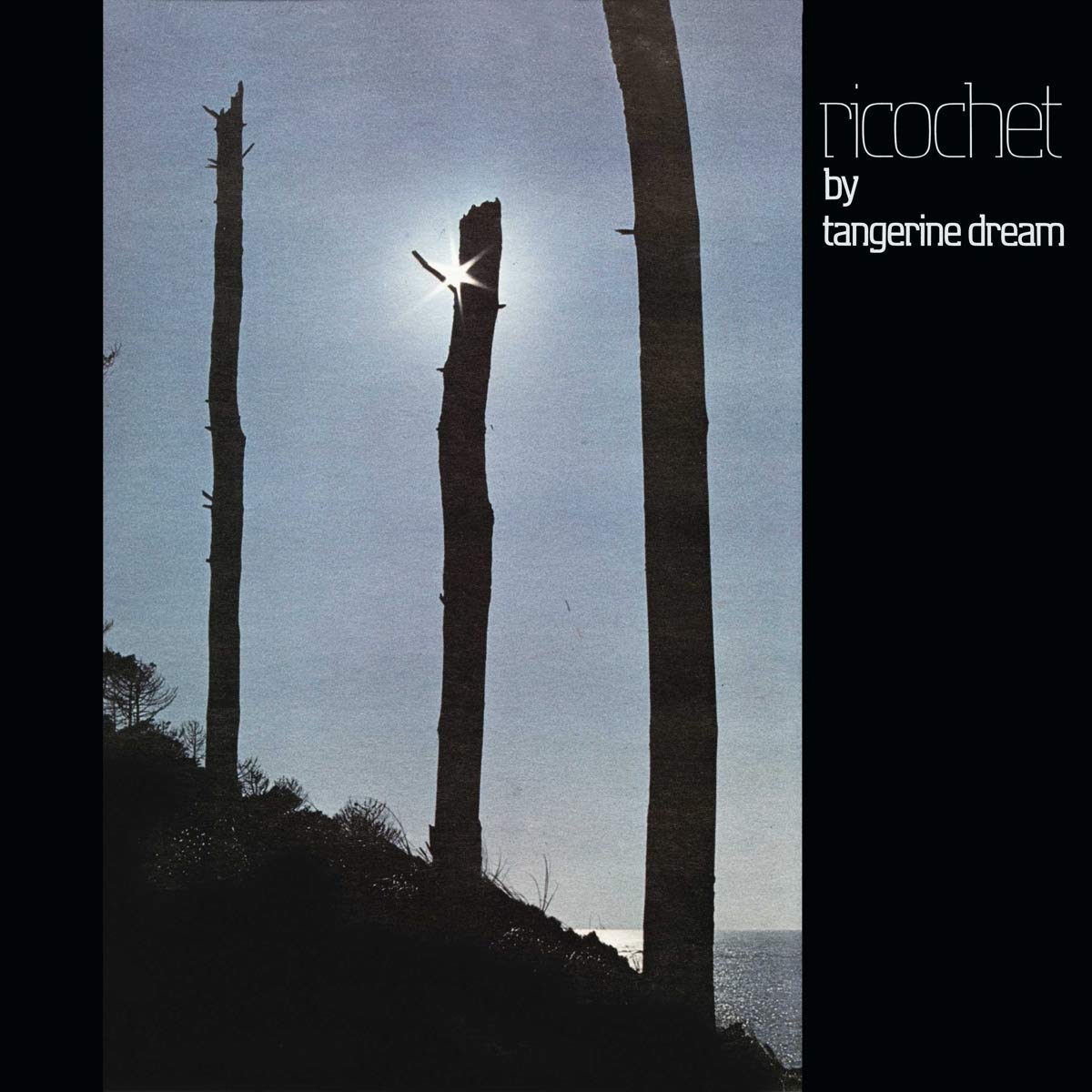
Tangerine Dream: Ricochet
Recorded in late October and early November of 1975 in England, partly live at Fairfields Hall in Croydon and partly in the studio, Ricochet was released in December of 1975. It continues that rhythmically intense sequencer-driven signature sound from Rubycon, delivering it with sparkling clarity and focus. The music unfolds logically with a strong sense of overall meaning and purpose, effectively locking in one’s attention and never letting it go. Side One, “Ricochet, Part One” contains studio improvisations and recreations of live performances with side two, “Ricochet, Part Two” being predominantly live.
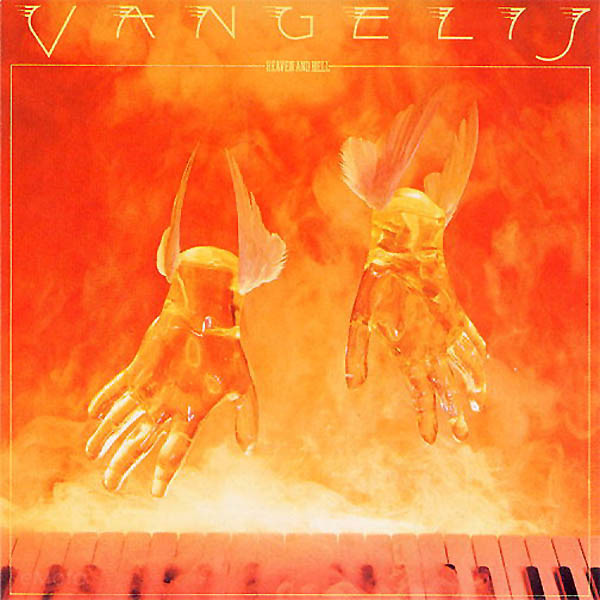
Vangelis: Heaven and Hell
Released in November of 1975, Heaven and Hell is a mixture of the cinematic, early and modern “classical” music, Greek folk and some elements of progressive rock. The album effectively combines Vangelis’s mastery of synthesizer with orchestra to create a richly themed concept album about the duality of human interaction with good and evil, the light and the darkness of existence. Side One, “Heaven and Hell, Part I”, opens furiously with synthesizer and chorus setting a strong symphonic tone and concludes with vocals by Jon Anderson of Yes segmented with a glorious orchestral and synthesizer interlude. Side Two, “Heaven and Hell, Part II” opens up, contrastingly, darkly and ominously, generally maintaining that mood with the notable interspersion of an exuberant, infectious Greek-influenced folk-dance-like section and its more reflective ending. The musical tone-painting is particularly impressive, effectively supporting side two’s darker thematic premise.
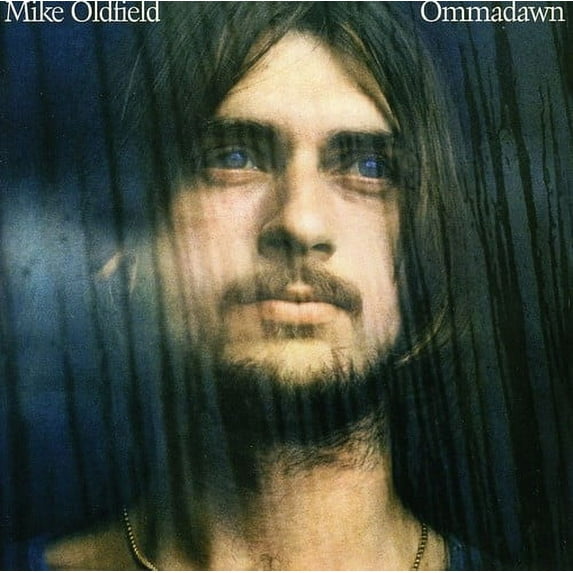
Mike Oldfield: Ommadawn
Released in November of 1975, Ommadawn is Mike Oldfield’s third major symphonic work, following the partly Exorcist-driven phenomenon of Tubular Bells and the expansive, pastoral landscapes of Hergest Ridge. Ommadawn mostly consists of one long work, the title track, divided between the two sides of the original LP with a short additional work at the end. It is this title track that is the gem and centerpiece of the album, excelling in compositional presentation and development of thematic material with the first theme deftly varied, followed by an abruptly effective intrusion of the second theme around the 4:15 mark, which is also skillfully varied. After this exposition of fundamental material, both themes are further developed and extended with a richness of instrumental variety and occasional vocals (using a cleverly altered Irish translation of some simple English words) invoking a tribal sense of community.
The second half of “Ommadawn” is more dramatic with greater musical weight and contrast, further exploring a wondrous world-fusion sound that would soon become a whole sub-genre of music. The highlights here include Paddy Moloney on the Irish equivalent of bagpipes, more properly known as Uilleann pipes, and an uplifting blend of vocals and glockenspiel followed by an Irish-like dance section that brings the work to a close.
For those looking to check this album out, avoid the original mix and go for the sonically spectacular 2010 remix which provides significant clarification and enhancement of individual instruments and provides rich, immersive stereo.
Magma: Live/Hhaï
Released in December of 1975, I bought this album in Germany in 1978, and I was not surprised in the least to find this live album of the French progressive rock group in Germany. Unlike Ange, which had a distinct French coloration to their albums, Magma had a Germanic sound and eschewed the French language to adapt a language more suitable to their music — not German, but — okay let’s break this down.
Christian Vander, son of French jazz pianist Maurice Vander, was born in Paris in 1948. Exposed to both jazz and classical music, he grew up listening to Wagner, Bach and Stravinsky and met several great jazz artists including Chet Baker, who gifted Christian Vander his first drum kit and Elvin Jones who shared his musical expertise. Vander brought all these influences as well as his intense admiration for a number of jazz giants, most particularly John Coltrane, as well as drummers like Art Blakey, Max Roach, Kenny Clarke and Tony Williams. Vander brought all such influences with him, including Coltrane’s searching musical intensity, when he founded Magma in 1969 as Magma’s leader, primary composer, drummer and an important contributing vocalist.
With the formation of Magma, Vander begin the creation of the mythology of Magma concept albums and the appropriate language — Kobaïan, the language of the fictional world of Kobaïa — a distant planet colonized by a group of humans fleeing earth’s moral and ecological collapse. The language’s main function was to provide the appropriate musical sound for Magma’s music and to represent a sacred language of renewal. Its sonic characteristics are starkly different than French, coming closer to Slavic and Germanic patterns, but intrinsically supportive of Vander’s musical ideas, which slowly coalesced into a dark, more teutonic, primitively spiritual style, with texture and timbral/orchestral characteristics eventually significantly influenced by Carl Orff’s Carmina Burana, which Vander first heard in 1972.
This 1975 Live/Hhaï album includes material as early as 1973, all of which represents the mature, dramatic Magma sound prevalent from 1973 on. The original album was a two LP set that could still fit on a standard single CD, but is currently sold as a two CD set. It is available for streaming on the usual sources for anyone wanted to sample this unique music, a music that will retain its excitement, mystery and appeal for centuries to come.
Brian Eno: Another Green World and Discreet Music; Fripp & Eno: Evening Star
In November of 1975, Brian Eno released his third solo studio album, the remarkable Another Green World which, while not as ambient as his upcoming work, is certainly an unconventional pop album full of highly accessible music surrounded with imaginatively unusual context. Eno provides a mix of catchy songs with him on vocals, some amazing guitar work from Robert Fripp, but mostly a level of exotic, quirky arrangements that elevate each and every track. Highly recommend!
In December of 1975, Eno’s fourth studio album is released, Discreet Music, and it is a boldly innovative ambient album. The first side, the title track, is a work of beauty and can be listened to directly or used as effective background music for a range of activities including writing, reading and napping off. The second side is more challenging: three “elastic” arrangements of Pachelbel’s well-known canon where the parts move at different paces — not by chance or performer’s whim but intentionally arranged to distort the relationship of the individual parts and the overall musical experience. One can still hear traces of the original canon — yet each of the three very different arrangements alters the original musical architecture with time-based abstractions that are roughly parallel to distortion concepts in cubism, futurism and surrealism and also seem related to rules-driven processes that are found in works by artists like Paul Klee, Bridget Riley, Sol LeWitt and even those famous rectangle paintings of Piet Mondrian. One also has to give credit to John Cage’s influence which opened up this whole realm of unexpected alterations whether aleatoric or rules-driven.
The most challenging of these three albums, Fripp & Eno’s Evening Star, released also in December of 1975, is another tale of two sides. The first side of four tracks, each with new standard ambient titles, is by far the most accessible and functions very effectively as truly ambient music or even meditative, reflective music, particularly the first, third tracks and fourth tracks “Wind on Water,” “Evensong,” and “Wind on Wind.”
The second side is devoted to a single piece “An Index of Metals” divided up into six tracks. I doubt there are many people that can turn it on in the background and experience a calming or relaxing effect from it. It is filled with tension and not smooth or flowing. I suspect many will just find it plain irritating if using it to relax, read, or write by as it has a somewhat intrusive and ominous character. It is more listening music and needs the attention of an active listener to properly navigate the tension, suspense, and forward progress of the music. The last of the six tracks is the most gritty of all and it ends with the tension decaying as opposed to any resolution. This sets up a nice contrast to some more relaxing ambient music, which would become more and more common and commercially viable thanks to this early work by pioneers like Eno and Fripp.
It is with mixed feelings, and pretty intense regret, that I am aggressively scaling back on the publishing of Zumwalt poems on this site. As Zumwalt’s longtime co-editor, I cannot ignore the minimal traffic on this site and the numerous options available for me to submit some of Zumwalt’s previously unpublished poems to diverse and respected publications which will provide Zumwalt an audience of thousands or even tens of thousands of readers. I owe this to my friend Zumwalt.
When I was a data architect, I was fortunate to have had several of my articles on Data Warehousing published in Data Management Review. I know the personal joy of seeing one’s own work published in a respected periodical. Zumwalt has been deprived of this opportunity since the unfortunate, but predictable, cessation of the GHLM newsletter, which had contracted with him for exclusive publication rights. He insists that publication of his work is not important and even scoffs at its future likelihood. I suspect this is not so on either count.
In order to keep this blog active, I will continue to publish anything Zumwalt sends me exclusively targeted for this blog — provided that I cannot persuade him to allow me to forward such material on to potential publishers. I will also continue to author posts like “Fifty Year Friday”, which showcases a combination of my flawed writing against reminiscences of some of the great music of fifty years ago. I wish I had time to write more — I gave up Century Sunday, Seventy Year Saturday and other features due to time constraints; I wish I could write better — I gave that up a long time ago — I write for the joy of writing and I am fine with one reader or ten, ten being about the maximum audience I have for any given post.
But as typical with my ruminations, I have veered off-track, at the expense at both my message and your patience.
My plan is this: Fill up some of the empty blog-time by engaging a well-respected, now-retired former literary critic (I will say no more out of respect to protect this individual’s identity, which is this person’s wish.) He has indicated he will record a short lecture for each previously published Zumwalt poem on zumpoems.com. I will use a software app I have to transcribe each lecture and post it here. Not sure when he will deliver the first lecture, but he is very knowledgeable on both poetry and all of the Zumwalt poems on this site and all the Zumwalt poems that have been previously published in the GHLM newsletter and the original GHLM (which, acronym, dear reader, simply stands for Good Humor Literary Magazine) — and, I believe, as I finish this long-winded, poorly written sentence, is something he can do easily off-the-cuff, with minimal time and preparation required. I have seen him lecture live on impromptu-requested topics, and it is quite something to have witnessed.
Until then, you continue as my distantly cherished and greatly appreciated friend, so please return so we can meet again.
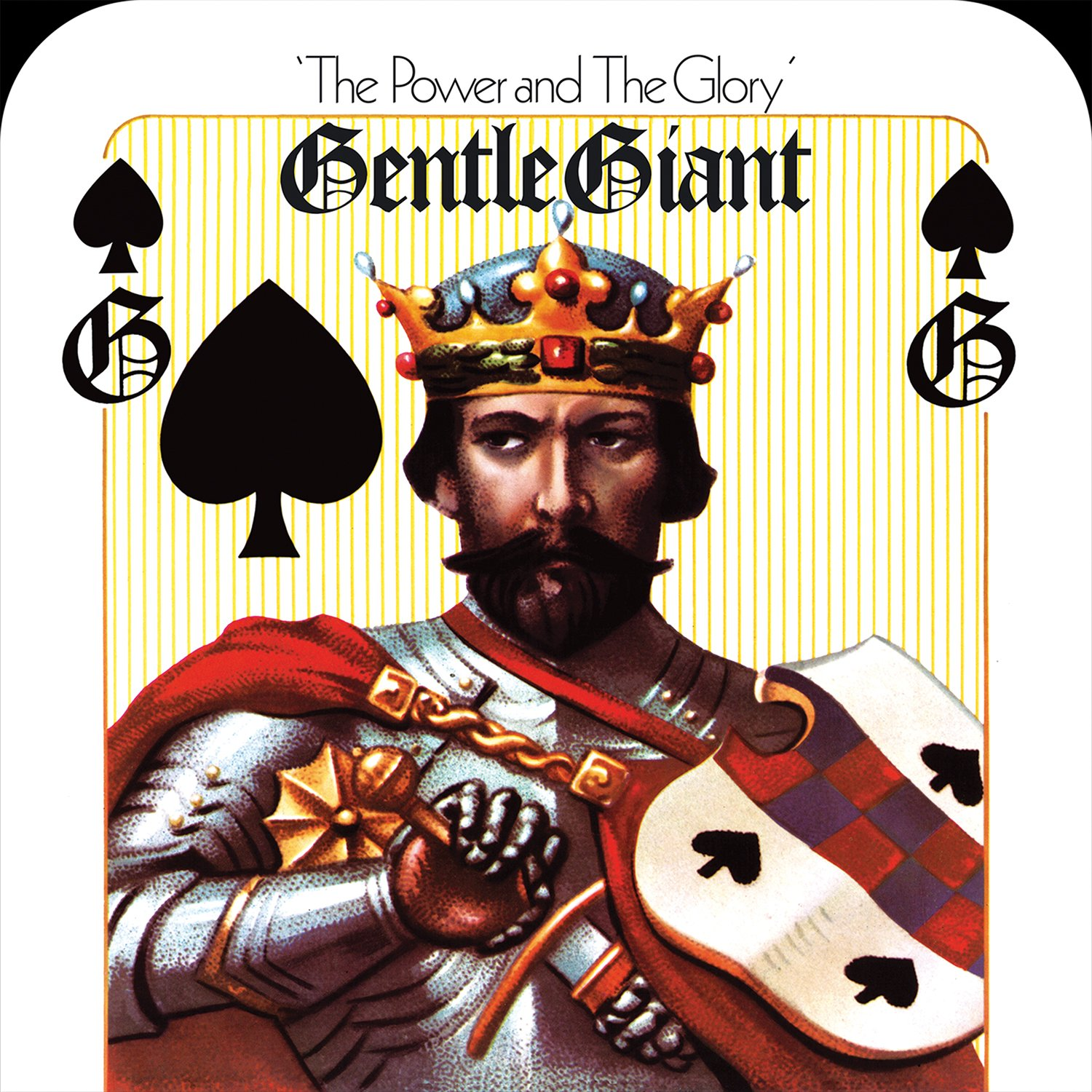
In late 1973, I had purchased Gentle Giant’s Octopus based on falling in love with “Knots, the most stunningly unique track on a two LP sample set issued by Columbia in 1973 and included as one of several albums my sister purchased for a total of ninety-nine cents to start a membership in the Columbia record club. I had not yet heard of Gentle Giant’s import-only album, “In a Glass House” when I first spotted The Power and the Glory the week of its release at the record store near the college I was attending. Having bought their second and third albums, at this point, I was expecting something similar, and when I brought the album home and put it on, I was a bit mystified of how different it was stylistically than the previous Gentle Giant albums I had listened to.
I did not find it immediately appealing, and was a bit disappointed in the high occurrence of repetitive musical phrases and lack of imitative counterpoint and vocal acrobatics which had made me fall in love with “Knots”, and which gave me hope there might be one selection that would approach “Knots” in terms of inventiveness and artistry. Nonetheless, there was still something appealing about the music, and I played the album a second time the next day, finding that it was already growing on me. By the third or fourth listen, I was embracing this new stylistic direction, particularly enamored by the band’s clever use of repetition of strongly angular and syncopated musical phrases.
Musically, this is another masterwork by Gentle Giant. Besides the group’s deft handling of intriguing, atomic musical components (those concise, angular, cleverly repeated melodic phrases previously mentioned), there are moments of lyrical beauty enhancing and contrasting with the abundant rhythmic vitality . Gentle Giant again uses melodic diminution (repeated musical ideas that get shorter in time by dropping out notes and/or shortening the length of notes) in some of the melodic material in the first and last tracks, “Proclamation” and “Valedictory” with the relationship between these two pieces reminiscent of classical-era exposition, development and recapitulation. The remastered released of this album also contains the initially unreleased studio track “Power and the Glory” recorded as late as June 1974, two months before Richard Nixon resigned his presidency.
The Power and Glory album, itself, is a concept album around political power and its abuse, something quite topical for 1974 with the Watergate hearings having just wrapped up in June of 1974 six months after the recording of the album in later 1973 and January 1974 — and three months before the release of the album into record stores. Readers of this blog, all three of them, may recall that I rarely discuss lyrics, but the topicality of these lyrics are extremely relevant to today’s political chaos in the United States. Here are some excerpts.
(“Proclamation”: The equivocation of political yammering with content scarily reminiscent of recent political speech)
You may not have all you want or you need all that you have has been due to my hand, it can change, it can stay the same, who can say, who can make their claim
The situation we are in at this time neither a good one, nor is it so unblest it can change, it can stay the same, I can say, I can make my claim.
Hail … Hail … Hail
Unity’s strength and all must be as one, confidence in you hope will reflect in me I think everyone not as my nation for you are my people and there must be no change It can change, it can stay the same I can say, I can make my claim
(“So Sincere”)
Hear, he’ll do it all for you, you will see it, wise and knowing what to do, what to be and every word is …
Lies, he only tells the truth, for he means it, means, not anything he says, eyes unseen, but everything is …
So sin–cere, so sin–cere, so sin–cere, so sin… Yes, that is to say no, understanding wrong, he makes his promise right, with your hand you’ll never know why
… So, sincere his thoughts so full, always empty Good, or maybe things are bad, so sincere, and every word is … So sin–cere, so …
(“Aspirations”) As our faith, maybe aimless blind, Hope our ideals and Our thoughts are yours And believing the promises, Please make your claims Really so sincere.
Be our guide, our light and our way of life And let the world see the way we lead our way. Hopes, dreams, hopes dreaming that all our Sorrows gone. In your hands, holding everyone’s Future and fate It is all in you, Make us strong build our unity, All men as one It is all in you.
(“Playing the Game”) … I can view the power of my position and my eyes can see more than anyone in any place, I’ll play the game and never ever lose.
I will steer the helm of all the nation as the captain take my rewards for all the good I’m doing now, and no words that I’m the knave will alter my philosophy for if any are heard, the games started again I’ll never ever lose.
(“Cogs in Cogs”)
Empty promise broken the path has Not been paved any way. Cogs in cogs the machine Is being left where it lay. Anger and the rising murmur breaks The old circle, the wheel slowly turns around.
All words saying nothing The air is sour with discontent. No returns have been tasted Or are they ever sent. Slowly burning is the fire, rising murmur breaks The old circle, the wheel slowly turns around.
(“No God’s a Man”)
Now the words and claims are seen as always The way they’ll always be, way they’ll always be Truth is halfway true, the man is only a man Who fails to know, The people shouting for him have turned now Telling him to go
(“The Face”)
Choose your way, realizing our mission, Figures lay, pulling strings for position. Take your bows, hear the people are calling. Play the game, Take the blame as you’re falling. Time to confess, clean up the mess, Stand in the white, step in the light.
Use the time, show the face that is sorry…
(“Valedictory”)
And though the hard times, Are really due to me, it is still in me, To wave all this unrest. Things must stay, There must be no change, Anyway, time to rearrange.
You must believe, that there’s Been no betrayal all that I’ve done, I’ve really done for you.
(“Power and the Glory”)
Run, run, the shotgun has got you in its range. Turn, turn away, when it’s time to make a change. Look where you’re going. try not to lose your way. What good is knowing you have to go away?
Go, you make go, never know, never know. Time’s run away, so have to go, have to go. Put back the ace black, you never made it good. Go while you can go. Go while the going’s good.
And the power and the glory is over, so I’ll take it. The power and the glory is over, so I’ll make it. The power and the glory is over, and I’ll break it. The power and the glory is over….
Face up to reason, you know it’s up to you. Do what you can do, all that you have to do. Move over now, and I’ll try to take your place. Time to remember that I have won the race. Go, you make go, never know, never know. Time’s run away, so have to go, have to go. Pick up the pieces, to you I’ll have to stand. Break up the power, the glory’s at the end.
And the power and the glory is over, so I’ll take it. The power and the glory is over, so I’ll make it. The power and the glory is over, and I’ll break it. The power and the glory is over….
If you have not heard this album, a youtube link is provided below.
Electric Light Orchestra: Eldorado
This is my favorite ELO album, of those I have heard — I admit I haven’t listened to some of their later albums. I love the orchestration, the overall cohesion of the album, and its simple, melodic appeal. I consider this such a nice combination of musical quality and musical accessibility, I purchased multiple copies of this to give to some of my piano-lesson pupils for Christmas of 1978.
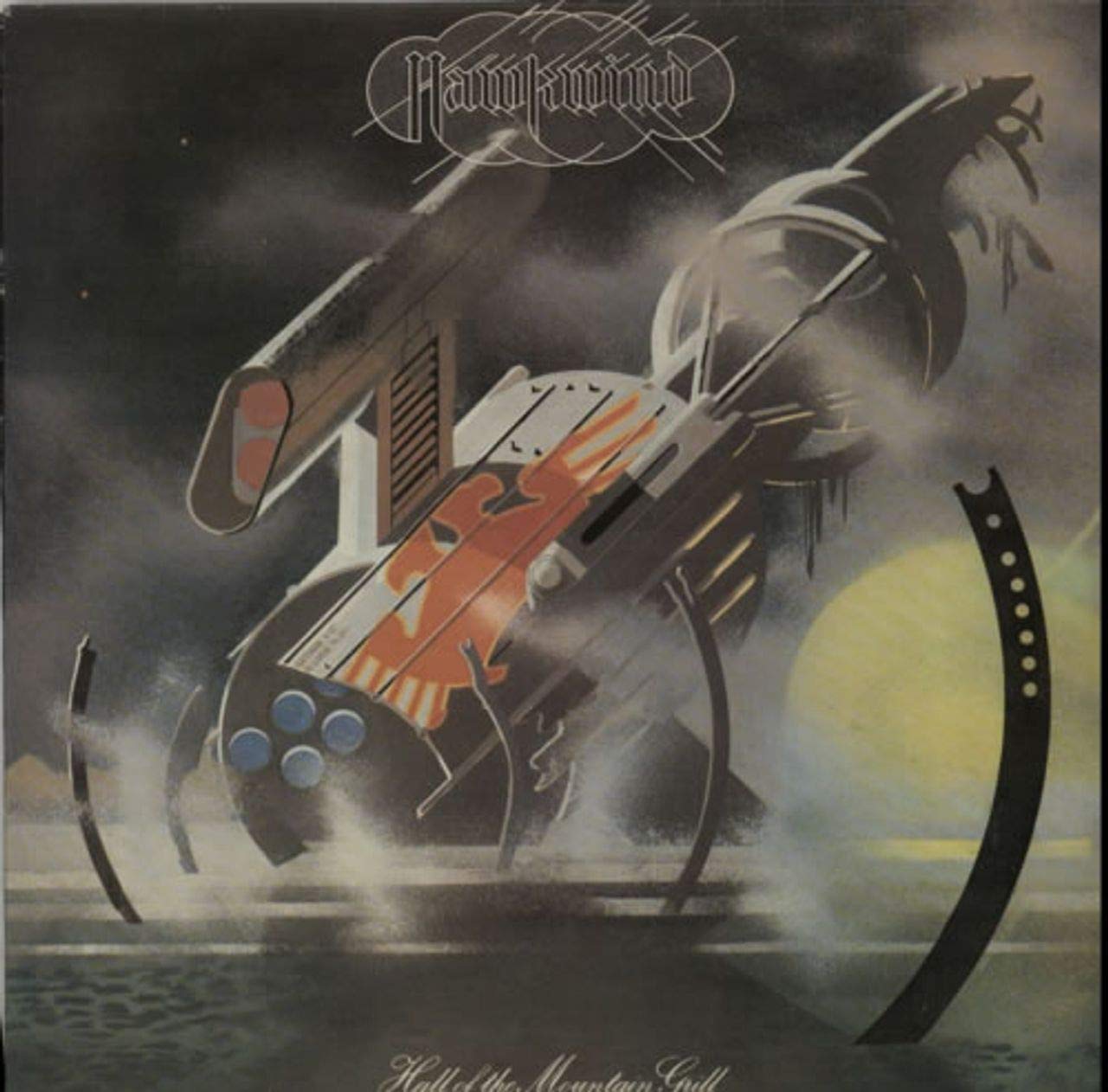
Hawkwind: Hall of the Mountain Grill
Just a quick mention of Hawkwind’s fourth studio album, released on September 6, 1974, with its title an amalgamation of the title of the famous Grieg orchestral composition and the name of a local dining hangout frequented by Hawkwind and other musicians in West London — the Mountain Grill.
The album is mostly Hawkwind-style space rock, with “Web Weaver”, a track played often on one of my local FM radio deep-album cuts stations, the instrumental title track, and two live selections, “You’d Better Believe It” and “Paradox.”
Peter Hammill: The Silent Corner and the Empty Stage
Released in early February of 1974, even though there is ample participation by fellow Van Der Graaf band mates, this is clearly a personal, Peter Hammill solo effort. From the start Hammill dives inward stirring up and capturing a range of emotional turbulence.
The album opens with the metrical tempestuous “Modern,” and ends with one of Hammill’s greatest classics, the deeply emotional “A Louse Is Not a Home.” Hammill often performed these two songs along with “The Lie (Bernini’s Saint Theresa)”, also on this album, in the 1970s on solo tours in small venues, injecting every ounce of energy into his dramatic renditions.
Generally the featured instrument is Hammill’s expressive vocals appropriately supported by piano, mellotron, acoustic and electric guitar with additional support from the VDGG band members with Spirit’s Randy California on lead guitar on one track. The production emphasizes a sense of intimacy which underscores the uncompromising, unsuppressed intimacy, immediacy, and intensity which makes this album so remarkable.
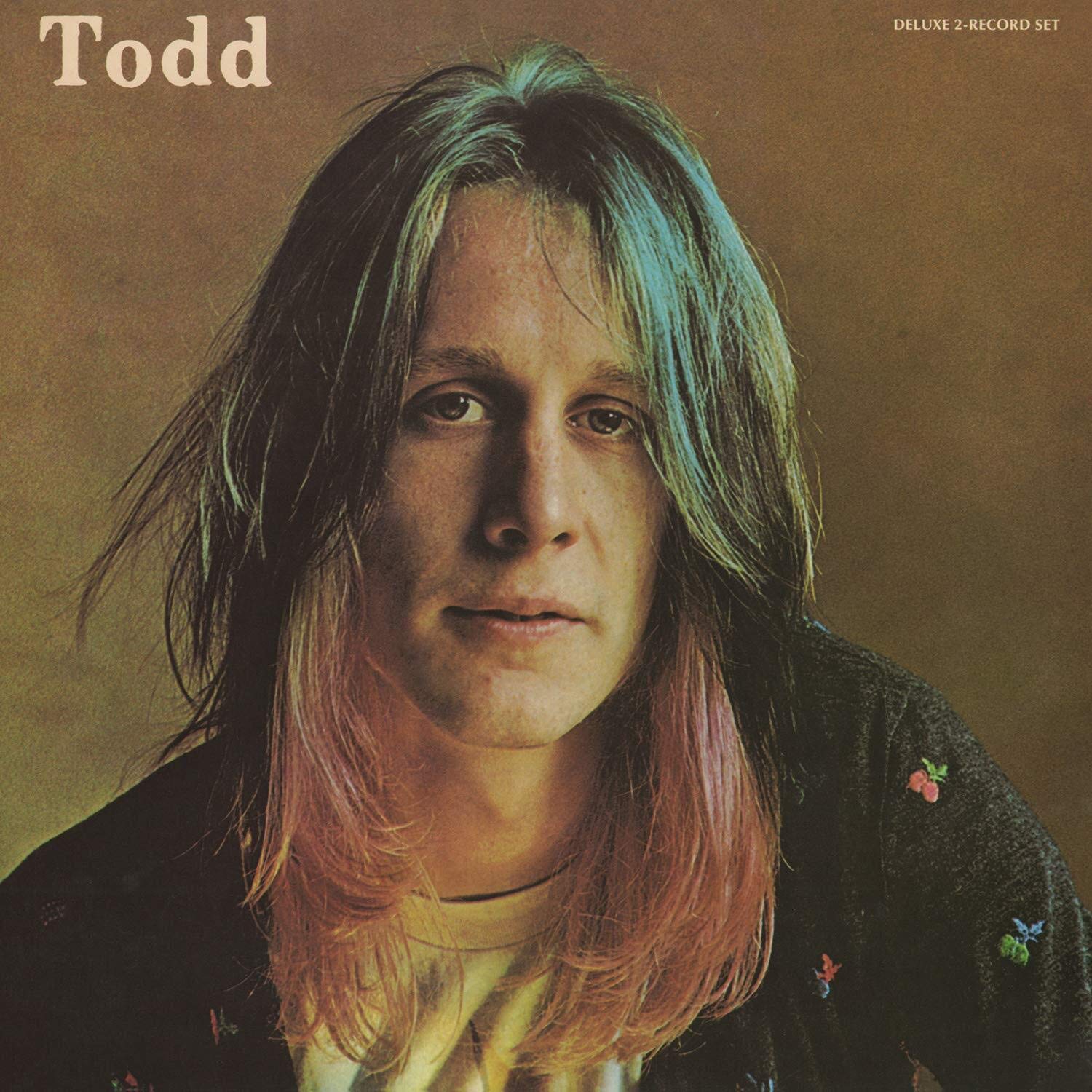
Todd Rundgren: Todd
Todd Rundgren’s eponymous double album, released in February 1974, proclaims energetically, or rather electronically, that Mr. Rundgren is a master composer and arranger, delighting us with a wide array of electronic timbres and effects. Yes, we still have beautiful Rundgren ballads, such as “I Think You Know” and “A Dream Goes On Forever” included amidst all the voltaic dazzle, but the main attractions are Rundgren’s summoning of artfully deployed electronic-generated special effects, his command of various studio production techniques, and his venturing into more challenging musical compositions, like the metrically unbalanced “Drunken Blue Rooster”, the whimsical “An Elpee Worth of Tunes”, and ” the snide, unbridled ”Heavy Metal Kids.” Altogether, this is a extremely enjoyable, adventurous yet cohesive work that some may chose to classify as prog-rock, yet clearly stands separate from anything previously released commercially. This no doubt contributed to it going over the head of just about every major rock critic that reviewed the album in 1974 but also contributes to this being one of the most notable albums from 1974.
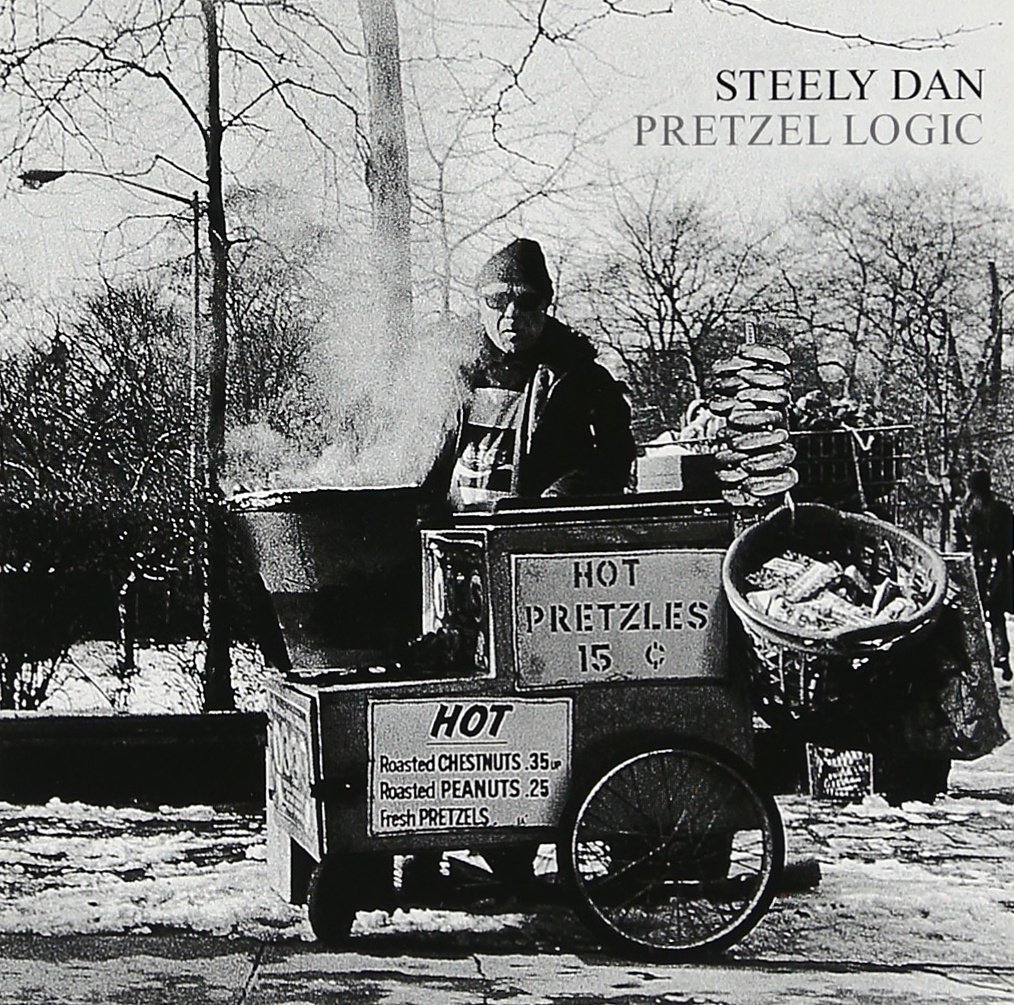
Steely Dan: Pretzel Logic
This is just one of those classic rock albums. Released on February 20, 1974, there really isn’t any single track that is at the level of “King of the World” from their previous album, but just about every track here is very close to that level of excellence. They group seems to have intentionally kept each song to AM airplay length — this means that jazz influence is more densely embedded in the tracks, but still handled very artfully and tastefully, retaining the classic Steely Dan sound.
Brian Eno: Here Comes the Warm Jets
Brian Eno’s debut solo album, Here Comes the Warm Jets, released on February 8, 1973, is a unconventional rich tapestry of accessible pop (think Sid Barrett) set into ingenious contexts. Truly delightful, this album showcases Eno’s unconventional brand of creativity.
Tangerine Dream: Phaedra
Released on the 20th of February 1974, this engaging album overtakes Harmonia’s Musik Von Harmonia, released the previous month, in the race for approaching the fully mature sequence-driven, repetitive, German Prog Rock that would soon become so prevalent. The music truly pulls the listener out of their current environment and into another universe — a universe where sound is not differentiated from sensation, imagery, or existence.
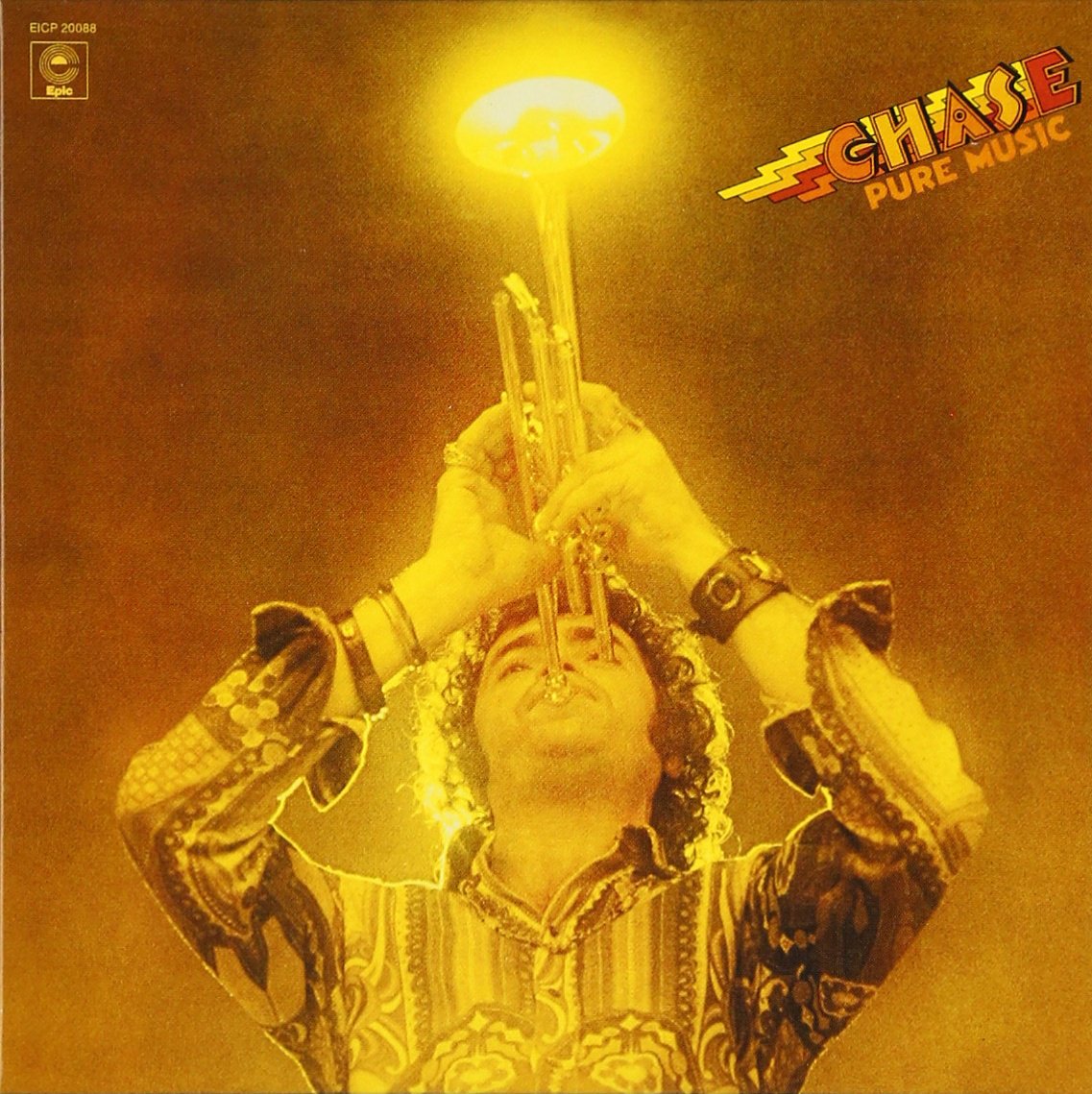
Chase: Pure Music
After a very successful first album, and a weaker second album, it seems Bill Chase finally figured out the best direction to go in — emphasizing a more jazz-based brand of jazz rock, with mainly instrumental material. Every track works nicely, but alas, this would be Chase’s last album due to the crash of the twin-engine charted plane flight to his scheduled performance at the Jackson County Fair. Also lost to us all was drummer Walter Clark, guitarist John Emma, and the especially talented Wallace “Wally” Yohn, who provides some excellent keyboard contributions to this last Chase album.
Chase brings some of his Stan Kenton, Woody Herman and Maynard Ferguson experiences into the music on this album, elevating the content with more sophisticated arrangements and showcasing his personal solo skills at their very best. While Chicago, Lighthouse, If, and Blood, Sweat and Tears, best work was now in the past (by February 1974) is appears that Chase’s best work was tantalizingly close but, unfortunately, for all of us, never captured.
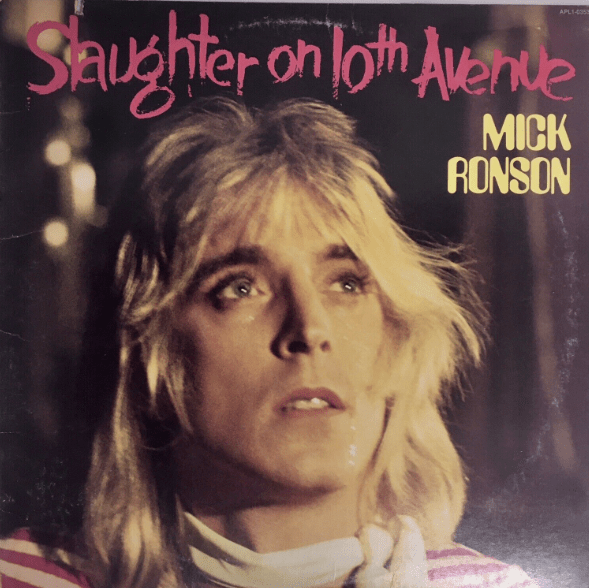
Mick Ronson: Slaughter on 10th Avenue
Released in February 1974, this is about as close to a David Bowie album as one can find which doesn’t have David Bowie involved in singing, performing or producing. We do have another member of Ziggy’s Spider From Mars band, Trevor Bolder on bass, trumpet and trombone, and we have Mike Garson on keyboards (notable especially for his piano contribution on Aladdin Sane) — and we also have two original songs by Bowie, ”Growing Up and I’m Fine” and “Hey Ma, Get Papa.” Ronson’s vocals are second best to Bowie, but good enough to carry the album off nicely. Truly a recommended record for any Bowie fan.
Released on either September 29, 1973, or more likely October 5, 1973, “Selling England by The Pound” stands as one of the finest progressive rock albums of the 1970s. The sound is superior to that of their previous album, “Foxtrot,” and the music maintains the same level of excellence. It adeptly balances instrumental passages with vocal sections, blending humor (seen in tracks like “The Battle of Epping Forest” and “Aisle of Plenty”) with more serious compositions.
“Firth of Fifth” (note the humor in the title, which is a reference to Firth of Forth , the fjord of the Forth river, in Scotland, north and northwest of Edinburgh) is my favorite track, particularly due to is introductory theme on piano, later reprised by the group, but there is not a single weak moment on the entire album — and quite an album it is, with seven perfectly realized tracks totaling over fifty-eight minutes of magnificent music.
The Who: Quadrophenia
Released on October 19, 1973, this is the Who’s masterpiece about teenage alienation, angst, attitude, and the multiple personalities vying for integration into the evolving identity of an individual. It also addresses the weaknesses within the UK social system and the moments of solace that British youth of the 1960s sought and found in music and by the seaside. Moreover, this work is an astounding musical achievement, characterized by skillful thematic reiteration. Its musical content can be enjoyed both on a visceral level and intellectually, making it enduringly captivating upon repeated listens. Notably, the lyrics were deftly incorporated into music that was apparently written first, and Townshend has delivered exceptionally well-crafted lyrics that serve as the narrative backbone.
Effectively, this is a rock opera set in 1965, centering around a singular British youth, inspired by conversations Pete Townshend had with early fans of The Who. A significant distinction is that, unlike “Tommy,” which featured two songs by John Entwistle, one by Keith Moon, and a reworking of a Sonny Boy Williamson tune, all the original material here is authored by Pete Townshend. The emphasis is on “initial”, since Townshend intentionally provided a framework of lyrics, melody and chords that would develop into final arrangements through Townshend’s working with the band and the studio equipment to achieve the final product. So though Townshend deserves appropriate credit here for the authorship of this impressive work, it is The Who, as a band, that must be recognized for making this an enduring classic.
For those interested in additional information on this great album, please check out this track-by-track review by Caryn Rose written back in 2013 for Quadrophenia‘s 40th anniversary: Track-By-Track Review
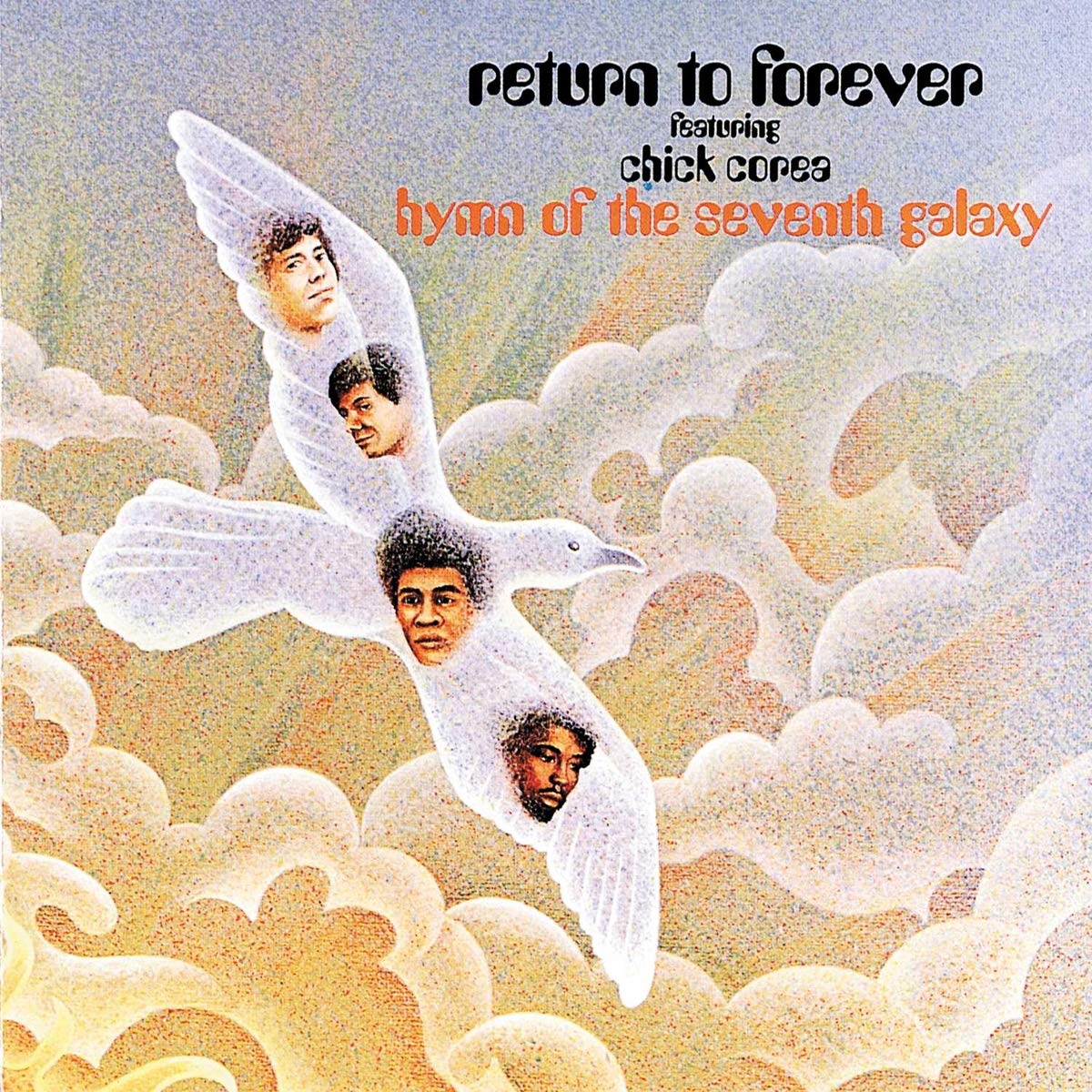
Return to Forever: Hymn of the Seventh Galaxy
Released sometime in October 1973, this third album from Return to Forever magically and masterfully weaves together elements of jazz, fusion and progressive rock. Chick Corea dazzling keyboards and his other worldly — no, make that other galactic — compositions just radiate throughout this album. Fellow band members, Stanley Clarke, Lenny White and Bill Connors are equally up to the challenge, with Mr. Clark providing a wonderfully radiant composition of his own, “After the Cosmic Rain” and exhibiting Olympic-level mastery on electric bass. The coup de grâce is the last track, “The Game Maker”, breathtakingly piloting us over intricate, wondrously, shifting musical landscapes.
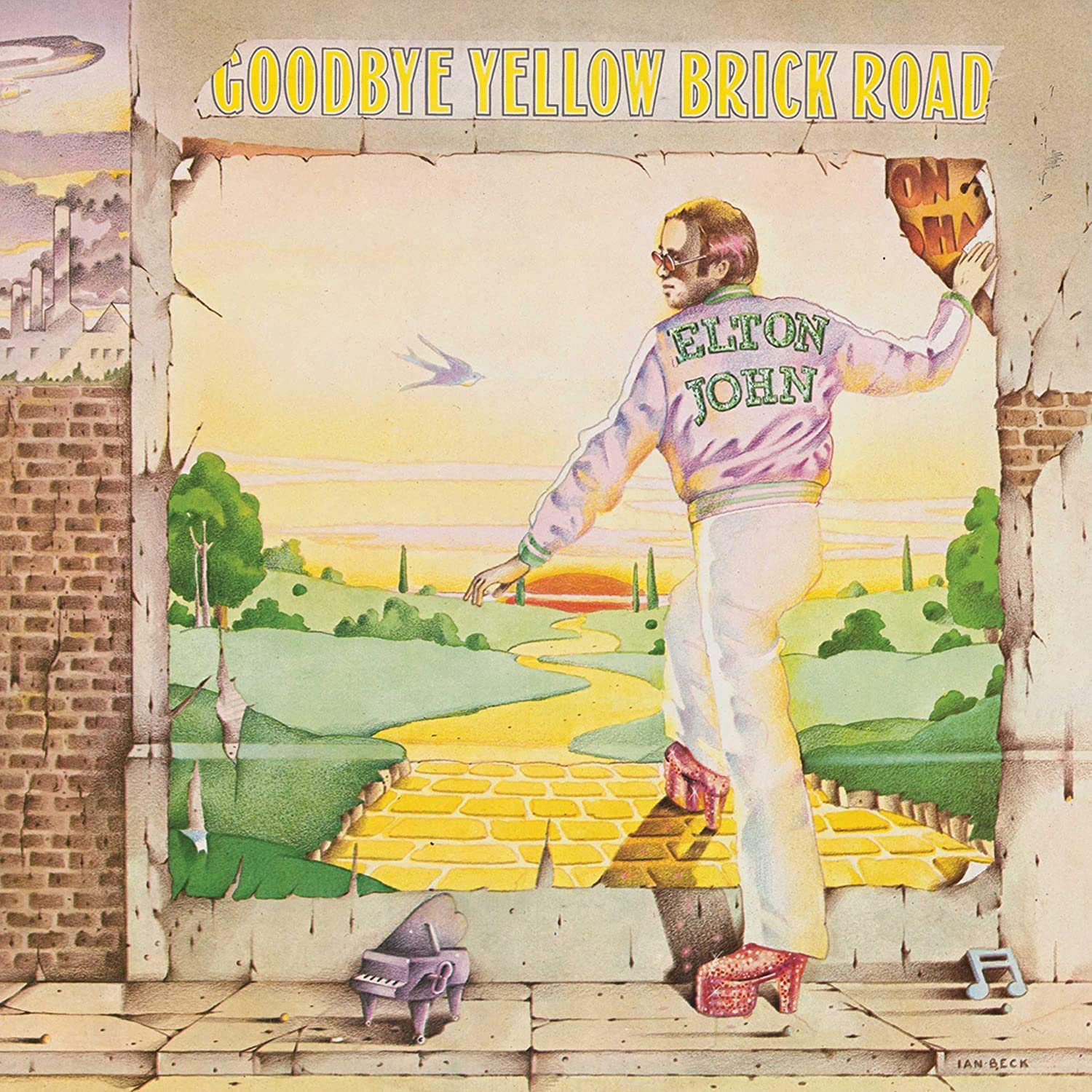
Elton John: Goodbye Yellow Brick Road
The one obstacle that prevented The Who’s Quadrophenia ever getting to the number one album spot in the UK or in the US, was the multi-million-sales avalanche of Elton John’s Goodbye Yellow Brick Road, released on October 5, 1973, almost two weeks before Quadrophenia. Of the slightly over one hundred million copies of albums Elton has sold, Goodbye Yellow Brick Road accounts for over thirty-one million, and continues to sell in substantial quantities to new Elton John fans today.
Rather than compose music and then fit lyrics into the music, Elton John’s method in the 1970’s, like that of many songwriters, was to take already written lyrics, in Elton’s case partnering with Bernie Taupin, and then create music too complement those lyrics. Considering the nature of many of Taupin’s lyrics, it is rather incredible that Elton created so many highly popular and widely-appealing songs from the initial material. Goodbye Yellow Brick Road, in a sense a loose or partial concept album, provides insight into Elton’s range of compositional skills, with the initial track, “Funeral For A Friend:, being one of his rare instrumentals, providing a glimpse into the depth of his creativity when not bound by lyrics. This instrumental introduction is effectively paired with “Love Lies Bleeding” providing an almost progressive-rock opening for the album.
Overall the album is quite good and along with his two albums from 1970 (Elton John and Tumbleweed Connection) and his live album from that period (17-11-70) are a set of his works I hold in high esteem. Now, though the first side and last side of the original 2 LP “GYBR” is indispensable, as is the first track of side two, and the last track of side three, the material in between could be omitted, to get a very fine single LP album, at a total length of around 45 minutes. Now some may wish to further add another track like “The Ballad of Danny Bailey (1909–34)” resulting in an album that still comfortably adheres to standard LP limits. That said, the CD, containing over 76 minutes of the original material, is now sold at roughly the same price as other Elton John albums from the early seventies — so even though a slimmer, arguably better album could be achieved, what’s the point — given how effortless it is to replay favored tracks on a CD or to skip those not currently of interest.
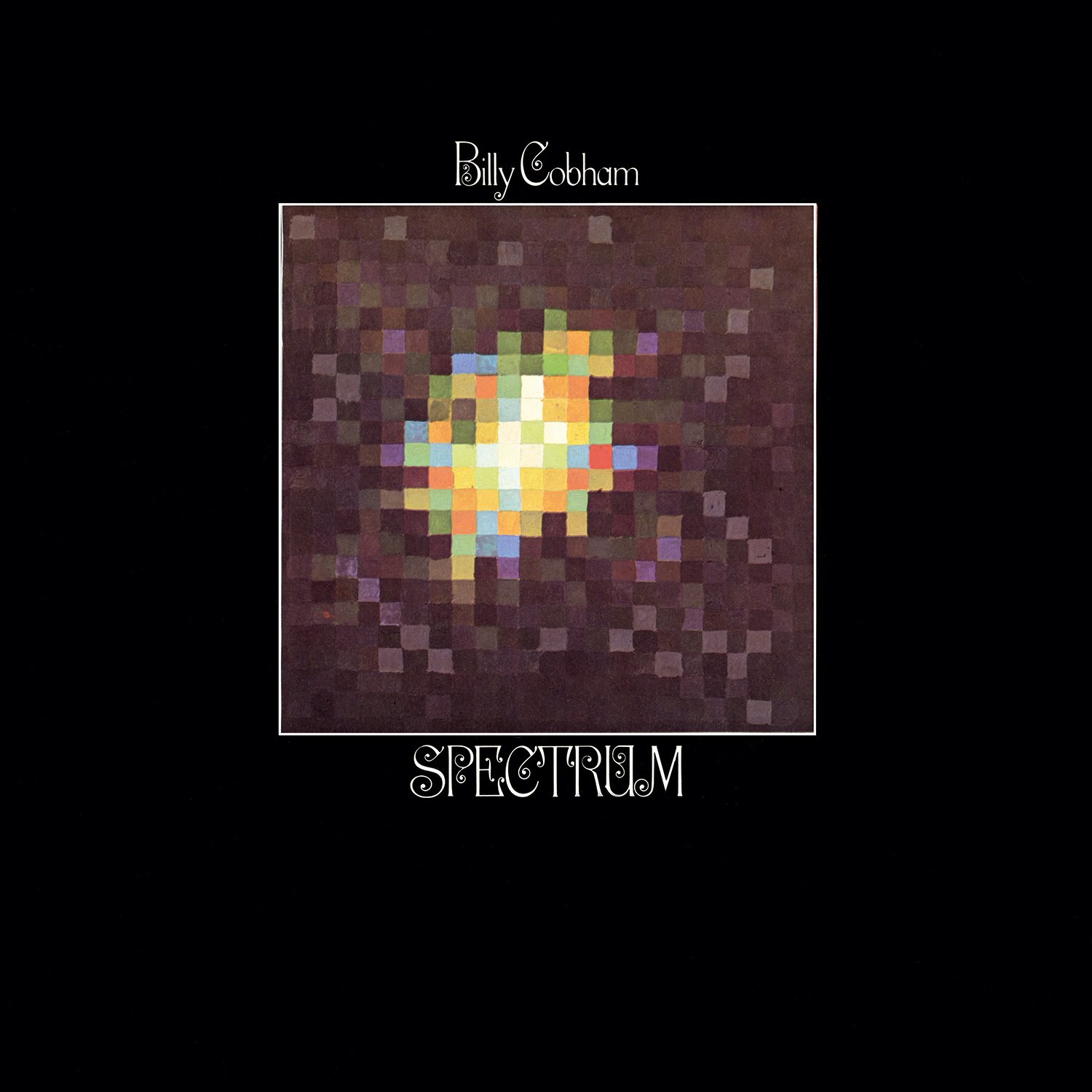
Billy Cobham: Spectrum
Spectrum, Billy Cobham’s first album as a leader, released October, 1, 1973, is as impressive and important as any fusion album of 1973. The combination of Cobham and Jan Hammer dominate the album, and the supporting resources, particularly Tommy Bolin who is present on over half of the musical material, round out this excellent work. Album includes duets between Cobham and Hammer, Hammer soloing on acoustic piano on the beautiful ballad, “To the Woman but it is the longer tracks, and several lengthier tracks including the opening track, “Quadrant 4” full of energy and purpose, “Stratus” with remarkable bass work from Leland Sklar, and the fast-paced, electrically-charged title track, “Spectrum” with Joe Farrell on sax and flute, and Jimmy Owens on trumpet and flugelhorn.
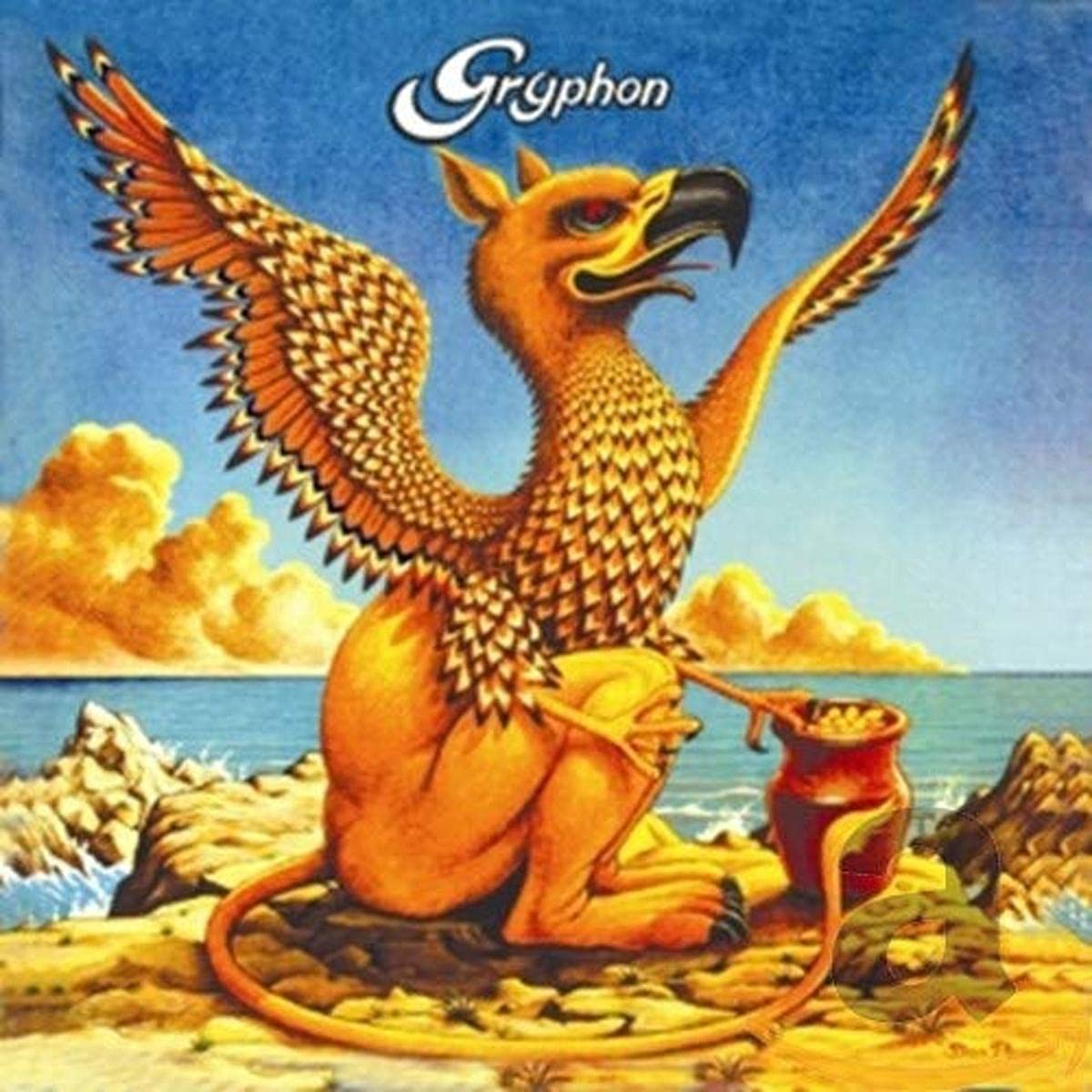
Gryphon: Gryphon
Gryphon’s first album is a unique blend of folk and rock, incorporating both modern elements (guitar, bass, bassoon, trombone, drums) and earlier musical instrumentation (mandolin, recorder, crumhorn) into a successful set of songs. In late 1973, there were several folk rock groups, such as Fairport Convention, Steeleye Span, and Pentangle, but Gryphon, with two of the group members—Brian Gulland and Richard Harvey, both graduates of London’s Royal College of Music—distinguish themselves through a level of originality that transcends replicating traditional Celtic folk harmonies and melodies. Their occasional use of late 19th-century and 20th-century dissonance, not found in traditional English, Irish, Scottish, or Welsh music, coupled with their colorful and sometimes unconventional instrumentation, creates a new sound that effectively captures and maintains the listener’s attention. Later, the group would develop a more progressive-rock sound, but this first album is a fine one, deserving to be enjoyed and appreciated on its own terms.
Renaissance: Ashes are Burning
Renaissance’s fourth album, “Ashes are Burning,” was released on October 10, 1973. The album opens with full intensity, featuring the instrumental introduction of “Can You Understand?” This segues into the introspective acoustic main section, accompanied by some orchestration, showcasing Annie Haslam’s spellbinding vocals. The introductory material returns to conclude the piece. Such artistry and high-quality musical content are defining characteristics of this album, effectively blending classical, folk, and rock elements. The album concludes with the majestically crafted and musically uplifting “Ashes are Burning,” providing an emotionally captivating ending to a highly enjoyable album.
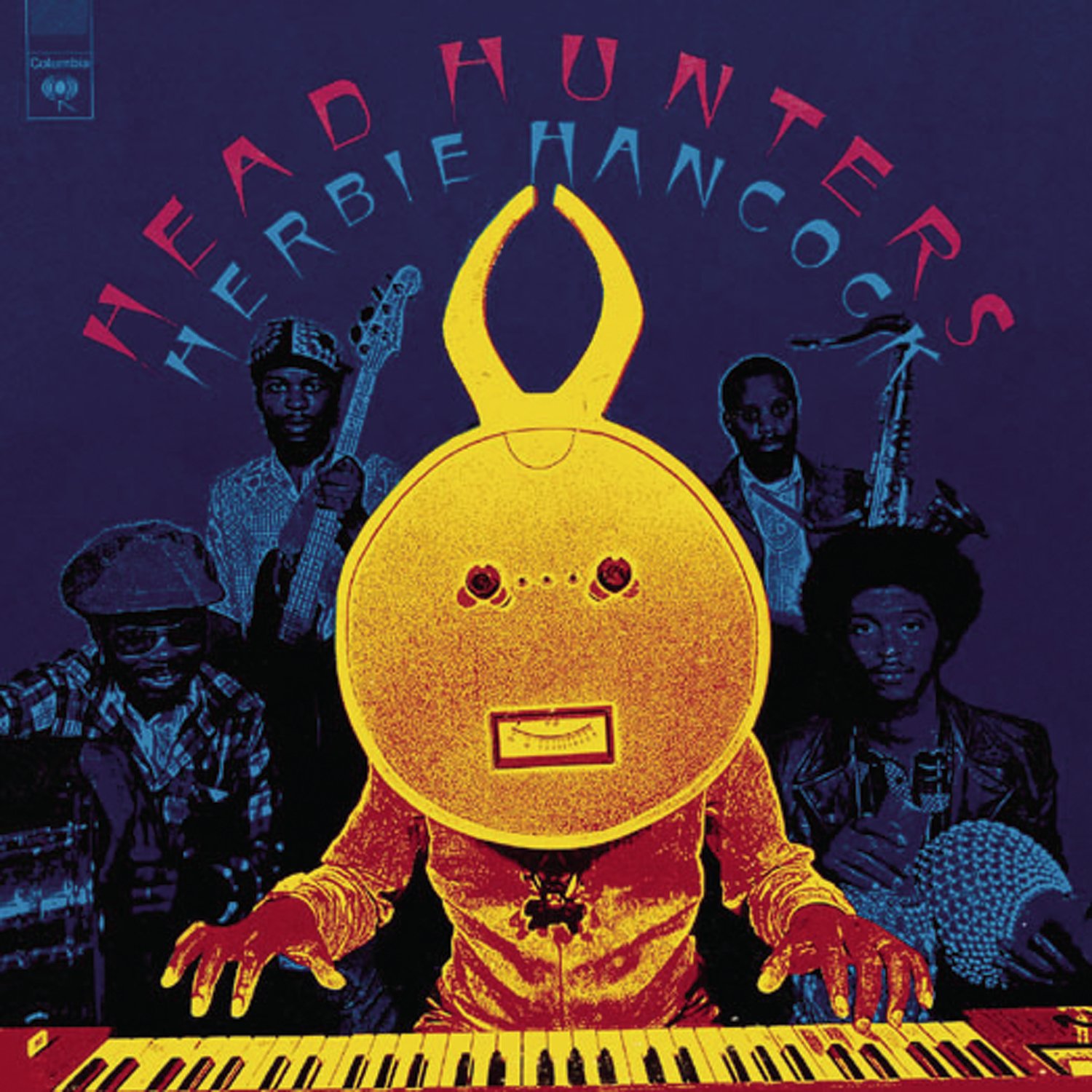
Herbie Hancock: Head Hunters
Released on October 26, 1973, and recorded the previous month, this landmark album signifies a conscious shift in direction for Mr. Hancock. It departs from his previous, more progressive and adventurous modal-based music, embracing a solidly tonal funky style of jazz. For this endeavor, he replaced all the members of his previous sextet except for himself and the talented Bennie Maupin on reeds. Remarkably, this jazz album achieved significant commercial success, foreshadowing George Benson’s stunning commercial breakthrough three years later.
The album starts off with “Chameleon,” featuring its initial foundation of two relentlessly repeated bass figures. However, the music is far from stagnant; it organically develops as it progresses, with the bass occasionally taking a secondary role but always remaining fundamental to the overall forward motion. The improvisation, while solidly jazz-based, aligns with a generally funky mood. Toward the end of “Chameleon,” we encounter sparkling chord changes reminiscent of a chameleon changing its exterior color, yet it retains its essential nature—similar to the music—concluding with a more static, funky ending. This is followed by an abstracted, funky rendition of Hancock’s classic, “Watermelon Man,” creatively presented to sound fresh, innovative, and slightly futuristic.
Side two starts with “Sly,” a vibrant homage to Sly Stone that includes some wild, abandoned, but clearly intricate interplay between Maupin’s sax and Hancock’s keyboards. This dynamic exchange offers all the excitement and vigor of the free jazz of the era, yet within a tonal, structured framework—making it accessible to a wide range of listeners. The album concludes with the reflective jazz tone poem, “Vein Melter,” seemingly representing the impact of heroin. The sense of time is significantly slowed by the floating, detached music, free from earthly worries or concerns. Notice the slow beat that initiates, persists, and concludes the track, possibly symbolizing the futility of the heroin experience. This second side, featuring “Sly” and “Vein Melter,” stands as one of the best single LP sides of any album from the 1970s.
Kraftwerk: Ralf und Florian
Released sometime in October1973, Ralf und Florian is the third studio album by the soon-to-be influential German electronic music pioneers, Kraftwerk. At this time there group is just the two former students of Düsseldorf’s Robert Schumann Conservatorium, Ralf Hütter and Florian Schneider The album is influenced heavily by “classical” or conservatory/university ideas about electronic music, but it is clear that a more accessible element is added into their works. This is far from their pop-flavored, and very influential, fourth album, but it still holds a special place in the band’s discography, marking that important transitional phase between their early “experimental” electronic work and the groundbreaking sound they would later be known for. The most intriguing work on the colorfully diverse side one is the pattern-based “Kristallo.” The second side open with “Tanzmusik”, which comes the closest to the music of their next album, with its lighthearted texture, vocoder-enhanced vocals and relentless drive. The album concludes strongly with the longest track, the relatively accessible “Ananas Symphonie” (“Pineapples Symphony”) with the vocoder, this time, used to modulate their voices to sound detached and machine-like. Ironically, though, the piece also creates a relaxing, mediative soundscape reminiscent of a tropical island — pineapples and traces of seashore sounds included.
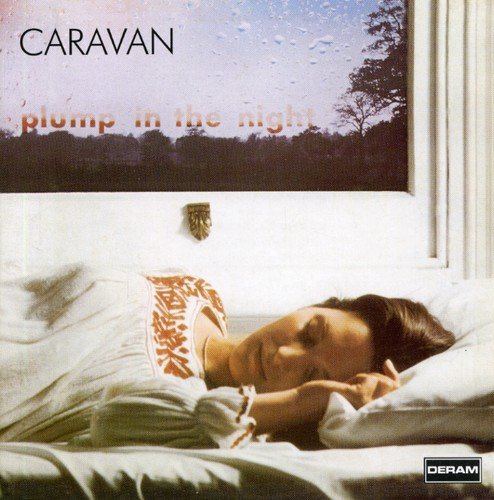
Caravan: For Girls That Grow Plump in the Night; Lou Reed: Berlin
With changes to their lineup, the loss of bassist Richard Sinclair and keyboardist Steve Miller and the addition of Richard’s cousin, Dave Sinclair on keyboards, and Geoff Richardson on viola, Caravan moves away from the more progressive, jazz-infused sound of their previous album, to a less progressive sound infused with some pop elements of the late sixties The highlight of this fifth studio album, released on October 5th, 1973, is the medley on the last track, “L’Auberge Du Sanglier / A Hunting We Shall Go / Pengola / Backwards / A Hunting We Shall Go – Reprise”, which includes strong guitar work from Pye Hastings, impressive electric viola and cello from Richardson and Paul Buckmaster, respectively, some sensitive acoustic piano from Dave Sinclair and a solid orchestral arrangement from John Bell and Martyn Ford.
Also, on October 5, 1973, Lou Reed releases his poignant concept album, Berlin. Though not as melodically memorable as his previous album, and with some musical content from earlier works recycled or redeployed, the album is still deserving of attention. The last track, in particular, provides an affecting and fitting conclusion to the work.
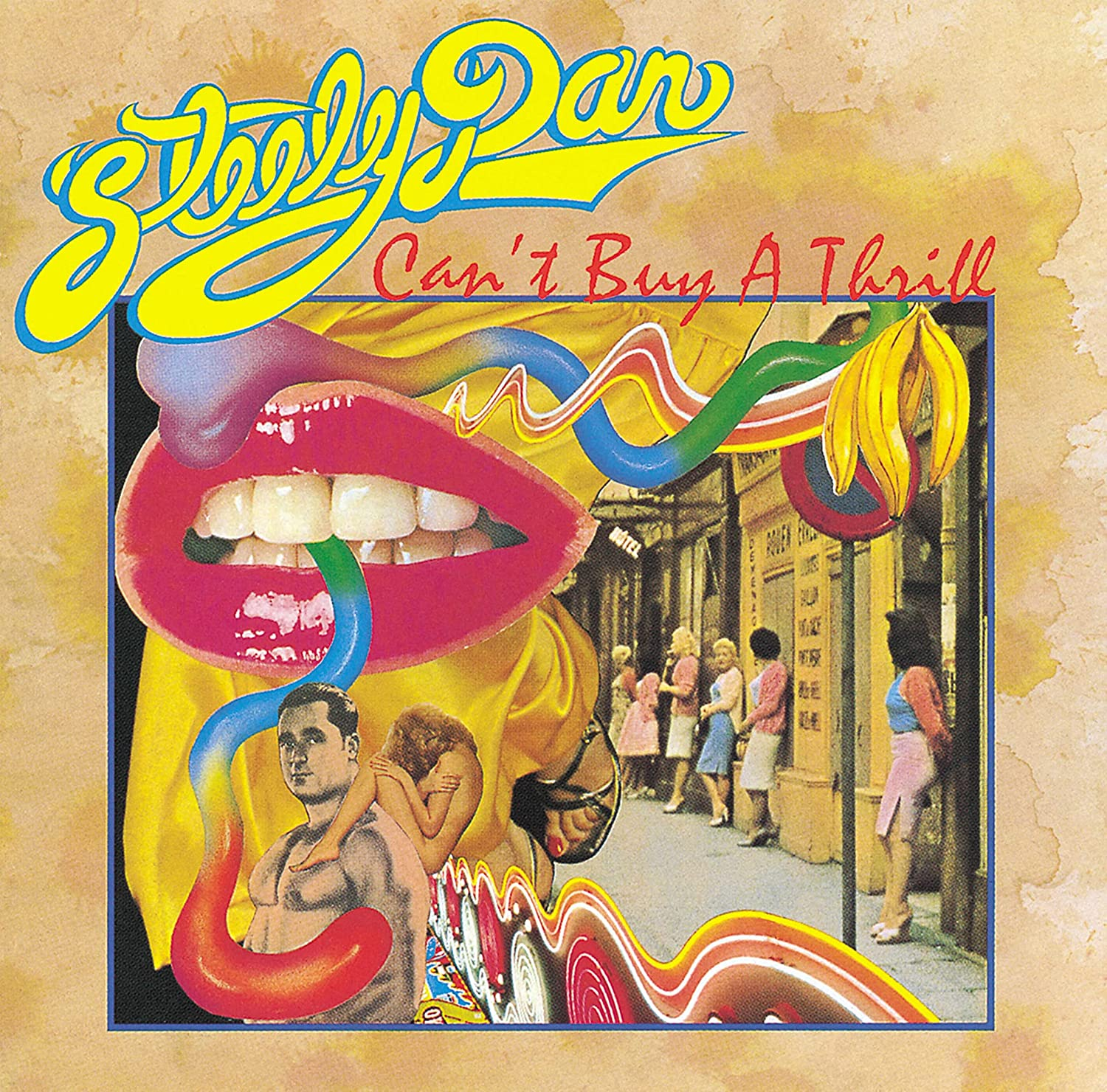
Released in November of 1972, this is the first of Donald Fagen’s and Walter Becker’s string of excellent albums. The music ranges from pop to rock to folk-rock to jazz-based rock with engaging and intelligent chord progressions and a healthy use of minor seventh and ninth chords.
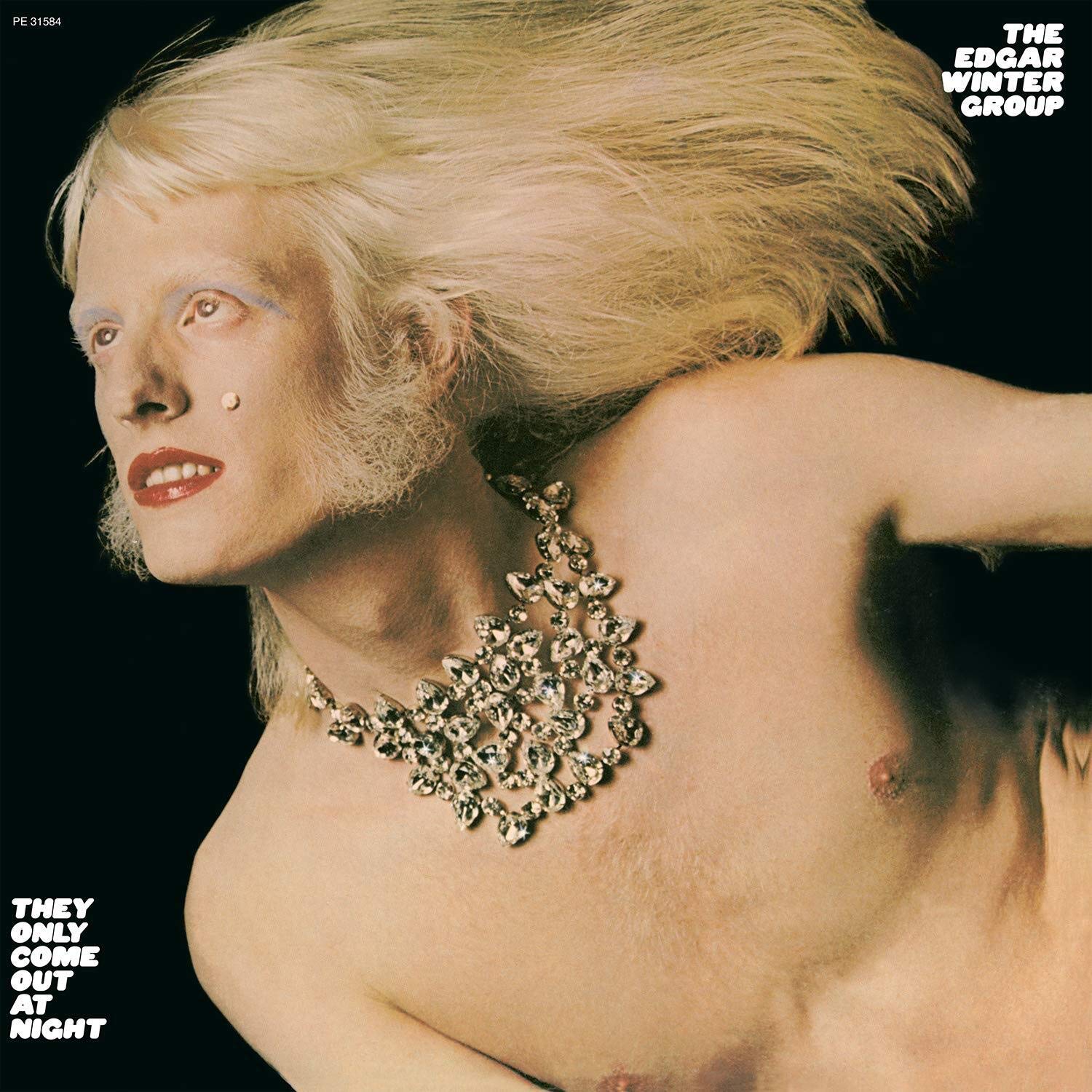
THE EDGAR WINTER GROUP: THEY ONLY COME OUT AT NIGHT
Skillfully produced by Rick Derringer, this is Edgar Winter’s most solid album with a number of songs that for the rest of 1972 and early into 1973 found a prominent place on AM radio, FM radio, at high school parties, or in the repertoire of high school dance bands. “Hangin’ Around”, “Free Ride”, “We All Had a Real Good Time” and the instrumental “Frankenstein” are hard rock classics that have effectively captured and preserved the spirit of early seventies hard rock, providing, today, an effortless means for us to travel back in time fifty years ago.
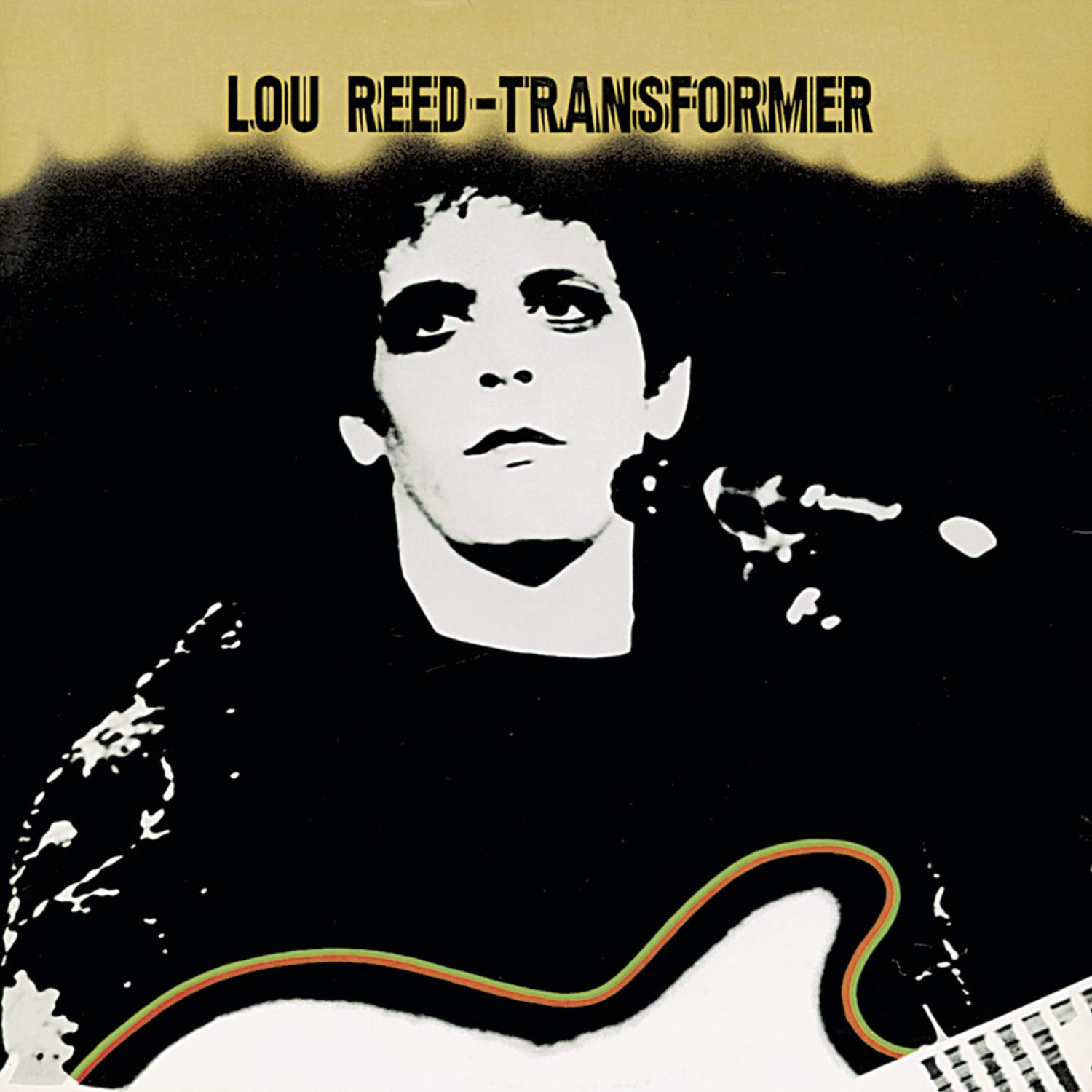
LOU REED: TRANSFORMER
Released on November 8, 1972, Lou Reed’s Transformer excels at creating a level of nonchalance and casualness that was more reminiscent of the beat movement of the 1950s than typical of an early 70’s rock album. Aided by David Bowie, Mick Ronson and Trever Bolder and elegantly produced by Bowie and Ronson, this album, along with the success of its glam, transexual and sometimes banned single, “Walk on the Wild Side”, brought Lou Reed out of the shadows of the Underground and into the commercial spotlight. The album is considered a classic by many and has had substantial influence on many Indie Rock artists that came later.
WAR: THE WORLD IS A GHETTO
War’s fifth studio album, released around November of 1972, opens with the once relentlessly-played AM single, “Cisco Kid”, which though annoying for those of us that heard it in spring of 1973 played through third-rate speakers of a school bus for multiple weeks almost every morning on our ride to school, was a welcome relief from the equally often-played, but far less bearable “Tie a Yellow Ribbon Round the Ol’ Oak Tree.” That said, now hearing “Cisco Kid” on a first-class audio set up almost fifty years later, the quality of performance and the arrangement almost make up for the melodic and harmonic mediocrity of the track. More importantly though, the rest of the album is quite good, starting with the infectious, funky “Where was You At” and the effervescent jazz-infused 13 1/2 minute “City Country City” instrumental on side one and the three tracks on side two including the soulfully reflective “Four Cornered Room”, and the beautifully funk-infused, “The World is a Ghetto.” This was not only War’s most commercially successful album, but the best selling album for the year 1973 holding the number one position for two weeks in February 1973 and staying on the Billboard 200 for a total of 68 weeks.
JONI MITCHELL: FOR THE ROSES
Released in November of 1972 between two of her most artistically and commercially successful albums, 1971’s Blue and 1974’s Spark and Court, the excellent For the Roses brims over with wonderful melodic phrases, remarkable piano lines, and beautiful acoustic guitar and an appropriate amount of harmonica, bass, percussion, winds and strings — always at the right places!
CAN: EGE BAMYASI
Can’s highly influential album, Ege Bamyasi, with the name apparently inspired from the label of a container of canned okra of Turkish origin also meant for German consumption of these “okra pods”, takes a detour from the previous no-holds-barred and even more influential Tago Mago, with an often more structured (via editing in some cases) and relatively more contained set of compositions. Not readily available in the US, I purchased this album in a German record store in 1978, and listened to it once before shelving it for several decades. It’s great to come back and revisit it and find there is much more here than I thought — and to discover the influence it has had on music since my original purchase, with Stephen Malkmus of Pavement, Thurston Moore of Sonic Youth, and the band Spoon all having been much more serious fans of the album and reaping music influences from it. Truly fortunate to revisit the album and able to enjoy it on a much better audio set up than I had in 1978.
Uriah Heep, Moody Blues, Carly Simon, Hawkwind, and Barclay James Harvest
Other notable albums from November 1972 include Uriah Heep’s semi-progressive Magician’s Birthday with a memorable Moog synthesizer solo from Ken Hensley on “Sweet Loraine” (reaching the 91st spot on the Billboard Hot 100) and a more expansive title track concluding the album, Hawkwind’s third studio album, Doremi Fasol Latido, stylistic different than their previous albums but still quality, engaging space-rock, Carly Simon’s No Secrets with two well-known tracks, the number one hit “You’re So Vain”, and less commercially successful but equally appealing “The Right Thing to Do”, the richly arranged, orchestrated Barclay James Harvest, Baby James Harvest, a mix of straight rock (“Thank You”) and more progressive tracks (“Summer Soldier”, “Moonwater”), and Moody Blues’ eighth album (last of the highly regarded string of seven classic album) which had two commercially successful singles, “Isn’t Life Strange” and “I’m Just a Singer (In a Rock and Roll Band)”, which spurred increased interest in their previous work resulting in the re-release of the beautifully haunting single version of the “The Night”, titled “Nights in White Satin”, which did much better the second time around, getting more attention and airplay than any of the music on the Seventh Sojourn album.