Pink Floyd, King Crimson, Tom Waits, Led Zeppelin, Tangerine Dream; Fifty Year Friday: March 1973
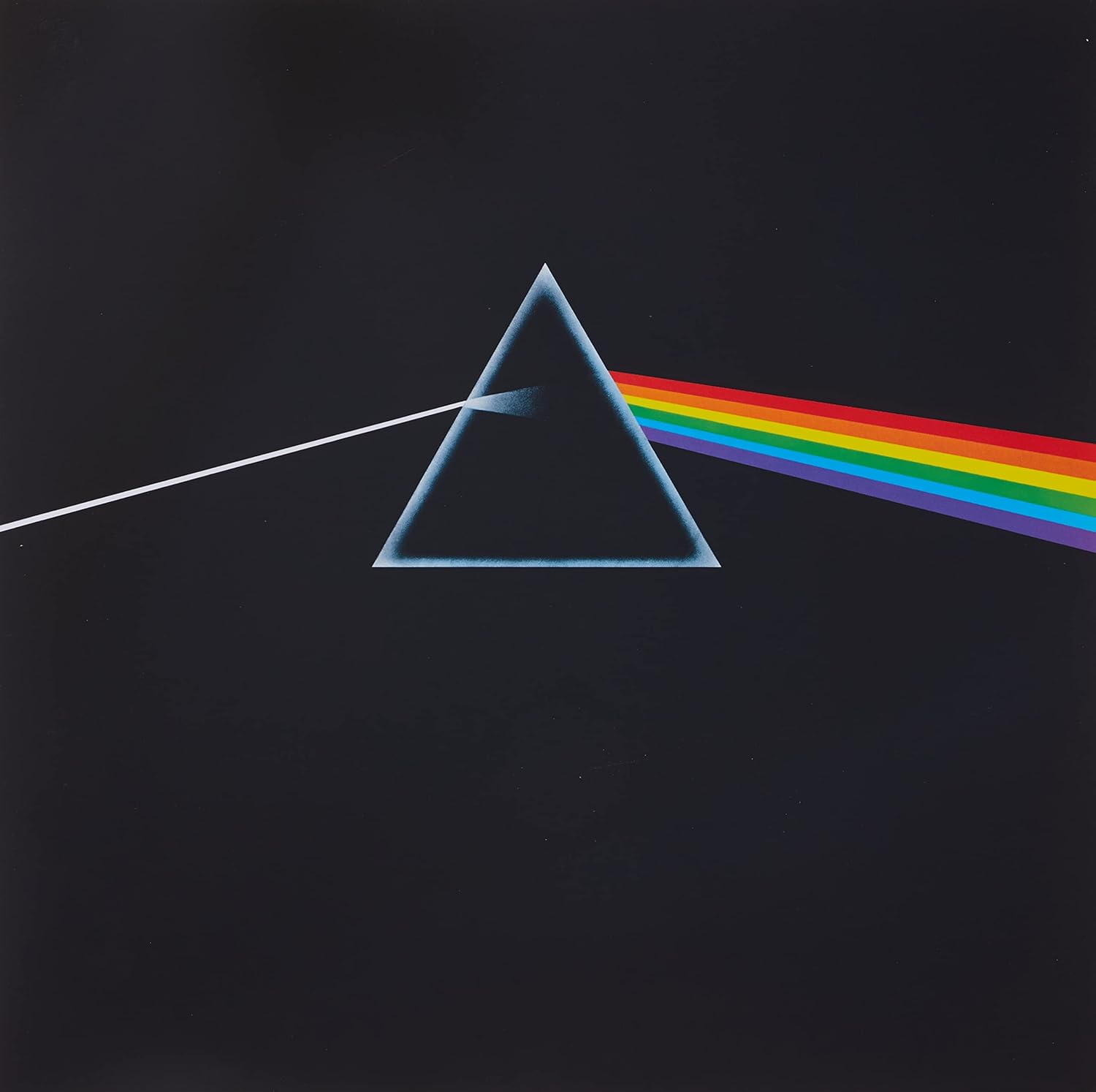
Pink Floyd: Dark Side of the Moon
Few progressive rock albums have had such great appeal across a wide section of the music loving public as Dark Side of the Moon, released March 1, 1973. Casual Listeners, Hard Rockers, Stoners, Prog heads, Music Majors, and just about anyone with more than 10 rock albums in their collection, had a decent chance of owning this timeless classic, an album as likely as any other album to be in the collection of anyone from age 17 to 25 during the mid 1970.
Despite a collection of diverse material with varying levels of contribution from each band member, Dark Side of the Moon has a cohesiveness, largely due to Alan Parson’s proficiency and creativity as an engineer. Just as Parsons significantly contributed to the Beatles’ Abbey Road sense of musical unity despite an understandable lack of shared thematic material between tracks, with one exception, the same result is achieved here: an album that holds up nicely as a single work as opposed to a collection of unrelated tracks. If it has been sometime since you have last heard it, get it out, put it on the best equipment possible (don’t just stream it a suboptimal bitrate or listen to it through low quality headphones or speakers) and enjoy one of the great musical works of our time.
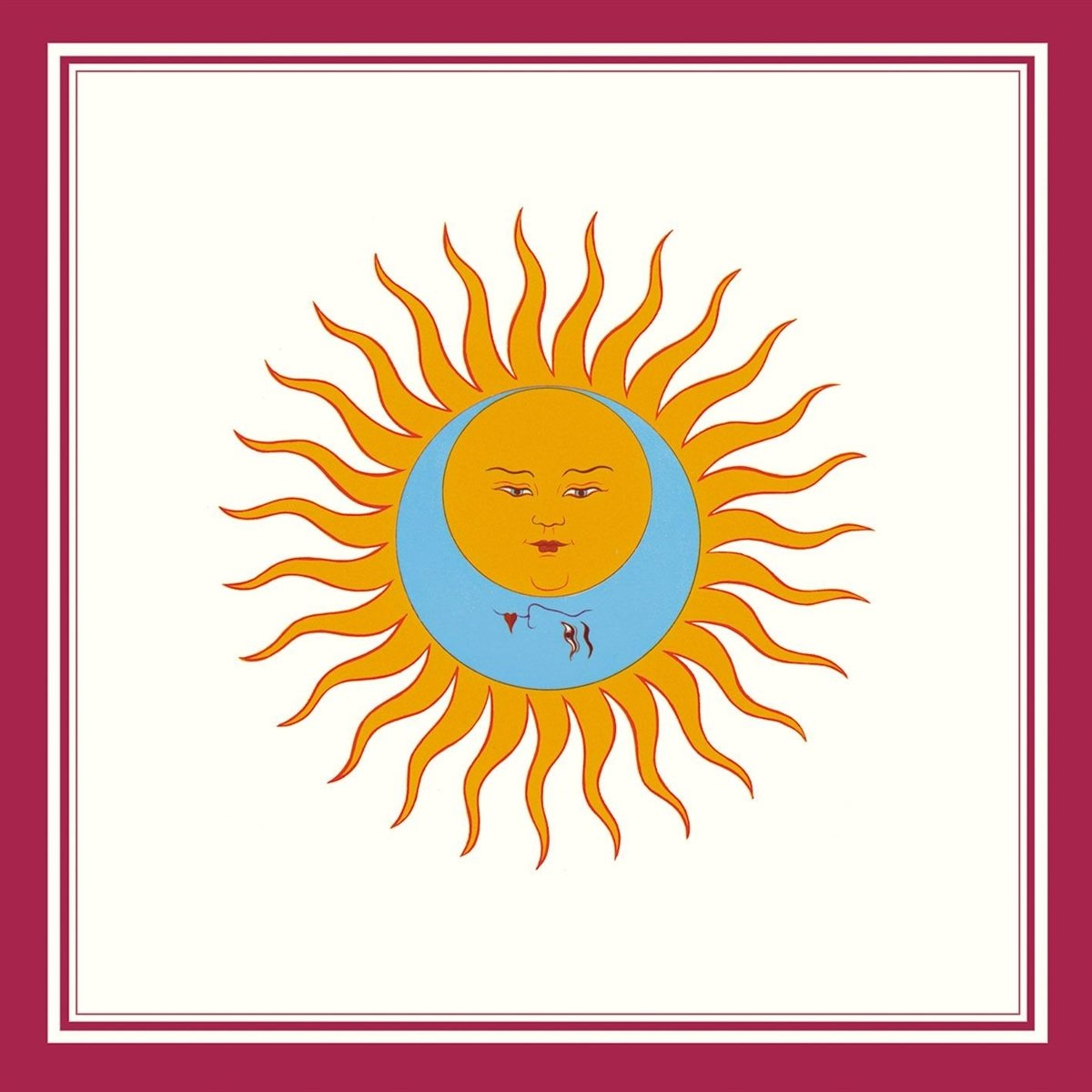
King Crimson: Lark’s Tongue in Aspic
Released on March 23, 1973, King Crimson’s fourth album is less accessible than their previous three studio albums, but the level of musicianship and improvisation are better, with the two parts of Lark’s Tongue in Aspic that open and close the album being particularly impressive.
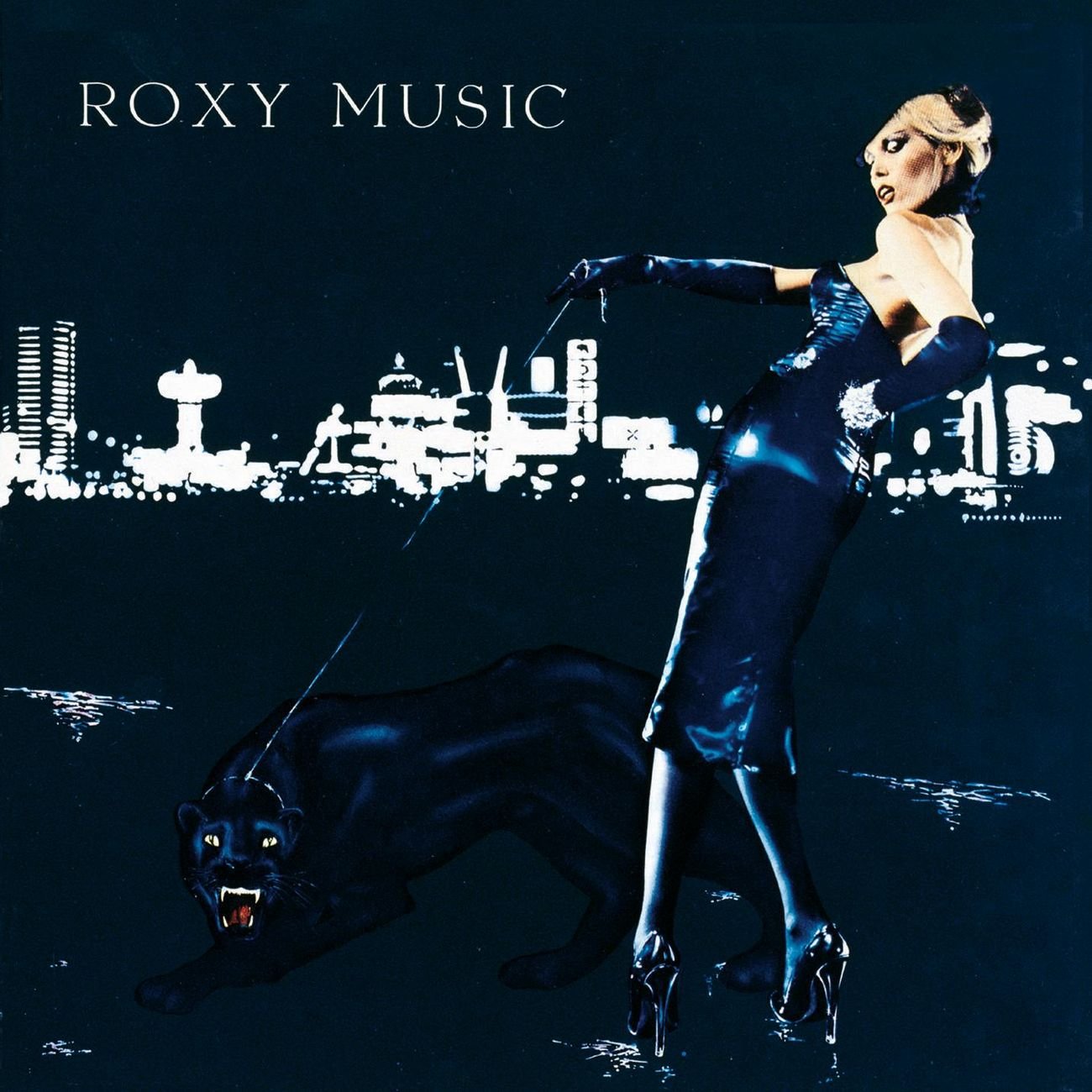
Roxy Music: For Your Pleasure
Before the release of Queen’s first album, or Bowie’s Aladdin Sane, we had this Roxy Music’s For Your Pleasure, released on March 23,1973, adventurously combining art rock, glam rock, and a range of experimental sound techniques into a cohesive, very enjoyable and very well executed work of art. Throughout the entirety of the album, Roxy Music’s musicianship is highly focused and expertly executed, serving as an essential component of the band’s overall artistic vision. Phil Manzanera is amazing on guitar, and Andy Mackay sax provide richness and additional depth, with strong compositions, foundational keyboard work and distinct, nuanced and expressive vocals from Bryan Ferry.
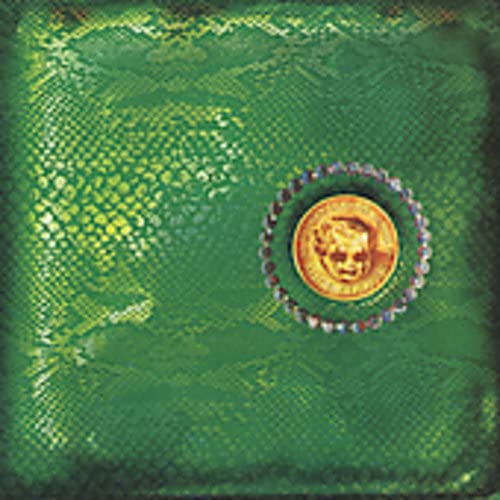
Alice Cooper: Billion Dollar Babies
Released on Feb. 25, 1973, Alice Cooper’s sixth studio album is also his finest with an effective mix of hard rock, glam, and non-traditional topics, some of which were competently exploited for Alice Cooper’s live theatrics. Including four singles, the two standout tracks on the album are “Elected” which was released in September of 1972 prior to the Nixon-McGovern election contest and “Billion Dollar Babies”, released several months after the album’s debut and features Donovan providing effective glam-style vocals including Donovan’s falsetto reaching his upper limit.
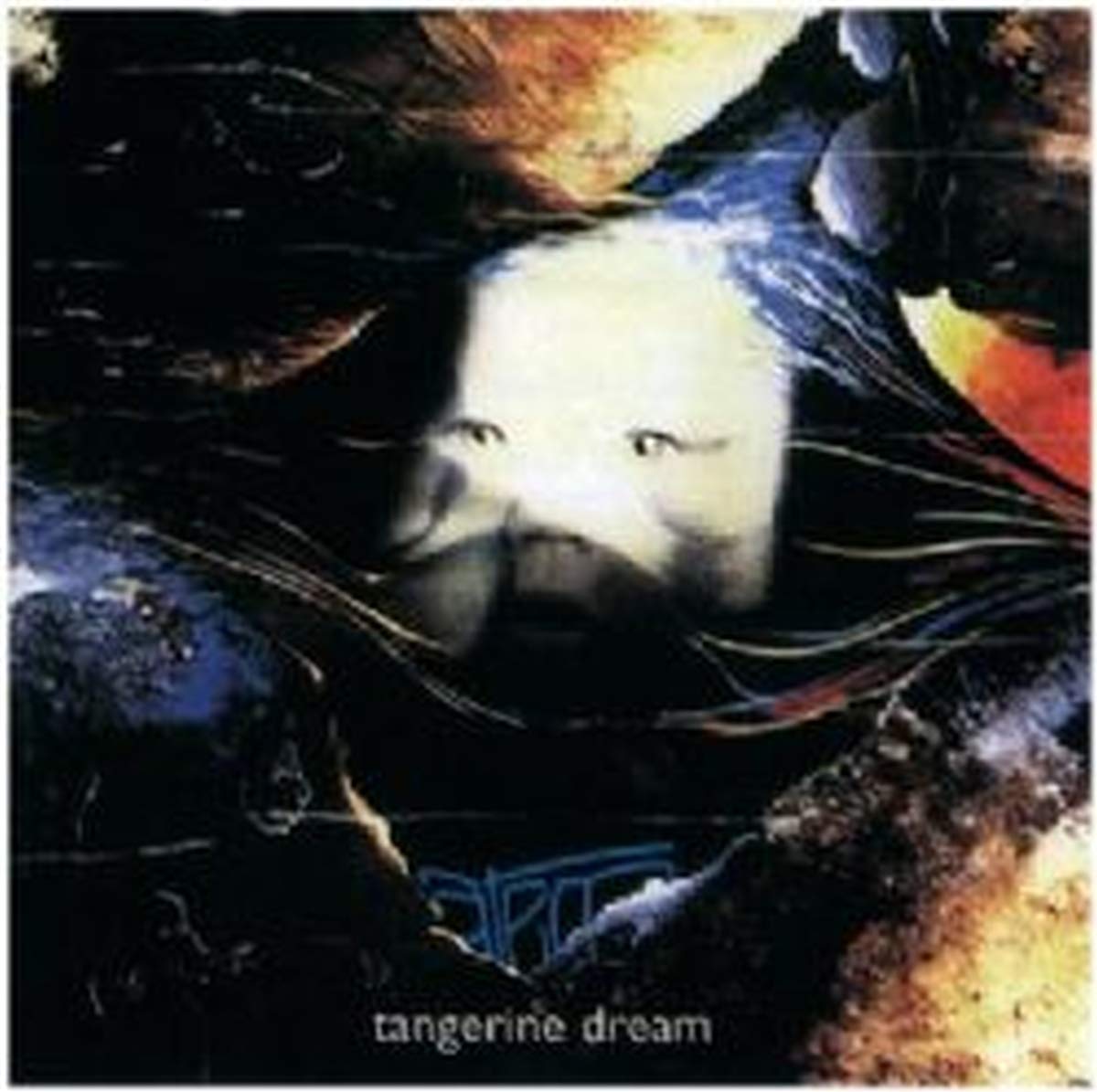
Tangerine Dream: Atem
Atem, released their fourth album, Atem, in March of 1973, one of the most impressive works of electronic music, providing a more interesting and substantial listening experience than most of the works by the academic-based classical composers who had been creating electronic sound compositions since the publishing of Luigi Russolo‘s “Art of the Noises” in 1913. The opening title track takes up the first side with three tracks on the second side, each compelling, each a story with the sound caringly shaped and crafted to provide a self-contained complete musical journey.
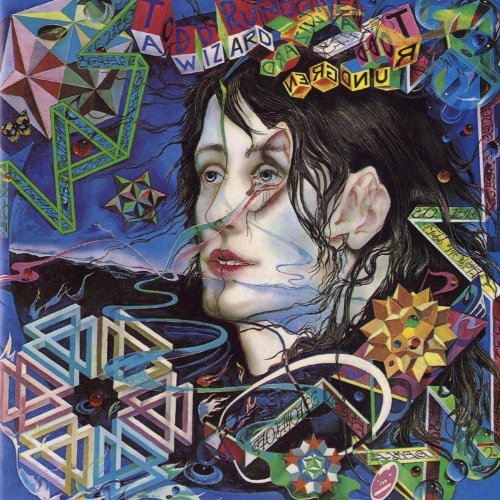
Todd Rundgren: A Wizard, A True Star
With 1973 being one of the most innovative periods in music, Todd Rundgren’s fourth album, A Wizard, A True Star, is about as ingenious, original and imaginative as any album of the 1970s. The first side is the musical equivalent of “Mr. Toad’s Wild Ride”, apparently madly reckless, yet never careening off the rails. “International Feel” starts and ends that first side, with a myriad of sparkling, brilliantly shimmering musical excursions thrown in between. The second side is mellower, allowing the listener to finally relax with a reflective, sympathetic re-creation of four 1960s R&B classic singles, and a memorable anthem, “Just One Victory”, bringing this one of a kind album to a close.
Rundgren’s engineering and production is historically impressive, taking advantage of various vocal and instrumental layering and effective editing. Additional richness is added by both the array of and the arrangement of instrumental timbre. And as an extra bonus to all this, the album is over twenty-six minutes on the first side, and almost thirty minutes on the second side — something matched by some of the classical records I had at the time, but not even approached by any of the single LP rock records in my collection.
One of my music teachers and I were talking about progressive rock around 1977 or 1978 and he was emphasizing how hard it was to predict what music would be canonized in the distant future. Much to my surprise he referenced Todd Rundgren, indicating his familiarity with contemporary, non-“academic” music, by casually remarking that “for all we know Todd Rundgren may be just a footnote in musical history fifty to hundred years from now.” Well, fifty years have passed, and I think it’s safe to say that Todd Rundgren will be encountered by those exploring the music of the 1970s, not as a footnote, but as a musical and engineering wizard, if not a true star.
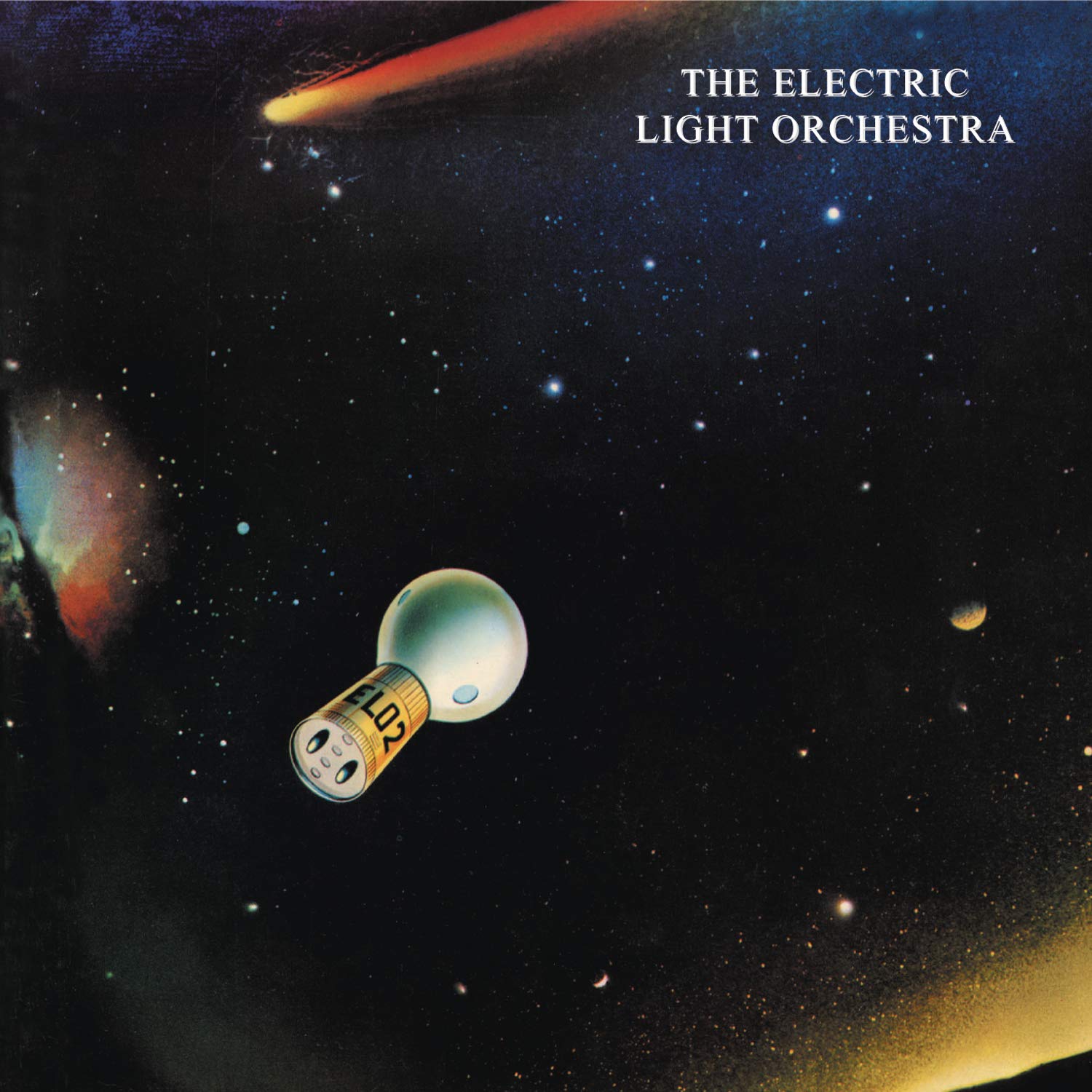
Electric Light Orchestra: ELO 2
Though not as ambitious or consistently appealing as the first album, or with anything that equals “10538 Overture“, ELO 2, released March 2, 1973, has many fine moments with generally more emphasis on smoother, more conventional orchestration. Particularly good is the opening track, “In Old England Town (Boogie No. 2)” and its second-side counterpart, “From the Sun to the World (Boogie No. 1)”, the latter incorporating true boogie-woogie components. Also worthy of note, is the seven-minute (or eight-minute arrangement in the U.S.) of Chuck Berry’s “Roll Over Beethoven.” A four and a half minute single version of it got substantial airplay in the UK, charting as high as number six, while in the states, a slightly shorter version, got some AM airplay starting in late April of 1973, climbing as high as 42 on the Billboard singles chart. In Southern California several FM stations regularly played the full-length album cut during the spring and summer of 1973, providing greater exposure in terms of airplay, even if not in terms of audience reached. Besides being a fairly spirited and compelling cover of the original tune, the work incorporates the famous motif of the first movement of Beethoven’s Fifth Symphony, perhaps unintentionally inspiring (though no evidence to support such an assertion) Walter Murray’s 1976 disco-hit, “A Fifth of Beethoven.”
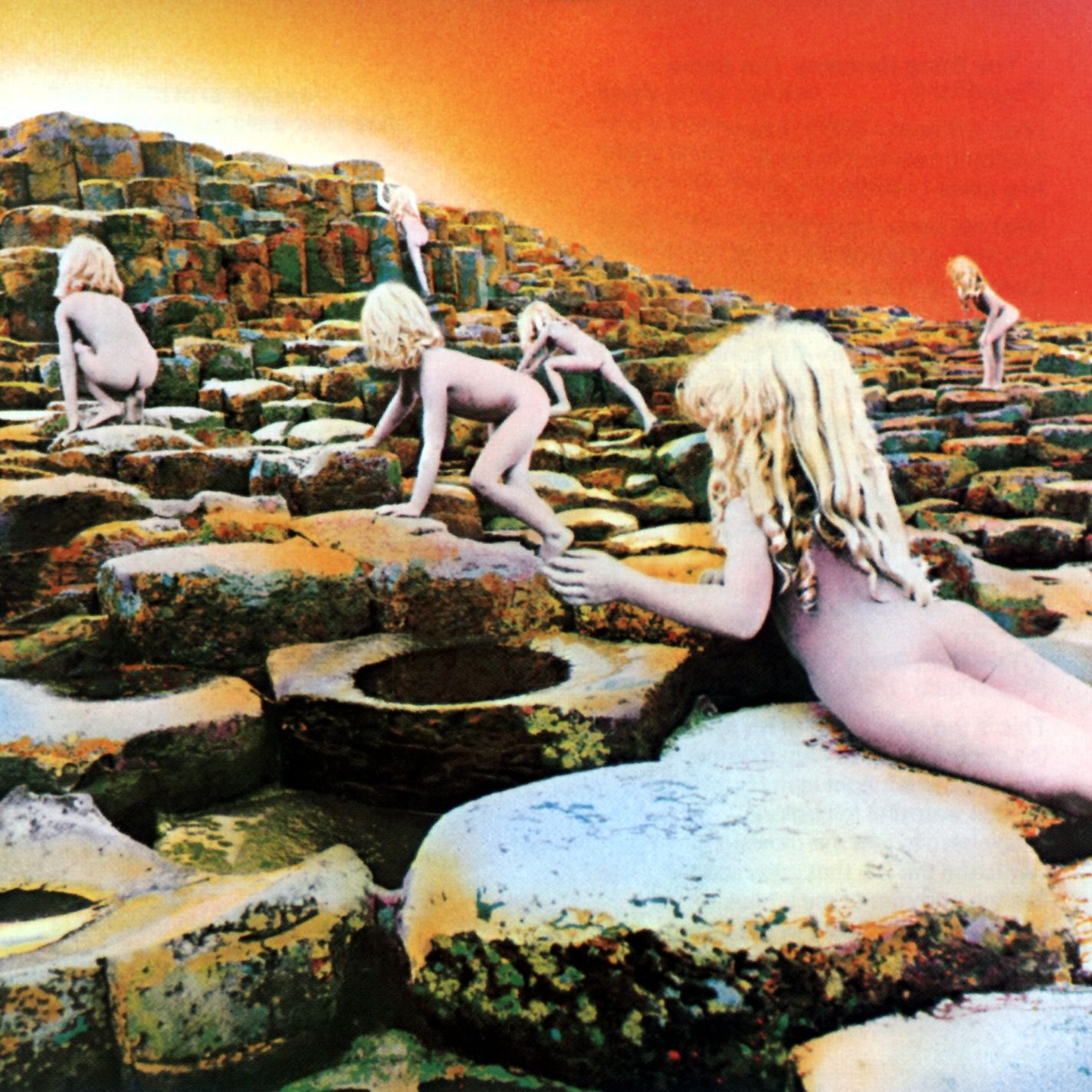
Led Zeppelin: Houses of the Holy
Once again, Led Zeppelin eschews just copying what made their previous album successful, creatively exploring new musical techniques and pathways, but as often the case not shy to incorporate notable musical elements of contemporaries and past predecessors. The overall result is an excellent hard-rock album that nicely balances acoustic and electric components and that successfully incorporates reggae, R&B, funk and even some classical and progressive influences.
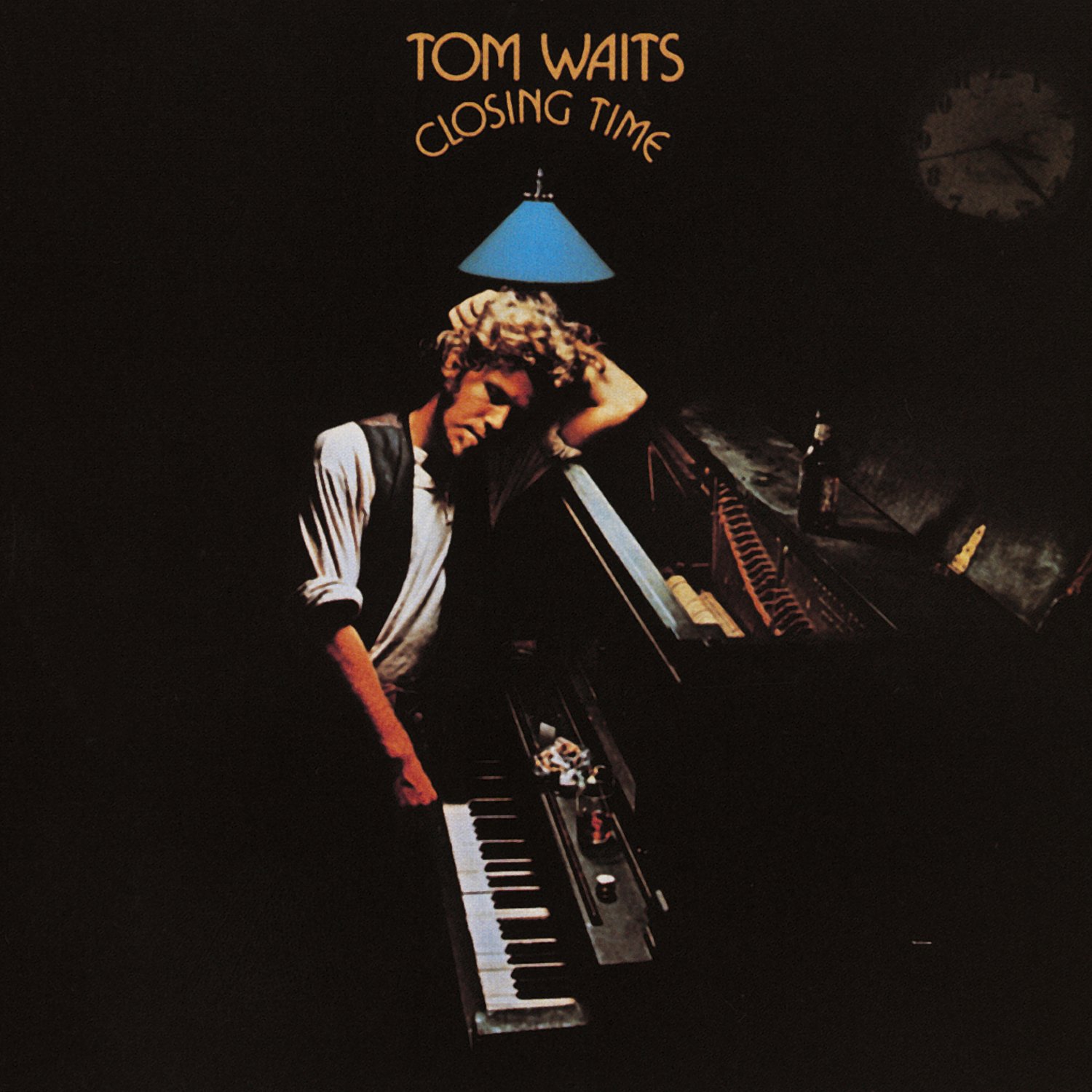
Tom Waits: Closing Time
Tom Waits’ debut album, Closing Time, was released on March 6, 1973, receiving limited attention. Though largely folk-based music with some country, jazz and blues influences, what is most notable is how the music supports the lyrics and how each work, independent and finished, come together into a quasi-concept album of isolation, loneliness and dependency. Whereas an artist like Randy Newman comments on the darker side of life with a isolated, somewhat remote detachment, Waits incorporates a very distinctive viewpoint not only within each song but makes it as a necessary component of the content, the character often representing someone not really getting the implication of the commentary, making the song’s meaning even more apparent. Each song works nicely, there is not a bad song on the album — the opening track received some minor airplay as a single, well deserved and eventually covered by the Eagles, but, curiously, there are better candidates to have captured greater airplay if that had been the Asylum label’s focus. However, this is an album best heard from start to finish, enjoying such the varying emotional shading and of each song with “Martha”, “Rosie”, and the evocative ballad, “Grapefruit Moon” being three of my favorites pieces of the whole experience.
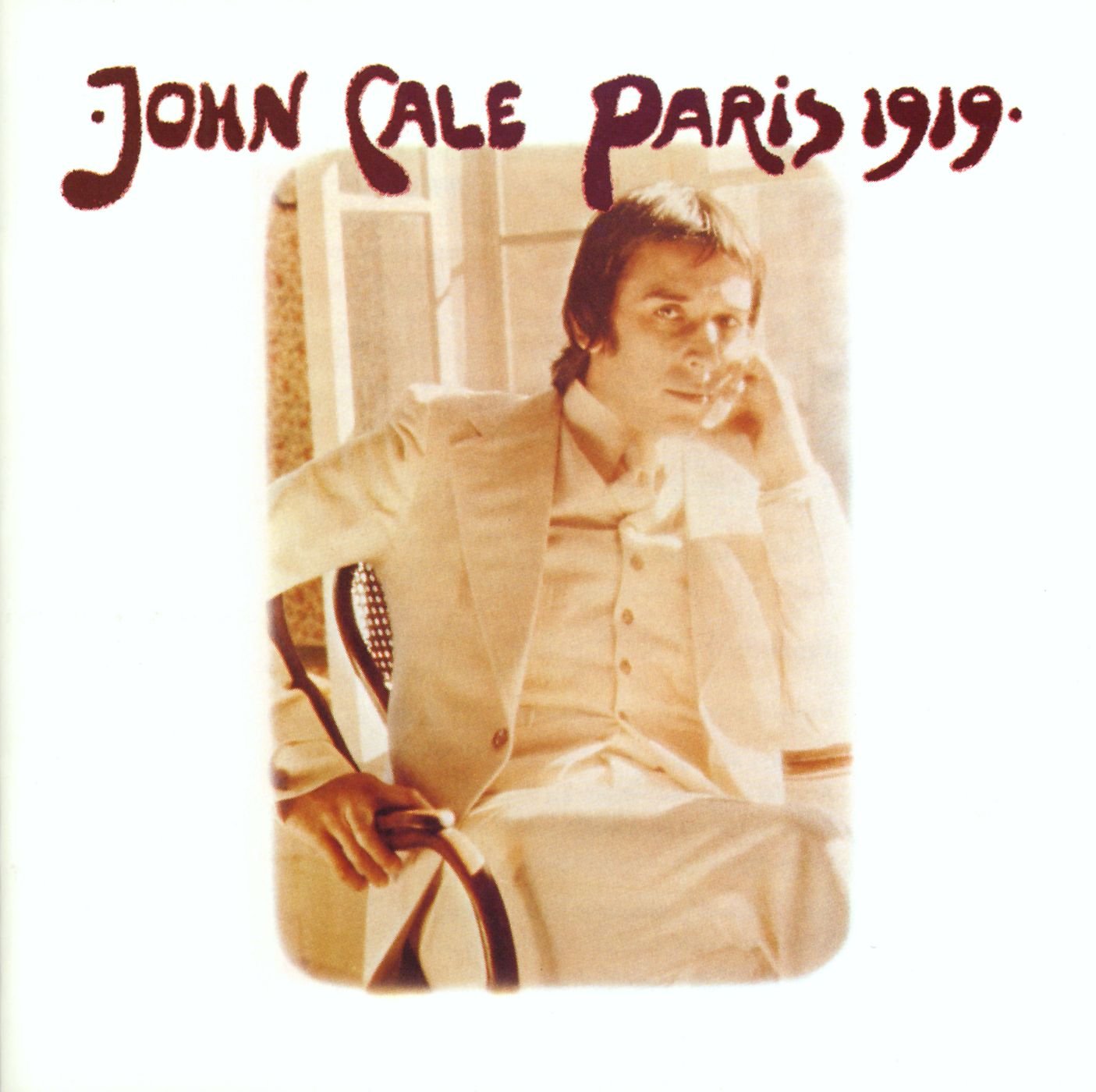
John Cale: Paris 1919
Released around March 1973, Paris 1919 is a remarkable work, consistent and enjoyable throughout with generally strong lyrics including Cale’s freewheeling imagery in the first track, “Child’s Christmas in Wales” and his historical references in various songs. The most impressive work is the title track, but the other tracks are all praiseworthy, particularly the last track with its memorable fragile opening of whispered vocals and electric piano building up with energy for what promises to be a strong dramatic ending, but even more appropriately tapers off into another moment of delicacy to provide a fine closing to the entire album.
Herbie Hancock: Sextant
The first track, the stunningly pointillistic “Rain Dance” is like nothing ever recorded previously, either in jazz, rock, fusion or academic electronic music. Furthermore, it makes full use of the stereo sound-field materializing packets of sounds in various, hovering points of space in the listening room, some of the pinpoint sounds coming within the expected stereo field, but others unexplainably occurring well out of the usual and expected speaker-range territory. This wonderful first track, is then followed by the two remaining tracks that, though closer to traditional fare that melds jazz, rock and funk elements, still are pretty far out there, effectively incorporating synthesizers and other electronics with trumpet, trombone, sax, bass and drums. Sextant was not a commercial success, and I never remember seeing this in anyone’s record collection — and wasn’t even in my own collection until recently.
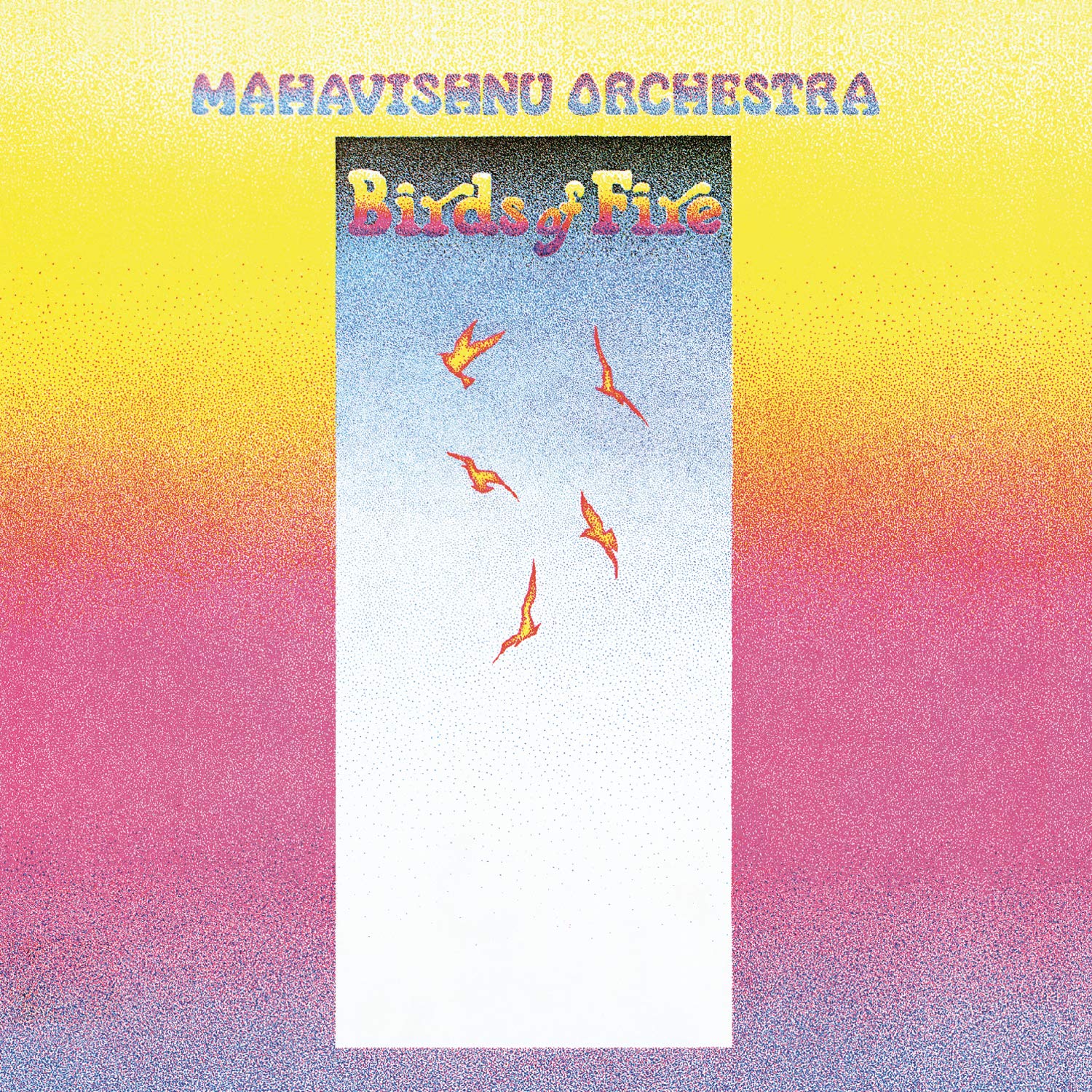
Mahavishnu Orchestra: Birds of Fire
Though Herbie Hancock’s Sextant sold relatively few copies, the opposite was true of Mahavishnu’s Orchestra’s Birds of Fire: it was in several of my friends collections and soon I would buy my own copy. This is one of the finest albums of 1973, appealing to jazz and progressive rock fans alike — and beyond — for anyone in love with electric guitar virtuosity this was a must have. Besides McLaughlin’s guitar, there is unfaltering, propulsive percussion work from Billy Cobham, keyboards from Jan Hammer, and violin work that provides a perfect compliment to McLaughlin contributions. A classic album of unerringly invigorating and captivating instrumental music.
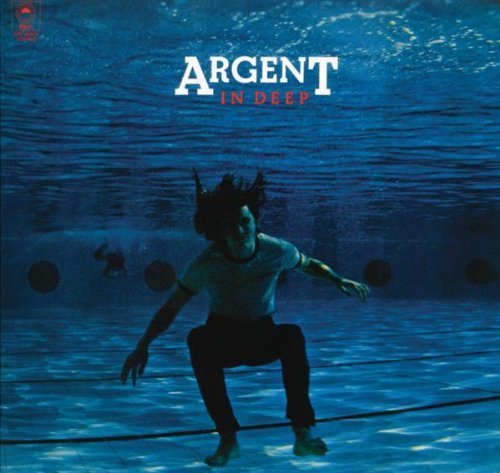
Argent: In Deep
Argent releases their fourth studio album on March 5, 1973, and though there is nothing to match the organ solo in Altogether Now, there are still some good piano and organ work from Rod Argent. The first side is mostly written by Russ Ballard and includes a semi-hit rock anthem, “God Gave Rock and Roll to You”, which was later picked up and modified by Kiss for the soundtrack to Bill & Ted’s Bogus Journey and “It’s Only Money” part one and two. The second side is mostly written by Rod Argent and Chris White and is substantially closer to a progressive rock than the first side, with “Be Glad” and “Candles on the River” being the most adventurous.

Procol Harum: Grand Hotel; Steeleye Span: Parcel of Rogues; Faces: Oh La La
Other notable albums released in March include Procol Harum’s elegant and grandly orchestrated Grand Hotel, overall their most consistent and cohesive album, Steeleye Span’s spirited and well-produced, prog-tinged folk album, Parcel of Roques, and the Faces earthy, energetic Oh La La.

