Zumwalt Poems Online

Posts tagged ‘The Who’

Genesis: Selling England By the Pound, The Who: Quadrophenia, and much, much more; Fifty Year Friday: October 1973

Genesis: Selling England By the Pound

Released on either September 29, 1973, or more likely October 5, 1973, “Selling England by The Pound” stands as one of the finest progressive rock albums of the 1970s. The sound is superior to that of their previous album, “Foxtrot,” and the music maintains the same level of excellence. It adeptly balances instrumental passages with vocal sections, blending humor (seen in tracks like “The Battle of Epping Forest” and “Aisle of Plenty”) with more serious compositions.

“Firth of Fifth” (note the humor in the title, which is a reference to Firth of Forth , the fjord of the Forth river, in Scotland, north and northwest of Edinburgh) is my favorite track, particularly due to is introductory theme on piano, later reprised by the group, but there is not a single weak moment on the entire album — and quite an album it is, with seven perfectly realized tracks totaling over fifty-eight minutes of magnificent music.

The Who: Quadrophenia

Released on October 19, 1973, this is the Who’s masterpiece about teenage alienation, angst, attitude, and the multiple personalities vying for integration into the evolving identity of an individual. It also addresses the weaknesses within the UK social system and the moments of solace that British youth of the 1960s sought and found in music and by the seaside. Moreover, this work is an astounding musical achievement, characterized by skillful thematic reiteration. Its musical content can be enjoyed both on a visceral level and intellectually, making it enduringly captivating upon repeated listens. Notably, the lyrics were deftly incorporated into music that was apparently written first, and Townshend has delivered exceptionally well-crafted lyrics that serve as the narrative backbone.

Effectively, this is a rock opera set in 1965, centering around a singular British youth, inspired by conversations Pete Townshend had with early fans of The Who. A significant distinction is that, unlike “Tommy,” which featured two songs by John Entwistle, one by Keith Moon, and a reworking of a Sonny Boy Williamson tune, all the original material here is authored by Pete Townshend. The emphasis is on “initial”, since Townshend intentionally provided a framework of lyrics, melody and chords that would develop into final arrangements through Townshend’s working with the band and the studio equipment to achieve the final product. So though Townshend deserves appropriate credit here for the authorship of this impressive work, it is The Who, as a band, that must be recognized for making this an enduring classic.

For those interested in additional information on this great album, please check out this track-by-track review by Caryn Rose written back in 2013 for Quadrophenia‘s 40th anniversary: Track-By-Track Review
Return to Forever: Hymn of the Seventh Galaxy

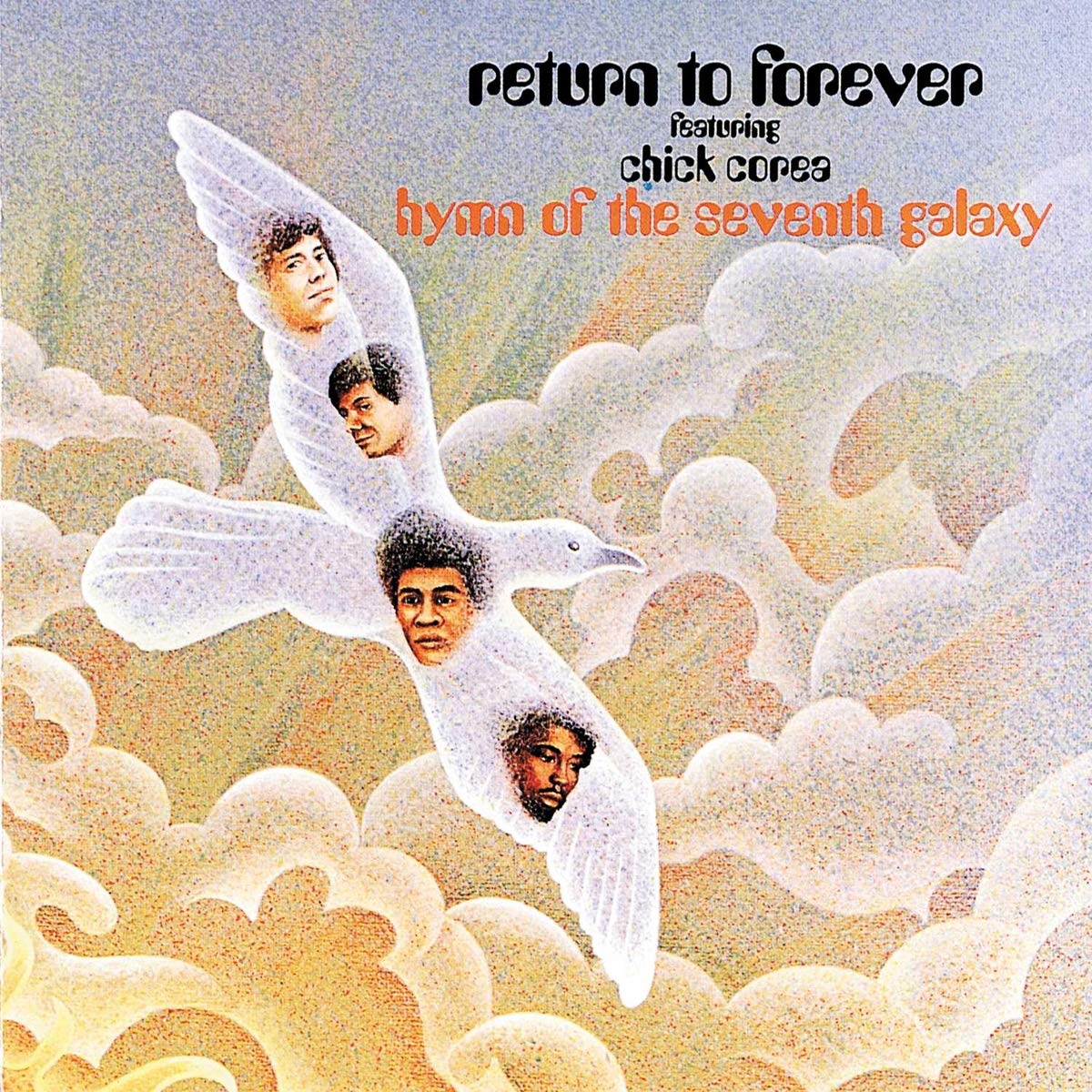
Released sometime in October 1973, this third album from Return to Forever magically and masterfully weaves together elements of jazz, fusion and progressive rock. Chick Corea dazzling keyboards and his other worldly — no, make that other galactic — compositions just radiate throughout this album. Fellow band members, Stanley Clarke, Lenny White and Bill Connors are equally up to the challenge, with Mr. Clark providing a wonderfully radiant composition of his own, “After the Cosmic Rain” and exhibiting Olympic-level mastery on electric bass. The coup de grâce is the last track, “The Game Maker”, breathtakingly piloting us over intricate, wondrously, shifting musical landscapes.
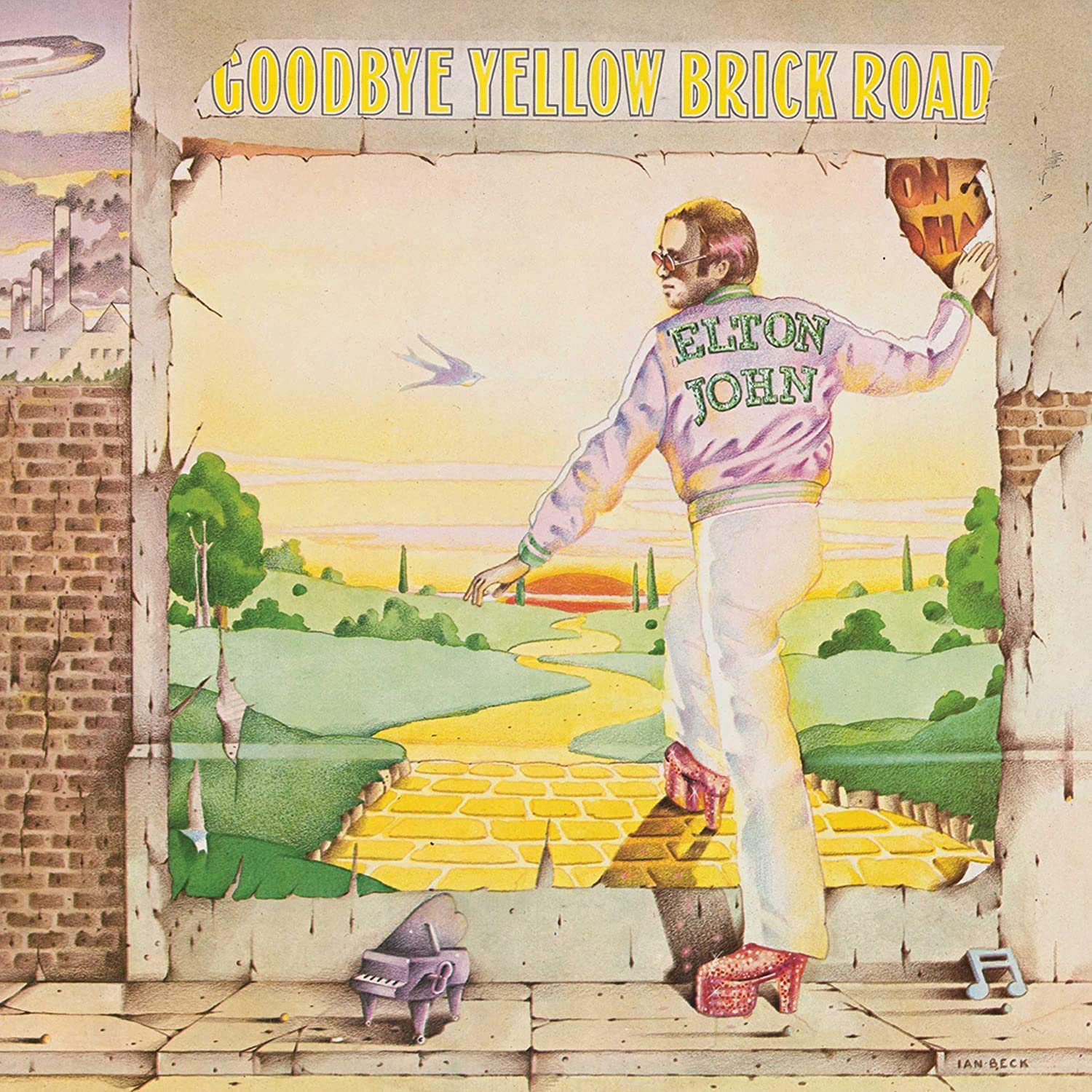
Elton John: Goodbye Yellow Brick Road

The one obstacle that prevented The Who’s Quadrophenia ever getting to the number one album spot in the UK or in the US, was the multi-million-sales avalanche of Elton John’s Goodbye Yellow Brick Road, released on October 5, 1973, almost two weeks before Quadrophenia. Of the slightly over one hundred million copies of albums Elton has sold, Goodbye Yellow Brick Road accounts for over thirty-one million, and continues to sell in substantial quantities to new Elton John fans today.

Rather than compose music and then fit lyrics into the music, Elton John’s method in the 1970’s, like that of many songwriters, was to take already written lyrics, in Elton’s case partnering with Bernie Taupin, and then create music too complement those lyrics. Considering the nature of many of Taupin’s lyrics, it is rather incredible that Elton created so many highly popular and widely-appealing songs from the initial material. Goodbye Yellow Brick Road, in a sense a loose or partial concept album, provides insight into Elton’s range of compositional skills, with the initial track, “Funeral For A Friend:, being one of his rare instrumentals, providing a glimpse into the depth of his creativity when not bound by lyrics. This instrumental introduction is effectively paired with “Love Lies Bleeding” providing an almost progressive-rock opening for the album.

Overall the album is quite good and along with his two albums from 1970 (Elton John and Tumbleweed Connection) and his live album from that period (17-11-70) are a set of his works I hold in high esteem. Now, though the first side and last side of the original 2 LP “GYBR” is indispensable, as is the first track of side two, and the last track of side three, the material in between could be omitted, to get a very fine single LP album, at a total length of around 45 minutes. Now some may wish to further add another track like “The Ballad of Danny Bailey (1909–34)” resulting in an album that still comfortably adheres to standard LP limits. That said, the CD, containing over 76 minutes of the original material, is now sold at roughly the same price as other Elton John albums from the early seventies — so even though a slimmer, arguably better album could be achieved, what’s the point — given how effortless it is to replay favored tracks on a CD or to skip those not currently of interest.
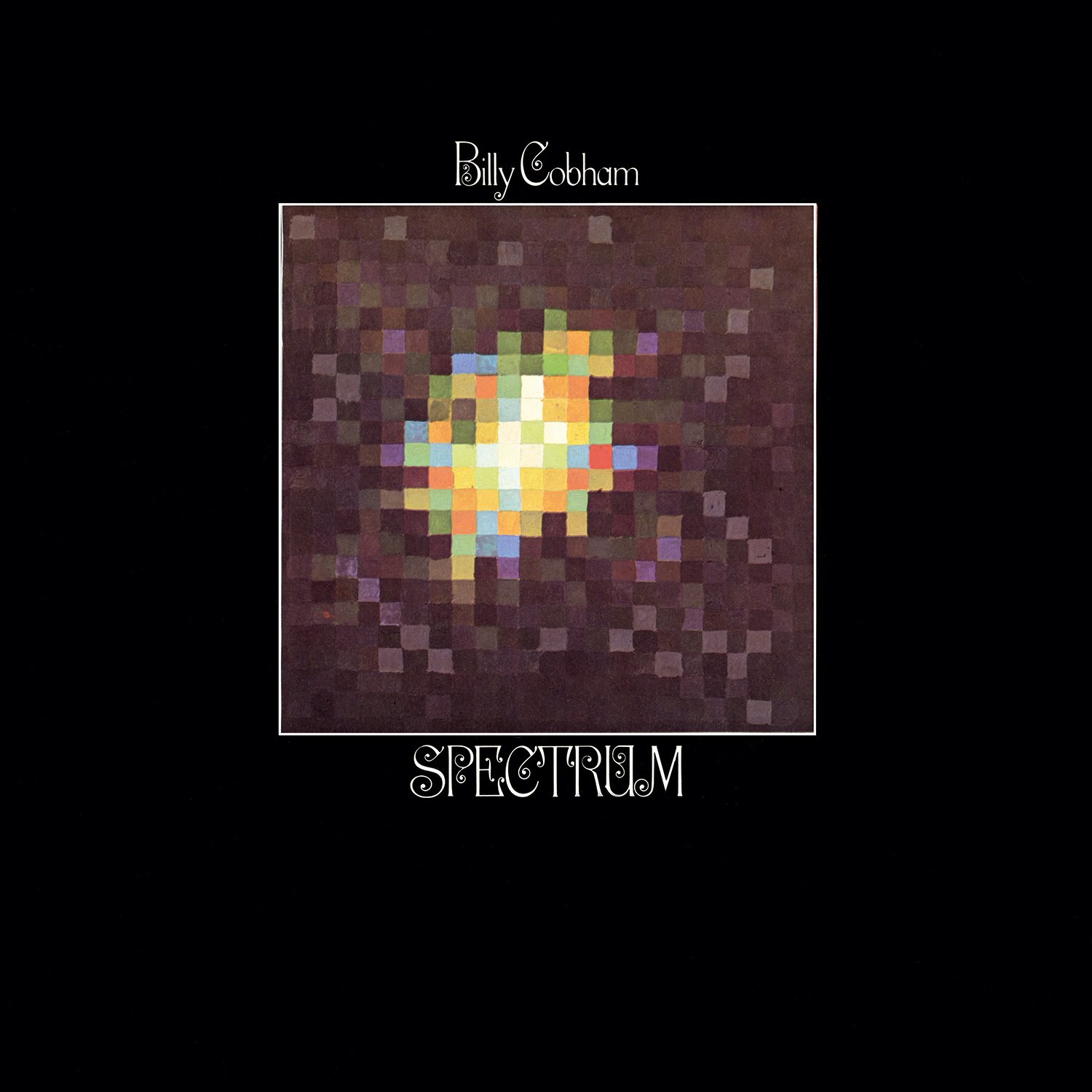
Billy Cobham: Spectrum

Spectrum, Billy Cobham’s first album as a leader, released October, 1, 1973, is as impressive and important as any fusion album of 1973. The combination of Cobham and Jan Hammer dominate the album, and the supporting resources, particularly Tommy Bolin who is present on over half of the musical material, round out this excellent work. Album includes duets between Cobham and Hammer, Hammer soloing on acoustic piano on the beautiful ballad, “To the Woman but it is the longer tracks, and several lengthier tracks including the opening track, “Quadrant 4” full of energy and purpose, “Stratus” with remarkable bass work from Leland Sklar, and the fast-paced, electrically-charged title track, “Spectrum” with Joe Farrell on sax and flute, and Jimmy Owens on trumpet and flugelhorn.
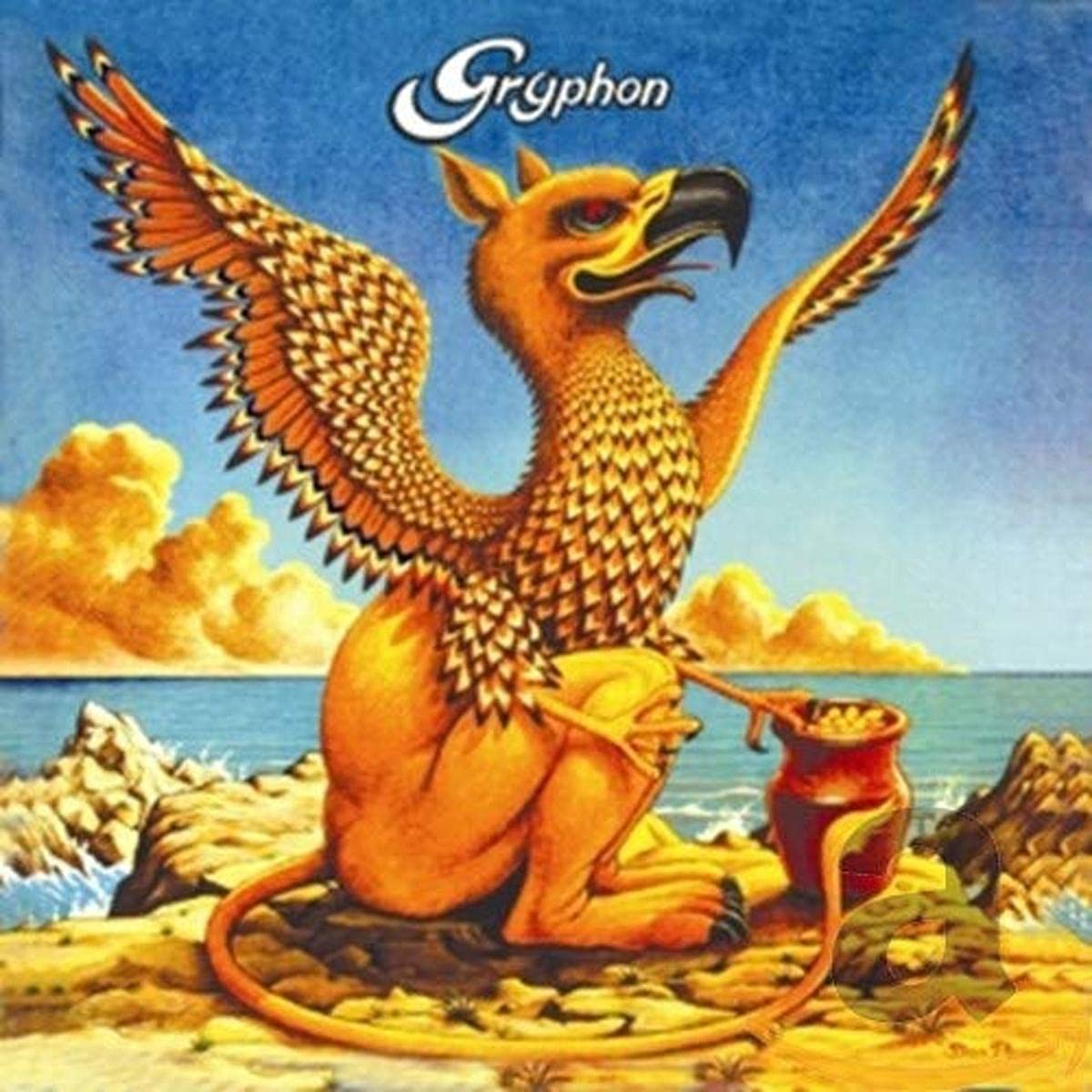
Gryphon: Gryphon

Gryphon’s first album is a unique blend of folk and rock, incorporating both modern elements (guitar, bass, bassoon, trombone, drums) and earlier musical instrumentation (mandolin, recorder, crumhorn) into a successful set of songs. In late 1973, there were several folk rock groups, such as Fairport Convention, Steeleye Span, and Pentangle, but Gryphon, with two of the group members—Brian Gulland and Richard Harvey, both graduates of London’s Royal College of Music—distinguish themselves through a level of originality that transcends replicating traditional Celtic folk harmonies and melodies. Their occasional use of late 19th-century and 20th-century dissonance, not found in traditional English, Irish, Scottish, or Welsh music, coupled with their colorful and sometimes unconventional instrumentation, creates a new sound that effectively captures and maintains the listener’s attention. Later, the group would develop a more progressive-rock sound, but this first album is a fine one, deserving to be enjoyed and appreciated on its own terms.

Renaissance: Ashes are Burning

Renaissance’s fourth album, “Ashes are Burning,” was released on October 10, 1973. The album opens with full intensity, featuring the instrumental introduction of “Can You Understand?” This segues into the introspective acoustic main section, accompanied by some orchestration, showcasing Annie Haslam’s spellbinding vocals. The introductory material returns to conclude the piece. Such artistry and high-quality musical content are defining characteristics of this album, effectively blending classical, folk, and rock elements. The album concludes with the majestically crafted and musically uplifting “Ashes are Burning,” providing an emotionally captivating ending to a highly enjoyable album.
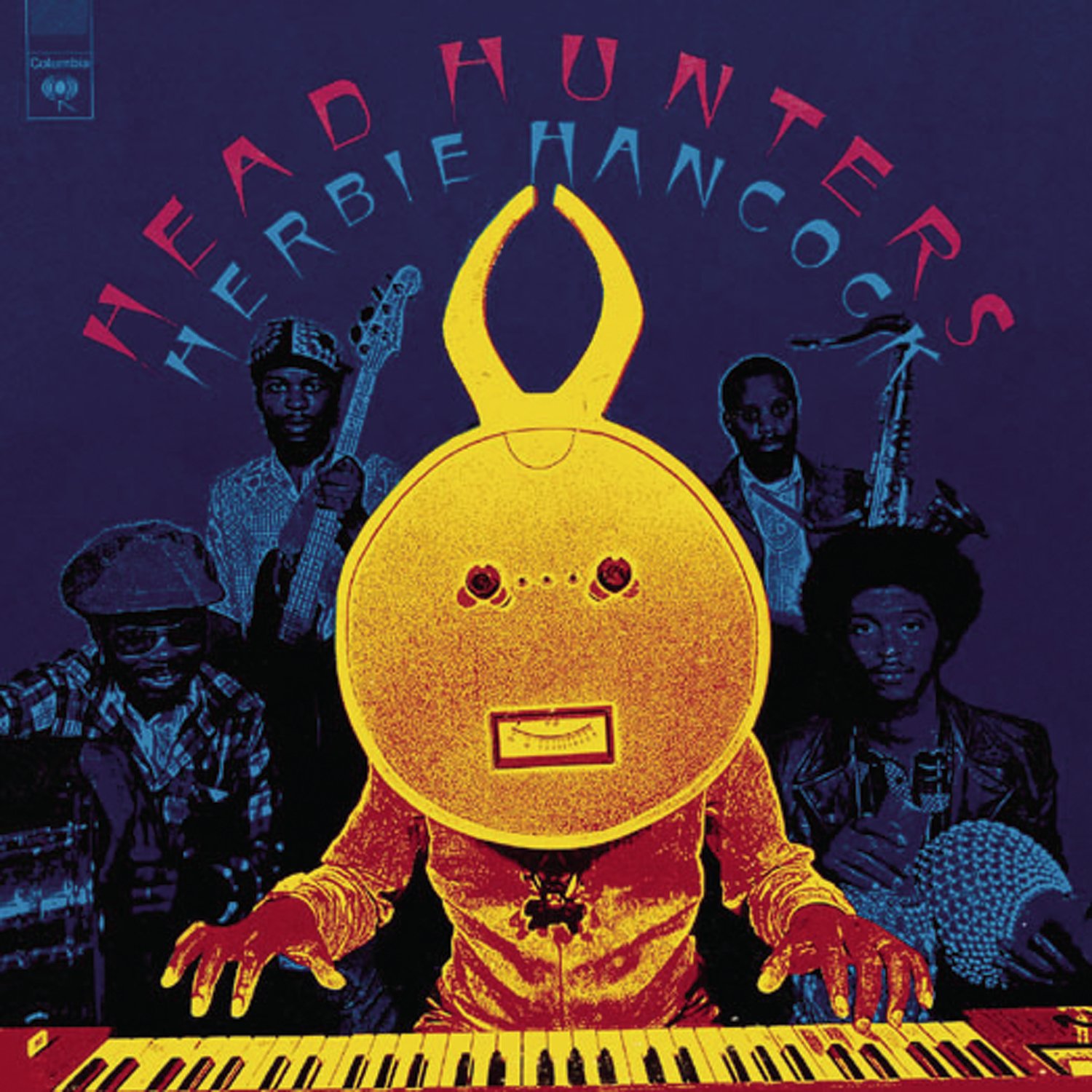
Herbie Hancock: Head Hunters

Released on October 26, 1973, and recorded the previous month, this landmark album signifies a conscious shift in direction for Mr. Hancock. It departs from his previous, more progressive and adventurous modal-based music, embracing a solidly tonal funky style of jazz. For this endeavor, he replaced all the members of his previous sextet except for himself and the talented Bennie Maupin on reeds. Remarkably, this jazz album achieved significant commercial success, foreshadowing George Benson’s stunning commercial breakthrough three years later.

The album starts off with “Chameleon,” featuring its initial foundation of two relentlessly repeated bass figures. However, the music is far from stagnant; it organically develops as it progresses, with the bass occasionally taking a secondary role but always remaining fundamental to the overall forward motion. The improvisation, while solidly jazz-based, aligns with a generally funky mood. Toward the end of “Chameleon,” we encounter sparkling chord changes reminiscent of a chameleon changing its exterior color, yet it retains its essential nature—similar to the music—concluding with a more static, funky ending. This is followed by an abstracted, funky rendition of Hancock’s classic, “Watermelon Man,” creatively presented to sound fresh, innovative, and slightly futuristic.

Side two starts with “Sly,” a vibrant homage to Sly Stone that includes some wild, abandoned, but clearly intricate interplay between Maupin’s sax and Hancock’s keyboards. This dynamic exchange offers all the excitement and vigor of the free jazz of the era, yet within a tonal, structured framework—making it accessible to a wide range of listeners. The album concludes with the reflective jazz tone poem, “Vein Melter,” seemingly representing the impact of heroin. The sense of time is significantly slowed by the floating, detached music, free from earthly worries or concerns. Notice the slow beat that initiates, persists, and concludes the track, possibly symbolizing the futility of the heroin experience. This second side, featuring “Sly” and “Vein Melter,” stands as one of the best single LP sides of any album from the 1970s.

Kraftwerk: Ralf und Florian

Released sometime in October1973, Ralf und Florian is the third studio album by the soon-to-be influential German electronic music pioneers, Kraftwerk. At this time there group is just the two former students of Düsseldorf’s Robert Schumann Conservatorium, Ralf Hütter and Florian Schneider The album is influenced heavily by “classical” or conservatory/university ideas about electronic music, but it is clear that a more accessible element is added into their works. This is far from their pop-flavored, and very influential, fourth album, but it still holds a special place in the band’s discography, marking that important transitional phase between their early “experimental” electronic work and the groundbreaking sound they would later be known for. The most intriguing work on the colorfully diverse side one is the pattern-based “Kristallo.” The second side open with “Tanzmusik”, which comes the closest to the music of their next album, with its lighthearted texture, vocoder-enhanced vocals and relentless drive. The album concludes strongly with the longest track, the relatively accessible “Ananas Symphonie” (“Pineapples Symphony”) with the vocoder, this time, used to modulate their voices to sound detached and machine-like. Ironically, though, the piece also creates a relaxing, mediative soundscape reminiscent of a tropical island — pineapples and traces of seashore sounds included.
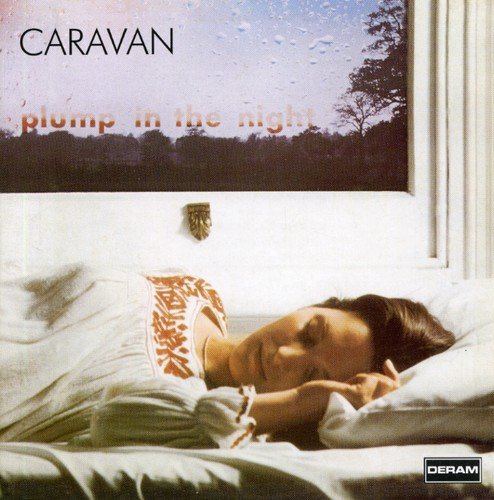
Caravan: For Girls That Grow Plump in the Night; Lou Reed: Berlin

With changes to their lineup, the loss of bassist Richard Sinclair and keyboardist Steve Miller and the addition of Richard’s cousin, Dave Sinclair on keyboards, and Geoff Richardson on viola, Caravan moves away from the more progressive, jazz-infused sound of their previous album, to a less progressive sound infused with some pop elements of the late sixties The highlight of this fifth studio album, released on October 5th, 1973, is the medley on the last track, “L’Auberge Du Sanglier / A Hunting We Shall Go / Pengola / Backwards / A Hunting We Shall Go – Reprise”, which includes strong guitar work from Pye Hastings, impressive electric viola and cello from Richardson and Paul Buckmaster, respectively, some sensitive acoustic piano from Dave Sinclair and a solid orchestral arrangement from John Bell and Martyn Ford.

Also, on October 5, 1973, Lou Reed releases his poignant concept album, Berlin. Though not as melodically memorable as his previous album, and with some musical content from earlier works recycled or redeployed, the album is still deserving of attention. The last track, in particular, provides an affecting and fitting conclusion to the work.
Fifty Year Friday: August 1971

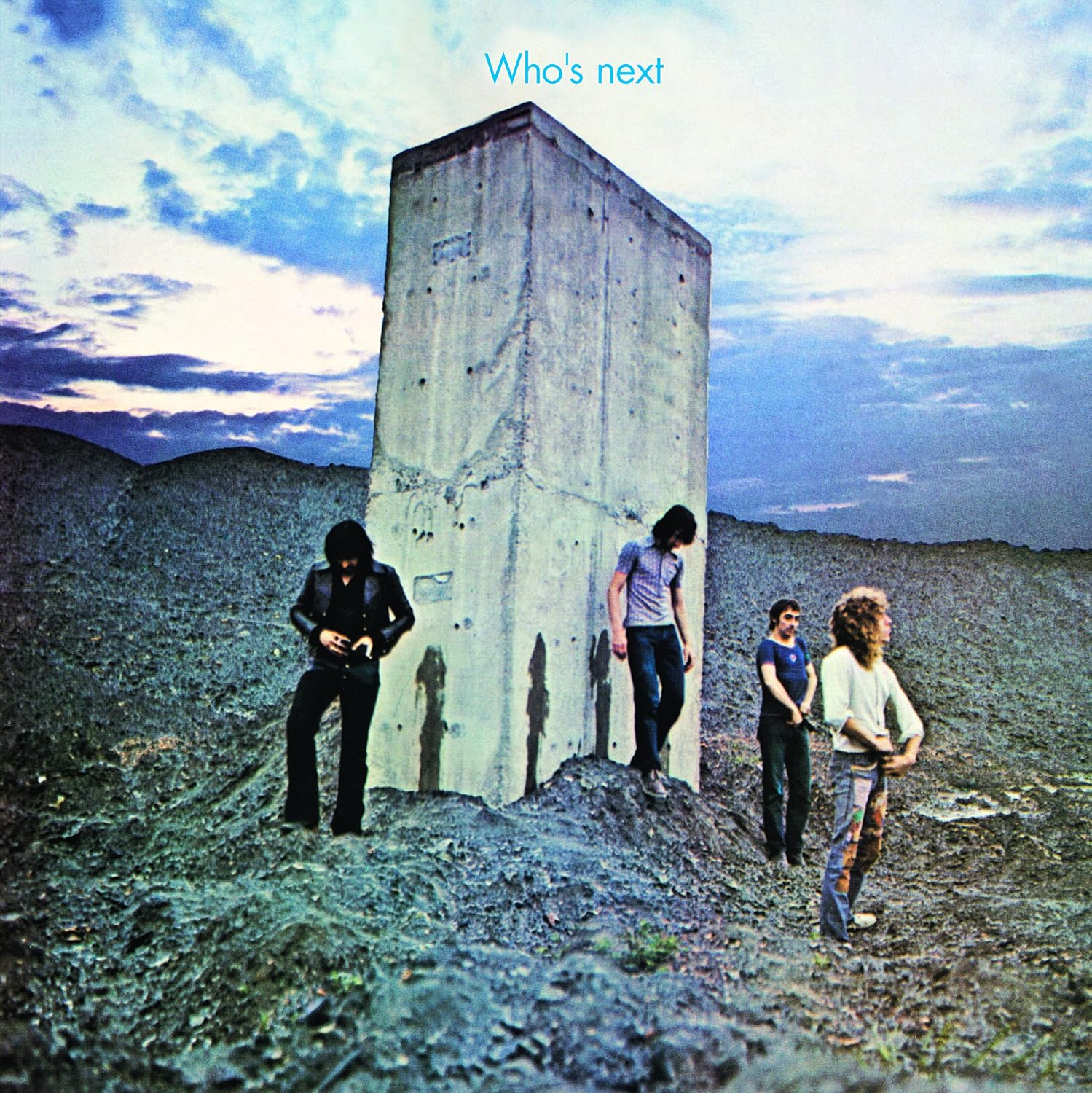
Pete Townsend planned to follow-up the successful Tommy with another rock opera — one which would incorporate data-driven composition, multimedia effects, and audience interaction when performed live. Practical and execution limitations aside, the bottom line is that the musical work itself was abandoned with some of the material recorded for “Who’s Next”, the Who’s fifth studio album released on August 14, 1971.

Though not an epic effort comparable to Tommy, the songs are strong and the intro to “Baba O’Riley” makes a lasting impression, suich that I still remember hearing it for the first time almost fifty years later, and “Bargain” and “Behind Blue Eyes” are two of Pete Townshend’s best classics.

Upon the release of the Beach Boys’ Surf’s Up on August 30, 1971, Warner Brothers Records ran a limited-time promo beseeching those hesitant about purchasing the album, to bring in one of their old Beach Boys albums as a trade-in for the new album. I didn’t own any Beach Boys albums and was more dissuaded from checking out the album than encouraged by what to me, at age 16, appeared to be more of an act of desperation on Warner’s part than a legitimate marketing strategy. However, once I heard the album when visiting my cousin in northern California, I was certainly surprised between the actual material on the album and what I had expected of a group I had thought whose time and relevancy had long expired.

The sound was fresh, with no sixties-artifacts, and though sounding tame to the many Zappa albums in my cousin’s shared collection with his roommate, was still vital and contemporary musically and lyrically. Soon I purchased the album, and listened to it a few times and then, like most albums, it fell out of circulation, but leaving an indelible respect for both the group and the album. The masterpiece of the album is Brian Wilson’s “Til I Die.” I paid little attention to the lyrics in 1971, but took notice of them now when relistening to this track and, now knowing about Brian Wilson’s battles with depression and mental illness, the emotion inherent in the lyrics and the supporting wistfully ironic melody and harmonies are heart-wrenching:

I’m a cork on the ocean
Floating over the raging sea

I’m a rock in a landslide
Rolling over the mountainside

I’m a leaf on a windy day
Pretty soon I’ll be blown away
How long will the wind blow?
Ohhhh
Until I die
Until I die
These things I’ll be until I die

Another unexpected treat that came my way in 1971, was Ten Years After sixth studio album, A Space in Time. Like the Beach Boys, Alvin Lee and company provide an updated sound, incorporating sound effects leading into tracks harkening back to their fourth album, Cricketwood Green. Alvin Lee writes all the music except for a short final instrumental jam that ends the album.

The album showcases Alvin Lee’s engaging, proficient guitar work along with his solid instinct for blues and ability to write more traditional pop songs — the album giving us the band’s highest charting single, “I’d Love to Change the World” and “Over the Hill” with its ironically upbeat baroque string episode contrasting against the bleakness of the lyrics.


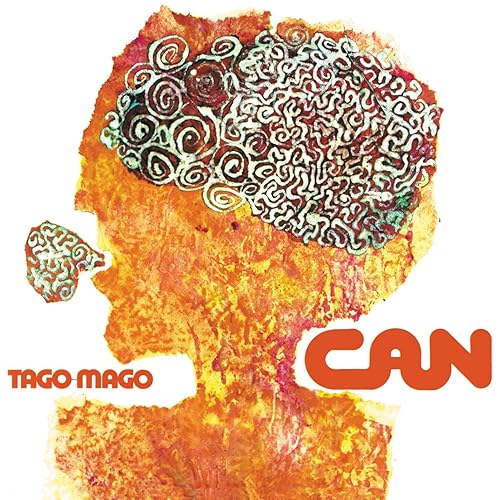
With new vocalist Kenji “Damo” Suzuki, pretty much pulled off a street corner while in the act of busking, Kenji “Damo” Suzuki, Can releases their second, and most heralded and influential album, Tago Mago. Assuming no sonic boundaries and embracing a wide array of musical options, the group pushes the borders of pop music into areas previously occupied by German academic composers and late sixties free jazz artists, thus extending the characteristics, definitions and expectations of what English and American prog-rock fans would soon call Kraut-rock. The first and second sides are more accessible, and one cannot ignore that some listeners were more under the influence of drugs by the third and fourth sides and could handle the increased musical entropy on that second LP, yet one really needs the entire senses about them to fully appreciate this work. There is a lot of coherence within each individual song and the focus on the basic language that is individually conceived for each track. It’s not an easy album to listen to, but given the right mood and circumstances, is one that should be listened to, carefully, and not as background ambience.

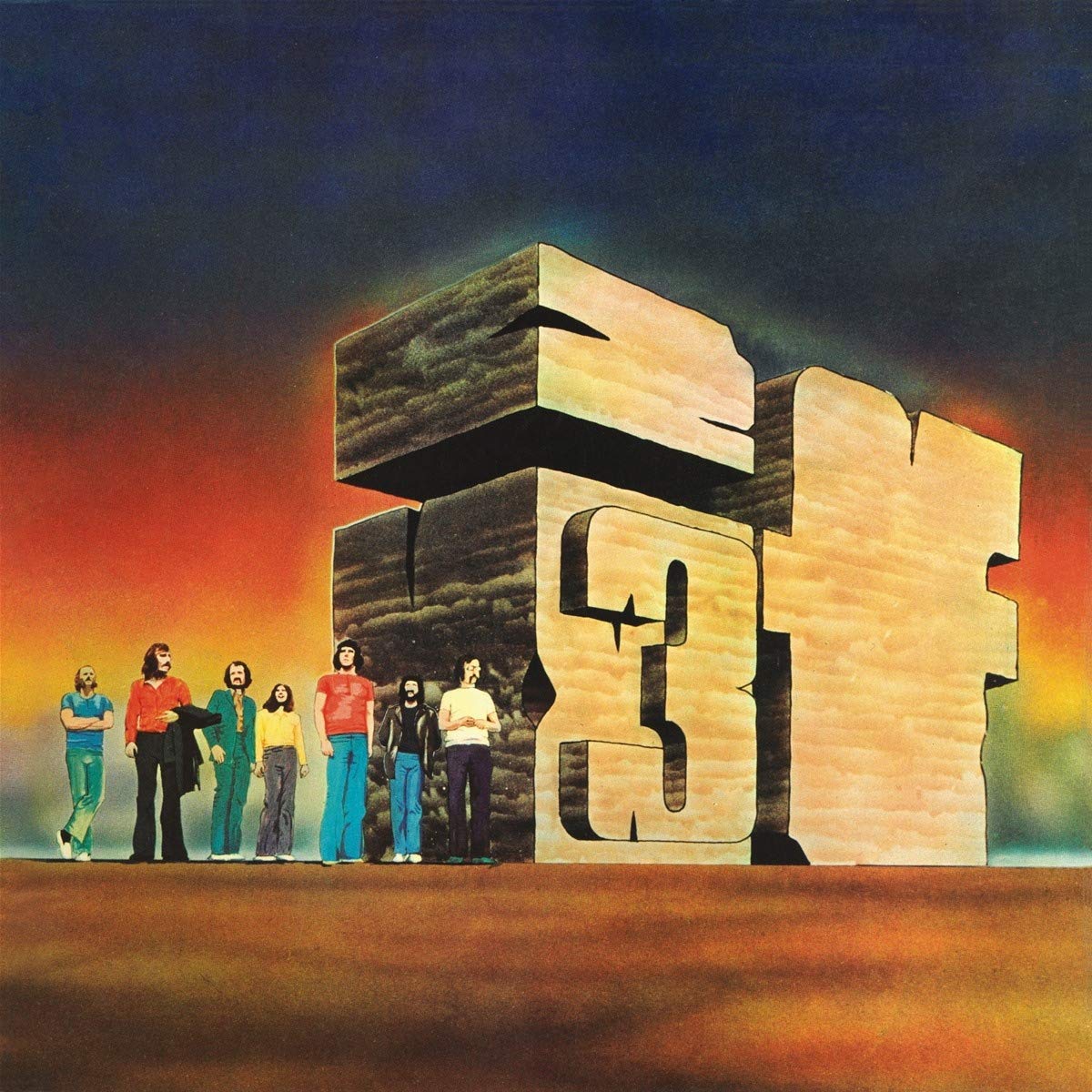
Other albums of note include If’s third album, IF3, a balanced blend of rock, light progressive-rock elements and jazz-rock, and Atomic Rooster’s third album, In Hearing of Atomic Rooster, a mostly hard rock album with some progressive rock elements.

Fifty Year Friday: The Who’s Tommy

tommy2

Though not the first rock opera, The Who’s Tommy, released on May 23, 1969, due to its length, two long playing records, the inclusion of an opening instrumental track titled “Overture”, the prominence of Entwistle on french horn, its greater commercial success and overall quality, and the deployment of three recognizably distinct vocalists, surpasses earlier, less operatic, generally more narrative albums by the Pretty Things (SF Sorrow)  and Nirvana (The Story of Simon Simopath.)

It wasn’t until Christmas of 1970 that I got this album.  After hearing “See Me, Feel Me” on the radio when visiting Oregon in the summer of 1970, I determined that this was a must-have album and put it on my Christmas wish list.

And from the start, this album lived up to its promise.  The overture, is a true rock overture, magnificent, dramatic, spacious, and expectant.  Much to my delight (at that time of first listening) the opening of the overture is a simple display of the chord sequence of  the chorus of “See, Me, Feel Me” morphing into a true fanfare section with french horn, coming back to the “See Me, Feel Me” theme, moving away into new material, coming back once again and then touching on material from “Pinball Wizard”, which soon meanders into a brief explanatory vocal, “Captain Walker didn’t come home: His unborn child will never know him.  Believe him missing with a number of men, don’t expect to see him again”, and then meanders back out into a guitar passage that, without any break, becomes the next track, “It’s a Boy.” So much going on in this overture to absorb in the first listening!  Astonished and delighted to hear three alternate references to that “See Me, Feel Me” theme,  I had heard in Oregon! It wasn’t until hearing the album all the way through and starting again, that I could notice that the overture was more Broadway-like than classical, incorporating music from the entire album similar to a Broadway musical overture. And yet, this doesn’t detract from the integrity of this overture, which is one of the finest examples of an instrumental (excepting the short expository-like Townshend vocal) opening to a single-topic rock album.

After less than two years since McCartney fought to get the lyrics included in the Sgt. Pepper’s album, accompanying lyrics were now, in 1969, becoming commonplace — particularly important for an opera. At this point in my life I had started to check out full opera albums from the library and the inclusion of lyrics with Tommy made listening to the music while following the lyrics a similar experience to listening to those opera albums — except instead of having to track the original language at the same time following the translation, Tommy was in English!  That Christmas I had also received Andrew Lloyd Webber’s Jesus Christ, Superstar (lyrics by Tim Rice) and had just purchased a low-cost four LP box set of Handel’s Messiah (lyrics by Charles Jennens)  — this was my first experience in following libretti booklets that required no cross referencing from the original language to the translation.  It made me wonder why the classic operas weren’t recorded in English so they would have wider appeal and be to be more competitive with contemporary albums sold in English speaking countries. It certainly would make following the text much easier.

Looking back, Tommy is certainly not produced like a real opera, as Daltry, Townshend and Entwistle handle all the vocals.  Clearly the 1975 movie soundtrack provides distinct parts, underscoring the inherent operatic nature of the work. This original, though, is the true reference, a musical work of art as good as any album of the 1960s.

Its worth noting that this work incorporated some previously written songs, including “Sensation”, “Sally Simpson” and “I’m Free”, the latter an expression of the spiritual peace Townshend achieved from association with Meher Baba, the Irani-Indian self-proclaimed Avatar and spiritual master.

We also have a blues number based on Sonny Boy Williamson’s “Eyesight to the Blind”, re-titled, “The Hawker” as well as two John Entwistle tunes, written on request from Townshend to cover the heinous actions of Cousin Kevin and Uncle Ernie.  Not surprisingly, given the nature of his earlier compositions, Entwistle makes use of chromatic passages in both songs, creating a darker, perverse mood that contrasts sharply with the usually brighter Entwistle compositions.

In short, this is a classic rock album, and though Who fans may freely dispute if this is better than the preceding Who Sell Out or the two subsequent albums, “Who’s Next”, and Quadrophenia, one point is indisputable: this album has stood the test of time for the last fifty years and will stand up just as nicely for the next fifty years.  It is my favorite Who album, filled with musical color and magic, and it continues to sound fresh, alive and vital to me — even though I listened to it this time around at much lower volume levels!

What is your favorite The Who album and why?

Track listing [from Wikipedia]

All tracks written by Pete Townshend, except where noted.

Side one

#

Title

Lead vocals

Length

1.

Overture Townshend

3:50

2.

“It’s a Boy” Townshend

2:07

3.

“1921” Townshend, Roger Daltrey on chorus

3:14

4.

“Amazing Journey” Daltrey

3:25

5.

“Sparks” Instrumental

3:45

6.

The Hawker” (Sonny Boy Williamson II) Daltrey

2:15

Total length:

18:36

Side two

 #

Title

Lead vocals

Length

1.

Christmas Daltrey, Townshend

5:30

2.

“Cousin Kevin” (John Entwistle) Entwistle and Townshend

4:03

3.

The Acid Queen Townshend

3:31

4.

“Underture” Instrumental

10:10

Total length:

23:14

Side three

#

Title

Lead vocals

Length

1.

“Do You Think It’s Alright?” Daltrey and Townshend

0:24

2.

“Fiddle About” (Entwistle) Entwistle

1:26

3.

Pinball Wizard Daltrey, Townshend on bridge

3:01

4.

“There’s a Doctor” Townshend, Daltrey, Entwistle

0:25

5.

Go to the Mirror! Daltrey and Townshend

3:50

6.

“Tommy Can You Hear Me?” Daltrey, Townshend and Entwistle

1:35

7.

“Smash the Mirror” Daltrey

1:20

8.

“Sensation” Townshend

2:32

Total length:

14:33

Side four

#

Title

Lead vocals

Length

1.

“Miracle Cure” Daltrey, Townshend and Entwistle

0:10

2.

“Sally Simpson” Daltrey

4:10

3.

I’m Free Daltrey

2:40

4.

“Welcome” Daltrey, Townshend and Entwistle

4:30

5.

“Tommy’s Holiday Camp” Townshend

0:57

6.

We’re Not Gonna Take It Daltrey, with Townshend and Entwistle

6:45

Total length:

19:12

The Who


Fifty Year Friday: The Who Sell Out

blog_the-who-sell-out-lp

“Power pop is what we play—what the Small Faces used to play, and the kind of pop the Beach Boys played in the days of ‘Fun, Fun, Fun‘ which I preferred.” Pete Townshend (1967)

Somewhere in the mid sixties, rock and roll was replaced with rock.  The rock and roll music of the fifties, primarily based on blues and variations of blues chord sequences, slowly was overshadowed by music that was more message and substance oriented. The Beach Boys classic “Fun, Fun, Fun”, and the 1967 masterwork “Good Vibrations” is clearly Rock and Roll. The Beatles’ “Lucy in the Sky With Diamonds” is clearly rock.  I don’t recall the year, but sometime in the late sixties, I started correcting my dad when he referred to rock music as “rock ‘n roll” — I disdained Rock and Roll as a relic and lower form of music,  and loved Rock for its broad musical diversity and, for the best of it, it’s reach beyond dance music to serious listening music.

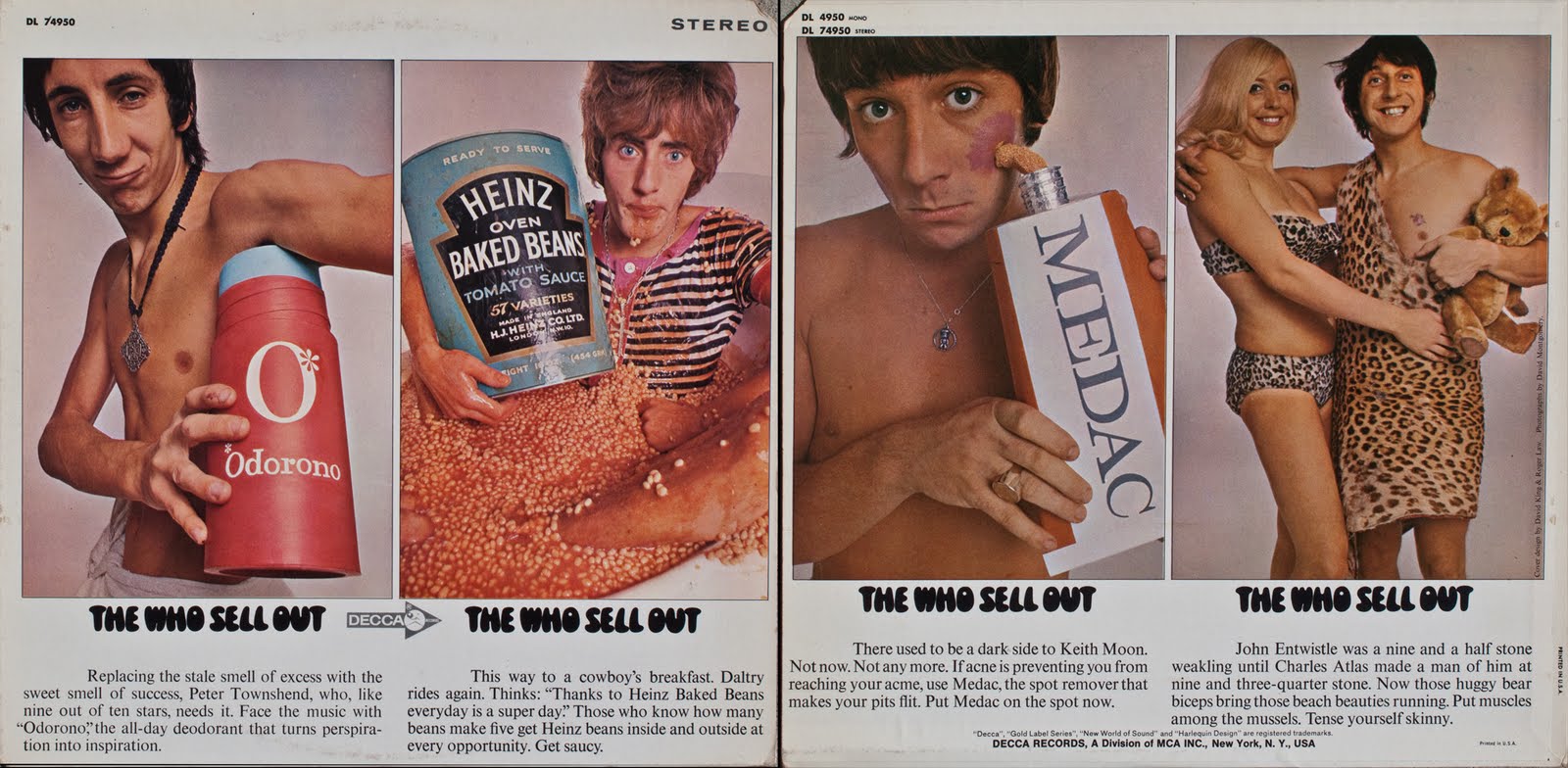
The Who, part of the British Invasion, deviated from what was pretty much a rock and roll group in 1965, opening their first album “My Generation” with “Out in the Street” immediately followed with James Brown’s “I Dont’ Mind” and songs like “The Good’s Gone”,  “La-L-La Lies”, “Please, Please, Please”, “It’s Not True”,  and Bo Diddley’s “I’m A Man. ” However, like the Beatles, there were significant forays into a newer musical expression as hinted in “A Legal Matter” and in the instrumental “Ox.” By their second album, we get true rock pieces like John Entwistle’s classic “Boris the Spider.  By the third album, “The Who Sell Out”, an imaginative concept album that includes commercials interspersed throughout, mocking the format of commercial radio stations, The Who are a seasoned rock group writing and performing rock compositions, making use of such “power pop” chord progressions, modulations, and power chords (chords structures found in earlier Who songs such as”My Generation” and “Boris the Spider” — chords that just have the root and fifth — this not only omits the note that provides the major or minor quality of a traditional triad, but produces a simpler harmonic footprint producing an especially powerful effect when played loudly) that create a sound that is easily identifiable as the sound of The Who.  This is not the power pop of rock and roll, but power pop that is part of the new rock music movement.

The album opens strikingly, and aligning with it’s wanton-commercialism concept, with a jingle followed by John “Speedy” Keen’s (a friend of Who main songwriter and guitarist Pete Townshend) “Armenia, City in the Sky” — starting out much like a radio ad, lyrically, with “If you’re troubled and you can’t relax” but soon followed with more mind-altering-like lyrics and with a 1967 psychedelic and imaginatively crafted arrangement including backwards french horn bursts and various guitar effects.

“Mary Anne with the Shaky Hand” is both melodically appealing and lyrically bold (“Mary-Anne with the shaky hands — what they’ve done to a man, those shaky hands.”) Musically, “Odorono” is even more notable, forging towards the musical style perfected on their next album and yet done as a deodorant jingle.  If one doubts the genius of Pete Townshend to align music and lyrics without compromising either, this is prima facie evidence of his capabilities, as is the track that follows: “Tattoo” a tune that could work very well as jingle for the Tattoo industry.

“Our Love Was” is an ethereal gem, maintaining energy and vibrancy to the end, with Entwistle’s French Horn providing just one of many elements that make this arrangement special.

The Who’s 1967 hit, and arguably the best song of the album, if not of Townshend’s career, is “I Can See for Miles”, punctuated perfectly by Keith Moon’s drums and cymbals.

The second side, is also excellent and includes  “I Can’t Reach You”, “Relax”,  Entwistle’s chromatically-flavored, organ-accompanied “Silas Stingy”,  the beautiful “Sunrise” and the Who’s second miniature rock opera, “”Rael (1 and 2)”, even shorter than their first mini-rock opera, “”A Quick One, While He’s Away” on their previous album.

Released in the UK in December 1967 and the US on Jan 7th, 1968, some of the musical techniques employed in “The Who Sell Out” will be more fully explored in their 1969 full-length rock opera,  “Tommy”, which also further develops  musical material in the songs “Sunrise” and “Rael.”  Though this album was only marginally successful in the US when first released, climbing no higher than the 48th spot on the Billboard album chart, perhaps due to its unusual jingle-based concept, it is one of the best albums of 1967, music that should be explored by those looking to better understand the history of rock (as opposed to  rock and roll) or just looking for some well written, enjoyable power pop music.

Track listing and song credits

Last week’s Fifty Year Friday