Zumwalt Poems Online

Posts tagged ‘Steely Dan’

Fifty Year Friday: March 1975

Hatfield and the North: The Rotter’s Club

Released on 7 March 1975, The Rotter’s Club is one of the finest progressive rock albums , delivering a rich blend of humor, virtuosity, and intricate composition that captures the essence of the era while being identifiably distinct from any other album of its time. As the second studio album by British avant-garde and progressive rock band Hatfield and the North, it succeeded their self-titled debut (1973), which established them as a prominent figure in the Canterbury scene. But The Rotter’s Club marked a progression, both musically and conceptually, toward an even more refined and ambitious sound. It is a record that not only brings together various aspects of jazz, rock, and classical music but also emphasizes the playful and eccentric side of progressive rock, a nice contrast to the overly serious, often over-reaching and sometimes pretentious reputation ascribed to it by is staunchest critics.
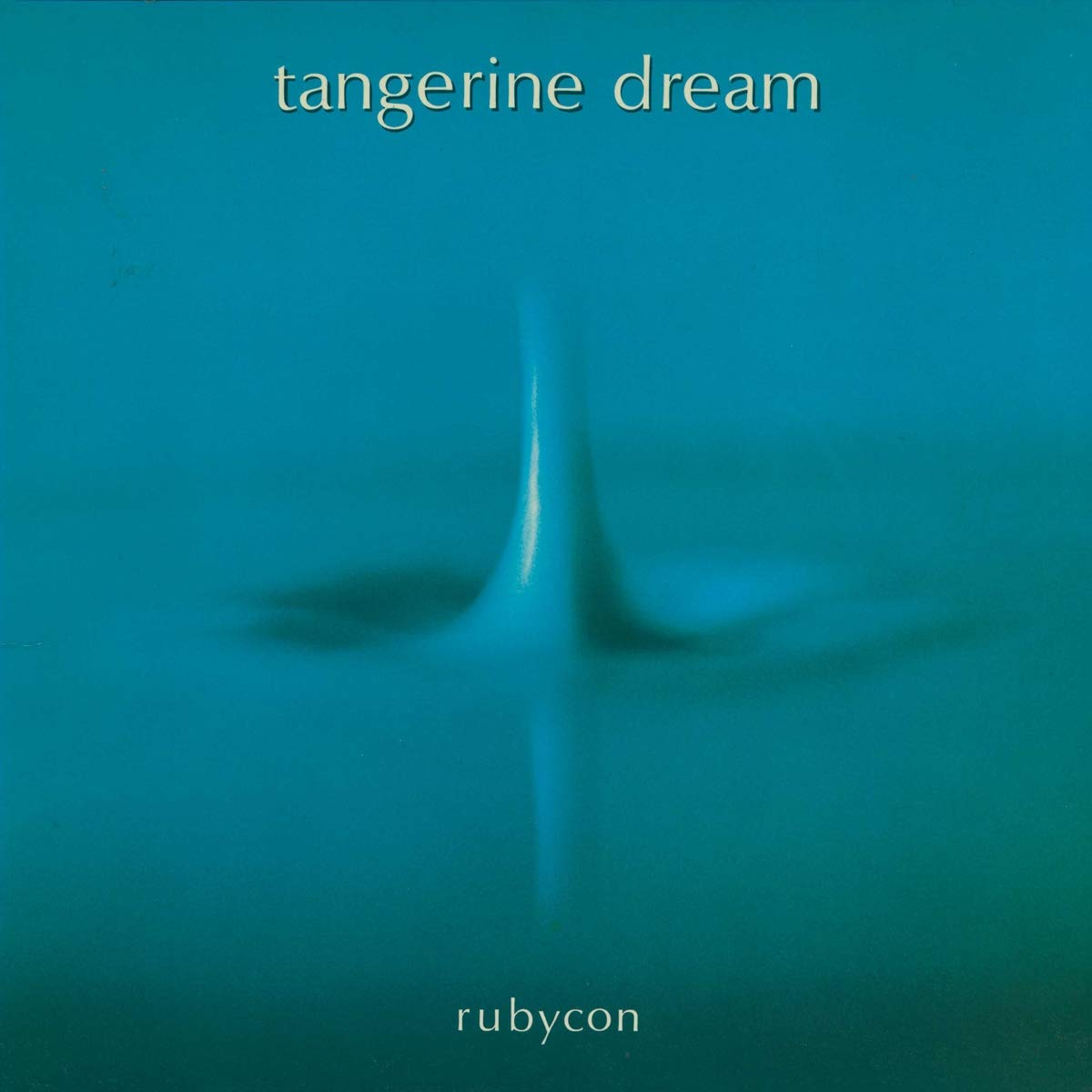
Tangerine Dream: Rubycon

With the release of Rubycon on March 21, 1975, Tangerine Dream delivered their fourth studio album, a fully realized version of their relentlessly driving “Krautrock” industrial, high-tech, space music. While Rubycon clearly evolves from their previous album, Phaedra, it represents a leap forward, much like the internet is to the stone tablet. Whether Tangerine Dream’s change in direction was influenced by considerations about what musical characteristics would work best for film soundtracks and greater audience engagement, or whether it was partly inspired by the success of Kraftwerk, Rubycon marks the undeniable establishment of a new genre of music — one distinct from anything that came before it. Tangerine Dream’s flirtations with Stockhausen and other electronic composers led them in a direction that was as different from the contemporary world of so-called “classical” and “serious” music as that music was from the tonally extended late Romantic music. What emerged was something accessible, mesmerizing, hypnotic, and directly relevant — an exciting departure from the avant-garde style that, for most of the listening public, had become irrelevant.

Rick Wakeman: Myths & Legends Of King Arthur and the Knights of the Round Table

Rick Wakeman’s King Arthur, released March 27, 1975, is filled with interesting keyboard and instrumental passages that should interest most progressive rock fans. Though the vocal sections are not exactly comprised of tunes your likely to sing on your own or even along with — they functionally provide narrative, much like Baroque and Classical Era recitatives and, overall the album works well as a dramatic experience. An alternative to the original, with much better overall sound and additional musical content (which had to be left off the original single LP due to time constraints) is the 2012 two-CD version. If you haven’t hear either, best to go for the updated version with the extra material and superior production.
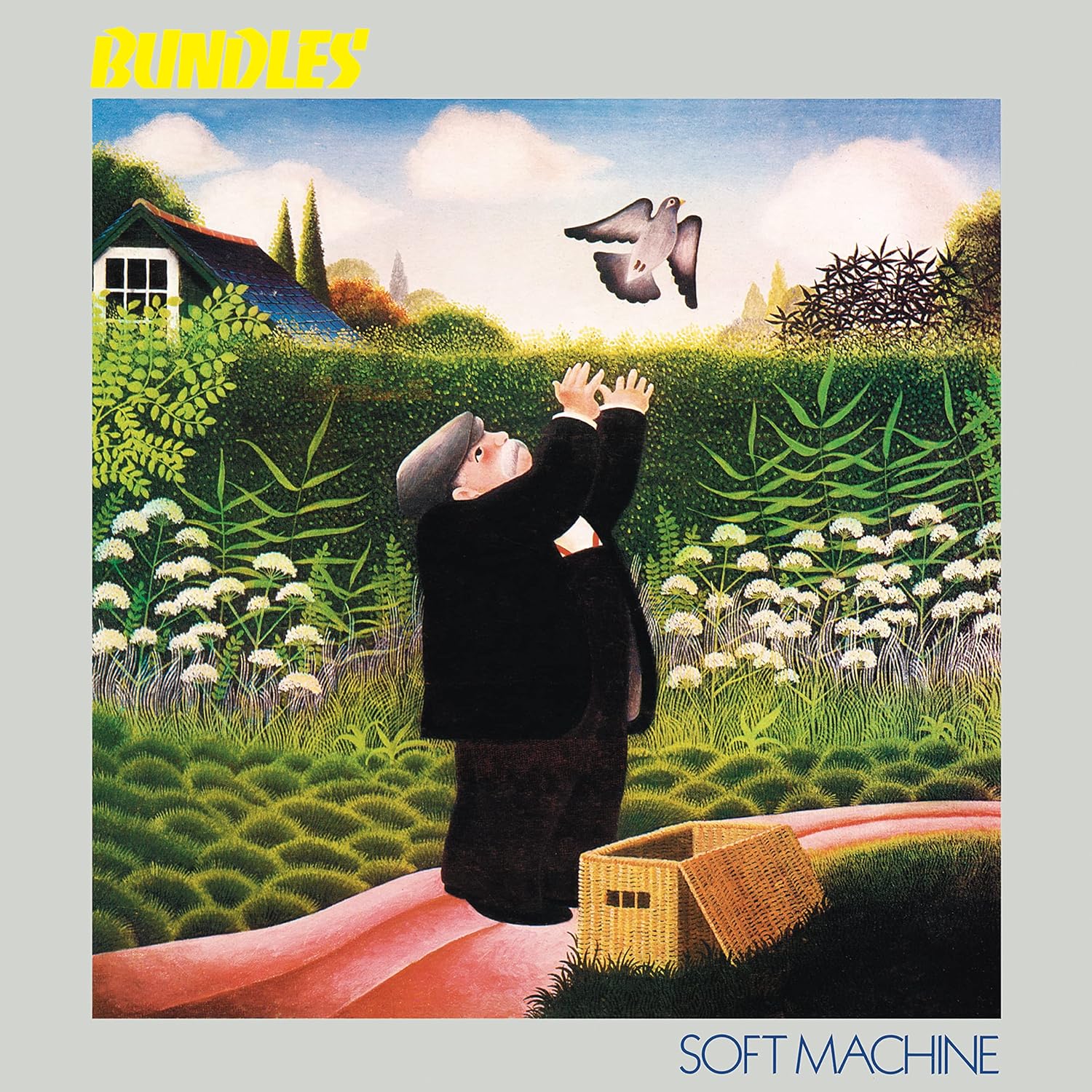
Soft Machine: Bundles

Released in March 1975, Soft Machine’s Bundles is successfully melds an electronic jazz-rock sound with compatible prog-rock elements. The addition of guitarist Allan Holdsworth. known for his fluid, virtuosic playing, injects the album with a fresh intensity, particularly notable in the multi-track Hazard Profile, a nineteen minute five-part suite that showcases Soft Machine’s new direction inclusive of Holdsworth’s soaring guitar work supported by a propulsive, energetic rhythm section. Side one concludes with Holdsworth’s acoustic and beautifully introspective “Gone Sailing.”

Side two is equally compelling with the first four tracks seamlessly blending into a a single experience. The next track, “Four Gongs Two Drums” provides a short percussive intermission, with hints of Indonesian Gamelan followed by the final track, “The Floating World”, a reflective, drifting, neo-Impressionistic composition that gently glides the listener through a bliss-invoking, peaceful and relaxing musical state, providing a fittingly tranquil, dreamlike-end to this excellent album.

Steely Dan: Katy Lied

Donald Fagan and Walter Becker follow up the classic Pretzel Logic album, with another strong album, rich with jazz-flavored chords, Katy Lied, released in March of 1975. Though not strictly a concept album, the album sounds musically unified and could be considered a song cycle of sorts, justifying the term “lied”, a German term applied to art songs, giving us an additional meaning underneath the mysterious reference to the “Katy tried” and “Katy lies” lyrics in the fifth and final track on the first side, “Dr. Wu.”
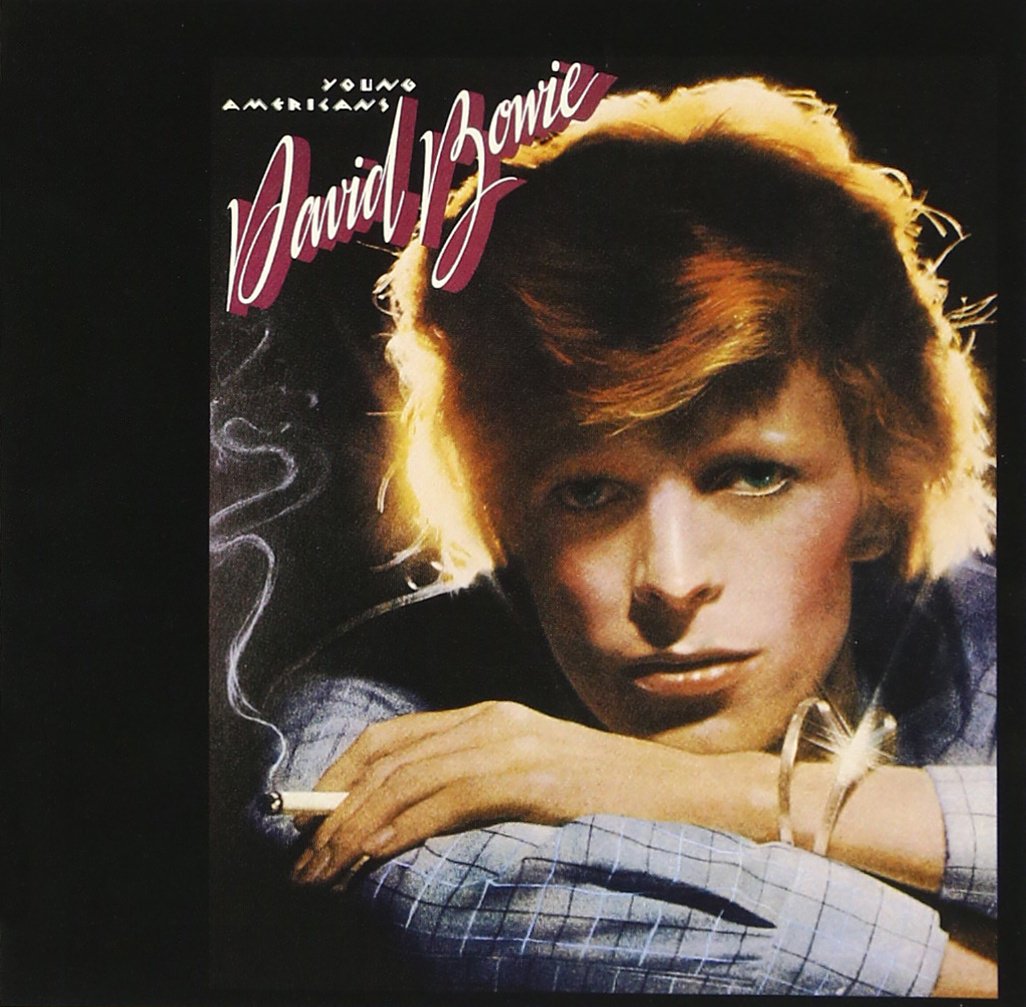
David Bowie: Young Americans

With his ninth studio album, released March 7, 1975, once again, Bowie takes off in another musical direction, extending the elements of soulfulness found in Diamond Dogs and in “Lady Grinning Soul” from the earlier Aladdin Sane, into an all-out exploratory, high-art treatment of American soul music. The arrangements are sophisticated, with Tony Visconti deserving similar praise as Bowie for his musical versatility and with strong contributions from Carlos Alomar and additional input from a twenty-three year-old Luthor Vandross. The strongest track, “Fame,” was initially based on an Alomar guitar riff, with John Lennon, who was visiting the New York Electric Ladyland studios, assisting David Bowie in the authoring of the song by providing his sarcastic, ironic, and pessimistic take on the vagaries of fame.

Peter Hammill, Todd Rundgren, Steely Dan; Fifty Year Friday: February 1974

Peter Hammill: The Silent Corner and the Empty Stage

Released in early February of 1974, even though there is ample participation by fellow Van Der Graaf band mates, this is clearly a personal, Peter Hammill solo effort. From the start Hammill dives inward stirring up and capturing a range of emotional turbulence.  

The album opens with the metrical tempestuous “Modern,” and ends with one of Hammill’s greatest classics, the deeply emotional “A Louse Is Not a Home.” Hammill often performed these two songs along with “The Lie (Bernini’s Saint Theresa)”, also on this album, in the 1970s on solo tours in small venues, injecting every ounce of energy into his dramatic renditions. 

Generally the featured instrument is Hammill’s expressive vocals appropriately supported by piano, mellotron, acoustic and electric guitar with additional support from the VDGG band members with Spirit’s Randy California on lead guitar on one track. The production emphasizes a sense of intimacy which underscores the uncompromising, unsuppressed intimacy, immediacy, and intensity which makes this album so remarkable.

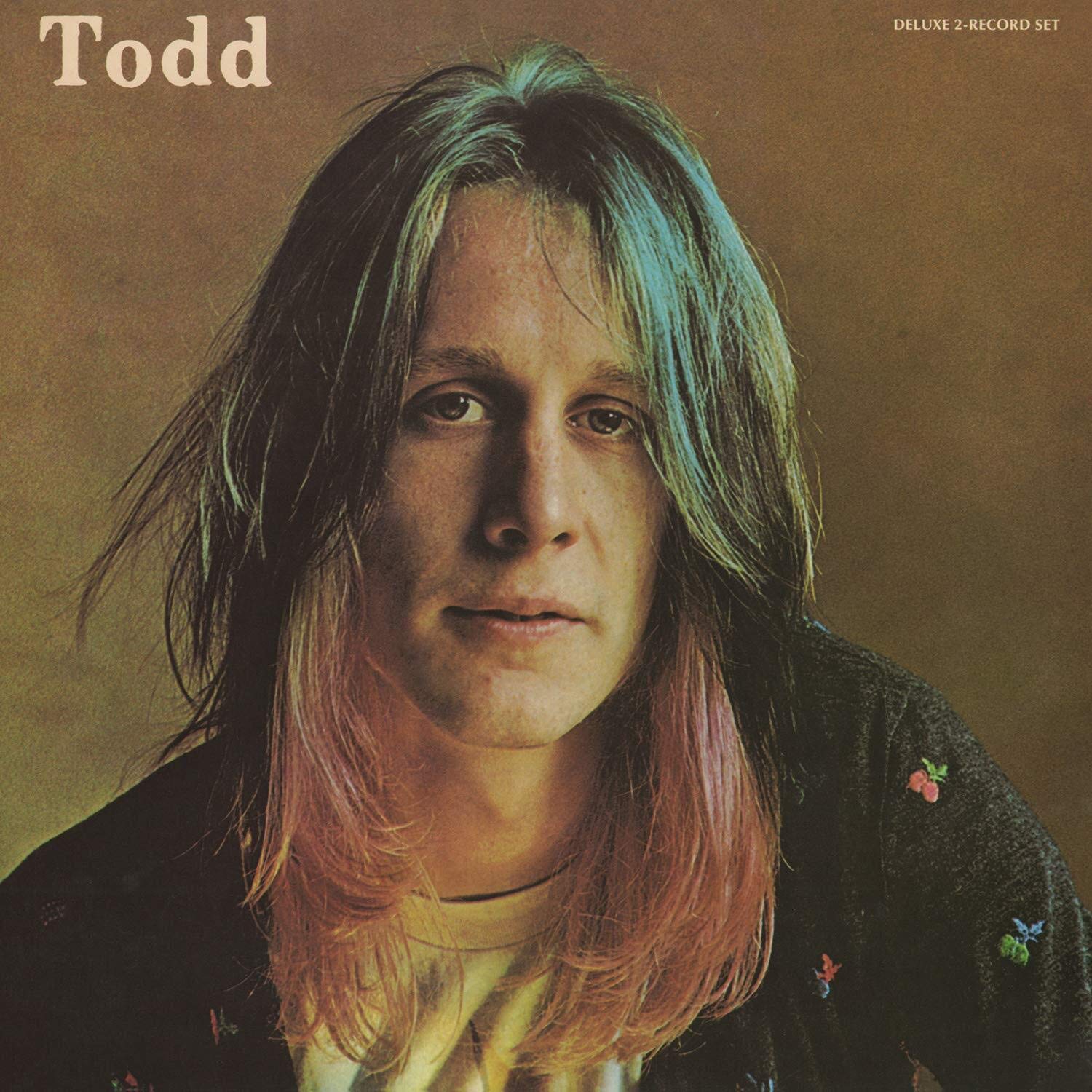
Todd Rundgren: Todd

Todd Rundgren’s eponymous double album, released in February 1974, proclaims energetically, or rather electronically, that Mr. Rundgren is a master composer and arranger, delighting us with a wide array of electronic timbres and effects. Yes, we still have beautiful Rundgren ballads, such as “I Think You Know” and “A Dream Goes On Forever” included amidst all the voltaic dazzle, but the main attractions are Rundgren’s summoning of artfully deployed electronic-generated special effects, his command of various studio production techniques, and his venturing into more challenging musical compositions, like the metrically unbalanced “Drunken Blue Rooster”, the whimsical “An Elpee Worth of Tunes”, and ” the snide, unbridled ”Heavy Metal Kids.” Altogether, this is a extremely enjoyable, adventurous yet cohesive work that some may chose to classify as prog-rock, yet clearly stands separate from anything previously released commercially. This no doubt contributed to it going over the head of just about every major rock critic that reviewed the album in 1974 but also contributes to this being one of the most notable albums from 1974.

Steely Dan: Pretzel Logic

This is just one of those classic rock albums. Released on February 20, 1974, there really isn’t any single track that is at the level of “King of the World” from their previous album, but just about every track here is very close to that level of excellence. They group seems to have intentionally kept each song to AM airplay length — this means that jazz influence is more densely embedded in the tracks, but still handled very artfully and tastefully, retaining the classic Steely Dan sound. 

Brian Eno: Here Comes the Warm Jets

Brian Eno’s debut solo album, Here Comes the Warm Jets, released on February 8, 1973, is a unconventional rich tapestry of accessible pop (think Sid Barrett) set into ingenious contexts. Truly delightful, this album showcases Eno’s unconventional brand of creativity.

Tangerine Dream: Phaedra

Released on the 20th of February 1974, this engaging album overtakes Harmonia’s Musik Von Harmonia, released the previous month, in the race for approaching the fully mature sequence-driven, repetitive, German Prog Rock that would soon become so prevalent. The music truly pulls the listener out of their current environment and into another universe — a universe where sound is not differentiated from sensation, imagery, or existence.

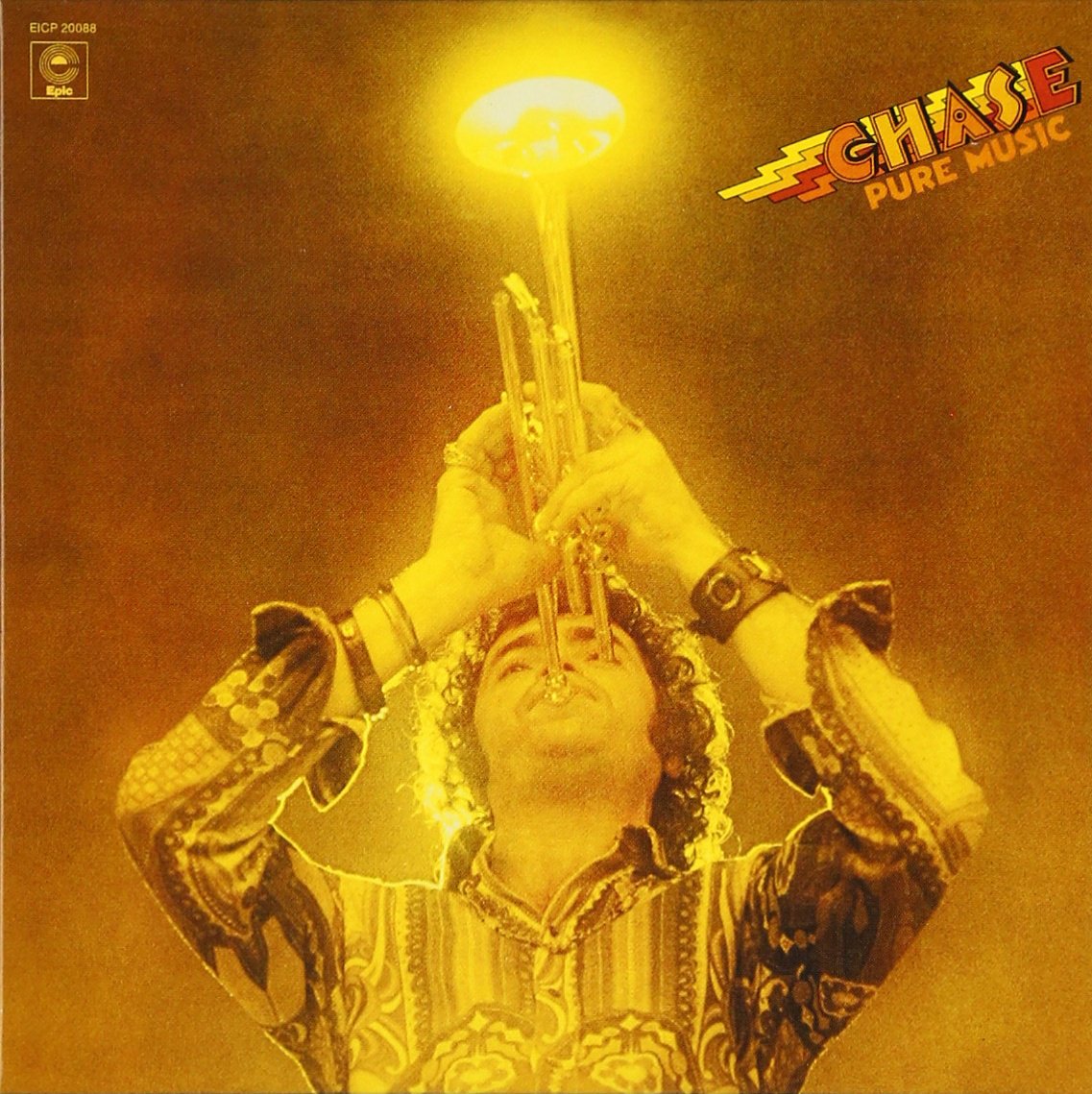
Chase: Pure Music

After a very successful first album, and a weaker second album, it seems Bill Chase finally figured out the best direction to go in — emphasizing a more jazz-based brand of jazz rock, with mainly instrumental material. Every track works nicely, but alas, this would be Chase’s last album due to the crash of the twin-engine charted plane flight to his scheduled performance at the Jackson County Fair. Also lost to us all was drummer Walter Clark, guitarist John Emma, and the especially talented Wallace “Wally” Yohn, who provides some excellent keyboard contributions to this last Chase album.

Chase brings some of his Stan Kenton, Woody Herman and Maynard Ferguson experiences into the music on this album, elevating the content with more sophisticated arrangements and showcasing his personal solo skills at their very best. While Chicago, Lighthouse, If, and Blood, Sweat and Tears, best work was now in the past (by February 1974) is appears that Chase’s best work was tantalizingly close but, unfortunately, for all of us, never captured.

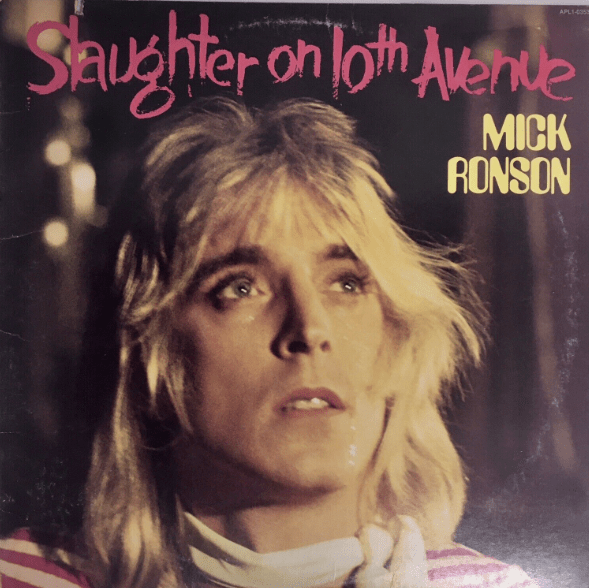
Mick Ronson: Slaughter on 10th Avenue

Released in February 1974, this is about as close to a David Bowie album as one can find which doesn’t have David Bowie involved in singing, performing or producing. We do have another member of Ziggy’s Spider From Mars band, Trevor Bolder on bass, trumpet and trombone, and we have Mike Garson on keyboards (notable especially for his piano contribution on Aladdin Sane) — and we also have two original songs by Bowie, ”Growing Up and I’m Fine” and “Hey Ma, Get Papa.” Ronson’s vocals are second best to Bowie, but good enough to carry the album off nicely. Truly a recommended record for any Bowie fan.

Fifty Year Friday: November 1972

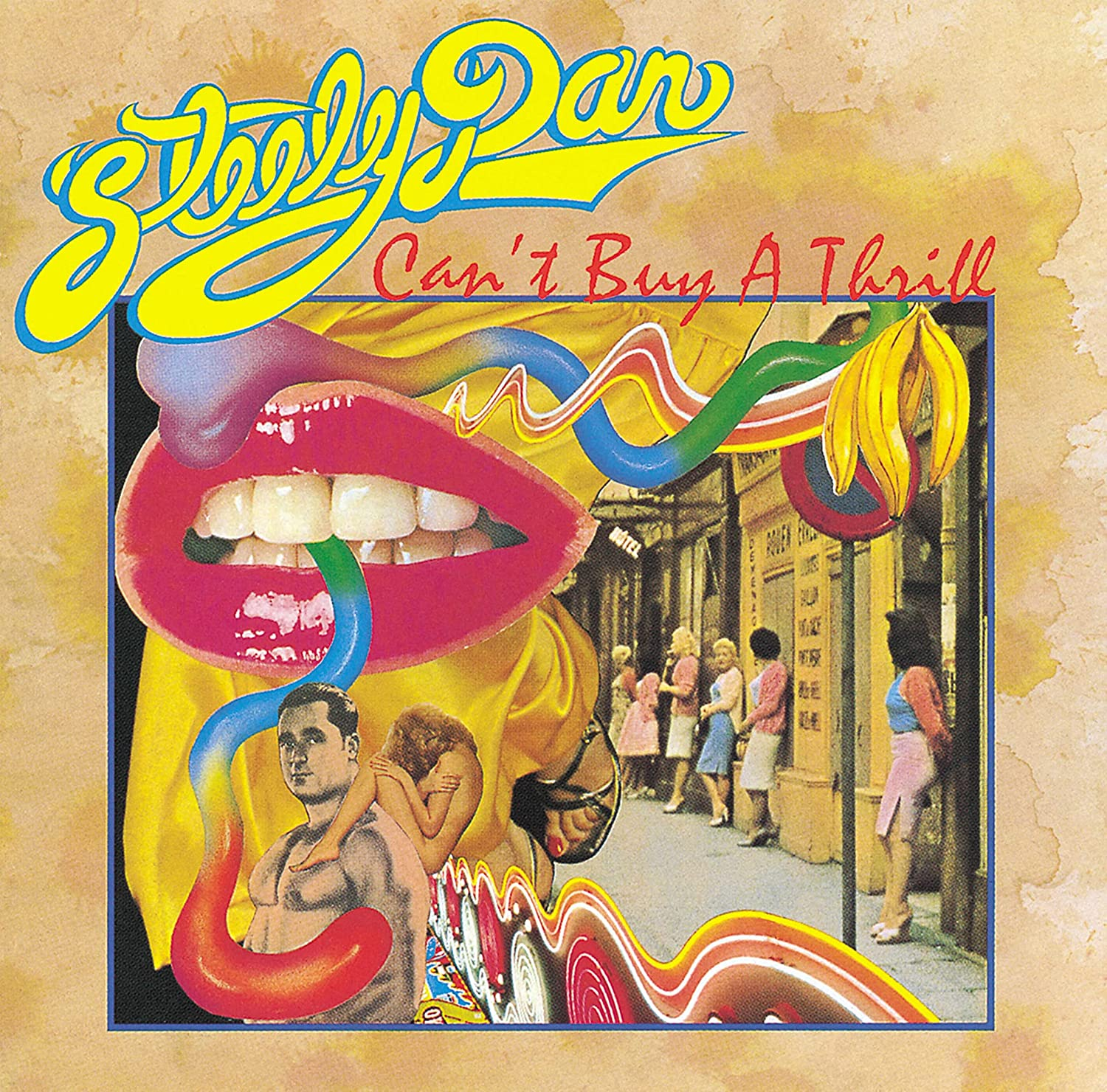
STEELY DAN: CAN’T BUY A THRILL

Released in November of 1972, this is the first of Donald Fagen’s and Walter Becker’s string of excellent albums. The music ranges from pop to rock to folk-rock to jazz-based rock with engaging and intelligent chord progressions and a healthy use of minor seventh and ninth chords.

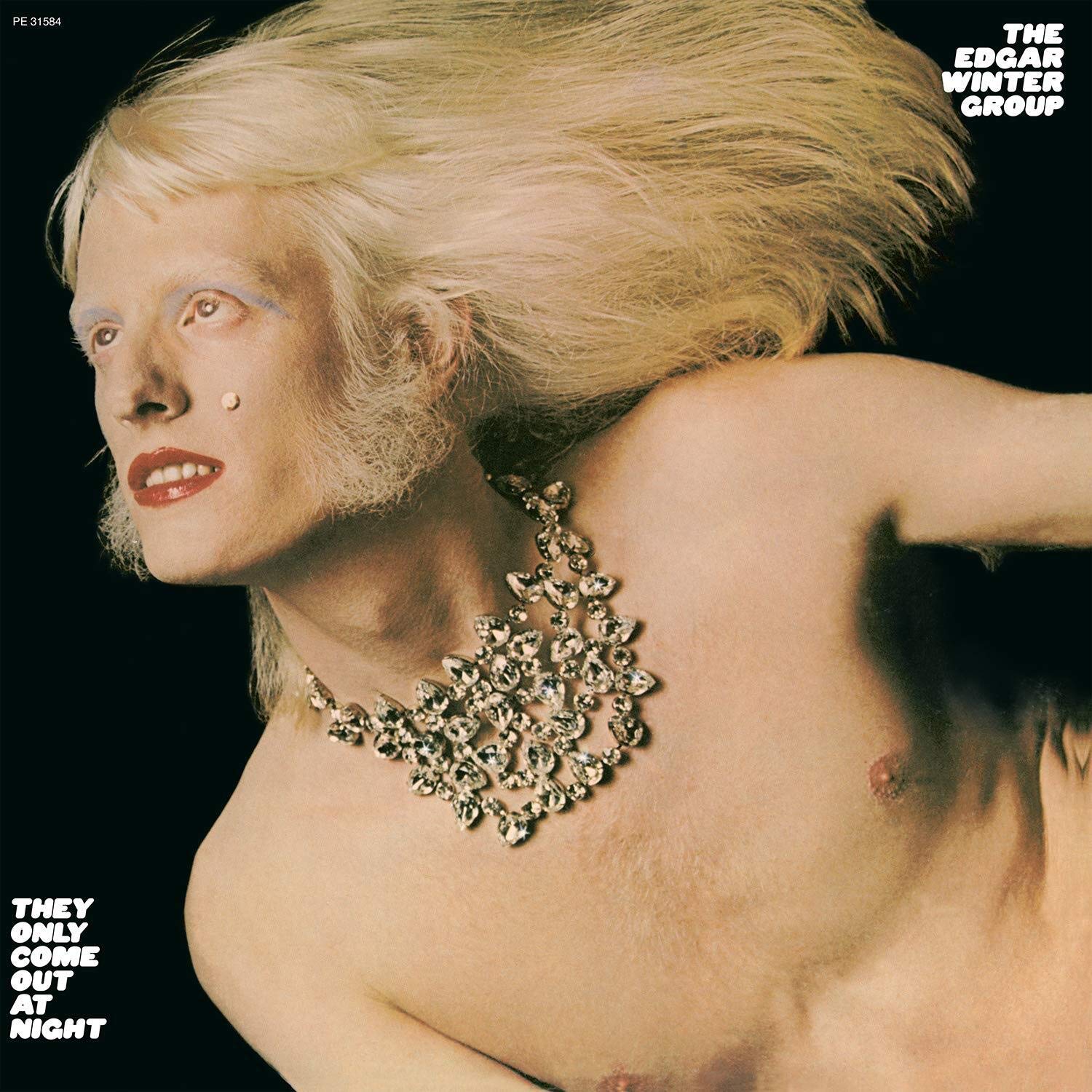
THE EDGAR WINTER GROUP: THEY ONLY COME OUT AT NIGHT

Skillfully produced by Rick Derringer, this is Edgar Winter’s most solid album with a number of songs that for the rest of 1972 and early into 1973 found a prominent place on AM radio, FM radio, at high school parties, or in the repertoire of high school dance bands. “Hangin’ Around”, “Free Ride”, “We All Had a Real Good Time” and the instrumental “Frankenstein” are hard rock classics that have effectively captured and preserved the spirit of early seventies hard rock, providing, today, an effortless means for us to travel back in time fifty years ago.

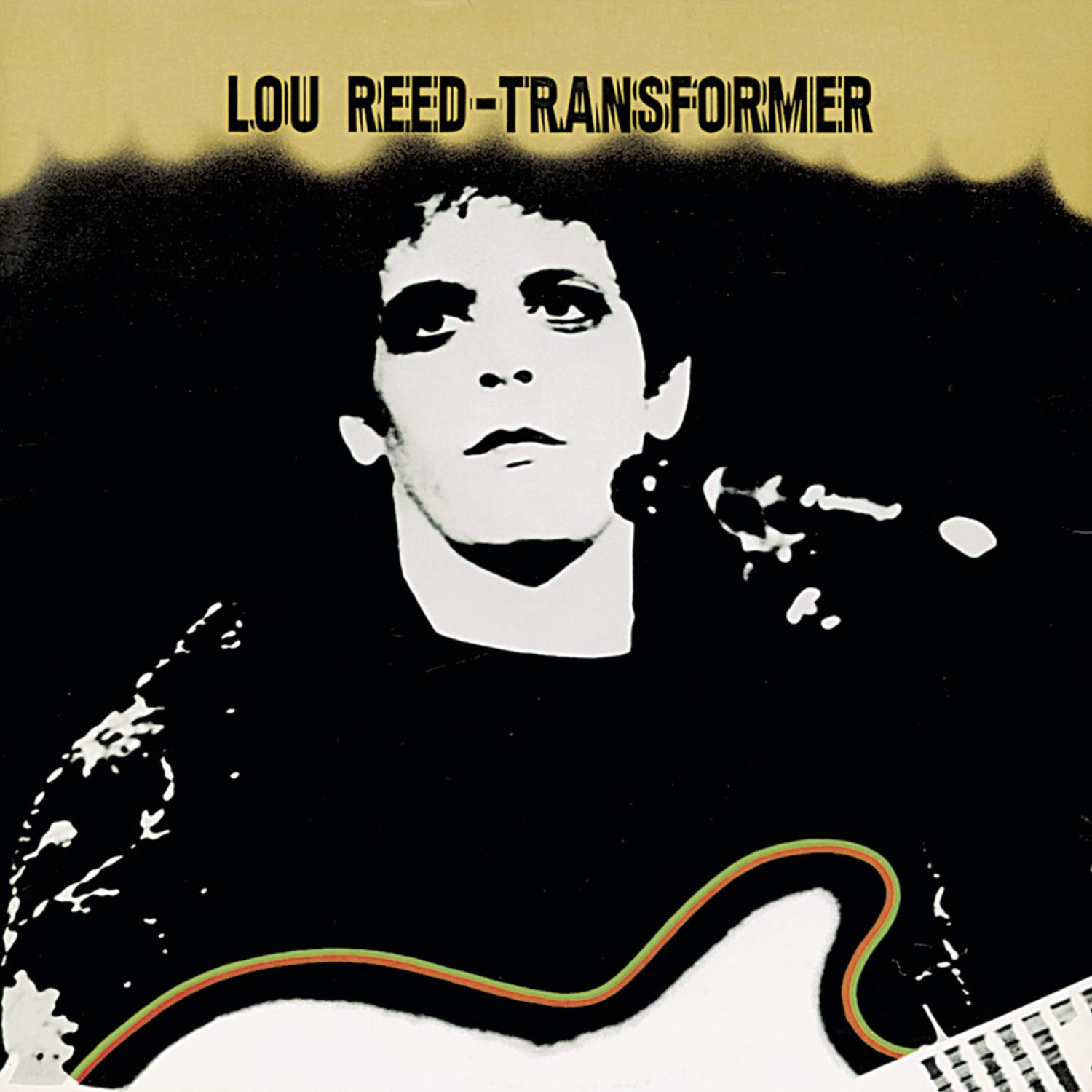
LOU REED: TRANSFORMER

Released on November 8, 1972, Lou Reed’s Transformer excels at creating a level of nonchalance and casualness that was more reminiscent of the beat movement of the 1950s than typical of an early 70’s rock album. Aided by David Bowie, Mick Ronson and Trever Bolder and elegantly produced by Bowie and Ronson, this album, along with the success of its glam, transexual and sometimes banned single, “Walk on the Wild Side”, brought Lou Reed out of the shadows of the Underground and into the commercial spotlight. The album is considered a classic by many and has had substantial influence on many Indie Rock artists that came later.

WAR: THE WORLD IS A GHETTO

War’s fifth studio album, released around November of 1972, opens with the once relentlessly-played AM single, “Cisco Kid”, which though annoying for those of us that heard it in spring of 1973 played through third-rate speakers of a school bus for multiple weeks almost every morning on our ride to school, was a welcome relief from the equally often-played, but far less bearable “Tie a Yellow Ribbon Round the Ol’ Oak Tree.” That said, now hearing “Cisco Kid” on a first-class audio set up almost fifty years later, the quality of performance and the arrangement almost make up for the melodic and harmonic mediocrity of the track. More importantly though, the rest of the album is quite good, starting with the infectious, funky “Where was You At” and the effervescent jazz-infused 13 1/2 minute “City Country City” instrumental on side one and the three tracks on side two including the soulfully reflective “Four Cornered Room”, and the beautifully funk-infused, “The World is a Ghetto.” This was not only War’s most commercially successful album, but the best selling album for the year 1973 holding the number one position for two weeks in February 1973 and staying on the Billboard 200 for a total of 68 weeks.

JONI MITCHELL: FOR THE ROSES

Released in November of 1972 between two of her most artistically and commercially successful albums, 1971’s Blue and 1974’s Spark and Court, the excellent For the Roses brims over with wonderful melodic phrases, remarkable piano lines, and beautiful acoustic guitar and an appropriate amount of harmonica, bass, percussion, winds and strings — always at the right places!

CAN: EGE BAMYASI

Can’s highly influential album, Ege Bamyasi, with the name apparently inspired from the label of a container of canned okra of Turkish origin also meant for German consumption of these “okra pods”, takes a detour from the previous no-holds-barred and even more influential Tago Mago, with an often more structured (via editing in some cases) and relatively more contained set of compositions. Not readily available in the US, I purchased this album in a German record store in 1978, and listened to it once before shelving it for several decades. It’s great to come back and revisit it and find there is much more here than I thought — and to discover the influence it has had on music since my original purchase, with Stephen Malkmus of Pavement, Thurston Moore of Sonic Youth, and the band Spoon all having been much more serious fans of the album and reaping music influences from it. Truly fortunate to revisit the album and able to enjoy it on a much better audio set up than I had in 1978.

Uriah Heep, Moody Blues, Carly Simon, Hawkwind, and Barclay James Harvest

Other notable albums from November 1972 include Uriah Heep’s semi-progressive Magician’s Birthday with a memorable Moog synthesizer solo from Ken Hensley on “Sweet Loraine” (reaching the 91st spot on the Billboard Hot 100) and a more expansive title track concluding the album, Hawkwind’s third studio album, Doremi Fasol Latido, stylistic different than their previous albums but still quality, engaging space-rock, Carly Simon’s No Secrets with two well-known tracks, the number one hit “You’re So Vain”, and less commercially successful but equally appealing “The Right Thing to Do”, the richly arranged, orchestrated Barclay James Harvest, Baby James Harvest, a mix of straight rock (“Thank You”) and more progressive tracks (“Summer Soldier”, “Moonwater”), and Moody Blues’ eighth album (last of the highly regarded string of seven classic album) which had two commercially successful singles, “Isn’t Life Strange” and “I’m Just a Singer (In a Rock and Roll Band)”, which spurred increased interest in their previous work resulting in the re-release of the beautifully haunting single version of the “The Night”, titled “Nights in White Satin”, which did much better the second time around, getting more attention and airplay than any of the music on the Seventh Sojourn album.