Zumwalt Poems Online

Posts tagged ‘Peter Hammill’

Tom Waits, Van Der Graaf Generator, Steve Hackett; Fifty Year Friday: September and October 1975

Welcome back to Fifty Year Friday! It is my great pleasure to announce that our first entry is by an esteemed and respected writer who, for reasons we won’t question, has graciously agreed to provide material for us under the nom de guerre of Leo The Deacon. If you can navigate a substantial drop in quality, a few of my own Fifty Year Friday entries follow. Enjoy!
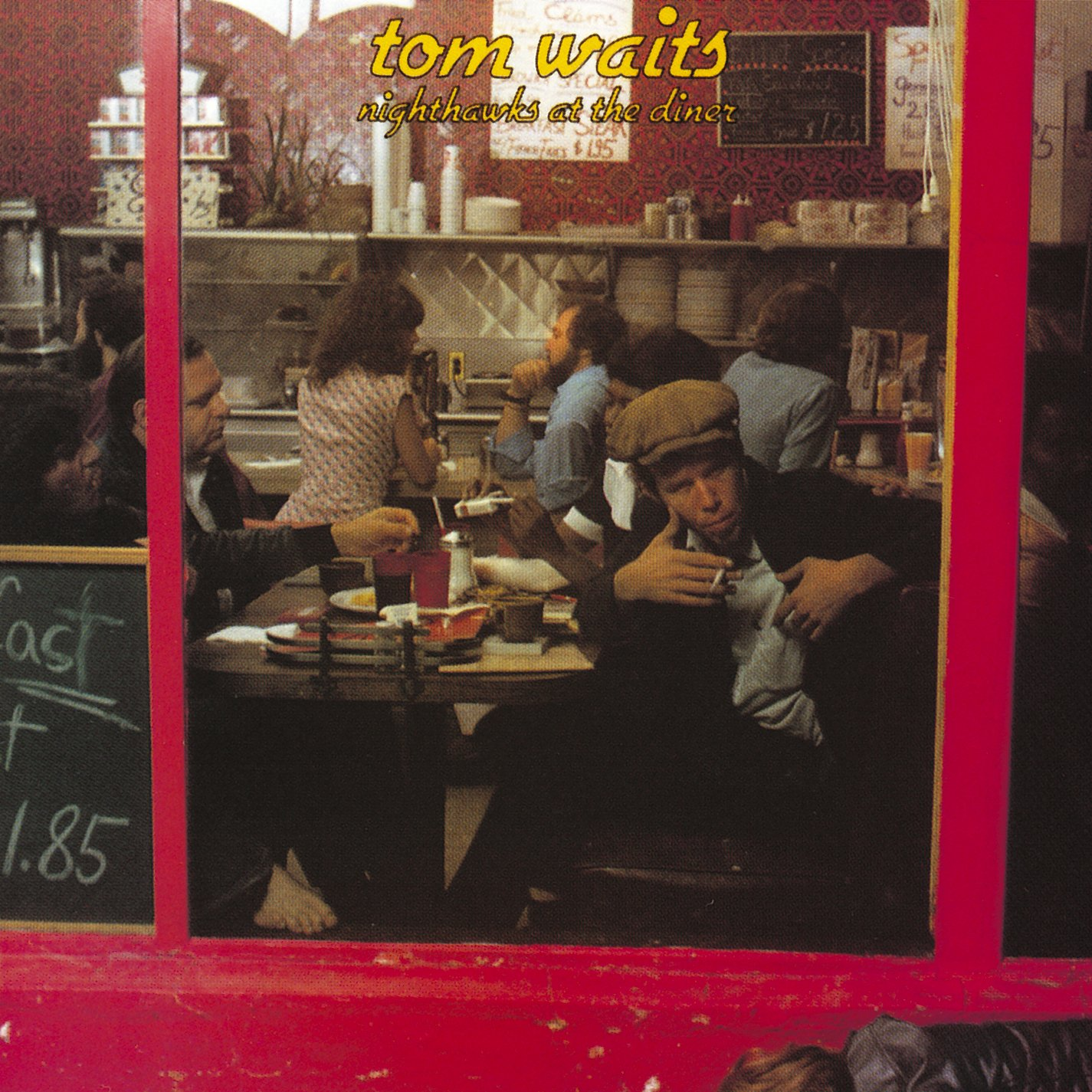
Tom Waits: Nighthawks at the Diner

If ever there was an artist and an album deserving of the rubric sui generis, it is Tom Waits and this, his third album Nighthawks at the Diner. At a time—October 1975—when progressive rock was on the cusp of going to seed, disco was poised to go mainstream, and Wayne Shorter and Chick Corea had set aside post-bop to explore jazz-rock fusion, Waits came out with a two-disc album in which he performs mostly original songs, backed up by a quartet of first-rate Los Angeles jazz sidemen, in front of a small live audience.  As a bookish 20-year-old who never quite embraced rock music—despite the earnest and occasionally successful efforts of the curator of this blog to interest me in such groups as Emerson, Lake, and Palmer, King Crimson, and Gentle Giant—I found Waits’ wry, atmospheric, jazz-inflected compositions  a subversive challenge to the hegemony of rock and roll. Nighthawks appealed not just to the emotions, but to the head. It did not hurt that his profane, salacious, and very funny banter between songs was well calculated to engage the sensibilities of college guys whose weekends, more often than not, were spent in the company of other dateless young men.

So is Nighthawks a jazz production, or a singer/songwriter presentation? Yes. Here’s where it gets interesting, because throughout the performance Waits meanders about the intersection of several genres:  jazz, singer/songwriter compositions, spoken word, a bit of stand-up comedy. Hell, in the cut “Big Joe and Phantom 309” Waits even covers a country-music song by Red Sovine about a ghostly trucker. The entire album is a musical Venn diagram of multiple converging circles. One can’t even call it a “live” album, exactly, because it was recorded in a studio, but in front of an audience hand-picked by the producer to convey the feel of a live performance. It’s not quite authentic but it works, especially as it allows the listener to experience the entire Waits shtick: the guttural banter, the jokes, the wordplay, and the music.

The mood is set from the get-go in the opening intro, with the quartet playing a bluesy vamp featuring Jim Hughart’s walking bass and short, honking arabesques by Pete Christlieb on the sax. The sound is that of a cool, if jaded, house band at a burlesque club and Waits reinforces the conceit by welcoming the audience to the fictitious “Rafael’s Silver Cloud Lounge,” and thanking the stripper who ostensibly warmed up the audience and put a charge into Waits’  libido.  He continues with some introductory jokes about late nights and coming home after three months to find everything in his refrigerator has “turned into a science project.”  As he talks, Waits elegantly elides into the first song, “Emotional Weather Report,” which is more rhythmic spoken word recitation than it is singing. He bemoans the “tornado watches…in the western region of my mental health” and declares that “It’s cold out there—colder than the ticket-taker’s smile at the Ivar Theater on a Saturday night.” Jilted by his lover, Waits’ forecast is for more precipitation.

The rest of the album more or less follows the same pattern, with Waits sustaining a twisted down-and-out persona as he leads into another song or spoken word performance, backed by the jazzmen and revolving around themes of loneliness, lost love, late nights, and life at the margins. For my money, the best cut on the album is the third, “Eggs and Sausage (In a Cadillac with Susan Michelson)” in which Waits precisely captures the milieu of an all-night coffee shop. In this song, (this time he is singing rather than reciting), Waits displays his artistry in clever turns of phrase and the ability to evoke the bittersweet mood of a lonely late night out after a break-up. Atmospherics and the skilled deployment of similes and metaphors are Waits’ stock in trade and he’s at his best in “Eggs and Sausage.”

Waits is often compared to the Beat poets, but that’s not quite right. His music at this stage of his career, and particularly on this album, is reminiscent of the Beats, with its jazz and spoken word poetry, and its exploration of loneliness and alienation. But unlike the Beats, Waits isn’t concerned with philosophy or spirituality, or even drug-induced altered states of consciousness. For the most part, alcohol is Waits’ drug of choice and that and his focus on the working class and marginalized perhaps slides him closer to the Beats-adjacent Charles Bukowski. Both Bukowski and the Beats expressed profound alienation, however, with the Beats setting themselves in opposition to the 1950s military-industrial complex and Bukowski challenging the smug conventionality and moral sensibilities of bourgeois America. Waits isn’t overtly political, like the Beats could be, and he certainly doesn’t indulge in the blunt rage and belligerence of Bukowski. Rather, despite the crusty delivery, he is sentimental. In the end, Nighthawks, as well as Waits’ other music of the mid-1970s, is not concerned so much with alienation as with hard luck, loneliness, and the struggle to carve a little dignity out of an uncaring universe. On Nighthawks, the world is what it is, and Waits knows it is a mug’s game to try to change it.

Tom Waits, at any point in his long musical career, is an acquired taste. Those fans, likely younger ones who are more familiar with the growling, iconoclastic, and experimental performer Waits morphed into starting with 1983’s Swordfishtrombones, may find the younger Waits of Nighthawks in the Diner more conventional—dare we say “quaint”?—than the older artist they are familiar with.  But in 1975, Waits’ retro-beatnik hipster persona, jazzy music, and well-crafted noirish lyrics was something different from the dominant electronic-heavy compositions of rock and fusion. From the perspective of fifty years, it holds up well, although younger listeners may find themselves bemused by Waits’ frequent references on this album to LA “landmarks” that have passed into history—The Copper Penny restaurants, the seedy Ivar Theater, the  Ziedler & Ziedler clothing store on Sunset, and KABC weatherman Dr. George Fischbeck, to name a few.

If there is a flaw in Nighthawks, it is that the persona Waits adopts narrows the variety of the songs. To be sure, on a few tracks—“Warm Beer and Cold Women,” “Nobody,” and the country-ish “Putnam County”—Waits veers into his singer/songwriter roots, dials back the jazz, and sings accompanied by himself on piano. By and large, though, the album is a series of Waits’ compositions backed up by well-executed jazz incidental music. The jazz frames the mood, but the fun is in skillful lyrics, the repartee and wry observations, and the dark, at times cynical, yet not despairing atmosphere that Waits conjures up. It is an eccentric artifact of its time, but it still rewards the listener and reminds us that the 1970s weren’t all bell-bottoms, platform shoes, and leisure suits. 

Leo the Deacon

Van Der Graaf Generator: Godbluff

Released in October 1975 in the UK, this album was only available as an import. It wasn’t until I made a trip to Europe in 1978 that I purchased it in Amsterdam and had it and several other albums shipped from a post office near the record store back to the States. That particular parcel of LPs arrived home earlier than I, and so once I was home, I put it on my beloved turntable. Wow!

As a great admirer of their previous album, Pawn Hearts, which I had bought as a cut-out in the US for less than three dollars, I had high expectations for this. Fortunately, the quality of the lyrics and music did not disappoint.

After a four-year gap between Godbluff and Pawn Hearts, Peter Hammill, Hugh Banton, Guy Evans, and David Jackson roar back more powerfully than ever with less psychedelic and excursionary elements and an apparent singular focus on drama and controlled handling of musical tension and release. Hammill displays his range of skills on vocals, superior in dramatic and expressive impact to more famous contemporary singers/songwriters like David Bowie, and even contending with the otherworldly emotional delivery of Demetrio Stratos of Area and Francesco Di Giacomo of Banco del Mutuo Soccorso. Hugh Banton and Guy Evans are in great form on keyboards and percussion; and we have David Jackson on double saxophones, à la Rahsaan Roland Kirk, creating musical textures that elevate the music experience to breathtaking intensity.

Side One opens with “The Undercover Man”, which starts softly, creating musical and dramatic suspense. Once the tension is established, it methodically builds in intensity, layer by layer, gradually crescendoing, leading to some colorful organ, sax and the further unfolding of the brilliant expression and pacing of Hammill’s staggered and passionate vocals.

“Scorched Earth”, the second of two tracks on the first side, maintains intensity, opening up quietly and building in dynamics with repetitive motives weaving through Hugh Banton’s organ part and David Jackson’s deftly engineered sax parts supported by Guy Evans’s relentlessly polyrhythmic drum work. The forward momentum cools, with an initially echoey middle section, crafted out of preceding musical material that explodes into an unpredictable flurry of syncopated melodic material and violent skirmishes of accelerating ostinatos and motivic interchanges. Two dominant mixed meters alternate. Dynamic and rhythmic shifts continue to propel the music forward to an abrupt climax ending with a brief musical exhale.

Side two opens up reflectively with “Arrow”, with a meandering and introspective introduction ferociously interrupted with Hammill’s vocals which commence to entwine and shape the course of the music leading into an instrumental of repeated sax permutations on the primitive four-note saxophone motive heard earlier but not put through a series of repeated modifications. Hammill’s vocals return with full intensity and anguish:

How long the time seems
How dark the shadow
How straight the eagle flies
How straight towards his arrow

How long the night is
Why is this passage so narrow?
How strange my body feels
Impaled upon the arrow


This is followed by more sax-dominated instrumental and intensive, unrestrained percussion eventually trailing off into a sustained whimper.

The last track, “Sleepwalker”, described by Hammill as portraying “life in death, death in life” begins boldly with a brilliant 9/8-based mixed-meter motif, syncopated and off-kilter, creating a lurching, stumbling feel, realized flawlessly by sax, organ and percussion. Once the pattern is established for the listener, it moves into an accompaniment foundation for Hammill’s vocals:

At night, this mindless army, ranks unbroken by dissent
Is moved into action and their pace does not relent
In step, with great precision, these dancers of the night
Advance against the darkness – how implacable their might!

The second section starts off as a tango with güiro, organ, clavinet and then sax on melody– but it is a 3/4 tango! It then contorts itself evolving into the opening motif for brief return of theme A, but these expectations are quickly tossed aside with an intro into a completely new section in a relentless, undeniable 4/4, the sax and rhythm hinting at a brief funky disco feel before the band shuts down that possibility completely with aggressive prog-rock percussion, sax and Hammill’s searing vocals.

A necessary aside on the artistic nature of David Jackson’s approach to the saxophone: dubbed “the Van Gogh of the saxophone” by a critic of the British New Musical Express, Jackson was described as a “renegade impressionist, dispensing distorted visions of the world outside from his private asylum window”. Following in the footsteps of jazz artists like John Coltrane, Rahsaan Roland Kirk, and Albert Ayler, Jackson focused on fully leveraging timbral and tonal qualities of his instrument to deliver a wider range of emotional experiences.

Two key elements defined his style. The first was his signature use of double horn — playing two saxophones (typically alto and tenor) simultaneously, creating dense harmonies and powerful, layered riffs. The second, and more crucial for “The Sleepwalkers,” was his pioneering use of electronics using customized pickups, octave dividers, wah-wah pedals, and powerful amplification, transforming the saxophone from a purely acoustic instrument into a versatile prog-rock sound source, capable of generating textures and timbres far beyond its natural range, allowing him to sonically manifest the fragmentation, distortion, and psychological turmoil central to VDGG’s music — and provide a fully-effective soundscape for Hammill’s autonomically engaging, intensely visceral vocal delivery.

The synthesis of those two saxophones, the bass pedals and organ work of Banton, Evans’s driving polyrhythmically-paced percussion, always at the service of the music and text propels us into the psychedelic-flavored coda which slowly evaporates into nothingness, leaving the lingering essence in the listener’s mind, eventually compelling a repeat playing of one of the finest albums

Steve Hackett: Voyage of the Acolyte

Released in October 1975, I never had enough money to buy this in my college days — such a shame, as this is a wonderful album and provides insight into how much Steve Hackett contributed compositionally to the many of the passages within Genesis’s Nursery Cryme and Supper’s Ready. Excellent, evocative and reflective music that sparkles as wondrously as ever.

Pink Floyd: Wish You Were Here

Pink Floyd released their ninth studio album in September of 1975. Fifty years later their The Dark Side of Moon boost has maintained their popularity enough so that there are multiple sets out this month celebrating the fiftieth anniversary. If you haven’t heard this album yet, you probably weren’t listening to music fifty years ago!

Can: Landed; Jethro Tull: Minstrel In the Gallery; Electric Light Orchestra: Face the Music

All released in September of 1975, all three of these albums have their strong moments and are worth checking out. Can’s Landed starts off with grungy rock badly recorded, but ends strongly with the musique concrète of “Unfinished” with much of interest in between.

Jethro Tull’s Minstrel In the Gallery is more reflective than his previous three albums and seemingly more personal. Thematically, the album lyrics cover the introspective and the cynical, with Ian Anderson’s lyrics exploring the isolation and pressures of being a public performer — Anderson being that Minstrel in the Gallery. Throughout a good deal of the album Martin Barre’s electric guitar is in the forefront and borders on a jazz-fusion ethos contrasted in other sections with delicate acoustic guitar. The album’s highlight is the musically and metrically complex, multi-part “Baker Street Muse” on side two, lasting over sixteen minutes with sharp contrasts and sharp lyrics.

ELO’s Face the Music opens up with an orchestral intro and explodes with their signature blend of strings, Jeff Lynne’s guitar, drums, and keyboards. The excellent opening instrumental, which highlights Mik Kaminski on violin, is followed by a classic-sounding ELO track, “Waterfall, reminiscent of Eldorado material. As mentioned earlier by Leo the Deacon, September 1975 ushers us into the mainstream days of disco fever and ELO made good money with an edited single version of the third track “Evil Woman.” I had stopped listening to AM radio long before 1975, but somehow I was still exposed to it enough in various public venues that I developed a rather strong aversion to its annoyingly commercially cloying sound. The remaining album has its ups and downs, and includes a number sounding much like the pre-disco Bee-Gees (“Strange Magic”) and Lynn’s excursion into country music, “Down Home Town.”

Besides these albums we have a wealth of other releases, not at the level of Godbluff by any means but much more commercially successful including albums by George Harrison, John Lennon, Elton John, Paul Simon, his former singing mate, Art Garfunkel, Rush, Herbie Mann, Linda Ronstadt, Roxy Music, Sparks, Steeleye Span, Aretha Franklin, Barbra Streisand, Frank Zappa, Hall & Oates, Crosby and Nash without Stills, and though I haven’t a clue what it sounds like, and am totally fine with that, Kiss’s Live Album, which apparently is the first album released by any American hard rock band, for if memory serves me correctly Spinal Tap had not released any live albums by that date — or to be factually correct, now that I check Wikipedia, still has not.

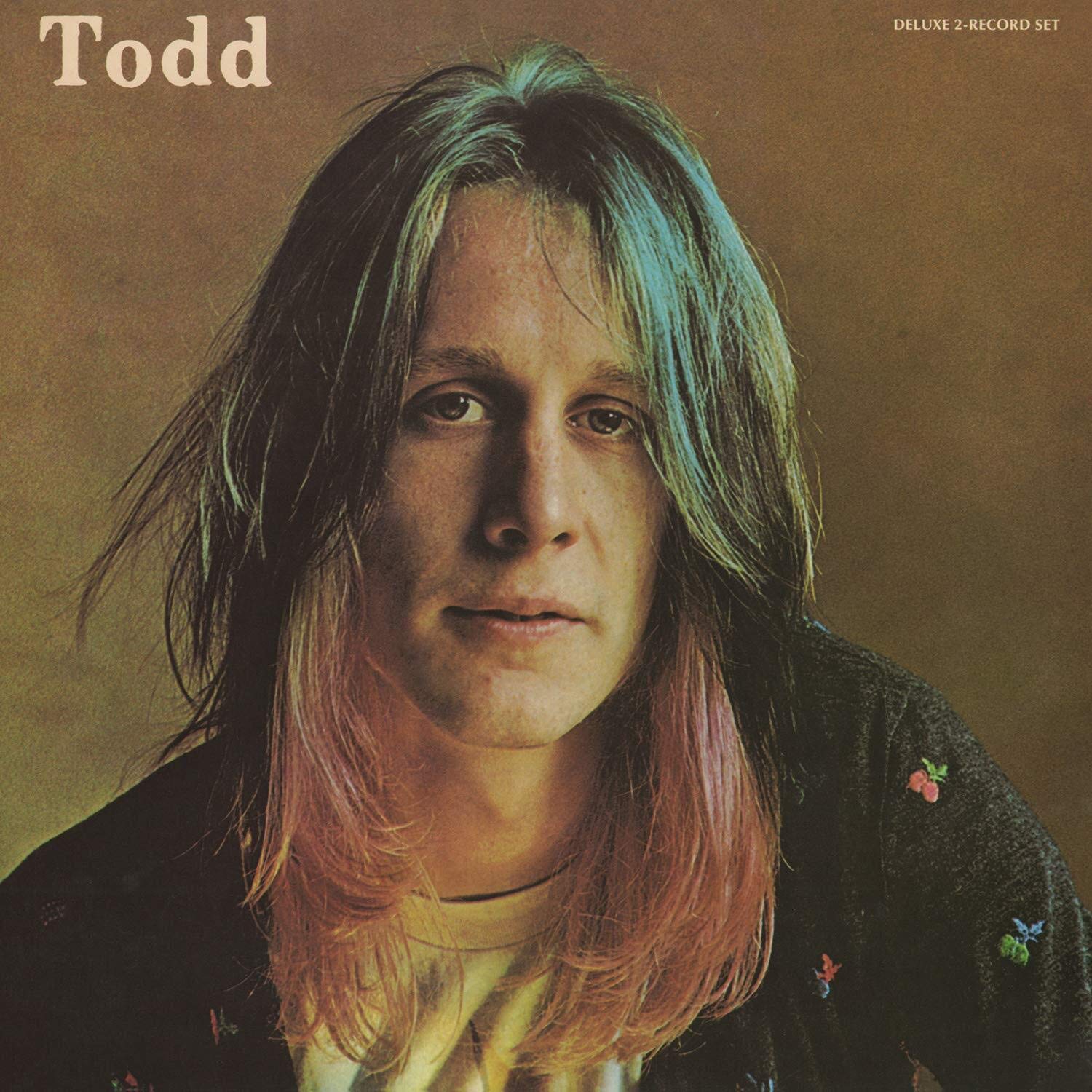
Peter Hammill, Todd Rundgren, Steely Dan; Fifty Year Friday: February 1974

Peter Hammill: The Silent Corner and the Empty Stage

Released in early February of 1974, even though there is ample participation by fellow Van Der Graaf band mates, this is clearly a personal, Peter Hammill solo effort. From the start Hammill dives inward stirring up and capturing a range of emotional turbulence.  

The album opens with the metrical tempestuous “Modern,” and ends with one of Hammill’s greatest classics, the deeply emotional “A Louse Is Not a Home.” Hammill often performed these two songs along with “The Lie (Bernini’s Saint Theresa)”, also on this album, in the 1970s on solo tours in small venues, injecting every ounce of energy into his dramatic renditions. 

Generally the featured instrument is Hammill’s expressive vocals appropriately supported by piano, mellotron, acoustic and electric guitar with additional support from the VDGG band members with Spirit’s Randy California on lead guitar on one track. The production emphasizes a sense of intimacy which underscores the uncompromising, unsuppressed intimacy, immediacy, and intensity which makes this album so remarkable.

Todd Rundgren: Todd

Todd Rundgren’s eponymous double album, released in February 1974, proclaims energetically, or rather electronically, that Mr. Rundgren is a master composer and arranger, delighting us with a wide array of electronic timbres and effects. Yes, we still have beautiful Rundgren ballads, such as “I Think You Know” and “A Dream Goes On Forever” included amidst all the voltaic dazzle, but the main attractions are Rundgren’s summoning of artfully deployed electronic-generated special effects, his command of various studio production techniques, and his venturing into more challenging musical compositions, like the metrically unbalanced “Drunken Blue Rooster”, the whimsical “An Elpee Worth of Tunes”, and ” the snide, unbridled ”Heavy Metal Kids.” Altogether, this is a extremely enjoyable, adventurous yet cohesive work that some may chose to classify as prog-rock, yet clearly stands separate from anything previously released commercially. This no doubt contributed to it going over the head of just about every major rock critic that reviewed the album in 1974 but also contributes to this being one of the most notable albums from 1974.

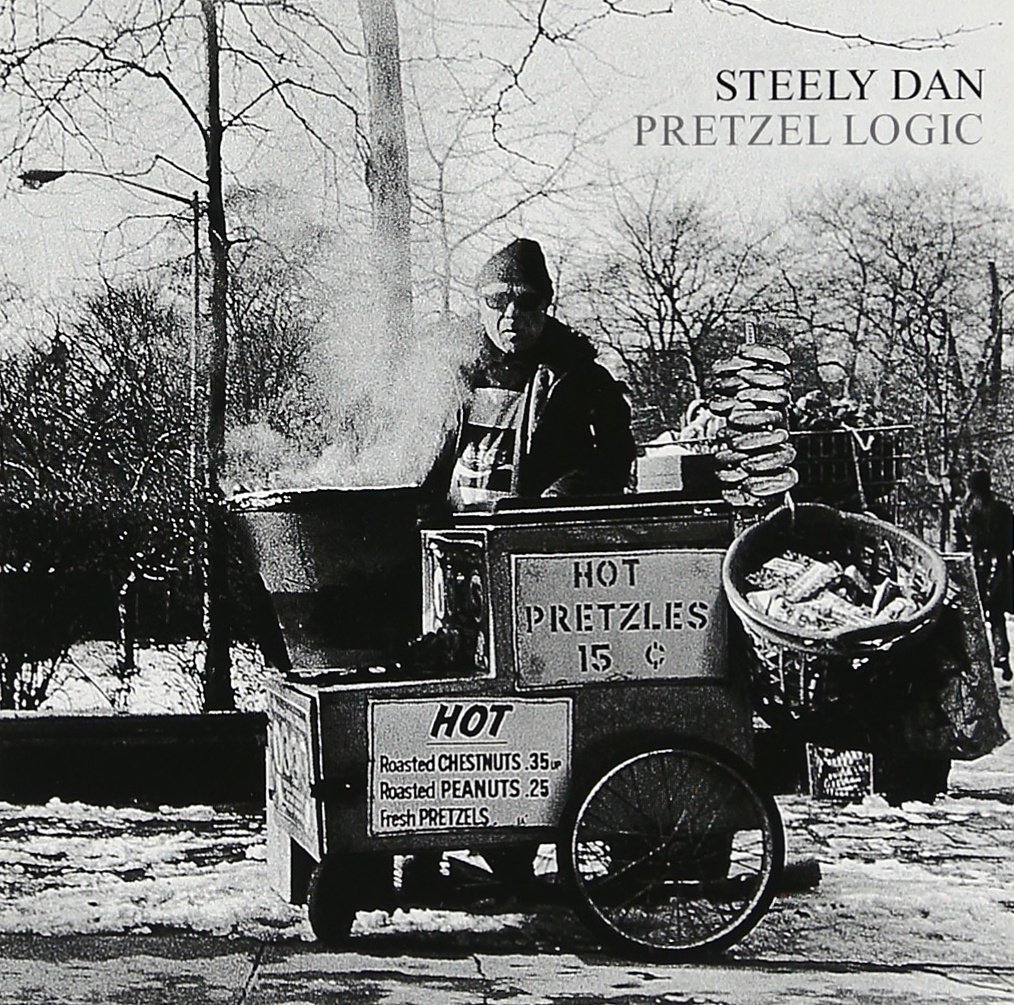
Steely Dan: Pretzel Logic

This is just one of those classic rock albums. Released on February 20, 1974, there really isn’t any single track that is at the level of “King of the World” from their previous album, but just about every track here is very close to that level of excellence. They group seems to have intentionally kept each song to AM airplay length — this means that jazz influence is more densely embedded in the tracks, but still handled very artfully and tastefully, retaining the classic Steely Dan sound. 

Brian Eno: Here Comes the Warm Jets

Brian Eno’s debut solo album, Here Comes the Warm Jets, released on February 8, 1973, is a unconventional rich tapestry of accessible pop (think Sid Barrett) set into ingenious contexts. Truly delightful, this album showcases Eno’s unconventional brand of creativity.

Tangerine Dream: Phaedra

Released on the 20th of February 1974, this engaging album overtakes Harmonia’s Musik Von Harmonia, released the previous month, in the race for approaching the fully mature sequence-driven, repetitive, German Prog Rock that would soon become so prevalent. The music truly pulls the listener out of their current environment and into another universe — a universe where sound is not differentiated from sensation, imagery, or existence.

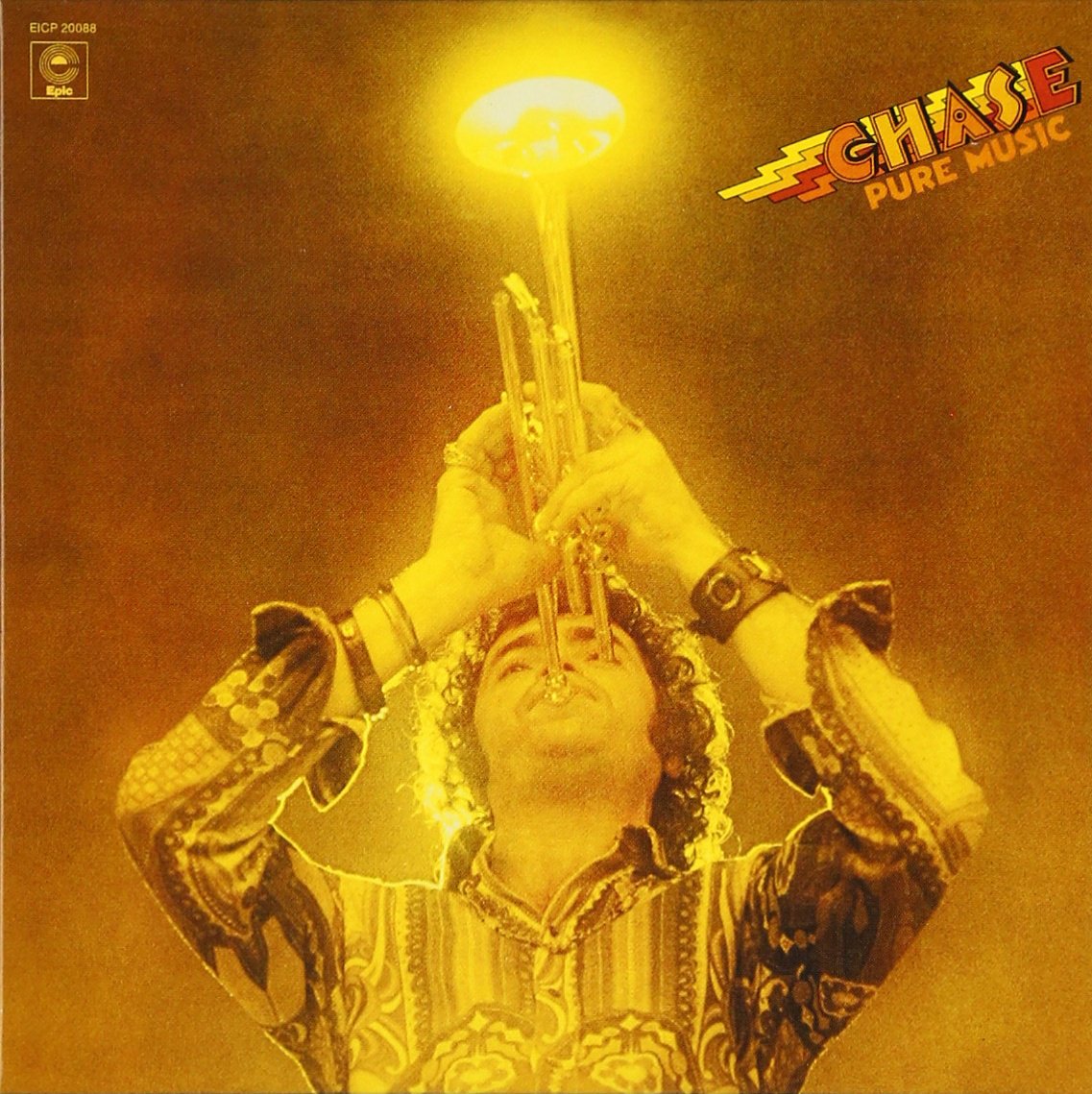
Chase: Pure Music

After a very successful first album, and a weaker second album, it seems Bill Chase finally figured out the best direction to go in — emphasizing a more jazz-based brand of jazz rock, with mainly instrumental material. Every track works nicely, but alas, this would be Chase’s last album due to the crash of the twin-engine charted plane flight to his scheduled performance at the Jackson County Fair. Also lost to us all was drummer Walter Clark, guitarist John Emma, and the especially talented Wallace “Wally” Yohn, who provides some excellent keyboard contributions to this last Chase album.

Chase brings some of his Stan Kenton, Woody Herman and Maynard Ferguson experiences into the music on this album, elevating the content with more sophisticated arrangements and showcasing his personal solo skills at their very best. While Chicago, Lighthouse, If, and Blood, Sweat and Tears, best work was now in the past (by February 1974) is appears that Chase’s best work was tantalizingly close but, unfortunately, for all of us, never captured.

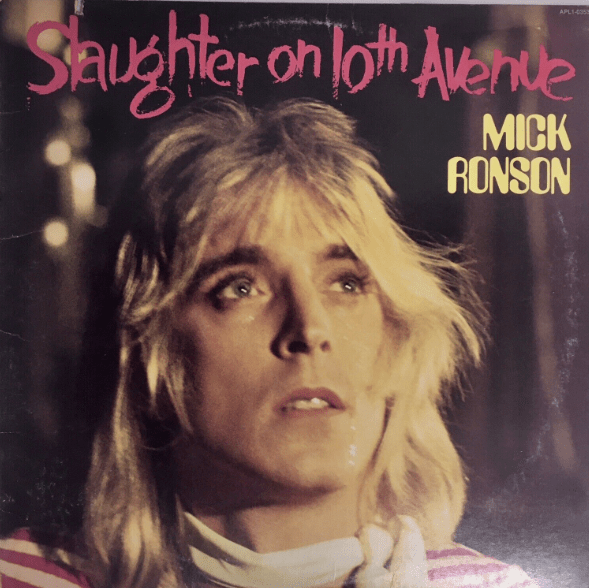
Mick Ronson: Slaughter on 10th Avenue

Released in February 1974, this is about as close to a David Bowie album as one can find which doesn’t have David Bowie involved in singing, performing or producing. We do have another member of Ziggy’s Spider From Mars band, Trevor Bolder on bass, trumpet and trombone, and we have Mike Garson on keyboards (notable especially for his piano contribution on Aladdin Sane) — and we also have two original songs by Bowie, ”Growing Up and I’m Fine” and “Hey Ma, Get Papa.” Ronson’s vocals are second best to Bowie, but good enough to carry the album off nicely. Truly a recommended record for any Bowie fan.

Fifty Year Friday: July 1971

Gentle Giant: Acquiring The Taste

Released on July 16, 1971 by the Vertigo record label, this second Gentle Giant, despite the apparently horrible cover (the worse prog-rock cover ever or a tongue-in-cheek expression of the kissing up that goes on to record execs and commercial demands?) and the presumptuous and cringe-worthy title, far surpasses their first effort in consistency and creating a unified musical statement while still showing a diversity in compositional techniques and arrangement/instrumentation. It is in the prevalence of the reuse and transformation of identifiable musical motifs that Gentle Giant shares common ground with some bebop artists (for example, Charlie Parker) and so many of the twentieth and nineteenth century so-called “classical” or “serious” composers. What set Gentle Giant apart from most other prog-groups was that their primary composer, Kerry Minnear, was fully trained in classical music having just received his degree in music composition from the prestigious Royal Academy of Music in 1970. We can speculate about whether he read such books as the indispensable 1961 treatise on motific reuse, Rudolf Reti’s The Thematic Process in Music (US 1951; UK 1961), but even if he had not, his familiarity with medieval, renaissance and early twentieth century compositions would have exposed him to how composers expertly handled music cells and motifs.

Putting aside the compositional tightness and cohesiveness of the eight individual tracks and the general cohesiveness of the album as a whole, one just has to take delight in the overall strength of the music, the lack of any filler material (with the possible exception of portions of the last track), and the beauty of some of the melodies, particularly “Pantagruel’s Nativity”, “Edge of Twilight”, the haunting “Moon is Down”, and the softer instrumental passages of the heavier songs on the album like “Wreck.” Notable is the prevalence of Kerry Minnear vocals, indicative of the often gentle nature of the material — with Derek Shulman vocals effectively complementing the harder rock passages. We also get the first example of what I call the “Gentle Giant stride”, for lack of a more appropriate term, due to it reminding me, rhythmically and musically, of deliberately lengthened and extended fast-paced walking steps — this occurs after the initiation of Gary Green;s guitar solo in “The House, The Street, The Room” at the 2:47 mark, with drums and bass providing the foundation for the continuation of Green’s angular yet expressive guitar-work. Another noteworthy often-used Gentle Giant compositional technique, is the use of a musical sequence comprised of a short, quadruply-repeated, rhythmically-catchy motif that creates forward drive and tension (and used extensively in their next album, “Three Friends”) and in this album occurs in “The Moon Is Down” at the 2:11 mark. Also notable is the penultimate track on the album, particularly its use of plucked and bowed viola, viola, and cello and wah-wah guitar for musical and extra-musical effect (the imitation of the meow of a cat.) “Plain Truth”, somewhat musically weaker and less interesting than the previous tracks, closes out this first in a string of half a dozen near-perfect, fully musically unified, must-have Gentle Giant albums

Black Sabbath: Master of Reality

Also released by the Vertigo record label (Warner Brothers in the U.S.), on July 21, 1971, though not nearly as fulfilling or musically nutritious as the Gentle Giant second album, this third Black Sabbath, Masters of Reality is one of the three best Black Sabbath albums, well-executed, creative and brimming with elevated yet disciplined energy. Toni Iommi, Black Sabbath’s main creative musical force, not only gives us the typical extroverted Black Sabbath heavy metal, bass-and-guitar-driven numbers but two fine introspective guitar compositions, “Embryo” and “Orchid” and the reflective “Solitude”, with Iommi also playing piano and flute, providing welcome contrast to the longer, heavier works. There may be a limited amount number of times those heavier works can be listened to, but certainly they stand up to repeated playings when driving down the road, exercising, dancing or otherwise shaking up an aging body.

Peter Hammill: Fool’s Mate

Fool’s Mate is Peter Hammill’s first solo album, filled with various, unrelated songs that were either not considered as appropriate Van Der Graaf Generator material, or were not written with VDGG in mind. Nonetheless the full VDGG lineup (Hugh Banton, David Jackson and Guy Evans) is here, and is further, supplemented by guitarist Robert Fripp on half the tracks and former VDGG bassist Nic Potter also on six of the twelve tracks. The music ranges from catchy and upbeat “Happy”, and “Sunshine” to the introspective and even heartbreakingly dark and gloomy, with the most indispensible gem being the timeless “Vision”, one the best love songs of the entire seventies.

Guess Who: So Long, Bannatyne

Also released in July 1971, the Guess Who’s succulently dissonant So Long, Bannatyne — the album sharing the title of one of the songs that reflect the guitarist Kurt Winter’s move from the Bannatyne Apartments on Bannatyne Avenue in central Winnipeg to the Chevrier district a few miles south.

It is the liberal use of dissonance and jazz-related elements that sets the album apart from earlier Guess Who albums, making this their overall best album, despite most rock critics opinions to the contrary. Whether its “Going A Little Crazy” with its jarring, dissonant recurring ostinato, the jaunty “Grey Day” with Burton’s scat singing, his dissonant jazz-based piano accompaniment and subsequent piano solo, followed by Winter’s jazzy acoustic guitar solo, or the subtly bitter “Sour Suite”, many of the songs here are neither typical pop or Guess Who songs. Strings are also used for appropriate enhancement and both Burton Cumming’s vocals and piano are at their best throughout the album, with piano nicely supporting Greg Leskiw’s banjo and vocals on “One Divided.”

Isaac Hayes: Shaft, Moody Blues: Every Good Boy Deserves Favour, Joan Baez: Blessed Are…, Deep Purple: Fireball

Other notable albums include the classic Isaac Hayes 2 LP Shaft, the almost impressionistic Every Good Boy Deserves Favour from The Moody Blues, Joan Baez’s two LPs and one 33 1/3 45 Blessed Are… album, and the hard-to-categorize and somewhat uneven, but mostly danceable (at least at the time), Deep Purple’s Fireball. I still remember hearing the song, Shaft in 1971 on the bus to and from school and impressed by its larger than life sound even through those somewhat shoddy school-bus speakers.

Fifty Year Friday: December 1970

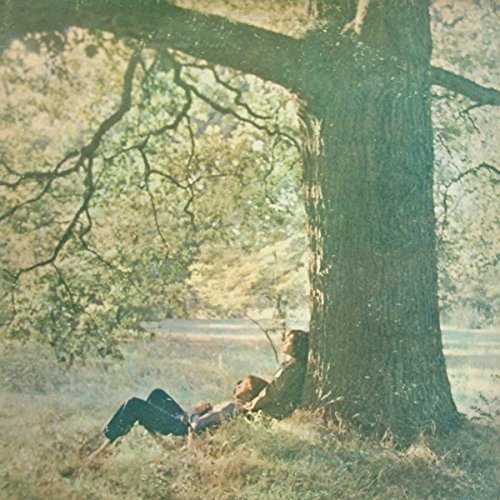
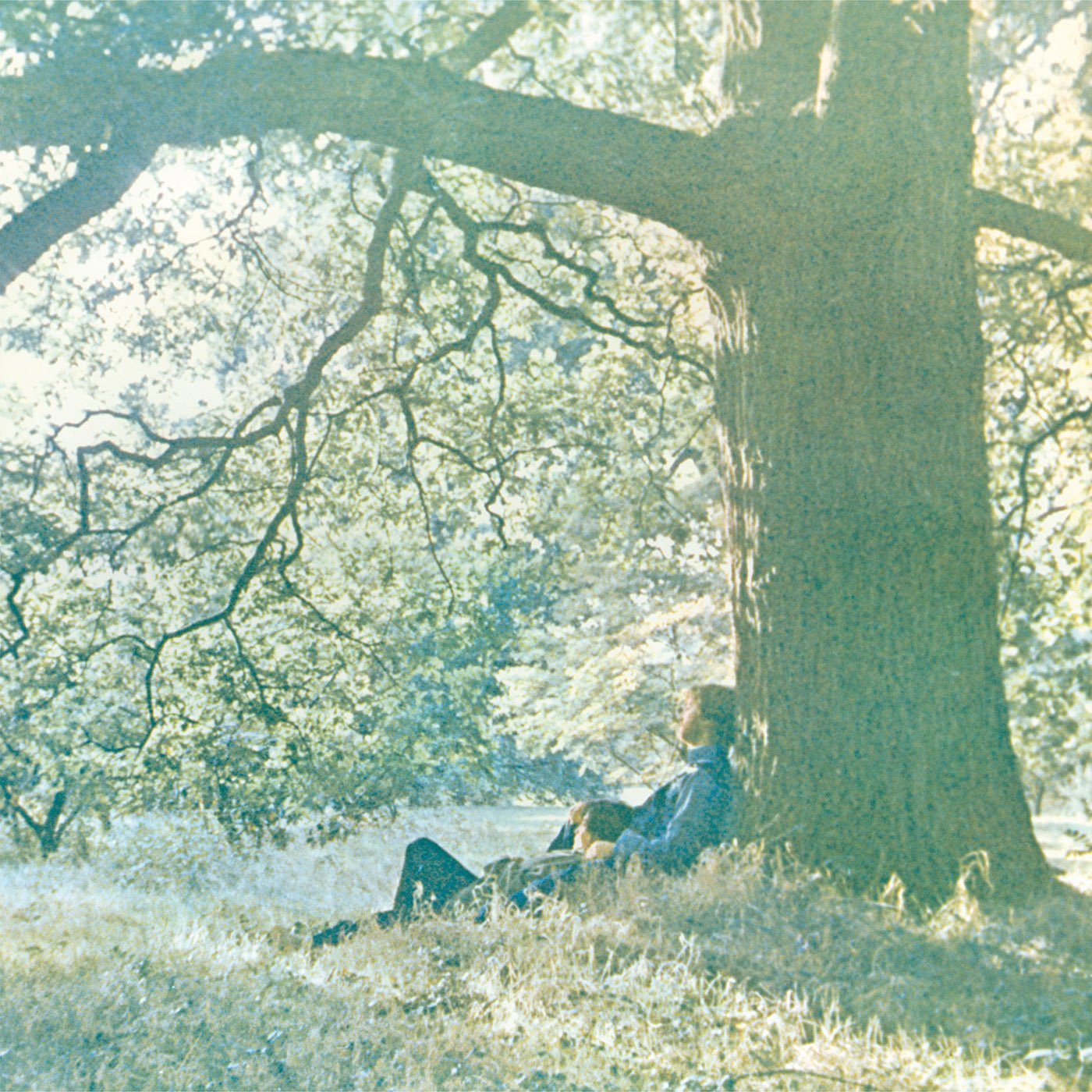
John Lennon: Plastic Ono Band

Though, almost fifty years ago, days after Christmas, I ended up buying George Harrison’s All Things Must Pass and skipped purchasing this John Lennon album, my next door neighbor did buy it. He was sixteen and I was fifteen years of age. On first listening, I followed the lyrics more carefully than the music, and to me the album was not only unusually personal but somewhat bleak and cynical with an undertone of bitterness. Musically intimate, it was perfect for secluded listening, and the quality of the songs supported both repeated, concentrated listening or putting it on as background while reading or doing schoolwork. Quite a gem. A gem I appreciate even more today. This album was recorded after Lennon and Ono had gone through primal scream therapy and listening to in 2020, I can now more readily relate to Lennon’s viewpoint and his personal pain. I also appreciate the production quality of the album more, though I remember even almost fifty years later being impressed by the double tracking of his vocals on songs like “Hold On”, the simplicity and intimacy of Lennon’s acoustic guitar and vocal presence of “Working Class Hero”, and the beauty of tracks like “Love” and “Look at Me”, the latter similar to Lennon’s Julia on the Beatles’ White album. In the 1980s, no longer a student but successfully self-employed, I made sure I had my own copy of this album, but I must admit that listening to it again in 2020, I appreciate it more than ever.

Yoko Ono: Plastic Ono Band

We also saw the Yoko One companion album in the stores and eyed it multiple times but the consensus on the street was to avoid it completely. Finally, sometime in 1971, I found someone that had it in their collection and listened to a part of it, looking for any trace of a recognizable song, and not finding it in the first few minutes, even after lifting and repositioning the needles on each track of side one, I abandoned any interest.

That is — until now — and now listening to it in full, after having many hours of accumulated listening to Webern, Cecil Taylor, Xenakis, Crumb, John Cage and a wide range of even less popularly acclaimed music, find it to be quite good. Two bonus elements for me: John Lennon’s guitar and, more impressively, the Ornette Coleman quartet’s contributions on the first track of side two, “AOS” with Yoko Ono’s vocals often merging in quite effectively. Also of note is the quirky “Touch Me” which seems to perfect for deterring any innate tendencies for tactile contact. All in all a solid soundscape experience.

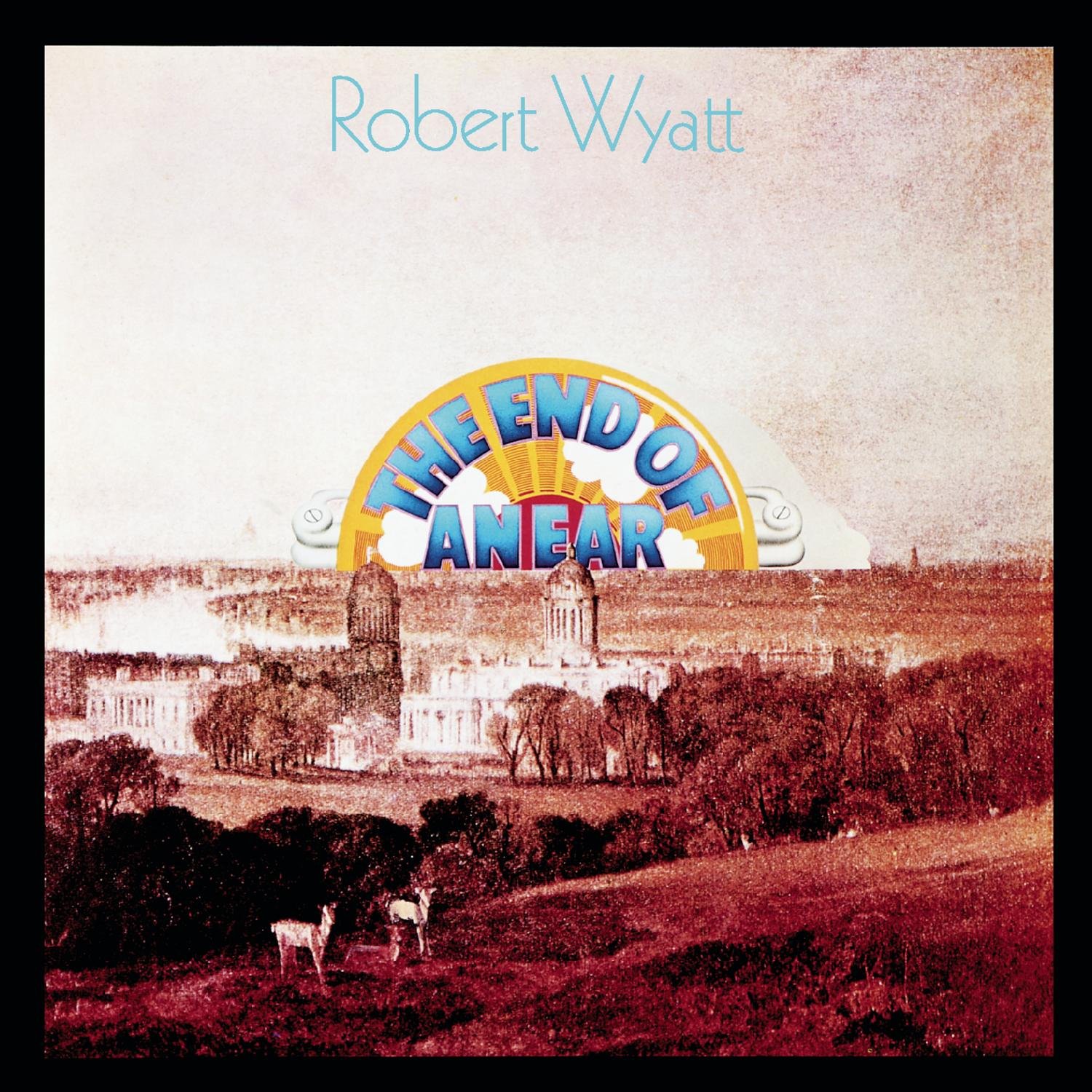
Robert Wyatt: End of an Ear

Released on December 4, 1970, and recorded between Soft Machine’s third and fourth albums, Robert Wyatt’s End of an Ear is another challenging listening experience, not easily classified as either jazz-rock, jazz or progressive-rock. Wyatt drums with abandon and provides wordless vocals, sometimes altered in speed and thus also pitch. It’s borderline chaotic, and yet reassuringly musical.

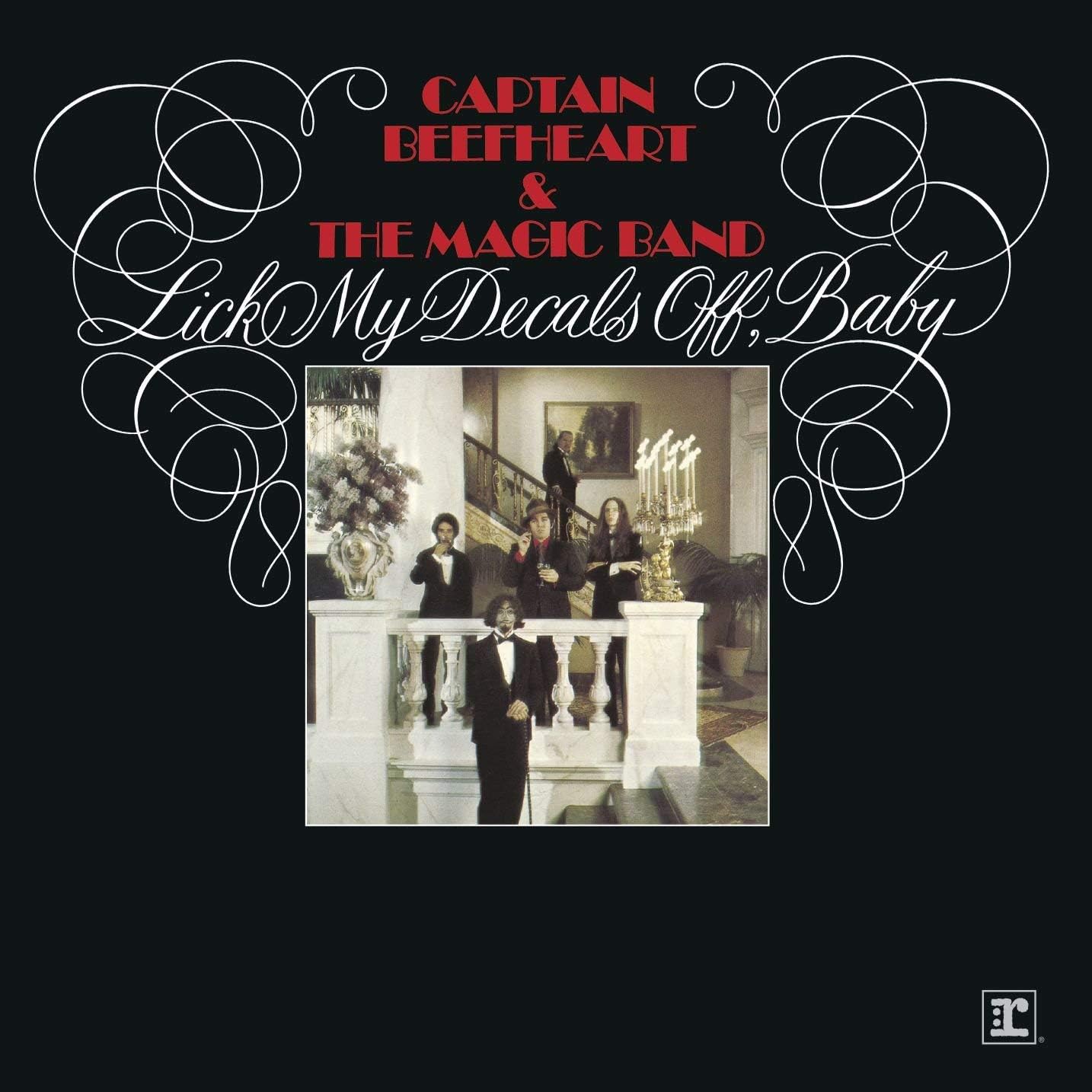
Captain Beefheart: Lick My Decals Off

Leaving both the Robert Wyatt and Yoko Ono albums in the dust, is Captain Beefheart’s wild and unconventional Lick My Decals Off. The first track, “Lick My Decals Off“, though purportedly a statement encouraging consumers, in Beefheart’s words, to “get rid of the labels”, and to evaluate the musical content itself, is clearly a song on tongue-based pleasuring with “lick” (and possibly the “dec” part of “decals”) being the operative message here. The rest of the album is as wild and unbridled with ample use of complex meters and rhythms. The opposite of music to relax or sleep to, this is music to fully wake most mortal listeners up!

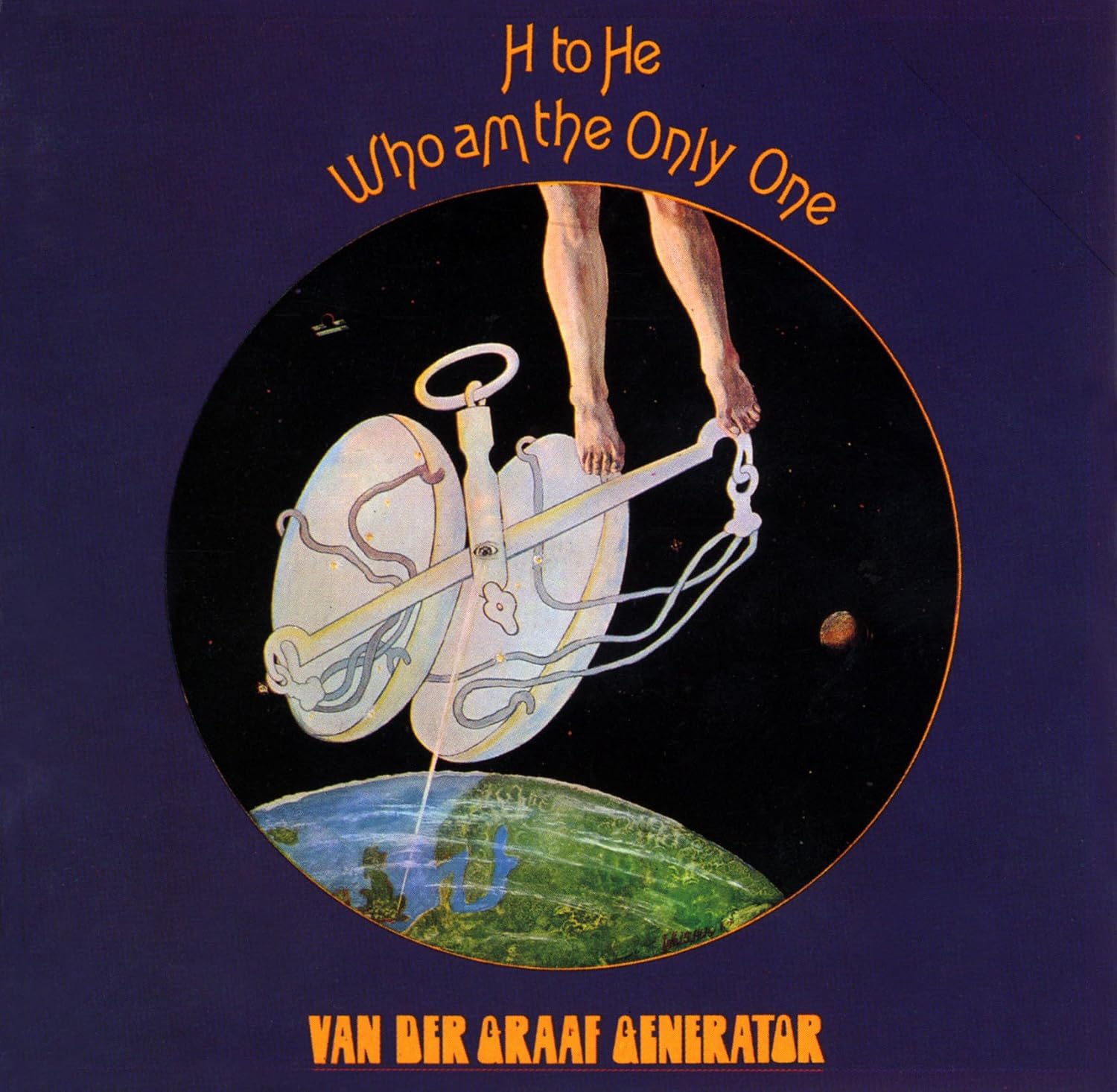
Van Der Graaf Generator: H to He, Who Am the Only One

Equally adventurous as these aforementioned albums, with an abundance of complexity, yet, comparatively, “easy listening music” to the Ono and Beefheart albums, is Van Der Graf Generator’s cryptically named third album, H to He, Who Am the Only One, referencing the transformation of hydrogens atoms into a single, inert, alone and isolated helium atom — a metaphor, whether appropriate or not, for the theme of isolation that is so effectively represented in the music and lyrics of this brilliantly realized and remarkable album.

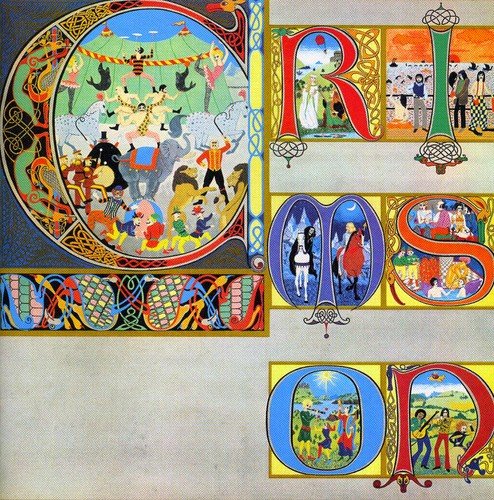
King Crimson: Lizard

I remember purchasing King Crimson’s Lizard shortly after acquiring the classic album In the Court of the Crimson King, expecting something similar. Unlike their second album, In the Wake of Poseiden, which I had not yet acquired and eventually had to special order, Lizard was very different with no songs matching the colorful vitality of “21st Century Schizoid Man” or “The Court of the Crimson King” or even the simple melodic beauty of “I Talk to the Wind” or “Moonchild.” Nonetheless, the music was instantly intriguing and engaging — and by the second or third listening, I fully accepted it, as well as the distinctly differences in contributions from drummer Andrew McCullough (quite talented by with a far different approach than Micheal Giles) and saxophonist Mel Collins, both of which make this album particularly special — and the replacement of Greg Lake (after his departure to ELP) with bassist and vocalist Gordon Haskell. Robert Fripp, as always, deserves particular acknowledgment, providing memorable acoustic and electric guitar as well as some mellotron and organ.

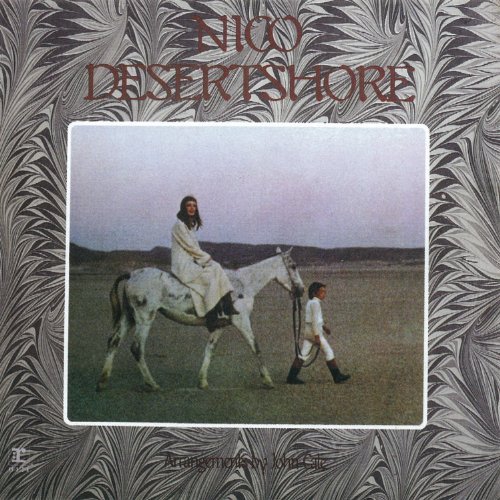
Nico: Desertshore

Nico’s releases her third solo album, Desertshore. Under half an hour, there is not a wasted microsecond on the entire album. “Janitor of Lunancy” begins the album with a richly-dark bleakness. The harmonium provides both a mystic droning and forward harmonic motion supporting Nico’s low-register vocals from underneath. “The Falconer” starts in similar fashion but John Cale soon joins in a piano, providing a smattering of light that opens up and broadens the music’s scope. The third track, “My Only Child”, for Nico’s eight-year old son, is a beautifully sung, mostly a cappella gem with Nico providing some additional chorale-like vocals and John Cale providing a few minimal brushworks of instrumental punctuation on the high-register of the French horn including the opening note of the work.

Side two begins with violin and harmonium and again provides a bleakness of musical landscape on which rests Nico’s vocals. Whereas the music of “Janitor of Lunancy” might be likened to a hot, dry Bulgarian plain in early August, “Abscheid” more closely resembles a cold, desolate Scottish lowland in the darkness of a January morning. The next track, “Afraid”, ironically is more musically and lyrically hopeful. Mutterlein, an ode either specifically to Nico’s mother or mothers in general is austere and heartfelt. Almost Schubertian, this work was performed almost 28 years later at Nico’s funeral after her tragic death from a cerebral hemorrhage.

The album ends with the moderate paced, but doggedly forward-driving “All That is My Own”, beautiful and distinctive. Altogether Desertshore is the equivalent of a cohesive song cycle with commendable vocals and praiseworthy compositions from one of the more notable, but often overlooked, singer-songwriters of this era.

Rainbow River

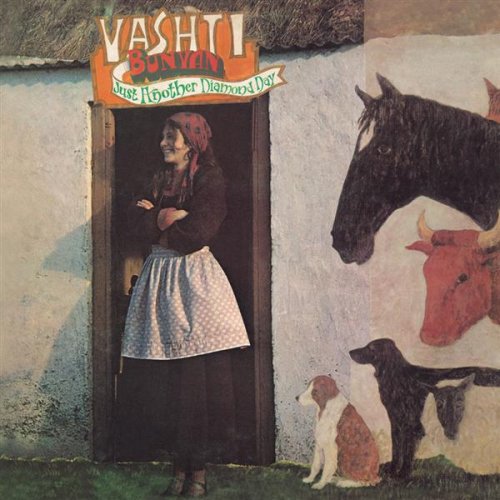
Vashthi Bunyan: Just Another Diamond Day

A singer-songwriter even more overlooked than Nico was Vashthi Bunyan, whose 1970 album, Just Another Diamond Day, recorded in November and December 1969 and released in December 1970, sold so poorly that Bunyan would stop recording and performing and not make another album until 2005. Thankfully, the album gained attention during the rise of the small-label Indie rock artists, when it’s simplicity and musical honesty was more fully appreciated.

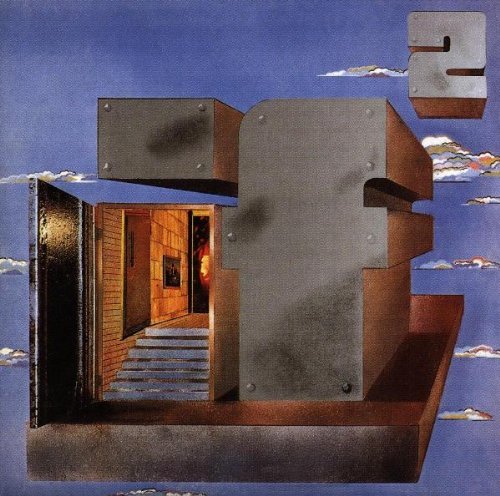
Colosseum: Daughter of Time, If: If2

Additional albums of note for December 1970 include Colosseum’s Daughter of Time, and If’s second album, the fine jazz-rock If2.

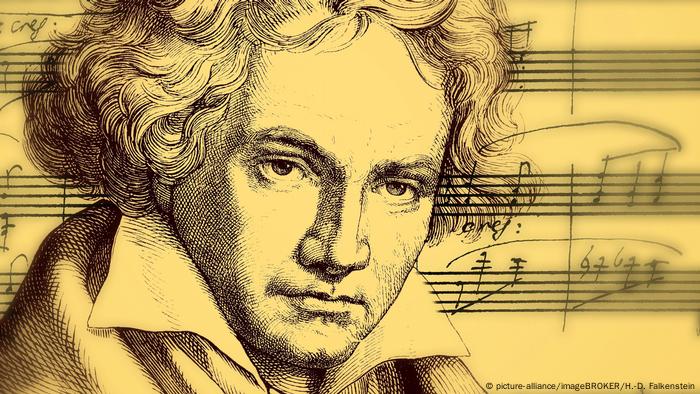
Beethoven

On December 16, 1970, the Dorothy Chandler Pavillion in the Los Angeles Music Center hosted the monumental 12-hour Beethoven Marathon for Beethoven‘s 200th birthday celebration. Those of us in Advanced Placement English at my high school were lucky enough to be bussed to the event. Admission was $1 and we had to leave before evening, but I got to hear several hours of great music including the Beethoven Octet! I was so taken by the piece, I tried to stay for the evening performances, but as I didn’t have a ride arranged back to Orange County, I had to leave with the rest of my classmates. Nonetheless the music I did hear left a lasting impression still remembered today. Classical music on recordings falls far short of a good live performance, and I was very fortunate to hear so many fine performances fifty years ago.

File:Dorothy Chandler Pavilion, LA, CA, jjron 22.03.2012.jpg
Portrait Ludwig van Beethoven

Fifty Year Friday: February 1970

vdgg maxresdefault

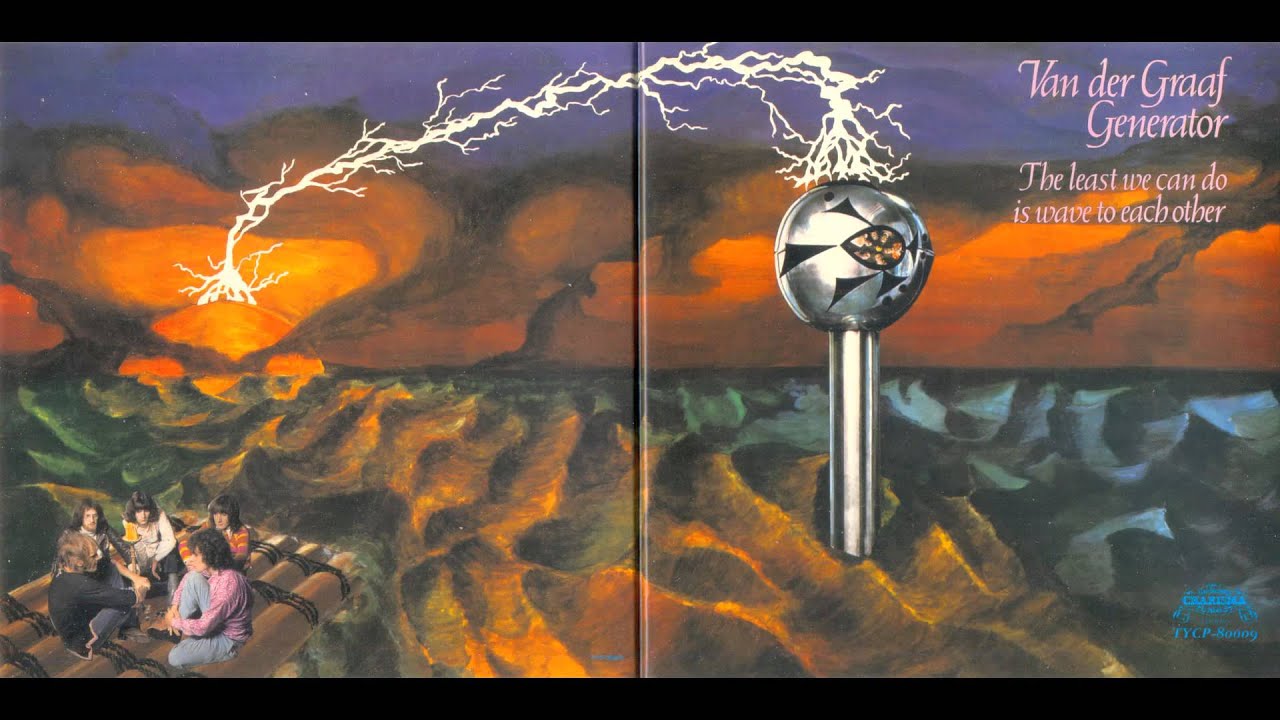
Van der Graaf Generator: The Least We Can Do Is Wave to Each Other

Recorded in December 1969, and released in February 1970,  The Least We Can Do Is Wave to Each Other was the first true VDGG album (the first, the Aerosol Grey Machine was closer to a Peter Hammill album with VDGG personnel and was originally intended to be released under Hammill’s name) and their only album to make a dent on the UK charts, peaking at number 47, and staying on the charts for an almost immeasurable two  weeks.  It also received some critical aclaim, including London’s Time Out magazine heralding it is the strongest album the writer had heard in a long time.  The lyrics from Peter Hammill are excellent, even better than on the Aerosol Grey Machine, and the music nothing short of timeless — and in the same league as King Crimson’s classic In the Court of the Crimson King.  And like In the Court of the Crimson King it is considered by most prog rock fans as an unequivocal example of early progressive rock — not proto-prog, psychedelic rock or hard rock, but truly progressive rock.

One can completely lose themselves when listening to this album — this is music which demands attention of and absorbs the listener as almost effectively and as inexorably as a Beethoven symphony.  The VDGG’s performance and use of instruments provides both a level of unpretentious sophistication and focused unity normally associated with orchestral music. We can track the maturation of Peter Hammill not only as a composer and songwriter but as a vocalist as he shows greater expression and naturalness than on the previous album.  One can reasonably speculate this is probably the album where David Bowie first started to be influenced by Peter Hammill, an influence that Bowie may have never publicly acknowledged but one can begin to hear tinges of  starting with Bowie’s third album, The Man Who Sold The World, recorded in April and May of 1970.

I had no awareness of Peter Hammill or Van Der Graaf Generator in 1970 or even 1971. It wasn’t until I saw Pawn Hearts on sale around 1973 and purchased that album (solely based on the price and the album cover) that I first heard this magnificent band and their amazing music.  Soon I purchased all Peter Hammill and VDGG’s earlier albums, including this true masterpiece, The Least We can Do Is Wave to Each Other.

black_sabbath_1920x1200px_2_100420150645_2

Black Sabbath: Black Sabbath

Whereas, VDGG’s second album is indisputably one of the first progressive rock albums, Black Sabbath’s self-titled first album, recorded in October 1969 and appropriately released on Friday the 13th, February 1970 is often considered one of the first heavy metal albums.  Like the VDGG album it is symphonic in nature, with a readily identifiable musical style and handling of non-traditional pop/rock subject matter. Both use grimly Cimerian album and song titles: The VDGG album title is based on the quote “We’re all awash in a sea of blood  and the least we can do is wave to each other” with “Darkness” the title of the initial track;  the Black Sabbath title, band name and opening track is, of course, is associated to heretics’ and witches’ black  masses (often evil and devil worshipping gatherings or ceremonies) held on the Sabbath.  Interestingly, both albums begin with ominous sounds of the stormy side of nature and an impending sense of utmost darkness.) Like the VDGG album Black Sabbath provides an early example for an entire genre.  Commercially, the reception of these two albums were quite different, with the Black Sabbath album climbing to number 8 on the UK charts and staying on US album charts for over a year, selling over a million copies. And initially, the critical reception was very different, also — where the VDGG album was praised, the Black Sabbath album was basically ridiculed — critic Robert Christgau describing their first album as “The worst of the counterculture on a plastic platter — bullshit necromancy, drug-impaired reaction time, long solos, everything.”

Although the initial reaction of Sabbath’s debut album was pretty negative, later evaluations have generally been more positive, with it now being ranked as number 243 of Rolling Stone’s 2012 revision of the 500 Greatest albums of all time — a list that does not include a single entry for VDGG, Peter Hammill, King Crimson, Gentle Giant, Yes, ELP, Tangerine Dream, Vangelis, Area, PFM, Banco del Mutuo Soccorso, Laura Nyro, Charles Mingus, Thelonious Monk, Duke Ellington, Cannonball Adderly, Dave Brubeck, Herbie Hancock, Lee Morgan, Freddie Hubbard, Clifford Brown, Eric Dolphy,  Larry Young, Cannonball Adderly, Grant Green, Chet Baker, Art Pepper, Art Blakey, Lennie Tristiano, Weather Report, The Mahavishu Orchestra, Return To Forever, Chicago (to include the Chicago “II” album) as well as any  compilations of Louis Armstrong, Billie Holiday, Charlie Parker, Dizzy Gillespie, Coleman Hawkins, Sidney Bechet, Nat King Cole Trio, Bud Powell, Lester Young, Count Basie, Charlie Christian, Django, Reinhardt, T-Bone Walker or Lightning Hopkins, despite inclusion of other compilations and greatest hits albums. (I know this isn’t the post for this, but how can you include two Frank Sinatra entries in a greatest recordings list and not include a single mention of Billie Holiday? And why only U.S., U.K., and Canadian bands?  Does Europe, South America, the Middle East,  Asia and Africa not record music worthy of inclusion in a list of top 500 albums? )

This 1970 Black Sabbath album was recorded in one day, and mixed in a single subsequent session. The single session constraint actually worked out okay, as the entire album was comprised of material Black Sabbath had been performing live — this enabled them to basically play as they had been playing to real audiences without intricate overdubs or musical layering.  And yet, despite this, the album sounds more fully developed and coherent than most of the hard rock or heavy psychedelic rock released previously.

The satanic images are not only in the lyrics but inherent and arguably fundamental to the music itself.  Sabbath guitarist, and primary composer, Tony Iommi repurposes the ominous, hostile theme of Gustav Holst’s “Mars” from The Planets to set the sinister tone for the entire album. Much is made of the use of tritone which is more overt in Iommi’s handling of the theme, but the minor third and ornamental minor second are even more germane to the Black Sabbath sound which is particularly distinct due to the Geezer Butler’s bass and Iommi’s deep ostinato guitar lines that provide a primal foundational simplicity and unavoidably recognizable trademark for the band’s raw, underworldly sound.  Though not the 243rd best album ever made, it is a strong debut and garnered an immediate fan base to provide ongoing support for Black Sabbath for many years.

atomic roster final_r

Atomic Rooster: Atomic Rooster

Recorded in December 1969 and January 1970 and released in the UK on February 1970, Atomic Rooster’s first album is a mixture of early progressive, psychedelic, and hard-rock.  Vincent Crane provides the compositions and quality keyboards and the album includes an extended drum solo from Carl Palmer.

The album was not released in the U.S. (until several years later) and only available as an import.  The album was released in Australia where the original album cover art was deemed inappropriate (this is a rooster — and a fowl!) and replaced with a substitute cover.

James Taylor: Sweet Baby James

Recorded in December 1969 and released in February 1970, Sweet Baby James has a mix of high quality and direct, intimate simplicity that has made it a classic.  It includes one of the best straightforward pop-folk songs ever composed: “Fire and Rain.”

Burnt Weenie Sandwich, Funkadelic, Morrison Hotel

Other albums of note released in February 1970 include Frank Zappa and the Mothers of Invention Burnt Weenie Sandwich with material recorded in the late sixties, Funkadelic’s first album, Funkadelic and the Door’s Morrison Hotel.  George Clinton’s group Funkadelic is particularly notable for its meld of funk, soul and psychedelic rock and this first album also seamlessly incorporates African-American traditional-folk music including field shouts and blues, trailblazing the way for many future soul-funk-rock albums. Interestingly Robert Christgau, who so scathingly panned the first Black Sabbath album and the Sweet Baby James album, also trashed this important album.