Zumwalt Poems Online

Posts tagged ‘Faust’

Fifty Year Friday: September 1973

Gentle Giant: In a Glass House

With one good debut album and three excellent albums that followed, Gentle Giant released their fifth album in the UK on the 21st of September, 1973. One of the key band members, Phil Shulman, who had provided both lead and backing vocals, sax, and even some trumpet and clarinet, as well as being a significant contributor of the music and lyrics, determined that touring and other hardships were not for him and his family — and so left the band. With his absence, the group forged a slightly new direction into generally a heavier prog-rock sound with Derek Shulman taking on more lead vocals and Kerry Minnear and Ray Shulman making a greater contribution musically. The result was another excellent album, and for many, their best album yet. Unfortunately, Columbia records, which had released Octopus inin the states, didn’t much care for the music and passed on releasing it to the U.S. market. Certainly a bad decision for both Columbia and the band, as the album did relatively well in the UK, and due to its heavier sound and preference for electric instruments over acoustic would have been a more accessible album for the American public. In fact, although not available as an American release, the import of the UK album ended up becoming one of the best selling imports, selling over 150,000 copies despite the difficulties consumers had in obtaining a copy. Ultimately, the music found its way on to an American release in CD format many years later..

The album is a loose concept album more or less covering the fragility of the human psyche with a general progression from the more degraded states (criminal, psychotic) to more common/normal/prevalent states. The metaphor conveyed in the album’s title is that we live in a glass house, fragile and assailable. The music effectively complements the lyrics resulting in the prog-rock equivalent of a 19th century song-cycle — comprising a collection of interconnected songs, six in this instance. Each song delves into a different aspect of our delicate existence, with the implicit analogy being that, to some extent, we reside in a fragile state, much like an occupant in a glass house. The album begins with the shattering, terrifying, possibly panic-inducing sound of breaking glass, that condenses into a repeated loop in 5/4 time, representing a sort of PTSD-burdened recovery that moves forward, obstinately, enduringly, into the vacillating stream of precarious living. The music that follows is uninhibited and infectious — almost celebratory of the flight of the runaway described in “and free is his future”, yet there is no joy, for “all thoughts are scarred” and hopes are “stained with strange regret”; his dreams are dreams that “he cannot get.”

Next we have a passage of that wonderful Gentle Giant “stride” style (see Fifty Year Friday: July 1971 with additional examples mentioned in Fifty Year Friday: December 1972, Fifty Year Friday: April 1972, Fifty Year Friday: November 1970) followed by a sharp, brittle-ish marimba solo and some moog, haunting vocals, another brief dash of moog and the return of the main theme with final lyrics reminding us of the elusiveness of long-dreamed-for, long-desired freedom: “Senses like sharpened sword, guards for the shadow on his tail.”

While the first track, “The Runaway”, nicely covers “imprisonment escaped yet freedom unachieved”, the second track, “An Inmate’s Lullaby” explores further degradation of the human state where the subject, an insane asylum patient, hopelessly and pathologically absorbed in an opaque internal reality doesn’t have awareness of his own imprisonment..

Gentle Giant’s and Minnear’s unique approach to repetition saturates the musical essence that supports the lyrics. The track opens with celeste, vibraphone, and glockenspiel, accompanied by overlapping vocals from Derek and Kerry, as well as more vibraphone and marimba. The music is disjointed and eerie at times, reminiscent of a diseased mind. The mallet and celeste work by Minnear is generally simple but highly effective, supported nicely by Weathers’ appropriately-timed rhythmic interjections.

The third track, “Way of Life,” which is the last on side one, begins as a musical whirlwind — energetic and occasionally more raw and relaxed, but with interjected, repeated, pointillistic musical cells. The second theme contrasts as a beautiful ballad sung by Minnear, evoking reflection and wistfulness. It’s restated at a higher volume instrumentally, followed by a dramatic transitional passage that guides us into a brief reprise of the first theme. This is then succeeded by an organ-dominated reiteration of the second theme, featuring a yearning repeated organ passage that concludes side one, repeating until it gradually fades away.

Side Two opens up with “Experience” which starts out reflecting on the selfishness of youth, music nicely supporting the character’s musings: “Once I was a boy, and innocent to life and my role in it.” This is interspersed with instrumental commentary, repetition-based, and exquisitely layered with multiple instruments. Included is a subtle motific reference (unveiled to the listener by Phil on bass) to the later hard-rock chorus-like section. But before this “chorus” section, we have a new section with organ and discant recorder presenting a new theme, reflecting the view of maturity, “Now I am a man, I realize my unwordly sins pained many lives.” Included in this is multiple reiterations of the bass-line motif until it explodes into the next section, the loud volume hard-rock chorus with Derek on vocals thunderously proclaiming “I’ve mastered inner voices (for?, of?) making any choices.” Next is a short instrumental section, trademark Gentle Giant repetition, with a stretto-like tail, followed by a short reference to earlier material with bass motif intact, and then a repetition of the chorus with additional electric guitar material from Gary Green. Next is a brief reprise of the opening material with a coda based on earlier material, repeated to the close of the track. All in all, this track offers a truly musical experience, featuring multiple musically diverse yet seemingly related sections, and multiple time signatures that seamlessly work together to form a unified whole.

The fifth track of the album, “A Reunion, is the shortest (two minutes, eleven seconds) and most beautiful section of the album with Phil and Kerry providing string accompaniment (Phil on violin, Kerry on cello) accompanied with acoustic guitar. While the lyrics start off as the innocuous and tender, sentimental reflection of the past spurred by a chance meeting of former partners (lovers, business partners, band members, etc.), the relation of this song to the “glass house” concept is soon revealed: “Sharing thoughts and deeds, simple harmony, plans and hopes erased in our maturity. Now, tomorrow’s dreams are now yesterday” — making this beautiful ballad notably bitter-sweet.

The album ends with the title track, a summation, with very dark lyrics, but very upbeat, exciting music. Much that we identify as classic, post-Octopus, Gentle Giant is included here, the compact phrase-based repetition, instrumental interplay and imitation, Derek’s intense, assertive vocals, multiple time signatures, what I call the Gentle Giant “stride-style” (at the 3:03 mark), and overall infectious music that (depending on the listener) results in listener euphoria. This amazing album then ends with a short unlisted track that is a concatenation of short samples of each track.

Like many long-time Gentle Giant fans, I cannot readily answer what my favorite album is; each is distinct, and even the multiple weaker albums that follow the 1975 Free Hand album have some indispensable material. My best reply to any query about my favorite GG album, is to reference my personal list of Must Listen to Music.

Eloy: Inside

Eloy’s second album, Inside, is a bleak and dense offering, a dark blend of intricate musical craftsmanship. The centerpiece instrument is the electric organ, the sole keyboard used throughout the album. The thick textures are unusually mesmerizing without ever risking tediousness or monotony, and over the course of the album, they provide an overarching binding element.

Such is the consistency of the bleakness that even toward the end of the first track, during a section of repeated triad-based arpeggios—a typical prog technique often bringing a sense of elation and energy—this passage remains dimly shaded due to the music’s minor tonal center.

A notable point to mention is that the second track bears a recognizable similarity to the musical style of Jethro Tull’s Aqualung. This similarity led to substantial FM radio airplay, which, in turn, contributed to bolstering the American sales of Inside.
Faust: Faust IV


With their fourth studio album, released on September 21, 1973, Faust delivers an exemplary masterclass in German Progressive Rock. The first track, appropriately titled “Krautrock,” stands out as the highlight of the album, providing a perfect example of the driving, hypnotic style of “Kosmische Musik” that would soon become the signature of groups like Tangerine Dream and Kraftwerk. The second track, “The Sad Skinhead” mixes reggae and punk elements to provide appropriate musical support for commentary on the ethical character of the second iteration of the skinhead — not the relatively harmless skinhead of the sixties, but the fascist-leaning, violent skinhead that would gain numbers in the late seventies. The lyrics reflect this shift: “Apart from all the bad times you gave me, I always felt good with you. Going places, smashing faces, what else could we do? What else could we do?

The remainder of the album continues with a diversity of German Progressive Rock substyles. The third track, “Jennifer”, starts off with a portentous bass that soon provides the foundation for lighter, more dreamy music with repetitive lyrics, followed by a storm of electronic effects and then some rag-tag, saloon piano to finish off the first side of the LP. The second side is also adventurous with five diverse compositions including “Just a Second” with its repetitive bass and expressive electric guitar that gives way to a Stockhausen-like “electroacoustic music” second section, “”Giggy Smile” in 13/8. The final track “It’s a Bit of a Pain”, opens up acoustically, and serenely, eventually followed by strategically placed electronic effects providing the appropriate musical irritation.
Frank Zappa and the Mothers: Over-Nite Sensation

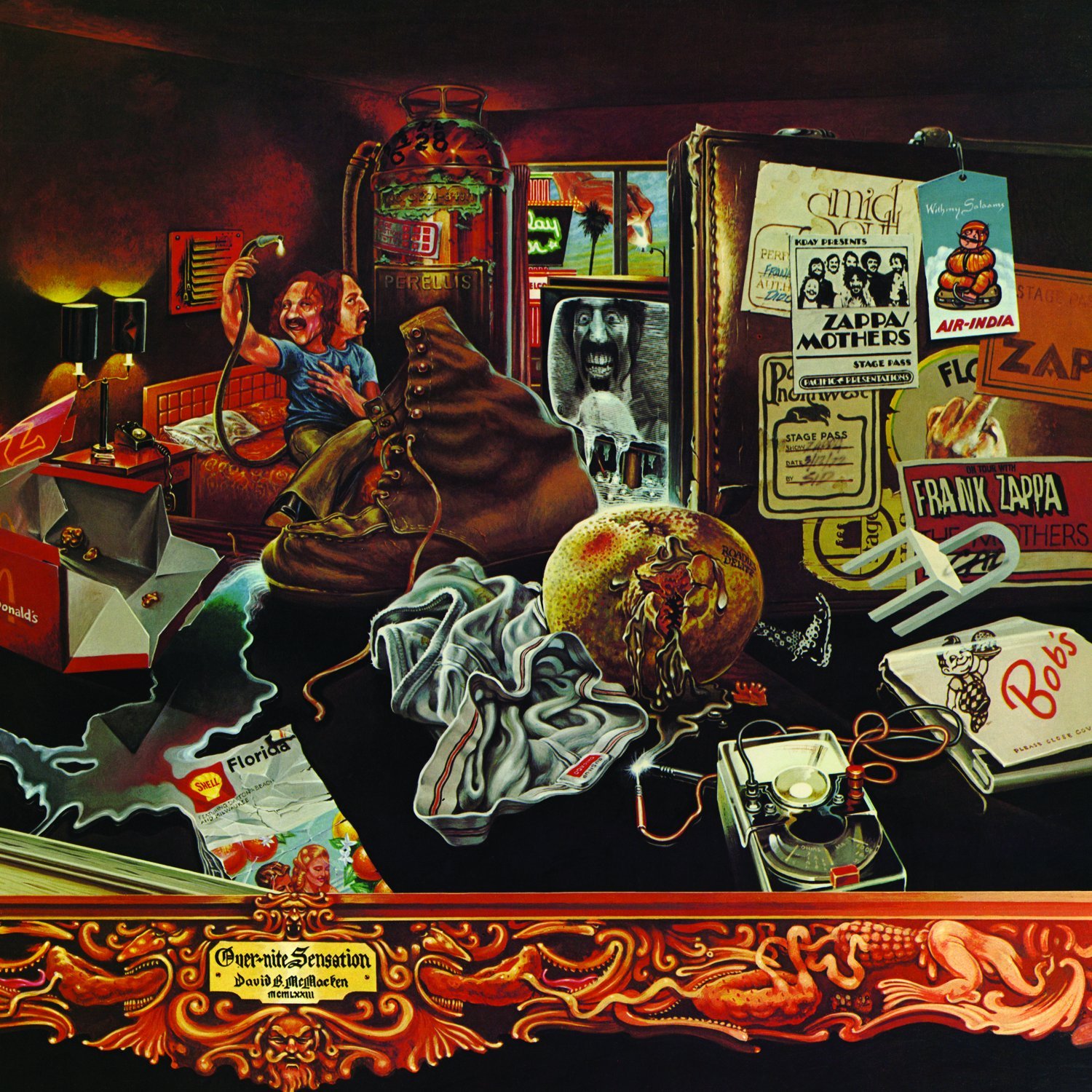
Released on September 7, 1973, and recorded at the same time as Zappa’s “Apostrophe” solo album, this work artfully brings together rock, progressive rock, jazz-rock, and R&B elements (with uncredited backup vocals provided by Tina Turner and the Ikettes). Though progressive and musically innovative, it is still easily accessible to a wide range of listeners. One may possibly find the often sexually-focused lyrics clever, witty, and sardonic, providing an often detached, dry-humored commentary—or perhaps one will perceive them as waywardly placed in the deeper recesses of the gutter. However, the music itself is generally elevated, showcasing outstanding solo work, including saxophone (Ian Underwood, of course), keyboards (George Duke), and guitar (Zappa), complemented by some excellent mallet work from Ruth Underwood. The music is inherently entertaining, and I believe that it likely had a strong influence on the San Francisco-based Tubes, who began releasing albums in 1975.
Art Blakey: Anthenagin

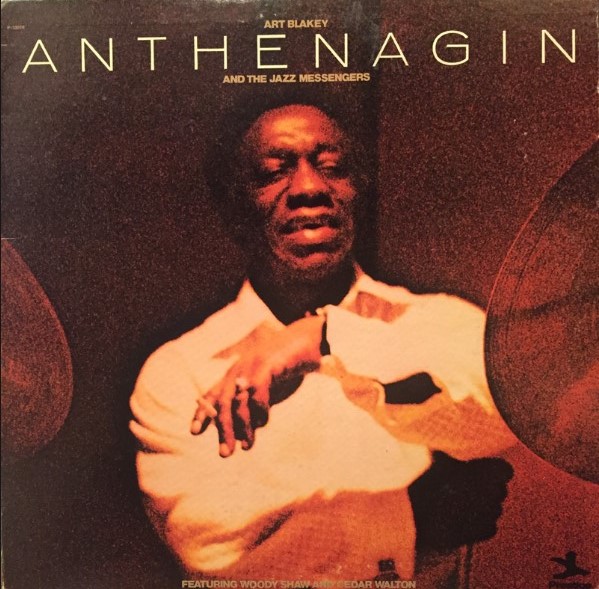
Including remaining tracks from the same March 26-29 sessions used for the Buhaina album, Anthenagin is a particularly enjoyable album with Woody Shaw’s brilliant trumpet radiantly shining during his various solos. Cedar Walton is mostly on electric piano except for the introduction of “Without A Song” and for the entirety of Walton’s “Fantasy in D”, the latter being my favorite track on the album. And though my preference would be to have Walton play piano for all the tracks, his electric piano is crucial to the overall impact of another one of his compositions on the album, the title track, “Anthenagin.” This album, sadly, appears to have never been released on CD, but is available on streaming services and on the original Prestige LPs.
Vangelis: Earth

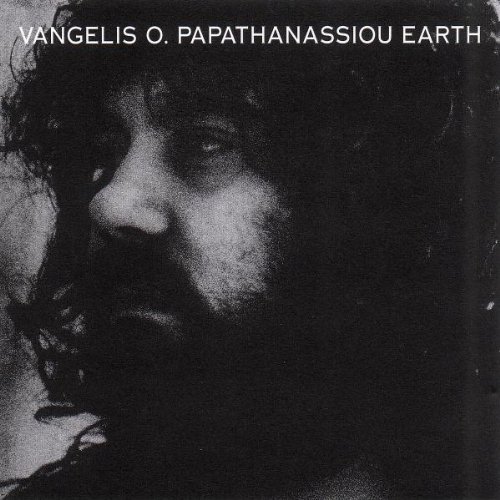
Earth, Vangelis first official solo studio album, stands as a testament to Vangelis’s pioneering spirit and creative prowess, marking his inaugural foray into the realm of official studio albums. Within this musical odyssey, Vangelis reveals not only his compositional finesse but also his remarkable aptitude for arrangement and his astute selection of instruments. While certain moments of the album’s foundational melodic and harmonic material are less than notable , it’s through Vangelis’s virtuosic touch that these seemingly straightforward elements metamorphose into a tapestry of captivating sonic storytelling.

Vangelis’s deliberate curation of instruments becomes a central pillar of the album’s enchantment. His choices encompass a diverse array of sonic colors, each instrument meticulously positioned to weave its own narrative thread. Through this meticulous crafting, the album transcends its individual components, elevating them to become harmonious voices within a grand symphony of sound. Vangelis’s ability to orchestrate these instruments with precision and sensitivity results in a truly immersive experience, where listeners are invited to traverse the intricate landscapes he has diligently designed.

Osanna: Palepoli

Episodic with a few rough edges, Osanna’s 1973 album provides a great immersive listening experience from its relaxed unhurried world-music opening that breaks unabashedly into a passage of celebratory, Italian folk-based dance music until it closes with a mysterious coda based on the opening of Stravinsksy’s The Firebird. This isn’t just Italian Progressive Rock, this is Neapolitan Progressive Rock at its best — uninhibitedly creative and reveling in musical freedom!
Fifty Year Friday: October 1971

Attaching labels to music, in my mind, at least, has always been a wobbly and unreliable slide descending down an exceedingly slippery slope. By October 1971, it was misleading and even deceitful to talk about rock as a single genre, and it was insane-asylum, martians-are-amongst-us delusional to dismiss the material being stocked in the rock section of the newly-blossoming, corporate-owned record stores somehow as inferior or somehow secondary in artfulness or sophistication to music of prior generations. But more importantly, and as equally undeniable, the boundaries between “classical” music and rock music and jazz and rock not only blurred but became invisible in case after case.

Van Der Graaf Generator: Pawn Hearts

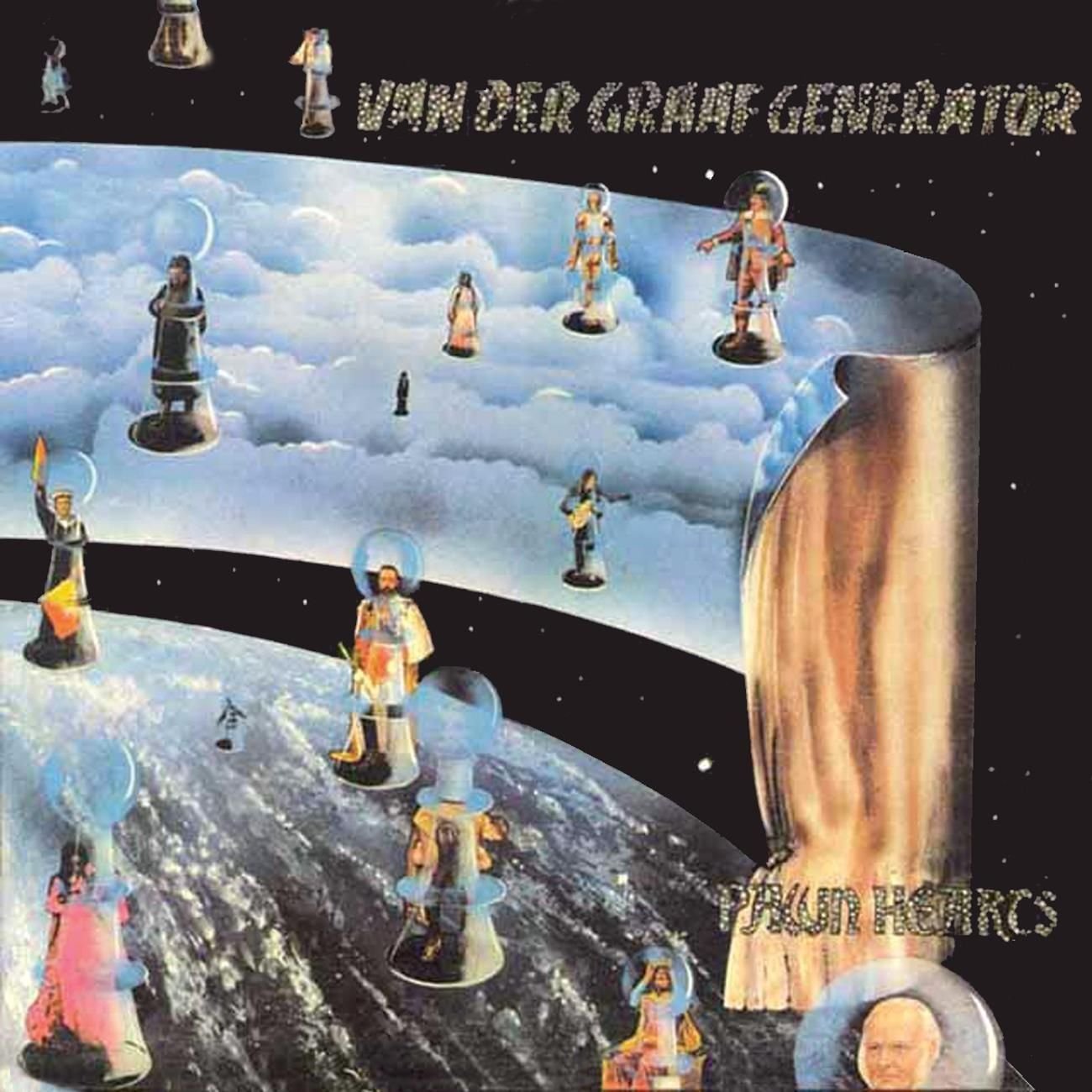
Recorded in July through September 1971 and released in October 1971, Van Der Graaf Generator’s fourth album, Pawn Hearts was so good that it made the band rockstars almost overnight — that is, in Italy where the album climbed all the way to the number one album spot in early 1972. The band ended up touring in Italy three times that year, the first in Feb. 1972 with a level of enthusiasm reminiscent of Beatlemania including oversold concerts and the Italian military engaged to control riotous crowds.

Should we be puzzled that the country that produced (and didn’t need to wait until their deaths to embrace) composers like Palestrina, Monteverdi, Vivaldi, Puccini, Verdi, Rossini and Morricone should recognize the value in Pawn Hearts, one of the most impressive art-rock albums of either 1971 or 1970? What is puzzling is the lack of attention the album received in the U.S. and the U.K. Even today (at the time of writing this, for I will go in and make my own edit at some point) the Wikipedia entry on UK Prog Rock neglects to mention VDGG: https://en.wikipedia.org/wiki/British_rock_music#Progressive_rock

This is clearly music to take note of. The original release holds together flawlessly, composed of three epic tracks, utilizing the elements of traditional tonality and repeated motific phrases perfectly, merging efficient industrial forces with apparently inexhaustible emotional passion.

All three tracks that made up the initial UK released (an additional track, quite fine in its own right, a cover of George Martin’s “Theme One” for the BBC as added for the U.S. release) combine to provide a stunningly unified whole, even though each track is formed from smaller musical components themselves. Each track is arguable even better than the one before with the third and final track, “A Plague of Lighthouse Keepers” spanning the entire second side — aligning with the increasing prevalence of albums to have a first or second side (or both sides of an LP dedicated to a single composition.

I could use up all my time-allotment for this month’s Fifty Year Friday post just gushing over this album, but it would be a unwise consumption of both your time and my time — time much better spent listening to this album and other music released fifty years ago.

Hawkind: In Search of Space

While the disciplined, elite musicianship required for more traditional classical music and jazz had its influence on the direction of many progressive rock bands, it seems just as many were influenced by a combination of the psychedelic rock of the sixties, the free jazz of the sixties, and the classical avant garde, particularly musique concrète and electronic-based compositions and experiences. While some bands may have had less than qualified musicianship and creativity to successfully pull off such an amalgamation of varied influences, other groups not only provided musically fulfilling concerts and albums, but in aggregate, created an array of diverse styles — styles that were given their own labels, with the two most prevalent styles named space rock and Kraut rock.

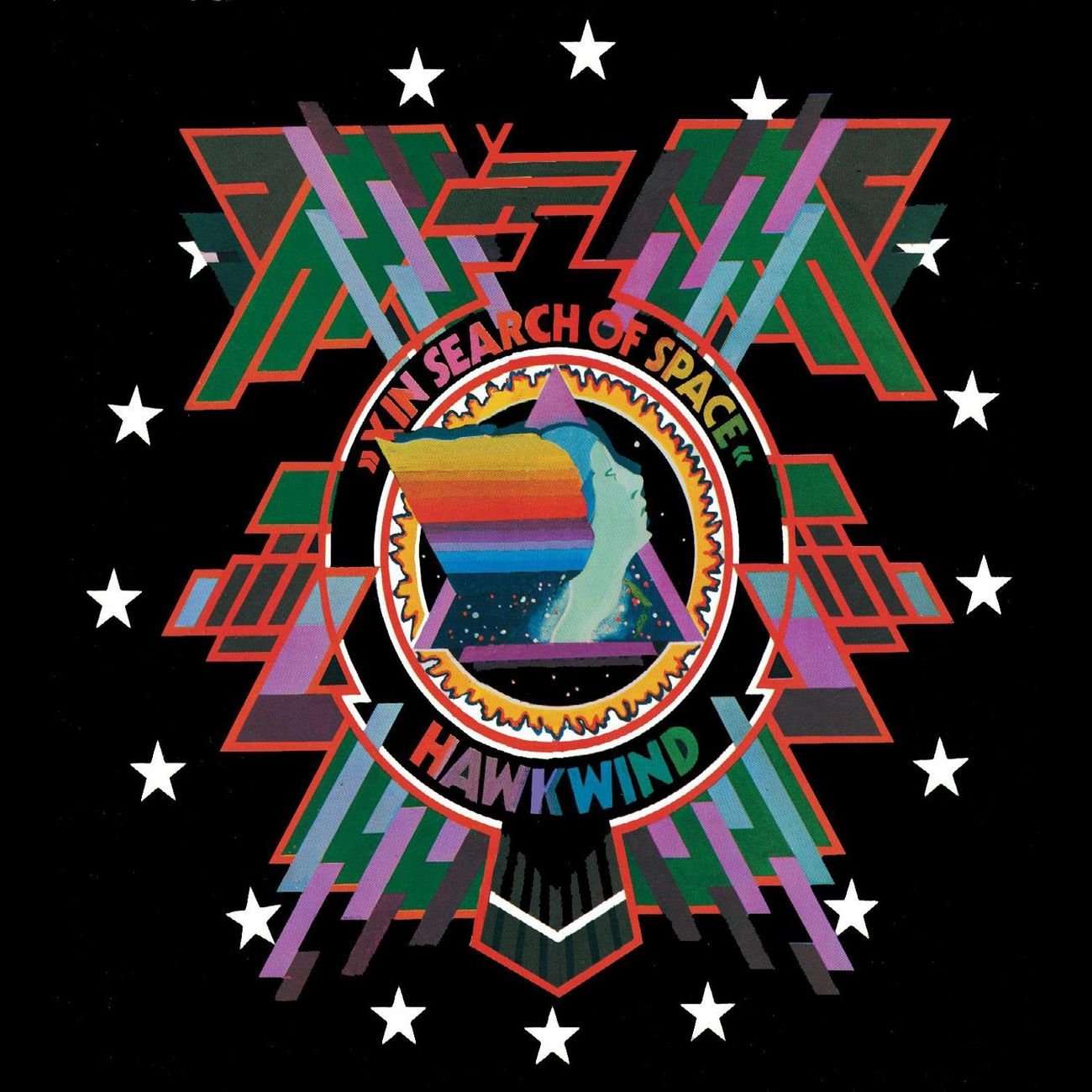
Hawkwind’s first album is one one of the earliest examples of space rock. Their second album, released on October 8, 1971, is the most representative example of space rock I know of. Simple, repetitive and compelling, it is the first album I would select to answer the question what is space rock. The albums could be the work of druggies, or geniuses — that is open to discussion — but either way the music creates a intangible boundaryless listening experience within the somewhat identifiable boundaries of space rock: a listening experience that is engaging and effortless, relaxing and cosmic.

Pink Floyd: Meddle

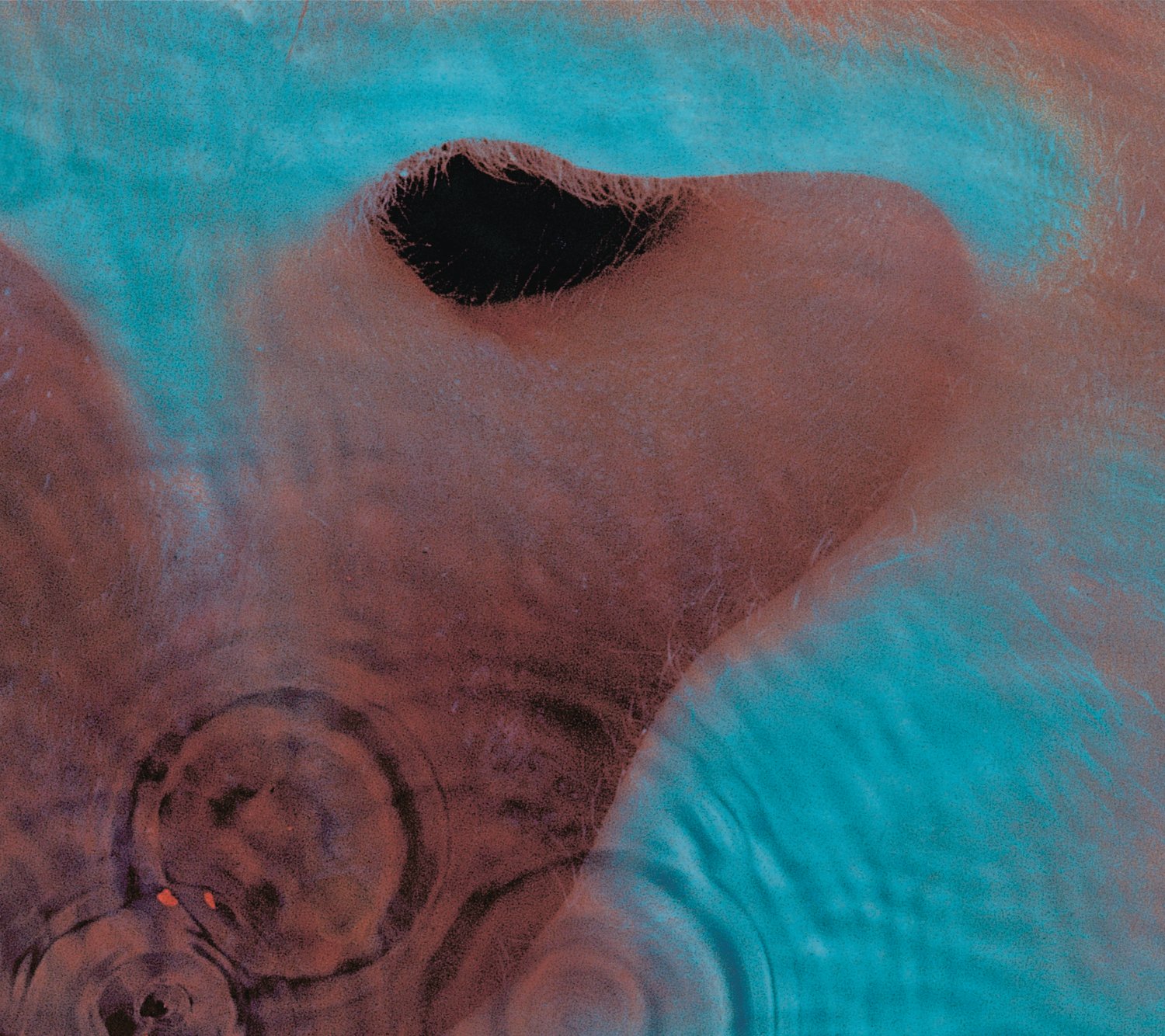
Pink Floyd wanders down a more cosmic-sounding space-rock path, with their sixth studio album, Meddle, released on October 31, 1971, surpassing the quality, consistency and cohesiveness of their previous efforts. This first track, “One of these Days” is by far my favorite, and likely had an influence on a number of bands, particularly Tangerine Dream. This is followed by the floating, leisurely drifting, spacey sixties-flower-powered-flavored tune, “A Pillow of Winds” and a similarly comfortably laid-back track, “Fearless.”

“Echoes”, the last track on the album, spanning all of side two, starts off with the promise of a masterwork, but hits a few dull patches in the middle before ending strong — a good effort that could have been epic.

Faust: Faust

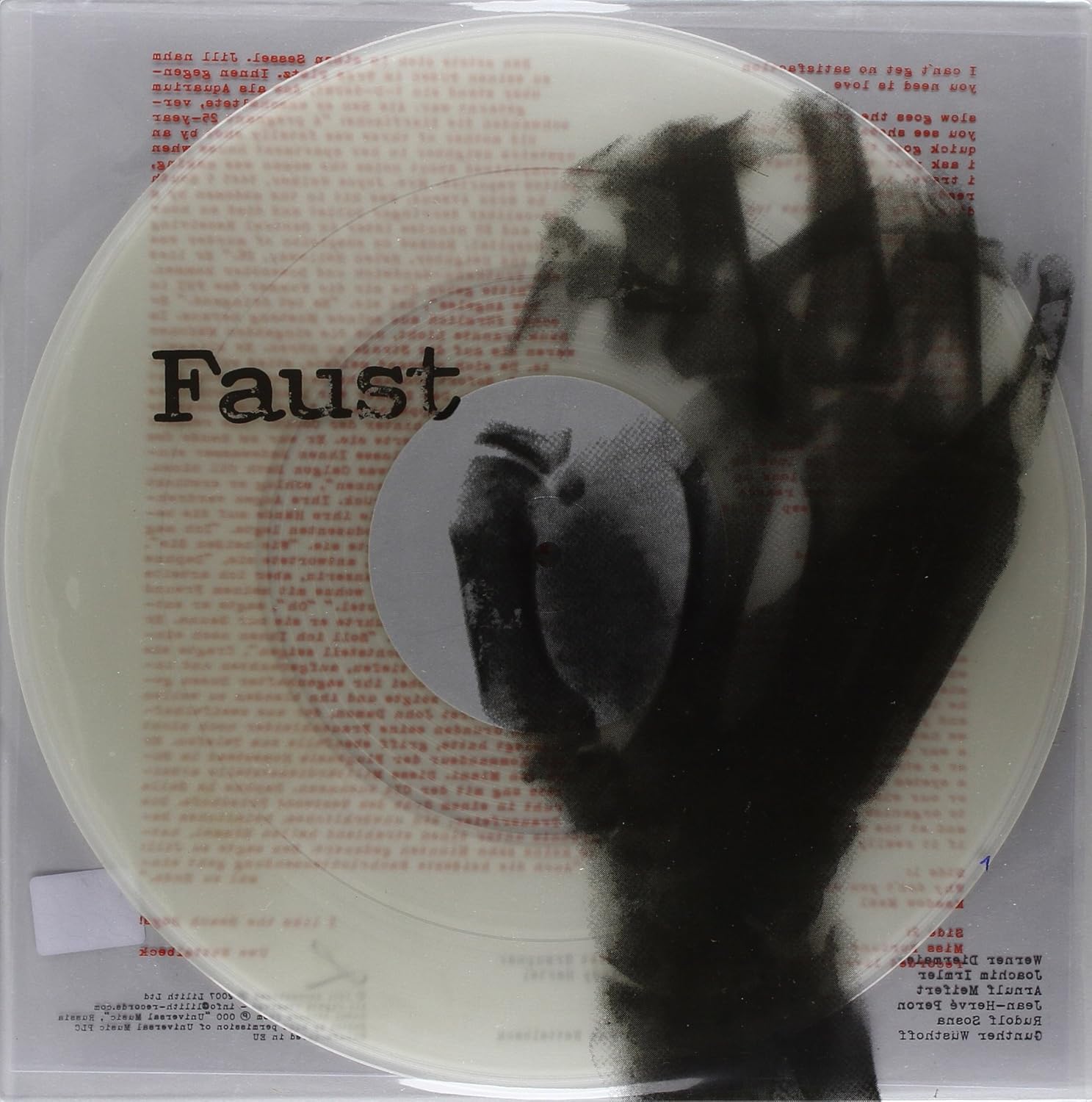
Faust: In 1969, Polydor records reached out across the Atlantic to a German left wing journalist, Uwe Nettelbeck, with the odd but seemingly commercially-justifiable request to assemble a German rock group that could tap into the potential of the ever-rising demand for rock music by German youth. Perhaps this Polydor rep didn’t realize that this was the Uwe Nettelbeck that breached film jury etiquette by openly praising a work his wife had produced (a film about a verbally gifted cock — not the avian variety), or that this was the Nettlebeck that supported some of Germany’s more notable extremists — for rather than giving Polydor Germany’s answer to the Rolling Stones, Nettlebeck scoured the German underground scene identifying two talented by totally uncommercial groups, merging them into a single group, Faust, which Polydor soon funded, much to their eventual discontent — for Faust clearly had more in common with the musical ethos and sensibilities of Karlheinz Stockhausen, John Cage and Frank Zappa than that of the most profitable rock groups in Britain.

Though probably not appreciated by Polydor executives, their investment in Faust paid dividends in terms of musical quality and the influences on existing and future German bands and future bands the world over. This debut album, released on September 21, 1971, is both wildly creative and inescapably compelling. How did they command or coax their materials and their apparently unconcerned improvisation to come together into such a listenable experience? That’s a mystery to me , yet here we have this important artifact of the early days of the so-called Krautrock art-rock movement, immensely influential and challengingly entertaining and enjoyable.

Cluster: Cluster

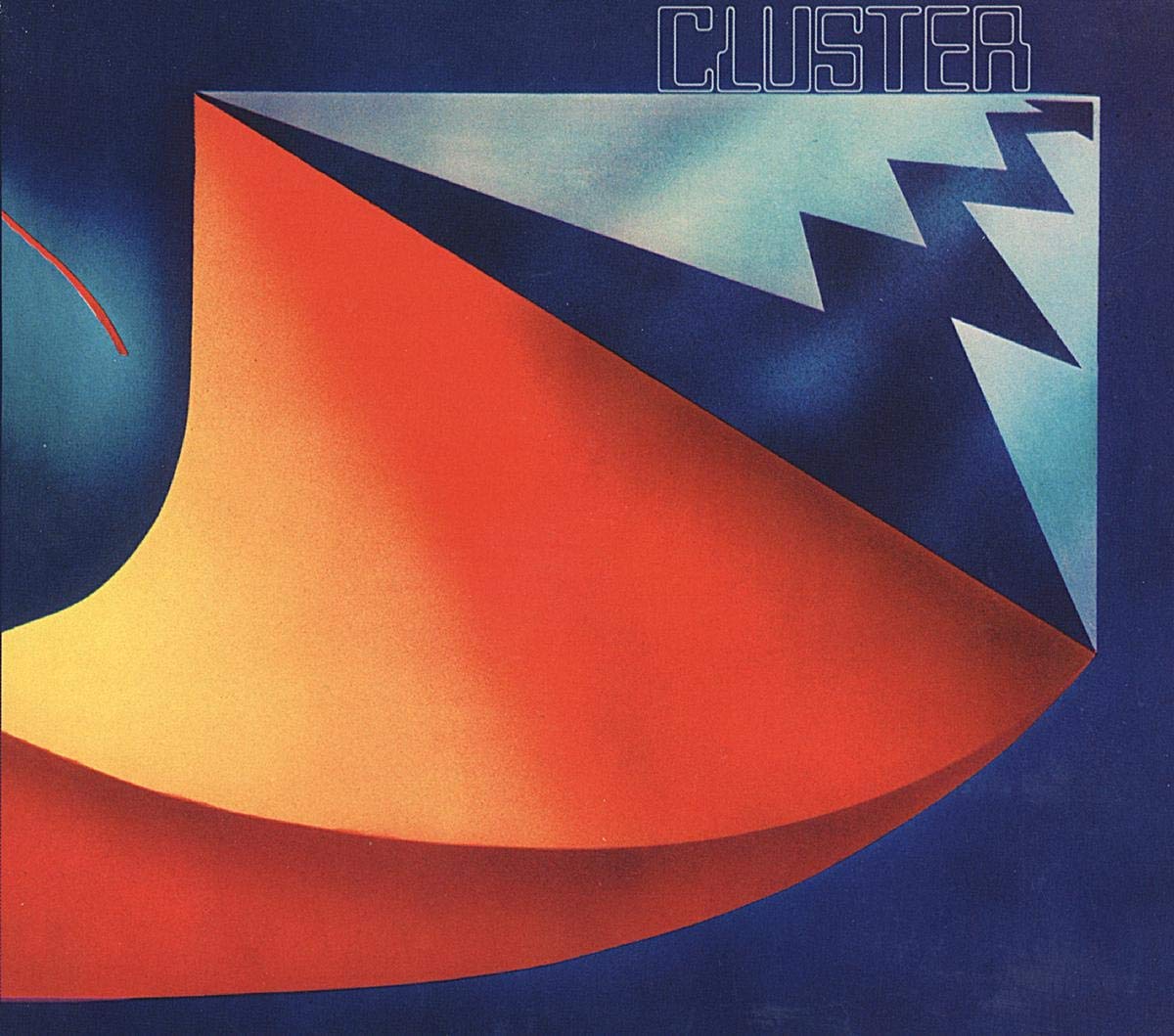
Cluster: Whereas the Faust album had traditional melodies, harmonies and lyrics, this debut album by Cluster is purely a journey through ambient and mood-inducing sonic explorations. Like the Faust album, it works and effectively entertains and captures one’s attention both intellectually, and in a laid-back fashion, emotionally. And just like the Faust album the first side is two tracks, and the second side contains one single, attention-engaging composition. Influential? You bet, with near-term impacts on artists like Brian Eno, and longer term impact of artists that came decades later.

And so, we have four very different albums released in October 1971, In Search of Space, Meddle, Faust, and Cluster, all of which can be characterized as space rock, even though they could not be more different in use of musical materials and general musical approach.

Focus: Focus II (Moving Waves)

Focus releases their second album, one which soars to the number 4th spot in their home country, the Netherlands, reaches number two in the nearby UK, and surprisingly peaks at number eight in the U.S.. this success largely based on the radio airplay of the yodeling, exuberantly rocking, “Hocus Pocus.”

The album starts off at full tilt with “Hocus Pocus”, followed by more progressive, but still easily accessible compositions. All in all a fine, though not indispensable, prog-rock album.

Freddie Hubbard: Straight Life

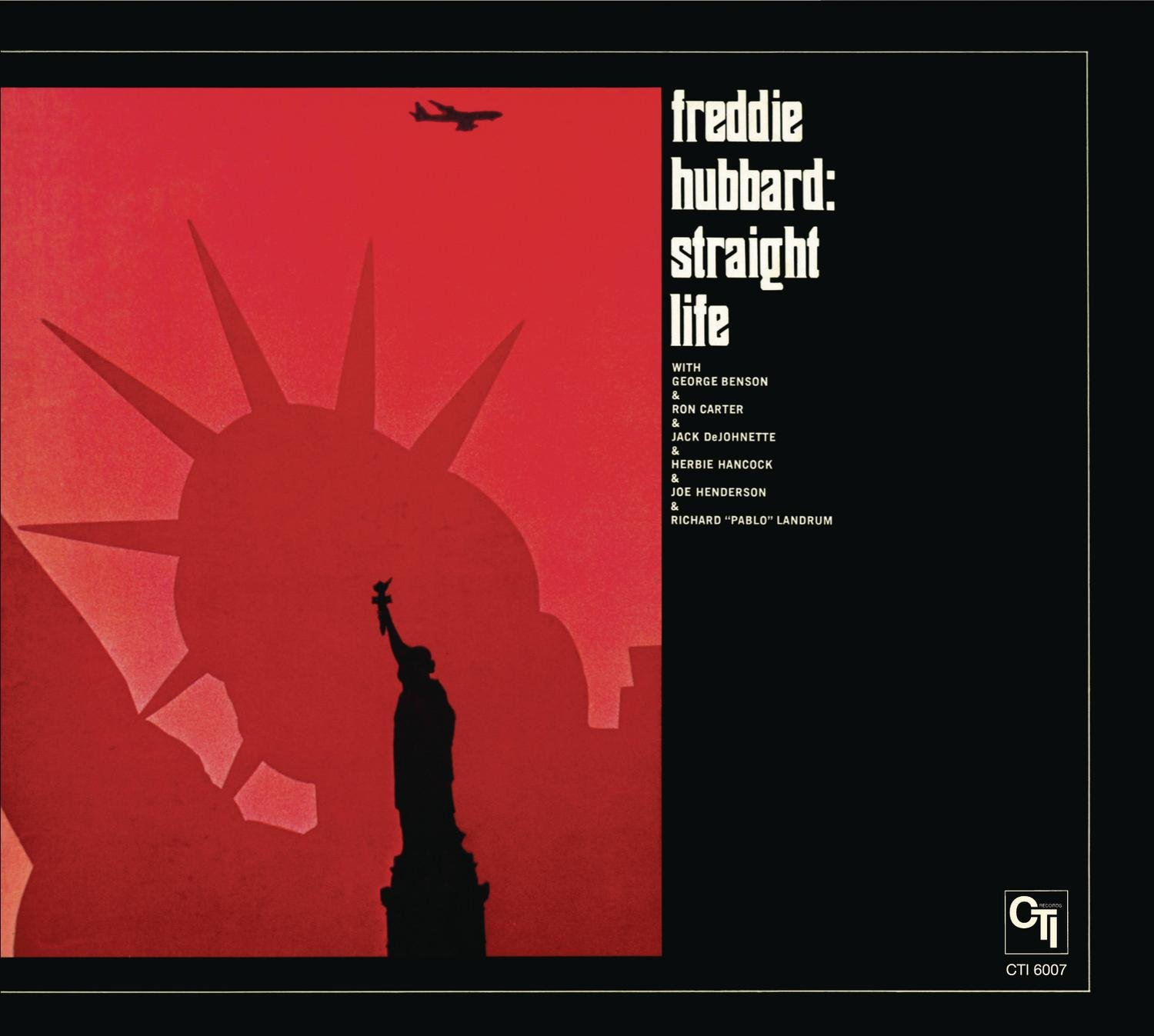
This album blends both bop and myriad post-bop elements with soul, funk and fusion to deliver a strong, and puzzling oft-overlooked classic album. (Rolling Stone Jazz Record guide gives this one out of five stars, which inaccurate assessment, for me, cast doubts on the entire contents and relevancy of the Rolling Stone Jazz Record guide.) Here we have another fine album with a full-side track, the title track, that opens with a free-jazz intro (shorter than the impressive intro that opens the Red Clay album) and then transforms into a lively, celebratory and appropriately contemporary grooving musical adventure with astonishing trumpet work from Freddie Hubbard and more progressive explorations from Joe Henderson.

The first track of the second track, “Mr. Clean”, is nothing short of amazing music making, Hubbard providing a vigorous, unrelenting solo, matched in intensity and creativity by Henderson. Jack Dejohnette is excellent in both the first and second tracks, but of particular note is how imaginatively and effectively he supports George Benson’s guitar solo.

The final track, is the beautiful Jimmy Van Heusen “Here’s that Rainy Day,” performed intimately and gracefully as a duet by Hubbard and Benson, is one of the most expressive and evocative musical recordings of 1971.

Moondog: Moondog 2

Louis Thomas Hardin (better known as Moondog) and producer James Guercio release the second Moondog album for Columbia records, departing considerably from the 1969 Moondog masterpiece, with a set of twenty-six round-based compositions, almost all with vocals by Hardin/Moondog himself and his daughter, June Hardin. Setting aside the wit and cleverness of these compositions, this a fine study in handling of relatively simple rounds — not simple meterically or rhythmically, though, and this factor certainly brings life and variety into these works. This is yet another album that eludes any glib labeling of contents as it is clearly not rock, not jazz, not country, not folk, and not classical, though one can make associations to the minimalist classical movement — on the other hand, some of that similarity is due to the harmonic stasis chosen as the foundation for easy overlapping of melodic material.

Carla Bley: Escalator Over the Hill

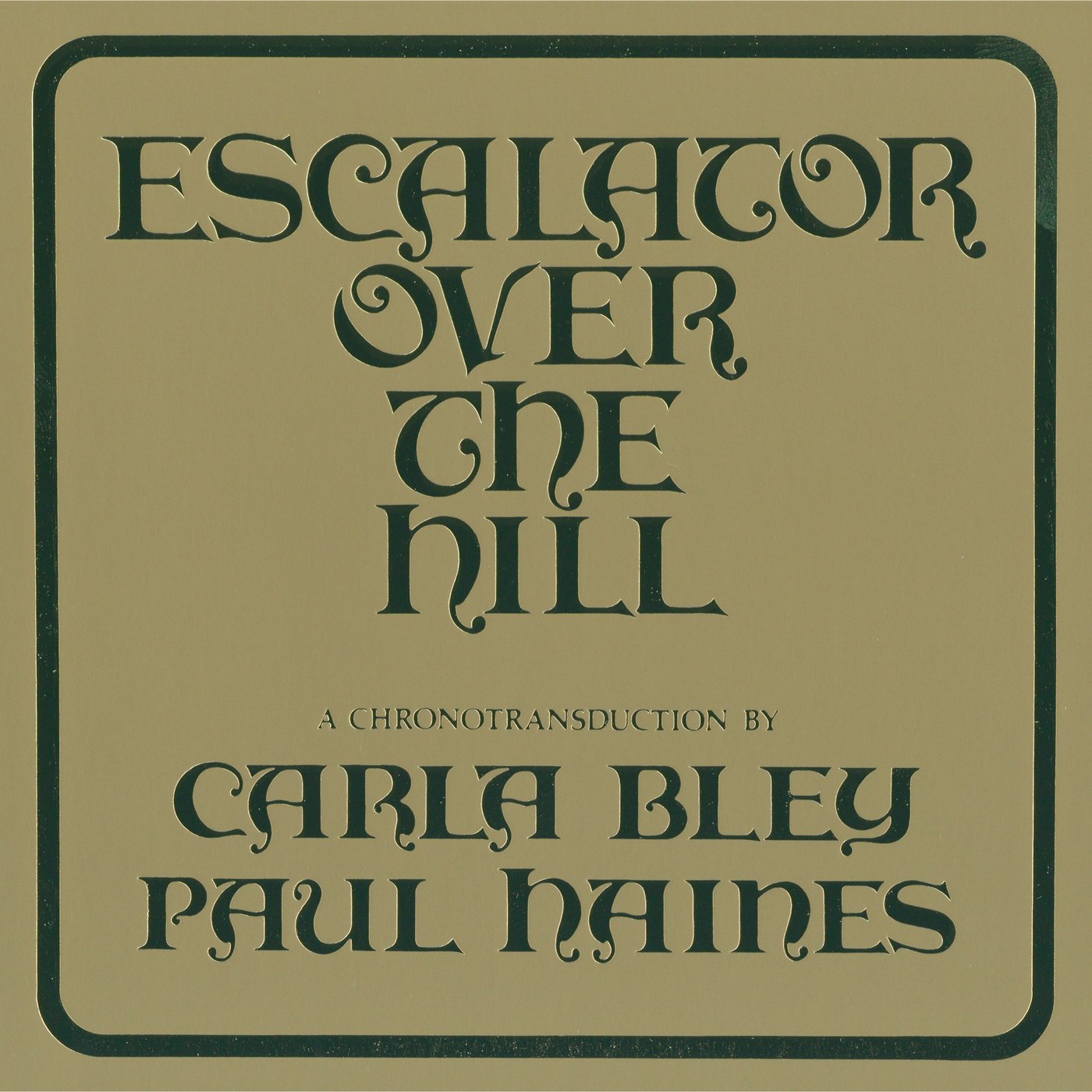
A three LP opera with incredible music by Carla Bley and the selected musicians with somewhat elusive lyrics by Paul Haines. Now this could pass as progressive rock or classical or third stream jazz, depending on one’s viewpoint, so maybe best to simply call it great music. If the lyrics don’t come together effectively as a whole, that is more than made up by the music — all the way down to the endless humming stamped into that last, final inner groove of the second side of the third LP.

If one doesn’t immediately take to the overall musical majesty of this work, there are plenty of individual contributions that will keep one’s attention, from Don Cherry’s amazing solo to the John McLaughlin’s guitar work, to the range of music styles and textures to the many individual contributions of the participating musicians, including vocals by a youthful and talented Linda Ronstadt and renowned Cream bassist Jack Bruce.

Jimi Hendrix: Rainbow Bridge

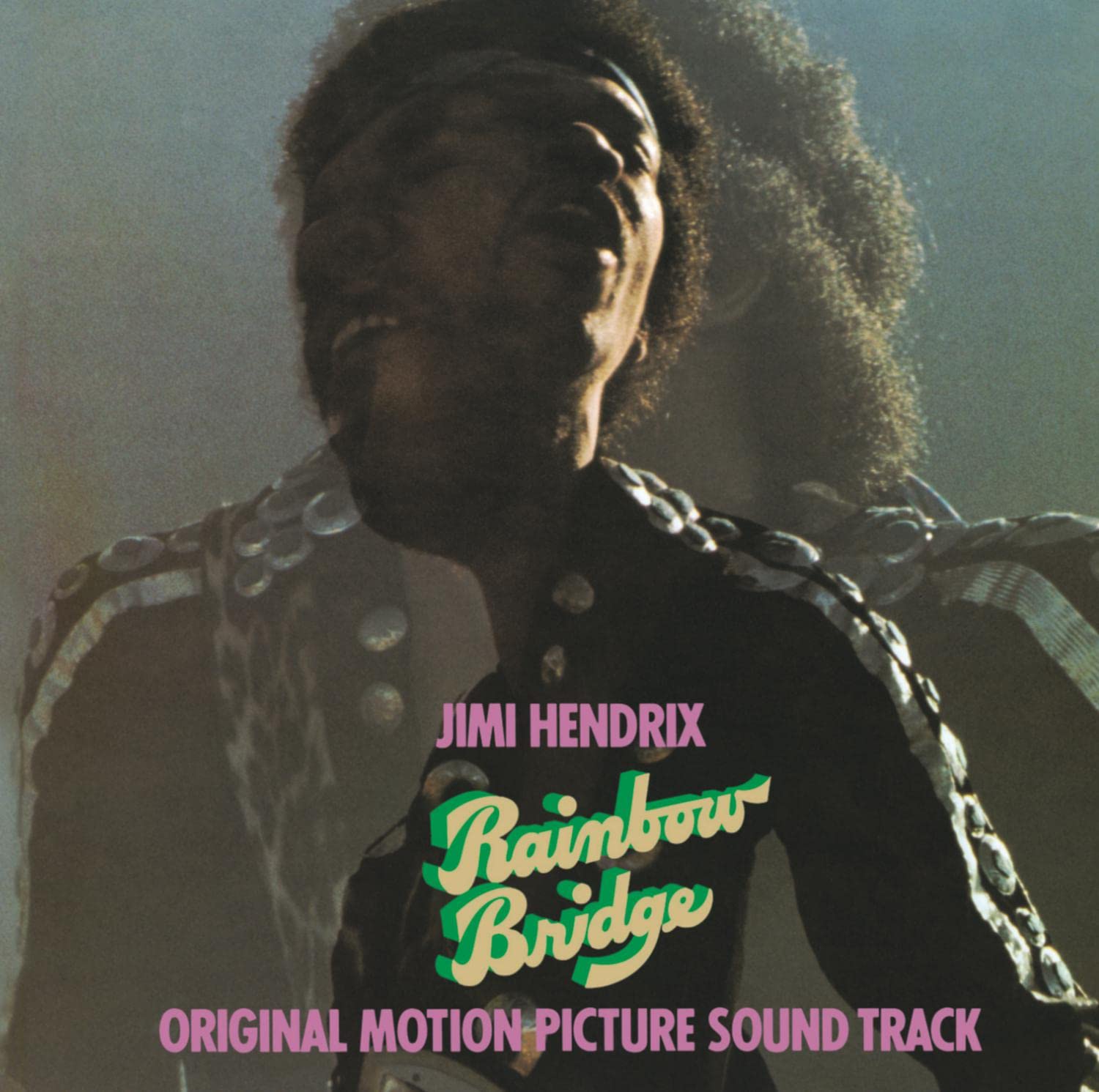
I bought this album, despite it clearly labeled as a soundtrack album, due to my appreciation of the excellence of Hendrix’s previous albums. In truth it is not a soundtrack but partly made of tracks recorded for an album that would have followed “Cry to Love.”

The first four tracks of the first side are all classic, easily accessible musical gems. On side two, there is an incredible live version of “Hear My Train A’ Coming” with timeless Hendrix guitar. Album ends superbly with a soulfully uplifting but often mellow “Hey Baby (New Rising Sun.)”

Van Morrison: Tupelo Honey

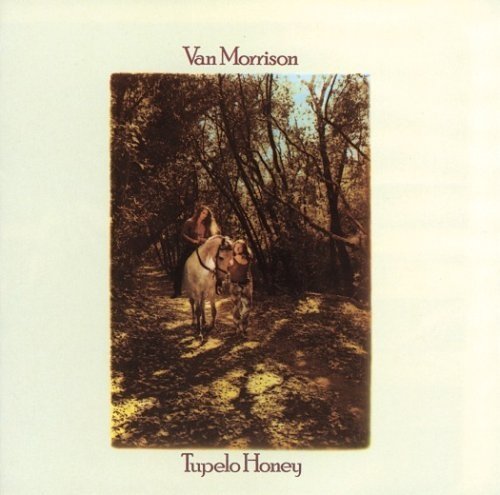
Released on October 15, 1971, Tupelo Honey, is a wonderful blend of blues, soul, rock, folk, and country-rock elements. I don’t consider myself a Van Morrison fan (I cringed, at the age of twelve, each time they played “Brown Eyed Girl” on AM radio, anxious for it to end to give way to something more to my preference), but I embrace Tupelo Honey 100% and am amazed at the consistency, authenticity, and quality of the album. This is one of the best examples of a commercially successful album that avoids any overt commercialism.

Cat Stevens: Teaser and the Fire Cat

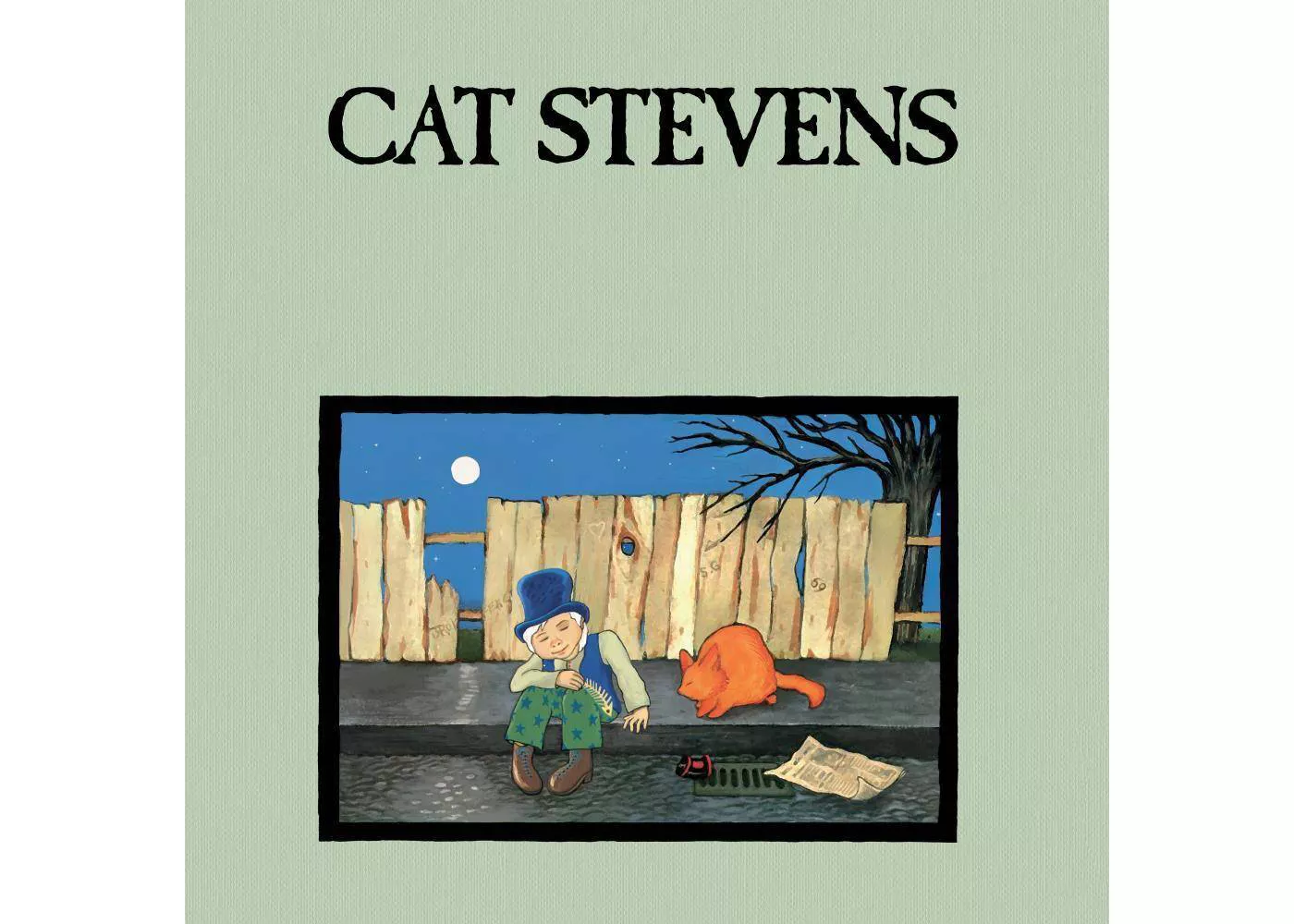
How could Cat Stevens top something as sincere and unaffectedly authentic as his previous album, Tea for the Tillerman? He couldn’t, but by giving the new release a similar title and even more immediately absorbable material, with a more consistent evenness to the quality of the songs and more established overall identify to the album, he was able to surpass the sales of Tea for the Tillerman (despite Tea for the Tillerman‘s incomparable “Wild World” having receiving considerable airplay on both AM and FM radio) with the driver behind some of these sales coming in the wake of the success of Tea for the Tillerman as well as the airplay of “Moon Shadow.”

When I purchased Teaser in the Firecat within a week or two of its release, I was a trifled disappointed by the notable shift in style — the music had a more commercially produced feel and there was nothing the quite caught one emotionally as much as “Wild World” or “Sad Lisa.” Yet, even a more commercial Cat Stevens had appeal, and though I had put Teaser away on the back shelf by the end of 1971, later to be boxed up for decades, it is still a treat to listen to again after so many years.

Chicago: Chicago IV (Chicago at Carnegie Hall), Family: Fearless; Don McLean: American Pie; Grateful Dead: Grateful Dead; Lindesfarne: Fog on the Tyne; Frank Zappa: 200 Motels; The Move: Message from the Country

October 1971 brought out a wealth of music, much of it defying single-label classification for a considerable portion of the best of popular music was now incorporating and borrowing from the great legacy of musical wealth from both the West and East musical traditions, as well as both new and older, musical heritage.

The Chicago Carnegie Hall set was the first non-classical 4 LP set I remember encountering, and was purchased by the same friend and next door neighbor that purchased the first two Chicago albums. I had purchased Chicago III, and considered it an extravagant expenditure based on my limited monetary means (in those early teenage years) to buy a four LP set of live of material from the previously purchased studio albums. That said, there was one new and notable composition, on the second side of the fourth LP, “A Song for Richard and His Friends”, a backhanded tribute to then-president “Tricky Dick.” At this time, anything mocking Nixon was contemporary, relevant, and cool, but ignoring all this, this is a pretty good tune, possibly directly influenced by Charles Mingus’s scathing musical rebuke of Governor Faubus.

Frank Zappa’s 200 Motels is filled with many brilliant passages of impressive musical material. Supported not only by his regular musicians, but by the Royal Philharmonic Orchestra, there is no doubt of Zappa’s mastery of a myriad of twentieth century composition techniques. One could wish (or I should say that I wish) that Zappa had used the opportunity with the LPO to provide a more cohesive work — perhaps a great masterpiece of the twentieth century, but Zappa is Zappa and just about everything but the kitchen sink finds its way into the album, leaving one to marvel at the greatest moments and accepting those lesser (but perhaps from a Zappa mindset, equally valid and relevant) musical and extra-musical moments. I applaud Zappa’s resolve and determination to be true to his own artistic vision, and that is part of what makes great artists like Zappa genuinely great.

My sister purchased both the Grateful Dead and the American Pie albums. I shied away from the American Pie album since the title song was played endlessly on AM radio. It probably would have been fine at 2 1/2 minutes, but at 8 1/2 minutes, despite good lyrics, some greater variation in melodic material would have been welcome. Nonetheless the album was (and is) still pretty good, and contains not only American Pie, which has stood the the test of time better than most songs of its nature, but also includes Vincent, one of McLean’s best compositions.

Notable, though not approaching the quality of the first Electric Light Orchestra album, is The Move’s Message from the Country, their final album before they changed their identity to ELO. Both this and the first ELO album were recorded during an approximately one year period that spanned 1970 and 1971. It almost seems as if the best and most interesting material was reserved for that first ELO album, though those that prefer more traditional rock may be more comfortable with Roy Wood and Jeff Lynne’s contributions to The Move’s last effort.

So many albums were released in October of 1971, apparently to time with holiday spending, that I suspect I may have missed a few of those that baby boomers grew up listening to. What’s particularly interesting is the number of albums that still are worth listening today or that influenced other artists who also produced music that still merits listening time. I remember being told that once I got older I would look back on the music that I had listened to in the early seventies and find it silly and simplistic — yet just the opposite: I have a much greater appreciation for the quality, diversity, and complexity of this music than I ever had during my teenage years.