Zumwalt Poems Online

Archive for the ‘Jazz Rock’ Category

Queen, Joni Mitchell, Keith Jarrett, Magma, Vangelis, Chris Squire & more; Fifty Year Friday: November and December 1975

Queen: Night at the Opera

Released in November of 1975, Night at the Opera starts with the excitement of an ocean voyage — we hear arpeggiated waves from the piano, whale rumblings from the bass, bird cries and seagull squawks from multitracked guitar breaking into soft strains of a tango quickly turning into heavy metal. This is Freddie Mercury the composer at the height of his craft.

After having purchased three Queen albums already, the first thing I did when I brought this album home in December of 1975 was note which tracks were attributed to Mercury — this served as indicators to what tracks would impress me the most. That turned out to be an effective predictor, but, importantly, the rest of the band’s contributions were some of their very best songs, making this album packed with classic material from start to the pinnacle of the album, the penultimate track, “Bohemian Rhapsody” — one of those rare instances in rock since the Beatles had disbanded where a truly great work of music made its way from legendary status with serious listeners, musicians, and dedicated fans to legendary status with the general public, even though, perhaps as expected, it took some time to do so.

And just as the Beatles elevated their work with multi-track musical enhancements, so too did Queen elevate Night at the Opera to a precisely rendered set of cohesive numbers that deservedly live up to the album’s title. Now, don’t get me wrong — we have an amazing musical diversity on this album — with such diversity in just Mercury’s compositions — but we add to that “I’m in Love with My Car”, “You’re My Best Friend,” the vaudevillian “Good Company” with ukulele and outstanding guitar accompaniment, and “The Prophet’s Song” with its brilliant use of deceptively simple imitative counterpoint, and it’s pretty easy to understand how Night at the Opera more than holds its own today as a timeless classic.

Keith Jarrett : The Köln Concert

One of my favorite possessions was the triple LP Keith Jarrett Solo Concerts: Bremen/Lausanne which I had purchased with Christmas money in 1973. It was just incredible to have a three LP set of piano improvisation of such high quality. Given that, I am puzzled why I never bought The Köln Concert until the complete version made its way on to CD around 1984.

Recorded live in January of 1975, The Köln Concert was released in late November of 1975, the album starts off plaintively in the style of the quiet Americana reflectiveness so well done by classical composers like Aaron Copland and Roy Harris. For the first improvisation, Jarrett leans heavily on repetitive phrases and ostinato-like patterns to continue to move the music forward, flowing as if driven by stream of consciousness, yet always compelling and logical, deftly avoiding lingering too long in any single style, texture, or mode of emotional expression as the music logically unfolds.

The second piece, broken up onto three sides of the double LP album, is dramatically different in tone and character. Like the first improvisation, it evades any simple stylistic labels sometimes flirting into rock piano improvisation. Where the first improvisation was reflective, the second is inexhaustibly joyous and intensely rhythmically as Jarrett turns the piano into a percussive engine, hammering out a powerful, trance-like groove with his left hand that is pure, ecstatic energy. This propulsive marathon of invention continues through Part IIb, before finally dissolving and making way for the famous encore, “Part IIc.” After all the complex fireworks, this final piece is a moment of breathtaking, lyrical grace — a simple, hymn-like melody that releases all the tension and remains one of the most beautiful themes Jarrett ever played.

The music makes this performance legendary, but like the most interesting legends, it has an almost mythical backstory. Jarrett had specifically requested a Bösendorfer 290 Imperial concert grand. Unfortunately, what was made available on the stage was a baby grand rehearsal piano in such bad condition that Jarrett had initially refused to play on it. The requested piano was in storage and due to horrid weather was not able to safely replace the inferior piano. So Jarrett was forced to confront the rehearsal piano, an unsuitable, tinny, and out-of-tune practice piano he tested during the afternoon of the concert and was so dissatisfied with it he almost threw the towel in performing that evening. The promoter finally convinced him that he had a responsibility to play as best as he could for a sell-out crowd and somehow do his best to deal with the inadequacies of the inferior rehearsal piano. Jarrett went forward with the performance and it was this limitation, this ‘bad instrument,’ that forced Jarrett to navigate that evening’s improvisations into new territory, compelling him to avoid the shrill upper register notes and the weak lower bass notes, replacing the harmonic function of the latter with lower middle register accompaniment patterns and repetitive ostinatos — thus creating the distinctive style that unifies the music of this remarkable performance.
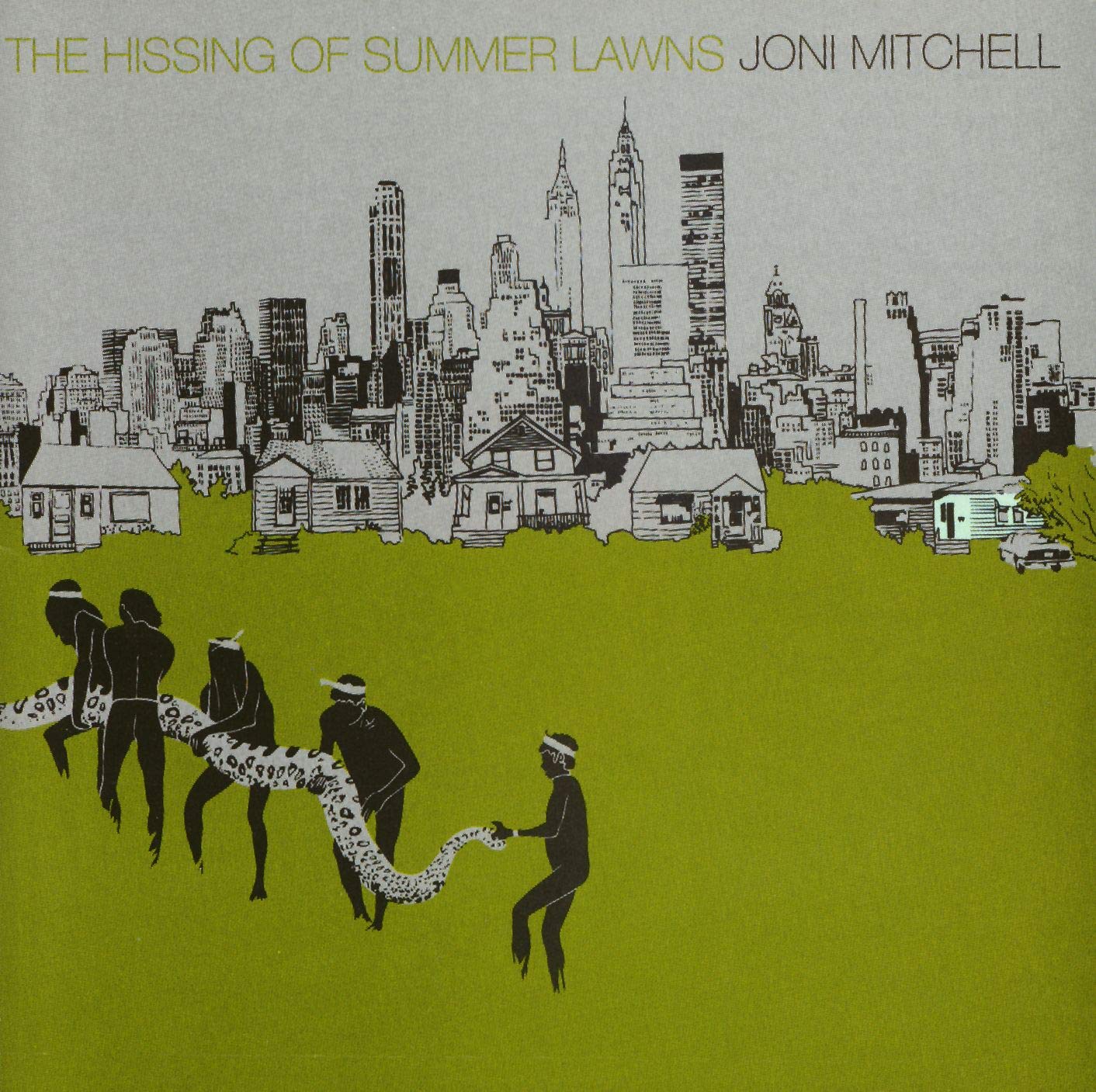
Joni Mitchell: The Hissing of Summer Lawns

Released in November of 1975, The Hissing of Summer Lawns finds Joni Mitchell presiding over one of the most seamless marriages of lyrics and music of the 1970s. The poetry here is evocative and ironic, crafting memorable metaphors and unforgettable images. It’s often said that when constraints are placed on artists, they often produce their best work. For an artist who had previously written music around pre-existing lyrics to then make that shift over to the craft of fitting words into already composed music, one might expect a change in character — or at least in lyrical texture. Beginning around 1973 or 1974, Mitchell’s lyrics indeed became more fluid, impressionistic, and engaged, so that by the time of this album, she had achieved a near-perfect fusion of music and poetry, with the music among her finest creations.

And how does one classify the sound? One cannot. It draws on pop, rock, folk, and jazz, yet it belongs to none of them. The album charts its own course, allowing space for stellar contributors like Bud Shank and Joe Sample to leave their imprint without overshadowing Mitchell’s vision. The closing track, “Shadows and Light,” brings the album to a transcendent conclusion: a multi-tracked a cappella choir of Mitchell’s voice against a contrasting, processed drone from a Farfisa organ. The result is a kind of sonic cathedral, where light and sound filter through like stained glas — ever shifting, quietly monumental, and filled with a sense of cosmic design.

The entire album is a showcase of extracting equilibrium from motion. The music is built on a strong foundation yet exploratory and liberating. Here we have an artist of the highest level in full command of her gifts, unafraid to blur the lines between song and painting, intellect and intuition. The Hissing of Summer Lawns continues to be an album worth returning to: we achieve familiarity with repeated listenings but never is the magic lessened.

Chris Squire: Fish Out of Water

Another November 1975 release was Chris Squire’s highly accessible, melodic Fish Out of Water. For those like me who couldn’t get enough of the brilliance of Yes’s Fragile, this album was filled with the musical inventiveness and wonderful bass lines that dominated that Yes album. Musicians include Bill Bruford on drums and percussion, with saxophonist Mel Collins on two tracks and Patrick Moraz on bass synthesizer and organ on one track . Squire handles all the vocals, bass guitar, some acoustic twelve-string guitar and electric bass. Special compliments go Andrew Pryce Jackman who provides acoustic and electric piano keyboards and seamlessly integrated orchestration providing the album with additional depth and further contributing to its ebullient vitality. Fish Out of Water is a must-have album for all Yes fans surpassing most of their catalog released after 1975.
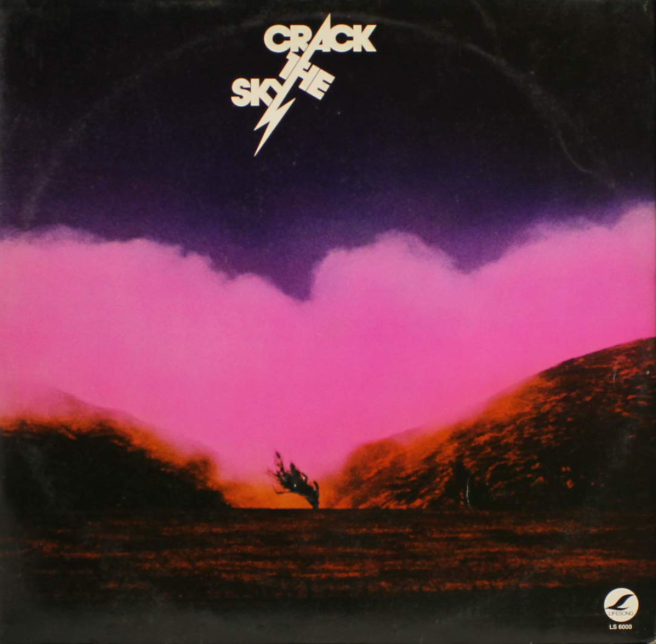
Crack the Sky: Crack the Sky

Crack the Sky’s debut was released in limited quantities in November 1975 by the independent label, Lifesong. Is this the biggest accomplishment by this label? Depends on your perspective — Lifesong posthumously re-released several greatest hits albums of Jim Croce material starting in 1976 as well as being responsible for “The Biggest Rock Event of the Decade” — that’s right — the rock opera Spider-Man: Rock Reflections of a Superhero — an album of such popularity that I cannot find any entry for it on Wikipedia, though in fairness, the title was released again twenty-five years later on CD and is currently available on eBay for $49.

Putting Spider-Man historical considerations aside, the Crack in the Sky album, despite its limited distribution, eventually climbed up to spot 161 on the Billboard Charts in February 1976 aided by some airplay in the Baltimore area and more importantly being identified by the Rolling Stone magazine as the debut album of 1975. 

Keyboard player and lead vocalist John Palumbo wrote all the music and lyrics showcasing an eclectic range of styles incorporating sixties pop elements and contemporary progressive rock elements. Both the music and lyrics are generally quirky, with a tongue-in-cheek, often ironic, humor deeply embedded in the lyrics and the music rich with accessible melody. There are musical moments that recall surf music, the Beatles, Procol Harum, early Genesis, and even Gentle Giant. It’s not a particularly well-produced album but it is a lot of fun, and an album that anyone who considers themselves well-versed in the history of rock music should have heard at least once.
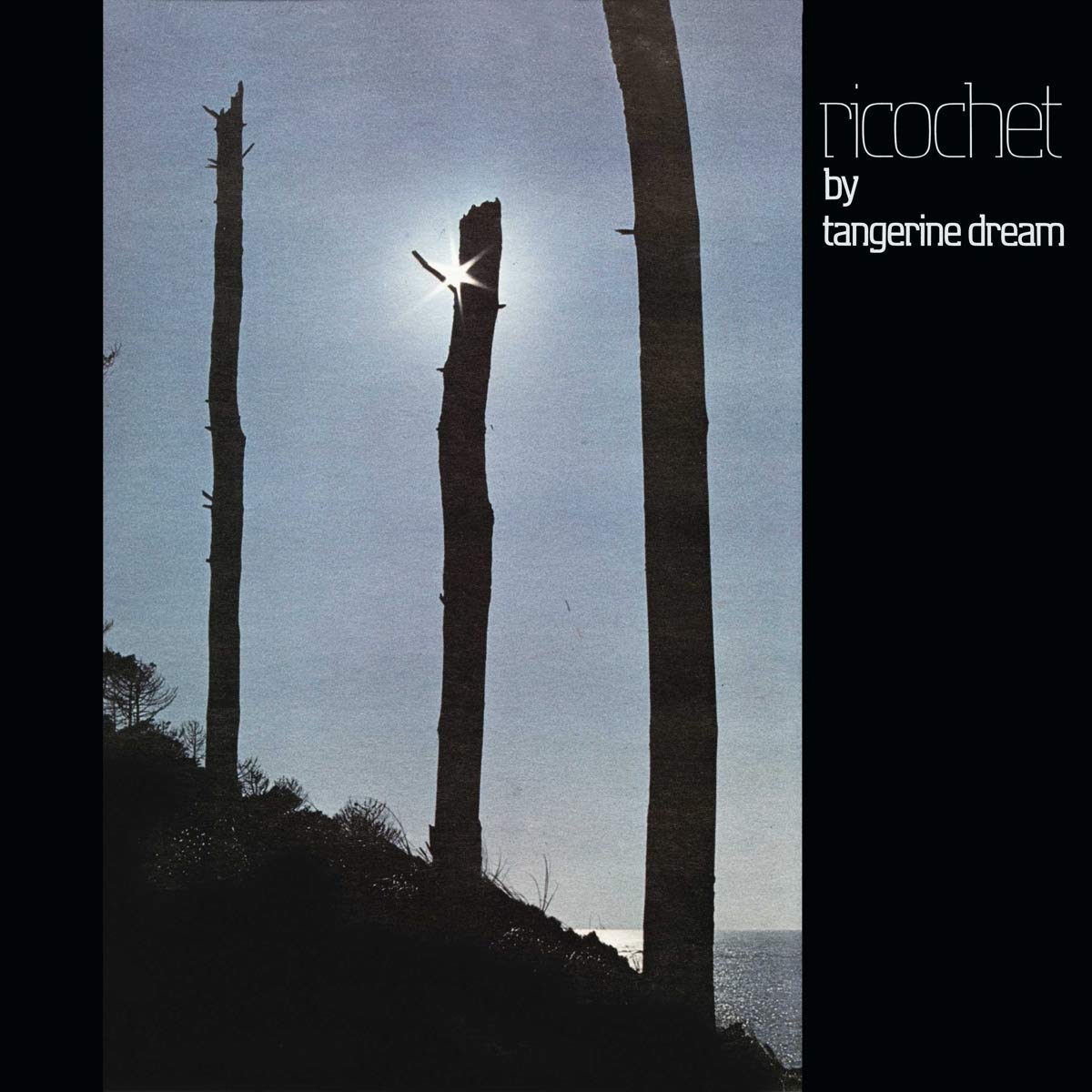
Tangerine Dream: Ricochet

Recorded in late October and early November of 1975 in England, partly live at Fairfields Hall in Croydon and partly in the studio, Ricochet was released in December of 1975. It continues that rhythmically intense sequencer-driven signature sound from Rubycon, delivering it with sparkling clarity and focus. The music unfolds logically with a strong sense of overall meaning and purpose, effectively locking in one’s attention and never letting it go. Side One, “Ricochet, Part One” contains studio improvisations and recreations of live performances with side two, “Ricochet, Part Two” being predominantly live.
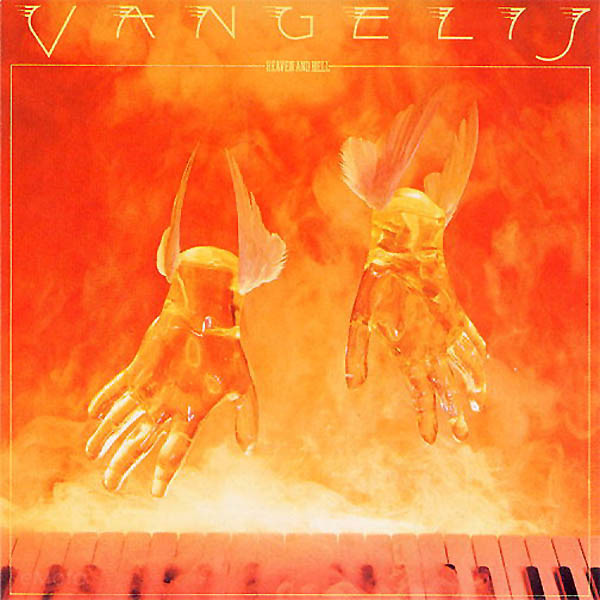
Vangelis: Heaven and Hell

Released in November of 1975, Heaven and Hell is a mixture of the cinematic, early and modern “classical” music, Greek folk and some elements of progressive rock. The album effectively combines Vangelis’s mastery of synthesizer with orchestra to create a richly themed concept album about the duality of human interaction with good and evil, the light and the darkness of existence. Side One, “Heaven and Hell, Part I”, opens furiously with synthesizer and chorus setting a strong symphonic tone and concludes with vocals by Jon Anderson of Yes segmented with a glorious orchestral and synthesizer interlude. Side Two, “Heaven and Hell, Part II” opens up, contrastingly, darkly and ominously, generally maintaining that mood with the notable interspersion of an exuberant, infectious Greek-influenced folk-dance-like section and its more reflective ending. The musical tone-painting is particularly impressive, effectively supporting side two’s darker thematic premise.
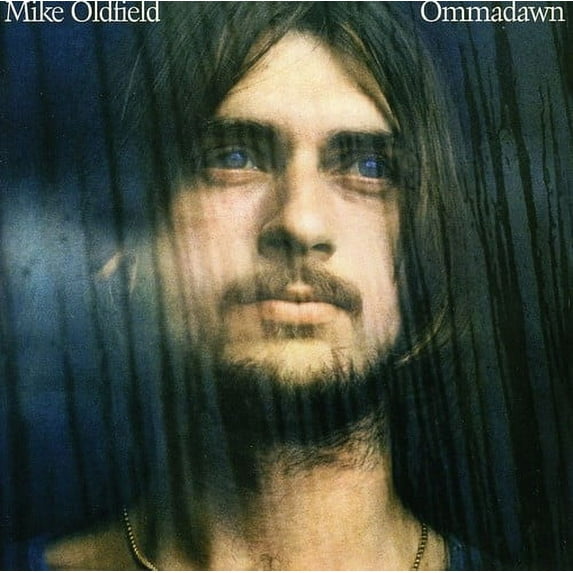
Mike Oldfield: Ommadawn

Released in November of 1975, Ommadawn is Mike Oldfield’s third major symphonic work, following the partly Exorcist-driven phenomenon of Tubular Bells and the expansive, pastoral landscapes of Hergest Ridge. Ommadawn mostly consists of one long work, the title track, divided between the two sides of the original LP with a short additional work at the end. It is this title track that is the gem and centerpiece of the album, excelling in compositional presentation and development of thematic material with the first theme deftly varied, followed by an abruptly effective intrusion of the second theme around the 4:15 mark, which is also skillfully varied. After this exposition of fundamental material, both themes are further developed and extended with a richness of instrumental variety and occasional vocals (using a cleverly altered Irish translation of some simple English words) invoking a tribal sense of community.

The second half of “Ommadawn” is more dramatic with greater musical weight and contrast, further exploring a wondrous world-fusion sound that would soon become a whole sub-genre of music. The highlights here include Paddy Moloney on the Irish equivalent of bagpipes, more properly known as Uilleann pipes, and an uplifting blend of vocals and glockenspiel followed by an Irish-like dance section that brings the work to a close.

For those looking to check this album out, avoid the original mix and go for the sonically spectacular 2010 remix which provides significant clarification and enhancement of individual instruments and provides rich, immersive stereo.

Magma: Live/Hhaï

Released in December of 1975, I bought this album in Germany in 1978, and I was not surprised in the least to find this live album of the French progressive rock group in Germany. Unlike Ange, which had a distinct French coloration to their albums, Magma had a Germanic sound and eschewed the French language to adapt a language more suitable to their music — not German, but — okay let’s break this down.

Christian Vander, son of French jazz pianist Maurice Vander, was born in Paris in 1948. Exposed to both jazz and classical music, he grew up listening to Wagner, Bach and Stravinsky and met several great jazz artists including Chet Baker, who gifted Christian Vander his first drum kit and Elvin Jones who shared his musical expertise. Vander brought all these influences as well as his intense admiration for a number of jazz giants, most particularly John Coltrane, as well as drummers like Art Blakey, Max Roach, Kenny Clarke and Tony Williams. Vander brought all such influences with him, including Coltrane’s searching musical intensity, when he founded Magma in 1969 as Magma’s leader, primary composer, drummer and an important contributing vocalist.

With the formation of Magma, Vander begin the creation of the mythology of Magma concept albums and the appropriate language — Kobaïan, the language of the fictional world of Kobaïa — a distant planet colonized by a group of humans fleeing earth’s moral and ecological collapse. The language’s main function was to provide the appropriate musical sound for Magma’s music and to represent a sacred language of renewal. Its sonic characteristics are starkly different than French, coming closer to Slavic and Germanic patterns, but intrinsically supportive of Vander’s musical ideas, which slowly coalesced into a dark, more teutonic, primitively spiritual style, with texture and timbral/orchestral characteristics eventually significantly influenced by Carl Orff’s Carmina Burana, which Vander first heard in 1972.

This 1975 Live/Hhaï album includes material as early as 1973, all of which represents the mature, dramatic Magma sound prevalent from 1973 on. The original album was a two LP set that could still fit on a standard single CD, but is currently sold as a two CD set. It is available for streaming on the usual sources for anyone wanted to sample this unique music, a music that will retain its excitement, mystery and appeal for centuries to come.

Brian Eno: Another Green World and Discreet Music; Fripp & Eno: Evening Star

In November of 1975, Brian Eno released his third solo studio album, the remarkable Another Green World which, while not as ambient as his upcoming work, is certainly an unconventional pop album full of highly accessible music surrounded with imaginatively unusual context. Eno provides a mix of catchy songs with him on vocals, some amazing guitar work from Robert Fripp, but mostly a level of exotic, quirky arrangements that elevate each and every track. Highly recommend!

In December of 1975, Eno’s fourth studio album is released, Discreet Music, and it is a boldly innovative ambient album. The first side, the title track, is a work of beauty and can be listened to directly or used as effective background music for a range of activities including writing, reading and napping off. The second side is more challenging: three “elastic” arrangements of Pachelbel’s well-known canon where the parts move at different paces — not by chance or performer’s whim but intentionally arranged to distort the relationship of the individual parts and the overall musical experience. One can still hear traces of the original canon — yet each of the three very different arrangements alters the original musical architecture with time-based abstractions that are roughly parallel to distortion concepts in cubism, futurism and surrealism and also seem related to rules-driven processes that are found in works by artists like Paul Klee, Bridget Riley, Sol LeWitt and even those famous rectangle paintings of Piet Mondrian. One also has to give credit to John Cage’s influence which opened up this whole realm of unexpected alterations whether aleatoric or rules-driven.

The most challenging of these three albums, Fripp & Eno’s Evening Star, released also in December of 1975, is another tale of two sides. The first side of four tracks, each with new standard ambient titles, is by far the most accessible and functions very effectively as truly ambient music or even meditative, reflective music, particularly the first, third tracks and fourth tracks “Wind on Water,” “Evensong,” and “Wind on Wind.”

The second side is devoted to a single piece “An Index of Metals” divided up into six tracks. I doubt there are many people that can turn it on in the background and experience a calming or relaxing effect from it. It is filled with tension and not smooth or flowing. I suspect many will just find it plain irritating if using it to relax, read, or write by as it has a somewhat intrusive and ominous character. It is more listening music and needs the attention of an active listener to properly navigate the tension, suspense, and forward progress of the music. The last of the six tracks is the most gritty of all and it ends with the tension decaying as opposed to any resolution. This sets up a nice contrast to some more relaxing ambient music, which would become more and more common and commercially viable thanks to this early work by pioneers like Eno and Fripp.

Fifty Year Friday: May 1975

Henry Cow: In Praise of Learning

Henry Cow released their second album featuring members of Slapp Happy on May 9, 1975. Fiercely uncompromising, both musically and ideologically, it seamlessly blends rock, Twentieth century classical composition, and radical political commentary with a precision, ambition, and effectiveness as praiseworthy as any work in the 1970s.

Vocalist Dagmar Krause provides a stellar brilliancy the moment she takes over the vocals from Peter Blegard, four seconds into the album on “War,” which at 2:31 in length would have been perfect for radio play in some alternate universe — but alas our universe wasn’t quite up to the challenge of accepting irregularly contoured melodic phrases, asymmetrical time signatures, complex and politically charged lyrics, ominous incursions of harmonic instability, and the interspersion of harnessed chaos between vocal passages.

With the listener’s musical mind properly attuned, Henry Cow unleashes Tim Hodgkinson’s 16-minute “Living in the Heart of the Beast.” Initially, Peter Blegvad was asked to provide the lyrics, but ultimately Hodgkinson took over the task, crafting a set of syllables and meanings that seamlessly support the music. The work avoids any traditional structure, initially navigating shifts between vocal intensity and instrumental reflection until a wonderful organ solo introduces a forceful, uplifting instrumental interlude. This gives way to serious introspection from the organ, which then returns to the insistent, march-like vocal over metrical shifts, now irrevocably increasing in intensity until the coda winds down the work. Perhaps this may musically recall for some listeners the finale of ELP’s Tarkus as the wounded Tarkus retreats from the battlefield; however, in this case, the music is a call to charge into “fight for freedom,” providing a remarkable level of optimism and energy, effectively enveloping the listener in an afterglow as side one comes to a close.

Continuing the topic of marching to fight for freedom, side two opens up with “Beginning: the Long March”, an abstract, avant-garde representation of the march towards battle. It’s unstructured collage of electronic effects and musique concrète sensibilities may not appeal to the casual listener, but for someone focused on the overall flow and intent of the album this is a very appropriate and effective transaction to the next musical milestone, “Beautiful as the Moon; Terrible as an Army with Banners.”

This second track of side two, “Beautiful as the Moon; Terrible as an Army with Banners”, begins with Krause’s finely controlled, expressively nuanced delivery, dominating the first half with the entreaty to “seize the morning.” An instrumental commentary propels the start of the second half, with some excellent pointillistic contrapuntal piano punctuation with authoritative commanding vocals seizing the spotlight again to effectively close the work.

The last track, Morning Star, given its significance by the previous track’s lyrics of “A star mourns souls ungraved – ignored. Slow wheels: Mira. Algol. Maia” and “Rose Dawn Daemon Rise Up and seize the morning” brings the album to an effective close, firmly resolute and transcendent, firmly tying the album’s musical and verbal themes of awake, consider, prepare, engage and, ultimately, arrive and be!

Robert Wyatt: Ruth Is Stranger Than Fiction

Robert Wyatt’s Ruth Is Stranger Than Richard, released in May 1975, is a strikingly unpredictable album, filled with angular compositions that shift direction almost from note to note. Unlike his previous two solo albums, which were composed entirely of his own material, this third album finds Wyatt showcasing the music of others, creatively arranging and in most cases adding lyrics. Most compositions are by Wyatt’s friends and musical associates, but Wyatt also provides a fine treatment of jazz bassist Charlie Haden’s “Song for Che.”

The album’s eclecticism is immediately apparent with a strong focus on jazz. Is this jazz-rock, jazz-prog-rock or mostly jazz? Not sure, but it is wonderful and a non-stop thrill from start to finish! The flow of the album never flirts with predictability, its angularity lending a sharp, dynamic energy that keeps the listener engaged.

With contributions from Brian Eno, trumpeter Mongezi Feza and Fred Frith on piano, Ruth Is Stranger Than Richard thrives on musical interplay and spontaneity. It’s a thrilling listen, bursting with invention, providing a richness of the unexpected without being disjointed or even mildly inaccessible. Wyatt’s vision is as playful as it is sophisticated, making this a truly exciting and engaging listening adventure.

Weather Report: Tale Spinnin

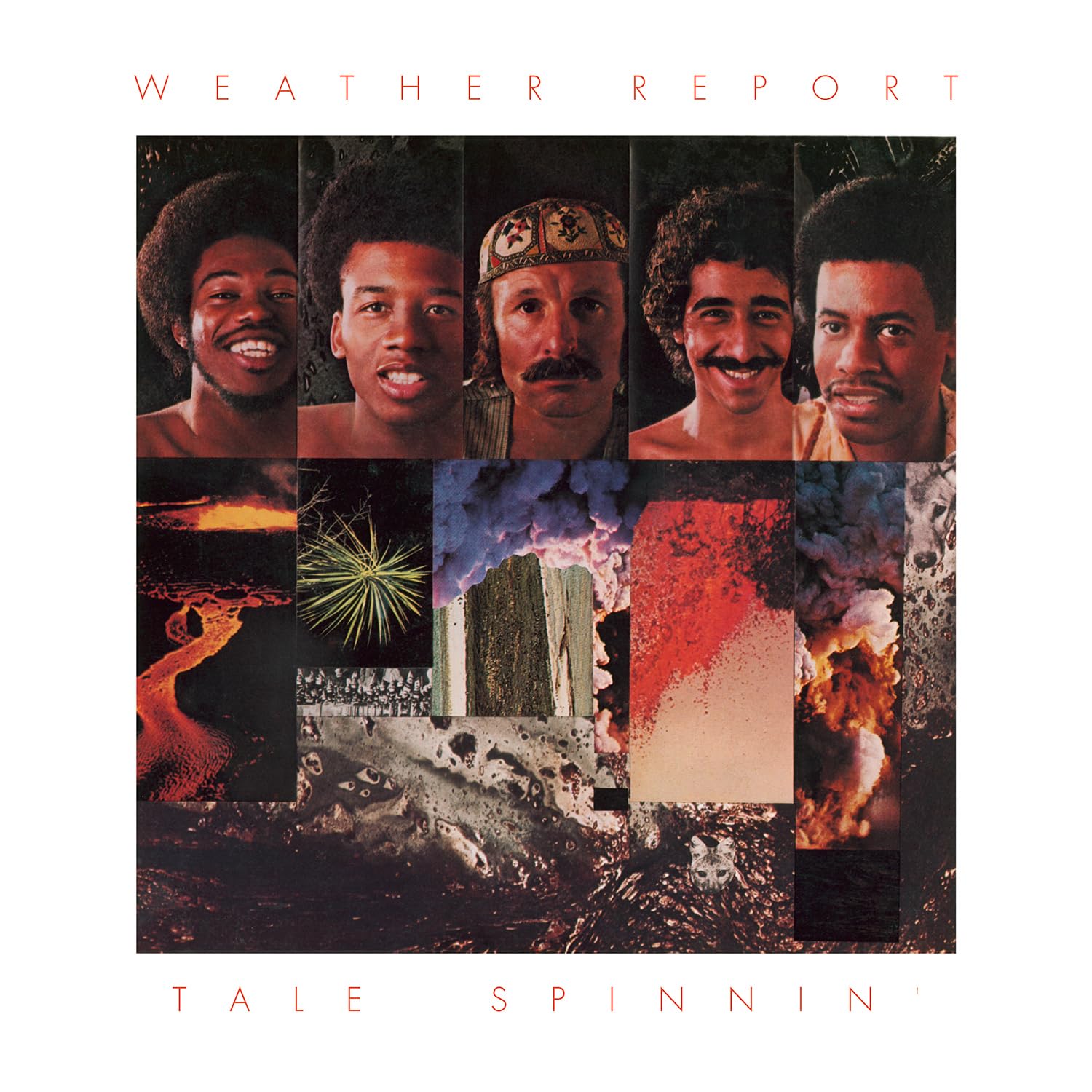
Tales Spinnin’, released in May of 1975, is a vibrant, colorful album that showcases Weather Report at the height of their fusion creativity. The first side of the album is particularly striking, filled with bold, dynamic compositions that blend intricate melodies with rich textures. It is if I can almost hear colors when listening to this first side — it is that visually evocative, aurally. I wish I had some sophisticated color display screens for both the left and right channels that would translate the music into various bursts and evolving strands of colors, but lacking that, I can luxuriate in the radiant waves of Zawinul’s lush synthesizers and Wayne Shorter’s fluid, expressive saxophone work. The interplay between all five musicians is electric, creating a vivid musical landscape that’s both sophisticated and exploratory. The rhythms are complex yet accessible, propelling the tracks into lush, otherworldly soundscapes that are full of life and color.

Hawkwind: Warrior On the Edge of Time

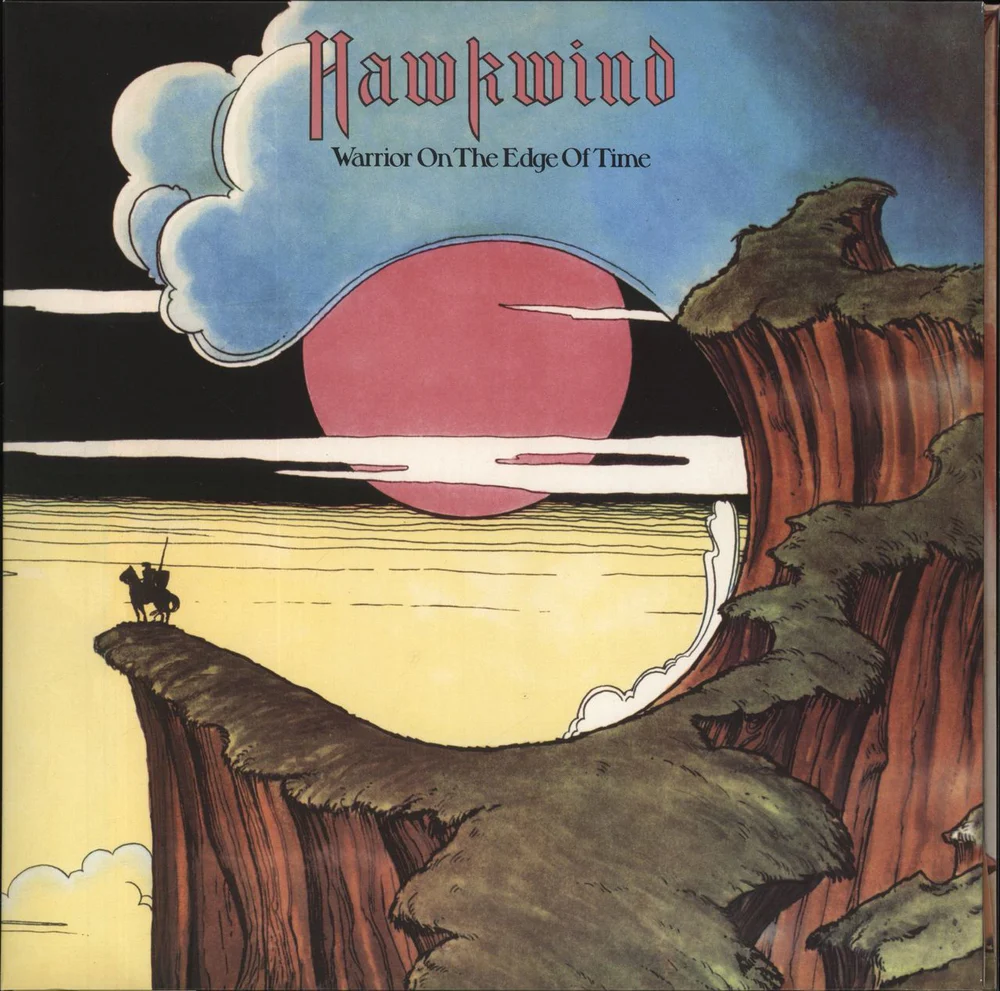
Released on May 9. 1975, Hawkwind’s Warrior on the Edge of Time is both engaging and consistently accessible, effectively blending their signature space rock with more traditional prog-rock elements. There is strong emphasis on synthesizers with some effective flute, guitar and even violin to supplement the keyboards, thundering bass, and the often incessant forward-driving percussion. “Assault & Battery” begins the album in grand style, immediately immersing the listener in Hawkwind’s signature Space Rock. This album showcases Hawkwind at their peak, delivering a memorable, mythic sci-fi journey through the fabric of time and space rock.

Fifty Year Friday: March 1975

Hatfield and the North: The Rotter’s Club

Released on 7 March 1975, The Rotter’s Club is one of the finest progressive rock albums , delivering a rich blend of humor, virtuosity, and intricate composition that captures the essence of the era while being identifiably distinct from any other album of its time. As the second studio album by British avant-garde and progressive rock band Hatfield and the North, it succeeded their self-titled debut (1973), which established them as a prominent figure in the Canterbury scene. But The Rotter’s Club marked a progression, both musically and conceptually, toward an even more refined and ambitious sound. It is a record that not only brings together various aspects of jazz, rock, and classical music but also emphasizes the playful and eccentric side of progressive rock, a nice contrast to the overly serious, often over-reaching and sometimes pretentious reputation ascribed to it by is staunchest critics.

Tangerine Dream: Rubycon

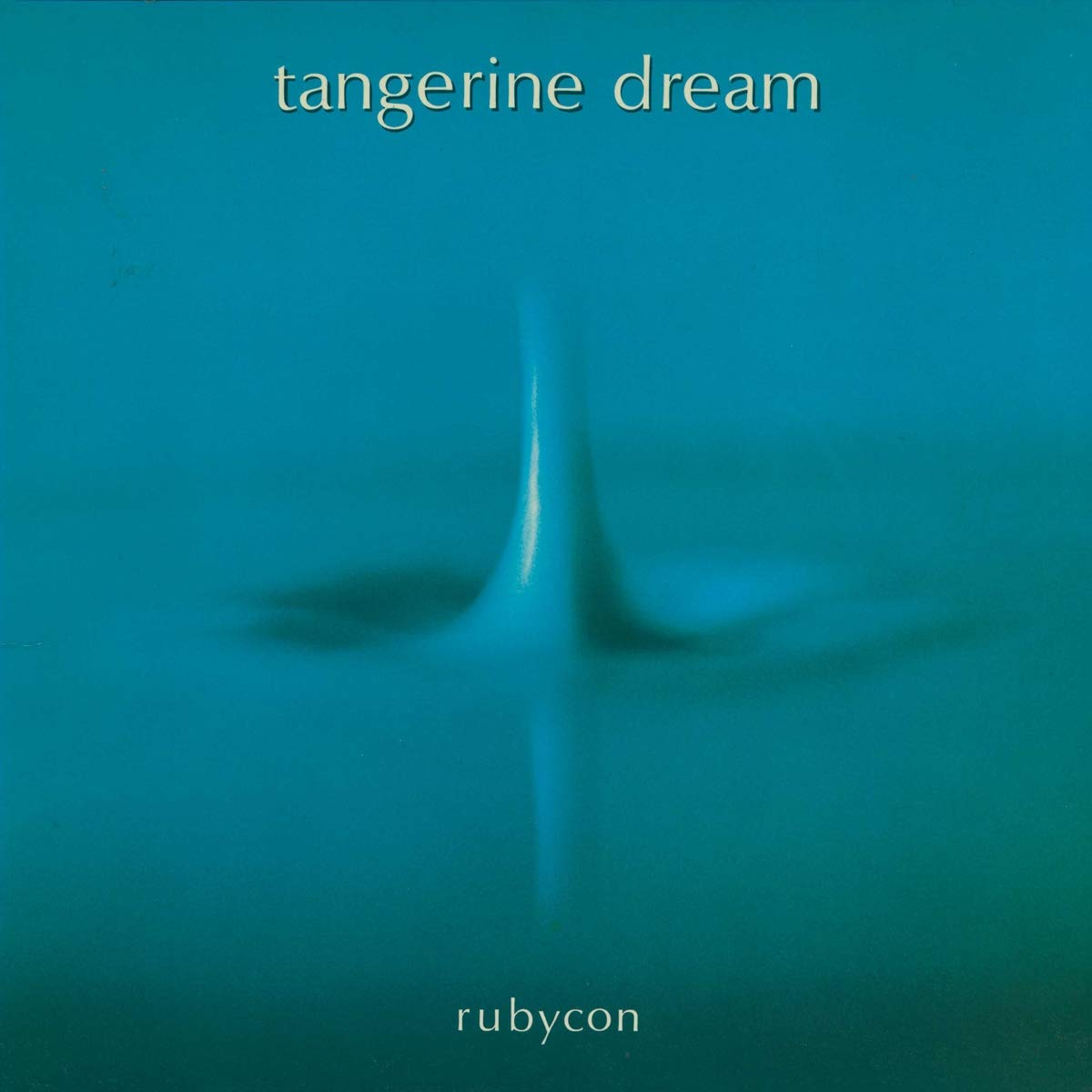
With the release of Rubycon on March 21, 1975, Tangerine Dream delivered their fourth studio album, a fully realized version of their relentlessly driving “Krautrock” industrial, high-tech, space music. While Rubycon clearly evolves from their previous album, Phaedra, it represents a leap forward, much like the internet is to the stone tablet. Whether Tangerine Dream’s change in direction was influenced by considerations about what musical characteristics would work best for film soundtracks and greater audience engagement, or whether it was partly inspired by the success of Kraftwerk, Rubycon marks the undeniable establishment of a new genre of music — one distinct from anything that came before it. Tangerine Dream’s flirtations with Stockhausen and other electronic composers led them in a direction that was as different from the contemporary world of so-called “classical” and “serious” music as that music was from the tonally extended late Romantic music. What emerged was something accessible, mesmerizing, hypnotic, and directly relevant — an exciting departure from the avant-garde style that, for most of the listening public, had become irrelevant.

Rick Wakeman: Myths & Legends Of King Arthur and the Knights of the Round Table

Rick Wakeman’s King Arthur, released March 27, 1975, is filled with interesting keyboard and instrumental passages that should interest most progressive rock fans. Though the vocal sections are not exactly comprised of tunes your likely to sing on your own or even along with — they functionally provide narrative, much like Baroque and Classical Era recitatives and, overall the album works well as a dramatic experience. An alternative to the original, with much better overall sound and additional musical content (which had to be left off the original single LP due to time constraints) is the 2012 two-CD version. If you haven’t hear either, best to go for the updated version with the extra material and superior production.

Soft Machine: Bundles

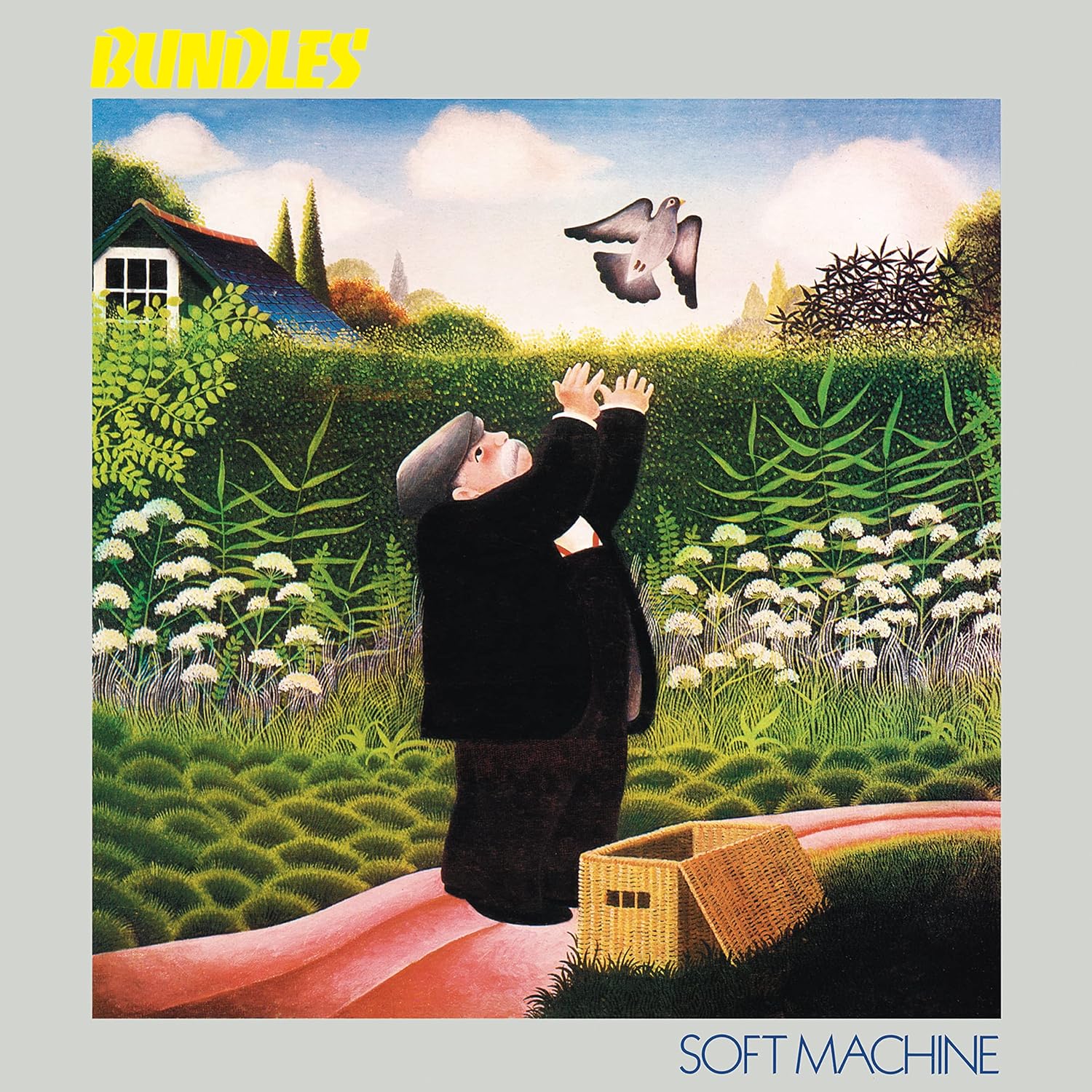
Released in March 1975, Soft Machine’s Bundles is successfully melds an electronic jazz-rock sound with compatible prog-rock elements. The addition of guitarist Allan Holdsworth. known for his fluid, virtuosic playing, injects the album with a fresh intensity, particularly notable in the multi-track Hazard Profile, a nineteen minute five-part suite that showcases Soft Machine’s new direction inclusive of Holdsworth’s soaring guitar work supported by a propulsive, energetic rhythm section. Side one concludes with Holdsworth’s acoustic and beautifully introspective “Gone Sailing.”

Side two is equally compelling with the first four tracks seamlessly blending into a a single experience. The next track, “Four Gongs Two Drums” provides a short percussive intermission, with hints of Indonesian Gamelan followed by the final track, “The Floating World”, a reflective, drifting, neo-Impressionistic composition that gently glides the listener through a bliss-invoking, peaceful and relaxing musical state, providing a fittingly tranquil, dreamlike-end to this excellent album.

Steely Dan: Katy Lied

Donald Fagan and Walter Becker follow up the classic Pretzel Logic album, with another strong album, rich with jazz-flavored chords, Katy Lied, released in March of 1975. Though not strictly a concept album, the album sounds musically unified and could be considered a song cycle of sorts, justifying the term “lied”, a German term applied to art songs, giving us an additional meaning underneath the mysterious reference to the “Katy tried” and “Katy lies” lyrics in the fifth and final track on the first side, “Dr. Wu.”

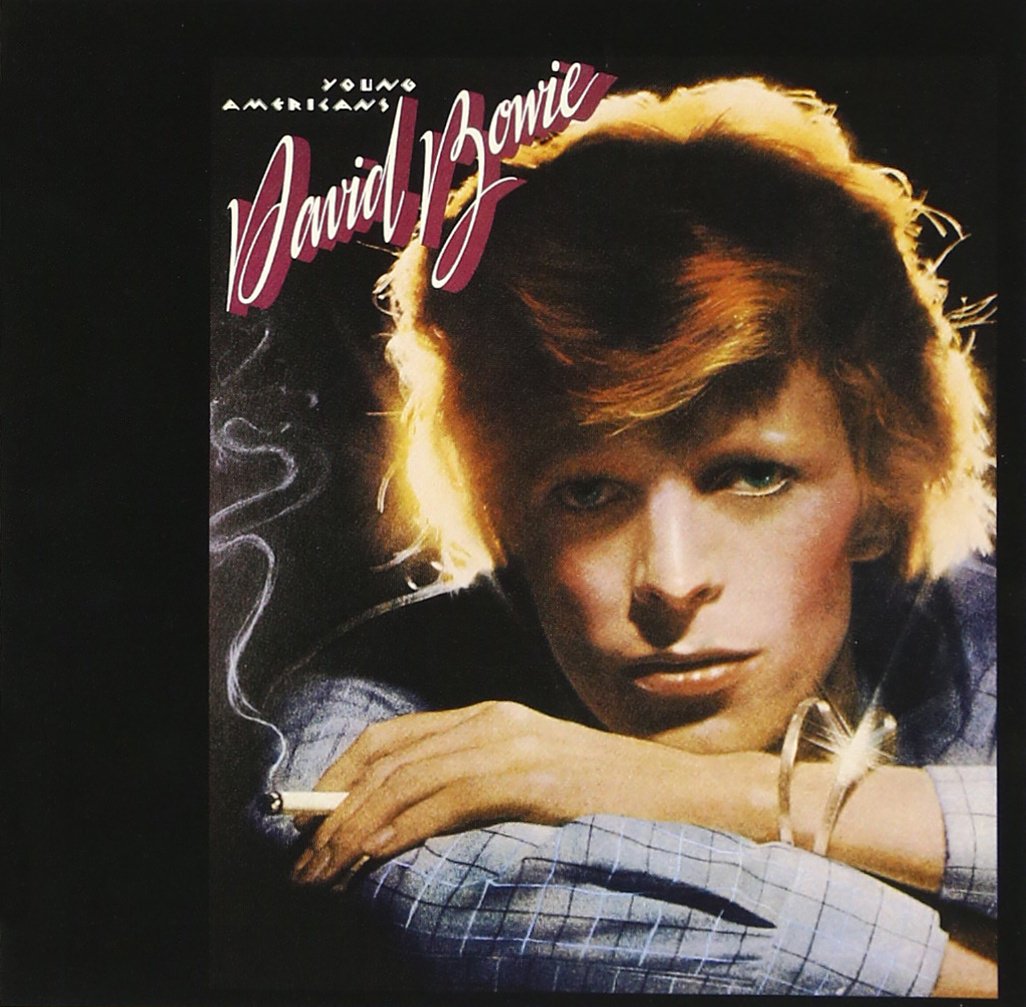
David Bowie: Young Americans

With his ninth studio album, released March 7, 1975, once again, Bowie takes off in another musical direction, extending the elements of soulfulness found in Diamond Dogs and in “Lady Grinning Soul” from the earlier Aladdin Sane, into an all-out exploratory, high-art treatment of American soul music. The arrangements are sophisticated, with Tony Visconti deserving similar praise as Bowie for his musical versatility and with strong contributions from Carlos Alomar and additional input from a twenty-three year-old Luthor Vandross. The strongest track, “Fame,” was initially based on an Alomar guitar riff, with John Lennon, who was visiting the New York Electric Ladyland studios, assisting David Bowie in the authoring of the song by providing his sarcastic, ironic, and pessimistic take on the vagaries of fame.

Peter Hammill, Todd Rundgren, Steely Dan; Fifty Year Friday: February 1974

Peter Hammill: The Silent Corner and the Empty Stage

Released in early February of 1974, even though there is ample participation by fellow Van Der Graaf band mates, this is clearly a personal, Peter Hammill solo effort. From the start Hammill dives inward stirring up and capturing a range of emotional turbulence.  

The album opens with the metrical tempestuous “Modern,” and ends with one of Hammill’s greatest classics, the deeply emotional “A Louse Is Not a Home.” Hammill often performed these two songs along with “The Lie (Bernini’s Saint Theresa)”, also on this album, in the 1970s on solo tours in small venues, injecting every ounce of energy into his dramatic renditions. 

Generally the featured instrument is Hammill’s expressive vocals appropriately supported by piano, mellotron, acoustic and electric guitar with additional support from the VDGG band members with Spirit’s Randy California on lead guitar on one track. The production emphasizes a sense of intimacy which underscores the uncompromising, unsuppressed intimacy, immediacy, and intensity which makes this album so remarkable.

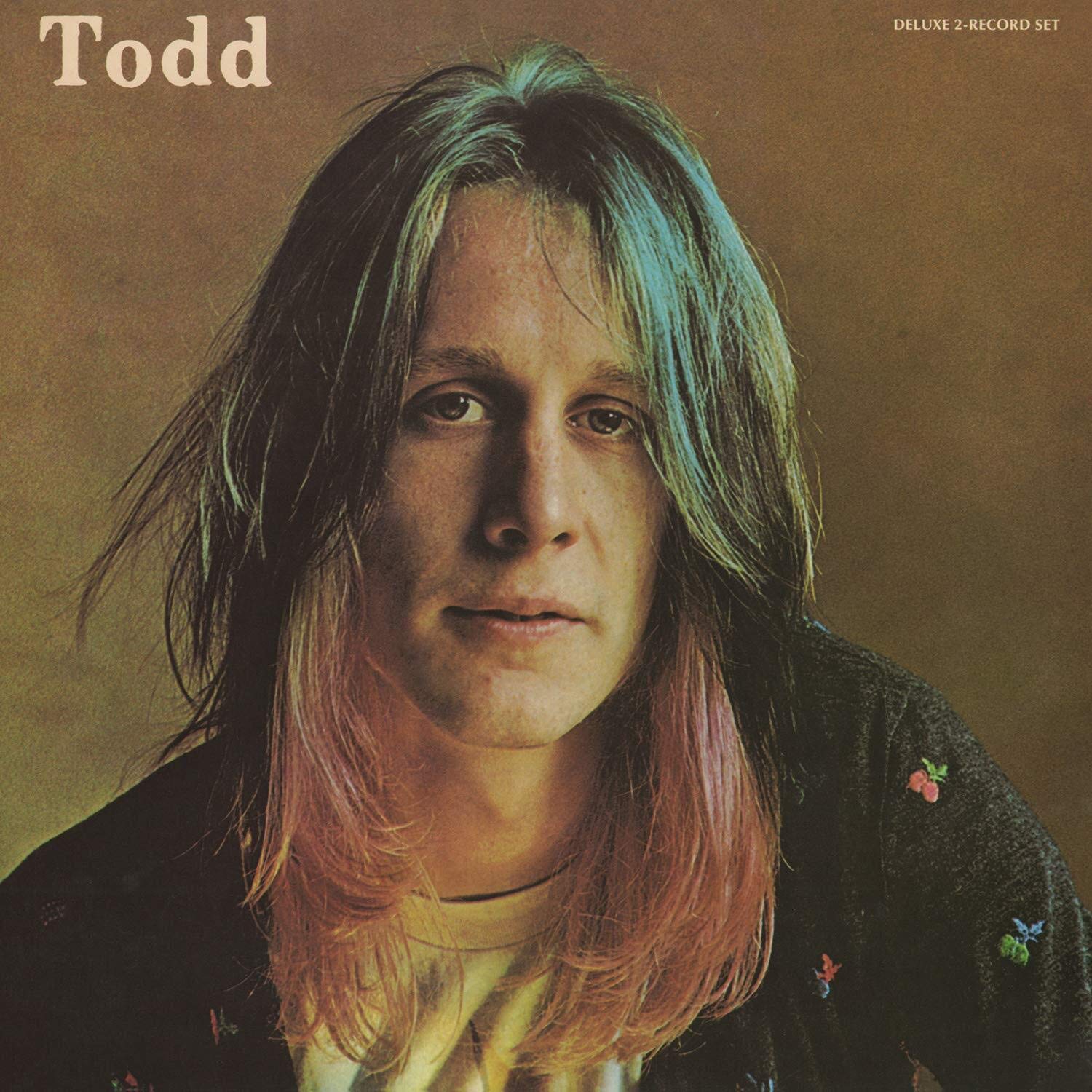
Todd Rundgren: Todd

Todd Rundgren’s eponymous double album, released in February 1974, proclaims energetically, or rather electronically, that Mr. Rundgren is a master composer and arranger, delighting us with a wide array of electronic timbres and effects. Yes, we still have beautiful Rundgren ballads, such as “I Think You Know” and “A Dream Goes On Forever” included amidst all the voltaic dazzle, but the main attractions are Rundgren’s summoning of artfully deployed electronic-generated special effects, his command of various studio production techniques, and his venturing into more challenging musical compositions, like the metrically unbalanced “Drunken Blue Rooster”, the whimsical “An Elpee Worth of Tunes”, and ” the snide, unbridled ”Heavy Metal Kids.” Altogether, this is a extremely enjoyable, adventurous yet cohesive work that some may chose to classify as prog-rock, yet clearly stands separate from anything previously released commercially. This no doubt contributed to it going over the head of just about every major rock critic that reviewed the album in 1974 but also contributes to this being one of the most notable albums from 1974.

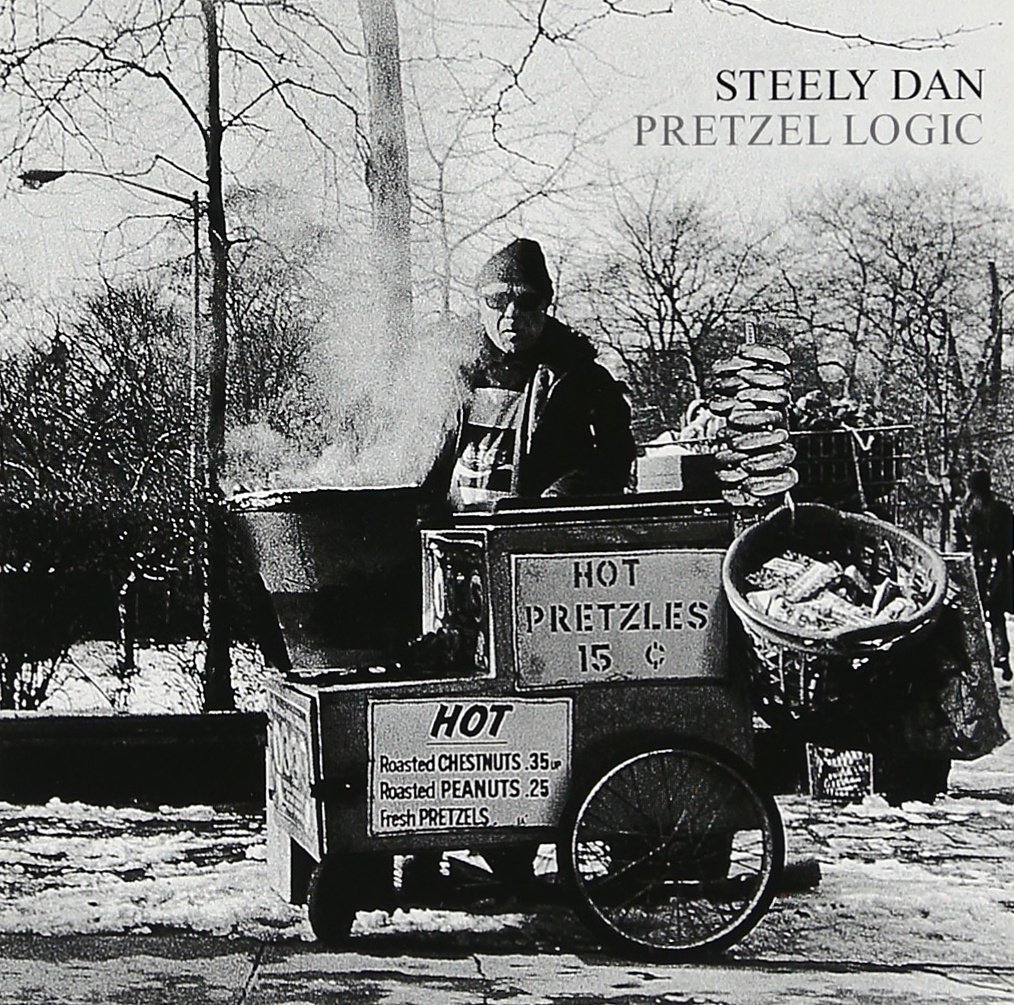
Steely Dan: Pretzel Logic

This is just one of those classic rock albums. Released on February 20, 1974, there really isn’t any single track that is at the level of “King of the World” from their previous album, but just about every track here is very close to that level of excellence. They group seems to have intentionally kept each song to AM airplay length — this means that jazz influence is more densely embedded in the tracks, but still handled very artfully and tastefully, retaining the classic Steely Dan sound. 

Brian Eno: Here Comes the Warm Jets

Brian Eno’s debut solo album, Here Comes the Warm Jets, released on February 8, 1973, is a unconventional rich tapestry of accessible pop (think Sid Barrett) set into ingenious contexts. Truly delightful, this album showcases Eno’s unconventional brand of creativity.

Tangerine Dream: Phaedra

Released on the 20th of February 1974, this engaging album overtakes Harmonia’s Musik Von Harmonia, released the previous month, in the race for approaching the fully mature sequence-driven, repetitive, German Prog Rock that would soon become so prevalent. The music truly pulls the listener out of their current environment and into another universe — a universe where sound is not differentiated from sensation, imagery, or existence.

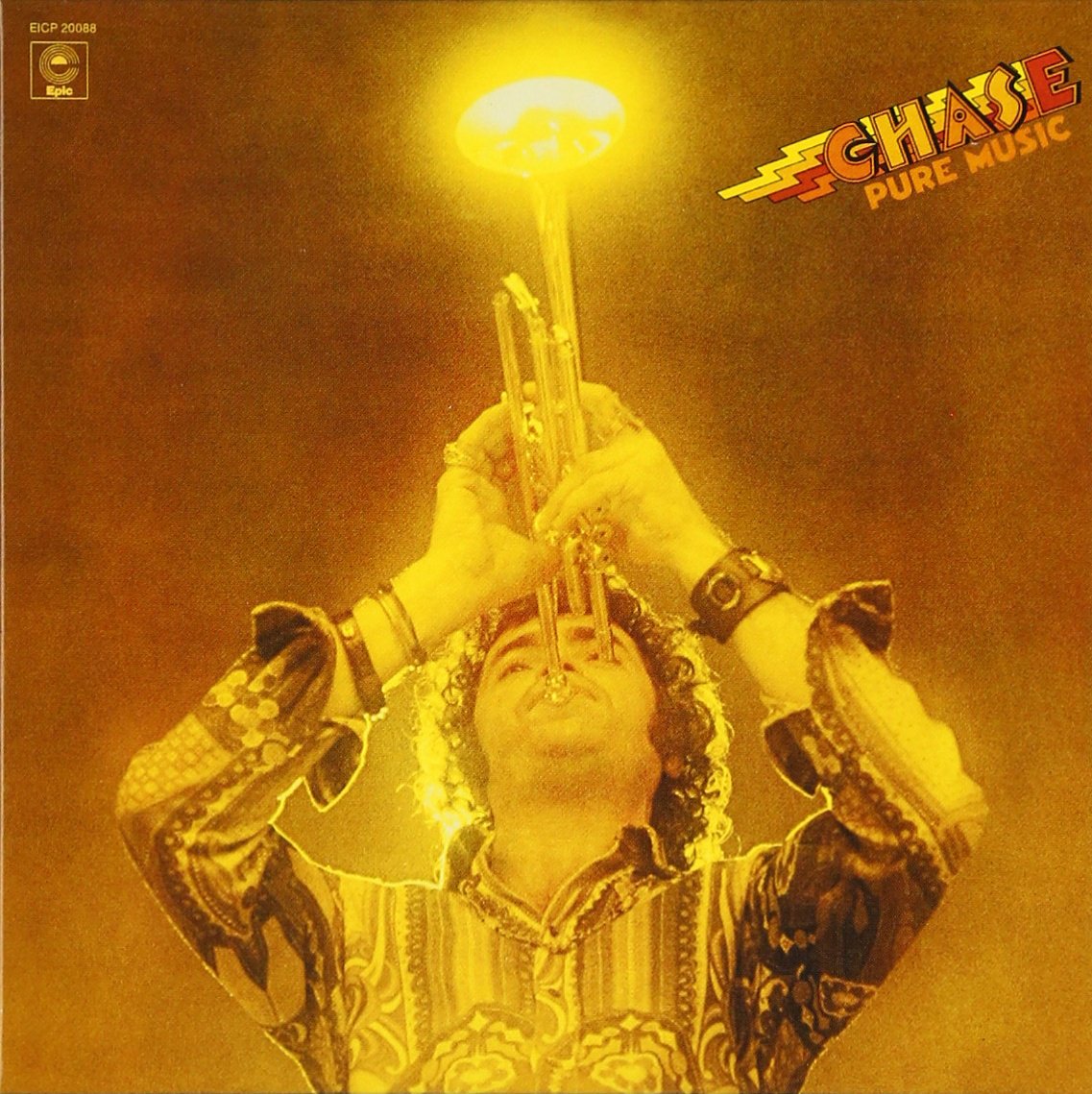
Chase: Pure Music

After a very successful first album, and a weaker second album, it seems Bill Chase finally figured out the best direction to go in — emphasizing a more jazz-based brand of jazz rock, with mainly instrumental material. Every track works nicely, but alas, this would be Chase’s last album due to the crash of the twin-engine charted plane flight to his scheduled performance at the Jackson County Fair. Also lost to us all was drummer Walter Clark, guitarist John Emma, and the especially talented Wallace “Wally” Yohn, who provides some excellent keyboard contributions to this last Chase album.

Chase brings some of his Stan Kenton, Woody Herman and Maynard Ferguson experiences into the music on this album, elevating the content with more sophisticated arrangements and showcasing his personal solo skills at their very best. While Chicago, Lighthouse, If, and Blood, Sweat and Tears, best work was now in the past (by February 1974) is appears that Chase’s best work was tantalizingly close but, unfortunately, for all of us, never captured.

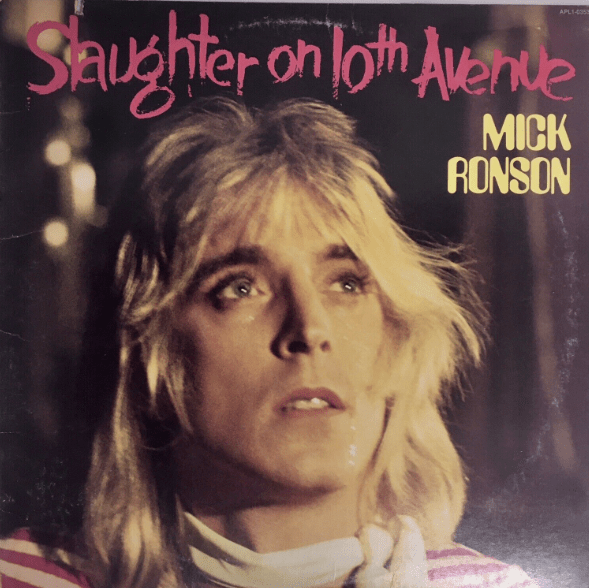
Mick Ronson: Slaughter on 10th Avenue

Released in February 1974, this is about as close to a David Bowie album as one can find which doesn’t have David Bowie involved in singing, performing or producing. We do have another member of Ziggy’s Spider From Mars band, Trevor Bolder on bass, trumpet and trombone, and we have Mike Garson on keyboards (notable especially for his piano contribution on Aladdin Sane) — and we also have two original songs by Bowie, ”Growing Up and I’m Fine” and “Hey Ma, Get Papa.” Ronson’s vocals are second best to Bowie, but good enough to carry the album off nicely. Truly a recommended record for any Bowie fan.

Genesis: Selling England By the Pound, The Who: Quadrophenia, and much, much more; Fifty Year Friday: October 1973

Genesis: Selling England By the Pound

Released on either September 29, 1973, or more likely October 5, 1973, “Selling England by The Pound” stands as one of the finest progressive rock albums of the 1970s. The sound is superior to that of their previous album, “Foxtrot,” and the music maintains the same level of excellence. It adeptly balances instrumental passages with vocal sections, blending humor (seen in tracks like “The Battle of Epping Forest” and “Aisle of Plenty”) with more serious compositions.

“Firth of Fifth” (note the humor in the title, which is a reference to Firth of Forth , the fjord of the Forth river, in Scotland, north and northwest of Edinburgh) is my favorite track, particularly due to is introductory theme on piano, later reprised by the group, but there is not a single weak moment on the entire album — and quite an album it is, with seven perfectly realized tracks totaling over fifty-eight minutes of magnificent music.

The Who: Quadrophenia

Released on October 19, 1973, this is the Who’s masterpiece about teenage alienation, angst, attitude, and the multiple personalities vying for integration into the evolving identity of an individual. It also addresses the weaknesses within the UK social system and the moments of solace that British youth of the 1960s sought and found in music and by the seaside. Moreover, this work is an astounding musical achievement, characterized by skillful thematic reiteration. Its musical content can be enjoyed both on a visceral level and intellectually, making it enduringly captivating upon repeated listens. Notably, the lyrics were deftly incorporated into music that was apparently written first, and Townshend has delivered exceptionally well-crafted lyrics that serve as the narrative backbone.

Effectively, this is a rock opera set in 1965, centering around a singular British youth, inspired by conversations Pete Townshend had with early fans of The Who. A significant distinction is that, unlike “Tommy,” which featured two songs by John Entwistle, one by Keith Moon, and a reworking of a Sonny Boy Williamson tune, all the original material here is authored by Pete Townshend. The emphasis is on “initial”, since Townshend intentionally provided a framework of lyrics, melody and chords that would develop into final arrangements through Townshend’s working with the band and the studio equipment to achieve the final product. So though Townshend deserves appropriate credit here for the authorship of this impressive work, it is The Who, as a band, that must be recognized for making this an enduring classic.

For those interested in additional information on this great album, please check out this track-by-track review by Caryn Rose written back in 2013 for Quadrophenia‘s 40th anniversary: Track-By-Track Review

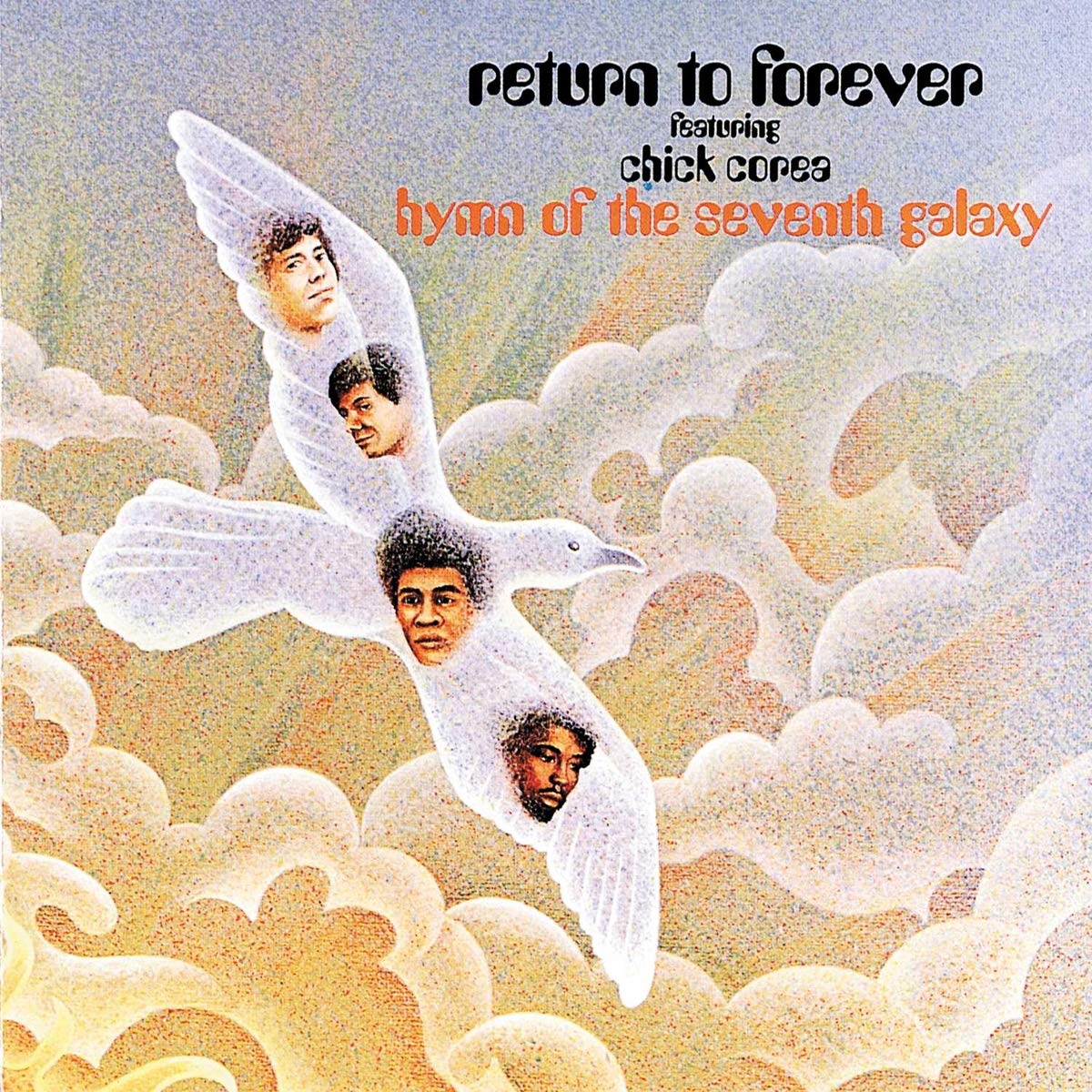
Return to Forever: Hymn of the Seventh Galaxy

Released sometime in October 1973, this third album from Return to Forever magically and masterfully weaves together elements of jazz, fusion and progressive rock. Chick Corea dazzling keyboards and his other worldly — no, make that other galactic — compositions just radiate throughout this album. Fellow band members, Stanley Clarke, Lenny White and Bill Connors are equally up to the challenge, with Mr. Clark providing a wonderfully radiant composition of his own, “After the Cosmic Rain” and exhibiting Olympic-level mastery on electric bass. The coup de grâce is the last track, “The Game Maker”, breathtakingly piloting us over intricate, wondrously, shifting musical landscapes.

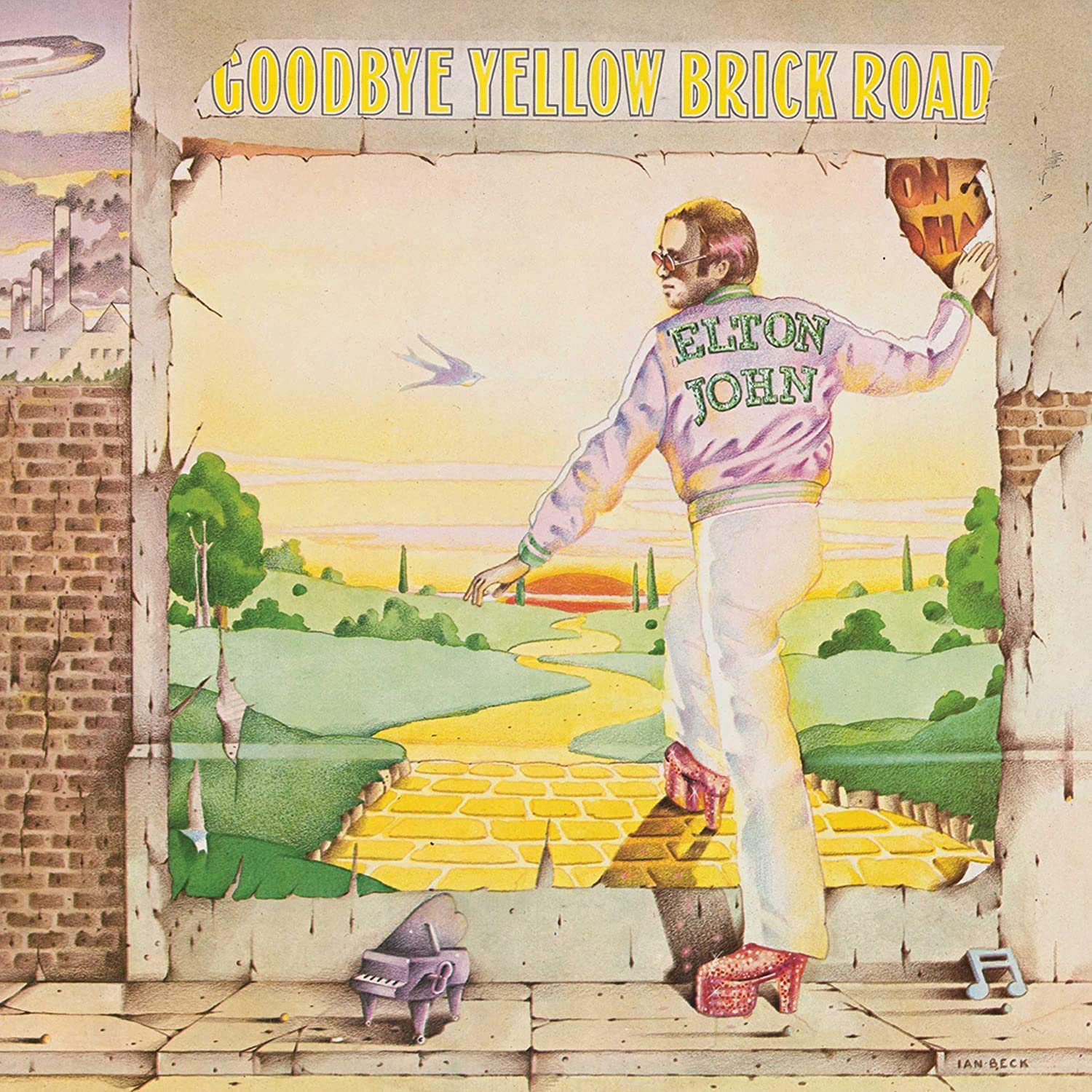
Elton John: Goodbye Yellow Brick Road

The one obstacle that prevented The Who’s Quadrophenia ever getting to the number one album spot in the UK or in the US, was the multi-million-sales avalanche of Elton John’s Goodbye Yellow Brick Road, released on October 5, 1973, almost two weeks before Quadrophenia. Of the slightly over one hundred million copies of albums Elton has sold, Goodbye Yellow Brick Road accounts for over thirty-one million, and continues to sell in substantial quantities to new Elton John fans today.

Rather than compose music and then fit lyrics into the music, Elton John’s method in the 1970’s, like that of many songwriters, was to take already written lyrics, in Elton’s case partnering with Bernie Taupin, and then create music too complement those lyrics. Considering the nature of many of Taupin’s lyrics, it is rather incredible that Elton created so many highly popular and widely-appealing songs from the initial material. Goodbye Yellow Brick Road, in a sense a loose or partial concept album, provides insight into Elton’s range of compositional skills, with the initial track, “Funeral For A Friend:, being one of his rare instrumentals, providing a glimpse into the depth of his creativity when not bound by lyrics. This instrumental introduction is effectively paired with “Love Lies Bleeding” providing an almost progressive-rock opening for the album.

Overall the album is quite good and along with his two albums from 1970 (Elton John and Tumbleweed Connection) and his live album from that period (17-11-70) are a set of his works I hold in high esteem. Now, though the first side and last side of the original 2 LP “GYBR” is indispensable, as is the first track of side two, and the last track of side three, the material in between could be omitted, to get a very fine single LP album, at a total length of around 45 minutes. Now some may wish to further add another track like “The Ballad of Danny Bailey (1909–34)” resulting in an album that still comfortably adheres to standard LP limits. That said, the CD, containing over 76 minutes of the original material, is now sold at roughly the same price as other Elton John albums from the early seventies — so even though a slimmer, arguably better album could be achieved, what’s the point — given how effortless it is to replay favored tracks on a CD or to skip those not currently of interest.

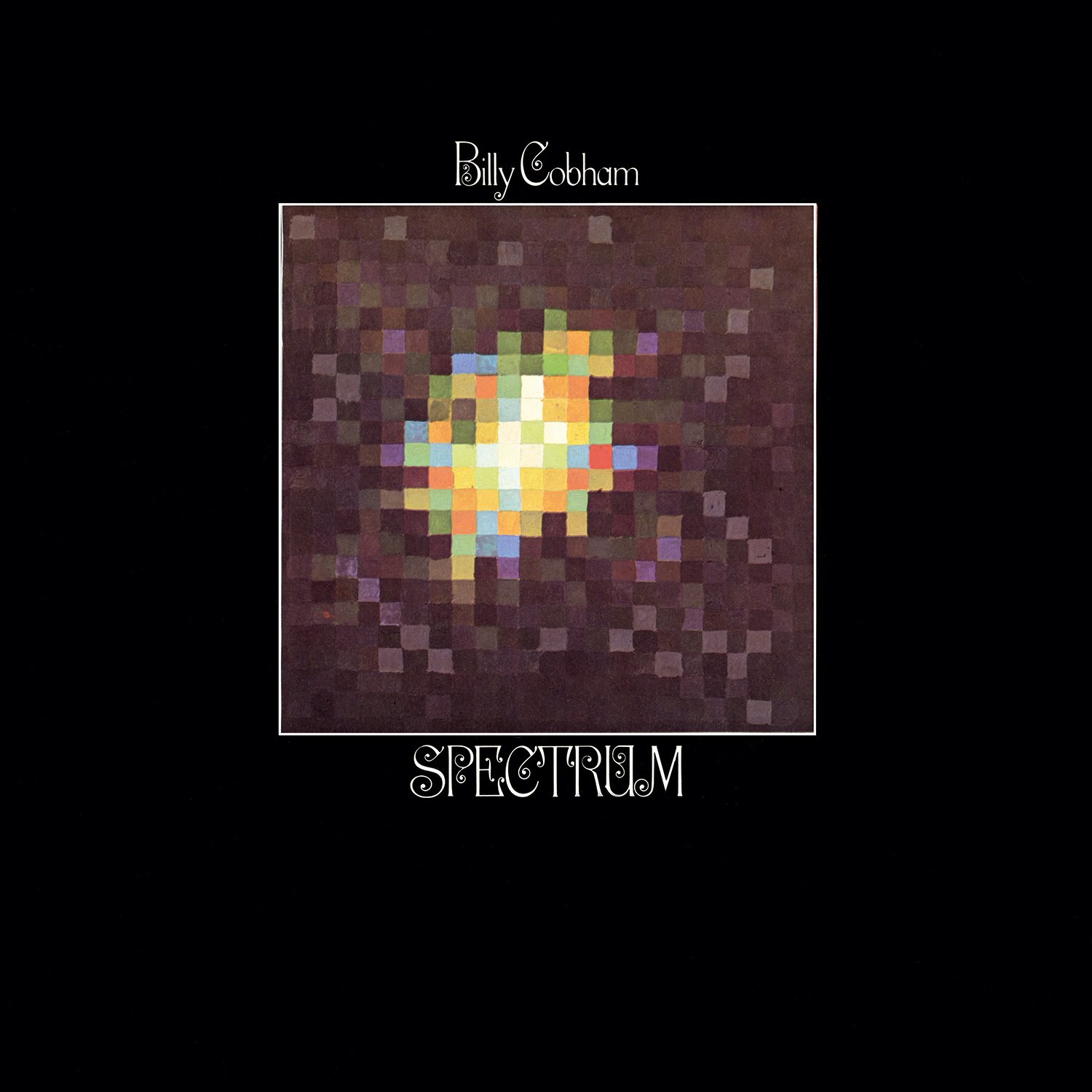
Billy Cobham: Spectrum

Spectrum, Billy Cobham’s first album as a leader, released October, 1, 1973, is as impressive and important as any fusion album of 1973. The combination of Cobham and Jan Hammer dominate the album, and the supporting resources, particularly Tommy Bolin who is present on over half of the musical material, round out this excellent work. Album includes duets between Cobham and Hammer, Hammer soloing on acoustic piano on the beautiful ballad, “To the Woman but it is the longer tracks, and several lengthier tracks including the opening track, “Quadrant 4” full of energy and purpose, “Stratus” with remarkable bass work from Leland Sklar, and the fast-paced, electrically-charged title track, “Spectrum” with Joe Farrell on sax and flute, and Jimmy Owens on trumpet and flugelhorn.

Gryphon: Gryphon

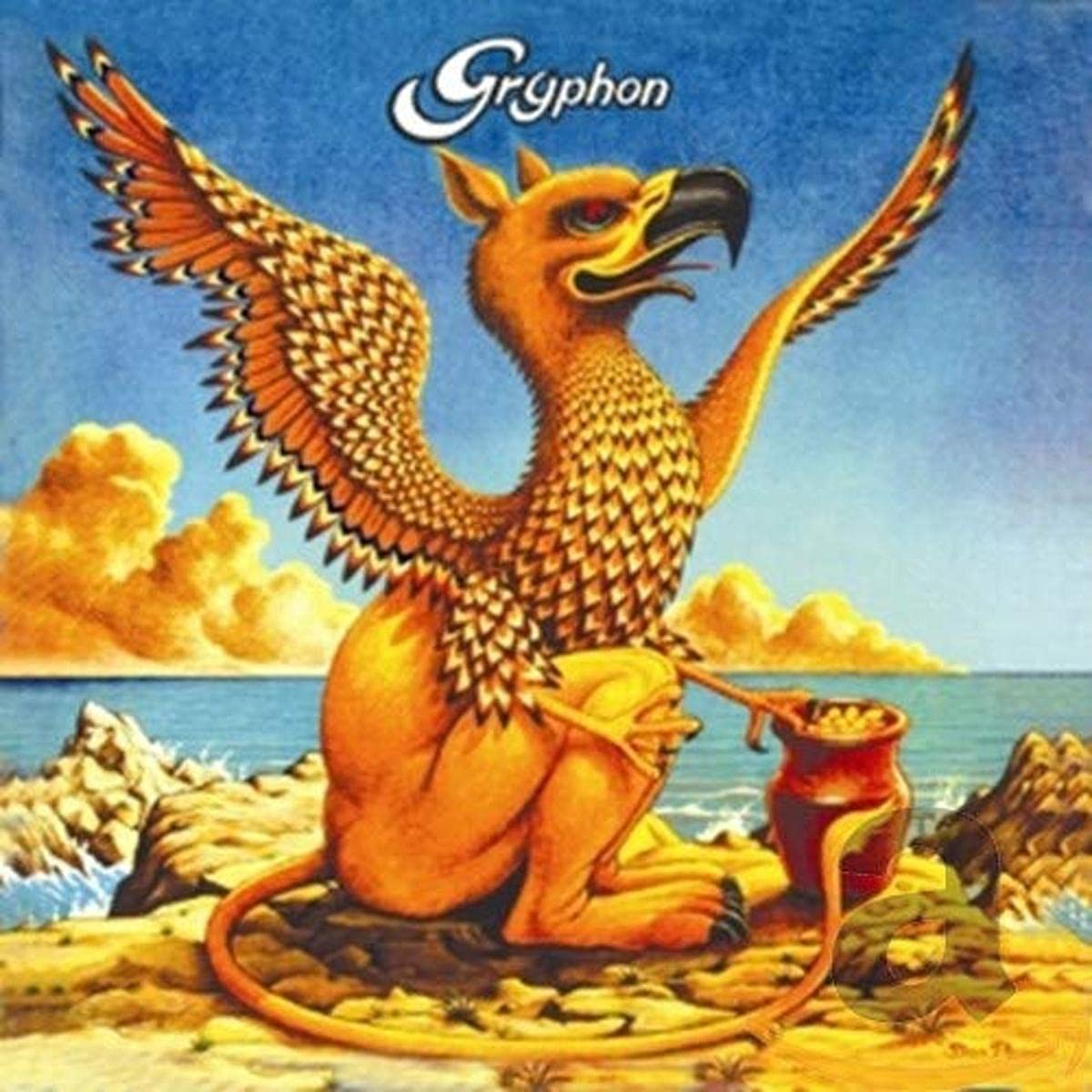
Gryphon’s first album is a unique blend of folk and rock, incorporating both modern elements (guitar, bass, bassoon, trombone, drums) and earlier musical instrumentation (mandolin, recorder, crumhorn) into a successful set of songs. In late 1973, there were several folk rock groups, such as Fairport Convention, Steeleye Span, and Pentangle, but Gryphon, with two of the group members—Brian Gulland and Richard Harvey, both graduates of London’s Royal College of Music—distinguish themselves through a level of originality that transcends replicating traditional Celtic folk harmonies and melodies. Their occasional use of late 19th-century and 20th-century dissonance, not found in traditional English, Irish, Scottish, or Welsh music, coupled with their colorful and sometimes unconventional instrumentation, creates a new sound that effectively captures and maintains the listener’s attention. Later, the group would develop a more progressive-rock sound, but this first album is a fine one, deserving to be enjoyed and appreciated on its own terms.

Renaissance: Ashes are Burning

Renaissance’s fourth album, “Ashes are Burning,” was released on October 10, 1973. The album opens with full intensity, featuring the instrumental introduction of “Can You Understand?” This segues into the introspective acoustic main section, accompanied by some orchestration, showcasing Annie Haslam’s spellbinding vocals. The introductory material returns to conclude the piece. Such artistry and high-quality musical content are defining characteristics of this album, effectively blending classical, folk, and rock elements. The album concludes with the majestically crafted and musically uplifting “Ashes are Burning,” providing an emotionally captivating ending to a highly enjoyable album.

Herbie Hancock: Head Hunters

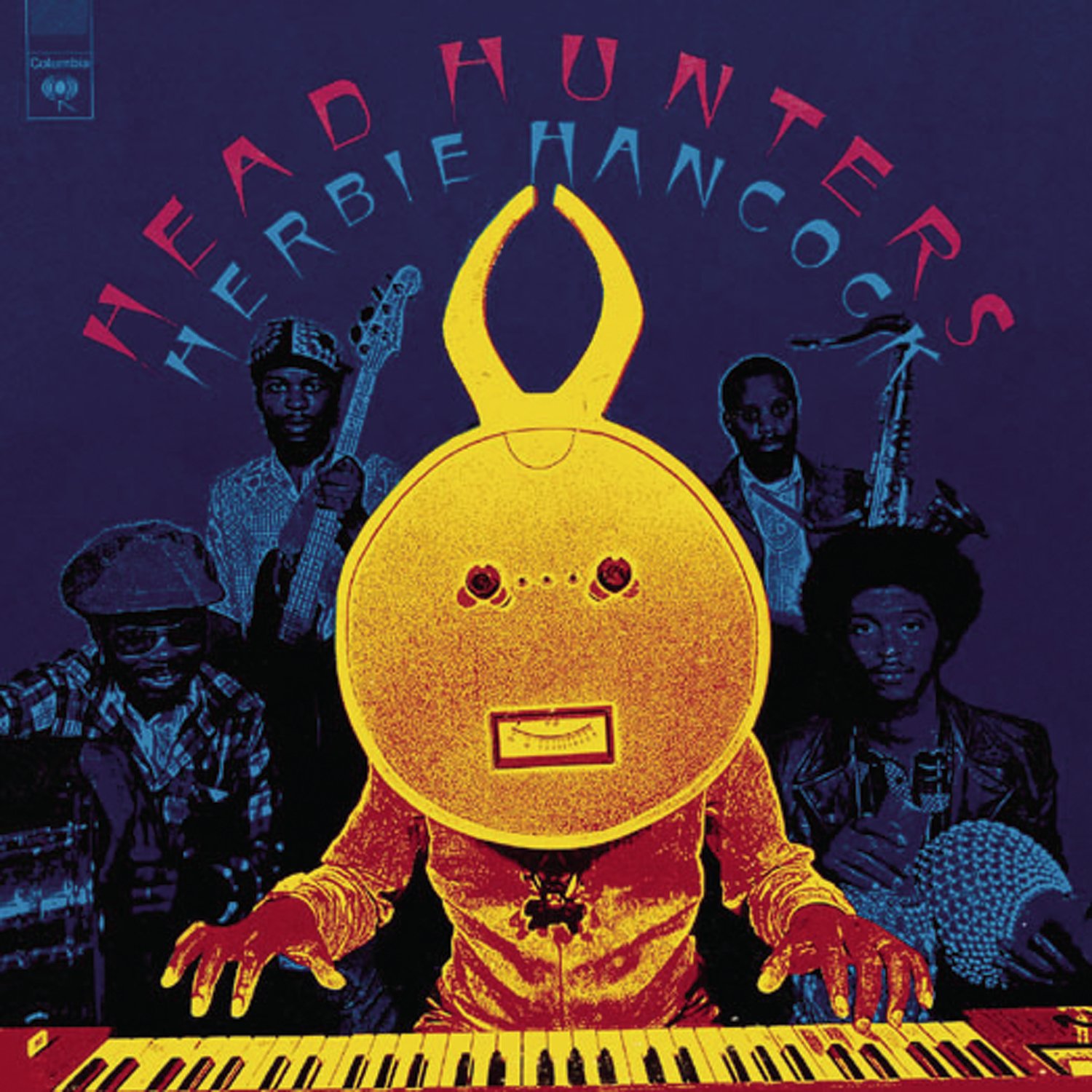
Released on October 26, 1973, and recorded the previous month, this landmark album signifies a conscious shift in direction for Mr. Hancock. It departs from his previous, more progressive and adventurous modal-based music, embracing a solidly tonal funky style of jazz. For this endeavor, he replaced all the members of his previous sextet except for himself and the talented Bennie Maupin on reeds. Remarkably, this jazz album achieved significant commercial success, foreshadowing George Benson’s stunning commercial breakthrough three years later.

The album starts off with “Chameleon,” featuring its initial foundation of two relentlessly repeated bass figures. However, the music is far from stagnant; it organically develops as it progresses, with the bass occasionally taking a secondary role but always remaining fundamental to the overall forward motion. The improvisation, while solidly jazz-based, aligns with a generally funky mood. Toward the end of “Chameleon,” we encounter sparkling chord changes reminiscent of a chameleon changing its exterior color, yet it retains its essential nature—similar to the music—concluding with a more static, funky ending. This is followed by an abstracted, funky rendition of Hancock’s classic, “Watermelon Man,” creatively presented to sound fresh, innovative, and slightly futuristic.

Side two starts with “Sly,” a vibrant homage to Sly Stone that includes some wild, abandoned, but clearly intricate interplay between Maupin’s sax and Hancock’s keyboards. This dynamic exchange offers all the excitement and vigor of the free jazz of the era, yet within a tonal, structured framework—making it accessible to a wide range of listeners. The album concludes with the reflective jazz tone poem, “Vein Melter,” seemingly representing the impact of heroin. The sense of time is significantly slowed by the floating, detached music, free from earthly worries or concerns. Notice the slow beat that initiates, persists, and concludes the track, possibly symbolizing the futility of the heroin experience. This second side, featuring “Sly” and “Vein Melter,” stands as one of the best single LP sides of any album from the 1970s.

Kraftwerk: Ralf und Florian

Released sometime in October1973, Ralf und Florian is the third studio album by the soon-to-be influential German electronic music pioneers, Kraftwerk. At this time there group is just the two former students of Düsseldorf’s Robert Schumann Conservatorium, Ralf Hütter and Florian Schneider The album is influenced heavily by “classical” or conservatory/university ideas about electronic music, but it is clear that a more accessible element is added into their works. This is far from their pop-flavored, and very influential, fourth album, but it still holds a special place in the band’s discography, marking that important transitional phase between their early “experimental” electronic work and the groundbreaking sound they would later be known for. The most intriguing work on the colorfully diverse side one is the pattern-based “Kristallo.” The second side open with “Tanzmusik”, which comes the closest to the music of their next album, with its lighthearted texture, vocoder-enhanced vocals and relentless drive. The album concludes strongly with the longest track, the relatively accessible “Ananas Symphonie” (“Pineapples Symphony”) with the vocoder, this time, used to modulate their voices to sound detached and machine-like. Ironically, though, the piece also creates a relaxing, mediative soundscape reminiscent of a tropical island — pineapples and traces of seashore sounds included.

Caravan: For Girls That Grow Plump in the Night; Lou Reed: Berlin

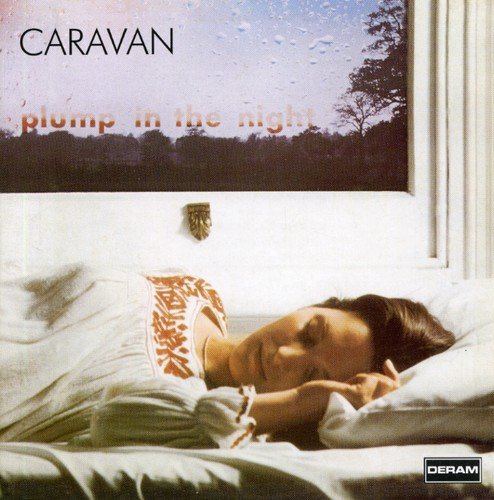
With changes to their lineup, the loss of bassist Richard Sinclair and keyboardist Steve Miller and the addition of Richard’s cousin, Dave Sinclair on keyboards, and Geoff Richardson on viola, Caravan moves away from the more progressive, jazz-infused sound of their previous album, to a less progressive sound infused with some pop elements of the late sixties The highlight of this fifth studio album, released on October 5th, 1973, is the medley on the last track, “L’Auberge Du Sanglier / A Hunting We Shall Go / Pengola / Backwards / A Hunting We Shall Go – Reprise”, which includes strong guitar work from Pye Hastings, impressive electric viola and cello from Richardson and Paul Buckmaster, respectively, some sensitive acoustic piano from Dave Sinclair and a solid orchestral arrangement from John Bell and Martyn Ford.

Also, on October 5, 1973, Lou Reed releases his poignant concept album, Berlin. Though not as melodically memorable as his previous album, and with some musical content from earlier works recycled or redeployed, the album is still deserving of attention. The last track, in particular, provides an affecting and fitting conclusion to the work.

Fifty Year Friday: November 1972

STEELY DAN: CAN’T BUY A THRILL

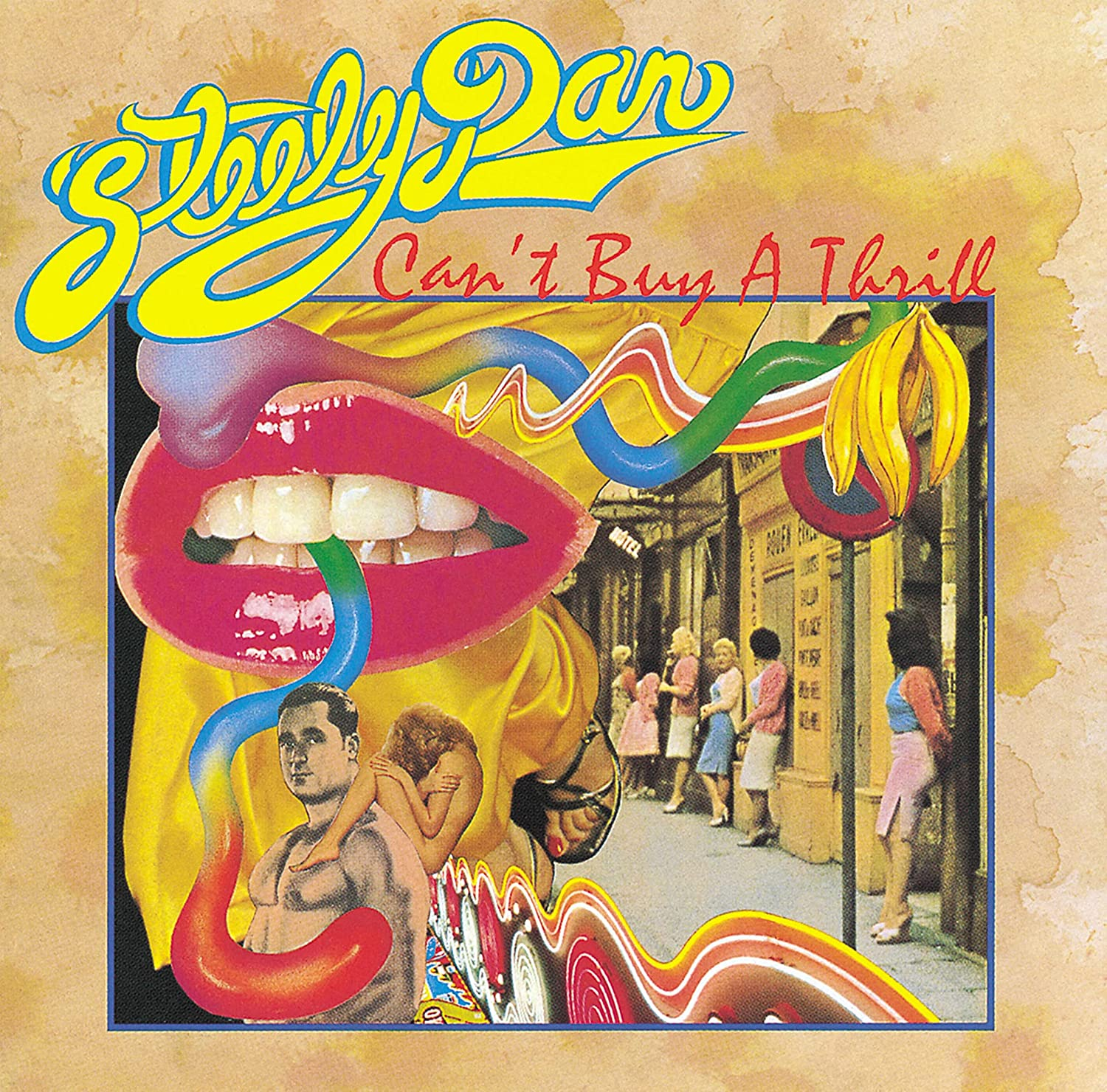
Released in November of 1972, this is the first of Donald Fagen’s and Walter Becker’s string of excellent albums. The music ranges from pop to rock to folk-rock to jazz-based rock with engaging and intelligent chord progressions and a healthy use of minor seventh and ninth chords.

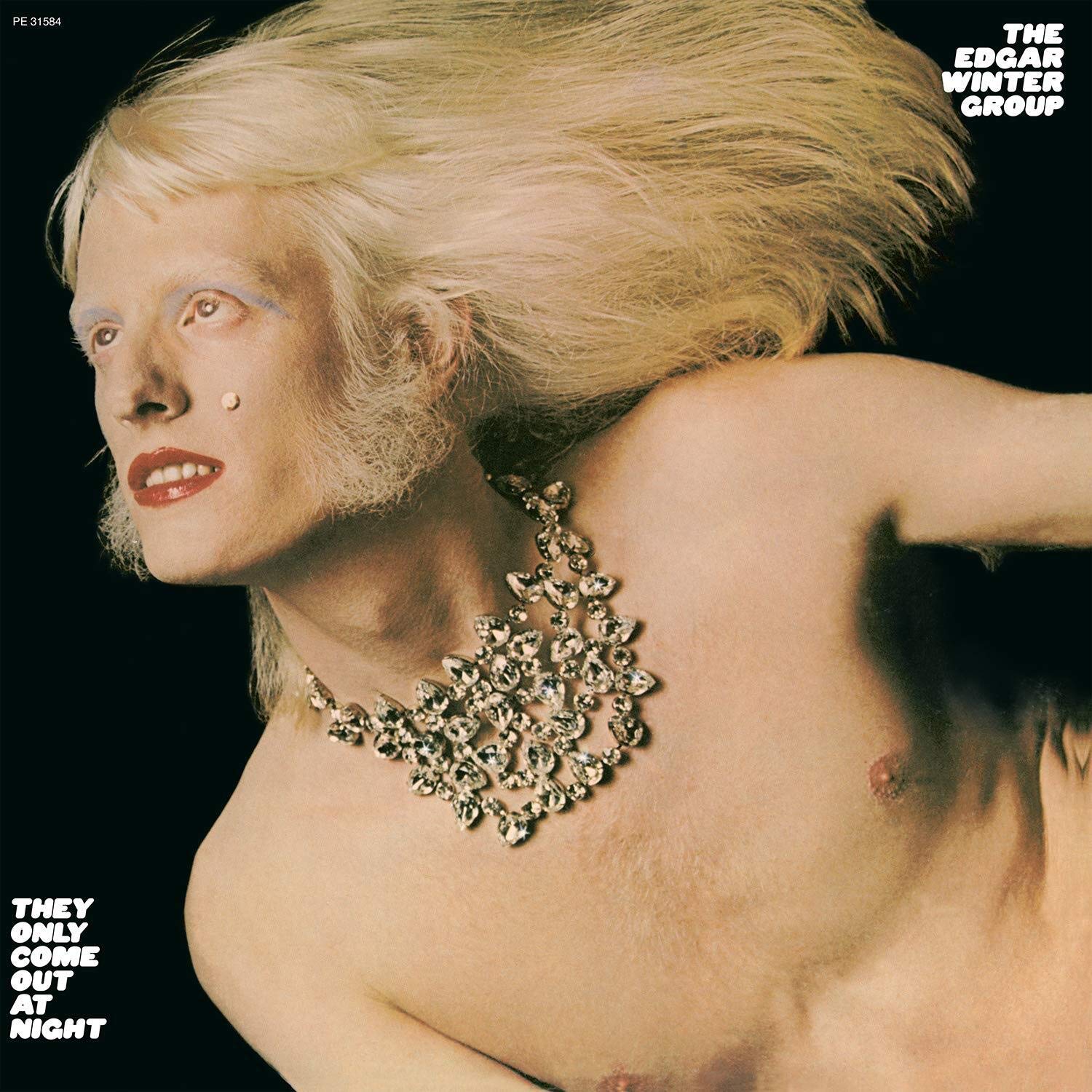
THE EDGAR WINTER GROUP: THEY ONLY COME OUT AT NIGHT

Skillfully produced by Rick Derringer, this is Edgar Winter’s most solid album with a number of songs that for the rest of 1972 and early into 1973 found a prominent place on AM radio, FM radio, at high school parties, or in the repertoire of high school dance bands. “Hangin’ Around”, “Free Ride”, “We All Had a Real Good Time” and the instrumental “Frankenstein” are hard rock classics that have effectively captured and preserved the spirit of early seventies hard rock, providing, today, an effortless means for us to travel back in time fifty years ago.

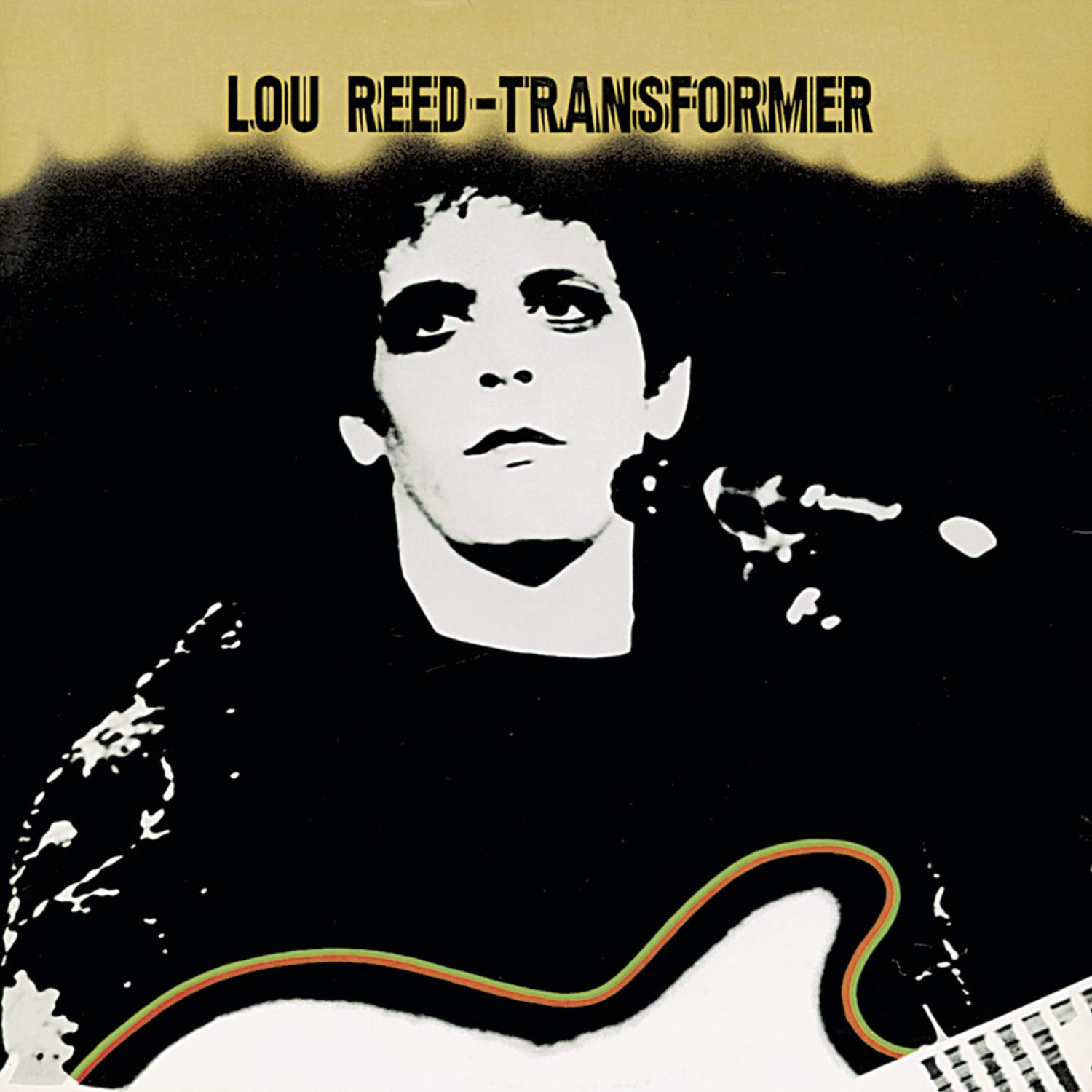
LOU REED: TRANSFORMER

Released on November 8, 1972, Lou Reed’s Transformer excels at creating a level of nonchalance and casualness that was more reminiscent of the beat movement of the 1950s than typical of an early 70’s rock album. Aided by David Bowie, Mick Ronson and Trever Bolder and elegantly produced by Bowie and Ronson, this album, along with the success of its glam, transexual and sometimes banned single, “Walk on the Wild Side”, brought Lou Reed out of the shadows of the Underground and into the commercial spotlight. The album is considered a classic by many and has had substantial influence on many Indie Rock artists that came later.

WAR: THE WORLD IS A GHETTO

War’s fifth studio album, released around November of 1972, opens with the once relentlessly-played AM single, “Cisco Kid”, which though annoying for those of us that heard it in spring of 1973 played through third-rate speakers of a school bus for multiple weeks almost every morning on our ride to school, was a welcome relief from the equally often-played, but far less bearable “Tie a Yellow Ribbon Round the Ol’ Oak Tree.” That said, now hearing “Cisco Kid” on a first-class audio set up almost fifty years later, the quality of performance and the arrangement almost make up for the melodic and harmonic mediocrity of the track. More importantly though, the rest of the album is quite good, starting with the infectious, funky “Where was You At” and the effervescent jazz-infused 13 1/2 minute “City Country City” instrumental on side one and the three tracks on side two including the soulfully reflective “Four Cornered Room”, and the beautifully funk-infused, “The World is a Ghetto.” This was not only War’s most commercially successful album, but the best selling album for the year 1973 holding the number one position for two weeks in February 1973 and staying on the Billboard 200 for a total of 68 weeks.

JONI MITCHELL: FOR THE ROSES

Released in November of 1972 between two of her most artistically and commercially successful albums, 1971’s Blue and 1974’s Spark and Court, the excellent For the Roses brims over with wonderful melodic phrases, remarkable piano lines, and beautiful acoustic guitar and an appropriate amount of harmonica, bass, percussion, winds and strings — always at the right places!

CAN: EGE BAMYASI

Can’s highly influential album, Ege Bamyasi, with the name apparently inspired from the label of a container of canned okra of Turkish origin also meant for German consumption of these “okra pods”, takes a detour from the previous no-holds-barred and even more influential Tago Mago, with an often more structured (via editing in some cases) and relatively more contained set of compositions. Not readily available in the US, I purchased this album in a German record store in 1978, and listened to it once before shelving it for several decades. It’s great to come back and revisit it and find there is much more here than I thought — and to discover the influence it has had on music since my original purchase, with Stephen Malkmus of Pavement, Thurston Moore of Sonic Youth, and the band Spoon all having been much more serious fans of the album and reaping music influences from it. Truly fortunate to revisit the album and able to enjoy it on a much better audio set up than I had in 1978.

Uriah Heep, Moody Blues, Carly Simon, Hawkwind, and Barclay James Harvest

Other notable albums from November 1972 include Uriah Heep’s semi-progressive Magician’s Birthday with a memorable Moog synthesizer solo from Ken Hensley on “Sweet Loraine” (reaching the 91st spot on the Billboard Hot 100) and a more expansive title track concluding the album, Hawkwind’s third studio album, Doremi Fasol Latido, stylistic different than their previous albums but still quality, engaging space-rock, Carly Simon’s No Secrets with two well-known tracks, the number one hit “You’re So Vain”, and less commercially successful but equally appealing “The Right Thing to Do”, the richly arranged, orchestrated Barclay James Harvest, Baby James Harvest, a mix of straight rock (“Thank You”) and more progressive tracks (“Summer Soldier”, “Moonwater”), and Moody Blues’ eighth album (last of the highly regarded string of seven classic album) which had two commercially successful singles, “Isn’t Life Strange” and “I’m Just a Singer (In a Rock and Roll Band)”, which spurred increased interest in their previous work resulting in the re-release of the beautifully haunting single version of the “The Night”, titled “Nights in White Satin”, which did much better the second time around, getting more attention and airplay than any of the music on the Seventh Sojourn album.

Fifty Year Friday: October 1972

Genesis: Foxtrot

From the opening set of the choral-like, other-worldly, mellotron-intro of carefully constructed chords — initially over a “pedal-point” (a sustained bass note), followed by a short set of chromatic modulations, the tone of this epic classic album is established and sustained through out the next magnificent fifty minutes of one of the most appealing rock albums of the last sixty years.

The music is epic, dramatically supporting some pretty impressive lyrics, with the first track, “Watcher of The Skies”, a sci-fi narrative from an alien visitor’s somber, almost jaded, perspective regarding the remnants of a vanished earth civilization, followed by the more lyrically but equally potent and allegorical “Time Table”. “Get “Him Em Out By Friday” also time travels, from 1972 to 2012, and effectively mixes upbeat rhythms and shifting meters into moments of Dickensian commentary, starting with shifts between 6/4 and 4/4, with a heavily triplet-based 4/4 section into a more reflective, slower 6/4 section with some the return of a modified original A section with some 7/4 bars and an appropriately reflective coda. This is followed by another epic track, the amazing “Can-Utility and the Coastliners” with an acoustic guitar and flute opening section and its sense of substantial narrative, proportion, and consequence far exceeding its limited five minute and forty-five seconds of actually clock time. Of particularly musical note is Tony Bank’s mixed-meter keyboard solo, perhaps either celebrating the use of the name he had initially suggested for the band (Can-Utility and the Coastliners, a name Peter Gabriel reportedly summarily rejected, understandably), or letting off a little steam for the band, instead, being ultimately named “Genesis.” Seriously, though, this composition a true work of art, anticipating both Banks’ “Firth of Fifth” on Selling England by the Pound and his “One for the Vine” on Wind and Wuthering.

Side two opens with Steve Hackett’s elegantly simple guitar solo, followed by the masterpiece of the Genesis catalogue, the twenty-three minute “Supper’s Ready.” Though its seven-section make-up indicates a piecing together of individual songs into a common thematical framework, the overall effect is that of a single cohesive work, much in the way that the second side of the Beatles Abbey Road works together, except that “Supper’s Ready” is more integrated and reuses material to create an effective sonata-like form. Though too difficult, and hopefully totally unnecessary, to pick one single composition to make the case that classical music was an unbroken continuum to the present that included the best works of the best rock bands, this work has to be considered as deserving top consideration for making that case.

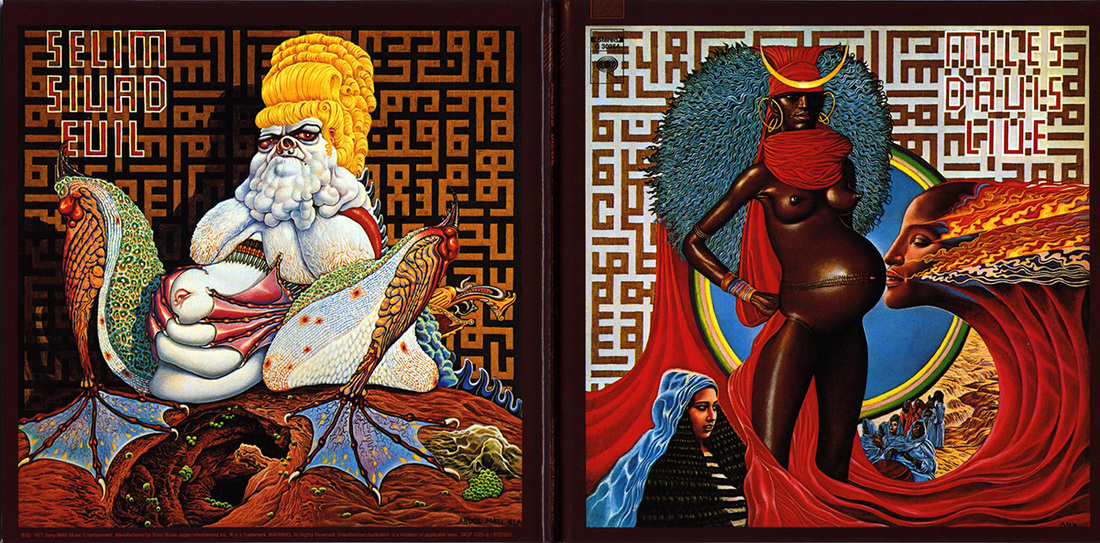
Miles Davis: On the Corner

Eschewing and yet incorporating contemporaneous offerings in jazz, jazz fusion, rock, progressive rock, minimalism, and funk, Miles creates yet another landmark album with On The Corners as representative of the spiritual-industrial meld of the early 1970s as anything yet released or yet to come. Few critics even began to know what to make of the work, and the record-buying public, which had sent Miles’ previous album up to the 7th spot, were mostly absent at the cash registers, with On the Corner peaking at 156.

The album, though foundationally based on the familiar musical components of its time, was yet so alien to many when it came out on October 11, 1972, primarily due to the resulting originality of the approach. Overall, Miles and team took on the same type of challenges that were tackled by such German progressive rock groups such as Can, but due to significantly better musicianship and a more focused vision, created a superior and eventually more influential product.

Henry Franklin: The Skipper

One of the lesser known albums of 1972 by one of the lesser known artists on one of the lesser known record labels, bassist Henry Franklin’s debut album, The Skipper, is well worth any effort to hunt down, with such ultimate acquisition being readily achievable due to the reissuing of the Black Jazz record catalog by Real Gone Music. Thank-you, Real Gone Music!

Franklin’s plays both acoustic and electric bass, writing most of the music on the album, with Bill Henderson on electric piano contributing one of his own compositions joined by Charles Owens on soprano and tenor sax and Oscar Brashear both of which provide the vital contributions that make this album a neglected classic.

Doug Carn: Spirit of the New Land

This is the second of four albums that Doug Carn released on the Black Jazz record label. Accessible and topical, this jazz concept album brims with amazing work from both keyboardist Doug Carn, Charles Tolliver on flugelhorn, reed player George Harper and Carn’s wife, Jean Carn, on vocals with notable contributions from Earl McIntrye on tuba and Garnett Brown on trombone.

The Awakening: Hear, Sense and Feel

The Awakening released their first album on the Black Jazz label, providing an excellent set of jazz-rock/jazz-fusion instrumentals bookended by a brief introductory recitation and final poetic coda. The music is slightly reminiscent of some of the Chicago’s instrumental passages from their first two albums with a hint of early 1970’s McCoy Tyner. Of particular note is the keyboardist, Ken Chaney, who composes the opening instrumental following his wife’s opening introduction. In general quite good, with “Jupiter” being a particularly strong track. For those that like no-nonsense early 70s jazz and jazz-rock, this is worth the effort of tracking down. Available from Real Gone Music as are all the Black Jazz late sixties and early seventies catalog.

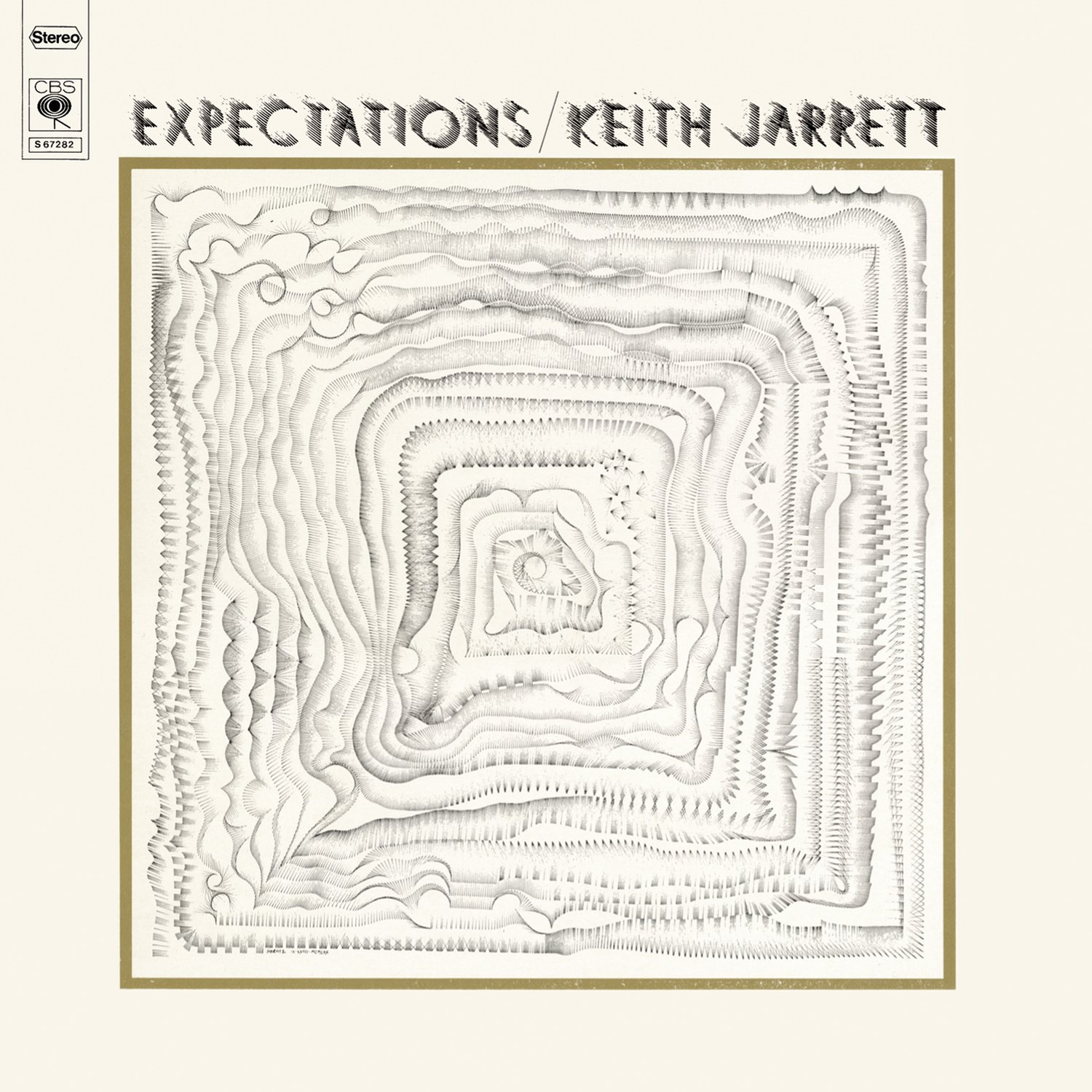
Keith Jarrett: Expectations

Taking his core quartet that included Dewey Redman (now known as the “American Quartet”) (Jarrett, saxophonist Dewey Redman, bassist Charlie Haden, and drummer Paul Motian), Jarret adds Sam Brown on guitar and Airto Moreira on percussion and drums, along with some strings and brass arrangements to create a ambitious, relatively eclectic two record set that unfortunately for Columbia records, was the last one under that label, simply due to Columbia suddenly dropping Jarrett during the its sweeping commercially-driven jazz purge, something that appears to be one of those historic money-driven record label decisions that ended up being a fiscal mistake.

The album is a bit uneven with Jarrett basically redefining “free jazz” to mean “freedom in playing a range of styles” but the overall final result is a strong album with side four being the best.

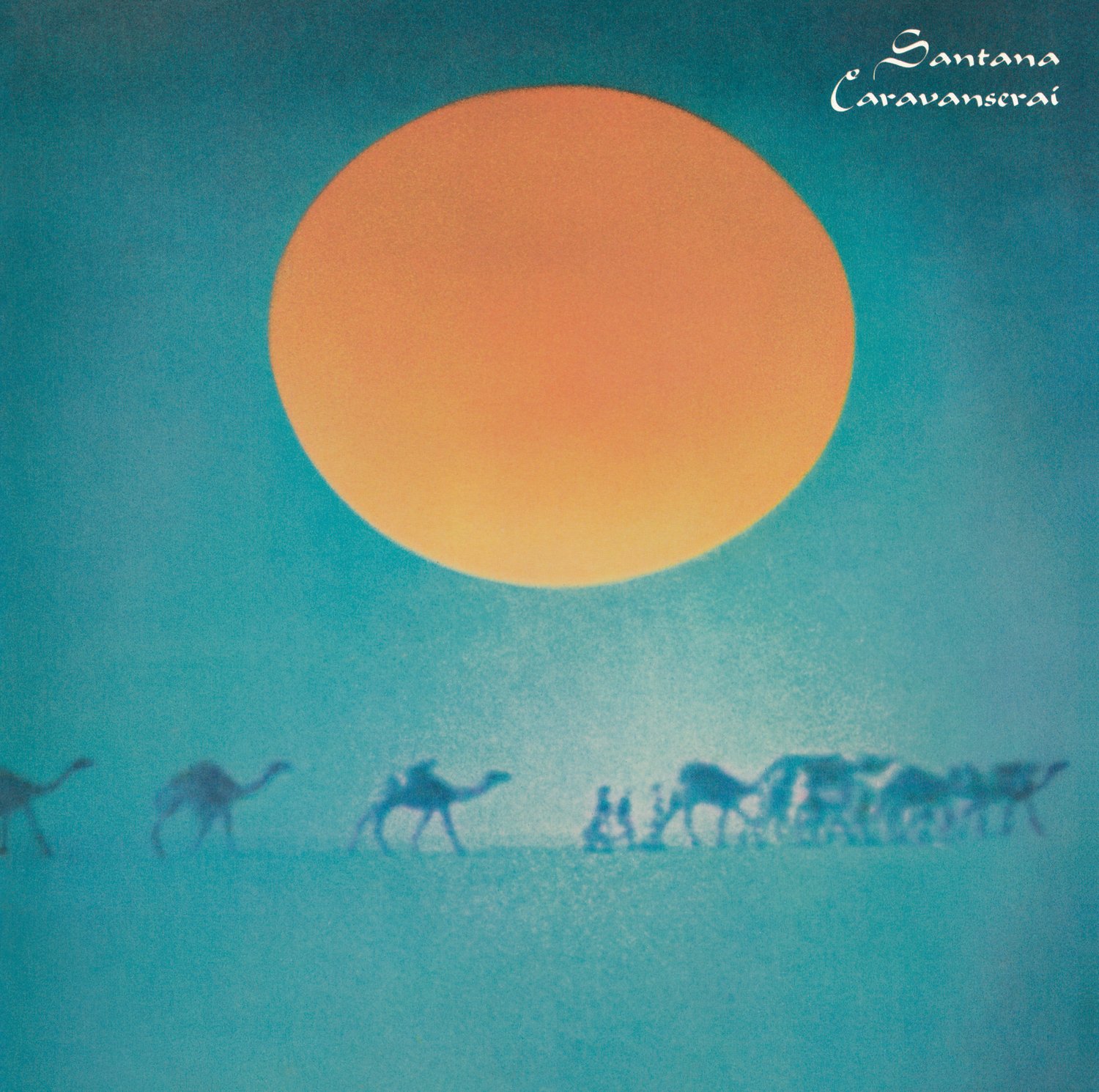
Santana: Caravanserai

Released on October 11, 1972, Caravanserai was quickly embraced by the same audience inescapably attracted to progressive rock as well as enthusiastically embraced by a substantial number of fusion fans. Though nowhere as commercially successful as the previous two albums (the president of Columbia Records after hearing the tapes for Caravanserai, told Santana he was committing “career suicide”), the album is an artistic gem, a work that can be listened to repeatedly with various spectra of pleasure.

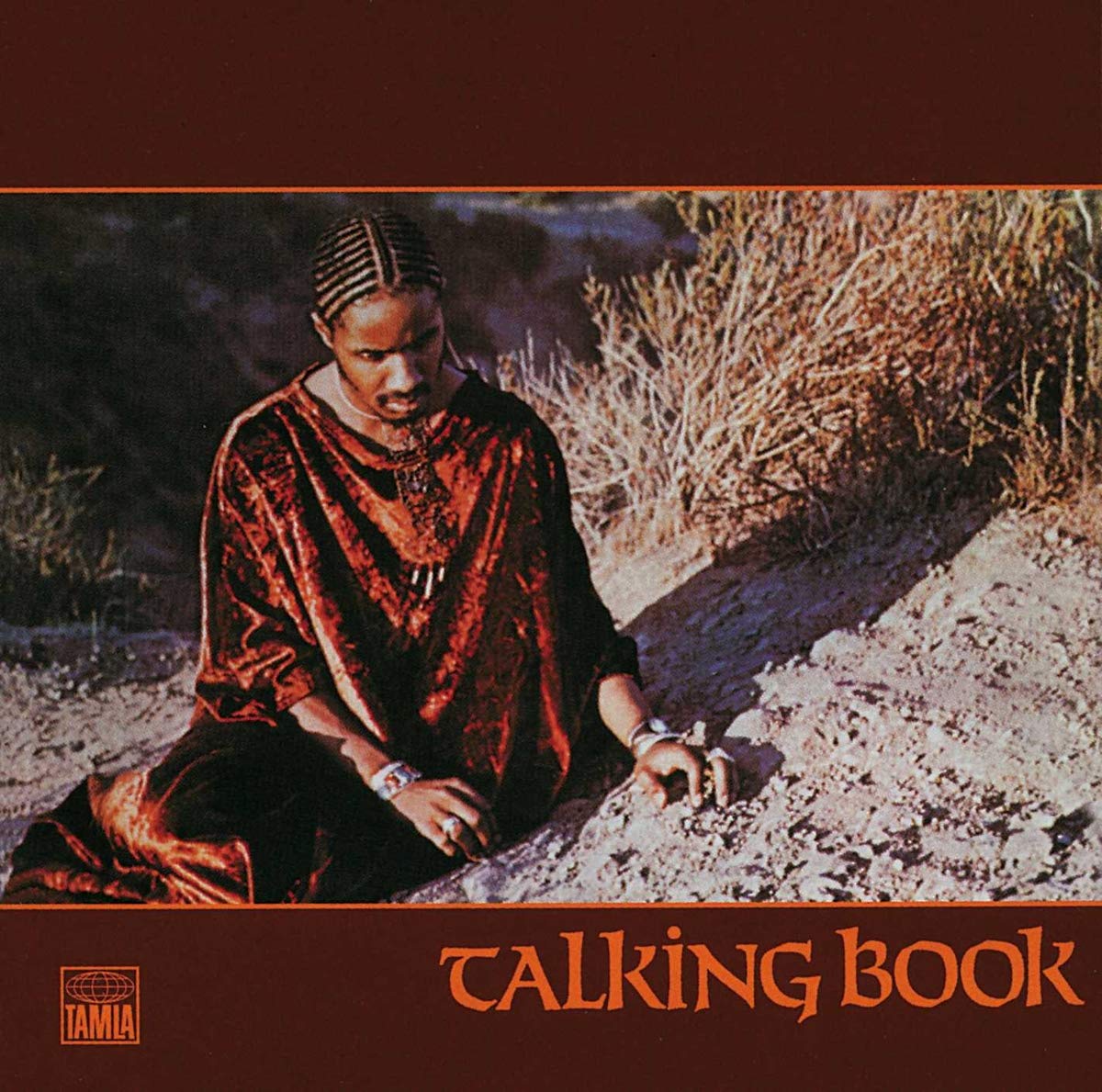
Stevie Wonder: Talking Book

Released on October 27, 1972, Mr. Wonder exceeds the level of professionalism, artistry, creativity on the previous album, displaying flawless judgement and execution as composer, musician and producer. Artistically, the albums opens strong with the timeless love song, “You are the Sunshine of My Life” followed by a strong first side and then an even stronger second side made up of five classic tracks that starts with “Superstition”, followed by “Big Brother”, the subtly impressionistic “Blame It on the Sun”, the Latin-jazz-influenced “Lookin’ for Another Pure Love”, and then perfectly concluded with my favorite work on the album, “I Believe (When I Fall in Love It Will Be Forever)”.

Fifty Year Friday: August 1972

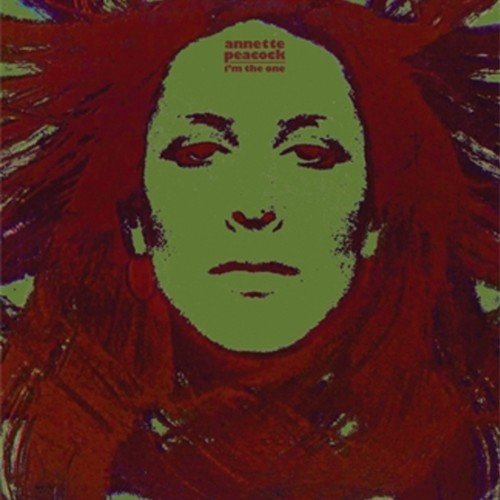
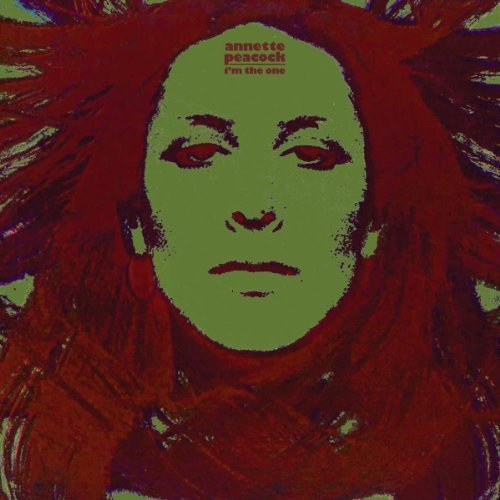
Annette Peacock: I’m the One

Missed mentioning this earlier this year, but better late than never! Released around January 1972, this incredible album combines jazz, pop and rock elements in an invigorating blend with effective use of synthesizers. Annette’s vocals may have influenced David Bowie’s vocal approach starting with Ziggy Stardust. This is one of the great albums of 1972!

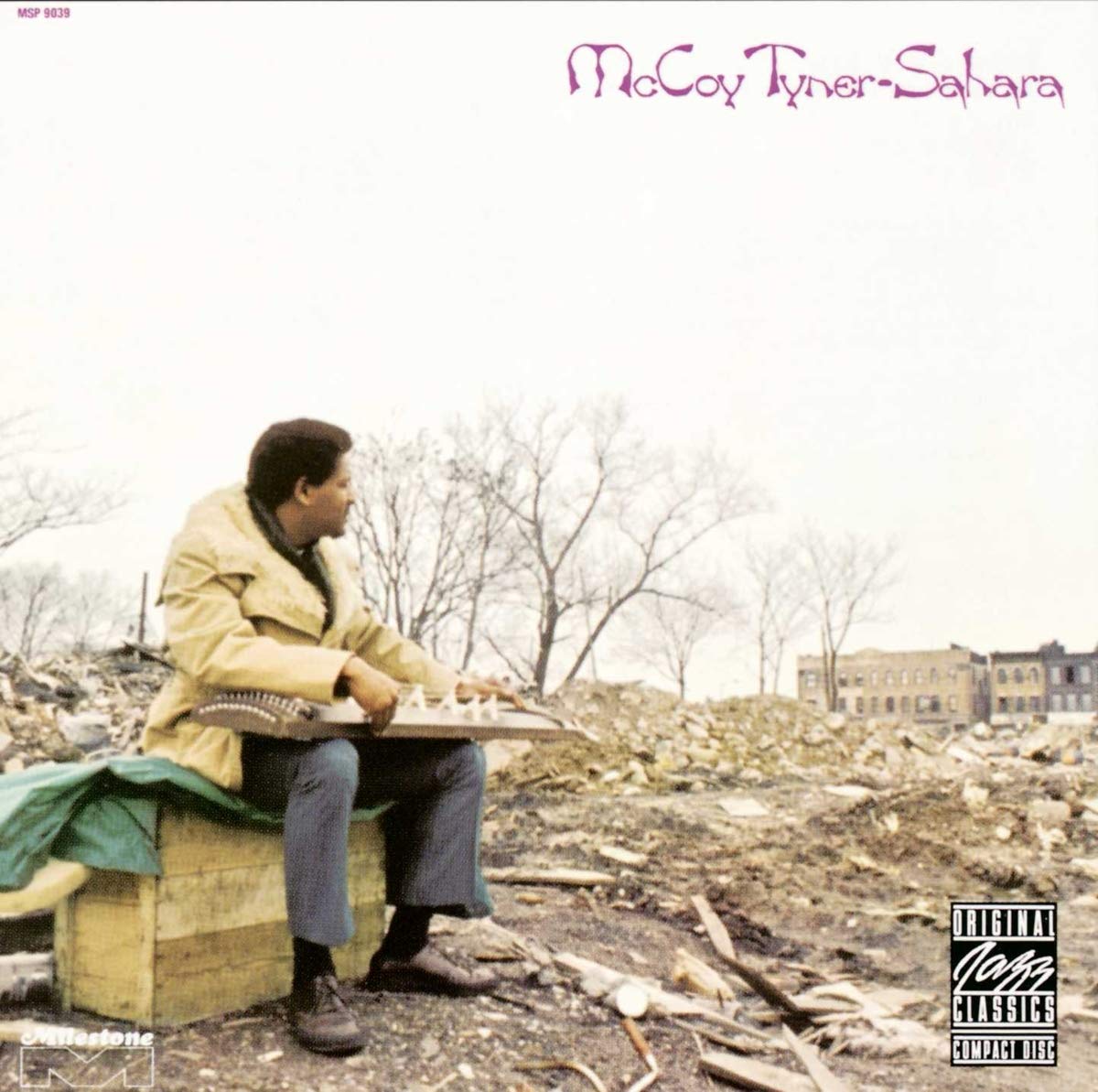
McCoy Tyner: Sahara

Also missed this fine album last month! Recorded in January 1972, and released around July 1972, the album covers fusion-like territory but with all acoustic instruments. Tyner is a tsunami on piano and the first track is one of the finest of 1972. This first track then is followed by a mesmerizing, technically incredible piano solo and an adventurous, sometimes sizzling, sometimes reflective Japanese-flavored work where Tyner exchanges keyboards for koto, Sonny Fortune exchanges saxophone for flute, and bassist Calvin Hill appears to play an eastern flute-like instrument. The next track, “Rebirth”, explodes with a drum solo and then Tyner’s steamrolling piano taking no prisoners, with Fortune unleashing a blistering, often high-register alto sax solo — incredible execution nearly beyond belief. Side Two is taken up with the title track, Sahara, not my favorite of the album, perhaps because of some shrillness from the eastern reed instruments, yet it attempts to encompass epic scope and has some incredible passages.

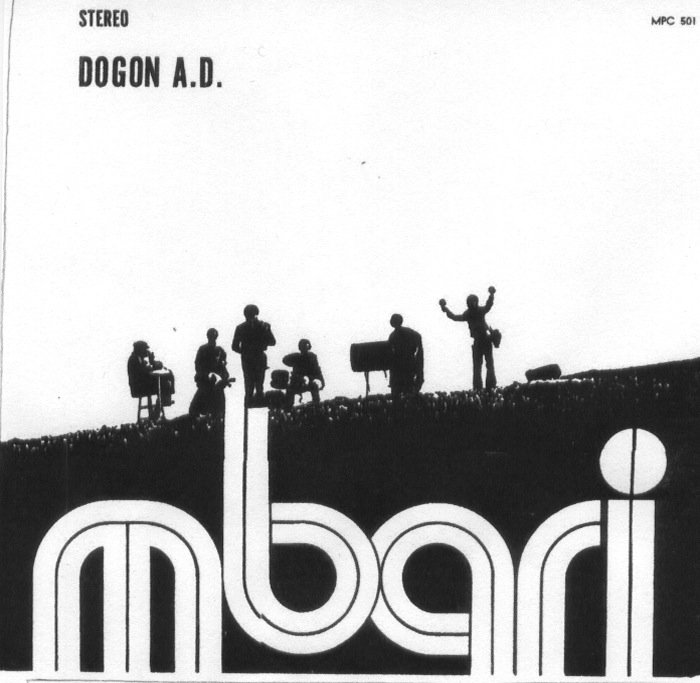
Julius Hemphill: Dogon A.D.

Named after the Dogon in West Africa, recorded in St. Louis in February 1972 and released in limited quantities on Julian Hemphill’s own Mbari label and later made more widely available, this was Hemphill’s first commercial recording. Though labelled as “three lengthy avant-garde explorations” the music is structured and accessible with musical influences from the African continent.

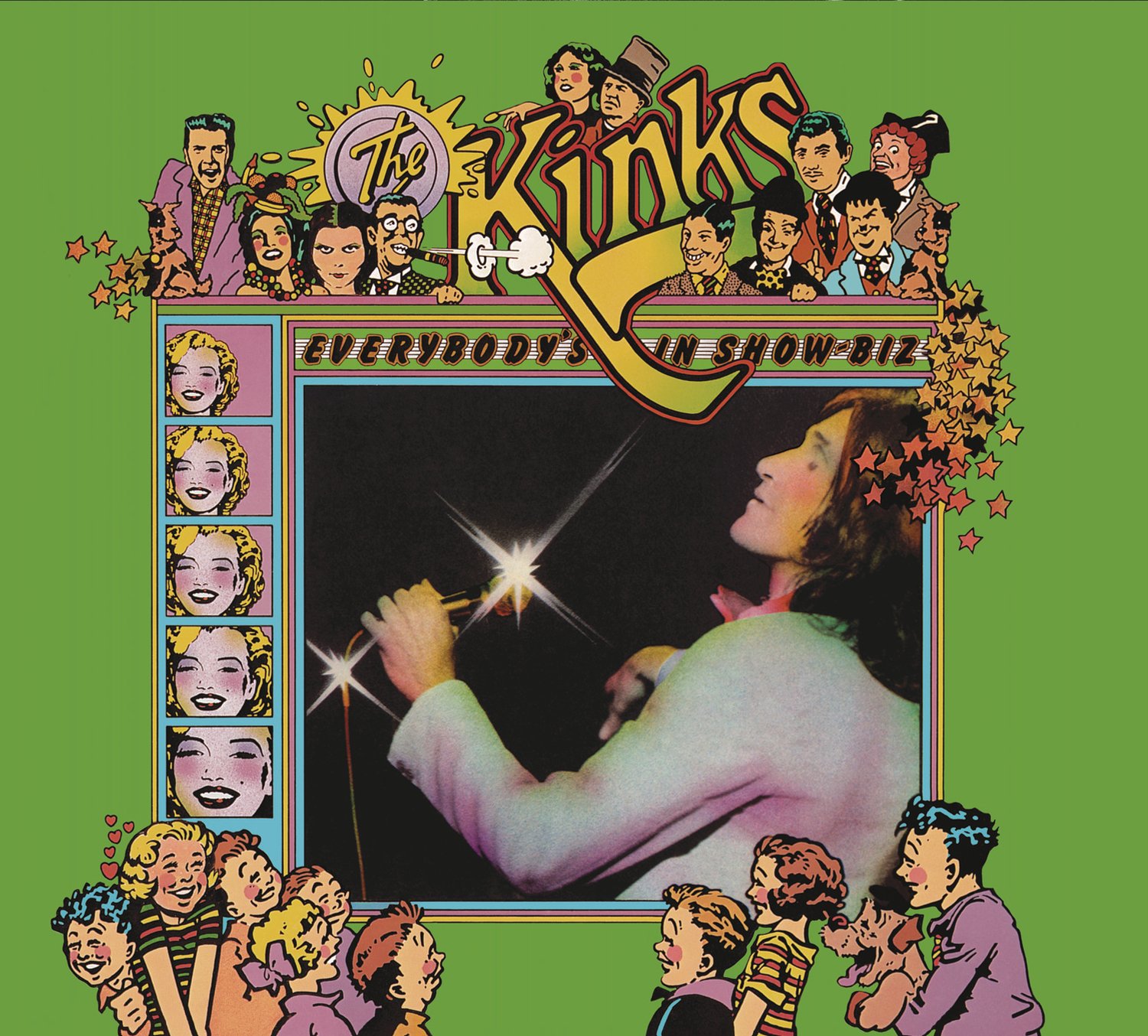
The Kinks: Everybody’s in Show-biz

This two LP set includes studio material from spring of 1972 on the first two sides and live material from Carnegie Hall recorded on March 2nd and 3rd. Ray Davies continues his deviation from standard rock with strong influence from the Neo-music-hall material of twentieth-century London. The first LP loosely addresses the concept of show-biz fame and touring with the upbeat “Here Comes Yet Another Day” energetically opening up side one. The album closes with “Celluloid Heroes” (which got significant airplay on FM radio) with Ray Davies’ thoughtful and well-crafted lyrics providing a wistful close to that first LP.

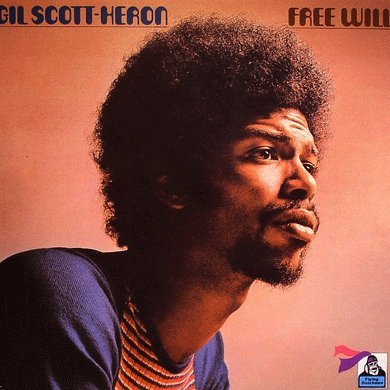
Gil Scott-Heron: Free Will

Though not as strong as Gil Scott Heron’s previous (second) album, this album has more historical importance. His first album (recorded in a studio with a live audience) is sometimes referred to as proto-rap, but more accurately it is emotive, fairly well-written poetry read to sparse musical accompaniment, not so different than beat-era poetry readings, with some differences in rhythmic elements as well as subject matter and vocabulary. It is the second side of this third album, Free Will, that more clearly anticipates rap music with Heron providing better rehearsed and more effective, more rhythmically-enhanced delivery of his poetry. For stronger music, refer to his second album, Pieces of a Man, but if the object of exploring is to hunt for what may be the first traces of rap on LP, start here.

Fifty Year Friday: January 2022

As one might expect, there were a few albums that missed out on a more commercially favorable pre-holiday release and ended up being released in January 1972 with both January and February being relatively lean months in rock album releases compared to any given month in the last half of 1971. Fortunately, there were some notable jazz releases including a jazz classic by Charles Mingus!

Charles Mingus: Let My Children Hear Music

Mingus gives it everything he has in this album: complex, profound, majestic, modern, accessible and often elegant compositions, a large jazz orchestra, excellent arrangements (in partnership with Sy Johnson and others), and top-notch execution of his ideas. The music is a feast from the first to last track, with the current CD of this containing a bonus track. Note that this music was partly edited by Teo Macero, but I am not aware of any release of the original unedited material. If you know of such, please comment.
ALBUM LINER NOTES

Hugh Masekela: Home is Where the Music Is

In 1972, I was not yet purchasing or listening to albums by either Hugh Masekela or Archie Shepp, so even if my memory was much better than it is today, I wouldn’t have a clue when these albums actually hit the record store bins, but as both albums were recorded in January of 1972, please allow me to include them in this month’s celebration of the music of January 1972.

Recorded in London in January 1972, Hugh Masakela’s Home is Where the Music Is is a 2LP set with some of the finest, broadly commercially-oriented jazz of the early seventies that there is. The album boasts all original material with not a single interpretation of a pop song (contrast this to Masakela’s 1970 Reconstruction album which includes tunes by Paul McCartney [Beatles-era], Joni Mitchell, and Motown’s Holland-Dozier-Holland) and yet is as contemporary as anything put out by Blood, Sweat and Tears, Chase or several other of the jazz-rock outfits of the late sixties and early seventies — and more importantly — far surpassing most of those type of efforts in quality and distinctiveness. Each track is fully realized with the shortest at around 5 1/2 minutes and the longest around 10 1/2 minutes. The playing is exceptional, engaging, and aesthetically fulfilling.

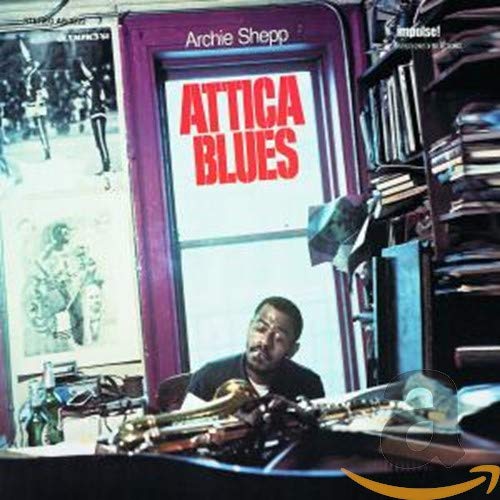
Archie Shepp: Attica Blues

Though well known for his modern jazz masterpieces like the avant-garde Fire, his abilities to reach a broader music-consuming audience are successfully deployed, with both style and impressive vigor, in what should have been an album as popular as contemporaneous releases by groups like Sly and the Family Stone. This is a large-scale effort with over twenty-five musicians (including brass, reeds, strings, backing vocalists, and electric instruments) and two narrators that successfully balances soul, funk, jazz and rock elements. Despite its strong points, there is some weakness in the poetry and the vocal rendition provided by Cal Massey’s young daughter — but more than making up for any weak areas of the release is the penultimate track on the album, Cal Massey’s fine tribute, “Good-Bye Sweet Pops,” to the great Louis Armstrong who had recently died from a heart attack in July of 1971.

Annette Peacock: I’m the One

Released in January of 1972, Annette Peacock’s debut album is yet another early 1972 album that successfully brings together disparate musical elements performed by a larger ensemble. Peacock and team effectively incorporated blues, jazz, rock, free-jazz, classical avant-garde, trace elements of funk and soul, and a extensive use of Robert Moog’s moog synthesizer to create a complete and impressive musically satisfying work. Notable, historically, was Peacock’s use of the synthesizer to modulate and alter vocal input via microphone plugged into the synthesizer. She also deserves credit for her overall and varied use of the synthesizer instrumentally as well as the wide range of vocal expression she uses, some of which anticipates music of later decades.

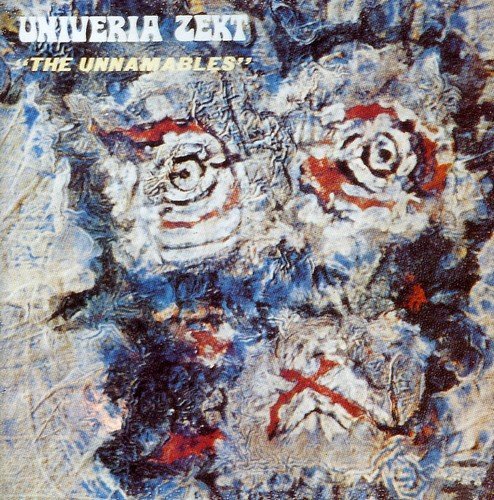
Univeria Zekt: The Unnamables

Released in January of 1972, Magma provisionally assumes the name Univeria Zekt to temporarily step away from their newly created narrative of the Kobaïan universe in order to, perhaps, provide a diversion to existing fans or, possibly, to attract new fans. The album is solidly progressive rock with heavy jazz and some jazz-rock influences, with a musical style significantly different (particularly on the first side) from the darker, neo-primal style of the two preceding Magma albums, which constructed a formidable genre of music, termed Zeuhl — a style of music created to be reflective and representative of the music of the fictitious Kobaïa. Those not able to get enough of early Magma, but also open to embracing this detour into a more jazz-influenced sound (closer perhaps to Mahavishnu Orchestra, Weather Report, or Return Forever) should also acquire this one-of-a-kind album under the Univeria Zekt name.

Paul Simon: Paul Simon

Paul Simon’s first solo album, post-Simon & Garfunkel, did well commercially, with three singles making it on to the Billboard charts, “Mother and Child Reunion”, a reggae-influenced number with the title inspired by the Chinese chicken and egg soup dish he noticed listed on a Chinese restaurant menu in New York, the upbeat “Me and Julio Down by the Schoolyard”, and “Duncan”, my favorite track on the album, reminiscent of music he was writing in the late sixties.

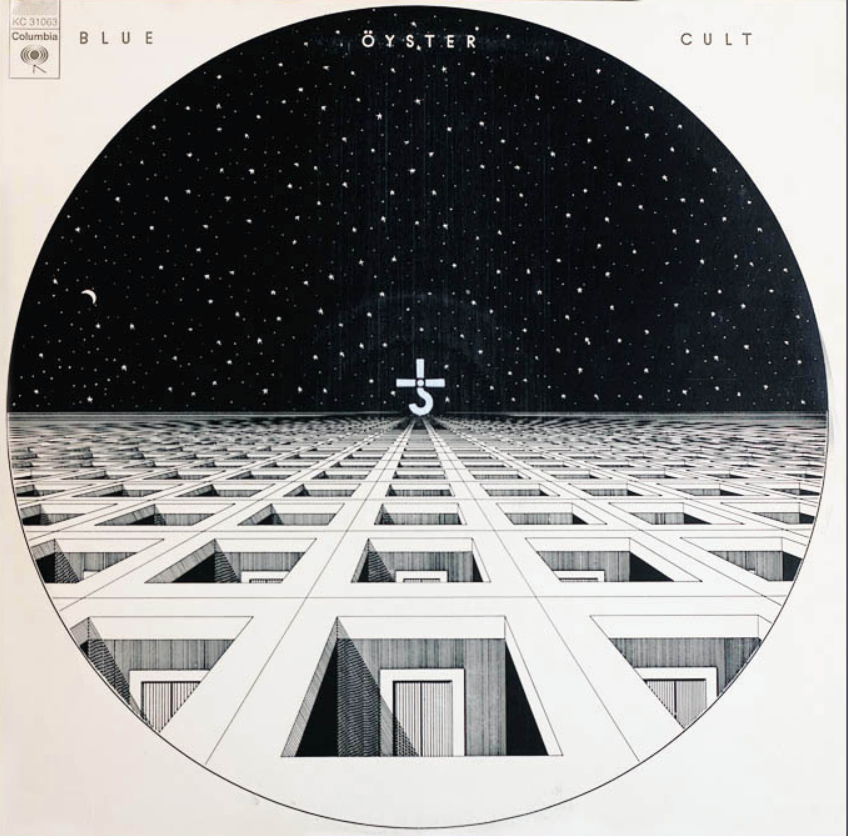
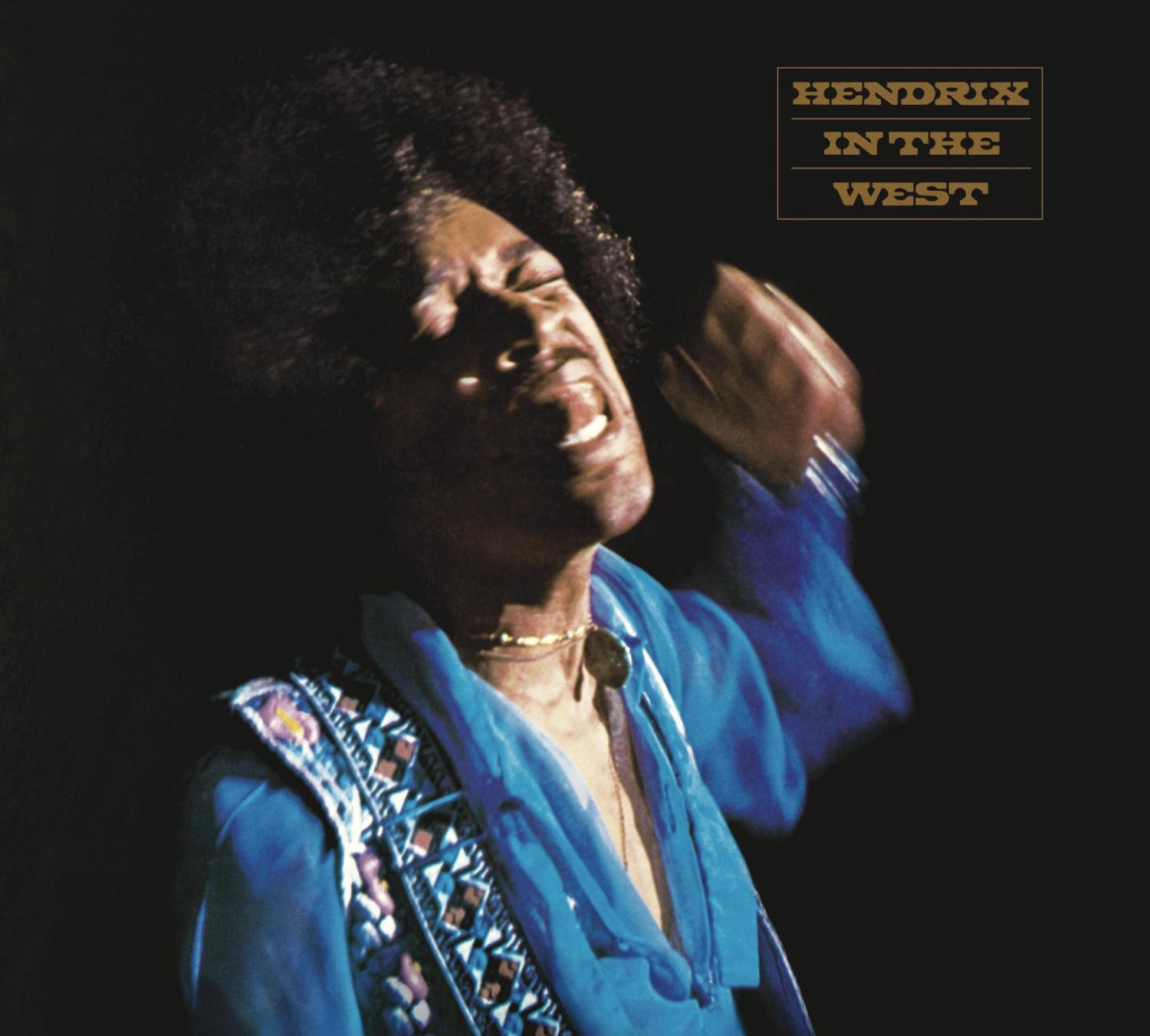
Blue Öyster Cult, Jerry Garcia, Captain Beefheart, Jimi Hendrix

Additional albums include the dark, debut Blue Öyster Cult album with its gratuitous and influential use of an umlaut (a feature to gain common adoption by later Heavy Metal band names such as Queensrÿche, Mötley Crüe, and even the fictional Spın̈al Tap), Jerry Garcia’s Garcia, Captain Beefheart’s relatively traditional and bluesy Spotlight Kid, as well as a posthumous album of Jimi Hendrix live material from 1969 and 1970, Hendrix in The West.

Yes: Fragile, Genesis: Nursery Cryme, ELP: Pictures at an Exhibition, Led Zeppelin, Traffic ;Fifty Year Friday: November, 1971

Looking back fifty years, one can identify a number of months in the early 1970s, particularly those approaching the end of year, whose bounty of riches border on the spectacular. Such is the case with November 1971, which I could easily argue is the very best month of releases in the entire history of the Long Playing record — and going beyond that, extending also into the digital (CD and streaming) age.

Besides highlighting some of the more outstanding releases of November 1971, I also have included a few albums I had missed mentioning earlier — albums released in 1971, but before November. That certainly gives us a lot to cover, but whether fortunately or unfortunately for you, the reader, my time to do blog writing is extremely limited — and this month, I have almost no bandwidth. I am going to be challenged to just list my favorite albums, let alone say anything of substance. However, as regular readers can attest, I rarely say anything substantial in this column anyway (thankfully the music stands on its own) and I do my best to say a few words of no special consequence in my limited time. I certainly can’t, wouldn’t and have no reason to fault any reader that prefers to just quickly glance at what albums are mentioned, which by itself justifies my effort and is as much as I expect and actually have any reason to expect. That said, I am going to see how much I can tackle before the last friday of the month arrives, and as I always have done, post whatever I have, whether readable or not.

It’s also important to note the increasing prevalence of synthesizers in so many albums of this time period. Ever since hearing Switched on Bach around 1969, I developed an undeniable affection for the thrilling portamento and the more blatantly artificial wave forms produced by keyboard synthesizers. In November of 1971, we get several classic albums that place the synthesizer in a very prominent role.

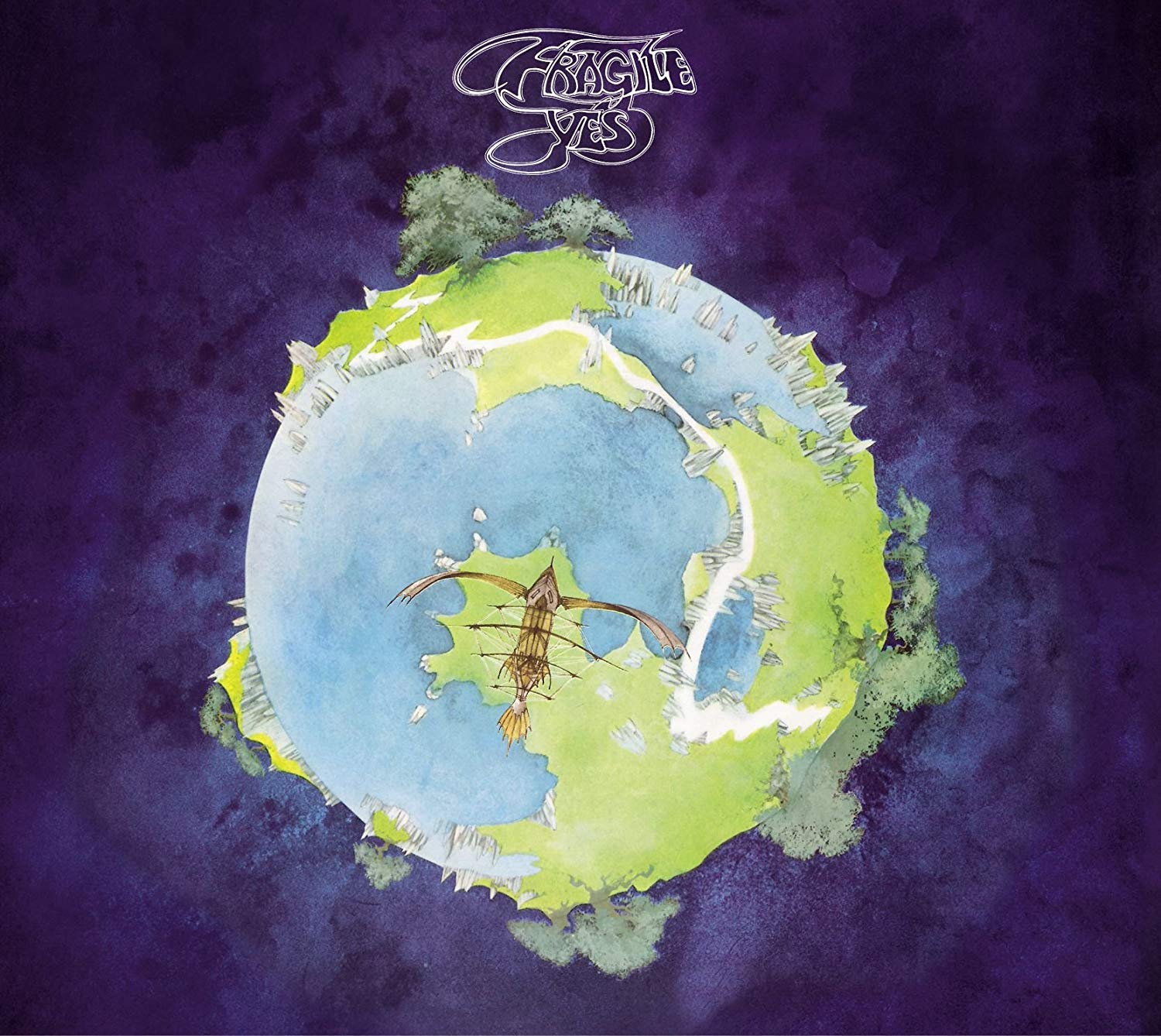
Yes: Fragile

Yes releases their fourth (and finest up to that date) studio album on November 26, 1971. Rick Wakeman has been added to replace Tony Kaye, further raising the potential of the group — potential that was immediately realized starting with this fourth album, Fragile, a classic from the day it was available in record stores — and classic, not just in the sense of being of highest merit and quality, but in terms of stylistic characteristics such as direct, concise, clearly defined, and finely balanced components as well as an elegant use of contrast — both in mood and musical dynamics. The music avoids excesses and, with a couple of minor exceptions, is economical, avoiding the kind of excessive repetition so prevalent in most rock music.

Yes went into the studio with four finished compositions which make up most of the album. All of these four tracks received some FM airplay, and a slimmed down version of “Roundabout” received significant AM airplay peaking at 13. For the remaining portion of the album each band member contributed their own solo works, with Wakeman’s condensation of the Brahms quasi-scherzo from the 4th symphony, Anderson’s “We Have Heaven” and Bruford’s “Five Per Cent for Nothing” all being distinctly original. With the exception of Howe’s “Mood for a Day” and Squire’s “The Fish (Schindleria Praematurus)”, both still excellent and contribute to the stunning impact of the album, but which are slightly overextended through repetition of material, this album approaches perfection, achieving a level of musical distinction equal to the very best rock albums of all time.

Emerson, Lake and Palmer: Pictures at an Exhibition

Recorded in March of 1971 and released in November of 1971, this exuberantly energetic live album captures Emerson, Lake and Palmer’s concert rendition of Modest Mussorgsky’s classic piano suite, Pictures at an Exhibition. Already in love with ELP’s first two albums, this would have been an album I would have purchased on sight. However, it was my next door neighbor that sighted it first, bought it immediately, and brought it over for me to listen to and record on my reel to reel for future listening. At that point, cash-constrained as most sixteen-year olds, I was content to listen on that 3 3/4 IPS (inches per second) copy of the album over and over again until college when I finally bought my own LP copy of it.

Prior to this recording, most people knew of Mussorgsky’s great work from Maurice Ravel’s orchestral version. Ravel is one of the great composers of the first part of the twentieth century, and very skilled at orchestration with a number of his own compositions, originally written for piano, then very effectively scored for an orchestra. He had worked with Stravinsky on a performance version of Mussorgsky’s unfinished opera, Khovanshchina, and thus very well prepared in 1922 to tackle Pictures. The result was an excellent work, but was clearly Ravel’s own vision and interpretation — the original, which deftly represents both the viewer of the gallery and his mood and perceptions of the objects on display, is quite different from Ravel’s interpretation, with the original piano composition having a darker and more inward perspective. Ravel is focused on creating a grand work with its own identity, bringing to the table his own compositional and cultural mindsets and not particularly beholden to the mood and intent of the original. That doesn’t mean that this final orchestrated version is any less worthy of being enjoyed because it isn’t particularly faithful to the spirit or personality and attitude of the original — it just means it should be listened to and enjoyed on its own terms. The same pretty much applies to ELP’s version, which not only “orchestrates” the original piano work with modern rock trio (keyboards, bass, drums) but also adds vocals and new material.

Of course, the piece starts off with the promenade theme, played very simply by Emerson but with the grandeur that a real organ, the organ used at Newcastle City Hall (the venue for the live recording), can provide. The first picture follows, “Gnome”, with Palmer’s staccato and perfectly punctuated percussion dancing with Lake’s bass, providing the appropriate dramatic setting for the eventual entrance of Emerson’s moog synthesizer — making clear this is not Ravel’s concert hall Pictures. This, then, is the final catalyst to fully engage the listener into the magic and ferocity of this post-Ravel, prog-rock version of Pictures. The album ends with ELP’s take on Kim Fowleys’ take on Tchaikovsky’s “March” from his Nutcracker Ballet.

It’s worth noting that ELP’s Pictures at an Exhibition was at one point considered more appropriate as a Nonesuch Records label release due to its classical origins. It might have also been part of a 2 LP set with Trilogy (ELP’s subsequent album), except that public demand, particularly after the concert recording was played on WNEW-FM (New York), convinced the Atlantic execs to release it sooner, and as its own album.

Genesis: Nursery Cryme

Released November 12, 1971, this already highly creative and musically skilled group adds world-class drummer, Phil Collins. Though Nursery Cryme is not at the level of sound quality as Yes’s Fragile or quite as impressive in terms of focused musical content, this is a nuanced, highly crafted album that starts off incredibly strong with “Musical Box” and includes Genesis’s first masterwork, “The Attack of the Giant Hogweed.”

Traffic: The Low Spark of High Heeled Boys

This classic fifth studio album was a staple of FM AOR (album-oriented radio) stations, with “The Low Spark of High Heeled Boys” getting most of the airplay, but the rest of the album getting some time also. In fact, I am pretty sure this was the second rock album I heard played in full on FM radio (the first being Webber and Rice’s Jesus Christ Superstar, which was played in its entirety in very late October or very early November of 1970.)

Led Zeppelin: Led Zeppelin IV

On November 8, 1971, Atlantic Records releases Led Zeppelin’s masterpiece, the unnamed, untitled fourth album. Atlantic internally catalogued it as Four Symbols and The Fourth Album. We used to call it “Zofo” from the first of those four symbols on the LP label. People smarter than us, or people from England who were more used to lines crossing through lower case “s”s than those of us in Orange County, California, would just as incorrectly call it “Zoso” since the designer of the symbols, guitarist Jimmy Page had not intended for these four symbols to represent anything rather than the four band members of Led Zeppelin.

Now I admit, I would rather listen to the guitar craft of Jimi Hendrix, or the two guitarists I mention later in this blog post, John McLaughlin and George Benson, or a number of other guitarists such as Django Reinhardt, Eddie Lang, Wes Montgomery, Jim Hall, Grant Green, Tal Farlow, Gary Green, Steve Howe, Robert Fripp, Steve Hackett, Andrés Segovia — as well as a number of others — however, I still enjoy every moment of Jimmy Page captured on this album, a unquestionably skilled and creative guitarist at the world class level.

In fact, I pretty much enjoy every moment on this album — one of those musical treasure chests of the early 1970s. It may not generally be labelled as progressive rock, but it really is, from the focused abstraction of rock and roll in “Black Dog” to the refined distillation of rock and roll in “Rock and Roll”, to the epic “The Battle of Evermore” with its gorgeous acoustic guitar, to the bouncy, again abstract, “Misty Mountain Hop” and the frenzied and contrastingly uplifting “Four Sticks”, to the best work of the album, “Stairway to Heaven”, possibly consciously or unconsciously influenced by Spirit’s “Taurus” (Led Zeppelin opened for Spirit for Spirit’s 1968 U.S. tour) but nonetheless a definite improvement over the alleged original. Though I may be a bit more advanced in my musical tastes today, I vividly remember listening to this album on headphones almost fifty years ago, the album borrowed from my next-door neighbor who purchased it in late November or December of 1971, and being totally swept away by the impact of the entire album.

Sly and the Family Stone: There’s a Riot Going On

Released on the first of November, 1971, created by Sly Stone during the depths of his stratospheric-recreational drug abuse, this is a masterpiece not only to be taken very seriously musically and artistically but even more seriously historically.

The album starts of with the incredible “Luv N’ Haight”, a psychedelicized, celebratory blues-based number, underpinned by lyrics that could either be interpreted as also celebratory (“Feel so good inside myself, don’t want to move”) or subtly dark (“As I grow up, I’m growing down and when I’m lost, I know I will be found.”) The lyrics for the second track provide the same type of ambiguity (“Just like a baby everything is new” and “Just like a baby sometimes I cry. Just like a baby I can feel it when you lie to me.’), and though open to a wide range of interpretation, appear to be referring to rebirth or re-awakening, though not clear if from some spiritual rebirth or transformation, or from drugs or trauma. The third track seemingly unsubstantial with simple lyrics that still get to the heart of songwriting (“My weapon is my pen and the frame of mind I’m in) is one of the most sampled songs ever.

The fourth track, “Family Affair”, one of the highlights of the album, was played substantially on AM radio starting in early November 1971, and went over my head both musically and lyrically, excused to some degree by only hearing it on the shoddy speakers of our school bus that took us over to our high school. In terms of lyrics, it is open to interpretation, but I think the interpretation is clear when one embraces the two apparent co-existing meanings: commentary on nature versus nurture (the disadvantages of being in a disadvantaged family unit) and family bonds. Underscoring these meanings is the understated arrangement (I believe Freddie Stone on guitar, Billy Preston on keyboards, and bass and drums) and assignment of vocals to just Sly and his sister Rose, particularly inviting us to connect “One child grows up to be somebody that just loves to learn and another child grows up to be somebody you’d just love to burn” to Rose and Sly, respectively. This is followed by the bleak “Africa Talks to You” (“Timber, all fall down”) with its eventual complex instrumental interplay, which contrasts sharply with the simpler music of the previous track. The first side ends with an absent track (or a track of zero length, if you prefer), “There’s a Riot Goin’ On” — a very clever commentary which Sly intended to simply indicate that since he didn’t like riots, there was no corresponding song. The second side continues with more excellent music, including the infectious “(You Caught Me) Smilin’ — once again apparently intentionally ambiguous as to whether it is statement against or for drug usage: “You caught me smilin’ again, hangin’ loose, ’cause you ain’t used to seeing me turnin’ on, ha ha” and “I ain’t down. I’ll be around to carry on!” Is this ironic and sarcastic or in praise of the release that drugs provide?

Besides admiring the artistic merit of the album, it’s worth considering its historical impact. Though there are plenty examples of funky music and elements of funk before Riot (a common pet name for this album), this really is the first modern funk album, influencing many artists of all backgrounds and musical leanings. It also is substantially the first hip hop album — not in terms of musical style, of course, but in terms of narrative and borderline-obsessive personal reflection. And, I will boldly, if not controversially venture, that if we remove this album from the historical river, that the currents of disco would have been perceivably altered — maybe for the worse, if that’s conceivably possible. It worth noting, that many critics did not get this album at all when it came out, including our local Southern California L.A. Times music critic who generally was befuddled by, or more often shied away from (handing the review to another staff writer), any music with any level of complexity. Now fortunately, just about all music critics are in unison when acknowledging both the artistic and historical merit of this fine album.

Osibisa: Osibisa

With the increasing interest in World music, particularly that from the Caribbean and West Africa, conditions were receptive for a jazz-influenced, musically compelling, Afro-beat group of four Ghanaian-English musicians and three Caribbean musicians. Osibisa’s first album, released in the first half of 1971, made its entry into the Billboard 200 the first week of July, 1971 at position 105, climbing up to position 55 by mid-August. The rhythm section is incredible (remember their inclusion on Uriah Heep’s title track of Look At Yourself) with the dedicated drummer supplemented by other members of the group as appropriate. Instruments include assorted percussion, flute, saxophones, trumpet, flugelhorn, organ, piano, guitar, bass guitar and some vocals. Album is both technically impressive, and musically vibrant, filling in the checkboxes for world music aficionados and progheads alike.

Osibisa: Woyaya

The second album, released in late 1971, has a similar Roger Dean album cover to the first, and the band members are the same (with the exception of an appearance of the “Osibisa choir” which provides an additional uplifting, spiritual to the third track, Roland Kirk’s “Spirits Up Above”), yet the quality is noticeably different — better engineering, less spontaneous but now exquisitely polished, and leaning more towards American jazz and even English progressive and psychedelic rock with less of a West African and Caribbean feel — even containing some American funk (“Move On”.) Though this album fell short of the previous album’s climb up the Billboard charts (only 66 compared to 55) it is even better than the first, perhaps with a greater appeal to a broad audience, particularly with the anthem, title-track, “Woyaya” being covered by Art Garfunkel and The 5th Dimensions and used as the theme for a Ghanaian television show from 1972 to 1981.

Assagai: Assagai

Though less musically stylistically diverse than Osibisa, Assagai’s first album is a enjoyable blend of African folk, African rock, and African jazz elements. The group consists of band members on cornet, alto sax, tenor sax, and drummer — all from South Africa — and an electric guitarist and an bass guitarist from Nigeria, with some additional piano possibly from the alto sax player, Dudu Pukwana. Album is mostly original material by the guitarist, Fred Coker, with one composition by Dudu Pukwana, one collaboration between Coker and Jade Warrior guitarist, Tony Duhig, as a well as a cover of Jade Warrior’s “Telephone Girl” (from their first album) and Paul McCartney’s “Hey Jude.” Of all the various covers of Hey Jude I know of, this is one of the best, relatively brief at under 4 minutes, and infused with a rich tapestry of Afro-beat seasonings.

Jade Warrior: Jade Warrior

(One of the albums I previously missed covering in Fifty Year Friday.) In 1970, Vertigo signed Jade Warrior primarily due to Mother Mistro, the production company for both Assagai and Jade Warrior, insisting that Vertigo couldn’t sign Assagai, a group coveted by Vertigo for their commercial potential (based on Osibisa relative success) without also signing Jade Warrior. Vertigo, though, had made up their collective mind that Jade Warrior had very little commercial potential and so didn’t put in any real effort promoting Jade Warrior’s first album, Jade Warrior, released sometime in the first part of 1971. Interestingly, Assagai would release a total of two albums, both on Vertigo, while Jade Warrior would release well over a dozen with the first three on Vertigo, and the next four on Island Records.

Even if this first album was not particularly commercially appealing, it was musically so, opening up with the beautiful “Traveller” with its simple acoustic beginning, its majestic middle section, and its quiet ending followed by the more aggressive, mostly pentatonic “A Prenormal Day at Brighton” providing a good representation at Jade Warrior’s balancing act between hard progressive rock (“warrior” portion of the group’s name) and soft worldly folk rock (“jade”), sometimes with emphasis on acoustic guitar and flute with some additional, non-traditional percussion and sometimes more in a rock idiom with the electric guitar in the forefront. Overall a fine eclectic album that still sounds great today.

Jade Warrior: Released

With their second album, Jade Warrior shifts away from a world music vibe to focus more on hard rock, jazz rock and progressive rock elements, adding two new members, Dave Conners (sax, flute) and Allan Price (drums) to the pre-existing trio.

Ash Ra Tempel: Ash Ra Tempel

Another album I missed mentioning, released around June of 1971, is the classic first album of Ash Ra Tempel, one of the finest German space rock albums, a style often referred to as Kosmische Musik (cosmic music.) We have a single composition on each side, improvisations similar to what one could expect during a live performance. The first side is adventurous, extroverted and like a peril-filled voyage through outer space, starting gently and then encountering the more unpredictable moments of cosmic exploration. The second side is calmer, introverted and reflective, like a journey through spiritual innerspace. Overall, far above one of the best musical adventures of space rock, each of these two tracks compelling and creating an unfolding, meaningful soundscape.

Strawbs: From the Witchwood

And yet another album I missed earlier, the Strawb’s Witchwood starts off pretty much as folk music, by the third track is it full-throttle prog rock. This is Rick Wakeman’s last album for the Strawbs, and his keyboards raises the album up the scale of musical excellence including an effective organ intro for “The Hangman and the Papist.” Overall there are some similarities with Genesis’s Nursery Cryme and Foxtrot, both of which were recorded after From the Witchwood was released.

Le Orme: Collage

Le Orme’s first album, recorded in 1968 and released in 1969 was effectively an early prog rock album, with an album title of Ad Gloriam, an opening track named “Introduzione”, a closing track titled “Conclusione” and many of the lyrical and the Italian rock equivalent of the bel canto elements that would become identifiers of the Italian Prog rock style. With their second album, Collage, released sometime in 1971, they shift to full prog mode, reducing the group to a ELP-like trio, quoting the classics (or at least Scarlatti’s K. 380 sonata, a piece I heard over and over from piano student performances during my university years), and exploring the more aggressive and bombastic aspects of early Italian prog but not abandoning the lyrical or expressive components.

Man: Do You Like It Here Now, Are You Settling In?

Man released their fourth and strongest album so far on November 1971. Though a bit uneven, the musicianship is consistently strong with some ear-catching instrumental interplay such as that on “All Good Clean Fun” and “Many are Called, But Few Get Up” that further increases the impact of the album.

Elton John: Madman Across the Water

Another fourth studio album released, this time by an increasingly popular Elton John. Though Madman didn’t climb quite as high on the Billboard charts as Tumbleweed Connection (number 8 vs number 5) and the airplay provided “Tiny Dancer” couldn’t match “Your Song”, the prevalence of Elton John albums in personal collections was steadily growing. Paul Buckmasters arrangements are applied in full force on this album, and though the album falls short of Tumbleweed Connection, and was a general disappointment for me when I purchased it in late November, shortly after its November 5, 1971 release date, the album not only brims over with those strong Buckmaster arrangements and that strong musicianship from Elton, but from the contributions from a wide range of musicians including Rick Wakeman, Davey Johnstone, Chris Spedding, Herbie Flowers, David Glover and more. I listened to it about half a dozen times in very late 1971 and early 1972 and put it aside until just this week. It’s great to hear it on a much better stereo to appreciate the finer points, but still, it is likely I will again set it aside — good music, for sure, but still so much music I need to listen to!

Lighthouse: One Fine Morning

The Canadian jazz-rock group, Lighthouse, released their fourth and most commercially successful album, One Fine Morning, sometime in 1971, possibly around July or August of 1971. (Yes, another one I missed earlier.) The album is less pop and more solidly jazz-rock than their previous ones, with a number of strong tracks, including the opening track, “Love of a Woman”, “Sing, Sing, Sing” (Not related to the Benny Goodman classic), and the title track, “One Fine Morning”, which debuted on the Billboard 100 in the second week of September at position 75 and eventually ascended to the 24th spot. Plenty of good jazz-rock here with some more traditional rock content. Instrumentation includes trombone, saxophone, flute, trumpet and viola as well as guitar, piano and vibes.

Mahavishnu Orchestra: The Inner Mounting Flame

Formed in the summer of 1971, Mahavishnu recorded their first album in August of 1971, with Columbia releasing it on November 3, 1971. This album is a clear and unquestionable masterpiece combining jazz and progressive rock elements. John McLaughlin wrote all compositions on the album, and selected the band members from an international pool of talent (Czech-born Jan Hammer on keyboards, Panama-born Billy Cobham on drums, classically-trained American violinist Jerry Goodman when French violinist Jean Luc Ponty was not available due to immigration-related regulations, and Irish-born bassist and former McLaughlin bandmate from The Brian Auger Group.)

Miles Davis: Live-Evil

A bountiful 2 LP set of musical wonders with formidable front and back covers by artist Mati Klarwein (Santana’s Abraxis, Osibisa’s Heads, and of course, Bitches Brew) with the album containing both live material recorded on December 19, 1970 and studio material much earlier that year with the release date of the album on November 17,1971. The front and back cover are two sides of the dichotomy of beauty and ugliness (or perhaps more appropriate, beauty and anti-beauty) with the front headlining “MILES DAVIS LIVE” and the back proclaiming the reverse, or mirror image, as if seen from the other side of the album, “SELIM SIVAD EVIL.”

The fifteen minutes, four tracks, of studio material is rich, diverse and suitable for hours of exploration. Particularly interesting are the Hermeto Pascoal compositions with “Nem Um Talvez” being my favorite. For keyboard fans, it’s a real treat to get Keith Jarrett, Herbie Hancock and Chick Corea all at once.

The real treasure is the live material. Gary Bartz is great on both soprano and alto sax and the “electric” trumpet with wah-wah is a perfect vehicle for Miles Davis’s creativity and expressiveness. Jack DeJohnette is fantastic and creates magic with everyone, particularly Airto Moreira, Michael Henderson and Keith Jarrett. And then there is John McLaughlin, who shines in this material as much as in that first Mahavishnu Orchestra album.

It’s honestly a bit of a mess the way the live material is presented here due to the Ted Macero edits, perhaps well enough intended, but really throwing a wrench into the continuity and flow of the original performances. The best bet is to stream or pick up the 6 CDs of The Cellar Door Sessions 1970 to hear not only the original material used for this the bulk of this 2 LP Live-Evil release (edited from the sets that John McLaughlin sat in and represented in the fifth and sixth CDs) but the material for the earlier sets on the first four CDs.

George Benson: Beyond the Blue Horizon

Any list of more than the twenty greatest electric guitarists that doesn’t have George Benson gets immediately discounted. He’s really is up there with the greats in terms of guitar technique and taste. This album may be casually classified as traditional post-bop jazz, but with two to three electric instruments on each track and Jack Dejohnette on drums, this is as much jazz fusion as any other albums of its time. Benson fares particularly well with his interaction with Hammond organist Clarence Palmer and DeJohnette is his usual incredible self. Ron Carter provides strong acoustic bass on track one, a particularly engaging rendition of Miles Davis’s “So What”, with funk and fusion elements from both Palmer and Benson. On track 2, “The Gentle Rain”, and track 3, “All Clear”, we have Carter on electric cello far exceeding the effectiveness and expressivity of at least 95% of contemporaneous rock guitarists. The third, fourth and fifth tracks are all Benson compositions with Ode to a Kudu” relaxing and lyrical, and “Somewhere in the East” pushing out to more progressive and world music territory with a couple of additional percussionists added.

Herbie Hancock: Mwandishi

Another album I missed mentioning, released around March 1971, is Herbie Hancock’s second of his series of three Warner Brother albums, Mwandishi. It is yet another album that dedicates an entire LP side to one track, with the first side containing two contrasting works, the first of which, “Ostinato”, is an imaginative execution of improvising over an repetitively deployed musical pattern and brimming with that special class of rhythmically displaced jazz-funk championed by Herbie Hancock with Eddie Henderson shining on trumpet and Hancock on Fender Rhodes piano. The second track is true to its name, “You’ll Know When You Get There”, musically evocative of the sensation of being on leisurely journey, casually extended — the flute solo fitting in very nicely with the overall mood. The last track, taking up the second side, also provides music befitting it’s title, “Wandering Spirit Song”, with a strong Julian Priester trombone presence that carries into the free jazz section giving us a rough ABA form. Hancock provides compelling contributions on electric piano.

Kinks: Muswell Hillbillies

Released November 24, 1971, is the Kinks fourth (or fifth, if one counts the soundtrack album, Percy) concept album. Musically, there are no stand out tracks, but as a cohesive whole and faithfulness to the overall concept, the album works very well creating an overall experience that transcends the lack of memorable musical content, relying on the more memorable imagery, the well-crafted lyrics, Ray Davies’s distinct characters, Ray Davies’s vocal delivery to convey their viewpoints, and the generally creative and strong musicianship that lifts the more ordinary musical material.

Billy Preston: I Wrote a Simple Song

Released on November 8, 1971, I Wrote a Simple Song, is Billy Preston’s sixth studio album with Preston no longer on the Apple label but now with A & M. A soulful and rhymically lively album, it far exceeds allmusic.com’s two star rating, surpassing in quality most of the albums that allmusic.com rates as three or four stars. With some arrangements courtesy of Quincy Jones, George Harrison on guitar, and Preston’s expansive presence on piano, organ and vocals this album is a true joy to listen to.

John Martyn: Bless The Weather

Released in November, 1971, John Martyn delivers a very strong acoustic folk-rock album. Though I focus much more on music then lyrics, I’m still rather taken by the sentiment of the lyrics of “Let the Good Things Come” particularly lines like “I wish I had walked down, every road I ever set my eyes upon” and “I wish you could get through, to every face and every friend I ever knew.” Album is excellently engineered with quality musicianship. Strongest tracks include the jazz-tinged “Walk to the Water”, “Back Down the River”, and the sparkling instrumental, “Glistening Glyndebourne.”
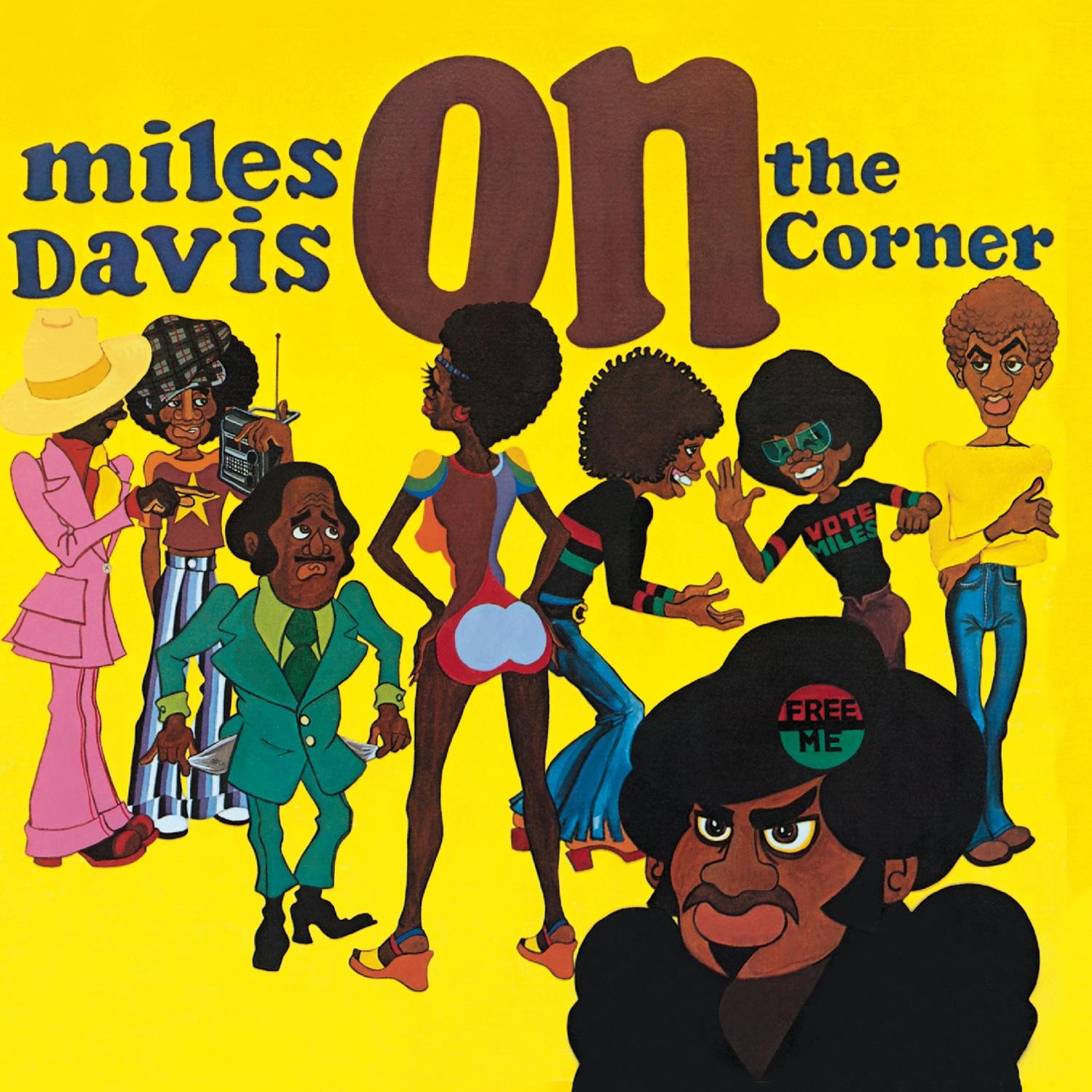
Faces: A Nod Is As Good As a Wink… to a Blind Horse

Though perhaps my least favorite album mentioned in this post, despite ubiquitous presence in college dorm-room record collections during the early seventies, this third Faces album, A Nod Is As Good As a Wink… to a Blind Horse, released Nov. 17, 1971, is better than the previous two, partly due to Gus Dudgeon’s involvement and partly due to its shorter length, but mostly due to the exceptional last track, “That’s All You Need” and Ronny Wood’s near-historic guitar work on that same composition, and, to a lesser extent, Wood’s playing on “Stay with Me”, a song with such overtly sexist lyrics that current public sensibilities would probably exclude it from release today. Also worth noting is the brilliant and effective punctuation provided by use of the steel drum on “That’s All You Need.” Rod Stewart vocals are generally good, particularly on “Stay With Me” and “That’s All you Need”, and particularly when compared with the Ronnie Lane lead vocals on three of the album’s nine tracks.

Kevin Ayers: Whatevershebringswesing; Laura Nyro: Gonna Take a Miracle; War: All Day Music; Carly Simon: Anticipation; Isaac Hayes: Black Moses; Status Quo: Dog of Two Head; Happy End: Kazemachi Roman; Alice Cooper: Killer; Sweet: Funny How Sweet Co-Co Can Be; Humble Pie: Performance Rockin’ at the Fillmore; Earth, Wind and Fire: The Need of Love; Harry Nilsson: Nilsson Schmilsson; Billy Joel: Cold Spring Harbor; Barclay James: Barclay James Harvest and Other Short Stories; Mott the Hoople: Brain Capers; Steppenwolf: For Ladies Only; David Axelrod: Rock Messiah

Clearly not enough time to cover all the good and great albums released in November 1971!!! Allow me to continue to stretch your patience and mention a few more.

In November of 1971, both Status Quo and Alice Cooper provided hard rocking albums with Alice Cooper’s Killer containing the classic hard rock hit, “Under My Wheels.” Harry Nilsson released Nilsson Schmilsson, his most commercially successful album opening with the upbeat and bouncy “Gotta Get Up” and a hit cover of Badfinger’s “Without You.” Sweet released their debut album, Funny How Sweet Co-Co Can Be, but it is more sugary bubblegum pop than glam rock, with glam rock becoming more popular and prevalent in 1972. Billy Joel’s first album, Cold Spring Harbor, with two strong tracks to start the album, was a sonic disaster with the album being unfathomably mastered as a faster speed, raising Billy Joel’s vocal range and timbre and causing all the music to sound rushed. Very puzzling how it got out the door as it clearly is sped up. The remix from 1983 also has issues, truncating the end of the strongest track. “You Can Make Me Free” and, apparently, not quite slowing down the music to the proper speed and pitch.

My friend that lived next door had two brothers, also my good and treasured friends, but not as close in musical preferences. One of them, the youngest of the three boys in the family and born 9 days earlier than I, was a fan of Moody Blues, CSN/CSN&Y (collectively and individually), and Humble Pie, and though I was glad to record his and one of his friend’s Moody Blues and CSN&Y-related albums, I never much took to Humble Pie, and though I never borrowed Humble Pie’s Rockin’ At The Filmore, I did get to hear it when visiting, and even when relistening to it almost half a century later, I have to admit that I still don’t take to either the music or the musicianship. Another album not on my favorite’s list is David Axelrod’s Rock Messiah. Because it is a mix between classical, rock, jazz, I would have bought it when it first came out, except for a scathing review of it in the L.A. Times. Nonetheless, a few years later, when I had ample spending money from teaching piano lessons and consulting at the computer lab, I did purchase it, and found it had its moments but only listened to it once — listening to it again, it doesn’t particularly resonant — overall, not wildly bold, creative, or innovative and nothing that entreats one to listen to it once again.

Laura Nyro released her fifth album, quite soulful and expressive and exclusively covers, each and every one imbued with Nyro’s finely detailed and exquisitely crafted interpretation — plus the addition of Labelle! Kevin Ayers released his third solo album, whatevershebringswesing, full of creativity and generally within the fairly wide progressive rock boundaries, with orchestrations, great musicianship (fellow Gong band members, if you consider Ayers an honorary member of Gong), and a wide range of vocal contributions from Ayers, including a commendable Vincent Price impersonation on the appropriately spooky “Song from the Bottom of a Well.”

It’s really worth recapping how lucky music lovers were in 1971, with all these great releases in November 1971. At this point there was not only great rock, progressive rock, and new jazz coming out, but we also had the latest revival of ragtime picking up steam, the emphasis on original performance practices in classical music, the ever-increasing popularity of baroque music and the corresponding issuing of recordings of a wider range of baroque composers. Beethoven’s 200th birthday in 1970 brought new recordings of Beethoven and one’s choices and access to riches in the public and university libraries was greater than ever. Living in the greater Los Angeles area provided a wealth of variety on FM radio with two full time classical stations, readily available jazz music, folk music from Eastern Europe on Sundays, and full albums played on some of the FM rock stations. And, contrary to the predictions of some of the adults of older generations, this new music of the late sixties and early seventies was not a transient fad or flash in the pan, but was lasting, enduring music — music that generations today still listen to via streaming, or in some rare cases, by purchasing original or re-issued LPs. Today’s easy accessibility of the music of all eras means that I don’t very often reach back into the catalog of the music of the 1960s and 1970s, but when I do, there is always plenty to enjoy!