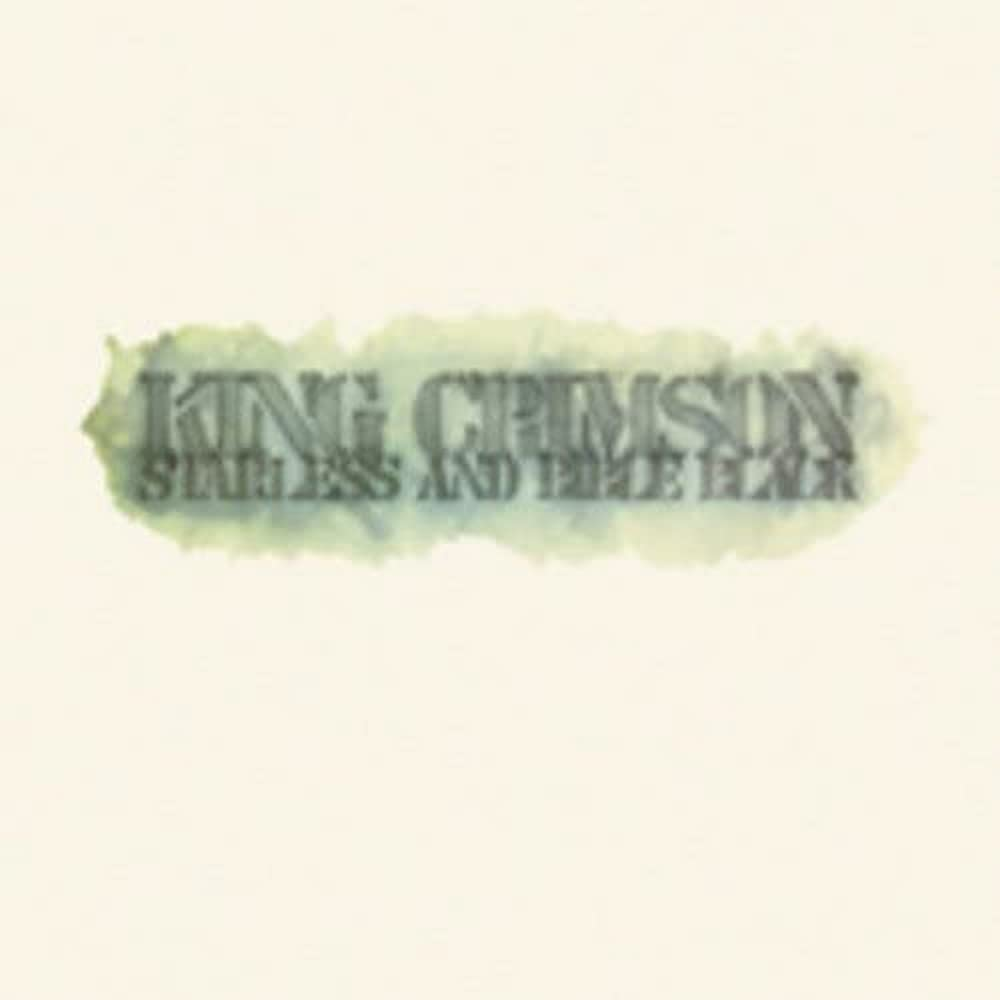
Released March 1974, Starless and Bible Black drifts further into free improvisation than previous albums, successfully showcasing both the virtuosic skills of the band, particularly those of Robert Fripp, as well as the band’s other-worldly improvisational skills. The first two tracks provide enough accessible progressive rock to make the album an absolute must for the prog-rock fan, and the rest of the album mixes studio and live material to present a less accessible, but highly impactful musical experience. Particularly noteworthy is the live track “Trio”, an improvisation that the always amazing Bill Bruford wisely allows the rest of the band to develop and finish without forcing his own entrance, fully sensitive to the mood and the masterpiece being created. The gem of this collection is “Fracture”, worthy of lengthy musical analysis far beyond my capabilities. It’s intricacy and irregular rhythmic and structural aspects makes this a particularly challenging composition to perform, but the band is unfazed and undaunted, and not only succeeds technically but fully imbues it with the necessary emotion and expression to make this one of the most meaningful listening experiences in the King Crimson catalogue.
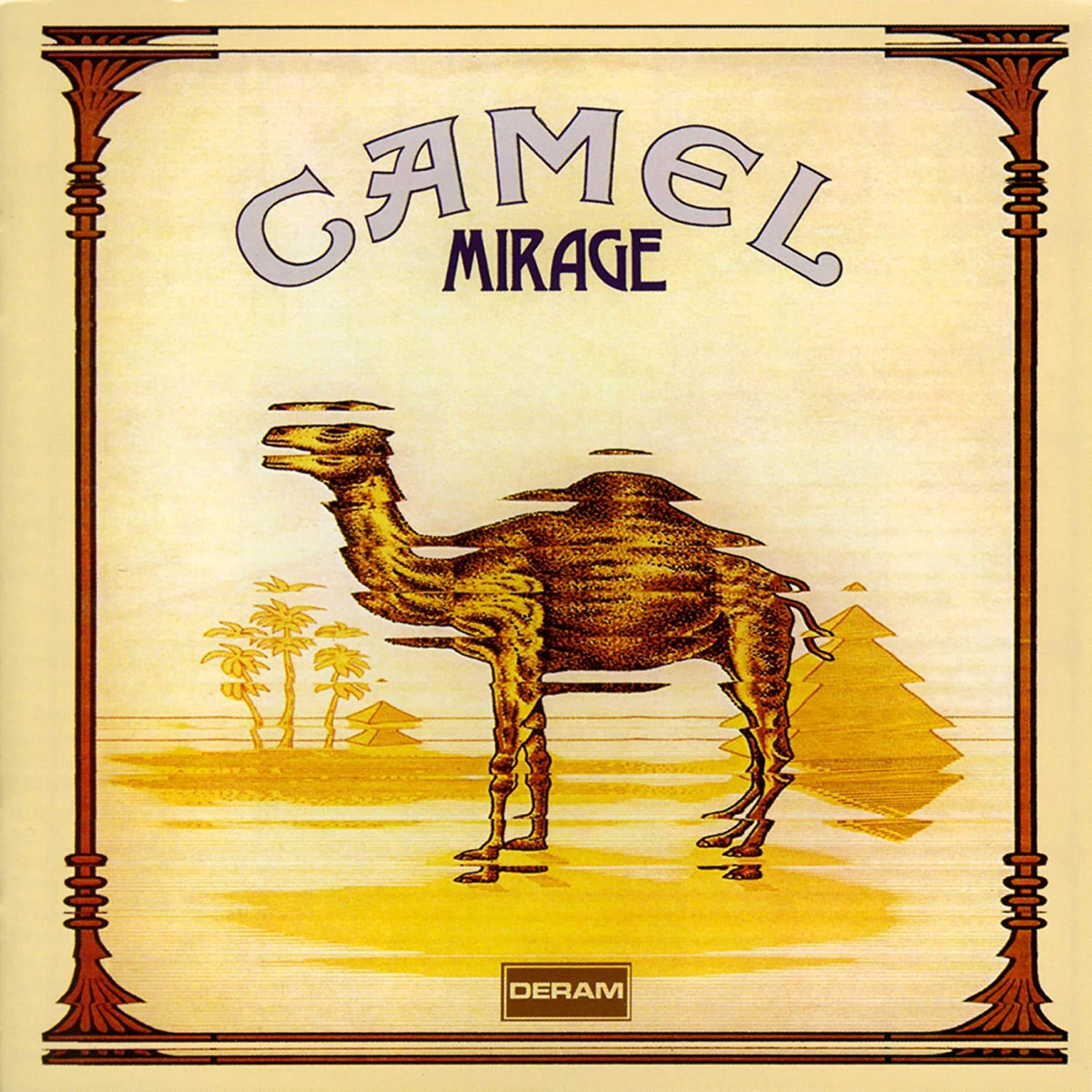
Camel: Mirage
Ethereal and wistful, Camel’s Mirage was released in March of 1974, first with the album cover showed above, and then with replaced (as demanded by the Camel cigarette company) with an alternative cover. Andrew Latimer (guitar, flute, vocals) and Peter Bardens (keyboards, vocals) produce a set of compositions that blend together seamlessly creating a distinctive lush and compelling sound experience. “Supertwister” is the most dynamic and energetic track of the album, a short instrumental that marks off many traditional prog-rock check-boxes with the rest of the album being more introverted and contemplative.
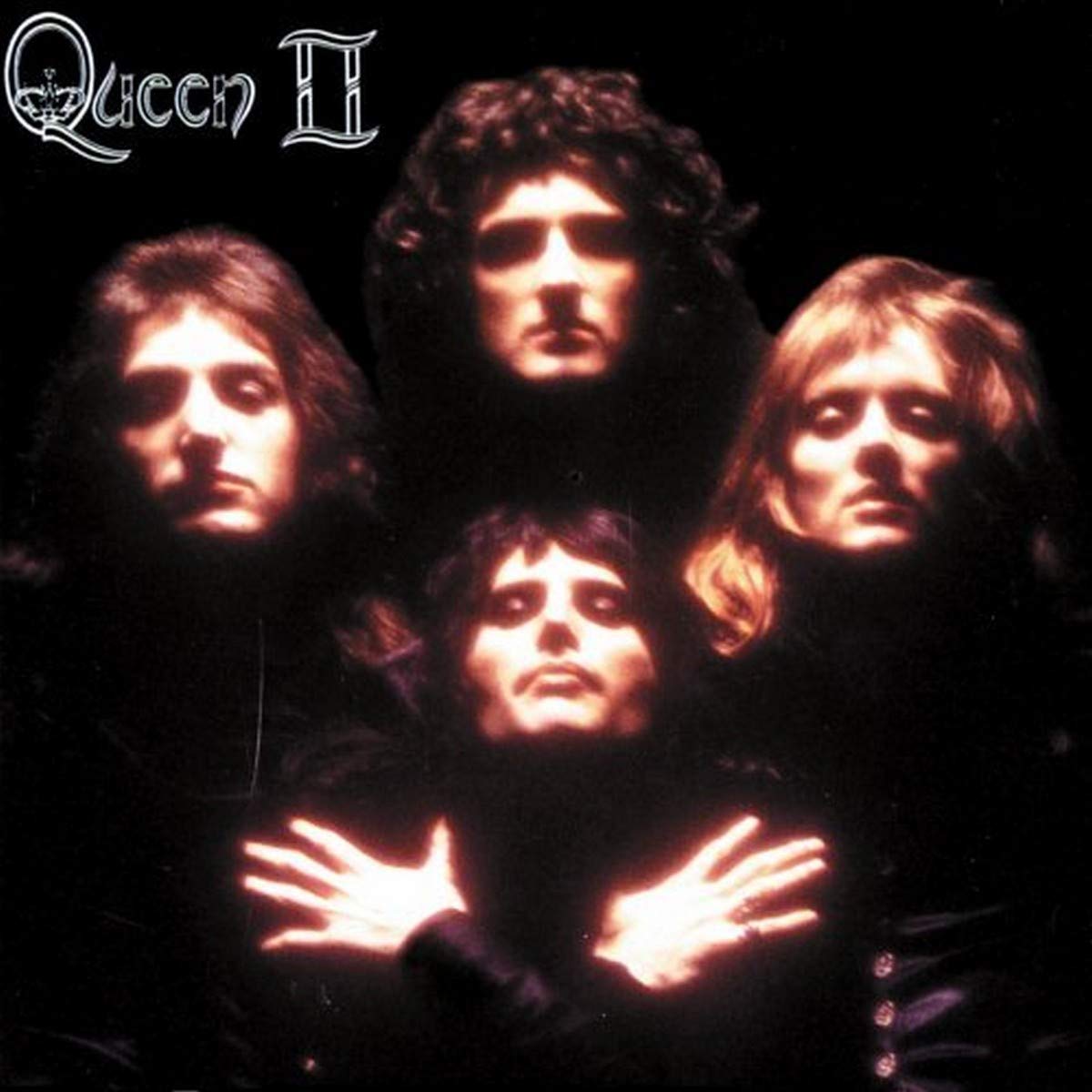
Queen: Queen II
Queen’s second album, released on March 8, 1974, gives us a much more ambitious and artistic effort than the previous, making this their first must-have albums. The production is more polished and the group clearly invested substantial hours in the studio capturing the perfected harmonies and instrumental layering. Side one is mostly Brian May’s compositions, with one work by Roger Taylor, showing off Queen’s own brand of hard rock, while side two, is completely dedicated to Freddie Mercury’s fantastical compositions, with their abrupt musical shifts and endless harmonic energy. Drama and musical theater abound, particularly on the second side, and the musical diversity and level of instrumental excellence have made this an album that never wears out its welcome in the listening room.
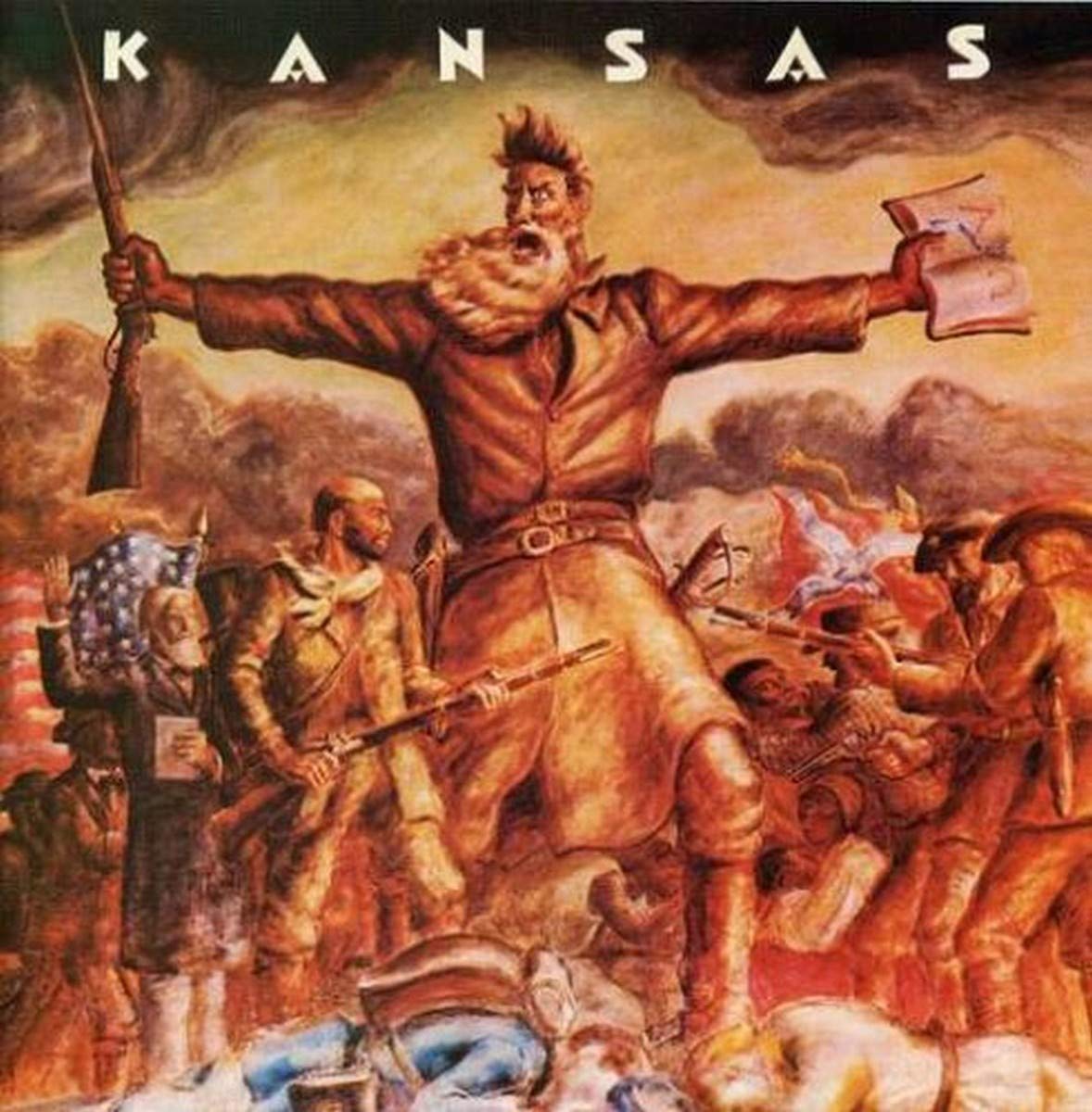
Kansas: Kansas
Kansas released their first album on March 8, 1974, with six musicians from the American Midwest — five of the six born in Kansas or Missouri. The album is particularly American in sound, with hints of boogie rock, country, folk-rock and similar American Rock styles. Notably different than other American Midwest and Southern Rock groups is their facile integration of contemporary prog-rock elements, some of which are very similar to Genesis and Gentle Giant material, though not in the least derivative or perceivably mimicked. Particularly notable is the work of Kerry Livgren on synthesizer and the contributions of violinist Robby Steinhardt. One of the finest debut albums of 1974.
Weather Report: Mysterious Traveller
Weather Report begins to unleash is full range of jazz-fusion capabilities with the release of their fourth studio album on March 24, 1974, climbing to number 2 on the US Jazz Charts, as high as 46 on the US Pop album charts, and up to 31 on the US R&B charts. Additional funk and world music influences are incorporated, possibly leading to creative differences with legendary Miroslav Vitouš, who makes this his last recording with the group, appearing on two of the eight tracks on acoustic bass, replaced by bass guitarist, Alphonso Johnson on the other six tracks.
The album is inventive, innovative and filled to the brim with interesting improvisation — fusing jazz, world music, including Latin influences, funk, rock, and hints of classical. Album not only showcases the creativity and imaginative brilliance of Joe Zawinul and Wayne Shorter, but includes memorable contributions from everyone involved included several guest musicians on percussion instruments, ocarina and woodwinds (on “J0ungle Book”) and vocals (“Nubian Sundance.”)
Released on either September 29, 1973, or more likely October 5, 1973, “Selling England by The Pound” stands as one of the finest progressive rock albums of the 1970s. The sound is superior to that of their previous album, “Foxtrot,” and the music maintains the same level of excellence. It adeptly balances instrumental passages with vocal sections, blending humor (seen in tracks like “The Battle of Epping Forest” and “Aisle of Plenty”) with more serious compositions.
“Firth of Fifth” (note the humor in the title, which is a reference to Firth of Forth , the fjord of the Forth river, in Scotland, north and northwest of Edinburgh) is my favorite track, particularly due to is introductory theme on piano, later reprised by the group, but there is not a single weak moment on the entire album — and quite an album it is, with seven perfectly realized tracks totaling over fifty-eight minutes of magnificent music.
The Who: Quadrophenia
Released on October 19, 1973, this is the Who’s masterpiece about teenage alienation, angst, attitude, and the multiple personalities vying for integration into the evolving identity of an individual. It also addresses the weaknesses within the UK social system and the moments of solace that British youth of the 1960s sought and found in music and by the seaside. Moreover, this work is an astounding musical achievement, characterized by skillful thematic reiteration. Its musical content can be enjoyed both on a visceral level and intellectually, making it enduringly captivating upon repeated listens. Notably, the lyrics were deftly incorporated into music that was apparently written first, and Townshend has delivered exceptionally well-crafted lyrics that serve as the narrative backbone.
Effectively, this is a rock opera set in 1965, centering around a singular British youth, inspired by conversations Pete Townshend had with early fans of The Who. A significant distinction is that, unlike “Tommy,” which featured two songs by John Entwistle, one by Keith Moon, and a reworking of a Sonny Boy Williamson tune, all the original material here is authored by Pete Townshend. The emphasis is on “initial”, since Townshend intentionally provided a framework of lyrics, melody and chords that would develop into final arrangements through Townshend’s working with the band and the studio equipment to achieve the final product. So though Townshend deserves appropriate credit here for the authorship of this impressive work, it is The Who, as a band, that must be recognized for making this an enduring classic.
For those interested in additional information on this great album, please check out this track-by-track review by Caryn Rose written back in 2013 for Quadrophenia‘s 40th anniversary: Track-By-Track Review
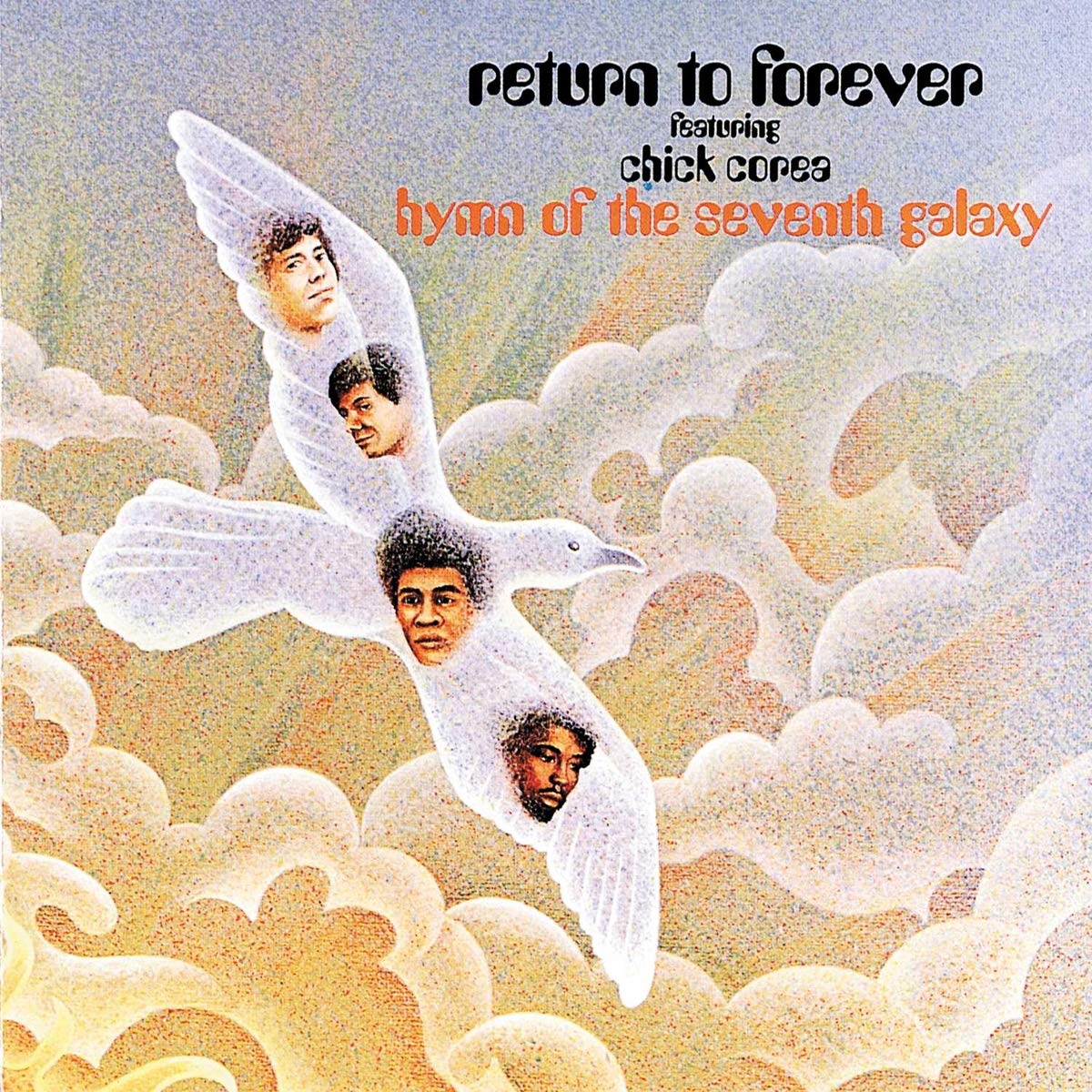
Return to Forever: Hymn of the Seventh Galaxy
Released sometime in October 1973, this third album from Return to Forever magically and masterfully weaves together elements of jazz, fusion and progressive rock. Chick Corea dazzling keyboards and his other worldly — no, make that other galactic — compositions just radiate throughout this album. Fellow band members, Stanley Clarke, Lenny White and Bill Connors are equally up to the challenge, with Mr. Clark providing a wonderfully radiant composition of his own, “After the Cosmic Rain” and exhibiting Olympic-level mastery on electric bass. The coup de grâce is the last track, “The Game Maker”, breathtakingly piloting us over intricate, wondrously, shifting musical landscapes.
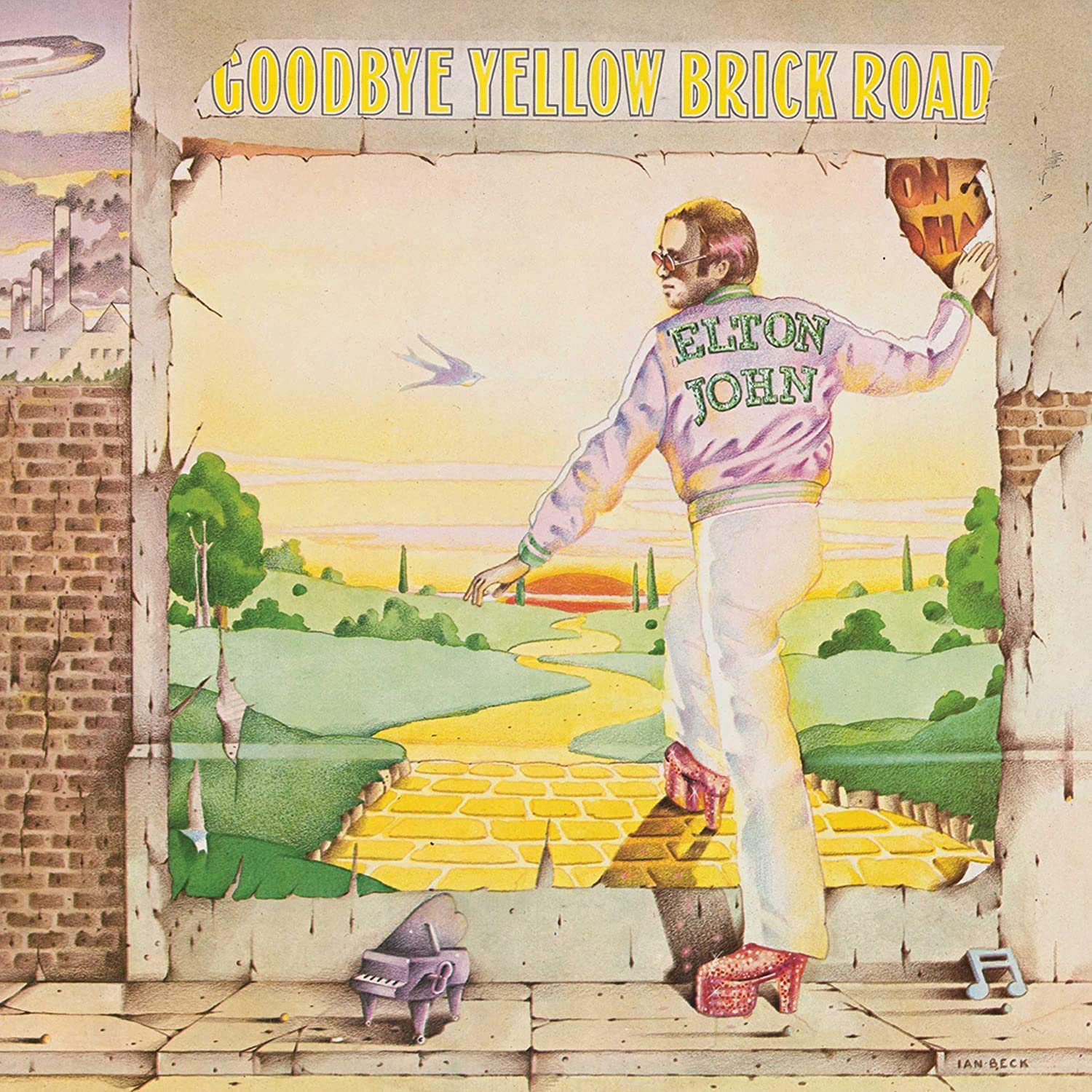
Elton John: Goodbye Yellow Brick Road
The one obstacle that prevented The Who’s Quadrophenia ever getting to the number one album spot in the UK or in the US, was the multi-million-sales avalanche of Elton John’s Goodbye Yellow Brick Road, released on October 5, 1973, almost two weeks before Quadrophenia. Of the slightly over one hundred million copies of albums Elton has sold, Goodbye Yellow Brick Road accounts for over thirty-one million, and continues to sell in substantial quantities to new Elton John fans today.
Rather than compose music and then fit lyrics into the music, Elton John’s method in the 1970’s, like that of many songwriters, was to take already written lyrics, in Elton’s case partnering with Bernie Taupin, and then create music too complement those lyrics. Considering the nature of many of Taupin’s lyrics, it is rather incredible that Elton created so many highly popular and widely-appealing songs from the initial material. Goodbye Yellow Brick Road, in a sense a loose or partial concept album, provides insight into Elton’s range of compositional skills, with the initial track, “Funeral For A Friend:, being one of his rare instrumentals, providing a glimpse into the depth of his creativity when not bound by lyrics. This instrumental introduction is effectively paired with “Love Lies Bleeding” providing an almost progressive-rock opening for the album.
Overall the album is quite good and along with his two albums from 1970 (Elton John and Tumbleweed Connection) and his live album from that period (17-11-70) are a set of his works I hold in high esteem. Now, though the first side and last side of the original 2 LP “GYBR” is indispensable, as is the first track of side two, and the last track of side three, the material in between could be omitted, to get a very fine single LP album, at a total length of around 45 minutes. Now some may wish to further add another track like “The Ballad of Danny Bailey (1909–34)” resulting in an album that still comfortably adheres to standard LP limits. That said, the CD, containing over 76 minutes of the original material, is now sold at roughly the same price as other Elton John albums from the early seventies — so even though a slimmer, arguably better album could be achieved, what’s the point — given how effortless it is to replay favored tracks on a CD or to skip those not currently of interest.
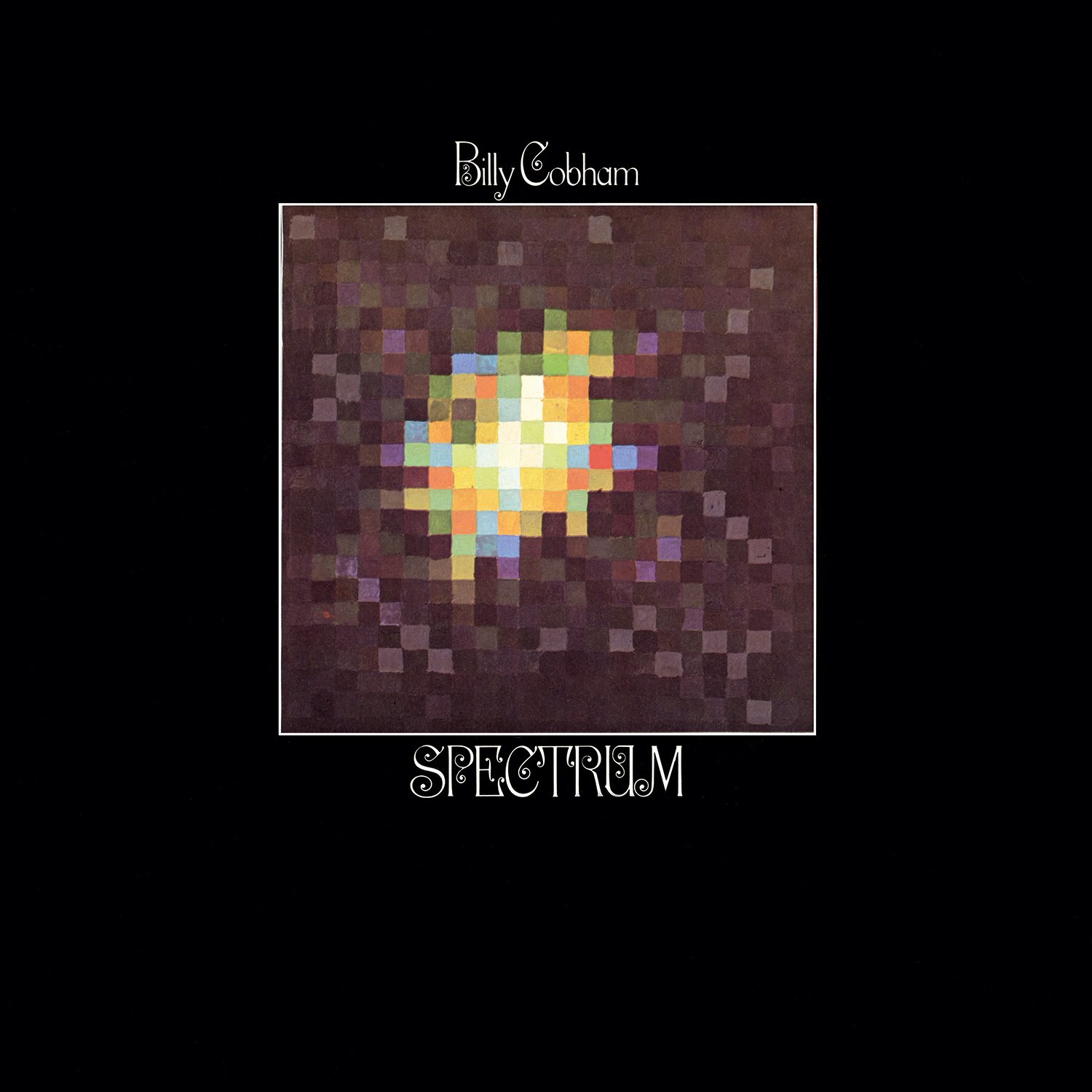
Billy Cobham: Spectrum
Spectrum, Billy Cobham’s first album as a leader, released October, 1, 1973, is as impressive and important as any fusion album of 1973. The combination of Cobham and Jan Hammer dominate the album, and the supporting resources, particularly Tommy Bolin who is present on over half of the musical material, round out this excellent work. Album includes duets between Cobham and Hammer, Hammer soloing on acoustic piano on the beautiful ballad, “To the Woman but it is the longer tracks, and several lengthier tracks including the opening track, “Quadrant 4” full of energy and purpose, “Stratus” with remarkable bass work from Leland Sklar, and the fast-paced, electrically-charged title track, “Spectrum” with Joe Farrell on sax and flute, and Jimmy Owens on trumpet and flugelhorn.
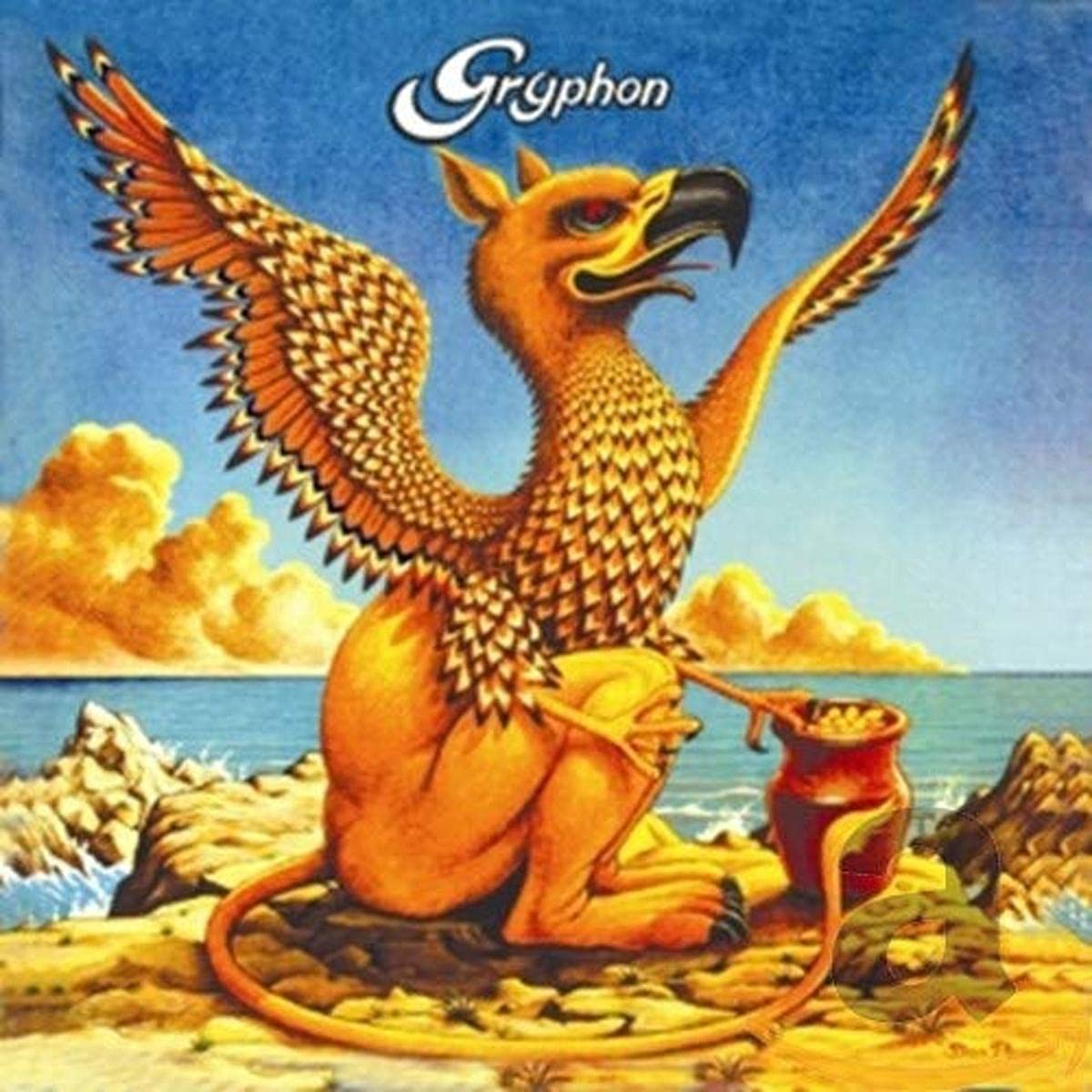
Gryphon: Gryphon
Gryphon’s first album is a unique blend of folk and rock, incorporating both modern elements (guitar, bass, bassoon, trombone, drums) and earlier musical instrumentation (mandolin, recorder, crumhorn) into a successful set of songs. In late 1973, there were several folk rock groups, such as Fairport Convention, Steeleye Span, and Pentangle, but Gryphon, with two of the group members—Brian Gulland and Richard Harvey, both graduates of London’s Royal College of Music—distinguish themselves through a level of originality that transcends replicating traditional Celtic folk harmonies and melodies. Their occasional use of late 19th-century and 20th-century dissonance, not found in traditional English, Irish, Scottish, or Welsh music, coupled with their colorful and sometimes unconventional instrumentation, creates a new sound that effectively captures and maintains the listener’s attention. Later, the group would develop a more progressive-rock sound, but this first album is a fine one, deserving to be enjoyed and appreciated on its own terms.
Renaissance: Ashes are Burning
Renaissance’s fourth album, “Ashes are Burning,” was released on October 10, 1973. The album opens with full intensity, featuring the instrumental introduction of “Can You Understand?” This segues into the introspective acoustic main section, accompanied by some orchestration, showcasing Annie Haslam’s spellbinding vocals. The introductory material returns to conclude the piece. Such artistry and high-quality musical content are defining characteristics of this album, effectively blending classical, folk, and rock elements. The album concludes with the majestically crafted and musically uplifting “Ashes are Burning,” providing an emotionally captivating ending to a highly enjoyable album.
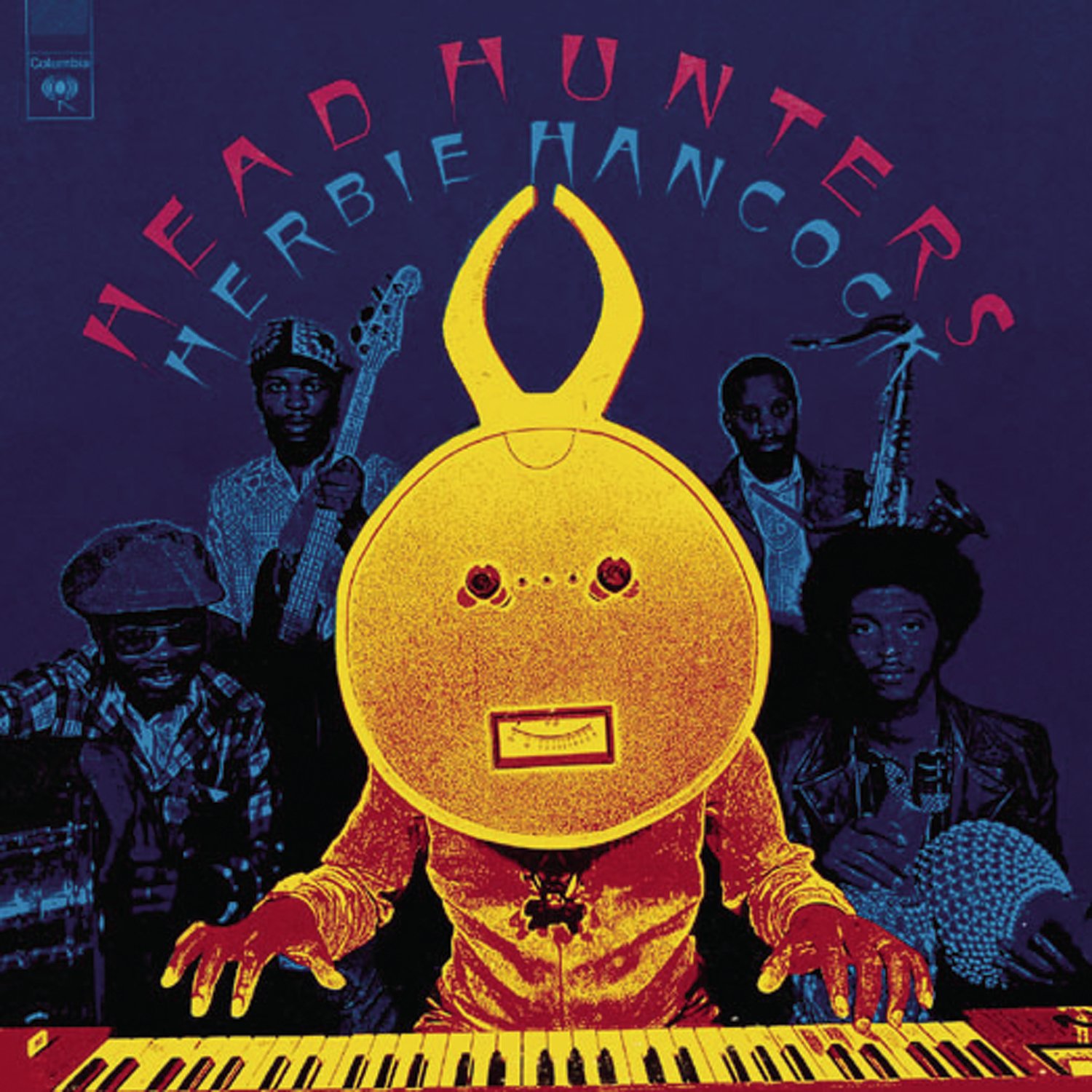
Herbie Hancock: Head Hunters
Released on October 26, 1973, and recorded the previous month, this landmark album signifies a conscious shift in direction for Mr. Hancock. It departs from his previous, more progressive and adventurous modal-based music, embracing a solidly tonal funky style of jazz. For this endeavor, he replaced all the members of his previous sextet except for himself and the talented Bennie Maupin on reeds. Remarkably, this jazz album achieved significant commercial success, foreshadowing George Benson’s stunning commercial breakthrough three years later.
The album starts off with “Chameleon,” featuring its initial foundation of two relentlessly repeated bass figures. However, the music is far from stagnant; it organically develops as it progresses, with the bass occasionally taking a secondary role but always remaining fundamental to the overall forward motion. The improvisation, while solidly jazz-based, aligns with a generally funky mood. Toward the end of “Chameleon,” we encounter sparkling chord changes reminiscent of a chameleon changing its exterior color, yet it retains its essential nature—similar to the music—concluding with a more static, funky ending. This is followed by an abstracted, funky rendition of Hancock’s classic, “Watermelon Man,” creatively presented to sound fresh, innovative, and slightly futuristic.
Side two starts with “Sly,” a vibrant homage to Sly Stone that includes some wild, abandoned, but clearly intricate interplay between Maupin’s sax and Hancock’s keyboards. This dynamic exchange offers all the excitement and vigor of the free jazz of the era, yet within a tonal, structured framework—making it accessible to a wide range of listeners. The album concludes with the reflective jazz tone poem, “Vein Melter,” seemingly representing the impact of heroin. The sense of time is significantly slowed by the floating, detached music, free from earthly worries or concerns. Notice the slow beat that initiates, persists, and concludes the track, possibly symbolizing the futility of the heroin experience. This second side, featuring “Sly” and “Vein Melter,” stands as one of the best single LP sides of any album from the 1970s.
Kraftwerk: Ralf und Florian
Released sometime in October1973, Ralf und Florian is the third studio album by the soon-to-be influential German electronic music pioneers, Kraftwerk. At this time there group is just the two former students of Düsseldorf’s Robert Schumann Conservatorium, Ralf Hütter and Florian Schneider The album is influenced heavily by “classical” or conservatory/university ideas about electronic music, but it is clear that a more accessible element is added into their works. This is far from their pop-flavored, and very influential, fourth album, but it still holds a special place in the band’s discography, marking that important transitional phase between their early “experimental” electronic work and the groundbreaking sound they would later be known for. The most intriguing work on the colorfully diverse side one is the pattern-based “Kristallo.” The second side open with “Tanzmusik”, which comes the closest to the music of their next album, with its lighthearted texture, vocoder-enhanced vocals and relentless drive. The album concludes strongly with the longest track, the relatively accessible “Ananas Symphonie” (“Pineapples Symphony”) with the vocoder, this time, used to modulate their voices to sound detached and machine-like. Ironically, though, the piece also creates a relaxing, mediative soundscape reminiscent of a tropical island — pineapples and traces of seashore sounds included.
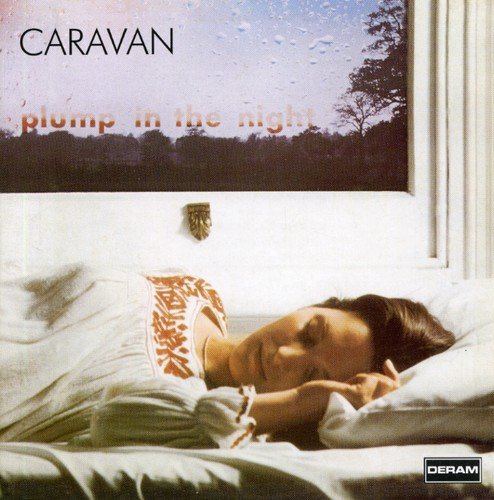
Caravan: For Girls That Grow Plump in the Night; Lou Reed: Berlin
With changes to their lineup, the loss of bassist Richard Sinclair and keyboardist Steve Miller and the addition of Richard’s cousin, Dave Sinclair on keyboards, and Geoff Richardson on viola, Caravan moves away from the more progressive, jazz-infused sound of their previous album, to a less progressive sound infused with some pop elements of the late sixties The highlight of this fifth studio album, released on October 5th, 1973, is the medley on the last track, “L’Auberge Du Sanglier / A Hunting We Shall Go / Pengola / Backwards / A Hunting We Shall Go – Reprise”, which includes strong guitar work from Pye Hastings, impressive electric viola and cello from Richardson and Paul Buckmaster, respectively, some sensitive acoustic piano from Dave Sinclair and a solid orchestral arrangement from John Bell and Martyn Ford.
Also, on October 5, 1973, Lou Reed releases his poignant concept album, Berlin. Though not as melodically memorable as his previous album, and with some musical content from earlier works recycled or redeployed, the album is still deserving of attention. The last track, in particular, provides an affecting and fitting conclusion to the work.
As progressive rock continued to gain traction and garner more and more fans in the UK , The U.S and throughout Europe, Camel released their very first effort, a fine self-titled album, at the end of February 1973.
The album starts relatively conventional with the vocal section of “Slow Yourself Down”, which shifts into a less conventional instrumental section including some notably strong guitar. The second track, “Mystic Queen” is a good representation of the mellow, more reflective nature of Camel’s recognizable style with a pleasant balance of the electric and the acoustic and with some pleasant acoustic guitar and flute. This album continues with the instrumental, “Six Ate”, a bit uneven in places, and the upbeat “Separation”, with nicely mixers vocals with instrumentals including the final stand out instrumental passage, possibly influenced by Genesis’s “The Return of the Giant Hogweed”. “Never Let Go” is Camel at what they do best, mellow, flute-infused instrumentation — music that is spaced, properly paced, and slightly spacey. The same can be said of the next track, “Curiosity”, which nicely blends the delicate and expressive. The final instrumental, “Arubaluba” ends the album containing some strong drumming by Andy Ward. All in all a strong first album.
Blue Öyster Cult: Tyranny and Mutation
Blue Öyster Cult first album cover was an unique black and white cover, and they followed this up with another mostly black and white cover but adding a tasteful amount of red, as shown above, to further enhance this memorable album cover. Similarly, with Tyranny and Mutation, released on February 11, 1973, Blue Öyster Cult further enhanced their musical style from that first album, becoming more innovative, distinctive, and even exotic, broadening their sound and extending their range of expressiveness. And in spite of the interesting, one-of-a-kind approach, perhaps one could correctly claim that it is this group as captured in this album, and not the even more idiosyncratic Black Sabbath or the more foundational Led Zeppelin, that truly provides the template of the unashamedly, and unrelentingly aggressive heavy metal sound for the rest of the 1970s and the 1980s.
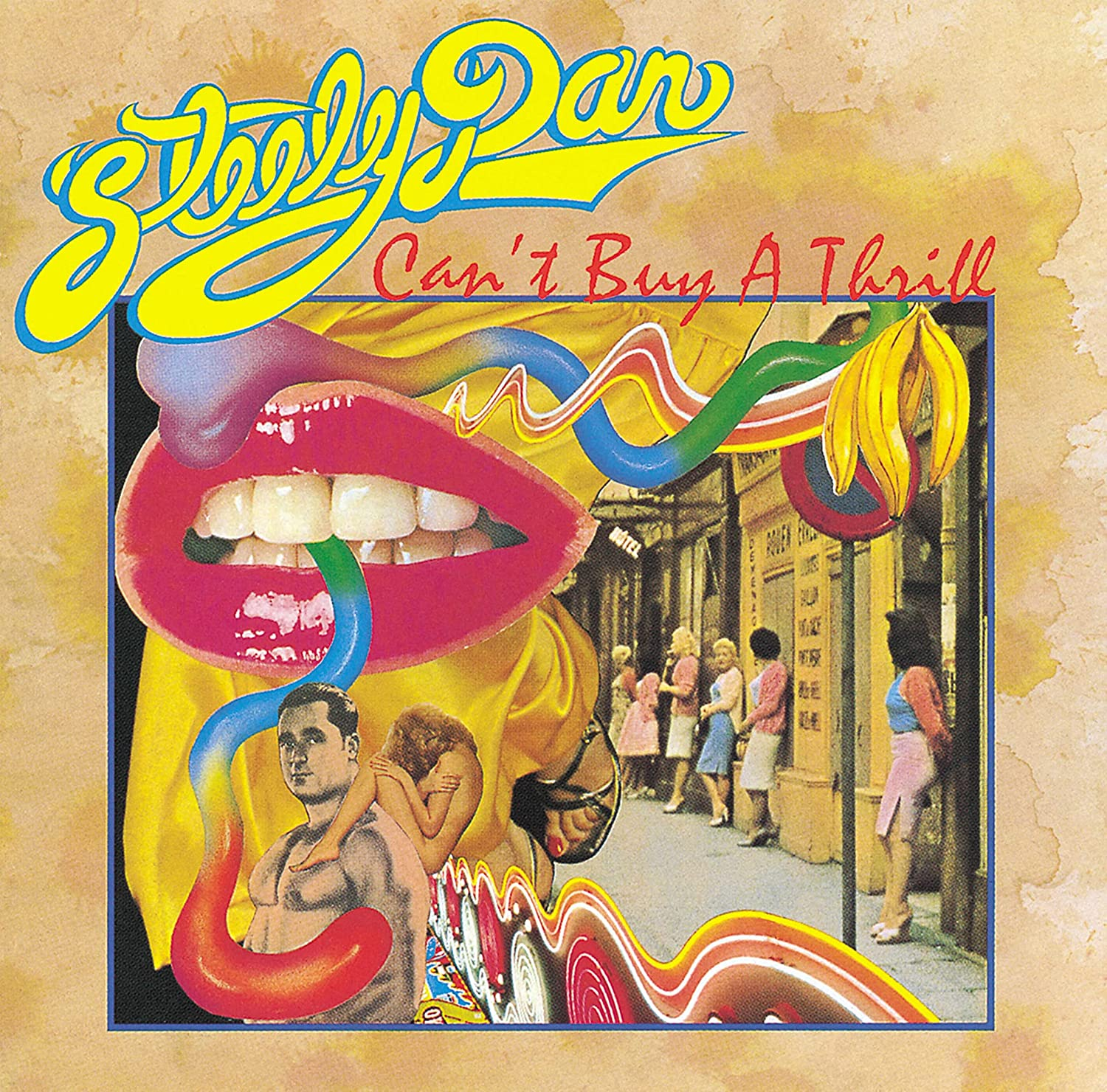
Released in November of 1972, this is the first of Donald Fagen’s and Walter Becker’s string of excellent albums. The music ranges from pop to rock to folk-rock to jazz-based rock with engaging and intelligent chord progressions and a healthy use of minor seventh and ninth chords.
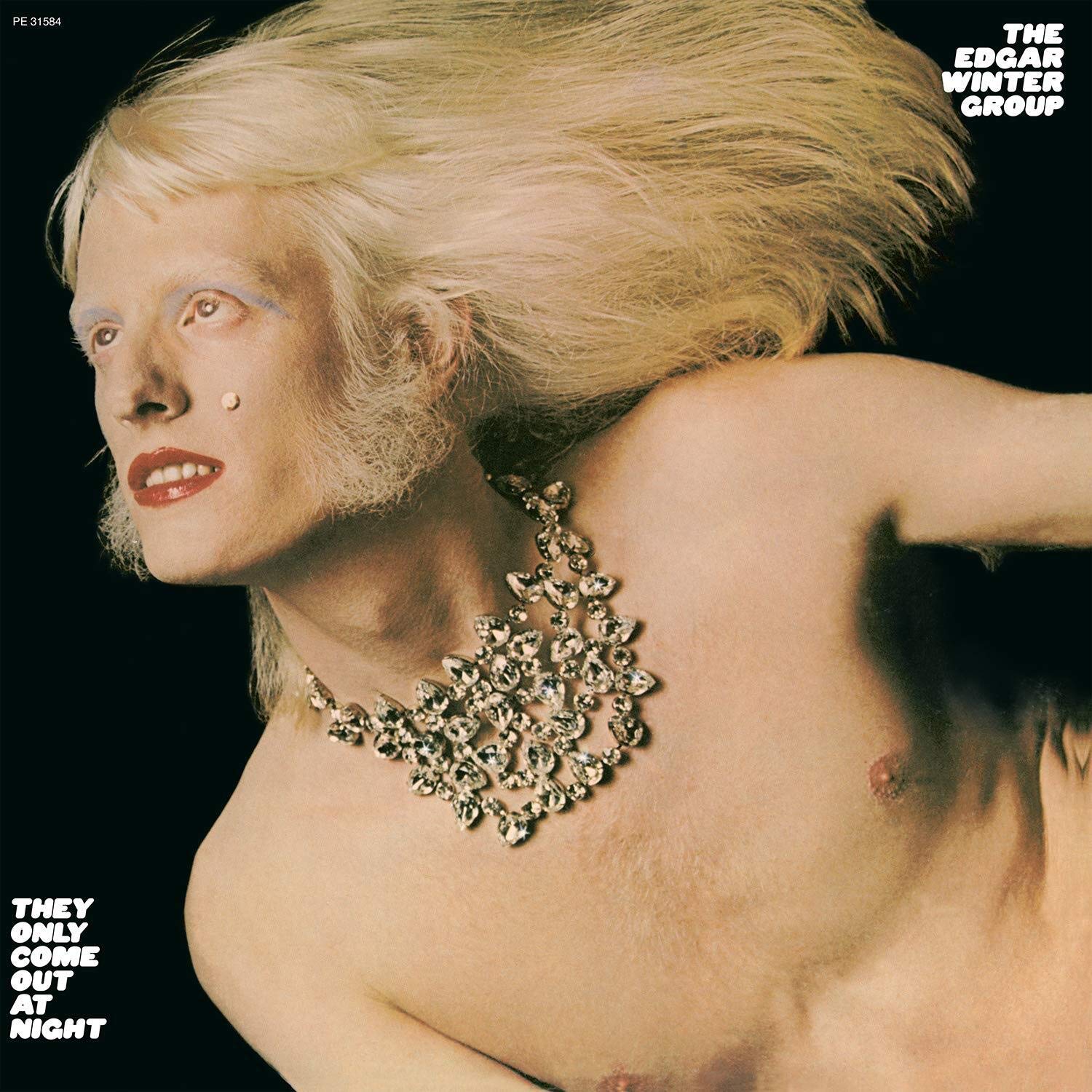
THE EDGAR WINTER GROUP: THEY ONLY COME OUT AT NIGHT
Skillfully produced by Rick Derringer, this is Edgar Winter’s most solid album with a number of songs that for the rest of 1972 and early into 1973 found a prominent place on AM radio, FM radio, at high school parties, or in the repertoire of high school dance bands. “Hangin’ Around”, “Free Ride”, “We All Had a Real Good Time” and the instrumental “Frankenstein” are hard rock classics that have effectively captured and preserved the spirit of early seventies hard rock, providing, today, an effortless means for us to travel back in time fifty years ago.
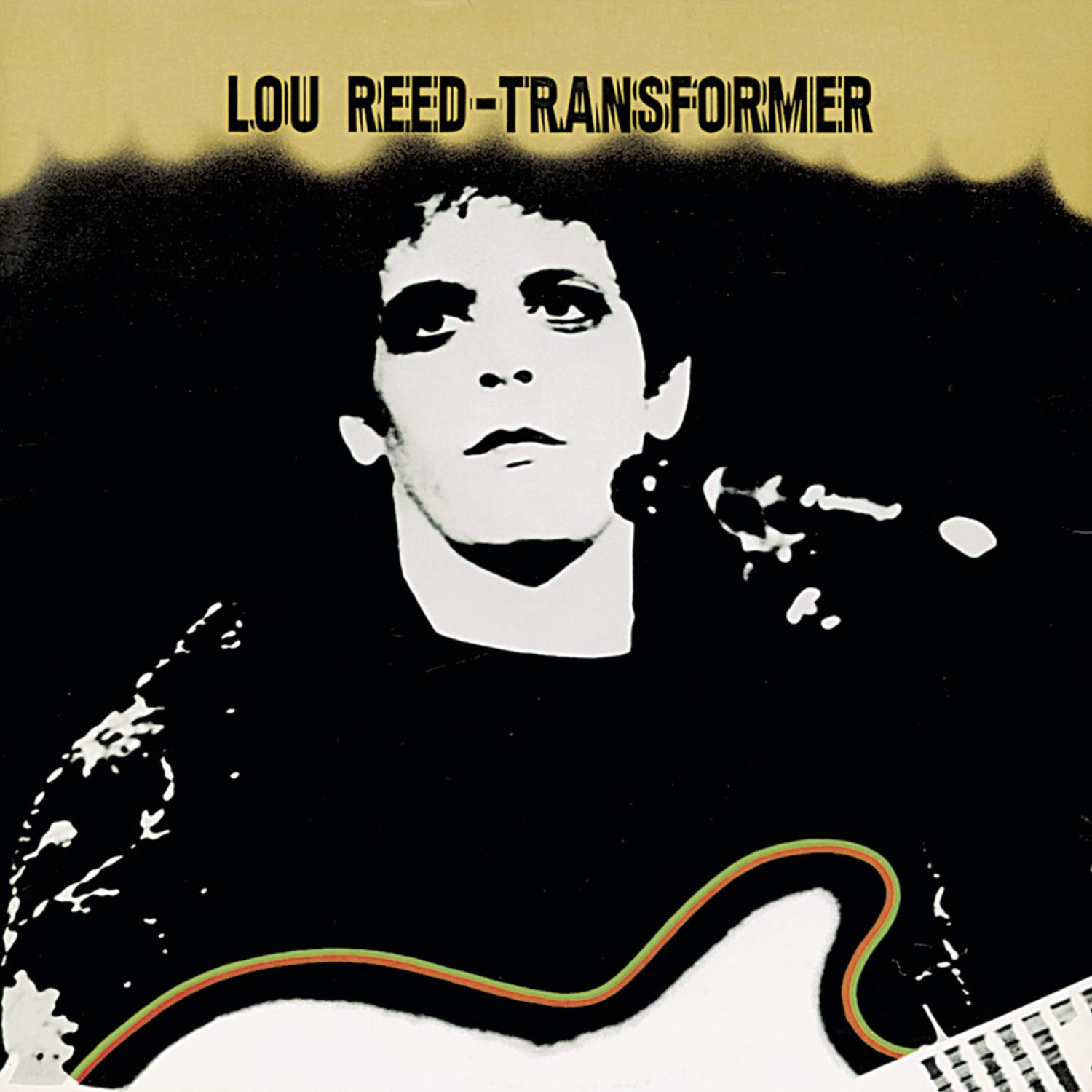
LOU REED: TRANSFORMER
Released on November 8, 1972, Lou Reed’s Transformer excels at creating a level of nonchalance and casualness that was more reminiscent of the beat movement of the 1950s than typical of an early 70’s rock album. Aided by David Bowie, Mick Ronson and Trever Bolder and elegantly produced by Bowie and Ronson, this album, along with the success of its glam, transexual and sometimes banned single, “Walk on the Wild Side”, brought Lou Reed out of the shadows of the Underground and into the commercial spotlight. The album is considered a classic by many and has had substantial influence on many Indie Rock artists that came later.
WAR: THE WORLD IS A GHETTO
War’s fifth studio album, released around November of 1972, opens with the once relentlessly-played AM single, “Cisco Kid”, which though annoying for those of us that heard it in spring of 1973 played through third-rate speakers of a school bus for multiple weeks almost every morning on our ride to school, was a welcome relief from the equally often-played, but far less bearable “Tie a Yellow Ribbon Round the Ol’ Oak Tree.” That said, now hearing “Cisco Kid” on a first-class audio set up almost fifty years later, the quality of performance and the arrangement almost make up for the melodic and harmonic mediocrity of the track. More importantly though, the rest of the album is quite good, starting with the infectious, funky “Where was You At” and the effervescent jazz-infused 13 1/2 minute “City Country City” instrumental on side one and the three tracks on side two including the soulfully reflective “Four Cornered Room”, and the beautifully funk-infused, “The World is a Ghetto.” This was not only War’s most commercially successful album, but the best selling album for the year 1973 holding the number one position for two weeks in February 1973 and staying on the Billboard 200 for a total of 68 weeks.
JONI MITCHELL: FOR THE ROSES
Released in November of 1972 between two of her most artistically and commercially successful albums, 1971’s Blue and 1974’s Spark and Court, the excellent For the Roses brims over with wonderful melodic phrases, remarkable piano lines, and beautiful acoustic guitar and an appropriate amount of harmonica, bass, percussion, winds and strings — always at the right places!
CAN: EGE BAMYASI
Can’s highly influential album, Ege Bamyasi, with the name apparently inspired from the label of a container of canned okra of Turkish origin also meant for German consumption of these “okra pods”, takes a detour from the previous no-holds-barred and even more influential Tago Mago, with an often more structured (via editing in some cases) and relatively more contained set of compositions. Not readily available in the US, I purchased this album in a German record store in 1978, and listened to it once before shelving it for several decades. It’s great to come back and revisit it and find there is much more here than I thought — and to discover the influence it has had on music since my original purchase, with Stephen Malkmus of Pavement, Thurston Moore of Sonic Youth, and the band Spoon all having been much more serious fans of the album and reaping music influences from it. Truly fortunate to revisit the album and able to enjoy it on a much better audio set up than I had in 1978.
Uriah Heep, Moody Blues, Carly Simon, Hawkwind, and Barclay James Harvest
Other notable albums from November 1972 include Uriah Heep’s semi-progressive Magician’s Birthday with a memorable Moog synthesizer solo from Ken Hensley on “Sweet Loraine” (reaching the 91st spot on the Billboard Hot 100) and a more expansive title track concluding the album, Hawkwind’s third studio album, Doremi Fasol Latido, stylistic different than their previous albums but still quality, engaging space-rock, Carly Simon’s No Secrets with two well-known tracks, the number one hit “You’re So Vain”, and less commercially successful but equally appealing “The Right Thing to Do”, the richly arranged, orchestrated Barclay James Harvest, Baby James Harvest, a mix of straight rock (“Thank You”) and more progressive tracks (“Summer Soldier”, “Moonwater”), and Moody Blues’ eighth album (last of the highly regarded string of seven classic album) which had two commercially successful singles, “Isn’t Life Strange” and “I’m Just a Singer (In a Rock and Roll Band)”, which spurred increased interest in their previous work resulting in the re-release of the beautifully haunting single version of the “The Night”, titled “Nights in White Satin”, which did much better the second time around, getting more attention and airplay than any of the music on the Seventh Sojourn album.
The distinction between dance music and listening music goes back before recorded history, and by recorded history, I don’t mean music recorded on tape, records or cylinders, but history captured through a preservable or lasting medium such as clay tablets, papyrus, paper or blog posts on the internet. The boundaries often merge between dance music and listening music and a great deal of dance music provides listening pleasure while much listening music encourages one to further experience the music through motion, even if only a slight swaying of the head or tapping of the foot.
In the Middle Ages and the Renaissance, dance music and ceremonial music were incredibly important, and there we few cases where composers wrote music that was intended of audiences that would critically listen to music as a stand alone listening experience. By the end of the Renaissance, opera was introduced in Europe (some 14 centuries after Chinese opera had entertained the general public during the Three Kingdoms era), providing a visual spectacle, narrative and supporting music. Music was also played for gatherings and other ceremonies, often competing with dining and conversation, but over time attention was focused on crafting music that was the primary focus for the audience — music to listen to without dancing or in conjunction with some accompanying activity, ceremony or theatrical work. Over time more and more people got in the habit of attending concerts where one was seated with no other visual then the performers playing their instruments. Yes, attending such functions was an experience and social function, but by the nineteenth century, no one was supposed to talk or even cough and anything but the music itself was considered a distraction.
Player piano rolls, the radio, and the phonograph played important roles in providing both dancing and listening music, and made music so readily available that using music as background or as part of an environmental ambience became more and more common, with the art of listening rapidly declining in the general public. Yes, dancing music and listening music continued to thrive side by side, with big bands in the thirties and forties providing both functions; Duke Ellington and Stan Kenton bands provided particularly interesting and compelling listening music at the same time they provided very effective dance music.
At the beginning of the Beatles’ popularity, their primary focus was on dance music, but they also introduced more serious songs starting in 1965 — ballads not particular suitable for dancing such as “Yesterday” and “Norwegian Wood.” (“Norwegian Wood” was theoretically suitable for dancing to in its steady 12/8 tempo, but few rock and roll fans were particularly keen on waltz-like dancing.) “Nowhere Man” and “Michelle” followed these two, both in a 4/4 time signature that theoretically supported slow dancing, but one’s first reaction was to listen to these works not to dance to them.
The elements of listening music consisted of two parts, lyrics to which one listened to in order to understand the author’s message, and the music itself, which either supported lyrics, provided relief or interludes in relationship to the lyrics, or stood on its own as in the case of extended passages between lyrics or in purely instrumental music. The Beatles had a go at a single blues-based, relatively unimaginative instrumental, “Flying”, but on that same album, Magical Mystery Tour, there were several songs where the lyrics were considerably secondary to the impact and character of the music itself. When one first heard the Sgt. Peppers album and then, later, tracks on the Magical Mystery Tour album like “I Am the Walrus” or “Strawberry Fields Forever”, one didn’t exclaim “Wow!” as a reaction to the lyrics, but was primarily impressed by the bold, progressive qualities of the music. (Yes, their was a slight fixation with some around the initials of “Lucy in the Sky with Diamonds, but it was at best a footnote to the reaction of the “new sounds” provided by the music.)
It was this emphasis on listening to music, by a band that had abandoned playing playing live due to screaming, fawning, and fainting fans effectively eliminating the listening aspect of live performances, that contributed significantly to other groups focusing on providing an LP-based listening experience, something not foreign to those musicians that had grown up in households where classical and jazz LPs were listened to attentively and often in reverence.
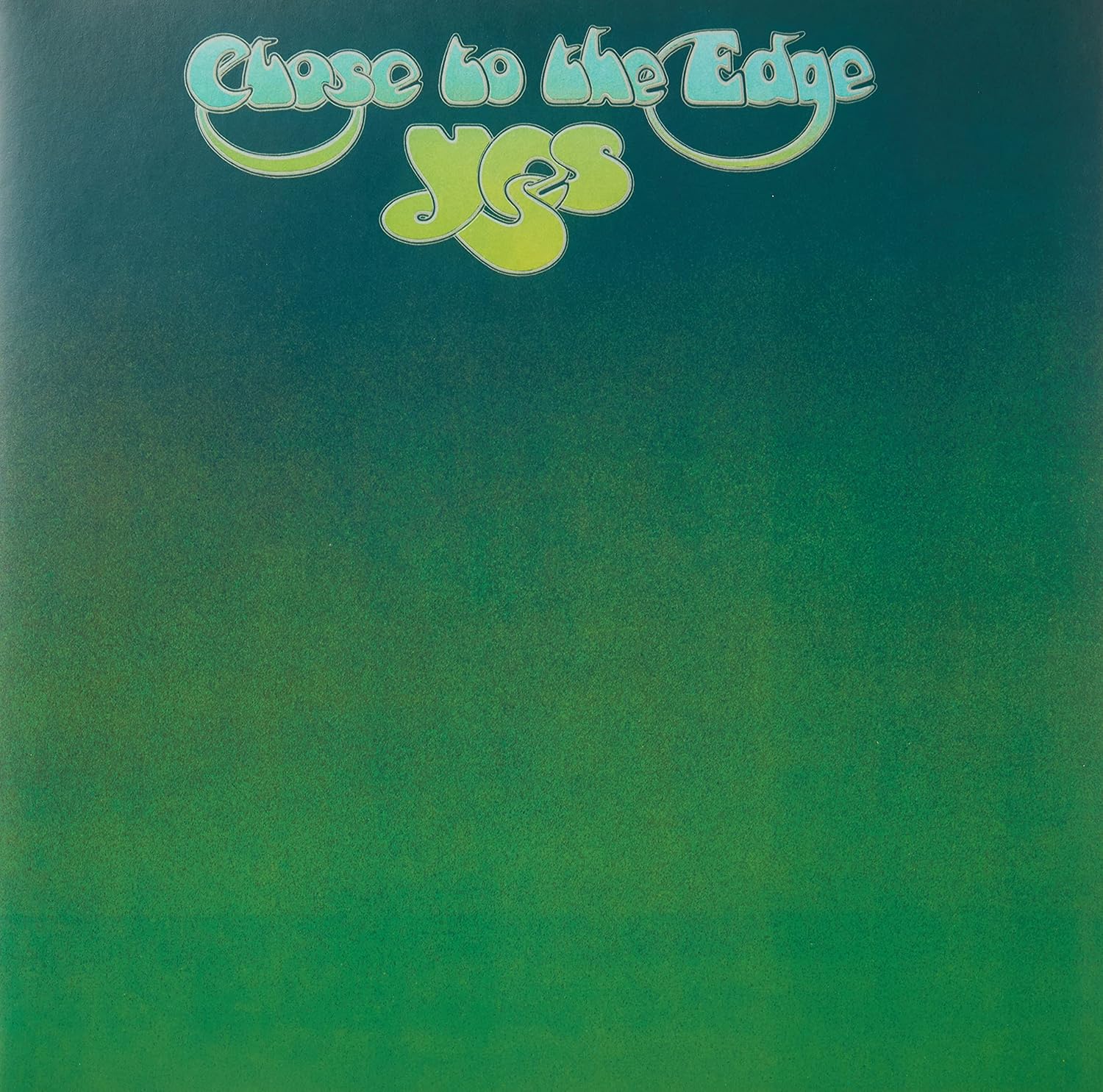
For my part, during my pre-teen years, I was exposed to Ravel’s Bolero, which I listened to intently from start to finish to sort out what changed with each repetition of the material, Rimsky-Korsakov’s Scheherazade, Gershwin’s Rhapsody in Blue — and so it was natural to listen intently to Sgt. Peppers, then Abbey Road and then ultimately Yes’s Fragile and Close to the Edge.
By the time Close to the Edge was to be released, I was the proud owner of a budget LP set of six of Mozart’s later symphonies, and had listened to several works of Beethoven, Ravel and Debussy. Yes’s earlier album, Fragile, had impressed me for its balanced, classical-like attributes and musical preciseness supporting highly appealing and handsomely crafted material. Close to the Edge seemed to have embraced a more impressionistic, romantic ethos; it was a music that embraced elements of enchantment and imagery over precision and order.
About the middle of September 1972, right after Close to the Edge was released, my next door neighbor brought over the album, and upon listening, I was impressed more by the differences between it and the earlier Fragile, than any stylistic similarities, of which there were many. That first side to the title song was very much in the realm of classical music, recalling those wonderful orchestral tone poems of the late nineteenth century — yet brought up to date with lyrics and electronic instruments. “Close to the Edge” had a sense of thematic development, coherence and overall direction that, in my mind at that time, made this equal, and in the same category, of those fifteen to twenty-five minutes great classical works I so loved. Side two was a slight step down with neither of the two tracks on side two equaling the impact of the first side (or matching the best of the four main works on Fragile) but each was still musically impressive and compelling. To the credit of U.S. listeners, the album did quite well commercially, climbing up to the number three spot on the Billboard albums chart. In addition, all three works from the album had been captured in live performance for posterity from Yes’s 1972 tour and released in 1973, on the “Yessongs” album, providing another version for the serious rock-music listeners of that time.
Additional September 1972 Releases
Of the remaining rock-album releases in September, the most notable is Black Sabbath’s fourth album, simple titled Vol. 4, released September 1972. Guitarist and keyboardist, as well as primary composer, Tony Iommi pushes the band into new musical territory, sometimes exploring a harder, heavier sound and sometimes extending their previously established ostinato-based style. The first and lengthiest track, “Wheels of Confusion” is the most musically ambitious and varied, packed with a number of ingeniously layered and interlocking components. Also of note is the instrumental, “Laguna Sunrise”, a simple but effective composition with Iommi on both acoustic and mellotron.
With the band prepared to break up, the course of history changed completely for Mott the Hoople when after they had turned down David Bowie’s offer to allow them to record the newly composed, “Suffragette City”, Bowie quickly dashed off another song as an alternative potential single, furtively recording it with the Mott the Hoople band members in a couple of secretive sessions on May 14 and May 15, 1972. This would be the stand out track on the album named from that song, All the Young Dudes, and, importantly for the continuation of Mott The Hoople, a successful single peaking at number 3 in the UK and getting solid airplay on both AM and FM radio in the states. A version with Bowie as the vocalist for a guide track he had recorded during that May 15 session is now also available as a bonus track on later versions of the album.
Additional September 1972 releases included Seals and Croft’ Summer Breeze, an album filled with a variety of acoustic instruments and some electric guitar, released on September 9, 1972 with the initial track, “Hummingbird”, and its title track being played heavily on middle-of-the-road, easy listening and adult contemporary AM stations, Family’s sixth studio album, Bandstand, with its die-cut gatefold cover representing an old-style British television, the LP containing straightforward, relatively conventional rock songs (and the last Family album with John Wetton), Steeleye Span’s strong acoustic folk album, “Below the Salt”, and Sandy Denny’s second solo album, Sandy, with a varied assortment of arrangements highlighted by strong musicianship.
David Bowie: The Rise and Fall of Ziggy Stardust and the Spiders from Mars
At some point in the summer of 1972, one of the album-oriented FM radio stations I regularly listened to began to play “Suffragette City” from the newly released David Bowie album, The Rise and Fall of Ziggy Stardust and the Spiders from Mars. That was more than enough inducement for me to seek out the album, take it home, take the appallingly thin and flimsy RCA Dynaflex-branded vinyl out of its paper sleeve, place it on the turntable and, though, not truly complying with the instructions on the back of the LP, “TO BE PLAYED AT MAXIMUM VOLUME”, still play it louder than I would have if anyone else had been home. Though puzzled by the general fuzziness in the overall coherence of the narrative, the music itself was crystalline clear — hard rock, but clear concise execution — and well-recorded, orderly, and musically transparent. The arrangements and production promoted a distinction between individual parts, with each standing out clearly and effectively.
The melodies and music were instantly accessible and captivating and repeated listenings of the album only marginally enhanced one’s fondness for the music which was figuratively (though not literally) off the charts from the first encounter. I was only disappointed by one song, the cover of “It Ain’t Easy”, which I was familiar with from the Three Dog’s Night version, and the disappointment was due to the mediocrity of the song itself, as opposed the to superior performance of the number, recorded during the Honky Dory sessions in June of 1971. Putting that one non-Bowie composition aside, the rest of the album is not only uniformly excellent, but magnificent! Each deserved both FM and AM airplay, but though some would get FM airplay, nothing to my knowledge ever was played on AM.
Yet, my expectation was that this album would catch fire with a mass audience: due to the remarkable accessibility of the songs and their immediate emotional pull, I considered it certain that Ziggy would become popular by the end of the summer and be one of the best selling albums of 1972. Of course, that didn’t happen, and Bowie’s claims to the higher levels of fame would be delayed until 1973.
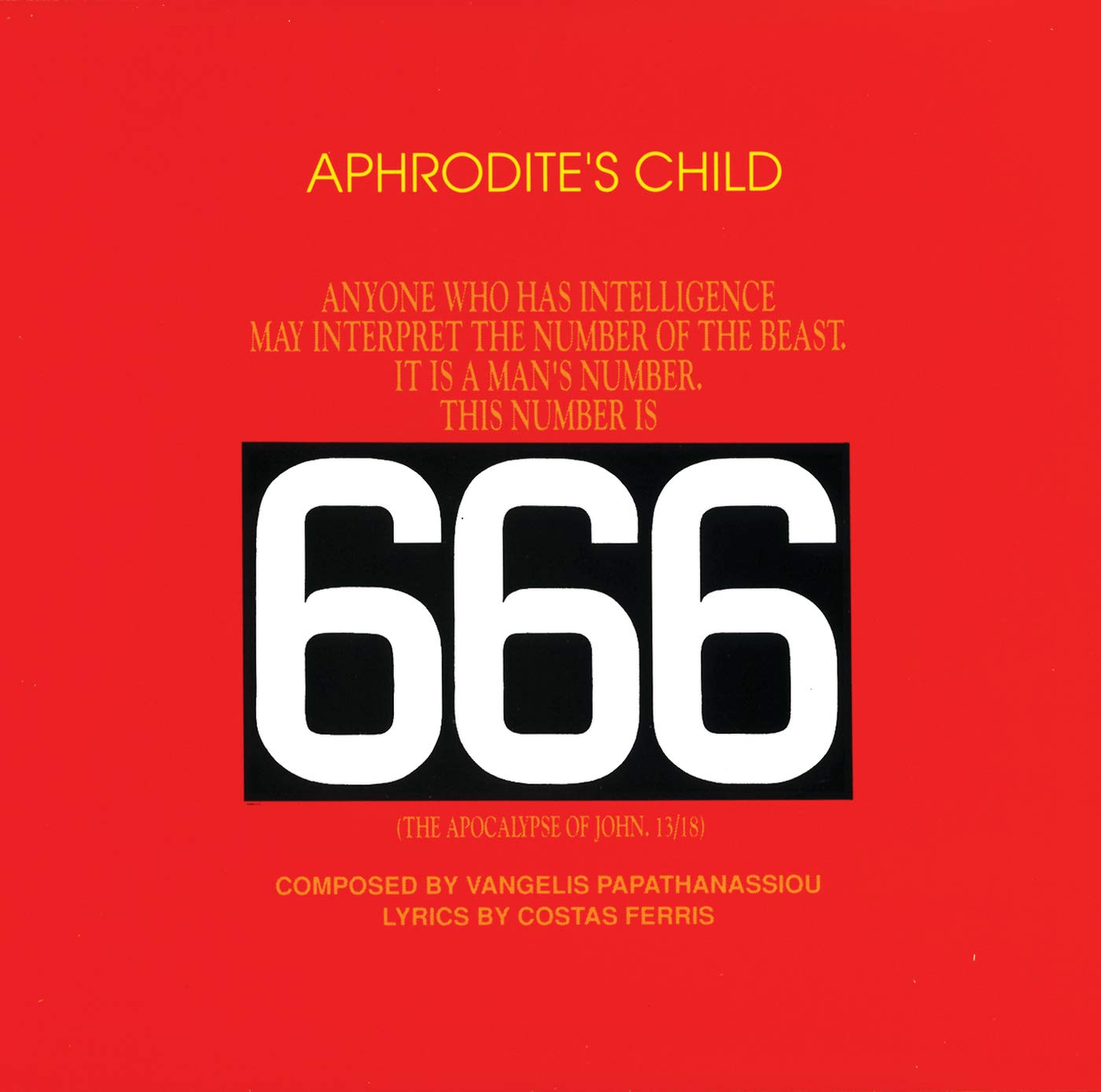
Aphrodite’s Child: 666
This was an album I didn’t discover until the mid 1970s, after Vangelis had released several solo albums. 666 is the last of three albums from Aphrodite’s Child, with Vangelis primarily responsible for the compositions, with lyrics provided by Costas Ferris based on the Book of Revelations. This is a wonderful mixture of styles, Vangelis showing off his musical versatility with a range of styles and inclusion of elements of Greek folk music.
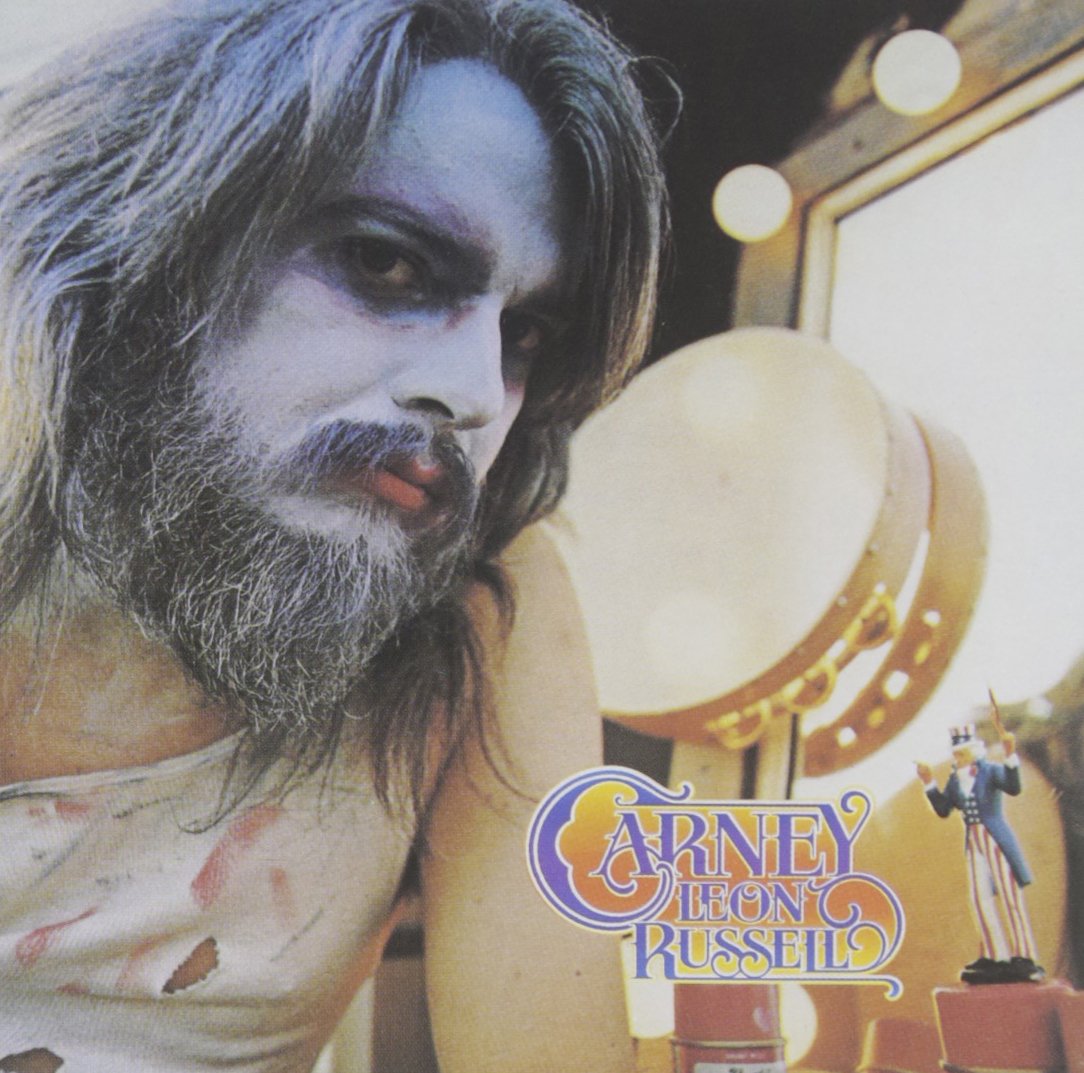
Leon Russell: Carney
Though nothing on Carney equals the simple beauty of “A Song for You” on Leon Russell’s 1970 album, this album contains two classic Russell songs, “Tight Rope” and “The Masquerade”, the latter of which was successfully covered by George Benson in 1976. Side two has been criticized by some critics for its psychedelic leanings, but it deserves praise and not criticism — in fact the entire album is a keeper!
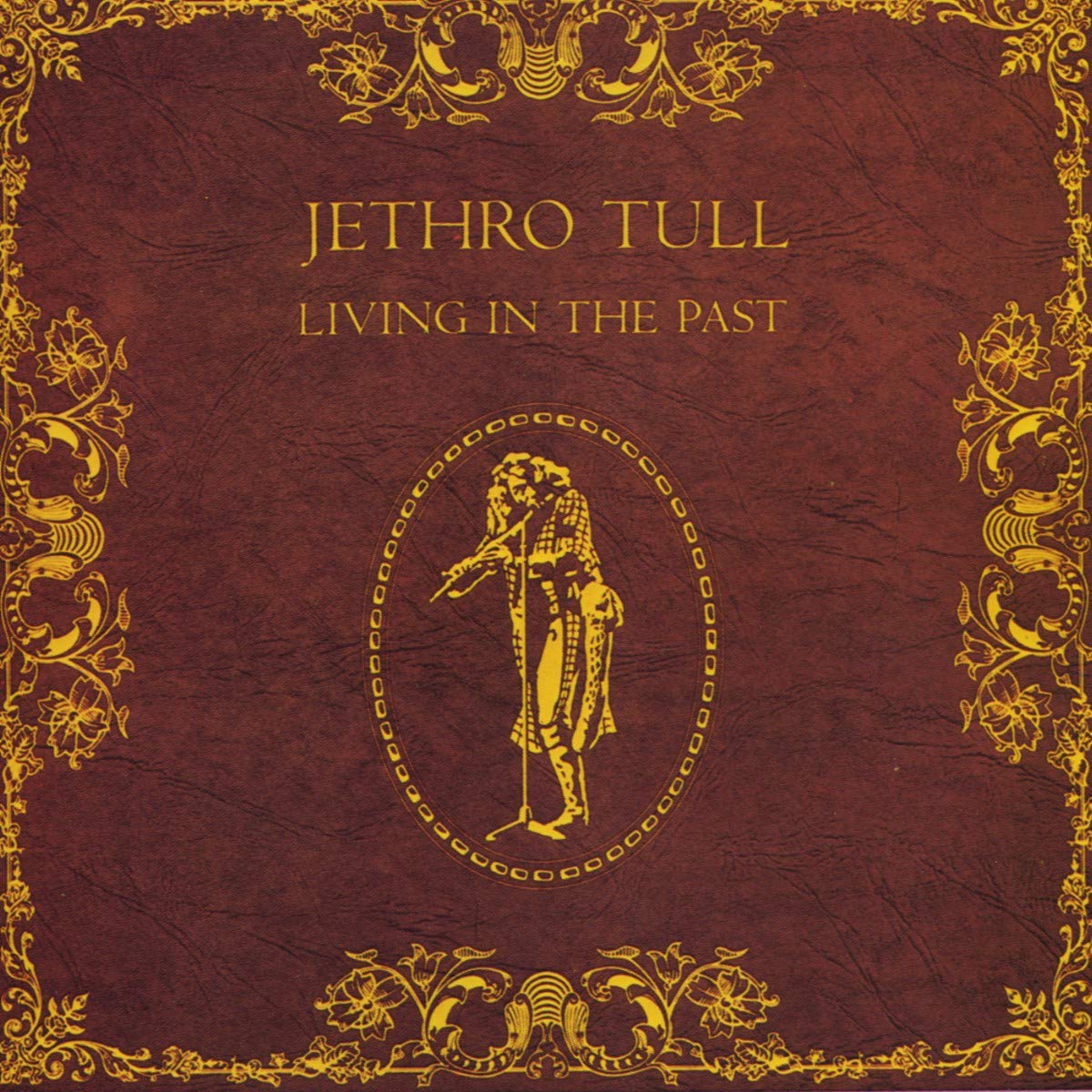
Jethro Tull: Living In the Past
Usually I don’t reminisce on compilation albums, but much of this was new material to those of us in the states in 1972 including gems like “Christmas Song”, “Life’s a Long Song”, and “Living in the Past” which received significant airplay later on in 1972. Quite a treat!
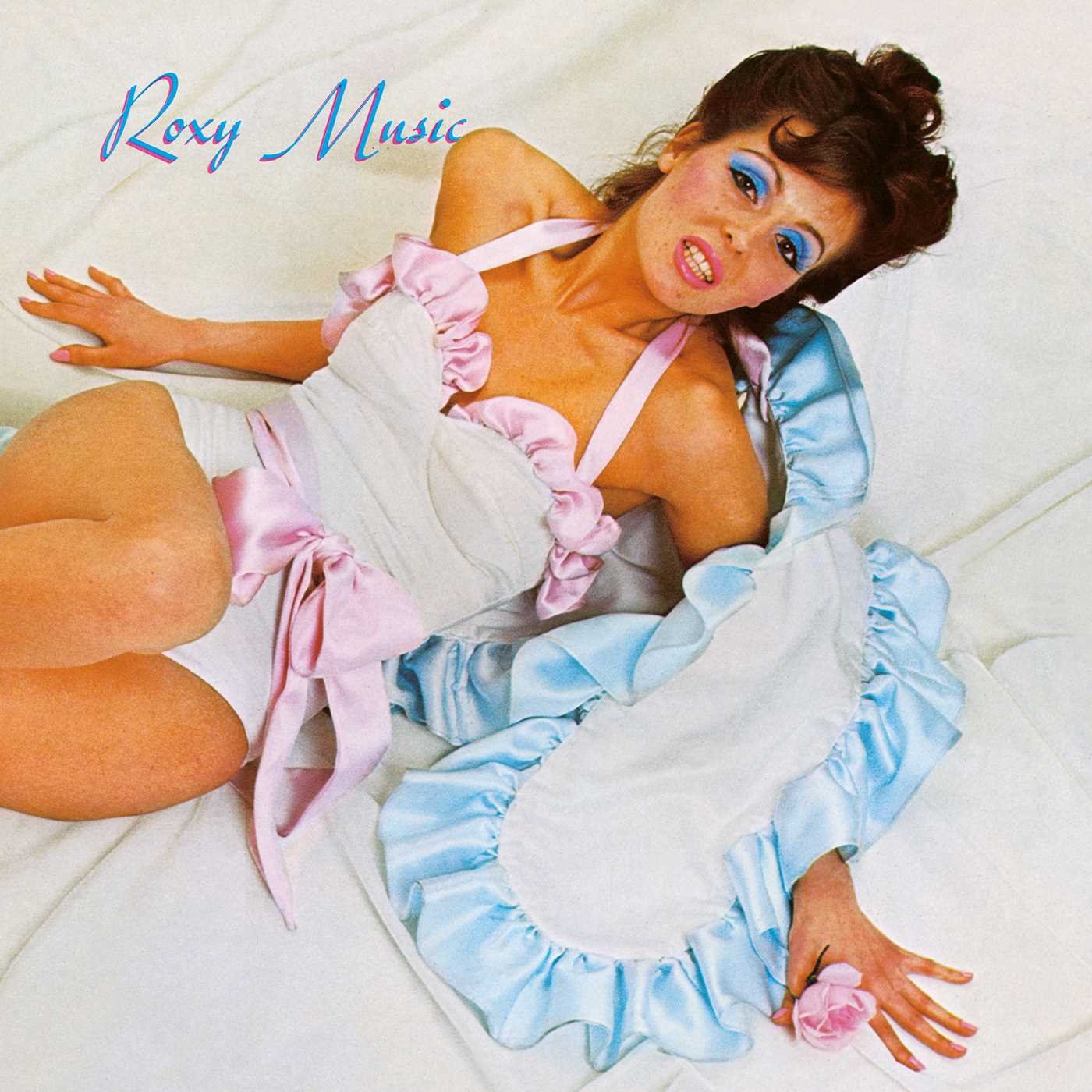
Roxy Music: Roxy Music; Alice Cooper: School’s Out; Pink Floyd Obscured By Clouds
A couple of notable, although somewhat uneven works released in May of 1972, included Roxy Music’s first album, which effectively mixed glam, rock and pop elements to create a compelling semi-progressive set of tunes as well as a notable album by Alice Cooper, which brilliantly identified an untapped commercially-potent topic, “School’s Out” — and brilliantly created an iconic hard-rock anthem for that topic, along with two other strong hard rock songs and some semi-progressive moments rising above mere album filler.
Also uneven, but essential for Floyd fans and well worth listening to for everyone else, is Pink Floyd’s Obscured by Clouds, which was put together rather hurriedly, around the same time work was being done on the classic and much better, Dark Side of the Moon. That said, this album belongs to that next phase in Floyd’s always exploratory musical journey. Some of the melodies for the songs are less than impressive, but the guitar work, instrumental passages, and overall impact make this an enjoyable album on first and repeated listenings.
1972 was the year I started taking piano lessons in order to be able to write down all the original tunes that had started popping into my head around 1970. I never developed an ear good enough to play either my tunes or other people’s melodies impromptu, but it did give me enough foundation so I could pick out melodies after some work. It also gave me a greater appreciation of the great spectrum of music, current and past, available to people like me living in an industrialized, freedom-tolerant country with access to the variety of record stores, concerts and radio stations present in 1972 Southern California.
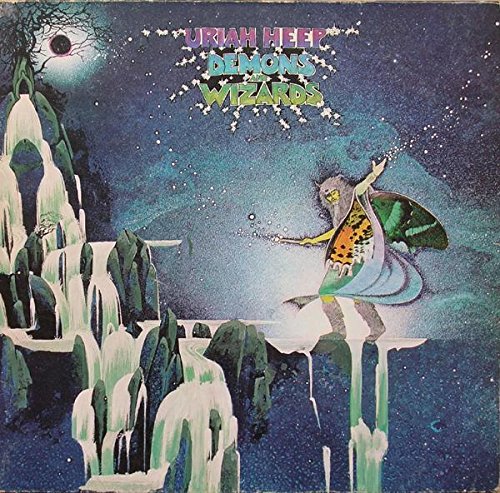
Uriah Heep: Demons and Wizards; Elton John: Honky Chateau
Two of the many albums released in May 1972, which I purchased shortly after their release included Uriah Heep’s Demons and Wizards and Elton John’s Honky Chateau. I recorded both on a portable battery-powered tape recorder to have music for the immediately upcoming summer vacation trips, but never much took a liking to Honky Chateau (resulting in me not purchasing Elton’s next album.) Demon and Wizards was better musically, and though not as notably baroque in feel as their previous album, there was still some impressive keyboard work and invigorating instrumental passages.
Rolling Stones: Exile On Main Street
Since I could now drive, I started going to school dances, and was exposed to some of the classic dance numbers on the Rolling Stones’ Exile on Main Street, which was recorded in sessions from 1970, 1971 and 1972 and released on May 12, 1972. I never considered myself much of a Stones fan, but I loved dancing to “Tumbling Dice”, and particularly “Happy”, when some local band would play them (along with Deep Purple’s “Smoke on the Water”) at either our own high school gymnasium or at the college across the street or our local junior college. Exile is doted on by rock critics, and though it is a pretty good album, maybe the Stone’s best album next to “Between the Buttons”, and though we have Nicky Hopkins and Billy Preston on keyboards and the creative magic of Mick Taylor and Keith Richards, this is an album more suited for secondary listening, such as driving or party music, as opposed to serious, concentrated listening as appropriate to the very best Yes, Jethro Tull, Genesis or Gentle Giant albums.
Caravan: Water Lily; Wishbone Ash: Argus
In terms of rock albums that do compel serious, concentrated listening, two releases from May 1972 fall into this category: Wishbone’s Ash’s Argus, which peaked near the end of May at number 3 in the UK top ten albums, and Caravan’s Waterloo Lily.
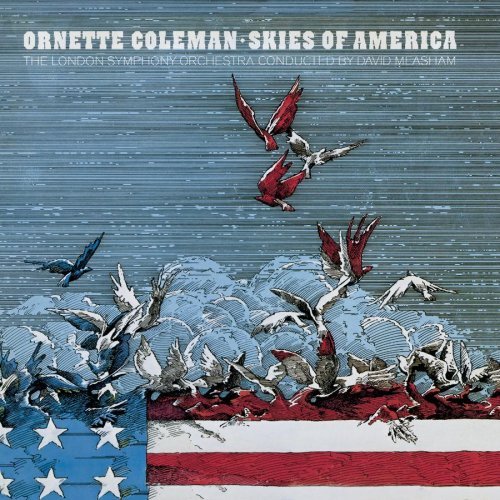
Ornette Coleman: Science Fiction, Skies Of America
My first exposure to Ornette Coleman was from the Columbia Records 2 LP “The Progressives” album, made available around 1973 as one of several give-a-way selections (something like 5 or 10 records for $1) to join the Columbia House Columbia Records Club. This was also my first exposure to Weather Report, Soft Machine, Charles Mingus, Don Ellis, Keith Jarrett, Bill Evans (with George Russell), Matching Mole, and Gentle Giant. Gentle Giant garnered the plurality of my attention, mandating me to immediately purchase their 1972 Octopus album, but the Ornette Coleman track was a bit beyond my reach and my reality. However, around 1976, when Columbia Records issued a 2 for 1 (two for the price of one) LP of Coleman’s Science Fiction albumand Skies of America album and at a price of $3.99, I considered that enticing price enough incentive to start my jazz record library, and I got my first in-depth experience with free-jazz, though I was well-prepared with the amount of twentieth century classical music I had been exposed to as a music major in college. After navigating through Xenakis, Stockhausen and Boulez, music by Ornette Coleman was now more accessible.
Science Fiction was recorded in 1971 and released in 1972 and is my favorite of the two albums. It is bold, unbridled and inventive. The album starts off with the ethereal and relatively tranquil “What Reason Could I give”, with Asha Puthil’s vocals essential in establishing the freshness and almost futuristic characteristics of this first track, and nicely setting up the overall listening experience for the entire album. “Civilization Day” provides a metallic, edgy contrast to the opening with an amazing pocket trumpet solo from Don Cherry. The third track of the album provides a softer and more open sound prior to the more aggressive fourth and fifth tracks, with the sixth track, “All My Life”, a beautiful love song with a remarkable sinuous melody and vocals handled handsomely by Puthil. The seventh track, “Law Years”, includes a compelling solo from Charlie Haden on bass, and the last track, “The Jungle is a Skyscraper” includes a terrific drum solo from Ed Blackwell immediately followed by Coleman on alto over effective support from Blackwell and Haydn, followed by Cherry, then Cherry and Coleman together with the return of the opening theme dramatically ending the album.
Skies of America, recorded in April of 1972, and released in May of 1972, fell short of what it could have been. Coleman’s writing for orchestra provides an effective foundation for an added jazz combo to improvise in appropriate places on top of the basic composition, however contractual constraints with the UK’s musician’s union resulted in Coleman having to do replace his intended “concertino” with a single soloist, himself. In addition, not the entire work was included on the album due to the time limitations of a single LP, possibly compromising the both the fullness and unity of the work — I say possibly, as I don’t believe there is any release with the entire work — I am not even sure the entire composition was recorded by the LSO during the April 1972 sessions.
That said, the album is still quite good, even with the LSO’s playing likely to have benefitted from additional rehearsal time. Coleman is in top form, and as expected, fully able to appropriately execute the underlying intention and vision of his work. The last track, “Sunday in America”, is as American as music by Aaron Copland, starting out reflective and embracing individuality, disparity, and unfettered freedom to dramatically end the movement and effectively close out the forty-minute work.
Weather Report: Live in Tokyo, I Sing the Body Electric
Perhaps a bit more accessible and commercially serviceable to Columbia Records was Weather Report’s part-studio-based, part live album, I Sing the Body Electric, released on May 26, 1972 in states. The live material is a subset of the “Live in Tokyo” 2 LP album released on May 1, 1972 in Japan, and shortly thereafter available as an import in the US, and then much later, like the second decade of the 21st century, available as a two CD set.
Randy Newman: Sail Away
On May 23, 1972, Randy Newman and Reprise records released Sail Away, Newman’s strongest album up to that time, including some of Newman’s songs that had been previously recorded by other artists and some newer material — or at least new to the public. Though not a commercial blockbuster, the album did make it into the Billboard 200, peaking at position 163. Sometime in late 1972 or 1973, I remember Newman appearing on TV and then in 1973, when, as a senior in high school, I took a Music History 100 class from cellist Terry King at the college across the street from my high school. Mr. King shared that he had played cello on this album (as well as cello on Carole King’s Tapestry) and he played a cut from the Sail Away album. Later in 1973, I saw Newman live, just him and piano, at the junior college, performing many of the songs on this album for an interested but relatively small audience. Though, I love the orchestration on this album, nothing quite brings out the sardonic wit and implied cynicism and irony of these songs as Newman tackling them live in the intimate setting of a small auditorium, in his individually, almost conspicuously, relaxed, offhand manner.
Released on April 14, 1972, Three Friends is Gentle Giant’s third album and their first self produced album, and takes a musical direction quite different from the previous two, with the music coalesced around the thematic concept of three schoolmates and the different directions they take. Whereas the music of the previous album generally flows and evades concrete musical borders, owing much to medieval and renaissance musical sensibilities, the music of Three Friends is distinctly of the twentieth century with repeated musical cells and patterns, occurrences of syncopation, and both subtle and more strongly emphasized meter changes — all taken together, form the initial characteristics of an identifiable Gentle Giant style that would become more prevalent in their fifth, sixth, seventh and eighth albums.
The first track, the prologue, starts off in 3/4, appropriate for the concept of “three friends”, then shifts into 4/4 in preparation for the lyrics and then ends in mostly 3/4 with a few apparent meter changes for the ending. The high register synthesizer, like the wispiness of memory, adds to the overall effect of detailed stereo separation. The interlaced vocals continues with the next track, “School Days”, which brings to mind that back and forth playfulness of school children, with some more shuffling of the time signature and then a brief dark middle interlude that shifts into 4/4 for the “remember” section which includes Ray Shulman’s son providing age-appropriate vocals against uncle Phil Shulmans grown-up vocals. After a jazzy vibraphone solo from Kerry Minnear, there are some more meter changes and the the reflection on past school days quietly ends.
Each of the next three tracks focuses on one of the three friends. “Working All Day” is the stoic pronouncement of the manual laborer, voiced appropriately by Derek Shulman, who matter of factly accepts his fate with “no regrets” in mostly straight 4/4 common time. Notable is the introduction, a free multi-voiced, contrapuntal, synthesizer part, that, through the magic of magnetic type, slowly (and seamlessly) grinds down to the plodding working class tempo of the opening theme. Near the end of the piece, in the recap of that initial “working all day” theme, we get a few bars of what I call the Gentle Giant “stride” style (see Fifty Year Friday: July 1971), a “keep on trucking” era type of passage, that appears about twenty-seconds before the end of the song.
“Peel the Paint” showcases, lyrically, Phil Shulman, light and airy with “free from the start”, then Derek with an anguished “peel the paint”, “nothing’s been learned”, and musically, the two sides of the artist — the aesthetic highs and the tortured lows — with the “peel the paint”, “same old savage beast”, and “nothing’s been learned, no, nothing at all” section relying heavily on the use of the “devil of music” (“diabolus in musica”), the tritone, and a guitar solo that starts out tormented and appears to flop into a drunken-like stupor with the piece ending with a recap of “nothing’s been learned.”
The third track covers the final friend, the lad that made the “big time”, reflecting on the material advantages of success, in a mostly 12/8 meter with some shorter bars for typical Gentle Giant variety. The album ends with “Three Friends” redeploying material from the prologue, including use of both 3/4 and 4/4 meters. The album, though maybe not delivering the most profound concept or realization of that concept, succeeds musically, and with its ample occurrence of 4/4, 2/4 and 12/8 rhythms, makes wonderful driving music. I would also suggest listening to it with visual cues — perhaps something like “light speakers” — devices that bundle different colors of strings of Christmas lights with each color associated to a band of audio frequencies and placed behind a semi-transparent plastic to create dazzling color effects coordinated with the music.’
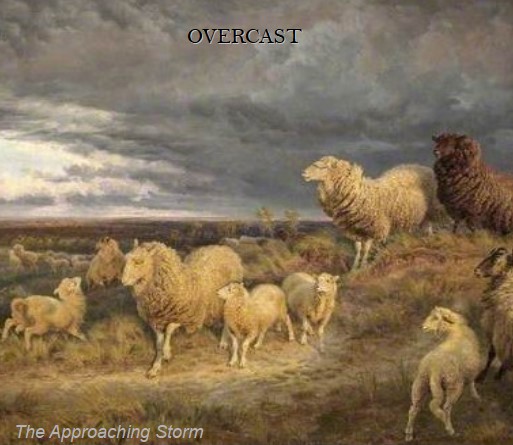
Overcast: The Approaching Storm
Recorded in a series of contentious sessions in January 1972, made even more difficult by equipment issues and studio logistic headaches (with the band unpleasantly mired in the resulting red tape spawned by recent ownership changes at the La Brea recording studios), Overcast’s fifth album, The Approaching Storm, saw the light of day on the first of April, 1972.
Shifting tentatively from the basic blues and blues-rock formula that had provided their only hit, “Better Yet”, the band, led by the urging of classically trained keyboardist Trevor Stuart (see Fifty Year Friday: Overcast, With a Chance of Showers) explored more complex musical avenues, incorporating a range of influences from the The Who’s recent 1971 album, Who’s Next to the Yes’s Fragile album — though clearly, David Amato was no Keith Moon or Bill Bruford, and Douglas Brandt was no John Entwistle or Chris Squire.
The first side starts with the title track, with heavy bass and darkly-tinged doom-laced lyrics contrasted with pleas for optimism (“No room for grooming this looming, mushrooming doom and gloom”), followed by “Cognitive Unconsciousness” with its bagpipe-like synthesizer passage, and then “Decidedly Dangerous”, which merges into “Disaster Part One: Recognized, Resisted, Realized”, which effectively ends the first side.
Side Two opens with “Disaster Part Two: Reality” with stabbing marimba-like effects from the synthesizer and concludes with the dramatic and stormy, fifteen-minute, “Crystal Palace Workshop”, which leans heavily on Stuarts multi-track use of moog synthesizer and Bill Fortney’s heavily arpeggiated and intermittently apocalyptic electric guitar.
David Crosby & Graham Nash: David Crosby & Graham Nash; Stephen Stills: Manassas; Jim Croce: You Don’t Mess Around with Jim; Procol Harum: In Concert with the Edmonton Symphony Orchestra
Additional albums released in April of 1972 include the first Crosby/Graham album, with an exquisite balance between the well-crafted Nash compositions and the mellower Crosby tunes crowned by Nash’s timeless gem “Immigration Man”. the Stephen Stills two LP Manassas with its individually themed LP sides, Jim Croce’s breakout commercial album, You Don’t Mess Around with Jim, with its quality arrangements, well-recorded acoustic guitar and the elegantly-wrought classic, “Time in a Bottle”, and Procol Harum’s best selling album recorded live with full orchestra.
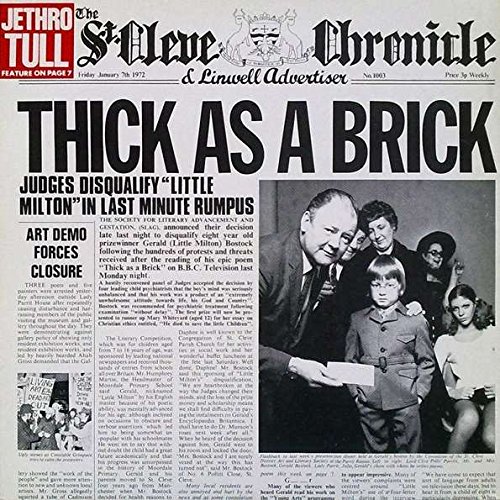
Released on March 3, 1972, those of us that were Aqualung fans were keen to get our hands on this newest Jethro Tull album. It’s pretty rare when the next release after a five star album such as Aqualung not only doesn’t disappoint, but delivers beyond expectation. Such was my own personal experience with Thick as A Brick one day after my next-door neighbor purchased the album as soon as it was available, on a Friday, and brought it over that very next day on Saturday for me to listen to and record on my reel-to-reel.
I was impressed by the sound quality (it was a well-recorded rock album by the standards of those days) but even more impressed by the musical content. Though I immediately fell in love with the album, it was took an additional listen to start to understand the depth and extent of the overall musical coherence — an understanding, that even fifty years later, is furthered by each repeated listening of this fine musical work.
Though author/composer Ian Anderson would later assert that the album was a playful prank — a spoof on the recent rock-genre trend of long and longer tracks and on concept albums in general, and, partly as a reaction to Aqualung being classified as a concept album — with the intent to ironically answer that misperception with a reductio ad absurdum exhibit of the rock concept album.
And though the concept is pure wit, whimsy and clever absurdity, the text of the lyrics is not without serious import, and, the main product, the music, blends infectiousness and focused craftsmanship, placing it in the same league as nineteenth and early twentieth-century concept-based orchestral and ballet works like Richard Strauss’s Don Quixote, Gershwin’s American in Paris, and Copland’s Rodeo and Appalachian Spring.
Thick as Brick‘s level of craftmanship is impressive, starting with rhythms and meters, which drive the piece forward — from the initial triplet-based march meter (basically 12/8 with shortened 6/8 bars ending phrases to push the music forcefully forward) to the unrelenting 5/4 section (really 3/4 +2/4) to the contrasting calmer and more reflective lengthy, mostly 4/4 section, which still retains some of the march-like character of the previous music, to the overt march material that follows, back in 12/8 again, then continuing in 12/8 with a second section going into the 4/4 “Childhood Heroes” section, also very march-like, into the stabbing 6/4 instrumental passage that bridges the two sides, setting up, very nicely, the 6/4 material for “See There is a Man Born” and so on with this rhythmic cohesiveness and craftsmanship providing the foundation for the connected, related, and partly repeated (“Childhood Heroes”) musical material.
The effect of this coordinated blend of rhythmic, melodic, and harmonic material is that the listener gets a fulfilling, well-crafted work that provides a satisfying unity and a musical narrative independent of any theme or lack of a theme provided in the scattershot, intentionally multi-dimensional lyrics, which, for any qualities of crypticness or shifts in focus, function exceptionally well with the music to make this not only the best Tull album ever, but one of the best rock albums of all time.
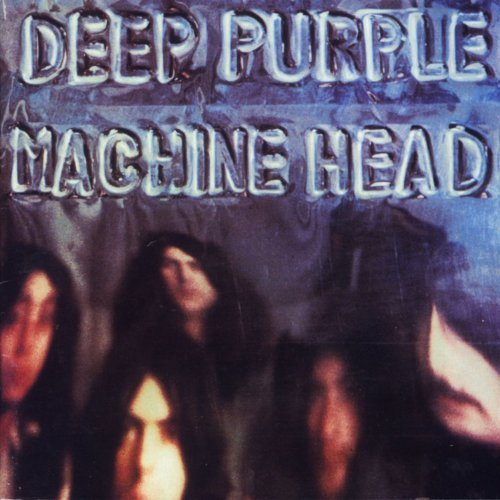
Deep Purple: Machine Head
While many rock groups where embracing the newly-named progressive-rock style of music, Deep Purple shifted away from this genre to race full-throttle into an exemplary hard-rock gear that propelled their music onto dance floors and both AM and FM radio waves advancing their brand and pushing their album into the number one spots in the UK, Germany, Canada, Holland, France, Australia, Denmark, and the sixth spot in Japan and the seventh spot on the US Billboards album charts.
Though exemplary and definitive hard rock in form and function, the instrumental passages still are rich in progressive figurations and character with the best track of the album, and the one receiving the most airplay on AM and FM and most performed by dance bands, “Smoke on the Water”, with a classical-music-level repeated riff that is as unescapable and as memorable to the autonomic nervous system as any riff in the history of rock. Though this one track stands above all others on the album, the album is a delight from start to finish, bookended by the notable rocking and also unescapable “Highway Star” and “Space Truckin” with some impressive Ritchie Blackmore guitar and Jon Lord organ throughout..
Stevie Wonder: Music of My Mind
Released on March 3, 1972, “Music of My Mind” begins a string of musically and increasingly successful Stevie Wonder albums progressively incorporating soul, rock, jazz into a modern, post-Motown sound. (Though this is Wonder’s second Tamla album, it is the first one over which he had total artistic control.)
Particularly impressive is the longest track, “Superwoman,” which effectively makes the case for Wonder having full responsibility for not only singing, playing keyboards and composing, but the engineering and production aspects of the final product. Also notable is the effective use of both Moog and Tonto synthesizers throughout the album.
Released at the beginning of February 1972, this music is timeless because, rather than despite, its simplicity. Yes, we get the LSO playing on two of the tracks, but the orchestration is appropriate and effective and there really is nothing on this album that is excessive, superfluous, or gets in the way of the emotional enjoyment.
Every song on the album is a gem, worthy of inclusion on a best hits album of lesser artists. Despite its repeated appearance on FM and AM radio starting in February 1972 and taking the top Billboard spot in March, the most renown track on the album, “Heart of Gold”, never wears out its welcome unlike so many other top hits of early 1972. And equally engaging , and wear-resistant, are “A Man Needs a Maid”, “Old Man”, a track inspired by the groundskeeper of Young’s newly purchased ranch and a live recording of (the best song on the album) “The Needle and the Damage Done.”
We get lots of great acoustic guitar on this album, James Taylor and Linda Ronstadt on “Heart of Gold” and “Old Man”, and appearances by David Crosby, Stephen Stills, Graham Nash. There is nothing here that surpasses “Cinnamon Girl” or “Broken Arrow”, but there is no Neil Young album as indispensable as this one.
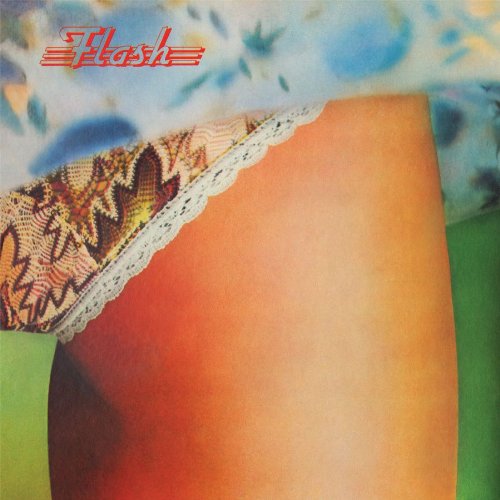
Flash: Flash
Headed up by former Yes guitarist Peter Banks, with formidable bassist Ray Bennett and the assistance of former Yes keyboardist Tony Kaye, Flash released their debut album in February of 1972. It opens strongly, swirling and phosphorescing with the enthusiasm of “Small Beginnings”, which would later, in an abbreviated singles format, climb up to number 29 on the Billboard charts in August, later that year. Aided by that airplay, the album climbed up to spot 33 on the Billboard Top 200 LPs listing, performing much better than the two albums that followed. The music is generally invigorating, with imaginative arpeggio-based guitar work from Banks, complimentary keyboards by Kaye, solid drum work by Mike Hough, solid and creative basswork from Bennett, appropriate vocals from Colin Carter and stimulating progressive-rock time changes and chord changes.
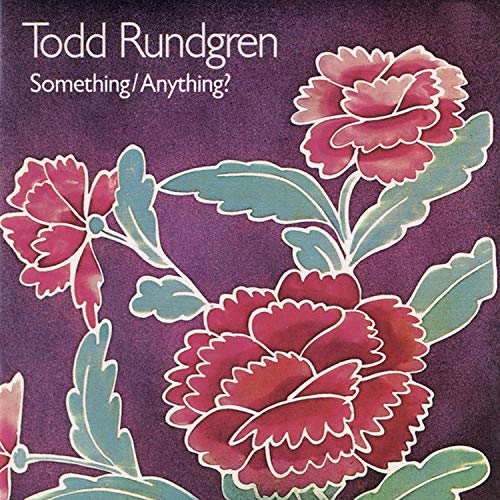
Todd Rundgren: Something/Anything
Todd Rundgren, releases his third album in February 1972, with the first three sides brilliantly conceived and executed — and with a dazzling display of studio equipment mastery by Todd Rundgren — and Todd Rundgren alone, who in additional plays all instruments of each and every track. Following those first three sides, is a more conventional side with an array of other talented musicians, including Moogy Klingman and the Brecker brothers.
Album has aged will these 50 years, and still impressive sounding, particularly on a top-notch audio system, with some real musical keepers including “Hello, It’s Me” and the awesome “The Night the Carousel Burned Down” with its invigorating and seamless interplay between the initial 4/4 theme and the expected 3/4 music of a Carousel.
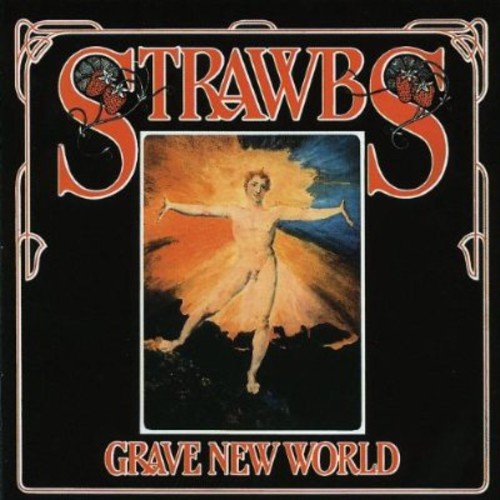
Jimmy Smith: Root Down, Nick Drake: Pink Moon; The Guess Who: Rockin’; Strawbs: Grave New World
Jimmy Smith’s Root Down captures performances from February 8, 1972 where the emphasis is on funky rock/blues/gospel-influenced jazz. There is some great exchanges between Smith on the Hammond B3, and Arthur Adams on guitar. Though hard to criticize the original LP for any reason, the expanded version, available on CD and digital download or digital streaming is superior for having uncut versions of the three strongest track on the album, “Sagg Shootin’ His Arrow”, the title track, and “Slow Down Sagg.”
For his third, and tragically, last release during his lifetime, Nick Drake dazzles us with his mastery of acoustic guitar, revealing a range of different guitar characteristics appropriate for each individual song. The music, stylistically distinct from contemporaneous singer-songwriters or any other music of the early seventies, is effectively timeless, a contention supported partly by its lack of commercial success and more effectively supported by its influence on later Indie-label artists and its continuing influence on singer songwriters up through today.
The Guess Who’s Rockin’ recorded in January of 1972 and released the very next month in February, is yet another example of the creativity of Burton Cummings who displays a high level of both jazz and rock keyboard and compositional skills. Though not their best album, it is yet another hand raised asking the rhetorical question, why, given both the band’s commercial success and the number of successful singles and albums, is the Guess Who or Burton Cummings not in the Rock and Roll Hall of Fame?
With the release of their fourth studio album, Grave New World, and their first since the departure of Rick Wakeman to Yes, The Strawbs effectively combine folk and prog-rock, with an impressively, more-progressive side two with “Tomorrow” being the stand out track. Though ostensibly a concept album, the specifics or overarching theme of the concept is not particularly evident — but in the larger scheme that is relatively unimportant, as there is much to like musically, with the ultimate result being that this the Strawbs best effort.