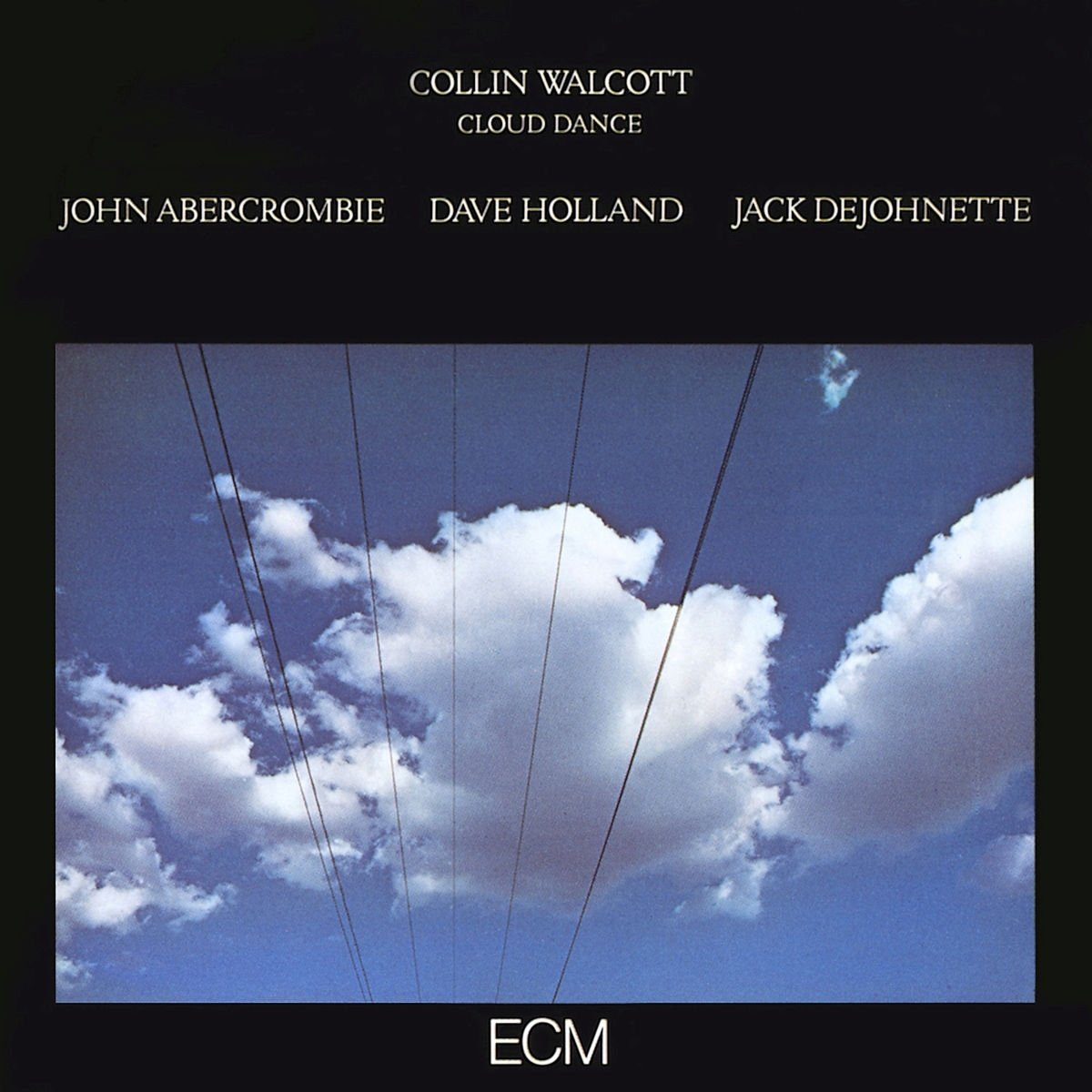
If you are in the market for flashy, aggressive 1976 rock or fusion, then it’s best to search elsewhere. Generally, this is a relaxing, reflective, introspective album. The musicianship is stellar: Collin Walcott on sitar, John Abercrombie on guitar, Dave Holland on bass and Jack DeJohnette on drums — and the music has a high level of intensity. But rather than being compelled to dance on top of the table, I think it is more likely you will find yourself listening to this cross-legged on the floor, immersed in the music as opposed to immersed by the music: one is absorbed with this music and not appropriated by it.
For the most part tracks alternate between contemplative and more extroverted. The first track, “Margueritte,” starts off softly, gathers intensity and then drifts back into a calmer, more exploratory mood, making use of repeated melodic fragments to provide continuity. This is followed by the lively, syncopated “Prancing,” which features Dave Holland, and is likely to be a favorite of listeners more comfortable with hard bop or progressive rock. Night Glider, aptly named, takes us back inward; tracks continue to alternate in this fashion until the final track, “Cloud Dance,” an energetic number that comes closer than any of the preceding tracks to approaching the current fusion aesthetics of its time, providing a strong finish to the album.
The sonic detail makes this perfect for detailed listening — instrument voices are always clear and distinct. This album nicely avoids being an “East meets West” excursion or a trendy passing nod to Indian musical tradition. It is a musical presentation with its own rules and expressive objectives — exploring new soundscapes — breathing, not rushed, with each piece providing a different refreshing and substantial experience.
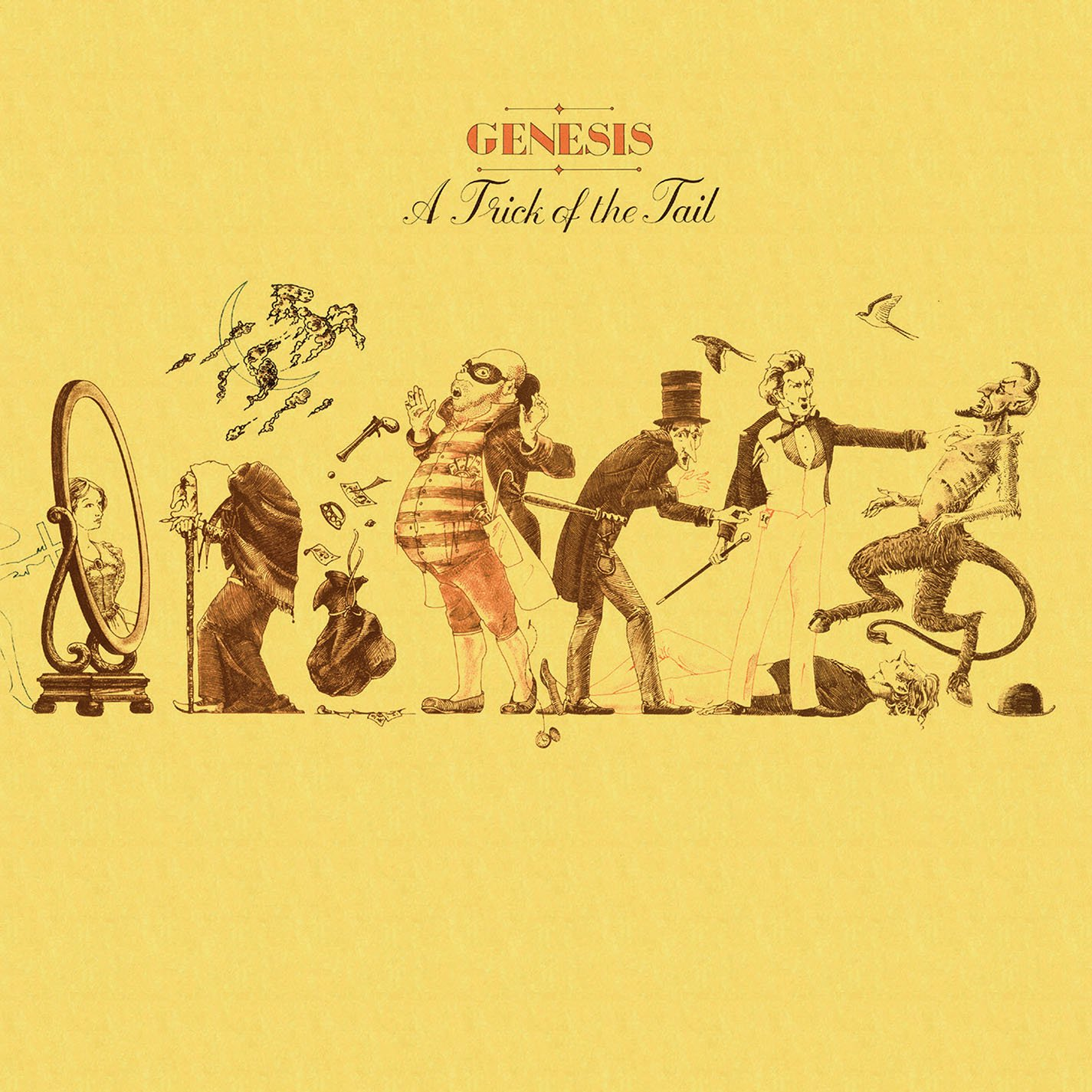
Released on February 13, 1976, A Trick of the Tail was the first Genesis album after Peter Gabriel’s departure. Minus their high-profile frontman, the future of the band was initially in doubt. But soon the remaining members determined to continue with their next album. The search was on for a new vocalist. Wishing to keep this under the radar, the band placed an anonymous advertisement in Melody Maker magazine looking for a “singer for a Genesis-type group.” A deluge of demo tapes followed — over 400, all of which were diligently listened to in order to create an in-person audition list of about 30 candidates.
Like almost all rock bands, Genesis did not work off of sheet music. During the final stages of auditions, it was Phil Collins’ job to work with the remaining candidates to teach them the vocal melodies that went with the written lyrics. With only a few candidates left, Mick Stickland attempted to provide the vocals for “Squonk,” but it became apparent that there was a range mismatch. The backing track had already been recorded, and the band was unable or unwilling to re-record it in a different key to accommodate Stickland’s range. Collins, having taught the song to Stickland and other applicants, reluctantly offered to take his best shot. It was then that the band realized that Collins’ version was the best of all the applicants — not only was his handling of pitch and melodic line more than adequate, his sense of rhythm, musical attack, and dramatic sensibility was notably superior to any of the external candidates. Whether he wanted it or not, the job was now his.
In terms of musical performance, arrangement, and sound engineering, this would be their best album to date. Granted, this is not at the overall musical level of their Foxtrot album, and no tracks compare to “Supper’s Ready,” “Attack of the Giant Hogweed” from Nursery Cryme, or “Firth of Fifth” from Selling England by the Pound, but this is still a must-have work of music, with an incredible variety of compositions.
Tony Banks’ contributions are particularly evident. Following Gabriel’s departure in 1975 with the future of Genesis uncertain, Tony Banks began stockpiling material for a solo album, concerned that there would be no continuation of Genesis. When Banks, Rutherford, Collins, and Hackett came to an agreement to continue as a quartet, Banks made the decision to leverage his solo material for the good of the group: the first post-Gabriel album needed to be undeniably of the highest quality to prove they could survive, so he held nothing back. “A Trick of the Tail” was actually intended for Foxtrot, and then due to its lighter quality, for his solo album. The band worked “A Trick of the Tail” into its final, infectiously swinging character, making it an effective bridge from the heavier Genesis sound of Selling England by the Pound and the more exploratory, less conventional style of The Lamb Lies Down on Broadway to a more accessible, “progressive pop” style that would be the signature sound of the new Genesis for their next few releases.
But the “more accessible” label is misleading. The harmonic depth and harmonic variety of these tracks qualifies Banks for an honorary degree in composition from the most prestigious universities on the planet. And we continue to have that metrical mastery we find in “Firth of Fifth,” most remarkably applied to “Dance on a Volcano,” originally a standard 4/4 number, which was changed to the off-balance 7/8 at Banks’ suggestion, providing an incredible animation and support for Banks’ own lyrics for the song, with its message of moving forward in adversity, perhaps a metaphorical reference to the band needing to step up to the challenge of not just continuing Genesis post-Gabriel, but making it even better.
Also notable is the last track “Los Endos” which develops the thematic material from “Dance on a Volcano” and provides an effective coda to a very strong album.
Starcastle: Starcastle and Gong: Shamal
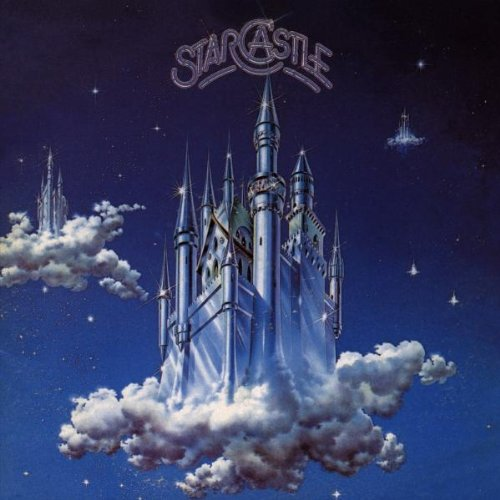
In other February 1976 albums, Starcastle released their debut album proving that American rock bands can make true progressive rock: this one is highly indebted to the Yes sound. It is interesting enough for one or two listenings, and is worth checking out even if it won’t be an album you will come back to. For those familiar with Yes, give this a listen, and let me know your thoughts in the comments. I usually don’t mention albums that I don’t believe are in the upper tier, but this is an interesting artifact from that period when progressive rock was starting its decline, but being adapted by several American bands, many of which never had more than local reach with an equally limited lifespan.
A more distinctive and interesting album from February 1976 is Gong’s Shamal. Produced by Nick Mason (yes, of Pink Floyd), Shamal is a transitional album in Gong’s discography, a bridge between the more adventurous, chaotic Daevid Allen era and the percussion-driven jazz-fusion of the Pierre Moerlen era. For those wishing for more structure than earlier Gong albums, this nicely meets that requirement. Steve Hillage is still present, but as a guest artist, and Didier Malherbe’s sax and flute contributions make this a wonderful, engaging album. Well worth checking out.