Zumwalt Poems Online

Posts tagged ‘Slapp Happy’

Fifty Year Friday: May 1975

Henry Cow: In Praise of Learning

Henry Cow released their second album featuring members of Slapp Happy on May 9, 1975. Fiercely uncompromising, both musically and ideologically, it seamlessly blends rock, Twentieth century classical composition, and radical political commentary with a precision, ambition, and effectiveness as praiseworthy as any work in the 1970s.

Vocalist Dagmar Krause provides a stellar brilliancy the moment she takes over the vocals from Peter Blegard, four seconds into the album on “War,” which at 2:31 in length would have been perfect for radio play in some alternate universe — but alas our universe wasn’t quite up to the challenge of accepting irregularly contoured melodic phrases, asymmetrical time signatures, complex and politically charged lyrics, ominous incursions of harmonic instability, and the interspersion of harnessed chaos between vocal passages.

With the listener’s musical mind properly attuned, Henry Cow unleashes Tim Hodgkinson’s 16-minute “Living in the Heart of the Beast.” Initially, Peter Blegvad was asked to provide the lyrics, but ultimately Hodgkinson took over the task, crafting a set of syllables and meanings that seamlessly support the music. The work avoids any traditional structure, initially navigating shifts between vocal intensity and instrumental reflection until a wonderful organ solo introduces a forceful, uplifting instrumental interlude. This gives way to serious introspection from the organ, which then returns to the insistent, march-like vocal over metrical shifts, now irrevocably increasing in intensity until the coda winds down the work. Perhaps this may musically recall for some listeners the finale of ELP’s Tarkus as the wounded Tarkus retreats from the battlefield; however, in this case, the music is a call to charge into “fight for freedom,” providing a remarkable level of optimism and energy, effectively enveloping the listener in an afterglow as side one comes to a close.

Continuing the topic of marching to fight for freedom, side two opens up with “Beginning: the Long March”, an abstract, avant-garde representation of the march towards battle. It’s unstructured collage of electronic effects and musique concrète sensibilities may not appeal to the casual listener, but for someone focused on the overall flow and intent of the album this is a very appropriate and effective transaction to the next musical milestone, “Beautiful as the Moon; Terrible as an Army with Banners.”

This second track of side two, “Beautiful as the Moon; Terrible as an Army with Banners”, begins with Krause’s finely controlled, expressively nuanced delivery, dominating the first half with the entreaty to “seize the morning.” An instrumental commentary propels the start of the second half, with some excellent pointillistic contrapuntal piano punctuation with authoritative commanding vocals seizing the spotlight again to effectively close the work.

The last track, Morning Star, given its significance by the previous track’s lyrics of “A star mourns souls ungraved – ignored. Slow wheels: Mira. Algol. Maia” and “Rose Dawn Daemon Rise Up and seize the morning” brings the album to an effective close, firmly resolute and transcendent, firmly tying the album’s musical and verbal themes of awake, consider, prepare, engage and, ultimately, arrive and be!

Robert Wyatt: Ruth Is Stranger Than Fiction

Robert Wyatt’s Ruth Is Stranger Than Richard, released in May 1975, is a strikingly unpredictable album, filled with angular compositions that shift direction almost from note to note. Unlike his previous two solo albums, which were composed entirely of his own material, this third album finds Wyatt showcasing the music of others, creatively arranging and in most cases adding lyrics. Most compositions are by Wyatt’s friends and musical associates, but Wyatt also provides a fine treatment of jazz bassist Charlie Haden’s “Song for Che.”

The album’s eclecticism is immediately apparent with a strong focus on jazz. Is this jazz-rock, jazz-prog-rock or mostly jazz? Not sure, but it is wonderful and a non-stop thrill from start to finish! The flow of the album never flirts with predictability, its angularity lending a sharp, dynamic energy that keeps the listener engaged.

With contributions from Brian Eno, trumpeter Mongezi Feza and Fred Frith on piano, Ruth Is Stranger Than Richard thrives on musical interplay and spontaneity. It’s a thrilling listen, bursting with invention, providing a richness of the unexpected without being disjointed or even mildly inaccessible. Wyatt’s vision is as playful as it is sophisticated, making this a truly exciting and engaging listening adventure.
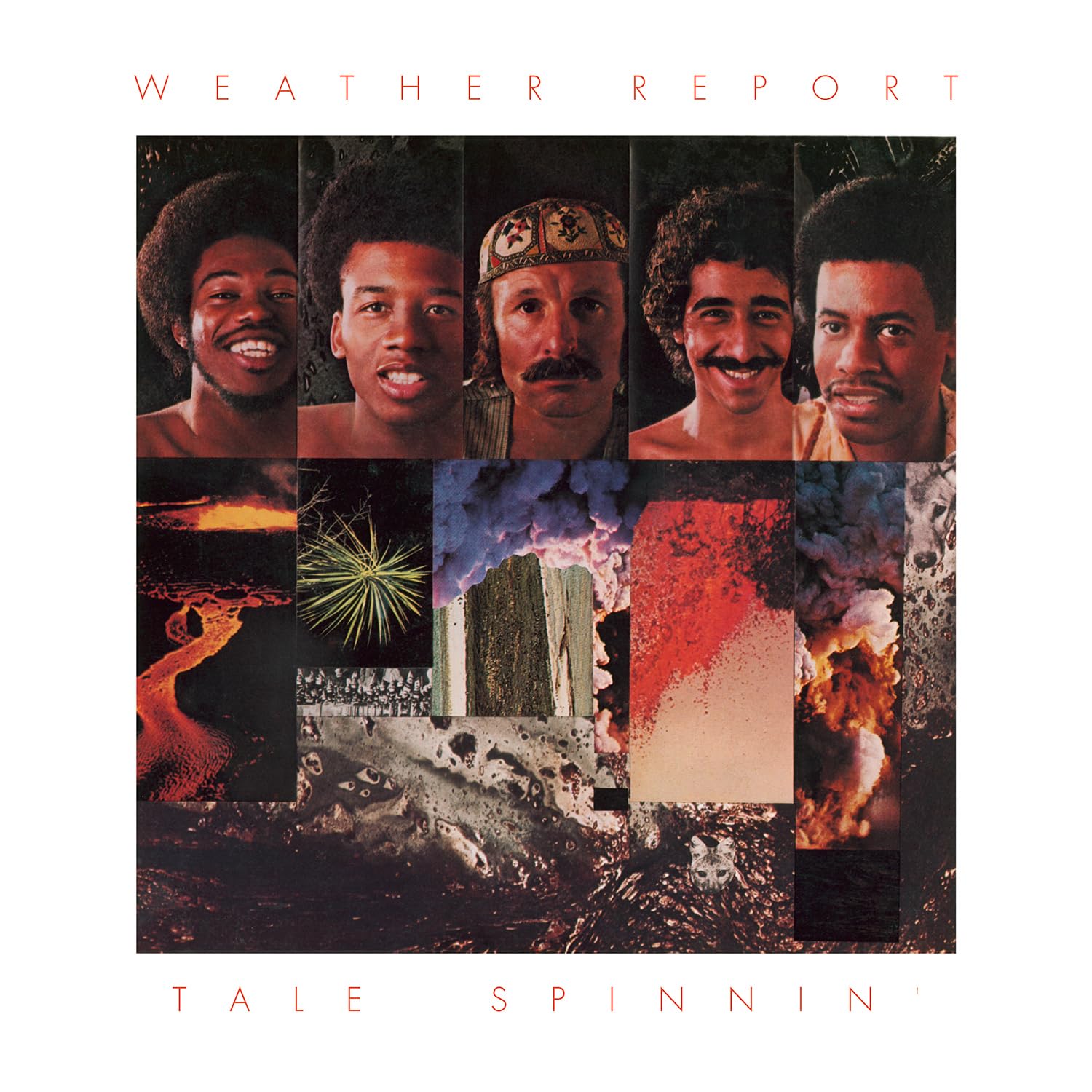
Weather Report: Tale Spinnin

Tales Spinnin’, released in May of 1975, is a vibrant, colorful album that showcases Weather Report at the height of their fusion creativity. The first side of the album is particularly striking, filled with bold, dynamic compositions that blend intricate melodies with rich textures. It is if I can almost hear colors when listening to this first side — it is that visually evocative, aurally. I wish I had some sophisticated color display screens for both the left and right channels that would translate the music into various bursts and evolving strands of colors, but lacking that, I can luxuriate in the radiant waves of Zawinul’s lush synthesizers and Wayne Shorter’s fluid, expressive saxophone work. The interplay between all five musicians is electric, creating a vivid musical landscape that’s both sophisticated and exploratory. The rhythms are complex yet accessible, propelling the tracks into lush, otherworldly soundscapes that are full of life and color.
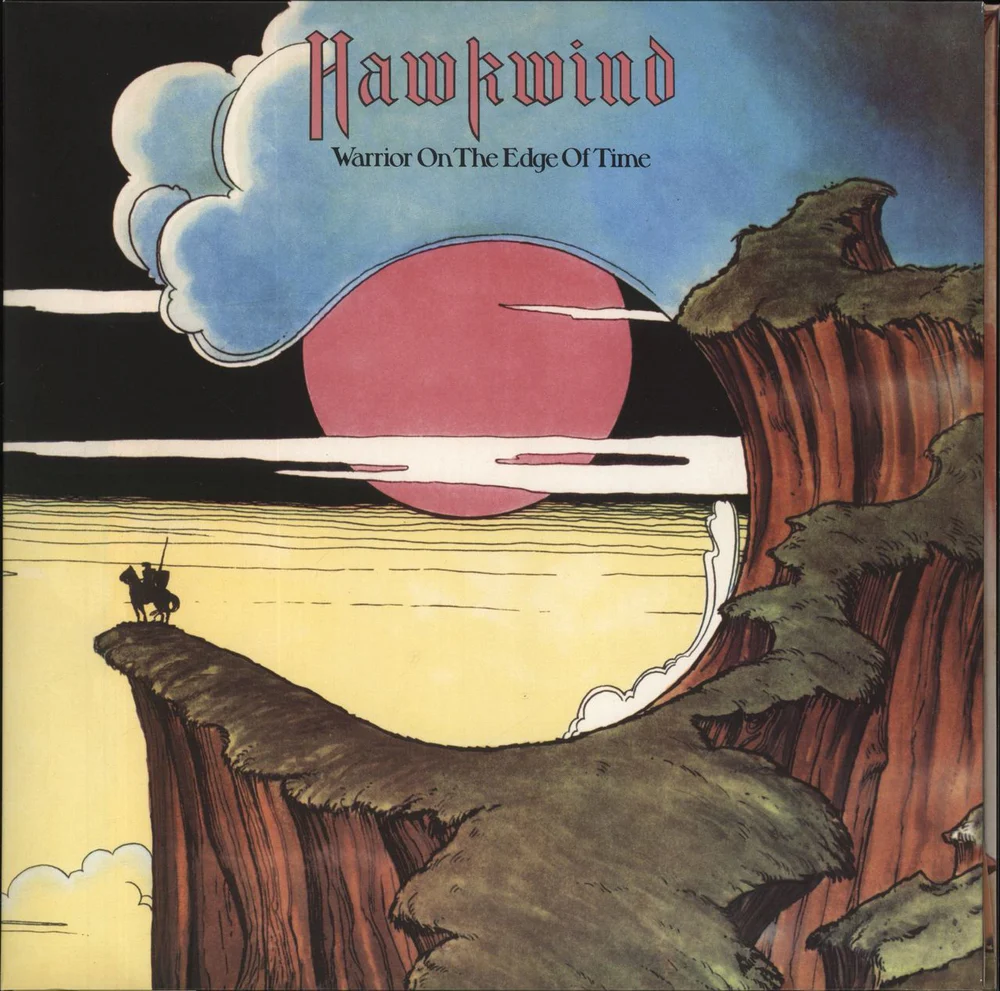
Hawkwind: Warrior On the Edge of Time

Released on May 9. 1975, Hawkwind’s Warrior on the Edge of Time is both engaging and consistently accessible, effectively blending their signature space rock with more traditional prog-rock elements. There is strong emphasis on synthesizers with some effective flute, guitar and even violin to supplement the keyboards, thundering bass, and the often incessant forward-driving percussion. “Assault & Battery” begins the album in grand style, immediately immersing the listener in Hawkwind’s signature Space Rock. This album showcases Hawkwind at their peak, delivering a memorable, mythic sci-fi journey through the fabric of time and space rock.
Fifty Year Friday: January and February 1975

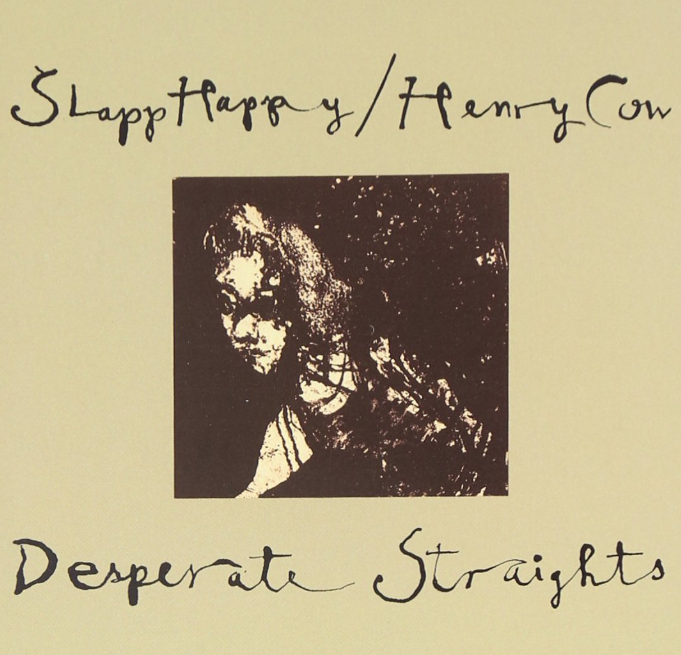
Slapp Happy & Henry Cow: Desperate Straights

Desperate Straights, released on February 21, 1975, is the first of two collaborative studio albums by British avant-rock groups Slapp Happy and Henry Cow. At first glance, these might appear as two rather divergent, though both progressive, ensembles to bring together, but the proof was in the final, vinyl pudding — this worked out nearly perfectly!

From the opening “Some Questions About Hats,” we are placed into a musicscape reminiscent of a German Cabaret with Dagmar Krause executing a delivery appropriate for Brecht/Weill material (think Three Penny Opera). Four more brilliant, short, and pithy songs follow, maintaining a playfully tongue-in-cheek mood. After this, we get the first of two instrumentals, the title track, reflective and a bit out of place with the preceding material. The last song on the first side sets us back on course, with its quirky chord changes and time signatures, upbeat mood, brevity, and general whimsy.

“Apes in Capes,” one of the several gems composed by pianist Anthony Moore, evokes the surreal nature of its title with a circus-waltz atmosphere. The arrangement supports the theatrical mood, as do the rhythmic contours provided for the syllables of the lyrics. The next song, “Strayed,” is reminiscent of Lou Reed and is the sole track delivered by guitarist Peter Blegvad. “Giants” is in reflective waltz-time with its always topical message, “Giants exist to deceive. They retreat if they’re clearly perceived,” and is followed by a quirky arrangement of part of Handel’s “He was Despised” aria from the Messiah, which amazingly fits into the overall mood of the album. The penultimate track is the poignantly haunting “In the Sickbay,” which tapers off, with its dying breaths, into the expressionist “Caucasian Lullaby,” a formidable, generally atonal work that, though not a natural fit for the general tone of the album, is so well composed and performed that we forgive it for any break with the album’s overall mood.

Overall, Desperate Straights endures as a successful exhibition of the creative synergy between Slapp Happy and Henry Cow, blending their unique styles into a cohesive and intriguing musical journey. The masterwork not only showcases their individual talents but also their remarkable ability to forge something truly original and captivating through collaboration.

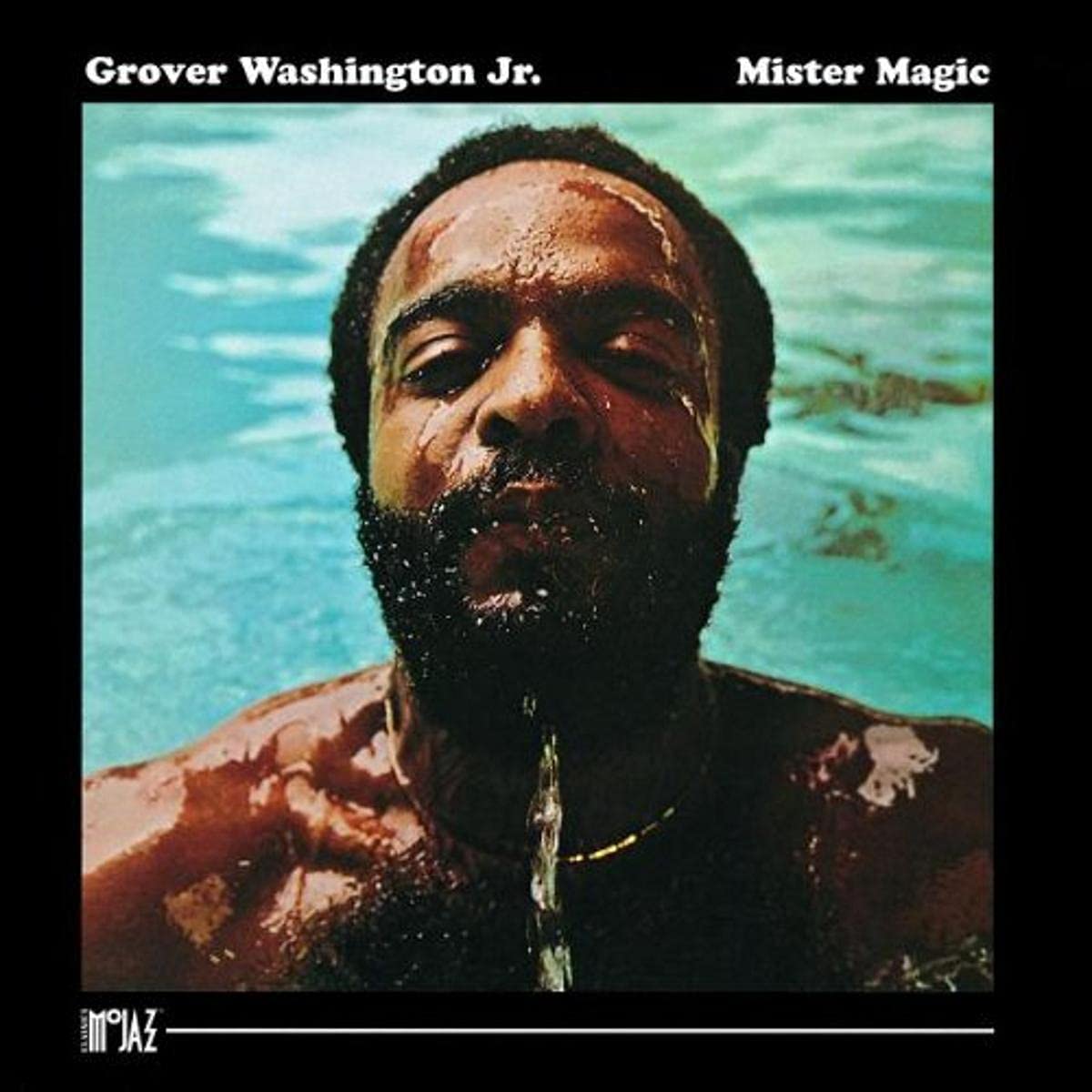
George Washington Jr.: Mister Magic

I love the first track, and in general, like the entire album, which was released February 7th, 1975, ultimately climbing up the jazz charts to #1, the soul charts to #1, and perhaps even more remarkably, rising up to #10 on the po charts.

The main reason for calling out this album, though, is historical. Like it or not, this album is at least partly responsible for the launching of the smooth jazz genre of the 1970s, paving the way for even more popular albums like George Benson’s Breezin’ and Chuck Mangione’s Feels So Good.

Fifty Year Friday: May 1974

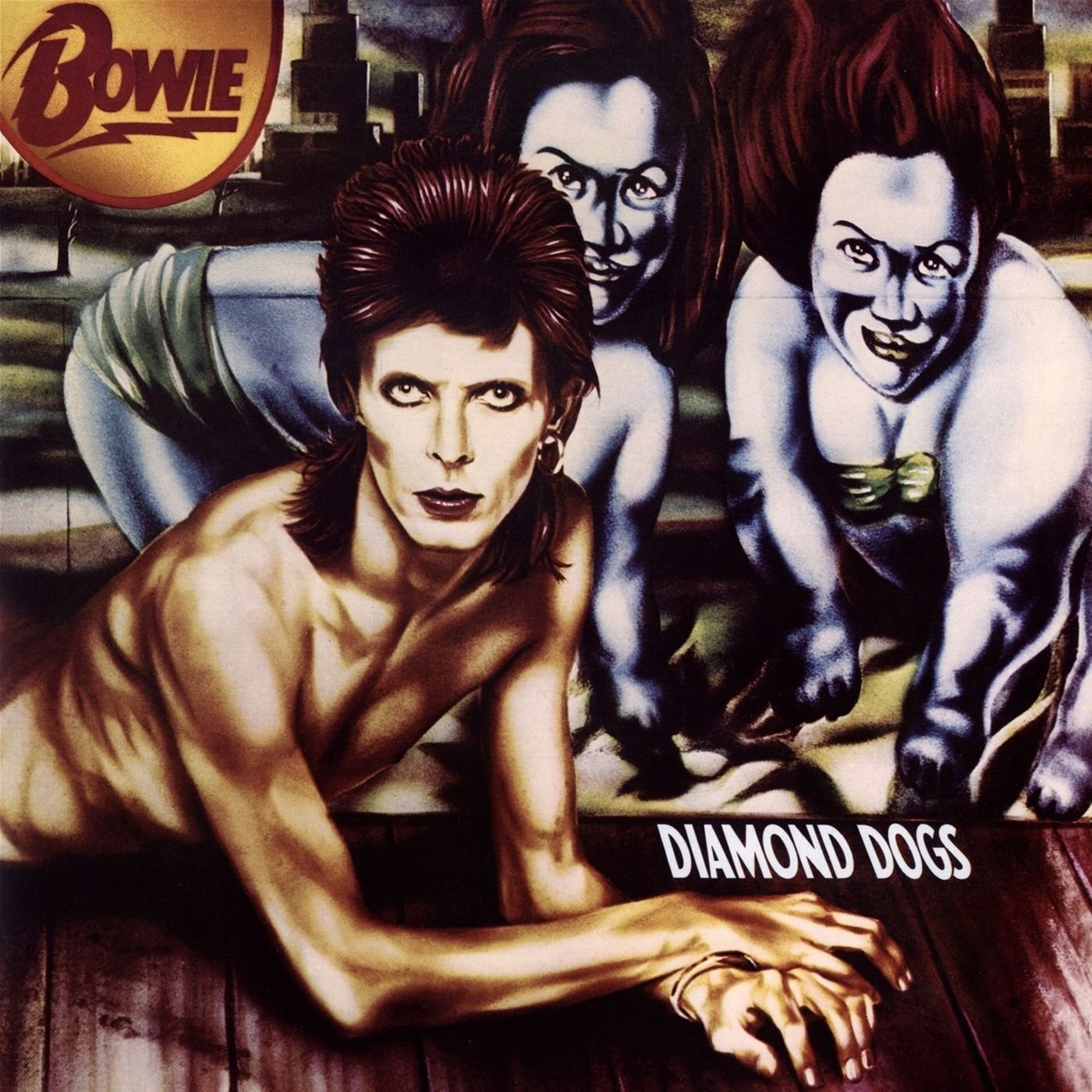
David Bowie: Diamond Dogs

Released on May 24, 1974, Diamond Dogs is a further testament to Bowie’s ability to evolve his musical vocabulary and associated lyrics to stay on the leading edge of rock music relevancy. The album is generally darker and more detached than Aladdin Sane, more dramatic and gritty, providing a new urban-influenced glam that effectively provides a novel combination of alienation, bleakness and soulfulness. Two particularly notable tracks include “1984”, one of several of the songs redeployed from Bowie’s earlier effort at crafting a musical from Orwell’s 1984, and the incessantly inescapable 4/4, punk-influenced (and punk influencing) “Rebel, Rebel.”

Sparks: Kimono My House

Released on May 1, 1974, with the album title slyly referencing the David Seville/William Saroyan song, “Come On a My House”, Kimona My House is one of the great art-rock classics of the 1970s successfully blending glam and baroque-like progressive rock elements together to create a unique and impressive work. The music is quirky but easily accessible, and the combination of Russel Mael’s upper range vocals, and Ron Mael’s innovative composition, lyrics and arrangements bring this to the level approaching Queen’s upcoming albums (Killer Queen and Night and the Opera.) This is the Sparks first big success, but with the passage of time has not been given the weight it deserves in the canon of rock classics despite being one of those rare albums that transcends all stylistic and genre categories, while also being one of the most enjoyable works of its time. If you haven’t yet give this a listen, you will be in for a treat once you do!

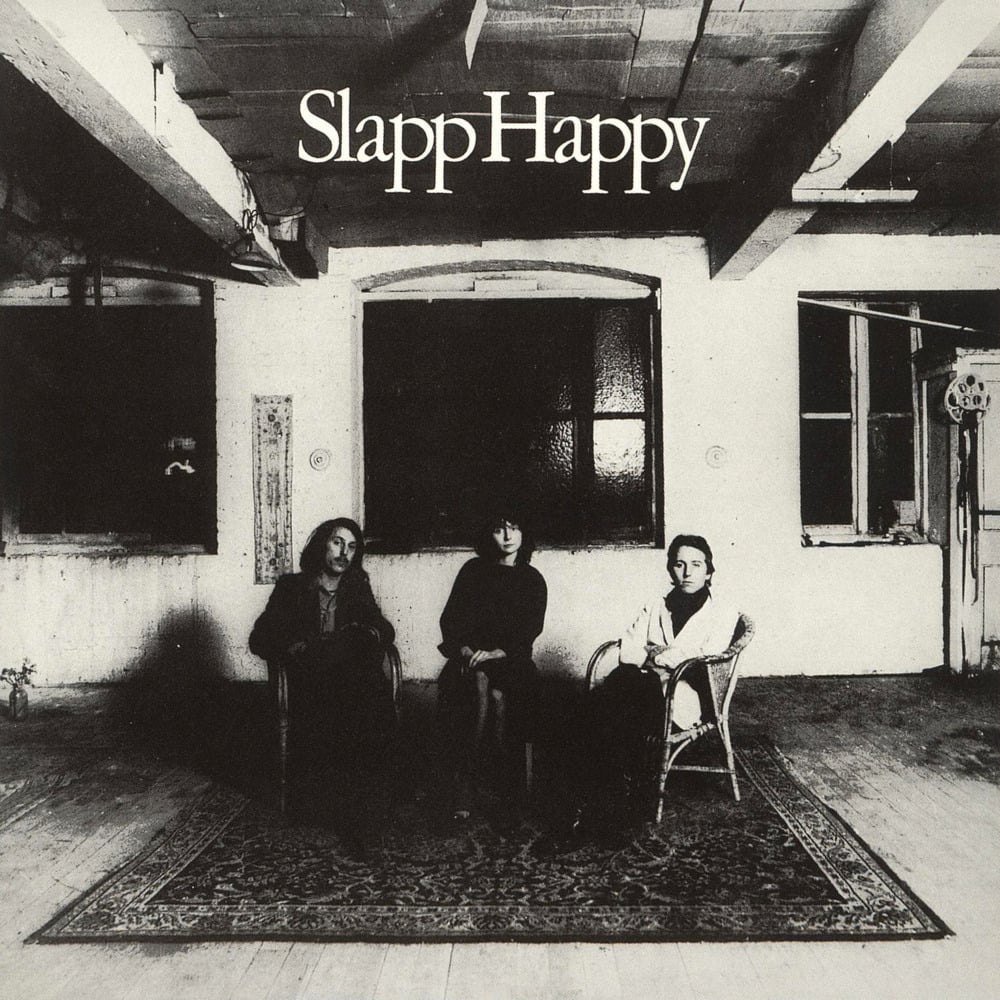
Slapp Happy: Slapp Happy (aka Casablanca Moon)

Released in May of 1974, with this, their second album, the trio of Dagmar Krause, Peter Blegvad and Anthony Moore decide to seriously apply their talents to commercial music, and come up with an album both musically and lyrically impressive. The album was first recorded, with members of Faust adding bass, drums, and sax, for Polydor which rejected it, and then later re-recorded with Virgin records with new arrangements by Roger Wootton (of prog-folk band Comus) effectively using violin, trumpet, and saxophone (Geoff Leigh of Henry Cow) to further distinguish the original compositions. The original Polydor recording was rereleased in 1980, titled Noom Acnalbasac and the Virgin rendition is not only more interesting but much more effectively deploys Dagmar’s exquisite vocals, showcasing them in such a way that anticipates the female vocalists of some of the new wave bands. It’s worthwhile to have both albums to compare the two versions — both instructive and enjoyable!

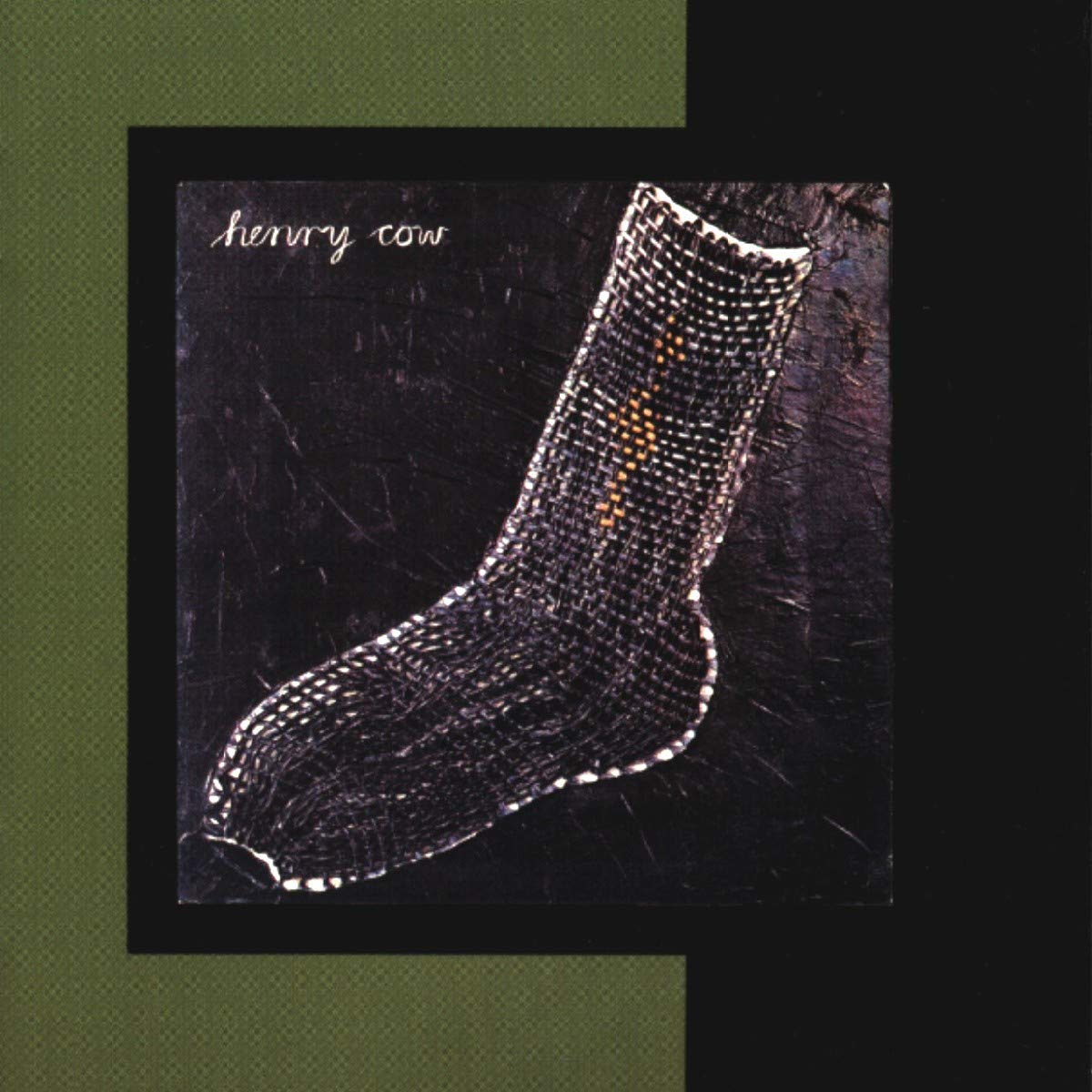
Henry Cow: Unrest

Released May 27, 1974, Unrest is one of the finest examples of “avant-garde” progressive rock of the mid-seventies. The first side starts with a short angular, motivic instrumental from Fred Frith, “Bittern Storm Over Ulm”, cubistically based, so to speak, on the Yardbird’s “Got to Hurry,” showcasing Frith’s precision guitar work, followed by two miniature masterpieces, John Greaves’ “Half Asleep; Half Awake” with prepared piano, and Frith’s “Ruins” which rhythmically leverages the Fibonacci series, ala Béla Bartók, and takes advantage of multi-tracking editing with slowed down and sped up instrumental parts.

The introspective “Solemn Music” opens side two, followed by a little over 15 minutes of four tracks of highly creative, mostly improvised studio work that includes some tape manipulation, direct use of piano strings on “Arcades,” and some remarkable bassoon and oboe contributions from Lindsay Cooper. All in all, a fine album that significantly outshines most of the music produced in academic avante-garde circles at that time.

Rick Wakeman: Journey to the Center of the Earth

Recorded in January of 1974 and released on May 3, 1974, Rick Wakeman’s Journey to the Center of Earth is a musical retelling of Jules Verne’s classic story of three explorers’ journey into a forgotten subterranean world that included ancient humanoids and sea creatures. Wakeman engages the London Symphony Orchestra, the recently formed English Chamber Choir , a narrator, and a few bandmates to realize the forty-minute, single LP work. There are many fine moments due to Wakeman’s effectiveness at creating dramatic musical episodes — and also notable is the choir’s contributions to the battle between the prehistoric sea creatures, reminiscent of similar passages in 18th and early 19th century classical choral works.

If the whole effort doesn’t quite come together, that is remedied with Wakeman’s 2012 re-recording of the work which engages an additional vocalist who shares duties with the original, weaker vocalist from the original album. The newer 2012 recording includes additional material, but is most notable for its superior production, sound, and overall impact.