Fifty Year Friday: August 1974

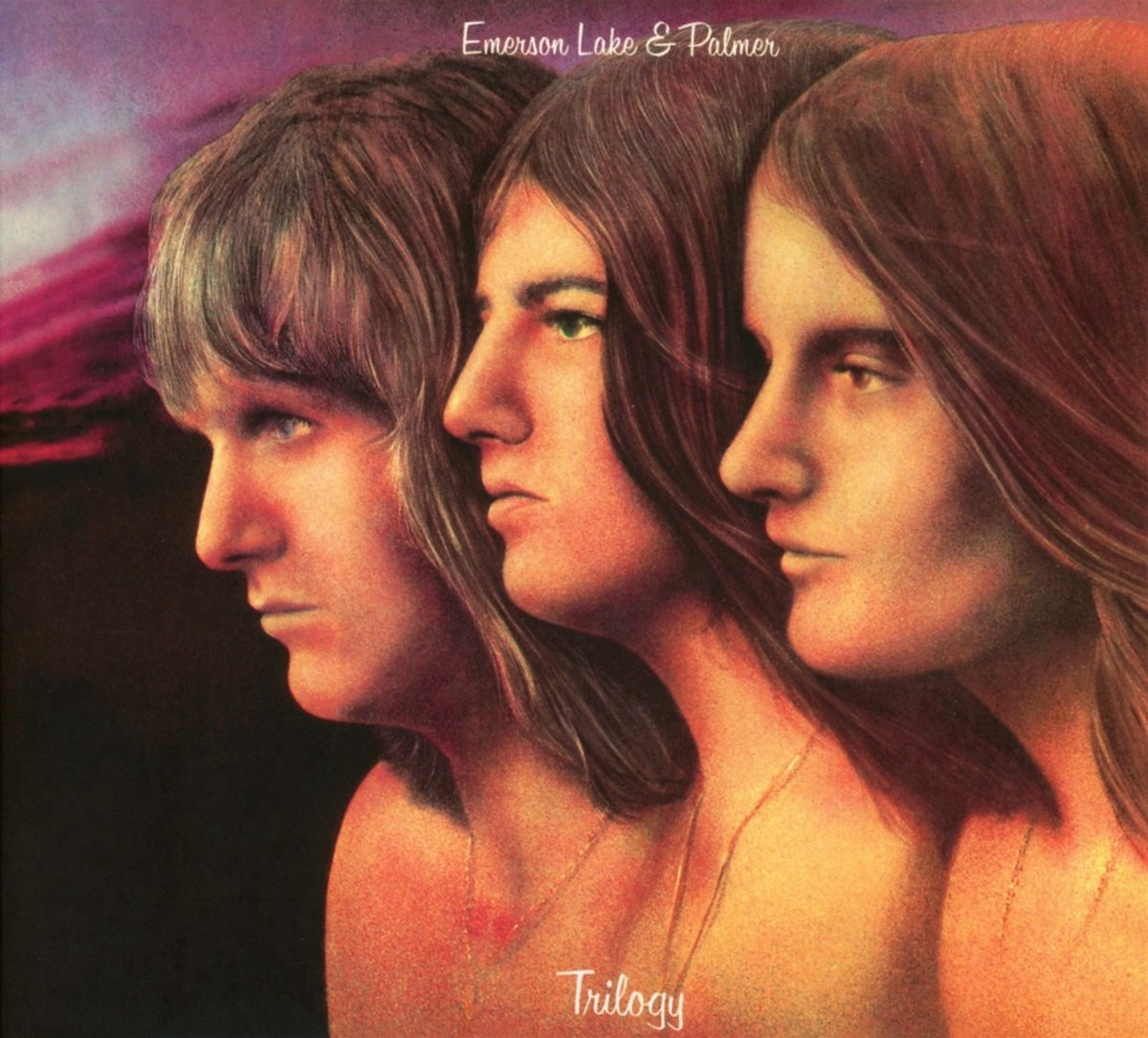
Emerson, Lake & Palmer: Welcome back, my friends, to the show that never ends ~ Ladies and Gentlemen
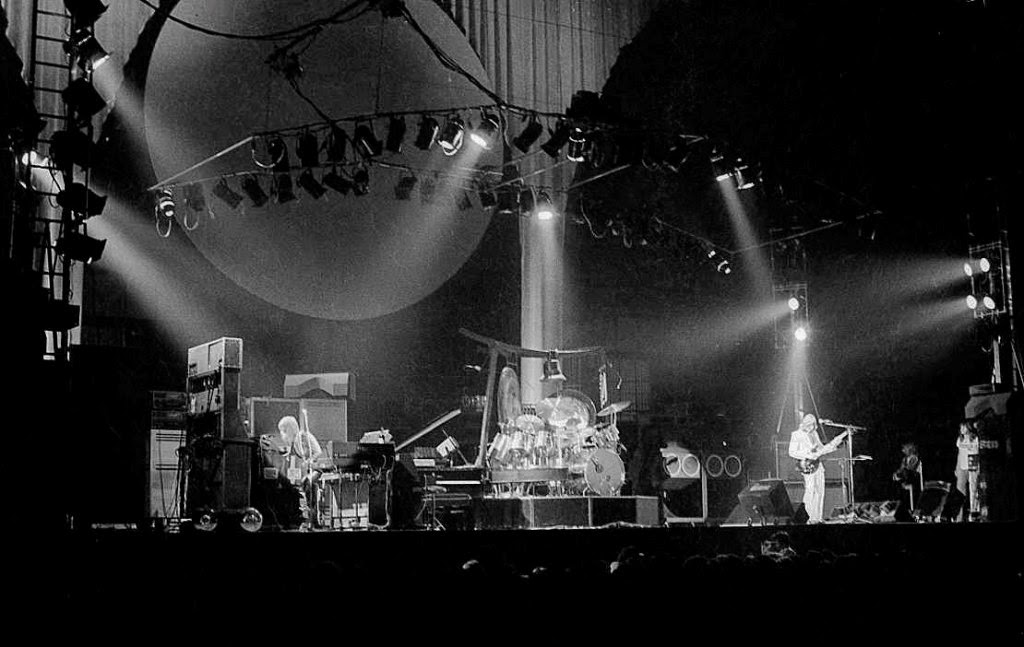
Released in August of 1974, this album will always be particularly special to me as it captures ELP at the peak, and possibly from a concert I attended. I say possibly, as my close friend, and continuing great friend (and girlfriend in late 1973 and early 1974) and I attended either the February 1st or February 2nd concert, and the recording was made at one of those two concerts. In August 1974 my sister purchased, from her record club, a pair of cassettes of the concert, which I promptly took possession of when driving in my parents Toyota Corolla. I would later purchase the album, but mostly heard the cassette, played in the care.
I am pretty sure that I haven’t listened to this album since 1974, and, it was with mixed emotions that I put it on my audio system, but once it was playing, I was pulled back into not those moments in the car when I had it played it over and over again, but into the Anaheim Convention Center, back in February 1974, sitting again next to my dear friend, in the lower part of the first of the two levels of balcony almost directly opposite the stage — not close, but not desperately far away, either.
The Anaheim Convention Center was a special venue for me anyway. My dad had taken me to see the Los Angeles Stars there for the ABA finals in 1970. Originally located in Anaheim and called the Anaheim Amigos, the team changed their name after the ABA’s inaugural 1967-1968 season and moved to Los Angeles as the Stars, playing in the L.A. Sports Arena. The first year in L.A., they improved on their previously dismal record of 25 and 53, but still did not qualify for the playoffs with their unremarkable win-loss record of 33-45, For the third year, they hired Bill Sharman as their head coach (who would later be the first coach to lead the Lakers to their first NBA championship since leaving Minneapolis and moving to L.A.), and his presence attracted some additional talent to the roster, most notable of whom was Mack Calvin Calvin was the talented USC guard who helped USC actually beat UCLA at Pauley Pavillion, ending UCLA’s streak of 41 straight wins and 51 consecutive wins at Pauley Pavillion, and USC’s steak of 17 consecutive losses to UCLA. The Los Angeles Lakers selected Calvin as a late round draft pick, but he ultimately chose to go with the L.A. Stars, much to their benefit.
With several new players, including the talented Wayne Hightower who was acquired from Denver Nuggets, the Stars got off to a decent 9-5 start. But by February 22, due partly to injuries, including a back injury to Hightower in January, the Stars record was only 25-34, and apparently no plans were made for a venue for them to play in, in case they did make the playoffs. With a couple of six game win streaks, and a four game win streak in May, the Stars barely qualified for the playoffs with a 43-41 record, and ended up playing their playoff games in the Long Beach Sports Arena and the Anaheim Convention Center. The tickets to see the Stars were more affordable than tickets to the Lakers, and I am very thankful that my dad stretched his very challenged household budget to take me to see the Stars play the Dallas Chaparrals in the first round, the Denver Nuggets in the second round, and then the Indian Pacers in the finals.
The highlight of my Anaheim Convention memories was not those Stars games, as exciting as they were, but the ELP concert. I had looked forward to it for several weeks, and when it finally arrived, it far exceeded my expectations. This recording of the concert we attended (or of one from the adjacent night at the same venue) brings back many memories listening to it for the first time in almost fifty years. I had forgotten that speakers were placed at multiple locations in the Convention Center to provide a novel surround sound effect for certain synthesizer parts during the concert, or that the crowd was so enthusiastic. Also, two of the commercial drawbacks of this live recording — no overdubs added later on or any attempt to improve the sense of distant from the performers, as if one was hearing it from the front of the lower balcony — provide a fairly authentic recreation of how we heard the music at the concert. The musical content captured is nothing short of spectacular. Keith Emerson was indisputably the best keyboard player of any rock group and a high-energy performer, Carl Palmer was one of the best percussionists of any rock group, and Greg Lake, that night, was on top of his game, but on bass and guitar, and vocally. The concert contains some fine solo piano work by Emerson, as well as including a fine rendition of both “Tarkus” and “Karn Evil 9”. That night the group performed a twenty to twenty-five minute encore version of their rendition of Mussorgsky’s Pictures at an Exhibition, which, sadly, is not included in this live album, and as far as I know is not available, and may not have even been recorded.
All in all, a great document of one of the top Progressive Rock groups of all time, at the peak of their creativity and excellence. Later that year, in April of 1974, the group appeared at the California Jam as the closing act. Fortunately, ABC filmed either part or all of ELP’s performance for their “In Concert” program and some of this footage is available for viewing on youtube today: https://www.youtube.com/watch?v=Rqhd8JDThkI