Zumwalt Poems Online

Posts tagged ‘Carly Simon’

Fifty Year Friday: January 1974
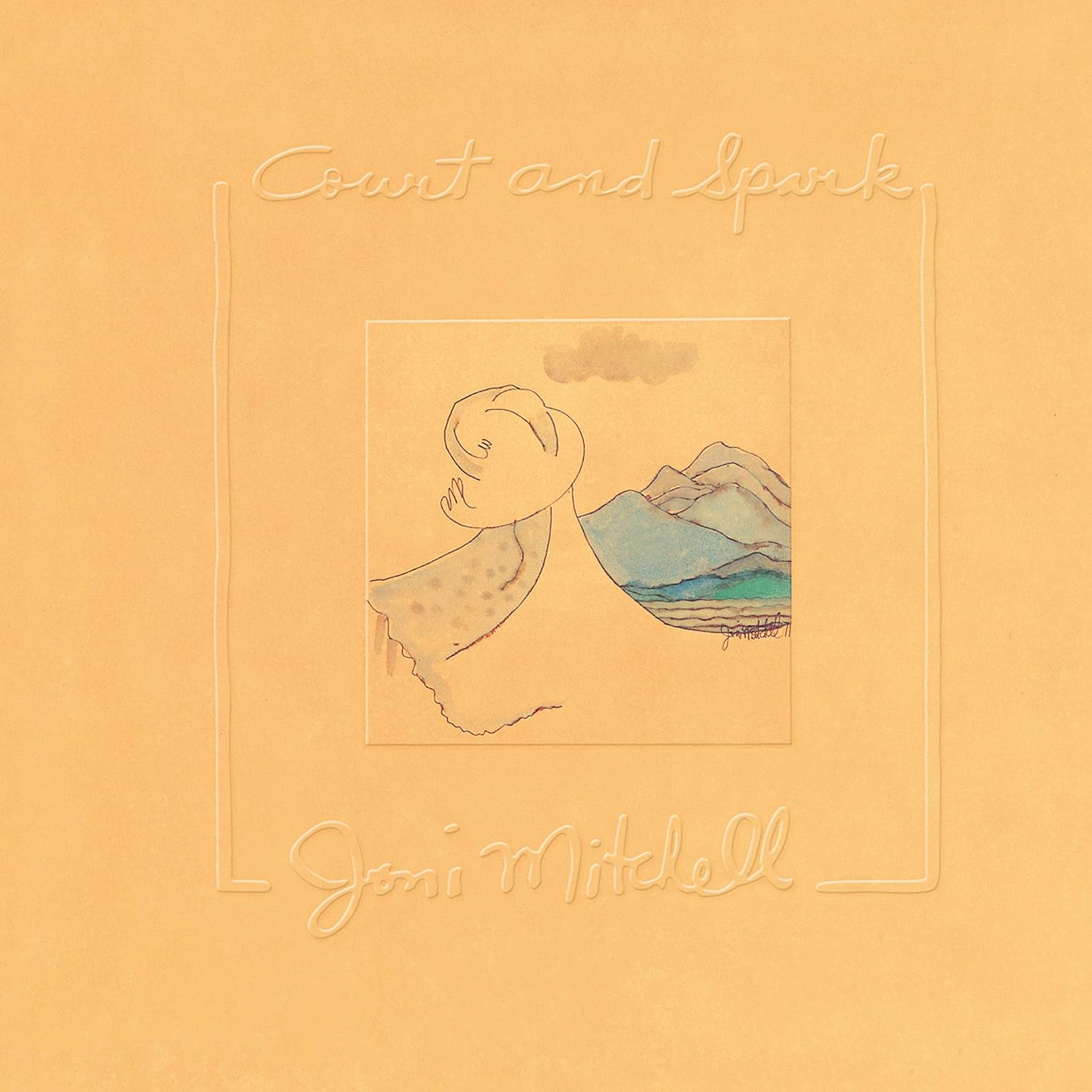
Joni Mitchell: Court and Spark

1974 started with the release of one of the finest singer/songwriter albums of the 1970s, Joni Mitchell’s melodically and harmonically sophisticated, partly jazz-influenced, Court and Spark, an album that ended up in the record collection of most of the young ladies I knew in the 1970s, and deservedly so. As a music lover, it is the quality and distinctiveness of her music that wins me over, and how her music not only supports her nicely crafted set of meaningful lyrics but weaves and seeps into their essence. Ensuring that Mitchell’s vision is fully and artfully realized, and is a masterfully finished product, Tom Scott provides beautiful, engaging orchestral arrangements for some of the tracks and he and other musicians provide remarkable complementary contributions to fully complete Mitchell’s masterpiece. Every track Joni Mitchell has composed is a classic, and she ends the album with “Twisted”, AnnieRoss’s (of Lambert, Hendricks & Ross) clever overlaying of lyrics to Wardell’s Gray’s November 1949 recording of his instrumental composition “Twisted” with its masterful tenor saxophone solo, an appropriate way to end an album which owes part of its magic to Mitchell’s adept incorporation of jazz influences.

Harmonia: Musik von Harmonia

Released in January 1974, Harmonia’s debut album, “Musik von Harmonia” is, in my mind, the debut of German electronic cosmic space music. Many albums released before this have been classified into that umbrella term “Krautrock”, but for that specific flavor of German repetitive, sequence-driven, minimalist-inspired, partly ambient, but mostly hypnotic music that Tangerine Dream perfected and first showcased in their February 1974 release, Phaedra, and which Kraftwerk would popularize later in 1974 with their relatively more pop-oriented Autobahn album, it is this album that provided the prog world its first taste — the amuse-bouche for what is to shortly follow.

Musik von Harmonia is a collaborative masterpiece, uniting the talents of Michael Rother, Hans-Joachim Roedelius, and Dieter Moebius, all of whom were already renowned for their contributions to the German/Swiss avant-garde “rock” music scene. Together, they craft an auditory experience that well exceeds the existing conventional boundaries and expectations of pop music or of the contemporary progressive rock of the time. It works wonderfully as ambient, background music to read or do repetitive tasks during its forty-two minutes of mechanical-like mysteriousness, but it is even better for concentrated listening, as one allows oneself to get pulled into the funneling, black-hole sonics of this trio’s relentless and imaginative industrial-electronic soundscape.

Carly Simon: Hotcakes; Graham Nash: Wild Tales

Released in January 1974, both these albums deserve mention for how they are successfully stamped with the creative musical style of their respective artists. My favorite track on Hotcakes is “Haven’t Got Time for the Pain” written while Simon was with child. While there is no one track that stands out on the Nash album, it bubbles with his captivating, pop-flavored, often country-music tinged musical style. As a bonus we have appearances by David Crosby, Stephen Stills, Neil Young, David Mason and a hint of Joni Mitchell’s vocals.
Fifty Year Friday: November 1972

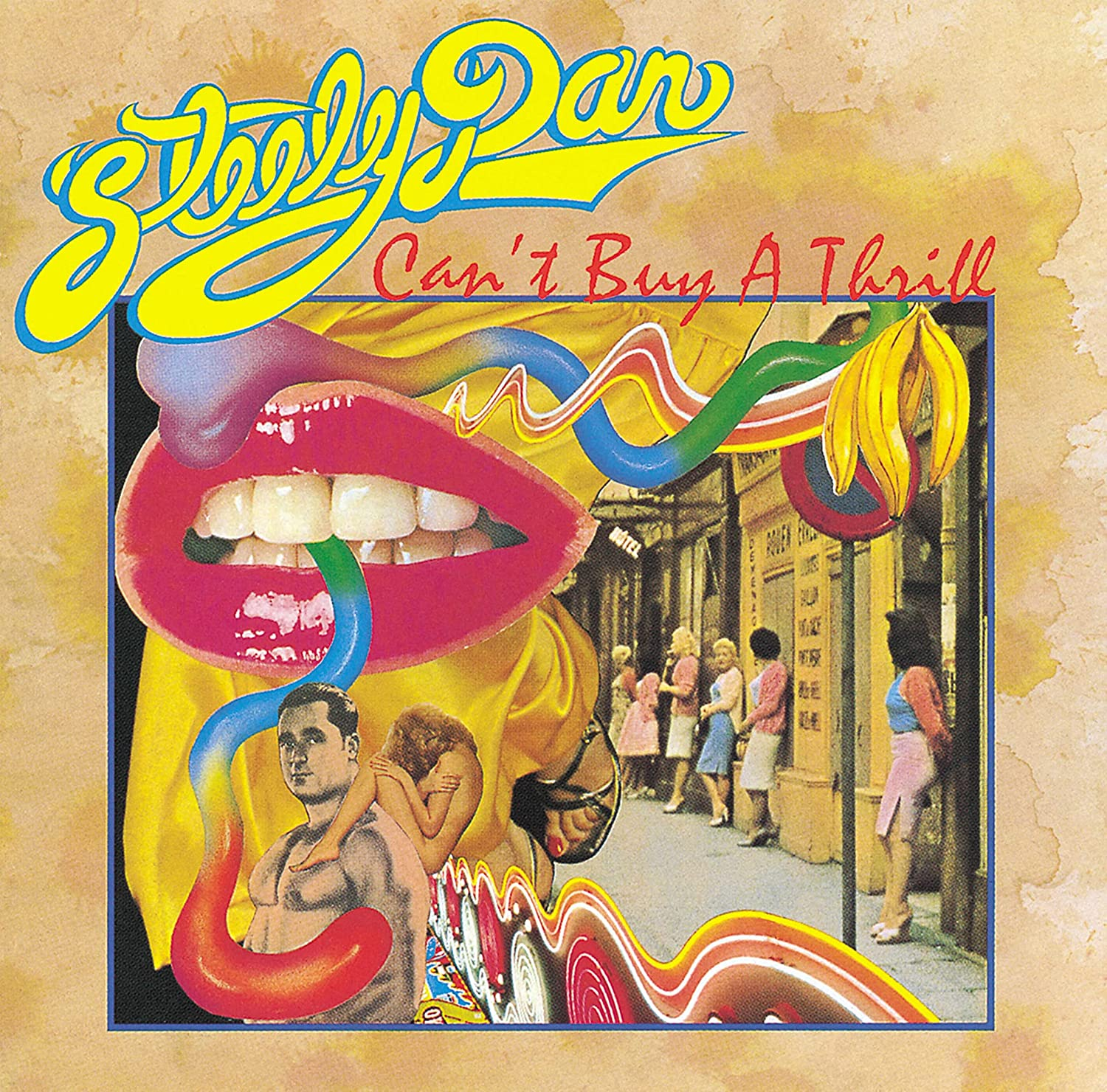
STEELY DAN: CAN’T BUY A THRILL

Released in November of 1972, this is the first of Donald Fagen’s and Walter Becker’s string of excellent albums. The music ranges from pop to rock to folk-rock to jazz-based rock with engaging and intelligent chord progressions and a healthy use of minor seventh and ninth chords.

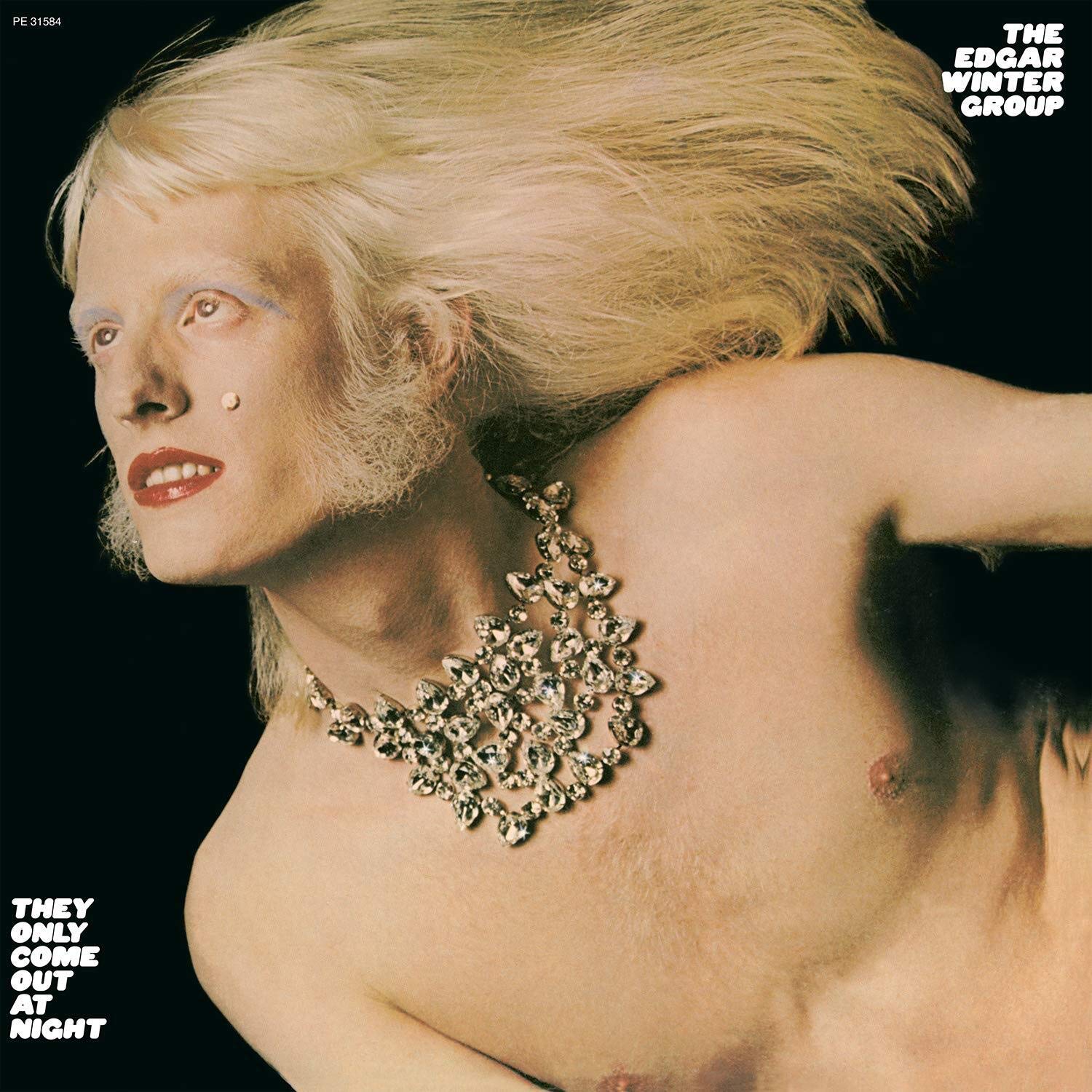
THE EDGAR WINTER GROUP: THEY ONLY COME OUT AT NIGHT

Skillfully produced by Rick Derringer, this is Edgar Winter’s most solid album with a number of songs that for the rest of 1972 and early into 1973 found a prominent place on AM radio, FM radio, at high school parties, or in the repertoire of high school dance bands. “Hangin’ Around”, “Free Ride”, “We All Had a Real Good Time” and the instrumental “Frankenstein” are hard rock classics that have effectively captured and preserved the spirit of early seventies hard rock, providing, today, an effortless means for us to travel back in time fifty years ago.

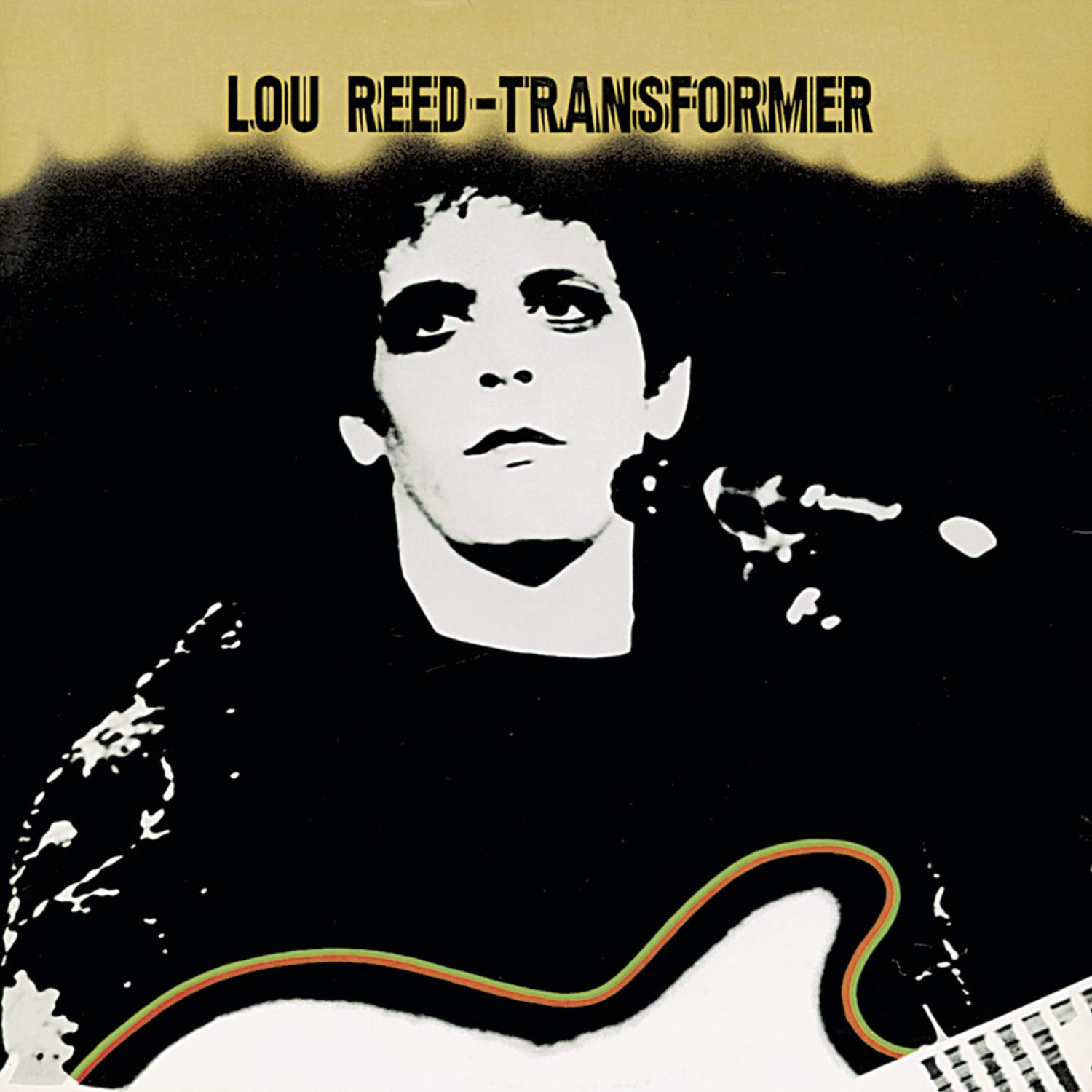
LOU REED: TRANSFORMER

Released on November 8, 1972, Lou Reed’s Transformer excels at creating a level of nonchalance and casualness that was more reminiscent of the beat movement of the 1950s than typical of an early 70’s rock album. Aided by David Bowie, Mick Ronson and Trever Bolder and elegantly produced by Bowie and Ronson, this album, along with the success of its glam, transexual and sometimes banned single, “Walk on the Wild Side”, brought Lou Reed out of the shadows of the Underground and into the commercial spotlight. The album is considered a classic by many and has had substantial influence on many Indie Rock artists that came later.

WAR: THE WORLD IS A GHETTO

War’s fifth studio album, released around November of 1972, opens with the once relentlessly-played AM single, “Cisco Kid”, which though annoying for those of us that heard it in spring of 1973 played through third-rate speakers of a school bus for multiple weeks almost every morning on our ride to school, was a welcome relief from the equally often-played, but far less bearable “Tie a Yellow Ribbon Round the Ol’ Oak Tree.” That said, now hearing “Cisco Kid” on a first-class audio set up almost fifty years later, the quality of performance and the arrangement almost make up for the melodic and harmonic mediocrity of the track. More importantly though, the rest of the album is quite good, starting with the infectious, funky “Where was You At” and the effervescent jazz-infused 13 1/2 minute “City Country City” instrumental on side one and the three tracks on side two including the soulfully reflective “Four Cornered Room”, and the beautifully funk-infused, “The World is a Ghetto.” This was not only War’s most commercially successful album, but the best selling album for the year 1973 holding the number one position for two weeks in February 1973 and staying on the Billboard 200 for a total of 68 weeks.

JONI MITCHELL: FOR THE ROSES

Released in November of 1972 between two of her most artistically and commercially successful albums, 1971’s Blue and 1974’s Spark and Court, the excellent For the Roses brims over with wonderful melodic phrases, remarkable piano lines, and beautiful acoustic guitar and an appropriate amount of harmonica, bass, percussion, winds and strings — always at the right places!

CAN: EGE BAMYASI

Can’s highly influential album, Ege Bamyasi, with the name apparently inspired from the label of a container of canned okra of Turkish origin also meant for German consumption of these “okra pods”, takes a detour from the previous no-holds-barred and even more influential Tago Mago, with an often more structured (via editing in some cases) and relatively more contained set of compositions. Not readily available in the US, I purchased this album in a German record store in 1978, and listened to it once before shelving it for several decades. It’s great to come back and revisit it and find there is much more here than I thought — and to discover the influence it has had on music since my original purchase, with Stephen Malkmus of Pavement, Thurston Moore of Sonic Youth, and the band Spoon all having been much more serious fans of the album and reaping music influences from it. Truly fortunate to revisit the album and able to enjoy it on a much better audio set up than I had in 1978.

Uriah Heep, Moody Blues, Carly Simon, Hawkwind, and Barclay James Harvest

Other notable albums from November 1972 include Uriah Heep’s semi-progressive Magician’s Birthday with a memorable Moog synthesizer solo from Ken Hensley on “Sweet Loraine” (reaching the 91st spot on the Billboard Hot 100) and a more expansive title track concluding the album, Hawkwind’s third studio album, Doremi Fasol Latido, stylistic different than their previous albums but still quality, engaging space-rock, Carly Simon’s No Secrets with two well-known tracks, the number one hit “You’re So Vain”, and less commercially successful but equally appealing “The Right Thing to Do”, the richly arranged, orchestrated Barclay James Harvest, Baby James Harvest, a mix of straight rock (“Thank You”) and more progressive tracks (“Summer Soldier”, “Moonwater”), and Moody Blues’ eighth album (last of the highly regarded string of seven classic album) which had two commercially successful singles, “Isn’t Life Strange” and “I’m Just a Singer (In a Rock and Roll Band)”, which spurred increased interest in their previous work resulting in the re-release of the beautifully haunting single version of the “The Night”, titled “Nights in White Satin”, which did much better the second time around, getting more attention and airplay than any of the music on the Seventh Sojourn album.