Zumwalt Poems Online

Posts tagged ‘Can’

Fifty Year Friday: August 1973

Henry Cow: Legend (Leg End, The Henry Cow Legend)

Henry Cow’s first album was released on August 31, 1973, with recording sessions in June and May. Like the Beatles’ White album, there is no visible title to the album, plus, the band’s name is not anywhere to be found on the front cover. Fortunately, the band name is on the back, with a list of tracks and credits (including who played what instrument), and more importantly the music is first class — an off-kilter, but exhilarating mixture of progressive rock and free jazz. It is as unique and important as Gentle Giant’s Power and the Glory, Yes’s Close to the Edge, Jethro Tull’s Thick as a Brick, and ELP’s Brain Salad Surgery, even though it lacks the consistency of quality. However, those tracks that are excellent on Leg End, and there are several, shine brightly and reach deeply into one’s musical soul.

Album starts off strongly with Fred Firth’s “Nirvana For Mice”, a playful, quirky and adventurous track, that starts of with some nuggets of catchy musical motifs and then opens up to some freely improvised jazz sax over a structured rhythmic and tonal foundation. I think it important to note, this is not free jazz, there is a structure in place, and this structure not only keeps the music accessible, but provides the proper foundation for the improvised parts to shine. Piece closes with a mixed meter fanfare, followed by a short vocal section.

The second track, “Amygdala”, written by Tim Hodgkinson, starts off with a pastoral tone that includes a calming, moss-covered mix of a beautiful, flowing blend of myriad instruments supported nicely by Firth’s jazz-style electric guitar with some acoustic flute from Geoff Leigh. We then get a sequence of passages that includes an exciting mixed-meter passage with some incredible musicianship, a lengthier, more reflective section, which brings us back to the pastoral and idyllic and transitions into a more propulsive section with some mixed meters and exciting accents, and then some alternation between the calm, reflective mood and the adventurous and exhilarating, with the piece ending in relative calm — punctuated by a concluding musical period.

The third track is all-out free-jazz, done well, even if not my cup of tea, and transitions nicely into the fourth track, “Teenbeat.” “Teenbeat” is another short masterpiece angular and compelling, unabashedly dancing over metrical microseisms. “Teenbeat” winds down nicely with contemplative clarinet commentary.

Side Two opens with a soothing and reflective composition by Firth titled “Extract from With the Yellow Half-Moon and Blue Star.” Its middle section evokes echoes of Messiaen, while the third section briefly hints at elements reminiscent of King Crimson. This section gracefully winds down, culminating in a slightly pensive coda. From there, it seamlessly launches into the upbeat and perpetually moving first section of “Teenbeat Reprise,” which, in turn, transitions to a quieter second section adorned with a livelier coda.

“The Tenth Chaffinch”, starts off as if picking up the more serene tone of the second section of “Teenbeat Reprise”, but that gradually dissolves into the more abstract, avante-garde personality of the composition, first with hints of finch bird whistles, and then, as best as I can make it, some reversed human dialogue, and then finishing with a bit of an art-rock avante-garde pastiche. Overall, this track is less interesting than their earlier free-jazz track, “Teenbeat Introduction”, but it is what it is, at least until it is rescued by the final track, “Nine Funerals of the Citizen King” with its literary refences and its sinewy melody — convincingly ending a very unusual, but fulfilling, musical journey.

Stevie Wonder: Innervisions

In 1973, like most teenagers, I had heard numerous AM hits by Stevie Wonder over the course of many years, but nothing resonated enough for me to purchase an album. That changed on a cruise to Hawaii with my parents on the Princess Italia cruise ship, a cozy, comfortably-sized cruise ship accommodating around 700 passengers with a cool movie theater, great dining and a modestly-sized nightclub where a four-piece band played a range of dance tunes. It was a perfect place to hang out until the midnight buffet was served, and then, after indulging in numerous tasty treats and multiple slices of pizza, return to for more dancing and drinks, at least for those of us over 17, or in that general neighborhood, as no one questioned birth dates or ages. The first night of dancing, the band played “Living For the City.” I didn’t know the name of it, or who wrote it, but I loved the synthesizer part, played by the band’s keyboardist, and the tune was great to dance to, and it was also the lengthiest of the rock tunes that they played. The last night on the ship, I asked the keyboard player for the name of the tune, and then once back in Southern California, bought Stevie Wonder’s Innervision, for the sole purpose of having access to “Living For the City.” As it turned out, Innervision was an exceptionally good album — my favorite track would continue to remain “Living For the City” but the albumAs it turned out, Innervisions proved to be an exceptionally outstanding album. “Living For the City” remained my favorite track, but the album as a whole creates a captivating forty-five-minute listening experience with superb arrangements and excellent engineering and mixing. makes for a great forty-five minute listening experience with overall superb arrangements, excellent engineering and mixing.
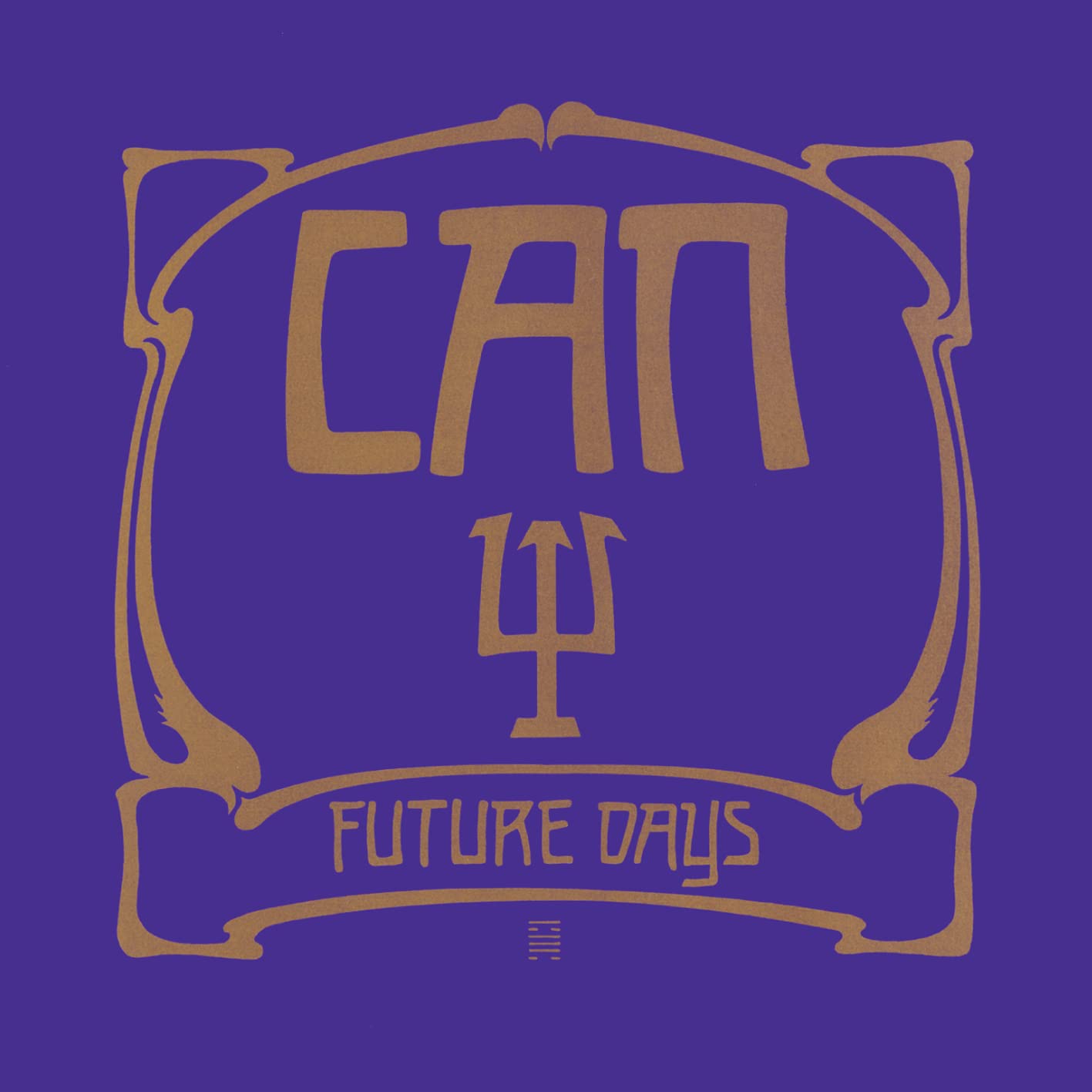
Can: Future Days

Can’s fourth studio album came out around August 1973, less experimental, but no less innovative than their previous three albums. There is a substantial difference in tone and style, with Future Days being a generally ambient, atmospheric work. Damo Suzuki’s vocals retreat into the instrumental gestalt, taking more of an instrumental role. That doesn’t keep me from trying to understand the words, as difficult as that task is, and then once understood, trying to interpret their meaning. But that is a diversionary activity when the real story here is the music, magically unfolding, ethereal and spellbinding.

The album begins with the title track, relaxing and calming, with “Spray” being more rhythmical, particularly at the start. The first side ends with Can’s attempt at a single, “Moonshake”, as groovy and laid back as a isolated spot on a Caribbean beach, not too distant from the flow and ebb of the tides with the sounds of distant birds and a Caribbean band intwined into our half-waking moments.

The masterpiece of the album is “Bel Air” which absorbs all of side two. The work moves forward with a German Prog-rock inevitability, within a more-or-less nebulous structure. The “more or less” qualifier is required due to the use of a traditional, though brief, catchy chord sequence occurring near the beginning and then later recurring at the end, providing a more traditional sense of form. Despite this, the work maintains a beautiful nebulosity, shimmering, reflectively and refractively, evolving in its nomadic passage.
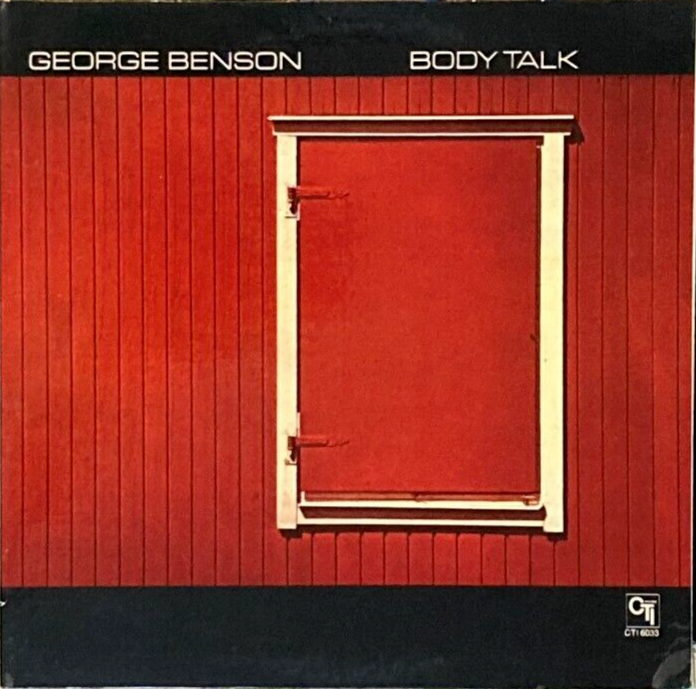
George Benson: Body Talk

Released August 23, 1973, George Benson’s twelfth studio album, Body Talk, is mostly a jazz-funk album, and a pretty good one. The opening track, “Body Talk” is historically notable as it, together with “Dance” influenced Michael Jackson’s “Wanna Be Startin’ Somethin.'” (Basically, it sounds as if it is these two tracks that provided the primary musical material for Jackson’s rhythmically vibrant song.)

Putting aside the jazz-funk material, the real highlight of the album are the two more traditional jazz tunes here, the elegantly beautiful “When Love Has Grown” with notable guitar work from both Benson and Earl Klugh, and the melodically-catchy “Plum” with solid ensemble work, some exciting, energetic guitar from Benson and distinguished solos from Frank Foster on sax and Harold Mabern on electric piano.
Fifty Year Friday: November 1972

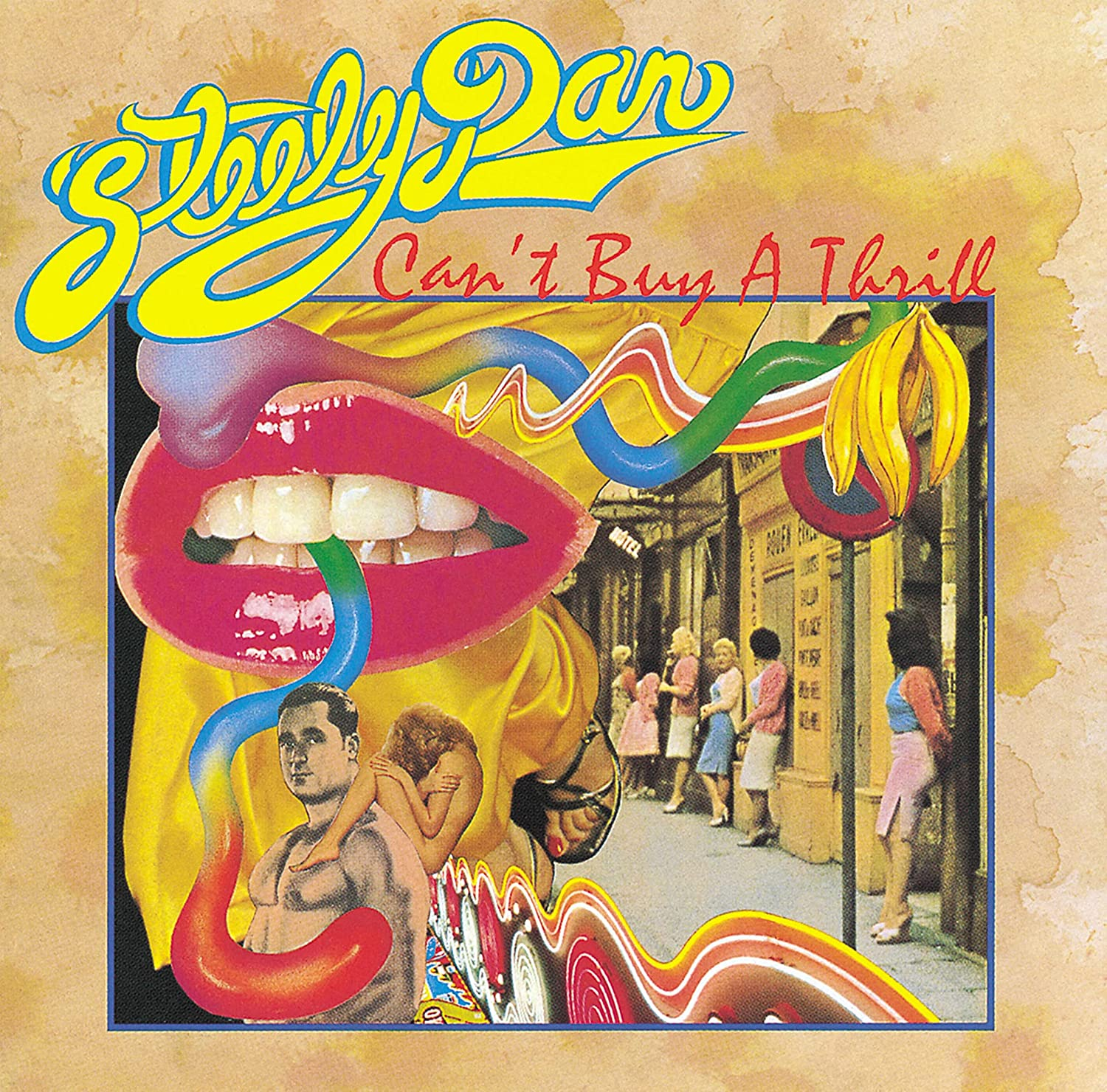
STEELY DAN: CAN’T BUY A THRILL

Released in November of 1972, this is the first of Donald Fagen’s and Walter Becker’s string of excellent albums. The music ranges from pop to rock to folk-rock to jazz-based rock with engaging and intelligent chord progressions and a healthy use of minor seventh and ninth chords.

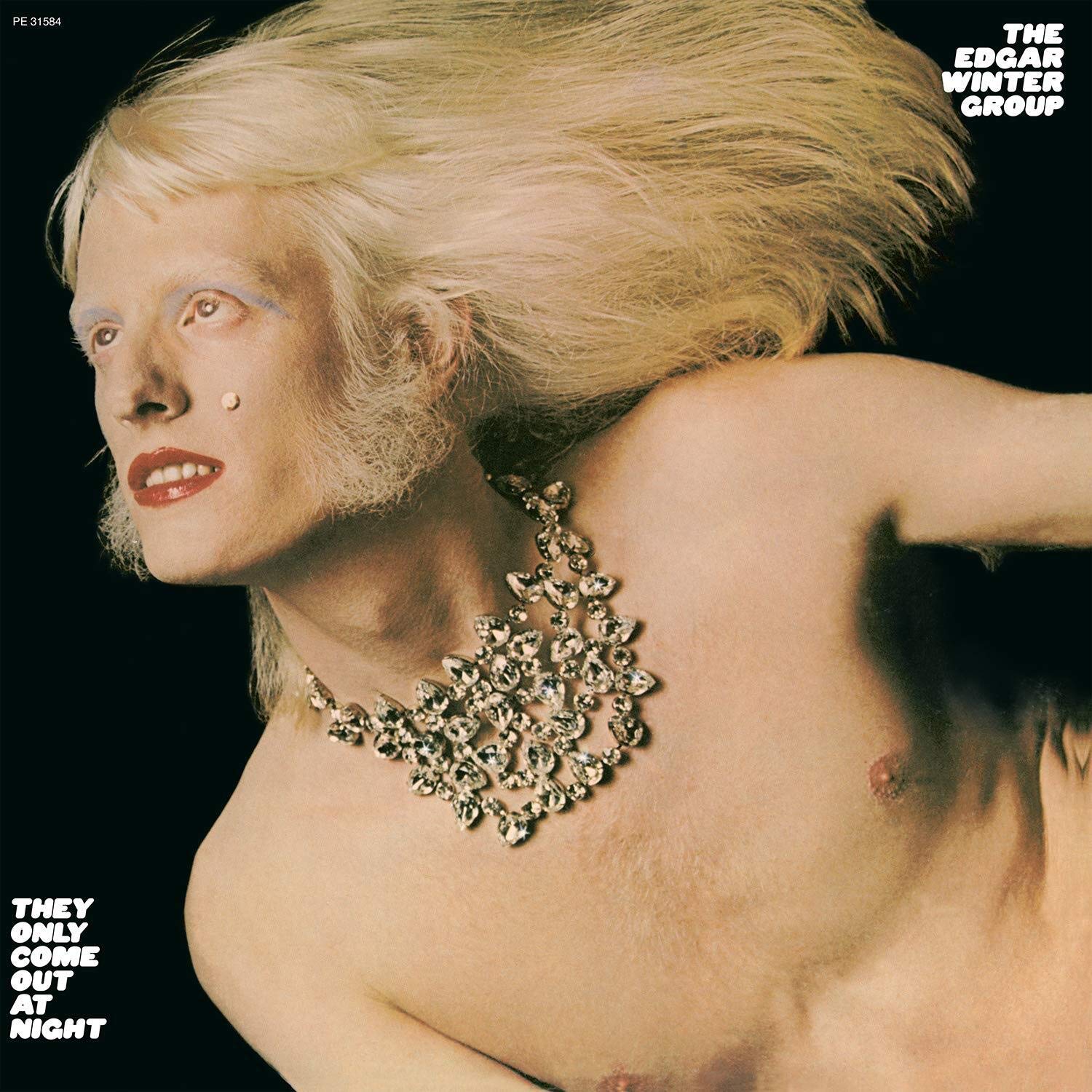
THE EDGAR WINTER GROUP: THEY ONLY COME OUT AT NIGHT

Skillfully produced by Rick Derringer, this is Edgar Winter’s most solid album with a number of songs that for the rest of 1972 and early into 1973 found a prominent place on AM radio, FM radio, at high school parties, or in the repertoire of high school dance bands. “Hangin’ Around”, “Free Ride”, “We All Had a Real Good Time” and the instrumental “Frankenstein” are hard rock classics that have effectively captured and preserved the spirit of early seventies hard rock, providing, today, an effortless means for us to travel back in time fifty years ago.

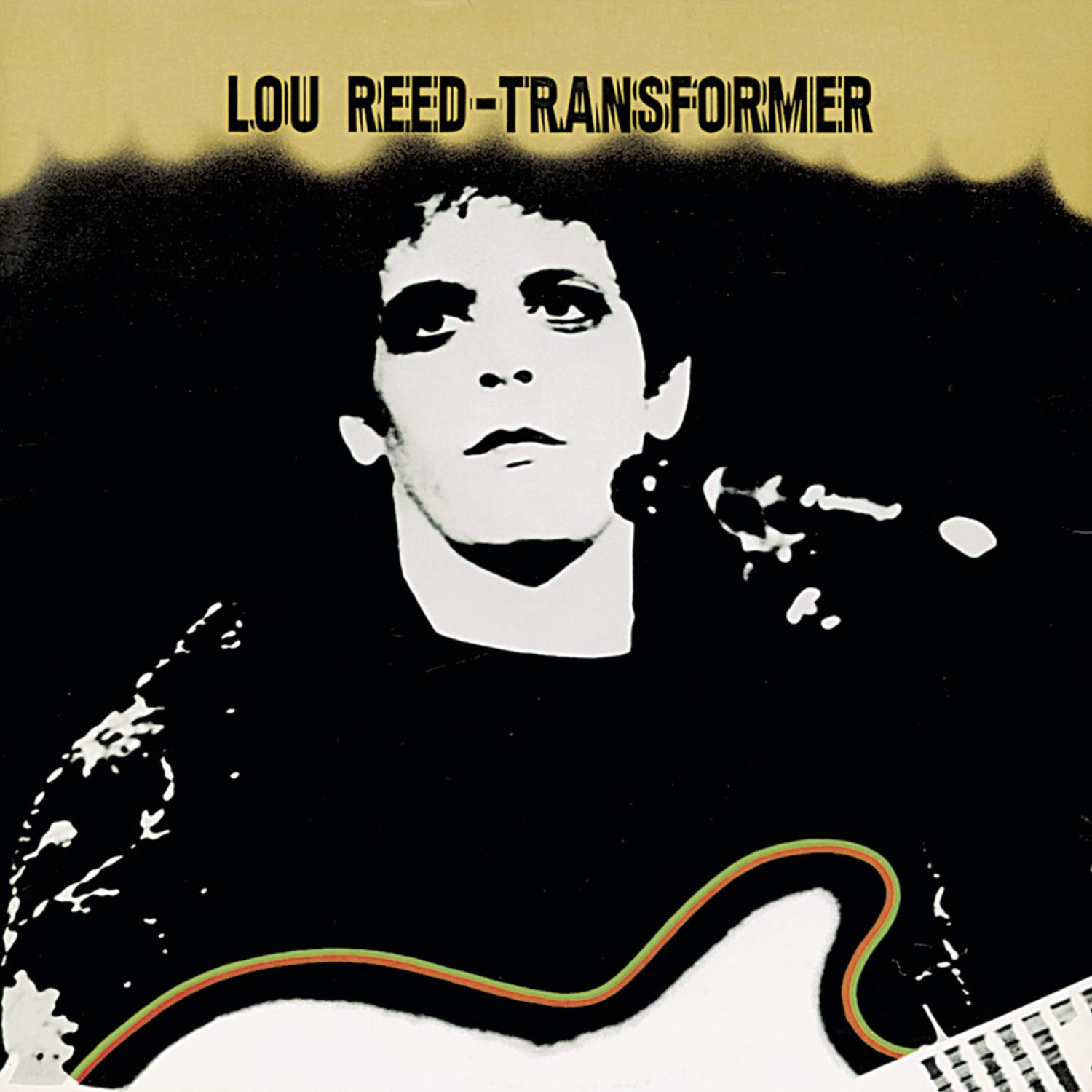
LOU REED: TRANSFORMER

Released on November 8, 1972, Lou Reed’s Transformer excels at creating a level of nonchalance and casualness that was more reminiscent of the beat movement of the 1950s than typical of an early 70’s rock album. Aided by David Bowie, Mick Ronson and Trever Bolder and elegantly produced by Bowie and Ronson, this album, along with the success of its glam, transexual and sometimes banned single, “Walk on the Wild Side”, brought Lou Reed out of the shadows of the Underground and into the commercial spotlight. The album is considered a classic by many and has had substantial influence on many Indie Rock artists that came later.

WAR: THE WORLD IS A GHETTO

War’s fifth studio album, released around November of 1972, opens with the once relentlessly-played AM single, “Cisco Kid”, which though annoying for those of us that heard it in spring of 1973 played through third-rate speakers of a school bus for multiple weeks almost every morning on our ride to school, was a welcome relief from the equally often-played, but far less bearable “Tie a Yellow Ribbon Round the Ol’ Oak Tree.” That said, now hearing “Cisco Kid” on a first-class audio set up almost fifty years later, the quality of performance and the arrangement almost make up for the melodic and harmonic mediocrity of the track. More importantly though, the rest of the album is quite good, starting with the infectious, funky “Where was You At” and the effervescent jazz-infused 13 1/2 minute “City Country City” instrumental on side one and the three tracks on side two including the soulfully reflective “Four Cornered Room”, and the beautifully funk-infused, “The World is a Ghetto.” This was not only War’s most commercially successful album, but the best selling album for the year 1973 holding the number one position for two weeks in February 1973 and staying on the Billboard 200 for a total of 68 weeks.

JONI MITCHELL: FOR THE ROSES

Released in November of 1972 between two of her most artistically and commercially successful albums, 1971’s Blue and 1974’s Spark and Court, the excellent For the Roses brims over with wonderful melodic phrases, remarkable piano lines, and beautiful acoustic guitar and an appropriate amount of harmonica, bass, percussion, winds and strings — always at the right places!

CAN: EGE BAMYASI

Can’s highly influential album, Ege Bamyasi, with the name apparently inspired from the label of a container of canned okra of Turkish origin also meant for German consumption of these “okra pods”, takes a detour from the previous no-holds-barred and even more influential Tago Mago, with an often more structured (via editing in some cases) and relatively more contained set of compositions. Not readily available in the US, I purchased this album in a German record store in 1978, and listened to it once before shelving it for several decades. It’s great to come back and revisit it and find there is much more here than I thought — and to discover the influence it has had on music since my original purchase, with Stephen Malkmus of Pavement, Thurston Moore of Sonic Youth, and the band Spoon all having been much more serious fans of the album and reaping music influences from it. Truly fortunate to revisit the album and able to enjoy it on a much better audio set up than I had in 1978.

Uriah Heep, Moody Blues, Carly Simon, Hawkwind, and Barclay James Harvest

Other notable albums from November 1972 include Uriah Heep’s semi-progressive Magician’s Birthday with a memorable Moog synthesizer solo from Ken Hensley on “Sweet Loraine” (reaching the 91st spot on the Billboard Hot 100) and a more expansive title track concluding the album, Hawkwind’s third studio album, Doremi Fasol Latido, stylistic different than their previous albums but still quality, engaging space-rock, Carly Simon’s No Secrets with two well-known tracks, the number one hit “You’re So Vain”, and less commercially successful but equally appealing “The Right Thing to Do”, the richly arranged, orchestrated Barclay James Harvest, Baby James Harvest, a mix of straight rock (“Thank You”) and more progressive tracks (“Summer Soldier”, “Moonwater”), and Moody Blues’ eighth album (last of the highly regarded string of seven classic album) which had two commercially successful singles, “Isn’t Life Strange” and “I’m Just a Singer (In a Rock and Roll Band)”, which spurred increased interest in their previous work resulting in the re-release of the beautifully haunting single version of the “The Night”, titled “Nights in White Satin”, which did much better the second time around, getting more attention and airplay than any of the music on the Seventh Sojourn album.

Fifty Year Friday: August 1971

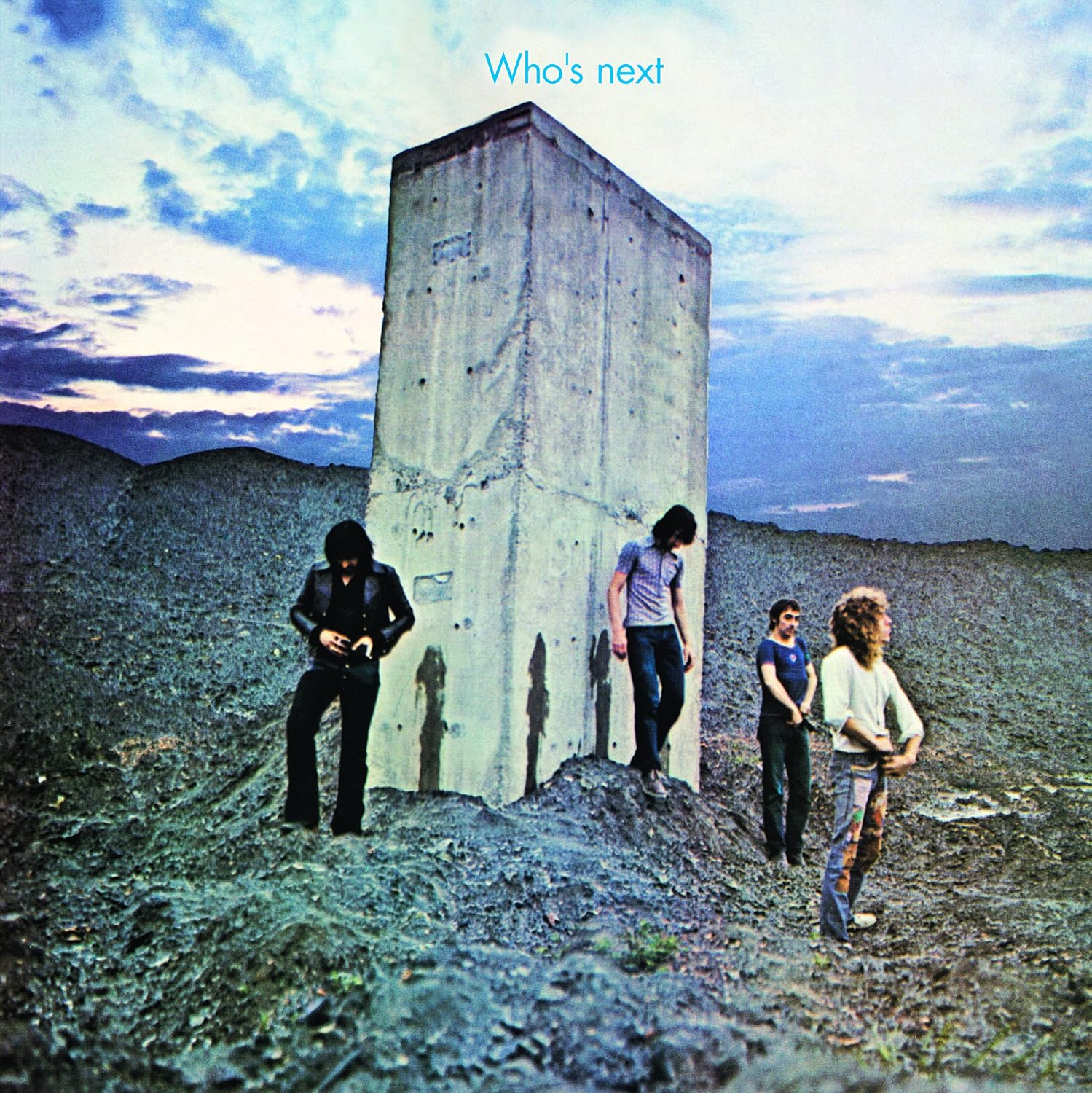
Pete Townsend planned to follow-up the successful Tommy with another rock opera — one which would incorporate data-driven composition, multimedia effects, and audience interaction when performed live. Practical and execution limitations aside, the bottom line is that the musical work itself was abandoned with some of the material recorded for “Who’s Next”, the Who’s fifth studio album released on August 14, 1971.

Though not an epic effort comparable to Tommy, the songs are strong and the intro to “Baba O’Riley” makes a lasting impression, suich that I still remember hearing it for the first time almost fifty years later, and “Bargain” and “Behind Blue Eyes” are two of Pete Townshend’s best classics.

Upon the release of the Beach Boys’ Surf’s Up on August 30, 1971, Warner Brothers Records ran a limited-time promo beseeching those hesitant about purchasing the album, to bring in one of their old Beach Boys albums as a trade-in for the new album. I didn’t own any Beach Boys albums and was more dissuaded from checking out the album than encouraged by what to me, at age 16, appeared to be more of an act of desperation on Warner’s part than a legitimate marketing strategy. However, once I heard the album when visiting my cousin in northern California, I was certainly surprised between the actual material on the album and what I had expected of a group I had thought whose time and relevancy had long expired.

The sound was fresh, with no sixties-artifacts, and though sounding tame to the many Zappa albums in my cousin’s shared collection with his roommate, was still vital and contemporary musically and lyrically. Soon I purchased the album, and listened to it a few times and then, like most albums, it fell out of circulation, but leaving an indelible respect for both the group and the album. The masterpiece of the album is Brian Wilson’s “Til I Die.” I paid little attention to the lyrics in 1971, but took notice of them now when relistening to this track and, now knowing about Brian Wilson’s battles with depression and mental illness, the emotion inherent in the lyrics and the supporting wistfully ironic melody and harmonies are heart-wrenching:

I’m a cork on the ocean
Floating over the raging sea

I’m a rock in a landslide
Rolling over the mountainside

I’m a leaf on a windy day
Pretty soon I’ll be blown away
How long will the wind blow?
Ohhhh
Until I die
Until I die
These things I’ll be until I die

Another unexpected treat that came my way in 1971, was Ten Years After sixth studio album, A Space in Time. Like the Beach Boys, Alvin Lee and company provide an updated sound, incorporating sound effects leading into tracks harkening back to their fourth album, Cricketwood Green. Alvin Lee writes all the music except for a short final instrumental jam that ends the album.

The album showcases Alvin Lee’s engaging, proficient guitar work along with his solid instinct for blues and ability to write more traditional pop songs — the album giving us the band’s highest charting single, “I’d Love to Change the World” and “Over the Hill” with its ironically upbeat baroque string episode contrasting against the bleakness of the lyrics.


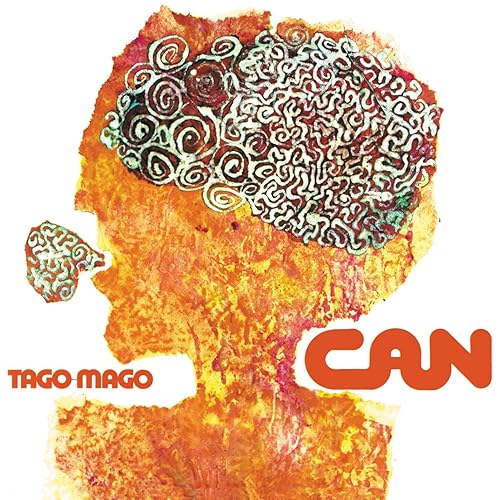
With new vocalist Kenji “Damo” Suzuki, pretty much pulled off a street corner while in the act of busking, Kenji “Damo” Suzuki, Can releases their second, and most heralded and influential album, Tago Mago. Assuming no sonic boundaries and embracing a wide array of musical options, the group pushes the borders of pop music into areas previously occupied by German academic composers and late sixties free jazz artists, thus extending the characteristics, definitions and expectations of what English and American prog-rock fans would soon call Kraut-rock. The first and second sides are more accessible, and one cannot ignore that some listeners were more under the influence of drugs by the third and fourth sides and could handle the increased musical entropy on that second LP, yet one really needs the entire senses about them to fully appreciate this work. There is a lot of coherence within each individual song and the focus on the basic language that is individually conceived for each track. It’s not an easy album to listen to, but given the right mood and circumstances, is one that should be listened to, carefully, and not as background ambience.

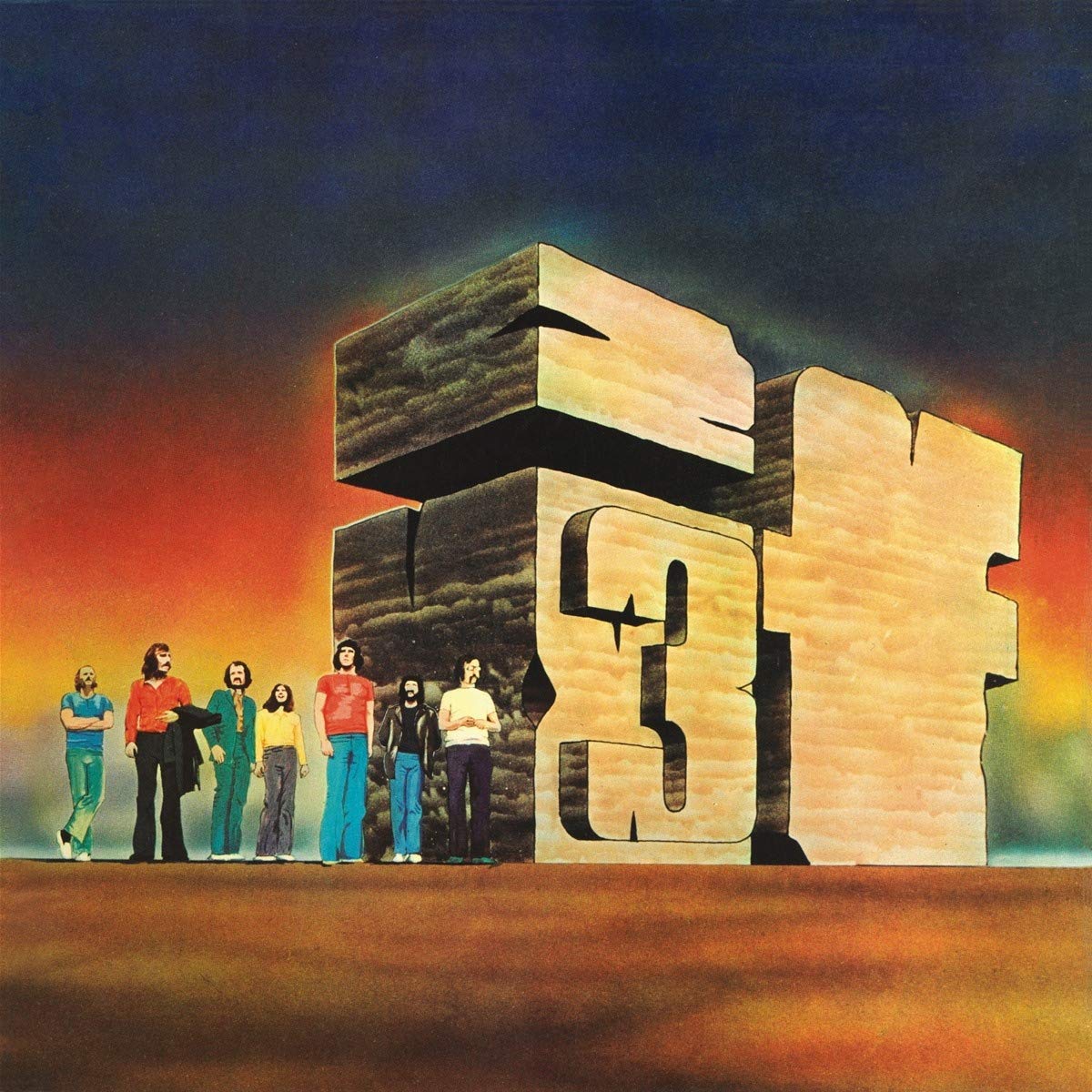
Other albums of note include If’s third album, IF3, a balanced blend of rock, light progressive-rock elements and jazz-rock, and Atomic Rooster’s third album, In Hearing of Atomic Rooster, a mostly hard rock album with some progressive rock elements.