Zumwalt Poems Online

Posts tagged ‘Camel’

Fifty Year Friday: April 1975

King Crimson: USA

Recorded from two concerts, one in New Jersey, one in Rhode Island, in late June 1974, and released in April 1975, USA was the first decent live recording from King Crimson — for the previous live album, Earthbound, sound quality was as close to unlistenable as any official concert release since hard wax cylinders had been replaced by shellac discs. (Before my time, but I am still confident in this assertion!)

USA still falls short in terms of sound quality, with Eddie Jobson having to provide overdubs for sections where David Cross’s violin was inadequately captured, but it is still quite an enjoyable document of the group, particularly for those of us that were not able to attend their June 1974 concert performance in our neighborhood (only thirty-five miles away — so close!) The quality of the performance is incredible. The CD reissue contains extra material — and even better, one can get multiple concert recordings for the 1974 tour at https://www.dgmlive.com/tours?year=1974&download=on&liveshow=on — note the audio quality legend before downloading.

Steve Hillage: Fish Rising

Steve Hillage’s Fish Rising, released on April 11, 1975 is a dazzling fusion of psychedelic rock, progressive rock, and ethereal Canterbury-influenced content. This Hillage’s first solo album after his time with Gong, and one can hear echoes of that band’s cosmic sensibility that provide a solid foundation allowing Hillage’s distinctive guitar work and creative compositional skills to shine.

The album begins with the “Solar Musick Suite” the highlight work of this album, an expansive, four-part work filled with swirling synths, shimmering guitar delays, and celestial melodies. “The Salmon Song” balances intricate instrumental interplay with a driving rock energy, while the excellent “Aftaglid” closes the album in an ethereal, kaleidoscopic swirl of sound.

Hillage’s guitar work is in top form, the quality of the music is further enhanced with high-quality lyrics and an impressive supporting cast including Didier Malherbe and Pierre Moerlen of Gong, bassoonist Lindsay Cooper of Henry Cow and Dave Stewart of Hatfield and the North.
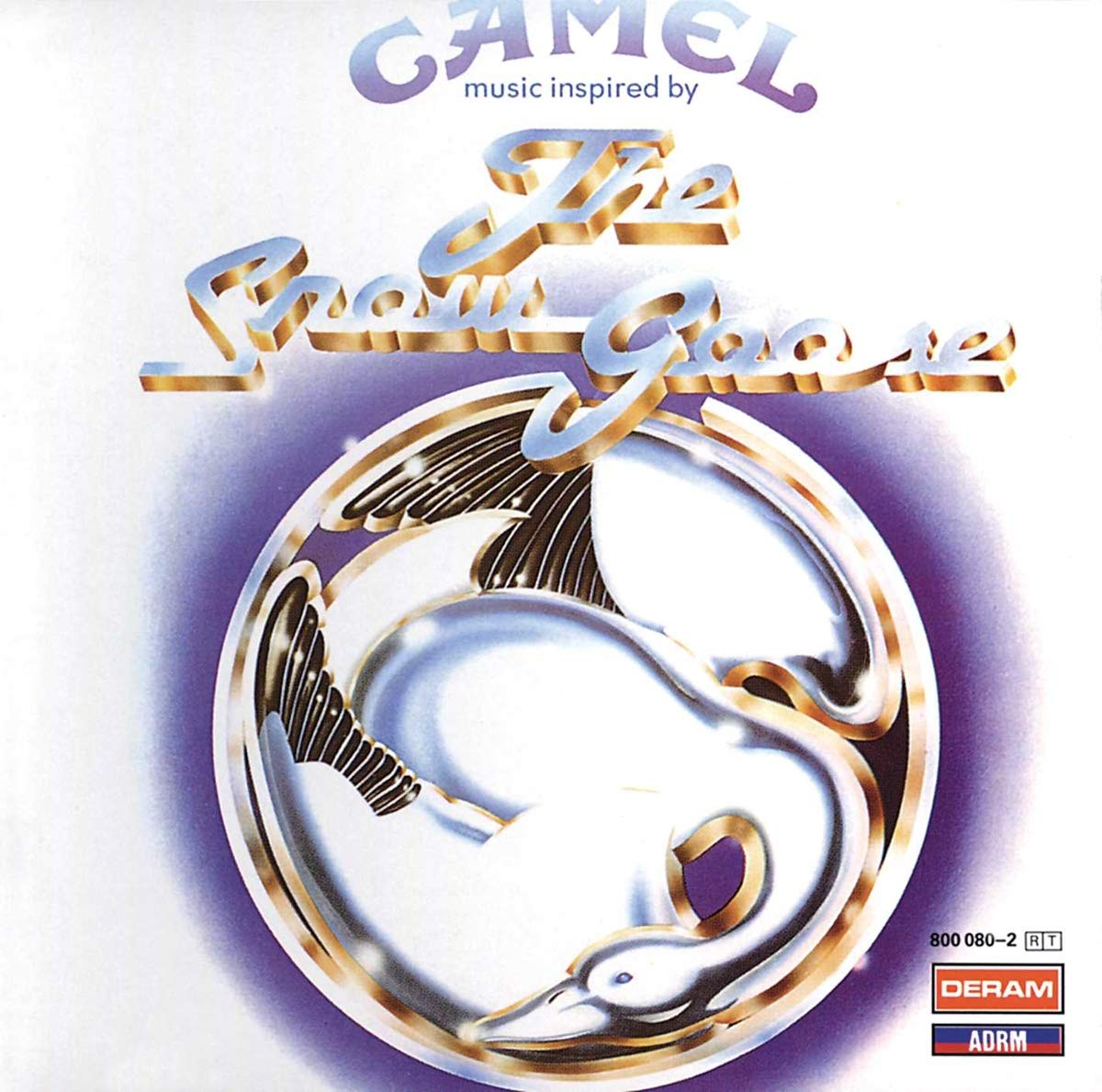
Camel: The Snow Goose

Released in April of 1975, this instrumental concept album is based on Paul Gallico’s novella The Snow Goose, a poignant story of a reclusive man and a young girl who nurse a wounded snow goose back to health — the novella emphasizing themes of love, sacrifice, and healing. Camel masterfully craft a soundtrack that brings the essence of the story to life. Without using any text (originally they had wished to use such text, but it was not allowed by the author) and limiting vocals to vocalese on one track , the album transcendentally communicates a rich, emotional narrative.

Andrew Latimer (guitar, flute) and Peter Bardens (keyboards) are in top form both as composers and musicians, aided by bassist Doug Ferguson and drummer Andy Ward. The seamless integration of their musicianship and composition makes The Snow Goose a timeless listening experience, resonating deeply regardless of how it’s approached. Whether one listens with a knowledge of the story or simply as a stand-alone musical journey, its emotional depth makes this one of the top progressive rock albums of 1975.
Fifty Year Friday: March 1974

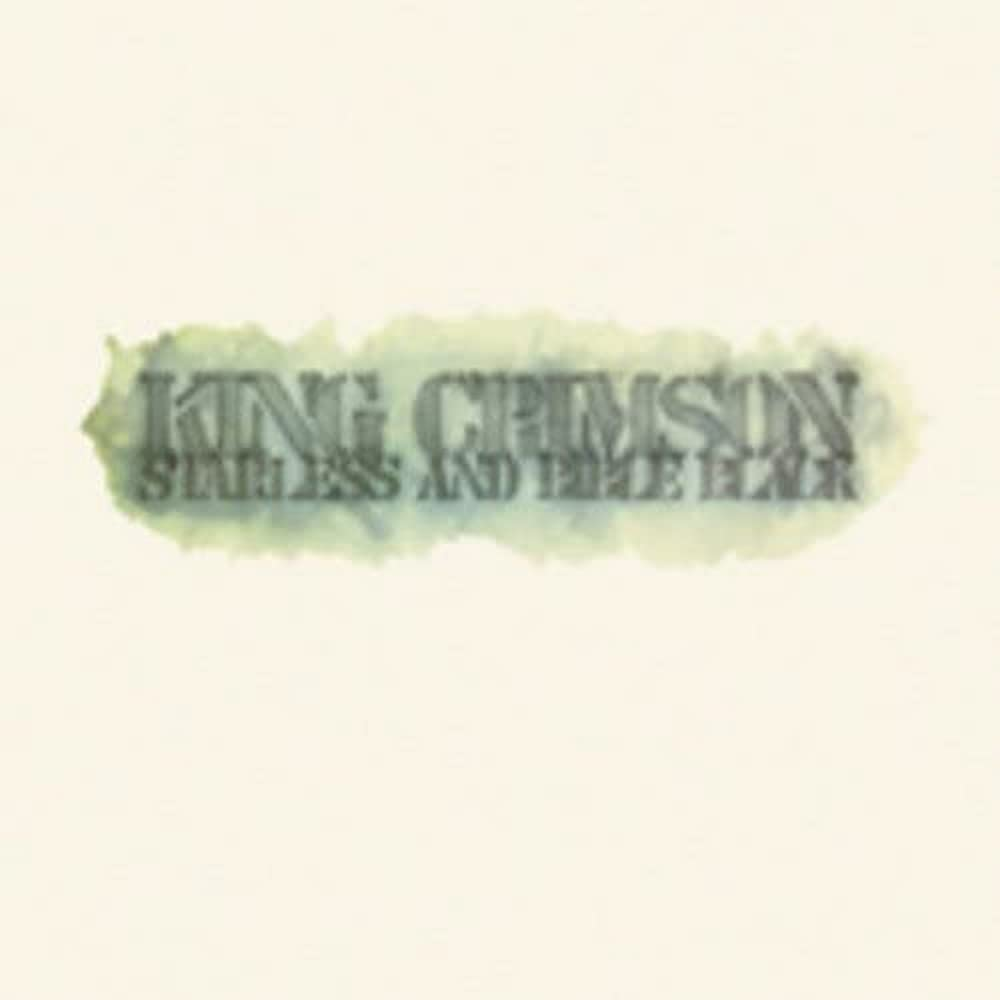
King Crimson: Starless and Bible Black

Released March 1974, Starless and Bible Black drifts further into free improvisation than previous albums, successfully showcasing both the virtuosic skills of the band, particularly those of Robert Fripp, as well as the band’s other-worldly improvisational skills. The first two tracks provide enough accessible progressive rock to make the album an absolute must for the prog-rock fan, and the rest of the album mixes studio and live material to present a less accessible, but highly impactful musical experience. Particularly noteworthy is the live track “Trio”, an improvisation that the always amazing Bill Bruford wisely allows the rest of the band to develop and finish without forcing his own entrance, fully sensitive to the mood and the masterpiece being created. The gem of this collection is “Fracture”, worthy of lengthy musical analysis far beyond my capabilities. It’s intricacy and irregular rhythmic and structural aspects makes this a particularly challenging composition to perform, but the band is unfazed and undaunted, and not only succeeds technically but fully imbues it with the necessary emotion and expression to make this one of the most meaningful listening experiences in the King Crimson catalogue.

Camel: Mirage

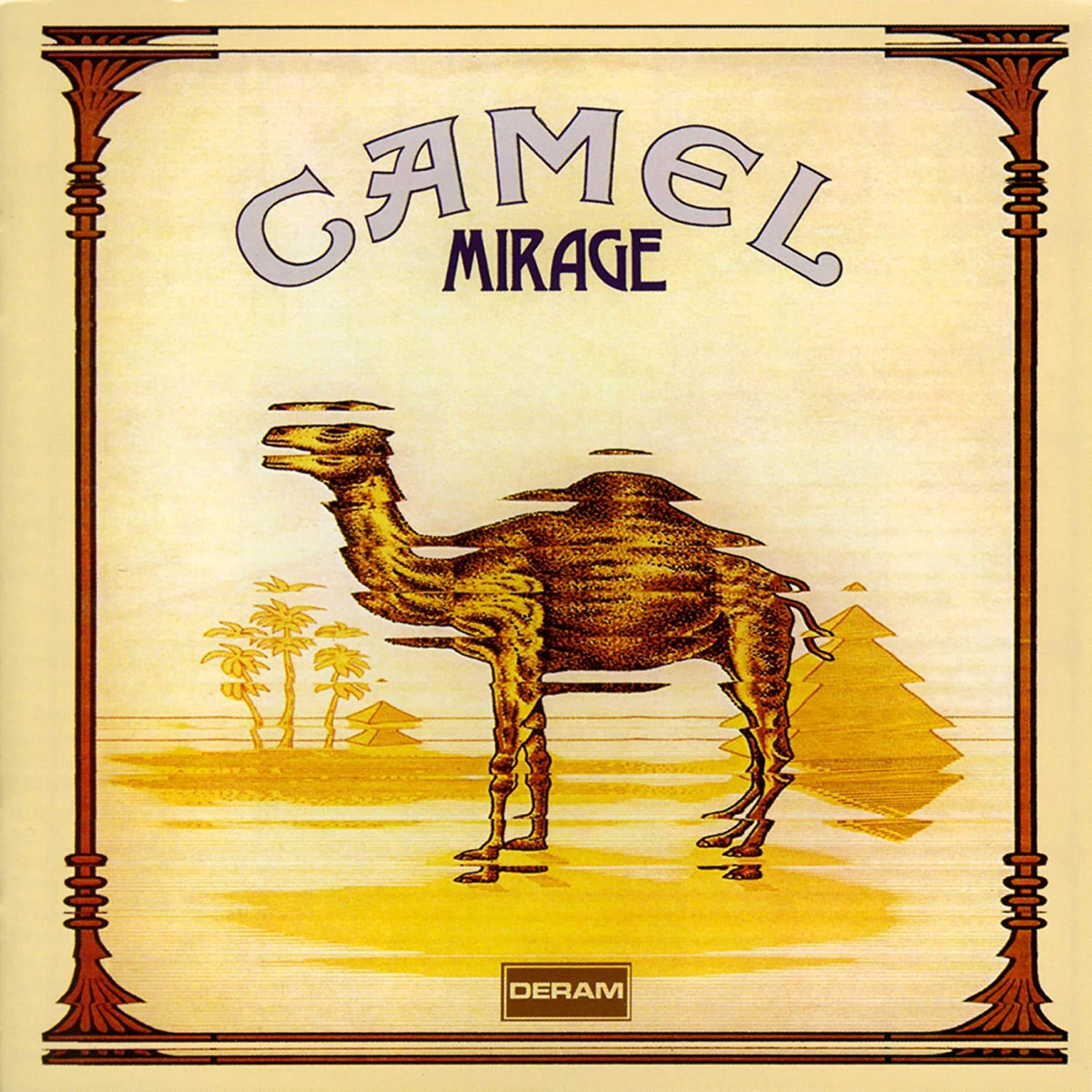
Ethereal and wistful, Camel’s Mirage was released in March of 1974, first with the album cover showed above, and then with replaced (as demanded by the Camel cigarette company) with an alternative cover. Andrew Latimer (guitar, flute, vocals) and Peter Bardens (keyboards, vocals) produce a set of compositions that blend together seamlessly creating a distinctive lush and compelling sound experience.
“Supertwister” is the most dynamic and energetic track of the album, a short instrumental that marks off many traditional prog-rock check-boxes with the rest of the album being more introverted and contemplative.

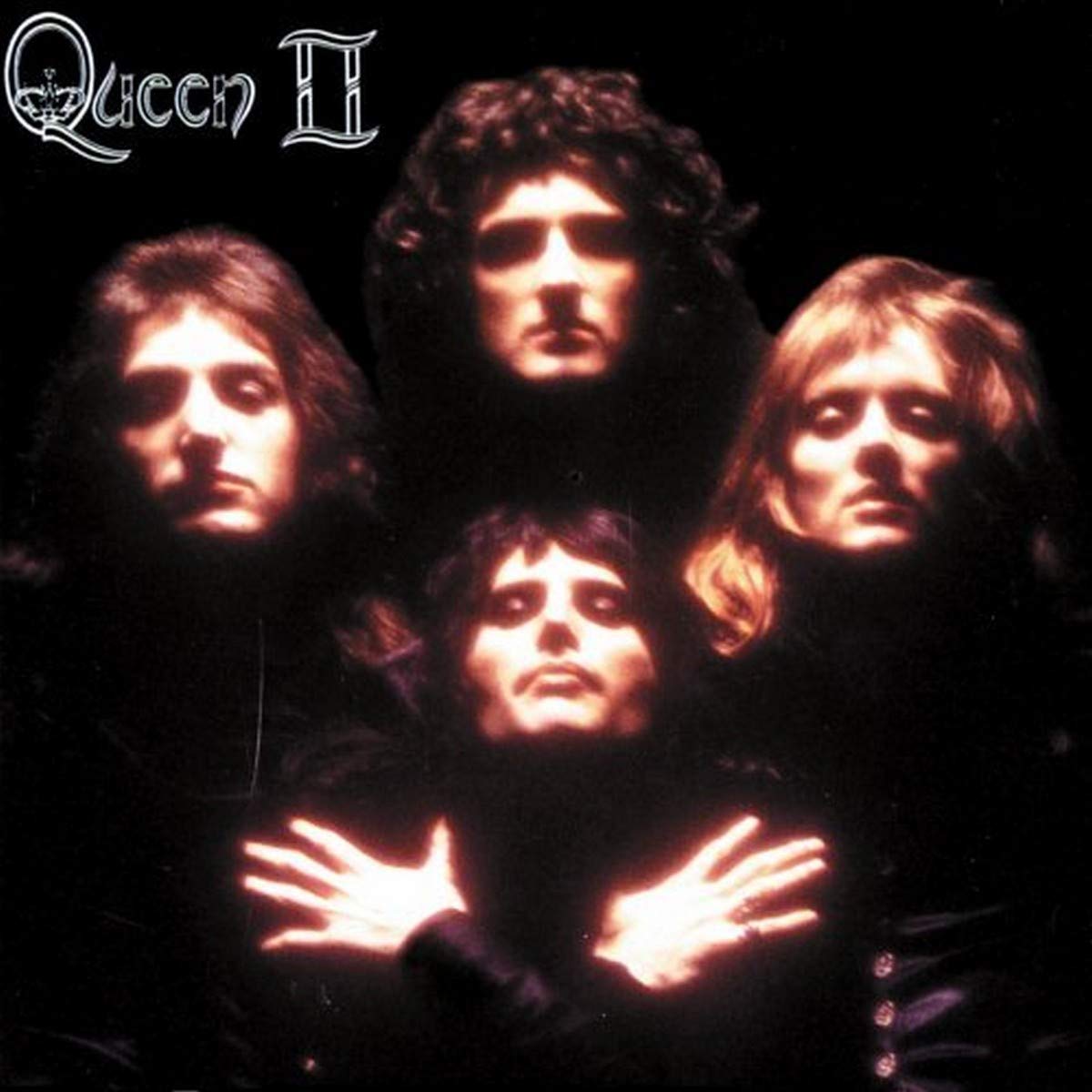
Queen: Queen II

Queen’s second album, released on March 8, 1974, gives us a much more ambitious and artistic effort than the previous, making this their first must-have albums. The production is more polished and the group clearly invested substantial hours in the studio capturing the perfected harmonies and instrumental layering. Side one is mostly Brian May’s compositions, with one work by Roger Taylor, showing off Queen’s own brand of hard rock, while side two, is completely dedicated to Freddie Mercury’s fantastical compositions, with their abrupt musical shifts and endless harmonic energy. Drama and musical theater abound, particularly on the second side, and the musical diversity and level of instrumental excellence have made this an album that never wears out its welcome in the listening room.

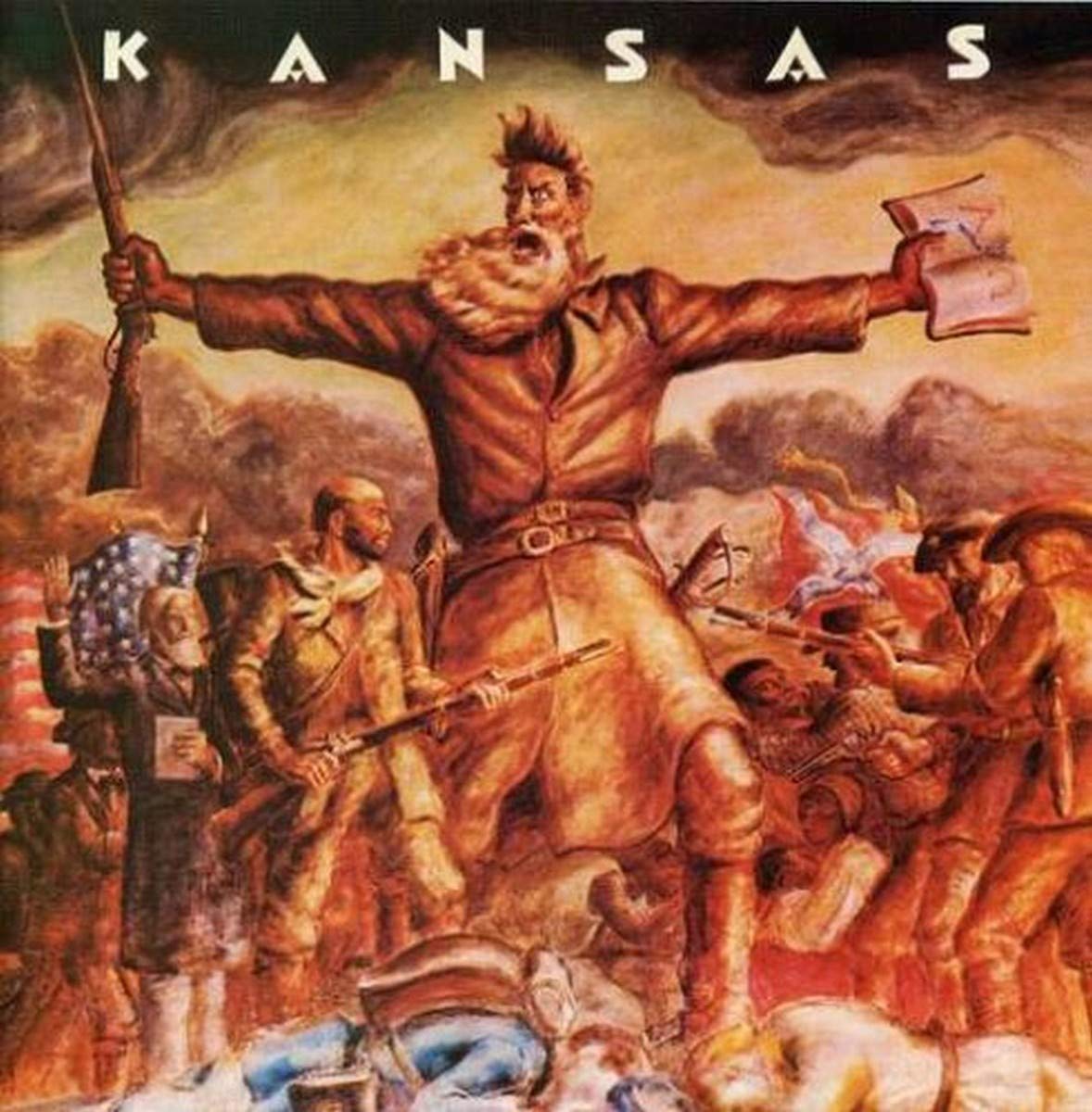
Kansas: Kansas

Kansas released their first album on March 8, 1974, with six musicians from the American Midwest — five of the six born in Kansas or Missouri. The album is particularly American in sound, with hints of boogie rock, country, folk-rock and similar American Rock styles. Notably different than other American Midwest and Southern Rock groups is their facile integration of contemporary prog-rock elements, some of which are very similar to Genesis and Gentle Giant material, though not in the least derivative or perceivably mimicked. Particularly notable is the work of Kerry Livgren on synthesizer and the contributions of violinist Robby Steinhardt. One of the finest debut albums of 1974.

Weather Report: Mysterious Traveller

Weather Report begins to unleash is full range of jazz-fusion capabilities with the release of their fourth studio album on March 24, 1974, climbing to number 2 on the US Jazz Charts, as high as 46 on the US Pop album charts, and up to 31 on the US R&B charts. Additional funk and world music influences are incorporated, possibly leading to creative differences with legendary Miroslav Vitouš, who makes this his last recording with the group, appearing on two of the eight tracks on acoustic bass, replaced by bass guitarist, Alphonso Johnson on the other six tracks.

The album is inventive, innovative and filled to the brim with interesting improvisation — fusing jazz, world music, including Latin influences, funk, rock, and hints of classical. Album not only showcases the creativity and imaginative brilliance of Joe Zawinul and Wayne Shorter, but includes memorable contributions from everyone involved included several guest musicians on percussion instruments, ocarina and woodwinds (on “J0ungle Book”) and vocals (“Nubian Sundance.”)

Fifty Year Friday: February 1973

Camel: Camel

As progressive rock continued to gain traction and garner more and more fans in the UK , The U.S and throughout Europe, Camel released their very first effort, a fine self-titled album, at the end of February 1973.

The album starts relatively conventional with the vocal section of “Slow Yourself Down”, which shifts into a less conventional instrumental section including some notably strong guitar. The second track, “Mystic Queen” is a good representation of the mellow, more reflective nature of Camel’s recognizable style with a pleasant balance of the electric and the acoustic and with some pleasant acoustic guitar and flute. This album continues with the instrumental, “Six Ate”, a bit uneven in places, and the upbeat “Separation”, with nicely mixers vocals with instrumentals including the final stand out instrumental passage, possibly influenced by Genesis’s “The Return of the Giant Hogweed”. “Never Let Go” is Camel at what they do best, mellow, flute-infused instrumentation — music that is spaced, properly paced, and slightly spacey. The same can be said of the next track, “Curiosity”, which nicely blends the delicate and expressive. The final instrumental, “Arubaluba” ends the album containing some strong drumming by Andy Ward. All in all a strong first album.

Blue Öyster Cult: Tyranny and Mutation

Blue Öyster Cult first album cover was an unique black and white cover, and they followed this up with another mostly black and white cover but adding a tasteful amount of red, as shown above, to further enhance this memorable album cover. Similarly, with Tyranny and Mutation, released on February 11, 1973, Blue Öyster Cult further enhanced their musical style from that first album, becoming more innovative, distinctive, and even exotic, broadening their sound and extending their range of expressiveness. And in spite of the interesting, one-of-a-kind approach, perhaps one could correctly claim that it is this group as captured in this album, and not the even more idiosyncratic Black Sabbath or the more foundational Led Zeppelin, that truly provides the template of the unashamedly, and unrelentingly aggressive heavy metal sound for the rest of the 1970s and the 1980s.