truth in journalism
March 13, 2024
truth in journalism
March 12, 2024


Peter Hammill: The Silent Corner and the Empty Stage
Released in early February of 1974, even though there is ample participation by fellow Van Der Graaf band mates, this is clearly a personal, Peter Hammill solo effort. From the start Hammill dives inward stirring up and capturing a range of emotional turbulence.
The album opens with the metrical tempestuous “Modern,” and ends with one of Hammill’s greatest classics, the deeply emotional “A Louse Is Not a Home.” Hammill often performed these two songs along with “The Lie (Bernini’s Saint Theresa)”, also on this album, in the 1970s on solo tours in small venues, injecting every ounce of energy into his dramatic renditions.
Generally the featured instrument is Hammill’s expressive vocals appropriately supported by piano, mellotron, acoustic and electric guitar with additional support from the VDGG band members with Spirit’s Randy California on lead guitar on one track. The production emphasizes a sense of intimacy which underscores the uncompromising, unsuppressed intimacy, immediacy, and intensity which makes this album so remarkable.
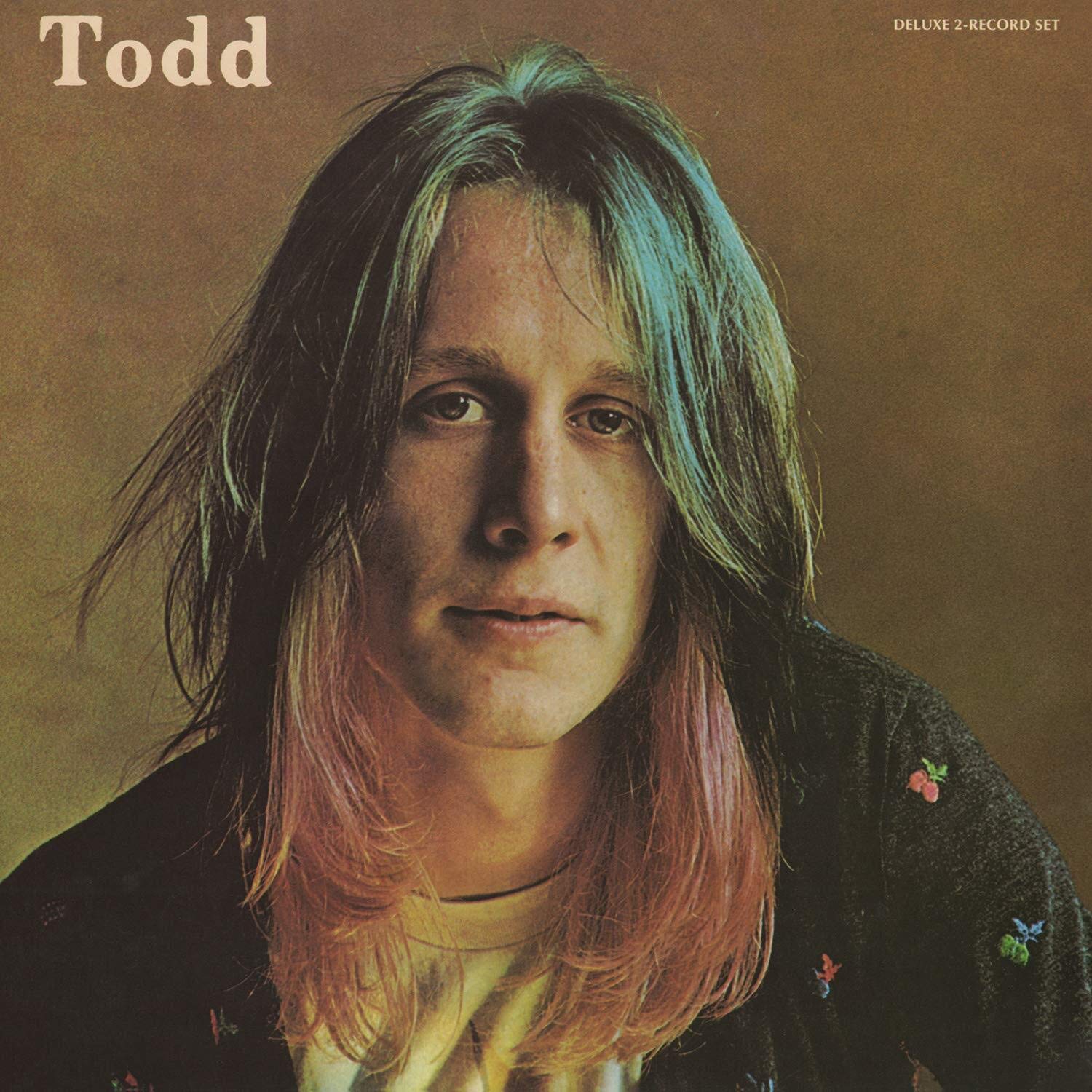
Todd Rundgren: Todd
Todd Rundgren’s eponymous double album, released in February 1974, proclaims energetically, or rather electronically, that Mr. Rundgren is a master composer and arranger, delighting us with a wide array of electronic timbres and effects. Yes, we still have beautiful Rundgren ballads, such as “I Think You Know” and “A Dream Goes On Forever” included amidst all the voltaic dazzle, but the main attractions are Rundgren’s summoning of artfully deployed electronic-generated special effects, his command of various studio production techniques, and his venturing into more challenging musical compositions, like the metrically unbalanced “Drunken Blue Rooster”, the whimsical “An Elpee Worth of Tunes”, and ” the snide, unbridled ”Heavy Metal Kids.” Altogether, this is a extremely enjoyable, adventurous yet cohesive work that some may chose to classify as prog-rock, yet clearly stands separate from anything previously released commercially. This no doubt contributed to it going over the head of just about every major rock critic that reviewed the album in 1974 but also contributes to this being one of the most notable albums from 1974.

Steely Dan: Pretzel Logic
This is just one of those classic rock albums. Released on February 20, 1974, there really isn’t any single track that is at the level of “King of the World” from their previous album, but just about every track here is very close to that level of excellence. They group seems to have intentionally kept each song to AM airplay length — this means that jazz influence is more densely embedded in the tracks, but still handled very artfully and tastefully, retaining the classic Steely Dan sound.

Brian Eno: Here Comes the Warm Jets
Brian Eno’s debut solo album, Here Comes the Warm Jets, released on February 8, 1973, is a unconventional rich tapestry of accessible pop (think Sid Barrett) set into ingenious contexts. Truly delightful, this album showcases Eno’s unconventional brand of creativity.

Tangerine Dream: Phaedra
Released on the 20th of February 1974, this engaging album overtakes Harmonia’s Musik Von Harmonia, released the previous month, in the race for approaching the fully mature sequence-driven, repetitive, German Prog Rock that would soon become so prevalent. The music truly pulls the listener out of their current environment and into another universe — a universe where sound is not differentiated from sensation, imagery, or existence.
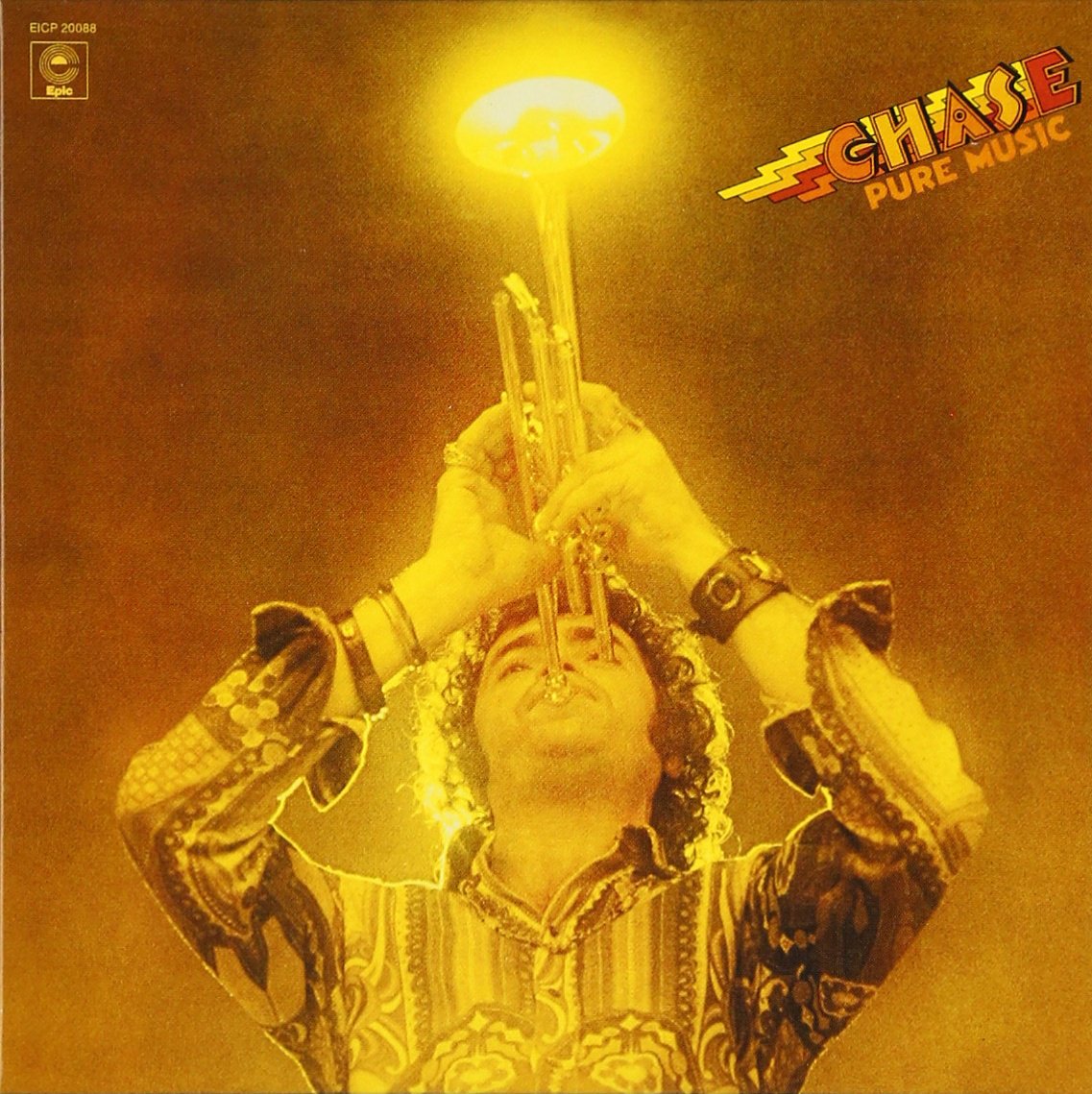
Chase: Pure Music
After a very successful first album, and a weaker second album, it seems Bill Chase finally figured out the best direction to go in — emphasizing a more jazz-based brand of jazz rock, with mainly instrumental material. Every track works nicely, but alas, this would be Chase’s last album due to the crash of the twin-engine charted plane flight to his scheduled performance at the Jackson County Fair. Also lost to us all was drummer Walter Clark, guitarist John Emma, and the especially talented Wallace “Wally” Yohn, who provides some excellent keyboard contributions to this last Chase album.
Chase brings some of his Stan Kenton, Woody Herman and Maynard Ferguson experiences into the music on this album, elevating the content with more sophisticated arrangements and showcasing his personal solo skills at their very best. While Chicago, Lighthouse, If, and Blood, Sweat and Tears, best work was now in the past (by February 1974) is appears that Chase’s best work was tantalizingly close but, unfortunately, for all of us, never captured.
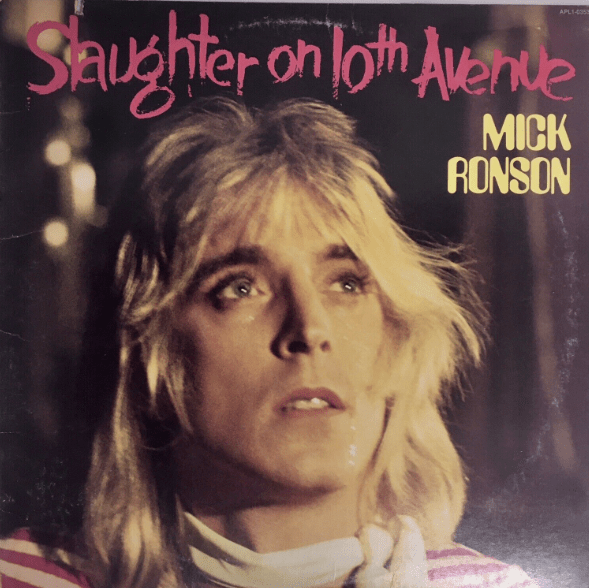
Mick Ronson: Slaughter on 10th Avenue
Released in February 1974, this is about as close to a David Bowie album as one can find which doesn’t have David Bowie involved in singing, performing or producing. We do have another member of Ziggy’s Spider From Mars band, Trevor Bolder on bass, trumpet and trombone, and we have Mike Garson on keyboards (notable especially for his piano contribution on Aladdin Sane) — and we also have two original songs by Bowie, ”Growing Up and I’m Fine” and “Hey Ma, Get Papa.” Ronson’s vocals are second best to Bowie, but good enough to carry the album off nicely. Truly a recommended record for any Bowie fan.
Fifty Year Friday: January 1974
January 19, 2024
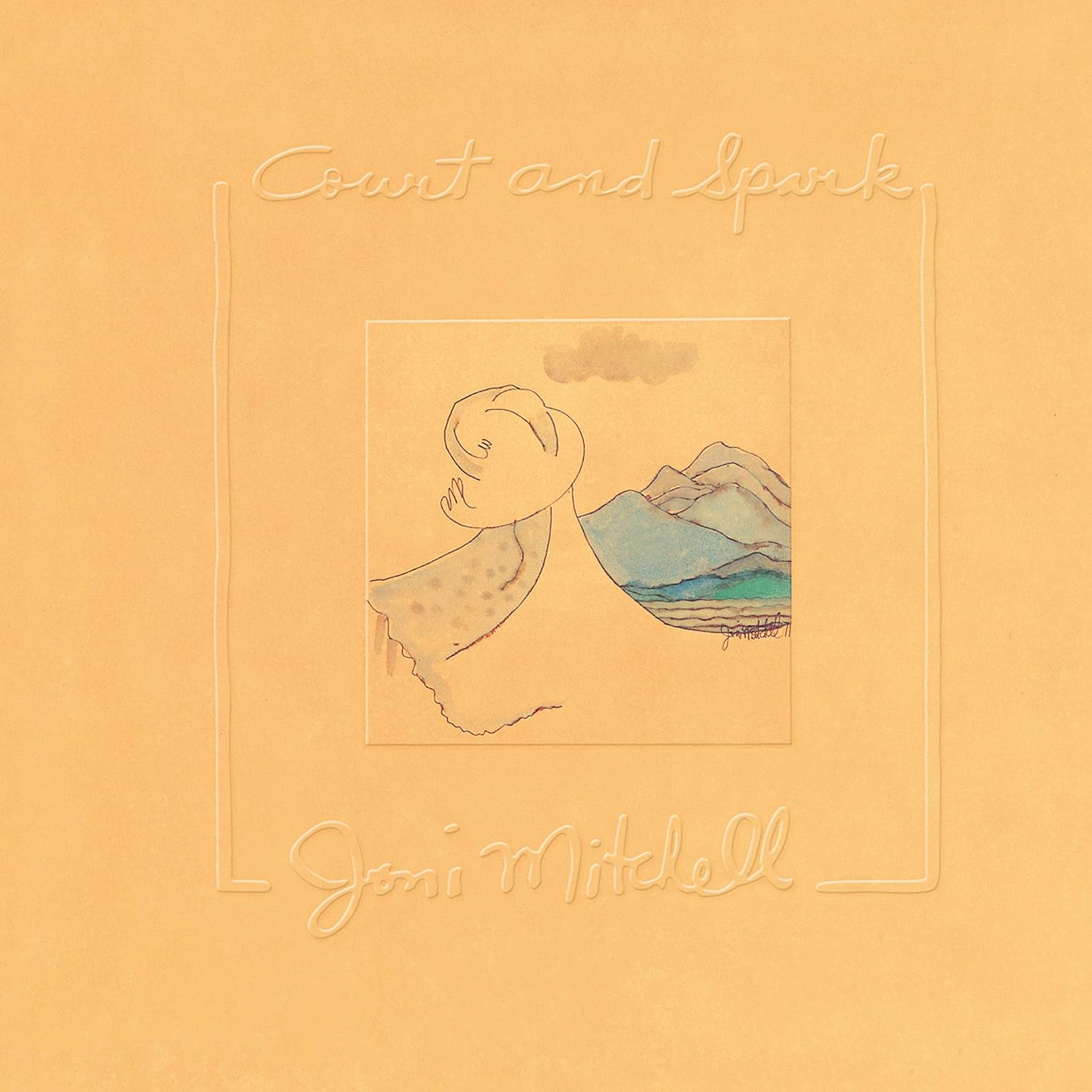
Joni Mitchell: Court and Spark
1974 started with the release of one of the finest singer/songwriter albums of the 1970s, Joni Mitchell’s melodically and harmonically sophisticated, partly jazz-influenced, Court and Spark, an album that ended up in the record collection of most of the young ladies I knew in the 1970s, and deservedly so. As a music lover, it is the quality and distinctiveness of her music that wins me over, and how her music not only supports her nicely crafted set of meaningful lyrics but weaves and seeps into their essence. Ensuring that Mitchell’s vision is fully and artfully realized, and is a masterfully finished product, Tom Scott provides beautiful, engaging orchestral arrangements for some of the tracks and he and other musicians provide remarkable complementary contributions to fully complete Mitchell’s masterpiece. Every track Joni Mitchell has composed is a classic, and she ends the album with “Twisted”, AnnieRoss’s (of Lambert, Hendricks & Ross) clever overlaying of lyrics to Wardell’s Gray’s November 1949 recording of his instrumental composition “Twisted” with its masterful tenor saxophone solo, an appropriate way to end an album which owes part of its magic to Mitchell’s adept incorporation of jazz influences.

Harmonia: Musik von Harmonia
Released in January 1974, Harmonia’s debut album, “Musik von Harmonia” is, in my mind, the debut of German electronic cosmic space music. Many albums released before this have been classified into that umbrella term “Krautrock”, but for that specific flavor of German repetitive, sequence-driven, minimalist-inspired, partly ambient, but mostly hypnotic music that Tangerine Dream perfected and first showcased in their February 1974 release, Phaedra, and which Kraftwerk would popularize later in 1974 with their relatively more pop-oriented Autobahn album, it is this album that provided the prog world its first taste — the amuse-bouche for what is to shortly follow.
Musik von Harmonia is a collaborative masterpiece, uniting the talents of Michael Rother, Hans-Joachim Roedelius, and Dieter Moebius, all of whom were already renowned for their contributions to the German/Swiss avant-garde “rock” music scene. Together, they craft an auditory experience that well exceeds the existing conventional boundaries and expectations of pop music or of the contemporary progressive rock of the time. It works wonderfully as ambient, background music to read or do repetitive tasks during its forty-two minutes of mechanical-like mysteriousness, but it is even better for concentrated listening, as one allows oneself to get pulled into the funneling, black-hole sonics of this trio’s relentless and imaginative industrial-electronic soundscape.

Carly Simon: Hotcakes; Graham Nash: Wild Tales
Released in January 1974, both these albums deserve mention for how they are successfully stamped with the creative musical style of their respective artists. My favorite track on Hotcakes is “Haven’t Got Time for the Pain” written while Simon was with child. While there is no one track that stands out on the Nash album, it bubbles with his captivating, pop-flavored, often country-music tinged musical style. As a bonus we have appearances by David Crosby, Stephen Stills, Neil Young, David Mason and a hint of Joni Mitchell’s vocals.
Yes, Joe Pass, Gong: Fifty Year Friday: December 1973
December 29, 2023

Yes: Tales From Topographic Oceans
Released on December 7, 1973, Yes’s sixth studio album, is a double LP set containing a single work composed of four sections inspired by a footnote in Paramahansa Yogananda‘s autobiography which discusses the classification content of Hindi scriptural writings into four categories of shastras: śruti, smriti, puranas, and tantras — or four bodies of knowledge. The album devotes a whole side of each LP to four concepts: 1) The knowledge of God and available truth, 2) Our comprehensive memories, feelings and thoughts — the Topographic Oceans of awareness and being, 3) Ancient, lost knowledge and culture, and 4) The Ritual of Life. The lyrics of the album, perhaps are worthy of study or further understanding, but I accept the words as being beyond my initial or even my likely eventual comprehension, and I am content to value them for their sound characteristics and overall contributions to the musical whole of the album.
That musical whole, is more arguably worthy of study, and provides a wealth of pure auditory enjoyment, and even though there is a fair share of meandering and excessive repetition, and though Bill Bruford has left to join KingCrimson, and Rick Whiteman, contributing to his final Yes album, has less of a compositional and performing role than ideal, there is much to like in the many individual musical episodes and the overall impact of the work. Howe’s guitar work is exceptional, and Wakeman, Alan White and Chris Squire provide an exceptional musical foundation for this immense, though somewhat imbalanced and imperfect, ambitious effort. The production quality is amazing, another fine effort by Eddy Offord, and the sonic brilliancy of the album is a major component of its enduring appeal.

Joe Pass: Virtuoso
Recorded in August of 1973 and released December of that year, Joe Pass’s Virtuoso is one of the best musical treatises on the electric guitar. Pass performs without any supporting musicians, deftly executing one jazz standard after another — as well as performing one original work as if exquisitely improvised on the spot. Providing intimacy and depth for each solo, Pass’s overall musical and technical approach set him apart from even his most notable contemporaries Most importantly, each track is similar to a short story or multi-page poem, with a distinct narrative identity and all the elements that make up a good theatrical piece. Pass’s handling of time is particularly remarkable as he goes beyond the use of traditional rubato into the realms of an elastic stretching of the tempo and beat, further contributing to the sense of someone spinning a good folktale or an off-the-cuff story. For example, on “My Old Flame” it is as if Pass is reflecting leisurely, over shared afternoon coffee or tea, on a past relationship — and ultimately going beyond simple musings by delivering a clear sense of some unspoken message or moral. The recording is amazing, allowing clarity of each individual note and the accompanying acoustics of the guitar and room to be radiantly presented. A must album for anyone that has even a borderline fondness for guitar.
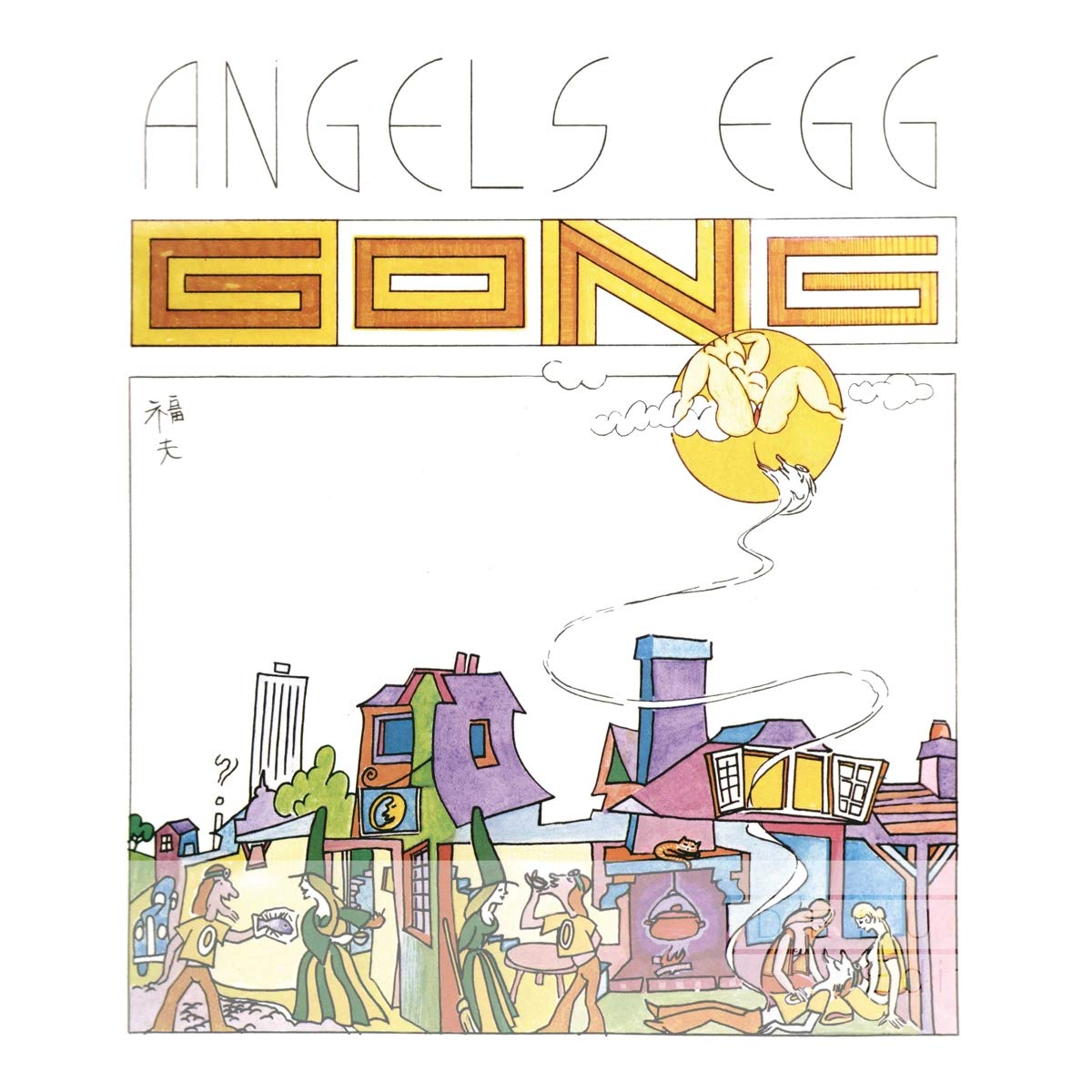
Gong: Angels Egg
Released in early December of 1973, Angels Egg (no apostrophe in the title) is Gong’s fourth studio album and the second in the Radio Gnome Invisible Trilogy, continuing the narrative of the earlier Flying Teapot and adventuring into even greater musical exploration, spiced with an appealing (French and British mix of) whimsy and eccentricity. The album is cosmic and sometimes just plain fun, and shifts moods (as well as rhythms and textures) wildly, unpredictably, yet sensibly and coherently, covering the mundane and the galactic, the profound and the profane, and all with elite, unique musicianship.
Fifty Year Friday: November 1973
November 3, 2023
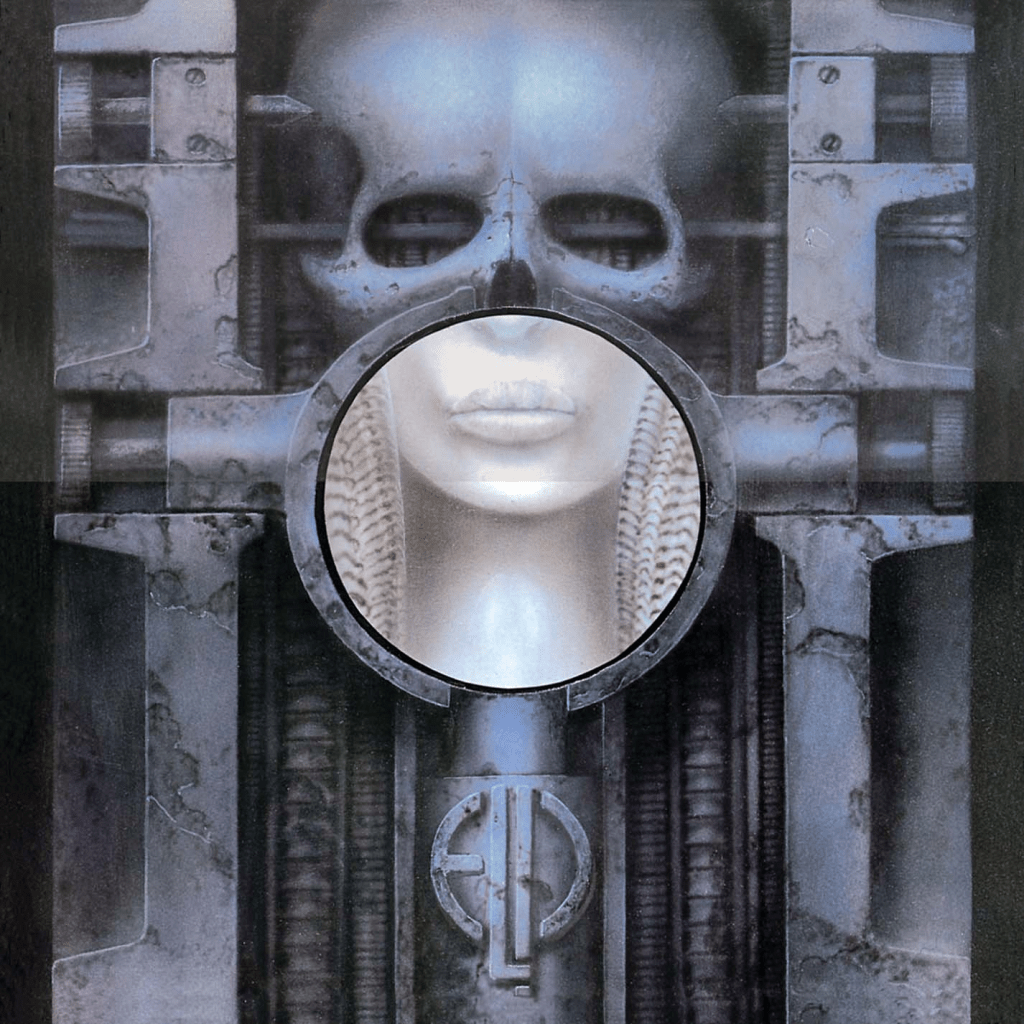
Emerson, Lake and Palmer: Brain Salad Surgery
ELP’s fourth studio album, Brain Salad Surgery, first printing released on November 19, 1973, is the most ambitious of all the ELP albums, and a classic of progressive rock music, providing both moments of dark seriousness, and lighthearted diversion.
ELP’s powerful and dramatic arrangement of Sir Hubert Parry’s “Jerusalem” hymn has a dual function. The first is as an formal opening for the album as a musical event, just as “Jerusalem” might open up a BBC Proms concert at the Royal Albert Hall, or be sung prior to the commencement of the Commonwealth Games or an important soccer match. The second function is to set the musical tone for the album: dense, dark, mysterious, martial and empirical.
This is followed by an amped-up arrangement of the main theme from the presto finale of Alberto Ginastera’s first piano concerto. That arrangement brings out the most thunderous and relentless aspects of the original work. The middle section of original material features an extended drum solo from Carl Palmer on both traditional percussion and a set of percussion synthesizers, which along with additional material provided by Emerson provides a ingeniously compatible “B” section for the piece with the original theme returning to appropriately conclude the work. Worth referencing here is a passage about this track from Mark Powell’s accompanying booklet in the 2008 Sanctuary Records release of the CD:
Soon after the adaptation (of Ginastera’s music) was committed to tape in September, the group became aware that they did not have the rights to release this music. Emerson contacted Ginastera’s publishers who responded that the composer would not allow any adaptation of his works, but they advised him to talk to him personally. So Emerson flew to Geneva to discuss the issue with Ginastera himself. Once Ginastera heard the new arrangement, he gave the authorization to use his piece. To quote Emerson: “He played our recording of “Toccata” on a tape recorder. After a few bars he stopped the tape … and exclaimed ‘Diabolic!’ I thought he said ‘diabolical’ and expected him to show us the door. He had been listening to the tape in mono and our recording was in stereo. I jumped up and switched the machine to stereo hoping he would listen again. It transpired that he wasn’t concerned about that at all. He listened again and declared ‘Terrible!’ which actually was a compliment. ‘You’ve captured the essence of my music like no one else has before’, the great maestro said.”
Greg Lake’s intimately delicate “Still… You Turn Me On” followed by the wildly humorous “Benny the Bouncer” with lyrics provided by Pete Sinfield (lyricist for that legendary first King Crimson album.) provides a sharp relief to the rest of the album and prepares the listener for the musical onslaught to follow. Notable is Emerson’s barroom piano style that adds further lightheartedness and musical interest to “Benny the Bouncer.”
Now the entryway has been opened to the main event: Karn Evil 9 — the title bringing to mind an evil carnival Karn Evil 9 is composed of three sections — the first, second and third “impression” — each symphonic in nature, and though each having its own thematic material, convincingly coalescing into one of the most impressive works in the progressive rock literature.
Karn Evil 9: First Impression brims over with a wealth of music material and alternates vocal sections with remarkable instrumental diversions. There are few if any cases in progressive rock where repeated material holds up so effectively, and part of this is because the group has advantageously leveraged the classical-music theme and variations concept so that verses have varied instrumental support, and part of it is just due to the strength and infectiousness of the thematic material.
The second impression is mostly in acoustic piano trio format, including further display of synthesized percussion nicely support by Emerson on piano and a brief suspenseful middle section that then explodes into unbridled energy with Emerson’s keyboard skills fully on display. Of course, Palmer’s precision percussion work contributes to overall excitement.
The third impression opens with synthesizer fanfare, and the music, in march time, has clear militaristic overtones. Sinfield has again provided lyrics and the sci-fi content is even more topical today with the advanced made in Artificial Intelligence. The unrestrained delivery of the lyrics by Lake, the military Moog fanfares from Emerson, and the relentless percussion contributions from Palmer all over the inexhaustible 2/4 march meter propels us forward into a epic-level instrumental section. The vocals return for the climatic finale with its dramatic end. As a final exclamation point, we get an accelerating, synthesized looped-motif that, on a properly set up audio system, images death-spirals around one’s head.
Back in the last few weeks of 1973, and in the two live concerts I attended in 1974, I found this music exhilarating, impressive, immersive, and magnificent. The same holds today, fifty years later, with the passage of time providing one important alteration to such a summation — the music is also timeless.

Greenslade: Bedside Manners are Extra
Greenslade’s second album, though not particularly cohesive as a whole, contains much to engage and nourish the listener. Underrated, both as a group and as individuals, the level of musicianship here is worth remarking on. Dave Greenslade is an accomplished keyboardist and as a composer would later be in high demand for his knack at writing short instrumentals appropriate as themes for television shows. Doug Larson had a unique, emotionally impactful vocal style, a gift at writing subtly ironic lyrics, and excellent keyboard skills, particularly with electronic synthesizers (he plays the Arp 2600 in the memorable Star Wars Tatooine cantina scene.) Tony Reeves had a jazz background and provided unusually interesting bass work with the group. Andrew McCulloch, played on King Crimson’s second album, and was notably referred to in The Guardian as being one of the most skillful and inventive drummers working anywhere in the jazz or rock spectrum.
The album contains three instrumental pieces, all good, but the highlight are the three vocal works, all of which address the subject in the second person. The title track, is a wistful farewell to the narrator’s current love who will soon be separated from him by being sent off to a distant school, with a particularly poignant ending. The other two songs has the singer intimately yet critically addressing the subject with enough of a cynical tone so that the commentary reflects negatively on the character of the speaker, himself, adding a dimension of irony. The music ably supports the qualities of the lyrics, with notable instrumental passages, making these three vocal works particularly memorable.

Le Orme: Felona e Sorona
Le Orme’s fourth studio release serves as a textbook example of Italian symphonic prog-rock. The album takes the form of a concept album revolving around two interdependent neighboring planets: Felona, a prosperous and idyllic world, and Sorona, a blighted and hopeless realm in decline. The interconnected destinies of these planets become evident near the album’s conclusion when attention shifts to the restoration of Sorona, yielding unforeseen and seemingly unavoidable consequences for the state of Felona.
This allegory of the risks of shifting the focus and care of one undertaking to another and the consequences of such a shift is musically narrated in the band’s native language, Italian, perfect for the associated music created for this concept album. As non-English lyrics were a commercial hurdle for European bands, effectively limiting exposure in American and European markets, an English language version of the album, authored by Van Der Graaf Generator’s Peter Hammill was recorded and released by 1974. The new version, though nicely done, has the drawback of altering the details of the original story, though still true to the allegorical message. More importantly, the use of English-language lyrics, does not provide the same musical compatibility with the original material as Italian. Think La Bohème in English or the English version of PFM’s “É Festa” — just not a good match.
The album sound is pretty good for 1973 — the overall production quality enhances the sonic depth, allowing each instrument to properly contribute to the overall soundscape. Though this trio’s makeup of keyboard extraordinaire (Tony Pagliuca), bassist/guitarist responsible for vocals (Aldo Tagliapietra) and skilled percussionist (Michi Dei Rossi) matches that of the German prog-rock group Triumvirat and the better known Emerson, Lake and Palmer, the music is quite different. Yes, the musical arrangements are intricate, there is the artful and judicious deployment of multiple time signatures, and the musical diversity is remarkable, yet the overall sound is more symphonic with less of the trio-based intimacy of the other two groups. The work is polished, logical, and above all, a joy to listen to, rivaling other prog rock music of its time.

Roxy Music: Stranded
Roxy Music’s “Stranded” is a tasteful testament to the band’s art rock ingenuity, offering a lush and immersive experience that adroitly exposes layers of accessible melodic and harmonic material, a range of rhythmic content, a spectrum of suave musical sophistication and even a touch of avant-garde sensibilities. Released sometime in November 1973, this album marks a pivotal shift in the band’s sound with the inclusion of Eddie Jobson, whose contributions add an additional sonic dimension to the overall effort. Historically, this is an important album with influences on later glam, new wave, synth-pop, alternative and indie rock, as well as (even in Brian Eno’s absence) ambient and electronic pop music.
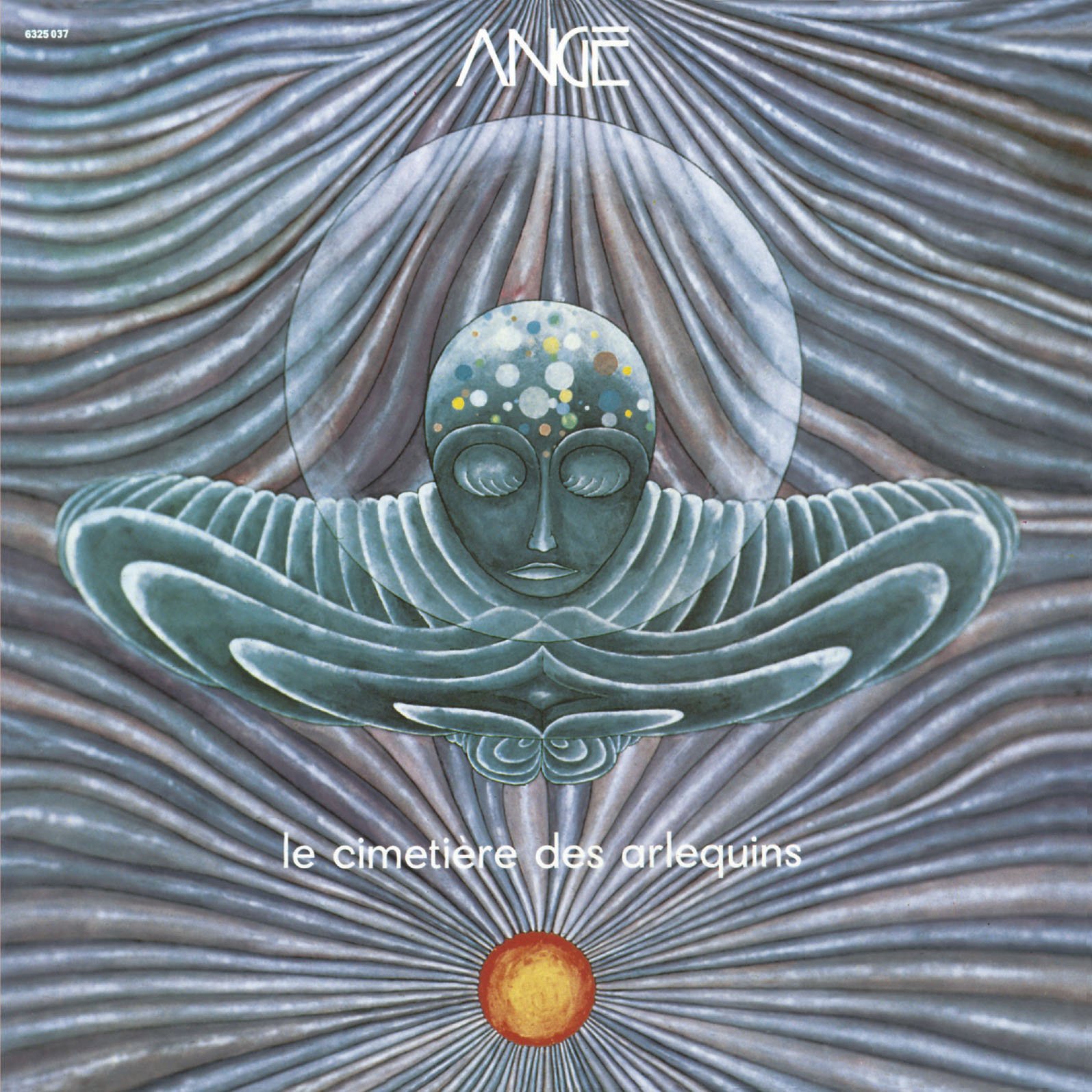
Ange: Le Cimetière Des Arlequins
Ange’s second album, though not as varied and musically complex as their first, has a greater sense of cohesiveness and unity. The lyrics are exceedingly challenging for non-French speakers, but the music is readily accessible and provides an overall musical continuity and art rock sensibility, similar to Roxy Music’s Stranded, even though the styles are very different.

Keith Jarrett: Solo Concerts Bremen/Lausanne
I purchased this three LP set, released in November 1973 at the end of December using some of the Christmas money I had received. I eagerly looked forward to listening to over a couple of hours worth of solo piano. However, there was significant surface noise on the LPs which was particularly audible for solo piano, particularly as the overall sound level on the recording was lower than optimal and there we many quiet passages. I also found it annoying that one of the Bremen pieces was split across sides, and that both the Lausanne pieces were split up.
Fortunately, the CD version of this solves both these issues. The recording still requires setting the volume a bit higher than usual, but there is no disadvantage to this as there is no corresponding surface noise. More importantly one can listen to the improvised pieces as intended and follow the entire flow of the music without interruption — which is a key requirement for this music which beautifully unfolds and evolves, Jarrett being a master musical story-teller.
Throughout the album, Jarrett’s improvisational prowess is on full display. Covering a wide range of emotions and styles, he effortlessly weaves together motifs, melodic fragments, and harmonic progressions, creating intricate and layered compositions on the spot. The way he navigates the keyboard, often employing extended techniques and innovative rhythmic patterns, showcases his mastery of the instrument and his willingness to push its boundaries. His technical skills are incredible, and its a marvel to hear the perfect execution of left-hand ostinatos providing an unfailing foundation for the unbridled excursions for the right hand. The Lausanne improvisations are particularly exciting: Part 1 is a whirlwind of musical innovation, while Part 2 masterfully blends an array of styles and techniques including tapping and knocking against the piano’s wooden exterior with plucking of strings, occasionally punctuated by pressed keys, as well as traditional keyboard performance ranging from a tumultuous free-jazz passage to a number of introspective harmonically-based musings.

Black Sabbath: Sabbath Bloody Sabbath
Black Sabbath’s fifth studio album, Sabbath Bloody Sabbath, is a successful expansion of the band’s musical and technical perimeters, We still have the trademark sinister-sounding ostinato patterns throughout the album, but the band has taken a distinctly progressive turn more with more complex song structures, greater musical variety, effective use of synthesizers, and incorporation of other prog-rock elements including strings on the final track and the participation of Rick Wakeman on piano on the fourth and sixth track.

Santana: Welcome
Santana’s fourth studio album, released on November 9, 1973 marked a continuation of Santana’s fusion of rock, Latin, and jazz influences, while also masterfully exploring additional progressive musical elements. Interestingly, the album as also more accessible and more melodic than their previous efforts.
The album begins with Alice Coltane’s evocative and imaginative arrangement of the “Going Home” theme of the Largo of Dvorak’s New World Symphony. The album is consistently excellent and varied, with Flora Purim on vocals for the gravity-defying “Yours is the Light”, the multi-faceted and percussion-dominated “Mother Africa”, and the final track, an effervescent recasting of John Coltrane’s “Welcome” with Alice Coltrane on piano.
Genesis: Selling England By the Pound, The Who: Quadrophenia, and much, much more; Fifty Year Friday: October 1973
October 6, 2023

Genesis: Selling England By the Pound
Released on either September 29, 1973, or more likely October 5, 1973, “Selling England by The Pound” stands as one of the finest progressive rock albums of the 1970s. The sound is superior to that of their previous album, “Foxtrot,” and the music maintains the same level of excellence. It adeptly balances instrumental passages with vocal sections, blending humor (seen in tracks like “The Battle of Epping Forest” and “Aisle of Plenty”) with more serious compositions.
“Firth of Fifth” (note the humor in the title, which is a reference to Firth of Forth , the fjord of the Forth river, in Scotland, north and northwest of Edinburgh) is my favorite track, particularly due to is introductory theme on piano, later reprised by the group, but there is not a single weak moment on the entire album — and quite an album it is, with seven perfectly realized tracks totaling over fifty-eight minutes of magnificent music.

The Who: Quadrophenia
Released on October 19, 1973, this is the Who’s masterpiece about teenage alienation, angst, attitude, and the multiple personalities vying for integration into the evolving identity of an individual. It also addresses the weaknesses within the UK social system and the moments of solace that British youth of the 1960s sought and found in music and by the seaside. Moreover, this work is an astounding musical achievement, characterized by skillful thematic reiteration. Its musical content can be enjoyed both on a visceral level and intellectually, making it enduringly captivating upon repeated listens. Notably, the lyrics were deftly incorporated into music that was apparently written first, and Townshend has delivered exceptionally well-crafted lyrics that serve as the narrative backbone.
Effectively, this is a rock opera set in 1965, centering around a singular British youth, inspired by conversations Pete Townshend had with early fans of The Who. A significant distinction is that, unlike “Tommy,” which featured two songs by John Entwistle, one by Keith Moon, and a reworking of a Sonny Boy Williamson tune, all the original material here is authored by Pete Townshend. The emphasis is on “initial”, since Townshend intentionally provided a framework of lyrics, melody and chords that would develop into final arrangements through Townshend’s working with the band and the studio equipment to achieve the final product. So though Townshend deserves appropriate credit here for the authorship of this impressive work, it is The Who, as a band, that must be recognized for making this an enduring classic.
For those interested in additional information on this great album, please check out this track-by-track review by Caryn Rose written back in 2013 for Quadrophenia‘s 40th anniversary: Track-By-Track Review
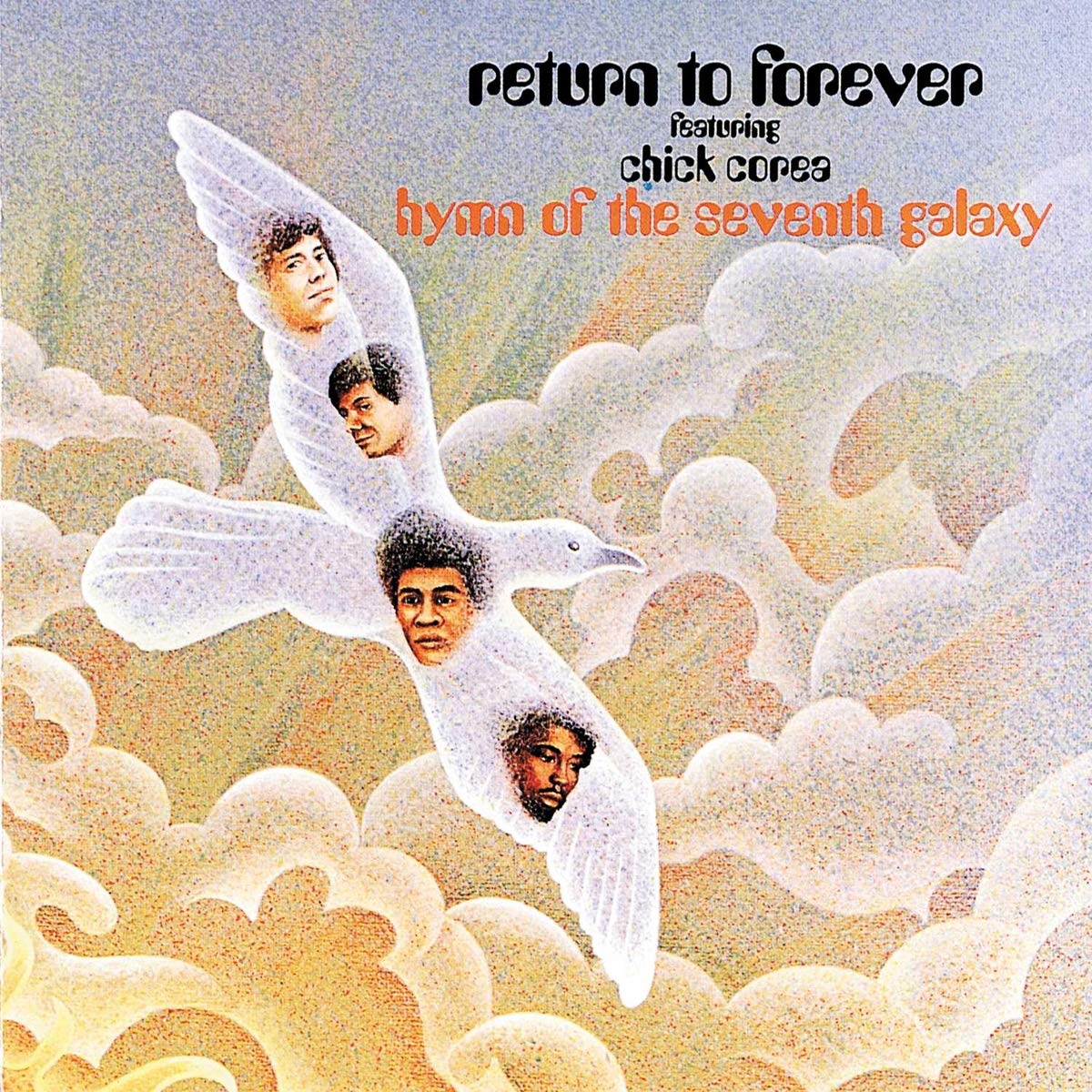
Return to Forever: Hymn of the Seventh Galaxy
Released sometime in October 1973, this third album from Return to Forever magically and masterfully weaves together elements of jazz, fusion and progressive rock. Chick Corea dazzling keyboards and his other worldly — no, make that other galactic — compositions just radiate throughout this album. Fellow band members, Stanley Clarke, Lenny White and Bill Connors are equally up to the challenge, with Mr. Clark providing a wonderfully radiant composition of his own, “After the Cosmic Rain” and exhibiting Olympic-level mastery on electric bass. The coup de grâce is the last track, “The Game Maker”, breathtakingly piloting us over intricate, wondrously, shifting musical landscapes.
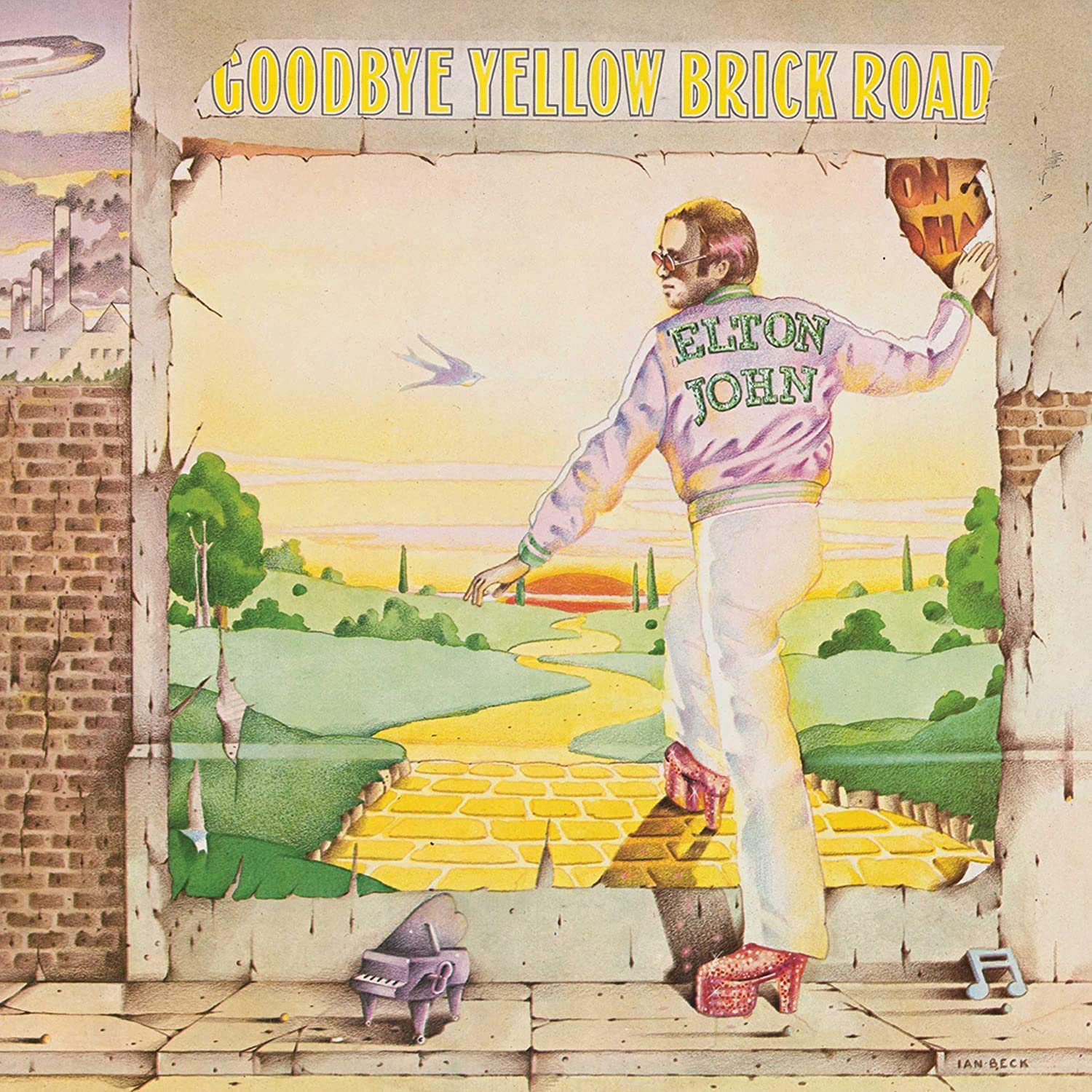
Elton John: Goodbye Yellow Brick Road
The one obstacle that prevented The Who’s Quadrophenia ever getting to the number one album spot in the UK or in the US, was the multi-million-sales avalanche of Elton John’s Goodbye Yellow Brick Road, released on October 5, 1973, almost two weeks before Quadrophenia. Of the slightly over one hundred million copies of albums Elton has sold, Goodbye Yellow Brick Road accounts for over thirty-one million, and continues to sell in substantial quantities to new Elton John fans today.
Rather than compose music and then fit lyrics into the music, Elton John’s method in the 1970’s, like that of many songwriters, was to take already written lyrics, in Elton’s case partnering with Bernie Taupin, and then create music too complement those lyrics. Considering the nature of many of Taupin’s lyrics, it is rather incredible that Elton created so many highly popular and widely-appealing songs from the initial material. Goodbye Yellow Brick Road, in a sense a loose or partial concept album, provides insight into Elton’s range of compositional skills, with the initial track, “Funeral For A Friend:, being one of his rare instrumentals, providing a glimpse into the depth of his creativity when not bound by lyrics. This instrumental introduction is effectively paired with “Love Lies Bleeding” providing an almost progressive-rock opening for the album.
Overall the album is quite good and along with his two albums from 1970 (Elton John and Tumbleweed Connection) and his live album from that period (17-11-70) are a set of his works I hold in high esteem. Now, though the first side and last side of the original 2 LP “GYBR” is indispensable, as is the first track of side two, and the last track of side three, the material in between could be omitted, to get a very fine single LP album, at a total length of around 45 minutes. Now some may wish to further add another track like “The Ballad of Danny Bailey (1909–34)” resulting in an album that still comfortably adheres to standard LP limits. That said, the CD, containing over 76 minutes of the original material, is now sold at roughly the same price as other Elton John albums from the early seventies — so even though a slimmer, arguably better album could be achieved, what’s the point — given how effortless it is to replay favored tracks on a CD or to skip those not currently of interest.
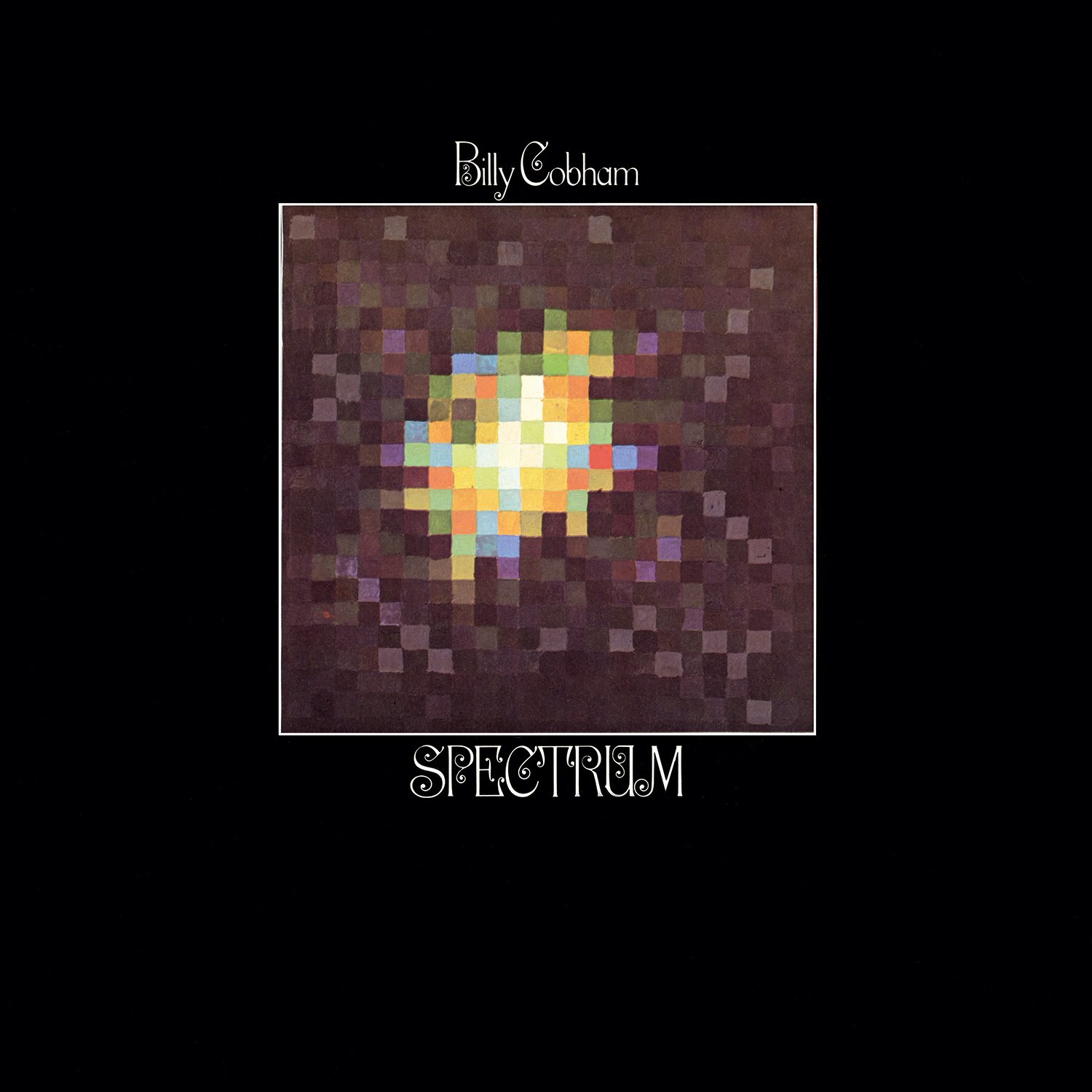
Billy Cobham: Spectrum
Spectrum, Billy Cobham’s first album as a leader, released October, 1, 1973, is as impressive and important as any fusion album of 1973. The combination of Cobham and Jan Hammer dominate the album, and the supporting resources, particularly Tommy Bolin who is present on over half of the musical material, round out this excellent work. Album includes duets between Cobham and Hammer, Hammer soloing on acoustic piano on the beautiful ballad, “To the Woman but it is the longer tracks, and several lengthier tracks including the opening track, “Quadrant 4” full of energy and purpose, “Stratus” with remarkable bass work from Leland Sklar, and the fast-paced, electrically-charged title track, “Spectrum” with Joe Farrell on sax and flute, and Jimmy Owens on trumpet and flugelhorn.
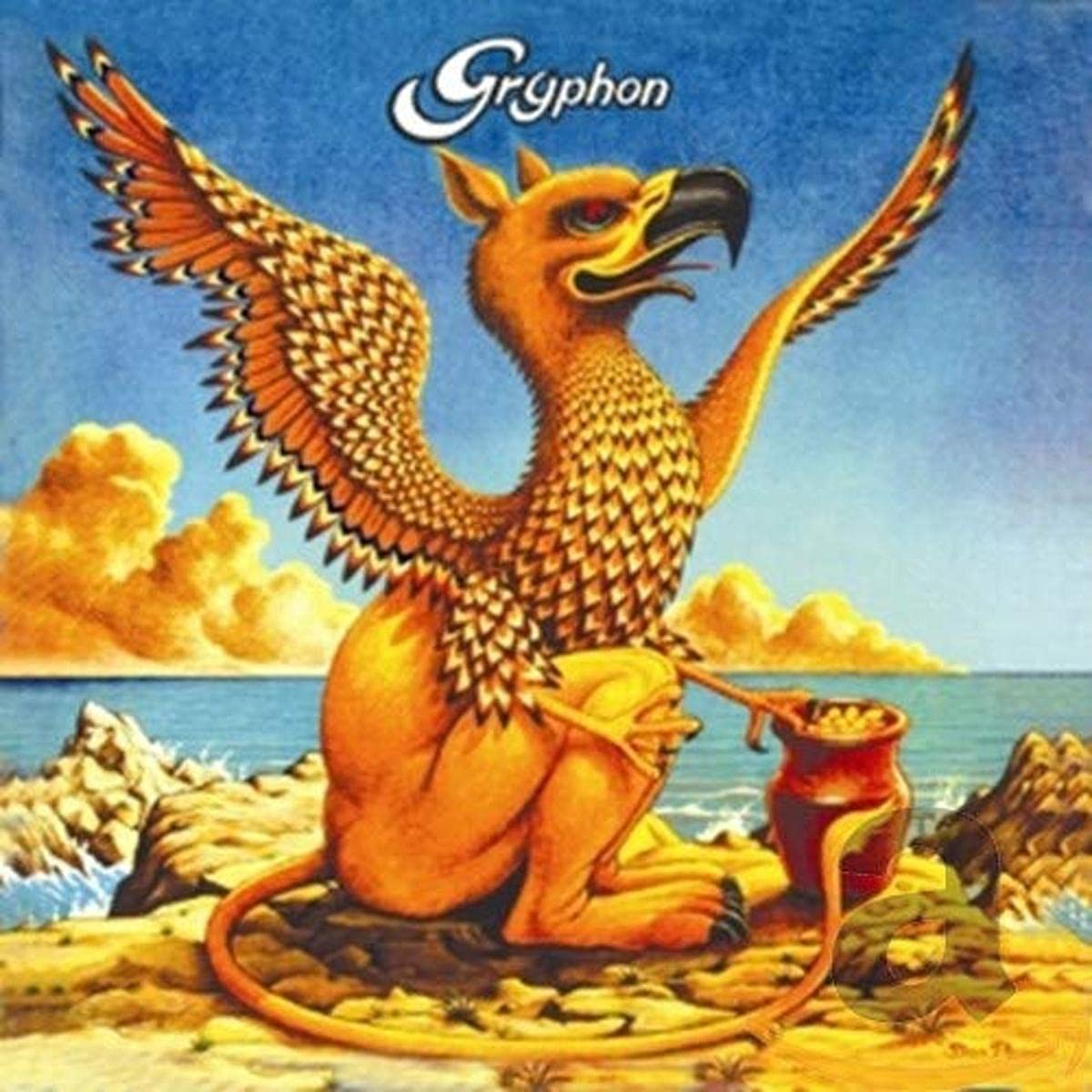
Gryphon: Gryphon
Gryphon’s first album is a unique blend of folk and rock, incorporating both modern elements (guitar, bass, bassoon, trombone, drums) and earlier musical instrumentation (mandolin, recorder, crumhorn) into a successful set of songs. In late 1973, there were several folk rock groups, such as Fairport Convention, Steeleye Span, and Pentangle, but Gryphon, with two of the group members—Brian Gulland and Richard Harvey, both graduates of London’s Royal College of Music—distinguish themselves through a level of originality that transcends replicating traditional Celtic folk harmonies and melodies. Their occasional use of late 19th-century and 20th-century dissonance, not found in traditional English, Irish, Scottish, or Welsh music, coupled with their colorful and sometimes unconventional instrumentation, creates a new sound that effectively captures and maintains the listener’s attention. Later, the group would develop a more progressive-rock sound, but this first album is a fine one, deserving to be enjoyed and appreciated on its own terms.

Renaissance: Ashes are Burning
Renaissance’s fourth album, “Ashes are Burning,” was released on October 10, 1973. The album opens with full intensity, featuring the instrumental introduction of “Can You Understand?” This segues into the introspective acoustic main section, accompanied by some orchestration, showcasing Annie Haslam’s spellbinding vocals. The introductory material returns to conclude the piece. Such artistry and high-quality musical content are defining characteristics of this album, effectively blending classical, folk, and rock elements. The album concludes with the majestically crafted and musically uplifting “Ashes are Burning,” providing an emotionally captivating ending to a highly enjoyable album.
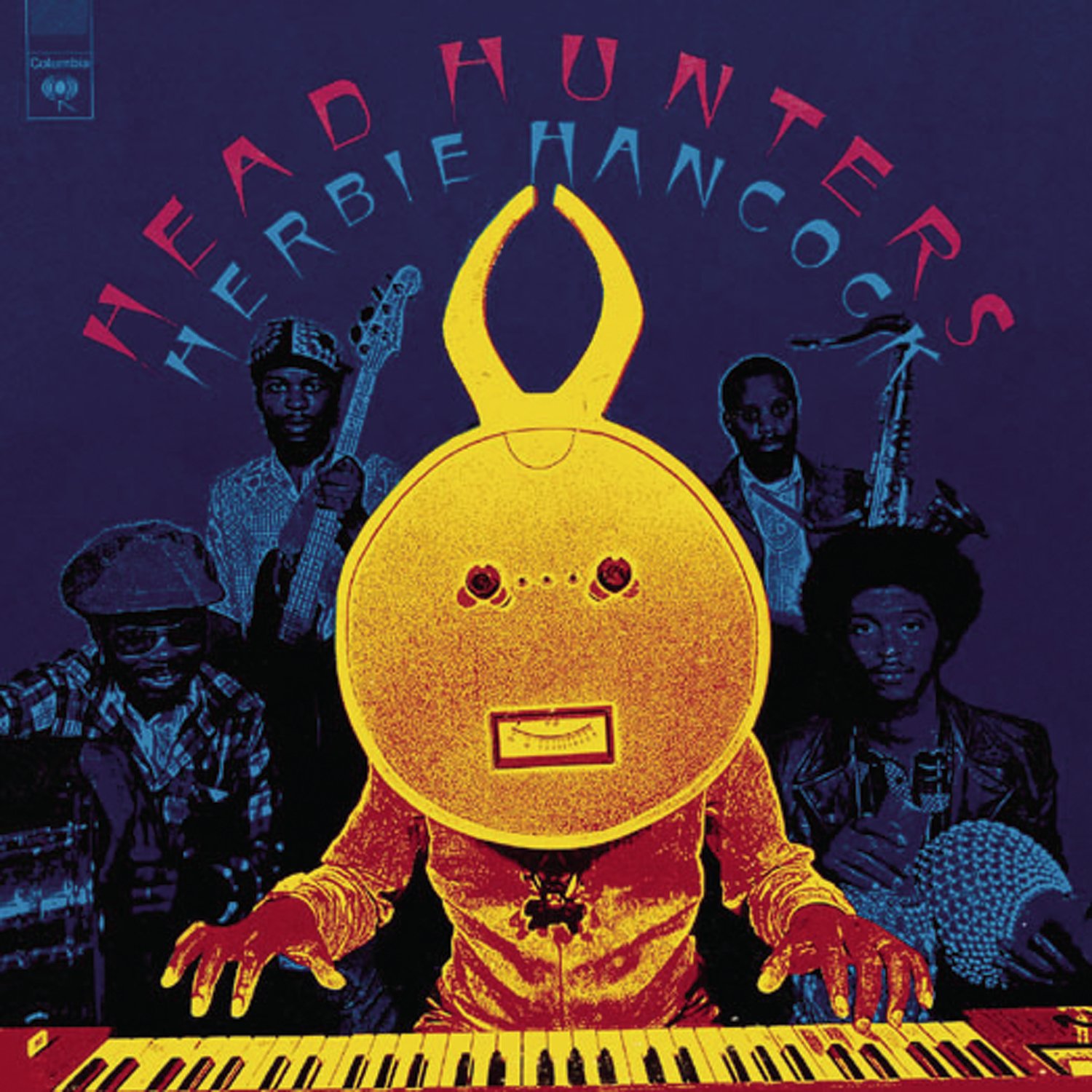
Herbie Hancock: Head Hunters
Released on October 26, 1973, and recorded the previous month, this landmark album signifies a conscious shift in direction for Mr. Hancock. It departs from his previous, more progressive and adventurous modal-based music, embracing a solidly tonal funky style of jazz. For this endeavor, he replaced all the members of his previous sextet except for himself and the talented Bennie Maupin on reeds. Remarkably, this jazz album achieved significant commercial success, foreshadowing George Benson’s stunning commercial breakthrough three years later.
The album starts off with “Chameleon,” featuring its initial foundation of two relentlessly repeated bass figures. However, the music is far from stagnant; it organically develops as it progresses, with the bass occasionally taking a secondary role but always remaining fundamental to the overall forward motion. The improvisation, while solidly jazz-based, aligns with a generally funky mood. Toward the end of “Chameleon,” we encounter sparkling chord changes reminiscent of a chameleon changing its exterior color, yet it retains its essential nature—similar to the music—concluding with a more static, funky ending. This is followed by an abstracted, funky rendition of Hancock’s classic, “Watermelon Man,” creatively presented to sound fresh, innovative, and slightly futuristic.
Side two starts with “Sly,” a vibrant homage to Sly Stone that includes some wild, abandoned, but clearly intricate interplay between Maupin’s sax and Hancock’s keyboards. This dynamic exchange offers all the excitement and vigor of the free jazz of the era, yet within a tonal, structured framework—making it accessible to a wide range of listeners. The album concludes with the reflective jazz tone poem, “Vein Melter,” seemingly representing the impact of heroin. The sense of time is significantly slowed by the floating, detached music, free from earthly worries or concerns. Notice the slow beat that initiates, persists, and concludes the track, possibly symbolizing the futility of the heroin experience. This second side, featuring “Sly” and “Vein Melter,” stands as one of the best single LP sides of any album from the 1970s.

Kraftwerk: Ralf und Florian
Released sometime in October1973, Ralf und Florian is the third studio album by the soon-to-be influential German electronic music pioneers, Kraftwerk. At this time there group is just the two former students of Düsseldorf’s Robert Schumann Conservatorium, Ralf Hütter and Florian Schneider The album is influenced heavily by “classical” or conservatory/university ideas about electronic music, but it is clear that a more accessible element is added into their works. This is far from their pop-flavored, and very influential, fourth album, but it still holds a special place in the band’s discography, marking that important transitional phase between their early “experimental” electronic work and the groundbreaking sound they would later be known for. The most intriguing work on the colorfully diverse side one is the pattern-based “Kristallo.” The second side open with “Tanzmusik”, which comes the closest to the music of their next album, with its lighthearted texture, vocoder-enhanced vocals and relentless drive. The album concludes strongly with the longest track, the relatively accessible “Ananas Symphonie” (“Pineapples Symphony”) with the vocoder, this time, used to modulate their voices to sound detached and machine-like. Ironically, though, the piece also creates a relaxing, mediative soundscape reminiscent of a tropical island — pineapples and traces of seashore sounds included.
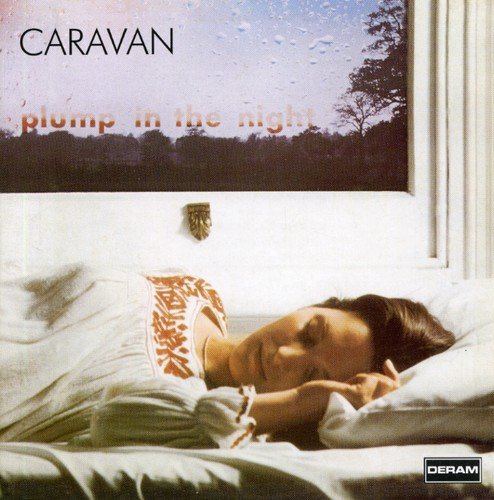
Caravan: For Girls That Grow Plump in the Night; Lou Reed: Berlin
With changes to their lineup, the loss of bassist Richard Sinclair and keyboardist Steve Miller and the addition of Richard’s cousin, Dave Sinclair on keyboards, and Geoff Richardson on viola, Caravan moves away from the more progressive, jazz-infused sound of their previous album, to a less progressive sound infused with some pop elements of the late sixties The highlight of this fifth studio album, released on October 5th, 1973, is the medley on the last track, “L’Auberge Du Sanglier / A Hunting We Shall Go / Pengola / Backwards / A Hunting We Shall Go – Reprise”, which includes strong guitar work from Pye Hastings, impressive electric viola and cello from Richardson and Paul Buckmaster, respectively, some sensitive acoustic piano from Dave Sinclair and a solid orchestral arrangement from John Bell and Martyn Ford.
Also, on October 5, 1973, Lou Reed releases his poignant concept album, Berlin. Though not as melodically memorable as his previous album, and with some musical content from earlier works recycled or redeployed, the album is still deserving of attention. The last track, in particular, provides an affecting and fitting conclusion to the work.
Fifty Year Friday: September 1973
September 1, 2023

Gentle Giant: In a Glass House
With one good debut album and three excellent albums that followed, Gentle Giant released their fifth album in the UK on the 21st of September, 1973. One of the key band members, Phil Shulman, who had provided both lead and backing vocals, sax, and even some trumpet and clarinet, as well as being a significant contributor of the music and lyrics, determined that touring and other hardships were not for him and his family — and so left the band. With his absence, the group forged a slightly new direction into generally a heavier prog-rock sound with Derek Shulman taking on more lead vocals and Kerry Minnear and Ray Shulman making a greater contribution musically. The result was another excellent album, and for many, their best album yet. Unfortunately, Columbia records, which had released Octopus inin the states, didn’t much care for the music and passed on releasing it to the U.S. market. Certainly a bad decision for both Columbia and the band, as the album did relatively well in the UK, and due to its heavier sound and preference for electric instruments over acoustic would have been a more accessible album for the American public. In fact, although not available as an American release, the import of the UK album ended up becoming one of the best selling imports, selling over 150,000 copies despite the difficulties consumers had in obtaining a copy. Ultimately, the music found its way on to an American release in CD format many years later..
The album is a loose concept album more or less covering the fragility of the human psyche with a general progression from the more degraded states (criminal, psychotic) to more common/normal/prevalent states. The metaphor conveyed in the album’s title is that we live in a glass house, fragile and assailable. The music effectively complements the lyrics resulting in the prog-rock equivalent of a 19th century song-cycle — comprising a collection of interconnected songs, six in this instance. Each song delves into a different aspect of our delicate existence, with the implicit analogy being that, to some extent, we reside in a fragile state, much like an occupant in a glass house. The album begins with the shattering, terrifying, possibly panic-inducing sound of breaking glass, that condenses into a repeated loop in 5/4 time, representing a sort of PTSD-burdened recovery that moves forward, obstinately, enduringly, into the vacillating stream of precarious living. The music that follows is uninhibited and infectious — almost celebratory of the flight of the runaway described in “and free is his future”, yet there is no joy, for “all thoughts are scarred” and hopes are “stained with strange regret”; his dreams are dreams that “he cannot get.”
Next we have a passage of that wonderful Gentle Giant “stride” style (see Fifty Year Friday: July 1971 with additional examples mentioned in Fifty Year Friday: December 1972, Fifty Year Friday: April 1972, Fifty Year Friday: November 1970) followed by a sharp, brittle-ish marimba solo and some moog, haunting vocals, another brief dash of moog and the return of the main theme with final lyrics reminding us of the elusiveness of long-dreamed-for, long-desired freedom: “Senses like sharpened sword, guards for the shadow on his tail.”
While the first track, “The Runaway”, nicely covers “imprisonment escaped yet freedom unachieved”, the second track, “An Inmate’s Lullaby” explores further degradation of the human state where the subject, an insane asylum patient, hopelessly and pathologically absorbed in an opaque internal reality doesn’t have awareness of his own imprisonment..
Gentle Giant’s and Minnear’s unique approach to repetition saturates the musical essence that supports the lyrics. The track opens with celeste, vibraphone, and glockenspiel, accompanied by overlapping vocals from Derek and Kerry, as well as more vibraphone and marimba. The music is disjointed and eerie at times, reminiscent of a diseased mind. The mallet and celeste work by Minnear is generally simple but highly effective, supported nicely by Weathers’ appropriately-timed rhythmic interjections.
The third track, “Way of Life,” which is the last on side one, begins as a musical whirlwind — energetic and occasionally more raw and relaxed, but with interjected, repeated, pointillistic musical cells. The second theme contrasts as a beautiful ballad sung by Minnear, evoking reflection and wistfulness. It’s restated at a higher volume instrumentally, followed by a dramatic transitional passage that guides us into a brief reprise of the first theme. This is then succeeded by an organ-dominated reiteration of the second theme, featuring a yearning repeated organ passage that concludes side one, repeating until it gradually fades away.
Side Two opens up with “Experience” which starts out reflecting on the selfishness of youth, music nicely supporting the character’s musings: “Once I was a boy, and innocent to life and my role in it.” This is interspersed with instrumental commentary, repetition-based, and exquisitely layered with multiple instruments. Included is a subtle motific reference (unveiled to the listener by Phil on bass) to the later hard-rock chorus-like section. But before this “chorus” section, we have a new section with organ and discant recorder presenting a new theme, reflecting the view of maturity, “Now I am a man, I realize my unwordly sins pained many lives.” Included in this is multiple reiterations of the bass-line motif until it explodes into the next section, the loud volume hard-rock chorus with Derek on vocals thunderously proclaiming “I’ve mastered inner voices (for?, of?) making any choices.” Next is a short instrumental section, trademark Gentle Giant repetition, with a stretto-like tail, followed by a short reference to earlier material with bass motif intact, and then a repetition of the chorus with additional electric guitar material from Gary Green. Next is a brief reprise of the opening material with a coda based on earlier material, repeated to the close of the track. All in all, this track offers a truly musical experience, featuring multiple musically diverse yet seemingly related sections, and multiple time signatures that seamlessly work together to form a unified whole.
The fifth track of the album, “A Reunion, is the shortest (two minutes, eleven seconds) and most beautiful section of the album with Phil and Kerry providing string accompaniment (Phil on violin, Kerry on cello) accompanied with acoustic guitar. While the lyrics start off as the innocuous and tender, sentimental reflection of the past spurred by a chance meeting of former partners (lovers, business partners, band members, etc.), the relation of this song to the “glass house” concept is soon revealed: “Sharing thoughts and deeds, simple harmony, plans and hopes erased in our maturity. Now, tomorrow’s dreams are now yesterday” — making this beautiful ballad notably bitter-sweet.
The album ends with the title track, a summation, with very dark lyrics, but very upbeat, exciting music. Much that we identify as classic, post-Octopus, Gentle Giant is included here, the compact phrase-based repetition, instrumental interplay and imitation, Derek’s intense, assertive vocals, multiple time signatures, what I call the Gentle Giant “stride-style” (at the 3:03 mark), and overall infectious music that (depending on the listener) results in listener euphoria. This amazing album then ends with a short unlisted track that is a concatenation of short samples of each track.
Like many long-time Gentle Giant fans, I cannot readily answer what my favorite album is; each is distinct, and even the multiple weaker albums that follow the 1975 Free Hand album have some indispensable material. My best reply to any query about my favorite GG album, is to reference my personal list of Must Listen to Music.

Eloy: Inside
Eloy’s second album, Inside, is a bleak and dense offering, a dark blend of intricate musical craftsmanship. The centerpiece instrument is the electric organ, the sole keyboard used throughout the album. The thick textures are unusually mesmerizing without ever risking tediousness or monotony, and over the course of the album, they provide an overarching binding element.
Such is the consistency of the bleakness that even toward the end of the first track, during a section of repeated triad-based arpeggios—a typical prog technique often bringing a sense of elation and energy—this passage remains dimly shaded due to the music’s minor tonal center.
A notable point to mention is that the second track bears a recognizable similarity to the musical style of Jethro Tull’s Aqualung. This similarity led to substantial FM radio airplay, which, in turn, contributed to bolstering the American sales of Inside.
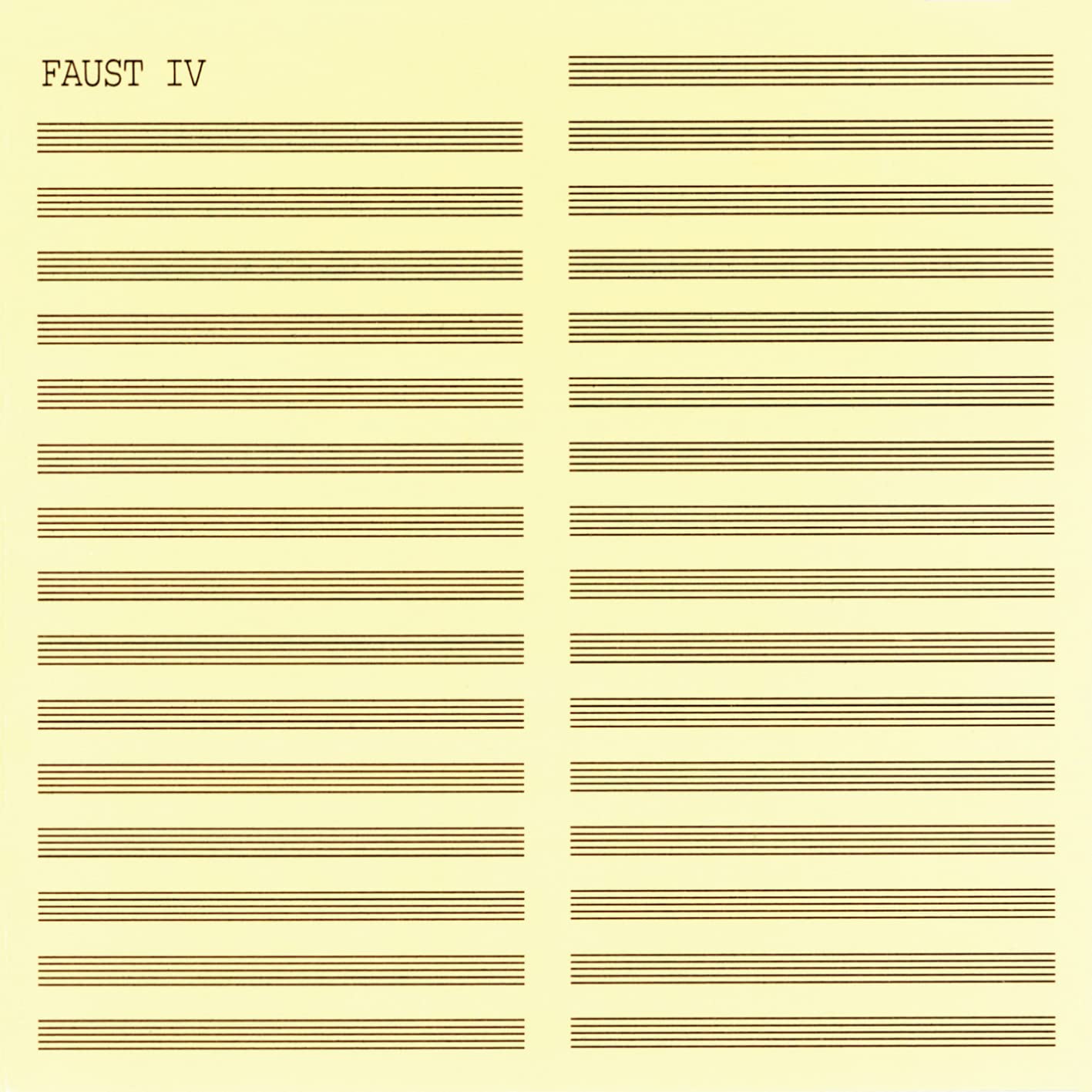
Faust: Faust IV
With their fourth studio album, released on September 21, 1973, Faust delivers an exemplary masterclass in German Progressive Rock. The first track, appropriately titled “Krautrock,” stands out as the highlight of the album, providing a perfect example of the driving, hypnotic style of “Kosmische Musik” that would soon become the signature of groups like Tangerine Dream and Kraftwerk. The second track, “The Sad Skinhead” mixes reggae and punk elements to provide appropriate musical support for commentary on the ethical character of the second iteration of the skinhead — not the relatively harmless skinhead of the sixties, but the fascist-leaning, violent skinhead that would gain numbers in the late seventies. The lyrics reflect this shift: “Apart from all the bad times you gave me, I always felt good with you. Going places, smashing faces, what else could we do? What else could we do?
The remainder of the album continues with a diversity of German Progressive Rock substyles. The third track, “Jennifer”, starts off with a portentous bass that soon provides the foundation for lighter, more dreamy music with repetitive lyrics, followed by a storm of electronic effects and then some rag-tag, saloon piano to finish off the first side of the LP. The second side is also adventurous with five diverse compositions including “Just a Second” with its repetitive bass and expressive electric guitar that gives way to a Stockhausen-like “electroacoustic music” second section, “”Giggy Smile” in 13/8. The final track “It’s a Bit of a Pain”, opens up acoustically, and serenely, eventually followed by strategically placed electronic effects providing the appropriate musical irritation.
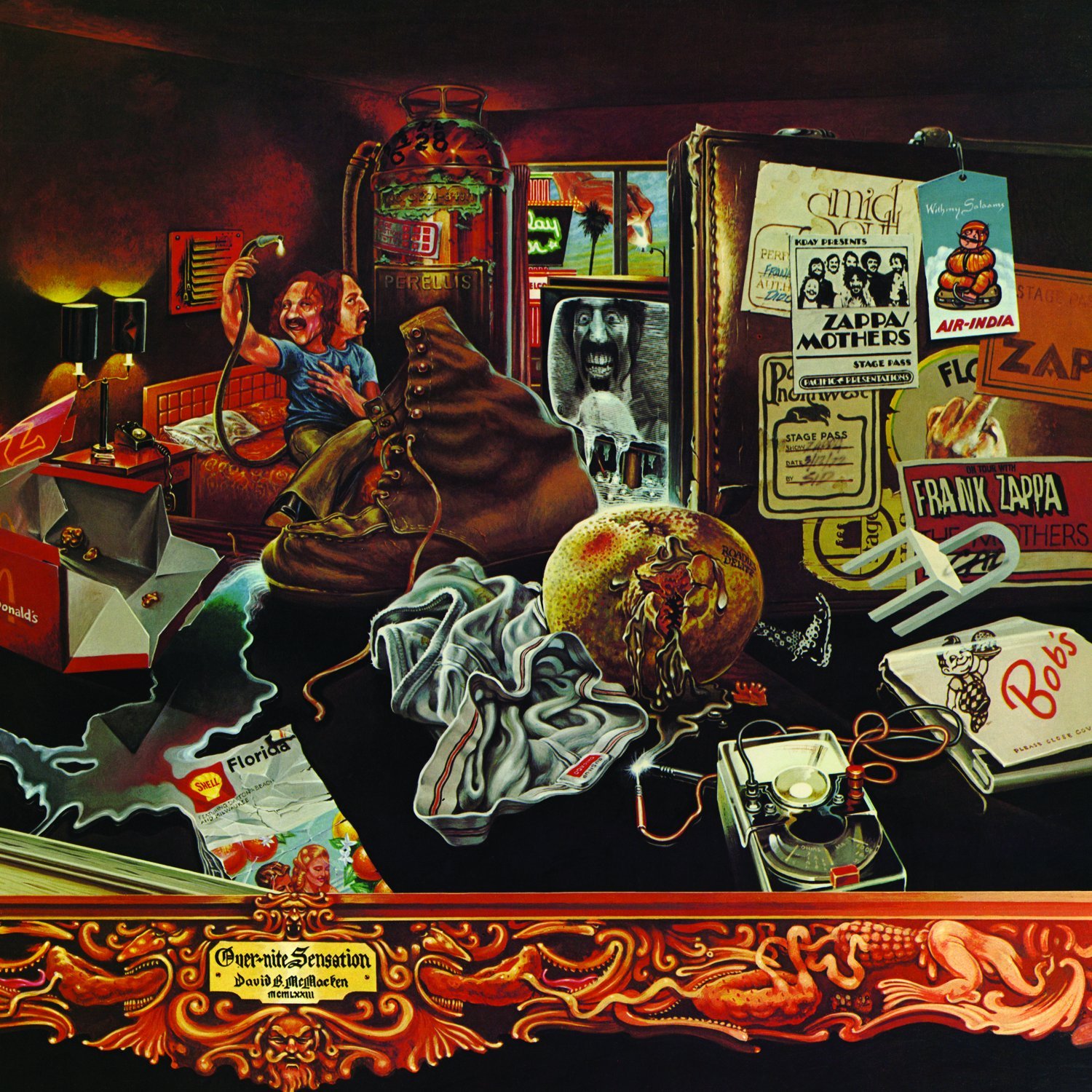
Frank Zappa and the Mothers: Over-Nite Sensation
Released on September 7, 1973, and recorded at the same time as Zappa’s “Apostrophe” solo album, this work artfully brings together rock, progressive rock, jazz-rock, and R&B elements (with uncredited backup vocals provided by Tina Turner and the Ikettes). Though progressive and musically innovative, it is still easily accessible to a wide range of listeners. One may possibly find the often sexually-focused lyrics clever, witty, and sardonic, providing an often detached, dry-humored commentary—or perhaps one will perceive them as waywardly placed in the deeper recesses of the gutter. However, the music itself is generally elevated, showcasing outstanding solo work, including saxophone (Ian Underwood, of course), keyboards (George Duke), and guitar (Zappa), complemented by some excellent mallet work from Ruth Underwood. The music is inherently entertaining, and I believe that it likely had a strong influence on the San Francisco-based Tubes, who began releasing albums in 1975.
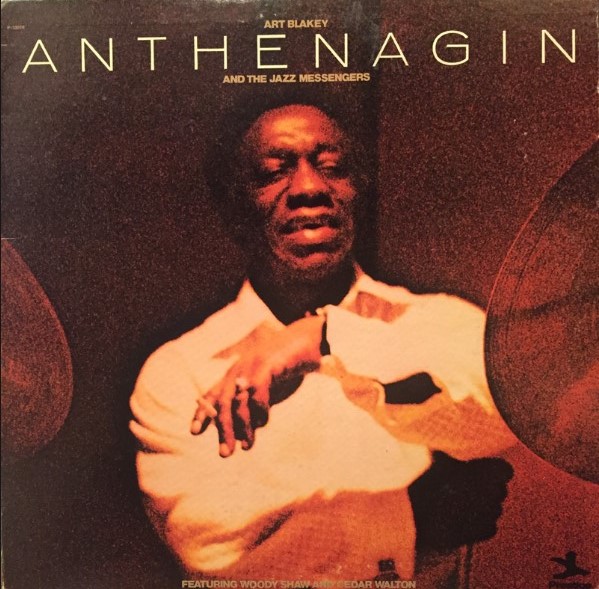
Art Blakey: Anthenagin
Including remaining tracks from the same March 26-29 sessions used for the Buhaina album, Anthenagin is a particularly enjoyable album with Woody Shaw’s brilliant trumpet radiantly shining during his various solos. Cedar Walton is mostly on electric piano except for the introduction of “Without A Song” and for the entirety of Walton’s “Fantasy in D”, the latter being my favorite track on the album. And though my preference would be to have Walton play piano for all the tracks, his electric piano is crucial to the overall impact of another one of his compositions on the album, the title track, “Anthenagin.” This album, sadly, appears to have never been released on CD, but is available on streaming services and on the original Prestige LPs.
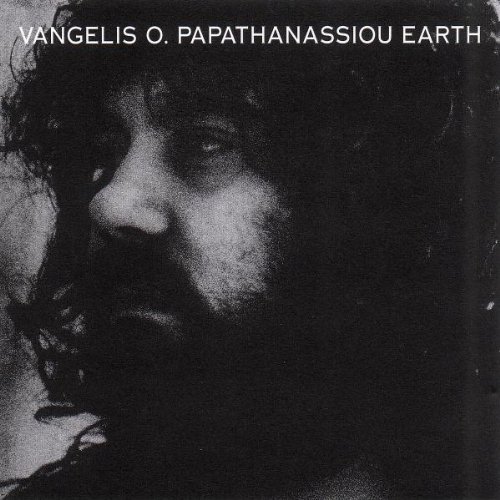
Vangelis: Earth
Earth, Vangelis first official solo studio album, stands as a testament to Vangelis’s pioneering spirit and creative prowess, marking his inaugural foray into the realm of official studio albums. Within this musical odyssey, Vangelis reveals not only his compositional finesse but also his remarkable aptitude for arrangement and his astute selection of instruments. While certain moments of the album’s foundational melodic and harmonic material are less than notable , it’s through Vangelis’s virtuosic touch that these seemingly straightforward elements metamorphose into a tapestry of captivating sonic storytelling.
Vangelis’s deliberate curation of instruments becomes a central pillar of the album’s enchantment. His choices encompass a diverse array of sonic colors, each instrument meticulously positioned to weave its own narrative thread. Through this meticulous crafting, the album transcends its individual components, elevating them to become harmonious voices within a grand symphony of sound. Vangelis’s ability to orchestrate these instruments with precision and sensitivity results in a truly immersive experience, where listeners are invited to traverse the intricate landscapes he has diligently designed.

Osanna: Palepoli
Episodic with a few rough edges, Osanna’s 1973 album provides a great immersive listening experience from its relaxed unhurried world-music opening that breaks unabashedly into a passage of celebratory, Italian folk-based dance music until it closes with a mysterious coda based on the opening of Stravinsksy’s The Firebird. This isn’t just Italian Progressive Rock, this is Neapolitan Progressive Rock at its best — uninhibitedly creative and reveling in musical freedom!
Fifty Year Friday: August 1973
August 4, 2023

Henry Cow: Legend (Leg End, The Henry Cow Legend)
Henry Cow’s first album was released on August 31, 1973, with recording sessions in June and May. Like the Beatles’ White album, there is no visible title to the album, plus, the band’s name is not anywhere to be found on the front cover. Fortunately, the band name is on the back, with a list of tracks and credits (including who played what instrument), and more importantly the music is first class — an off-kilter, but exhilarating mixture of progressive rock and free jazz. It is as unique and important as Gentle Giant’s Power and the Glory, Yes’s Close to the Edge, Jethro Tull’s Thick as a Brick, and ELP’s Brain Salad Surgery, even though it lacks the consistency of quality. However, those tracks that are excellent on Leg End, and there are several, shine brightly and reach deeply into one’s musical soul.
Album starts off strongly with Fred Firth’s “Nirvana For Mice”, a playful, quirky and adventurous track, that starts of with some nuggets of catchy musical motifs and then opens up to some freely improvised jazz sax over a structured rhythmic and tonal foundation. I think it important to note, this is not free jazz, there is a structure in place, and this structure not only keeps the music accessible, but provides the proper foundation for the improvised parts to shine. Piece closes with a mixed meter fanfare, followed by a short vocal section.
The second track, “Amygdala”, written by Tim Hodgkinson, starts off with a pastoral tone that includes a calming, moss-covered mix of a beautiful, flowing blend of myriad instruments supported nicely by Firth’s jazz-style electric guitar with some acoustic flute from Geoff Leigh. We then get a sequence of passages that includes an exciting mixed-meter passage with some incredible musicianship, a lengthier, more reflective section, which brings us back to the pastoral and idyllic and transitions into a more propulsive section with some mixed meters and exciting accents, and then some alternation between the calm, reflective mood and the adventurous and exhilarating, with the piece ending in relative calm — punctuated by a concluding musical period.
The third track is all-out free-jazz, done well, even if not my cup of tea, and transitions nicely into the fourth track, “Teenbeat.” “Teenbeat” is another short masterpiece angular and compelling, unabashedly dancing over metrical microseisms. “Teenbeat” winds down nicely with contemplative clarinet commentary.
Side Two opens with a soothing and reflective composition by Firth titled “Extract from With the Yellow Half-Moon and Blue Star.” Its middle section evokes echoes of Messiaen, while the third section briefly hints at elements reminiscent of King Crimson. This section gracefully winds down, culminating in a slightly pensive coda. From there, it seamlessly launches into the upbeat and perpetually moving first section of “Teenbeat Reprise,” which, in turn, transitions to a quieter second section adorned with a livelier coda.
“The Tenth Chaffinch”, starts off as if picking up the more serene tone of the second section of “Teenbeat Reprise”, but that gradually dissolves into the more abstract, avante-garde personality of the composition, first with hints of finch bird whistles, and then, as best as I can make it, some reversed human dialogue, and then finishing with a bit of an art-rock avante-garde pastiche. Overall, this track is less interesting than their earlier free-jazz track, “Teenbeat Introduction”, but it is what it is, at least until it is rescued by the final track, “Nine Funerals of the Citizen King” with its literary refences and its sinewy melody — convincingly ending a very unusual, but fulfilling, musical journey.

Stevie Wonder: Innervisions
In 1973, like most teenagers, I had heard numerous AM hits by Stevie Wonder over the course of many years, but nothing resonated enough for me to purchase an album. That changed on a cruise to Hawaii with my parents on the Princess Italia cruise ship, a cozy, comfortably-sized cruise ship accommodating around 700 passengers with a cool movie theater, great dining and a modestly-sized nightclub where a four-piece band played a range of dance tunes. It was a perfect place to hang out until the midnight buffet was served, and then, after indulging in numerous tasty treats and multiple slices of pizza, return to for more dancing and drinks, at least for those of us over 17, or in that general neighborhood, as no one questioned birth dates or ages. The first night of dancing, the band played “Living For the City.” I didn’t know the name of it, or who wrote it, but I loved the synthesizer part, played by the band’s keyboardist, and the tune was great to dance to, and it was also the lengthiest of the rock tunes that they played. The last night on the ship, I asked the keyboard player for the name of the tune, and then once back in Southern California, bought Stevie Wonder’s Innervision, for the sole purpose of having access to “Living For the City.” As it turned out, Innervision was an exceptionally good album — my favorite track would continue to remain “Living For the City” but the albumAs it turned out, Innervisions proved to be an exceptionally outstanding album. “Living For the City” remained my favorite track, but the album as a whole creates a captivating forty-five-minute listening experience with superb arrangements and excellent engineering and mixing. makes for a great forty-five minute listening experience with overall superb arrangements, excellent engineering and mixing.
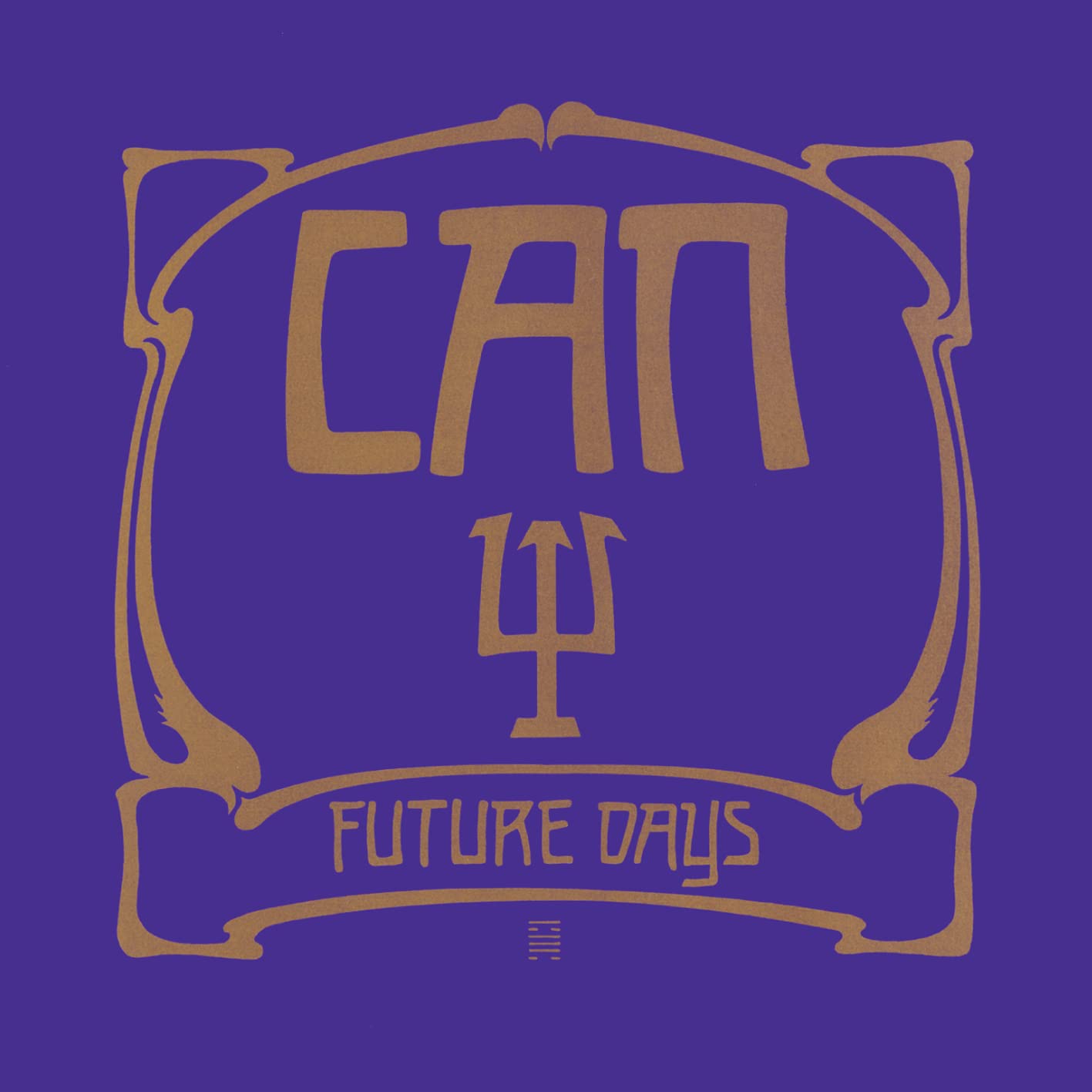
Can: Future Days
Can’s fourth studio album came out around August 1973, less experimental, but no less innovative than their previous three albums. There is a substantial difference in tone and style, with Future Days being a generally ambient, atmospheric work. Damo Suzuki’s vocals retreat into the instrumental gestalt, taking more of an instrumental role. That doesn’t keep me from trying to understand the words, as difficult as that task is, and then once understood, trying to interpret their meaning. But that is a diversionary activity when the real story here is the music, magically unfolding, ethereal and spellbinding.
The album begins with the title track, relaxing and calming, with “Spray” being more rhythmical, particularly at the start. The first side ends with Can’s attempt at a single, “Moonshake”, as groovy and laid back as a isolated spot on a Caribbean beach, not too distant from the flow and ebb of the tides with the sounds of distant birds and a Caribbean band intwined into our half-waking moments.
The masterpiece of the album is “Bel Air” which absorbs all of side two. The work moves forward with a German Prog-rock inevitability, within a more-or-less nebulous structure. The “more or less” qualifier is required due to the use of a traditional, though brief, catchy chord sequence occurring near the beginning and then later recurring at the end, providing a more traditional sense of form. Despite this, the work maintains a beautiful nebulosity, shimmering, reflectively and refractively, evolving in its nomadic passage.
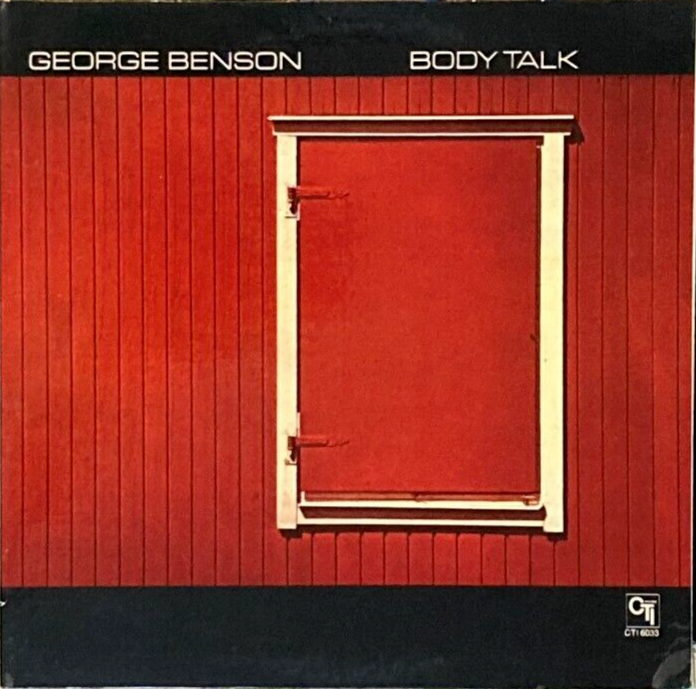
George Benson: Body Talk
Released August 23, 1973, George Benson’s twelfth studio album, Body Talk, is mostly a jazz-funk album, and a pretty good one. The opening track, “Body Talk” is historically notable as it, together with “Dance” influenced Michael Jackson’s “Wanna Be Startin’ Somethin.'” (Basically, it sounds as if it is these two tracks that provided the primary musical material for Jackson’s rhythmically vibrant song.)
Putting aside the jazz-funk material, the real highlight of the album are the two more traditional jazz tunes here, the elegantly beautiful “When Love Has Grown” with notable guitar work from both Benson and Earl Klugh, and the melodically-catchy “Plum” with solid ensemble work, some exciting, energetic guitar from Benson and distinguished solos from Frank Foster on sax and Harold Mabern on electric piano.

Written
on January 1, 2024