She resigned from the DNC to support socialist Bernie Sanders, met directly with human-rights abuser Syrian President Bashar al-Assad on his home turf and authored the pro-windmills, “Off Fossil Fuels Act.”
He dared to eat dog, fearlessly took on a dead bear, shared his only brain with a parasitic worm, promoted the audaciously bold Solar Radiation Management solution to climate change and was called a liberal lunatic, an “extreme liberal”, and “not my kind of guy” by the big boss,
The big boss, himself, a self-described “stable genius”, “chosen one”, “the best looking”, and someone who has “done more for Christianity than almost anybody”, as well as the only known sex offender, convicted felon, and accused fraudster that has no need to ever ask for forgiveness because he has never “done anything wrong.”
Together they form the ODD SQUAD. The greatest collection of oddballs since the trio of Lenin, Trotsky and Stalin (or maybe Moe, Larry and Curly — it’s a close call….)
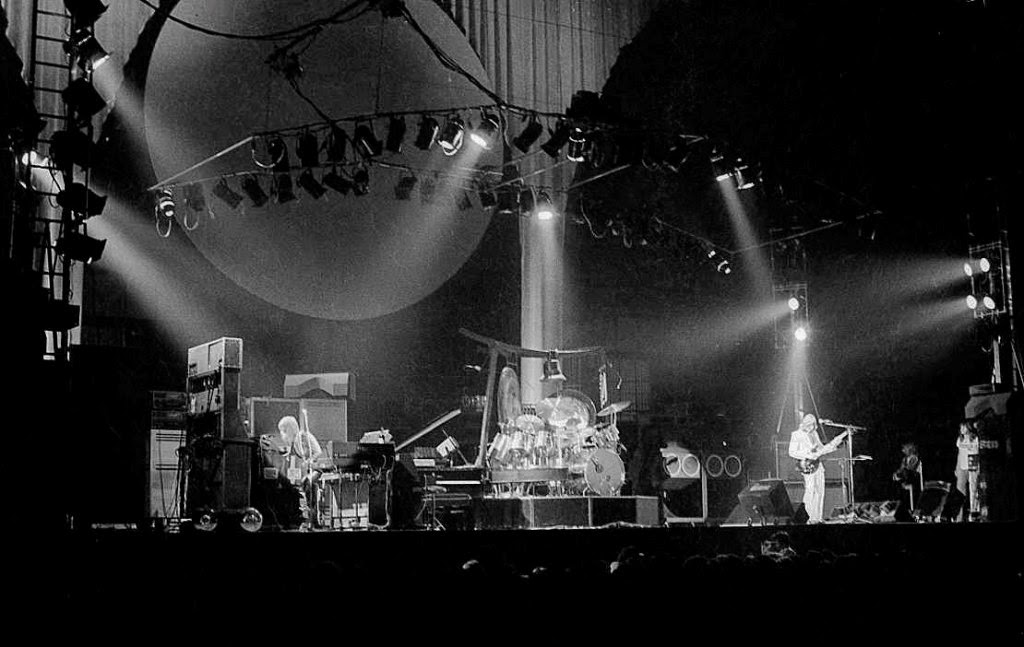
Emerson, Lake & Palmer: Welcome back, my friends, to the show that never ends ~ Ladies and Gentlemen
Released in August of 1974, this album will always be particularly special to me as it captures ELP at the peak, and possibly from a concert I attended. I say possibly, as my close friend, and continuing great friend (and girlfriend in late 1973 and early 1974) and I attended either the February 1st or February 2nd concert, and the recording was made at one of those two concerts. In August 1974 my sister purchased, from her record club, a pair of cassettes of the concert, which I promptly took possession of when driving in my parents Toyota Corolla. I would later purchase the album, but mostly heard the cassette, played in the care.
I am pretty sure that I haven’t listened to this album since 1974, and, it was with mixed emotions that I put it on my audio system, but once it was playing, I was pulled back into not those moments in the car when I had it played it over and over again, but into the Anaheim Convention Center, back in February 1974, sitting again next to my dear friend, in the lower part of the first of the two levels of balcony almost directly opposite the stage — not close, but not desperately far away, either.
The Anaheim Convention Center was a special venue for me anyway. My dad had taken me to see the Los Angeles Stars there for the ABA finals in 1970. Originally located in Anaheim and called the Anaheim Amigos, the team changed their name after the ABA’s inaugural 1967-1968 season and moved to Los Angeles as the Stars, playing in the L.A. Sports Arena. The first year in L.A., they improved on their previously dismal record of 25 and 53, but still did not qualify for the playoffs with their unremarkable win-loss record of 33-45, For the third year, they hired Bill Sharman as their head coach (who would later be the first coach to lead the Lakers to their first NBA championship since leaving Minneapolis and moving to L.A.), and his presence attracted some additional talent to the roster, most notable of whom was Mack Calvin Calvin was the talented USC guard who helped USC actually beat UCLA at Pauley Pavillion, ending UCLA’s streak of 41 straight wins and 51 consecutive wins at Pauley Pavillion, and USC’s steak of 17 consecutive losses to UCLA. The Los Angeles Lakers selected Calvin as a late round draft pick, but he ultimately chose to go with the L.A. Stars, much to their benefit.
With several new players, including the talented Wayne Hightower who was acquired from Denver Nuggets, the Stars got off to a decent 9-5 start. But by February 22, due partly to injuries, including a back injury to Hightower in January, the Stars record was only 25-34, and apparently no plans were made for a venue for them to play in, in case they did make the playoffs. With a couple of six game win streaks, and a four game win streak in May, the Stars barely qualified for the playoffs with a 43-41 record, and ended up playing their playoff games in the Long Beach Sports Arena and the Anaheim Convention Center. The tickets to see the Stars were more affordable than tickets to the Lakers, and I am very thankful that my dad stretched his very challenged household budget to take me to see the Stars play the Dallas Chaparrals in the first round, the Denver Nuggets in the second round, and then the Indian Pacers in the finals.
The highlight of my Anaheim Convention memories was not those Stars games, as exciting as they were, but the ELP concert. I had looked forward to it for several weeks, and when it finally arrived, it far exceeded my expectations. This recording of the concert we attended (or of one from the adjacent night at the same venue) brings back many memories listening to it for the first time in almost fifty years. I had forgotten that speakers were placed at multiple locations in the Convention Center to provide a novel surround sound effect for certain synthesizer parts during the concert, or that the crowd was so enthusiastic. Also, two of the commercial drawbacks of this live recording — no overdubs added later on or any attempt to improve the sense of distant from the performers, as if one was hearing it from the front of the lower balcony — provide a fairly authentic recreation of how we heard the music at the concert. The musical content captured is nothing short of spectacular. Keith Emerson was indisputably the best keyboard player of any rock group and a high-energy performer, Carl Palmer was one of the best percussionists of any rock group, and Greg Lake, that night, was on top of his game, but on bass and guitar, and vocally. The concert contains some fine solo piano work by Emerson, as well as including a fine rendition of both “Tarkus” and “Karn Evil 9”. That night the group performed a twenty to twenty-five minute encore version of their rendition of Mussorgsky’s Pictures at an Exhibition, which, sadly, is not included in this live album, and as far as I know is not available, and may not have even been recorded.
All in all, a great document of one of the top Progressive Rock groups of all time, at the peak of their creativity and excellence. Later that year, in April of 1974, the group appeared at the California Jam as the closing act. Fortunately, ABC filmed either part or all of ELP’s performance for their “In Concert” program and some of this footage is available for viewing on youtube today: https://www.youtube.com/watch?v=Rqhd8JDThkI
Today, August 9, 2024, the Donald Trump Campaign proudly announced the scheduling of up to four debates where Donald Trump will debate himself.
Topics for the first debate include banning or not banning Muslims, nature of NATO, how Andrew Jackson could have prevented the civil war despite dying decades earlier, whether Mr. Trump did more for blacks than Abraham Lincoln, the best way to handle COVID-19, the best cures for COVID-19, the number of Muslims in New Jersey celebrating the 9/11 attacks, and who was with Mr. Trump in the helicopter that almost crashed.
Topics for the second debate include Trump’s role in the building of the Panama Canal, why the Apprentice was the top-rated TV program in America, how the 2020 presidential election was fair and yet rigged, whether Mr. Trump is the “most honest human being, perhaps, that God ever created”, the Swedish terror incident in 2017 that happened but never happened, who is more liberal between Bernie Sanders, Kamala Harris, and Tim Walz, and whether Mr. Trump was “very happy” and “fully agreed” with Tim Walz’s handling of the protests in Minnesota or whether Walz failed to act at all.
Topics for the third debate include how much money Mexico paid for the wall, why it’s better not to have legislation passed to address illegal immigration, how Hillary Clinton started the Obama birther conspiracy theory, whether Mr. Trump built his business from a small loan or a $200 million dollar inheritance, whether Mr. Trump should jail Hillary Clinton or allow her to go free, and whether Mr. Trump had ever said “lock her up” or not.
If necessary, there will be fourth debate dedicated to Donald Trump debating Donald Trump about crowd sizes and Mr. Trump explaining how audio and video footage of him is always faked.
There will also be a JD Vance debate scheduled, in which Mr. Vance will debate Mr. Vance on whether Trump is America’s Hitler or deserves sainthood, whether Trump’s a fraud or an honor to be around, whether Trump is leading the white working class to a very dark place, or into the light, and if Trump is reprehensible and an idiot, or praiseworthy and a genius.
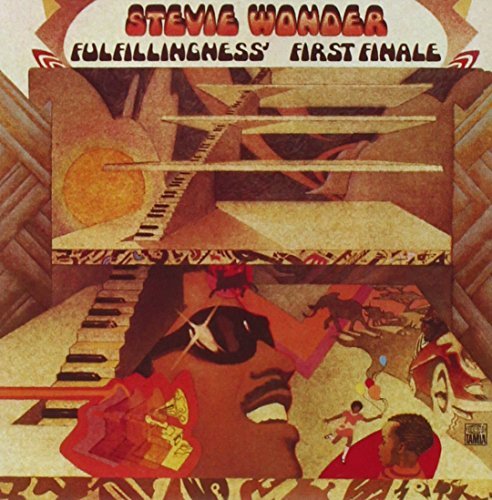
Released on July 22, 1974, Stevie Wonders follows up the magnificent Innervisions album with another remarkable musical achievement. The album begins with the mellow, uplifting “Smile Please” which effectively sets the tone for the entire album. Each track could qualify as a highlight of the album, depending on one’s musical preferences. Of particular note are “Creepin”, a hauntingly beautiful song with a misty dreamlike quality and the always politically relevant (unfortunately) “You Haven’t Done Nothin’,” My favorite track is “They Won’t Go When I Go” which with its simple, solemn piano introduction, and profoundly compelling musical material. The album ends with the upbeat yet pleading “Please Don’t Go” with its effective gospel arrangement providing a solid finish to a very memorable album.
Robert Wyatt: Rock Bottom
Released on July 26, 1974, over a year after Robert Wyatt’s accidental fall from a fourth floor window that sadly left him paralyzed from the waist down, this is one of the most exceptional, individually idiosyncratic prog rock albums of the 1970s. It is clearly a work of love and dedication. Wyatt used material mostly written before the accident and singularly sculpted it into an unconventionally effective and rather original album. Wyatt excels at making quirky chord changes sound both natural and logical, and then he furthers elevates his material through highly interesting arrangements that profoundly enhance the musical material. Innovative and compelling, stimulating and emotionally engaging, the album fully delivers a challenging and rewarding listening experience.
Renaissance: Turn of the Cards
I first discovered this album in 1974 on a visit to our local library. Scouring the very limited LP lending section of the library, this was one of the few rock albums available. It had just been released in July of 1974, and the library had put a shiny plastic covering over it, which along with its promising cover art, made it further stand out from the other albums in its bin and the bins that were adjacent to it. I brought it home and was very pleased with the opening piano introduction, particularly appealing to a Keith Emerson fan like myself. I had assumed it was original material, but now know it is an excerpt of a work by French composer and organist, Jehan Alain. Fifty years later, this album sounds even better than I remember — sometimes majestic, often adventurous, progressive rock, sometimes symphonic and often emotive, showcasing Annie Haslem’s soaring vocals and Jon Touts driving, punctuating keyboard work.
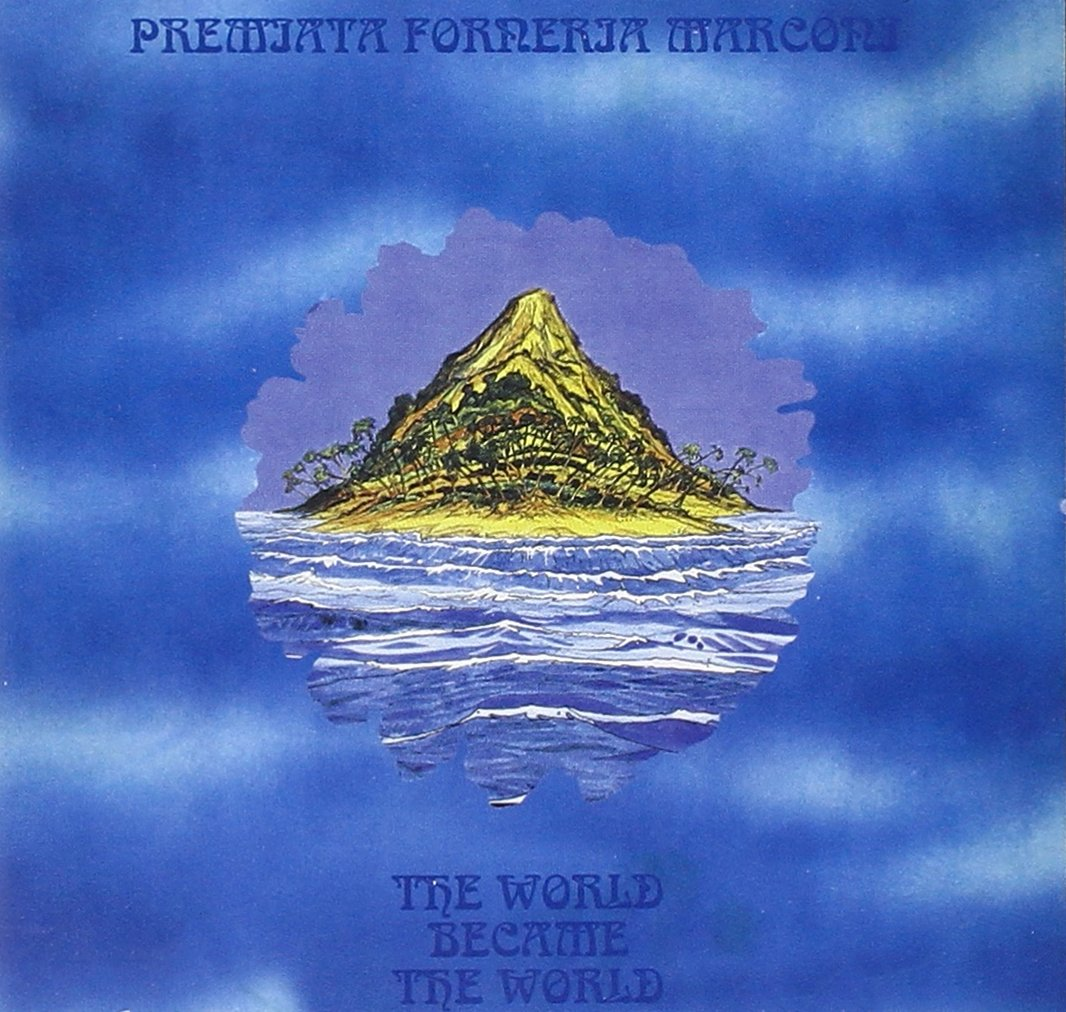
Though the original Italian version of The World Became the World was released in March of 1974, the English version, recorded in the same sessions as the Italian version, we not released until June 1974. Though the original Italian works better with the music, the English version contains an additional track, an updated English version of the classic “Impressioni di Settembre”, and these English lyrics are all authored by Peter Sinfield, making this version essential. With bassist Patrick Djivas joining the group, the band continues to be in top form, creatively and technically, providing a range of moods, particularly excelling in the more melancholic, tender and introspective passages.
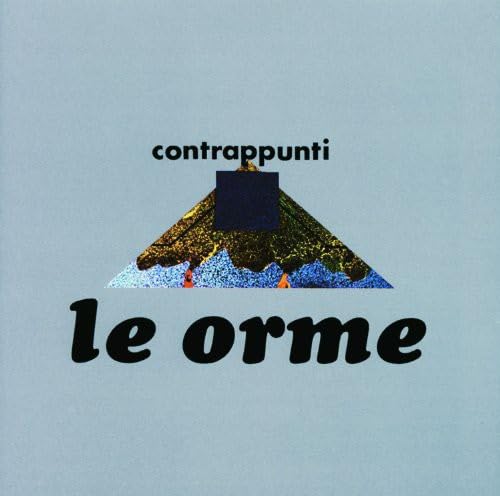
Le Orme: Contrappunti
Though some progressive rock groups have flirted with imitative counterpoint, and some, like ELP and Gentle Giant have pulled it off nicely, I know of no group that actually opens an album with a fugue-like subject. Though there is no fugue that follows, the minor-key melodic subject provides a very dramatic introduction to a strong, well executed album. As good as their previous album is, which is generally considered their best, this album, for me, is incredibly enjoyable with some beautiful, heartfelt, very Italian, ballad writing, some heavier, harder-edged material, and amazing instrumental performances by the band. Its myriad contrasts and diverse elements blend nicely into a comprehensive and very compelling album.
Cluster: Zuckerzeit
With this 1974 masterpiece, Zuckerzeit, Dieter Moebius and Hans-Joachim Roedelius, the two musicians that comprise Cluster, break away from the less accessible, more “experimental” style of their two earlier albums, to provide shorter, more accessible, rhythmically precise, musically-narrative nuggets — sugary delicacies (Zuckerzeit means “sugar time”) that, though, dessert-like in nature, still have such substance that they significantly influence the direction of late seventies and early eighties popular music.
The album starts off with the most substantial piece of the set, Roedelius’s “Hollywood”, a work that slowly evolves over its framework of sequences and robotic rhythm. Within a short of four minutes and forty-eight seconds, Roedelius rewrites the history of electronic music, surpassing the previous impact and import of academically-approved giants like Karlheinz Stockhausen, Pierre Schaeffer and Luciano Berio. Amazing works like “Caramel”, “Marizipan”, and “Rotor” follow, with each musician contributing five short pieces, composed and performed individually, finely crafted and polished, each with their own ethos, character and story to tell.
Besides having an impact on other German bands like Tangerine Dream and bands under the Brain music label, Brian Eno has cited Cluster as a major influence on his own work. In addition, though hard to gauge to what extent, the rhythmical-stubbornness prevalent in later music of the seventies and eighties as exhibited by bands like Stereolab (and perhaps even some albums of the nineties, like Biosphere’s Substrata and Air’s Moon Safari) can partly be attributed to Zuckerzeit‘s direct and indirect influences.
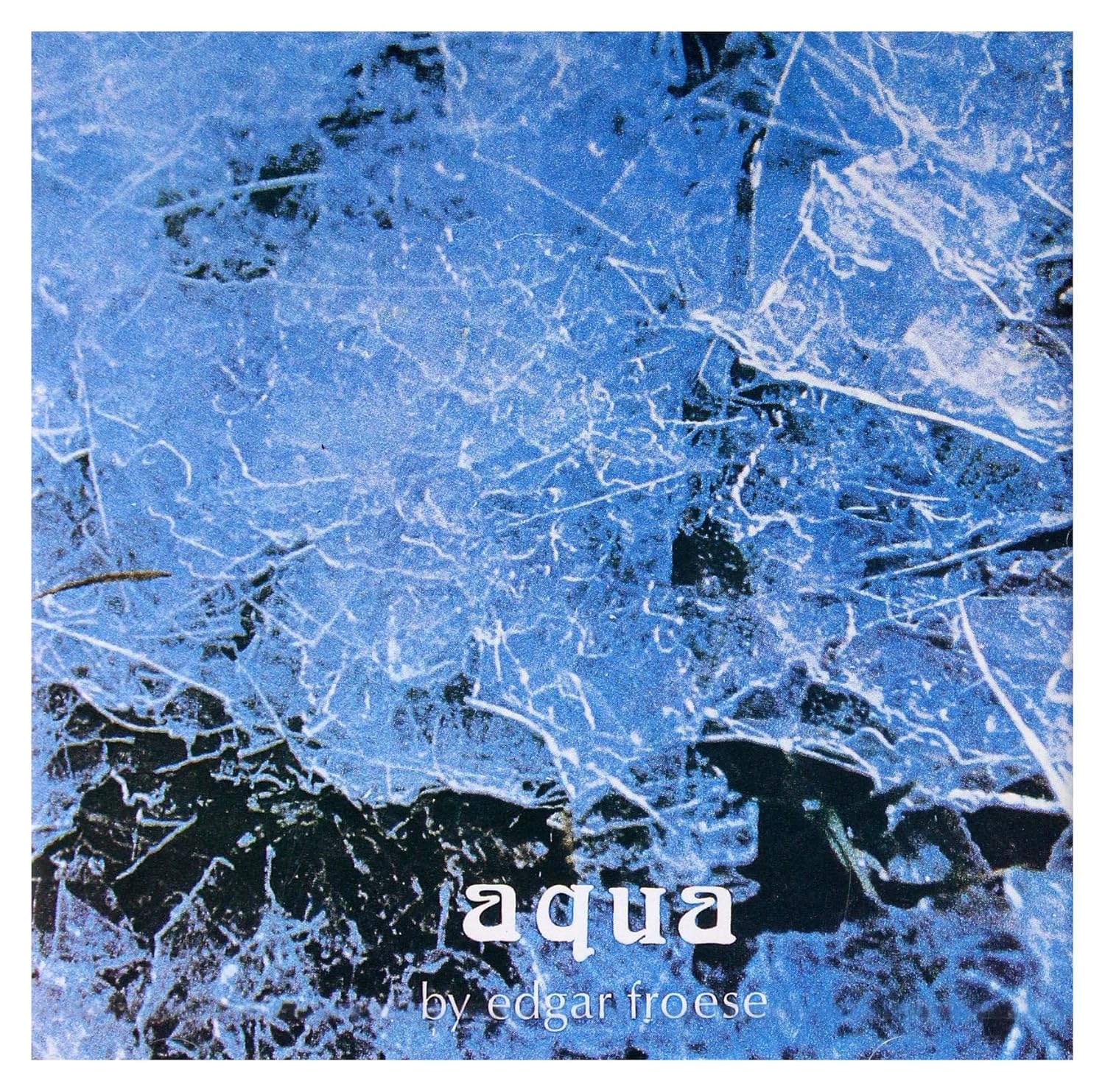
Edger Froese: Aqua
Edger Froese of Tangerine Dream releases his first solo album in June of 1974. Recorded around the time Tangerine Dream’s Phaedra was recorded, given the prominent role Froese had in the band, it is no surprise to find aesthetic and musical similarities between Aqua and Phaedra.
I just enjoy Aqua as a listening experience. With the exception of the last track, “Upland”, and the start of “NGC 891”, this is a great album to relax to, compatible with either active listening or as use as a soundtrack for reading or working. “NGC 891” is particularly notable as preview of the spacey. rhythmic-driven, slowly evolving music that will be a staple on upcoming Tangerine Dream albums.
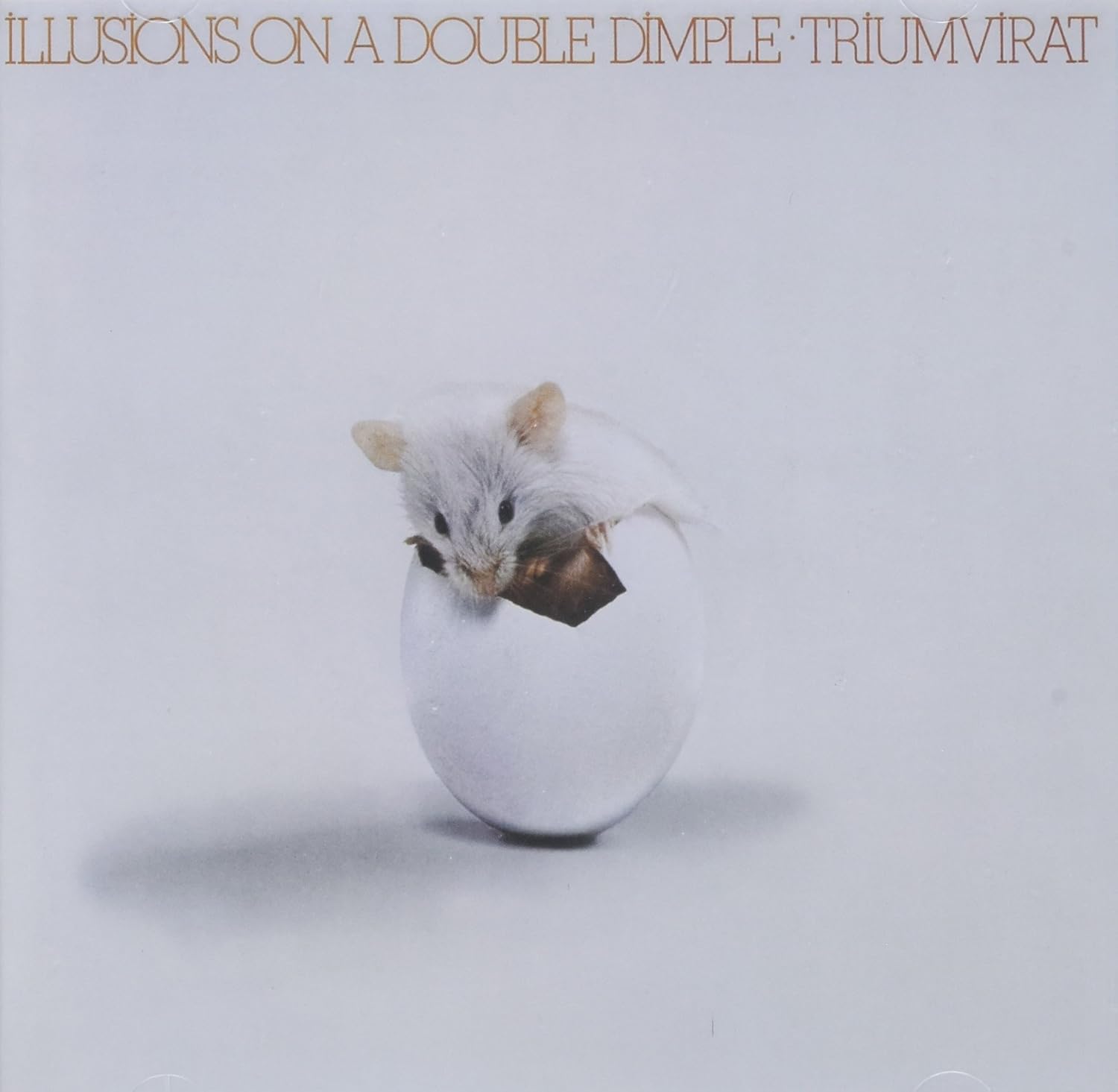
Triumvirat: Illusions on a Double Dimple and Bebop Deluxe: Axe Victim
Both of these albums are often criticized for their relatively weak production quality and for being derivative — Illusionson a Double Dimple mimics actual basslines and ostinatos from ELP’s albums, and Axe Victim is highly influenced by David Bowie, and in particularly the Ziggy Stardust album. (Axe Victim’s includes a track about the band “Jet Silver and the Dolls of Venus” which clearly invokes the Bowie’s Ziggy Stardust and the Spiders from Mars.
But neither of these albums should be dismissed for being heavily influenced by talent at the level of David Bowie and ELP. Illusionson a Double Dimple lacks the coherence and purpose of Triumvirat’s later third album, Spartacus, but the musicianship and music is still highly enjoyable with “Mister Ten Percent” being the strongest of the two long tracks of the album. Axe Victim, though derivative and lacking in consistency, has some excellent music composed from the exceptionally talented Bill Nelson, whose guitar work rivals, if not surpasses Bowie’s bandmate Mick Ronson, at least in terms of technique and innovation. Nelson also is a capable lyricist. Nelson’s vocals fall short of Bowie’s more dramatic and compelling delivery, effectively shortchanging the potential of his own material. One could consider that if Bowie had sung and produced these songs, this would be an album of much higher merit, however, the album still has much to offer, much more than implied by the two out of five stars given it in allmusic.com, and is, compositionally, one of the better glam rock albums of 1974.
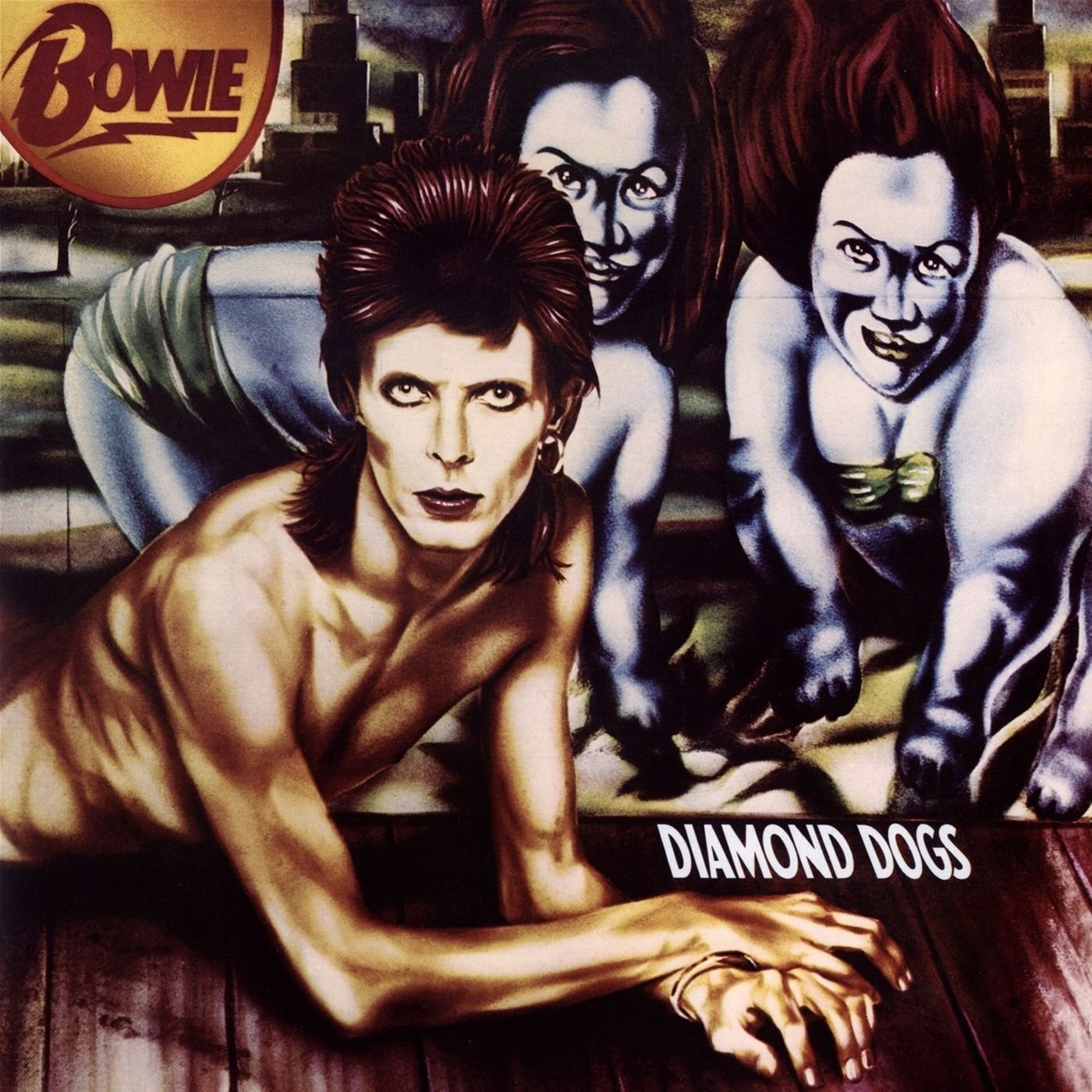
Released on May 24, 1974, Diamond Dogs is a further testament to Bowie’s ability to evolve his musical vocabulary and associated lyrics to stay on the leading edge of rock music relevancy. The album is generally darker and more detached than Aladdin Sane, more dramatic and gritty, providing a new urban-influenced glam that effectively provides a novel combination of alienation, bleakness and soulfulness. Two particularly notable tracks include “1984”, one of several of the songs redeployed from Bowie’s earlier effort at crafting a musical from Orwell’s 1984, and the incessantly inescapable 4/4, punk-influenced (and punk influencing) “Rebel, Rebel.”
Sparks: Kimono My House
Released on May 1, 1974, with the album title slyly referencing the David Seville/William Saroyan song, “Come On a My House”, Kimona My House is one of the great art-rock classics of the 1970s successfully blending glam and baroque-like progressive rock elements together to create a unique and impressive work. The music is quirky but easily accessible, and the combination of Russel Mael’s upper range vocals, and Ron Mael’s innovative composition, lyrics and arrangements bring this to the level approaching Queen’s upcoming albums (Killer Queen and Night and the Opera.) This is the Sparks first big success, but with the passage of time has not been given the weight it deserves in the canon of rock classics despite being one of those rare albums that transcends all stylistic and genre categories, while also being one of the most enjoyable works of its time. If you haven’t yet give this a listen, you will be in for a treat once you do!
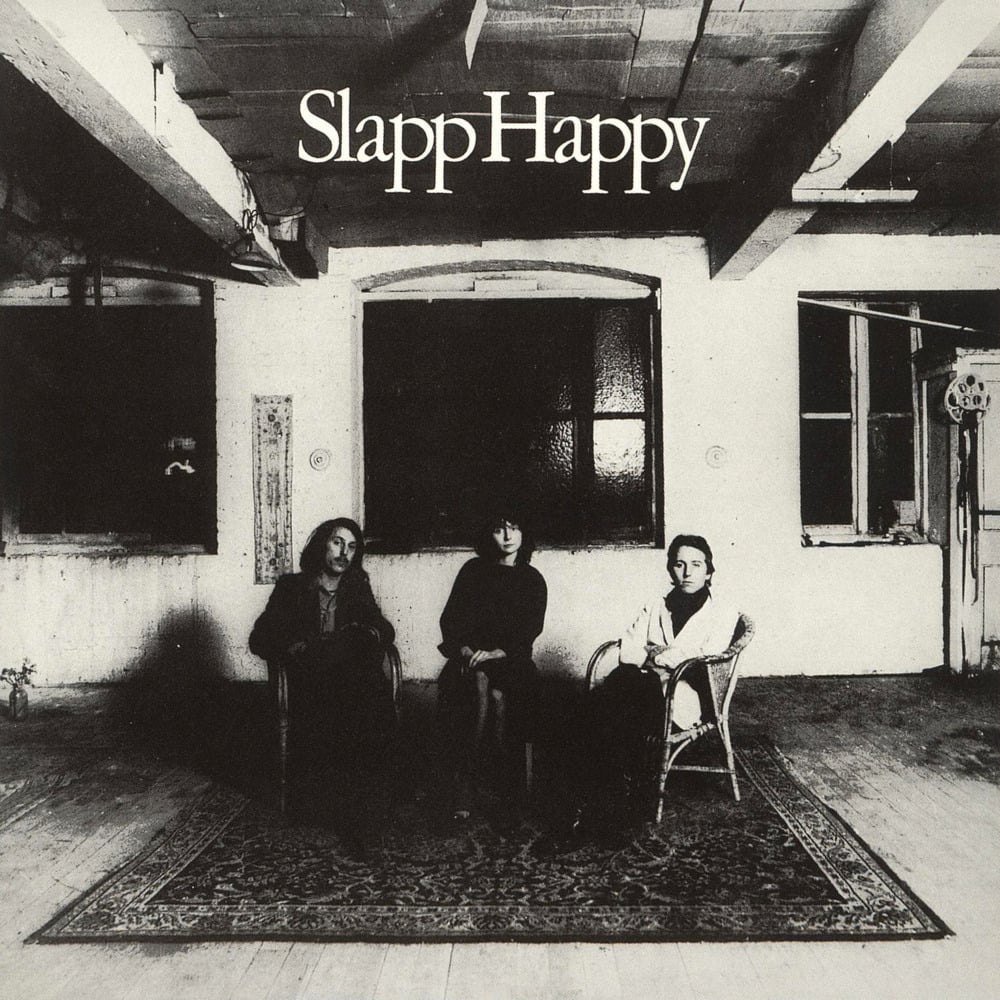
Slapp Happy: Slapp Happy (aka Casablanca Moon)
Released in May of 1974, with this, their second album, the trio of Dagmar Krause, Peter Blegvad and Anthony Moore decide to seriously apply their talents to commercial music, and come up with an album both musically and lyrically impressive. The album was first recorded, with members of Faust adding bass, drums, and sax, for Polydor which rejected it, and then later re-recorded with Virgin records with new arrangements by Roger Wootton (of prog-folk band Comus) effectively using violin, trumpet, and saxophone (Geoff Leigh of Henry Cow) to further distinguish the original compositions. The original Polydor recording was rereleased in 1980, titled Noom Acnalbasac and the Virgin rendition is not only more interesting but much more effectively deploys Dagmar’s exquisite vocals, showcasing them in such a way that anticipates the female vocalists of some of the new wave bands. It’s worthwhile to have both albums to compare the two versions — both instructive and enjoyable!
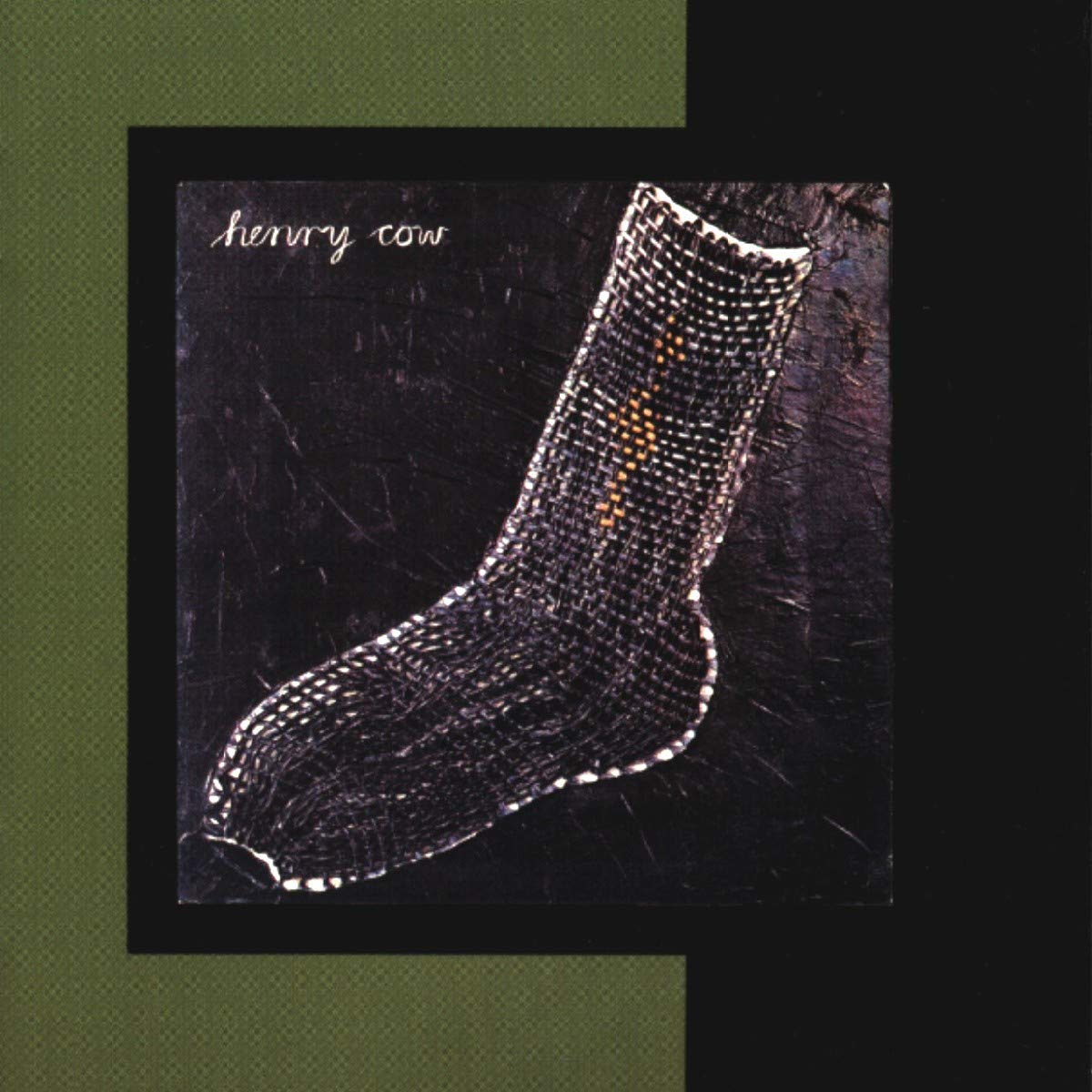
Henry Cow: Unrest
Released May 27, 1974, Unrest is one of the finest examples of “avant-garde” progressive rock of the mid-seventies. The first side starts with a short angular, motivic instrumental from Fred Frith, “Bittern Storm Over Ulm”, cubistically based, so to speak, on the Yardbird’s “Got to Hurry,” showcasing Frith’s precision guitar work, followed by two miniature masterpieces, John Greaves’ “Half Asleep; Half Awake” with prepared piano, and Frith’s “Ruins” which rhythmically leverages the Fibonacci series, ala Béla Bartók, and takes advantage of multi-tracking editing with slowed down and sped up instrumental parts.
The introspective “Solemn Music” opens side two, followed by a little over 15 minutes of four tracks of highly creative, mostly improvised studio work that includes some tape manipulation, direct use of piano strings on “Arcades,” and some remarkable bassoon and oboe contributions from Lindsay Cooper. All in all, a fine album that significantly outshines most of the music produced in academic avante-garde circles at that time.
Rick Wakeman: Journey to the Center of the Earth
Recorded in January of 1974 and released on May 3, 1974, Rick Wakeman’s Journey to the Center of Earth is a musical retelling of Jules Verne’s classic story of three explorers’ journey into a forgotten subterranean world that included ancient humanoids and sea creatures. Wakeman engages the London Symphony Orchestra, the recently formed English Chamber Choir , a narrator, and a few bandmates to realize the forty-minute, single LP work. There are many fine moments due to Wakeman’s effectiveness at creating dramatic musical episodes — and also notable is the choir’s contributions to the battle between the prehistoric sea creatures, reminiscent of similar passages in 18th and early 19th century classical choral works.
If the whole effort doesn’t quite come together, that is remedied with Wakeman’s 2012 re-recording of the work which engages an additional vocalist who shares duties with the original, weaker vocalist from the original album. The newer 2012 recording includes additional material, but is most notable for its superior production, sound, and overall impact.
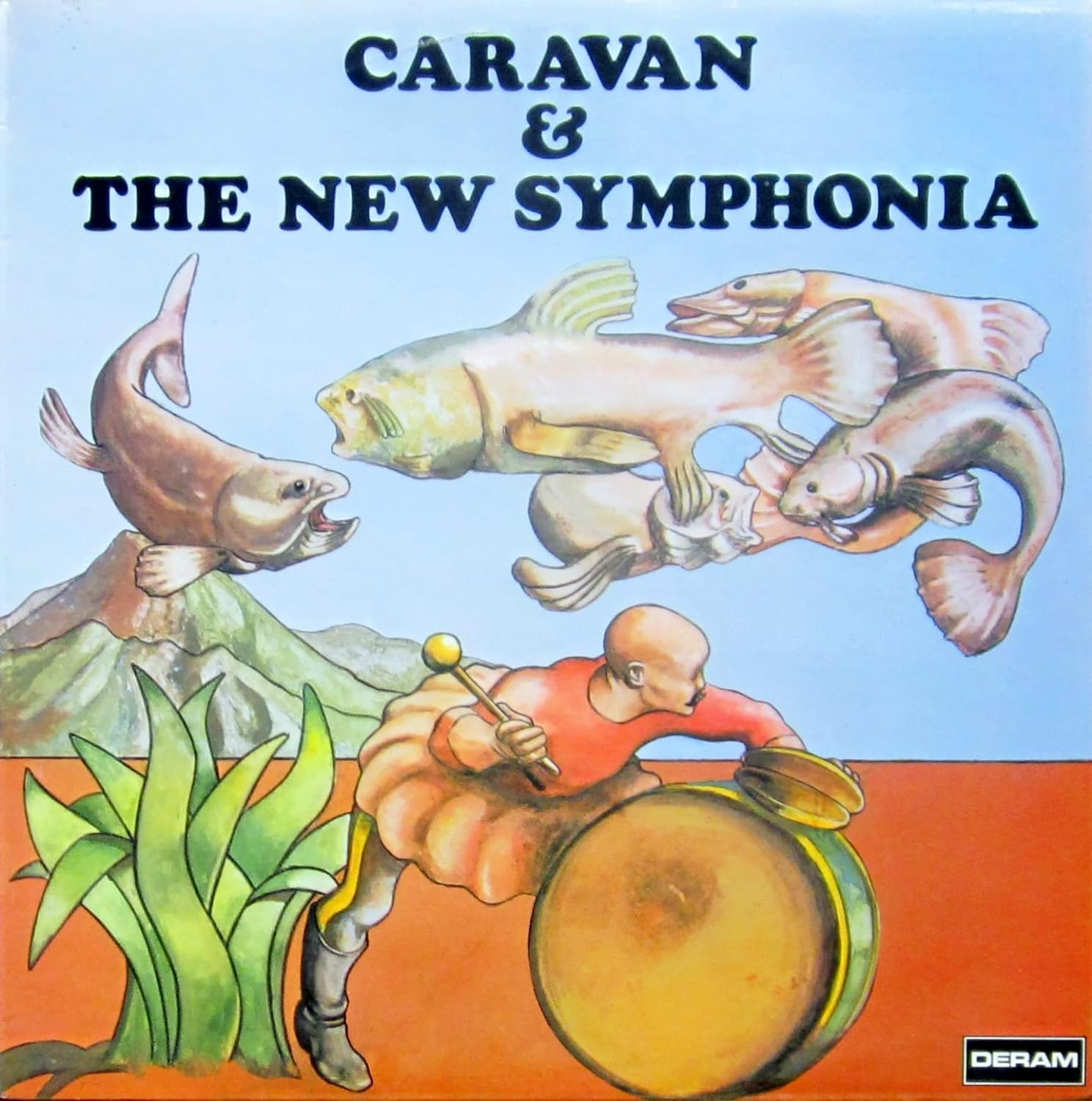
Recorded Live at the Drury Lane Royal Theater on October 28, 1973 and released on April 19, 1974, this live album presented a mix of new material and a composition from their 1970 album and their 1972 Waterloo Lily album arranged and performed with a decently sized orchestra conducted by Martyn Ford. The recording quality is good for that era, and the combined effort between the band and the orchestra works well, providing a new dimension to previous studio work. Fortunately, there is a re-issue of this album that adds additional tracks including a preliminary set without the orchestra of three compositions from their previous album, For Girls That Go Plump in the Night as well as arranging the tracks in the original order from the concert. This reissue also provides an exciting encore with the orchestra: a energetic, well-performed rendition of their instrumental “A Hunting We Should Go” from their previous album. Overall, this live album is a real joy to listen with the orchestra enhancing the colorful nature of Pye Hastings compositions and Caravan’s arrangements.
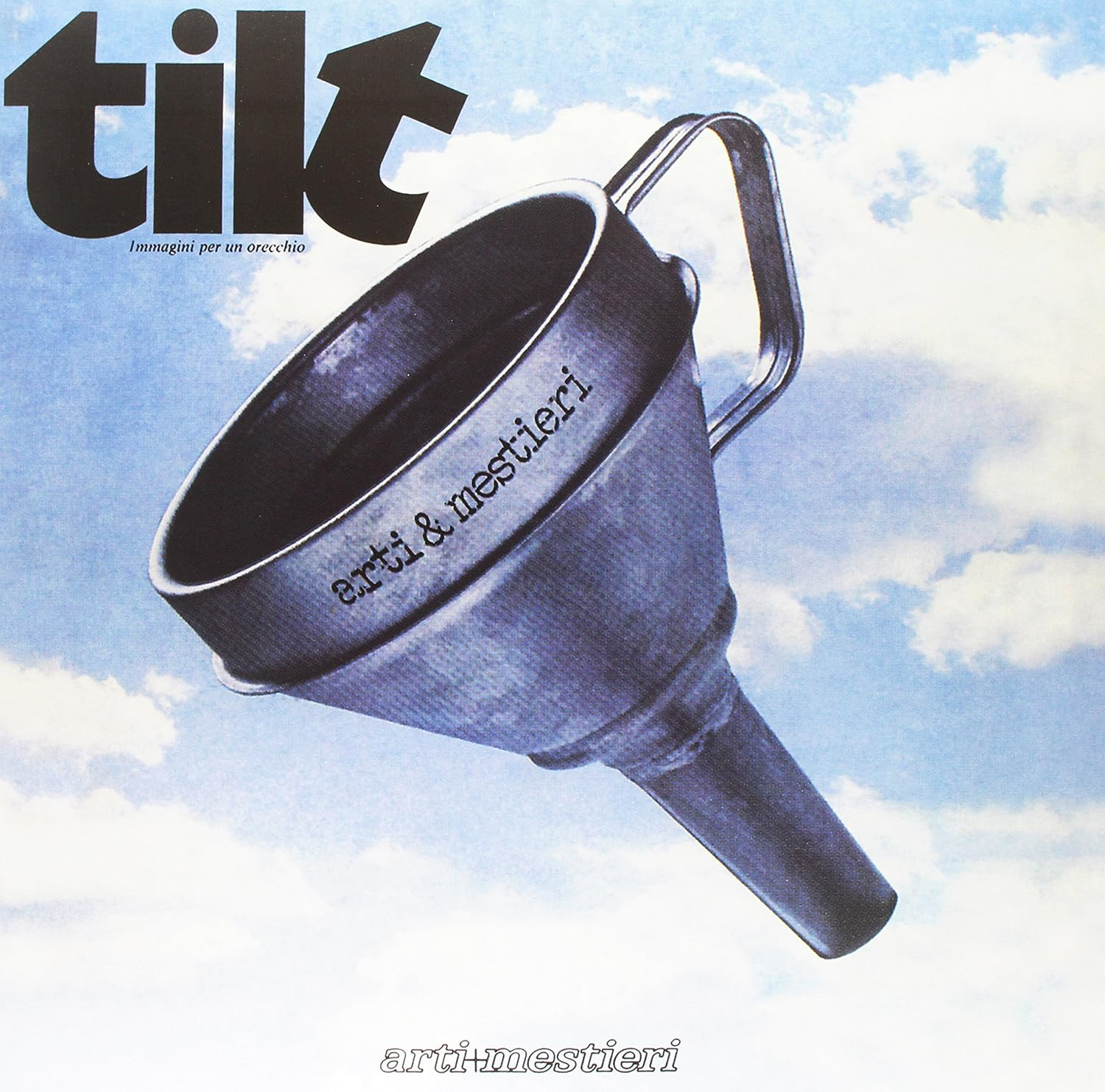
Arti e Mastieri: Tilt (Immagini per un orecchio)
Released in April of 1974, Arti e Mastieri (Arts and Crafts) debut album was indeed “Images for the Ear!” Each composition has its own character and musical path. The album starts off strongly with “Gravità 9,81” which includes sax, mellotron, clarinet and violin, followed by “Strips” with comforting vocals somewhat similar to PFM. The third track, the short energetic “Corrosione,” flows seamlessly into one of my favorite tracks on the album “Positivo/Negativo”, which includes violin, vibes, violin and particularly propulsive percussion from their very talented drummer, Furio Chirico (love that name!) “In Cammino” provides a welcome contrast with its initial mood, and develops into a strong rock fusion piece by its conclusion. This is followed by the brief, beautiful, initially contemplative “Farenheit” which, even within its short timespan of seventy-five seconds, evolves and develops effectively. The most notable piece on the album, is the lengthiest — the dramatic “Articolazioni” — a true prog-rock masterpiece, seemingly greater in both length and scope that its actually timing of “13:24” would indicate. The album ends with the anomalous title track, “Tilt”, which, though interesting and well-done, stands out from the rest of the album, perhaps only to signal an end to the album rather than devised to fit in with the mood of the previous tracks. All and all, an amazing album. Though this is the debut album, it is evident that these are experienced and very knowledgeable musicians, who clearly achieved what they set out to do, and in the process delivered one of the great Italian Progressive Rock albums of all time. Those seeking this out should go with the CD reissue which provides superior sound to the original LP.
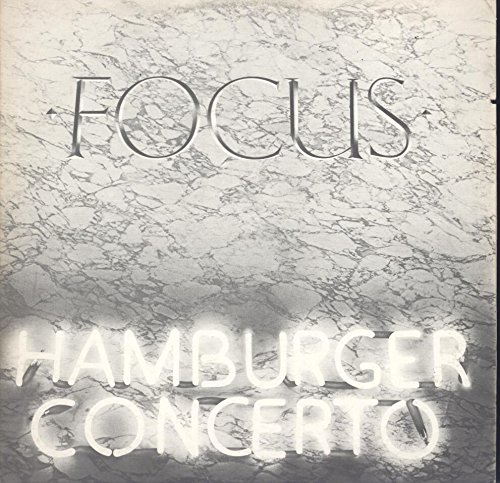
Focus: Hamburger Concerto
Released in April 1974, Focus’s fourth studio album is my personal favorite of the Focus studio albums I am familiar with. The first side starts out with Jan Akkerman’s arrangement of a composition from late renaissance lutenist and lute composer Joachim van den Hove, and is followed by catchy Thijs van Leer composition “Harem Scarem.” The third track is the impressively-wrought “La Cathédrale de Strasbourg” with its strong dramatic first theme and its effective use of pipe organ and acoustic piano, vocals, and contrasting jazz theme. Akkerman’s “Birth”, which ends side one, opens up with harpsichord introducing the theme which is then referenced in the main progressive rock section with Akkerman’s guitar work and van Leer extensively on flute. Quite memorable.
The second side of the album is devoted to Akkerman’s “Hamburger Concerto” which is inspired and based on Brahm’s Variations on a Theme By Haydn, and which effectively becomes a progressive rock theme and variations. The Haydn theme opens up the work with van Leer on organ, Allen on timpani and drums and Akkerman providing a short counter theme on guitar with a third theme introduced on Hammond organ. In general, the Haydn theme provides the thematic foundation but the creativity of Leer and Akkerman (including the incorporation of other themes including a Dutch Christmas Carol) and Van Leers yodel-like vocals (a la their big hit “Hocus Pocus”) take this beyond a straightforward theme and variations exercise with the work effectively and interestingly ranging in moods and blending various musical influences into a cohesive experience making this the highlight of a rather remarkable album by this talented Dutch progressive rock group.
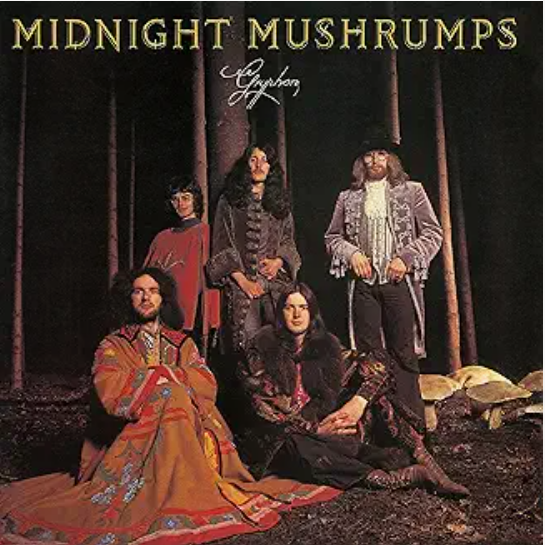
Gryphon: Midnight Mushrumps
Released in April of 1974, Gryphon’s second album merges their medieval and renaissance influences with a modern progressive rock sound, placing them closer to the progressive rock mainstream of 1974. The first track, for example, is a single side composition, the title track of the album, one that pushes them beyond the constraints and expectations governed by shorter pieces. Fortunately, the band handles this nicely, with an surprisingly extensive nine-minute, introduction that effective sets up the main section of the work for the final ten minutes. The second side has shorter pieces, including the notable episodic “Dubbel Dutch” which skips through a range of styles appropriately analogous to the work’s title. The final track, “Ethelion”, takes the elements of an early renaissance dance composition and envelops them into an exhilarating, rhythmically displaced, complex metrical arrangement that transitions to a simpler, emphatically repetitive section that brings the album to a satisfying close.
The Residents: Meet the Residents
This neo-Dadaist musical work was released to minimal fanfare and meager record sales, timed fittingly for April fool’s day, 1974. This is clearly either a labor of love or an extreme instance of obsessive chaotic, disruptive agitation. Either way, it distinguishes itself from the established rock-world non-conformists of the day (Frank Zappa, Captain Beefheart) with its distinctness and eccentricities. Overall the effort is noteworthy for its consistent inconsistency, eclecticism and its overall artistic identity. One particularly noteworthy track is “Rest Aria” which combines a simple beautiful folk-pop melody, 1960s classical minimalism, and a bizarre, westernized deconstruction of Indonesian Gamelan music into a truly effective and interesting result. If you don’t know the Residents, this first album is a great place to start your entry, or attempt at entry, into their world.