Henry Cow released their second album featuring members of Slapp Happy on May 9, 1975. Fiercely uncompromising, both musically and ideologically, it seamlessly blends rock, Twentieth century classical composition, and radical political commentary with a precision, ambition, and effectiveness as praiseworthy as any work in the 1970s.
Vocalist Dagmar Krause provides a stellar brilliancy the moment she takes over the vocals from Peter Blegard, four seconds into the album on “War,” which at 2:31 in length would have been perfect for radio play in some alternate universe — but alas our universe wasn’t quite up to the challenge of accepting irregularly contoured melodic phrases, asymmetrical time signatures, complex and politically charged lyrics, ominous incursions of harmonic instability, and the interspersion of harnessed chaos between vocal passages.
With the listener’s musical mind properly attuned, Henry Cow unleashes Tim Hodgkinson’s 16-minute “Living in the Heart of the Beast.” Initially, Peter Blegvad was asked to provide the lyrics, but ultimately Hodgkinson took over the task, crafting a set of syllables and meanings that seamlessly support the music. The work avoids any traditional structure, initially navigating shifts between vocal intensity and instrumental reflection until a wonderful organ solo introduces a forceful, uplifting instrumental interlude. This gives way to serious introspection from the organ, which then returns to the insistent, march-like vocal over metrical shifts, now irrevocably increasing in intensity until the coda winds down the work. Perhaps this may musically recall for some listeners the finale of ELP’s Tarkus as the wounded Tarkus retreats from the battlefield; however, in this case, the music is a call to charge into “fight for freedom,” providing a remarkable level of optimism and energy, effectively enveloping the listener in an afterglow as side one comes to a close.
Continuing the topic of marching to fight for freedom, side two opens up with “Beginning: the Long March”, an abstract, avant-garde representation of the march towards battle. It’s unstructured collage of electronic effects and musique concrète sensibilities may not appeal to the casual listener, but for someone focused on the overall flow and intent of the album this is a very appropriate and effective transaction to the next musical milestone, “Beautiful as the Moon; Terrible as an Army with Banners.”
This second track of side two, “Beautiful as the Moon; Terrible as an Army with Banners”, begins with Krause’s finely controlled, expressively nuanced delivery, dominating the first half with the entreaty to “seize the morning.” An instrumental commentary propels the start of the second half, with some excellent pointillistic contrapuntal piano punctuation with authoritative commanding vocals seizing the spotlight again to effectively close the work.
The last track, Morning Star, given its significance by the previous track’s lyrics of “A star mourns souls ungraved – ignored. Slow wheels: Mira. Algol. Maia” and “Rose Dawn Daemon Rise Up and seize the morning” brings the album to an effective close, firmly resolute and transcendent, firmly tying the album’s musical and verbal themes of awake, consider, prepare, engage and, ultimately, arrive and be!
Robert Wyatt: Ruth Is Stranger Than Fiction
Robert Wyatt’s Ruth Is Stranger Than Richard, released in May 1975, is a strikingly unpredictable album, filled with angular compositions that shift direction almost from note to note. Unlike his previous two solo albums, which were composed entirely of his own material, this third album finds Wyatt showcasing the music of others, creatively arranging and in most cases adding lyrics. Most compositions are by Wyatt’s friends and musical associates, but Wyatt also provides a fine treatment of jazz bassist Charlie Haden’s “Song for Che.”
The album’s eclecticism is immediately apparent with a strong focus on jazz. Is this jazz-rock, jazz-prog-rock or mostly jazz? Not sure, but it is wonderful and a non-stop thrill from start to finish! The flow of the album never flirts with predictability, its angularity lending a sharp, dynamic energy that keeps the listener engaged.
With contributions from Brian Eno, trumpeter Mongezi Feza and Fred Frith on piano, Ruth Is Stranger Than Richard thrives on musical interplay and spontaneity. It’s a thrilling listen, bursting with invention, providing a richness of the unexpected without being disjointed or even mildly inaccessible. Wyatt’s vision is as playful as it is sophisticated, making this a truly exciting and engaging listening adventure.
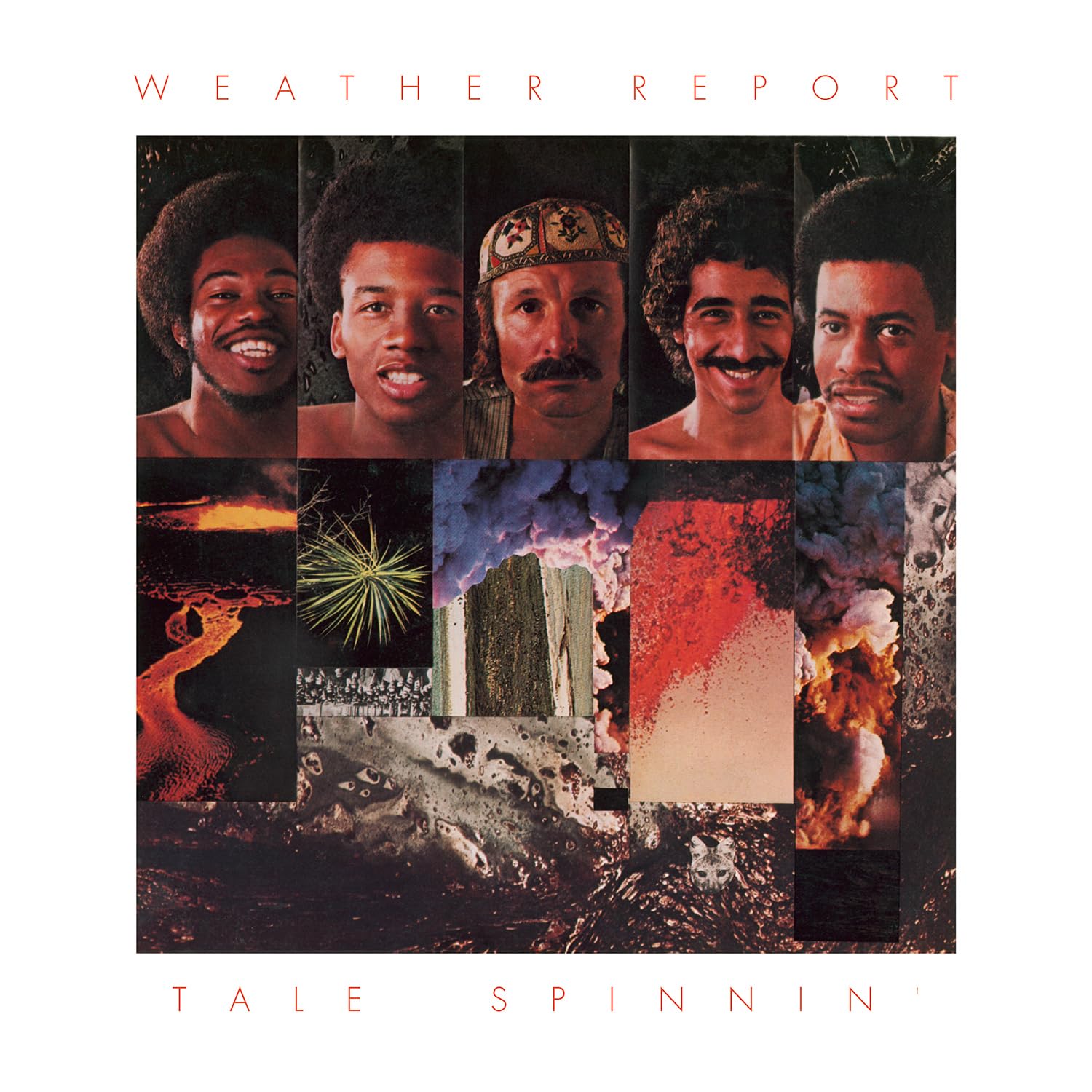
Weather Report: Tale Spinnin
Tales Spinnin’, released in May of 1975, is a vibrant, colorful album that showcases Weather Report at the height of their fusion creativity. The first side of the album is particularly striking, filled with bold, dynamic compositions that blend intricate melodies with rich textures. It is if I can almost hear colors when listening to this first side — it is that visually evocative, aurally. I wish I had some sophisticated color display screens for both the left and right channels that would translate the music into various bursts and evolving strands of colors, but lacking that, I can luxuriate in the radiant waves of Zawinul’s lush synthesizers and Wayne Shorter’s fluid, expressive saxophone work. The interplay between all five musicians is electric, creating a vivid musical landscape that’s both sophisticated and exploratory. The rhythms are complex yet accessible, propelling the tracks into lush, otherworldly soundscapes that are full of life and color.
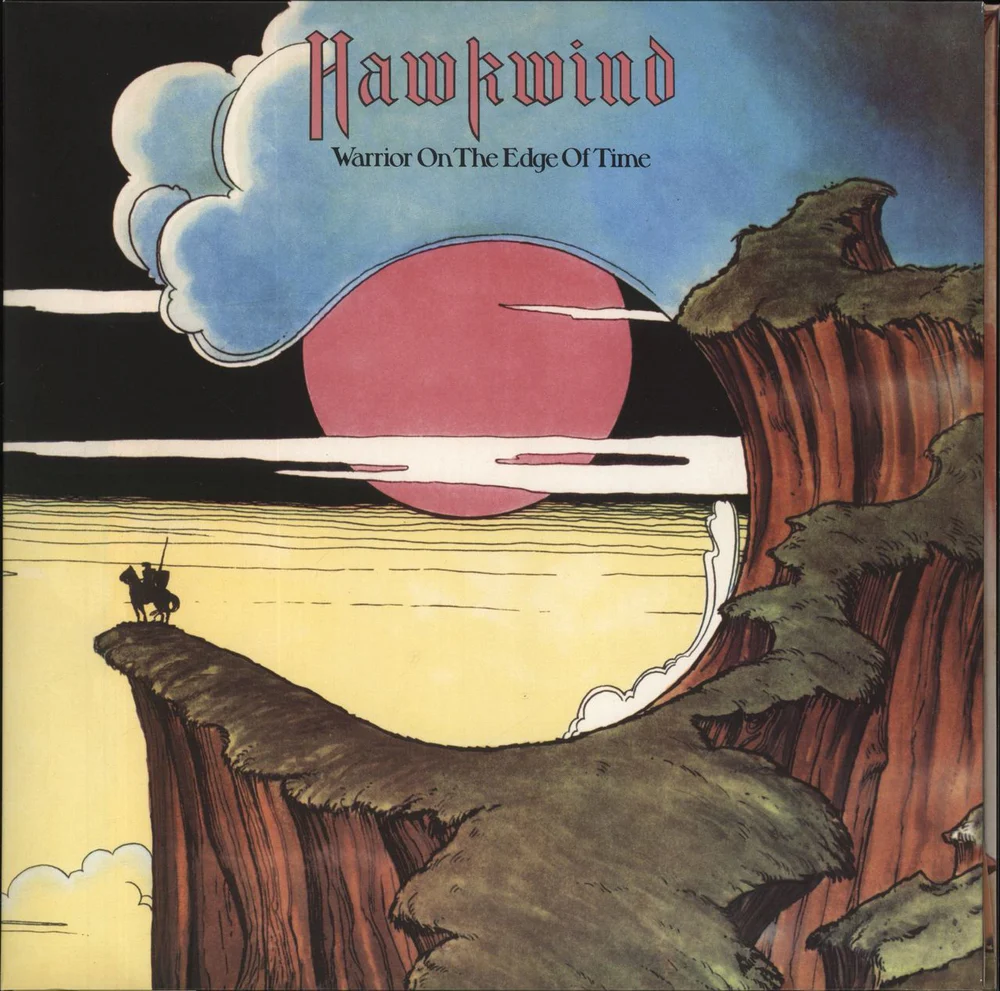
Hawkwind: Warrior On the Edge of Time
Released on May 9. 1975, Hawkwind’s Warrior on the Edge of Time is both engaging and consistently accessible, effectively blending their signature space rock with more traditional prog-rock elements. There is strong emphasis on synthesizers with some effective flute, guitar and even violin to supplement the keyboards, thundering bass, and the often incessant forward-driving percussion. “Assault & Battery” begins the album in grand style, immediately immersing the listener in Hawkwind’s signature Space Rock. This album showcases Hawkwind at their peak, delivering a memorable, mythic sci-fi journey through the fabric of time and space rock.
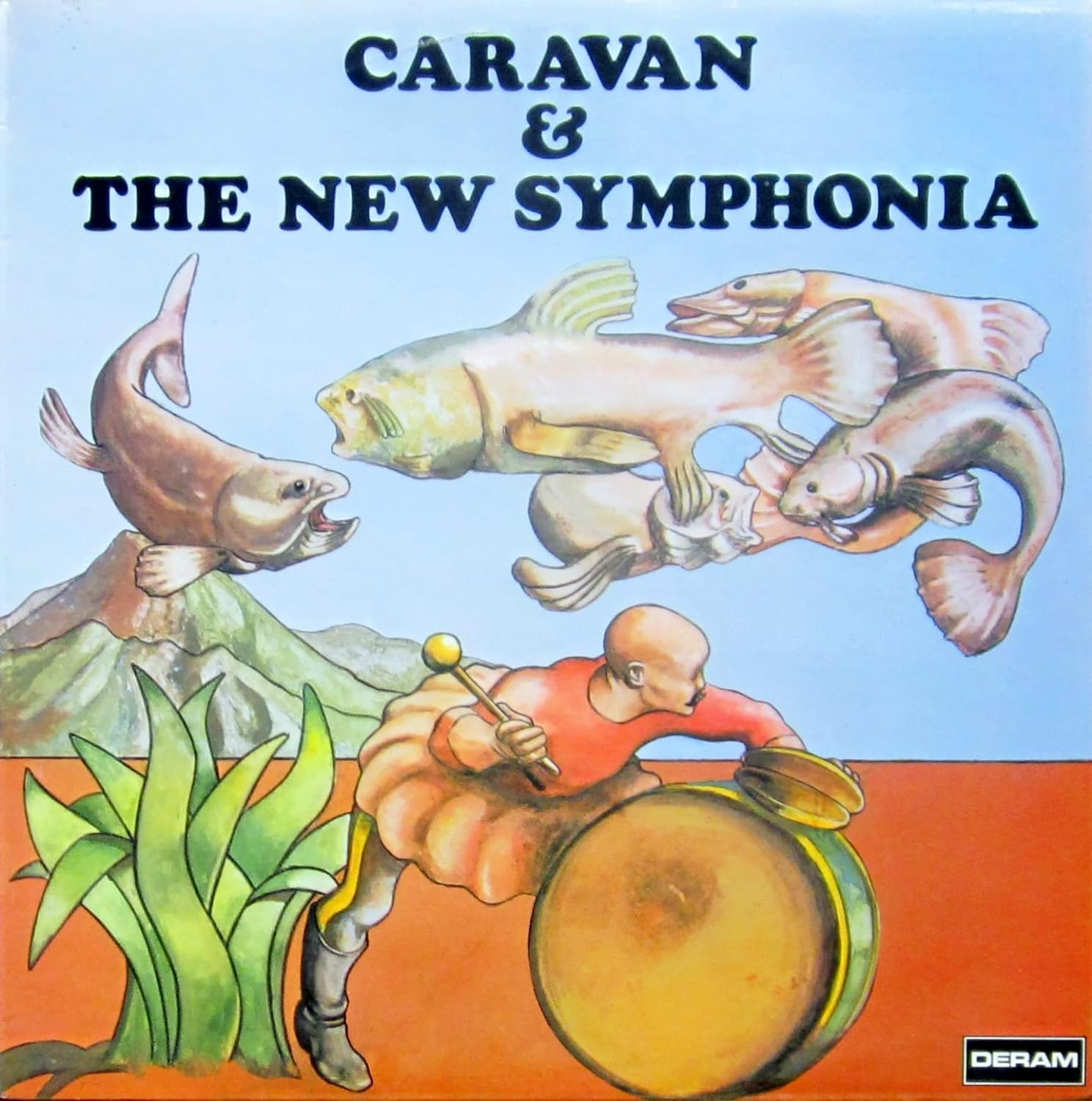
Recorded Live at the Drury Lane Royal Theater on October 28, 1973 and released on April 19, 1974, this live album presented a mix of new material and a composition from their 1970 album and their 1972 Waterloo Lily album arranged and performed with a decently sized orchestra conducted by Martyn Ford. The recording quality is good for that era, and the combined effort between the band and the orchestra works well, providing a new dimension to previous studio work. Fortunately, there is a re-issue of this album that adds additional tracks including a preliminary set without the orchestra of three compositions from their previous album, For Girls That Go Plump in the Night as well as arranging the tracks in the original order from the concert. This reissue also provides an exciting encore with the orchestra: a energetic, well-performed rendition of their instrumental “A Hunting We Should Go” from their previous album. Overall, this live album is a real joy to listen with the orchestra enhancing the colorful nature of Pye Hastings compositions and Caravan’s arrangements.
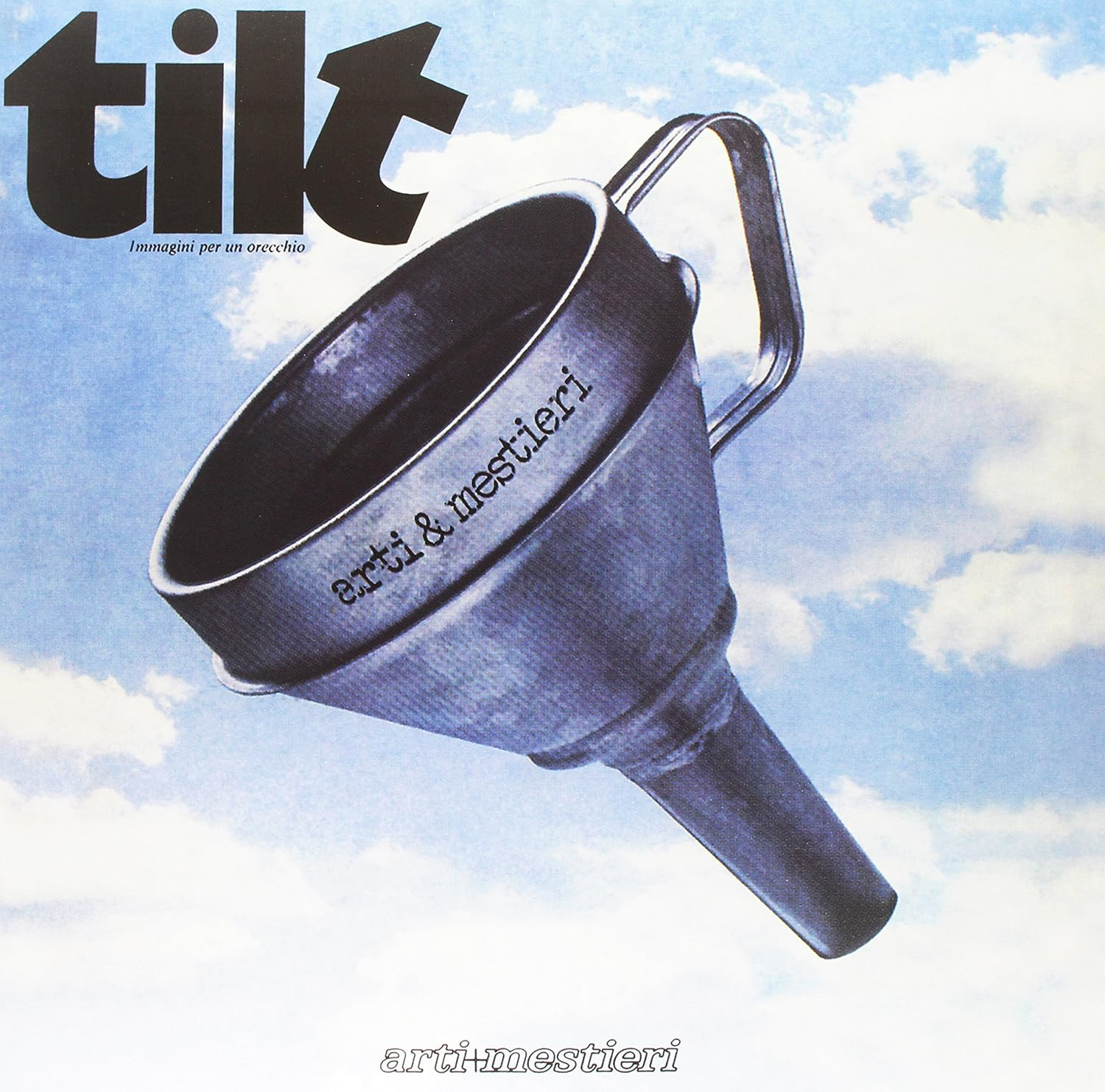
Arti e Mastieri: Tilt (Immagini per un orecchio)
Released in April of 1974, Arti e Mastieri (Arts and Crafts) debut album was indeed “Images for the Ear!” Each composition has its own character and musical path. The album starts off strongly with “Gravità 9,81” which includes sax, mellotron, clarinet and violin, followed by “Strips” with comforting vocals somewhat similar to PFM. The third track, the short energetic “Corrosione,” flows seamlessly into one of my favorite tracks on the album “Positivo/Negativo”, which includes violin, vibes, violin and particularly propulsive percussion from their very talented drummer, Furio Chirico (love that name!) “In Cammino” provides a welcome contrast with its initial mood, and develops into a strong rock fusion piece by its conclusion. This is followed by the brief, beautiful, initially contemplative “Farenheit” which, even within its short timespan of seventy-five seconds, evolves and develops effectively. The most notable piece on the album, is the lengthiest — the dramatic “Articolazioni” — a true prog-rock masterpiece, seemingly greater in both length and scope that its actually timing of “13:24” would indicate. The album ends with the anomalous title track, “Tilt”, which, though interesting and well-done, stands out from the rest of the album, perhaps only to signal an end to the album rather than devised to fit in with the mood of the previous tracks. All and all, an amazing album. Though this is the debut album, it is evident that these are experienced and very knowledgeable musicians, who clearly achieved what they set out to do, and in the process delivered one of the great Italian Progressive Rock albums of all time. Those seeking this out should go with the CD reissue which provides superior sound to the original LP.
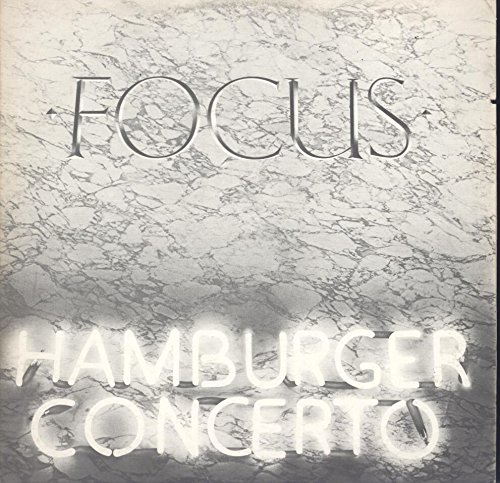
Focus: Hamburger Concerto
Released in April 1974, Focus’s fourth studio album is my personal favorite of the Focus studio albums I am familiar with. The first side starts out with Jan Akkerman’s arrangement of a composition from late renaissance lutenist and lute composer Joachim van den Hove, and is followed by catchy Thijs van Leer composition “Harem Scarem.” The third track is the impressively-wrought “La Cathédrale de Strasbourg” with its strong dramatic first theme and its effective use of pipe organ and acoustic piano, vocals, and contrasting jazz theme. Akkerman’s “Birth”, which ends side one, opens up with harpsichord introducing the theme which is then referenced in the main progressive rock section with Akkerman’s guitar work and van Leer extensively on flute. Quite memorable.
The second side of the album is devoted to Akkerman’s “Hamburger Concerto” which is inspired and based on Brahm’s Variations on a Theme By Haydn, and which effectively becomes a progressive rock theme and variations. The Haydn theme opens up the work with van Leer on organ, Allen on timpani and drums and Akkerman providing a short counter theme on guitar with a third theme introduced on Hammond organ. In general, the Haydn theme provides the thematic foundation but the creativity of Leer and Akkerman (including the incorporation of other themes including a Dutch Christmas Carol) and Van Leers yodel-like vocals (a la their big hit “Hocus Pocus”) take this beyond a straightforward theme and variations exercise with the work effectively and interestingly ranging in moods and blending various musical influences into a cohesive experience making this the highlight of a rather remarkable album by this talented Dutch progressive rock group.
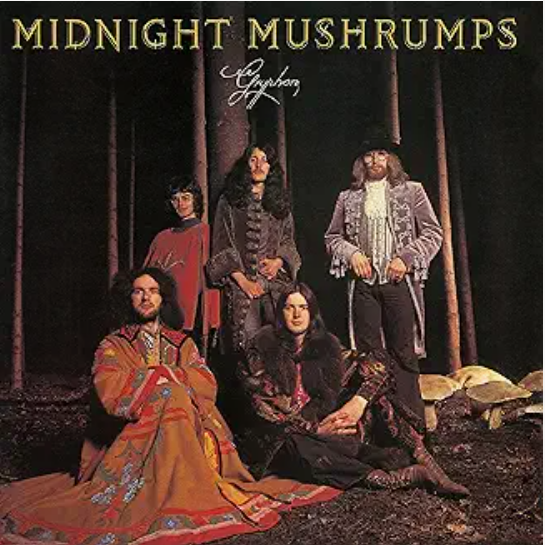
Gryphon: Midnight Mushrumps
Released in April of 1974, Gryphon’s second album merges their medieval and renaissance influences with a modern progressive rock sound, placing them closer to the progressive rock mainstream of 1974. The first track, for example, is a single side composition, the title track of the album, one that pushes them beyond the constraints and expectations governed by shorter pieces. Fortunately, the band handles this nicely, with an surprisingly extensive nine-minute, introduction that effective sets up the main section of the work for the final ten minutes. The second side has shorter pieces, including the notable episodic “Dubbel Dutch” which skips through a range of styles appropriately analogous to the work’s title. The final track, “Ethelion”, takes the elements of an early renaissance dance composition and envelops them into an exhilarating, rhythmically displaced, complex metrical arrangement that transitions to a simpler, emphatically repetitive section that brings the album to a satisfying close.
The Residents: Meet the Residents
This neo-Dadaist musical work was released to minimal fanfare and meager record sales, timed fittingly for April fool’s day, 1974. This is clearly either a labor of love or an extreme instance of obsessive chaotic, disruptive agitation. Either way, it distinguishes itself from the established rock-world non-conformists of the day (Frank Zappa, Captain Beefheart) with its distinctness and eccentricities. Overall the effort is noteworthy for its consistent inconsistency, eclecticism and its overall artistic identity. One particularly noteworthy track is “Rest Aria” which combines a simple beautiful folk-pop melody, 1960s classical minimalism, and a bizarre, westernized deconstruction of Indonesian Gamelan music into a truly effective and interesting result. If you don’t know the Residents, this first album is a great place to start your entry, or attempt at entry, into their world.
Released March 1974, Starless and Bible Black drifts further into free improvisation than previous albums, successfully showcasing both the virtuosic skills of the band, particularly those of Robert Fripp, as well as the band’s other-worldly improvisational skills. The first two tracks provide enough accessible progressive rock to make the album an absolute must for the prog-rock fan, and the rest of the album mixes studio and live material to present a less accessible, but highly impactful musical experience. Particularly noteworthy is the live track “Trio”, an improvisation that the always amazing Bill Bruford wisely allows the rest of the band to develop and finish without forcing his own entrance, fully sensitive to the mood and the masterpiece being created. The gem of this collection is “Fracture”, worthy of lengthy musical analysis far beyond my capabilities. It’s intricacy and irregular rhythmic and structural aspects makes this a particularly challenging composition to perform, but the band is unfazed and undaunted, and not only succeeds technically but fully imbues it with the necessary emotion and expression to make this one of the most meaningful listening experiences in the King Crimson catalogue.
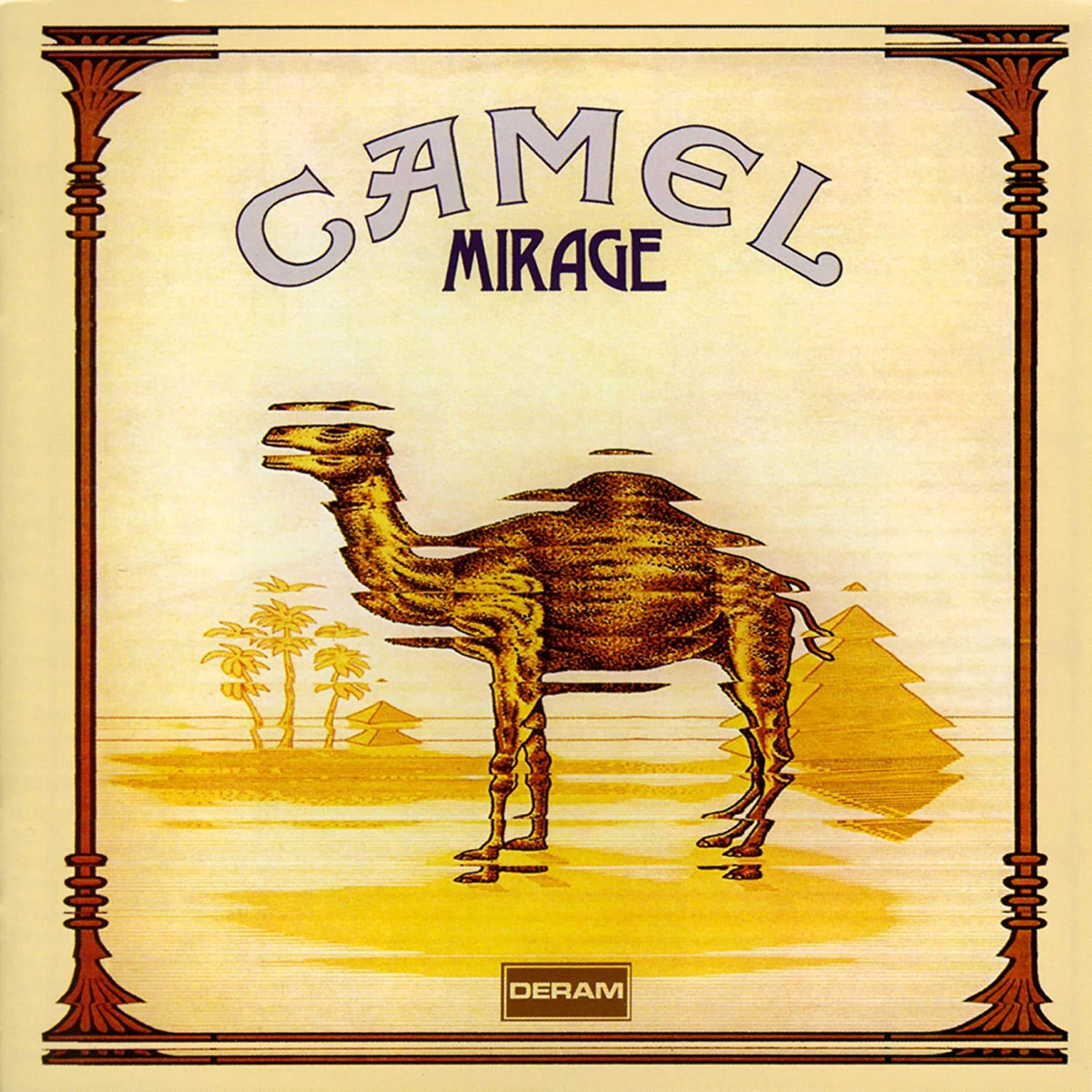
Camel: Mirage
Ethereal and wistful, Camel’s Mirage was released in March of 1974, first with the album cover showed above, and then with replaced (as demanded by the Camel cigarette company) with an alternative cover. Andrew Latimer (guitar, flute, vocals) and Peter Bardens (keyboards, vocals) produce a set of compositions that blend together seamlessly creating a distinctive lush and compelling sound experience. “Supertwister” is the most dynamic and energetic track of the album, a short instrumental that marks off many traditional prog-rock check-boxes with the rest of the album being more introverted and contemplative.
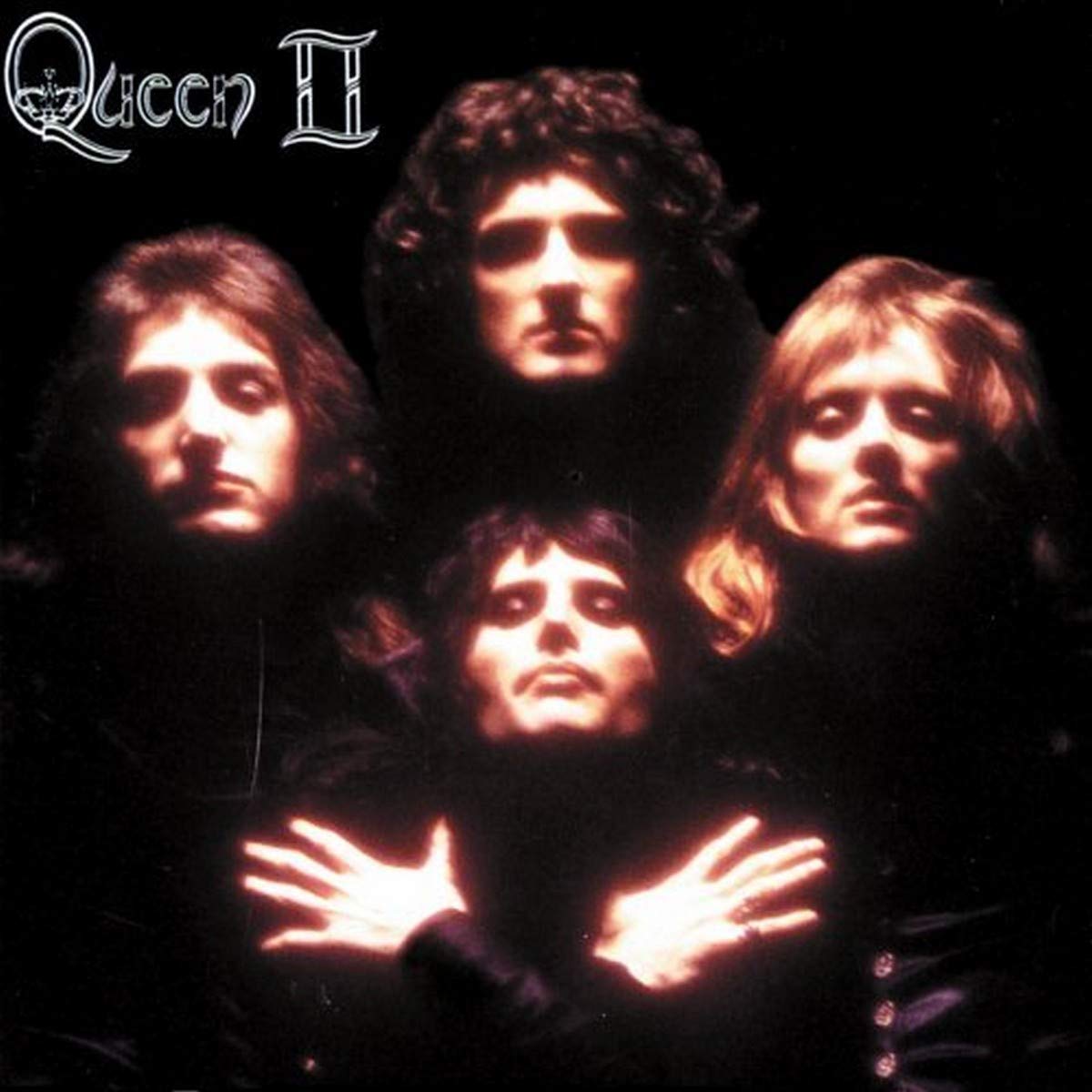
Queen: Queen II
Queen’s second album, released on March 8, 1974, gives us a much more ambitious and artistic effort than the previous, making this their first must-have albums. The production is more polished and the group clearly invested substantial hours in the studio capturing the perfected harmonies and instrumental layering. Side one is mostly Brian May’s compositions, with one work by Roger Taylor, showing off Queen’s own brand of hard rock, while side two, is completely dedicated to Freddie Mercury’s fantastical compositions, with their abrupt musical shifts and endless harmonic energy. Drama and musical theater abound, particularly on the second side, and the musical diversity and level of instrumental excellence have made this an album that never wears out its welcome in the listening room.
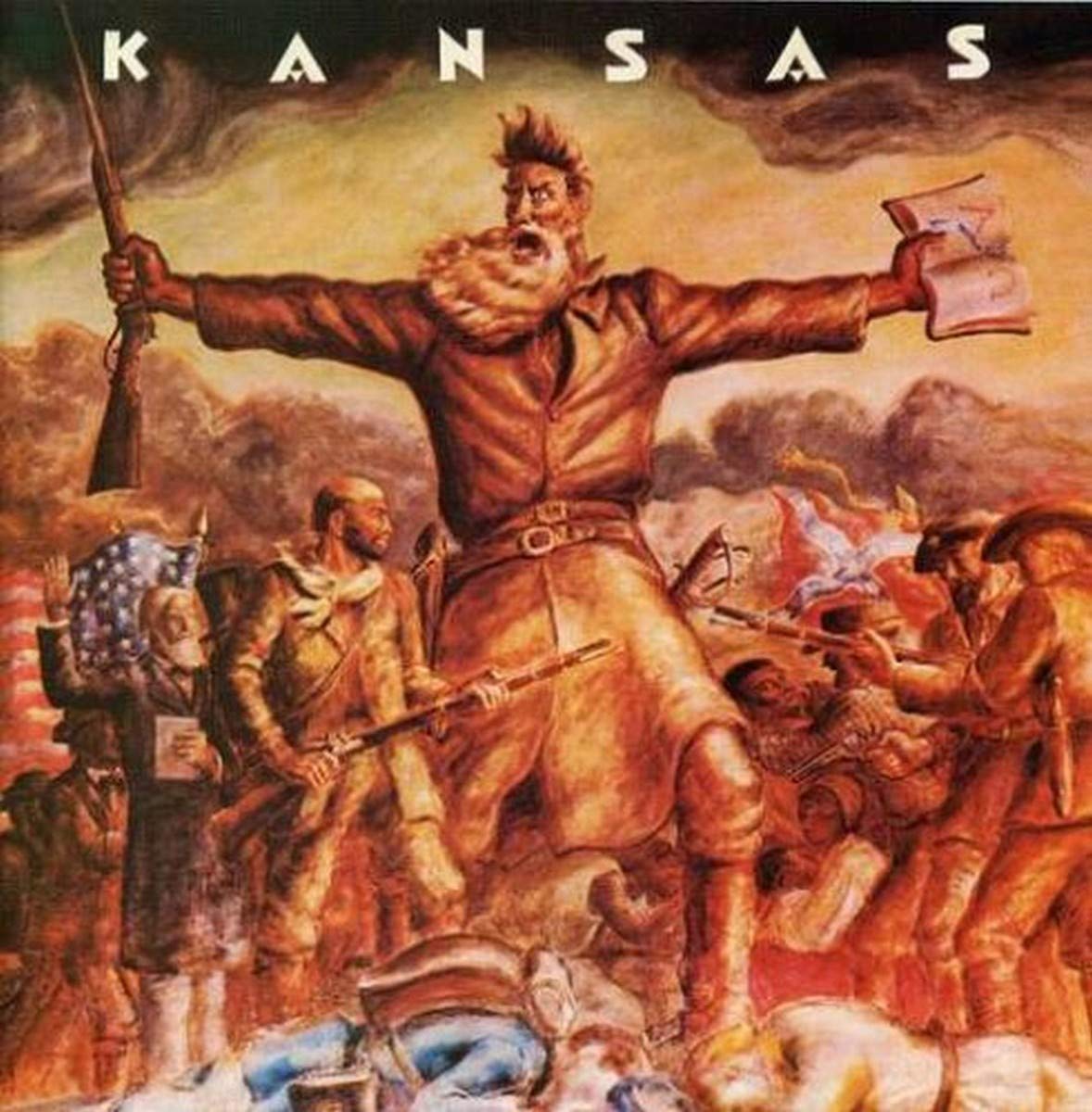
Kansas: Kansas
Kansas released their first album on March 8, 1974, with six musicians from the American Midwest — five of the six born in Kansas or Missouri. The album is particularly American in sound, with hints of boogie rock, country, folk-rock and similar American Rock styles. Notably different than other American Midwest and Southern Rock groups is their facile integration of contemporary prog-rock elements, some of which are very similar to Genesis and Gentle Giant material, though not in the least derivative or perceivably mimicked. Particularly notable is the work of Kerry Livgren on synthesizer and the contributions of violinist Robby Steinhardt. One of the finest debut albums of 1974.
Weather Report: Mysterious Traveller
Weather Report begins to unleash is full range of jazz-fusion capabilities with the release of their fourth studio album on March 24, 1974, climbing to number 2 on the US Jazz Charts, as high as 46 on the US Pop album charts, and up to 31 on the US R&B charts. Additional funk and world music influences are incorporated, possibly leading to creative differences with legendary Miroslav Vitouš, who makes this his last recording with the group, appearing on two of the eight tracks on acoustic bass, replaced by bass guitarist, Alphonso Johnson on the other six tracks.
The album is inventive, innovative and filled to the brim with interesting improvisation — fusing jazz, world music, including Latin influences, funk, rock, and hints of classical. Album not only showcases the creativity and imaginative brilliance of Joe Zawinul and Wayne Shorter, but includes memorable contributions from everyone involved included several guest musicians on percussion instruments, ocarina and woodwinds (on “J0ungle Book”) and vocals (“Nubian Sundance.”)
Peter Hammill: The Silent Corner and the Empty Stage
Released in early February of 1974, even though there is ample participation by fellow Van Der Graaf band mates, this is clearly a personal, Peter Hammill solo effort. From the start Hammill dives inward stirring up and capturing a range of emotional turbulence.
The album opens with the metrical tempestuous “Modern,” and ends with one of Hammill’s greatest classics, the deeply emotional “A Louse Is Not a Home.” Hammill often performed these two songs along with “The Lie (Bernini’s Saint Theresa)”, also on this album, in the 1970s on solo tours in small venues, injecting every ounce of energy into his dramatic renditions.
Generally the featured instrument is Hammill’s expressive vocals appropriately supported by piano, mellotron, acoustic and electric guitar with additional support from the VDGG band members with Spirit’s Randy California on lead guitar on one track. The production emphasizes a sense of intimacy which underscores the uncompromising, unsuppressed intimacy, immediacy, and intensity which makes this album so remarkable.
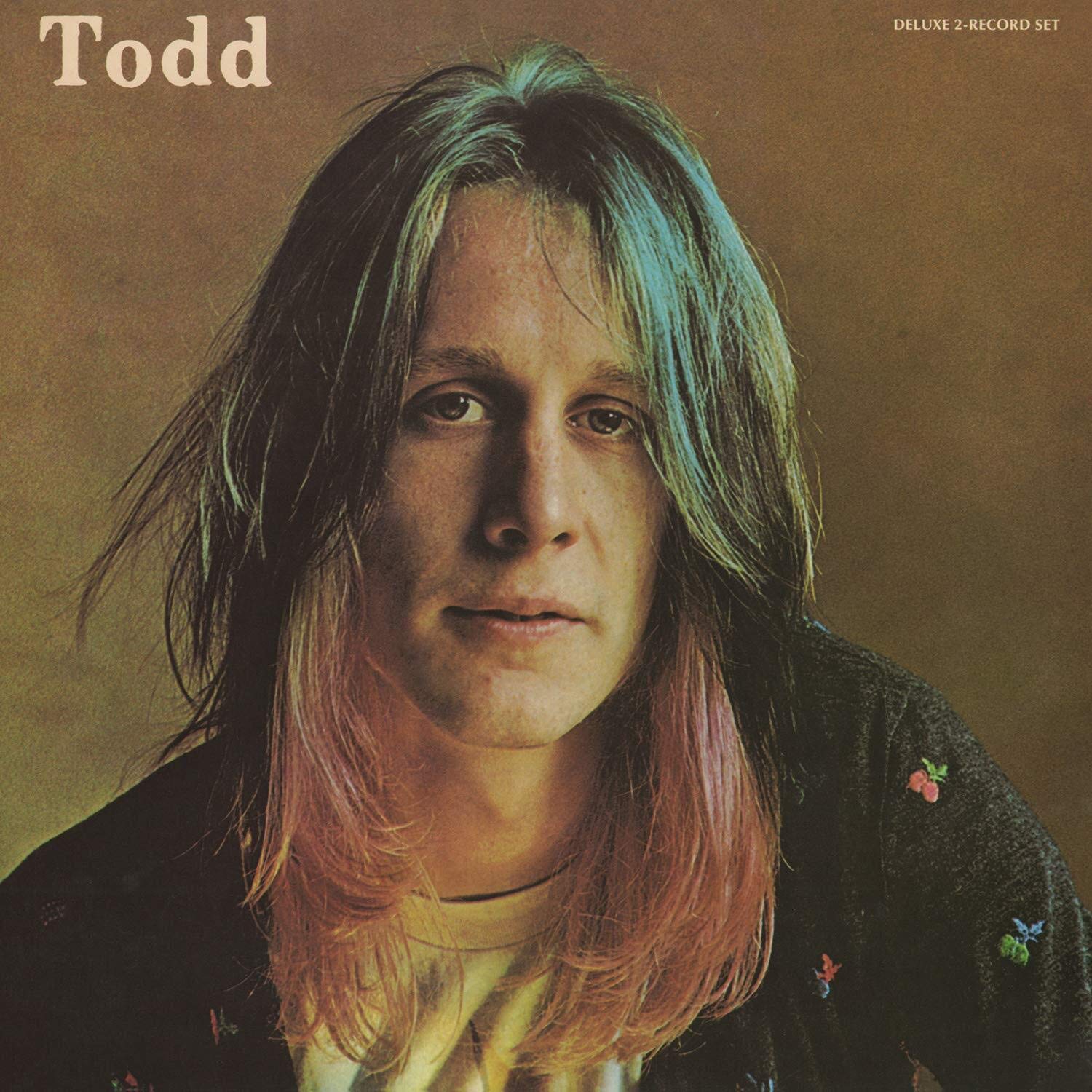
Todd Rundgren: Todd
Todd Rundgren’s eponymous double album, released in February 1974, proclaims energetically, or rather electronically, that Mr. Rundgren is a master composer and arranger, delighting us with a wide array of electronic timbres and effects. Yes, we still have beautiful Rundgren ballads, such as “I Think You Know” and “A Dream Goes On Forever” included amidst all the voltaic dazzle, but the main attractions are Rundgren’s summoning of artfully deployed electronic-generated special effects, his command of various studio production techniques, and his venturing into more challenging musical compositions, like the metrically unbalanced “Drunken Blue Rooster”, the whimsical “An Elpee Worth of Tunes”, and ” the snide, unbridled ”Heavy Metal Kids.” Altogether, this is a extremely enjoyable, adventurous yet cohesive work that some may chose to classify as prog-rock, yet clearly stands separate from anything previously released commercially. This no doubt contributed to it going over the head of just about every major rock critic that reviewed the album in 1974 but also contributes to this being one of the most notable albums from 1974.
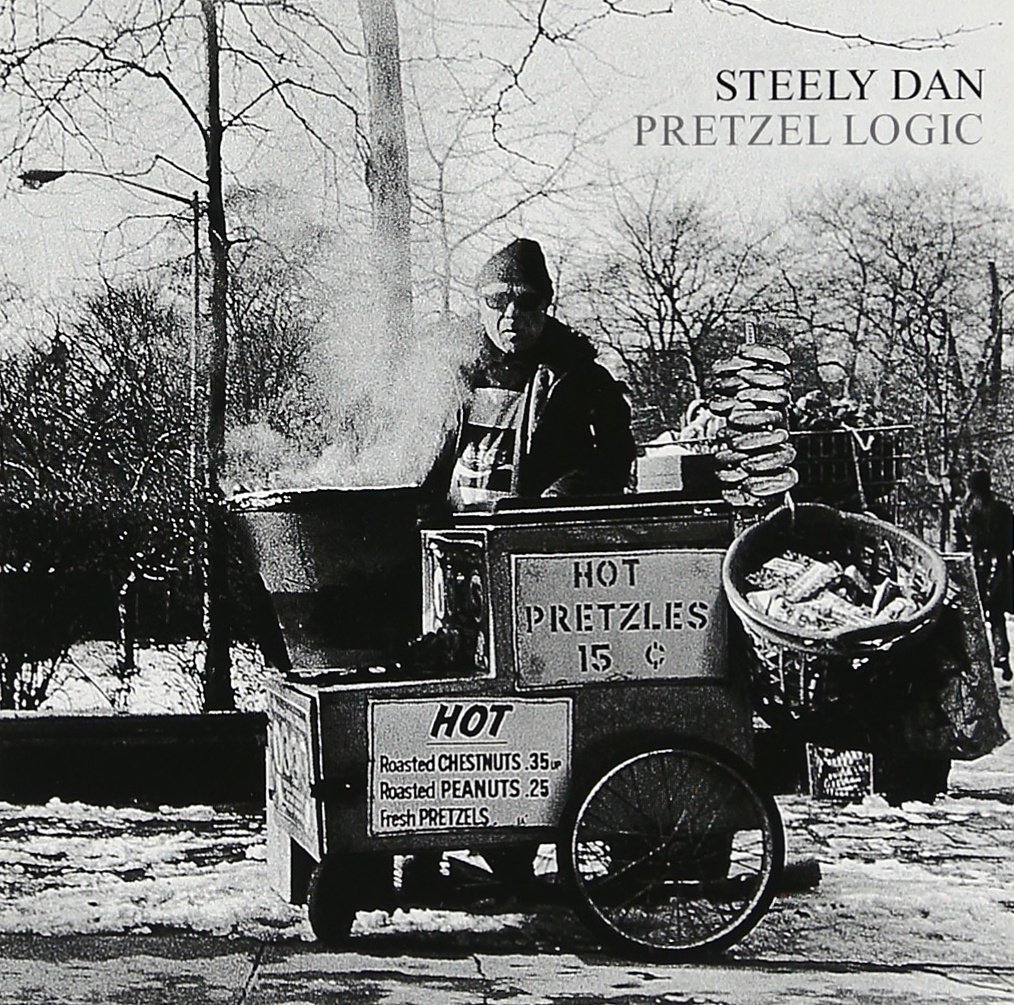
Steely Dan: Pretzel Logic
This is just one of those classic rock albums. Released on February 20, 1974, there really isn’t any single track that is at the level of “King of the World” from their previous album, but just about every track here is very close to that level of excellence. They group seems to have intentionally kept each song to AM airplay length — this means that jazz influence is more densely embedded in the tracks, but still handled very artfully and tastefully, retaining the classic Steely Dan sound.
Brian Eno: Here Comes the Warm Jets
Brian Eno’s debut solo album, Here Comes the Warm Jets, released on February 8, 1973, is a unconventional rich tapestry of accessible pop (think Sid Barrett) set into ingenious contexts. Truly delightful, this album showcases Eno’s unconventional brand of creativity.
Tangerine Dream: Phaedra
Released on the 20th of February 1974, this engaging album overtakes Harmonia’s Musik Von Harmonia, released the previous month, in the race for approaching the fully mature sequence-driven, repetitive, German Prog Rock that would soon become so prevalent. The music truly pulls the listener out of their current environment and into another universe — a universe where sound is not differentiated from sensation, imagery, or existence.
Chase: Pure Music
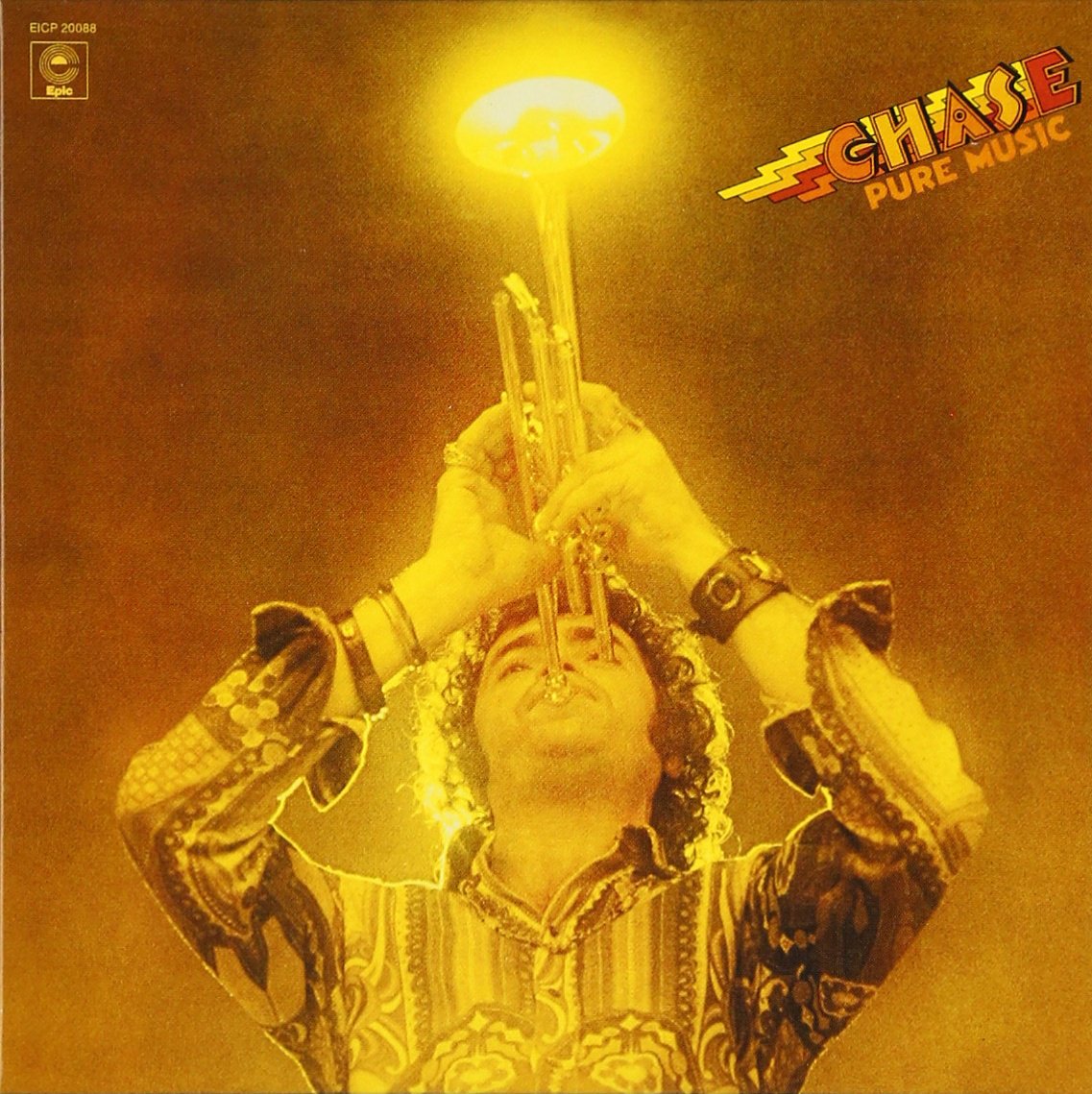
After a very successful first album, and a weaker second album, it seems Bill Chase finally figured out the best direction to go in — emphasizing a more jazz-based brand of jazz rock, with mainly instrumental material. Every track works nicely, but alas, this would be Chase’s last album due to the crash of the twin-engine charted plane flight to his scheduled performance at the Jackson County Fair. Also lost to us all was drummer Walter Clark, guitarist John Emma, and the especially talented Wallace “Wally” Yohn, who provides some excellent keyboard contributions to this last Chase album.
Chase brings some of his Stan Kenton, Woody Herman and Maynard Ferguson experiences into the music on this album, elevating the content with more sophisticated arrangements and showcasing his personal solo skills at their very best. While Chicago, Lighthouse, If, and Blood, Sweat and Tears, best work was now in the past (by February 1974) is appears that Chase’s best work was tantalizingly close but, unfortunately, for all of us, never captured.
Mick Ronson: Slaughter on 10th Avenue
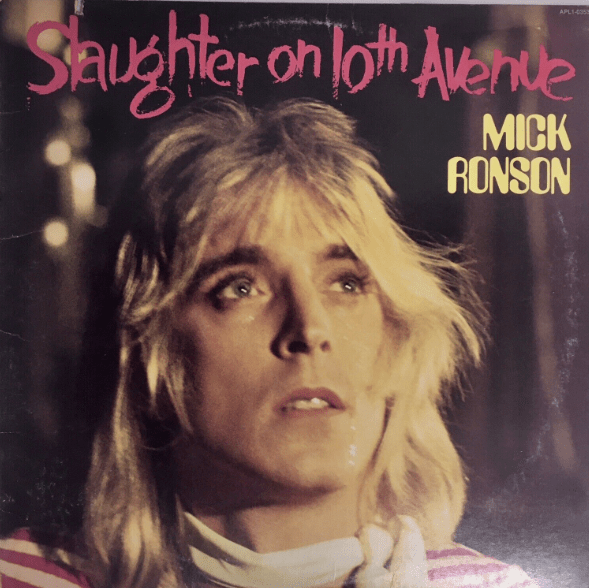
Released in February 1974, this is about as close to a David Bowie album as one can find which doesn’t have David Bowie involved in singing, performing or producing. We do have another member of Ziggy’s Spider From Mars band, Trevor Bolder on bass, trumpet and trombone, and we have Mike Garson on keyboards (notable especially for his piano contribution on Aladdin Sane) — and we also have two original songs by Bowie, ”Growing Up and I’m Fine” and “Hey Ma, Get Papa.” Ronson’s vocals are second best to Bowie, but good enough to carry the album off nicely. Truly a recommended record for any Bowie fan.
Released on either September 29, 1973, or more likely October 5, 1973, “Selling England by The Pound” stands as one of the finest progressive rock albums of the 1970s. The sound is superior to that of their previous album, “Foxtrot,” and the music maintains the same level of excellence. It adeptly balances instrumental passages with vocal sections, blending humor (seen in tracks like “The Battle of Epping Forest” and “Aisle of Plenty”) with more serious compositions.
“Firth of Fifth” (note the humor in the title, which is a reference to Firth of Forth , the fjord of the Forth river, in Scotland, north and northwest of Edinburgh) is my favorite track, particularly due to is introductory theme on piano, later reprised by the group, but there is not a single weak moment on the entire album — and quite an album it is, with seven perfectly realized tracks totaling over fifty-eight minutes of magnificent music.
The Who: Quadrophenia
Released on October 19, 1973, this is the Who’s masterpiece about teenage alienation, angst, attitude, and the multiple personalities vying for integration into the evolving identity of an individual. It also addresses the weaknesses within the UK social system and the moments of solace that British youth of the 1960s sought and found in music and by the seaside. Moreover, this work is an astounding musical achievement, characterized by skillful thematic reiteration. Its musical content can be enjoyed both on a visceral level and intellectually, making it enduringly captivating upon repeated listens. Notably, the lyrics were deftly incorporated into music that was apparently written first, and Townshend has delivered exceptionally well-crafted lyrics that serve as the narrative backbone.
Effectively, this is a rock opera set in 1965, centering around a singular British youth, inspired by conversations Pete Townshend had with early fans of The Who. A significant distinction is that, unlike “Tommy,” which featured two songs by John Entwistle, one by Keith Moon, and a reworking of a Sonny Boy Williamson tune, all the original material here is authored by Pete Townshend. The emphasis is on “initial”, since Townshend intentionally provided a framework of lyrics, melody and chords that would develop into final arrangements through Townshend’s working with the band and the studio equipment to achieve the final product. So though Townshend deserves appropriate credit here for the authorship of this impressive work, it is The Who, as a band, that must be recognized for making this an enduring classic.
For those interested in additional information on this great album, please check out this track-by-track review by Caryn Rose written back in 2013 for Quadrophenia‘s 40th anniversary: Track-By-Track Review
Return to Forever: Hymn of the Seventh Galaxy
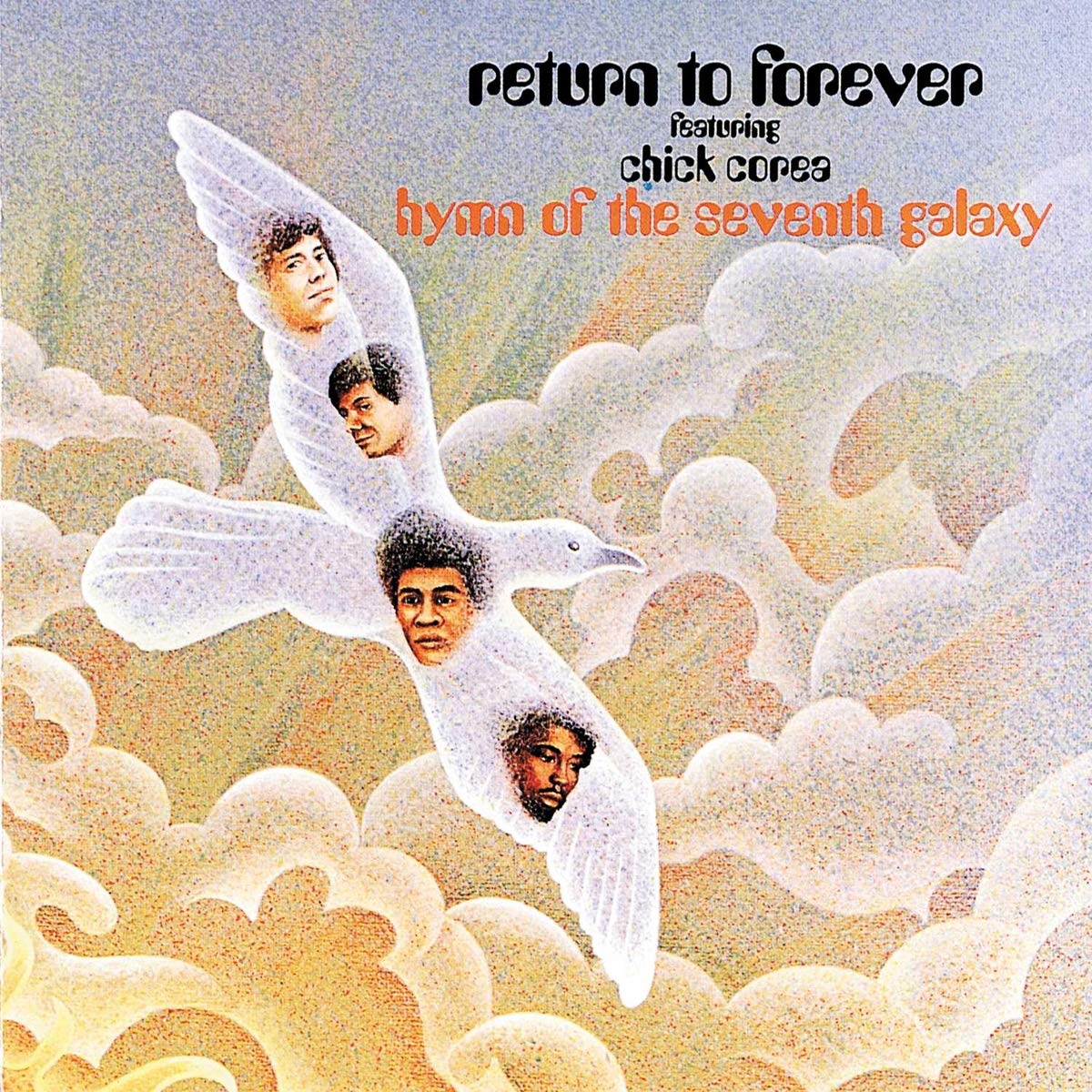
Released sometime in October 1973, this third album from Return to Forever magically and masterfully weaves together elements of jazz, fusion and progressive rock. Chick Corea dazzling keyboards and his other worldly — no, make that other galactic — compositions just radiate throughout this album. Fellow band members, Stanley Clarke, Lenny White and Bill Connors are equally up to the challenge, with Mr. Clark providing a wonderfully radiant composition of his own, “After the Cosmic Rain” and exhibiting Olympic-level mastery on electric bass. The coup de grâce is the last track, “The Game Maker”, breathtakingly piloting us over intricate, wondrously, shifting musical landscapes.
Elton John: Goodbye Yellow Brick Road
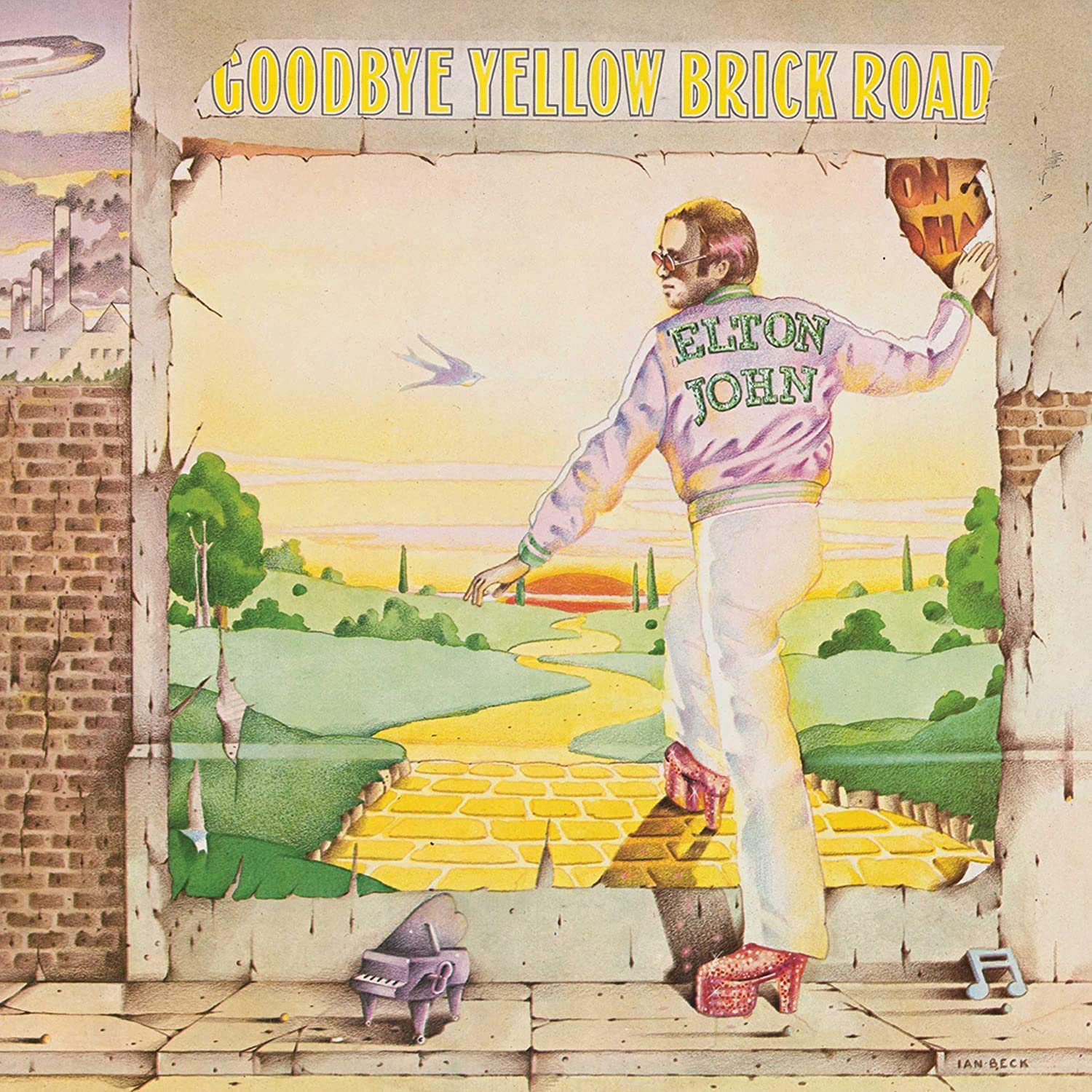
The one obstacle that prevented The Who’s Quadrophenia ever getting to the number one album spot in the UK or in the US, was the multi-million-sales avalanche of Elton John’s Goodbye Yellow Brick Road, released on October 5, 1973, almost two weeks before Quadrophenia. Of the slightly over one hundred million copies of albums Elton has sold, Goodbye Yellow Brick Road accounts for over thirty-one million, and continues to sell in substantial quantities to new Elton John fans today.
Rather than compose music and then fit lyrics into the music, Elton John’s method in the 1970’s, like that of many songwriters, was to take already written lyrics, in Elton’s case partnering with Bernie Taupin, and then create music too complement those lyrics. Considering the nature of many of Taupin’s lyrics, it is rather incredible that Elton created so many highly popular and widely-appealing songs from the initial material. Goodbye Yellow Brick Road, in a sense a loose or partial concept album, provides insight into Elton’s range of compositional skills, with the initial track, “Funeral For A Friend:, being one of his rare instrumentals, providing a glimpse into the depth of his creativity when not bound by lyrics. This instrumental introduction is effectively paired with “Love Lies Bleeding” providing an almost progressive-rock opening for the album.
Overall the album is quite good and along with his two albums from 1970 (Elton John and Tumbleweed Connection) and his live album from that period (17-11-70) are a set of his works I hold in high esteem. Now, though the first side and last side of the original 2 LP “GYBR” is indispensable, as is the first track of side two, and the last track of side three, the material in between could be omitted, to get a very fine single LP album, at a total length of around 45 minutes. Now some may wish to further add another track like “The Ballad of Danny Bailey (1909–34)” resulting in an album that still comfortably adheres to standard LP limits. That said, the CD, containing over 76 minutes of the original material, is now sold at roughly the same price as other Elton John albums from the early seventies — so even though a slimmer, arguably better album could be achieved, what’s the point — given how effortless it is to replay favored tracks on a CD or to skip those not currently of interest.
Billy Cobham: Spectrum
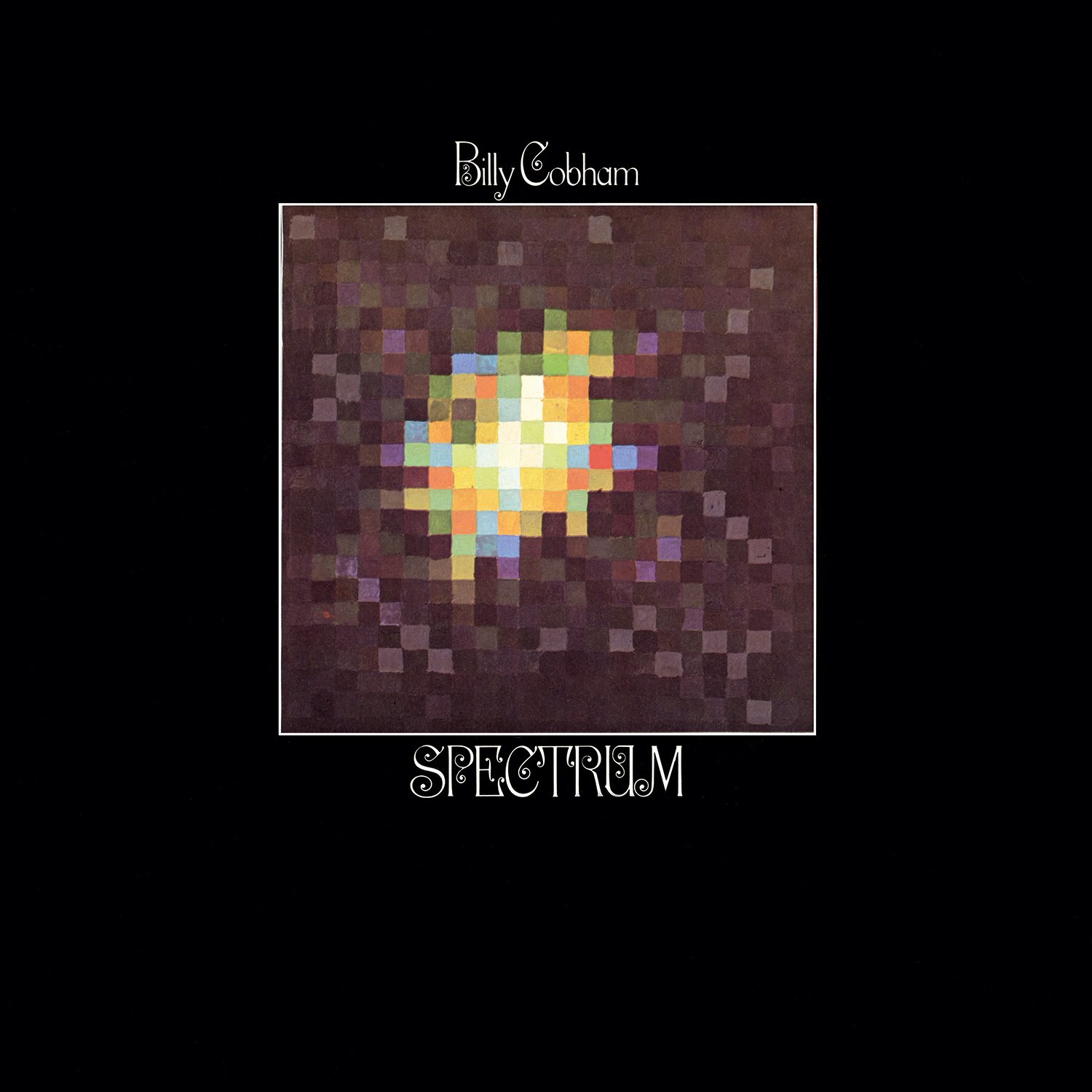
Spectrum, Billy Cobham’s first album as a leader, released October, 1, 1973, is as impressive and important as any fusion album of 1973. The combination of Cobham and Jan Hammer dominate the album, and the supporting resources, particularly Tommy Bolin who is present on over half of the musical material, round out this excellent work. Album includes duets between Cobham and Hammer, Hammer soloing on acoustic piano on the beautiful ballad, “To the Woman but it is the longer tracks, and several lengthier tracks including the opening track, “Quadrant 4” full of energy and purpose, “Stratus” with remarkable bass work from Leland Sklar, and the fast-paced, electrically-charged title track, “Spectrum” with Joe Farrell on sax and flute, and Jimmy Owens on trumpet and flugelhorn.
Gryphon: Gryphon
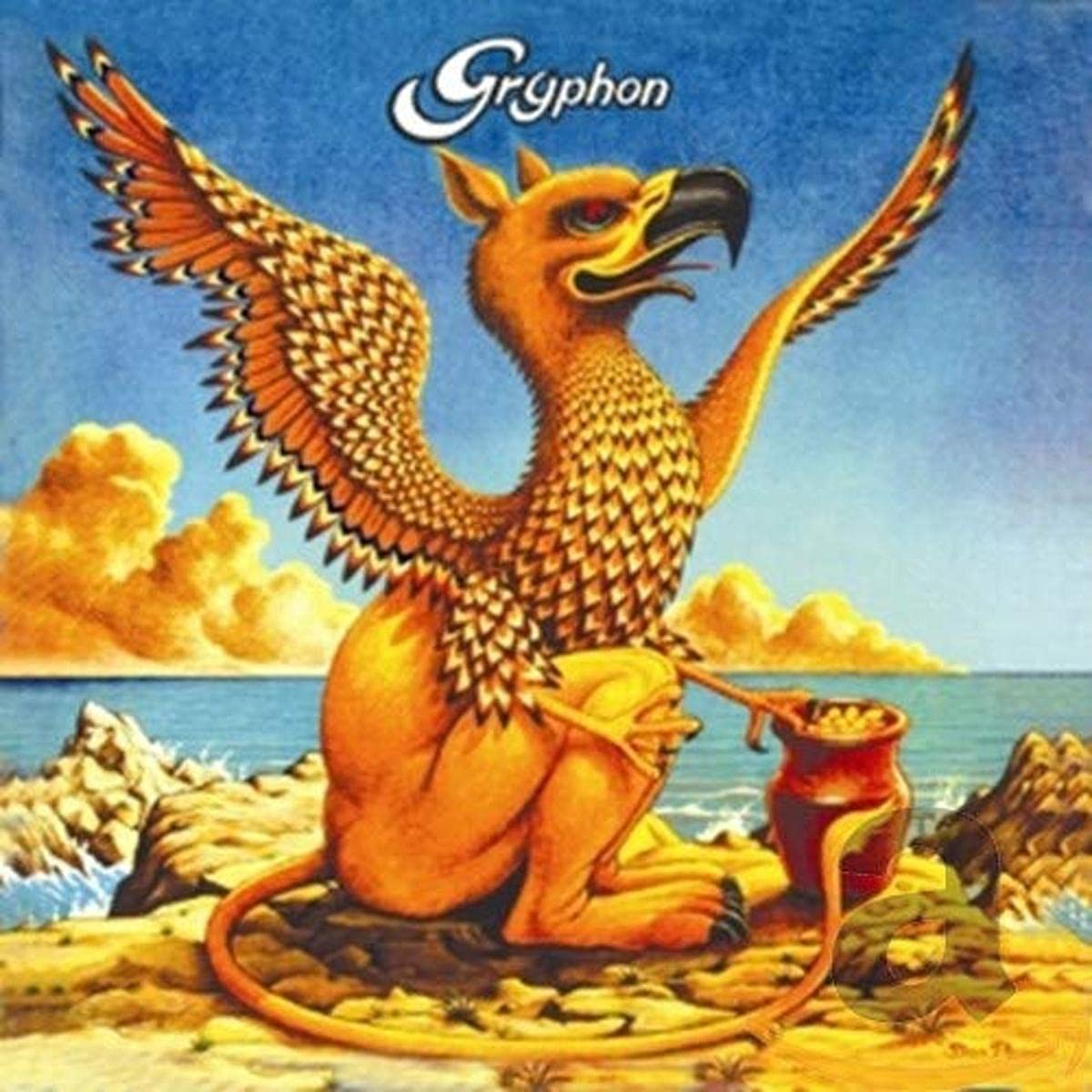
Gryphon’s first album is a unique blend of folk and rock, incorporating both modern elements (guitar, bass, bassoon, trombone, drums) and earlier musical instrumentation (mandolin, recorder, crumhorn) into a successful set of songs. In late 1973, there were several folk rock groups, such as Fairport Convention, Steeleye Span, and Pentangle, but Gryphon, with two of the group members—Brian Gulland and Richard Harvey, both graduates of London’s Royal College of Music—distinguish themselves through a level of originality that transcends replicating traditional Celtic folk harmonies and melodies. Their occasional use of late 19th-century and 20th-century dissonance, not found in traditional English, Irish, Scottish, or Welsh music, coupled with their colorful and sometimes unconventional instrumentation, creates a new sound that effectively captures and maintains the listener’s attention. Later, the group would develop a more progressive-rock sound, but this first album is a fine one, deserving to be enjoyed and appreciated on its own terms.
Renaissance: Ashes are Burning
Renaissance’s fourth album, “Ashes are Burning,” was released on October 10, 1973. The album opens with full intensity, featuring the instrumental introduction of “Can You Understand?” This segues into the introspective acoustic main section, accompanied by some orchestration, showcasing Annie Haslam’s spellbinding vocals. The introductory material returns to conclude the piece. Such artistry and high-quality musical content are defining characteristics of this album, effectively blending classical, folk, and rock elements. The album concludes with the majestically crafted and musically uplifting “Ashes are Burning,” providing an emotionally captivating ending to a highly enjoyable album.
Herbie Hancock: Head Hunters
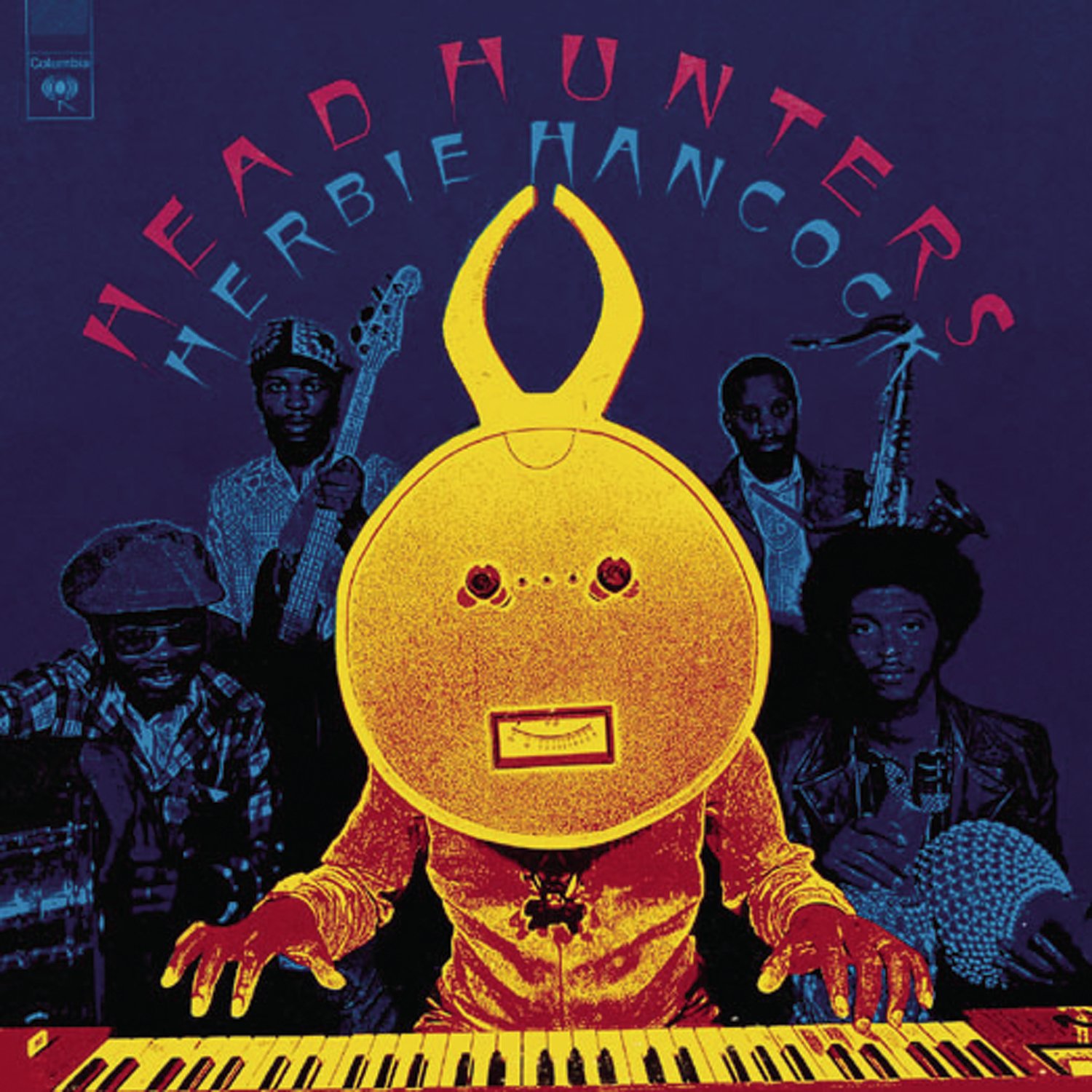
Released on October 26, 1973, and recorded the previous month, this landmark album signifies a conscious shift in direction for Mr. Hancock. It departs from his previous, more progressive and adventurous modal-based music, embracing a solidly tonal funky style of jazz. For this endeavor, he replaced all the members of his previous sextet except for himself and the talented Bennie Maupin on reeds. Remarkably, this jazz album achieved significant commercial success, foreshadowing George Benson’s stunning commercial breakthrough three years later.
The album starts off with “Chameleon,” featuring its initial foundation of two relentlessly repeated bass figures. However, the music is far from stagnant; it organically develops as it progresses, with the bass occasionally taking a secondary role but always remaining fundamental to the overall forward motion. The improvisation, while solidly jazz-based, aligns with a generally funky mood. Toward the end of “Chameleon,” we encounter sparkling chord changes reminiscent of a chameleon changing its exterior color, yet it retains its essential nature—similar to the music—concluding with a more static, funky ending. This is followed by an abstracted, funky rendition of Hancock’s classic, “Watermelon Man,” creatively presented to sound fresh, innovative, and slightly futuristic.
Side two starts with “Sly,” a vibrant homage to Sly Stone that includes some wild, abandoned, but clearly intricate interplay between Maupin’s sax and Hancock’s keyboards. This dynamic exchange offers all the excitement and vigor of the free jazz of the era, yet within a tonal, structured framework—making it accessible to a wide range of listeners. The album concludes with the reflective jazz tone poem, “Vein Melter,” seemingly representing the impact of heroin. The sense of time is significantly slowed by the floating, detached music, free from earthly worries or concerns. Notice the slow beat that initiates, persists, and concludes the track, possibly symbolizing the futility of the heroin experience. This second side, featuring “Sly” and “Vein Melter,” stands as one of the best single LP sides of any album from the 1970s.
Kraftwerk: Ralf und Florian
Released sometime in October1973, Ralf und Florian is the third studio album by the soon-to-be influential German electronic music pioneers, Kraftwerk. At this time there group is just the two former students of Düsseldorf’s Robert Schumann Conservatorium, Ralf Hütter and Florian Schneider The album is influenced heavily by “classical” or conservatory/university ideas about electronic music, but it is clear that a more accessible element is added into their works. This is far from their pop-flavored, and very influential, fourth album, but it still holds a special place in the band’s discography, marking that important transitional phase between their early “experimental” electronic work and the groundbreaking sound they would later be known for. The most intriguing work on the colorfully diverse side one is the pattern-based “Kristallo.” The second side open with “Tanzmusik”, which comes the closest to the music of their next album, with its lighthearted texture, vocoder-enhanced vocals and relentless drive. The album concludes strongly with the longest track, the relatively accessible “Ananas Symphonie” (“Pineapples Symphony”) with the vocoder, this time, used to modulate their voices to sound detached and machine-like. Ironically, though, the piece also creates a relaxing, mediative soundscape reminiscent of a tropical island — pineapples and traces of seashore sounds included.
Caravan: For Girls That Grow Plump in the Night; Lou Reed: Berlin
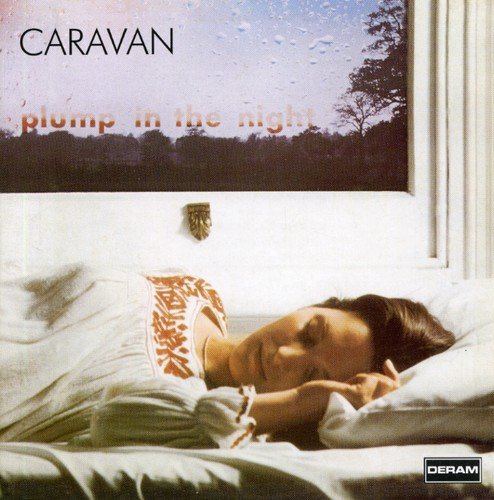
With changes to their lineup, the loss of bassist Richard Sinclair and keyboardist Steve Miller and the addition of Richard’s cousin, Dave Sinclair on keyboards, and Geoff Richardson on viola, Caravan moves away from the more progressive, jazz-infused sound of their previous album, to a less progressive sound infused with some pop elements of the late sixties The highlight of this fifth studio album, released on October 5th, 1973, is the medley on the last track, “L’Auberge Du Sanglier / A Hunting We Shall Go / Pengola / Backwards / A Hunting We Shall Go – Reprise”, which includes strong guitar work from Pye Hastings, impressive electric viola and cello from Richardson and Paul Buckmaster, respectively, some sensitive acoustic piano from Dave Sinclair and a solid orchestral arrangement from John Bell and Martyn Ford.
Also, on October 5, 1973, Lou Reed releases his poignant concept album, Berlin. Though not as melodically memorable as his previous album, and with some musical content from earlier works recycled or redeployed, the album is still deserving of attention. The last track, in particular, provides an affecting and fitting conclusion to the work.
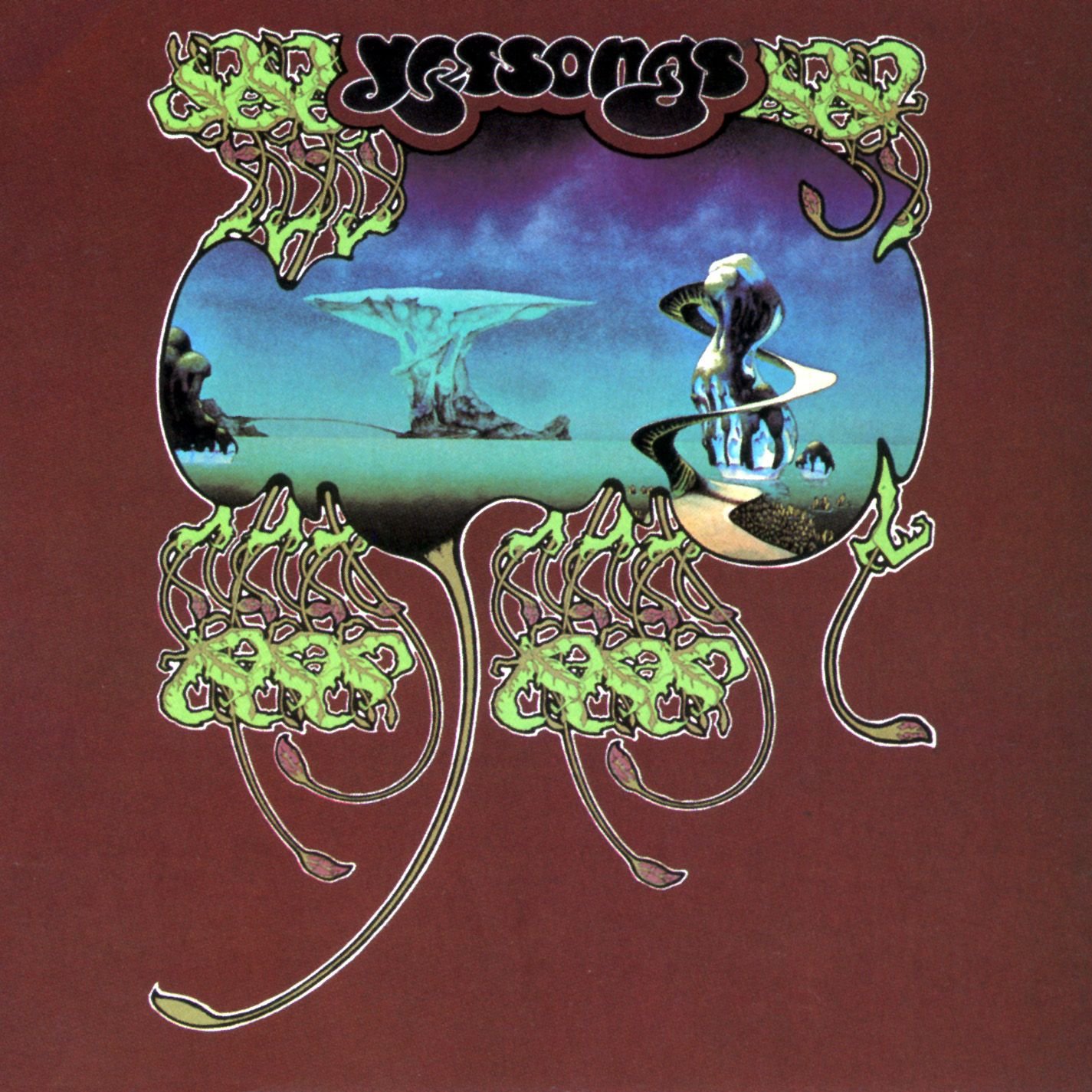
I usually don’t mention live albums, but Yessongs is an important exception due to its effectiveness in capturing the live side of Yes while in their prime. Better sonically than most live albums of the early seventies, Yessongs permanently documents, for existing and future music lovers, the band’s interplay and improvisation and how they made their music come to life on stage.
George Harrison: Living in the Material World
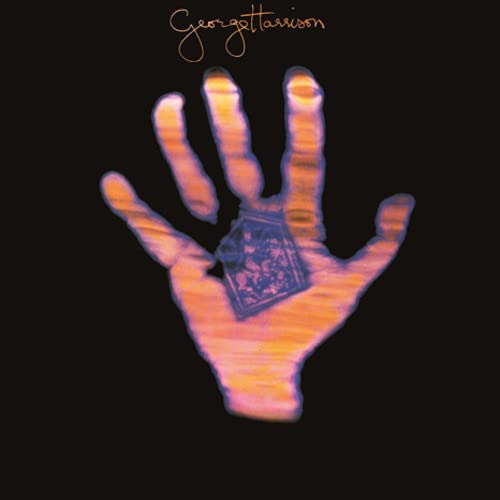
Released at the end of May 1973, over two and a half years after the impressive All Things Must Pass, it is evident that quality was much more important to George Harrison then quantity of releases. Each track is perfect, with not a weak moment in the entire album, making this one of Harrison’s best albums as well as one of the finest solo albums ever released by any of the Beatles.
Paul Simon: There Goes Rhymin’ Simon
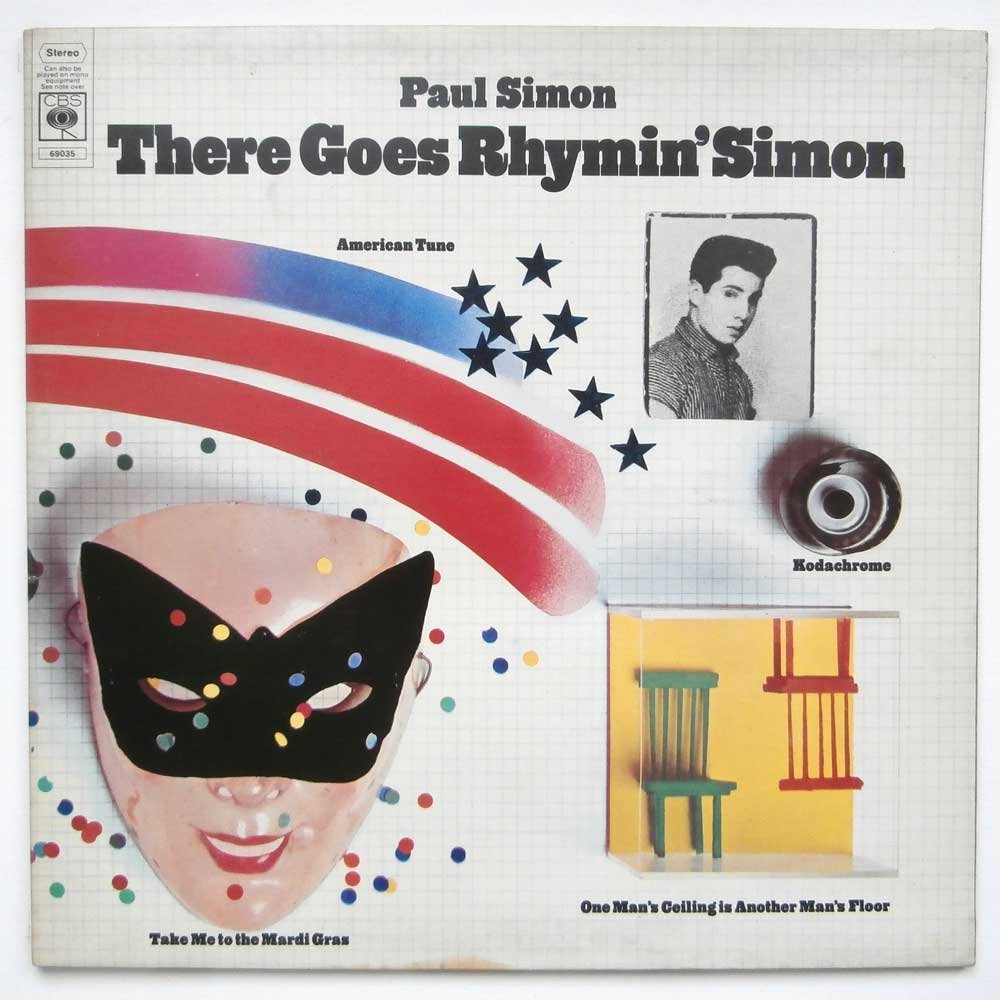
Paul Simon balances commercially attractive material with some real solid compositions on this critically acclaimed album. Though I may skip the very first track or stop the album before I get to the very last track, there is no way I will ever skip hearing Simon’s timeless classic, “American Tune”, which surprisingly gained traction on AM, as the third single of the album — and now listening fifty years later, I do find that I am more accepting of those first two singles, and more appreciative of the other songs on the album, such as “One Man’s Ceiling Is Another Man’s Floor” and “Learn How to Fall”, particularly as I include consideration of lyrics rather than just engaging with the music. I may still prefer Mr. Simon’s work from the Simon and Garfunkel days, but even a finicky musical curmudgeon like myself has to acknowledge the high quality of this album.
Gong: Flying Teapot
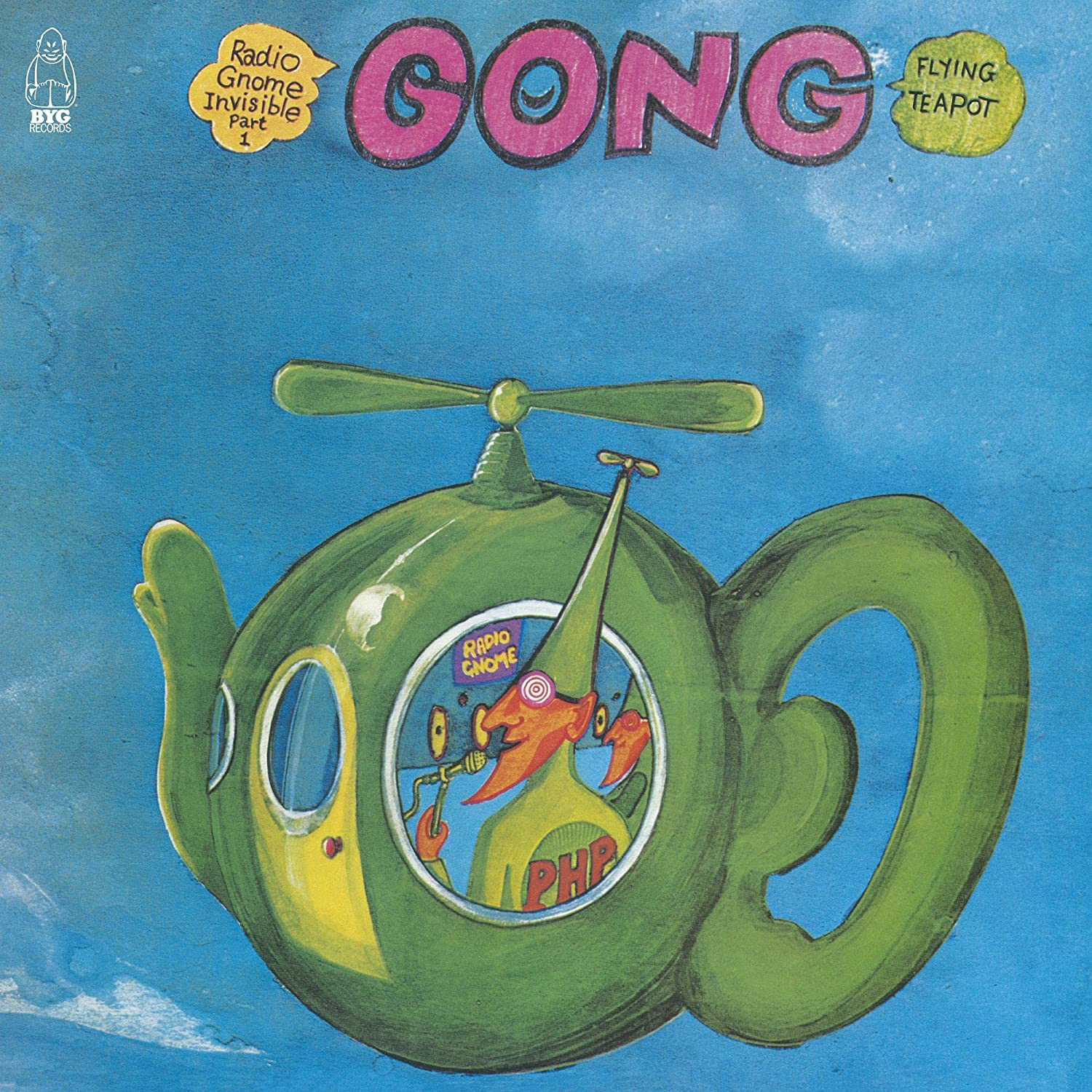
Released on May 25, 1973, Gong’s Flying Teapot is one of those rare rock albums that masterfully blends humor, whimsy, and an apparently casual irreverence with disciplined, artful, musical craft — incorporating a range of musical styles in doing so. This is the first of a set of three concept albums about Zero the Hero, the Good Witch Yoni, and the Pot Head Pixies from the Planet Gong, as indicated on the cover with the alternative title of “Radio Gnome Invisible Part 1.”
Mike Oldfield: Tubular Bells
Released on May 25, 1971, this was nineteen-year old Mike Oldfield’s first album, and the reason behind Richard Branford creation of Virgin Music, and the very first album released by that label.
If ever there was a labor of love primarily by one person, this album has to qualify. Oldfield spent countless hours on recording, instrument selection, adjusting musical material, and overdubbing to deliver an album that initially no record company was interested in, ultimately becoming one of the most commercially successful albums in the UK in 1974. Part of the reason for the record’s success was the catchy 15/4 opening minimalistic theme/ostinato which then became inextricably associated with 1973’s highly successful movie the Exorcist after that material was used both in the movie and as part of the closing credits. It’s association with that movie aside, the album is a musical treat from beginning to end, covering a variety and range of sonic territory and musical mood, yet effectively coming together as a single artistic expression and experience.
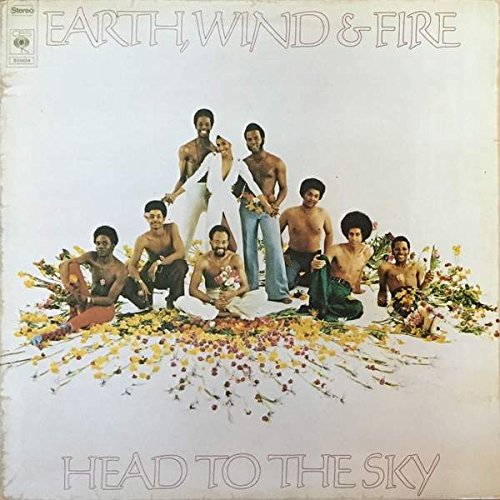
Earth, Wind & Fire: Head to the Sky
Though Earth, Wind & Fire on Head to Sky, released around May 1973, move away from jazz to a more commercial sound, that sound is solid, keeping elements of jazz, and more heavily incorporating soul, funk, and other R & B elements as well as sitar and Latin elements. The standout track for me, maybe predictably, is their mostly jazz-based take on Brazilian composer, Edu Lobo’s Zanzibar.
Tower of Power: Tower of Power; Carpenters: Now and Then
Additional albums released in May of 1973 include Tower of Power tastefully arranged, self-titled third album, which include the reflective analysis of “What is Hip”, candidly pointing out the ironic pitfalls of being hip for the sake of being hip and the Carpenters’ fifth studio album, with Karen Carpenter’s seemingly effortless, velvety voice, the distinctly recognizable Carpenters’ signature harmonies, and an eighteen-minute, early sixties medley on side two.
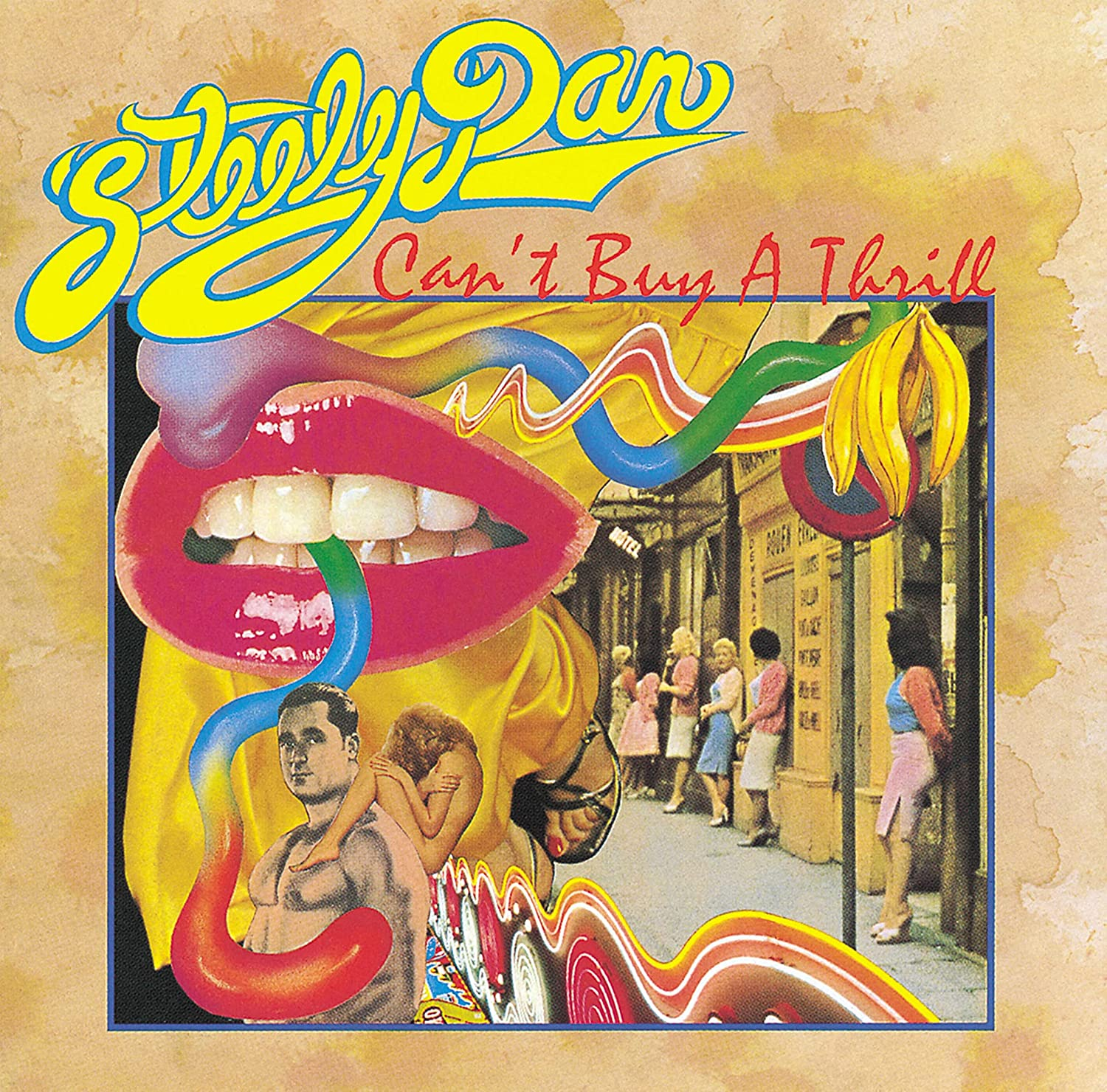
Released in November of 1972, this is the first of Donald Fagen’s and Walter Becker’s string of excellent albums. The music ranges from pop to rock to folk-rock to jazz-based rock with engaging and intelligent chord progressions and a healthy use of minor seventh and ninth chords.
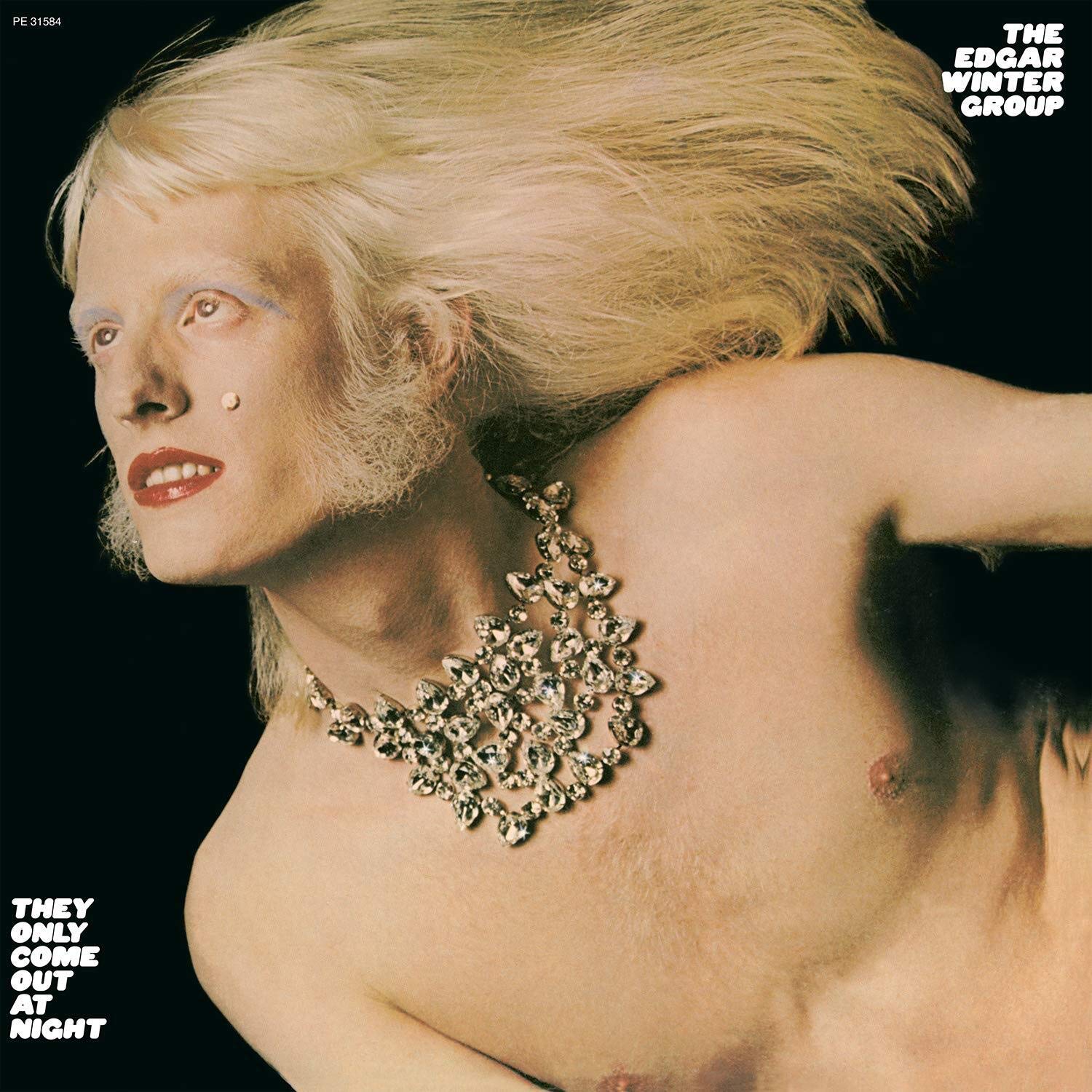
THE EDGAR WINTER GROUP: THEY ONLY COME OUT AT NIGHT
Skillfully produced by Rick Derringer, this is Edgar Winter’s most solid album with a number of songs that for the rest of 1972 and early into 1973 found a prominent place on AM radio, FM radio, at high school parties, or in the repertoire of high school dance bands. “Hangin’ Around”, “Free Ride”, “We All Had a Real Good Time” and the instrumental “Frankenstein” are hard rock classics that have effectively captured and preserved the spirit of early seventies hard rock, providing, today, an effortless means for us to travel back in time fifty years ago.
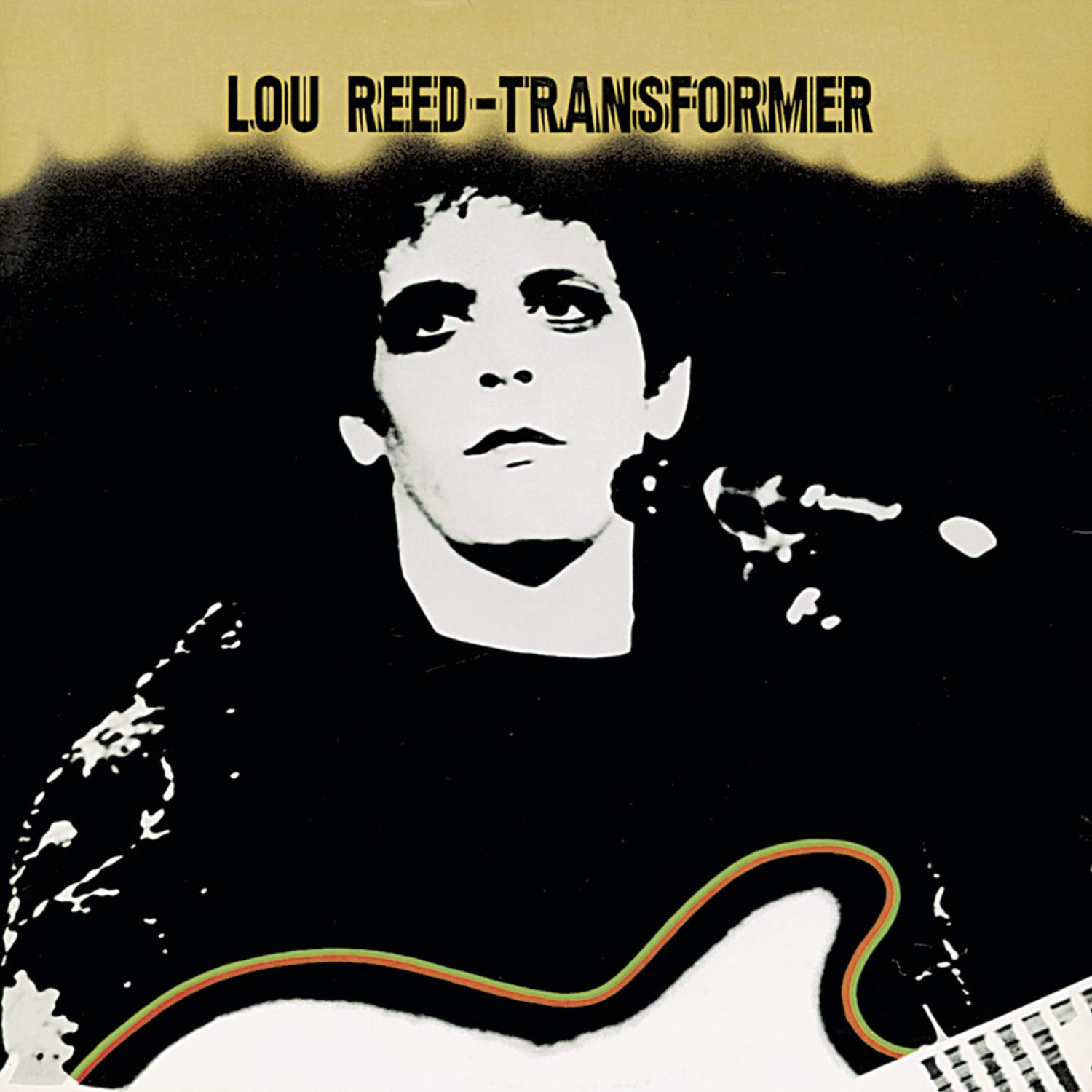
LOU REED: TRANSFORMER
Released on November 8, 1972, Lou Reed’s Transformer excels at creating a level of nonchalance and casualness that was more reminiscent of the beat movement of the 1950s than typical of an early 70’s rock album. Aided by David Bowie, Mick Ronson and Trever Bolder and elegantly produced by Bowie and Ronson, this album, along with the success of its glam, transexual and sometimes banned single, “Walk on the Wild Side”, brought Lou Reed out of the shadows of the Underground and into the commercial spotlight. The album is considered a classic by many and has had substantial influence on many Indie Rock artists that came later.
WAR: THE WORLD IS A GHETTO
War’s fifth studio album, released around November of 1972, opens with the once relentlessly-played AM single, “Cisco Kid”, which though annoying for those of us that heard it in spring of 1973 played through third-rate speakers of a school bus for multiple weeks almost every morning on our ride to school, was a welcome relief from the equally often-played, but far less bearable “Tie a Yellow Ribbon Round the Ol’ Oak Tree.” That said, now hearing “Cisco Kid” on a first-class audio set up almost fifty years later, the quality of performance and the arrangement almost make up for the melodic and harmonic mediocrity of the track. More importantly though, the rest of the album is quite good, starting with the infectious, funky “Where was You At” and the effervescent jazz-infused 13 1/2 minute “City Country City” instrumental on side one and the three tracks on side two including the soulfully reflective “Four Cornered Room”, and the beautifully funk-infused, “The World is a Ghetto.” This was not only War’s most commercially successful album, but the best selling album for the year 1973 holding the number one position for two weeks in February 1973 and staying on the Billboard 200 for a total of 68 weeks.
JONI MITCHELL: FOR THE ROSES
Released in November of 1972 between two of her most artistically and commercially successful albums, 1971’s Blue and 1974’s Spark and Court, the excellent For the Roses brims over with wonderful melodic phrases, remarkable piano lines, and beautiful acoustic guitar and an appropriate amount of harmonica, bass, percussion, winds and strings — always at the right places!
CAN: EGE BAMYASI
Can’s highly influential album, Ege Bamyasi, with the name apparently inspired from the label of a container of canned okra of Turkish origin also meant for German consumption of these “okra pods”, takes a detour from the previous no-holds-barred and even more influential Tago Mago, with an often more structured (via editing in some cases) and relatively more contained set of compositions. Not readily available in the US, I purchased this album in a German record store in 1978, and listened to it once before shelving it for several decades. It’s great to come back and revisit it and find there is much more here than I thought — and to discover the influence it has had on music since my original purchase, with Stephen Malkmus of Pavement, Thurston Moore of Sonic Youth, and the band Spoon all having been much more serious fans of the album and reaping music influences from it. Truly fortunate to revisit the album and able to enjoy it on a much better audio set up than I had in 1978.
Uriah Heep, Moody Blues, Carly Simon, Hawkwind, and Barclay James Harvest
Other notable albums from November 1972 include Uriah Heep’s semi-progressive Magician’s Birthday with a memorable Moog synthesizer solo from Ken Hensley on “Sweet Loraine” (reaching the 91st spot on the Billboard Hot 100) and a more expansive title track concluding the album, Hawkwind’s third studio album, Doremi Fasol Latido, stylistic different than their previous albums but still quality, engaging space-rock, Carly Simon’s No Secrets with two well-known tracks, the number one hit “You’re So Vain”, and less commercially successful but equally appealing “The Right Thing to Do”, the richly arranged, orchestrated Barclay James Harvest, Baby James Harvest, a mix of straight rock (“Thank You”) and more progressive tracks (“Summer Soldier”, “Moonwater”), and Moody Blues’ eighth album (last of the highly regarded string of seven classic album) which had two commercially successful singles, “Isn’t Life Strange” and “I’m Just a Singer (In a Rock and Roll Band)”, which spurred increased interest in their previous work resulting in the re-release of the beautifully haunting single version of the “The Night”, titled “Nights in White Satin”, which did much better the second time around, getting more attention and airplay than any of the music on the Seventh Sojourn album.
From the opening set of the choral-like, other-worldly, mellotron-intro of carefully constructed chords — initially over a “pedal-point” (a sustained bass note), followed by a short set of chromatic modulations, the tone of this epic classic album is established and sustained through out the next magnificent fifty minutes of one of the most appealing rock albums of the last sixty years.
The music is epic, dramatically supporting some pretty impressive lyrics, with the first track, “Watcher of The Skies”, a sci-fi narrative from an alien visitor’s somber, almost jaded, perspective regarding the remnants of a vanished earth civilization, followed by the more lyrically but equally potent and allegorical “Time Table”. “Get “Him Em Out By Friday” also time travels, from 1972 to 2012, and effectively mixes upbeat rhythms and shifting meters into moments of Dickensian commentary, starting with shifts between 6/4 and 4/4, with a heavily triplet-based 4/4 section into a more reflective, slower 6/4 section with some the return of a modified original A section with some 7/4 bars and an appropriately reflective coda. This is followed by another epic track, the amazing “Can-Utility and the Coastliners” with an acoustic guitar and flute opening section and its sense of substantial narrative, proportion, and consequence far exceeding its limited five minute and forty-five seconds of actually clock time. Of particularly musical note is Tony Bank’s mixed-meter keyboard solo, perhaps either celebrating the use of the name he had initially suggested for the band (Can-Utility and the Coastliners, a name Peter Gabriel reportedly summarily rejected, understandably), or letting off a little steam for the band, instead, being ultimately named “Genesis.” Seriously, though, this composition a true work of art, anticipating both Banks’ “Firth of Fifth” on Selling Englandby the Pound and his “One for the Vine” on Wind and Wuthering.
Side two opens with Steve Hackett’s elegantly simple guitar solo, followed by the masterpiece of the Genesis catalogue, the twenty-three minute “Supper’s Ready.” Though its seven-section make-up indicates a piecing together of individual songs into a common thematical framework, the overall effect is that of a single cohesive work, much in the way that the second side of the Beatles Abbey Road works together, except that “Supper’s Ready” is more integrated and reuses material to create an effective sonata-like form. Though too difficult, and hopefully totally unnecessary, to pick one single composition to make the case that classical music was an unbroken continuum to the present that included the best works of the best rock bands, this work has to be considered as deserving top consideration for making that case.
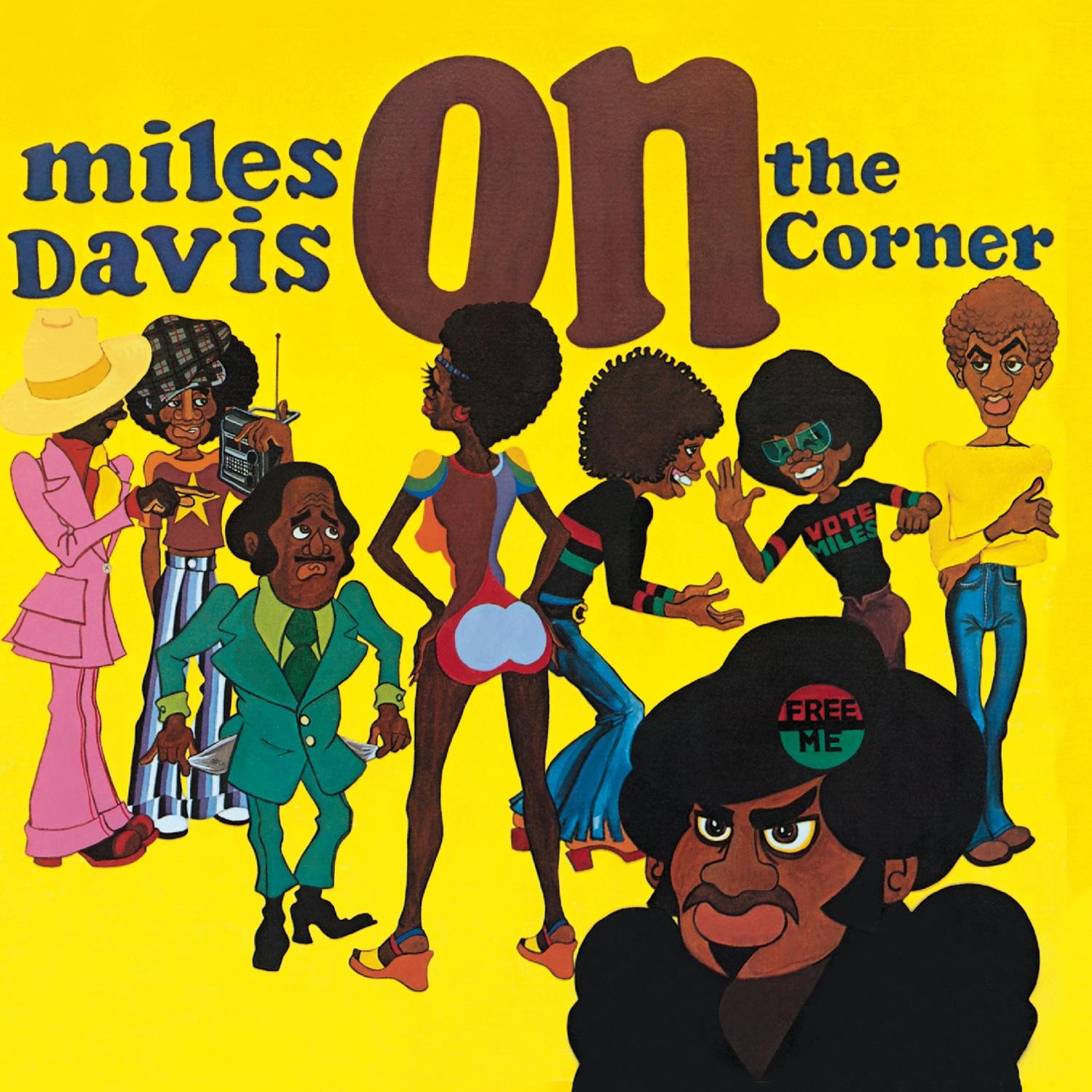
Miles Davis: On the Corner
Eschewing and yet incorporating contemporaneous offerings in jazz, jazz fusion, rock, progressive rock, minimalism, and funk, Miles creates yet another landmark album with On The Corners as representative of the spiritual-industrial meld of the early 1970s as anything yet released or yet to come. Few critics even began to know what to make of the work, and the record-buying public, which had sent Miles’ previous album up to the 7th spot, were mostly absent at the cash registers, with On the Corner peaking at 156.
The album, though foundationally based on the familiar musical components of its time, was yet so alien to many when it came out on October 11, 1972, primarily due to the resulting originality of the approach. Overall, Miles and team took on the same type of challenges that were tackled by such German progressive rock groups such as Can, but due to significantly better musicianship and a more focused vision, created a superior and eventually more influential product.
Henry Franklin: The Skipper
One of the lesser known albums of 1972 by one of the lesser known artists on one of the lesser known record labels, bassist Henry Franklin’s debut album, The Skipper, is well worth any effort to hunt down, with such ultimate acquisition being readily achievable due to the reissuing of the Black Jazz record catalog by Real Gone Music. Thank-you, Real Gone Music!
Franklin’s plays both acoustic and electric bass, writing most of the music on the album, with Bill Henderson on electric piano contributing one of his own compositions joined by Charles Owens on soprano and tenor sax and Oscar Brashear both of which provide the vital contributions that make this album a neglected classic.
Doug Carn: Spirit of the New Land
This is the second of four albums that Doug Carn released on the Black Jazz record label. Accessible and topical, this jazz concept album brims with amazing work from both keyboardist Doug Carn, Charles Tolliver on flugelhorn, reed player George Harper and Carn’s wife, Jean Carn, on vocals with notable contributions from Earl McIntrye on tuba and Garnett Brown on trombone.
The Awakening: Hear, Sense and Feel
The Awakening released their first album on the Black Jazz label, providing an excellent set of jazz-rock/jazz-fusion instrumentals bookended by a brief introductory recitation and final poetic coda. The music is slightly reminiscent of some of the Chicago’s instrumental passages from their first two albums with a hint of early 1970’s McCoy Tyner. Of particular note is the keyboardist, Ken Chaney, who composes the opening instrumental following his wife’s opening introduction. In general quite good, with “Jupiter” being a particularly strong track. For those that like no-nonsense early 70s jazz and jazz-rock, this is worth the effort of tracking down. Available from Real Gone Music as are all the Black Jazz late sixties and early seventies catalog.
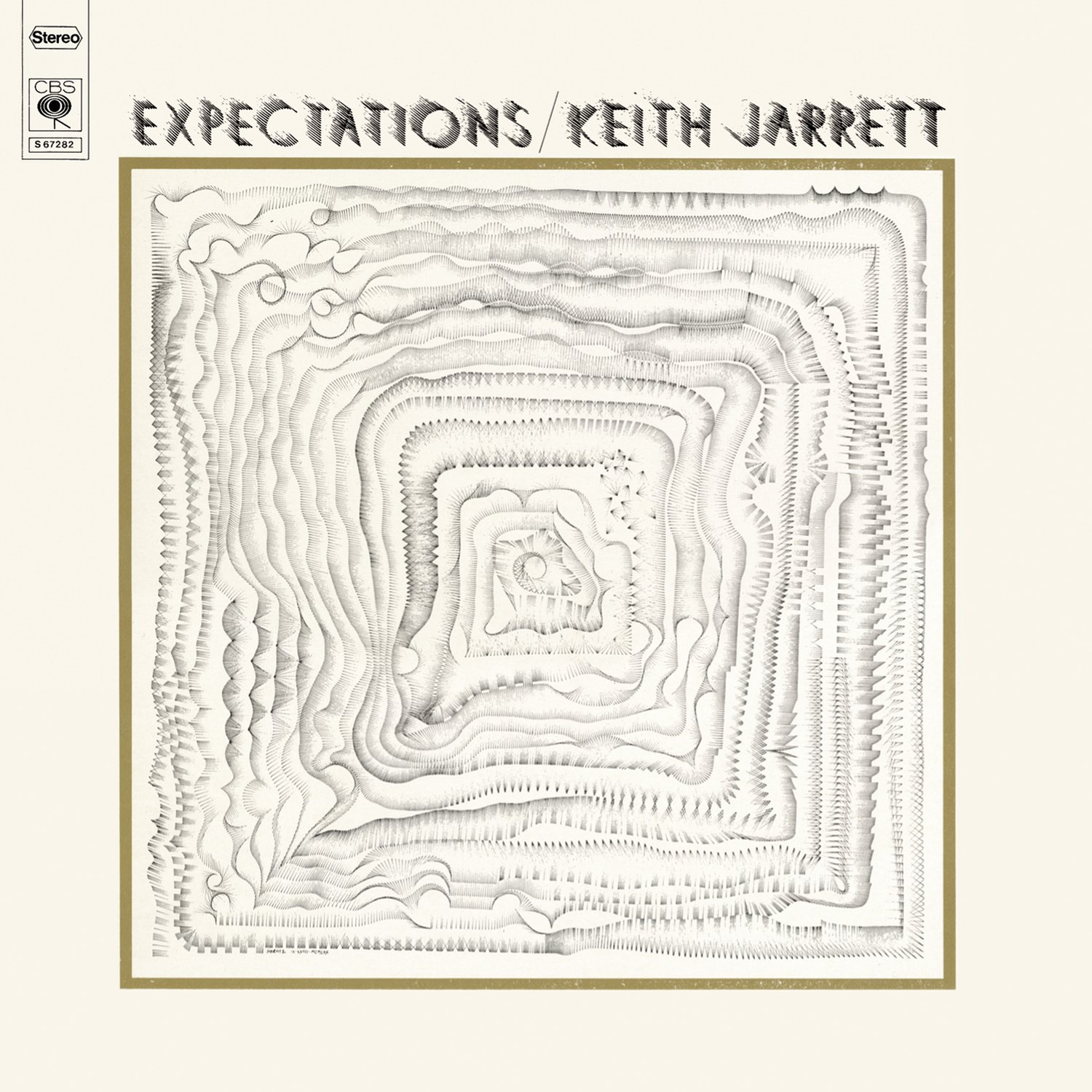
Keith Jarrett: Expectations
Taking his core quartet that included Dewey Redman (now known as the “American Quartet”) (Jarrett, saxophonist Dewey Redman, bassist Charlie Haden, and drummer Paul Motian), Jarret adds Sam Brown on guitar and Airto Moreira on percussion and drums, along with some strings and brass arrangements to create a ambitious, relatively eclectic two record set that unfortunately for Columbia records, was the last one under that label, simply due to Columbia suddenly dropping Jarrett during the its sweeping commercially-driven jazz purge, something that appears to be one of those historic money-driven record label decisions that ended up being a fiscal mistake.
The album is a bit uneven with Jarrett basically redefining “free jazz” to mean “freedom in playing a range of styles” but the overall final result is a strong album with side four being the best.
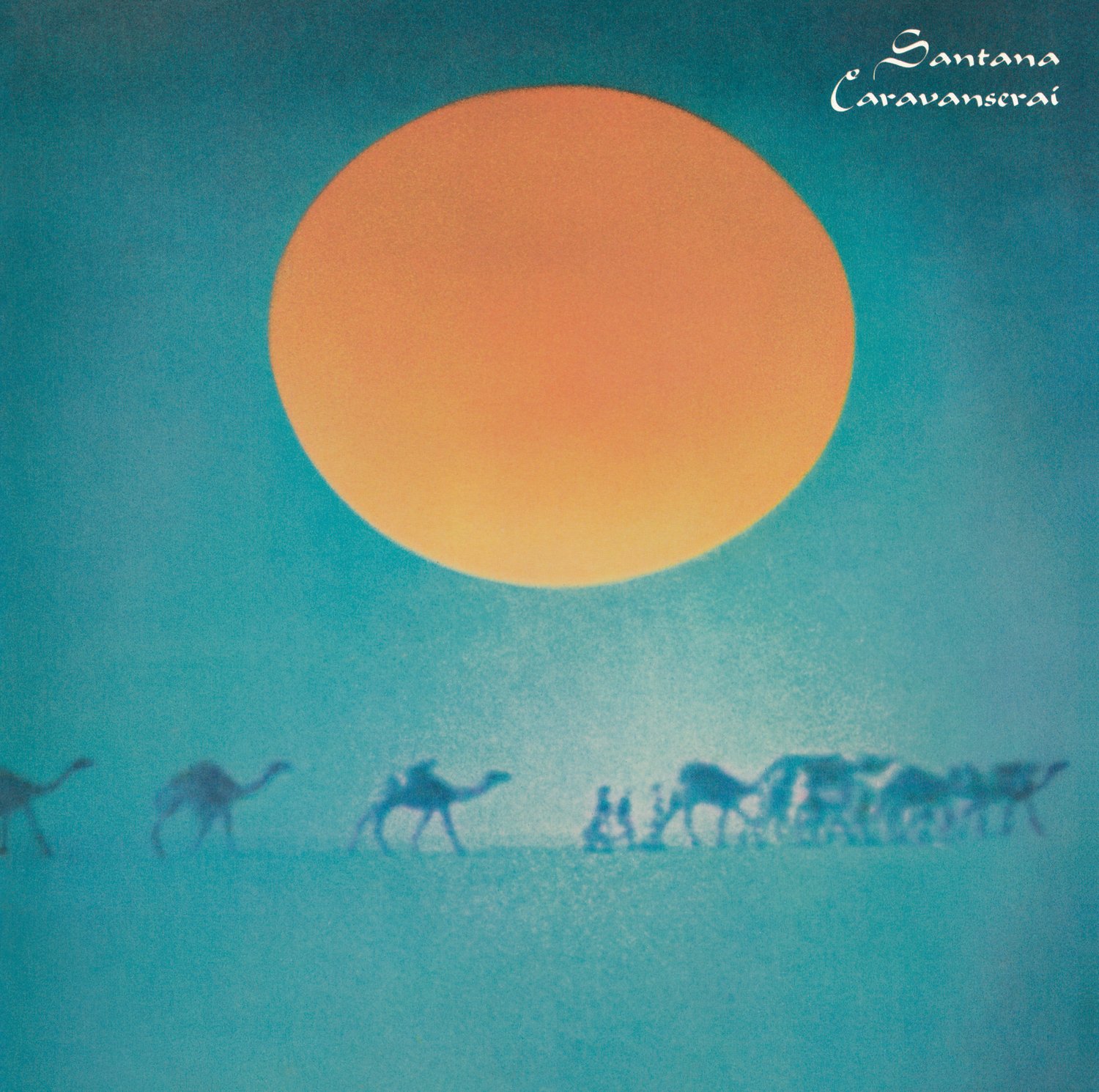
Santana: Caravanserai
Released on October 11, 1972, Caravanserai was quickly embraced by the same audience inescapably attracted to progressive rock as well as enthusiastically embraced by a substantial number of fusion fans. Though nowhere as commercially successful as the previous two albums (the president of Columbia Records after hearing the tapes for Caravanserai, told Santana he was committing “career suicide”), the album is an artistic gem, a work that can be listened to repeatedly with various spectra of pleasure.
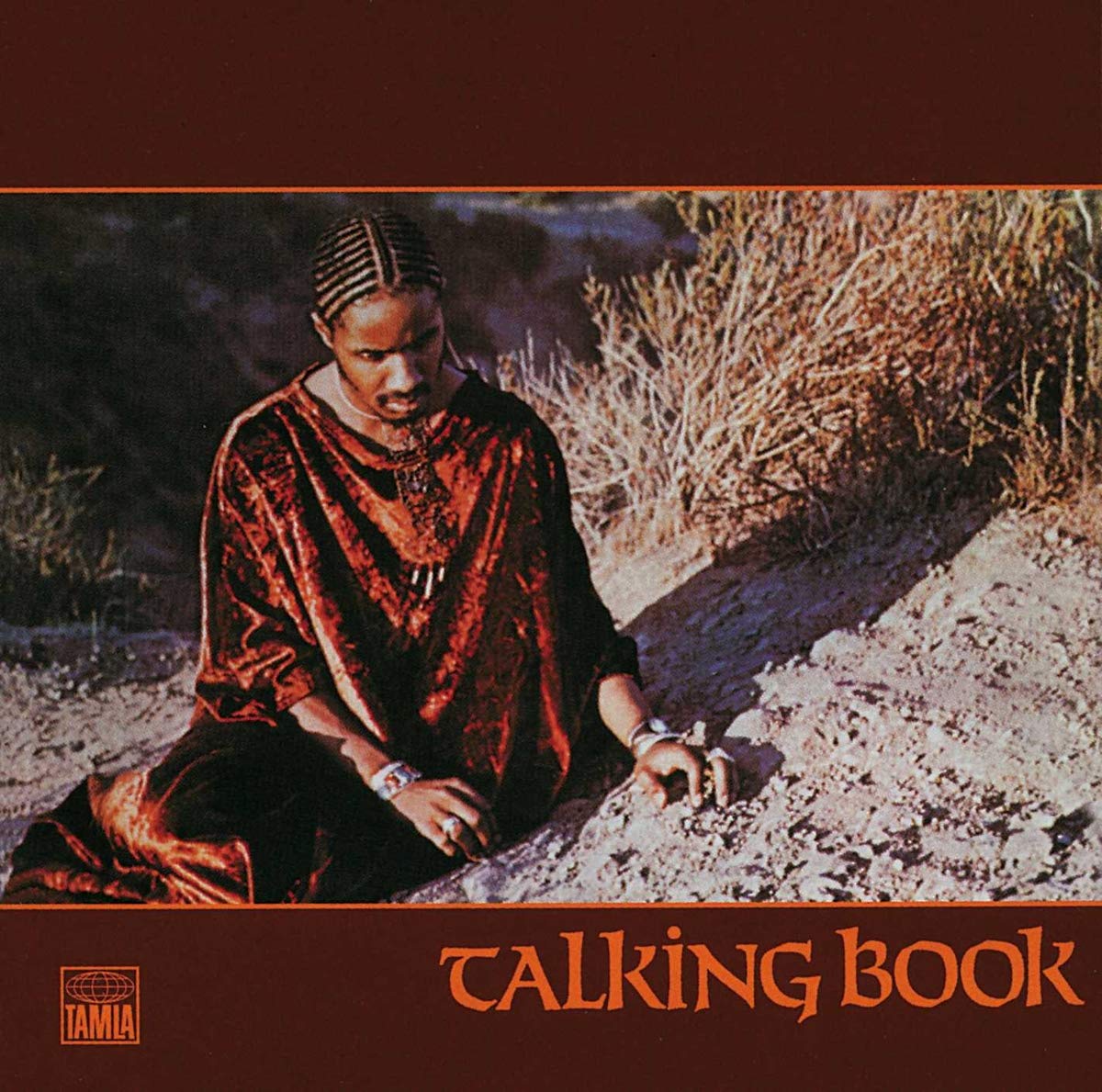
Stevie Wonder: Talking Book
Released on October 27, 1972, Mr. Wonder exceeds the level of professionalism, artistry, creativity on the previous album, displaying flawless judgement and execution as composer, musician and producer. Artistically, the albums opens strong with the timeless love song, “You are the Sunshine of My Life” followed by a strong first side and then an even stronger second side made up of five classic tracks that starts with “Superstition”, followed by “Big Brother”, the subtly impressionistic “Blame It on the Sun”, the Latin-jazz-influenced “Lookin’ for Another Pure Love”, and then perfectly concluded with my favorite work on the album, “I Believe (When I Fall in Love It Will Be Forever)”.
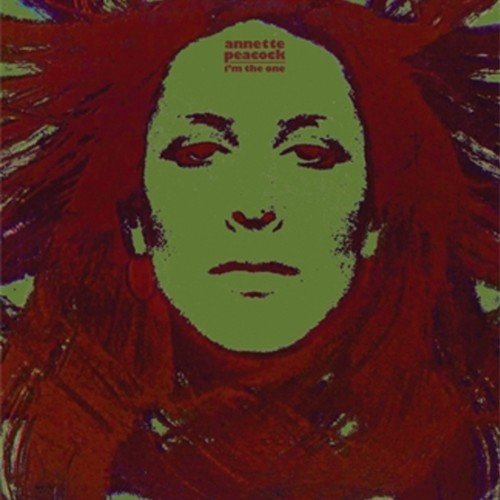
Missed mentioning this earlier this year, but better late than never! Released around January 1972, this incredible album combines jazz, pop and rock elements in an invigorating blend with effective use of synthesizers. Annette’s vocals may have influenced David Bowie’s vocal approach starting with Ziggy Stardust. This is one of the great albums of 1972!
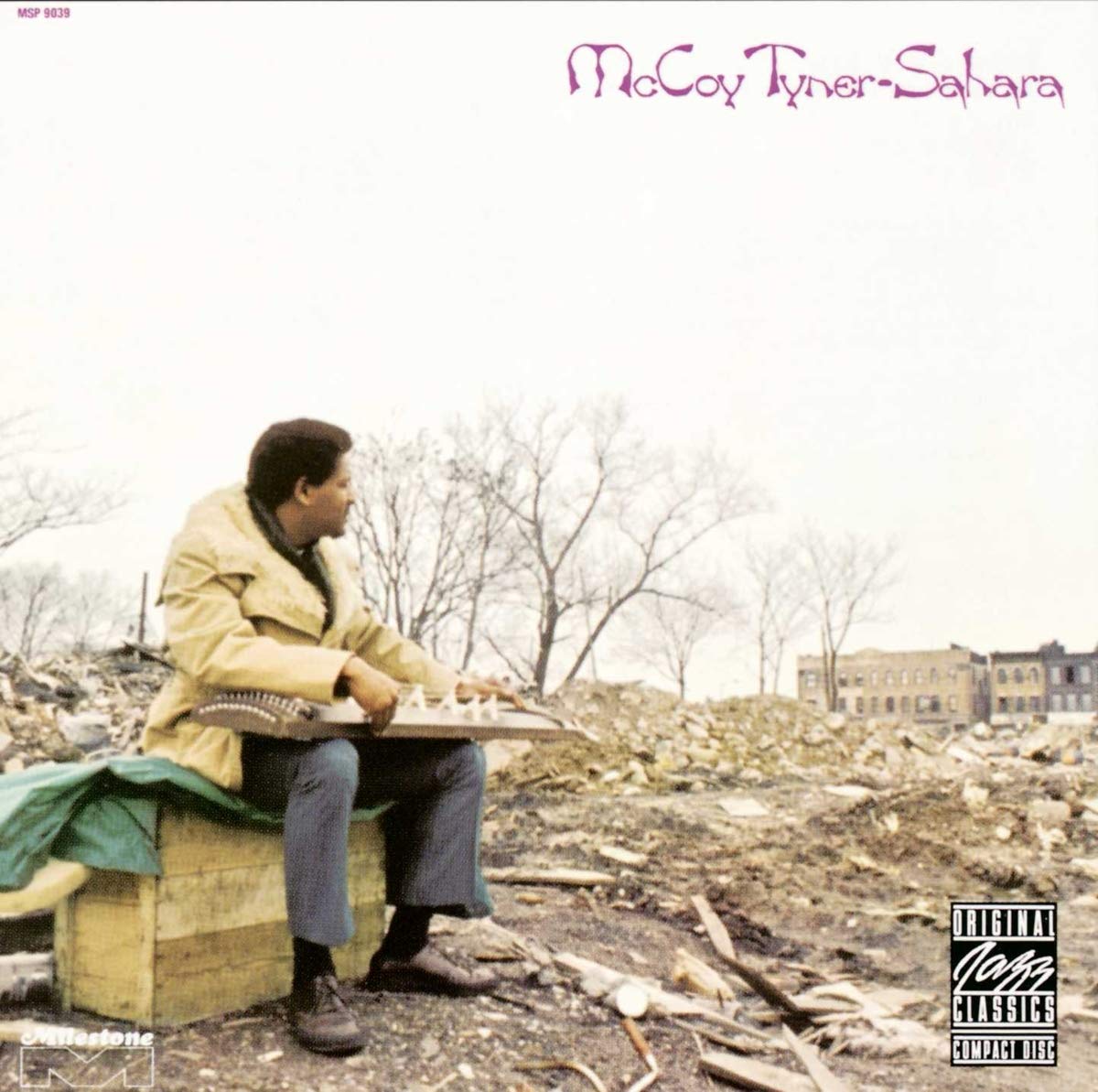
McCoy Tyner: Sahara
Also missed this fine album last month! Recorded in January 1972, and released around July 1972, the album covers fusion-like territory but with all acoustic instruments. Tyner is a tsunami on piano and the first track is one of the finest of 1972. This first track then is followed by a mesmerizing, technically incredible piano solo and an adventurous, sometimes sizzling, sometimes reflective Japanese-flavored work where Tyner exchanges keyboards for koto, Sonny Fortune exchanges saxophone for flute, and bassist Calvin Hill appears to play an eastern flute-like instrument. The next track, “Rebirth”, explodes with a drum solo and then Tyner’s steamrolling piano taking no prisoners, with Fortune unleashing a blistering, often high-register alto sax solo — incredible execution nearly beyond belief. Side Two is taken up with the title track, Sahara, not my favorite of the album, perhaps because of some shrillness from the eastern reed instruments, yet it attempts to encompass epic scope and has some incredible passages.
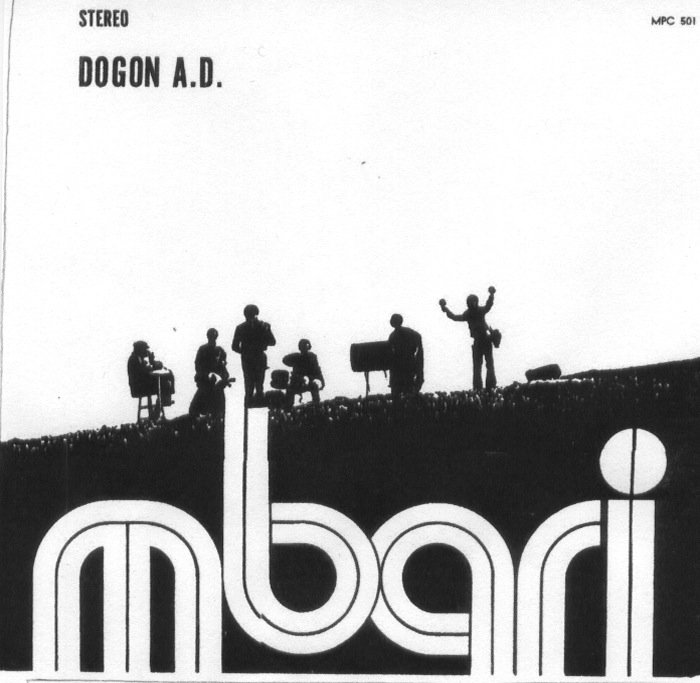
Julius Hemphill: Dogon A.D.
Named after the Dogon in West Africa, recorded in St. Louis in February 1972 and released in limited quantities on Julian Hemphill’s own Mbari label and later made more widely available, this was Hemphill’s first commercial recording. Though labelled as “three lengthy avant-garde explorations” the music is structured and accessible with musical influences from the African continent.
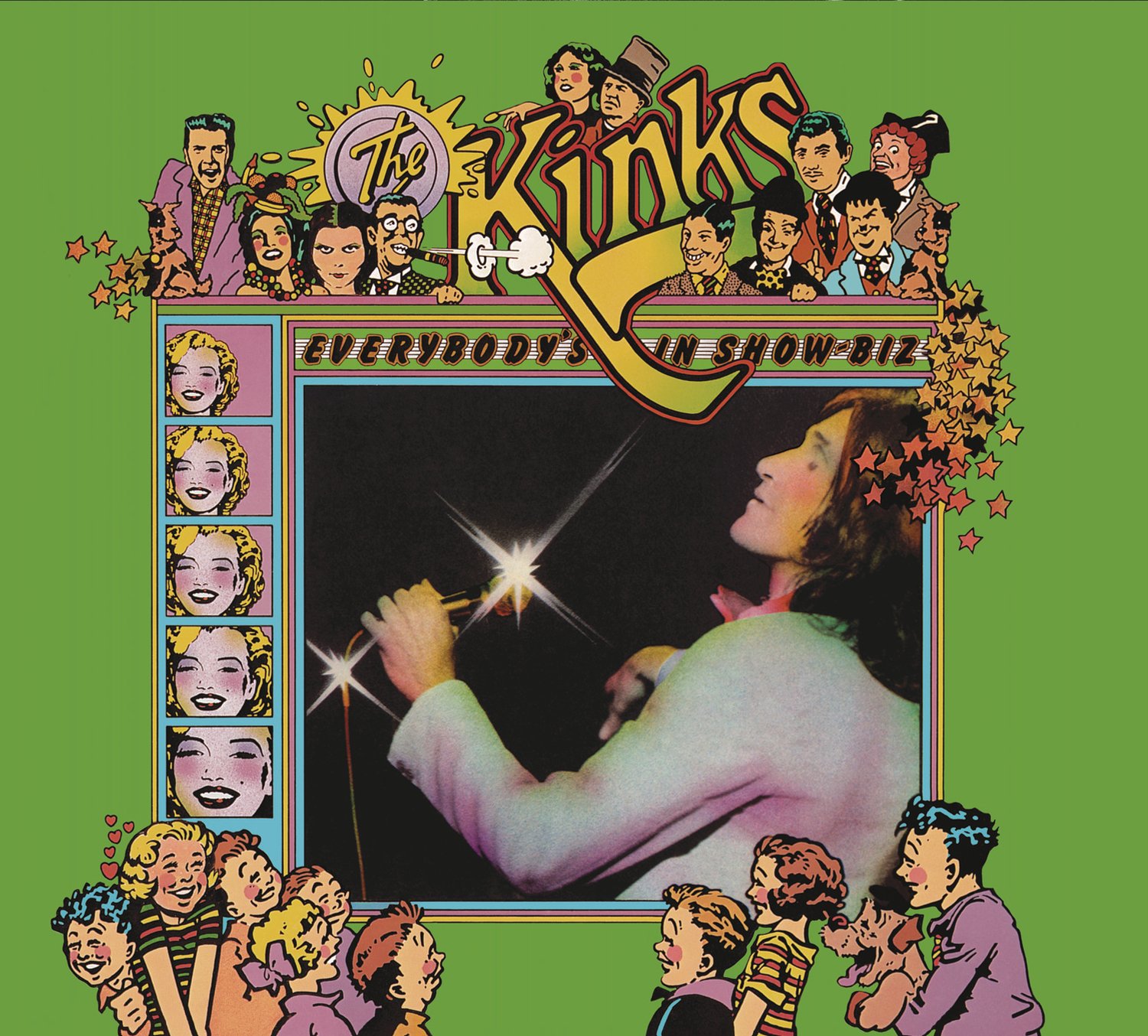
The Kinks: Everybody’s in Show-biz
This two LP set includes studio material from spring of 1972 on the first two sides and live material from Carnegie Hall recorded on March 2nd and 3rd. Ray Davies continues his deviation from standard rock with strong influence from the Neo-music-hall material of twentieth-century London. The first LP loosely addresses the concept of show-biz fame and touring with the upbeat “Here Comes Yet Another Day” energetically opening up side one. The album closes with “Celluloid Heroes” (which got significant airplay on FM radio) with Ray Davies’ thoughtful and well-crafted lyrics providing a wistful close to that first LP.
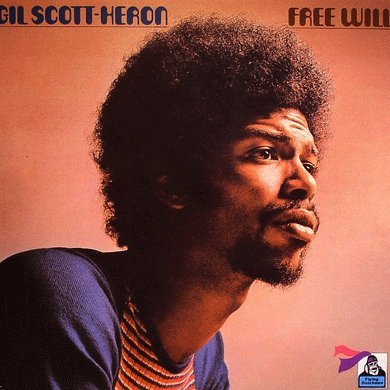
Gil Scott-Heron: Free Will
Though not as strong as Gil Scott Heron’s previous (second) album, this album has more historical importance. His first album (recorded in a studio with a live audience) is sometimes referred to as proto-rap, but more accurately it is emotive, fairly well-written poetry read to sparse musical accompaniment, not so different than beat-era poetry readings, with some differences in rhythmic elements as well as subject matter and vocabulary. It is the second side of this third album, Free Will, that more clearly anticipates rap music with Heron providing better rehearsed and more effective, more rhythmically-enhanced delivery of his poetry. For stronger music, refer to his second album, Pieces of a Man, but if the object of exploring is to hunt for what may be the first traces of rap on LP, start here.
As one might expect, there were a few albums that missed out on a more commercially favorable pre-holiday release and ended up being released in January 1972 with both January and February being relatively lean months in rock album releases compared to any given month in the last half of 1971. Fortunately, there were some notable jazz releases including a jazz classic by Charles Mingus!
Charles Mingus: Let My Children Hear Music
Mingus gives it everything he has in this album: complex, profound, majestic, modern, accessible and often elegant compositions, a large jazz orchestra, excellent arrangements (in partnership with Sy Johnson and others), and top-notch execution of his ideas. The music is a feast from the first to last track, with the current CD of this containing a bonus track. Note that this music was partly edited by Teo Macero, but I am not aware of any release of the original unedited material. If you know of such, please comment. ALBUM LINER NOTES
Hugh Masekela: Home is Where the Music Is
In 1972, I was not yet purchasing or listening to albums by either Hugh Masekela or Archie Shepp, so even if my memory was much better than it is today, I wouldn’t have a clue when these albums actually hit the record store bins, but as both albums were recorded in January of 1972, please allow me to include them in this month’s celebration of the music of January 1972.
Recorded in London in January 1972, Hugh Masakela’s Home is Where the Music Is is a 2LP set with some of the finest, broadly commercially-oriented jazz of the early seventies that there is. The album boasts all original material with not a single interpretation of a pop song (contrast this to Masakela’s 1970 Reconstruction album which includes tunes by Paul McCartney [Beatles-era], Joni Mitchell, and Motown’s Holland-Dozier-Holland) and yet is as contemporary as anything put out by Blood, Sweat and Tears, Chase or several other of the jazz-rock outfits of the late sixties and early seventies — and more importantly — far surpassing most of those type of efforts in quality and distinctiveness. Each track is fully realized with the shortest at around 5 1/2 minutes and the longest around 10 1/2 minutes. The playing is exceptional, engaging, and aesthetically fulfilling.
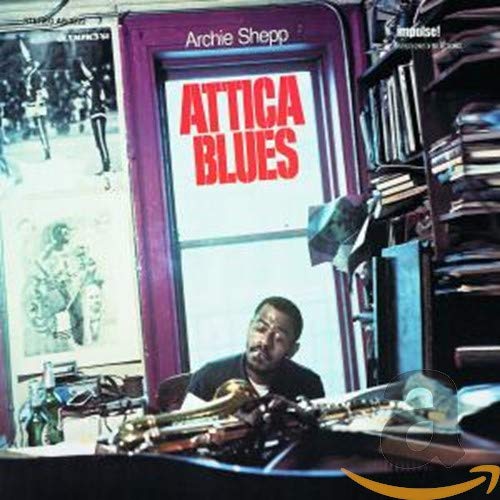
Archie Shepp: Attica Blues
Though well known for his modern jazz masterpieces like the avant-garde Fire, his abilities to reach a broader music-consuming audience are successfully deployed, with both style and impressive vigor, in what should have been an album as popular as contemporaneous releases by groups like Sly and the Family Stone. This is a large-scale effort with over twenty-five musicians (including brass, reeds, strings, backing vocalists, and electric instruments) and two narrators that successfully balances soul, funk, jazz and rock elements. Despite its strong points, there is some weakness in the poetry and the vocal rendition provided by Cal Massey’s young daughter — but more than making up for any weak areas of the release is the penultimate track on the album, Cal Massey’s fine tribute, “Good-Bye Sweet Pops,” to the great Louis Armstrong who had recently died from a heart attack in July of 1971.
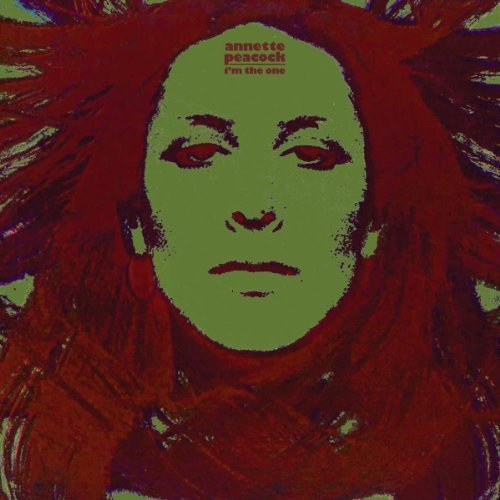
Annette Peacock: I’m the One
Released in January of 1972, Annette Peacock’s debut album is yet another early 1972 album that successfully brings together disparate musical elements performed by a larger ensemble. Peacock and team effectively incorporated blues, jazz, rock, free-jazz, classical avant-garde, trace elements of funk and soul, and a extensive use of Robert Moog’s moog synthesizer to create a complete and impressive musically satisfying work. Notable, historically, was Peacock’s use of the synthesizer to modulate and alter vocal input via microphone plugged into the synthesizer. She also deserves credit for her overall and varied use of the synthesizer instrumentally as well as the wide range of vocal expression she uses, some of which anticipates music of later decades.
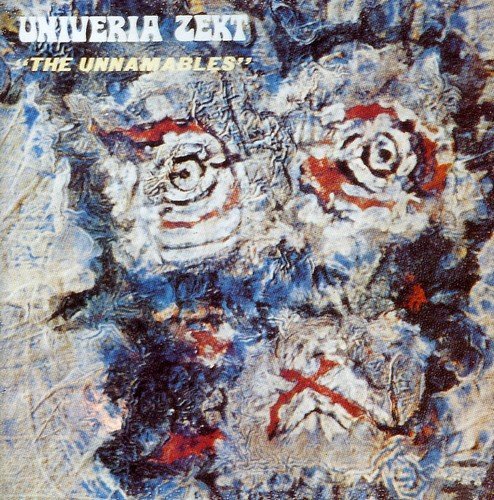
Univeria Zekt: The Unnamables
Released in January of 1972, Magma provisionally assumes the name Univeria Zekt to temporarily step away from their newly created narrative of the Kobaïan universe in order to, perhaps, provide a diversion to existing fans or, possibly, to attract new fans. The album is solidly progressive rock with heavy jazz and some jazz-rock influences, with a musical style significantly different (particularly on the first side) from the darker, neo-primal style of the two preceding Magma albums, which constructed a formidable genre of music, termed Zeuhl — a style of music created to be reflective and representative of the music of the fictitious Kobaïa. Those not able to get enough of early Magma, but also open to embracing this detour into a more jazz-influenced sound (closer perhaps to Mahavishnu Orchestra, Weather Report, or Return Forever) should also acquire this one-of-a-kind album under the Univeria Zekt name.
Paul Simon: Paul Simon
Paul Simon’s first solo album, post-Simon & Garfunkel, did well commercially, with three singles making it on to the Billboard charts, “Mother and Child Reunion”, a reggae-influenced number with the title inspired by the Chinese chicken and egg soup dish he noticed listed on a Chinese restaurant menu in New York, the upbeat “Me and Julio Down by the Schoolyard”, and “Duncan”, my favorite track on the album, reminiscent of music he was writing in the late sixties.
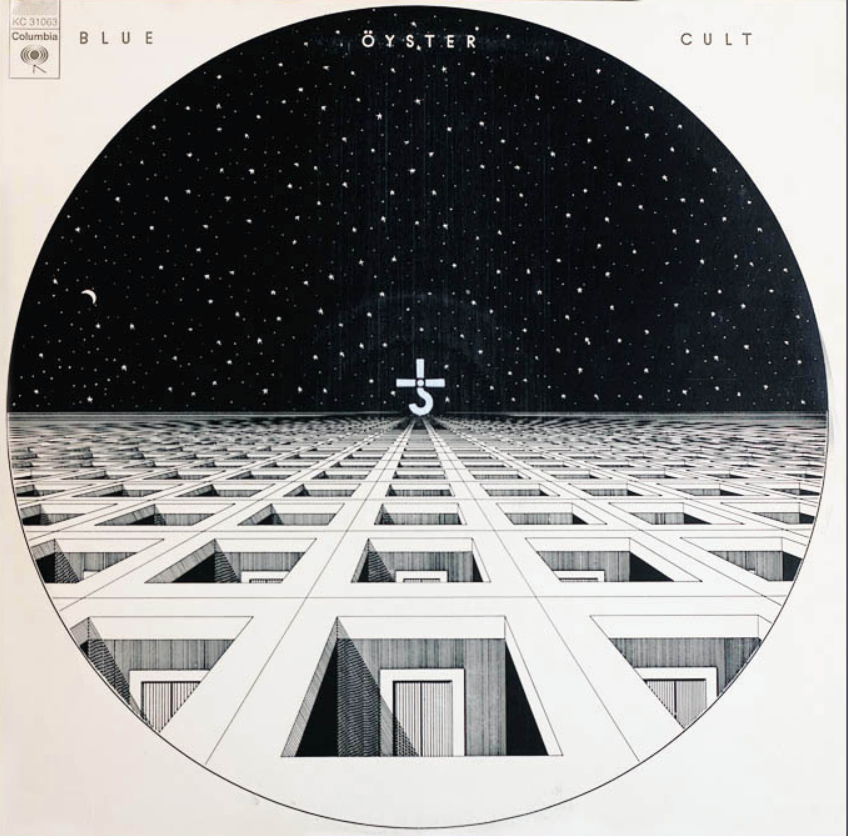
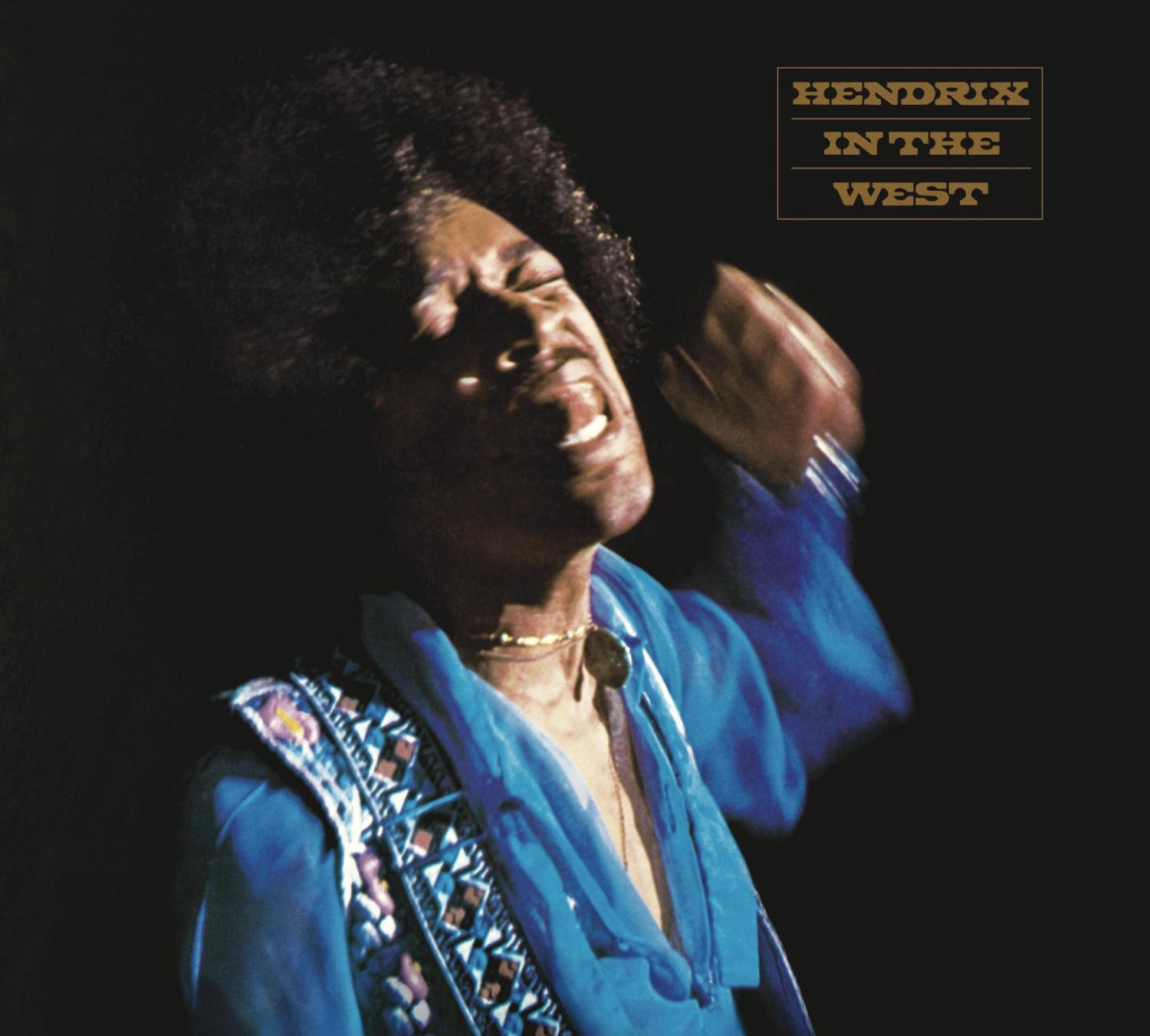
Blue Öyster Cult, Jerry Garcia, Captain Beefheart, Jimi Hendrix
Additional albums include the dark, debut Blue Öyster Cult album with its gratuitous and influential use of an umlaut (a feature to gain common adoption by later Heavy Metal band names such as Queensrÿche, Mötley Crüe, and even the fictional Spın̈al Tap), Jerry Garcia’s Garcia, Captain Beefheart’s relatively traditional and bluesy Spotlight Kid, as well as a posthumous album of Jimi Hendrix live material from 1969 and 1970, Hendrix in The West.