
Charles Tolliver: Impact
Released sometime in 1975, Charles Tolliver’s Impact is an impressive album from the audacious and creative trumpeter, composer, and bandleader. Big band albums were becoming rarer and rarer, particularly those that were inventive, hard-edged, and more late hard bop or post-bop than nostalgic or easy listening. Impact unfurls a colorful, colossal sonic landscape, brimming with hard bop and post-bop intensity and an unbridled, innovative spirit that pushes the boundaries of large ensemble jazz. Tolliver masterfully constructs compelling compositions and intricate, adventurous arrangements that are both challenging and exhilarating, providing a fertile ground for himself and a handful of formidable soloists to unleash their improvisational prowess.
The album begins with the title track, “Impact,” an explosive opener that immediately grabs the listener’s attention with its dense brass voicings and a driving rhythmic pulse. Charles Tolliver himself steps forward, delivering a blistering trumpet solo that cuts through the dense ensemble with a bright, commanding tone, showcasing his characteristic blend of searing energy and melodic ingenuity. Also shining brightly is James Spaulding, whose alto saxophone work wonderfully weaves angular, serpentine lines, interacting with apparent spontaneity with the structured force of the ensemble.
“Mother Wit” begins with strings, which initially set a delicate mood, but the overall atmosphere soon coalesces, leading into beautifully lengthy solo work from Charles Tolliver. Harold Vick provides soulful tenor work, followed by Stanley Cowell’s angular, unconstrained hard bop piano solo. The strings return, followed by Tolliver, bringing the piece to a balanced close.
“Grand Max” bursts out with tightly wound energy, with Tolliver diving right in and maintaining the initial momentum. Rounding out the soloing is Charles McPherson on alto, George Coleman on tenor, and again Cowell on piano. Side two commences with the quirky and distinctive “Plight,” an energetic track that further highlights the dynamic range of the orchestra. Tolliver initiates the soloing, and is soon followed by Spaulding, then Cowell. This is followed by the reflective “Lynnsome,” featuring Spaulding on flute in the intro, with solos from Tolliver and Cowell that maintain and extend the initial mood.
The album concludes with “Mournin’ Variations,” which opens with strings. A dynamic interplay between the strings and the jazz ensemble then sets the stage for George Coleman’s extended tenor solo. This is followed by concluding piano commentary from Cowell before the re-entry of the strings. The two sections then alternate, shifting between wistful and emphatic passages, bringing one of the most enjoyable jazz albums of 1975 to a powerful conclusion.

Area: Are(A)zione
This is one of the few live albums, official or bootleg, of Area with Demetrio Stratos. This first side is amazing and includes live versions of three classic Area works, showcasing the bands exciting instrumental interplay and the one-of-a-kind, next-to-no-one voice of Stratos. The second side is is primarily a live free jazz/rock track, titled “Are(A)zione” matching the album’s title. “Areazione” is Italian for “evaporation,” but the use of case here provides the true meaning: “Area” is of course the group’s name and “Azione” is Italian for action, so freely translated this can be viewed as Area in action. The album ends with a nod to the group member’s socialist affinities, a rendition of “L’Internazionale.”

Frank Zappa and the Mothers of Invention: One Size Fits All
Released in late June of 1975, One Size Fits All provides more consistency and discipline than most Zappa albums allowing all the brilliance to shine through with only minor extramusical annoyances and distractions to detract from the overall positive musical experience. The jazzy” Inca Roads” is the gem of the album, and like “Peaches En Regalia” from Hot Rats provides enough forward momentum to easily forgive any weaknesses or annoyances from any tracks that follow. If one wants accessible Zappa, this is a good album to start with.
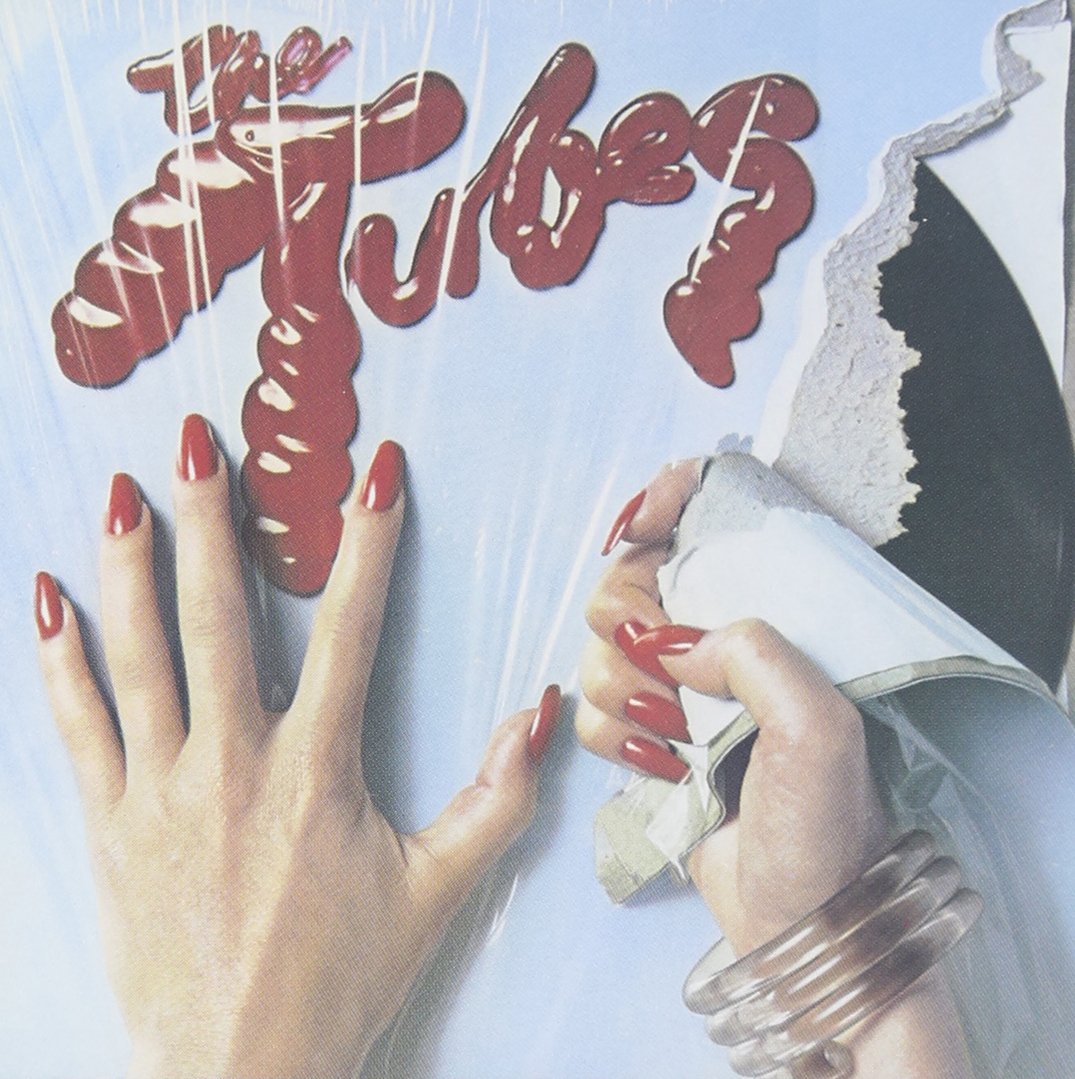
The Tubes: The Tubes
Released with minimal fanfare in June 1975, the album was passed around amongst my friends for its humor and lively use of synthesizer. In contrast to the rougher edges found in the humor seeping from Zappa albums, this was polished with some believable parodies of prevalent styles, primarily glam and punk, mixed with satirical social commentary. The humor enhanced the music, and the music was generally quite impressive itself. “Up from the Deep” kicks off the album with energy, drama and style, warmth and self-deprecating humor. The synthesizer work and keyboard in the instrumental bridge is up to progressive rock standards, and even includes a reference to a prevalent bridge motif in Gentle Giant’s “Knots” from Octopus. This is followed by a mixture of styles, all humorous in their own ways: Space Baby sleekly imitates David Bowie post-Ziggy style of 1973 and 1974, “What Do You Want From Life” drips with dry, razor-edged humor, and “Mondo Bondage” is notable for its relentless striding rhythm which supports the simultaneous metaphorical and literal meanings of the lyrics which are cleverly brought to the forefront. “Mondo Bondage” kicks off side two and is followed by three additionally strong tracks, “What Do You Want from Life?” a dig at materialism and seventies-style consumerism and angst, “Boy Crazy” another glam/Bowie parody that ridicules teenage cluelessness, and the pounding, relentlessly repetitive “White Punk on Dopes” which would eventually get some notable FM airplay in the U.S. and get even wider airplay a couple of years later in the UK. The Tubes went all out when they staged their material live, and though some of the musicality and more subtle aspects of their humor were consequential causalities, they still put on a good show.
Discover more from zumpoems
Subscribe to get the latest posts sent to your email.

Leave a comment