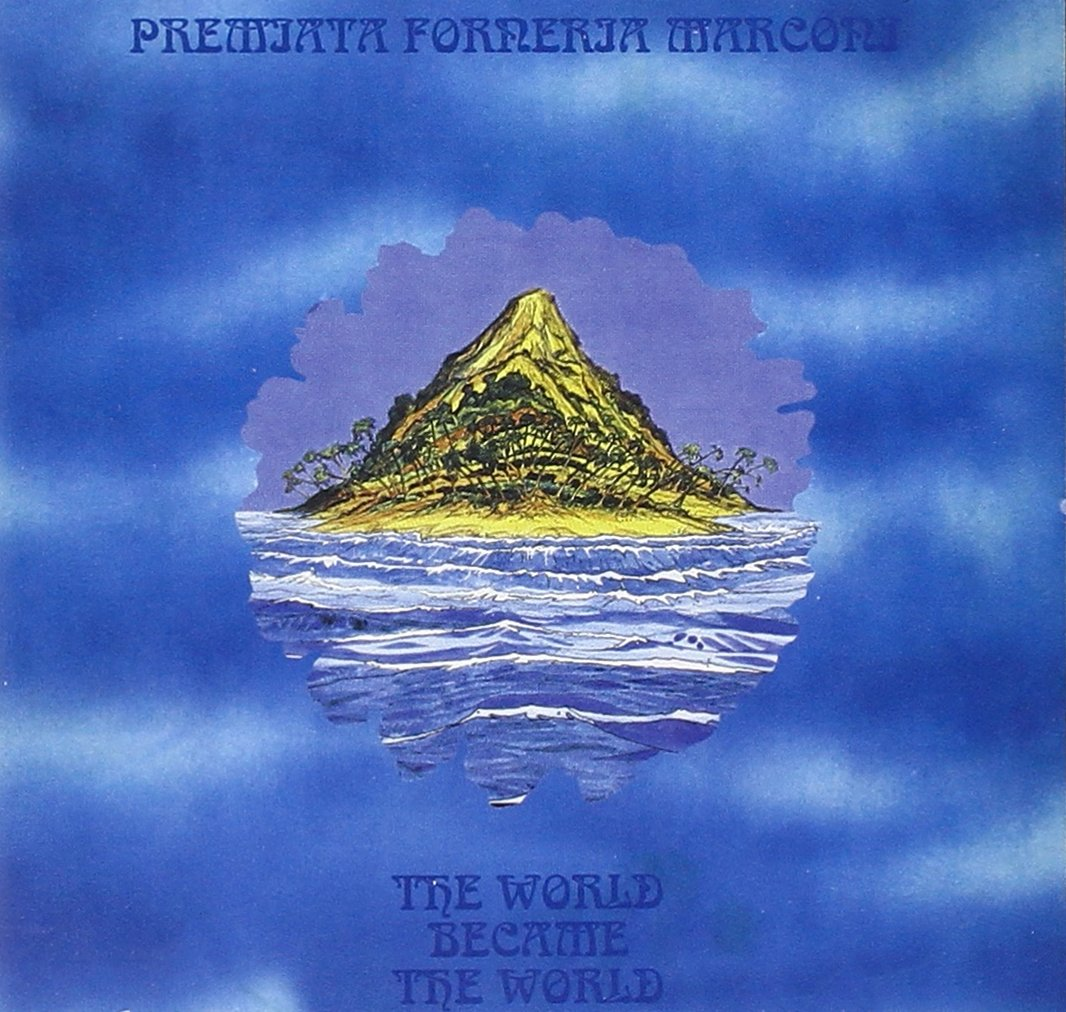
PFM: The World Became the World
Though the original Italian version of The World Became the World was released in March of 1974, the English version, recorded in the same sessions as the Italian version, we not released until June 1974. Though the original Italian works better with the music, the English version contains an additional track, an updated English version of the classic “Impressioni di Settembre”, and these English lyrics are all authored by Peter Sinfield, making this version essential. With bassist Patrick Djivas joining the group, the band continues to be in top form, creatively and technically, providing a range of moods, particularly excelling in the more melancholic, tender and introspective passages.
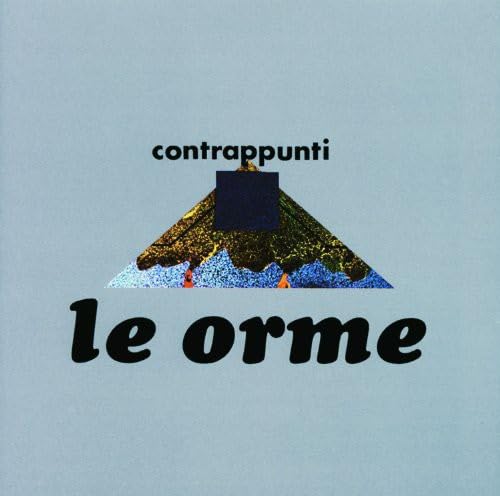
Le Orme: Contrappunti
Though some progressive rock groups have flirted with imitative counterpoint, and some, like ELP and Gentle Giant have pulled it off nicely, I know of no group that actually opens an album with a fugue-like subject. Though there is no fugue that follows, the minor-key melodic subject provides a very dramatic introduction to a strong, well executed album. As good as their previous album is, which is generally considered their best, this album, for me, is incredibly enjoyable with some beautiful, heartfelt, very Italian, ballad writing, some heavier, harder-edged material, and amazing instrumental performances by the band. Its myriad contrasts and diverse elements blend nicely into a comprehensive and very compelling album.

Cluster: Zuckerzeit
With this 1974 masterpiece, Zuckerzeit, Dieter Moebius and Hans-Joachim Roedelius, the two musicians that comprise Cluster, break away from the less accessible, more “experimental” style of their two earlier albums, to provide shorter, more accessible, rhythmically precise, musically-narrative nuggets — sugary delicacies (Zuckerzeit means “sugar time”) that, though, dessert-like in nature, still have such substance that they significantly influence the direction of late seventies and early eighties popular music.
The album starts off with the most substantial piece of the set, Roedelius’s “Hollywood”, a work that slowly evolves over its framework of sequences and robotic rhythm. Within a short of four minutes and forty-eight seconds, Roedelius rewrites the history of electronic music, surpassing the previous impact and import of academically-approved giants like Karlheinz Stockhausen, Pierre Schaeffer and Luciano Berio. Amazing works like “Caramel”, “Marizipan”, and “Rotor” follow, with each musician contributing five short pieces, composed and performed individually, finely crafted and polished, each with their own ethos, character and story to tell.
Besides having an impact on other German bands like Tangerine Dream and bands under the Brain music label, Brian Eno has cited Cluster as a major influence on his own work. In addition, though hard to gauge to what extent, the rhythmical-stubbornness prevalent in later music of the seventies and eighties as exhibited by bands like Stereolab (and perhaps even some albums of the nineties, like Biosphere’s Substrata and Air’s Moon Safari) can partly be attributed to Zuckerzeit‘s direct and indirect influences.
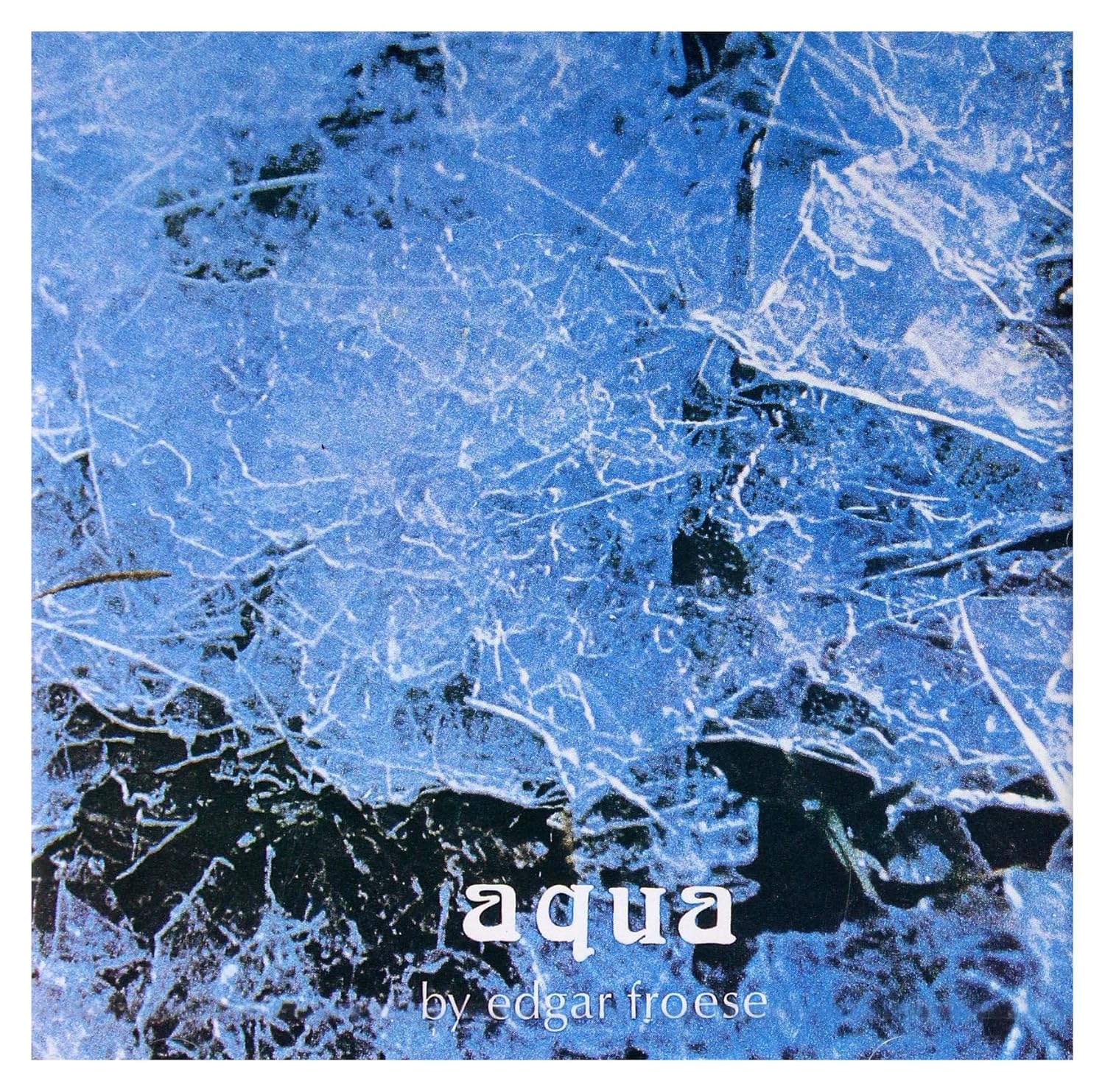
Edger Froese: Aqua
Edger Froese of Tangerine Dream releases his first solo album in June of 1974. Recorded around the time Tangerine Dream’s Phaedra was recorded, given the prominent role Froese had in the band, it is no surprise to find aesthetic and musical similarities between Aqua and Phaedra.
I just enjoy Aqua as a listening experience. With the exception of the last track, “Upland”, and the start of “NGC 891”, this is a great album to relax to, compatible with either active listening or as use as a soundtrack for reading or working. “NGC 891” is particularly notable as preview of the spacey. rhythmic-driven, slowly evolving music that will be a staple on upcoming Tangerine Dream albums.
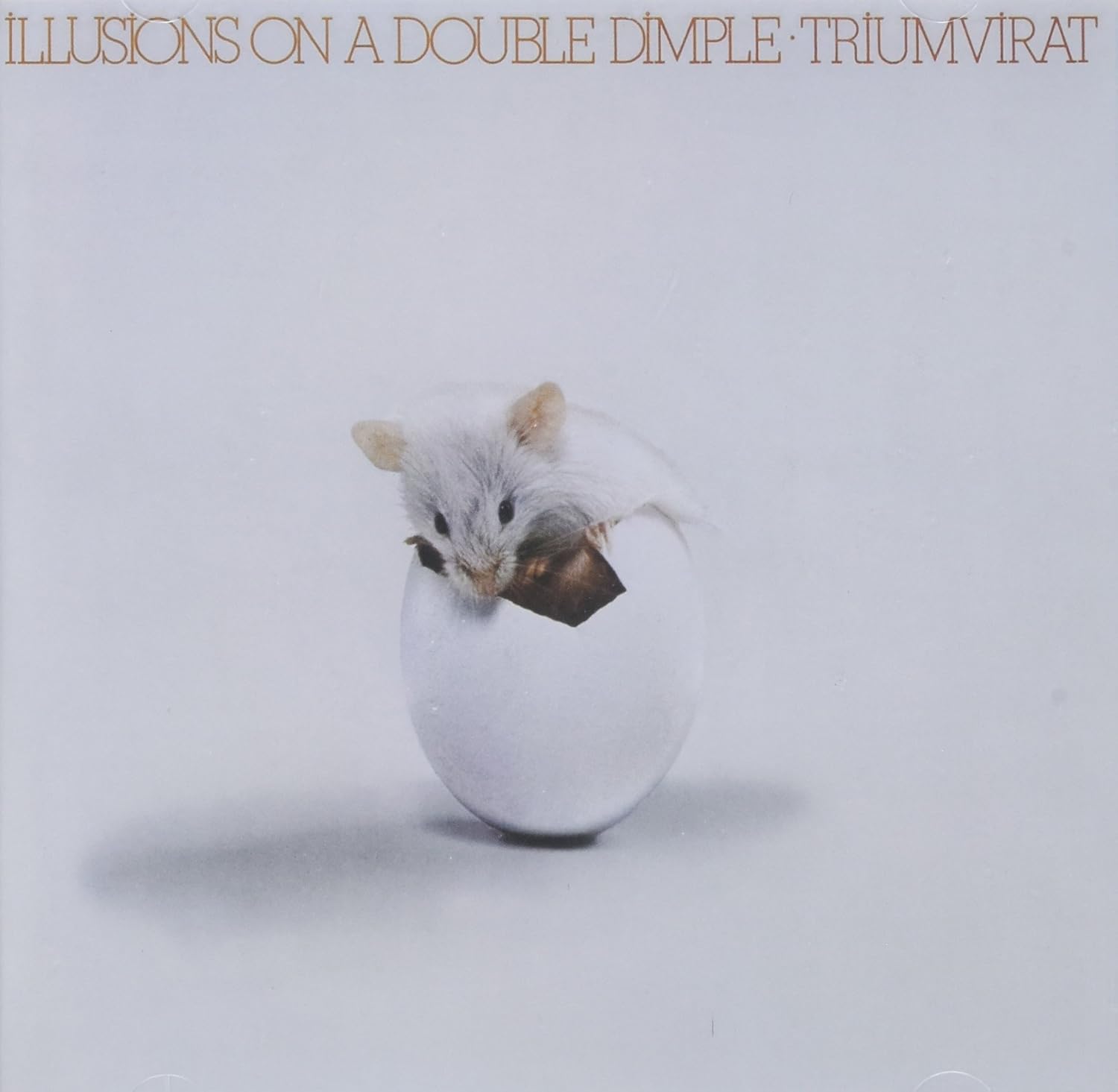
Triumvirat: Illusions on a Double Dimple and Bebop Deluxe: Axe Victim
Both of these albums are often criticized for their relatively weak production quality and for being derivative — Illusions on a Double Dimple mimics actual basslines and ostinatos from ELP’s albums, and Axe Victim is highly influenced by David Bowie, and in particularly the Ziggy Stardust album. (Axe Victim’s includes a track about the band “Jet Silver and the Dolls of Venus” which clearly invokes the Bowie’s Ziggy Stardust and the Spiders from Mars.
But neither of these albums should be dismissed for being heavily influenced by talent at the level of David Bowie and ELP. Illusions on a Double Dimple lacks the coherence and purpose of Triumvirat’s later third album, Spartacus, but the musicianship and music is still highly enjoyable with “Mister Ten Percent” being the strongest of the two long tracks of the album. Axe Victim, though derivative and lacking in consistency, has some excellent music composed from the exceptionally talented Bill Nelson, whose guitar work rivals, if not surpasses Bowie’s bandmate Mick Ronson, at least in terms of technique and innovation. Nelson also is a capable lyricist. Nelson’s vocals fall short of Bowie’s more dramatic and compelling delivery, effectively shortchanging the potential of his own material. One could consider that if Bowie had sung and produced these songs, this would be an album of much higher merit, however, the album still has much to offer, much more than implied by the two out of five stars given it in allmusic.com, and is, compositionally, one of the better glam rock albums of 1974.
Discover more from zumpoems
Subscribe to get the latest posts sent to your email.

Leave a comment